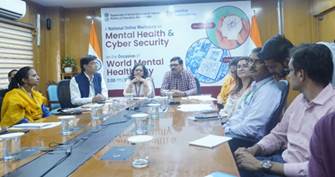
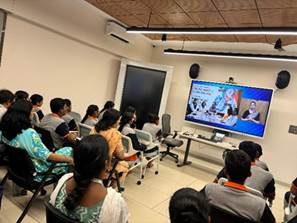
The Department of School Education and Literacy (DoSEL), Ministry of Education, organized a national online workshop on Mental Health and Cyber Security for the engagement of youth on World Mental Health Day today. The workshop had two sessions on mental health by Dr. Rajesh Sagar, Professor (MD), Psychiatry Department at AIIMS Delhi and on cyber security by and Dr. Rashmi Sharma Yadav, DCP, Indian Cybercrime Coordination Centre, MHA. The workshop was broadcast live on YouTube, reaching over 20 lakh students and educators nationwide.
Shri Vipin Kumar, Additional Secretary, DoSEL, highlighted the importance of mental well-being and safe utilization of the internet among students. He emphasized the necessity of early intervention to mitigate the potential adverse effects of mental health challenges in today’s digital age.
Smt. Archana Sharma Awasthi, Joint Secretary, DoSEL, reinforced the commitment of the National Education Policy 2020 to prioritize student well-being. She highlighted the significance of mental health for both students and educators and exhorted everybody to attentively listen and follow the advice given by the experts to maintain good mental health and prevent themselves from being victims of cybercrime.
Dr. Rajesh Sagar provided valuable insights into prevalent mental health issues such as stress, anxiety, and depression. He emphasized that nearly 50% of mental health disorders emerge before the age of 14, advocating for early intervention. Dr. Sagar identified common stressors including academic pressure, parental conflicts, and bullying, and shared effective coping strategies, such as deep breathing and cognitive restructuring, to foster a happier childhood.
In her presentation, Dr. Rashmi Sharma Yadav highlighted the importance of cyber hygiene and security for children. She outlined preventive measures against cyberbullying, grooming, and fraudulent online gaming applications. She encouraged students to report cyber fraud through the helpline 1930 and @cyberdost, stressing the importance of responsible internet use, parental awareness, and safeguarding personal information. Both experts suggested that students should share any issues arising with their elders like parents and teachers.
The workshop engaged students from classes VI to XII from Navodaya Vidyalaya Samiti, Kendriya Vidyalaya Sangathan, Kasturba Gandhi Balika Vidyalayas, CBSE and state government schools across the country and was simultaneously presented in sign language, ensuring accessibility for all participants. The initiative received widespread appreciation from attendees, reflecting a collective commitment to fostering a safer and healthier educational environment.
Department of School Education & Literacy (DoSE&L), Ministry of Education along with its Autonomous Bodies (ABs) is actively engaged in the on-going Special Campaign 4.0 started from 2nd October 2024. DOSE&L has issued guidelines to all ABs for effective execution of Special Campaign 4.0. The focus is on cleanliness drives, managing scrap and pending matters, optimizing space and enhancing office aesthetics. These efforts emphasize efficiency, transparency and improved waste management in government functioning.
At the start of the Special Campaign 4.0 preparatory phase, the Department of School Education & Literacy established specific targets and identified key cleanliness sites nationwide to ensure the effective implementation of the campaign’s goals.
S.No.
Category
Targets
1
Number of Files to be Reviewed
61100
2
Number of Files Identified for weeding out
21410
3
Number of e-Files for Review
1367
4
Number of Cleanliness Campaigns to be conducted
32037
Regular meetings are being conducted to closely monitor the progress towards achieving the Ministry’s set targets, ensuring effective implementation and timely completion of the campaign’s objectives. The targets finalized and action in progress as on 14.10.2024 on various parameters is as below:
As of now, 61,382 square feet of space has been reclaimed through the disposal of scrap and redundant materials, generating a revenue of Rs 7,34,941.
Out of 61,100 physical files identified for review, 48206 have been examined. So far, 22,135 files have been marked for weeding, with 10,883 already weeded out.
27450 cleanliness campaigns have been conducted across schools and institutions, actively working towards achieving the Ministry’s targets.
During Special Campaign 4.0, the enthusiastic participation of institutions and schools is setting a powerful example, driving the message of Swachhata forward with inspiration. National Bal Bhawan, through its vibrant exhibits and 3D models at the Swachhta Gallery, is actively engaging children and raising awareness about the importance of sanitation and hygiene, empowering them to take action in keeping their surroundings clean.
Kendriya Vidyalaya schools across the borders, for example, KVS Kathmandu, KVS Moscow etc. are encouraged to adopt sustainable habits, aligning with the broader goals of Swachh Bharat Mission.”Ek Ped Maa Ke Naam” Campaign is being undertaken with great enthusiasm, with active participation of students, teachers, and community members. So far, under Special Campaign 4.0, a total of 8910 saplings have been planted, symbolizing a collective commitment to both cleanliness and environmental sustainability.
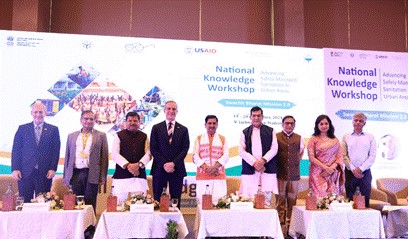
The challenges posed by rapid urbanization are vast, and safe sanitation in urban India remains one of the most pressing concerns. Under the Swachh Bharat Mission-Urban 2.0, the shift from Open Defecation Free (ODF) to ODF++ is gaining significant momentum, with cities increasingly prioritizing the advancement of safely managed sanitation systems. In line with this objective, the Ministry of Housing and Urban Affairs (MoHUA), in collaboration with the Government of Uttar Pradesh, USAID, BMGF and the WASH Institute, is organizing a two-day workshop on ‘Advancing Safe Sanitation in Urban Areas’ on November 19-20, 2024, in Lucknow.
The theme for World Toilet Day 2024, “Toilets – A Place for Peace,” highlights the importance of sanitation and sustainable solutions. MoHUA is hosting a two-day national workshop on “Advancing Safely Managed Sanitation in Urban Areas,” bringing together experts in sanitation, toilet infrastructure, and Used Water Management.
At the National Knowledge Workshop in Lucknow, Shri Manohar Lal, Minister of Housing and Urban Affairs, highlighted SBM’s achievements over the past decade. He emphasized PM Modi’s remarks on toilets improving public health, reducing infant mortality, and empowering women and girls. While acknowledging progress, he noted challenges due to rapid urbanization and called for diverse solutions. Launching the Clean Toilet Campaign 2024, he stressed that cleanliness is ongoing and urged stakeholders to maintain and repair toilets for safe sanitation.
Shri Tokhan Sahu, MoS, MoHUA, spoke on the Swachh Bharat Mission’s sanitation journey that has become a part of our Sanskar and the importance of progressing towards ODF++. Speaking on the Clean Toilet Campaign 2024, Swachh Shauchalaya Humari Zimmedari initiative, he urged the States to ensure clean, safe, and accessible toilets. He acknowledged progress but emphasized the journey is ongoing, encouraging participants to share insights and learn from challenges.
On World Toilet Day, U.S. Ambassador Eric Garcetti lauded SBM’s impact on safe sanitation and empowerment of girls. Shri Arvind Kumar Sharma and Shri Amrit Abhijat highlighted India’s sanitation shift, worker safety, and UP’s progress with mechanization and daily toilet monitoring. While addressing the delegates at the National Workshop, Ms. Roopa Mishra, JS & MD, SBM, MoHUA, stressed on journey from access to safe sanitation to sustaining & strengthening the ODF journey and prioritizing cleanliness and maintenance of urban Toilets.
The Knowledge Workshop focused on safe sanitation access, with leaders from Swachh Bharat Mission-Urban, USAID, BMGF, and the US Embassy discussing their partnership. Experts from Sulabh International, Toilet Board Coalition, and others addressed urban migration, community toilets, and sustainable sanitation. Sessions on “Manhole to Machine Hole” explored mechanization, empowering sanitation workers. MoUs were signed with HUL for a PPP model in community toilets and with Sulabh International for toilets in high-footfall areas. Design guidelines for STPs, faecal sludge management, multi-storey STPs, and PT architecture were also released. The dignitaries also toured the exhibition highlighting key initiatives of SBM-U 2.0, including Toilet 2.0, UWM, and Manhole to Machine Hole.
SBM-U rolled out a 5-week long ‘Clean Toilets Campaign 2024’Swachh Shauchalaya- Humari Zimmedari from 19th November (World Toilet Day) to 25th December (Good Governance Day) 2024 aiming to transform over 70,000 Community and Public Toilets across the country, focusing on cleaning, maintenance, and beautification. The initiative promises to transform all public and community toilets in Urban India.
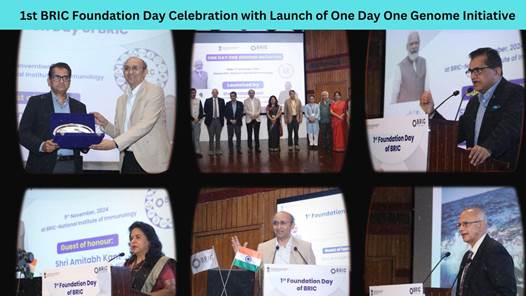
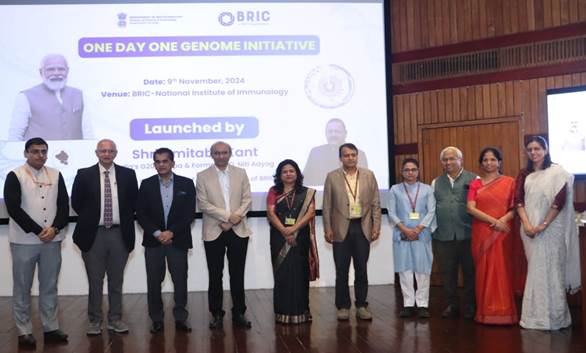
The Department of Biotechnology (DBT) and Biotechnology Research and Innovation Council (BRIC) introducesthe ‘One Day One Genome’ initiative to showcase the enormous microbial potentialof India. Shri.Amitabh Kant, India’s G-20 Sherpa and Former CEO NITI announced the launch of ‘One Day One Genome Initiative’ on the 1st foundation day of BRIC held in National Institute of Immunology (NII), New Delhi on 9th November 2024
‘One Day One Genome’ initiative will highlight the unique bacterial species found in our country and emphasize their critical roles in environment, agriculture and the human health.Microorganisms are crucial for our ecosystem. They play an important role in all biogeochemical cycles, soil formation, mineral purification, degradation of organic wastes and toxic pollutants along with methane production. Cumulatively they help to maintain the homeostasis in our planet. In agriculture, they help in nutrient cycling, nitrogen fixation, maintaining soil fertility, controlling pest and weeds and stress responses. Microorganisms symbiotically associate with plants and help them in nutrient and water uptake. They are indispensable part of human body. There are much more microbial cells than the number of human cells in a human body. They are essential for our digestion, immunity and even mental health. All infectious diseases are mainly caused by pathogenic microorganisms on the other hand non-pathogenic microorganisms are indispensable for our defense against infectious diseases.
Genome sequencing will allow the visualization of the hidden potential of the microbial world to the community at large. Sequencing data can be analyzed to identify the genome encoded capacities for various important enzymes, antimicrobial resistance, bio active compounds etc. Research in this field will lead to the benefit of better protection and management of our environment, development in agriculture and improvement in human health.
This initiative coordinated by Biotechnology Research and Innovation Council-National Institute of Biomedical Genomics (BRIC-NIBMG) an institute of the Department of Biotechnology.This initiative aims a release a fully annotated bacteriological genome isolated in the country freely available to the public. This will be complemented with a detailed graphical summary, infographics and genome assembly/annotation details. These documents will thus give an idea about the scientific and industrial use of these microbes. Consequently, microbial genomics data will become more accessible to the general public, scientific researchers and thereby stimulate discussions; innovations directly benefit the entire community and ecosystem.
Have you ever wondered how to keep your mind sharp as you age?
Engaging in creative and artistic activities can be a powerful way to stay mentally active, improve mood, and bring joy to daily life. Whether it’s painting, writing, or even gardening, these activities not only spark creativity but also help you stay connected to the world around you.
In this article, we’ll explore fun and simple ways for seniors to keep their minds vibrant and healthy through creative and artistic pursuits.
Painting or Drawing
Painting and drawing are great ways for seniors to express their creativity. They can use different mediums like pencils, charcoal, or paints to create art. These brain boosting art activities help improve focus and fine motor skills as they work on details and shading.
Starting with simple sketches or watercolors is a good option for beginners. More experienced artists may enjoy trying oils or acrylic paints. Creating art can be a relaxing activity that gives seniors a sense of accomplishment.
Crafting
Crafting includes activities like knitting, crocheting, and making jewelry. These activities help keep the hands and mind busy with creative projects. Seniors can create items that are both functional and decorative, such as scarves or bracelets.
Crafting can be a social activity when done with others. It also offers a way for seniors to express their personal style and preferences. The sense of completion from finishing a project can boost self-esteem and well-being.
Writing and Journaling
Writing is an excellent activity to keep the mind active. Seniors can write about their memories, stories, or poems. This allows them to reflect on their life and express their thoughts in words.
Journaling is a simple and helpful way to organize ideas. Writing about daily events or personal experiences helps with memory. It also encourages the practice of thinking critically and creatively.
Music and Dance
Learning to play an instrument can keep the mind sharp and focused. Seniors may also enjoy listening to music, which can bring back memories and boost mood. Music activates different parts of the brain and can be a source of relaxation.
Dance helps with physical coordination and balance. Seniors can enjoy simple movements to music or follow dance routines. It also provides an outlet for self-expression and can increase energy levels.
Puzzles and Brain Games
Puzzles and brain games like Sudoku or crossword puzzles help keep the brain active. These games can improve memory, logic, and problem-solving skills. Seniors can enjoy these activities alone or with friends, making them both fun and beneficial for cognitive health.
Engaging in regular brain exercises, such as puzzles, is a proven way to promote improved cognitive health with memory care in Kansas City. These activities support mental well-being by keeping the brain sharp and alert.
Unlock Your Potential With Creative and Artistic Activities for a Sharper Mind
Engaging in creative and artistic activities can improve the overall well-being of seniors. These activities help maintain mental sharpness and promote a sense of purpose. They also provide opportunities for self-expression and can bring joy to daily life.
By participating in these creative activities for the brain, seniors can stay active, improve their mood, and feel more connected to themselves and others. Creativity offers a powerful way to enhance quality of life.
Did you learn something new from this article? If so, be sure to check out our blog for more educational content.
Choosing the right respite center for your loved one is an important decision. It’s not just about finding a place for care-it’s about ensuring your family member feels safe, comfortable, and well cared for.
A good respite center can provide support when you need a break. In this post, we’ll share some helpful tips to guide you in choosing the best center for your loved one’s needs. Read on.
Understand Your Loved One’s Needs
Before choosing a respite center, take time to understand the needs of your loved one. Do they have specific health conditions or mobility challenges? Knowing these details will help you find a center that can offer the appropriate level of care.
Consider whether your loved one requires special needs care or medical attention. Some centers offer more comprehensive services, including medication management or support for those with dementia. Make sure to ask about the services available at each center.
Check for Accreditation and Licensing
When selecting a respite center, make sure it is properly accredited and licensed. Accreditation ensures that the center follows industry standards for care and safety. A licensed facility is required to meet specific regulations, so you can trust that your loved one will be in good hands.
You can also ask about the staff’s training and experience. It’s important that caregivers are trained to handle specific medical conditions or mobility issues. A well-trained team will provide the best care for your loved one.
Consider the Services Offered
When choosing a respite center, it’s important to consider the services offered. Some centers provide basic care, while others offer specialized services like memory care or physical therapy. You should make sure the center can meet your loved one’s specific health needs.
Look for centers that offer a variety of activities to keep your loved one engaged. This can include recreational programs, social activities, and even educational sessions. If you’re unsure about what’s available, check out these respite care services for seniors in Burlington if you’re looking for a well-regarded option in your area.
Know What’s Covered by Medicare
If your loved one qualifies, it’s important to understand what services are covered by Medicare respite. Some centers offer services that are eligible for Medicare respite benefits. This can help reduce the financial burden on your family while ensuring your loved one receives quality care.
Make sure to ask the center about their Medicare respite policies. If your loved one has special needs or chronic conditions, some centers may offer additional support that is covered by respite care Medicare. This could include personal care, nursing services, and more.
Ensuring Comfort and Care: Selecting the Right Respite Center
Choosing the right respite center is key to ensuring your loved one receives the best care. Take time to consider their needs, the services offered, and the center’s location. Look for a place that feels welcoming and safe.
Don’t forget to ask about Medicare respite options if applicable. With the right planning, you can find a respite center that gives both you and your loved one peace of mind.
Did this article help you? If so, take a look at some of our other blog posts for more informative reads.
Africa is home to several top-tier medical institutions that offer quality medical education and are renowned for their research contributions and clinical training. Many African medical colleges produce skilled professionals who contribute significantly to the healthcare systems in their countries and globally. Below are some of the top medical colleges across various African nations:
1. University of Cape Town (UCT) Faculty of Health Sciences – South Africa
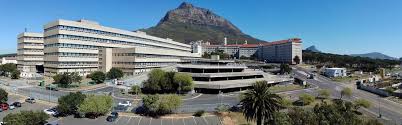
The University of Cape Town is one of the most prestigious institutions in Africa. Its Faculty of Health Sciences offers a range of medical programs, including MBChB (Bachelor of Medicine and Bachelor of Surgery). UCT’s medical school is well-known for its world-class research, particularly in areas such as HIV/AIDS, tuberculosis, and cardiovascular diseases. Its affiliation with Groote Schuur Hospital, where the first successful heart transplant was performed, adds to its prestige.
2. Stellenbosch University Faculty of Medicine and Health Sciences – South Africa
Another top medical college in South Africa, Stellenbosch University is recognized for its academic excellence and medical research. Its Faculty of Medicine and Health Sciences offers comprehensive training in medicine, with a strong emphasis on research and clinical experience. The university has a global reputation in fields like immunology and health sciences.
3. University of Nairobi School of Medicine – Kenya
The University of Nairobi’s School of Medicine is one of the leading medical schools in East Africa. It is known for its robust medical programs and contribution to healthcare research. The school plays a pivotal role in training medical professionals who serve in Kenya’s healthcare sector, and it has made strides in research on infectious diseases, including malaria and HIV.
4. Makerere University College of Health Sciences – Uganda
Makerere University in Uganda is among the oldest and most prestigious universities in Africa. Its College of Health Sciences offers medical degrees and is known for its pioneering work in health research, particularly in HIV/AIDS and other infectious diseases. Makerere’s medical school has been instrumental in producing skilled healthcare professionals for Uganda and the East African region.
5. Cairo University Faculty of Medicine – Egypt
Cairo University’s Faculty of Medicine is one of the top medical schools in North Africa. Established in 1827, it offers high-quality education in medicine and surgery. Cairo University is known for its comprehensive medical curriculum, with strong research initiatives in fields like oncology and neurology. It has collaborations with various international medical institutions, enhancing its global profile.
6. University of Ibadan College of Medicine – Nigeria
The University of Ibadan’s College of Medicine is the premier medical school in Nigeria. It offers undergraduate and postgraduate medical programs and is well-respected for its contributions to medical research and healthcare training in West Africa. The college has made significant contributions to research in areas like sickle cell anemia and maternal health.
7. Addis Ababa University College of Health Sciences – Ethiopia
The College of Health Sciences at Addis Ababa University is the leading medical school in Ethiopia. It offers a wide range of medical programs and has been instrumental in training healthcare professionals for the country. The university is also involved in critical health research projects, including those focused on public health and infectious diseases.
8. Kwame Nkrumah University of Science and Technology (KNUST) School of Medical Sciences – Ghana
KNUST’s School of Medical Sciences is one of the top medical schools in Ghana and West Africa. The institution is known for its comprehensive medical education programs and research initiatives. KNUST has partnerships with international medical organizations and is highly regarded for its work in tropical medicine and public health.
9. Cheikh Anta Diop University Faculty of Medicine, Pharmacy, and Dentistry – Senegal
This prestigious medical school in Senegal offers high-quality medical education and training in various health-related disciplines. Cheikh Anta Diop University is a leader in health sciences in West Africa, with strong programs in medicine, pharmacy, and dentistry. The university contributes significantly to research in tropical diseases and public health in Francophone Africa.
10. Muhimbili University of Health and Allied Sciences (MUHAS) – Tanzania
MUHAS is the top medical university in Tanzania, offering a variety of medical programs, including MBBS, nursing, and public health. The university is known for its clinical training and medical research, particularly in infectious diseases and non-communicable diseases such as diabetes and hypertension.
Conclusion
African medical colleges are making significant strides in global health, education, and research. Institutions such as UCT, Makerere University, and Cairo University not only provide excellent medical training but also contribute to cutting-edge research in fields critical to Africa’s health challenges. These universities produce healthcare professionals who play a vital role in improving the healthcare landscape in Africa and beyond.
Building muscle is a goal many fitness enthusiasts aspire to achieve, whether to enhance athletic performance, improve overall health, or achieve a specific aesthetic. The journey to muscle growth requires dedication, proper nutrition, and a well-structured exercise routine. This post will explore essential exercises that effectively promote muscle growth, focusing on compound movements that engage multiple muscle groups, as well as isolation exercises that target specific muscles.
Before diving into specific exercises, it’s essential to understand the science behind muscle growth. When you engage in resistance training, you create small tears in your muscle fibers. The body repairs these tears through a process called muscle protein synthesis, resulting in thicker and stronger muscle fibers. To maximize muscle growth, you should focus on progressive overload, which involves gradually increasing the weight, frequency, or number of repetitions in your workouts.
Essential Compound Exercises
Compound exercises are fundamental to any muscle-building routine because they work multiple muscle groups simultaneously. Here are some of the most effective compound exercises for muscle growth:
1. Squats
Squats are a powerhouse exercise that primarily targets the quadriceps, hamstrings, and glutes. They also engage the core, back, and calves, making them a comprehensive lower-body workout.
How to Perform Squats:
Stand with your feet shoulder-width apart.
Lower your body by bending your knees and pushing your hips back as if you’re sitting in a chair.
Keep your chest up and back straight.
Go as low as you can while maintaining good form, ideally until your thighs are parallel to the ground.
Push through your heels to return to the starting position.
Variations: Barbell squats, front squats, goblet squats, and jump squats.
2. Deadlifts
Deadlifts are another excellent compound exercise, primarily targeting the hamstrings, glutes, lower back, and core. They also enhance grip strength and overall stability.
How to Perform Deadlifts:
Stand with your feet hip-width apart, with a barbell positioned over the middle of your feet.
Bend at your hips and knees to grip the barbell with both hands, keeping your back flat.
Drive through your heels to lift the barbell, extending your hips and knees simultaneously.
Keep the barbell close to your body as you lift it to hip level.
Lower the barbell back to the ground by bending at the hips and knees.
Variations: Conventional deadlifts, sumo deadlifts, and Romanian deadlifts.
3. Bench Press
The bench press is a classic upper-body exercise that primarily targets the chest, shoulders, and triceps. It’s essential for developing upper body strength and mass.
How to Perform Bench Press:
Lie on a flat bench with your feet flat on the ground.
Grip the barbell slightly wider than shoulder-width apart.
Lower the barbell to your chest, keeping your elbows at a 45-degree angle.
Push the barbell back to the starting position, fully extending your arms.
Pull-ups are a fantastic bodyweight exercise that primarily targets the back, biceps, and shoulders. They require no equipment other than a sturdy bar, making them accessible and highly effective.
How to Perform Pull-Ups:
Hang from a pull-up bar with your palms facing away from you and hands shoulder-width apart.
Engage your core and pull your body up until your chin is above the bar.
Lower yourself back to the starting position with control.
Variations: Assisted pull-ups, chin-ups (palms facing you), and wide-grip pull-ups.
Isolation Exercises for Targeted Growth
While compound exercises are vital for overall muscle development, isolation exercises help target specific muscles for balanced growth.
5. Bicep Curls
Bicep curls are effective for isolating the biceps and improving arm strength and aesthetics.
How to Perform Bicep Curls:
Stand with a dumbbell in each hand, arms fully extended at your sides.
Curl the weights toward your shoulders while keeping your elbows close to your body.
Lower the weights back to the starting position with control.
6. Tricep Dips
Tricep dips effectively target the triceps, shoulders, and chest.
How to Perform Tricep Dips:
Find a sturdy bench or dip station.
Position your hands shoulder-width apart on the edge of the bench, with your legs extended in front of you.
Lower your body by bending your elbows until your upper arms are parallel to the ground.
Push through your palms to return to the starting position.
7. Leg Curls
Leg curls focus on isolating the hamstrings, helping to develop balanced leg strength.
How to Perform Leg Curls:
Use a leg curl machine, adjusting the pad to sit just above your heels.
Curl your legs towards your glutes while keeping your upper body stationary.
Lower your legs back to the starting position.
In Conclusion
Building muscle and sculpting strength demands commitment and a comprehensive exercise plan. By integrating both compound and isolation exercises, you can effectively engage all major muscle groups, leading to balanced development. Don’t forget to support your workouts with a nutritious, protein-rich diet and ensure you stay hydrated.
With consistency, patience, and the right strategy, you’ll be on track to reach your muscle-building objectives. If you’re in Lehi, consider working with a personal trainer to tailor your program for optimal results. Enjoy your journey to strength!
Picture a doctor’s office a decade ago, dominated by paper charts and manual test results. Fast forward to today, and imagine walking into a tech-savvy healthcare facility where your entire medical history is at the physician’s fingertips, available in an instant with the click of a button. This is the revolution of technology in healthcare. Gone are the days when healthcare professionals were forced to work with outdated methods. Now, technology is transforming medicine into a futuristic realm where efficiency, precision, and patient care are optimized like never before.
To truly appreciate the impact of modern technology on healthcare, it’s essential to look back at the past. The evolution of technology in medicine has been nothing short of remarkable. In the early days, medical advancements were slow and laborious, relying heavily on trial and error. However, with each passing decade, the pace at which technology influenced medicine began to accelerate.
Initially, technological innovations were limited to basic tools and equipment. The invention of the stethoscope in the 19th century, for example, marked a significant leap in diagnostic capabilities. Fast forward to the 20th century, and the introduction of X-ray machines revolutionized the way doctors diagnosed and treated patients. These early technological advancements laid the foundation for what was to come.
The late 20th century saw the emergence of computers in healthcare. Electronic health records (EHR) became a game-changer, allowing for better organization and accessibility of patient information. This era also witnessed the rise of sophisticated imaging techniques such as MRI and CT scans, providing unprecedented insights into the human body. While these advancements were groundbreaking in their own right, they merely scratched the surface of what technology could achieve in healthcare.
Current State of Affairs
Today, we find ourselves in an era where technology is seamlessly integrated into every facet of healthcare delivery. The landscape has evolved dramatically, with cutting-edge technologies reshaping how healthcare is administered, making it more efficient and patient-centric.
Artificial intelligence (AI) is at the forefront of this transformation. AI-powered algorithms analyze vast amounts of data, assisting in diagnosis and treatment planning. For instance, ophthalmology EMR software leverages AI to provide ophthalmologists with accurate patient data, streamlining their practice. AI is also used in predictive analytics, enabling healthcare providers to anticipate potential health issues and intervene proactively. Many modern health-care providers are now embracing customizable AI EMRs that can be tailored to a clinic’s specific workflows. This flexibility helps reduce administrative work, streamline documentation, and ultimately allow care teams to spend more time focused on patients rather than paperwork.
Telemedicine, another technological marvel, has gained immense popularity, especially in the wake of the COVID-19 pandemic. Patients can now consult with healthcare professionals from the comfort of their homes, reducing the need for physical visits. This convenience is not only beneficial for patients but also alleviates the burden on overcrowded healthcare facilities.
Wearable devices, such as smartwatches and fitness trackers, have empowered individuals to take charge of their health. These gadgets monitor vital signs, track physical activity, and even provide reminders for medication. The data collected from wearables can be shared with healthcare providers, offering valuable insights into a patient’s daily health habits.
Challenges and Opportunities
While the integration of technology in healthcare offers immense promise, it is not without its challenges. One of the primary challenges is ensuring data security and privacy. With the digitization of patient records, protecting sensitive information from cyber threats is paramount. Healthcare providers must invest in robust cybersecurity measures to safeguard patient data.
Additionally, the adoption of technology in healthcare requires significant investment, both in terms of infrastructure and training. Healthcare professionals need to be well-versed in using new technologies to maximize their benefits. This necessitates continuous education and training programs, which can be resource-intensive.
Despite these challenges, the opportunities presented by technology in healthcare are vast. Improved diagnostic accuracy, enhanced patient engagement, and streamlined administrative processes are just a few of the benefits. By leveraging technology, healthcare providers can deliver more personalized and efficient care, ultimately improving patient outcomes.
Future Trends
Looking ahead, the future of healthcare technology is promising, with several trends set to further transform the industry. One such trend is the continued development and integration of AI into healthcare processes. AI is expected to play an even more significant role in areas such as personalized medicine, where treatment plans are tailored to an individual’s genetic makeup.
The Internet of Things (IoT) is another technology poised to revolutionize healthcare. IoT-enabled devices can collect and transmit data in real-time, allowing healthcare providers to monitor patients remotely. This capability is particularly valuable for managing chronic conditions, as it enables early intervention and reduces hospital visits.
Furthermore, blockchain technology holds potential for enhancing data security and interoperability in healthcare. By providing a decentralized and tamper-proof way of storing and sharing data, blockchain can improve trust and transparency in healthcare transactions.
Conclusion
In conclusion, technology is revolutionizing modern healthcare, from the evolution of medical tools to the integration of AI, telemedicine, and wearables. While challenges like data security and training remain, the potential for enhanced healthcare delivery is enormous. As we move forward, stakeholders must proactively adopt and adapt to these advancements to ensure optimal patient care and operational efficiency.
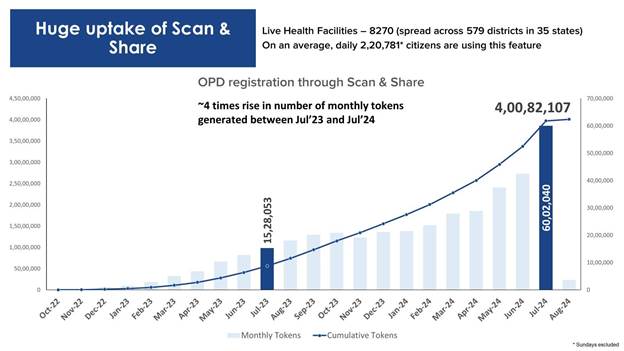
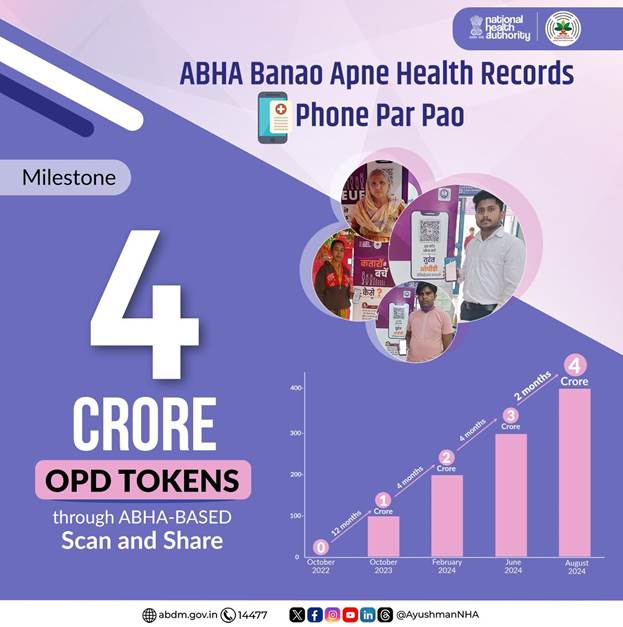
The National Health Authority (NHA) has achieved a significant milestone in its mission towards digitizing healthcare services with the generation of over 4 Crore tokens for Out-Patient Department (OPD) registrations through the ABHA-based Scan and Share service.
Launched under the Ayushman Bharat Digital Mission (ABDM) in October 2022, this innovative paperless service has revolutionized the patient experience, particularly benefiting vulnerable groups such as the elderly, pregnant women, and those with mobility challenges, by eliminating the need to wait in long queues for appointments.
The ABHA-based Scan and Share service enables patients to conveniently register for OPD appointments by scanning a QR code displayed at the OPD registration counter, thereby instantaneously sharing their ABHA profile for registration.
The Scan and Share service is presently operational across over 8,270 healthcare facilities spanning 579 districts in 35 States and Union Territories of India. Notably, an average of 2.2 Lakh individuals avail the scan and share service daily, highlighting its usefulness and popularity among the citizens. The aforesaid 8,270 healthcare facilities include 5,875 public and 2,845 private healthcare facilities.
Leading the adoption journey are Uttar Pradesh, Andhra Pradesh, Karnataka, and Jammu & Kashmir. Uttar Pradesh has generated the maximum tokens of 1.11 Crore tokens, followed by Andhra Pradesh with 70.35 lakhs, Karnataka with 46.61 lakhs, and Jammu & Kashmir with 41.81 lakh tokens.
The ABDM Public Dashboard (https://dashboard.abdm.gov.in/abdm/) provides insights into the service’s utilization, with notable usage recorded at AIIMS in Delhi, Bhopal, Bhubaneshwar and Raipur. Remarkably, sixteen hospitals from Uttar Pradesh, Andhra Pradesh, and Jammu and Kashmir feature prominently in the top-performing facilities for the overall number of OPD tokens generated using ABHA-based Scan and Share service, exemplifying their dedication to enhancing healthcare accessibility and efficiency.
Government hospitals, including AIIMS in New Delhi with 18.3 lakh tokens, and those in Bhopal, Bhubaneshwar, and Raipur with 7.9 lakh, 6.1 lakh, and 5.7 lakh tokens respectively, have showcased outstanding performance by efficiently facilitating OPD registrations through the scan and share service.
While discussing the importance of digital healthcare services, the CEO of National Health Authority (NHA) said, “The “Scan and Share” feature for OPD registration under the Ayushman Bharat Digital Mission (ABDM) is transforming the way patients engage with healthcare services in India. This service allows patients to easily scan for OPD registration and digitally share their medical documents, such as prescriptions and test results, with healthcare providers. The Scan and Share benefits approximately 2,20,000 patients daily. By facilitating secure and quick access to comprehensive health information, it enhances healthcare delivery, ensures data security and patient privacy, and contributes to the broader goal of building a connected and interoperable digital health ecosystem.”
Among all the token generations, approximately 76% are first-time users, while 24% use scan and share for subsequent visits, highlighting its widespread adoption and usefulness.
To drive further adoption of the Scan and Share service among hospitals and Digital Solution Companies (DSCs) providing technology to healthcare facilities, NHA offers financial incentives through the ABDM’s Digital Health Incentive Scheme (DHIS) for ‘Scan and Share’ transactions and the generation of electronic health records. More information about DHIS is accessible at https://abdm.gov.in/DHIS.
NHA is leveraging technology to enhance patients’ access to healthcare services. The ‘Scan and Share’ service is now being implemented at pharmacy counters of the public hospitals also and plans are underway to extend it to laboratory settings. Additionally, efforts are being made to launch upcoming services, like ‘Scan and Send’ and ‘Scan and Pay’ leveraging the comfort of citizens with QR codes. ‘ The ‘Scan and Pay’ service will enable the patients to make payments for tests or medicines prescribed to them directly through their app, eliminating the need to wait in lines for payment at healthcare facilities. Similarly, the ‘Scan and Send’ service will soon allow patients to conveniently scan a QR code at a facility (hospital or pharmacy) and send their health records, (including prescriptions or lab reports).
A sound healthcare system interconnected with long-term factors responsible for inclusive growth is vital for a resilient economy, underscores the Economic Survey 2023-24 tabled by the Union Minister of Finance and Corporate Affairs Smt. Nirmala Sitharaman in Parliament today.
Aligned with the Government’s commitment to ensuring sound health and well-being of all ages through a preventive and promotive healthcare orientation in all developmental policies and universal access to good quality healthcare services, the Survey highlights key initiatives and schemes of the Government to ensure ‘Quality Healthcare for All’.
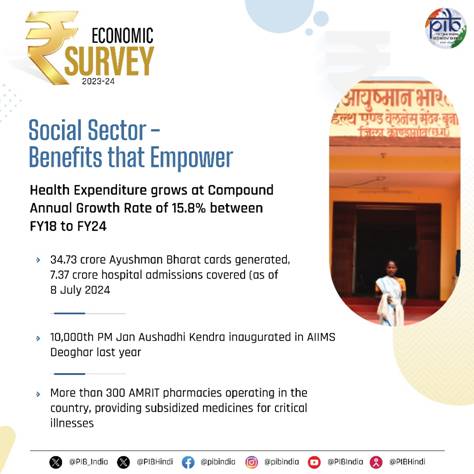
Ayushman Bharat Pradhan Mantri Jan Aarogya Yojana (AB-PMJAY): Aimed at providing health insurance cover of ₹5 lakh/ year for underprivileged families for secondary and tertiary hospitalization, as of 8th July 2024, 34.73 crore Ayushman Bharat cards have been generated and 7.37 crore hospital admissions have been covered by the scheme. Notably, 49% of the beneficiaries of this scheme are women.
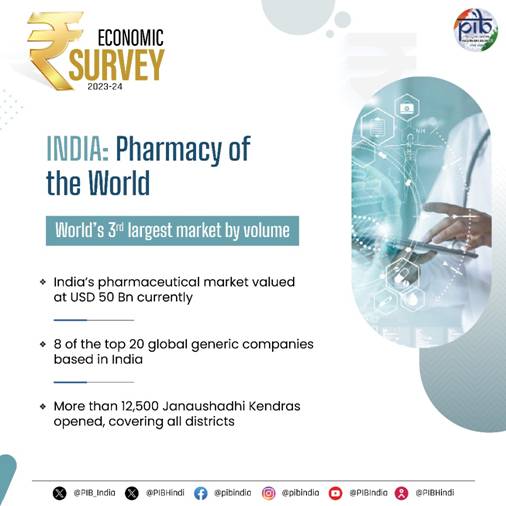
PM Jan Aushadhi Kendras: This scheme aims to provide quality medicines at 50-90 per cent cheaper than market rates. Under the scheme, 10,000th Jan Aushadhi Kendra was inaugurated in AIIMS Deoghar last year. 1965 medicines & 293 surgical equipments are available at the kendras.
AMRIT (Affordable Medicines and Reliable Implants for Treatment): More than 300 Amrit pharmacies are operating in different States/UTs. These aim to provide subsidized medicines for critical illnesses.
Ayushman Bhav Campaign: Launched in September 2023, this campaign aims to saturate selected healthcare services in every village/town across the country and inform citizens about the Government’s flagship schemes. Commendable milestones achieved during the campaign are:
16.96 lakh wellness, yoga, and meditation sessions; 1.89 crore Tele consultations held
Free drugs availed by 11.64 crore people and free diagnostics services availed by 9.28 crore people
Ante-natal check-up (ANC) and Immunization availed by 82.10 lakh mothers and 90.15 lakh children
Seven types of screening (TB, Hypertension, diabetes, Oral Cancer, Breast Cancer, Cervical Cancer and Cataract) availed by 34.39 crore people.
2.0 crore patients consulted general OPD, while 90.69 lakh patients consulted specialist OPD, and 65,094 major surgeries and 1,96,156 minor surgeries were conducted.
13.48 crore ABHA accounts were created, 9.50 crore Ayushman cards were generated, and 1.20 lakh Ayushman Sabhas organized.
Cumulative footfall of 20.66 crore in 25.25 lakh health melas (as of 31 March 2024)
Ayushman Bharat Digital Mission (ABDM): Launched in 2021, the Scheme aims to create a national digital health ecosystem across the country. Under this scheme, 64.86 crore Ayushman Bharat Health Accounts (ABHA) have been created, 3.06 lakh Health Facility Registries generated, 4.06 lakh healthcare professionals registered, and 39.77 crore health records linked with ABHA.
eSanjeevani: Launched in 2019, this scheme for telemedicine for virtual doctor consultations in remote areas has served 26.62 crore patients across 128 specialties at 1.25 lakh Health & Wellness Centres, now known as Ayushman Arogya Mandirs (as Spokes) through 15,857 hubs, as of 9th July 2024.
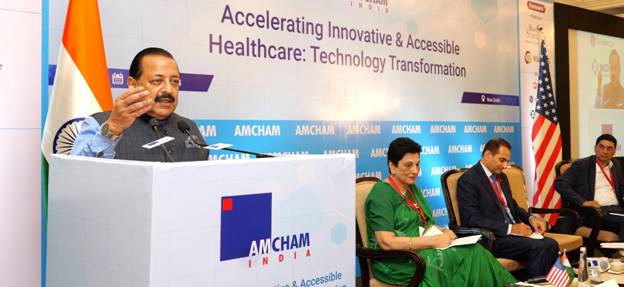
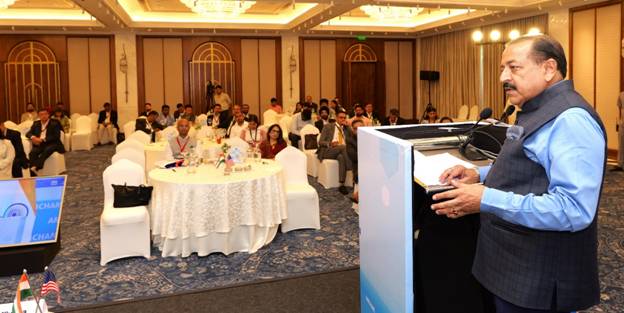
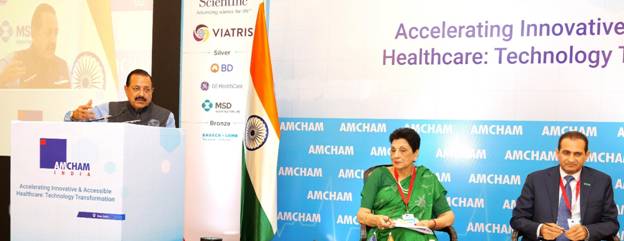
Addressing the 2nd “Healthcare Summit” of “American Chamber of India” (AMCHAM) at Hotel Taj here, Union Minister Dr. Jitendra Singh emphasised the use of latest technology for accessible, affordable healthcare.
The Minister also described India among the top 6 Bio-manufacturers of the world with one of the most cost-effective and efficacy-based Bio-manufacturing as well as cost-effective healthcare destination.
Union Minister of State (Independent Charge) for Science and Technology, Minister of State (Independent Charge) for Earth Sciences, MoS PMO, Department of Atomic Energy and Department of Space, MoS Personnel, Public Grievances and Pensions, Dr. Jitendra Singh, said in his opening remarks, “I would like to extend my gratitude to AMCHAM for organizing this pivotal healthcare summit and inviting me to articulate the Government’s vision for healthcare in India.” He expressed his happiness at being a part of the fraternity gathering and discussing the subject of health, which is his area of interest.
Incidentally, the Minister is himself a renowned endocrinologist with a three-decade long career in medicine. He pressed on the new burden of metabolic disorders and the challenges it posed with a wide spectrum of diseases and an increased life span bringing novel diseases.
The Minister appreciated the theme of the summit, i.e., ‘Accelerating Innovative and Accessible Healthcare: Technology Transformation.’ He said the theme is quite relevant to India’s contemporary health issues and government efforts to ensure affordable healthcare f toor all.
Dr. Jitendra Singh underscored that summits of this nature are instrumental in convening key stakeholders-healthcare professionals, technology experts, policymakers, and industry leaders to deliberate on fortifying the U.S.-India partnership in healthcare.
Speaking on the transformation in healthcare brought about in recent times, Dr. Jitendra Singh said, “Prime Minister Narendra Modi has a vision for a healthy India with the elimination of communicable diseases and reduction in non-communicable diseases, developing health indices and making steady progress.” He said, “India carried out the world’s largest vaccination drive in COVID pandemic; this reaffirms that Modi Govt. 3.0 firmly believes that accessible healthcare is a right for every citizen.
“Gone are the days when people used to visit other developed nations to access medical facilities; now India has become a hub and is the most sought-after destination for medical tourism and among the frontline nations in preventive healthcare.” According to the Science and Technology Minister, in the last decade, healthcare has been a priority sector for the government. He recalled the achievements such as the Ayushman Card which ensured cashless medical treatment to the citizens. The Digital healthcare mission, PM Jan Aaushadi and its integration with other medical streams such as Ayush.
Dr. Jitendra Singh stated that technology plays a crucial role in ensuring equitable access to healthcare. Technology is revolutionizing the healthcare sector, and the integration of Artificial Intelligence (AI) and Machine Learning (ML) tools can significantly enhance our capabilities by leveraging technology, we can enhance efficiency, reduce wait times, and improve overall healthcare delivery. Sharing his experience with Telemedicine, the minister shared how it has transformed healthcare and made services accessible even to the remotest villages in Jammu and Kashmir.
Dr. Jitendra Singh emphasized the increased cooperation in the public and private sectors. It is important to understand that public health is not just the responsibility of the government; private participation is equally important and we as a society as a whole have to take steps in the right direction. The Minister said opening up of the Space sector had ushered a private investment of more than Rs 1,000 crore within a few months and boosted the Startup numbers from one startup in 2022 to 200 plus startups currently and having global capacity.
The Minister also recalled the efforts of the Department of Biotechnology and their achievements for fostering research and development in translational health sciences. He said the Bio- manufacturing and bio-foundry has grown 10 times from $13 billion in 2014 to $130 billion in 2024.
Highlighting the vitality of the pharmaceutical sector the minister said, “India supplies four out of every ten prescriptions filled in the U.S, highlighting our pharmaceutical manufacturing capabilities.” Going further he highlighted that partnership between India and the United States is critical.
Ms. Ranjana Khanna Director General, CEO AMCHAM; Mr Som Satsangi, Chairman, AMCHAM & Sr Vice President and MD, India Hewlett Packard Enterprise; Dr Rajeev Singh Raghuvanshi, Drug Controller General of India; Mr. Madan Krishnan, Vice President and Managing Director India Subcontinent, Boston Scientific and Mr Chaitanya Sarawate, Managing Director Wipro GE Healthcare also participated in the Summit.
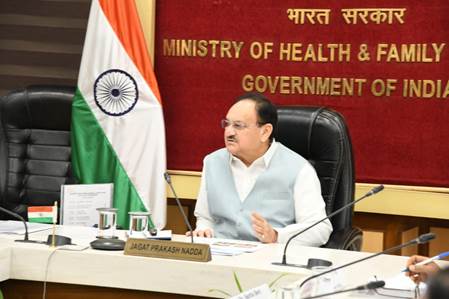
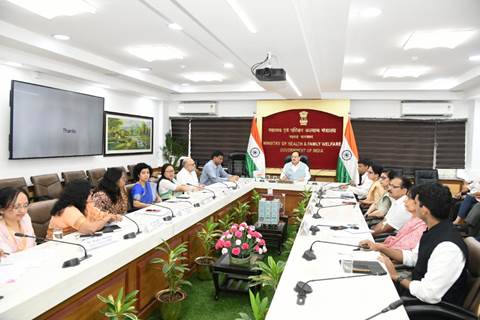
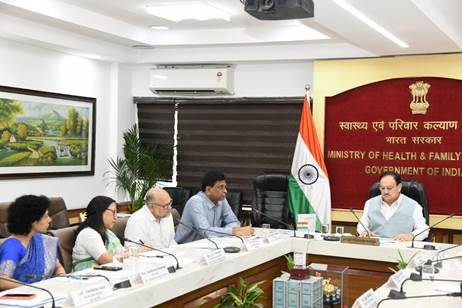
Union Minister of Health and Family Welfare, Shri Jagat Prakash Nadda chaired a high-level meeting to review the dengue situation across the country and preparedness of public health system for prevention, containment and management of dengue in view of the onset of monsoon and the rise in dengue cases globally, here today.
The Union Health Minister was briefed on the nationwide dengue situation and preparedness of the Ministry. It was informed that the Dengue Case Fatality Rate has reduced from 3.3 % (1996) to 0.1 % in 2024 as a result of focused, timely and collaborative activities. Underlining the challenge posed by the onset of monsoon and the threat of increasing number of dengue cases during the rainy season, Shri Nadda emphasized the importance of being prepared against dengue. He directed the officials to gear up and strengthen prevention, containment and management measures against dengue.
Shri J P Nadda urged officials to primarily focus on high burden states and regions where outbreaks are frequently reported. He urged officials to proactively work with States to bring tangible results on dengue prevention. He particularly stressed on inter-ministerial convergence meeting involving Ministry of Housing and Urban Affairs (MoHUA), Ministry of Rural Development (MoRD), Education Ministry and Municipal Corporations and local self govt. for sensitization on their roles and responsibilities for dengue prevention and control.
He stated that the Centre has been proactively communicating with the states on timely action for prevention and control of dengue activities. Various inter-sectoral meetings have been conducted to sensitize the stakeholders and ministries on their role and responsibilities on prevention and control of dengue. He informed that these activities will be further strengthen incoming years. “Union government has been over the period of time providing technical and budgetary support as a result of which the”.
Highlighting the importance of communication and awareness enhancement activities, the Health Minister stated that in order to sensitise communities regarding the ades mosquito which generally bites in the daytime, awareness campaign among school going children and others to wear clothes that keep the body fully covered, and keeping various water containers, pots etc., free of stagnant water will be taken up at a massive scale. A nationwide IEC campaign for awareness through TV, radio, social media etc., platforms will be taken up across the country.
The Union Health Minister directed for the officials to create a 24/7 central helpline number for dengue prevention and awareness, and support for queries on the symptoms, treatment protocols and help during emergency situation. States were also advised to operationalize similar Helpline numbers.
Shri Nadda has directed AIIMS and all central Govt hospitals to have dedicated dengue wards are fully equipped with trained manpower, drugs and other logistics. They have also been instructed to create a referral system to optimally utilize their clinical facilities.
Dr. Atul Goel, Director General of Health Services (DGHS) highlighted the need for sensitizing municipal bodies in states for preventing dengue outbreaks. He also suggested on improving coolers and tanks in buildings to make them immune from mosquito breeding.
The following measures have been taken for prevention, control and management of dengue across the country:
The Government of India have issued 14 advisories in 2024 for sensitization of States on preparedness for prevention and control of Dengue and Chikungunya. Various high-level meetings have been held to provide technical guidance to States from time to time.
For free diagnosis and disease surveillance, Sentinel Surveillance Hospitals increased from 110 in 2007 to 848 in 2024.
National Dengue Day is observed on 16th May across the Country to initiate pre-monsoon preventive activities.
Updated National guidelines of case management were released by the Union Health Minister on 10th August, 2023.
Master trainers from medical colleges and district hospitals were trained in four National level trainings on updated guidelines for improving clinical management and avert deaths due to Dengue.
Central teams are also deputed to States on regular basis for review of disease situation, actions taken by States and to provide technical guidance for containment of disease. Adequate diagnostic kits both for Dengue and Chikungunya have also been provided to the states.
Shri Apurva Chandra, Union Health Secretary; Smt. Aradhana Patnaik, Addl. Secretary, Health Ministry; Smt. L S Changsan, Addl. Secretary, Health Ministry; Dr Atul Goel, DGHS, Smt. Vandana Jain, Joint Secretary, Health Ministry; Prof. M Srinivas, Director, AIIMS New Delhi; Dr. Sarita Beri, Director, Lady Hardinge Medical College; Dr. Vandana Talwar, Medical Superintendent, Safdarjung Hospital; Dr. Ajay Shukla, Medical Superintendent, Ram Manohar Lohia Hospital; Dr Tanu Jain, Director, NCVBDC, Health Ministry and other senior officials of the Union Health Ministry were present in the meeting.
World Hepatitis Day, observed annually on July 28th, is a significant global event aimed at raising awareness about hepatitis, a group of infectious diseases that affect the liver. This day provides an opportunity to step up national and international efforts to combat hepatitis, increase understanding of the disease, and promote better access to prevention, diagnosis, and treatment. With millions of people worldwide living with hepatitis and many unaware of their infection, World Hepatitis Day serves as a crucial reminder of the urgent need to address this global health challenge.
Understanding Hepatitis: Types and Impact
What is Hepatitis?
Hepatitis is an inflammation of the liver, which can be caused by viral infections, alcohol consumption, certain medications, and other medical conditions. The most common forms of viral hepatitis are hepatitis A, B, C, D, and E, each caused by different viruses and with varying modes of transmission, severity, and outcomes.
Types of Hepatitis
Hepatitis A:
Transmission: Typically spread through ingestion of contaminated food or water.
Impact: Often a short-term infection with symptoms that may include jaundice, fatigue, and abdominal pain. It does not lead to chronic liver disease.
Prevention: Vaccination, good hygiene practices, and safe food and water consumption.
Hepatitis B:
Transmission: Spread through contact with infected blood or body fluids, including through sexual contact, sharing needles, or from mother to child during childbirth.
Impact: Can lead to both acute and chronic liver infections, potentially resulting in liver cirrhosis, liver cancer, or liver failure.
Prevention: Vaccination, safe sex practices, and avoiding sharing needles.
Hepatitis C:
Transmission: Primarily spread through blood-to-blood contact, such as through sharing needles or receiving contaminated blood products.
Impact: Often leads to chronic liver infection, with a significant risk of developing liver cirrhosis or liver cancer.
Prevention: Avoid sharing needles and ensure safe blood transfusion practices. No vaccine is currently available.
Hepatitis D:
Transmission: Occurs only in people who are already infected with hepatitis B, as it requires the hepatitis B virus to replicate.
Impact: Can lead to more severe liver disease compared to hepatitis B alone.
Prevention: Preventing hepatitis B infection through vaccination also prevents hepatitis D.
Hepatitis E:
Transmission: Spread through ingestion of contaminated water, often in areas with poor sanitation.
Impact: Typically a short-term infection, but can be severe in pregnant women and people with weakened immune systems.
Prevention: Improved sanitation and safe drinking water practices.
Global Impact of Hepatitis
Hepatitis has a profound impact on global health, with an estimated 325 million people living with chronic hepatitis B or C infections. These infections are responsible for significant morbidity and mortality, leading to liver disease, liver cancer, and death. Despite the availability of effective vaccines and treatments for some forms of hepatitis, many people remain undiagnosed and untreated, highlighting the need for increased awareness and action.
The Significance of World Hepatitis Day
Raising Awareness
World Hepatitis Day aims to raise awareness about the various forms of hepatitis and the importance of prevention, early detection, and treatment. By educating the public about the risks, symptoms, and preventive measures, the day seeks to reduce the stigma associated with hepatitis and encourage more people to seek testing and medical care.
Promoting Global Action
This day also serves as a call to action for governments, healthcare providers, and organizations worldwide to strengthen their efforts in combating hepatitis. This includes improving access to vaccines, diagnostic tests, and treatments, as well as implementing policies that support hepatitis prevention and control.
Empowering People
Empowering individuals with knowledge about hepatitis can lead to better health outcomes. World Hepatitis Day encourages people to take proactive steps to protect themselves and their families from hepatitis, such as getting vaccinated, practicing safe hygiene, and avoiding risky behaviors that increase the likelihood of infection.
How to Observe World Hepatitis Day: Steps to Make a Difference
Get Educated and Spread the Word
Understanding the facts about hepatitis is the first step in combating the disease. Educate yourself about the different types of hepatitis, their transmission, symptoms, and preventive measures. Share this knowledge with friends, family, and your community to help raise awareness and reduce stigma.
Get Tested and Encourage Others to Do the Same
Regular testing is crucial for early detection and treatment of hepatitis. If you are at risk, get tested for hepatitis B and C. Encourage others, especially those in high-risk groups, to get tested as well. Early diagnosis can significantly improve health outcomes and prevent the spread of the disease.
Support Vaccination Programs
Vaccination is a powerful tool in preventing hepatitis A and B infections. Ensure that you and your family are vaccinated, and support efforts to increase vaccine accessibility in your community and around the world. Advocating for vaccination programs can help protect vulnerable populations and reduce the prevalence of hepatitis.
Promote Safe Practices
Adopting safe practices can prevent the spread of hepatitis. Practice good hygiene, avoid sharing needles or personal items that may be contaminated, and ensure safe food and water consumption. If you are sexually active, use condoms to reduce the risk of sexually transmitted infections, including hepatitis B and C.
Support Advocacy and Policy Change
Join advocacy efforts to promote better access to hepatitis prevention, testing, and treatment services. Support policies that improve public health infrastructure, increase funding for hepatitis programs, and ensure that everyone has access to the care they need. Engaging with policymakers and supporting campaigns can drive meaningful change in the fight against hepatitis.
Global Efforts and Success Stories
World Health Organization (WHO) Initiatives
The WHO has launched several initiatives aimed at eliminating hepatitis as a public health threat by 2030. These include the Global Health Sector Strategy on Viral Hepatitis, which focuses on expanding vaccination coverage, increasing access to diagnostic and treatment services, and reducing new infections and deaths related to hepatitis.
Elimination Campaigns
Several countries have made significant progress in combating hepatitis. For example, Egypt has launched one of the world’s largest hepatitis C elimination programs, providing free testing and treatment to millions of people. Such initiatives demonstrate the potential for large-scale public health efforts to make a substantial impact on hepatitis prevalence and mortality.
Innovative Treatment Approaches
Advances in medical research have led to the development of highly effective treatments for hepatitis B and C. Direct-acting antiviral (DAA) therapies have revolutionized the treatment of hepatitis C, offering cure rates of over 95%. Efforts are also underway to develop better treatments and a potential cure for hepatitis B, which remains a significant global health challenge.
Conclusion
World Hepatitis Day is a crucial reminder of the global burden of hepatitis and the urgent need to address this public health challenge. By raising awareness, promoting prevention, and advocating for better access to care, we can make significant strides in reducing the impact of hepatitis and improving the lives of millions of people worldwide. As we observe this day, let us commit to taking action, supporting those affected by hepatitis, and working together to achieve a world free from this preventable and treatable disease.
Feel free to share this article to help raise awareness about hepatitis and to promote actions that can lead to its prevention, diagnosis, and treatment.
Several universities around the world offer doctoral and post-doctoral programs in the fields of Health Economics, Economic Integration, and Sustainable Development. These programs are designed to equip students with advanced knowledge and research skills to address the complex challenges related to healthcare systems, economic cooperation, and sustainable practices. Here are some notable universities known for their expertise in these areas:
Harvard University – USA:
Programs: Harvard offers a Ph.D. in Health Policy, which covers Health Economics as a major component. They also have programs in Economics and Sustainable Development.
Research Focus: The university emphasizes interdisciplinary research, exploring the intersection of health, economics, and sustainability.
University of California, Berkeley – USA:
Programs: UC Berkeley provides a Ph.D. in Health Policy and Management, as well as programs in Environmental Economics and Sustainable Development.
Research Focus: The university is renowned for its research on health policy, environmental economics, and sustainable urban development.
Erasmus University Rotterdam – Netherlands:
Programs: Erasmus offers a Ph.D. in Health Economics and Management. Additionally, they have programs focusing on International Economics and Sustainable Development.
Research Focus: The university is recognized for its contributions to health economics research and its commitment to sustainability.
London School of Economics and Political Science (LSE) – UK:
Programs: LSE provides a Ph.D. in Health Policy, Economics, and Management. They also have programs related to International Economics and Sustainable Development.
Research Focus: LSE is known for its rigorous research in health economics and its exploration of economic integration and sustainable policies.
University of Geneva – Switzerland:
Programs: The University of Geneva offers a Ph.D. in Economics, with specializations in Health Economics, Economic Integration, and Sustainable Development.
Research Focus: The university is situated in a hub for international organizations, allowing students to engage in cutting-edge research on economic integration and sustainability.
University of Tokyo – Japan:
Programs: The University of Tokyo provides doctoral programs in Health Economics and Environmental Economics, contributing to the broader field of sustainable development.
Research Focus: The university is known for its research on the economic aspects of healthcare systems and its commitment to environmental sustainability.
University of Sydney – Australia:
Programs: The University of Sydney offers a Ph.D. in Health Economics and programs in International Economics and Sustainable Development.
Research Focus: The university conducts research addressing health policy challenges, economic integration, and sustainable development, particularly in the Asia-Pacific region.
These universities stand out for their commitment to advancing knowledge in Health Economics, Economic Integration, and Sustainable Development, offering students opportunities to engage in impactful research and contribute to addressing global challenges in these critical areas. Prospective students should explore specific program details, faculty expertise, and research opportunities when considering these institutions for their doctoral or post-doctoral studies.

















.jpeg)
 Eduindex
You must be logged in to post a comment.