Over the last two years in India, some of the most significant changes in thought and opinion, both positive and negative, were seen on the issue of mental health. Mental health refers to a person’s psychological, emotional, and social well-being. As individuals, we tend to be more focused on our physical well-being. But it is important to maintain a healthy body and a healthy mind as well.
When the COVID-19 pandemic hit the world, there was fear, panic, and a lot of confusion. People’s mental health took a heavy toll. The situation in India was not different either. According to a study by Lancet in 2020, there was an increase of 35% in the number of anxiety and depression cases reported in the country. Covid-19 patients often suffer from depression, anxiety, and post-traumatic stress related to the disease. Front-line workers and people in the healthcare system also face issues of stress and insomnia and may face a lot of stigma from their communities. The situation has obviously relaxed these days, but the lockdown days were definitely a difficult period for everyone. The general population also suffered from issues such as stress, anxiety, depression, and loneliness. Spending time in isolation or quarantine led to increased concerns regarding suicidal thoughts and suicidal ideation, particularly among the youth. There was increased alcohol consumption and drug use, even as many cases of people suffering from severe withdrawal symptoms were reported due to the sudden unavailability of alcohol and other addictive substances during the lockdown.
While there has been a lot of distress, the lockdown has been beneficial for a fraction of people too. For some, it gave them the opportunity to spend previously unavailable time at home with their family, with work and studies going online.
In India, mental illness has long had a perceived sense of judgment attached to it. Mental disorders are usually not considered a real problem that requires proper medical care and treatment. There is a lot of stigma regarding it in our society. While timely diagnosis, professional help, and therapy can be very helpful for patients with mental illnesses, many are not usually ready to seek the required help. They feel a sense of shame and embarrassment in having to seek medical help. Lack of awareness and education also makes it difficult for people to properly express their emotional distress in such cases. Many are not aware of disorders like PTSD, behavioral and eating disorders. Mental health services may also not be easily available or affordable for everyone. There is a major portion of the population whose mental issues go untreated.
Regardless, the pandemic period has evidently brought a change in the mentality of people regarding this topic. With more people talking openly about their mental health struggles, the conversation around this topic has become more mainstream. Many now understand the importance of opening up and seeking help for their mental issues. They also understand the Importance of supporting those who require help. In a study conducted by LiveLoveLaugh in 2020, 92% of those surveyed said that they would seek treatment and support those who seek treatment for mental illness. This is a definite increase from the 54% who were of this opinion in the same survey conducted in 2018.
The central and state governments have also done work in increasing the general awareness about mental health and improving the country’s mental health services. The Government of India has initiated two major programs to tackle this problem. The NationalMental HealthProgram (NMHP) was launched by the Government in 1982 with the following objectives:
To ensure the availability and accessibility of minimum mental healthcare for all in the foreseeable future, particularly to the most vulnerable and underprivileged sections of the population
To encourage the application of mental health knowledge in general healthcare and in social development
To promote community participation in the mental health service development and to stimulate efforts towards self-help in the community.
Under NMPH, the District Mental Health Program(DMHP) was launched in 1996 which also concentrated on improving public awareness, providing training to professionals, and ensuring early detection and treatment of mental illnesses.
During the lockdown period, the three central mental health institutions- National Institute of Mental Health and Neuro-Sciences (NIMHANS), Central Institute of Psychiatry (CIP), and Lokopriya Gopinath Bordoloi Regional Institute of Mental Health (LGBRIMH), under the direction of Central Ministry of Health and Family Welfare, started a national helpline with the aim of supporting people with mental health concerns that arose out of the COVID-19 pandemic.
It is essential that such efforts and meaningful conversations regarding the topic of mental health take place in our society. Everyone should be educated and made aware of such issues, including children. They need to accept that mental health issues are normal. The important thing is to take action and reach out for professional help. A person seeking help for their mental health issues is not inferior or weird, and they require all the support they can get.
We follow a typical pattern while growing up a girl child or a boy child. When a boy becomes a man, he is supposed to take up all the responsibilities and earn money. When a girl grows up, she is supposed to complete the education and get married. So we all live and apply this ancient but not practical philosophy. When a boy grows up, there might be a possibility that he wants to study more or explore his hobby or do some social work. When it’s about a girl, then also it’s possible that she wants to make time for her career first and be independent. But we as a society never go this way. We keep on burdening kids since childhood with this typical philosophy. In a way, we snatch away things they really want to do. We even forget that humans work better in a job they love to do. When they do some other task or life event, this frustration keeps on building up. Always remember frustration is nothing but the beginning of the depression. The youth can do wonders for the nation but are in the place not of their choice. I know money is important, marriage is important but not more than life. People harm themselves not to get married or forced for some work. We hear this every day. But this stereotype makes us ignore mental health. We only focus on pointing out the age and social or economical status. Look he’s 25, still earns nothing, look she’s 25, yet not married. But who are we to judge anyone. It’s totally their personal choice what they want to do and at what age. Even families fear of what people will say and keep poking their kids for career or a marriage. Few take it in a casual way but there are many who fall prey to depression in all this. Expectations, demand vs the failures, such battle begins. With each failure, a person moves deeper into the valley of depression. The feeling that I’m not good enough comes in to add more into it. Every human takes birth for some reason. Everyone is one of a kind. God never creates garbage. So instead of putting someone under the burden of expectations, we can help them. A man or woman herself should understand what’s good or bad for her. This generation is extra sensitive, they go deep inside everything. They also need to change their attitude handling failures. Failures, criticism, taunts are a part of life and a license to grow. Keep them at their places and focus on your work. Don’t let it eat your head. Work hard, take a stand for yourself, be brave, be confident and everything will fall at its place. Always remember worrying or crying can’t ever be the solution. Life can never be a smooth road, there will be ups and downs for sure and these ups and downs only make it interesting otherwise a flat line doesn’t mean human alive.
I was scrolling on my Instagram page and I received a message from a follower. He was a complete stranger to me. He started with a hi and then asked how are you. I straight out bashed him saying why are you asking me this. I don’t even know you. I shouted at him for no reason. Later I felt bad myself and apologised him. This continued with me all day long. Whenever my friend or family tries to talk with me, I was just shouting on them. Later my girl asked me what happened to me. But I replied with nothing. She kept on asking me again and again and it ended up I shouting and fighting with her. Later I went to my room, locked myself and I started crying. I didn’t even know why I was feeling so frustrated but I was feeling very low. Have you guys ever felt like that? I bet most of you must’ve gone through this. As a human, there are always plenty of thoughts wandering in our mind. It might be positive or negative. But our brain keeps on doing its job of thinking and thus feelings like happiness or sadness grow in us. Sometimes so many things are going on in the back of our mind and the funny thing is we don’t even realise how they are affecting our regular emotions. It’s the time when we feel low without any reason. We keep on searching for a reason but fail to find one. This thing makes us more frustrated and then we shout and fight with our closed ones for no reason. Even we feel that we are doing wrong but our brain doesn’t help us in this. So what to do in such case? Just give yourself some time. Sit back and relax. Now there and many techniques we can apply to get out of it. It’s up to you which applies to you and which not. We should go and sit in a silent and peaceful place. Some might find an isolated room and meditate there. Mediation could be the key 9 out of 10 times. Whenever we feel like surrounded by negatives thoughts, just meditate. You may not find any good results at first but if we continue it for long, we’ll definitely find good results. Another thing we can do is do what you love to do the most. Yes, I’m talking about your hobbies. Hobbies are one of the best stressbusters. Make time for your hobbies in such case. Draw a sketch, sing a song, write a poem, dance on your favourite song. Do whatever which will help you burst your stress. Another thing we can do is talk to kids. It’s my personal favourite. Kids are simply the angels sent by god. Talk to them, play with them. You won’t remember you were sad after a few minutes. Actually we humans have so many emotions such as anger, love, hate, smiles, fear and many more. Usually, our mind forgets good things easily. But bad memories are preserved by it. These bad memories or the moments where we got hurt by our loved ones keep on playing in the back of our mind. This finally leads to the feeling of not feeling okay. Give it back to them at the only moment. If you’re angry with someone, go fight them, do whatever but sort it out. If somebody hurts you badly, go tell them. Tell them what they mean to you and how they hurt you. If you’ve some bad memories with someone in the past or you feel guilty, just forgive yourself and let it go. It’s the fact that we cannot undo things that happened in the past, maybe good or bad. Then, why do we need to carry the baggage for our life? Let it go. Don’t let things bothering you occupy your headspace. Make space for things which helps you grow, which will keep you happy and maintain peace. But we keep on searching for the cause and get only frustration in return. But if we divert ourselves with the above measures, we can be back to the actual okay state.
So whenever we feel like oh! I need to maintain my physical fitness, get a new fit look. The first solution that comes into our mind is, I should hit the gym, but have we ever thought about how to maintain our mental health? Mostly the answer will be no. What’s the big deal about it and many people presume that the person is just overthinking. Practically speaking often if we’ll tell our Indian parents that we are depressed they’ll just ask us to stay away from electronic devices which is partly true and then they will just ignore it. Looking after mental wellness can preserve a person’s ability to enjoy life. Although the word mental health is generally used, many conditions that specialists acknowledge as psychological troubles have physical reasons. Conditions such as depression, stress, substance abuse, anxiety, are certain forms of mental illness.
According to WHO “Mental health is a state of well-being in which an individual realizes his or her own abilities, can cope with the normal stresses of life, can work productively, and is able to make a contribution to his or her community.” Certain factors that cause mental distress are weak social or economic status, occupation, education, gender, etc. that later turn into much more serious issues. Another instance is having a gene with ties to a mental health disorder, such as depression or schizophrenia, which does not guarantee that a condition will develop. As mental and physical health is interlinked these mental health issues can affect life-changing physical health problems, such as diabetes, cancer, chronic pain, etc.
Different types of mental disorders are Post Traumatic Stress Disorder(PTSD) which normally occurs to a person who experiences or witnesses a deeply stressful or traumatic event. They are under constant fear that their life is in danger. Mood Disorders such as Major Depression in which a person deals with a constant low mood and loses interest in activities and events that they previously enjoyed. They can feel the increased duration of sorrow or intense grief and Bipolar Disorder person experiences extreme variations in their mood, force levels, levels of activity, and capacity to proceed with daily life. Schizophrenia in which the person may also find it hard to process information, withdrawal, delusions, hallucinations, absence of motivation, etc. Panic disorders in which an individual experiences frequent panic seizures, which involve overwhelming terror or a feeling of looming tragedy and death. Anxiety disorder in which an individual is excessively worried or in constant fearand symptoms of anxiety are restlessness, exhaustion, stiff muscle, interrupted sleep, etc.
In today’s era where people are busy with their packed schedules and don’t have time for themselves. Pollution and radiation from electronics are added reason which causes mental agony. Visiting a Psychologist is necessary and there is nothing to be ashamed of it. A person coping with mental health challenges will have to make changes to their lifestyle. Such changes might include no alcohol intake, relaxing more, and having a well-balanced, nutritious diet. Taking some time away from things or matter that is making a person feel low. Practicing relaxation techniques, meditation, yoga. Having a support network, either through self-help groups or close friends and parents, can also be vital to the cure of mental illness.
As the coronnavirus pandemic rapidly sweeps across the world ,it is inducing the considerable degree of fear,stress, worry, depression and concern in the people of the society .According to the survey, sixty-one per cent Indians are experiencing mental health-related issues because of the uncertainty and looming financial crisis during the lockdown.
In public mental health terms, the main psychological impact to date is elevated rates of stress or anxiety. But as new measures and impacts are introduced – especially quarantine and its effects on many people’s usual activities, routines or livelihoods – levels of loneliness, depression, harmful alcohol and drug use, and self-harm or suicidal behaviour are also expected to rise.
Therefore the present survey was intended to assess the mental health impact of the current lockdown on the population of New Delhi, India, a week after its imposition to assist the government agencies and healthcare professionals in safeguarding the mental health wellbeing of the community.Financial hardships are often experienced by individuals during quarantine. Lockdown majorly affected the work and income of 63.4 % of the population that was positively related to people aged 35–50 years, followed by 50–65 years, impacting their financial status. Even though 49.7 % of the study population claimed to have sufficient funds to manage the lockdown situation, remaining were either uncertain about it or did not have the resources to sustain it. Monetary loss is a stress during and post isolation because people are unable to work and professional activities are interrupted unprecedentedly; the effects appear to be long lasting. Financial loss due to quarantine created severe socio-economic distress and was established to be a contributing factor for symptoms of mental health disorders, anger and anxiety .
Few studies have explored this aspect of the lockdown in the Indian context, and most of the existing research fails to be inclusive in scope.The current study is meant to unravel the links between social factors like sexual orientation, type of family relationship, and residence in areas that have a high infection rate, and adverse mental health outcomes.The investigators also examined the processes that determine how and when sleeping and eating habits are intertwined with anxiety and depressive symptoms. Individual resilience and coping strategies were also explored. Finally, they looked into the possibility of empathic changes in the way people view the world, which could be a valuable mental resource helping to increase overall wellbeing and quality of life.
Dowry originated to give stress to women and made up of sthreedhanam ( Stree means woman and dhan means wealth) consisting of money,property,or gifts given solely to women by her parents in marriage in the form of dowry. But the abuse of this custom started when it became a price tag for groom. The groom demands dowry consisting of a large sum of money,furniture and other luxury things.
The price of Indian groom has increased based on his qualifications,profession and income. It is the ritual that doctors,chartered Accountants and Engineers expect a handsome dowry. Dowry has reduced the status of women in our society. The grooms have also become a saleable commodity available at such a price,earning so many amounts. Even the rate of dowry has been fixed by doctors ,bank officers,govt officers and businessmen.
In case marriage takes place where dowry is less than a new chapter of mental and physical violence takes place against the bride in order to extract more dowry. The violence started from one day taunting by inlaws and then domestic violnce by husbands.The practice of dowry has been still rising in India badly.The most severe case is when bride is burning in regard to less dowry and these incidents are given shape of accidental burns in kitchen or disguised as suicide.In india every 20 woman die as result of harassment over dowry,either murdered by their husbands or compelled to commit suicide.dowry death rose from about 19 per day to 20 per day in 2020. And many reports of dowry death are unreported in police stations. Taking or giving dowry is practice from 1961. And still now it is a significant part of Indian marriage and falling women empowerment.
In some cases,to escape from punishmenet the husband and family not only kill woman directly but harass them mentally and physically too commit suicide.We are in 2020 and still this system is prevailing. The reason for that is our old customs and patriarchal society that values men over women. The stronghold of gender inequality makes them give dowry that is too wrong . The second reason is this practice is so rooted in the Indian culture that it is seen as normal and unchangeable.Even today people get to know that they are taking dowry they use to ignore them and take it as cultural tradition. If a woman’s marriage requires dowry in return for a safe,happy life then this world is unsafe and discriminatory for women. And where women are not treated with equity then that country can’t become developed. This is a ahrsh reality that women sacrifice their life because of this single small stupid thing. Nothing is above than life.
The need of the hour is the social awareness at least among females to stand up against wrong and right. More stringent laws,more awareness ,more education is required to girls for their independence and a social awakening can curb this ever increasing evil.
According to a study of more than 170,000 people published at the Psychology Bulletin in 2013, the average adult’s network of friends have reduced in the past decades. It’s no wonder many people feel lonelier than ever.
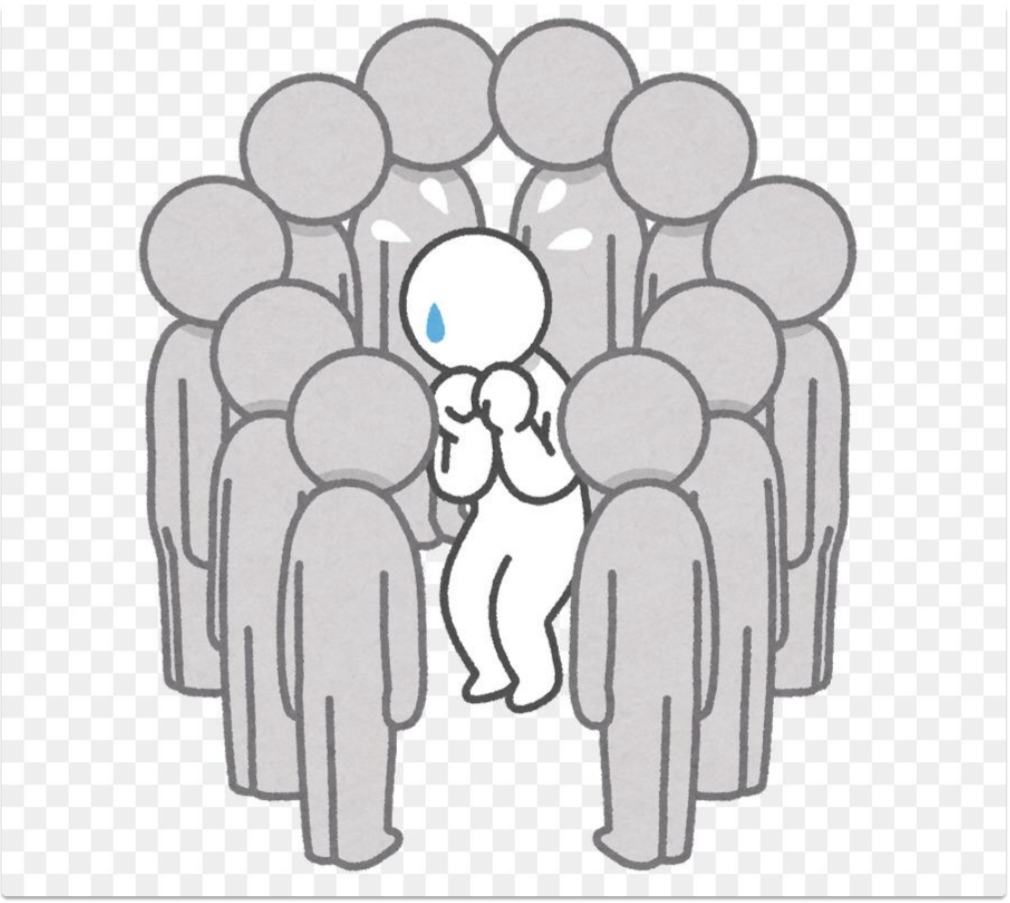
Feeling lonely, however, is not a direct cause of being alone. It’s possible to feel lonely in a crowd.
Loneliness, in fact, is more dangerous than isolation because it increases a person’s mortality rate.
If it’s so dangerous, how do we fight loneliness then?
Wondering What to Do When You Feel Lonely? Here Are some Tried and Tested Tips.
Watch Inspiring Ted Talks.
Ted Talks are inspiring and informative. I don’t know why, but watching a few Ted Talks really help when I feel lonely and helpless. Watching TED talks will not only give you a motivational boost while your studying, it could also inspire your next career move. Better than that, it could help you improve your interview techniques and confidence in meetings helping you advance your career once you get your foot in the door.
Look Through Old photos
Old photos bring back a time, a place, and a life that are long gone. Perhaps, it reminds us all; that everything shall come to an end at some point. I believe an old photo is a physical instillation of our memory from the past.Human emotions are fickle things. They are ever changing. Tears don’t indicate anything in particular. They’re just a bodily response.
Dance (Naked)
Sometimes, we feel lonely because we’re actually alone. So take this chance to do the things you can only do when you’re alone, like dancing naked or jumping on the bed with your shoes on. Doing crazy stuff alone will give you a good laugh.
Take A Bath
Where do good ideas come from? In the shower, right? Taking a nice, long, and relaxing bath is a great way to be bask in your alone time, instead of drowning in self-pity. Ladies, prepare a glass of red, chocolates and magazines. Gents, take a bubble bath with that scotch and enjoy life.
Adopt A Cute Pet
All pets are cute no matter whom you want to adopt. A furry cat or dog will cheer you up. The playfulness of pets, plus the troubles (and fun) you’ll experience while training them will make you forget about your troubles. Even a goldfish or pretty parrot can do wonders for your mood.
Go on a solo date to eat your favorite food
You know the problem with group and couples dates? The annoying “So what do we do?” and “Where do we eat?” questions. When you go on a date with yourself, you’re sure to go somewhere you actually like and you don’t have to wait around for others to decide.
Start Gratitude Journal
It’s hard to feel down when you know that you have a lot to be thankful for. When you don’t know what to be thankful for, just write what you feel. Sometimes, it can help you identify why you feel lonely in the first place.
Create Something New
Wondering how to not feel lonely, when you actually prefer to be alone? Getting bored is a prerequisite of feeling lonely. And what’s one of the main causes of getting bored? Having nothing to do. So keep yourself occupied! Try a new recipe. Create a scrapbook. Finish that DIY project you’ve been postponing for so long.
Behave like a tourist in your own city and do crazythings
Dress up like a tourist, and do all the cheesy touristy things in your city. Eat the local delicacy, tour the crowded tourist spots and explore new locations you’ve never heard of. Take pictures with monuments and come home and rejoice those memories.
Read any book especially a fiction
Please don’t pick a Dummies book on how to stop feeling lonely. Reading self-help when you’re feeling miserable will make just you feel worse. Read a good novel instead. Losing yourself in a good story or identifying with a powerful character will boost your confidence and fill you with a sense of adventure.
Sing your heart out and have your own concert in your room
The part “your heart out” basically means with vigorous or intense conviction. This is the basic intent of the sentence — that it’s okay to do that something as long as the person is doing it with great conviction or considerable effort.
To sing your out more literally means to sing with great conviction or great gusto and sincerity. Of course, it doesn’t mean to sing loudly at the top of your voice, which then isn’t necessarily a positive thing. To sing care-free like there is nobody else in this world except you.
Go For A Quick Run
Running is scientifically proven to make you happier. Even 30 minutes of walking can instantly lift your mood, according to a 2006 study published at Medicine & Science in Sports & Exercise.
Volunteer for a cause
Focusing on the needs of others steers your mind away from sad thoughts. It’s impossible to feel lonely when you’re feeding the homeless, reading to kids at an orphanage, or dancing with grandmas at a salsa class. Helping the less fortunate will also fill you with immense gratitude.
Watch a Movie or Series
Watch a movie alone or call some friends to go with you—it doesn’t matter. What’s important is you immerse yourself in an interesting story that’ll erase your gloomy thoughts. Watch a chick-flick, or a super hero movie—anything but a tear jerker, really —and grab lots of candy and popcorn.
“What to do when you feel lonely?”
I can’t imagine how many people have Googled that phrase when they felt the pangs of loneliness. Unfortunately, it’s not the best question to ask. Would you ask a doctor for a prescription before they check your symptoms?
Instead of trying things randomly, hoping one solution will do the trick—losing hope and feeling worse when it doesn’t—it’s better to identify the cause of your loneliness first. If you were previously happy in your own company, what could’ve caused you to feel lonely this time? Do your friends make you feel lonely? Is it your work or surroundings, perhaps? The cause of your loneliness will clue you in on the appropriate solution.
Do your friends make you feel lonely? Is it your work or surroundings, perhaps? The cause of your loneliness will clue you in on the appropriate solution.
Loneliness is an emotion, mostly triggered by a sad memory. Unfortunately the brain loves to overanalyze things, so even momentary loneliness can escalate to longer spells because of thoughts like “Why do I feel so alone?” and “Am I a loser no one loves?” When this happens, just acknowledge the feeling and don’t overreact.
These are some of the things I do when I’m hit by this gruesome feeling of being alone even if I have more friends than I can count. What are your tips to feel less lonely? Do share in the comments!
MENTAL HEALTH had been trending across social media platforms after the sudden demise of the Bollywood actor Sushant Singh Rajput who chose to end his life. This incident occurred on 14th June 2020, when India was still under lockdown. Had this happened in a normal situation it would not have garnered this amount of attention probably. But this sent shock waves throughout the country as the actor had always been known to have a smiling face and charming self. There was no clue that he was so unhappy with himself and his life. His death awakes many questions on mental health, suffering, depression and nepotism in Bollywood. Many big names in Bollywood were trolled and blamed for indirectly killing him. Everyone on social media seemed concerned on mental health and even offered a lending ear to their friends and followers. They spoke about how mental health is as important as physical wellbeing and how everyone should support each other and spread only love and no hate. These were the same people who later on started trolling the Bollywood industry, star kids and other big names of the industry. Hypocrisy was very evident. Another disturbing aspect was that the actor’s family was not given privacy. News reporters were practically thrusting microphones and cameras under the nose of the family members of the late actor not allowing them time to even come to terms with their loss and grieve. The irony was that on one side everyone was trying to be friendly, understanding and wanting to spread only positivity and love, and, on the other side trolling and blaming people and not giving space to the family members. The most traumatic part according to me was that the pictures of the late actor’s dead body started circulating on the internet. The police department had to officially announce that this is immoral and anyone found circulating these pictures will be punished. Some youtubers and news channels took it a level higher and started demonstrating how Sushant would have possibly hanged himself. This was not it, his personal life and relationships were also brought under public scrutiny this just made everything worse.
AN INSIGHT INTO MENTAL HEALTH
MENTAL HEALTH is still something which is not completely understood and accepted by our society. It is not given the attention and importance it deserves. According to the World Health Organisation, mental health is defined as –
“Mental health is a state of wellbeing in which an individual realises his/her own abilities, can cope with the normal stress of life, can work productively, and is able to make a contribution to his/her community.”
Any person no matter the age, gender, community, society, etc. is at a risk of developing a mental disorder. Financial status, fame or luxuries does not guarantee a good mental heath. Even a very successful and ambitious individual can develop a mental disorder.
MYTHS
There are some myths and superstitions regarding mental health that needs to be popped.
Children are not affected by mentaldisorders: this is a big lie. As I have mentioned before, mental health affects anyone whatever the age or gender of that person. Children can also be affected based on their upbringing and their surroundings. The family background and environment will take a toll on the mental status of the child.
People with mental health issues are violent andunpredictable: we often have this misunderstanding that people who smile and laugh are happy and the ones who are sad are depressed. This is very wrong. Many studies have shown that people who are depressed tend to laugh at silly things and always try to have a smile on. They are friendly and jovial and in no means have an intention to hurt others.
Mental disorders are incurable: with proper medication and help mental disorders can be brought under control if not cured completely. But many people have been cured over time, a living and known example is actress Deepika Padukone. The right support and help can get you out of anything.
Personality weakness or character flaws cause mental issues, people can snap out of it if they want to: this is one of the most common myths that people have. Being lazy has nothing to do with mental health. Depressed people do not wish to stay that way, they do want to come out of it and enjoy life. They try their very best to be happy.
Mental health issues are rare: 1 in 8 people are affected with mental health issues. Most of the times we don’t realise that we have mental disorders or chose to ignore it, which is very wrong.
Having a mental illness means you’re crazy: this is completely false. Having mental health problems does not in any way imply you’re crazy, it just means you’re vulnerable.
TYPES OF DISORDERS
Here is the list of a few common types of mental disorders.
Anxiety disorder
Mood disorder
Personality disorder
Post-traumatic stress disorder
Eating disorder
CONCLUSION
All things considered, I would request every one to take care of their mental and physical wellbeing. In these trying times, we should support each other and move forward. Do not hesitate to seek help from professional and please don’t self-diagnose. Remember NOTHING IS IMPOSSIBLE.
With the demise of Bollywood celebrity Sushant Singh Rajput, the youth of India started a social war against the nepotism in Bollywood but are they really worried about the mental well being or they just trying to be more popular on the social media platform as they are not only criticizing but also abusing the star kids.in many ways, they are crossing their limits. Before we discuss mental well being we should try to understand what happened with Sushant Singh Rajput.
As we all know he was an established actor in the Bollywood fraternity so he was not only capable of fulfilling his basic needs but also he could afford the desires many people will dream of. So from this, we can figure that mental health has no connection with the amount of money a person possesses. One can have either happy or sad irrespective of how well they are doing in their respective field. Sadness can’t be the criteria to measure persons mental stability as it’s only an emotion that must be shared.
The main problem arises when one person stops sharing their emotions with anyone else. By doing this he or she can only create a burden on themselves. So whatever one feels one should have somebody to share with and if one doesn’t have anyone he can consult a psychotherapist.
If you are reading it till now I hope I have given a lot of information on mental well being to clear your mindset about what happened with Sushant. Now coming to the main motive of writing this whole article is to help all of you giving some clarity with what you all are doing right now with some celebrity kids.
Is it right to troll someone so badly for someone death?
As the memers and many social media influencers are taking a bash on all celebrity by taking small parts of their previous videos to show how they treated Sushant but when one watches the whole video they will find that what context the video was made at that point of times is drastically different. Now by abusing many celebrities like Karan Johar, Sonam Kapoor they are damaging their mental piece.
So isn’t the youth of the nation is doing the same they are protesting against just keep it in mind if any of them try to do what Sushant did. Will be it right on our part.
I want to ask a question. Be truthful to yourself. Is all of you agree with me that to troll someone to that extent is totally unfair or not? Many will agree with me that it is drastically wrong or vice verse. My only motive to write this article is to make all of you aware that there is a very thin line between criticism and abuse. We all are unfortunate that we lost the gem-like Sushant Singh Rajput from the industry. But the only thing we can do from our part by promoting real talent like Sushant Singh Rajput. It will definitely make a change in the industry when we take our step forward in supporting real talent.
Please let me know your thoughts in the comment below.
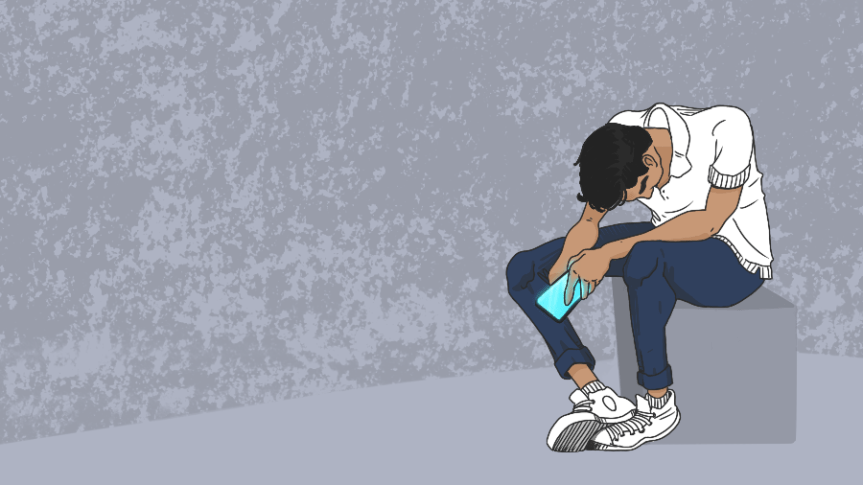
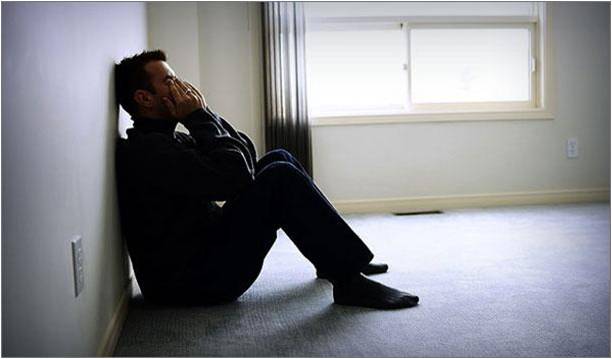
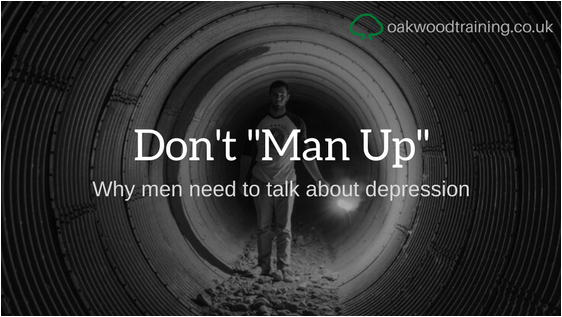
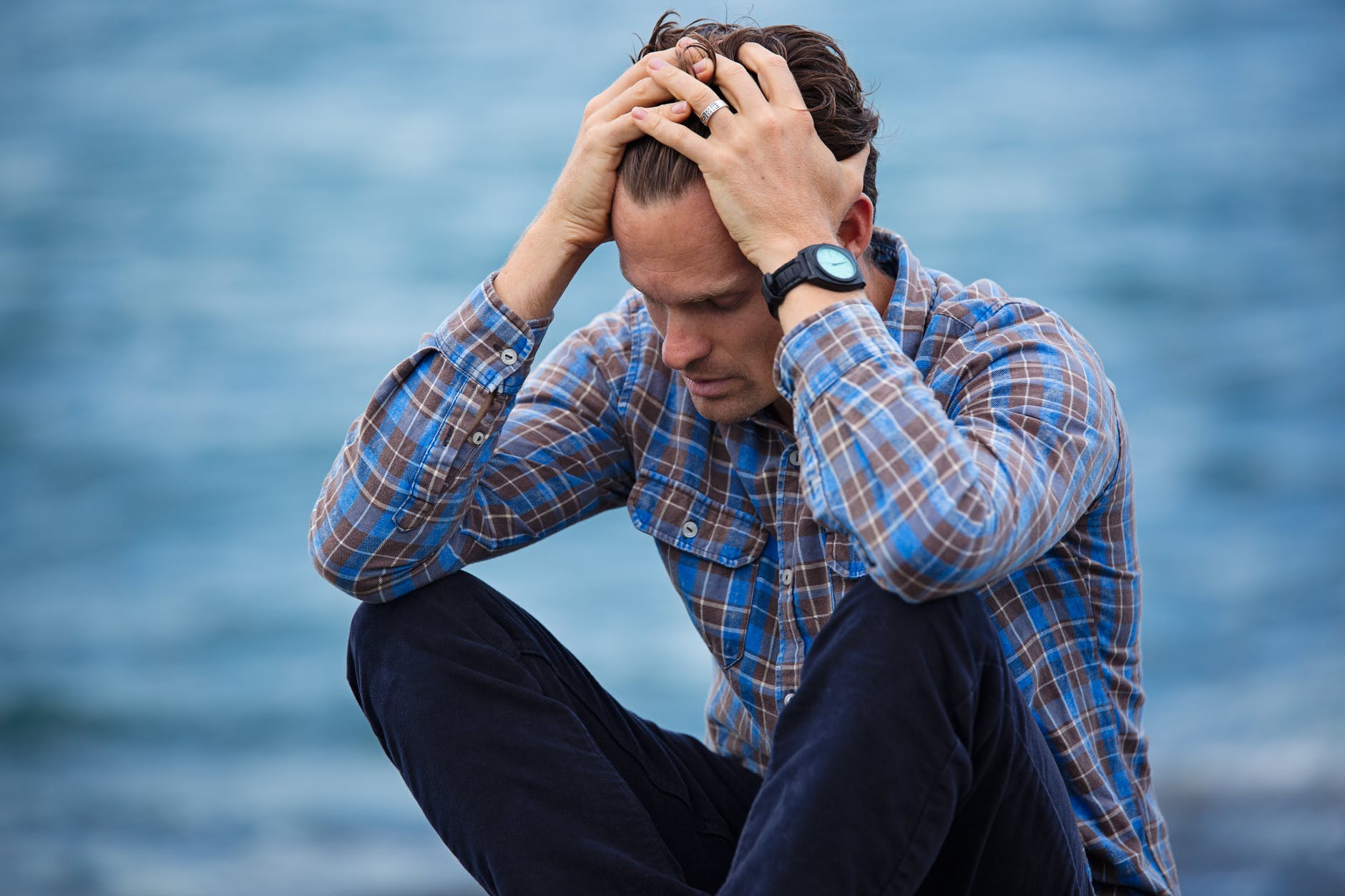
Men are often seen as strong beings that are in control of their emotions. They try to act tough whenever they feel overwhelmed by despair or hopelessness by trying to deny it or covering it up like nothing. But depression has become a common problem today affecting the daily lives of many. It is taking a heavy toll on the work and home life of people all the while expecting them to tough it out.
Depression affects millions of men of all ages and backgrounds targeting even those who are close to them – partners, family, and friends. But it is a treatable health condition, not a sign of emotional weakness. However, male depression affects your life deeply, changing the way you think, act, and feel. Sometimes it can be intense and unrelenting all the while affecting your relationships, sleep and diet patterns, and overall sense of enjoyment in life.
Depression in men often gets overlooked since they tend to be less adept at recognizing symptoms than women. This can result in it going untreated which can have serious consequences.
Signs of Depression:
The classic signs are despondent mood, disturbance in weight and sleep, and concentration problems. The overlooked or stealth signs include physical pain, anger, and reckless behavior. Men often feel agitated and turn to substance abuse. They lose control over negative thoughts and feel hopeless and helpless.
How to deal with depression:
It takes courage to seek help though, be it from a loved one or a professional. Most men suffering from depression respond well to self-help steps.
Connect socially
Maintain a healthy lifestyle
Seek help from a professional
Connect socially: The first step involves finding people you can really connect with, someone with whom you can share your feelings without any fear of judgment from them. Understand that you already have a non-verbal communication with those who are close to you but fighting depression needs actual words. Improve your social network and push yourself for social activities. This will help you interact with people acting as a diversion for your mood. Sometimes solving others’ problems gives a better boost to your morale than solving your own.
Maintain a healthy lifestyle: The second step is maintaining a healthy lifestyle at any given time. Aim for a good night’s sleep at least eight hours long. Identify your stress triggers and find ways to regain control of your life by overcoming them. Practice relaxation techniques or meditation. Yoga helps keep your body active and soothes your mind. Indulge in more activities that interest you like taking a walk or listening to music. A positive lifestyle also includes regular exercise and a balanced diet.
Seek help from a professional: Lastly, you could also seek help from a mental health professional. Even to the most skeptical males, therapy often does wonders by bringing a sense of relief to the mind. After all, there is nothing unmanly in talking to a stranger about your problems if it is doing well to you in the end.
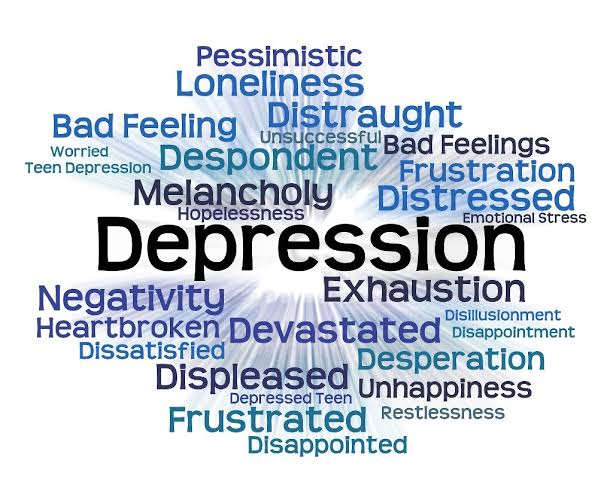
Depression is just like a word , simple 10 alphabets in it. But trust me, this word can very hard destroy your life. And the sad reality is that no can escape from it. From the primary age to adult, it strikes very hard. After that period too it damages alott. In the sense of a person his or her emotions, feelings, behavior all this things just very badly disturbed.
In the very serious note, it makes a person into wrong way, sometimes it also takes the life too. From the poor to rich class people, it can strike anyone. It is Generally crated from our environment or we can say our network of living. But the problem is that it doesn’t show any physical symptoms , it just lives inside us and makes our mind too dull.
Now, I will tell you how to combat from this.
Living with depression can be difficult, but treatment can help improve your quality of life. Talk to your healthcare provider about possible options.
You may successfully manage symptoms with one form of treatment, or you may find that a combination of treatments works best.
It’s common to combine medical treatments and lifestyle therapies.
Depression is really a serious issue. We should aware people about it. And whenever see a person who is in depression let talk with him . And also with your closed ones also we should talk with them about our and their both problems. Also try to live life at positive note always……
If you’re depressed to feel a little bit better and I want to make sure you understand what those are but first I want to start by helping you understand what the typical signs and symptoms are:
1- One of the most common signs of depression is a feeling of sadness or irritability that is really pervasive and doesn’t seem to go away no matter what you do if you’re with friends if you’re by yourself the sadness just sort of becomes your reality irritability can also be present and this is much more typical in teens that they will present with more irritability than sadness when they’re dealing with depression.
2- Feeling really hopeless and this can be hopeless about getting better it can be a sense of hopelessness about the future and the ability of sort of achieving your hopes and dreams and again it’s a very tough symptom to deal with because other people can tell you, know you have so much to look forward to or this great thing is happening in your life but if you’re really struggling with depression that hopeless this just kind of takes over and keeps you stuck.
3- You should be aware of is something called anhedonia. This is really a fancy way of saying a loss of interest in things that you previously used to enjoy so for example you might really be into gardening and all of the sudden you find that no matter how many times you garden or if you try to garden there’s just not the same joy that you’re getting out of it that you used to or maybe you used to really be really social and enjoy spending time with your friends and you find that you just can’t bring yourself to get out of the house and to go and interact with these friends and it’s really difficult to deal with because it’s very hard to motivate yourself. When the things that really used to be what got you out of bed and got you ready for the day no longer hold the same enjoyment and pleasure.
4- Either decreased concentration and/or indecision the difficulty with making decisions and this can be really difficult when you have to function either in the workplace or you have a lot of responsibilities at home because you’ll find that it’s harder to complete the tasks that you need to complete and if you do need to make decisions there’s almost like this decision paralysis where you find that you just can’t get yourself to the place of making choices.
5- You should be aware of our changes in sleep and this can be either that you find yourself sleeping a lot more than you used to and having like a really hard time getting out of bed maybe you’ve never been a Napper and all of the sudden you’re taking a nap every day on the other side of the spectrum many people who are struggling with depression find that they can’t sleep that they’re racked with insomnia for the first time in their life and they’re laying in bed and their thoughts just keep running around and they’re feeling sad and they’re feeling hopeless and so either too much or too little sleep is a really cardinal sign of depression that you should be aware.
6- You should be aware of our changes in appetite or weight and this can be either in the positive or the negative depression sometimes when people are depressed they find that they use food for comfort and end up eating a lot more than typical and gaining weight and sometimes when people are depressed they lose their appetite completely and don’t eat at all and find that they lose weight so if you’ve had any significant weight changes within the last couple months and you also have some of the other signs and symptoms we’re talking about it might be a good idea to consider that there’s some level of depression going on that you’re struggling with so another.
7- Lastly sign of depression that we’re going to talk about today is a sense of worthlessness so and really this is very difficult for people to handle because it’s a sense that no matter what they do they’re not enough their life is not enough and it won’t ever be enough and this is such a difficult thing to be dealing with and so I think my overall message as you’re learning about these signs of depression is that if you’re experiencing these please reach out and make an appointment with a licensed professional to talk about this because this is something that can get better and you don’t need to struggle with it on your own if you think that you or someone you love might be struggling with depression please reach out and make an appointment with a licensed professional for an evaluation there are many therapeutic techniques that can help you or someone you love feel better and so I strongly encourage you not to hesitate to get the help that you need.
Call on +91 730 459 9836 for a better help to Vandrevala Foundation if you are feeling depressed or you find someone else depressed. (https://www.vandrevalafoundation.com)
Mental health refers to cognitive, behavioral, and emotional well-being. It is all about how people think, feel, and behave. People sometimes use the term “mental health” to mean the absence of a mental disorder.
However, this link also works in the other direction. Factors in people’s lives, interpersonal connections, and physical factors can all contribute to mental health disruptions.
Looking after mental health can preserve a person’s ability to enjoy life. Doing this involves reaching a balance between life activities, responsibilities, and efforts to achieve psychological resilience.
Conditions such as stress, depression, and anxiety can all affect mental health and disrupt a person’s routine.
Although the term mental health is in common use, many conditions that doctors recognize as psychological disorders have physical roots.
In this article, we explain what people mean by mental health and mental illness. We also describe the most common types of mental disorders, including their early signs and how to treat them.
What is mental health?
Mental health disorders are one of the leading causes of disability in the U.S.
According to the World Health Organization (WHO):
“Mental health is a state of well-being in which an individual realizes his or her own abilities, can cope with the normal stresses of life, can work productively, and is able to make a contribution to his or her community.”
The WHO stress that mental health is “more than just the absence of mental disorders or disabilities.” Peak mental health is about not only avoiding active conditions but also looking after ongoing wellness and happiness.
They also emphasize that preserving and restoring mental health is crucial on an individual basis, as well as throughout different communities and societies the world over.
In the United States, the National Alliance on Mental Illness estimate that almost 1 in 5 adults experience mental health problems each year.
In 2017, an estimated 11.2 million adults in the U.S., or about 4.5% of adults, had a severe psychological condition, according to the National Institute of Mental Health
Risk factors for mental health conditions
Everyone has some risk of developing a mental health disorder, no matter their age, sex, income, or ethnicity.
In the U.S. and much of the developed world, mental disorders are one of the leading causes of disability.
Social and financial circumstances, biological factors, and lifestyle choices can all shape a person’s mental health.
A large proportion of people with a mental health disorder have more than one condition at a time.
It is important to note that good mental health depends on a delicate balance of factors and that several elements of life and the world at large can work together to contribute to disorders.
The following factors may contribute to mental health disruptions.
Continuous social and economic pressure
Having limited financial means or belonging to a marginalized or persecuted ethnic group can increase the risk of mental health disorders.
A 2015 study of 903 families in Iran identified several socioeconomic causes of mental health conditions, including poverty and living on the outskirts of a large city.
The researchers also explained the difference in the availability and quality of mental health treatment for certain groups in terms of modifiable factors, which can change over time, and nonmodifiable factors, which are permanent.
Modifiable factors for mental health disorders include:
socioeconomic conditions, such whether work is available in the local area
occupation
a person’s level of social involvement
education
housing quality
Nonmodifiable factors include:
gender
age
ethnicity
The study lists gender as both a modifiable and nonmodifiable factor. The researchers found that being female increased the risk of low mental health status by 3.96 times.
People with a “weak economic status” also scored highest for mental health conditions in this study.
Biological factors
The NIMH suggest that genetic family history can increase the likelihood of mental health conditions, as certain genes and gene variants put a person at higher risk.
However, many other factors contribute to the development of these disorders.
Having a gene with links to a mental health disorder, such as depression or schizophrenia, does not guarantee that a condition will develop. Likewise, people without related genes or a family history of mental illness can still have mental health issues.
Mental health conditions such as stress, depression, and anxiety may develop due to underlying, life-changing physical health problems, such as cancer, diabetes, and chronic pain.
Common mental health disorders
The most common types of mental illness are as follows:
anxiety disorders
mood disorders
schizophrenia disorders
Anxiety disorders
According to the Anxiety and Depression Association of America, anxiety disorders are the most common type of mental illness.
People with these conditions have severe fear or anxiety, which relates to certain objects or situations. Most people with an anxiety disorder will try to avoid exposure to whatever triggers their anxiety.
Examples of anxiety disorders include:
Generalized anxiety disorder (GAD)
The American Psychiatric Association define GAD as disproportionate worry that disrupts everyday living.
People might also experience physical symptoms, including
restlessness
fatigue
tense muscles
interrupted sleep
A bout of anxiety symptoms does not necessarily need a specific trigger in people with GAD.
They may experience excessive anxiety on encountering everyday situations that do not present a direct danger, such as chores or keeping appointments. A person with GAD may sometimes feel anxiety with no trigger at all.
Panic disorders
People with a panic disorder experience regular panic attacks, which involve sudden, overwhelming terror or a sense of imminent disaster and death.
Phobias
There are different types of phobia:
Simple phobias: These might involve a disproportionate fear of specific objects, scenarios, or animals. A fear of spiders is a common example.
Social phobia: Sometimes known as social anxiety, this is a fear of being subject to the judgment of others. People with social phobia often restrict their exposure to social environments.
Agoraphobia: This term refers to a fear of situations in which getting away may be difficult, such as being in an elevator or moving train. Many people misunderstand this phobia as a fear of being outside.
Phobias are deeply personal, and doctors do not know every type. There could be thousands of phobias, and what might seem unusual to one person may be a severe problem that dominates daily life for another.
Obsessive-compulsive disorder (OCD)
People with OCD have obsessions and compulsions. In other words, they experience constant, stressful thoughts and a powerful urge to perform repetitive acts, such as hand washing.
Post-traumatic stress disorder (PTSD)
PTSD can occur after a person experiences or witnesses a deeply stressful or traumatic event.
During this type of event, the person thinks that their life or other people’s lives are in danger. They may feel afraid or that they have no control over what is happening.
These sensations of trauma and fear may then contribute to PTSD.
Mood disorders
People may also refer to mood disorders as affective disorders or depressive disorders.
People with these conditions have significant changes in mood, generally involving either mania, which is a period of high energy and elation, or depression. Examples of mood disorders include:
Major depression: An individual with major depression experiences a constant low mood and loses interest in activities and events that they previously enjoyed. They can feel prolonged periods of sadness or extreme sadness.
Bipolar disorder: A person with bipolar disorder experiences unusual changes in their mood, energy levels, levels of activity, and ability to continue with daily life. Periods of high mood are known as manic phases, while depressive phases bring on low mood.
Seasonal affective disorder (SAD): Reduced daylight triggers during the fall, winter, and early spring months trigger this type of major depression. It is most common in countries far from the equator.
Schizophrenia disorders
Mental health authorities are still trying to determine whether schizophrenia is a single disorder or a group of related illnesses. It is a highly complex condition.
Signs of schizophrenia typically develop between the ages of 16 and 30 years, according to the NIMH. The individual will have thoughts that appear fragmented, and they may also find it hard to process information.
Schizophrenia has negative and positive symptoms. Positive symptoms include delusions, thought disorders, and hallucinations. Negative symptoms include withdrawal, lack of motivation, and a flat or inappropriate mood.
Early signs
There is no physical test or scan that reliably indicates whether a person has developed a mental illness. However, people should look out for the following as possible signs of a mental health disorder:
withdrawing from friends, family, and colleagues
avoiding activities that they would normally enjoy
sleeping too much or too little
eating too much or too little
feeling hopeless
having consistently low energy
using mood-altering substances, including alcohol and nicotine, more frequently
displaying negative emotions
being confused
being unable to complete daily tasks, such as getting to work or cooking a meal
having persistent thoughts or memories that reappear regularly
thinking of causing physical harm to themselves or others
hearing voices
experiencing delusions
Treatment
There are various methods for managing mental health problems. Treatment is highly individual, and what works for one person may not work for another.
Some strategies or treatments are more successful in combination with others. A person living with a chronic mental disorder may choose different options at various stages in their life.
The individual needs to work closely with a doctor who can help them identify their needs and provide them with suitable treatment.
Treatments can include:
Psychotherapy, or talking therapies
This type of treatment takes a psychological approach to treating mental illness. Cognitive behavioural Therapy, exposure therapy, and dialectical behavior therapy are examples.
Psychiatrists, psychologists, psychotherapists, and some primary care physicians carry out this type of treatment.
It can help people understand the root of their mental illness and start to work on more healthful thought patterns that support everyday living and reduce the risk of isolation and self-harm.
Medication
Some people take prescribed medications, such as antidepressants, antipsychotics, and anxiolytic drugs.
Although these cannot cure mental disorders, some medications can improve symptoms and help a person resume social interaction and a normal routine while they work on their mental health.
Some of these medications work by boosting the body’s absorption of feel-good chemicals, such as serotonin, from the brain. Other drugs either boost the overall levels of these chemicals or prevent their degradation or destruction.
Self-help
A person coping with mental health difficulties will usually need to make changes to their lifestyle to facilitate wellness.
Such changes might include reducing alcohol intake, sleeping more, and eating a balanced, nutritious diet. People may need to take time away from work or resolve issues with personal relationships that may be causing damage to their mental health.
People with conditions such as an anxiety or depressive disorder may benefit from relaxation techniques, which include deep breathing, meditation, and mindfulness.
Having a support network, whether via self-help groups or close friends and family, can also be essential to recovery from mental illness.
Suicide prevention
If you know someone at immediate risk of self-harm, suicide, or hurting another person:
Ask the tough question: “Are you considering suicide?”
Listen to the person without judgment.
Call 911 or the local emergency number, or text TALK to 741741 to communicate with a trained crisis counselor.
Stay with the person until professional help arrives.
Try to remove any weapons, medications, or other potentially harmful objects.
A term often read and heard about but very little pondered upon. The Cambridge dictionary defines peer pressure as ‘the strong influence of a group, especially of children, on members of that group to behave as everyone else does’. A simple definition but an impactful cycle. It plays an extremely important role in the social and emotional development of children as well as adolescents .So what exactly is a peer group? A peer group is made up of individuals who socialize together. It generally increases through childhood and reaches its intensity in the preteen and teen years. Maslow’s theory of hierarchy of needs defines social acceptance and acknowledgement as one of the primary needs for survival of human being in a society. This urge of social acceptance gives rise to a constant need for validation. As long as this urge is in alignment with one’s will and control, it creates a positive peer influence and the moment this urge takes over one’s ability to distinguish between the right and the wrong, it starts to create a psychological pressure. This psychological pressure exists in various forms amongst us and becomes a means to gauge what one ought to do.
Broadly classified as positive and negative, peer pressure can be spoken or unspoken and direct or indirect. While positive peer pressure leads to outcomes that are healthy, negative peer pressure leads to catastrophes. For example, if your friend constantly pushes you to eat healthy, its a positive peer influence. While a peer pressure to participate in a bike race without a driving license is a negative peer pressure. Positive peer pressure is beneficial and is also an important way to create and retain social bonds. It’s the negative peer pressure what needs attention today. You remember the last time you went for a movie with your friend despite detesting it? Or the latest college fashion wear that you had to pretend to like because it was the ‘new cool’? You might wonder what harm did it do and is it even that bad to switch priorities and likings in order to have a healthy peer group? Well, taking the above examples it actually isn’t but this is the initiation point of negative peer pressure. In most cases it starts off with incidents too minute to be reacted upon which is why the ‘initiation points’ goes completely unnoticed and neglected. What follows later leads to a devastating impinge like consumption of alcohol, drugs, cigarettes and one’s indulgence in unethical and illegal activities. The vicious cycle of peer pressure is sometimes attributed to ‘Social Stockholm Syndrome’. It is a psychological response where over the course of time, the victim starts to develop a sense of commonality with their victimizer. This sense of commonality later becomes toxic.
It isn’t always a cakewalk to shield yourself from negative peer pressure. But it isn’t a herculean task either. An individual’s environment at home greatly impacts one’s reaction when exposed to negative peer pressure. When children and adolescents have parents whom they can confide in, their psychological response towards this social infliction is more positive and less hampering in comparison to those who find it difficult to express themselves and are subjected to some or the other form of abuse at a very early age. As a parent one needs to gain their progeny’s confidence and trust. It requires small initiatives like a before bed talk every night and spending quality time with them at least on the weekends. Teens have to be taught to trust their instincts when in doubt and to say the magical word ‘NO’ when subjected to circumstances their morals don’t approve of instead of blindly following someone else’s path. Schools on the other hand, should hold more seminars on peer pressure to enable teens to identify the red flags which often come across as subtle signals. If prepared at a tender age to hold onto one’s own belief irrespective of the pressure around, negative peer pressure is one such social stigma that wouldn’t take much to eradicate.
Mental health includes our psychological,emotional and social well-being. It affects how we think, feel and behave. It also helps determine how we handle stress, anxiety and make healthy choices. Mental health awareness is one of the things people need during this pandemic. With all the current problems going on around the world, it is important to keep our mental health in check and so if we need to get off social media for a bit, for the sake of our mental health, then by all means, do so. Advocate, amplify but care for yourself.According to a recent survey, stress, anxiety ,depression is on the rise among Gen Z,Millennial Employees and those working from home. So these are a few tips on how to cope up with mental health stress:
1.Connect with yourself and your feelings
If your feeling angry or upset – know that it is OKAY. if you have PTO, or is facing stress in your work schedule, you might consider taking time off to reset or recharge yourself or to simply sit with your grief without worrying that you’re not being productive.If you don’t have that option right now, think about to make time in your schedule to intentionally care for yourself – for a weekend, day or an hour. Stay positive and stay healthy.
2.Make sure you meet your basic needs
We often forget to drink water, eat a meal,or go to bed at your normal hour when we are so involved in social media networking sites. But when you’re already feeling bad, skipping on basic self-care is only going to make things worse. It is important to set remainders throughout the day so that you remember to have a cup of tea ,fix lunch, relax for the night – or whatever else you need to do in order to be functioned.
3. Meditation and yoga
Meditation need not be about reaching enlightenment or accomplishing a goal. it is more about relaxing yourself and your body muscles . Take a few deep breaths to calm your nerves and and relax your mind. Quietly focus on your breathing and slowly breathe in and out for a few minutes. This would help to relieve some stress off your mind and body. I would recommend Art of Living – an organization which focuses on yoga. It really helps reduce stress and anxiety and it would really benefit people dealing with depression and anxiety.
4. Get help when you need it
If you think you your mental heath state is deteriorating ,then don’t hesitate to seek help. It is really important to do what is right for yourself which is to call a therapist and set an appointment .Counselling and greiving seesions are also a great way to cope up with this. As a growing society , we must encourage people speaking out about their problems because each person that does gives another person to fight their own demons and get help.
Mental health isn’t an individual concern. Its a societal concern. So take care of your mental health. Stay safe , stay healthy and stay positive.























 Eduindex
You must be logged in to post a comment.