PROMOTION OF ORGANIC FARMING

Government is promoting organic farming through the schemes of Paramparagat Krishi Vikas Yojana (PKVY) in all the States/UTs (except North Eastern States). For North Eastern States, the Government is implementing Mission Organic Value Chain Development for North Eastern Region (MOVCDNER) scheme. Both the schemes stress on end-to-end support to farmers engaged in organic farming i.e. from production to processing, certification & marketing and post-harvest management training and capacity building. Under PKVY, assistance of Rs. 31,500 per ha for a period of 3 years is provided for promotion of organic farming. Out of this, assistance of Rs. 15,000 per ha for a period of 3 years is provided to farmers adopting organic farming through Direct Benefit Transfer for on- farm /off –farm organic inputs. Under MOVCDNER, assistance of Rs. 46,500/ha for 3 years is provided for creation of Farmers Producer Organization, support to farmers for organic inputs etc. Out of this, assistance @ Rs. 32500/ ha for 3 years is provided to farmers for off -farm /on –farm organic inputs under the scheme including Rs. 15,000 as Direct Benefit Transfer to the farmers.

Two types of organic certifications systems have been developed to ensure quality control of organic produce as given below:

  • Third Party Certification by Accredited Certification Agency under National Programme for Organic Production (NPOP) scheme under Ministry of Commerce and Industry for development of export market. Under NPOP certification scheme the production and handling of activities at all stages such as production, processing, trading and export requirements for organic products is covered.
  • Participatory Guarantee System (PGS-India) under Ministry of Agriculture and farmers Welfare in which stakeholders (including farmers/ producers) are involved in decision making about the operation of the PGS-India certification itself by assessing, inspecting and verifying the production practices of each other and collectively declaring produce as organic. PGS- India certification is to meet the demand of domestic market.

The total cumulative state wise organic area covered under NPOP certification & PGS-India certification under PKVY is 59.74 lakh ha is given at Annexure-I.

Under PKVY assistance @ Rs 4,500/ha is provided for 3 years to facilitate value addition, marketing and publicity. Assistance is provided for certification & training and handholding & capacity building @ Rs 3.000/-ha for 3 years and Rs 7,500/- ha respectively for 3 years under PKVY for farmers. Whereas under MOVCDNER scheme assistance is provided @ Rs10,000/ -ha for 3 years for training, capacity building & certification.

To ensure market availability States organize seminars, conferences, workshops, buyer-seller meetings, exhibitions, trade fairs, and organic festivals either within their own region or in key markets of other states. Government has developed web portal- www.Jaivikkheti.in/ as an online marketing platform for direct sale of organic produce by farmers to the consumers to help them for better price realization. A total of 6.22 lakh farmers have been registered under Jaivik kheti portal.

Annexure-I

State wise details of total cumulative area covered under organic farming NPOP (including MOVCDNER) + PGS under PKVY till 2023-2024

Area in ha

S. NO.State NameNPOPPGS under PKVY
1Andhra Pradesh63,678.693,60,805
2Bihar29,062.1331,561
3Chhattisgarh15,144.131,01,279
4Goa12,287.4015334
5Gujarat6,80,819.9910000
6Haryana2,925.33
7Himachal Pradesh9,334.2818748
8Jharkhand54,408.2025300
9Kerala44,263.9194480
10Karnataka71,085.9920900
11Madhya Pradesh11,48,236.0774960
12Maharashtra10,01,080.3266756
13Odisha1,81,022.2845800
14Punjab11,089.416981
15Tamil Nadu42,758.2732940
16Telangana84,865.168100
17Rajasthan5,80,092.22148500
18Uttar Pradesh66,391.34171185
19Uttarakhand1,01,820.39140740
20West Bengal8,117.8021400
21Assam27,079.404400
22Arunachal Pradesh16,537.53380
23Meghalaya29,703.30900
24Manipur32,584.50600
25Mizoram14,238.30780
26Nagaland16,221.56480
27Sikkim75,729.7863000
28Tripura20,481.361000
29Jammu & Kashmir34,746.755160
30Pondicherry21.51
31Delhi9.60
32Ladakh10480
33Daman & Diew642
34Dadar & Nagar500
Total44,75,836.901498583
Grand Total (NPOP + PGS)5974419.90

Source: APEDA + PGS

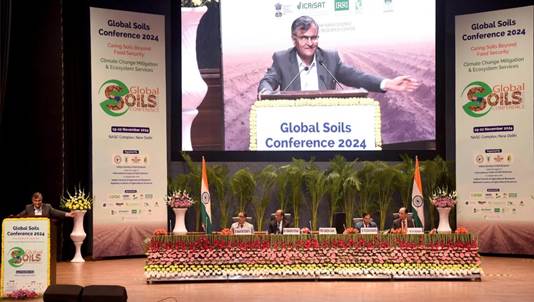
Global Soil Conference 2024

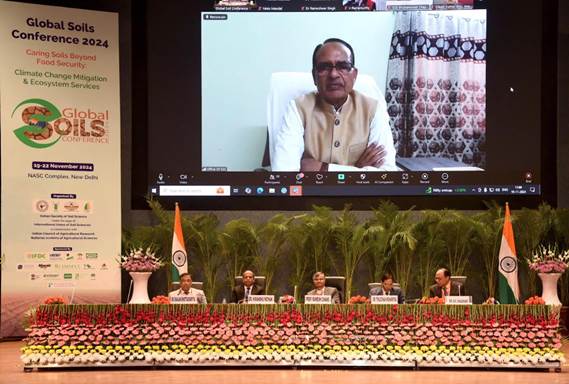
Union Agriculture & Farmers’ Welfare and Rural Development Minister Shri Shivraj Singh Chouhan addressed the Global Soils Conference 2024 organized in PUSA New Delhi today through video conferencing. Union Agriculture minister said that the basic mantra of Indian culture is the belief in a shared consciousness among all beings. Our sages have taught that there is only one universal consciousness in everyone; hence, the whole world is one family, and we should treat everyone as our own. This consciousness is not limited to humans but extends to animals as well. He also added that it is also present in the soil, emphasizing that soil is not lifeless but living.

Shri Chouhan stated that our body is made up of various elements, among which soil is a major component and only if there is soil, there is life. If the soil becomes unhealthy, living beings cannot remain healthy either. We complement each other, so it is essential to ensure that the soil remains healthy. Today, the whole world is concerned about the health of the soil. This earth does not belong to us alone; animals and plants also have rights to it, Shri Chouhan added. He also emphasized that soil health is a matter of serious concern today. India has made remarkable progress in agriculture since independence. At one time, there was a shortage of food grains in the country, and food had to be imported from other nations. However, the Green Revolution brought about a significant transformation in India, the union minister added. The adoption of high-yielding crops and their varieties, better irrigation techniques, and modern agricultural systems have ensured food security for millions of Indians. Following this, the Rainbow Revolution further diversified agriculture through horticulture, dairy, aquaculture, poultry, and other sectors, making agriculture a main pillar of the Indian economy. “I am pleased to share that India now produces 330 million tonnes of food grains annually, contributing significantly to global food trade and generating $50 billion in export earnings” the union Agriculture minister said.

Shri Chouhan also added that increasing use and dependence on chemical fertilizers, indiscriminate exploitation of natural resources and unstable weather have put pressure on the soil. Today India’s soil is facing a major health crisis. According to many studies, 30 percent of our soil has been spoiled. Soil erosion, salinity, pollution are reducing the level of essential nitrogen and micro nutrients in the soil. The lack of organic carbon in soil has weakened its fertility and resilience. These challenges not only affect production but will also create livelihood and food crisis for farmers in the times to come, Union Minister said. Our government has taken many initiatives for soil conservation and which leads to higher soil fertility. Making Soil Health Card was started in 2015 under the leadership of Prime Minister Shri Narendra Modi. More than 220 million cards have been made and given to farmers. And Farmers now know which fertilizer to use in what quantity through the soil health card. Under Pradhan Mantri Krishi Sinchai Yojana- Per Drop More Crop, we have focused on judicious use of water, reducing wastage and reducing peak nutrient residues. An organic basic development compilation has been created for the North East and farmers in these 8 states are being motivated to adopt organic farming practices while protecting the biodiversity of the ecologically sensitive area. The work of making natural farming a mission is also going on in India. He also said that chemical fertilizers are not only deteriorating the health of the soil but also the health of humans and animals. To maintain soil fertility, integrated nutrient and water management methods will have to be adopted. We should take all measures to improve soil health, reduce soil erosion and water storage capacity through various methods like micro irrigation, crop diversification, agro-forestry etc.

Shri Shivraj Singh Chouhan said that the role of solution and extension systems of scientific innovations on war footing is important. Krishi Vigyan Kendras of India, in collaboration with agricultural technology management agencies, are also working to provide knowledge and skills to farmers. The lab to land distance between science and farmers has to be reduced. We are continuously making efforts to ensure timely delivery of correct information from scientists to farmers. Krishi Vigyan Kendra is also making many efforts in this direction. Shri Chauhan added that we are also going to start the program of Modern Agriculture Chaupal soon in which scientists will continuously discuss with the farmers and give information and also solve the problems. Apart from this, private and NGO led extension services have brought advanced technology to the farmers and farmers are now taking advantage of it.

The Union Agriculture Minister also added that farmers are the biggest guardians of the soil and we have to empower them through education, encouragement and modern scientific information. Youth should also be included in this. Agriculture is a profitable and respectable profession; there is a need to encourage the youth for this also. Women students and researchers should play a leading role in developing innovations that address local and global soil challenges. He said that soil erosion is not only a national issue but a matter of global concern which is a part of the Sustainable Development Goals of the United Nations. It is essential to achieve the SDGs.  The conference is an opportunity for nations to collaborate, share technologies and work towards sustainable land management. I urge all participants to consider solutions that can be implemented on a large scale that will benefit not only the farmer, but entire humanity and the entire fauna and trees. I call upon scientists, stakeholders, policy makers, industry representatives, NGOs and students to join hands in the mission to restore soil health. The Government of India is committed to supporting initiatives that ensure sustainable and profitable agriculture, resilient ecosystems and food security for all. Together we pledge to ensure a sustainable future for all living beings and future generations, Shri Chouhan concluded.

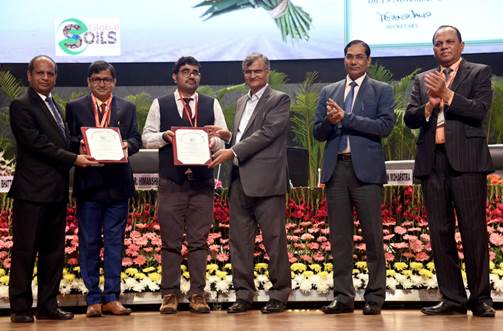
Prof.Ramesh chand, Member of NITI Aayog, Dr.Trilochan Mohapatra, chairperson Protection of Plant Varieties and Farmers’ Rights Authority, and former Secretary DARE and DG ICAR, Dr Himanshu Pathak, Secretary DARE and Director General, ICAR&President ISSS were present at the function.

*****

Promotion of Organic Farming

 Government has been promoting organic farming on priority in the country since 2015-16 through the schemes of Paramparagat Krishi Vikas Yojana (PKVY) and Mission Organic Value Chain Development for North Eastern Region (MOVCDNER). Both the schemes stress on end-to-end support to farmers engaged in organic farming i.e. from production to processing, certification and marketing and post-harvest management. Training and Capacity Building are integral part of the scheme. Incentives to farmers for producing and using organic fertilizers/manure are inbuilt in these schemes as on-farm and off-farm organic inputs.  Direct Benefit Transfer (DBT) is provided to the farmers for using organic inputs including organic fertilizers. PKVY is being implemented in all the States other-than North Eastern (NE) States across the country whereas MOVCDNER scheme is being implemented exclusively in the NE States.

Under PKVY, an assistance of Rs.50,000 per ha for a period of three years is provided to States including States of Tamil Nadu & Rajasthan for promotion of organic farming to cover different components like Training & Capacity Building, Data Management, PGS Certification, Value Addition, Marketing and Publicity. Out of this, assistance of Rs. 31,000 per ha for a period of three years is provided to farmers through DBT for on- farm /off –farm organic inputs. Whereas under MOVCDNER, an assistance of Rs. 46,575/ha for 3 years is provided for creation of FPO, support to farmers for organic inputs, quality seeds/ planting material and training, hand holding and certification.  Out of this, assistance @ Rs. 32500/ ha for 3 years is provided to farmers for off -farm /on –farm organic inputs under the scheme including Rs. 15,000 as DBT to the farmers and Rs. 17,500 for the planting material to be given to the farmers by State Lead Agency  (SLA) in kind.

In view of the increasing demand of organic farming products of India in the global market, Government is facilitating value addition, certification and marketing. As per requirement of International market, Government has initiated third party certification under National Programme for Organic Production (NPOP) in 2001.

Under PKVY assistance @ Rs 8800/ha for 3 years is provided to facilitate value addition, marketing and publicity to all the states/UTs including Tamil Nadu. Assistance is provided for certification and training, handholding & capacity building respectively @ Rs 2700/-ha for 3 years and Rs 7500/- ha for 3 years under PKVY for farmers of all the States including Rajasthan. Where  as under MOVCDNER scheme assistance is provided @ Rs 10,000/-ha for 3 years for training, capacity building & certification.

The scheme-wise and state-wise details of funds allocated, released and utilized under organic farming (under PKVY & MOVCDNER) schemes during the year 2022-23 are given at Annexure –I.

A long-term experiment, at selected sites, for comparative evaluation of organic and conventional management conducted by Indian Council of Agriculture Research (ICAR) indicated that yield was found to be higher during kharif and rabi /summer crops for coarse/ basmati rice based cropping systems, soybean-based systems compared to inorganic approaches indicating better suitability of these systems under long-term organic management approaches. Soil organic carbon was found to be significantly higher under long-term organic approach for coarse rice, basmati rice and soybean-based systems.

To disseminate information on organic and natural farming as well as on on- farm production and use of various kinds of organic fertilizers, National Center for Organic and Natural Farming (NCONF) and its Regional Center for Organic and Natural Farming (RCONF) located at Ghaziabad, Nagpur, Bangalore, Imphal and Bhubaneswar are organizing various trainings namely, One Day Farmers’ Training, Two Days Training for Extension Officers/Staff, Two Days Training on PGS, 30 Days Certificate course, One day Jaivik evam Prakratik Kisan Sammelan for 500 participants, One Day Stakeholder consultations/ conferences on Natural Farming for 100 participitants, Orientation Program on Natural Farming and awareness programmes across the country. NCONF and RCONF also organize online awareness campaign and training programmes on organic and natural farming and production and use of organic and bio-fertilizers.

The ICAR also imparts trainings, organizes front-line demonstrations, awareness programs etc. to educate farmers on organic farming and organic fertilizers.

Scheme-wise (PKVY & MOVCDNER) and State-wise details of funds allocation, released and expenditure under organic farming during the year 2022-23.

Rs in lakh

S. No.

Name of the State

2022-23

Allocation

Release

Expenditure*

PKVY

1

Andhra Pradesh

826.35

0.00

0.00

2

Bihar

2830.65

1547.68

789.75

3

Chhattisgarh

3504.93

0.00

571.03

4

Gujarat

20.50

0.00

0.00

5

Goa

1025.10

0.00

283.05

6

Haryana

10.25

0.00

0.00

7

Jharkhand

1397.27

0.00

0.00

8

Karnataka

1045.61

512.55

256.35

9

Kerala

1971.12

1712.07

647.52

10

Madhya Pradesh

5925.51

0.00

1375.93

11

Maharashtra

745.90

449.67

776.74

12

Odisha

741.44

370.72

311.97

13

Punjab

222.46

0.00

0.00

14

Rajasthan

2452.64

1783.26

3363.94

15

Tamil Nadu

704.87

0.00

170.56

16

Telangana

30.75

0.00

0.00

17

Uttar Pradesh

12972.55

5089.32

2111.16

18

West Bengal

555.39

555.39

240.41

19

NE (Aspirational & Committed liabilities)

0.00

0.00

7.58

20

Himachal Pradesh

1121.36

0.00

1124.32

21

Uttarakhand

6030.68

5969.00

7652.94

22

All Union Territories (UTs)

893.02

193.55

0.00


Total

45028.35

18183.20

19683.25

MOVCDNER

S. No.

Name of the State

2022-23

Allocation

Release

Expenditure*

1

Assam

2681.80

2059.15

2059.15

2

Manipur

2915.37

2915.36

2815.36

3

Meghalaya

2011.88

621.57

524.33

4

Nagaland

1961.01

1390.60

1289.60

5

Mizoram

1604.25

1140.90

876.63

6

Arunachal Pradesh

1860.77

1642.17

1526.26

7

Sikkim

4005.10

1538.83

1398.25

8

Tripura

2759.82

3000.26

2819.01


Total

19800.00

14308.84

13308.59

*Expenditure column also includes expenditure incurred from the releases made in the previous years


Organic Farming in India: The Future of Sustainable Agriculture

Organic Farming Produce

Introduction

The term ‘organic’ was first coined by Northbourne, in 1940, in his book entitled ‘Look to the Land’. In recent years, organic farming as a cultivation process is gaining increasing popularity . Organically grown foods have become one of the best choices for both consumers and farmers. Organically grown foods are part of go green lifestyle.

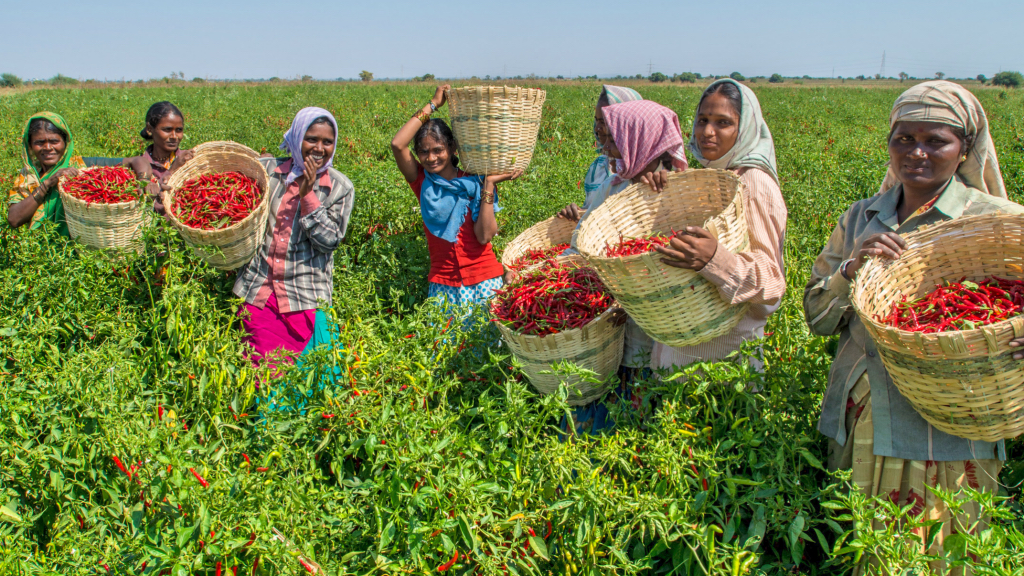
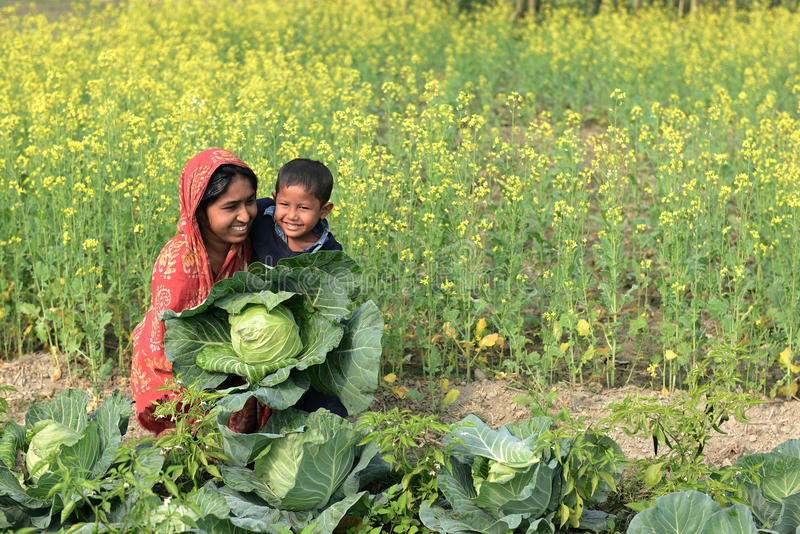
Farmers showing their Organic Harvest

Why Being Preferred These Days: The Importance of Organic Farming

Food quality and safety are two vital factors that have attained constant attention in common people. Growing environmental awareness and several food hazards (e.g. dioxins, bovine spongiform encephalopathy, and bacterial contamination) have substantially decreased the consumer’s trust towards food quality in the last decades. Intensive conventional farming can add contamination to the food chain. For these reasons, consumers are quested for safer and better foods that are produced through more ecologically and authentically by local systems. Organically grown food and food products are believed to meet these demands.

Organic Farming Processes

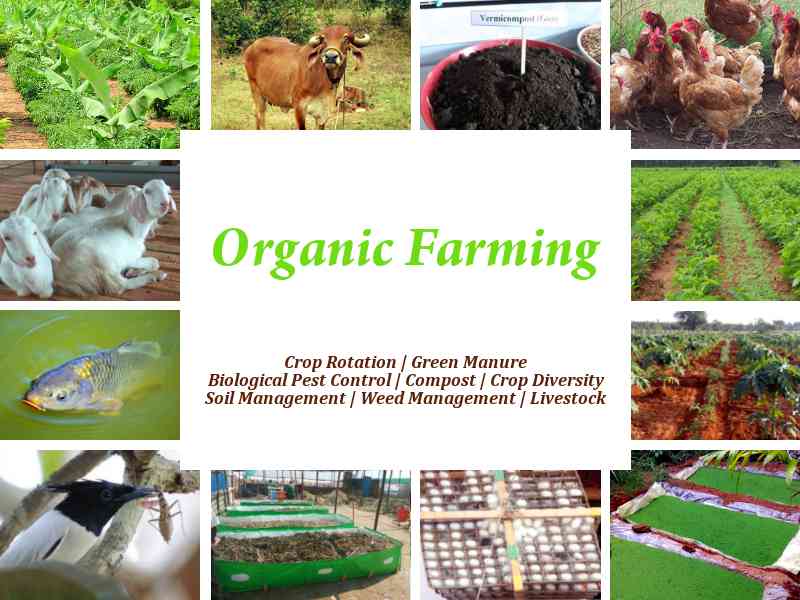
Organic Farming Process

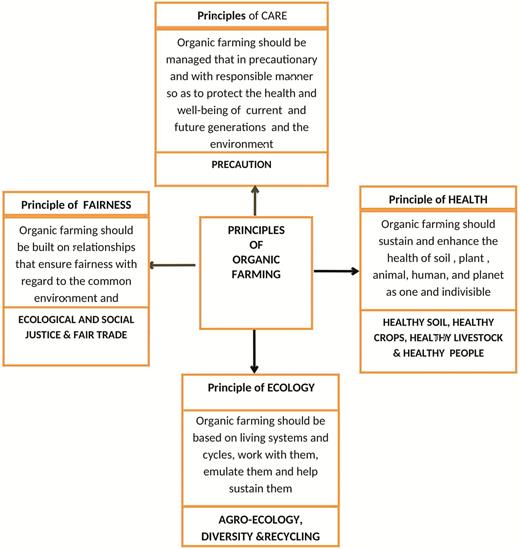
Organic farming and food processing practices are wide-ranging and necessitate the development of socially, ecologically, and economically sustainable food production system. The International Federation of Organic Agriculture Movements (IFOAM) has suggested the basic four principles of organic farming, i.e. the principle of health, ecology, fairness, and care . The main principles and practices of organic food production are to inspire and enhance biological cycles in the farming system, keep and enhance deep-rooted soil fertility, reduce all types of pollution, evade the application of pesticides and synthetic fertilizers, conserve genetic diversity in food, consider the vast socio-ecological impact of food production, and produce high-quality food in sufficient quantity.

Principles of Organic Farming  

According to the National Organic Programme implemented by USDA Organic Food Production Act (OFPA, 1990), agriculture needs specific prerequisites for both crop cultivation and animal husbandry. To be acceptable as organic, crops should be cultivated in lands without any synthetic pesticides, chemical fertilizers, and herbicides for 3 years before harvesting with enough buffer zone to lower contamination from the adjacent farms. Genetically engineered products, sewage sludge, and ionizing radiation are strictly prohibited. Fertility and nutrient content of soil are managed primarily by farming practices, with crop rotation, and using cover crops that are boosted with animal and plant waste manures. Pests, diseases, and weeds are mainly controlled with the adaptation of physical and biological control systems without using herbicides and synthetic pesticides. Organic livestock should be reared devoid of scheduled application of growth hormones or antibiotics and they should be provided with enough access to the outdoor. Preventive health practices such as routine vaccination, vitamins and minerals supplementation are also needed.

Principles of Organic Farming

Types of Organic Farming

Organic Farming are of two types. Here are the two types of Organic Farming being performed in India.

(a) Pure Organic Farming – pure organic farming, there is avoiding every unnatural chemical. In the process of pure farming, fertilizer and pesticides obtain from natural sources. It is called a pure form of organic farming. Pure organic farming is the best for high productivity. 

(b) Integrated Organic Farming – Integrated organic farming consists of integrated nutrients management and integrated pest management.

Organic Farming in India

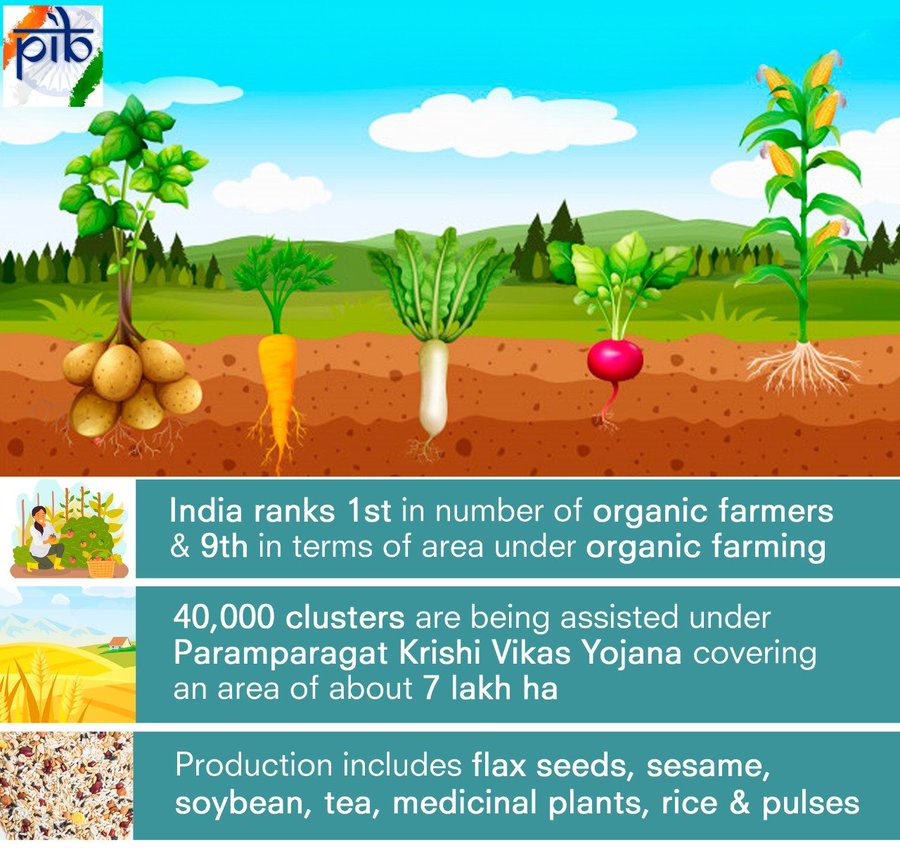
Organic farming is in a nascent stage in India. About 2.78 million hectare of farmland was under organic cultivation as of March 2020, according to the Union Ministry of Agriculture and Farmers’ Welfare. This is two per cent of the 140.1 million net sown area in the country. A few states have taken the lead in improving organic farming coverage, as a major part of this area is concentrated only in a handful of states. Madhya Pradesh tops the list with 0.76 million of area under organic cultivation — that is over 27 per cent of India’s total organic cultivation area. The top three states — Madhya Pradesh, Rajasthan and Maharashtra — account for about half the area under organic cultivation. The top 10 states account for about 80 per cent of the total area under organic cultivation. Sikkim is the only Indian state to have become fully organic so far. Even though India has very small organic area under cultivation, in terms of number of organic farmers it is being ranked first. India has over 1.9 million farmers as of March 2020, which is 1.3 per cent of 146 million agricultural landholders.

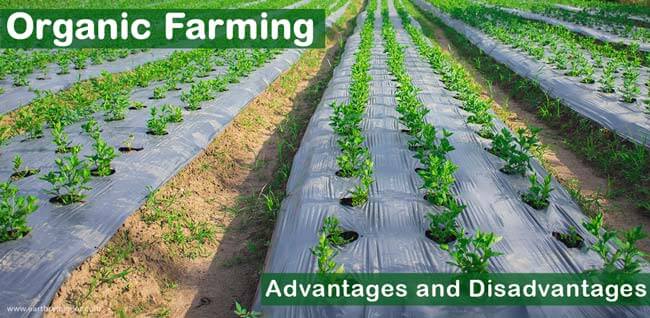
Advantages and Disadvantages of Organic Farming

Advantages of Organic Farming

Organic farming in India is very economical, it uses no expensive fertilizers, pesticides, HYV seeds for the plantation of crops. It has no expenses. 

With the use of cheaper and local inputs, a farmer can earn a good return on investment. This is one of the most important benefits of organic farming in India. 

There is a huge demand for organic products in India and worldwide and can earn more income through export.

Organic products are more nutritional, tasty, and good for health to chemical and fertilizer utilized products. 

Organic farming in India is very environment friendly, it does not use fertilizers and chemicals. 

Disadvantages of Organic Farming

Organic farming in India has fewer choices, and off-season crops are limited.

Organic agricultural products are low in the early years. Farmers find it difficult to accommodate mass production.

The main disadvantage of organic farming is the lack of marketing of the products and Inadequate infrastructure.

Organic Farming in India

Future of Organic Farming in India

India is an agriculture-based country with 67% of its population and 55% of manpower depending on farming and related activities. Agriculture fulfils the basic needs of India’s fastest-growing population accounted for 30% of total income. Organic farming has been found to be an indigenous practice of India that practised in countless rural and farming communities over the millennium. The arrival of modern techniques and increased burden of population led to a propensity towards conventional farming that involves the use of synthetic fertilizer, chemical pesticides, application of genetic modification techniques, etc.

Organic Farming leads to Sustainability and Holistic Growth

Even in developing countries like India, the demand for organically grown produce is more as people are more aware now about the safety and quality of food, and the organic process has a massive influence on soil health, which devoid of chemical pesticides. Organic cultivation has an immense prospect of income generation too. The soil in India is bestowed with various types of naturally available organic nutrient resources that aid in organic farming.

As per data collected from Government of India

Conclusion

India is a country with a concrete traditional farming system, ingenious farmers, extensive drylands, and nominal use of chemical fertilizers and pesticides. Moreover, adequate rainfall in north-east hilly regions of the country where few negligible chemicals are employed for a long period of time, come to fruition as naturally organic lands. Organic farming yields more nutritious and safe food. The popularity of organic food is growing dramatically as consumer seeks the organic foods that are thought to be healthier and safer. Thus, organic food perhaps ensures food safety from farm to plate. The organic farming process is more eco-friendly than conventional farming. Organic farming keeps soil healthy and maintains environment integrity thereby, promoting the health of consumers. Moreover, the organic produce market is now the fastest growing market all over the world including India. Organic agriculture promotes the health of consumers of a nation, the ecological health of a nation, and the economic growth of a nation by income generation holistically. India, at present, is the world’s largest organic producers and with this vision, we can conclude that encouraging organic farming in India can build a nutritionally, ecologically, and economically healthy nation in near future.

Modern Agriculture

Agriculture is the main occupation in India, whilst it is more than an occupation, as it is regarded as the backbone of our country. It does not just a need or merely a source of livelihood but a way of life without which we could not imagine our existence on Earth. On a literal note agriculture means the production and cultivation of crops and livestock on a farm. It provides the highest contribution to national income and is currently the highest contributor to the GDP of India. It is the basic salient factor for the economic growth of a country on the same hand the development of agriculture is very prominent for a country’s development. It plays a crucial role and an integral part in the entire life of an economy which presses the need of its development. Speaking about the enhancement in the field of agriculture there are many methods and technologies in the contemporary world that contributes to its growth. Modern agriculture is the juncture where technologies and agriculture meets.

It is an evolving approach to many innovations in the agricultural field and farming practices that can help the farmers to augment efficiency by implementing several methods and reduce the number of natural resources like water, land, and energy necessary to meet the world’s food, fuel and fiber needs in a more effective form to increase productivity and decreasing environmental impact. It is driven by continuous improvement, using technology, digital tools and data. Precision agriculture allows the farmers to be more accurate that includes the use of Global Positioning Systems which results in the effectual use of resources.

Techniques in modern agriculture

Aeroponics system– It is the process where plants are grown in the air or mist environment without the use of soil. Plants grow in a soilless medium called rockwool. By using this method farmers will have better control over the amount of water to use. Lot of vegetables and fruits like beets, broccoli, cabbage, carrots, cauliflower, cucumber etc can be grown using this method.

Monoculture– It is the raising of a single crop within a specified area which in contrast to the traditional technique of farming , which relied on multiple crops being planted within a specific area. Many indoor farms growing medicinal herbs and flowers are measured to be monoculture farms. Monoculture farming is widely used in both industrial farming and organic farming and has allowed increased efficiency in planting and harvest. It reduced plant opposition for nutrients, space and solar radiation.

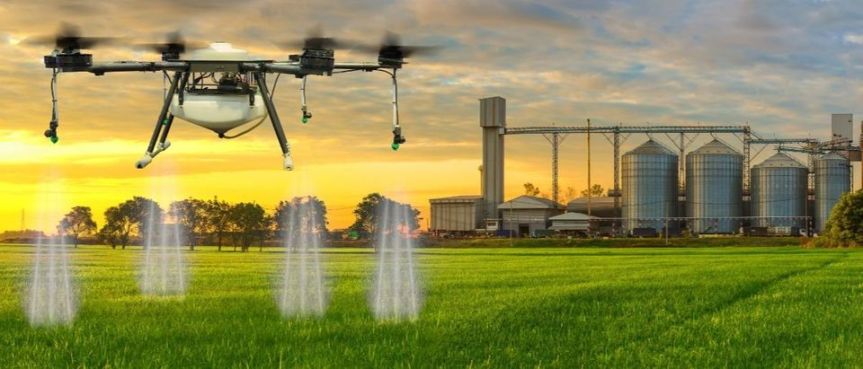
Drones in farming – It is an unmanned aerial vehicle applied to farming in order to help increase crop production and monitor crop growth. Sensors and digital capabilities can give farmers a well-heeled picture of their fields. The drones in agriculture have the potential to launch the agriculture industry into a future of sustainability. It is very effective at collecting data to help farmers improve crop health and allows farmers to gain immediate knowledge about the status of the fields.

Hybrid seed technology– It is a cross between two or more unrelated inbred plants. The two dissimilar varieties of plants are cross bred, resulting in a seed that carries one or more favorable traits. They are common in commercial farming, mainly to increase crop yields. It shows enhanced disease resistance, improved crop yields, increased flavor of fruits and vegetables.

Tissue culture – It is a method where the fragments of a tissue plant are introduced into a new, artificial environment, where they continue to function or grow. It is the expansion of tissues or cells separate from the organism. This is naturally facilitated via the use of a liquid, semi-solid or solid. such as broth or agar. It is a fast technique in which thousands of plants can be created in a few weeks time from a small amount of plant tissue and the plants are disease free.

Irrigation technologies-Water is one of the most essential factors in the deciding the survival of plants. The modern methods of irrigation include surface irrigation- flood irrigation, sprinkler- water is sprinkled or sprayed on plants which is similar to rainfall, drip – small diameter pipes with emitter or drippers that lie close to grounds and subsurface. The modern methods are better because it saves more water and also reduces the time and labor.

‘Dhoni not thinking about retirement:’, his manager provides huge updates on former Indian captain’s future.

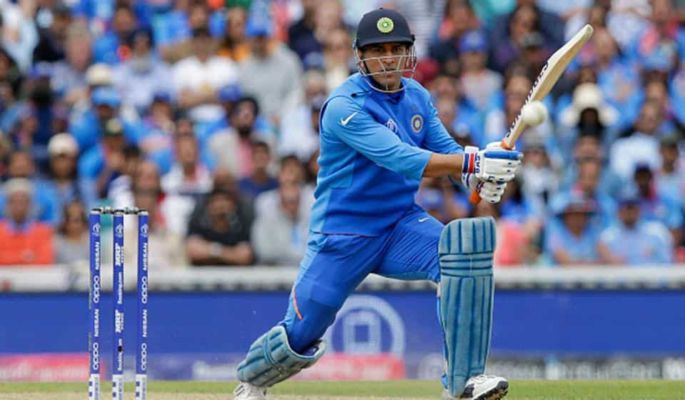
MS Dhoni’s manager Mihir Diwakar has clarified that the wicketkeeper batsman does not seem to be harbouring thoughts of retirement as of now. The former India captain, who has not played any form of cricket since India’s World Cup exit last year, turned 39 on Tuesday.

His manager and childhood friend Mihir Diwakar, while speaking to PTI, gave a peek into the trailblazer’s reclusive life at his home in Ranchi.

“Patriotism is in his blood, be it serving for the country (in defence) or (farming) the land, he’s very passionate about it. He has about 40-50 acres of farm land and he is busy growing organic crops like papaya, banana there,” Diwakar said.

The wicketkeeper-batsman was expected to be back in action at the IPL but that has been postponed indefinitely due to the COVID-19 pandemic.He was recently seen driving a tractor during the lockdown. Diwakar said they are soon going to launch their organic fertiliser under their company’s name Neo Global.

He said the fertiliser is being tested at Dhoni’s farm. Dhoni recently spoke about the harmful impact of pesticides in a video to promote organic farming. “We have a team of experts and scientists and they have developed the fertiliser and it should be launched within two-three months,” Diwakar said.”I spoke to him past midnight. It was a normal business talk. As usual, Dhoni would be at home with his family, with a quiet birthday celebration.”

India's MS Dhoni, second right, carries his bats before batting in the nets during a training session.

Asked whether retirement has crossed Dhoni’s mind, Diwakar said: “Being friends, we don’t talk about his cricket. But looking at him, he’s not all thinking about retirement.”He is very determined to play the IPL. He has worked really hard for this. If you remember he was there in Chennai one month in advance before everything was shut down,” he pointed out.

“He is very determined to play the IPL. He has worked really hard for this. If you remember he was there in Chennai one month in advance before everything was shut down,” he pointed out.

“He has maintained his fitness regimen at his farmhouse and will start practice after the lockdown is lifted. Everything now depends on how fast the situation returns to normalcy,” he concluded.

MS Dhoni