From Manager to Visionary: How to Lead Business Transformation in Uncertain Times

Daily writing prompt
Share one of the best gifts you’ve ever received.

Picture this – you’re steering a ship in the middle of a storm. The winds are howling, the waves are unpredictable, and your crew looks to you for direction. In today’s volatile business environment, managers are facing a similar challenge. Economic fluctuations, rapid technological advancements, and evolving customer expectations have made traditional management styles obsolete. To survive and thrive, leaders must move beyond managing tasks – they must become visionaries who anticipate change, inspire innovation, and drive transformation.

Photo by Eva Bronzini on Pexels.com

So, how does one make this leap from manager to visionary? What skills and mindset shifts are required to navigate uncertain times successfully? This article explores the key strategies that can help leaders transform businesses while ensuring stability and long-term growth.

1.     Shift From Being Reactive to Being Proactive

Traditional managers are often reactive – responding to challenges as they arise. Visionary leaders, on the other hand, anticipate change before it happens. They don’t just solve problems; they look ahead, identify opportunities, and shape the future. Here’s how you can be a visionary leader:

  • Embrace Scenario Planning: The most successful leaders don’t wait for crises; they prepare for them. Companies like Amazon and Tesla thrive because their leaders think five to ten years ahead. Regularly conducting “what-if” analyses can help businesses stay ahead of disruptions.
  • Encourage a Culture of Innovation: Visionary leaders foster environments where employees feel empowered to experiment and challenge the status quo.
  • Stay Ahead of Industry Trends: Subscribe to reports, attend conferences, and network with thought leaders to predict industry shifts before they happen.

2.     Adapt to Digital Transformation

Technology is the biggest disruptor in today’s business landscape. AI, automation, and big data are not just buzzwords; they are fundamentally reshaping industries. Managers who resist digital transformation risk becoming obsolete, while visionary leaders harness these tools to drive efficiency, enhance decision-making, and create new revenue streams. Steps to lead this digital transformation:

  • Invest in Digital Literacy: Even if you’re not in a tech-heavy industry, understanding AI, blockchain, and data analytics is crucial. Many executives enroll in a general management course to strengthen their ability to integrate technology into business strategy. You can consider enrolling in a general management programme to learn these skills.
  • Leverage AI for Smarter Decision-Making: Companies like Netflix use AI-driven analytics to predict customer preferences and enhance user experience. Could your business use AI to forecast market trends or optimize supply chain management?
  • Adopt Agile Practices: Traditional business models follow rigid hierarchies. Visionary leaders embrace agility, enabling their teams to pivot quickly in response to change.

3.     Lead with Purpose

A manager manages teams; a visionary inspires movements. To lead transformation in uncertain times, leaders must establish a clear purpose that resonates with employees, customers, and stakeholders. You need to build a compelling vision.

  • Define Your ‘Why’: What impact does your company want to create? Visionary leaders, like Steve Jobs and Elon Musk, built companies with missions that were larger than profits.
  • Communicate with Clarity: A vision is useless if your team doesn’t understand it. Every decision, project, and strategy should align with the company’s broader purpose.
  • Lead by Example: Employees look to leadership for cues. If you want your organization to embrace transformation, demonstrate adaptability and forward-thinking in your own actions.

4.     Build Resilience

In uncertain times, resilience is the most important trait a leader can cultivate. Visionary leaders don’t fear failure; they see it as a learning opportunity. How to build organizational resilience:

  • Encourage a Growth Mindset: Visionary leaders foster a culture where employees feel safe to take risks and innovate.
  • Develop Strong Crisis Management Skills: Leaders must be prepared to respond to market downturns, supply chain disruptions, or workforce challenges without losing momentum.
  • Strengthen Financial Agility: Businesses that survived the COVID-19 crisis were those that quickly adapted their financial strategies. Maintaining healthy cash reserves and diversifying revenue streams can be game-changers.

5.     Embrace People-Centric Leadership

At the heart of every transformation is people. The best strategies and technologies mean nothing if employees are disengaged or resistant to change. Visionary leaders prioritize people over processes, ensuring that teams remain motivated, aligned, and prepared for the future.

  • Empower Teams with Autonomy: Employees perform better when they have ownership over their work. Autonomy fosters creativity and innovation.
  • Prioritize Employee Well-Being: Burnout is a major challenge for organizations undergoing transformation. Companies with strong well-being programs see higher productivity and retention rates.
  • Develop Future-Ready Skills: A general management course can help leaders refine their skills in change management, strategic thinking, and employee engagement.

6.     Make Bold, Data-Driven Decisions

In uncertain times, relying on intuition alone can be risky. Visionary leaders combine data-driven insights with bold decision-making to navigate uncertainty with confidence.

  • Leverage Predictive Analytics: AI-driven analytics can help forecast customer behavior, market trends, and operational risks.
  • Test and Iterate: The best leaders experiment with new strategies, analyze results, and pivot quickly if needed.
  • Balance Logic with Instinct: While data is powerful, gut feeling and experience also play a role in high-stakes decisions.

Final Thoughts

The leap from manager to visionary isn’t about a title change – it’s about adopting a mindset that embraces change, inspires innovation, and leads with clarity and purpose. As the business world grows increasingly complex, the most successful leaders will be those who:

  • Anticipate and adapt to change
  • Leverage technology for transformation
  • Lead with vision and inspire their teams
  • Prioritize resilience and agility
  • Make bold, data-driven decisions

For managers looking to step into visionary leadership roles, investing in executive education, like IIM General Management Program, which can provide the strategic insights, leadership skills, and digital expertise needed to lead successfully in an era of uncertainty.

Investing in Self-Improvement: The ROI of Personal Choices

Daily writing prompt
What is your favorite form of physical exercise?

In today’s fast-paced world, investing in self-improvement has become more important than ever. Personal development is not just about gaining new skills or knowledge; it’s about enhancing the quality of your life and achieving your goals. This blog post explores the concept of self-improvement as an investment and how even small personal choices can yield substantial returns over time.

Photo by Tima Miroshnichenko on Pexels.com

The Power of Personal Investment

Investing in yourself is one of the most rewarding decisions you can make. It encompasses learning new skills, adopting healthier habits, and expanding your mindset. By prioritizing self-improvement, you can unlock a range of benefits, from increased confidence to better career prospects.

One of the most significant advantages of personal investment is the boost in self-confidence. When you commit to improving yourself, you develop a sense of accomplishment and self-worth. This newfound confidence can help you tackle challenges and seize opportunities with determination and resilience.

In addition to self-confidence, investing in personal growth can enhance your career. Acquiring new skills and expanding your knowledge base makes you more valuable in the job market. Employers are always on the lookout for individuals who are committed to continuous improvement.

Setting Clear Goals and Intentions

The first step in investing in self-improvement is setting clear goals and intentions. Without a roadmap, it’s easy to get lost or distracted. Begin by identifying areas of your life you’d like to improve and establish specific, achievable objectives.

Clear goals give you a sense of direction and purpose. They provide you with motivation and a framework to measure your progress. By setting intentions, you are more likely to stay focused and committed to your self-improvement journey.

To set effective goals, use the SMART criteria—Specific, Measurable, Achievable, Relevant, and Time-bound. This approach ensures that your goals are realistic and attainable, making it easier to track progress and celebrate successes along the way.

Cultivating a Growth Mindset

A growth mindset is essential for self-improvement. It involves believing that your abilities and intelligence can be developed through dedication and hard work. This perspective fosters a love of learning and resilience in the face of challenges.

Having a growth mindset allows you to view setbacks as opportunities for growth rather than failures. It encourages you to take risks and step outside your comfort zone, leading to personal and professional development.

Cultivating a growth mindset involves being open to feedback, learning from mistakes, and seeking new experiences. By adopting this mindset, you create a foundation for continuous self-improvement and lifelong learning.

Building Strong Habits

Habits play a crucial role in self-improvement. They are the building blocks of change and can significantly impact your life. Developing positive habits requires discipline, patience, and consistency.

Start by identifying habits that align with your self-improvement goals. Whether it’s exercising regularly, reading daily, or practicing mindfulness, focus on incorporating these habits into your routine.

Building strong habits takes time and effort, but the rewards are well worth it. Over time, these habits become second nature, contributing to your overall well-being and success.

The Role of Education and Skill Development

Education and skill development are integral components of self-improvement. They open doors to new opportunities and help you stay competitive in a rapidly changing world. Whether through formal education or self-directed learning, acquiring new skills is a valuable investment.

Consider enrolling in courses, attending workshops, or pursuing certifications to enhance your knowledge and abilities. These investments can lead to career advancement, increased earning potential, and personal fulfillment.

Remember, learning doesn’t have to be limited to your professional life. Explore hobbies and interests that bring you joy and satisfaction. This holistic approach to education enriches your life and contributes to your overall development.

Prioritizing Health and Well-being

Your health and well-being are fundamental to personal growth. Without a strong foundation of physical and mental health, it’s challenging to achieve your goals and live life to the fullest.

Prioritize self-care by adopting healthy habits such as regular exercise, balanced nutrition, and adequate sleep. These practices boost your energy levels, improve your mood, and enhance your cognitive function.

Mental well-being is equally important. Practice mindfulness, seek support when needed, and engage in activities that promote relaxation and stress reduction. A healthy mind is better equipped to handle life’s challenges and maintain focus on self-improvement.

Building Meaningful Relationships

Relationships are a key aspect of personal development. Surrounding yourself with supportive, positive individuals can inspire and motivate you to grow. Invest time in nurturing meaningful connections with family, friends, and mentors.

Strong relationships provide emotional support, guidance, and encouragement. They offer different perspectives and insights that can enrich your self-improvement journey. By cultivating a network of positive influences, you create an environment conducive to personal growth.

Remember, meaningful relationships are built on trust, communication, and mutual respect. Be open, honest, and empathetic in your interactions to foster genuine connections.

Financial Literacy and Stability

Financial literacy and stability are essential components of personal growth. Understanding how to manage your finances empowers you to make informed decisions and plan for the future.

Invest time in learning about budgeting, saving, and investing. These skills provide you with the freedom and flexibility to pursue your self-improvement goals without financial stress.

Achieving financial stability enables you to invest in experiences and opportunities that enhance your personal development. Whether it’s further education, travel, or hobbies, having control over your finances allows you to make choices that align with your aspirations.

Leveraging Technology for Self-Improvement

Technology offers a wealth of resources to support your self-improvement efforts. From online courses to productivity apps, technology can enhance your learning experience and streamline your personal development.

Explore platforms that offer courses aligned with your goals and interests. Use productivity tools to manage your time and tasks effectively. Leverage social media and online communities to connect with like-minded individuals and share experiences.

While technology can be a powerful ally, it’s essential to use it mindfully. Set boundaries to prevent digital overload and ensure that your tech usage contributes positively to your self-improvement.

Dental Implants in Richland WA and Self-Care

Investing in self-care extends beyond daily habits—it includes taking care of your dental health. For instance, seeking dental implants in Richland WA can significantly enhance your quality of life if you’re dealing with missing teeth. Good oral health is vital for overall well-being and confidence, allowing you to focus more on your self-improvement goals.

Dental implants provide a permanent solution that looks and feels natural, improving your smile and boosting your self-esteem. This investment in your health can lead to better social and professional interactions, contributing positively to your self-improvement efforts.

Measuring Your Progress and Celebrating Success

Tracking your progress is crucial for staying motivated and achieving your self-improvement goals. Regularly evaluate your growth and make adjustments as needed. Celebrate your successes, both big and small, to maintain momentum and build confidence.

Set aside time to reflect on your achievements and the lessons learned along the way. This practice reinforces your commitment to self-improvement and helps you stay focused on future goals.

Remember, self-improvement is a lifelong journey. Be patient with yourself and acknowledge the progress you’ve made, no matter how incremental it may seem.

Conclusion

Investing in self-improvement is one of the most rewarding choices you can make. By prioritizing personal development, you unlock a lifetime of returns in the form of confidence, success, and fulfillment. Whether it’s through setting goals, building habits, or seeking knowledge, the path to self-improvement is filled with opportunities for growth.

Take action today and invest in yourself. Whether it’s enrolling in a course, joining a community, or starting a new habit, every step you take brings you closer to realizing your full potential. Remember, the best investment you can make is in your own future.

The role of physical education in the school system


The number of non-educational activities that children do in India has increased over the last few years. With rising incomes, the proliferation of places selling junk food, and the easy availability of non-academic activities, children are spending less time keeping themselves healthy. Add to this the proliferation of mobiles, TV, and computers and you know why children are no longer keen on health.

The answer to this is physical education in schools in India as it plays a very consequential role in keeping children fit and active. Physical education helps in developing students’ competence and confidence. It helps them to take part in a wide range of physical activities that are crucial to their lives—both in and out of school.

A high-quality physical education program enables all students to enjoy and succeed in many kinds of physical activities. The importance of physical education programs is to help students to develop a wide range of skills as well as gives them the ability to use tactics, strategies, and newer ideas to perform successfully both at home and school.

Benefits of Physical Education

1.Teaches Ethical Traits


The first benefit of physical education is that it teaches ethical traits that students need to thrive in this competitive world. The main ethics that they learn from physical education are perseverance and work ethics. Whether in physical education or sports, disputes often arise and only ethics and perseverance from the players can reduce the disputes.

2.Physical Fitness


Physical fitness is the key ingredient for a healthy lifestyle. This is why physical education is an important element in most schools. When students have regular fitness activities as part of their daily regimen,  they stay fit and healthy. Regular physical activities daily help in better absorption of nutrients in the body and also helps in improving cardiovascular health and developing muscular strength.

3.Improvement in Academic Performance


One of the advantages of physical education is that it helps in improving the academic performance of the students. Most physical activities that students do in schools are related to higher levels of concentration which in turn help with better behaviours. Physical activities and sports activities help in boosting the knowledge learned in the classroom.

4.Social Interaction


Apart from the classroom, physical education is the only time when students can meet and interact with their classmates and other schoolmates. It helps improve their social behaviour. During the physical education class, they learn to cooperate through various group activities and get a sense of identity from each other as well as of the team. These social activities continue to play an important role in the growth of a student into a better professional. For instance, sports is one of the best sources to instil team building, leadership, and management skills in them.

5.Reduces Stress


There’s immense academic pressure on kids lately. Most schools give importance to core subjects and students are under tremendous pressure to perform better in these subjects. Even after spending several hours in school, they have to work on homework at home and this leaves them with little time to do anything else. And because children spend a lot of hours on academics, this leads to a lot of mental and physical pressure. Physical activity can help take some of those stress and anxiety away. It can also lead to emotional resilience and stability.

CONCLUSION

Many schools have made physical education an essential part of their education program because they know that physical education plays a key role in the development of a student’s life. This is because of the fact students who participate in physical activities are always happier and healthier than those students that spend all their time studying. It has been known physical activities help in providing more oxygen to the heart and brain and allows the body to maintain a balance between physical and mental health.

Schools should consider several factors in the development of physical activities and one of those is the age of the student. Schools need to have age-appropriate physical education programs for students. Schools should be aware of the importance of physical education and have a healthy mix of academic, non-academic, and physical education activities for the holistic growth of the children.

Personality Development

•What is personality?

   Personality refers to individual differences in characteristic patterns of thinking, feeling and behaving.
• What is personality development?
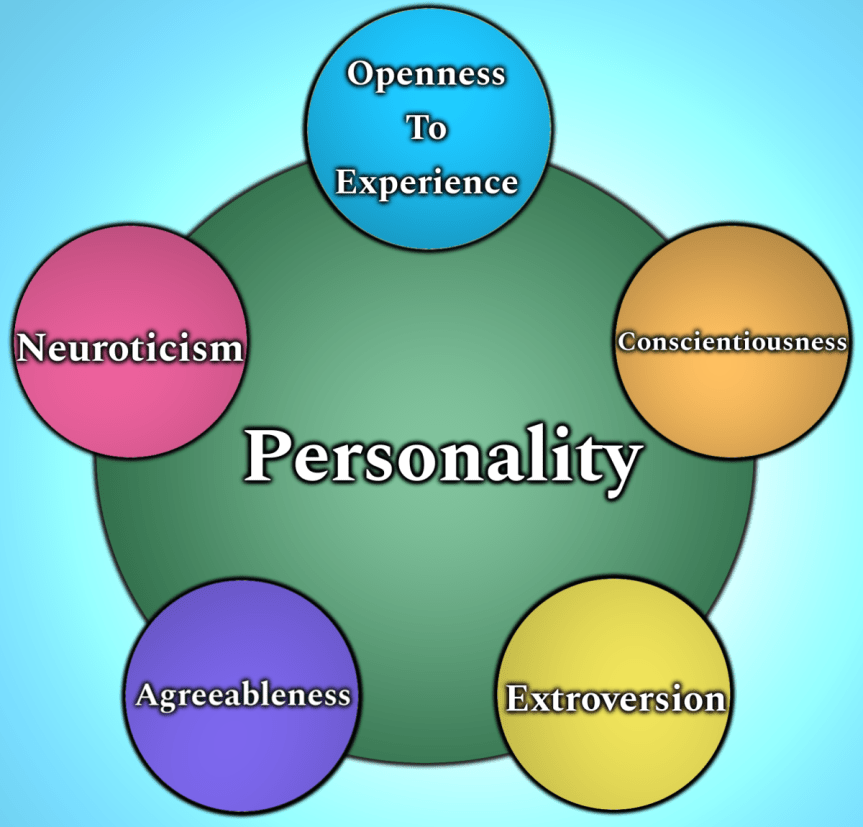
   Personality development refers to how the organized patterns of behavior that make up each person’s unique personality emerge over time. Many factors go into influencing personality, including genetics, environment, parenting, and societal variables.
   The various aspects of personality development are given in the image:
• What is the importance of personality development?
   Personality development helps you gain recognition and acceptance from the society as well as people around. Personality development plays an essential role not only in an individual’s professional but also personal lives. It makes an individual disciplined, punctual and an asset for his/her organization.
• Here are 10 most effective ways for one to develop his personality :-
1. Be a better listener. Try to listen to people and understand their point of view.
2. Read more and expand your interests. Reading will help you know more things and expand your knowledge.
3. Be a good conversationalist. Conversation with people is really helpful to develop your personality.
4. Have an Opinion. There is nothing more tiresome than trying to talk to someone who has no opinion on anything.
5. Meet New People. Meeting new people and talking to them will help you know yourself more.
6. Be yourself. Don’t try to please people by changing your opinion.
7. Have a positive outlook and attitude.
8. Be fun and see the humorous side of life. 
9. Be supportive of others. Help others and they will help you too.
10. Have Integrity and treat people with respect. People will treat you the way you treat them so be kind. 
   So now, what are you waiting for? Go now and help yourself grow and develop your personality.

A Guide To Effectively Communicate In The Workplace

Communication is the key to efficient work environment in the workplace. Effective workplace communication is required to achieve certain company goals. Ideas and information have to be accurately delivered to the coworkers to avoid confusion and ensure smooth working. Communication at work helps with team building and productivity. Leading a team entails effective communication and leadership. Outstanding communication paves a path to excellent leadership at work. When working with coworkers, a single perspective does work, everyone’s ideas and perspective together produce quality work. Effective communication leads to success and meets organizational goals. Nowadays, communication skills are given more priority than managerial skills because communication leads to successful management. To communicate effectively with your coworkers these tips will help you.

  • Verbal Communication

Verbal communication is effective for building better relations with your coworkers. You can communicate by asking if they need help with something or ask if they are facing any problem.

  • Provide clear information

Plan the information or message you want to deliver to certain person and accordingly send the message with suffice information for the other person to understand because haphazard emails will create miscommunication. When working in an office, information should be clearly passed on to another person. If not passed on aptly, it will cause confusion.

  • One-on-one Communication

In a team, not all members can understand the instructions properly, considering each members own grasping capacity. One-on-one communication provides clear instruction in such a scenario. Everyone faces issues with specific team members regarding their work progress or other actions, one-on-one meetings are always effective to resolve these problems. It also works when a team member is uncomfortable with group meetings.

  • Visual Presentation

Visuals help team members to understand the work with more clarity. Power point presentations should be used to communicate properly. Pictures, videos or sound effects can be used for presentations.

  • Be careful with your body language

Pleasant body language delivers your message in a better way. Always sit straight and maintain an eye contact. Smile and use handshakes for good communication with your team.

  • Ask questions

Every conversion is said to be effective when others listening to it are engaging and responsive. Asking questions help you get better understanding of the conversion. Avoid asking questions not associated with the subject you are discussing.

  • Encourage open meetings

Open discussions encourage open communication with your team members, where everyone has an equal opportunity to communicate their ideas. This will provide a open environment to everyone including introverts.

  • Always listen

Don’t talk all by yourself. Allow others to talk and interact with the team. This helps in better building better relations with your team and opens you to better guidance.

  • Appreciate your team members

Whenever you feel that your team members have done an excellent job and are on the right track, appreciate their good work. Don’t hesitate to praise their work. This way members feel appreciated for the work they do.

  • Encourage regular feedbacks

Feedbacks are important to understand where you need improvement in your communication style. Ask for feedbacks to know whether your instructions are correctly communicated.

How To Overcome Procrastination

Procrastination is an action of unnecessarily delaying tasks. Most of us struggle with delay and avoiding work on a regular basis. It has become a habit of delaying work to the next day to the point where deadline knocks on the door.

We make a resolution to stop procrastinating our work but we fail to keep it. When you know that you have enough time you tend to delay because you think there is plenty of time left in the future and you can complete it any day but postponing work till last day stresses you out and it reflects on your work.

So, how can you avoid this habit of procrastination ?

Here are some tips to follow.

  1. Set deadlines –

Lose the habit of pushing your work to tomorrow. Set deadlines. Aim to complete your work on the that deadline. Always set deadline that can be achieved. Set deadlines that help you to complete your work two days or a day prior. This way you struggle to the last minute.

2. Organize yourself

Tracking progress and due dates is a great way to ensure timely completion of work. You can make use of daily or weekly planners.

3. Prioritize your work –

Make a to do list where you list down your assignments and projects according to their priority. The most urgent and important should be given more attention followed by less urgent and less important.

4. Avoid distractions –

Avoid activities or places that cause distraction. Always silent your phone to avoid calls or notification sounds. Notification sounds are distracting and compel you to focus on the phone rather than your work. Quite places help you to concentrate on your work. Noisy backgrounds distract you.

5. Set goals –

Unplanned routine is a cause of procrastination. Setting goals gives a clear plan as to how you should proceed with your assignments or projects. But remember to set realistic goals. Instead of focusing on completing large chunks of work at one go, focus on completing lesser amount on a regular basis.

6. Always take a break

Breaks are needed to restore drained energy during studies. Take a 5-minute walk or have something to eat. Avoid longer breaks. Time your breaks. Also, being on phone should be avoided only if you feel phone can distract you from your timed break.

7. Reward yourself

Incentives encourage you to work harder. After you complete your target of the day, reward yourself with something you like.

8. Be around people who are organized

Spending time with people who are organized and do they work on time should be made friends with. They inspire you to push yourself and work diligently. They inculcate their drive in you.

9. Avoid thinking of it as a pain

Since, you are not used to doing things before the due date, it can be painful and tiring at first but eventually you will like how stress-free it is to complete it beforehand. You will be motivated to work more.

Procrastination can be difficult to overcome but it is not impossible if you believe in yourself. If you truly want to get organized and free yourself from the stress of last minute deadlines, then these tips will help you.

Confidence:a key to success?

Confidence means feeling sure of yourself and your abilities in a realistic and secure way. Yes, it is rightly said that confidence is the key to success. It is built on the choices and accomplishments that feed your passion, most of all making you happy and feeling proud on yourself.

It doesn’t mean to feel like superior from others or in any arrogant way but to believe in a positive manner that you’re capable. A confident person can achieve the goals and face the scenarios of life far better than those who lacks it.

The people who are confident enough are admired by others ,can take the risk , look up the situations positively and also inspire others.

” low self-confidence isn’t a life sentence. Self confidence can be learned , practiced and mastered- just like any other skill. Once you master it, everything in your life will change for the better”.

Barrie Davenport

Tips to be confident:

  1. It is obvious that if you don’t believe in yourself how do u expect any other person to do that ? Confidence begins to develop by the time of accomplishment of the goals. So GET THE THINGS DONE is the foremost step in which you are required to set-up your day-to-day goals and when you will achieve them, automatically you will have the confidence of doing it.
  2. Just setting up of the goals is not enough and there comes the second tip to MONITOR THE PROGRESS by which you can easily know how much you have achieved and also can make any changes in your goals if needed to satisfy them.
  3. The way you appear or dress have a significant impact on your confidence .So DRESS SMART , it is the international symbol of status and no matter where you live it is always preferable to bring more attractiveness and confidence in you.
  4. Here comes the role of a BODY LANGUAGE which plays more important role in judging the personality of a person. Behave in a manner which will present you more confident . Always walk tall ,have an eye contact while talking and be energetic.
  5. Find out your strengths and try to LEVERAGE YOUR STRENGTHS dont give much focuss on your shortcomings otherwise you will become less confident. Just know your areas of master and bring them to more upper level to increase them it will eventually help you to be more confident about yourself.

Tips To Improve Your Personality

Everyone is gifted with a unique personality. Every personality has both good and bad traits. However, what sets a personality apart from the rest is how one presents itself to the world.

Improving your personality is not changing who you are but its about becoming a better self. It polishes your existing and hidden traits.

Today’s world is competitive and demands a confident and eloquent speaker that promises to represent the company, college or any organization with an impressive personality.

Here’s how you can improve your personality.

  • Be confident

Being confident is about having faith in yourself and expressing your views no what matter people think. Never doubt yourself. Often people tell you that your idea is poor and does stand a chance. If you think it does, go ahead with it and have confidence.

  • Be a good listener

It is very important to be a good listener. You should listen to other person with the intent to understand rather than listening with the intent to reply. It is a great way to understand people’s views and thoughts on certain things. This way you get to know people better.

  • Make new connections

Talking to new people is observed to be hard for those who are not socially active but making an effort in engaging in a conservation will provide you with great knowledge. You will get to know about other people’s experiences. New connections will expose you to numerous ideas and opinions. It will expand your mind.

  • Have an optimistic attitude

Be positive. Nobody wants to be around a negative person. People prefer to be around who are energetic and cheerful. Despite the challenges you face always have an optimistic approach. Positivity enhances your personality.

  • Be a conversationalist

The more you read, the more knowledge you receive. When you are well versed with what’s happening in the current world, you are more confident to express your views. Start conversations and share knowledge. You get an opportunity to learn a lot from real world experiences of the people.

  • Treat people with respect

Treating with respect is how you earn respect. In order to earn respect, you should be honest and truthful. If you make a promise, always be sure that you fulfill it. Not staying truthful to your words and being disrespectful will reflect an unpleasant personality.

  • Improve your presentation skills

Effective presentation skills are required in school, college and workplace. It is necessary in every field. You should have the needed creativity and fluency.

  • Have an opinion

People admire who have an opinion and have a certain way of looking at things. Having uncertain opinions can make you look indecisive. If you have uncommon and strong opinions, don’t be afraid afraid to express them as people find it interesting.

  • Be yourself

Never try to be someone you are not. Copying somebody else does not show the real you. Embrace your uniqueness. The more you try to be somebody you are not, the more fake you are perceived by everyone around you.

  • Personality Development Sessions

There are sessions conducted with a small group of people or if you want there are even one on one sessions. They initially take your personality test. According to the test, they guide you through the process of personality enhancement through various activities and provide you with a safe environment where you can express yourself freely.

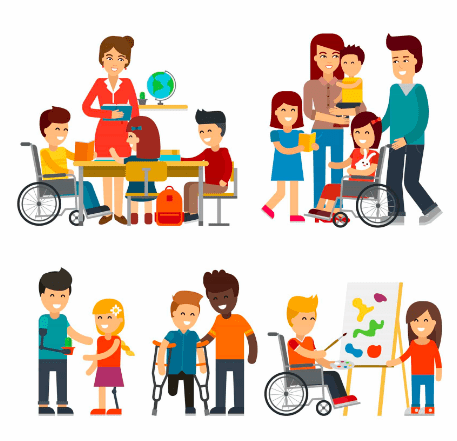
DISABILITY ETIQUETTES

Disability Etiquette - United Spinal Association

Disability etiquette is a set of guidelines dealing specifically with how to approach persons with disabilities . Before knowing about disability etiquettes , it is essential to understand certain basic things such as if someone has a disability don’t assume he/she needs help . In fact , adults with disabilities wants to be treated as an independent persons , So offer help only if the person with disability seems to need it . Physical contact should be avoided . Always speak directly to the person with a disability , not to his/her friend . Persons with disabilities are the best judge of what they can or can’t do .

General Disability Etiquettes

Disability Etiquette | OSU TOPS Program

The general disability etiquettes are stated below :

  • Always put the person first , i.e., say ‘person with disability ‘ rather than ‘disabled person’ . Always avoid the outdated words like handicapped , retarded , physically challenged or differently – abled . For example , refer to ‘person who are blind ‘ rather than ‘ blind person ‘.
  • In case of introduction to a person with a disability , it is appropriate to shake hands .
  • When you meet a person with a visual impairment , always identify yourself and others who may be with you .
  • Leaning or hanging on a person ‘s wheelchair should always be avoided because such act is generally considered annoying . In fact , the chair is the part of the personal body space of the person who uses it.
  • Always listen carefully as well as attentively when you are having conversations with a person who has difficulty in speaking . Have patience and wait for the person to finish rather than correcting or speaking for that person . Generally , ask short questions that require short time .
  • When talking with a person who is on a wheelchair or person who uses crutches , keep yourself at eye level in front of the person to facilitate the talk .
  • To get the attention of a person who is deaf or having hearing impairment , tap the person on the shoulder or wave your hand . You should look directly at the person and speak clearly .
  • Never patronize person who use wheelchairs by patting them on the head or shoulder .
  • Always introduce yourself to persons who are blind using your name .
  • Always avoid asking personal questions to an individual who is differently-abled .
  • Always give additional time to a person with any disability to do or to say something .
  • Always have conversation at a normal tone of voice . Don’t talk in high pitch to such individuals .
  • Don’t pretend to understand if you are facing problem in doing so .
  • If you need to leave a person who is blind , inform him that you are leaving and ask him if he needs anything before you leave .

Enrich your soft skills

What are soft skills and why do they take a prominent role in building & formulating a splendid career? How are soft skills interrelated with the work we do?

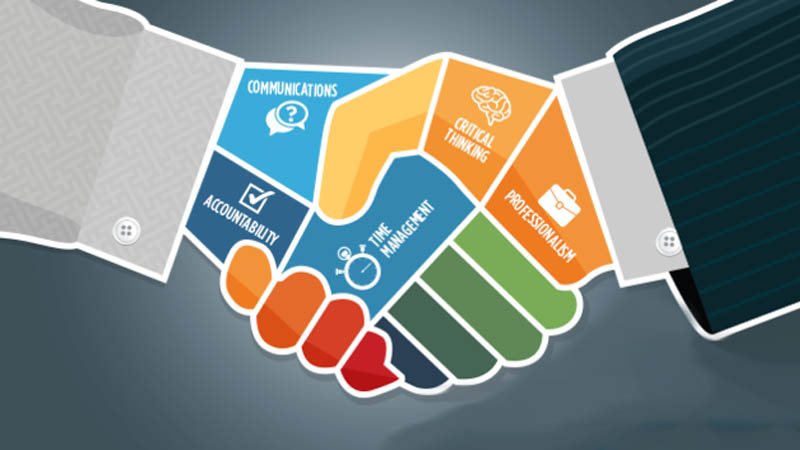
Many come up with similar questions when they face several challenges in an interview which is the most salient part to get placed in a job and some become obsessed with it when they are not able to grasp the opportunities due to the lack of soft skills. Soft skills play a vital part that makes you fit in a particular role at the workplace. It is the essence by which a person gets qualified for a job or an employee is been promoted/retained by the employer on this grounds. We cannot ace the interviews under the shadow of hard skills because the managing team hire individuals initially, on how the participants present and carry themselves in an interview. Every interview demands the parity of both hard and soft skills. Soft skills consistently deals with a person’s EQ ( Emotional Quotient), it is a combination of interpersonal traits, time management, team work, flexibility, public speaking, leadership qualities, basic etiquettes, critical thinking, communication skills etc. There should be an ultimate professionalism in the conversations that we have at our work place and that’s why soft skills play a major role. Soft skills doesn’t demand for some external course or trainings to acquire them. They are some of the innate qualities that we possess or need to develop for an engrossing career such as,

Expand your network and build a positive circle.

Broaden your mindset for a mindful learning.

Develop self esteem and embolden self reflection.

Get out of the comfort level and explore new horizons.

Strive to get along with people easily, be amiable and emphasize team work , by this you can promote the leadership qualities. Organize events, take up the lead roles and responsibilities to exhibit the inner leader in you.

Have a self assessment , be open to constructive criticisms, update yourself and don’t be reluctant to learn and gather knowledge.

Do not stand still, adapt to different circumstances which is the most eminent trait at a work place.

All these skills are very efficient because they make you stand out from others and aids you to ace in the career. Soft skills are the cluster of personal and professional qualities that the companies and firms look for value in their forces in today’s world. This increases the chances for employability that the proprietors consider because such skills are needed to get sideways with the colleagues and customers. Hard skills could be acquired by many as we all get a strong platform through universities and virtual courses to nourish it but soft skills is the abilities and qualities that we nurture on our own. Soft skills also helps us on a personal standard to formulate into a better person. Let us see some of the important soft skills in brief to pursue a triumphant career.

LEADERSHIP

Leadership is the potential of an individual to lead and influence the other team members by their mission and vision. This is a very eminent attribute of individuals and those who exhibit this quality can ascend to many prestigious positions in life.

COMMUNICATION

The ability to communicate effectively is perhaps the most important of all soft skills. At its simplest it is the act of conveying ideas and information from one to the other. To have an effective communication the person should first listen and comprehend the opponents point of view and then share his/her views in a precise manner & clearly and should not be overlooked. This can help in every nuance of life from the professional stratum to the social gatherings.

CRITICAL THINKING

Critical thinking is the analysis of facts and ideas to arrive to a solution or judgement. It is the ability to think clearly and rationally, comprehending the logics inter connected with the ideas. It comprises of a set of skills like observation, interpretation, analysis, evaluation, problem solving and decision making ability.

INNOVATION AND CREATIVITY

Individuals should be able to adapt to the upcoming and the changing technologies and put forth their innovative ideas in problem solving. They should not be conservative with their ideas and should evolve with time. They should reach the solution for the different tasks and challenges posed on them in a new and different way.

TEAM WORK

Coordination is very vital among a set team members to envision ideas , to establish them in the finest way and to produce magnificent results. Effective communication is the foundation for team work. So we can come to know that all the soft skills are inter related with each other. The capability to put forward the point and truly interpret & understand what others say is the cornerstone of effective teamwork.

FLEXIBILITY

Flexibility is being able to adapt oneself to various situations, works and places and to fit in effectively. You should bend yourself to deal with unexpected challenges calmly and efficiently and then you would arrive at strategies to meet the ends.

MEANING OF PERSONALITY

personality

The wordpersonality’ is derived from the Latin word ‘Persona’, which means ‘mask’ . A mask was worn by various actors in dramas in those days of ancient Greek civilization. Personality usually means that an individual is much more than his outer appearance . Personality is a dynamic and organized set of characteristics possessed by a person that influence his/her cognitions, emotions, motivations and behaviors in various situations. Personality also refers to the patterns of thoughts, feelings, social adjustments and behaviors persistently exhibited over time that strongly influences one’s expectations . self-perceptions, attitudes and values . Till now there is no universal consensus on the definition of personality in psychology . However, the following definitions can be beneficial for us to understand the clear cut meaning of personality.

  1. According to Munn, ”Personality is the most characteristic integration of an individual’s structures, modes of interest, attitudes, behaviors, capacitis, abilities and aptitudes.”
  2. According to Morton Prince,Personality is the sum total of all the biological innate dispositions, impulses, tendencies, appetities and instincts of the individual and the disposition and tendencies acquired by experience,”
  3. According to Allport ,”personality is the dynamic organization of those psychophysical systems that determine an individual’s adjustment to his environment.”
  4. According to MC Dougall, ”Personality is a synthetic unity of all mental and physical functions in their intimate interplay”
  5. According to Burgess, ”Personality is the integration of all habits which determines the role and status of the person in society,”
  6. According to Freeman, ”Personality is the integrated organization of all cognitive, conative, affective and physical characteristics that impose on individual and his uniqueness”.
  7. According to Warren , “Personality is the entire organization of a human being at any stage of his development”.

As a matter of fact , all the above mentioned definition do not define personality completely .These definitions only explain the meaning of personality . It can be concluded that the personality of an individual is very broad . All the characteristics such as physical , mental , social , intellectual , emotional , etc., are included in personality which makes him extraordinary and are expressed from time to time in daily life , It can also be said that personality is the sum of inner and outer capabilities of an individual .

SELF-HELP IS THE BEST HELP

“Don’t start your day with the broken pieces of yesterday. Every day is a fresh start. Each day is a new beginning. Every morning we wake up is the first day of our new life.” …….. Self-Help Quotes

WHAT IS SELF-HELP?

Self-help asserts developing one’s competences or solving one’s own problems, fighting against social, physical, professional, and psychological complications, with or without the association with other individuals having similar interests. Self-help demands the use of one’s own efforts, resources, etc. to achieve things, without depending on others. It is a great virtue. It provides courage to meet the difficulties of life bravely. It is the secret of success in life.

SELF-HELP GENERATES SELF-CONFIDENCE WHICH LEADS TO SUCCESS

The life of man is very complex. He is always placed in adverse situations. Every dawn of man comes with a shining hope and a whole day’s gruelling work and crushing ups and downs, frustrate and betray many dreams he had stored for the future. If his dreams depend on others whims and wishes, then his success is questionable. If for every short decision he waits for other assertion then he/she certainly under the shadow of life long pain.  It is his strong will, determination and repeated attempt that help him to overcome difficult situations. His indomitable will power coupled with his irresistible effort for the liberation, help him to rise above all odds. Supports him every moment to beat dark clouds of devastation. Being self-confident he stands like rock and defeats all oppositions. He who depends on his own efforts and resources is the most successful man because the best kind of help comes from within.

GOD HELPS THOSE WHO HELP THEMSELVES.

God has sent us on this earth with many gifts like a body, mind and a soul. How we make use of these gifts is our own discretion. It is the way we use our faculties that makes all the difference. Some people share hard work and believe that whatever is in store for them, would be theirs ultimately. This blind faith in one’s destiny is in itself defeating and damaging. God helps those who help themselves. We have to make efforts: otherwise, all promising opportunity will vanish and will leave us mourn over our sluggish helplessness. One has to sow the seed, till the land and plough the fields, water them, nurture them carefully and only then can we expect good crop. God’s mercy is also important because for good crop, we must have rains at the right time, but if we have not sown the seeds, rain or no rain, we would not get any crop. So, destiny or luck, no doubt, plays an important part in our life but we can’t depend on that only. Destiny, along with right efforts in the right direction, will bless us with our desires fulfilled.

THE BEST KIND OF HELP COMING FROM WITHIN

The deer do not enter into the mouth of a sleeping lion. The lion has to run after it. The fan does not give air by itself. It has to be operated manually or electrically. A plate full of delicious meal doesn’t go automatically within the mouth, hands pick it up and take it to the mouth. A job doesn’t come to the job seeker, he or she has to put her effort to grab it. There are several examples of self-made men and countries. Though Vidyasagar was born poor, poverty could not dampen his spirit. His courage and determination helped him in every field of activity. Japan which was weakened in 1945 in the atomic bomb explosion has now become a superpower because of self-efforts.

So, leaving behind all weakness, closing all the doors of begging attitude and silly dependency, diminishing expectation and appreciating every little step of achievement, come, let us be winner by changing our views about the happening, rewarding world.

A wise man says……

“You can’t go back and change the beginning, but you can start where you are and change the ending.”

The Ways to Improve Your English Vocabulary

It is often easy for people to speak broken English. Broken English is nothing but the mixture of our mother tongue and English. It would sound good and safe when we communicate with our friends or family. You would also think that “Wow I really speak good English , even if I combine it with my mother tongue”. But , what if the same broken English haunts you in a job interview or if you speak in a big crowd. Its a major thing to consider right.

So, let’s just improve our communication skills by practicing good English.

The ways specified here are easy and different , hopefully it helps people to improve their vocabulary.

Method 1: Read a story at night.

Instead of , scrolling through the phone for hours at night. Read books in any genre, be it bed time stories , fiction novel , horror stories; You just have to spent time reading a story at night. This helps you to learn new sentences and new words which you could use it in your day-to-day life.

Method 2: Convert your regional language phrases to English

Collect all the words that you most actively use in your mother tongue, convert them into English. Now you are just replacing your phrases into English, this helps you to use more English. This would also break the habit of using broken English.

Method 3: Speak to yourself in the mirror.

Stand in front of the mirror, pick any topic and start talking  about that topic. You will observe where are you really getting stuck and would improve further by repeating this exercise. For more effect, just record a video of you speaking English and pin point the mistakes you make.


Personal Development

Personal development can include any skill that you build to improve yourself—your emotions, thoughts, or behaviors. It doesn’t really matter which skills you want to improve; the key to personal development is taking the right steps — steps that help ensure that you reach whatever goal you are pursuing.

What are the most important personal development skills? It really depends on what you’re trying to achieve. But here are 9 that I have found to be important to successful personal development.

1. Start by figuring out which personal development skills you need to build. The first step in any personal development strategy is to figure out how to best use your time. It makes little sense to learn how to code if you don’t plan to be a coder or to bench press 400 pounds if you don’t plan to be a weight lifter. These can be hobbies, but personal development is more about building skills to reach your goals. So it’s good to take some time to self-reflect. (If well-being is a goal of yours, take this well-being quiz to see which skills you need to build.)

2. Develop entrepreneurial thinking. Everyone can benefit from learning how to think like an entrepreneur, regardless of whether or not you are one. Why? Because entrepreneurs are innovative, good at planning for all possible outcomes, and skilled at getting others to buy into their vision or dream. And perhaps more importantly for personal development, they tend to be adaptable to all sorts of situations.

By developing entrepreneurial thinking, you better adapt to whatever your circumstances are so you can more easily achieve your goals, whether those goals are to start a business that makes a positive impact in the world, to set yourself up for an early retirement, or climb Mount Everest.

3. Develop a growth mindset. If we have a “fixed mindset,” we may shy away from challenges that could help us grow. But this can be problematic because our fear of making mistakes can lead us to avoid challenges and new experiences—experiences which would help us grow, improve ourselves in important ways, and create the life we desire.

If we have a “growth mindset” we seek out challenges because we value learning and growth more than we value feeling smart or knowing what we’re doing. That’s why those with a growth mindset often build new skills more easily: They believe they can and so they really work at it.

4. Develop your self-soothing mechanism. High levels of stress are not only bad for our health and well-being, they can prevent us from effectively pursuing and achieving our self-development goals. By learning effective, long-lasting stress-reducing strategies, your body and mind will be more equipped to handle the inevitable challenges that arise when you’re trying to develop yourself.

5. Develop resilience. Resilience is that super-important skill that helps you bounce back quickly after being knocked down. This is one of the most important skills for success because none of us will achieve anything if we don’t keep trying when we fail. We can build resilience by improving skills like emotion-regulation, mindfulness, and positivity.

6. Develop your value compass. It’s not always easy to live by our core values. But when we go through life without following our personal values, we can easily get lost. We may suddenly “wake up” and realize that we are not who we want to be or where we want to be. This is why it’s so important to stay in alignment with our personal values.

What are your values? Perhaps: kindness, curiosity, creativity, hard work, or personal relationships. Define your personal values so you know which actions are in alignment with those values.

7. Create a personal development plan. A good personal development plan takes all these factors into consideration — the WHAT, the HOW, the WHY, and the WHEN. So ask yourself:

What skills will you build?

How will you build them?

Why will you build them?

And when will you build them?

8. Record your progress towards personal development. Keeping track of our progress as we move toward our personal development goals is key to making sure we’re on the right track. Then we can pause and take a different direction if we’ve gone off course. By maintaining self-awareness and frequently checking in with ourselves, we can identify things that we need to devote more attention to. As a result, we can make better progress toward our personal development.

9. Keep developing yourself in new ways. The science is clear: The more ways we develop ourselves, the broader our skill set, and the more success we tend to have. So try learning some new emotional skills or do some activities to build new skills. You just might learn something that changes your life.