Sharp, Dull, or Aching? Identifying the Causes of Shoulder Pain

Daily writing prompt
What is the legacy you want to leave behind?

Shoulder pain is one of the most common complaints among adults, and it can vary greatly in terms of intensity, type, and duration. Whether you experience a sharp, sudden pain or a dull, persistent ache, the discomfort in your shoulder could be the result of various causes. 
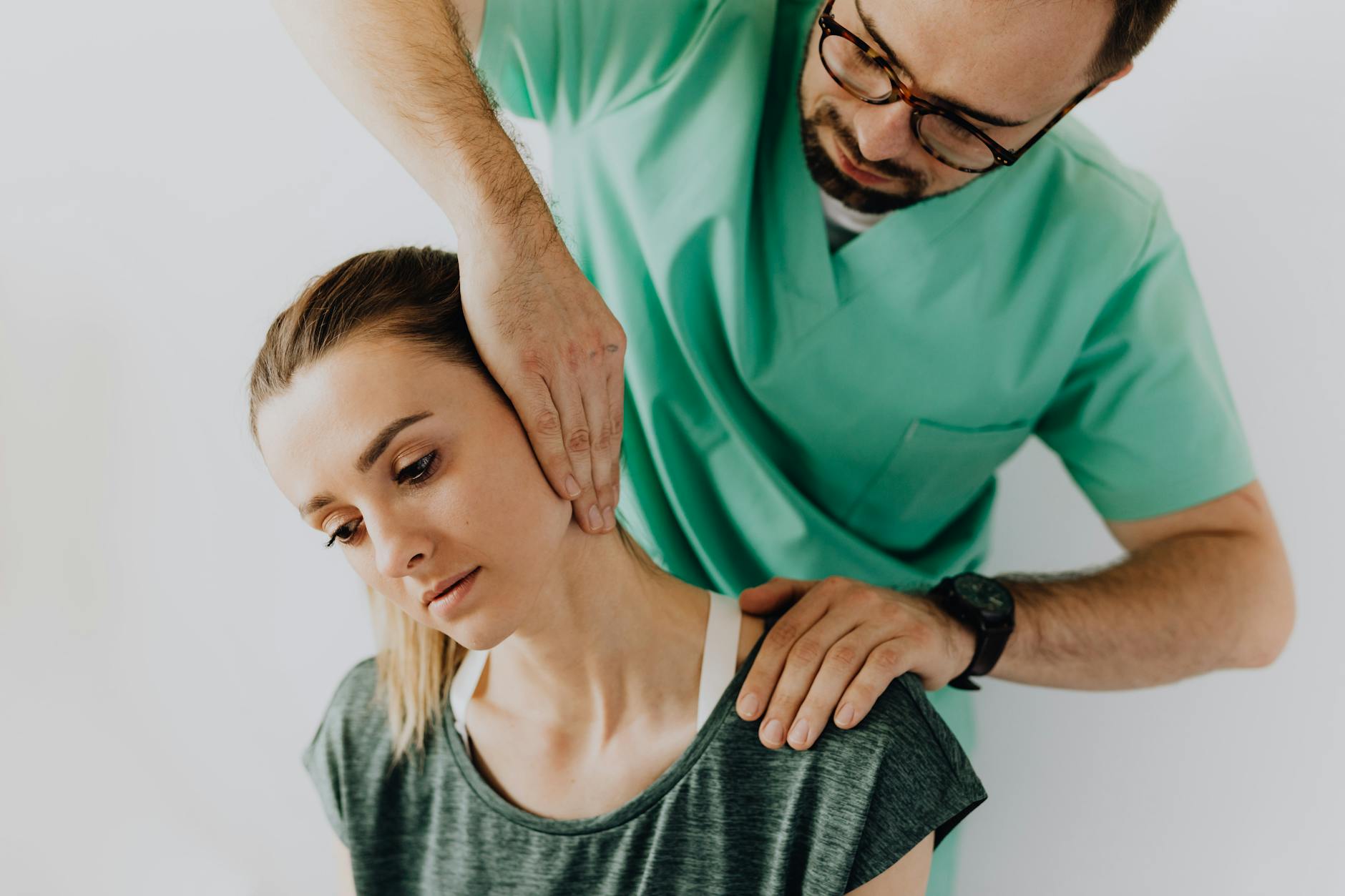
Photo by Photo By: Kaboompics.com on Pexels.com

Understanding the underlying reasons for shoulder pain is crucial for determining the right treatment and managing it effectively. In this blog post, we’ll explore the potential causes of shoulder pain, helping you identify the nature of your discomfort and take the next steps toward relief.

Understanding Shoulder Anatomy

Before diving into the causes, it’s helpful to have a basic understanding of the anatomy of the shoulder. The shoulder joint is a complex structure made up of bones, muscles, tendons, and ligaments that work together to provide a wide range of motion. The key components include:

  • The humerus (upper arm bone)
  • The scapula (shoulder blade)
  • The clavicle (collarbone)
  • Rotator cuff (group of muscles and tendons)
  • Bursae (fluid-filled sacs that reduce friction)
  • Ligaments and tendons connecting these structures

Because the shoulder is so mobile, it’s vulnerable to injury and strain. Understanding the type of pain you’re experiencing can help pinpoint the root cause.

Sharp Shoulder Pain

Sharp shoulder pain is often sudden and intense, causing significant discomfort and sometimes even limiting movement. This type of pain can be caused by:

Rotator Cuff Tears

The rotator cuff is a group of four muscles and tendons that stabilize the shoulder. A tear in one of these tendons can cause sharp pain, especially when moving the arm in certain directions, like lifting overhead. Rotator cuff tears are more common in people who engage in repetitive overhead motions or in older adults whose tendons wear out over time.

Dislocated Shoulder

A dislocated shoulder occurs when the humeral head (the ball of the shoulder joint) comes out of the socket. This injury often results from a traumatic event, such as a fall or sports injury. It causes immediate, sharp pain and may require medical intervention to reset the joint.

Frozen Shoulder (Adhesive Capsulitis)

Frozen shoulder develops when the capsule around the shoulder joint becomes inflamed and stiff, limiting movement. The pain is often sharp and more noticeable during certain movements, and it typically worsens at night.

Fractures or Bone Injuries

A fracture in the clavicle, scapula, or humerus can cause sharp pain, especially when attempting to move the arm. This type of injury usually results from direct trauma or a fall.

Dull Shoulder Pain

Dull, aching pain is usually less intense but can still be bothersome, often making it difficult to perform daily tasks. This type of pain is often linked to long-term issues, such as:

Osteoarthritis

Osteoarthritis occurs when the cartilage that cushions the shoulder joint wears down, causing bones to rub against each other. This condition can lead to dull, aching pain, particularly after repetitive use or long periods of inactivity. The pain is usually felt deep within the joint and may worsen with age.

Tendinitis

Tendinitis occurs when the tendons in the shoulder become inflamed, often due to overuse or repetitive motion. The pain is typically a dull ache, especially in the front or top of the shoulder, and it worsens with activities such as lifting or reaching. It’s common among athletes, especially swimmers, tennis players, and weightlifters.

Bursitis

Bursitis is the inflammation of the bursae, small fluid-filled sacs that cushion the shoulder joint. When these sacs become inflamed, it can lead to dull, aching pain that worsens with movement. This condition can develop from overuse or prolonged pressure on the shoulder.

Poor Posture

Consistently poor posture can contribute to muscle strain, especially in the shoulders. Prolonged slouching or hunching over can create tension in the muscles and ligaments, resulting in a persistent, dull ache in the shoulder region. This discomfort is often accompanied by stiffness and tightness in the neck and upper back. A deep tissue massage in Eagle Mountain, Utah, can be an effective way to relieve this tension and alleviate the pain associated with poor posture.

Aching Shoulder Pain

Aching pain is often persistent and can be linked to both mechanical and systemic conditions. This type of pain may not be as sharp but can be equally disruptive. Common causes include:

Referred Pain from the Neck or Upper Back

Sometimes, shoulder pain is not directly caused by the shoulder itself but by issues in the neck or upper back. Conditions such as a herniated disc or cervical radiculopathy can cause nerve compression, which leads to aching pain in the shoulder area. This pain is typically accompanied by tingling, numbness, or weakness in the arm.

Heart Attack

While rare, an aching shoulder pain can be a sign of a heart attack, especially if it radiates down the left arm. It may be accompanied by chest pain, shortness of breath, dizziness, or nausea. If you experience these symptoms, seek emergency medical attention immediately.

Gallbladder Problems

Gallbladder issues, such as gallstones or inflammation, can also cause referred pain in the right shoulder. This type of aching pain is usually dull and may worsen after eating fatty foods.

When to Seek Medical Help

While most shoulder pain can be managed with rest, ice, and over-the-counter pain medications, it’s important to consult with a healthcare provider if the pain persists or worsens. If you experience any of the following symptoms, you should seek medical attention immediately:

  • Severe or sudden sharp pain
  • Difficulty moving the shoulder or arm
  • Swelling or bruising
  • Pain radiating down the arm or chest
  • Numbness or weakness in the arm

In Conclusion

Shoulder pain can manifest in various ways—sharp, dull, or aching—and each type of pain can point to different causes. Whether you’re dealing with a sports injury, poor posture, or an underlying medical condition, identifying the type of pain you’re experiencing can help you and your doctor determine the best course of action for relief. If your shoulder pain is affecting your quality of life, don’t hesitate to seek professional advice to ensure proper diagnosis and treatment.

Work-Life Balance – Why It Is Essential to Maintain Harmony in Job and Personal Life

written by PRIYA ACHARYA

In today’s fast-paced world, maintaining a balance between professional responsibilities and personal life is crucial. With increasing work demands, people often find themselves overburdened, leading to stress, fatigue, and a decline in overall well-being. Achieving a healthy work-life balance is not just beneficial but essential for long-term success and happiness.

The Importance of Work-Life Balance

Improves Mental and Physical HealthExcessive workload can result in anxiety, depression, and other mental health issues. Additionally, a sedentary lifestyle and irregular eating habits can lead to physical health problems. Striking a balance allows individuals to focus on their well-being, ensuring a healthier lifestyle.

Enhances Productivity and EfficiencyOverworking does not necessarily lead to higher productivity. In fact, employees who maintain a work-life balance tend to be more efficient and focused, leading to better performance and job satisfaction.

Strengthens RelationshipsSpending quality time with family and friends is essential for emotional well-being. Neglecting personal relationships for work can lead to loneliness and dissatisfaction. A balanced approach allows individuals to nurture meaningful connections.

Reduces Burnout and StressConstantly working without breaks can lead to burnout, reducing overall enthusiasm and creativity. Taking time off helps in rejuvenation, ensuring sustained motivation and innovation.

Tips to Maintain Work-Life Balance

Set Clear BoundariesAvoid taking work home and establish a clear separation between professional and personal life. Define working hours and stick to them as much as possible.

Prioritize Tasks and Manage Time WiselyOrganizing tasks based on urgency and importance can help in effective time management. Utilizing productivity tools can also enhance efficiency.

Take Breaks and Practice Self-CareShort breaks during work hours improve concentration and prevent exhaustion. Engaging in activities like exercise, meditation, or hobbies can also contribute to overall well-being.

Learn to Say NoTaking on excessive workload can be overwhelming. It is important to set limits and decline tasks that are beyond one’s capacity.

Utilize Flexible Work OptionsMany companies now offer remote work and flexible schedules. Taking advantage of such options can help in better time management and reduce commuting stress.

Conclusion

A healthy work-life balance is essential for a fulfilling life. By prioritizing well-being, setting boundaries, and managing time efficiently, individuals can enjoy both their professional and personal lives. Employers and employees must work together to create an environment that fosters productivity without compromising on personal happiness. Ultimately, a balanced life leads to greater success and satisfaction in both career and relationships.

Written by Priya Acharya

Navigating the Science Behind Herbal Remedies: Kratom and Its Uses

Daily writing prompt
Share one of the best gifts you’ve ever received.

In recent years, herbal remedies have gained widespread attention for their potential health benefits. Kratom, a tree native to Southeast Asia, has become a popular alternative in this category. Known for its stimulant-like and pain-relieving properties, Kratom has raised both interest and concern.

But, how exactly does Kratom work in the body? Can it offer real health benefits, or is it just a passing trend? In this blog, we will explore the science behind Kratom, its uses, and its potential effects on health.

What Is Kratom?

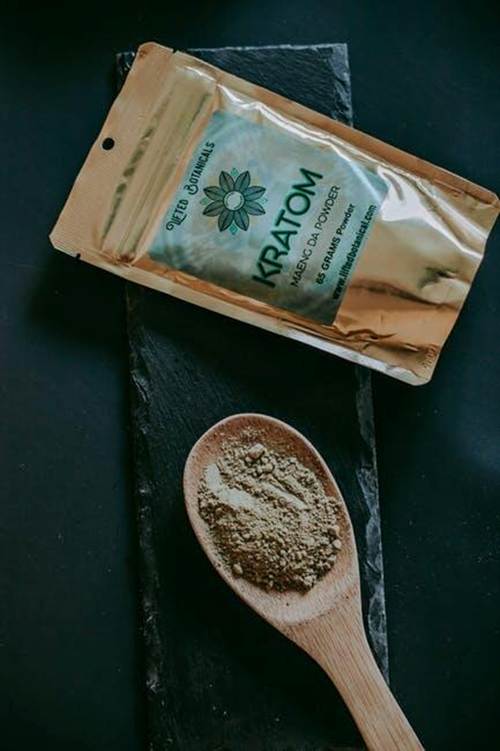
Kratom is a tropical tree found in Southeast Asia. It belongs to the coffee family and is used for its leaves. These leaves contain compounds that can have effects on the brain. People often consume Kratom in powder or capsule form.

The main compounds in Kratom are called alkaloids. Two important alkaloids are mitragynine and 7-hydroxymitragynine. These compounds interact with receptors in the brain. This interaction can help with pain, mood, and energy.

How Does Kratom Work in the Body?

Kratom affects the body by binding to opioid receptors. It can create effects similar to those of opioids but is not an opioid. When consumed, Kratom may produce mild pain relief and energy boosts.

Depending on the dose, Kratom can have either stimulant or sedative effects. At low doses, Kratom can increase alertness and focus. At higher doses, it may cause relaxation and pain relief. Kratom’s potential effects make it an appealing alternative for many people.

Health Benefits of Kratom

Kratom has several reported health benefits. Some people use it for pain relief. Others claim it helps reduce anxiety and depression. Kratom may also provide an energy boost, helping with daily tasks. There is evidence that Kratom can improve mood and boost motivation.

While these benefits are reported by users, more research is needed. Some people also combine Kratom with other herbal remedies like kava. A kratom + kava shot is sometimes used for a more balanced effect.

Risks and Side Effects of Kratom

Despite its benefits, Kratom also comes with risks. Some people experience nausea, dizziness, or constipation when using it. In higher doses, Kratom can lead to sedation and confusion.

Additionally, Kratom’s long-term effects are not fully understood. There have been reports of dependence and withdrawal symptoms. It is crucial to be cautious when using Kratom, especially in high doses. Always consult a healthcare provider before adding Kratom to your routine.

Is Kratom Safe to Use?

Kratom’s safety remains a topic of debate. While some users report positive experiences, others may face health issues. Its use can lead to side effects, particularly when not used correctly.

Kratom’s potential for addiction also raises concerns. Currently, the FDA does not regulate Kratom, which makes safety a concern. Some regions have banned Kratom due to safety worries. It is important to stay informed and cautious about Kratom use.

Understand Kratom and Its Uses

Kratom is an herbal remedy that shows both promise and risk. Its ability to offer pain relief and energy makes it appealing to many people. However, its safety is still uncertain, and more research is needed.

Using Kratom responsibly and understanding its potential effects is important. Before starting Kratom, consult with a healthcare provider to ensure it’s right for you.

Always remember to explore other articles on the blog for more insights on various topics!

Socio-Cultural Factors and Attitudes Affecting the Health Status of Rural Communities

Daily writing prompt
What could you do differently?

By Eduindex News

Socio-Cultural Factors and Attitudes Affecting the Health Status of Rural Communities

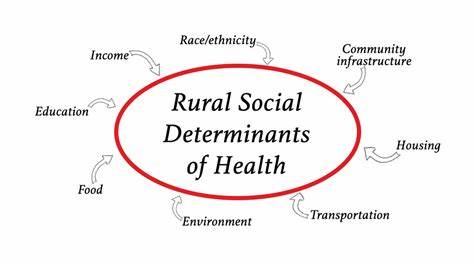
Health is a multidimensional concept influenced by biological, environmental, and socio-cultural factors. Among rural communities, socio-cultural factors and attitudes often play a crucial role in determining health outcomes. These factors are deeply embedded in the social fabric and cultural norms of rural societies, influencing health behaviors, access to healthcare, and overall well-being. Understanding these influences is critical for designing effective health interventions and policies tailored to rural populations.


1. Socio-Cultural Factors Influencing Health

1.1 Traditional Beliefs and Practices

Many rural communities rely on traditional health practices and remedies passed down through generations. While some of these practices may be beneficial, others can hinder timely medical intervention. For instance:

  • Faith in Folk Healers: Many rural residents consult local healers or shamans before seeking formal medical care, delaying diagnosis and treatment.
  • Herbal Remedies: Although some herbal remedies are effective, unregulated use can lead to complications or interfere with prescribed treatments.

1.2 Gender Norms and Roles

Gender dynamics significantly affect health outcomes in rural areas:

  • Maternal Health Neglect: Women’s health, particularly during pregnancy and childbirth, is often deprioritized due to traditional gender roles.
  • Limited Autonomy: In patriarchal rural settings, women may lack the authority to seek healthcare independently, exacerbating health issues.
  • Preference for Male Children: This can lead to neglect of the nutritional and healthcare needs of female children, affecting their long-term health.

1.3 Literacy and Education

Low literacy rates and lack of health education are major barriers to improving rural health:

  • Limited Awareness: Poor understanding of hygiene, nutrition, and disease prevention leads to high incidences of preventable illnesses.
  • Misinformation: Superstitions and myths about diseases like tuberculosis or HIV/AIDS further stigmatize affected individuals and impede treatment.

1.4 Social Hierarchies and Caste

Caste-based discrimination and social hierarchies can restrict access to healthcare for marginalized groups:

  • Healthcare Disparities: Lower-caste individuals may face discrimination at healthcare facilities or hesitate to seek care due to perceived inferiority.
  • Social Exclusion: Fear of ostracism often discourages marginalized communities from addressing sensitive health issues.

2. Attitudes Toward Health and Healthcare

2.1 Perceptions of Illness

Cultural perceptions of illness influence how rural communities respond to health problems:

  • Fatalistic Attitudes: Many believe illnesses are a result of fate, divine punishment, or witchcraft, leading to resignation and inaction.
  • Stigma: Diseases like leprosy, mental illness, and sexually transmitted infections are often stigmatized, preventing individuals from seeking treatment.

2.2 Preference for Traditional Over Modern Medicine

Resistance to modern medicine is prevalent due to:

  • Mistrust of Modern Healthcare: Skepticism toward doctors and hospitals arises from lack of familiarity, previous negative experiences, or perceived high costs.
  • Accessibility Issues: Long distances to healthcare facilities and inadequate transportation reinforce dependence on local remedies.

2.3 Attitudes Toward Preventive Care

Preventive healthcare is often undervalued in rural communities:

  • Low Vaccination Rates: Misinformation and fear of side effects reduce vaccine uptake.
  • Neglect of Routine Checkups: Seeking healthcare is often reserved for emergencies, neglecting preventive measures like regular screenings.

3. Structural Challenges and Their Socio-Cultural Impact

3.1 Limited Healthcare Infrastructure

Inadequate healthcare facilities and professionals in rural areas amplify the socio-cultural barriers to health:

  • Scarcity of Female Healthcare Workers: Cultural norms may prevent women from consulting male doctors, reducing access to maternal and reproductive healthcare.
  • Overburdened Systems: Overcrowded and understaffed facilities lead to long wait times, further discouraging rural residents from seeking care.

3.2 Poverty and Economic Constraints

Economic hardship intensifies socio-cultural barriers:

  • Healthcare Costs: The high cost of modern medical treatments often drives rural residents toward cheaper, traditional alternatives.
  • Opportunity Costs: Rural families may prioritize daily wage labor over addressing health issues, leading to delayed care.

3.3 Government and NGO Interventions

While initiatives like mobile health clinics and telemedicine aim to bridge gaps, their effectiveness is often limited by:

  • Cultural Mismatch: Programs not tailored to local beliefs and practices face resistance.
  • Lack of Community Involvement: Exclusion of local leaders and influencers from planning processes reduces program acceptance.

4. Strategies to Improve Rural Health Outcomes

4.1 Promoting Health Education

  • Awareness Campaigns: Using local languages and traditional media to disseminate health information can improve understanding and acceptance.
  • School-Based Programs: Introducing health education in rural schools ensures early exposure to preventive healthcare practices.

4.2 Culturally Sensitive Interventions

  • Engaging Local Leaders: Collaboration with community elders and religious leaders can build trust and ensure program success.
  • Integrating Traditional and Modern Medicine: Recognizing the value of certain traditional practices while promoting evidence-based modern treatments can foster acceptance.

4.3 Empowering Women

  • Self-Help Groups: Encouraging women’s groups to discuss health issues and pool resources for medical care can enhance access and awareness.
  • Training Female Healthcare Workers: Employing and training women from local communities to provide healthcare can overcome gender-related barriers.

4.4 Strengthening Healthcare Infrastructure

  • Decentralized Services: Establishing more primary health centers and mobile clinics can improve accessibility.
  • Subsidized Healthcare: Government subsidies for healthcare services and medicines can alleviate financial barriers.

Conclusion

The health status of rural communities is intricately linked to socio-cultural factors and attitudes that influence healthcare behaviors and access. Addressing these challenges requires a holistic approach that combines culturally sensitive health interventions, robust infrastructure, and community empowerment. Policymakers, healthcare providers, and NGOs must work collaboratively to bridge the gap between traditional beliefs and modern healthcare, ensuring equitable and effective health services for rural populations. Only through such inclusive efforts can we hope to achieve sustainable improvements in rural health outcomes.

References

Abdullah, M. A. (1993). Traditional practices and other socio-cultural factors affecting the health of children in Saudi Arabia. Annals of tropical paediatrics13(3), 227-232.

Amadi, L., Wordu, S., & Ogbanga, M. (2015). Sustainable Development in Crisis? A Post Development Perspective. Journal of Sustainable Development in Africa17(1), 140-163.

Chelogoi, D. N., Jonyo, F. O., & Amadi, H. (2020). The influence of socio-cultural factors in access to healthcare in Kenya: A case of Nairobi County, Kenya. Journal of Social and Political Sciences3(3).

Ogbanga, M. M. (2024). Oil, Gender and Unemployment: Social Issues in the Niger. Eduindex.

Riemenschneider, H., Balázs, P., Balogh, E., Bartels, A., Bergmann, A., Cseh, K., … & Voigt, K. (2016). Do socio-cultural factors influence medical students’ health status and health-promoting behaviors? A cross-sectional multicenter study in Germany and Hungary. BMC Public Health16, 1-10.

Uzobo, E., Ogbanga, M. M., & Jackson, J. T. C. B. (2014). Socio-cultural factors and attitudes affecting the health status of rural communities: a study of Danmusa, Katsina State, Nigeria. Int J Sci Res3(3), 837-844.

Creative and Artistic Activities for Seniors: Keeping the Mind Sharp

Daily writing prompt
What book are you reading right now?

Have you ever wondered how to keep your mind sharp as you age?

Engaging in creative and artistic activities can be a powerful way to stay mentally active, improve mood, and bring joy to daily life. Whether it’s painting, writing, or even gardening, these activities not only spark creativity but also help you stay connected to the world around you.

cognitive health with memory care in Kansas City

In this article, we’ll explore fun and simple ways for seniors to keep their minds vibrant and healthy through creative and artistic pursuits.

Painting or Drawing

Painting and drawing are great ways for seniors to express their creativity. They can use different mediums like pencils, charcoal, or paints to create art. These brain boosting art activities help improve focus and fine motor skills as they work on details and shading.

Starting with simple sketches or watercolors is a good option for beginners. More experienced artists may enjoy trying oils or acrylic paints. Creating art can be a relaxing activity that gives seniors a sense of accomplishment.

Crafting

Crafting includes activities like knitting, crocheting, and making jewelry. These activities help keep the hands and mind busy with creative projects. Seniors can create items that are both functional and decorative, such as scarves or bracelets.

Crafting can be a social activity when done with others. It also offers a way for seniors to express their personal style and preferences. The sense of completion from finishing a project can boost self-esteem and well-being.

Writing and Journaling

Writing is an excellent activity to keep the mind active. Seniors can write about their memories, stories, or poems. This allows them to reflect on their life and express their thoughts in words.

Journaling is a simple and helpful way to organize ideas. Writing about daily events or personal experiences helps with memory. It also encourages the practice of thinking critically and creatively.

Music and Dance

Learning to play an instrument can keep the mind sharp and focused. Seniors may also enjoy listening to music, which can bring back memories and boost mood. Music activates different parts of the brain and can be a source of relaxation.

Dance helps with physical coordination and balance. Seniors can enjoy simple movements to music or follow dance routines. It also provides an outlet for self-expression and can increase energy levels.

Puzzles and Brain Games

Puzzles and brain games like Sudoku or crossword puzzles help keep the brain active. These games can improve memory, logic, and problem-solving skills. Seniors can enjoy these activities alone or with friends, making them both fun and beneficial for cognitive health.

Engaging in regular brain exercises, such as puzzles, is a proven way to promote improved cognitive health with memory care in Kansas City. These activities support mental well-being by keeping the brain sharp and alert.

Unlock Your Potential With Creative and Artistic Activities for a Sharper Mind

Engaging in creative and artistic activities can improve the overall well-being of seniors. These activities help maintain mental sharpness and promote a sense of purpose. They also provide opportunities for self-expression and can bring joy to daily life.

By participating in these creative activities for the brain, seniors can stay active, improve their mood, and feel more connected to themselves and others. Creativity offers a powerful way to enhance quality of life.

Did you learn something new from this article? If so, be sure to check out our blog for more educational content.

How to Use a Health Coaching Platform to Simplify Your Booking Process

 As a health coach, you know the struggle of trying to keep your client base all in check, bookings and appointments up to date. Which is why apps like https://workee.net/perfect-for/healthexperts have become the go-to for simplifying scheduling and other business operations for coaching practices. These programs provide a variety of features, such as scheduling, billing, client records, messaging, and goal tracking. Not to mention, they’re the perfect tool for teleconferencing with clients located anywhere in the world! In this article, we would be discussing 4 must have features, every health coaching tool should have. Read on.

Photo by Alex Green on Pexels.com

Appointment scheduling

Appointment scheduling is an essential part of any health coach’s business. Whether you’re a free-lancer or a full-time coach, ensuring that you have a steady stream of bookings is key to staying profitable.

A health coaching platform can help you organize all your bookings in one place. These platforms also include features like automated message reminders and links to your Zoom or meeting link to make it easier for clients to schedule their appointments on time.

For example, Workee is a powerful scheduling tool that syncs as many calendars as you want, so you don’t have to worry about double booking your clients. It also allows you to attach notes to your scheduling process so you can collect essential client information in a single step.

Heath coaching apps should have a robust, mobile-responsive scheduling platform for all types of health coaching sessions (free consultations, paid sessions, appointment packages and more) that can be integrated with your website or mobile app. Finally, It should be simple to set up.

Intake forms

An intake form on your health coaching platform helps ensure that new clients get all the information they need to start working with you. Whether they fill it out on their own or during the first appointment, this document provides crucial data about a client’s lifestyle and motivations to help you build the best program for them.

A well-structured intake form captures basic details like a client’s name, date of birth, and contact info, as well as more nuanced information about their goals and expectations. This is invaluable for ensuring that each client is getting the right program for their needs, and it also makes it easier for you to spot potential clients who are not a good fit for your services.

Intake forms are also important for storing patient information in your practice’s electronic health record (EHR) system, which operates at its best when it has accurate data about client health and wellness. Moreover, these documents ensure that your clients’ progress is tracked and stored automatically, allowing them to reach their goals faster.

Payment options

Health coaches need a specialized platform that will help them manage their business and client records. This can include tools for scheduling appointments, billing, managing calendars, and more.

The platform should also allow health coaches to communicate with their clients from one place and offer secure messaging. It should also be able to provide read receipts for messages and documents.

Payment options on a health coaching platform should be flexible and easy to use. This includes options for allowing clients to pay upfront or via a payment plan.

This will make life easier on both you and your clients, as you can accept deposits and payments in multiple currencies. The portal is also linked to your Stripe or Square account for secure payment processing.

You should be able to set up packages for your sessions, and you may want to consider adding additional services like nutrition coaching or a digital grocery list for clients to use. This can be a great way to add value to your service and make it more appealing to your target market.

Client portal

Client portals on health coaching platforms offer a centralized space for coaches and their clients to communicate with each other, and can include features like secure messaging, voice memos, and a shared to-do list. The client portal can also be a place for clients to access the coach’s library, submit forms, and see their personal data from assessments and intake forms.

The client portal is an essential component of any health coaching platform, and a great way to improve the client experience. It’s important to choose a client portal that fits your unique health coaching niche and philosophy.

Using a client portal is an excellent way to boost engagement with your coaching clients and encourage repeat bookings. It also helps to eliminate administrative tasks that can distract from your work as a coach.

It should also offer a customer management solution for health coaches that enables you to easily track appointments and schedules. It also includes powerful tools for marketing, advertising, and tracking customer feedback.

Features of a Healthy Lifestyle


What is healthy
lifestyle?


A healthy lifestyle, put simply, is a way of life that
lowers your risk of developing serious illnesses or shortens your life
expectancy. Many dangerous illnesses can be averted by adopting certain
practices and avoiding others, even though we cannot completely prevent all
diseases.


What are the essential
features of a healthy lifestyle?


A healthy diet


 • Eating a variety of foods in the right amounts and
sticking to a calorie intake that supports maintaining a healthy body weight
are both components of a balanced diet. Although everyone’s situation is
different, as a basic guideline, this should contain:

• A third of your daily dietary intake should consist of at
least five pieces of fruit and vegetables. According to data, those who achieve
this threshold have a lower risk of some malignancies and heart conditions.

• Starchy foods, especially those made with whole grains,
which have higher fibre and nutritional contents than white grains. Whole
grains have been found to support good gut bacteria and lower the risk of a
number of malignancies, type 2 diabetes, and heart disease.

• Lean proteins are crucial for cellular repair and offer a
variety of vitamins and minerals, notably fish, eggs, and white meat.

• Dairy products and products derived from them, which are a
good source of calcium and protein.

• Saturated fats in moderation.


Physical activity


The World Health Organization advises all adults to engage
in regular physical activity, including at least two sessions per week of
weight-bearing exercise, in addition to at least thirty minutes of moderate
aerobic activity daily. Being physically fit helps prevent secondary prevention
(i.e., the worsening of symptoms) of diseases like cardiovascular disease, certain
malignancies, diabetes mellitus, and osteoporosis.


Healthy body weight


The importance of maintaining a healthy body weight for
overall health and illness prevention cannot be overstated. Body mass index
(BMI), a measurement of body fat based on height and weight, is a valuable tool
for determining if a person’s weight is healthy. A BMI score of 18.5 to 24.9 is
considered normal; a score of 25.0 to 29.9 suggests an individual is
overweight; and a score of 30 or higher denotes obesity. BMI score and disease
risk are positively connected, with higher scores indicating a higher risk of a
number of diseases, such as:

• Diabetes type 2

• Heart condition

• Liver disease

• Hypertension

• Mood issues

• Reproductive disorder

• Cancer risk


Obesity and being overweight increase the risk of disease.


Tobacco use
 

There is no degree of tobacco usage or smoking that is
considered safe. Therefore, never having smoked is correlated with the best
health outcomes.

Eight million individuals per year pass away from smoking-related
illnesses, with smoking being directly responsible for 70% of lung cancer
cases. The esophagus, mouth, throat, pancreas, stomach, and liver are just a
few of the numerous bodily parts where it can cause cancer. Smoking harms the
heart’s tissue and circulation, raising the risk of vascular disease,
myocardial infarction, coronary heart disease, and stroke.


Moderate alcohol intake


One to two drinks per day for men and one drink per day for
women constitute a moderate intake of alcohol. Consuming alcohol at these
amounts raises the likelihood of bad health effects. For instance, excessive
consumption can boost blood triglycerides, which raises the risk of heart
attack and stroke. Additionally, it can cause heart arrhythmia, cardiomyopathy,
and excessive blood pressure.

How to stay mentally healthy

Good mental health is characterised by a person’s ability to fulfil a number of key functions and activities, including : the ability to learn, the ability to feel, express and manage a range of positive and negative emotions, & the ability to form and maintain good relationships with others. Who doesn’t want to be strong mentally?

Here are some methods for good mental health :

1. Value yourself

While self-worth is more emotional, self-value is more behavioural. This is where we take the foundation of how we feel about ourselves and put it to work. Self-value is the driving vehicle that allows us to walk the walk and act in ways that align with what we value. This shows up in the way we talk to people or in steps we take to speak our truth. Both self-worth and self-value feed off of one another, but it’s helpful to point out the subtle differences. Treat yourself with kindness and respect, and avoid self-criticism. Make time for your hobbies and favourite projects, or broaden your horizons. Do a daily crossword puzzle, plant a garden, take dance lessons, learn to play an instrument or become fluent in another language

2. Give yourself

Volunteer your time and energy to help someone else. You’ll feel good about doing something tangible to help someone in need and it’s a great way to meet new people.

Healthy Ways to Take a Mental Break :

  • Get Outside. Getting outside and enjoying the fresh air is a great way to renew your energy
  • Be Active
  • Meditate
  • Treat Yourself
  • Drink Water
  • Make Time to Socialise

3. Take care of your body

Taking better care of our bodies means increased energy levels, and a better ability to accomplish our daily goals. It means better ability to concentrate on any given task, and that our tasks will take less time to complete. Taking care of yourself physically can improve your mental health. Be sure to :

  • Eat nutritious meals
  • Avoid smoking and vaping
  • Drink plenty of water
  • Exercise, which helps decrease depression and anxiety and improve moods
  • Get enough sleep. Researchers believe that lack of sleep contributes to a high rate of depression in college students. 

4. Surround yourself with good people

When you surround yourself with positive people, you’re more likely to adopt empowering beliefs and see life as happening for you instead of to you. Just as you benefit when you surround yourself with people who make you happy, you suffer when those in your business or social circles are negative or narrow-minded. People with strong family or social connections are generally healthier than those who lack a support network. Make plans with supportive family members and friends, or seek out activities where you can meet new people, such as a club, class or support group.

5. Quiet your mind

Try meditating, mindfulness or prayer. Relaxation exercises and prayer can improve your state of mind and outlook on life. In fact, research shows that meditation may help you feel calm and enhance the effects of therapy. Silencing the mind does not mean stopping to think at all. It means thinking when you need to think, but keeping the mind calm when you don’t need to think.

6. Learn how to deal with stress

Like it or not, stress is a part of life. Practice good coping skills: Try One-Minute Stress Strategies, exercise, take a nature walk, play with your pet or try journal writing as a stress reducer. Also, remember to smile and see the humour in life. Research shows that laughter can boost your immune system, ease pain, relax your body and reduce stress.

7. Set realistic goals

Decide what you want to achieve academically, professionally and personally, and write down the steps you need to realize your goals. Aim high, but be realistic and don’t over-schedule. You’ll enjoy a tremendous sense of accomplishment and self-worth as you progress toward your goal. Wellness Coaching can help you develop goals and stay on track.

8. Avoid alcohol and other drugs

Keep alcohol use to a minimum and avoid other drugs. Sometimes people use alcohol and other drugs to “self-medicate” but in reality, alcohol and other drugs only aggravate problems.

Some ways to avoid using alcohol :

  • Keep a diary of your drinking
  • Don’t keep alcohol in your house
  • Choose alcohol-free days
  • Watch for peer pressure
  • Set a drinking goal

9. Break up the monotony

Although our routines make us more efficient and enhance our feelings of security and safety, a little change of pace can perk up a tedious schedule. Alter your jogging route, plan a road-trip, take a walk in a different park, hang some new pictures or try a new restaurant.

5 Ways to Break the Monotony of Your Routine

  • Start your morning with something different
  • Add some new scenery to your day
  • Shake up your lunch break
  • Listen to music
  • Review your habits regularly

10. Get help when you need it

Seeking help is a sign of strength not a weakness. And it is important to remember that treatment is effective. People who get appropriate care can recover from mental illness and addiction and lead full, rewarding lives.  Asking for help allows us to surround ourselves with people who can make us feel good and facilitate further development. These people create optimism and hope that we are able to deal with challenging situations, which improves our resilience.

The Concept of Well-Being: Simplified

The concepts of general health and wellbeing of human beings have been used interchangeably in recent times. Though some variances exist, they deserve attention altogether.
Health, as defined by the World Health Organization (WHO) is a state of complete physical, mental and social well-being and not merely the absence of disease or infirmity. Health itself has some key determinants which include social, economic, and physical environments coupled with race, belief, economic or social condition.
Wellbeing or wellness on the other hand, refers to an optimal state of health expressed as a positive approach to living. It places emphasis on the constant search for good health as an utmost goal.
Health and wellbeing are a constant and dynamic process of change and growth in an effort to meet one’s pinnacle of potential and overall wellness.

Paying attention to health translates into wellbeing, and wellbeing itself comprises eight key dimensions, these are;

Emotional Wellbeing; proper understanding of your feelings and coping effectively with stress is addressed here. Importance should be paid to self-care, stress maintenance, relaxation and growth from experiences.

Environmental Wellbeing; having a lifestyle that is beneficial and respectful to the surroundings. Earth protection is key as being environmentally conscious by raising awareness should be prioritized.

Financial Wellbeing; this refers to learning how to successfully manage financial expenses. Money plays a cardinal role in our lives and the absence of it impacts health alongside overall performance.

Intellectual Wellbeing; new ideas and continuous lifelong learning find a resting place in an open mind. Expansion of knowledge is encouraged through scholastic or community activities.

Occupational Wellbeing; enjoying what you do for a living and appreciating your contributions. This angle of wellbeing encourages personal satisfaction and improves one’s life worth through work.

Physical Wellbeing; this deals with being responsible for your heart and seeking care when the need arises. Exercising, eating and sleeping well, and paying attention to signs of illness are crucial to physical wellbeing.

Social Wellbeing; Creation of a support network and actively engaging in social roles effectively. Development of valuable relationships with peers and intimate relationships with partners is encouraged here.

Spiritual Well Being; meaning and purpose are the main focus, and spiritual fulfilment can be achieved through relaxation or religion. Someone who is spiritually well knows which resources to use to cope with life’s everyday issues.

Yoga: Physical and Mental fitness.

Benefits of yoga

Yoga is a complete combination of spiritual, mental and physical practices which was originated in ancient India. It is followed by many people all around the world. It is adapted by the people in their lifestyles on daily basis  Yoga is a type of work out that involves both mind and body, it is much more than just burning calories and strengthening muscles.

Among with them their are some other major health benefits of yoga.

Improves overall health.

Yoga is combined of cardio, functional and strength training which effects the overall health physically and mentally. Yoga helps in developing core strength, improving immunity, improving mental health, improves heart health, increases immunity, decreases stress, etc. A few minutes of yoga everyday can bring some good changes in your everyday lifestyle.

Develops strength.

Yoga poses requires balancing of the body, and it takes a lot of strength to hold your body in balanced posture. Regular yoga helps you to strengthen the muscles of your arms, legs, back and core. It works as a full body workout. 

Boosts metabolism.

Yoga can be a very good way to increase your metabolism. As it helps in improving digestion, circulation and increasing lean muscle mass. And by boosting the metabolism, yoga can also help in loosing weight as it helps in burning calories.

Improves flexiblility and posture

Yoga poses works by stretching your body muscles. Regular yoga is a great way to improve your flexibility and posture. Few weeks of daily yoga can help you to feel less stiff and you will be able to move your body better. It also serves the purpose of keelping your body toned.

Improves mental health and concentration.

Everyday yoga helps a person to relax mentally and concentrate better. Yoga and meditation requires you to concentrate on your breathing, it helps you to calm your mind and be more relaxed mentally. As a result few minutes of yoga in the morning can result in better concentration throughout the day.