Yoga- An Ancient Legacy

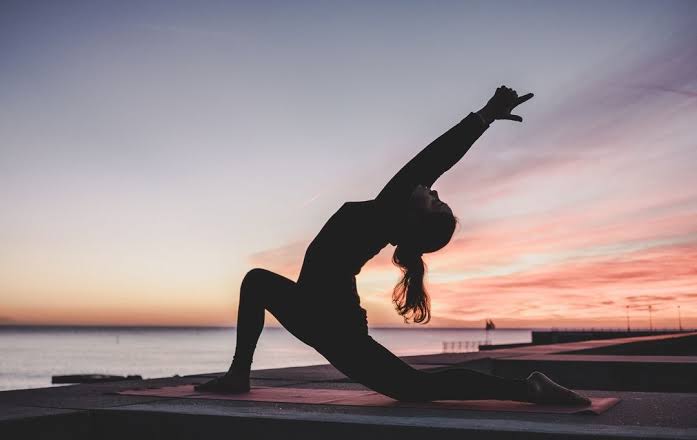
‘Yoga’ is performed to channelize the energies of body and mind in one direction. Yoga is often misconceptualized by people as mere asanas(postures). But actually, it is a holistic health approach with the harmonization of body and mind with nature, with an essence of spirituality. It is the awakening of conscience with the realization of one’s oneness with the universe.

‘Yoga’ derives its meaning from the Indian classical language of ‘Sanskrit’, which means “union” or “to yoke or join”. ‘Yoga’ has its roots grown around 5000 years ago, long before any belief system started budding. It is believed as an ‘immortal cultural product’ of the Indus Saraswati Valley Civilization- dating back to 2700 B.C. Fossil remains with figures performing Yoga Sadhana indicate the presence of yoga in ancient India.
Yoga practices are also mentioned in the ancient literature like- Vedas, Upanishads, Smritis, teachings of Buddhism, Jainism, Panini, Epics, Puranas, and more. The existence of yoga in ancient India can also be marked by the presence of yoga shlokas in ‘Bhagwat Geeta’, like- Yujuate arena it yoga; meaning “yoga is that which joins”. Yoga joins the individual self with the universal self.

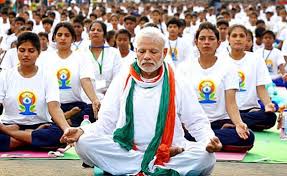
June 21 marks the International Day of Yoga. Every year since 2015, the government of India organizes mega yoga events on this day across the country. Yoga is not only an ancient Indian culture but also a tourist attraction from abroad. The Morarji Desai National Institute of Yoga, in New Delhi has students from parts of India and abroad.
In today’s time where everyone is a sufferer of work pressure and stress, yoga is a great escape. It provides calmness and relaxation to the mind and body. Especially the students can benefit a lot as yoga is said to improve IQ and memory.

The harmony between the body, mind, and soul is what yoga aims at, for a better life experience. It soothes the mind and heals the body. Increases physical flexibility and strength and increases concentration and mental stability, helping you create a calm environment for yourself that shields you from the chaotic and stressful life of today.
In today’s time, more people have become conscious about their physic and physical strength. More people tend to exercise. Many people opt for gyms to exercise than doing yoga at home, without the need for any complex and expensive equipment.

Many people from abroad come here to India to learn and practice yoga. In fact, in this pandemic Americans started online yoga classes to keep people healthy and stress-free. The people there responded enthusiastically to the initiative.

Over the years, yoga has gained international recognition. Especially in this time of pandemic where it is advised to stay indoors, yoga is the best way to stay physically as well as mentally healthy. It is easy as well convenient to perform yoga inside the boundaries of your home, without any load on your pockets to buy any expensive equipment.
Simple breathing techniques contribute a lot to your health. However, it is advised to consult your doctor before performing any yogasnas if you have any underlying health conditions such as asthma, hypertension, or hypotension.

Benefits of Yoga In Life

Yoga offers both physical and mental benefits to people of all ages. Also, if you are experiencing illness, surgery, or chronic illness, yoga can be an important part of your treatment and may even speed up your recovery.

A yoga therapist can work with patients and bring together independent programs that work in conjunction with their therapies and surgeries. Thus, yoga can support the healing process and help a person see symptoms with greater concentration and less stress.

  1. Yoga promotes strength, balance and flexibility.
    Slow walking and deep breathing increase blood flow and warm the muscles, while holding the space can build strength.

Experiment: The Question Tree
Balance with one foot, while holding the other foot on your calf or above the knee (but never twisted) at the right angle. Try to focus on one area in front of you, while measuring one minute.

  1. Yoga helps relieve back pain.
    Yoga is like a basic stretch in relieving pain and improving the mobility of people with low back pain. The American College of Physicians recommends yoga as a first-line treatment for chronic pain.

Try it: Cat-Cow Pose
Get on all fours, and place your hands under your shoulders and your knees under your hips. First, breathe in, as you let your stomach down. After that, breathe, as you pull your navel toward your spine, wrapping your spine like a sleeping cat.

  1. Yoga can reduce the symptoms of arthritis.
    Gentle yoga has been shown to reduce some of the joint discomfort, which is common in people with arthritis, according to Johns Hopkins’ review of 11 recent studies.
  2. Yoga benefits heart health.
    Practicing regular yoga can reduce stress and inflammation throughout the body, contributing to a healthier heart. Many causes of heart disease, including high blood pressure and excess weight, can also be treated with yoga.

Try it: Down Dog Pose
Get on all fours, then put your toes down and bring your bones sitting up, to make the triangle stand up. Keep a slight bend at your knees, while stretching your spine and tailbone.

  1. Yoga relaxes you, helping you sleep better.
    Studies show that a continuous sleep yoga routine can help you get into the right mindset and prepare your body for sleep and sleep.

Try it: Legs-Up-the-Wall Pose
Sit on your left side of the wall, then gently turn to the right and lift your legs to relax on the wall, keeping your back down and your bones sitting close to the wall. You can stay in this position for 5 to 15 minutes.

  1. Yoga can mean a lot of energy and bright feelings.
    You may feel an increase in mental and physical strength, increased alertness and enthusiasm, and a few negative emotions after practicing yoga.
  2. Yoga helps you manage stress.
    According to the National Institutes of Health, scientific evidence shows that yoga supports the management of stress, mental health, meditation, healthy eating, weight loss and sleep quality.

Try: Carcass Pose (Savasana)
Lie on the floor with your legs outstretched, away from the body, palms up. Try to clear your mind while breathing loudly. You can hold this pose for 5 to 15 minutes.

  1. Yoga connects you to a supportive community.
    Participating in yoga classes can reduce loneliness and provide a place for group healing and support. Or in individual times loneliness diminishes as the person is accepted as a different person, listened to and participates in creating a personalized yoga program.
  2. Yoga promotes better self-care.
    Scientific Research on the Benefits of Yoga
    The U.S. military, the National Institutes of Health and other major organizations are listening to – and including – scientific confirmation of the importance of yoga in health care.

My Experience with Yoga

Yoga, the technique of relaxing your mind and body, originated in India. It is often defined as the union of the Atma (soul) with the Parmatma (the Divine). Yoga and its related branches have a deep connection with India due to their history. Its first mention is in the Rig Veda, a compilation of mantras and hymns considered sacred in Hinduism, and was popularised, for the first time, by Swami Vivekananda. Some of the most well-known yoga practitioners (called yogis) are Paramhansa Yogananda, Swami Sivananda, Ramdev, Tirumalai Krishnamacharya and K Pattabhi Jois among others. 

Yoga was introduced to me in the most usual way, by my grandparents. Even though I was so young that I could not grasp the concept of yoga, my Nana used to tell me that I should wake up before sunrise and practice Surya Namaskar on a daily basis. Needless to say, I slept till 10 in the morning and completely ignored their wishes, not realising that it would be beneficial for me in the long run. 

Later, my school made it compulsory to attend Yoga classes every week. My friends and I would choose the last of seats so that we could relax in our own way, without yoga. There were times when we would follow our teacher’s orders and practise different asanas and breathing exercises but we never put real efforts into it. 

In 11th, two new subjects were introduced in my curriculum- Psychology and Physical Education. As Psychology was and still is my favourite subject, I never missed a single class or skipped a word in the book. On the other hand, I was a little less enthusiastic about studying Physical Education. But in these books, I found the true meaning of yoga. Physical Education taught me easy and effective asanas and postures which could be used to help people with asthma, diabetes, hypertension, back pain, et cetera. I learned about its history, how the word ‘yoga’ has a different meaning for different people, it’s multiple benefits and our responsibility to keep it alive and pass this knowledge to the next generations. 

It was Psychology that gave me the best insight into the usefulness of yoga. While reading about many therapies such as Humanistic therapy, Behaviour therapy, Cognitive therapy, et cetera, which were introduced by great minds to help people who have psychological problems, I also read about yoga’s role in this purpose. According to the study and research conducted at the University of Pennsylvania, Sudarshan Kriya Yoga (SKY) has been found to help people who have depression or anxiety. It is astonishing to know the impact of simple breathing exercises on our minds. Yogic exercises have been organised by many governments for army officers as well, to help them get over any trauma they’ve faced and to make them mentally stronger as well as focused. 

If practised correctly and regularly, yoga can improve our self-esteem, calm our minds, make us self-aware, increase our lifespan, keep our bodies fit and healthy, among many other benefits. 

Amid this pandemic, I believe that meditation can help all of us to improve our mental health as it has been severely affected. 

I would advise closing your eyes while assuming a sitting position and focusing on your breathing, before and after sleeping. 10 minutes of this exercise can greatly help our minds. 

Yoga : Morning breakfast and Evening supper to the Body and the Soul

Article by – Shishir Tripathi

Intern at Hariyali Foundation
In collaboration with
Educational News

In the present times, everyone is just running all the time. Whether the person works in an office, or he or she is a home maker or a student too, everyone is so busy in their daily schedule that hardly few people extract time for their physical and mental self. Along with advancements in the field of technology, there are advancements in the diseases too. New diseases are taking birth and troubling the humans.


Individuals post on social media and say ‘Back to Basics’, without even knowing its true meaning. People think that being back to basics means that living a life in a remote area and eating the forest products. But returning to basics in true sense means living in the same surroundings and adopting the good techniques in life to make it disease free and simple too.


For the Indian people, from the ancient times ‘Yoga’ was a very good way to explore the inner self and finding peace of mind. But, the mentality of the people is just going to an air conditioned gym and spending huge amount of money on gym and the protein supplements. Whereas, Yoga is such a simpler exercise that anyone can do it at their place just with a mat beneath them and some time.


Yoga evolves from the Yoga Sutras which were written by Patanjali. Patanjali was a sage in India who is the author of many Sanskrit works including the most important, The Yoga Sutras. The Yoga Sutras of Patanjali are a collection of 196 Sanskrit sutras (aphorisms) on the theory and practice of Yoga. The Yoga Sutras were compiled sometime between 500 BCE and 400 CE by Patanjali in India who synthesized and organized knowledge about yoga from much older traditions.


Swami Vivekananda was the first person to promote and encourage Yoga at the global level. He published a book called ‘Raja Yoga’ in America in 1985 where he wrote about the productivity and the benefits of yoga for an individual. He took references from the Patanjali Yoga Sutras and told the world about the physical, mental and spiritual influence of Yoga in an individual’s life.


Doing Yoga practices early in the morning at the time of sunrise or after it and in the evening too is so beneficial for the body. Asanas in Yoga helps to cure Vata, Pitta and Kapha defects of the Human body. In the physical body, Vata is the subtle energy of movement, Pitta the energy of digestion and metabolism, and Kapha the energy that forms the body’s structure.
The most beneficial Yoga Asana is the Surya Namaskar (Sun Salutation). Under this asana, different other asanas like Pranamasana, Hasta Uttanasana, Hasta Padasana, Ashwa Sanchalanasa, Chaturanga Dandasana, Ashtanga Namaskara, and Bhujangasana. Various other Asana in yoga like Kapaalbhati, Anulom-Vilom, Brahmari,etc which are so helpful for the body.


There are various videos of Yoga teachers teaching Yoga Asanas on Youtube and there are students too pursuing graduation and post graduation in yoga who teach it to others around them. Practicing Yoga and doing it daily afterwards all by self will help an individual to get rid of different types of physical and mental disorders. There is OM chanting too in which the Yogi (person doing Yoga) chants OM, in which there is a practice of breathing along with acquiring spiritual peace at the same time.


At present, the most influential promoter and the best instructor of Yoga is Swami Ramdev. Swami Ramdev is instructing people Yoga in India and all across the globe since 2002. He is the co-founder of the Patanjali brand producing different Ayurvedic products that are useful for the Human body.


Yoga is being practiced by children right from the age of 3, and also by the elderly people of age 65-70 and even more. It is a symbol of Indian culture as it evolved from India. Indians should necessarily know that what Yoga is and how it is performed. It is the reason behind the sharp mind and a healthy body. Not only children, middle aged people and elderly people but the younger generation which is contributing each day a lot in the economy, should practice Yoga each day so that they can tell this precious art to the future generations.

For a sound body, sound mind and a sound nation, Yoga is the only solution”

Yoga: Physical and Mental fitness.

Benefits of yoga

Yoga is a complete combination of spiritual, mental and physical practices which was originated in ancient India. It is followed by many people all around the world. It is adapted by the people in their lifestyles on daily basis  Yoga is a type of work out that involves both mind and body, it is much more than just burning calories and strengthening muscles.

Among with them their are some other major health benefits of yoga.

Improves overall health.

Yoga is combined of cardio, functional and strength training which effects the overall health physically and mentally. Yoga helps in developing core strength, improving immunity, improving mental health, improves heart health, increases immunity, decreases stress, etc. A few minutes of yoga everyday can bring some good changes in your everyday lifestyle.

Develops strength.

Yoga poses requires balancing of the body, and it takes a lot of strength to hold your body in balanced posture. Regular yoga helps you to strengthen the muscles of your arms, legs, back and core. It works as a full body workout. 

Boosts metabolism.

Yoga can be a very good way to increase your metabolism. As it helps in improving digestion, circulation and increasing lean muscle mass. And by boosting the metabolism, yoga can also help in loosing weight as it helps in burning calories.

Improves flexiblility and posture

Yoga poses works by stretching your body muscles. Regular yoga is a great way to improve your flexibility and posture. Few weeks of daily yoga can help you to feel less stiff and you will be able to move your body better. It also serves the purpose of keelping your body toned.

Improves mental health and concentration.

Everyday yoga helps a person to relax mentally and concentrate better. Yoga and meditation requires you to concentrate on your breathing, it helps you to calm your mind and be more relaxed mentally. As a result few minutes of yoga in the morning can result in better concentration throughout the day.

SURYA NAMASKAR- THE PERFECT WORKOUT

“SURYA NAMASKAR” name is self-explanatory as it means              

   ” namaskar(salutation) to sun” sun, the most mighty thing around the earth. Hindu people worship the sun and treat is as god as the sun recognizes the source and soul of life.

Surya Namaskar is one of the most powerful yoga practices.

This is a practice in yoga as exercise including a sequence of some twelve elegantly combined asanas.

The set of 12 asanas is committed to the Vedic-Hindu solar deity Surya. In some Indian traditions, the positions are each associated with a separate mantra.

It is recommended that you do Surya Namaskar early in the morning.

However, if you are pressed for time, then you can do it in the evening as well. But before starting your yoga routine, ensure that your belly is empty. Many of us experience a hectic lifestyle.

 As a result, we suffer from depression, stress, and other mental illnesses. Surya Namaskar is a yoga technique that provides relief from such difficulties and calms your mind. And in today’s life, everyone is so much busy that they don’t have much time for all these and life also matters they should remember that.

This morning practice is intended to work on all body parts, every organ, every system, and every chakra. It is also thought to be the most efficient way to unite with our core inner strength.

The basic order in which asanas are perform is  Urdhva Hastasana, Tadasana,Uttanasana, Uttanasana with head up, Adho Mukha Svanasana, Urdhva Mukha Svanasana, Chaturanga Dandasana, and then reversing the sequence to return to Tadasana.

Surya Namaskar A consists of the following asanas:

  • Samasthiti (Tadasana or Mountain Pose)
  • Urdhva Hastasana (Upward Salute)
  • Uttanasana (Standing Forward Fold)
  • Ardha Uttanasana (Half Standing Forward Fold)
  • Chaturanga Dandasana (Plank Pose)
  • Urdhva Mukha Svanasana (Upward-facing Dog Pose)
  • Adho Mukha Svanasana (Downward-facing Dog Pose)
  • Transition – feet to hands
  • Ardha Uttanasana
  • Uttanasana
  • Urdhva Hastasana
  • Samasthiti

Surya Namaskar B consists of the following asanas:

  • Utkatasana (Chair Pose)
  • Uttanasana
  • Ardha Uttanasana
  • Chaturanga Dandasana
  • Urdhva Mukha Svanasana
  • Adho Mukha Svanasana
  • Virabhadrasana A (Right foot forward)
  • Chaturanga Dandasana
  • Urdhva Mukha Svanasana
  • Adho Mukha Svanasana
  • Virabhadrasana A (Left foot forward)
  • Chaturanga Dandasana
  • Urdhva Mukha Svanasana
  • Adho Mukha Svanasana
  • Transition – feet to hands
  • Ardha Uttanasana
  • Utkatasana
  • Urdhva Hastasana
  • Samasthiti

BENEFITS

The body is provided with the innate intelligence to produce energy from the sun directly. The mind, through the solar plexus; the body, through movement; and the spirit, through the chants, all get a hike from the practice of Surya Namaskar. Therefore, it is a perfect workout for the mind, body, and soul.

To help you bring awareness to your chakras and to identify which of your chakras are creating your issues. After all, you understand yourself better than anyone else

One series of Surya Namaskar (which consists of 12 poses) is known to burn 13 calories.

You can count the number of rounds that you need to practice depending on your prevailing weight.

Practicing 12 rounds (12 poses of Surya Namaskar) is usually recommended to get the best health benefits with weight loss being a major advantage.

For your skin to become normally healthy and clear, proper blood flow is required.

Surya Namaskar challenges you to stretch and relax deeply which allows the flow of blood to every organ of your body.

In 10 studies involving analyses conducted on candidates, changes were seen in weight loss and flexibility of the body.

It is much more valuable to know that flexibility is the secret to success and without self-discipline, one cannot expect the results.

Surprisingly, it is the heart disease that has been considering for the greatest number of deaths each year.

Surya Namaskar can keep your heartbeat normal and can also improve the working efficiency of the organ. There is an increased flow of blood from the heart to different organs of your body and vice-versa.

It is much suggested to practice Yoga at the area that is close to nature so that it relaxes your mind and calms your soul.

Studies conducted among a group of students have proved that Surya Namaskar can calm the mind, provide peace, and help people get rid of intense emotions.

Being subjected to disordered sleep patterns for more than three weeks is evidence of insomnia which requires you to ask the doctor.

Doctors usually come with the approach to practice Yoga to cure sleep obstacles apart from the medication that the procedure involves.

To feel good all the time, irrespective of outside factors, you need to do a lot of basis.

Involving yourself more into life-enriching activities will never let your spirits go down even when there is something undesirable happening in your life.

Practicing Surya Namaskar regularly helps in improving your cardiovascular health, enhancing your skin health, makes your body flexible, boosts your self-confidence levels, keeps up your digestive health, regularizes your menstrual cycle, helps y’all sleep better and decreases your stress levels.

celebrate not just a day but life full of yoga

Yoga: understanding fundamentals

Yoga is a group of spiritual,mental and physical practices originated in ancient India. the modern yoga is seen as exercise to the body which mainly consists of postures or asanas. The practice of yoga has been thought to date back to pre-vedic Indian traditions; possibly in the Indus valley civilization around 3000 BCE. Yoga is mentioned in the Rigveda and also referenced in the Upanishads. Yoga gurus from India later introduced yoga to the West,[17] following the success of Swami Vivekananda in the late 19th and early 20th century with his adaptation of yoga tradition, excluding asanas. Outside India, it has developed into a posture-based physical fitness, stress-relief and relaxation technique. Yoga in Indian traditions, however, is more than physical exercise; it has a meditative and spiritual core.

why yoga ?

There are many reasons why one should keep habit of practicing yoga for at least half an hour a day even if they are busy all the day. yoga is an art whivh cures you from a disease before you get infected by it.

some of the benefits of yoga are:

  • increased flexibility.
  • increased muscle strength and tone.
  • improved respiration, energy and vitality.
  • maintaining a balanced metabolism.
  • weight reduction.
  • cardio and circulatory health.
  • improved athletic performance.
  • protection from injury.

Prominent personalities practicing yoga:

  1. Narendra modi:
If prime minister can do then we can too at least we are not as busy as him.

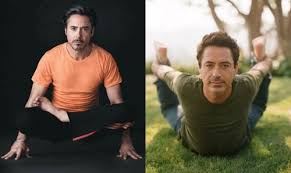
2. Robert downey ,jr.(Iron Man):

Shocked!! yes he also do yoga which has helped him in leaving the bad habit of drugs addiction.

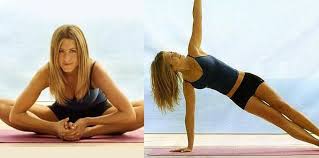
3.Jennifer Aniston (Racheal green in Friends):

she is been practicing yoga since 2005 for at least 20-30 minutes a day regularly

admist her busy schedule.

The list goes on thus it is well known that yoga is key to healthy life. Practice it daily if you don’t know asanas search in google or refer you tube videos. Hope you start practicing Yoga.

Yoga for seniors

When you come to old age, all the fancy aspirations are over, and you experience yourself as childlike again. But at a biological level, aging also results in the accumulation of cellular damage over time which leads to a progressive decrease in physical and mental capacity of the body. Familiar conditions in older age include back and neck pain, osteoarthritis, osteoporosis, depression, heart disease, etc. so, if you are a senior and looking for some therapeutic practices to avoid these conditions, then you are at the right place! Yoga carries some low impact incredible poses that you can practice even in your nineties. In this article, I’m discussing yoga poses categorizing them on the basis of


•Standing yoga poses
•Laying yoga postures
•Sitting yoga postures


You can choose from the poses in terms of your present level of flexibility and medical conditions associated with your body. It is highly recommended to practice any yoga pose under the supervision of a verified yoga teacher. They can help you with the modification in the poses and customized it for your body.

Great years for fitness


Fitness is not only about looking good. If you wake up happy that’s enough to determine your health in many ways. Yoga cultivates a mind-body-emotion link, combines stretching with a deep breath, and develops relaxation. Practicing yoga in old age makes you touch some spiritual aspects along with its physical benefits. Yoga is one of the safest forms of exercise available for seniors with immense benefits.

Benefits of yoga for seniors


Although yoga has tremendous health benefits on the mind and body irrespective of the age of the practitioner, for seniors, the values of the benefits are more. Here I’m listing some benefits of yoga that seniors or old age people will easily relate to

Fitness and ability levels


Practicing yoga enhances one’s fitness level that results in an improved ability to do day to day work. There are numerous yoga postures available to strengthen the core and develop a strong foundation of the body. Yoga reduces the risk of falls in the case of seniors as it provides stability in the system.

Maintains equilibrium


Elderly people are often noticed with some unconscious movement of the body part, especially hand, yoga can help in improving this state of the body. Practicing yoga regularly creates equilibrium in the body and generates a certain level of awareness of the movements.

Improves flexibility


Yoga movements are so fantastic to generate an extra stretch in the body without causing any damage to the body. Flexibility in the muscles encourages the tissues to loosen and relax, which eventually helps to amplify their range of motion.

Encourage deep breathing


As yoga involves the coordination of breath and movements in the body, it results in expanding lung capacity to hold breaths for an extended period. Holding the breath for a longer period enhances the overall pulmonary health and respiratory function of the practitioner.

Bone strength


In elderly age, most people tend to have problems with brittle bones. Consistent practice of yoga can improve the weight-bearing power of the bones and reduces the risk of osteoporosis. Some promising researches claim to improve bone density in the body by Yoga practices.

Alleviate anxiety and stress


Anxiety at an elderly age is not new to this generation. Yoga encourages mindfulness and calmness in the system and prevents the day to day stress through conscious breathing and meditation. Researchers claim that meditation stimulates memory centers inside the brain and reduces the risk of depression among seniors. Yoga activates the “feel-good” prefrontal cortex and boosts the emotional health of the practitioner.

Improved sleep quality


Sleep disturbance is a common problem among people of old age. Sleep deficiency at this age is linked to the increased risks of high blood pressure, heart strokes, diabetes, etc. Potential sleep ensures the removal of toxins from the body and allows the brain to function properly. Performing yoga daily can help to treat sleep disorders like insomnia, relaxing the tissues in the body, and encourages a better quality of sleep.

Yoga poses for seniors


No yoga pose is specially designed for a person belonging to a particular age. You can practice yoga at any age depending on your body limitations. Old age can be a miraculous part of life if you establish yourself in yoga. Yoga is one of those exercises which you can continue throughout all stages of life, as yoga itself is said to be the study of life.
As I mentioned that there is no pose specially designed for seniors, but if you are a beginner then it is recommended to start with some slow and light poses and then take it to the moderate level. Here are some beginners yoga poses for seniors to start with;

STANDING YOGA POSES FOR SENIORS

Trikonasana (triangle pose)
✓ Helps to create a stretch in the hip and lower back region of the body
✓ Improve the balance of the body
✓ Regulates blood pressure

Katichakrasana (standing spinal twist)
✓ Helps to produce movements in lower spine and neck
✓ Provides stretch in the arms, knees and neck muscles
✓ Ensures firm movements of the feet

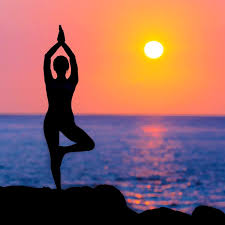
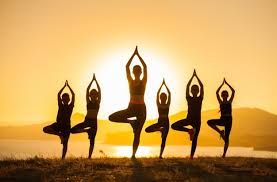
Vrksasana (tree pose)
✓ Strongest pose in maintaining balance
✓ Enhance hip and leg strength
✓ Provide stretch in the arms, legs, and centers of the body

Tadasana (mountain pose)
✓ Sets the foundation for alignment of the body
✓ Improves sensibility of the body
✓ Corrects unconscious postural patterns

SITTING YOGA POSTURE FOR SENIORS

Badhakonasana (butterfly pose)
✓ Regulates digestion by clearing the bowel movements
✓ Gives a stretch to the thighs, knees, and lower back region
✓ Removes stiffness and pain in the legs

CHAIR YOGA FOR SENIORS


Chair yoga or desktop yoga is in trend as it allows anyone to conveniently perform these asanas while sitting on the chair. Seniors can be benefited from chair yoga postures such as neck roll, spinal twist, temple rub, bending of arms and legs, and seated forward and backward bend. Benefits of chair yoga poses are:


•Relaxes the neck and removes stiffness in the back and neck region
•Alleviate fatigue and tension in the muscles
•Increase flexibility
•Coordinate body and breath movement and generates a sense of balance within the system
•Increase focus


Try doing these yoga poses under the supervision of a yoga teacher or your family members to prevent any damage to the body. The yoga routine can help you in spending your old age time perfectly without facing any health issue.