The word “Literacy” means an ability to read and write with understanding in any language.A person, who can only read but cannot write is not literate.An illiterate person has to face many practical difficulties in life he cannot read a letter addressed to him by his near and dear ones, he cannot calculate his own income and expenses etc.
The percentage of literate person in India has considerably increased when compared to earlier years.Educated citizens makes intelligent choices and undertake research and development projects.The literacy rate in India is 64.84%.Among all the states in India, Kerala had the highest literacy rate with 94%.
The National Eligibility cum Entrance Test (NEET) 2021 will be held on September 12 across the country, informed Union Education Minister Dharmendra Pradhan.
As the NEET exams are to be held on 12th September, the online registration for the same would commence from 5pm on Tuesday. The decision was taken following a meeting with the senior ministry and National Testing Agency (NTA).Considering the COVID-19 situation, the number of exam centers and exam cities have been increased this year. Number of cities conducting exam been increased from 155 to 198 and the numbers of centers will also be increased accordingly. Over 16 lakh candidate are likely to take the pen paper test conducted by NTA.
PROTOCOLS TO BE FOLLOWED:
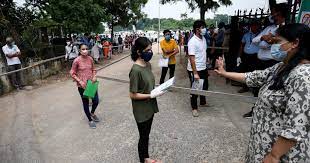
To ensure safety, COVID protocols are to be followed. Social distancing should be followed, masks will be provided for each and every candidate at the center. Staggered time slots during entry and exit, contactless registration, proper sanitization, seating with social distancing are to be followed.
HOW TO APPLY:
The application form will be released at ntaneet.nic.in at 5 pm. Candidates can apply for the exam by following these steps –
Step 1: Visit the official website, ntaneet.nic.in. Step 2: Click on the application form link. Step 3: Register using credentials. Step 4: Fill form, upload documents. Step 5: Pay fee, Submit
DOCUMENTS NEEDED:
Scanned or e-copy of passport size photographs of the candidate . Scanned copy of the signature of the candidate. Scanned image of e-version of left-hand thumb impression of the student. Class 10th Certificate.
FEES:
The application fee for the NEET 2021 as till the last year was Rupees 1500. For general-EWS, OBC-NCL category the fee is Rupees 1400 and for SC, ST, PwD, and transgender candidates it is Rupees 800.
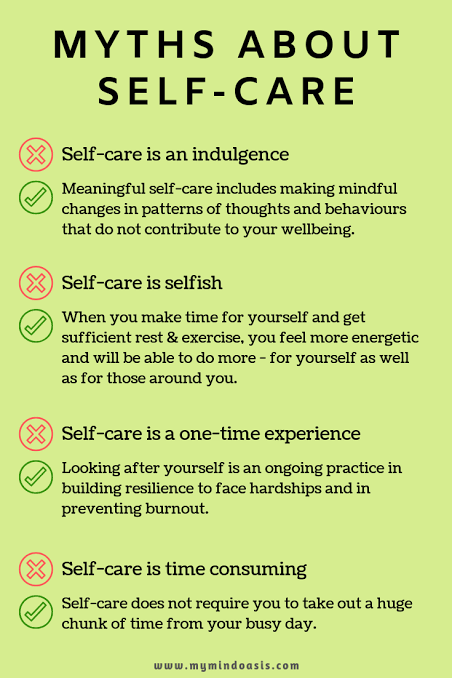
Imagine human mind as a bank account. In order to withdraw money from an account, we need a basic primary balance and we need to deposit from time to time in order to make future withdrawals. Similarly, human mind and body needs equal deposits of self-love, care and compassion in order to reflect that upon others. You cannot pour water from an empty pot. So, it is necessary to fill your pot before you pour it out.
The Social – Media and Magazine definition of self includes Hair-Care, Skin-Care, Spa sessions, etc but we often forget the most important part of our body that requires equal care and nurturing. Yes, our Mind. Our mind works 24/7 unlike our body, hence this calls for a special day to celebrate it’s success and hard work. Self-care is a broad term. It involves any and everything that makes you happy. Be it having an ice cream, putting on a good hair mask or dancing in your bedroom to silly item numbers. The best part about itisthat it doesn’t have to make sense to others.
It is okay to take a day off just to sit with yourself and do nothing. It is okay to binge watch the new show you always wanted to see but never got enough time to do so. It is okay to avoid social gatherings if it’s getting too much for you. It is okay to sleep early and miss out on parties and night-life. It is completely okay to avoid that person, phone call or that text to maintain the sanity of your mind. It is okay to not be okay all the time
But what’s not okay, is to not listen to your heart and letting others decide what you do with your life. Self-care involves standing up to your beliefs unapologetically and living on your terms. It might not always be right but its worth a try. After all life’s too short to not live and sadly most of us are working on auto-pilot mode. So, get up with the sun. Eat your favourite breakfast, binge on your most awaited show, go for long walks and dance to your favourite song till you sleep.
There is a fountain of youth. It is your mind, your talents, the creativity you bring to your life and the lives of the people you love.” – Sophia Loren.
Youth is the spring of human life. This is the phase of life where we live with our dreams and discoveries. Youth is the greatest strength and wealth of any nation. Empowering youth leads to nation pride.
The primitive humans were driven by instinct, just like animals. As we evolved, the faculty of intellect and higher thoughts developed in our brain. We started conditioning nature rather than obeying it. We developed rational thinking and understood the way we can support our thoughts with empirical data. We learned to make hypothesises and test them. We discovered science, as a faculty of knowledge and applied it meticulously and thus started dominating the world. A single example is how we made fire by friction, then came the match box and now sleek lighters. Today we have understood the science of nuclear energy so deeply that we have the power to even turn a big city into ashes within seconds.
Albert Einstein once said: “The most incomprehensible thing about the world is that it is comprehensible”. The comprehensibility of world comes through understanding science.
For couple of decades, we saw a trend that the youth of India was mesmerised to opt for Engineering or Medicine naturally due to career prospects. However due to various initiatives and funding for science research of-late we are seeing a trend that the present-day youth started preferring science as a career. Science research is no doubt time consuming and quick result and career is not easy to achieve.
Progress is the result of self-sacrifice not self-interest. There are many good and sincere scientists in India whose interests are not motivated by awards and recognition. These people have served and will continue to serve as mentors to future generations of Indian scientists. Science is the result of the efforts of these people. Let each one of us act as a catalyst to the advancement of science in India which will certainly make our country very powerful among the other nations in the world.
To conclude, youth are the backbone of our nation. They are full of energy. They should channel their energies for constructive purposes, develop scientific temper and thus bring their own progress and on turn the progress and prosperity of our nation.
In the aftermath of a rape, victims can face immensely difficult and painful emotions and experiences. Every victim responds to traumatic events in their own way. The effects of the trauma can be for a short while or can last long after the rape.
We all know that rape is a traumatic experience that affects the victim in a physical, psychological, and sociological way. Even though the effects and aftermath of rape differentiate among victims, they are tend to suffer from similar issues found within these three categories. Long term reactions may involve the development of coping mechanisms that will either benefit the victim, such as social support, or inhibit their recovery. Seeking support and professional resources may assist the victim in numerous ways.
Physical Effects:-
Gynecological Effects experienced by the victims include; Vaginal or anal bleeding or infection, hypoactive sexual desire disorder, vaginitis or vaginal inflammation, dyspareunia – painful sexual intercourse, vaginismus – a condition affecting a woman’s ability to engage in any form of vaginal penetration, chronic pelvic pain, Urinary tract infections, pregnancy, HIV/AIDS.
Pregnancy is a potential result of rape. Rape can cause difficulties during and after pregnancy, with potential negative consequences for both the victim and a resulting child. Medical treatment following a rape includes testing for, preventing, and managing pregnancy. A woman who becomes pregnant after a rape may face a decision about whether to raise the child or to make an adoption plan or abort the child.
Sexually Transmitted Diseases(STDs) can affect both the victim and the rapist. While penetrative rape generally does not involve the use of a condom, in some cases a condom is used. The use of a condom significantly reduces the likelihood of pregnancy and disease transmission, both to the victim and the rapist. Rationales for condom use include: avoiding contracting infections or diseases (particularly HIV), especially in cases of rape of sex workers or in gang rape.
Psychological Effects:-
In the immediate effects the victim of rape may often have anxiety and fear directly following their attack. According to a study on the reactions after rape, 96 percent of women said they were scared, shaking, or trembling a few hours after their attack. After more time is passed, the previous symptoms decreased while the levels of depression, exhaustion, and restlessness increased.
After an attack, rape survivors experience heightened anxiety and fear. According to Dean G. Kilpatrick, a distinguished psychologist, survivors of rape have high levels of anxiety and phobia-related anxiety. This includes and is not limited to the following; Feelings of dread, feeling nervous, feeling tense or uneasy, having panic attacks, having an irrational response to certain stimuli.
Post-Traumatic Stress Disorder is an effect which is very common among rape victims. The National Victim Center and the Crime Victim’s Research and Treatment Center released a report that found 31% of women who were raped develop PTSD at some point in their lives following their attack
Self-blame is among the most common of both short- and long-term effects .There are two main types of self-blame: behavioral self-blame (undeserved blame based on actions) and characterological self-blame (undeserved blame based on character). Survivors who experience behavioral self-blame feel that they should have done something differently, and therefore feel at fault. Survivors who experience characterological self-blame feel there is something inherently wrong with them which has caused them to deserve to be assaulted.
Suicide or the attempt of suicide is a common effect among rape victims. Survivors of rape are more likely to attempt or commit suicide. This effect remains, even after controlling for sex, age, education, symptoms of post-traumatic stress disorder and the presence of psychiatric disorders.
Sociological Effects:-
Rape is a stigmatizing in cultures with strong customs and taboos regarding sex and sexuality. For example, a rape victim (especially one who was previously a virgin) may be viewed by society as being “impure.” Victims in these cultures may suffer isolation, be disowned by friends and family, be prohibited from marrying, be divorced if already married, or even killed. This phenomenon is known as secondary victimization. While society targets secondary victimization mainly towards women, male victims can also feel shameful, or experience a loss of purity.
The term victim blaming refers to holding the victim of a crime to be responsible for that crime, either in whole or in part. In the context of rape, it refers to the attitude that certain victim behaviors (such as flirting or wearing sexually provocative clothing) may have encouraged the assault. This can cause the victim to believe the crime was indeed their fault. Rapists are known to use victim blaming as their primary psychological disconnect from their crime and in some cases it has led to their conviction.]Female rape victims receive more blame when they exhibit behavior which breaks the gender roles of society.
To combat the coronavirus epidemic, officials in a Chinese city bordering Myanmar have deployed facial recognition technology connected to personal health codes.
In the last five years, China’s government has rushed to install more than 200 million Surveillance cameras to “cover all public areas,” making it one of the world’s most surveilled countries.
In China, which was the first country to deploy a QR code system to register test results and monitor interactions, surveillance has also been widely used to combat COVID-19.
However, this is the first time that face recognition has been used to follow a person’s activities and health state as they enter and depart residential neighborhoods, supermarkets, transportation hubs, and other public locations.
On Saturday, officials in Ruili, Yunnan province, informed reporters that “everyone who comes in and out needs to have their (health) code and face scanned to pass.”
According to data released Tuesday, Ruili found 155 cases in the previous week, making it one of the deadliest viral outbreaks in recent months in China.
In critical places, security technologies like face recognition cameras, smart door locks, and road barricades (managed by police or community volunteers) have been installed, according to local authorities.
According to China National Radio, the scanners can also monitor people’s temperatures.
There are no specifics on how long the database will keep records or whether the system, which is being overseen by the city’s pandemic prevention team, would be shut down once the outbreak is under control.
Privacy related concerns
Ruili, a city of about 210,000 people, is a key crossing point from Muse, Myanmar, which has witnessed growing instability since a February 1 coup, generating worries that people would flee the bloodshed by crossing the Chinese border.
According to the Yunnan Provincial Health Commission, Myanmar citizens accounted for over half of the new cases recorded in the last week, but it was unclear how they reached the city.
When it comes to coronavirus clusters, China has taken a zero-risk strategy.
With strict border restrictions, mass testing, lockdowns, and tie-ups with big tech for surveillance, the illness has been mostly contained since it first surfaced in the central city of Wuhan in late 2019.
However, the proliferation of new health tracking applications has prompted worries about privacy.
According to a New York Times investigation in January, a widely used app monitoring travel history and virus testing produced by Chinese e-commerce giant Alibaba exchanged data with the authorities.
During the peak of the epidemic, police officers in major cities donned helmets with facial recognition technology and infrared cameras to monitor pedestrian temperatures.
China’s ubiquitous monitoring network has been criticized by human rights groups, who claim it is being used to stifle dissent and target minority, ethnic groups.
As of 2018, about 38 million people in the world are infected with HIV and out of these about 21 million people were living in Africa alone. South Africa, Nigeria and India are the worst affected countries with over 7 million, 3 million and 2 million people with HIV infection respectively. Interestingly, India is on third position with over 2 million of its population infected with HIV; however it has the lowest HIV rate in the world due to its vast population.
Source: UNAIDS.
UNAIDS acts as a global cogent body that protects HIV infected people from discrimination and aims to provide them a safer environment by creating awareness among the masses. It also provides deliberate and strategic advocacy and cooperates with different governments and private bodies to achieve its goals.
Achievements of UNAIDS.
1) Because of UNAIDS’s effective advocacy, different Government responses towards every aspect of HIV and AIDS was positive with good leadership and management.
2) UNAIDS’s advocacy also inspired many countries to change and abolish discriminatory laws that used to keep HIV patients on the fringes. It also convinced many countries to make laws in favour of women’s rights so that stigma faced by women decreases.
3) In 2019, 67% of all people living with HIV were accessing treatment. 68% of adults aged 15 years old and above had access to treatment, 53% of children had access to treatment and 73% of the female adults also had the access to treatment.
4) About 85% of pregnant women living with HIV had access to antiretroviral medicines to prevent transmission to their child in 2019.
5) UNAIDS also worked a lot in raising awareness about HIV and related stigma all over the world. It focused on myths related to HIV which ultimately led to a positive attitude of public towards HIV patients.
CHALLENGES FACED BY UNAIDS
There are a lot many challenges attached to HIV infection and thus it also becomes difficult for UNAIDS to deal with the issue at times. It is a social difficulty too and HIV patients suffer in silence because misconceptions about HIV.
1) HIV and Violence on women:
Every week, about 5500 young women aged 15-24 years become infected with HIV.
In Sub-Saharan Africa, five in six new infections among adolescents aged 15-19 years are among girls. Young women aged 15-24 years are twice more likely to be living with HIV than their male counterparts. More than one third (35%) of women around the world have experienced physical and/or sexual violence by an intimate partner or sexual violence by a non-partner at some point of time in their lives.
2) HIV and Tuberculosis:
Tuberculosis remains the leading cause of death among people living with HIV, accounting for around one in three AIDS related deaths. In 2018, an estimated 10 million people developed Tuberculosis and 9% of them had HIV.
3)HIV and COVID-19, newest of all:
A new analysis by UNAIDS has revealed that COVID-19 is going to have a detrimental effect on low and medium income families and countries around the world on supplies of the generic antiretroviral medicines used for HIV treatment. The lockdowns and border closures imposed by Governments to stop Covid-19 have impacted both production of the medicines and their distribution.
It’s important for us as a society to support the HIV-AIDS patients and their families morally, socially and make a stigma-free environment for them.
Injuries to areas of the body that is usually protected /covered.
Delay in seeking medical attention for a child
Is violent to animals or other children
Tries to hide bruises or other injuries
May be extremely withdrawn or extremely aggressive
Is wary of adults or of a particular individual
Cannot recall how the injuries occurred or gives inconsistent explanations
Emotional Abuse
It occurs when a child’s emotional, psychological or social well-being and sense of worth is continually battered. It can include a pattern of criticizing, rejecting, discriminating, degrading, ignoring, isolating, corrupting, exploiting and terrorizing a child.
Indicator in child
Bed-wetting or bed soiling that has no medical cause
Frequent Headaches, nausea, abdominal pains
Has not attained significant developmental milestones
Displays attention seeking behaviours or displays extreme inhibition in play
When at play, behaviour may model or copy negative behaviour and language used at home
Suffers from severe developmental gaps
Indicator in adults
Constantly labels the child or publicly humiliates the child
Continually threatens the child with physical harm or forces the child to witness physical harm inflicted on a loved one
Has unrealistic expectations of the child
Sexual Abuse
Sexual abuse includes acts where an adult uses a child for a sexual purpose. While it may involve a stranger.
Indicator in child
Torn, stained or bloody underclothing
Bruises, lacerations, redness, swelling or bleeding in genital, vaginal or anal area
Blood in urine or faeces
Unusual or excessive itching or pain in the genital or anal area
Difficulty in sitting and/or walking
Signs of sexually transmitted disease Indicators in a child’s behaviour
Outburst of anger
Self-harm (cutting, burning or other harmful activities)
Age-inappropriate sexual play with toys, self, others
Sophisticated or unusual sexual knowledge
Nightmares, sleeping problems
Becoming withdrawn or very clingy
Becoming unusually secretive
Sudden unexplained personality changes, mood swings and seeming insecure
Regressing to younger behaviours, e.g. bedwetting
Fear of certain places or persons e.g. bedroom or bathroom, friend-uncle
Indicators in adult behaviour
Insist on physical affection such as kissing, hugging or wrestling even when the child clearly does not want it.
Insist on time alone with a child with no interruptions.
Spend most of their spare time with children and have little interest in spending time with people their own age.
Frequently walk in on children/ teenagers in the bathroom.
Treat a particular child as a favourite, making them feel ‘special’ compared with others in the family.
Regularly offer to baby-sit children for free or take children on overnight outings alone.
Buy children expensive gifts or give them money for no apparent reason.
What to do??
Learn to recognize the signs
Provide a listening ear
Offer help
Give helpful information
Explain that violence is not OK
Look for community systemic support for the family
Can contact Childline (1098) to talk over your concerns confidentially with a trained social worker.
Take following steps on Emergency
Step-1: Immediately contact parents if child is not abused by parents and if child can give information of his/her parents.
Step-2: Contact any one of the following agencies to provide required support to parents and child: DCPU, SJPU, Childline, CPCs, Police or CWC. You can also take help from credible NGOs working on Child Rights in your area.
Step-3: Provide emergency support such as medical aid, clothing, food and transportation to safe places. Make sure that you handover this child to responsible adults from above mentioned list only.
Step-4: Help authorities with whatever information and evidence you have as regards abuse of the child to make sure that the abuser is punished. If possible give written information.
Step-5: Maintain privacy to ensure that the name of the child is not disclosed to media or public in any ways.
Prevention
Create Safe places for children in community, neighbourhood and society.
Create Structures and Systems where children can express their feelings and emotions freely without any inhibitions.
Create Structures and Systems to ensure safety and to ensure that children are supervised.
Educate children about safety measures. Provide information about the emergency contact numbers.
Create awareness: About child protection systems and networks. Keep this information handy.
Build network of concern individuals and groups to help children. Develop support systems for children.
A standard definition of being healthy according to World Health Organization (WHO) is , ” complete physical, mental and social well being and not merely absence of disease or infirmity”. This definition clearly expresses that just because you are disease free , it does not mean you are healthy. So, keeping that definition in mind , do you think you are healthy??
Health is a major concern for almost all the people living in this world. As we are growing with time, most people are being ‘health conscious’ , they plan diet , go to gym, practice yoga and what not. But what we actually need to know is that health is not just about being physically fit. It is a combination of three element – being physically well, mentally stable and socially fit. There are many person who are physically fit but are mentally depressed. So are they actually healthy?? The answer is plain ‘No’. Similarly if someone is physically as well as mentally well but finds difficulty in socially interacting or communicating or do not contribute to the society , is not actually healthy.
So what it needs to be healthy?? If you physically fit, happy with your mental state ( do not worry about little stress , it is completely okay to be little stressed out) and doing socially great then you can conclude that you are healthy.
So , next time when you think about your health, do not just count your health. And if you think you are not healthy, here are some tips to improve ( most of the are about mental health):
1) Plan your diet – This is the first step that almost everyone takes to be healthy . And of course it is necessary . Planning your diet not only improves your physical health but also keeps you mentally satisfied.
2) Exercise, Yoga or anything – Do anything that includes labour works. Try to sweat . It will definitely lift your health.
3) Listen to music – Experts says music can be a great way to boost your mood and improve signs of depression.
4) Gratitude – At the end of the day, always try to write at least three things you are grateful for. It is always beneficial to count your blessings.
5) Relax – Don’t forget to relax. Always take some time out for yourself. Do something that you love to do. Paint, dance, read or anything that makes you happy.
6) Books – Books are great way of escaping reality. Feeling depressed or lonely? Grab a book, sit comfortably, make some coffee and read. It will teleport you to a different world. Certainly you will feel better. Try reading atleast 15 mins a day. It will also improve your creativity.
7) Friends and Family – Spend quality times with your loved ones. Create memories and cherish them. Do not forget , no matter what, you are always loved.
8) Friendliness – Be good and kind to everyone – your neighbors , mates, kid you see in a subway , everyone. Do charitable works. It will always give satisfaction in the end, no matter how much you suffer.
The urbanization level of cities is increasing and with this the population and critical infrastructures in the city also increases, thereby increasing the exposure and vulnerability of cities to acute stresses and long terms shocks like cyclones, floods, pandemics etc. Currently the cities are battling with the greatest challenge to mankind since second world war and most dangerous health calamity, i.e. COVID 19. Cities are the areas having maximum concentration of population and are the nodes of development, hence there’s a need to combat the effects of COVID – 19 and it is important to find a way by which the cities can be developed more sustainably, with more resilience and livability.
WHAT IS COVID 19 ?
The name COVID – 19, originates from ‘Corona’ for CO, ‘ VI’ for Virus and ‘D’ for Disease and ’19’ represents t=its year of occurrence. The pandemic started from the Wuhan city of City in December 19 and within couple of months it became the global health emergency. The pandemic has not only affected the public health but also demobilized the global economy, impacts on environment and governance as well.
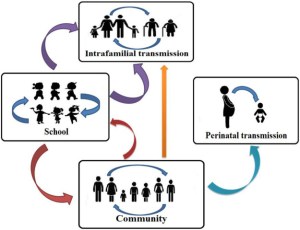
Image showing the different modes by which COVID 19 can be transmitted
WHAT IS RESILIENCE ?
Generally, Resilience is defined as the capability to recover from difficulties. In context of city, Resilience can be defined as the ability of an city to Prepare for, Respond to and Recover from any acute stress or long term shock. While dealing with the resilience of a city, the opportunities and threats provided by the difficulty is analyzed and initiatives are taken accordingly. In order to reduce the vulnerability of cities from getting affected by the disaster or hazard, pandemics or any other threat, the city’s capability to resist and recover from these risks is mandatory.
NEED OF RESILIENCE
For ensuring and increasing the safety and well being of the citizens and the environment, cities need to be made more resilient and prepared for addressing shocks and stresses.
There are many ways by which the resilience of cities can be enhanced and these w2ays can be determined by comparing the COVID 19 with other such health risks and various ways in which problems were caused can be determined. With the help of this the different interventions and recommendations pertaining to specific ways can be decided and the resilience can be enhanced.
Resilience plays a major role in shaping governance as well because it provides way for trustworthy leadership, responsive community organizations and also neighborhood design which can facilitate social connections. Resilience enhances physical and social infrastructures that helps the people to protect themselves and the society.
CONCLUSION
Resilience is all about learning from previous experiences and generalizing them those lessons to solve new problems. COVID 19 has provided many experiences for the people by altering the entire living schedule of humans and the experiences learned from this pandemic can be used while preparing for the future pandemics and other health, social and economic threats. In some way or other, COVID 19 has been following the previous pandemics and hence required months of restrictions in travel and isolations, which created and is still creating numerous social, economic and domestic problems for citizens, households, businesses and communities. To answer all these issues and to combat such pandemics the cities need to be resilient. To improve resilience, the communities need to be aware before hand , emergency response programs are required and proper initiatives for contagion control is also a mandatory step. Along with such measures, adequate housing for all citizens and physical and mental support to the sufferers and isolated people is also necessary. In case of designing aspect, the homes and quarantine centers can be designed in such a way that they could reduce the stress with the help of adequate space and proper lighting and ventilation. Along with all such initiative, global threats are needed to tackled with proper international cooperation and by learning from the best practices and approaches for handling such situations.
The Cholas are one among the popular and well-known Tamil morarchs in the history of South India.The elaborate state structure,the extensive irrigation network,the vast number of temples they built, their great contributions to art and architecture and their overseas explots have given them a pre-eminent position in history.
Revival of the Chola Rule
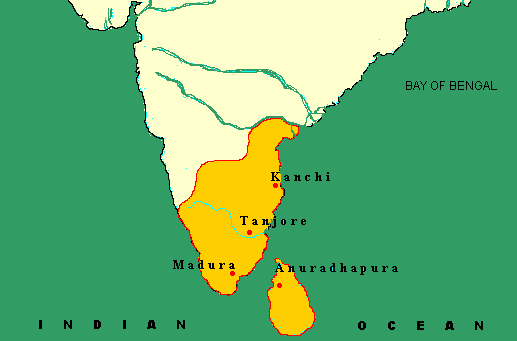
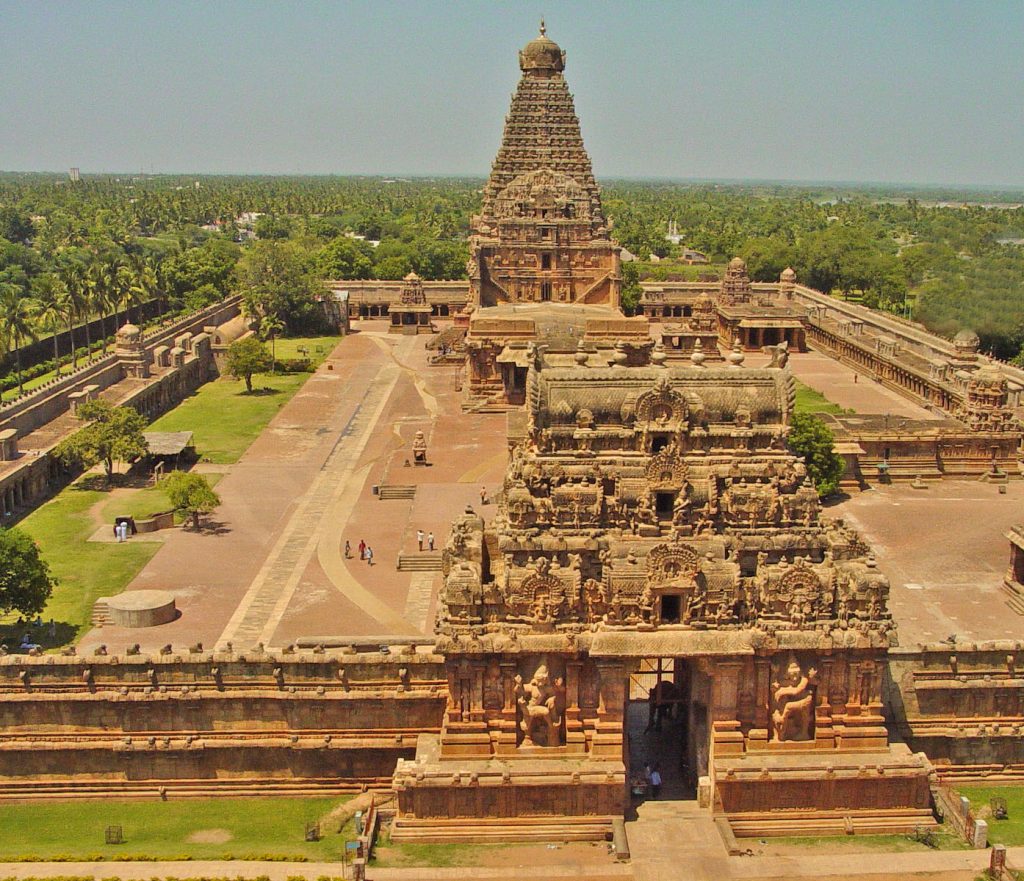
The ancient Chola kingdom resigned supreme with the Kaveri delta forming the core area of its rule and with Uraiyur (present-day Tiruchirapalli) as its capital.It rose to prominence during the regine of Karikala but gradually declined under his successors.In the 9th century vijayalaya, ruling over a small territory lying north of the Kaveri,revived the Chola Dynasty.He conquered Thanjavur and made it his capital.Later Rajendra l and his successors ruled the empire from Gangaikonda Cholapuram,the newly built capital. Rajaraja |(A.D.(CE) 985–1014) was the most powerful ruler of Chola empire and also grew popular beyond his times.He established Chola authority over large parts of South India.His much–acculaimed naval expeditios led to the expansion of Cholas into the West Coast and Sri Lanka.He built the famous Rajarajeswaram (Brihadeshwara) Temple in Thanjavur.His son and successor, Rajendra Chola |(A.D.(CE)1014 – 1044,matched his father in his ability to expand the empire.The Chola empire remained a powerful force in South India during his region.After his accession,his striking military expedition was to northern India,capturing much territory there. He proclaimed himself the Gangaikondan.The Gangaikonda Cholapuram temple was built to commemorate his victories in North India.The navy of Rajendra Chola enabled him to conquer the kingdom of Srivijaya (southern Sumatra ).Cholas control over the seas facilitated a flourishing overseas trade.
Decline of the Chola Empire
Rajendra Chola’s three successors were not capable rulers.The third successor Veerarajendra’s son Athirajendra was killed in civil unrest.with his death ended the vijayalaya line of Chola rule.
Ruins of Gangaikonda Cholapuram
On hearing the death of Athirajendra,the Eastern Chalukya prince Rajendra Chalukya seized the Chola throne and began the rule of Chalukya-Chola dynasty as Kulothunga |. Kulothunga established himself firmly on the Chola throne soon eliminating all the threats to the Chola Empire.He avoided unnessary wars and earned the goodwill of his subjects.But Kulothunga lost the territories in Ceylon.The Pandya territory also began to slip out of Chola control.Kanchipuram was lost to the Telugu Cholas.The year 1279 marks the end of Chola dynasty when king Maravarman Kulasekara Pandyan | defeated the last king Rajendra Chola lll and established the rule of the pandyas in present -day Tamil Nadu.
Administration
The central administration was in the hands of king.As the head of the state ,the king enjoyed enormous powers.The king’s orders were written down in palm leaves by his officials or inscribed on the temple walls. The Kingship was hereditary in nature.The ruler selected his eldest sona as the heir apparent.He was known as Yuvaraja.The Yuvarajas wer e appointed as Governers in the provinces mainly for administrative training.The Chola rulers established a well- organised system of administration.The empire,for administrative convenience,was divided into provinces or mandalams.Each mandalam was sub-divided into naadus.Within each naadu,there were many kurrams.The lowest unit was the gramam(village).
Local Governance
Local administration worked through various bodies such as Urar,Sabhaiyar ,Nagarattar and Nattra.With the expansion of agriculture, numerous peasant settlements came up on the countryside.They were Known as Ur.The Urar,who were landholders acted as spokesmen in the Ur.Sabhaiyar in Brahman villages also functioned in carrying out administrative, financial and judical functions.Nagarattar administrated the settlement of traders.However,skilled artisans like mansons,blackmiths ,goldsmiths,weavers and potters also lived in Nagaram.Nattur functioned as an assembly of Nadu and decided all the disputes and issues pertaining to Nadu.The assembles in Ur,Sabha,Nagaram and Nadu worked through various committees.The committees took care of irrigation,roads, temples,gardens, collection of revenue and conduct of religious festivals.
Uttiramerur Inscriptions
Uttiramerur presently in Kanchipuram district was a Brahmadeya village (land grants given to Brahmins).There is a detailed description of how members were elected to the committees of the village sabha in the inscriptions found there.One member was to be elected from each ward.There were 30 wards in total.The eligibility to contest was to men in the age group of 35-70, well-versed in Vedic texts and scriptures, and also owned land and house.The process of election was as follows:The names of qualified candidates from each ward were written on the palm-leaf slips and put into a pot.The eldest of the assembly would engage a boy to pull out one slip and declare in this way.
Revenue
The revenue of the Chola state came mainly from the land.The land tax was known as Kanikadan.The Chola rulers carried out an elaborate survey of land in order to fix the government’s share of the land revenue.One – third of produce was collected as land tax.It was collected mostly in Kind.In addition to land tax,there were taxes on profession and tolls on trade.
Social structure Based on Land Relations
The Chola rulers gifted tax-free lands to royal officials, Brahmins, temples and Jain institutions was called pallichchandam.There were also of vellanvagai land and the holders of this land were called Vellalars.Ulu-kudi,a sub-section of Vellalar, could not own land but had to cultivate Brahmadeya and Vellanvagai lands.The holders of vellanvagai land retained melvaram.The ulu-kudi got kil-varam.Adimai and panicey-makkal occupied the lowest rung of society.In the intermediate section came the armed men and traders.
Irrigation
Cholas gave importance to irrigation.The 16 – mile long embankment built by Rajendra Chola in Gangaikonda Cholapuram is an illustrious example.Vati-vaykkal,a criss-cross channel,is a traditional type of harnessing rain water in the cauvery delta.Vati is a drainage channel and a vaykkal is the supply channel.The commonly owned village channel was called ur-vaykkal.
Religion
Chola rulers were ardent saivites.Hymns,in praise of the deeds of Lord siva,were composed by the Saiva saints,the Nayanmars.
Temples
The Chola period witnessed an extensive construction of temples.The temples in Thanjavur, Gangaikonda Cholapuram and Darasuram are the repository of architecture, sculpture, paintings and iconography of the Chola art . Temples during the Chola period were not merely places of worship.They were the largest landholders.Temples promoted education ,and devotional forms of art such as dance,music and drama.The staff of the temples included temple officials, dancing girls, musicians,singers ,players of musical instruments and the priests.
Thanjavur Temple
Gangaikonda Cholapuram temple
Trade
There was a flourishing trade during the Chola period.Trade was carried out by two guild-like groups: anju-vannattar and mani-gramattar.Anju-vannattar comprised west Asians,Arabs,Jews, Christians and Muslims.They were maritime traders and settled on the port towns all along the west Coast.It is said that mangi-gramattur were the traders engaged in inland trade.In due course,both groups merged under the banner of ai-nutruvar and disai-ayirattu -ai-nutruvar functioning through the head guild in Ayyavole, Karnataka.This ai-nutruvar guild operated the maritime trade covering South-east Asian countries.
⭐ Ramakrishna was a simple priest of Dakshineswar near Kolkata. ⭐He emphasised the spiritual Union with God through ecstatic practices such as singing bhajans. ⭐He declared that the manifestations of the divine mother was infinite.
Ramakrishna Mission:
🔅 Ramakrishna’s primary achievement was his ability to attract educated youth who were dissatisfied with the rational orientation of religious reform organizations such as the Brahmin Samaj. 🔅After his death in 1886, his discipline undertook the task of making his life and teaching known in India and abroad. 🔅Vivekananda established the Ramakrishna Mission which was actively involved in social cause such as education, health care and relief in times of calamities.
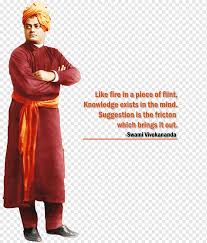
Swami Vivekananda:
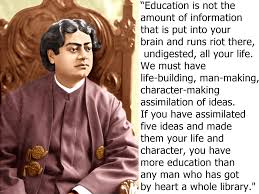
🔅Swami Vivekananda, was the prime follower of Ramakrishna Paramahamsa. 🔅Dissatisfied with conventional philosophical positions and practices, he advocated the practical Vedanta of service to humanity. 🔅He attacked the tendency to defend every institution simply because it was connected with religion. 🔅He emphasized a cultural nationalism and made a call to Indian youth to regenerate Hindu Society.
🔅His ideas bred a sense of self – confidence among Indians who felt like inferior in relation to the materialist achievement of the West. 🔅He was condemned by orthodox Hindus for suggesting that the lower castes should be allowed to engage in the Hindu ritual from which they were traditionally excluded. 🔅Vivekananda’s activist ideology rekindled the desire for political change among many Western – education young Bengalis. 🔅Many of the youths who were involved in the militant nationalist struggle during the Swadeshi movement following the Partition of Bengal were inspired by Vivekananda.
• NCT or The National Capital Territory of Delhi. Area – 1,500 sq.km. Includes parts of Haryana, Uttar Pradesh, and Rajasthan.
• States Reorganization Act, 1956 created the UT of Delhi – governed by a Lieutenant Governor.
• L-G acted on the advice of the Central government – answerable to the President of India.
• 1966 – the Delhi Administration Act brought the Delhi Metropolitan Council. 56 elected and 5 nominated members. Headed by the Lieutenant Governor. No legislative powers. Advisory role in the Government of Delhi.
The Constitution (69th Amendment) Act
Inserted Article 239A and 239AB. Advisory Council replaced by a full-fledged Legislative Assembly. Delhi became a Special Union Territory and known as the NCT of Delhi.
L-G – huge powers vested – appointed by President on the advise of Centre. Land, Law & order and Police – retained in centre’s control.
• Delhi Government No control over 3 primary bodies – Reserved Subjects.
Delhi Development Authority (DDA).
Delhi Police.
Municipal Corporation of Delhi (MCD). Complete control – PWD, Delhi Jal Board, Ministry of Power, Health & Sanitation, and Transport & Education
• Power struggle between central govt and NCR govt.
• 2018 SC judgment – L-G should act on the advice of the elected government. Except on three reserved subjects – police, public order and land – discretion of L-
Issue
• Committee of Delhi Assembly summoned a senior official of Facebook: Accusation – spreading fake news and triggering widespread violence. • Facebook resisted summons on grounds –
It is beyond the powers of the legislature.
IT Act is a central law and Delhi legislature has no jurisdiction.
L&O is a subject of centre – Delhi legislature has no jurisdiction. Supreme court verdict
• Upheld the authority of the committee of Delhi Assembly – to summon the senior official of Facebook
• Legislative Assembly does not only perform the function of legislating – also has “inquisitorial” and “recommendatory” powers.
• Implications Emphasised the importance of federalism and importance of elected government at the NCR level. Social media platforms’ responsibility toward the many legislatures will increase – avenue for scrutiny of social media platforms by other States.
“Toleration is the prerogative of humanity; we are all full of weaknesses and mistakes; let us reciprocally forgive ourselves. It is the first law of nature.”
-Voltaire
The Bastille Day is quite an unheard term in most of the parts of the world, unless you are a Francophone of course. The day commemorates the qualities of valour, unity and egalitarianism, which were on display when a huge crowd of people set off to destroy the gigantic prison, Bastille located in central Paris on 14th July, 1789. It symbolized the commencement of the French Revolution, against the existing Bourbon monarchy in mainland France.
The streets around France are usually flogged with cheerful families, enjoying leisurely activities. There is a beautiful spectacle at display at the Champs-Elysees, the epicentre of all celebration. The military parade, consisting of several reputed officers, show the strength of the armed forces, in a synchronised form. Similarly, a Bastille Day without a sense of firecrackers would be like having a meal without salt, so there are going to be several firecrackers display across Paris.
Wishing everyone a happy Bastille Day in advance. Joyeux jour de la Bastille
Its a Romantic story written by Mikki Duaghtry, Rachael Lippincott and Tobias laconis . This film was directed by Justin Baldoni . Stella Grant and Will , who are the victims of cystic fibrosis fall in love with each other . Stella meets Will for the first time when he gets admitted for a medication for the bacterial infection in his lungs. It is strictly to be adhered that the CF’s patient must maintain a distance of 6 feet apart to avoid cross infection.
Will was first not interested in his treatment and life but eventually he agrees to the treatment because of his desire to live a life with, and for Stella whom he fell in love with. What kind of love the life has offered them where you can never know or even feel the warmth of the breath of your loved ones. Both start meeting each other in secrecy.
A time comes where Stella wants to see the lights along with Will after she gets devastated seeing her best friend die . Two of them leave behind the worries and world behind and goes on to see the lights. On the same time Stella receives a donor . As she was missing from the hospital and not responding to the messages , they contact Will to inform about her donor. Stella refuses to take it as she does not want to extend her life leaving behind Will . But Will convinces her to take the transplant where she unfortunately falls inside the frozen pond.
Will rescues her and performs CPR as he could not see her breathing . Miraculously she was not infected from him and the surgery becomes a success. When she wakes up ,Will decorated the outside of her room with lights which she wished to watch with him. She saw him standing outside the glass ,where he says that his drug trial isn’t working and doesn’t want her to see him die. He asks her to close her eyes for him to make a move and he walks away. It is fortunate that both their deaths are not shown.


















 Eduindex
You must be logged in to post a comment.