While the Mughals were an invincible force everywhere, they never succeeded in getting a foothold in the North East India. The North East was an attractive proposition for the Mughals, rich Brahmaputra flowing through many countries and hence a great trade opportunity, and by controlling this region, one could control the trade route. The region was fertile and it meant great agricultural bounty.
The story of Ahom dynasty of Assam vs Mughals is incomplete without the story of Lachit Borphukan. He was one of the five Patra Mantri (minister) in the Ahom Kingdom. He was the ruler of Lower Assam during that period.
From 1615 to 1682, the Mughals attacked North East 17 times. In 1667, the Ahoms lost Guwahati (Pragjyotishpur) to Mughals and had to pay a war indemnity of 3 lacs rupees and ninety elephants. Two Ahom princesses were taken as hostages by the Mughal Army. King Chakradhwaj Singha selected Lachit Borphukan to lead the forces and get Guwahati back from Mughal captivity. Lachit raised the army and seized Guwahati from the Mughals. He was sure that Mughals will be back soon, and hence immediately started preparing for the next battle. . He was right, Mughals came knocking at their doors with a much bigger and powerful army.
The Battle of Saraighat
The Mughals did not take this defeat lightly and came back with 30000 soldiers, 15000 archers, 18000 Turkish cavalry, 5000 gunmen and over 1000 canons. This was a mighty fleet and defeating them looked like an uphill task. Lachit was brave and a master mind. He forced the Mughal army to fight at the Brahmaputra River. Lachit had identified the weakest link in the Mughal force – their navy. The Ahom army built multiple mud embankments around Guwahati so that the Mughals were forced to attack them through Saraighat using their Navy.
For the Ahoms, the knowledge about the terrain was a big advantage. During the battle, there was a time when Lachit Borphukan fell terribly ill and the morale of the Ahom army started dwindling. His response to his team was very clear “If you want to flee, go ahead… the King has assigned a responsibility to me and I will do it well irrespective of my health. Let the Mughals take me away. You report to the king that his general fought well following his orders”. His soldiers rallied and a fiercely fought battle resulted in a victory over the mammoth Mughal army. The general was not fighting for fame, religion or the King. He was fighting for his motherland and its people. Every year, 24th of November is celebrated as Lachit Diwas in Assam.
Ahoms and their Navy
Ahoms always had a war strategy in place and that was about keeping invaders west of the river. The paik system ensured that each family in the Brahmaputra valley had to depute the male members whenever there was a war or any other extraordinary situation. This implied a backup of army men whenever the need arise.
The Ahoms made excellent use of the terrain and developed perhaps India’s only “river specific” navy! Inside-out knowledge of the terrain was what made the guerrilla warfare highly effective and they called it “Daga Yuddha”! Even towards the end of Ahom dynasty, their navy had more than 7000 sailors. There were sophisticated docks for boat building. They also knew how to build bastions (Pani Garh) in the middle of the river without using any existing island.
The Ahom war boats were smaller in size, but made up of wood from a specific tree, which would not sink even if overloaded. Each boat had a life of more than 10 years and was equipped with guns and artillery. The small boats were easy to maneuver in the river as compared to the large boats used by the Mughals. The Ahom boat men were expert in steering the boats in the battle field (river).
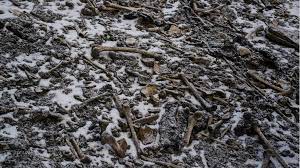
High in the Indian Himalayas, a remote lake nestled in a snowy valley is strewn with hundreds of human skeletons.
Roopkund Lake is located 5,029 metres (16,500ft) above sea level at the bottom of a steep slope on Trisul, one of India’s highest mountains, in the state of Uttarakhand.
The remains are strewn around and beneath the ice at the “lake of skeletons”, discovered by a patrolling British forest ranger in 1942.
Depending on the season and weather, the lake, which remains frozen for most of the year, expands and shrinks. Only when the snow melts are the skeletons visible, sometimes with flesh attached and well preserved. To date, the skeletal remains of an estimated 600-800 people have been found here. In tourism promotions, the local government describes it as a “mystery lake”.
For more than half-a-century anthropologists and scientists have studied the remains and puzzled over a host of questions.
Who were these people? When did they die? How did they die? Where did they come from?
One old theory associates the remains to an Indian king, his wife and their attendants, all of whom perished in a blizzard some 870 years ago.
Another suggests that some of the remains are of Indian soldiers who tried to invade Tibet in 1841, and were beaten back. More than 70 of them were then forced to find their way home over the Himalayas and died on the way.
Yet another assumes that this could have been a “cemetery” where victims of an epidemic were buried. In villages in the area, there’s a popular folk song that talks about how Goddess Nanda Devi created a hail storm “as hard as iron” which killed people winding their way past the lake. India’s second-highest mountain, Nanda Devi, is revered as a goddess.
Earlier studies of skeletons have found that most of the people who died were tall – “more than average stature”. Most of them were middle-aged adults, aged between 35 and 40. There were no babies or children. Some of them were elderly women. All were of reasonably good health.
Also, it was generally assumed that the skeletons were of a single group of people who died all at once in a single catastrophic incident during the 9th Century.
The latest five-year-long study, involving 28 co-authors from 16 institutions based in India, US and Germany, found all these assumptions may not be true.
Scientists genetically analysed and carbon-dated the remains of 38 bodies, including 15 women, found at the lake – some of them date back to around 1,200 years.
They found that the dead were both genetically diverse and their deaths were separated in time by as much as 1,000 years.
“It upends any explanations that involved a single catastrophic event that lead to their deaths,” Eadaoin Harney, the lead author of the study, and a doctoral student at Harvard University, told me. “It is still not clear what happened at Roopkund Lake, but we can now be certain that the deaths of these individuals cannot be explained by a single event.”
But more interestingly, the genetics study found the dead comprised a diverse people: one group of people had genetics similar to present-day people who live in South Asia, while the other “closely related” to people living in present-day Europe, particularly those living in the Greek island of Crete.
Also, the people who came from South Asia “do not appear to come from the same population”.
“Some of them have ancestry that would be more common in groups from the north of the subcontinent, while others have ancestry that would be more common from more southern groups,” says Ms Harney.
So did these diverse groups of people travel to the lake in smaller batches over a period of a few hundred years? Did some of them die during a single event?
No arms or weapons or trade goods were found at the site – the lake is not located on a trade route. Genetic studies found no evidence of the presence of any ancient bacterial pathogen that could provide disease as an explanation for the cause of deaths.
A pilgrimage that passes by the lake might explain why people were travelling in the area. Studies reveal that credible accounts of pilgrimage in the area do not appear until the late 19th Century, but inscriptions in local temples date between 8th and 10th Centuries, “suggesting potential earlier origins”.
So scientists believe that some of the bodies found at the site happened because of a “mass death during a pilgrimage event”.
But how did people from the eastern Mediterranean land up at a remote lake in India’s highest mountains?
It seems unlikely that people from Europe would have travelled all the way from Roopkund to participate in a Hindu pilgrimage.
Or was it a genetically isolated population of people from distant eastern Mediterranean ancestry that had been living in the region for many generations?
“We are still searching for answers,” says Ms Harney.
A multiple personality refers to dissociative identity disorder (DID), a mental disturbance where an individual has two or more distinct personalities. The thoughts, actions, and behaviors of every personality could also be completely different. People with DID have two or more distinct personalities. They do not present as simple changes in traits or moods. A person with DID expresses significant differences between these alternate identities, which may even be mentioned as alters. Trauma often causes this condition, particularly during childhood. While there’s no defined cure for DID, long-term treatment may help people combine their personalities into one. Often, these personalities are completely different from one another . These fragmented personalities take hold of the person’s identity for a few time. A person also maintains their primary or host identity, which is their original personality, and can answer to their first name . Their primary identity is usually more passiveTrusted Source, and that they could also be unaware of the opposite personalities.When a personality change happens, the new personality will have a definite history, a new identity, and different behaviors.
These split personalities, or alters, often have their own distinct:
name
age
gender
moods
memories
vocabulary
The exact explanation for DID isn’t fully understood. However, there’s a robust link between the condition and trauma. This may be particularly true for trauma or abuse during childhood. In Europe, the us , and Canada, 90% of individuals who experience DID are victims of severe trauma in childhood. The condition represents someone who struggles to integrate and assimilate certain aspects of their own identity, which become disjointed over time. When these other personalities take over, they often talk with a special vocabulary, and gesture differently. In some cases, one personality can also devour certain habits that the opposite doesn’t , like smoking, or becoming violent. In the shift from one personality to a different , an individual may experience other symptoms. Some people can have anxiety, as they’ll be scared of the personality change. Some may become very angry or violent. Others might not notice or remember these transitions in the least , although another person may notice them. Specific personalities may appear in response to certain situations. These symptoms can cause an individual significant distress, and disrupt their ability to measure their life normally. A person with DID can also experience symptoms of other conditions, like self-harm. One study notes that quite 70%Trusted Source of individuals with DID have attempted suicide. It takes time to diagnose DID. Misdiagnosis is common, and doctors got to observe a person’s symptoms, and dismiss other conditions. To properly make a diagnosis, doctors got to see the various personalities and the way they affect the person. Time is additionally a crucial think about seeing the complete scale of the symptoms. This is because people that seek help for DID commonly present with symptoms linked to other psychological state conditions. Additionally, as DID often occurs alongside other disorders, doctors got to rule out the symptoms of other conditions before they create a diagnosis. As such, they’ll prescribe therapies or medications to treat these conditions first. There is no specific cure for DID. However, many of us can help manage their symptoms and work to integrate their identities through regular psychotherapy. They can also ease the other symptoms with medication.
Yes, Online Classes is a mental exhaustion rather than knowledge. Online Classes is a modern way of teaching consisting virtual classrooms. With educational institutes closed due to the COVID-19 pandemic, the government has been encouraging online education to achieve academic continuity. Most high-end private and public institutions have made the switch smoothly using online platforms such as Zoom, Google Classroom, Microsoft Teams etc., while many still find it a herculean task. The challenges of online education is multifaceted.
Using internet for entertainment is common, but for online lessons is a big challenge. Teachers may not be well-versed with creating digital content, and conveying it efeectively online. A sudden expectation from them to upgrade, and from students to adapt, is unfair. Body language and eye-contact which are important cues for the teacher are difficult to perceive in an online class. “I do not receive continual feedback in the form of student’s reaction during online session” says a college teacher in sub-urban Mumbai. How many students have paid attention in a class? These questions arise even in traditional classrooms, but they are harder to address in online classes. A parent of an 8 year old attending a private school in Gurgaon says, “There shouldn’t be online classes for such younf kids. Their concentration span is small and they do not pay attention after a while.”
Even the college students seem to value the in-class physical learning experience much more than a virtual one. Theoretical knowledge always seems to be boring without practicals. Students have to sit at one place and just have to study the theory. Their minds gets exhausted due to which they pay less attention to what has been taught. many acknowledge that phones can be very distracting. In addition, science and technology programs often include hands-on laboratory sessions, dissertation projects and field trips to complement theoretical studies.This aspect of learning is severely limited in online education.
Finally, education is not just about subject knowledge but also about developing social skills and sportsmanship among the students, which is built over years. Relying solely on education maay hinder the holistic develoment of children and many may under-perform later in their professional and personal lives. Students are not able to understand lessons which result in oncreasing stress among the students.
“In a class of 40 students, after two months of online classes, around 20 students regularly attend class with whatever device and connection they have. Around 5-8 students are completely absent till date and rest are fluctuating” says a school teacher in Ratnagiri in Maharashtra. A teacher in a government-aided school from the small town of Chamba in Himachal Pradesh says, “It is frustrating experience to engage students of lower classes in online mode . There are network issues on both teacher’s and student’s ends.”
We all know that some areas are prone to poor internet connectivity due to which some students are not able to attend classes and some join just for the sake of attendance. We Indians give more preference to marks and frades rather than knowledge, which results in less productivity of knowledge in students and more focus is given by students to get good marks.
Moringa is derived from Latin word moringa oleifera. It is also known as subhanjana, sahajan, drumstick tree and life plant. It belongs to the family of Moringaceae. It is a handsome softwood tree, native of India, occurring wild in the sub Himalayan regions of Northern India and now grown worldwide in the tropics and sub-tropics. In India it is grown all over the subcontinent for its tender pods and also for its leaves and flowers.Flowering begins within the first six months after planting. In seasonally cool regions, flowering only occurs once a year in late Spring and early Summer (northern hemisphere between April and June, southern hemisphere between October and December). In more constant seasonal temperatures and with constant rainfall, flowering can happen twice or even all year-round. The pod of moringa is a very popular vegetable in South Indian cuisine and valued for their distinctly inviting flavour. The cultivation of moringa in India occurs mainly in the southern states of Tamil Nadu, Karnataka, Kerala, Andhra Pradesh as well as in central India also.
Moringa is considered to be a complete food in itself and is a nutritional powerhouse. It contains more than 92 nutrients and it is the one of the most important antioxidant on the earth. It has 46 types of Anti-Oxidants, 36 Anti-inflammatory and 18 Amino-acids 9 of which are essential Amino Acids. It is a natural Anti-ageing and said to cure about 300 diseases. It has all the vitamins such as vitamin A, B1, B3, B6, B7,C, D, E and K which are found in fruits and vegetables.
It is the most nutritious herb on earth.
It has:-
25 times more iron than spinach.
07 times more vitamin C than oranges.
15 times more potassium than bananas.
10 times more Vitamin A than carrots.
17 times more calcium than milk.
04 times more protein than eggs.
Benefits of Moringa
1. Moringa is useful in reducing obesity and extra fats.
2. Moringa has high content of phosphorus in it which is beneficial for reducing extra calories.
3. Moringa helps in regulating metabolism.
4. It is beneficial for the problems related to digestion.
5. Moringa is beneficial in diseases like cholera, dysentery, jaundice,etc.
6. Intake of moringa provides relief in kidney and urinary bladder stones, by dissolving stones.
7. Moringa keeps the skin healthy and glowing. It purifies our blood because of which pimples do not come up on face.
8. Moringa keeps the hair healthy and prevents hair fall.
9. Moringa has high content of beta carotene, protein, amonio acids, iron, calcium, vitamin-B, and nutrients which prevents malnutrition.
10.Presence of calcium, copper and phosphorus in moringa helps in the treatment of diseases related to bones and teeth.
11.It helps to prevent anemia.
12. Moringa boost the immunity system which is effective in reducing the chances of having cold and flu.
13. Moringa regulates cholesterol and maintains sugar level.
14 .Moringa helps to give relief in heart related diseases, asthma, arthritis and infertility.
15 .Moringa is thought to be helpful in treating depression, anxiety, and fatigue.
Precautions
1.Pregnant women should not intake Moringa has it may lead to miscarriage.
2.Likely unsafe for people with high blood pressure as Moringa makes blood thin.
Will talk about sites and apps where you can a head-start to learn and grown in the freelancing world.
Freelancer
A person who is self-employed and not always committed to a particular employer. Freelance workers are also few times represented by a company or a temporary agency that sells freelance labor to clients. Rest work independently or use professional associations, websites to get work.
Fields where freelancing exists:
Music, writing, acting, computer programming, web design, graphic design, translating and illustrating, film and video production, data handling, Data entry, transcription, Search Engine Optimization (SEO), blogging, logo design, social media handler, and more more.
The term freelancer is commonly attributed to Sir Walter Scott
Fiverr
Fiverr is a marketplace that connects freelancers (sellers) with customers looking for small or large services (buyers). There are a variety of different categories. SInce, it will be you who is promoting your services, you have flexibilty to chooose many fields. . In order to make money, you have to create “gigs”, which are sales pitch that will bring in customers to buy your services. You can earn extra cash by tips from customers, extra work or revisions.
Ups and downs:
The firstmost hurdle is your first gig; using right keywords, your work examples, reviews and their types affect your customer attraction. After landing upon your first customer, you need to put in your best and take time to create the work given. It takes time but build your profile.
The things you need to be aware about is that this platform takes 20% of your every service you give. The minimum price you can charge is $5 which ends up around $4. If you love what you do, want to experience and learn how to attract customers and how to deliver your work; work for longer hours with adequate pay, fiverr might be good for you.
The issue most people complain about is it takes a little longer in payment process. Just like any freelancing job or any job in focus, scammers exist. Let the payment process be within the freelancing core, do not take accept or pay outside Fiverr.
Upwork
Clients can post a job to hire or buy a predefined service from the project catalog. Also, freelancers can access the job board and offer a service to sell. As you can browse billions of jobs to find the one which you would like to offer, it is great for beginners. You get to know to build your profile and learn from others sellers how to display your projects.
Upsand downs:
They do higher-paying projects, payment protection, credible clients, get jobs quickly after interviews to know legit clients. They have started to charge freelancers a small fee to submit proposals to projects, said to increase your chances of selection; fees can be troublesome, clients do offer smaller budget requests which you use to learn how to work on UpWork. It can be great place for you to learn about services and build up your confidence.
Simply Hired
Simply Hired is an employment website and mobile application and an online recruitment advertising network based in Sunnyvale, California. The site is a job search engine that collects job listings from thousands of websites and job boards. To find a job, simply type the search box with related keywords. You can also narrow down jobs of your interest by filling out your city, state, or ZIP code.
Ups and downs:
Integration with LinkedIn.com gives you better results to search and apply for your desired jobs. Simply Hired price starts at $199 per user/month, making it a little more expensive. The platform has a salary calculator and a ‘quick apply’ feature.
Be aware about outdated jobs. Ensure by calling the companies and clear your doubts. There are hidden costs for training and such which makes it costly. Email and SMS confirmations, partnerships helps you get jobs soon. Plus, it is available in more than 24 countries and in 12 different languages.
College Recruiter
College Recruiter is the leading, interactive, recruitment media company used by college students and recent graduates to find great careers. Our clients are primarily colleges, universities, and employers who want to recruit dozens, hundreds, or thousands of students and recent graduates per year.
Ups and downs:
College students who want to earn while studying, this site will provide them with many internships, part time jobs, entry level jobs and probably even get a permanent jobs. People find it easier to look for jobs in this site. Due to lack of complete job profile there can be issues with some jobs, lack of filters does make it hard to shortlist your choice of companies but it gives you lots of options, give your personal information scarcely since you might get unnecessary job invites; you can give a secondary email as well.
Aquent
Aquent is a leading talent services company, providing marketing and creative talent, managed services, extended workforce benefits, project management, and professional development. It is known as a staffing company specializing in placing temporary employees in marketing and creative industries. Aquent also has free online courses that provide training to hone one’s skills. You can search with keywords and a location, or browse all of the job openings in your nearby area.
Ups and downs:
Be aware of scammers, especially calls asking about personal information. There are chances of jobs ending early as well as there are chances of long term plans as well. Since the job can be short termed, if you will get to explore every fields you think you are fit for. The pay is decent.
Behavioral economics studies how individuals behave, and how thinking and emotions affect individual decision making. By adding insights from psychology, behavioral economics tries to modify the conventional economic approach, and to analyze how people act in social contexts. It is the study of psychology as it relates to the economic decision making processes of individuals and institutions. Rational choice theory states that when humans are presented with various options under the conditions of scarcity, they would choose the option that maximizes their individual satisfaction. It assumes that people, given their preferences and constraints, are capable of making rational decisions by effectively weighing the costs and benefits of each option available to them. The final decision made will be the best choice for that particular individual. The rational individual has self-control and is unmoved by emotions and external factors and, hence, knows what is best for himself. However, behavioral economics explains that sometimes humans are not rational and can’t make good decisions.
As humans are emotional and easily distracted beings, they make decisions that are not in their self-interest. For example, according to the rational choice theory, if an individual wants to lose weight and is equipped with information about the number of calories available in each edible product, he will opt only for the food products with minimal calories. Behavioral economics states that even if he wants to lose weight and sets his mind on eating healthy food going forward, his end behavior will be subject to cognitive bias, emotions, and social influences. Behavioral economics draws on psychology and economics to explore why people sometimes make irrational decisions, and why and how their behavior does not follow the predictions of economic models. It seeks to explain why an individual decided to go for choice A instead of choice B.
Companies are increasingly incorporating behavioral economics to increase sales of their products. As companies begin to understand that their consumers are irrational, an effective way to embed behavioral economics in the company’s decision-making policies that concern its internal and external stakeholders may prove to be worthwhile if done properly. For example, in 2007, Apple priced the first iPhone at $600 but then quickly reduced it to $400. However, If they had introduced the phone for $400, the initial reaction to the price in the smartphone market might have been negative as the phone might be thought to be too pricey. But by introducing the phone at a higher price and bringing it down to $400, consumers believed they were getting a pretty good deal and sales surged for Apple. This is how companies use behavioral economics.
“A journey of a thousand miles begins with a single step. “
Indore has been awarded as the “Cleanest City” of India for fourth time in a row and the most important reason behind this success is the combined efforts of the public, public representatives, government officials and other stakeholders engaged in this process. The journey made by the city is inspiring and as of now there are many other cities of the country and globe who are following the strategies for becoming cleanest city.
INDIAN SCENARIO: TRASH EMERGENCY
According to the Annual Report of the Ministry of Housing and Urban Affairs, in year 2016-17, India generated approximately 1,50,000 tones of solid waste per day. According to World Bank by 2050, it is estimated that India will generate nearly 3.5 times (over 5,43,200 tones) of solid waste per day. It has also been estimated that local bodies collect nearly 90% of this waste, out of which nearly 80% is dumped in dumping sites or landfill site without getting treated. Under Article 21, it is provided that Clean Environment is (the) Fundamental Right of every citizen and it is the responsibility of the urban local bodies and the State to ensure that clean and hygienic environment is provided to the citizens which preserves their health. In case of Indian cities, it is very important to learn from the best practices and techniques applied in different urban areas for efficiently dealing with the solid wastes.
THE JOURNEY TO CLEANEST CITY
HOW IT STARTED
The journey of Indore for becoming the cleanest city started from 2016 and it faced many challenges.
Some of technical challenges were:
Inefficient infrastructures, systems and processes for Municipal Waste Management.
Absence of infrastructures for material recovery, transfer stations and processing unites and non – operational composting facilities.
Inefficient door to door waste collection system with no scope of source segregation practice.
Unorganized trenching grounds with nearly 13 lakh tons of waste which caused methane induced fire, bad odor and increased the chances of diseases.
Unorganized and inefficient waste collection, transportation and dumping.
In addition to all these technical issues, there were various non – technical challenges like:
Cooperation and support of citizens,
Unorganized municipal workers
Lack of mechanism to monitor and reviews all the processes being involved
Inefficient citizen grievance redressal system.
Lack of political awareness to achieve the cleanliness goals
Lack of awareness about solid waste management process among citizens, local media, administrations and Resident Welfare Associations (RWA).
THE PROCESS
Indore had to implement many strategies in each and every step associated with solid waste management. Along with these strategies the Indore Municipal Corporation (IMC) had partnered with private bodies, NGOs etc. for boosting the entire [process and empowered the citizens regarding their roles and responsibilities as citizens of the city for making Indore a clean city.
Waste Collection, Segregation and Transportation :
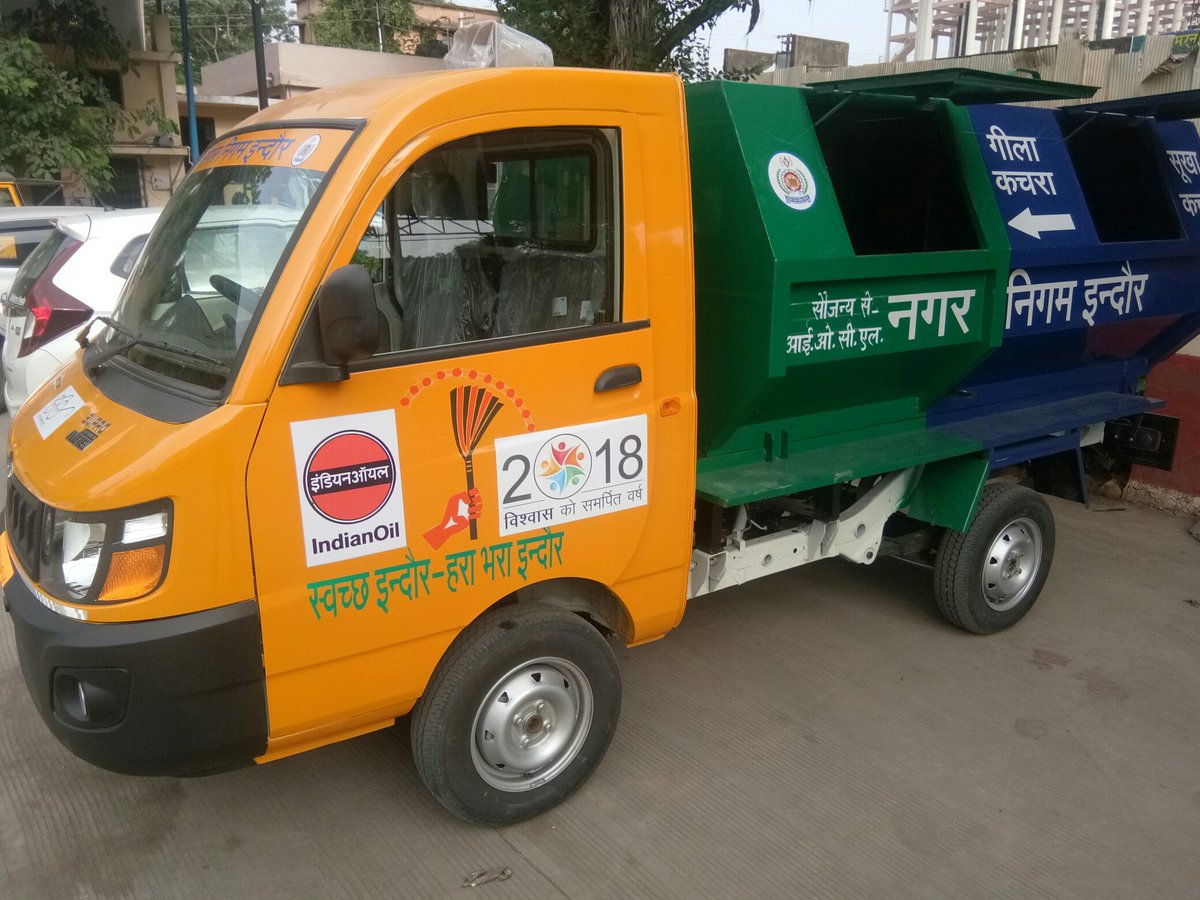
Vehicles having different compartments for waste collection
IMC started the process of waste collection from households on daily basis from 2016 and at the same time it also started asking and motivating the citizens to segregate their waste. Some of the strategies undertaken for increasing the efficiency of waste collection were :
Collecting the wastes from household on regular basis and studying the lifestyle of different localities to finding the most suitable for waste collection.
Explaining the people about the need of waste segregation and on repeated disposal of unsegregated wastes, households had to pay the fine as decided by the Supervisors of IMC.
Tracking the routes of the garbage vans and vehicles that collect the wastes from door to door and monitoring it.
Some of the steps undertaken for creating awareness among citizens were :
Visiting of different localities and colonies by Municipal officials to persuade and create awareness among citizens regarding waste segregation.
Providing common platforms were religious leaders created awareness among people, on the basis of importance of cleanliness as mentioned in the religious texts, schools etc. and organizing oath taking ceremonies for children pledging a clean city and conduction of mass road sweeping exercise at different areas of the city.
Involving 850 Self Help Groups, comprising almost 8500 women for spreading awareness for waste segregation and conducting mass campaigns.
Campaigns for zero waste localities and markets.
Creating awareness regarding home composting, as a result of which nearly 50,000 households started doing home composting.
Involvement of Private Bodies and NGOs for Boosting the process
The IMC partnered with non-governmental organizations for creating awareness campaigns to change the attitude and behavior of citizens, to facilitate the functioning of solid waste management systems, use of proper technologies for increasing efficiency and improved capacity for ensuring proper implementation of all strategies and actions decided for being clean.
Waste Management System
The city adopted the strategy of processing the waste near the source. For example: All food outlets separate food waste and transport it to the small garden inside a traffic triangle at one end of the street. This strategy is more cheaper, hygienic and sustainable way for processing the wastes. The responsibility of waste composting is given to an NGO named Swaha and this organization uses a machine which simple and easy to handle. Most the waste generated from Indian cities contain higher proportion of organic wastes and are generally wet, which makes the waste more difficult to handle. These machines work efficiently even if the material is not organic with minimum spillage, minimum human contact with waste and has mechanism which can easily lift heavy trash cans.
Waste to Fuel
For processing of organic wastes, a Biomethanation facility is provided which converts the organic waste into methane. The city produces nearly 20 tones of waste everyday and this waste is converted into 750 – 800 kg of bio compressed natural gas (bioCNG). This task is assigned Mahindra Waste to Energy Solutions Ltd. The gas produced is used to run city buses, and sold as cooking fuel to hotels and the Indian Institute of Management, at a subsidized rate. Waste from the flower market is kept separately (1-2 tons a day), and mixed with slurry to produce compost.
Street Sweeping
For the purpose of street sweeping machines are used. Every night 800 km of main roads are swept using machines and water mist are used for cleaning footpaths and road dividers. For the cleanliness of roads nearly 400 liters of water is used every night and most of these are recycled water which are derived from the three sewage treatment plants. In case of internal roads which are 2200 km, the wastes are swept and are collected in gunny bags, collected by vans and transported to waste processing facility.
Clean Streets of Indore
CURRENT SCENARIO
Before and After images of Indore
As of now, 100% of household wastes are segregated at source and are processed. Ten ultra modern mechanized transfer stations are used for final processing and disposal. The city makes use of ICT based devices and Weighbridge mechanism for sustainable integrated solid waste management systems. For road sweeping purpose, Ultra modern mechanized road sweeping machines are used, which clean the bypasses, super corridors and bridges.
The city uses a collection and transportation app which is fully digital in nature for monitoring entire process, from door to door segregation to final disposal of waste. The wat wastes are processed and are used in public transports and today 15 city buses operate on this bioCNG gas. Similarly, construction and demolition wastes are reused for making non-structural concrete, paving blocks, lower layers of road pavements etc.
Through the process of bio-remediation, 100% of wastes has been remediated and 100 acres of land has been reclaimed. The dumping yard or landfill site had been converted into green belt. There is a proposal to develop this land into a golf course and city forest.
The entire journey of Indore has been based on more that 3Rs- reduce, reuse and recycle. These include Food Bank, disposable free events, Bartan Bank, art and crafts made out of wastes etc. All these initiative have ensured sustainability of the city.
Other than all these technical strategies, the city also took many social media initiatives and Information, Education and Communication (IEC) techniques for ensuring community Engagement. The song, “HO Halla” by Indian singer Shann became the Swachhta Anthem of the city in 2017 and motivated the citizens to keep doing their part of work towards this Swacchta mission. The song also has many new versions.
CONCLUSION
Since 2016, Indore went through a commendable journey for providing its citizen the urban environment which will protect their health. The IMC took strategies which are the most efficient and using them, it eliminated garbage dumps, 100% household waste collection and segregation, reusing all the wastes etc. The success of Indore’s solid waste management shows that other Indian cities can also clean the entire area and make it more hygienic and sanitized for the people by engaging NGOs, private bodies and citizens.
Thus, trust between all the stakeholders being involved in the process is the major pre-requisite for achieving the goal.
Everyone’s dream is to have a radiant skin. A glowing skin free from acne and oiliness. Dry skin can make you look dull and tired. To look fresh and bright, proper care of skin should be taken. Products are available that can make you look your best but its temporary. Ayurveda claims that there healthy foods that can make you look long-lasting beautiful.
Nutritious diet is the secret to healthy skin. Unhealthy foods can affect your metabolism resulting in weight gain leading to certain health problems.
Here are a list of healthy foods to eat everyday for a glowing skin.
Avocados
Avocados are extremely healthy to include in your everyday diet. Vitamin C is recommended to look after for a healthy skin. These days lack of Vitamin C has caused skin to turn dry and rough due to limited production of collagen that is the main protein required for right functioning of skin. Even, aging is stopped with proper intake of Vitamin C.
Usually, UV rays damage a healthy skin. These rays can cause early aging and wrinkles. To avoid premature aging of skin, avocados are the best option.
Vitamin E is equally essential for glowing skin. It is a good antioxidant that protects skin from excessive damage at an early age.
2.Broccoli
Skin requires right amount of vitamin A, vitamin C, minerals. Dryness and wrinkles are a common problem women suffer from. Eating broccoli can prevent these skin problems. The content in Broccoli protects skin from oxidative damage. Broccoli is effective in avoiding skin cancer issues as it contains sulforaphane. It also protects from sunburn.
3. Walnuts
Walnuts are a good source of fatty acids. Fatty acids are not made by body. In case of increased omega-3, fatty acids prevent inflammatory response to it. Walnuts provide antioxidants like vitamin E which is must for healthy skin. Walnuts are high in other nutrients as well that is needed for healthy function of skin.
4. Sunflower Seeds
Seeds are highly nutritious, especially for skin. Sunflower seeds are packed with vitamin C, vitamin E, zinc and proteins. These seeds are rich in nutrients that are essential for skin.
5. Green Tea
Green tea is a type of tea that is best among all the others. Sun damaging can severe as days go by. Green tea nourishes the damaged red skin and soothes body. Green tea is natural moisturizer to rough and dry skin. Green tea is a great option to ensure a healthy and radiant skin.
6. Tomato
Vitamin C is excessively provided by tomatoes, which becomes great protection to skin from wrinkles and aging. It contains carotenoids that maintains skin. Tomatoes can also applied to skin as a face mask for natural glowing skin.
7. Sweet Potatoes
Beta Carotene is a natural source that acts as a sunscreen. Sun makes your skin dry and rough causing cell damage. Sweet Potatoes contain beta carotene that efficiently protects your skin from UV rays. For a healthier skin, sweet potato is an excellent food choice.
Including the above foods in your diet will surely work a miracle on your skin. Glowing skin is now just few steps away with these amazing and affordable foods.
Dowry death is a major problem faced by the women in our country. It is a death of married women by her husband or her in law families because of the extortion of gifts. It refers to death of women with the cause of burn or any injury in the body within seven years of marriage and before her death she is subjected to lot of harassment and merciless acts by her spouse or her family members. The report suggest that every day twenty women die due to the harassment they face because of dowry death it may be either murder or are forced to commit suicide. It’s a phenomenon which indicates the death of a young married woman due to dowry after facing all the harassment and abuse. Since 1980s such ill activities are followed. The first case came into the eye of media where a young brides being burned to death.
In the women movement during the time of post-independence the key issue was the ‘bride burning’. Marital violence is a ‘cultural crime’ which is practiced in India. During the time of marriage a ritual is followed where gifts in the form of property, cash and goods are offered from the bride’s side to the bridegroom and his family, such ill practices are followed with the name of custom and is called dowry. The practice of such ill activities is now followed by almost every community and caste. The occurrence of such custom is just because of our patriarchal society that prefers men much more superior than women. Boys are given the prevailage of rate card which is an unofficial price the male members of the society are worth. This worth is measured by the dowry provided to them on their marriage. We say that we all are equal but at many places strong inequality is followed where the bride’s family is constantly pressured to full fill all the demands of the groom’s family and in return they accept their daughter. The dowry system is deeply connected to our Indian Culture and thus remains satisfactory and unchangeable in the society. We all know that dowry taking is a crime but we ignore this fact and as a result dowry death occurs. Even educated people practice such ill customs because we are afraid to go against and challenge our society and its traditions. The result of our custom and tradition is dowry death which has till now taken many lives. In this ill tradition members of the groom side have given much advantage and are considered superior. In case the women and her family is unable to full fill the desires and needs of the groom then the bride is tortured and harassed.
Dowry death is the bitter realities which every next upcoming bride is afraid off and due to this customs daughter are considered inferior than man and a burden for whole family. As a result, families store the wealth rather than investing it on the daughter’s education or they certainly kill the baby inside the mother’s womb. Dowry death is a great offence and there should be strict rules plus regulation for it. The one who practice such ill acts in the name of tradition shall be given strict punishment.
Pusarla Venkata Sindhu, commonly known as PV Sindhu (born 5 July 1995) is an Indian professional badminton player. She is the first Indian to become the Badminton World Champion and the first Indian woman to earn an Olympic silver medal in 2016. She rose to a career-high world ranking of no. 2 in April 2017.India’s hopes for a badminton Gold medal at the 2020 Tokyo Olympics came to an end on Saturday evening as the ace PV Sindhu was knocked out in the semi-final of the Women’s singles event by the World number 1 Tai Tzu Zing. The intensely fought contest lasted 40 minutes as Tai won 21-18, 21-12.
However she outlasted world No. 5 Japanese shuttler Akane Yamaguchi 16-21, 21-16, 21-19 in the All England Open Badminton Championships quarter-finals to enter the top four of the women’s singles event. Sindhu however remains in contention for the Bronze medal, for which she will take the court on Sunday at 5pm IST. She will face China’s He Bingjiao for the Bronze.
It was Tai who started off with a quick 2-0 lead before Sindhu rattled of four points, leaving the opponent on the floor with a fantastic cross court smash. The two players, well acquainted with each other’s game, kept chipping away, finding the angles and using the depth of the court well to pick points off. Sindhu led 11-8 at mid-game in the first game.
After the break, Tai upped the ante and as did Sindhu. However, Tai, who was showing off her full repertoire of shots, quickly cut down the lead, bringing things to level pegging even as the Indian kept up, for most of the first game. Quite simply, none were giving away an inch but Tai, who played catch-up for most of the first game won it at 21-18 in 21 minutes.
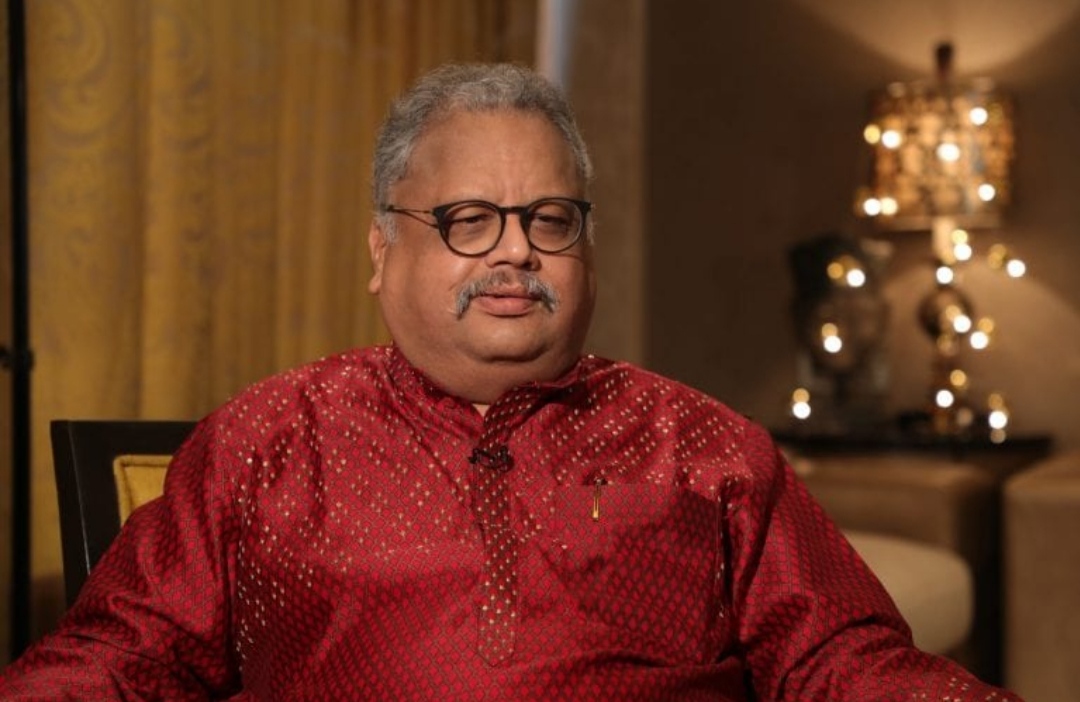
Billionaire investor Rakesh Jhunjhunwala is planning on having 70 aircraft within four years for a new airline he wants to set up in India on optimism more people will travel by air.
Mr Jhunjhunwala, who is considering investing $35 million and would own 40% of the carrier, expects to get a no-objection certificate from India’s aviation ministry in the next 15 days, he said in a Bloomberg Television interview Wednesday.
The ultra-low cost airline will be called Akasa Air and the team, which includes a former senior executive of Delta Air Lines Inc., is looking at planes that can carry 180 passengers, he said.
It’s a bold bet by Mr Jhunjhunwala, who’s known locally as India’s Warren Buffett, in a market that has seen some airlines collapse in the face of intense fare wars and high costs. Still, what was once the world’s fastest-growing aviation market holds an allure and Jhunjhunwala is looking at opportunities to woo flyers with a brand new carrier offering low fares.
“For the culture of a company to be frugal you’ve to start off fresh,” Mr Jhunjhunwala said. “I’m very, very bullish on India’s aviation sector in terms of demand.”
Even before the pandemic, airlines in India were struggling. Kingfisher Airlines Ltd., once the country’s second-largest domestic carrier, ended operations in 2012, and Jet Airways India Ltd., which was recently approved to fly again, collapsed in 2019.
While demand for air travel has been hit globally, India’s aviation industry is at greater risk of delayed recovery as the threat of a third wave of infections looms. Airlines are feeling the impact.
Vistara, which Singapore Airlines Ltd. jointly owns with conglomerate Tata Group, is in discussions with Boeing Co. and Airbus SE to delay aircraft deliveries and make changes to the payment timetables. IndiGo, India’s largest airline, reported a wider-than-anticipated loss as Covid disruption crimped its revenue.
That’s not deterring Mr Jhunjhunwala, who according to Forbes has an estimated net worth of about $4.6 billion.
“I think some of the increment players may not recover,” he said. “I’ve got some of the best airline people in the world as my partners.”
All laws of generosity deny creature savagery. In case of domesticated animals, no request can legitimize savagery, as terrible animals can do little to ensure themselves. There are numerous kinds of savagery to domesticated animals. It is endured essentially by the individuals who have little information on how the touchy balance of nature is to be kept up with by various species. The Savagery To Creatures Exposition is a knowledge into the remorselessness that creatures endure and what arrangements can be embraced
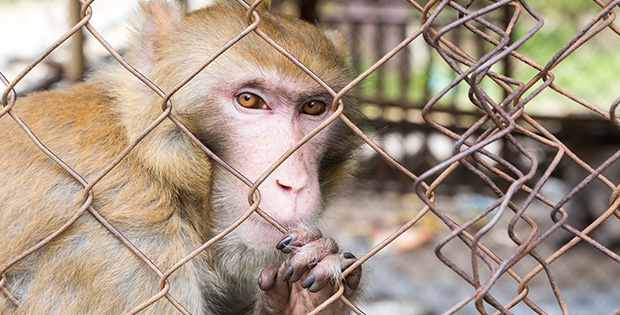
At the first spot on the list is a sort of’ government-supported savagery that is clear from the sorry condition of our zoos where creatures are kept in squeezed confines, some of which’ smell’ so severely that you can’t get the solidarity to take a gander at the creatures all the more intently. Behind the entryways of the research center is the most shocking case of remorselessness — youthful creatures in the lab are being tormented for the sake of studies and experimentation.
In beautifiers, 60,000 synthetic compounds are utilized and frequently tried on rodents, bunnies, guinea pigs, mice, and monkeys. To choose corneal pestering, damaging engineered compounds are mixed into the eyes.. To decide tissue decay, creatures are frozen in ice and put on hot plates. Consistently, around ten million creatures are killed in tests.
Different instances of overall detailed pitilessness incorporate uncommon species, for example, Liver Ridley turtles becoming enmeshed in the fishing vessel’s nets, driving in suffocation, or spinal followed reptiles Offered to make aphrodisiacs. Within the sight of imminent customers, their necks are snapped.
The balances of the sharks are cut and the terrible creatures stream once again into the sea to bite the dust a difficult demise. Frog legs are additionally cut, which are taken care of as a delicacy. Additionally, the adolescent chiru deer hide is utilized to make’ wraps’ of colorful toosh. In spite of many creatures and birds being caught and killed for the sake of custom and custom, notwithstanding the laws.
Untamed life Laws
There is enactment determined exclusively to save the uncommon and quickly diminishing species. For instance, the Constitution’s Article 15A(G) pointed toward securing and working on the common habitat. The Untamed life Assurance Demonstration of 1972 is another similar law.
In any case, the irregularity is that there isn’t sufficient execution of any of this enactment. Likewise, the Untamed life Insurance Act, for instance, was changed in 1991, however it couldn’t stop India’s outlandish bird exchange.
Clearly, guidelines alone can’t defend creatures from eradication. It will possibly happen on the off chance that we figure out how to cherish and recognize the sacredness of both human and creature life types.
Before 2020, the world was normal and happy. At the end of 2019 and in the beginning of 2020, the most dangerous virus emerged worldwide named as covid-19.
It's a kind of virus with symptoms of normal fever, cold, cough and headache. On the surface, they seem to be so normal. However, their impacts are so severe. It's a life taking virus which damages the lungs, causes breathing problems and degrades the immune system.
The very first case of this virus in the world was found in Wuhan city of China. As it is a virus and thus transmits from one body to another through air.
The first wave was very harsh. In order to control the spread of virus and save the lives of people, most of the countries decided to put a lockdown nationwide. People were suggested to wear masks if for essential things they need to go out. Social distancing was preferred for safety.
Coronavirus is a unique and new virus found on the earth. There was no treatment available to contain its spread. It's a virus which cannot be killed, one can only make it effortless by being vaccinated against it, as of polio and other deadly viruses.
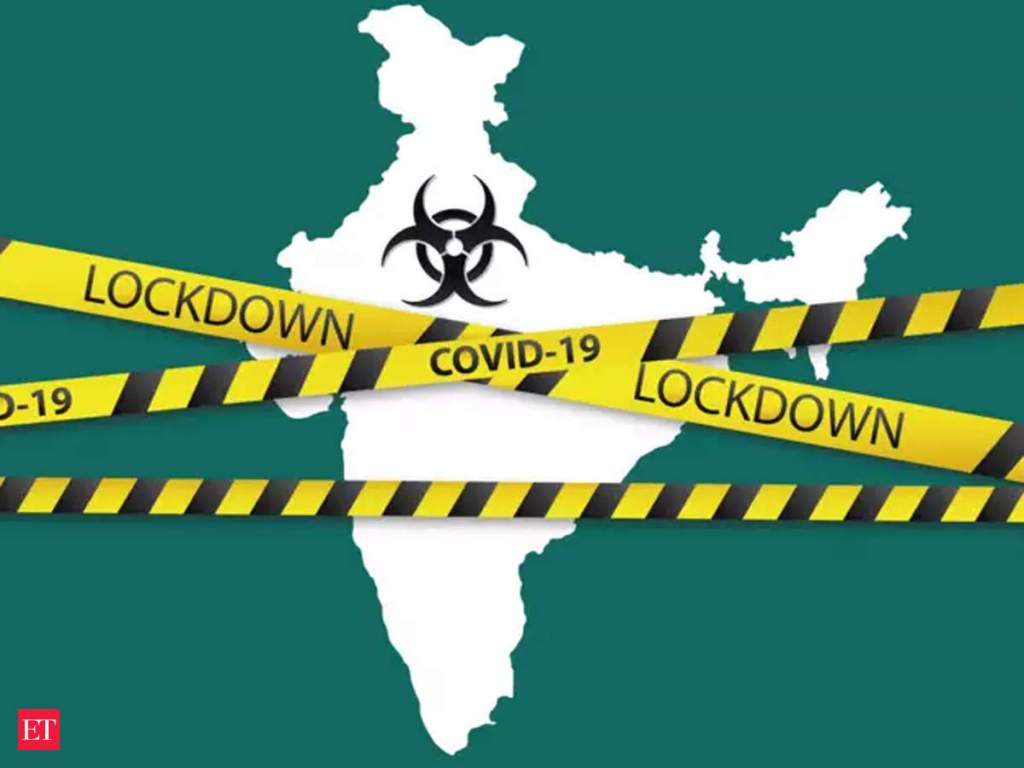
India too faced this phase of coronavirus and implemented a lockdown. The first wave for India was not very severe. There were few cases in the month of March 2020, and lockdown was imposed.
Lockdown was the only solution. Restriction on people gathering was the only solution until a vaccine was being developed by the various nations. Entire world was struggling to make a vaccine. India was also doing the same.
In India, after December 2020, when vaccination was about to be released to people, India faced its worst ever wave of coronavirus in the months of March - May 2021.
Thousands of people lost their lives. India was unable to manage the supply of oxygen for the people suffering from the virus. Hospitals did not have beds for the treatment of people. Hospitals refused to admit people. Many people lost their family members and loved ones. One by one, a member of the family was going into the death's mouth due to this virus.
It became hard for India to manage the situation. To save people during the first lockdown India became critical. It faced so much economic loss. GDP fell, and the development of the nation almost stopped. Many people lost their jobs. Hence this time it was very difficult to impose a lockdown again. India has to manage its economy and boost it up again.
Anyhow India managed and coped up with the second wave of virus and by that time vaccines were also available in the country. The government announced that people will be vaccinated.
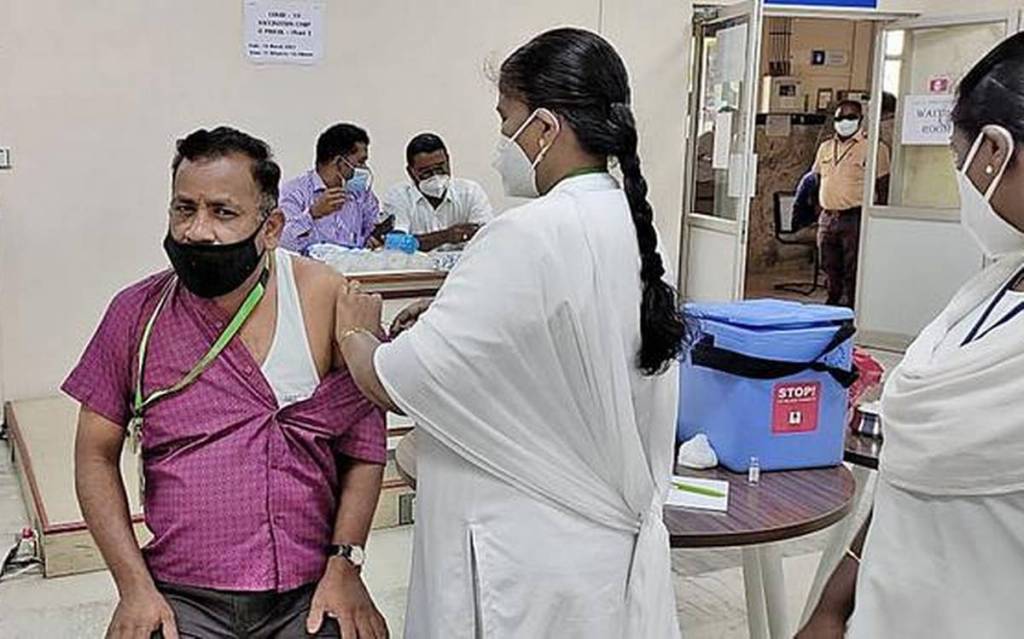
Earlier the government announced that people of old age i.e above 45 will be getting vaccinated for free. One has to do online registration and can get vaccines in any part of the country.
People of old age in India are less in number and hence vaccination was done smoothly for this age group. Both the doses.
From May 1 2021, India announced a vaccination program for people above 18 years old . 70% of India’s population is young. In the beginning, it was easy to get vaccination in both urban and rural areas with the help of online registration.
In the month of June, one day PM Modi addressed the nation and announced that people will get vaccination without registration in various health camps for free of cost and that's where the problem arose.
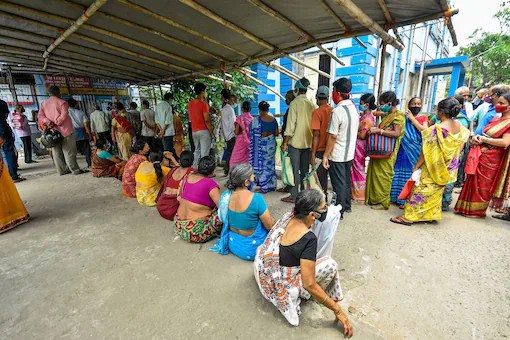
The number of people being vaccinated was huge and the number of doses was so low. People stood in long queues for getting vaccinations.
Hardly 2-3 camps were established by the government in the nearby area. Places allotted for vaccination did not receive any vaccine. One who wanted to get a vaccine had to run door to door searching for camps and vaccines.
Even if they reached the camp they had to stand in the long queue. When their turn came, the vaccine was out of stock. The person again has to wait for the next day. Entire day goes to waste.
Poor people who earn daily wages and don't have knowledge of technology and are unable to do registration have to wait long and waste their day on a daily basis. How hard it would be for them to be vaccinated. Though several NGOs and organizations worked and are still working to help this section of people.
Fraud is in the blood of some people, specifically if we talk about Indians, at the time when people were fighting between life and death due to viruses, many people did black marketing of vaccine doses and injections. Hospital charges in lakhs for admitting the patient. People sold water filling in vaccine tubes. How can someone do business and play with someone's life at the time when each and every person was struggling in one or other way.
Spreading rumours is another problem of Indian society. People said that after taking vaccine doses a person can die, he/she can lose his eyes, his/her nervous system can get damaged and many more.
Even literate people were thinking the same and were not ready to get vaccinations. Many people who are illiterate and are from remote areas started beating and throwing stones towards nurses and doctors who went to vaccinate them.
People jump in well, hide inside the houses, harm the health workers because they feel vaccination will take away the life of themselves and their children. Still there are many who think the same and still aren't vaccinated.
On an average, we see India faced so many problems and is still facing the problem of being vaccinated, but still it is moving towards success in this campaign. People are getting vaccinated. Problems are still coming in the path but as so many people are already done with their first dose it has now again begun to run smoothly. Let's hope that this goes on.
Vaccination is one of the best solutions to fight this virus. It's very important for everyone to get vaccinated for their own and other's health and safety. Hence this program should continue without any barrier and that's the main responsibility of the government.
It was 7:30 in the morning, and I heard someone singing “Happy Birthday To You, Happy Birthday to you, Happy Birthday Dear”. I opened my eyes and it was my dad who came to wish me as it was my 20th birthday and like every year he came to wake me up singing happy birthday songs for me. Like every year, this year too I went to the temple together with my mom and dad. That night my mom made my favourite dinner for me and all of a sudden, I realised I turned 20 this year. I am getting older and along with me my mom & dad too.
In the morning when we were going to the temple, we hadn’t completed the half steps but they were out of breath and worned out. Mom’s legs hurt while doing the chores or while making dinner for us. Dad can’t read newspaper without spects now. They get tired very soon and the only reason is because they’re growing old. There is one rule in our house: to at least have one meal a day together. Ever since I was a kid we had our dinner together but that day it was quite different, the vibes were different and the thought that my parents are getting older was scary as hell. I just wanted to live my whole life with my parents happily, I don’t want them to grow older. Besides,on the other hand I was happy that now I can take all their responsibilities and let them live the remaining years peacefully. As, this is what I wished for ever since I was a kid. But back then I never imagined that someday, someday they’ll leave too, just like the others. Now after realizing this I really don’t want them to grow up and neither do I want to grow up, I just want my childhood back and want to live a happy life with my parents forever and ever. There are times they act cold, yell at me for no reason and won’t allow me to do what I want to that time I really wants to live my life on my own ways and want to runaway far from home, far from them, where no one knows me, know one going to judge me, no one will yell at me, no one will have to right to take my life decisions but me, and no one will stop me, will nag me from doing what I want to do. But that is not life. We always need someone to scold us when we do something wrong, to nag us. Someone who will comfort us on our lowest and be our supporters at the highest points, someone who’ll love us more than they love themselves and trust me parents are the only ones who love their children more than they love themselves and no one can match their love. Sometimes they may be dominating but that’s because they love you and they are worried about you. Even if you are 50- 60 years old, for them you are still the same, the baby, who cries on small things. That day I really felt like yesterday it was my first day at school & I was crying cause I didn’t want to leave my mom. The feeling was something we never thought about. We are just getting older and busy with our studies, career and job that we never think about our parents. We have become so busy in our lives that we don’t have time for our parents. Now after realizing this I really don’t want to grow up, I just want to live my life with them. But I can’t. It is the rule of the world, that everyone grows and evolves and leaves this planet some or the other day. It’s like we are all here for each other to support, to talk, to love but then we’ll not be in each other’s lives forever anyway.
We are just here as supporting characters to each other’s main character lives and we’ll leave after seeing them grow/ evolve at our own specific times and we never notice that, like billions of times we eat with them, we watch them from beginning but never notice when they grow up. Time really flies and after this day every single second it will remind me that they are getting older and that one day they’ll leave us behind.















 Eduindex
You must be logged in to post a comment.