12 Indian Snacks You Must Try

If you’re throwing a party, these party snacks recipes will come in handy while preparing your menu. Snacks and appetizers are a must-have at every party or celebration.

Vegetarian snacks are prepared in India in a number of ways. Some snacks have different recipes and methods depending on the locale. While some delicacies are extremely popular across India. There are various delicacies that are only popular in certain parts of India.

Photo by Chan Walrus on Pexels.com

Here are 12 Indian snacks that are easy to make and you can serve them to your guests at the party or get-together.

1. Paneer Tikka: Paneer (Indian cottage cheese cubes) are marinated in a spiced yogurt-based marinade, skewered, and cooked in the oven in this Restaurant Style Tandoori Paneer Tikka.

2. Aloo Tikki: A crispy, crusty, and delicious Aloo Tikki recipe. In Hindi, aloo refers to potatoes, while tikki refers to patties. So these are spicy, herby, and tasty potato patties in the Indian way.

3. Onion Pakoda: Onion fritters prepared with gramme flour are a popular street snack in India. It’s a snack that’s simple to make and tastes great. Serve them with green chutney or sweet chutney and fried salted green chilies. This entire meal can be accompanied by Indian chai.

4. Dahi Bhalla: Lentil dumplings are dipped in a creamy whipped yoghurt and topped with spicy and sweet chutneys in this popular North Indian street food snack. Dahi bhalla differs slightly from dahi vada. Papdis, boiling potato cubes, and cooked chickpeas are all added to dahi bhalla, giving it a variety of textures, tastes, and flavours.

5. Pani Puri: Crisp fried dough balls (puri) are packed with potatoes, sprouts, spicy acidic water, or sweet chutney in this popular Indian street snack. You just cannot eat just one pani puri with so many bursts of flavours and flavours in your mouth.

6. Kaman Dhokla: Gujarati cuisine has a nutritious, tasty, and wonderful vegan snack. It’s light and fluffy, with a mildly tangy-sweet flavour that’s perfect at any time of day. This is also a recipe for instant khaman dhokla.

7. Veg Cutlet: Crispy and flavorful vegetable patties cooked with a variety of vegetables. These vegan patties are best served hot with tomato ketchup and green chutney as a late-night snack. They’re a tasty teatime snack that can also be cooked during the rainy season.

8. Bhel Puri: It is a well-known Mumbai street food. Puffed rice is blended with onions, tomatoes, and other chutneys to make bhel puri. This bhel puri is simple to prepare and contains quick recipes for the three chutneys commonly used in bhel puris.

9. Dal Vada: chana dal, onions, and spices-herbs are used to make this renowned crispy and crunchy fried snack. These are crispy and crunchy, and they make a wonderful tea time snack.

10. Bread Pakora: Bread is dipped in a spicy gramme flour batter and packed with potato stuffing before being fried shallow or deep. In most Punjabi households, these bread pakoras are made for breakfast on Saturdays or Sundays.

11. Hara Bhara Kabab: These delightful and nutritious kababs are made with spinach, peas, and potatoes. It’s both nutritious and delicious, and it goes well with any chutney or sauce. They’re frequently fried in a pan. However, you may either bake or air fried them if you like.

12. Samosas: These samosas have a wonderful potato and peas mixture and are flaky and crispy on the outside. This recipe is a true winner, with a beautiful crust and a soothing filling. Give it a shot and you’ll be surprised at how easy and enjoyable it is to cook samosa at home.
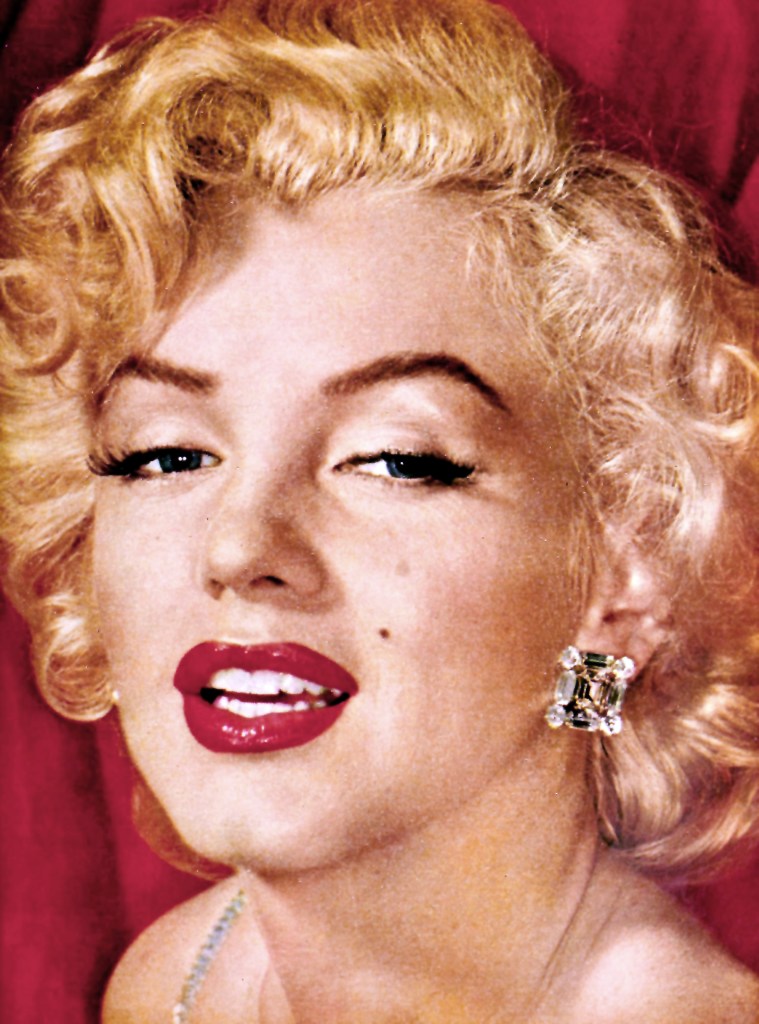
HISTORY OF RED LIPSTICK 💄

Red lipstick is a classic essential to every girl’s beauty bag. It’s fashionable 🌟, classy, and flattering, but it’s also a lot more. It’s audacious, daring, indisputably feminine, and visually stunning. Like its color, Red lipstick has a vibrant, turbulent history, steeped in centuries of significance.

ORIGIN

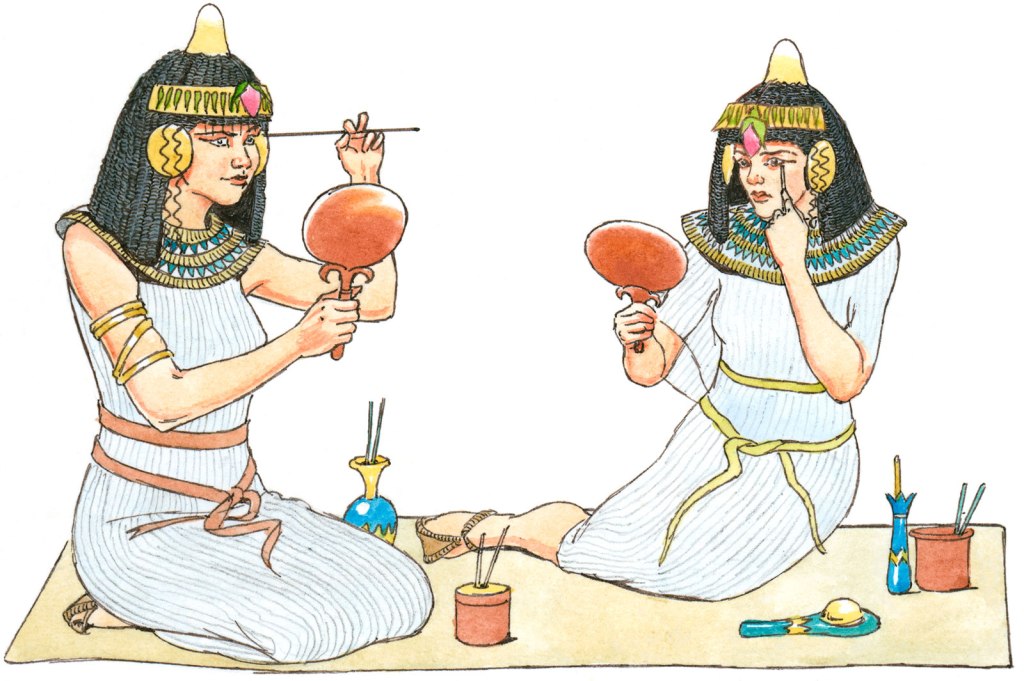
Many historians claim that red lipstick was first devised in the Sumerian region of southern Mesopotamia at approximately 3,500 B.C.E. Others ascribe the invention of lipstick to the ancient Egyptian elites, who wore scarlet red lipstick made from crushed bugs as a sign of social supremacy.

Irrespective of its exact origin, wearing red lipstick has long been a powerful social icon with a myriad of connotations. Depending on the place and period, the aesthetic was a teasing sign of enticement, a proclamation of social rank, a display of affluence, or an assertion of confidence.

Following the rise of Christianity and puritanical beliefs, the church forbade the wearing of lipsticks or any makeup. Women wearing lipsticks were accused of being sorcerers and witches, as red lips were being associated with Satan worship.

Prostitutes in Ancient Greece were mandated by law to wear red lipstick, so they could not be mistaken for respectable upper-class ladies. The ancient Greeks used a concoction of red dye, sheep sweat, and crocodile droppings in their lipstick.

Queen Elizabeth rekindled the passion for red lipstick in 16th century England with her signature pale face and crimson lips. However, this time, Red lipstick was solely worn by upper-class women & was made of beeswax and red plant-based dyes.

And by the 1700s, England banned Red Lipstick, purportedly because women were using cosmetics to entice men to marry them. Similar restrictions existed in the United States, authorizing for the repudiation of marriage if revealed that the lady had been courting with red lipstick.

Until the late 1800s, most lipsticks were manufactured at home with carmine extracted from insects called cochineal. In 1884, French perfumers created the first commercially available lipstick, using a concoction of deer tallow, castor oil, and beeswax. Lipsticks did not come in plastic or metal tubes like it does today. Rather, they were sold in paper tubes, little pots, and paper-wrapped bundles.

In the late 1800s, Guerlain began making red lipstick with grapefruit, butter, and wax. In the late 1890s, the Sears Roebuck catalog featured rouge for the lips and cheeks.

In 1911, metal lipstick tubes were debuted, making it possible for ladies to retouch their lipstick quickly and easily.

By 1912, stylish ladies in Western culture were openly wearing makeup.

As women’s use of make-up rose, so did the colors and materials used in lipstick. Brightly colored lipstick had become an emblem of sexual and social defiance by the 1970s. In the 1980s, red became the “it” color.

Natural colors and substances became popular in the 1990s. Lipstick accounted for nearly $9.4 billion in cosmetic sales at the turn of the century.

Two inventors are credited with creating the “tube” of lipstick, that enabled women to carry lipstick in their handbags.

  • The metal tube container for lipstick was designed by Maurice Levy of the Scovil Manufacturing Company in 1915. It had a little lever on the side of the tube that lowered and lifted the lipstick. The “Levy Tube” was the name given to Levy’s innovation.
James Bruce Mason Jr.
  • The first swivel-up tube was patented in 1923 by James Bruce Mason Jr.

Earlier lipstick formulae utilized pigment powder, crushed insects, butter, beeswax, and olive oil, however, these early formulas only lasted for a few hours before getting rancid, and they often had negative health consequences.

Paul Baudercroux, a French chemist, created the Rouge Baiser formula in 1927, touted as the very first kiss-proof lipstick. Rouge Baiser, seemingly, was so good at staying on one’s lips that it had to be pulled from the market as it was too difficult to remove.

Decades later, in 1950, Hazel Bishop, a chemist, created No-Smear Lipstick, a new type of long-lasting lipstick, and it became a phenomenal commercial success.

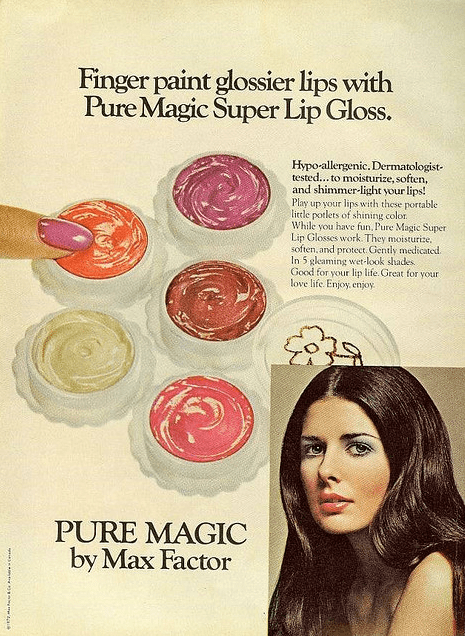
Max Factor, a Polish immigrant cosmetician, founded the brand in 1909, which went on to become one of the most well-known in the history of beauty. In the 1930s, Max Factor introduced their first lip gloss, the first to be worn by movie stars, however soon wider populace also started wearing it.

The Red lip color is here to stay & will forever remain a cult classic.

Ideas and Advice for How To Live a Joyful and Empowered Life.

From this moment on, choose not to let your past dictate your future. What is gone is gone – forever. Now is the time to move on, to do and become what you want: to be the best in any area that you choose, so you may design your own destiny.

Here are a few helpful suggestions that you may take on board, and below you will find a couple of simple tips that can quickly move you in the direction of manifesting your destiny to accomplish many great things in your life.

To join ranks with the most successful people in the field of your choice, or merely to achieve your dreams quietly, for yourself, you will need to take the journey toward a better more enlightened future; toward a more empowered and motivated you, toward a life that you will design and achieve. You will live your life as you want it. And you will become that person you have been dreaming of becoming.

Invest in life – in your life. No more wavering dreams, staring out the window and wishing and hoping. No more sleepless nights worrying about your future as you only see where you are now.

This time it is for real. What you are dreaming of will happen, and in abundance. From today, you will move forward in your life in a dramatic way. You will do what is required of you to accomplish your daily goals, big and small, and you will always expect to succeed at everything you do.

Embrace your unlimited power and build a life of excellence. Success is your one and only option. Fill all of your days with accomplishments, no matter how small you may think they are. It is important, at this point, to realise that most successes stem from your ability to feel certain that you can set out to achieve what it is that you desire – to accomplish great things in your life. And for you to feel certain, you need to become confident.

One of the principle prerequisites to achieving almost anything in life is confidence. Confidence is an indispensable requirement to your success and further development or betterment, be it for your personal or professional needs. Confidence is the doorway to success and fulfilment. With confidence you will have the courage, strength and motivation to tackle and overcome all life’s setbacks and challenges.

The great news is that confidence is a learned skill, and anyone can learn the skills to having awesome and unstoppable confidence.

As promised, here are just a couple of confidence tips that I believe are easy to do and are extremely effective. By repeating the simple tips daily, they will retrain your thinking and become an automatic part of your new successful and confident habit. They will become your new way of life.

Challenge your thoughts that have been holding you back and stretch your mind to raise your limits to unlimited heights.

At the end of each day, put yourself into a confident and resourceful state of mind by jotting down in your diary or daily journal, all of the day’s achievements, no matter how small.

Benefit: The mere act of writing them down reinforces the idea of success and confidence. It is extremely beneficial and motivating for you to feel the successes from deep within so your mind acknowledges them as confident achievements.

Just before going to bed, conceive and initiate your ideal day. Once you have gone through your diary and planned your next day, sit back and take a few minutes to imagine and visualise the entire day, from beginning to end. See it unfolding exactly how you would want it to be, in every situation. Feel the confident emotions that come from success, with the feeling that you have accomplished all that you wanted.

Benefit: When you go to sleep, your unconscious mind will work all night on ways to bring about that which you have just visualised.

Truly make it your destiny to accomplish many great things in your lifetime by adopting a vital ingredient to success, and that is confidence. With confidence you discard worry, hesitation and fear. With confidence you rise above challenges and failures. With confidence you have unlimited motivation and unrelenting persistence.

Do not underestimate the immense power of confidence. Go ahead, reap the rewards and accomplish many great things in your lifetime.

ATTITUDE AND BEHAVIOR FROM THE LENS OF PSYCHOLOGY

PROLOGUE

How legitimized is life detainment? Which political runs the country in a superior manner? Should youngsters be permitted to watch activity films? Various individuals would without a doubt have different responses to these inquiries. Every last one of them would have their own perspectives to legitimize their answers. This is on the grounds that everybody creates various perspectives about such issues.

These differing attitudes, thus, impact both our convictions and our conduct. Perspectives are fundamental subjects of study in the field of social brain science. We should get what precisely comprises a disposition? How are attitudes created?

WHAT IS ATTITUDE?

As indicated by therapists, a disposition is a scholarly probability to pass judgment on circumstances with a certain goal in mind. It incorporates assessments of individuals, issues, items, or conditions. Such decisions are generally either sure or negative, however now and again they might be questionable also. For example, we may have blended sentiments with respect to a particular individual or issue. A few bits of exploration propose that various variables offer shape to attitudes. These parts are frequently alluded to as the ABCs of attitude.

WHAT ARE THE DIFFERENT COMPONENTS OF ATTITUDE?

Affective Component

The emotional part is about how the article, individual, issue, or circumstance causes us to feel.

Behavioral Component

The social segment is basically about what our disposition means for our conduct.

Cognitive Component

The psychological segment comprises of our musings and feelings about a specific subject.

attitudes can likewise be delegated unequivocal and understood. Express perspectives are those that an individual is intentionally mindful of. An express disposition unmistakably impacts an individual’s practices and assessments. Verifiable attitudes are oblivious yet affect our convictions and practices.

WHAT SHAPES OUR ATTITUDE?

Various variables impact how and why various attitudes take structure.

Individual Experiences

attitudes take structure straightforwardly as an outcome of individual encounters. Henceforth they arise because of direct undertakings or because of different perceptions.

Social Factors

Social jobs and cultural standards significantly affect the mentality of an individual. Social jobs identify with how society anticipates that people should act in a specific circumstance or setting. Accepted practices likewise include society’s principles with respect to what sort of conduct is considered suitable and what isn’t thought about so.

Learning

An individual structures his attitudes in a wide range of ways. For example, sponsors utilize old style molding to impact possible clients’ perspectives for their item. They utilize alluring and engaging portrayals, which makes us foster an uplifting outlook towards the item.

Various Observations

Essentially, individuals attempt to foster their demeanor by noticing individuals around them. In the event that an exceptionally respected individual shows a specific demeanor, we are bound to make a comparable sort of disposition. A relevant case of this is that kids invest a critical portion of energy noticing their folks’ perspectives. Furthermore, they start to exhibit a comparable sort of disposition that they notice.

ATTITUDE AND BEHAVIOR

A major confusion is that individuals act as indicated by the perspectives they have. Be that as it may, as indicated by various social clinicians, perspectives and conduct are not in every case unmistakably connected. Shockingly, sometimes, individuals really change their attitudes to adjust them to their conduct. Intellectual disharmony is a marvel where an individual encounters mental pain in view of clashing musings, sentiments, or convictions. To keep away from this misery, individuals will in general change their attitudes to foster amicability with different thoughts or even genuine practices.

WHY DO ATTITUDES CHANGE?

Despite the fact that mentality considerably affects conduct, it actually doesn’t continue as before until the end of time. We can transform it. The very factors that add to mentality arrangement can likewise make changes in demeanor.

Old style or operant molding and observational learning can rapidly incite changes in disposition. Traditional molding can undoubtedly make positive enthusiastic reactions to an article, individual, or circumstance by partner positive feelings. Also, operant molding can fortify positive perspectives and at the same time debilitate bothersome ones. Individuals likewise will in general change their perspectives in the wake of noticing the conduct of individuals around them.

Elaboration Likelihood hypothesis is a hypothesis of influence. As per this hypothesis, individuals can change their attitudes in two habits. To start with, individuals can change their mentality in case they are roused to tune in and mull over everything. This might prompt a change in demeanor. Furthermore, they can be impacted by the demeanor of the speaker they pay attention to. This prompts a transitory or shallow change in mentality. Messages that are interesting and that really persuade rationale can prompt extremely durable changes in attitudes.

TOWARDS THE END

Demeanor certainly impacts an individual’s conduct, however that doesn’t imply that it is settled forever. We can without much of a stretch change it differently. This is truly useful as it can empower an individual who has a negative disposition to rapidly change it into a positive methodology. Eventually, we can shape our psyches the manner in which we need.

Facts About The Indian National Flag

Pingali Venkayya, a freedom fighter from Andhra Pradesh designed the Indian National Flag.

India adopted its national flag on July 22, 1947, just before its independence.

It was first hoisted on August 7, 1906, at Parsi Bagan Square in Calcutta.

The first Indian flag consisted of three horizontal stripes of green, yellow and red.

As per the law, The Indian National Flag, is to be made of khadi which is a special type of hand-spun cloth of cotton or silk.

Karnataka Khadi Gramodyoga Samyukta Sangha or KKGSS is the only licensed manufacturer and supplier of the Indian National Flag. The original cloth flag can only be made by them.

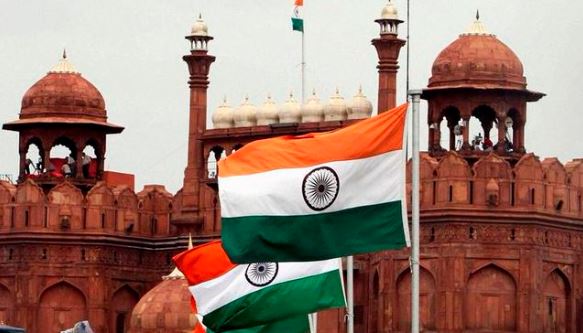
The saffron colour present in the flag portrays courage and sacrifice while the white colour depicts truth, peace and purity. Prosperity is symbolised by the green colour while the Ashok Chakra represents the Laws of Dharma.

Ashoka Chakra, with 24 equally spaced spokes, in navy blue colour is present in the middle white stripe in the national flag.

The first Indian to raise the Indian National flag on foreign soil was Bhikaji Rustom Cama.

Before 2002, normal citizens of India were not allowed to hoist the National Flag except on Independence Day and Republic Day. In 2002, the Supreme Court of India amended the flag code and gave rights to all citizens to hoist the flag any time as per the flag code.

As per the flag code, the flag must be hoisted in the daytime and there should be no flag or any other symbolic representation above it.

The Indian flag must never be put on the ground and must never be placed upside down.

Moreover, When a foreign dignitary travels in a car provided by the government, the flag should be flown on the right side of the car while the flag of the foreign country should be flown on the left side.

SHOULD TEACHERS BE TESTED JUST LIKE STUDENTS ?

Teachers take exams of students to test how good they are in studying so wouldn’t it be right to take exam of teachers to test how good are they at teaching ? When a student is not studying properly teachers often scold student or contact his/her parents. So, if a teacher is lacking somewhere in teaching shouldn’t students tell him so that he can change his method of teaching.

Students are future of a country and teachers have responsibilities to shape them so that they can have a better future. It is just like a potter gives shape to a clay. I’m not saying that students get a spotless chit for pinning everything on teachers in the event that they don’t get successful. The two of them are similarly responsible for student’s prosperity or disappointment.

Teaching is regularly a singular undertaking. More often than not the teacher is separated from everyone else before the students and he is considered as an insightful master. How an teacher can know how great he is at his specific employment ? How might he work on his courses ? That is the reason, an teacher needs the assistance of his students to land input about his position. He needs input to further develop his showing abilities and his instructing materials.

3 New Teaching Strategies for the Return to Classrooms | Elmhurst  University Blog

Those criticism are additionally an approach to make a discourse among teachers and students. Students ought to reserve the option to criticize both the substance and the techniques for educating. On one hand, the student might turn out to be more persuaded and afterward may connect with and listen all the more cautiously during the class. Then again, they can foster analysis which is today a fundamental ability in a world overpowered by data. Through this interaction of recognizing the failure of their teachers, students will deal with their own failure all the more without any problem.

Again, I am not encouraging the act of disrespect towards teacher. Teachers are incredible individuals who teach us however in case they are managing their work wrongly, they ought to be corrected by understudies. Actually like how teachers set students back on track way. This will be improvement for both teachers as well as students.

A GLANCE AT ANTISOCIAL BEHAVIOR DISORDER

Preface

Antisocial Behavior Disorder is a condition described by an absence of compassion for other people. Individuals with such conditions have almost no respect for good and bad. Such individuals for the most part act in a heartless way without contemplating others’ sentiments. People with this issue normally show exorbitantly forceful or vicious conduct and may even take part in crimes.

INDICATIONS OF ANTISOCIAL BEHAVIOR DISORDER

Indications of Antisocial Behavior Disorder might start in youth itself. The signs might incorporate mercilessness to creatures. The manifestations may likewise incorporate inability to adjust to accepted practices and no worry for other people. Such individuals regularly carry on imprudently disregarding the results of their conduct. Moreover, they get strongly forceful and can even get into actual attacks.

These indications regularly lead to numerous challenges in their lives. The issue can be damaging to both the individual experiencing it and individuals around them. Such individuals are bound to take part in perilous exercises and surprisingly criminal demonstrations.

HOW TO DIAGNOSE THE DISORDER?

Manifestations of solitary conduct issue regularly start during adolescence in brutal displeasure explodes, mercilessness towards creatures, and harassing. Albeit the condition might begin in adolescence, it can’t be formally analyzed before the age of 18. An individual is determined to have Antisocial Behavior Disorder on the off chance that he shows a dismissal and infringement of the privileges of others. This negligence is portrayed by various indications like dismissal for the security of others, not submitting to laws, showing incautious conduct, having serious touchiness and animosity, no regret for underhanded activities, continually lying or controlling for entertainment, customary example of unreliability.

WHAT CAUSES ANTISOCIAL Behavior DISORDER?

There are no accurate reasons for Antisocial Behavior Disorder. Character is affected by numerous things, including the climate where one lives, and the childhood one gets.

The Effect of Genetics

Introverted Behavior Disorder is more normal among the primary degree natural family members of those experiencing the problem. Bits of Research likewise propose that Antisocial Behavior Disorder is emphatically connected to legacy. Moreover, ecological impacts intensify its promotion.

The childhood of the individual

Childhood importantly affects a youngster’s life. Youth misuse, disregard, and injury can incite Antisocial Behavior Disorder. At the point when guardians are harmful and useless, kids might learn such practices and later show something similar with their own children. Also, covers who experience childhood in careless homes and damaging conditions regularly do not have the chances to foster discipline, restraint, and compassion.

Contrasts in Brain

Many components increment the danger of getting the problem, including smoking during pregnancy and unusual mind work. Bits of Research propose that individuals with Antisocial Behavior Disorder have contrasts in the front facing flap. The front facing projection is the district of the mind that assumes a crucial part in arranging and judgment.

HOW DO WE TREAT THE CONDITION?

Individuals experiencing Antisocial Behavior Disorder frequently come into contact with the criminal equity framework. A few sorts of exploration recommend that reformatory measures are totally ineffectual. This is on the grounds that individuals experiencing this condition are normally inert to discipline.

Psychotherapy

Intellectual Behavioral Therapy (CBT) assists treat with peopling experiencing Antisocial Behavior Disorder. It permits people to acquire an understanding into their practices. Reasonable outcomes are by and large seen solely after long haul treatment. Gathering and family treatment went with mentalization-based treatments can assist with treating this condition. This treatment focuses to perceive and comprehend the perspective of oneself as well as other people.

Ordinary Medication

Medicine might be utilized successfully to treat a portion of the indications that an individual experiencing Antisocial Behavior Disorder might insight. A portion of the prescriptions that might be utilized incorporate enemy of uneasiness meds, antidepressants, or antipsychotics.

Adapting to it

Standoffish conduct issue essentially affects an individual’s capacity to work. This regularly makes it hard to adapt up to various parts of life. The condition can bring about injury or passing because of criminal activities or self-hurt in extreme cases. It antagonistically influences a person’s capacity to work and keep up with connections. The individual experiencing the problem can likewise make hurt companions, relatives, or collaborators.

Typically, individuals with Antisocial Behavior Disorder don’t look for help all alone. For the most part, intercession happens simply because of legitimate issues. Various explores recommend that more powerful friendly help, better spousal ties, and sound family relations can help the individual experiencing the issue.

TOWARDS THE END

Reserved Behavior Disorder isn’t an infection, so we ought not deal with it like that. There is an answer for each issue. Also, this issue can be treated with friendship, care, and persistence. More than the individual really experiencing it, the treatment requires more critical endeavors from individuals around him.

10 Greatest Movie Adaptations From Books That You Should Definitely Watch

The adaptation is the ultimate high-wire act in Hollywood. And adapting everything from classic literature to modern pop hits has resulted in the unfortunate debate of “which is better, the movie or the book?” when, more often than not, both the source material and the adaptation are worth the time because they tend to enhance rather than detract from one another.

Photo by Anastasia Shuraeva on Pexels.com

1. The Godfather: The novel by Mario Puzo is an engrossing, dark thriller that fascinates, horrifies, and entertains readers. The first two films adapted from the novel by Francis Ford Coppola elevate the tragic storey into operatic successes that are widely regarded as two of the best pictures ever produced. Both films were nominated for Academy Awards for Best Picture and Best Adapted Screenplay (Part II being the first sequel to do so).

2. Little Women: Regardless of Greta Gerwig’s shocking lack of Oscar nominations this year, there’s no denying that her adaptation of Louisa May Alcott’s classic novel (spoilers ahead!) was outstanding. Gerwig gives the story a simple twist by envisioning Jo as the author of the classic Little Women. This changes the story into one of creative desire and achievement, and it breathes new life into a classic without diluting its essence.

3. The Color Purple:  Steven Spielberg directed a fantastic adaptation of Alice Walker’s novel, one that is both storyline and character accurate to the book. This is a significant accomplishment because Spielberg relies heavily on his actors to express most of the emotional material through their performances, whereas in the novel, we are privy to Celie’s inner thoughts and feelings. This film is a must-see due to the outstanding performances by the actors.

4. Harry Potter: Despite being eight films lengthy, the Harry Potter film series has four directors and two credited screenwriters, and it had to cut J.K. Rowling’s plot down by a bit. The films, on the other hand, remain fairly accurate to both the plot and the character development that is Rowling’s actual genius, following the same progression from a frivolous children’s tale to the darker, more ethically complicated storey found in the later books. They’re perfect adaptations for fans who can’t wait to see the amazing things they’ve just read about.

5. Great Expectations: Charles Dickens’ writings are large, contain a lot of information, and are generally structured in a serial format, so adapting them to the screen is always a challenge. But, even after all these years, David Lean’s 1946 version of Great Expectations remains highly praised; Lean’s script manages to condense the plot and characters into two fast hours without losing anything. The picture feels current and genuine to the text while being more than seven decades old.

6. The Lord of the Rings: In a broad sense, Peter Jackson’s trilogy of films are fairly loyal to J.R.R. Tolkien’s classic epic fantasy novels — Jackson condensed the tale a lot, but few people complained that there wasn’t enough Tom Bombadil in there. With the use of breakthrough CGI, Jackson was able to show the most famous fantasy universe ever conceived in a realistic, plausible manner while maintaining the primary themes of hope, heroism, and despair.

7. The Devil Wears Prada: Miranda Priestly is one of cinema’s greatest villains, and despite Lauren Weisberger’s novel’s success, the picture is a step forward. The novel, which was optioned before it was even finished, finishes on a totally different emotional note, but the film sharpens Miranda’s character to a coal-black point and provides a more satisfying conclusion to the storey.

8. The Social Network: The Accidental Billionaires, a nonfiction book by Ben Mezrich, is a strong, engaging, and well-researched account of Facebook’s birth and the various characters involved, as well as a sharp, critical look at the world of privilege around Harvard University. The screenplay by Aaron Sorkin and the director by David Fincher expand on that great foundation to create an outstanding character study — a film that easily blends remarkable visual flair with modern technology (some people still believe Armie Hammer has a twin) and razor-sharp storytelling.

9. Crazy Rich Asians: Kevin Kwan’s delightful, sarcastic love comedy was released in 2013, and it was transformed into a sizzling motion film directed by Jon M. Chu just five years later. The film was an instant smash, depicting the inner workings, intimacies, and complex demands of Singaporean high society. It was nominated for multiple Golden Globe Awards and received excellent accolades from critics, which piqued people’s interest in the novel.

10. Breakfast At Tiffany’s: Truman Capote’s darker, more brutal novella remains a cultural classic because to the legendary adaptation. Capote’s moving, tragic, and finally beautiful narrative of a woman striving to manufacture glamour out of the ruins of her life is a heart-warming, tragic, and ultimately beautiful story. Despite the fact that the film toned down the sadness, prostitution, and LGBT undertones, it ends on a hopeful note of romance, each scene is dramatic, unforgettable, and kind of genius.

Power of Positivity

You must’ve heard: everyone is fighting their own battles. And pandemic has only added more struggles in our lives. We find our life more entangled and difficult. The big question here is: How can we stay happy and optimistic in such situations and can it really help?

Experts say that staying optimistic in difficult situations help one to look at the whole situation differently. It gives a new outlook and perspective to the individual. Negativity only makes the situation worse. It makes you wallow in your own sorrow. It makes you imagine worst scenarios. It creates problems which weren’t there in the first place. It makes you think that there is no possible solution to the said problem. You start thinking that it’s difficult to get out of the problem you’re currently in. You start thinking it’s all your mistake and you are good for nothing. On the other hand, having a positive attitude towards a situation makes you stronger. It gives you a feeling that you can overcome anything, fight any battle. It makes you think that nothing is impossible. That you can conquer anything.

We all have different problems. We all are struggling differently. Then how does some people conquer their battles easily?

The reason is that they choose to arise above such problems and not let them rule over them. They choose to take it as a challenge and defeat it. They choose to believe in themselves. It’s not that they aren’t afraid to fail, but they are strong enough to try and fight. Positivity gives us strength to stand tall and fight.

One should look at the brighter side of the situation. But what if you can’t find the bright side? Negativity is generally the result of our overthinking. We start over analysing the situation and dwell over what-ifs, which generally lead to giving up. It’s due to negative thoughts that we overlook the positive side of the situation.

As said by Gandhiji “If I have the belief that I can do it, I shall surely acquire the capacity to do it even if I may not have it at the beginning”.

We all should have that belief in ourselves. Belief in oneself and having a positive outlook can solve any issue. And it’s something that can be acquired. Doing things that you love, pursuing your hobbies, reading books, exercising, yoga, eating healthy food etc can help you in developing that positivity and build your confidence. Investing in yourself is the key. Believe in yourself. Don’t look at the half empty glass but appreciate that its half full and work towards filling it up till the brim.

We should not worry about future, work on our present and forget our past. There is no guarantee of future. We worry about something which is very much uncertain, which is out of our reach. Which can’t even be there. It’s useless to dwell over nothing. As we all know, change is the only constant. Its just that we are all afraid of that change, of that uncertainty, of getting out of our comfort zone. But we all know deep in our hearts that success lies ahead of this uncertainty and outside of our comfort zone. So, how about we just stop thinking and start doing. Just give a try to change and let happiness and positivity fill our life.

Always remember, Positivity creates possibility.

IMPORTANCE OF MENTAL HEATH

Health is important for development of the country. Heath is defined as “ a state of physical, mental, social and spiritual well-being and not merely the absence of disease or infirmity”. However, a few group neglect to make reference to “mental heath” while discussing wellbeing.

Why good mental health is important for study | Charles Darwin University

Mental health has impact on:

1.Educational out come

2.Productivity at work

3.Development of Positive individual connections

4.Crime rate

5.Alcohol and illicit drug use

Mental problems additionally influence people wellbeing conduct like eating reasonably, customary exercise, sufficient rest, participating in safe sexual practices, liquor and tobacco use, holding fast to clinical treatments accordingly expanding the danger of actual sickness. Mental infirmity additionally prompts social issues like joblessness, broken families, neediness, illicit drug use and related wrongdoing.

My Take: The Importance of Mental Health in Schools | Zedua.com

Poor mental heath assumes a huge part in reduced insusceptible working. Restoratively sick patients with sorrow have more terrible result than those without. Constant sicknesses like diabetes, malignant growth, coronary illness builds the danger of discouragement

WHAT CAUSE MENTAL ILLNESS ?

Biological factors
1.Neuro transmitters
2.Genetics
3.Infections
4.Brain defects or injury

Many individuals will in general cover up in case they are confronting any psychological problem/ mental issue in light of the fact that our general public acts diverse with individuals who has any psychological issue. They simply consider that individual as a distraught individual who has a feeble mind which isn’t accurate.

Mental Illness Affects the Whole Family | Pine Rest Blog

Everybody can confront mental issues in their day to day existence. Anybody can be stressed in their life. It doesn’t imply that their mind isn’t sufficient or strong enough. They simply need some time, perhaps someone’s solid counsel, someone’s assistance.

The Importance of Mental Health Services | PhysicianOne Urgent Care

RESOURCES:

1.https://vikaspedia.in/health/mental-health/awareness-of-mental-health

2.https://www.mentalhealth.gov/basics/what-is-mental-health

SWOT Analysis

SWOT is an acronym for Strengths, Weaknesses, Opportunities, and Threats. SWOT Analysis is a planning and brainstorming tool for analyzing a person’s or an organization’s strengths, weaknesses, opportunities, and strengths. It considers the internal factors and the external factors that can positively or negatively affect our ability to achieve our goals. It also helps us to focus on the strengths, minimize the threats and make use of the opportunities to the fullest. It is a much-needed one to develop plans for future growth.

S – STRENGTHS

Strengths describe what an organization or a person excels at. They are internal, positive attributes of a person or a company. These attributes could be handled by oneself and kept within one’s control.

W – WEAKNESSES

Weaknesses stop an organization or a person from giving their best at its optimum level. They are negative factors that detract from your strengths. These are things that one might need to improve on to be competitive.

O – OPPORTUNITIES

Opportunities are openings or chances that help one for something positive to happen. They are external factors in your business environment or career that are likely to contribute to your success.

T – THREATS

Threats are anything that can negatively affect your business or career from the outside. They are external factors that you have no control over. You may want to consider having a plan B for dealing with them if they occur.

EXAMPLE SWOT OF A POPULAR PERSONALITY 

I would like to explain SWOT analysis more clearly by citing the SWOT of a famous personality. It will become easier to analyse the self SWOT if we read a few real-life examples. So, here is one such example – the SWOT of Mr. Ritesh Agarwal, Founder, and CEO of OYO. He is a great inspiration for many, especially for the younger generation. Being a college dropout, this young entrepreneur never fails to motivate the youth through his untiring attitude. Below are a few of his strengths, weaknesses, opportunities, and threats that he analysed as he emerged as a budding entrepreneur.

STRENGTHS

  • He had big dreams of starting a business since childhood as he was not interested to take over the family business or work as an employer of any company.
  • He had a great interest in Computer Programming and developed the efficiency of creating a web application by himself.
  • He had the perseverance of doing what he dreamt of despite not having family support.
  • Self-efficacy – He believed in himself and his capabilities more than anything.
  • Being committed and passionate about work.

WEAKNESSES

  • He had no confidence in his studies.
  • Lack of innovation for improving the growth.
  • Concentrating on space rather than improvising the brand.
  • Lack of conceptual clarity.
  • Over hiring of employers.

OPPORTUNITIES

  • His young age and popularity gained him attention and opportunities.
  • His unique approach that gained him success.
  • Growing demand and no international competitors at that time.
  • His idea of providing budget accommodation to people.

THREATS

  • Convincing Venture Capitalists to start the initial investments.
  • He kept the parent company at stake which he might have lost in case of failures.
  • Growing concerns about safe stay at OYO rooms and hotels especially, for the women.
  • Increasing competition in the flouring market.

Whatever may be the strengths and weaknesses, the ability to convert the threats to opportunities determines the real strength of a person. 

SUMMARY

  • Take advantage of the Opportunities through its Strengths.
  • Stay strong against the Threats through its Strengths.
  • Improve Weaknesses by taking advantage of Opportunities.
  • Work to eliminate Weaknesses to avoid Threats.

What Is Stress-Eating or Emotional-Eating? How To Avoid It?

Stress-Eating or Emotional eating is a type of eating that involves people using food to cope with stressful events. Emotional eating affects many people at some point in their lives. It could manifest as boredom eating a bag of chips or a chocolate bar after a stressful day at work. When emotional eating occurs regularly or becomes the primary means of coping with emotions, a person’s life, health, happiness, and weight can all be significantly impacted.

Photo by cottonbro on Pexels.com

Stress and Emotional Eating Triggers

Emotional eating is triggered by a variety of factors, including stress. Other common causes mentioned by people are:

1. Boredom: A typical emotional eating trigger is boredom or a lack of things to do. Many people have very active and stimulating lives, and when they are bored, they turn to eating to fill the void.

2. Habits: These are frequently fueled by nostalgia or events from a person’s youth. Having ice cream after a good report card or baking cookies with a grandma are two examples.

3. Fatigue: When you’re weary, it’s simpler to overeat or eat mindlessly, especially if you’re tired of doing something unpleasant. Food may appear to be the solution to a desire to no longer engage in a particular activity.

4. Social influences: Everyone has that one friend that encourages them to order pizza after a night out, go out for dinner or drinks after a stressful day, or treat themselves for a successful day. When dining with friends or family, it’s easy to overeat.

How to avoid the triggers

1. Recognise the triggers:  The first step in overcoming emotional eating is to recognise the triggers and scenarios that occur in one’s life.

2. Journal or Food Diary: Keeping a food diary or notebook might help you spot circumstances where you’re more inclined to eat for emotional reasons rather than real hunger.

3. Track Your Eating Behaviour: Another technique to obtain insight into one’s eating habits is to track their behaviour. The following are examples of the kind of conduct they may observe:

– Patterns of hunger, perhaps on a scale of 1–10.

– what they’re doing, and whether or not it’s boring and unpleasant.

– what they’re thinking, whether they’re bored or upset.

4. Trying other activities to avoid triggers: – Someone who eats while bored might wish to start reading a new book that seems interesting or take up a new hobby that will provide a challenge.

– To cope with their emotions, someone who eats due to stress could try yoga, meditation, or going for a walk.

– To cope with their negative sentiments, someone who eats while unhappy can call a friend, go for a run with the dog, or arrange an outing.

5. Professional Help: – Talking to a therapist or psychologist about different strategies to disrupt the pattern of emotional eating can also be beneficial.

– A nutritionist or doctor may also be able to refer you to an expert or give you with extra information on how to develop healthy eating habits and improve your relationship with food.

Emotional eating isn’t just about a person’s lack of self-control or a desire to eat less. People who eat to cope with stress, on the other hand, don’t only lack self-control.

How to become A Leader

Photo by Rebrand Cities on Pexels.com

Transformational leaders are positive, empowering, and inspiring. They value followers and inspire them to perform better. So what can you do to embrace these valued leadership qualities and become a stronger and more effective leader?

Understand Your Leadership Style: Understanding your current leadership style is essential. What are your strengths? Which areas need some improvement? One way to start assessing your skills is to take this leadership style quiz to get a general idea of how you lead.

Once you have completed the quiz, read about the major characteristics of your dominant style. Are these qualities helping or hindering your leadership? Once you’ve determined which areas need some work, you can begin looking for ways to improve your leadership abilities.

Encourage Creativity: One way to foster creativity is to offer challenges to group members, making sure that the goals are within the grasp of their abilities. The purpose of this type of exercise is to get people to stretch their limits but not become discouraged by barriers to success.

Show Passion: You can develop this leadership quality by thinking of different ways that you can express your zeal. Let people know that you care about their progress. When one person shares something with the rest of the group, be sure to tell them how much you appreciate such contributions.

Communicate Effectively: Another important quality of transformational leadership involves a focus on providing one-on-one communication with group members. Transformational leadership is effective when leaders are able to communicate their vision to followers, who then feel inspired and motivated by this vision.

Part of the trust-building process is creating an environment where it’s safe to take risks and allows you and your employees to comfortably exchange candid, honest and direct feedback without the fear of being punished.

It’s important you provide ample channels for two-way communication between employees and managers, and also solicit and reward them for their ideas and contributions. This facilitates progress toward reaching organizational goals. As a leader, you should foster trust and cooperation. Leaders can paint a vision of the future that inspires the team to do whatever it takes to get there.

And as a coach, you have to inspire action that will help execute that goal. Reinforce an honest and candid environment without taking information personally. Equally treat everyone like you would want to be treated.

Give credit where credit is due. Say “thank you,” be encouraging, and try to put yourself in their shoes to better understand their everyday challenges.

You have to support and assist your team. Give them the confidence to take risks and speak up without being punished.

When the mistake is yours, take ownership. Don’t try to blame someone else, the situation or a circumstance.

Be credible – people want to follow an honest leader. Be candid about why things didn’t work out, learn from the mistake and move on. People will trust someone who actively displays honesty. As you work toward developing some of these leadership qualities, don’t forget to look to your followers for feedback and inspiration. Pay attention to the things that have been effective in the past and always be on the lookout for new ways to inspire, motivate, and reward group members.

How to Reduce Stress

Photo by Nathan Cowley on Pexels.com

If we get stressed often and quickly, it means that we are harboring many internal conflicts and are not conscious of them. This makes it impossible to get rid of stress quickly. First, we must learn what causes mental stress. The information we receive from the outside (which we dislike), creates a feeling that evolves into a negative emotion (negative mental energy). For example, the inability to understand or accept other people’s point of view can cause mental stress.

In my late twenties, I struggled consistently with mental stress. I was happy to work in a global corporation and also excited to be responsible for many projects at once. Despite the work load I had, I was a victim of mobbing because of my keen engagement towards my tasks. I was physically and mentally exhausted because of the many complex purchase orders I had to place for the projects assigned to me. On top of that, there were certain people in the organization giving me hard time because of my desire to strive to improve.

There was an immediate disharmony between me and these people that generated a feeling of intolerance and non-acceptance. This grew into feelings of disappointment and frustration, which ended up creating emotion of anger and anxiety over not performing well or losing my job.

Day in, and day out, I was stressed. I understood that the people and the circumstances causing my mental stress wouldn’t change, so I had to understand that, accept it, and find a way to approach my stress and conflicts efficiently. I saw it as a challenge and was grateful for it. I not only reduced my mental stress but found a way to never let it develop again.

A technique is applied successfully when its essence is really understood and absorbed. If a technique is to be applied quickly, there must be extensive knowledge of the situation in which the technique is required.

In the context of mental stress, for example, we get scared and anxious in (sometimes normal) situations because we don’t know what is happening or what is going to happen. The uncertainty of the result causes tension and mental stress. The longer we move in that uncertainty, the greater and heavier our mental stress becomes.

Meditation brings short-term stress relief as well as lasting stress management benefits. There are many different forms of meditation to try–each one is unique and brings its own appeal.2

You might develop a mantra that you repeat in your mind as you take slow deep breaths. Or, you might take a few minutes to practice mindfulness, which involves being in the moment. Simply pay attention to what you see, hear, taste, touch, and smell.

Yoga combines physical movement, meditation, light exercise, and controlled breathing—all of which provide excellent stress relief.13

And while you’re likely to reap immediate benefits from a single yoga session, you’re likely to receive long-term benefits if you incorporate it into your life in a consistent way. 

eisure activities can be a wonderful way to relieve stress.12 Yet, many people feel as though their lives are too busy for hobbies, games, or extra fun.

But building time for leisure into your schedule could be key to helping you feel your best. And when you feel better, you’ll perform better, which means leisure time may make your work time more efficient.