What to Do When You Need Someone to Talk To.

[Bhoomika Saini]

What to do when you need someone to talk to

No matter what you’re going through at the moment, connecting and communicating with others is the key to living well, especially if you’re struggling with an illness, depression, addiction, the loss of a loved one, or even just loneliness. For this reason, it’s important to know what to do and where to look when you need to talk.

Trying to stuff your feelings, grit your teeth, and go it alone, is never effective. In fact, your emotions and feelings are there whether you talk about them or not. They are not going to simply go away just because you ignore them.

But if you make the effort to talk to another person, you may be able to release some of the tension and negativity that you’re experiencing and feel better in the end.

Here’s a closer look at the benefits of talking to others and how to find people to talk to when you feel alone or isolated.
Benefits of Talking to Others

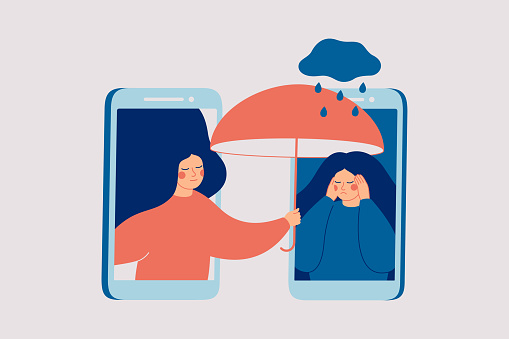
Finding someone to talk to not only provides connection, comfort, and understanding, but also offers opportunities to talk about shared experiences as well as prevent loneliness and isolation.

Stress Relief and Friendship Building

Consequently, talking to another person relieves stress and helps build friendships and connections.

Talking things over with other people also aids in decision-making and allows you an avenue to process your thoughts and feelings. Talking also exposes you to new perspectives and ideas and helps with problem-solving. In fact, there are a number of powerful psychological benefits to talking.

According to research from UCLA, talking can diminish the response of your brain’s amygdala, which initiates the fight or flight response when you’re feeling intense emotions like fear, anxiety, or aggression.

As a result when you get stressed out or overwhelmed, this part of your brain takes control and can even override your more logical thought processes.

But researchers noted that by using “affect labeling,” or talking through your experiences and processing what happened, you can override the amygdala’s response and cope with your feelings in a more effective way.

Friendships May Add Years to Your Life

Additionally, research suggests that having strong social ties, or people you can talk to, is linked to a longer life. In contrast, social isolation and loneliness are linked to depression, poorer health outcomes, and a risk of premature death.

Additionally, having a variety of social relationships—or people you can talk to—may help reduce stress as well as heart-related risks. So, it’s important to find people you can share things with.

Too many times, though, people are reluctant to reach out to others to talk despite its many benefits. Either they allow fear and shame to keep them silent, or they simply don’t know how to reach out.

Other times they allow work or family obligations to get in the way of any type of real connection with others. And before long, they feel lonely and isolated and like they don’t have anyone to talk to.

Finding Someone to Talk To

If you’re like most people, you may assume that you have no one to talk to, especially if you live far from family, are single, or don’t have a best friend. But that couldn’t be further from the truth.

In fact, it may really be easier to find someone to talk to when you really need it, if you know where to look. Here are some ways you can find someone to talk to.

Make a List of Social Connections

When you start thinking about who you might be able to open up to, start by making a list of your social connections. Include people you know from a variety of situations like family members, friends, Facebook friends, and even co-workers.

Then, try to determine who on your list is not only emotionally intelligent but also emotionally skilled. Typically, people with these skills tend to be much easier to talk to because they are empathetic. Once you have a list of possibilities reach out to them and invite them for coffee or to go for a walk.

However, you need to recognize that you will have to go slow. You won’t be able to talk about your deepest feelings right from the start.

With time, though, you can build trust with one another and start sharing more and more intimate details about your life.

Of course this approach is not ideal if you’re in a crisis and need to talk to someone right away, but it is an important part of building a support system.

Join an Online Forum or Chat

During those times when you feel like you need to talk with someone right away, you might want to consider an online forum or chat with a group tailored to your needs.

Aside from providing you with people who get what you’re struggling with, you also have the option of sharing details anonymously.

Sometimes people really appreciate the immediacy of an online forum or chat. Plus, communicating online can help take away any apprehension or help people with social anxiety relax and share.

Participate in a Support Group

One way to build your support system is to join a support group. Whether it’s an online group or a group that meets in person, both options provide you with a network of people who can relate to what you’re experiencing.

There, you will be able to get the support and understanding that you need as well as offer support to others in similar situations.

Work With a Therapist

Whether you need to discuss a mental health issue, want help managing your stress, or just need to find ways to be more mentally healthy, a good therapist can help you make sense of your feelings and emotions.

Therapists can help you develop healthier coping mechanisms and may even be able to provide input on how to build a support network.

If you don’t have insurance or if your insurance doesn’t cover mental health issues, some counselors and therapists work on a sliding fee scale.

You also may want to check out online therapy providers as well. In addition to being more conducive to busy schedules, sometimes these options are more affordable too.

Participate in a Group

A great way to make connections and meet new people is to join a group. Once there, you will meet people with similar passions and desires and you are more likely to meet someone that you can build a lasting friendship with.

Plus, attending regular meetings and events with the group provides you with the opportunity to socialize and have a casual conversation.

Contact a Hotline

If you are in crisis, it’s important to get help right away. For this reason, never hesitate to call a hotline. Regardless of your need, there are crisis lines with trained advocates there to help you.

Many times, they will listen and chat with you for as long as you need. Whether you want help with a drug addiction, domestic violence, an eating disorder, or even thoughts of suicide, there are people available to talk almost any time of day.

Visit a Place of Worship

Churches, mosques, and synagogues are a great place to find someone to talk with. Often, religious leaders are more than happy to talk with people in crisis or in need. So, you may want to look to your local church or synagogue as a possible resource.

Even if you don’t have a religious affiliation right now, you may want to pursue different options and see if there is a place of worship that fits with your values and beliefs.

Common Dreams and What They Supposedly Mean [part 2]

{Bhoomika Saini}

What are the most common dreams?

Dreams About Dying

Death is another common subject of dreams and one that can be particularly disconcerting. Dreamers sometimes dream of the death of a loved one or even dream of dying themselves. Popular dream interpretations sometimes suggest that such dreams reflect anxiety about change or a fear of the unknown.

“Like death, change can be scary because–also like death–we do not know what is ‘on the other side,’ of the change, which is why the dreaming mind equates change with death.

Dreaming about the death of a loved one can reflect a similar fear of change, especially with regards to children reaching milestones and growing up. Such changes, indicate that a child is growing up and a parent’s mind begins to wonder where the younger version of the child went. Such dreams of dying, therefore, reflect a sort of mourning for the inevitable passage of time.

Studies have also shown that those approaching the end of life and loved ones around them experience significant and meaningful dreams, often relating to a comforting presence, preparing to go, watching or engaging with the deceased, loved ones waiting, distressing experiences, and unfinished business.

Dreams About Taking a Test

Taking an exam your dreams might reveal an underlying fear of failure. Studies have also found that dreams of this nature are common.

“Examinations are stressful experiences in which you are made to face up to your shortcomings”. “To dream of failing an exam, being late for one, or being unprepared shows that you feel unprepared for the challenges of waking life.”

Dreams About Infidelity

Dreaming that your spouse or romantic partner is cheating on you with someone else can be incredibly distressing. In some cases, people even start to wonder if the dream might really be true. Does dreaming that your partner is unfaithful mean that it might happen? Or that it is already happening?

While in some cases such dreams might be the reflection of waking fears of such infidelity, such dreams probably don’t mean that your spouse is cheating or will cheat.

“This is another ‘what if’ dream–you are testing the limits of reality.”

Dreams about infidelity indicate issues with trust, loyalty, and communication in a relationship. “If you or your partner cheated in your dream, one of you isn’t getting what you need from that relationship right now”.

Dreams About Flying

Dreams about flying are experienced by many. They can be exciting and even liberating but they can sometimes be quite frightening (especially for those afraid of heights). Dreams about flying often represent two very different sides. On the one hand, such dreams can represent feelings of freedom and independence. On the other hand, they can also indicate a desire to flee or escape from the realities of life.

“Flying alone occurs most frequently,” he writes, “showing the independent aspect of flying. But because it often involves positive feelings of pleasure, flying may depict our sexuality…especially aspects of it expressing freedom from social norms and restraints.”

Dreams About Pregnancy

Dreams about pregnancy represent everything from creativity to fear. Pregnancy dreams might sometimes represent a woman’s fears of being an inadequate mother. Such dreams indicate that the dreamer is developing some area of potential or deepening a relationship.

Common Dreams and What They Supposedly Mean [part 1]

{Bhoomika Saini}

Do dreams have a deeper meaning? A surprising number of people believe that the answer to this question is yes.

Analyzing dream symbols and ascribing meaning has become a popular source of both entertainment and self-reflection in popular culture. Do dreams really have hidden meanings? Can you learn your unconscious wishes and desires by interpreting your dreams?

While most modern theories of dreams would suggest that the answer is no, this hasn’t stopped interpreters and analysts from publishing a whole host of dream dictionaries that purport to identify what these common dream themes and symbols really mean.

Let’s take a closer look at some of the most common dreams and what some of the most popular dream interpretation books have to say about them.

Dreams About Falling

Dreams about falling from great heights are very common. While there is a popular myth that if you hit the ground in your dream you will die in real life, it simply is not true. So what exactly could dreams about falling really mean?

According to many popular dream interpretations and at least one study, falling dreams are a sign that something in your life isn’t going well. It might suggest that you need to rethink a choice or consider a new direction in some area of your life.

“Dreaming of falling is very common. It is a symbol of fear in real life – perhaps of failing at work or in your love life.” “Falling often expresses a need to let yourself go more and enjoy life more.”

Dreams About Being Naked in Public

Have you ever have one of those awkward dreams where you show up at school or the office in your birthday suit? Don’t worry. Dreaming about being naked is hardly unusual.

Dreaming of public nudity might indicate that you feel like a phony or that you are afraid of revealing your imperfections and shortcomings.

Dreams About Being Chased

Dreams that feature being pursued by a known or unknown attacker can be particularly terrifying. These types of dreams are very common.

But what do these dreams say about what’s going on inside your mind? Dreams mean that you are trying to avoid something in your daily life.

Being chased in a dream might indicate a desire to escape from your own fears or desires.

The key to understanding what such a dream might mean depends partly on the identity of your pursuer. Being chased by an animal might indicate that you are hiding from your own anger, passions, and other feelings.

If your pursuer is a mysterious, unknown figure, it might represent a childhood experience or past trauma. If you are being chased by someone of the opposite sex, Crisp suggests that it means you are afraid of love or haunted by a past relationship.

Dreams About Losing Teeth

Dreaming about losing teeth can have multiple meanings. It might mean that you are worried about your attractiveness or appearance. It might also indicate that you are concerned about your ability to communicate or concerned that you might have said something embarrassing.

“The real essence of teeth is their ability to bite through, to cut, tear, and grind”. “If your teeth fall out, you lose personal power and your ability to be assertive, decisive, and self-protective.”

Reasons Emotions Are Important!

[Bhoomika Saini]

Emotions can play an important role in how you think and behave. The emotions you feel each day can compel you to take action and influence the decisions you make about your life, both large and small.

Emotions can be short-lived, such as a flash of annoyance at a co-worker, or long-lasting, such as enduring sadness over the loss of a relationship. But why exactly do we experience emotions? What role do they serve?

Photo by Andrea Piacquadio on Pexels.com

Emotions Can Motivate You to Act

Emotions motivate us
Brand New Images / Getty Images

When faced with a nerve-wracking exam, you might feel a lot of anxiety about whether you will perform well and how the test will impact your final grade. Because of these emotional responses, you might be more likely to study.

Since you experienced a particular emotion, you had the motivation to take action and do something positive to improve your chances of getting a good grade.

You also tend to take certain actions in order to experience positive emotions and minimize the probability of feeling negative emotions. For example, you might seek out social activities or hobbies that provide you with a sense of happiness, contentment, and excitement. On the other hand, you would probably avoid situations that might potentially lead to boredom, sadness, or anxiety.

Emotions increase the likelihood that you will take an action. When you are angry, you are likely to confront the source of your irritation. When you experience fear, you are more likely to flee the threat. When you feel love, you might seek out a partner.

Emotions Help You Avoid Danger

Emotions help us avoid danger
Adam Mitchinson / Getty Images

Naturalist Charles Darwin was one of the earliest researchers to scientifically study emotions. He believed that emotions are adaptations that allow both humans and animals to survive and reproduce.

He suggested that emotional displays could also play an important role in safety and survival. If you encountered a hissing or spitting animal, it would clearly indicate that the creature was angry and defensive, leading to you back off and avoid possible danger.

Emotions can also prepare the body to take action. The amygdala, in particular, is responsible for triggering emotional responses that prepare your body to cope with things like fear and anger.

Sometimes this fear can trigger the body’s fight-or-flight response, which leads to a number of physiological responses that prepare the body to either stay and face the danger or flee to safety.

Emotions serve an adaptive role by motivating you to act quickly and take actions that will maximize your chances of survival and success.

Emotions Can Help You Make Decisions

Emotions help us make decisions
Jon Feingersh / Getty Images

Your emotions have a major influence on the decisions you make, from what you decide to have for breakfast to which candidates you choose to vote for in political elections.

Researchers have also found that people with certain types of brain damage affecting their ability to experience emotions also have a decreased ability to make good decisions.

Even in situations where you believe your decisions are guided purely by logic and rationality, emotions play a key role. Emotional intelligence, or your ability to understand and manage emotions, has been shown to play an important role in decision-making.

Research has found that experiencing fear increases perceptions of risk, feeling disgusted makes people more likely to discard their belongings, and feeling joy or anger causes people to leap into action.

Emotions Help Others Understand You Better

Emotions aid social interaction
franckreporter / Getty Images

When you interact with other people, it is important to give clues to help them understand how you are feeling. These cues might involve emotional expression through body language, such as various facial expressions connected with the particular emotions you are experiencing.

In other cases, it might involve directly stating how you feel. When you tell friends or family members that you are feeling happy, sad, excited, or frightened, you are giving them important information that they can then use to take action.

Research suggests that people experience positive emotions 2.5 times more frequently than they do negative emotions.

Emotions Allow You to Understand Others

Emotions allow us to understand others
Geber86 / Getty Images

Just as your own emotions provide valuable information to others, the emotional expressions of those around you also give a wealth of social information. Social communication is an important part of your daily life and relationships, and being able to interpret and react to the emotions of others is essential.

It allows you to respond appropriately and build deeper, more meaningful relationships with your friends, family, and loved ones. It also allows you to communicate effectively in a variety of social situations, from dealing with an irate customer to managing a hot-headed employee.

Understanding the emotional displays of others gives us clear information about how we might need to respond in a particular situation.

Which part of the brain processes emotions?

The emotional processing network is the group of brain regions and structures responsible for processing emotions. Parts of the brain involved in this process include the amygdala, the hippocampus, the prefrontal cortex, and the cingulate cortex.5

Why are emotions an important part of decision-making?

Emotions can help a decision-maker determine which aspects of a decision are the most relevant to their specific situation. They may also help people make faster decisions.3

What is the appraisal theory of emotion?

This theory suggests that emotions step from the cognitive evaluations that people make about specific events. In other words, it implies that people must think about a situation before having an emotional response.

Therapy For Anxiety Disorder

[Bhoomika Saini]

In some cases, medications have a role in treating anxiety disorders. But for many, therapy—alone or in combination with medication—is the most effective treatment option. The reason being that therapy, unlike medication, gives you the tools to manage the anxiety yourself, now and in the future.

Different therapeutic techniques have been developed to treat anxiety and have evolved over time from psychoanalytic approaches to the newest cognitive behavioral therapies.

Understanding Anxiety Disorders

About 19% of U.S. adults and 31% of adolescents age 13 to 18 experience anxiety each year, according to the National Institute of Mental Health (NIMH).

There are several major types of anxiety disorders that can be treated using therapeutic approaches.

  • Panic disorder
  • Obsessive-compulsive disorder (OCD)
  • Phobias
  • Generalized anxiety disorder (GAD)
  • Social anxiety disorder (SAD)
  • Post-traumatic stress disorder (PTSD)

Regardless of the specific disorder, the underlying processes that drive them often follow a similar pattern. People with anxiety tend to react to unpleasant thoughts, feelings, and situations in a more extreme way and may try to manage those reactions by avoiding triggers. Unfortunately, this type of avoidance only serves to reinforce fears and worries. Most modern types of therapy address negative thinking and avoidance to help you manage your anxiety.

Types of Therapy for Anxiety

The goal of all therapeutic approaches is to help you understand why you feel the way you feel, what your triggers are, and how you might change your reaction to them. Some types of therapy even teach practical techniques to help reframe your negative thinking and change your behaviors.

Anxiety disorders differ considerably, so therapy is tailored to your specific symptoms and diagnosis. It can be conducted in an individual, family, couple, or group setting. How often you meet with your therapist and for how long will depend on your specific symptoms and diagnosis.

Psychiatrists, psychologists, and other mental health professionals use several types of anxiety therapy. The choice of therapy also depends on your diagnosis and the severity of your symptoms.

Cognitive Behavioral Therapy

Cognitive behavioral therapy (CBT) is the most widely-used therapy for anxiety disorders. Research has found it to be effective in treating SAD, GAD, phobias, and panic disorders, among other conditions.

The premise of CBT is that your thoughts—not your current situation—affect how you feel and subsequently behave. So, the goal of CBT is to identify and understand your negative thinking and ineffective behavior patterns and replace them with more realistic thoughts and effective actions and coping mechanisms.

During this process, your therapist acts like a coach teaching you helpful strategies. For example, you might do a lot of “black-and-white” thinking, where you assume that things are all bad or all good. Instead, you would replace those thoughts with the more realistic perception that there are many shades of grey in between.

It takes practice to use these strategies. Once you start to recognize your anxiety and your triggers, you can learn to apply the coping skills that you learn in CBT to manage fear, panic, and worry.

Exposure Therapy

Exposure therapy is one of the most common CBT methods used to treat a variety of anxiety disorders, including specific phobias, SAD, and PTSD. The basic premise behind exposure therapy is that if you’re afraid of something, the best way to conquer it is head-on.

During exposure therapy, your therapist will slowly introduce you to anxiety-producing objects or situations. This is often done using a technique known as “systematic desensitization,” which involves three steps:

  1. Relax: Your therapist will teach you relaxation training to help combat your anxiety. Examples of relaxation training include progressive muscle relaxation, deep breathing, meditation, and guided imagery.
  2. List: Create a list of your anxiety-provoking triggers, ranking them in terms of intensity.
  3. Expose: In this final step, you’ll gradually work your way through your listed anxiety-provoking objects or situations, using the relaxation techniques when necessary.

There are several ways your psychologist may choose to expose you to your anxiety-provoking stimuli. Here are the most common:

  • Imaginal exposure: In this type of exposure, you’ll be instructed to vividly imagine your anxiety-provoking object or situation.
  • In vivo exposure: In this method, you’ll face your anxiety-provoking object or situation in real life. So with this type of exposure, a person with social anxiety might be instructed to give a speech in front of an audience.
  • Virtual reality exposure: In some cases, virtual reality can be used when in vivo exposure isn’t possible. Virtual reality therapy uses technology to combine elements of in vivo and imaginal exposure. This method has proven especially helpful for soldiers and others who live with PTSD.

Dialectical Behavioral Therapy

Dialectical behavior therapy (DBT) is a highly effective type of CBT. Originally used to treat borderline personality disorder (BPD), DBT is now used to treat a variety of conditions, including anxiety.

DBT focuses on helping you develop what seems like a “dialectical” (opposite) outlook, acceptance, and change. During DBT treatment, you’ll learn to both accept your anxiety all the while actively working to change it. It’s similar to the notion of loving yourself the way you are, while still trying to change yourself for the better.

DBT treatment teaches four powerful skills:

  • Mindfulness: Connecting with the present moment and notice passing thoughts (like anxiety) without being ruled by them
  • Distress tolerance: Managing your anxiety when faced with a stressful situation
  • Interpersonal effectiveness: Learning how to say no, or ask for what you need
  • Emotion regulation: Managing anxiety before they get out of control

Acceptance and Commitment Therapy

Acceptance and commitment therapy (ACT) is another form of therapy that has been shown effective for a variety of anxiety disorders. ACT involves identifying your values in life and then acting in ways that match your values.

Art Therapy

Art therapy is a non-verbal, experience-oriented therapy. It involves either using visual art (such as painting, drawing, sculpting) to express and process emotion or using art to practice mindfulness and relaxation. Although it can be provided as a standalone therapy, it’s commonly used in combination with other treatment methods such as CBT.

Being a newer form of therapy, more research is needed to confirm its effectiveness in reducing anxiety symptoms.

Psychoanalytic Therapy

According to this Freudian model, anxiety symptoms reflect unconscious conflicts. The purpose of psychoanalytic therapy is to resolve them. In psychoanalysis, you and your therapist examine your thoughts, fears, and desires to better understand how you view yourself and to reduce your anxiety. This is one of the most intensive forms of treatment; it can take years to identify patterns in your way of thinking.

The terms “psychoanalysis” and “psychodynamic therapy” are often used interchangeably, but psychoanalysis is actually a subset of psychodynamic therapy.

Interpersonal Therapy

Interpersonal therapy (IPT) focuses on social roles and relationships. In IPT, you’ll work with your therapist to identify any interpersonal issues you may have, such as unresolved grief, conflicts with family or friends, changes in work or social roles, and problems relating to others. You’ll then learn healthy ways to express emotions and ways to improve your communication with others.

Although originally developed to treat major depression, IPT may be used if your anxiety relates primarily to your relationships with other people, as is the case with SAD.

What to Expect From Therapy

A common misunderstanding about therapy is that you’ll immediately start to feel better. Sometimes this is the case. But much of the time, you feel worse before you start feeling better. Surprisingly, feeling worse is often a sign of progress. And if you think about it, that makes sense.

When you make the decision to enter into therapy, it’s often because you haven’t been able to work through your anxiety on your own. Therapy involves exploring your anxiety and the reasons behind it in a deeper, more meaningful way. This can cause a temporary spike in your anxiety.

Therapy should never be thought of as a quick fix. It’s a process that’s unique to each individual. The type of therapy you need, the skills, that you learn, and how long you’re in therapy depends entirely on the type of anxiety you have and the severity of your symptoms.

It’s important to understand that though the process won’t always feel good, it will be completely worthwhile in the end.

How to Make the Most of Therapy

Trying to make a change can be a challenge. Being in therapy for anxiety is no exception. However, if you are persistent, you should see improvement.

Here are a few ways to make the most of your therapy—and actually see some results:

  • Don’t pretend to be OK
  • Ask questions
  • Tell your therapist anything and everything
  • Do the work outside your sessions
  • Focus on your goals
  • Practice healthy lifestyle choices
  • Make sure you have a social support system
  • Reduce stress in your life that makes your anxiety worse

In this way, you can see that putting in an effort and being present throughout the therapy process will have the biggest impact on how well it works for you.

Let’s Relieve Stress [part 2]

[Bhoomika Saini]

When stress becomes overwhelming, or it’s chronic, it can take a toll on your well-being. That’s why it’s important to have effective stress relievers that can calm your mind and your body. 

And what works for you at home might not be an option when you’re at work or in the community (dancing around your living room might be helpful but dancing in the grocery store might not be). 

So it’s important to have a variety of stress relief tools at your disposal. Then, you’ll be able to pick a strategy that works best for your current circumstances. 

Long-Term Stress-Relief Strategies for Lasting Health

Certain habits can promote resilience to stress, as well as increase overall wellness. For example, those who exercise or meditate regularly tend to become less stressed in the face of a difficult challenge.

So it’s important to create a lifestyle that will help you ward off stress and deal with challenges in a healthy way. 

Eat a Balanced Diet

A poor diet can bring greater reactivity toward stress. Emotional eating and reaching for high-fat, high-sugar foods can provide a temporary sense of relief that adds to your long-term stress.

Refined carbs, like cookies and potato chips, can cause a spike in blood sugar. When your blood sugar crashes, you might experience more stress and anxiety.

Consuming a healthy diet can help you combat stress over the long haul. Foods like eggs, avocado, and walnuts support mood regulation and energy balance. 

Make Time for Leisure Activities

Leisure activities can be a wonderful way to relieve stress. Yet, many people feel as though their lives are too busy for hobbies, games, or extra fun.

But building time for leisure into your schedule could be key to helping you feel your best. And when you feel better, you’ll perform better, which means leisure time may make your work time more efficient.

Whether you find joy in caring for a garden or you like making quilts, hobbies and leisure are key to living your best life.

Develop a Positive Self-Talk Habit

The way you talk to yourself matters. Harsh self-criticism, self-doubt, and catastrophic predictions aren’t helpful. If you’re constantly thinking things like, “I don’t have time for this,” and “I can’t stand this,” you’ll stress yourself out.

It’s important to learn to talk to yourself in a more realistic, compassionate manner. When you call yourself names or doubt your ability to succeed, reply with a kinder inner dialogue.

Positive self-talk can help you develop a healthier outlook. And an optimistic and compassionate conversation can help you manage your emotions and take positive action. 

Practice Yoga

Yoga combines physical movement, meditation, light exercise, and controlled breathing—all of which provide excellent stress relief.

And while you’re likely to reap immediate benefits from a single yoga session, you’re likely to receive long-term benefits if you incorporate it into your life in a consistent way. 

Yoga offers a variety of physical, psychological, and spiritual benefits. To get started, you might take a class, enroll in an online program, or use an app to help you begin practicing.

Express Gratitude

Gratitude helps you recognize all the things you have to be thankful for. Whether you’re grateful for a sunny day or thankful you arrived at work safely, think about all the good things you have in life.

Gratitude also reminds you of all of the resources you have to cope with stress, which can be quite empowering. 

Studies also show grateful people enjoy better mental health, lower stress, and a better quality of life.

So whether you decide to make it a habit to identify what you’re grateful for as you sit around the dinner table or you decide to write down three things you’re grateful for in a gratitude journal every day, make gratitude a regular habit. 

Prioritize Exercise

Physical activity is key to managing stress and improving mental health. And the best news is, there are many different kinds of activities that can reduce your stress.

Join a gym, take a class, or exercise outside. Keep in mind that there are many different ways to get more physical activity in your day too.

Walking, strength training, kayaking, hiking, and spin class are just a few different examples of ways you can get stress relief.

Strategies That Engage in Problem-Focused Coping

Most stress relievers focus on changing your emotions. But sometimes, you won’t necessarily get relief until you change the environment. 

This is referred to as problem-focused coping (as opposed to emotion-focused coping). Problem-focused coping involves taking steps to remove the stressor from your life (as opposed to changing how you feel about the stressor).

Reassess Your To-Do Lists

If you’re trying to squeeze 20 hours worth of work into 16 hours, you’re going to feel stressed. Reducing your workload could be key to helping you get through the day feeling better.

Whether that means stepping away from a committee you joined or it involves hiring someone to complete some of your household chores for you, 

Honing your time management skills can allow you to minimize the stressors that you experience, and better manage the ones you can’t avoid.

When you are able to complete everything on your “to do” list without the stress of rushing or forgetting, your whole life feels easier.

Obtain Social Support

Having supportive people in your life is the key to stress management. If you lack emotional support and friendship, it’s important to get it.

That may mean reaching out to your existing network. Perhaps confiding in a family member or distant friend can help you become closer and it may give you the social support you need.

You may also need to expand your network. Join an organization, attend a support group, or get professional help if you lack supportive people in your life. 

Cut out Things That Add to Your Stress

Sometimes, the best way to reduce your stress is to cut something out of your life. Get rid of the things that are adding to your stress so you can experience more peace. 

Watching the news, being constantly connected to your digital devices, drinking alcohol, and consuming too much caffeine are just a few of the things that may add more stress to your life. Making some changes to your daily habits could be instrumental in helping you feel better.

A Word From Verywell

Finding the best stress relief strategies may take some experimenting. Some strategies may take practice too.

But it’s important to keep looking for the tools that will help you manage life’s inevitable ups and downs in a healthy way. Keeping stress at a manageable level is important for your overall well-being.

Let’s Relieve Stress [part 1]

[Bhoomika Saini]

From minor challenges to major crises, stress is part of life. And while you can’t always control your circumstances, you can control how you respond to them.

There isn’t a one-size-fits-all option when it comes to stress relief, however. What works for one person might not work for another.

Let’s go through some effective ways to relieve stress.

Short-Term Stress-Relief Strategies You Can Do Anywhere

Whether you’re about to be interviewed for a job or you’re feeling overwhelmed by your child’s behavior at the playground, it’s important to have some stress reduction tools that can lower your stress right now.

The best short-term strategies:

  • Can be performed anywhere
  • Take very little practice to master
  • Are free
  • Provide immediate relief

Try Guided Imagery

Guided imagery is like taking a short vacation in your mind. It can involve imaging yourself being in your “happy place”—maybe picturing yourself sitting on a beach, listening to the waves, smelling the ocean, and feeling the warm sand underneath you.

Guided imagery can be done with a recording where you listen to someone walk you through a peaceful scene. Or, once you know how to do it yourself, you can practice guided imagery on your own. 

Simply close your eyes for a minute and walk yourself through a peaceful scene. Think about all the sensory experiences you’d engage in and allow yourself to feel as though you’re really there. After a few minutes, open your eyes and return to the present moment.

Meditate

Meditation brings short-term stress relief as well as lasting stress management benefits. There are many different forms of meditation to try–each one is unique and brings its own appeal.

You might develop a mantra that you repeat in your mind as you take slow deep breaths. Or, you might take a few minutes to practice mindfulness, which involves being in the moment. Simply pay attention to what you see, hear, taste, touch, and smell.

When you’re focused on the here-and-now, you won’t be able to ruminate about something that already happened and you can’t worry about something in the future. Meditation and mindfulness take practice, but it can make a big difference in your overall stress level.

Practice Progressive Muscle Relaxation

Progressive muscle relaxation involves relaxing all the muscles in your body, group by group. To practice, you can start with a few deep breaths.

Then, practice tightening and relaxing each muscle group, starting with your forehead and moving down to your toes. 

With practice, you’ll learn to recognize tension and tightness in your muscles and you’ll be able to relax more easily. Each time you practice, however, you should experience a feeling of relaxation sweeping through your body. 

Focus on Breathing

Just focusing on your breath or changing the way you breathe can make a big difference to your overall stress level. Breathing techniques can calm your body and your brain in just a few minutes.

The best news is, no one around you will even know you’re doing them. So whether you’re in a stressful meeting or you’re sitting in a crowded theater, breathing exercises could be key to reducing your stress.

While there are many different breathing exercises, like karate breathing, a few simple ones include:

  1. Breathe in through your nose and watch your belly fill with air. Count slowly to three as you inhale. Hold for one second and then slowly breathe out through your nose as you count to three again.
  2. Breathe in through your nose and imagine that you’re inhaling peaceful, calm air. Imagine that air spreading throughout your body. As you exhale, imagine that you’re breathing out stress and tension. 

Take a Walk

Exercise is a fantastic stress reliever that can work in minutes. Taking a walk allows you to enjoy a change of scenery, which can get you into a different frame of mind, and brings the benefits of exercise as well.

So whether you just need to take a stroll around the office to get a break from a frustrating task or you decide to go for a long walk in the park after work, walking is a simple but effective way to rejuvenate your mind and body.

Fast-Acting Stress-Relief Strategies That Work Well at Home

In the privacy of your own home, there are many stress relief strategies that can help you relax fast. So whether you’ve had a tough day at work or you’re stressed about how much you have to do, these strategies can give you some immediate relief from your stress.

Get a Hug From a Loved One

Physical touch can do a lot to relieve your stress. Hugging a loved one can be especially beneficial.

When you hug someone, oxytocin (also known as the “cuddle hormone”) is released. Oxytocin is associated with higher levels of happiness and lower levels of stress.

Oxytocin also causes a reduction in blood pressure. It reduces the stress hormone norepinephrine and can produce a sense of relaxation. 

So don’t be afraid to ask a loved one for a hug if you need it. It’s good for both of you and it can be one of the simplest forms of stress relief available.

Enjoy Aromatherapy

Aromatherapy has real benefits for stress relief—it can help you to feel energized, more relaxed, or more present in the moment.

Emerging research suggests certain scents can alter brain wave activity and decrease stress hormones in the body.

So whether you enjoy candles, diffusers, or body products, consider incorporating some aromatherapy into your day. 

Create Artwork

Getting in touch with your creative side may have been easy for you during childhood, but if you’ve lost touch with your penchant for artwork, it’s not too late to pick it up again.

If you aren’t into drawing or painting, consider coloring in a coloring book. Adult coloring books have risen in popularity and for good reason—coloring can be a great stress reliever.

Research consistently shows that coloring can have a meditative effect. One study found that anxiety levels decline in people who were coloring complex geometric patterns, making it a perfect outlet for stress reduction.

Stress..?

[Bhoomika Saini]

What Is Stress?

Stress can be defined as any type of change that causes physical, emotional, or psychological strain. Stress is your body’s response to anything that requires attention or action. 

Everyone experiences stress to some degree. The way you respond to stress, however, makes a big difference to your overall well-being.

Sometimes, the best way to manage your stress involves changing your situation. At other times, the best strategy involves changing the way you respond to the situation.

Developing a clear understanding of how stress impacts your physical and mental health is important. It’s also important to recognize how your mental and physical health affects your stress level.

Signs

Stress can be short-term or long-term. Both can lead to a variety of symptoms, but chronic stress can take a serious toll on the body over time and have long-lasting health effects.

Some common signs of stress include:

  • Changes in mood
  • Clammy or sweaty palms
  • Decreased sex drive
  • Diarrhea
  • Difficulty sleeping
  • Digestive problems
  • Dizziness
  • Feeling anxious
  • Frequent sickness
  • Grinding teeth
  • Headaches
  • Low energy
  • Muscle tension, especially in the neck and shoulders
  • Physical aches and pains
  • Racing heartbeat
  • Trembling

Identifying Stress

Stress is not always easy to recognize, but there are some ways to identify some signs that you might be experiencing too much pressure. Sometimes stress can come from an obvious source, but sometimes even small daily stresses from work, school, family, and friends can take a toll on your mind and body.

If you think stress might be affecting you, there are a few things you can watch for:

  • Psychological signs such as difficulty concentrating, worrying, anxiety, and trouble remembering
  • Emotional signs such as being angry, irritated, moody, or frustrated
  • Physical signs such as high blood pressure, changes in weight, frequent colds or infections, and changes in the menstrual cycle and libido
  • Behavioral signs such as poor self-care, not having time for the things you enjoy, or relying on drugs and alcohol to cope

Causes

There are many different things in life that can cause stress. Some of the main sources of stress include work, finances, relationships, parenting, and day-to-day inconveniences.

Stress can trigger the body’s response to a perceived threat or danger, known as the fight-or-flight response. During this reaction, certain hormones like adrenaline and cortisol are released. This speeds the heart rate, slows digestion, shunts blood flow to major muscle groups, and changes various other autonomic nervous functions, giving the body a burst of energy and strength.

Originally named for its ability to enable us to physically fight or run away when faced with danger, the fight-or-flight response is now activated in situations where neither response is appropriate—like in traffic or during a stressful day at work.

When the perceived threat is gone, systems are designed to return to normal function via the relaxation response. But in cases of chronic stress, the relaxation response doesn’t occur often enough, and being in a near-constant state of fight-or-flight can cause damage to the body.

Stress can also lead to some unhealthy habits that have a negative impact on your health. For example, many people cope with stress by eating too much or by smoking. These unhealthy habits damage the body and create bigger problems in the long-term.

Types of Stress

Not all types of stress are harmful or even negative. Some of the different types of stress that you might experience include:

  • Acute stress: Acute stress is a very short-term type of stress that can either be positive or more distressing; this is the type of stress we most often encounter in day-to-day life.
  • Chronic stress: Chronic stress is stress that seems never-ending and inescapable, like the stress of a bad marriage or an extremely taxing job; chronic stress can also stem from traumatic experiences and childhood trauma.
  • Episodic acute stress: Episodic acute stress is acute stress that seems to run rampant and be a way of life, creating a life of ongoing distress.
  • Eustress: Eustress is fun and exciting. It’s known as a positive type of stress that can keep you energized. It’s associated with surges of adrenaline, such as when you are skiing or racing to meet a deadline. 

Impact of Stress

The connection between your mind and body is apparent when you examine the impact stress has on your life.

Feeling stressed out over a relationship, money, or your living situation can create physical health issues. The inverse is also true. Health problems, whether you’re dealing with high blood pressure or you have diabetes, will also affect your stress level and your mental health. When your brain experiences high degrees of stress, your body reacts accordingly.

Serious acute stress, like being involved in a natural disaster or getting into a verbal altercation, can trigger heart attacks, arrhythmias, and even sudden death. However, this happens mostly in individuals who already have heart disease.

Stress also takes an emotional toll. While some stress may produce feelings of mild anxiety or frustration, prolonged stress can also lead to burnout, anxiety disorders, and depression.

Chronic stress can have a serious impact on your health as well. If you experience chronic stress, your autonomic nervous system will be overactive, which is likely to damage your body.

Stress-Influenced Conditions

  • Diabetes
  • Hair loss
  • Heart disease
  • Hyperthyroidism
  • Obesity
  • Sexual dysfunction
  • Tooth and gum disease
  • Ulcers

Basic yoga poses.

[Bhoomika Saini]

The more you practice yoga, the more you’re building awareness in your body, The biggest thing to do as a beginner is to start and then stay consistent with your practice, remember that practice makes progress.

1. Mountain Pose (Tadasana)

top 10 yoga poses for begineers

This pose teaches one to stand with majestic steadiness like a mountain. The word ‘Tada’ means a mountain, that’s where the name comes from .Mountain Pose is the base for all standing poses; It involves the major groups of muscles and improves focus and concentration. Mountain pose may seem like “simply standing,” but there is a lot going on.

How to do it

  • Stand with your toes together and heels slightly apart hang your arms besides the torso.
  • Spread your toes and place your weight evenly on your feet. Firm your thigh muscles while rotating them inwards Relax your shoulders and roll them back and down.
  • As you inhale, elongate your torso and when you exhale release your shoulder blades away from your head. You may also put your hands in prayer position in front of your chest, or rest them by your sides.
  • Take long, slow, deep breaths in

Beginner’s Tip

You can check your alignment by standing against the wall initially. You can even raise your hands and stretch them. Breathe easy.

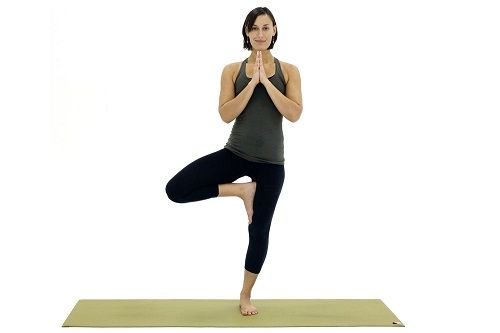
2. Tree Pose (Vrksasana)

Tree Pose

Tree is an awesome standing balance for beginners to work on to gain focus and clarity, and learn to breathe while standing and keeping the body balanced on one foot. . It replicates the steady stance of a tree.

How to do it

  • Start with your feet together and place your right foot on your inner left upper thigh. Press your hands in prayer and find a spot in front of you that you can hold in a steady gaze.
  • Hold and breathe for 8-10 breaths then change sides. Make sure you don’t lean in to the standing leg and keep your core engaged and shoulders relaxed.

Beginner’s Tip

You can stand with your back braced against a wall if you feel unsteady in this pose.

3. Triangle (Trikonasana)

Triangle Pose

Triangle is a wonderful standing posture to stretch the sides of the waist, open up the lungs, strengthen the legs and tone the entire body.Triangle Pose is the essential standing pose in many styles of yoga.

How to do it

  • Stand with your feet wide apart. Stretch your right foot out (90 degrees) while keeping the leg closer to the torso. Keep your feet pressed against the ground and balance your weight equally on both feet.
  • Inhale and as you exhale Rest your right hand on your shin, ankle, or the floor outside your right foot, Stretch your left arm toward the ceiling.
  • Turn your gaze up to the top hand and stay in this pose for 5-8 breaths. Inhale to come up and repeat on the opposite side.

Beginner’s Tip

Place your back heel or the back of your torso against a wall if you feel unsteady in the pose.

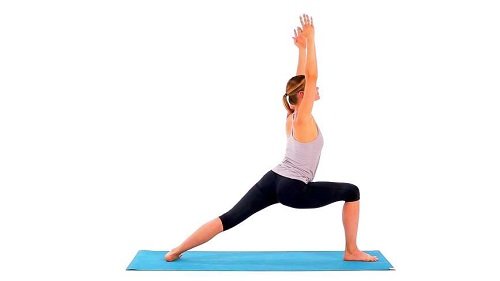
4. Warrior I (Virabhadrasana I)

Warrior I or Virabhadrasana I

Warrior pose is quintessential for building strength and stamina in a yoga practice. It give us confidence and stretch the hips and thighs while building strength in the entire lower body and core.

How to do it

  • Stand in Tadasana (Mountain Pose). With an exhale, step or lightly jump your feet apart. Raise your arms perpendicular to the floor (and parallel to each other)
  • Turn your left foot in 45 to 60 degrees to the right and your right foot out 90 degrees to the right. Align the right heel with the left heel. Exhale and rotate your torso to the right.
  • With your left heel firmly on the floor, exhale and bend your right knee over the right ankle so the shin is perpendicular to the floor.
  • To come up, inhale, press the back heel firmly into the floor and reach up through the arms, straightening the right knee. Turn the feet forward and release the arms with an exhalation. Take a few breaths, then turn the feet to the left and repeat for the same length.

Beginner’s Tip

When your are bending the front knee As a beginner you have a tendency to tilt the pelvis forward.You must lift the pubis up toward the navel and lengthen the tail toward the floor.

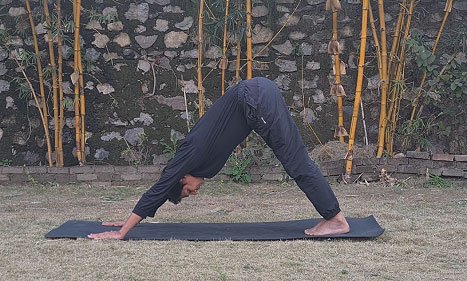
5. Downward-Facing Dog (Adho Mukha Svanasana)

Downward-Facing Dog or Adho Mukha Svanasana

Downward Dog is used in most yoga practices and yoga classes and it stretches and strengthens the entire body. It may be the first pose you learn as you begin a yoga practice. It acts as a transitional pose and can be a resting position.

How to do it

  • Come onto the floor on your hands and knees. With your hands slightly forward of your shoulders and knees below your hips. Spread your hands wide and press your index finger and thumb into your mat.
  • Exhale and lift your knees away from the floor lift the butt toward the ceiling. Straighten your legs as much as you can and press your heels gently toward the floor.
  • Your head should be between your arms, facing your knees, and your backs should be flat.
  • Hold for 5-10 breaths.

Beginner’s Tip

If you have difficulty releasing and opening your shoulders in this pose, raise your hands off the floor on a pair of blocks or the seat of a metal folding chair.

Benefits of Thinking Positively

[Bhoomika Saini]

Positive thinking isn’t magic and it won’t make all of your problems disappear. What it will do is make problems seem more manageable and help you approach hardships in a more positive and productive way.

How to think positive thoughts

Positive thinking can be achieved through a few different techniques that have been proven effective, such as positive self-talk and positive imagery.

Here are some tips that to get you started that can help you train your brain how to think positively.

Focus on the good things

Challenging situations and obstacles are a part of life. When you’re faced with one, focus on the good things no matter how small or seemingly insignificant they seem. If you look for it, you can always find the proverbial silver lining in every cloud — even if it’s not immediately obvious. For example, if someone cancels plans, focus on how it frees up time for you to catch up on a TV show or other activity you enjoy.

Practice gratitude

Practicing gratitude has been shown to reduce stress, improve self-esteem, and foster resilience even in very difficult times. Think of people, moments, or things that bring you some kind of comfort or happiness and try to express your gratitude at least once a day. This can be thanking a co-worker for helping with a project, a loved one for washing the dishes, or your dog for the unconditional love they give you.

Keep a gratitude journal

Studies Trusted Source have found that writing down the things you’re grateful for can improve your optimism and sense of well-being. You can do this by writing in a gratitude journal every day, or jotting down a list of things you’re grateful for on days you’re having a hard time.

Open yourself up to humor

Studies have found that laughter lowers stress, anxiety, and depression. It also improves coping skills, mood, and self-esteem.

Be open to humor in all situations, especially the difficult ones, and give yourself permission to laugh. It instantly lightens the mood and makes things seem a little less difficult. Even if you’re not feeling it; pretending or forcing yourself to laugh can improve your mood and lower stress.

Spend time with positive people

Negativity and positivity have been shown to be contagious. Consider the people with whom you’re spending time. Have you noticed how someone in a bad mood can bring down almost everyone in a room? A positive person has the opposite effect on others.

Being around positive people has been shown to improve self-esteem and increase your chances of reaching goals. Surround yourself with people who will lift you up and help you see the bright side.

Practice positive self-talk

We tend to be the hardest on ourselves and be our own worst critic. Over time, this can cause you to form a negative opinion of yourself that can be hard to shake. To stop this, you’ll need to be mindful of the voice in your head and respond with positive messages, also known as positive self-talk.

Research shows that even a small shift in the way you talk to yourself can influence your ability to regulate your feelings, thoughts, and behavior under stress.

Here’s an example of positive self-talk: Instead of thinking “I really messed that up,” try “I’ll try it again a different way.”

Identify your areas of negativity

Take a good look at the different areas of your life and identify the ones in which you tend to be the most negative. Not sure? Ask a trusted friend or colleague. Chances are, they’ll be able to offer some insight. A co-worker might notice that you tend to be negative at work. Your spouse may notice that you get especially negative while driving. Tackle one area at a time.

Start every day on a positive note

Create a ritual in which you start off each day with something uplifting and positive. Here are a few ideas:

  • Tell yourself that it’s going to be a great day or any other positive affirmation.
  • Listen to a happy and positive song or playlist.
  • Share some positivity by giving a compliment or doing something nice for someone.

Positivity

[Bhoomika Saini]

How to think positive when everything is going wrong

Trying to be positive when you’re grieving or experiencing other serious distress can seem impossible. During these times, it’s important to take the pressure off of yourself to find the silver lining. Instead, channel that energy into getting support from others.

Positive thinking isn’t about burying every negative thought or emotion you have or avoiding difficult feelings. The lowest points in our lives are often the ones that motivate us to move on and make positive changes.

When going through such a time, try to see yourself as if you were a good friend in need of comfort and sound advice. What would you say to her? You’d likely acknowledge her feelings and remind her she has every right to feel sad or angry in her situation, and then offer support with a gentle reminder that things will get better.

Side effects of negative thinking

Negative thinking and the many feelings that can accompany it, such as pessimism, stress, and anger, can cause a number of physical symptoms and increase your risk of diseases and a shortened lifespan.

Stress and other negative emotions trigger several processes in our bodies, including stress hormone release, metabolism, and immune function. Long periods of stress increase inflammation in your body, which has also been implicated in a number or serious diseases.

Some of the symptoms of stress include:

Cynicism, stress, anger, and hostility have been linked to a higher risk of:

When to seek medical help

If you’re feeling consumed by negative thoughts and are having trouble controlling your emotions, see a doctor. You may benefit from medical help, such as positive psychology or therapy. Persistent negative thoughts can be caused by an underlying psychiatric condition that requires treatment.

Takeaway

You won’t be able to undo years of pessimism and negative thoughts overnight, but with some practice, you can learn how to approach things with a more positive outlook.

Ways to improve yourself [part 2]

[Bhoomika Saini]

Why is it important to improve yourself?

Bettering yourself can help you advance your career and accomplish professional objectives. For example, you could take a certification course in your field to increase your chances of a promotion. By taking steps to improve yourself, you can also acquire skills outside of traditional educational and occupational settings. Having well-developed hard and soft skills can aid you in a variety of workplace settings. For instance, you might decide to develop your communication skills. After improving yourself in that way, you may find that you can help mediate parties with different opinions.

1. Try a new schedule

Adopting a new schedule can offer a different perspective on how you use your time. Rethinking the way you spend your day and pinpointing your most productive hours can help you identify new ways to maximize the time you have.

For example, try waking up an hour earlier for an entire week to set aside time for yourself to learn, grow and improve. You can also allow yourself an hour before bed to read or allot an hour in the middle of the day to pursue a new hobby.

2. Commit to an exercise routine

Working out regularly can improve your health, increase your life span and contribute to a better quality of life at work and beyond. Adopting an exercise routine can also clear your mind and help you relax, which can improve your productivity.

Consider committing to working out for a few hours a week for an entire month. Choose a sport or a type of exercise you like, and consider partnering with a gym buddy to make the process fun. Cheer yourself on every time you accomplish a workout. If you miss a session, try to resume your normal workout schedule as quickly as possible to develop a healthy new habit.

3. Set big goals

On a typical day, you might have a series of small goals to accomplish. These can include everything from arriving at work on time and finishing a project to eating dinner with your family and finding time to relax together. You might even have long-term goals like saving for a down payment on a house or taking a vacation next summer. To improve yourself, make a point of thinking bigger.

For example, consider what you want to accomplish in the next five years, such as transitioning into a more rewarding career or launching your own startup company. Then establish specific, measurable, actionable, realistic and time-sensitive (SMART) goals to develop a plan for accomplishing these objectives.

4. Change your mindset

Take steps to adjust the way you think. When you change your mindset, you might realize you have more control over your circumstances than you previously thought. Knowing what you can and cannot control can empower you to improve your quality of life.

For example, you can start by questioning the status quo and any assumptions about your life situation. Consider asking yourself why you believe what you do, and challenge yourself to rethink the truth behind your beliefs.

5. Find a mentor

Striving for self-improvement can be more rewarding when you have a guide to lead the way. Whether you need professional inspiration or expert assistance, seeking a mentor can help you achieve your biggest goals.

To find a mentor, think about who you admire or who you want to be in 10 years. Look for a professional with excellent leadership skills and extensive experience in your field. Consider a mentor who can offer you the insight you need to accomplish your goals.

Ways to improve yourself. [Part 1]

[Bhoomika Saini]

Photo by Magnetme on Pexels.com

Prioritizing self-development can impact all areas of your life for the better. It can especially help you take on more responsibility at work or move your career forward. This article discusses the benefits of actively bettering yourself and explore ways to improve yourself.

1. Read often

Reading regularly is one of the easiest and most effective ways to learn. By reading often, you can gain more insight into your field and develop a strategic vision that helps you advance along your career path. Try searching for new sources that will expand your expertise. Seek out authors from different countries and cultures or read alternative viewpoints. Consider challenging yourself to learn a new language that introduces you to even more reading material.

For example, you can make a list of the top books, blogs and publications in your industry, then make time to read every day.

2. Adopt a new hobby

Work and family obligations might be your top priorities, but having a hobby or two is essential for creating work-life balance. Sports, crafts and other activities can help you take a break from your regular responsibilities, and they encourage you to learn and grow outside of work.

Think carefully about how you spend your time. You might be able to join a sports team, master a new-to-you craft or plan short getaways with just a few free hours each week.

3. Sign up for a training session

While you can learn new skills independently, joining a class can add structure to your learning experience. When you sign up for an extracurricular lesson or a company-sponsored training session, you can pursue hard or soft skills with the help of an expert.

You can start by signing up for a one-time training session that meets after work. After completing an individual session, consider registering for a multi-session workshop or a longer class. Choose the topic carefully by identifying specific goals you want to achieve.

4. Identify in-demand skills

If you are focused on advancing your career, identifying specific skills you need for advanced positions can help you improve yourself. In addition to standard abilities, pay attention to emerging skills that could help you gain a competitive edge.

Try reading industry publications to learn about the most in-demand skills in your industry. Consider signing up for a class to master these skills so you can position yourself at the top of your field.

Photo by Anastasiya Gepp on Pexels.com

Common Language Questions.

[Bhoomika Saini]

1. What’s The Most Commonly Spoken Language Today?

First Language

Mandarin Chinese tops the list of most commonly spoken native languages with 870 million native speakers. With less than 200 million second language speakers, the vast majority of Mandarin speakers are native and also located in mainland China.

Second Language

When it comes to second languages, English takes the cake, with over 750 million second language speakers, which makes up the majority of the number of English speakers overall. Arabic is also a popular second language. With over 59 countries with an official language of Arabic, it’s easy to see why.

2. Is There A Language Spoken On All Five Continents?

There is, and you may be surprised to learn it is… French! French colonizers spread out all over the world, and as a result, there are both native and nonnative speakers in every continent.

Map of all five continents
Photo by Andrew Stutesman on Unsplash

3. What’s The Most Useful Language On The Internet?

Russian. A little less than half of all web content is written in Russian! Plenty is written in English as well, but if you are all about the internet life, you may want to learn some Russian.

4. What’s The Highest Demand Language?

Portuguese! This is due to the rapidly growing economy of Brazil. The native language of Brazil is Portuguese, an effect of colonizers in the area from Portugal. Brazil’s tourism industry is booming, and many companies are setting up locations in Brazil, making Portuguese a newly in-demand language.

Most spoken languages in the world, important to learn. Infographic by University Of The People

Languages you should try! [Part 2]

[Bhoomika Saini]

Photo by Monstera on Pexels.com

Mandarin Chinese

With over one billion Mandarin Chinese speakers in the world, of course it tops the list of most important languages to learn in 2020.

Most speakers are located within China, however, so is it still one of the most important languages to learn? The answer is yes — with China emerging as a global power, it becomes increasingly more important for businesses to have team members that know Chinese.

Arabic

Arabic started as a nomadic language, spoken between moving tribes. Today it is the official language of the Arab League, consisting of 22 countries such as Egypt, Jordan, Morocco, and the United Arab Emirates. These popular travel destinations make it worthwhile to learn Arabic. Not just that, it is the language of the entire Muslim civilization and all of its texts. With over 1.8 billion Muslims around the world, no wonder Arabic made the list.

Portuguese

Portuguese is spoken all over the world — it is the official language of countries in Europe, South America, Asia, and Africa. If that wasn’t enough to prove that this language is one of the most important languages to learn, here’s more: Brazil is emerging as one of the world’s newest economic powerhouses. Tourism in the country is growing and global companies are setting up shop, so the demand for Portuguese speakers is growing.

Hindi

With some of the highest numbers of speakers in the world, Hindi is one of the most important languages to learn without a doubt. But like with other languages, it’s not just the sheer number of speakers that should entice you to learn the language, but the global power of where the language comes from. India is a huge part of today’s world economy, and as Hindi is the most spoken language in India, it’s the one to learn.

Italian

Italian may not have the most speakers on this list, but that doesn’t mean it isn’t an important language to learn. Italy is steeped in arts, culture, and history. Many world heritage sites are located in Italy, and many historical texts are written in Italian. This country is a popular travel destination, and knowing Italian will help you on a trip. Plus, knowing any of these similar romance languages — Spanish, French, Italian, and Portuguese, will make it much easier to learn the others in the group.