Health Issues in Youngster.

Around 1 in 6 persons in the world is an adolescent: that is 1.2 billion people aged 10 to 19.
Most are healthy, but there is still significant death, illness and diseases among adolescents. Illnesses can hinder their ability to grow and develop to their full potential. Alcohol or tobacco use, lack of physical activity, unprotected sex and/or exposure to violence can jeopardize not only their current health, but often their health for years to come.

Promoting healthy practices during adolescence, and taking steps to better protect young people from health risks are critical for the prevention of health problems in adulthood, and for countries’ future health and social infrastructure.
Mental health
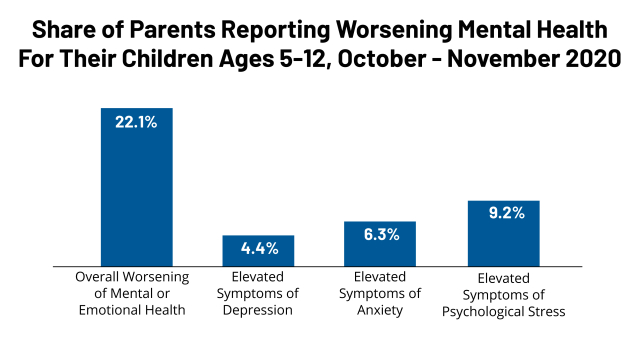
Depression is the top cause of illness and disability among adolescents and suicide is the third cause of death. Violence, poverty, humiliation and feeling devalued can increase the risk of developing mental health problems.

Building life skills in children and adolescents and providing them with psychosocial support in schools and other community settings can help promote good mental health. Programmes to help strengthen ties between adolescents and their families are also important. If problems arise, they should be detected and managed by competent and caring health workers.

Malnutrition and obesity
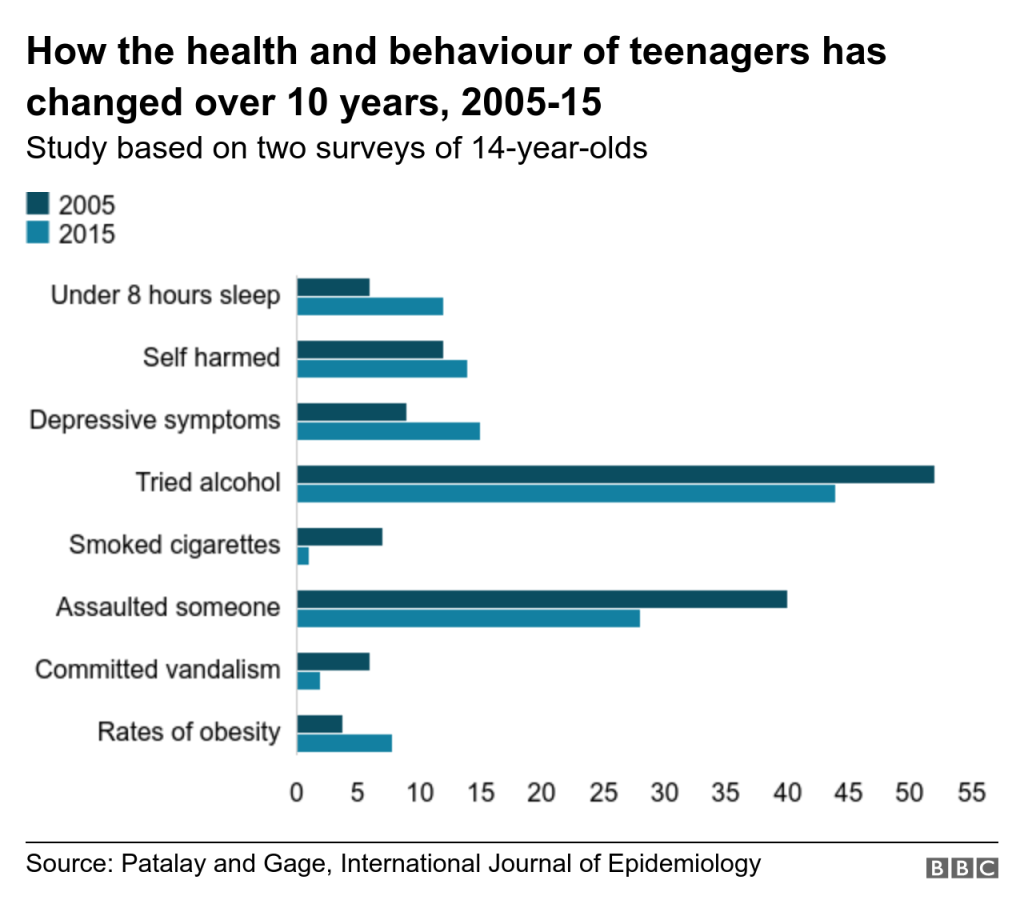
Many boys and girls in developing countries enter adolescence undernourished, making them more vulnerable to disease and early death. The number of adolescents who are overweight or obese is increasing in both low- and high-income countries.
Exercise and nutrition
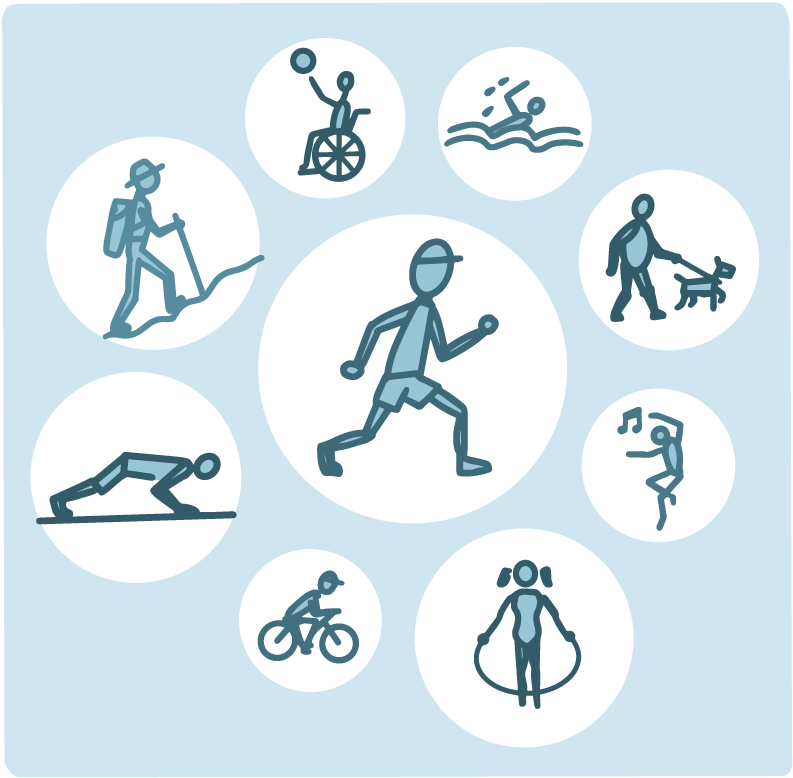
Available survey data indicate that fewer than 1 in every 4 adolescents meets the recommended guidelines for physical activity – 60 minutes of moderate to vigorous physical activity daily.

Anaemia resulting from a lack of iron affects girls and boys, and is the third cause of years lost to death and disability. Iron and folic acid supplements help to promote health before adolescents become parents.

References:

https://www.ncbi.nlm.nih.gov/pmc/articles/PMC4216492/

https://www.betterhealth.vic.gov.au/health/healthyliving/teenage-health

https://www.verywellhealth.com/the-7-biggest-health-risks-teens-face-2611248
Greenhouse Effect.

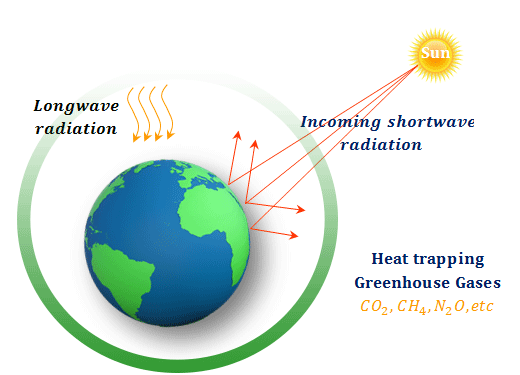
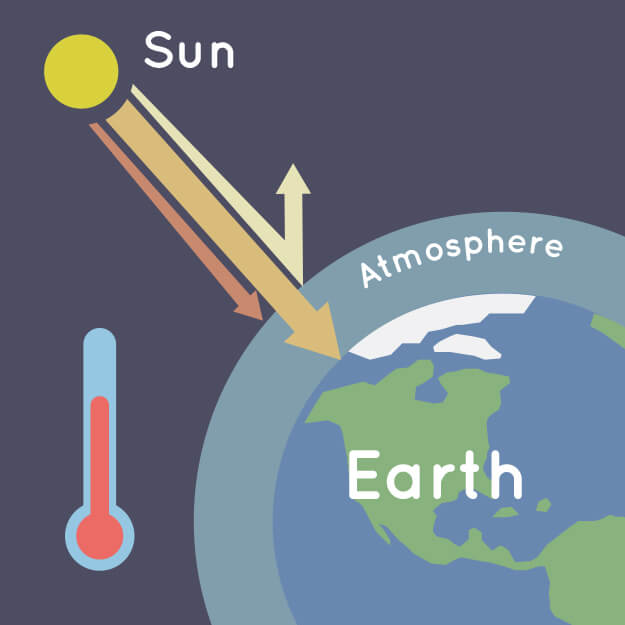
Greenhouse effect, a warming of Earth’s surface and troposphere i.e. the lowest layer of the atmosphere caused by the presence of water vapour, carbon dioxide, methane, and certain other gases in the air. Of those gases, known as greenhouse gases, water vapour has the largest effect.

The atmosphere allows most of the visible light from the Sun to pass through and reach Earth’s surface. As Earth’s surface is heated by sunlight, it radiates part of this energy back toward space as infrared radiation. This radiation, unlike visible light, tends to be absorbed by the greenhouse gases in the atmosphere, raising its temperature. The heated atmosphere in turn radiates infrared radiation back toward Earth’s surface.

Some of the re-emitted energy remains within the atmosphere or returns to the surface and warms the lower atmosphere and surface. The rest of the re-emitted energy leaves the atmosphere and goes into space. The outcome of this absorption-emission process by the greenhouse gases is that less energy leaves the atmosphere than is emitted by the Earth below. Despite its name, the greenhouse effect is different from the warming in a greenhouse, where panes of glass transmit visible sunlight but hold heat inside the building by trapping warmed air.

The increased amounts of greenhouse gases human activities are adding to the atmosphere have upset the balance that has been in place since the end of the last ice age. Adding more greenhouse gases decreases the amount of infrared radiation energy leaving the atmosphere. To get the energy back in balance, the surface of the Earth has to warm up, so that it will emit more infrared energy, some of which will leave the atmosphere and compensate for the effect of the added greenhouse gases. Thus, the greenhouse effect, which is essential for creating the climate for life on Earth, is also responsible for the Earth getting warmer than it was before we started burning large amounts of fossil fuels.

How to expand skill-set.

A skill set is a combination of abilities, qualities and experiences you can apply to perform tasks well. These can include soft skills such as interpersonal skills, organization and leadership as well as technical skills such as research, computer programming, accounting writing and more.

Spending time on improving your skills can help you achieve personal career goals such as earning a promotion or becoming an expert on a certain topic. Your skill set can be applied to progress in your current career or expanded to earn a job in a different field or industry.

You can gain and improve skills with education and experience. The more advanced you are in performing certain skills, the more likely you are to get or progress in a job.

While employers are struggling with a skills shortage, this means that professionals who have the right skill sets will find many opportunities in the job market. However, the practice of actually keeping your skills up-to-date is often easier said than done. Between full-time work and personal responsibilities, many professionals wonder how one finds the time to continue working toward their next career goal. As a result, finding new ways to continue learning on the job is crucial to not just staying up-to-date with current industry trends, but also keeping yourself marketable for future opportunities.

To continue working to develop your skills on the job, start with these steps:

Think about your career goals

As you consider how you can expand your skill set at work, start by thinking about your career goals. What kind of position do you want to have in the long-term? Once you answer that question, you can better determine where your current skill set is lacking. To do so, start by searching for relevant jobs that match your career goals. Once you see a job description of a role that interests you, you can begin to piece together where you need to improve. For example, perhaps you would like to manage a team of your own in the future, but you lack the leadership experience.

Look for more problems to solve

While it’s easy to get stuck in day-to-day operations, looking for ways to improve your (or your team’s) workflow or goals can give you more opportunities to learn new skills. This could mean that you identify and research how you can simplify a process, or help a colleague work through an issue. When you find a problem to solve, you could end up learning new software or even a new technique that improves everyone’s performance.

Anxiety and its effect on health.

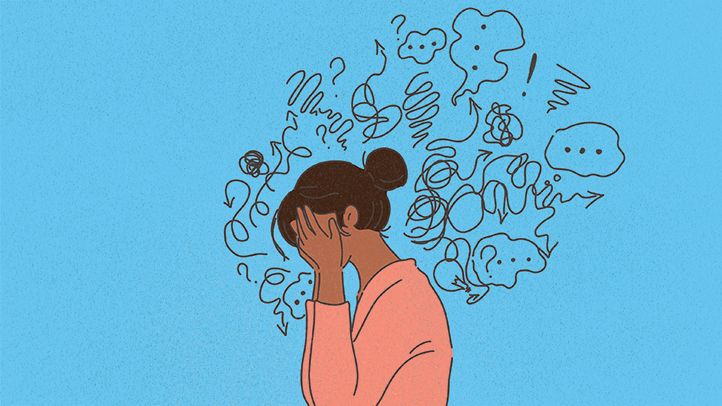
Anxiety is your body’s natural response to stress. It’s a feeling of fear or apprehension about what’s to come. The first day of school, going to a job interview, or giving a speech may cause most people to feel fearful and nervous.

But if your feelings of anxiety are extreme, last for longer than six months, and are interfering with your life, you may have an anxiety disorder. However, people with anxiety disorders frequently have intense, excessive and persistent worry and fear about everyday situations.

Anxiety is just the exaggerated response of body to a situation that is out of one’s comfort zone, when this response lasts for so long this is when you need to address the issue and look for a medical professional.

Symptoms of Anxiety disorder

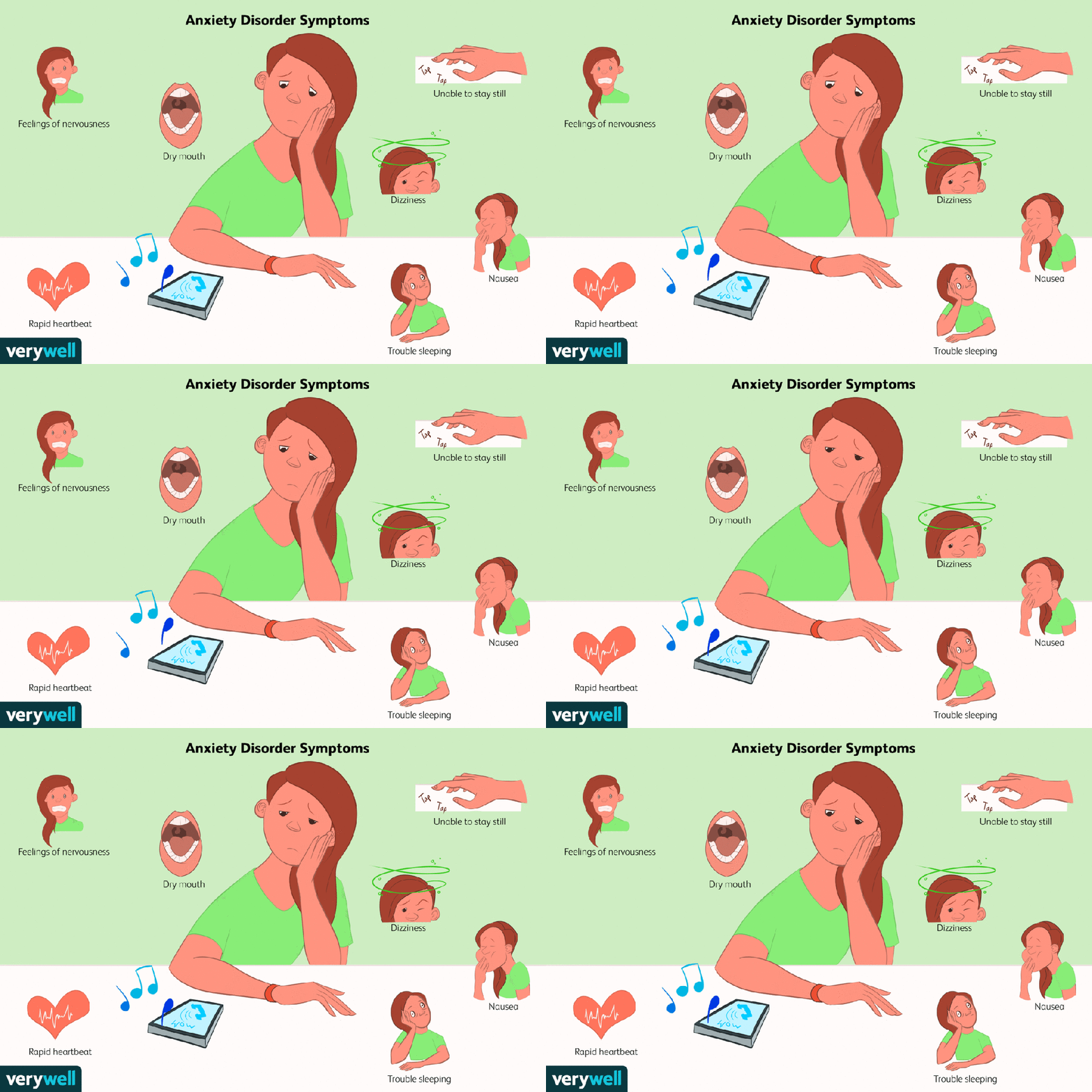
  • Signs and symptoms of anxiety may be physical, emotional and behavioral such as nervous habits, compulsions and cognitive including racing thoughts, worries, obsessions. Many of these signs and symptoms are similar to the body’s normal “fight-or-flight” response to danger.
  • Children and adolescents may have symptoms of anxiety either similar to or quite different from those of adults, depending on the specific diagnosis and age of the individual.
  • There also seem to be gender-related differences in how many men and women experience and show anxiety.
  • While obsessive-compulsive disorder (OCD) used to be classified as an anxiety disorder, it is now grouped with other compulsive disorders.
  • Posttraumatic stress disorder (PTSD) has been reclassified as a trauma-related disorder instead of an anxiety disorder.
  • Generalized anxiety disorder (GAD) is an anxiety disorder that is characterized by excessive worries that interfere with the person’s life in some way.

Types of Anxiety disorder

Anxiety disorders are differentiated based on the type of object or situation that causes fear, anxiety, or avoidance as well as the thought patterns associated with the fear or anxiety. 

The most common anxiety disorders are specific phobias. Specific phobias are an excessive fear of a specific object or situation, such as spiders i.e.arachnophobia, heights as in acrophobia, flying, or closed spaces i.e.claustrophobia. Most people are aware that their fears are excessive, but they often feel powerless to control them. Sometimes a phobia may start after a traumatic event for example, being stuck in a small space; seeing someone injured by an animal, but the symptoms are related to the fear and not related to re-experiencing the trauma (for example, the symptoms don’t better fit a post-traumatic stress disorder diagnosis.

Coping Strategies

Try these when you’re feeling anxious or stressed:

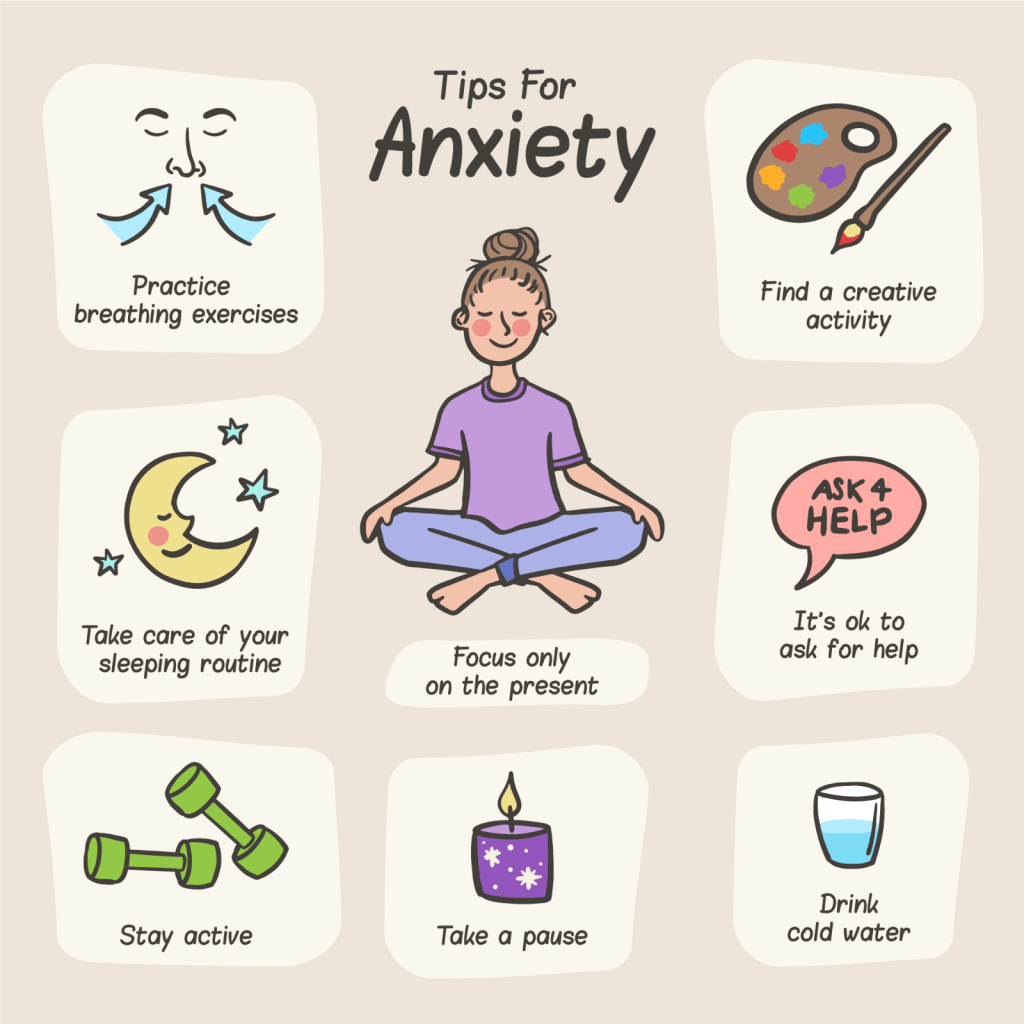
  • Take a time-out. Practice yoga, listen to music, meditate, get a massage, or learn relaxation techniques. Stepping back from the problem helps clear your head.
  • Eat well-balanced meals. Do not skip any meals. Do keep healthful, energy-boosting snacks on hand.
  • Limit alcohol and caffeine, which can aggravate anxiety and trigger panic attacks.
  • Get enough sleep. When stressed, your body needs additional sleep and rest.
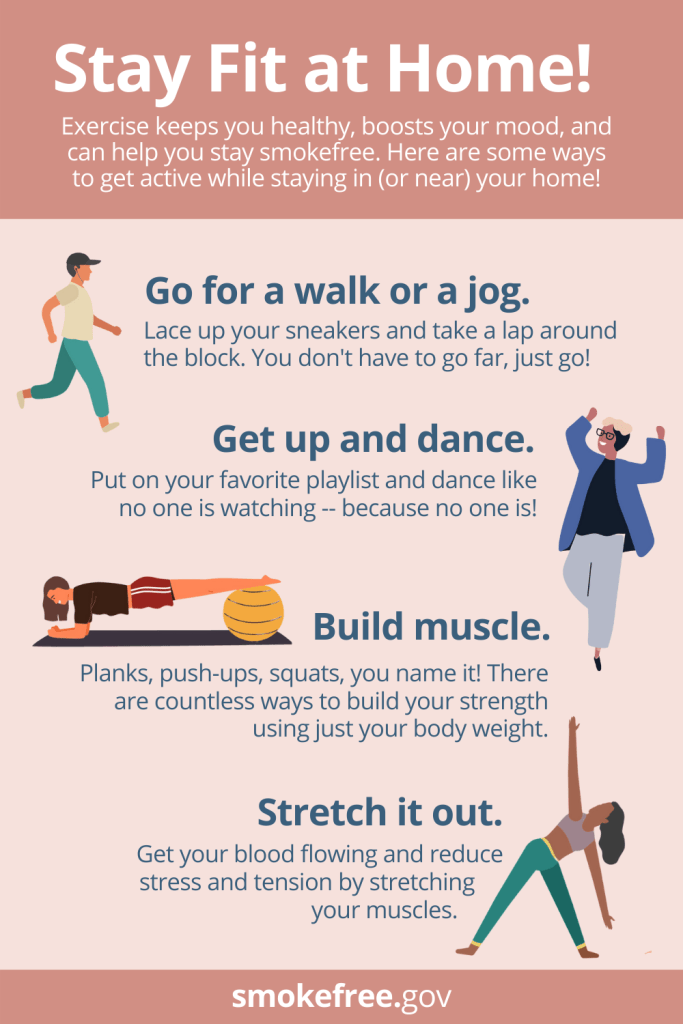
  • Exercise daily to help you feel good and maintain your health. 

Impact of Globalisation.

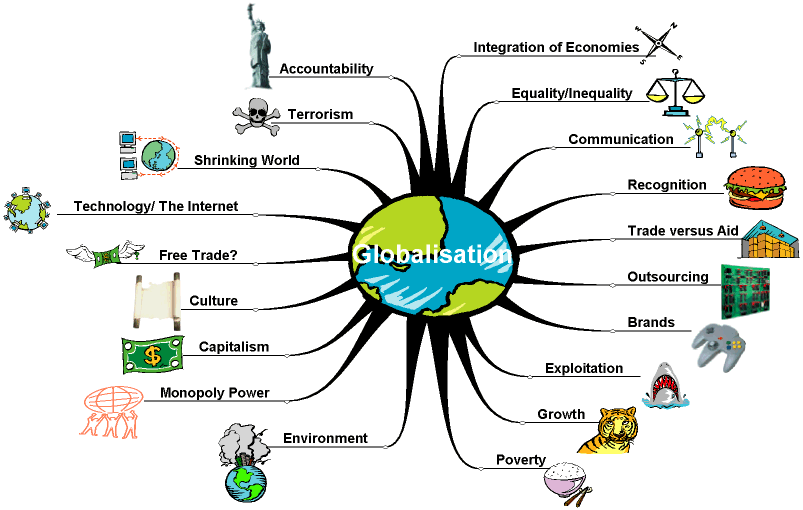
Globalization means the speedup of movements and exchanges of goods, and services, capital, technologies or cultural practices all over the planet. One of the effects of globalization is that it promotes and increases interactions between different regions and populations around the globe.

Globalization has brought benefits in developed countries as well as negative effects. The positive effects include several factors which are education, trade, technology, competition, investments and capital flows, employment, culture and organization structure.

Together with economic and financial globalization, there has obviously also been cultural globalization. Indeed, the multiplication of economic and financial exchanges has been followed by an increase in human exchanges such as migration, expatriation or traveling. These human exchanges have contributed to the development of cultural exchanges. This means that different customs and habits shared among local communities have been shared among communities that used to have different procedures and even different beliefs.

Good examples of cultural globalization are, for instance, the trading of commodities such as coffee or avocados. Coffee is said to be originally from Ethiopia and consumed in the Arabid region. Nonetheless, due to commercial trades after the 11th century, it is nowadays known as a globally consumed commodity. Avocados, for instance, are grown mostly under the tropical temperatures of Mexico, the Dominican Republic or Peru. They started by being produced in small quantities. to supply the local populations but today guacamole or avocado toasts are common in meals all over the world.

Globalization is a complex phenomenon. As such, it has a considerable influence on several areas of contemporary societies. Let’s take a look at some of the main negative effects globalization has had so far.

Apart from all the benefits globalization has had on allowing cultural exchanges it also homogenized the world’s cultures. That’s why specific cultural characteristics from some countries are disappearing. From languages to traditions or even specific industries. That’s why according to UNESCO, the mix between the benefits of globalization and the protection of local culture’s uniqueness requires a careful approach.

Importance of Yoga.

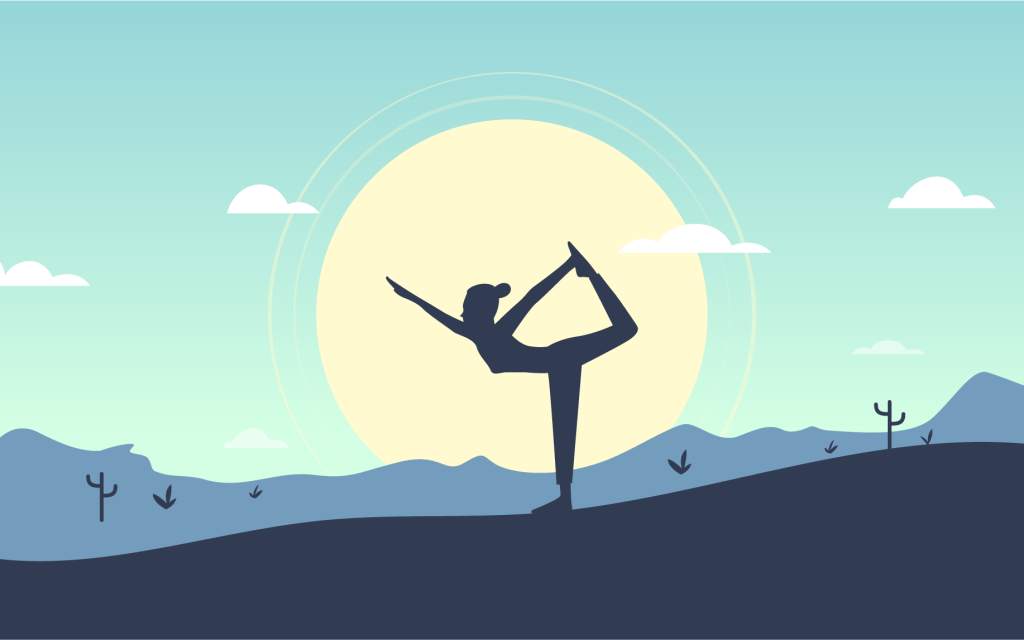
Before we get into the benefits of Yoga, it is essential to understand what exactly Yoga really is. Yoga is not a religion, it’s a way of living that aims towards a healthy mind in a healthy body. Man is a physical, mental and spiritual being; Yoga helps in developing the balance between all the three as stated in  Ayurveda in India. Other forms of exercise, like aerobics, only assure physical well being. These exercises have very little to do with the improvement of spiritual or astral body.

Yoga as a practice has innumerable benefits that positively affect an individual both physically and mentally. During this ongoing coronavirus pandemic, when we are all bound to live a restricted life under the constant fear of infection risks, it is natural for anyone to develop anxiety. The continuous flow of negative news, the inadequacy of daily resources, everything is adding to this growing anxiety and depression. Being confined at home for such long periods of time, can be mentally challenging for us. When our mind is flooded with the uncertainty of the future, we often experience sleepless nights causing fatigue. Many of us are unable to relax our mind during this time thereby increasing the stress on our minds. 

Some of the advantages of yoga are listed below:

  • Yoga increases your flexibility.This is why many people start yoga, and it’s certainly a great benefit of yoga practice. Yoga postures and sequences help to increase the body’s range of motion. The mindful approach of yoga helps to ensure that stretching is done safely, allowing the nervous system to release the muscles into gentle, effective stretches. This reduces the risk of injuring ligaments and tendons, which can occur through more aggressive approaches to flexibility training. Releasing tension in the muscles can also help them to relax and let go, helping your body to open up more.
  • Yoga helps you to build strength. Although many people overlook this one, seeing only yoga’s benefits for flexibility, yoga is actually a fantastic strengthening practice.. Yoga helps to strengthen the muscles that support the body’s weight, leading to functional strength. It is also fantastic for building core strength. This improves athletic performance and your functionality in everyday life, while keeping you safe from injury.
  • Yoga helps to keep your joints healthy. Yoga will strengthen the muscles around the joints, helping to stabilise them. By moving the joints in their full range of motion, yoga can help to promote better joint health. The mobilisation of the joints improves the flow of synovial fluid, which lubricates them, allowing for smooth and healthy movement of the bones. Synovial fluid also delivers fresh oxygen and nutrients to the joint cartilage, helping to restore it and keep it healthy. Yoga can even help those with more serious joint problems such as arthritis, improving physical function and reducing pain.
  • Yoga reduces stress. Many people begin yoga to improve their flexibility, but they keep coming back because they find it makes them feel so much better. The focus, centring and breathing of yoga all help to reduce stress and can be the ideal antidote to a hectic modern lifestyle. In part this is another wonderful benefit of the mindful aspect of yoga. It is also due to the positive impact of increasing activity levels and exercise, along with the relaxation and reduction of physical tension that yoga brings. Yoga can leave you feeling relaxed and refreshed, physically, mentally and energetically.

References:

https://www-medindia-net.cdn.ampproject.org/v/s/www.medindia.net/amp/yoga-lifestyle/yoga-importance.htm?amp_js_v=a6&amp_gsa=1&usqp=mq331AQKKAFQArABIIACAw%3D%3D#aoh=16288671603271&referrer=https%3A%2F%2Fwww.google.com&amp_tf=From%20%251%24s&ampshare=https%3A%2F%2Fwww.medindia.net%2Fyoga-lifestyle%2Fyoga-importance.htm

https://www-hopkinsmedicine-org.cdn.ampproject.org/v/s/www.hopkinsmedicine.org/health/wellness-and-prevention/9-benefits-of-yoga?amp_js_v=a6&amp_gsa=1&amp=true&usqp=mq331AQKKAFQArABIIACAw%3D%3D#aoh=16288671603271&referrer=https%3A%2F%2Fwww.google.com&amp_tf=From%20%251%24s&ampshare=https%3A%2F%2Fwww.hopkinsmedicine.org%2Fhealth%2Fwellness-and-prevention%2F9-benefits-of-yoga

Importance of workout.

Working out with consistency is important for achieving fitness results. Creating a workout plan will help you to achieve greater consistency. A commitment to a regular workout regimen will increase your fitness level, improve your health and generate a greater sense of mental well being.

Scheduling Your Workout

Once you have decided on the type of exercise you want to engage in, creating consistency means being realistic about how much time you need to devote to your regular exercise regimen. Create a workout schedule that involves at least a few minutes a day for a warm up, 20 minutes for a cardio activity and additional time for strength training and a cool down. You might write down your schedule to solidify your commitment to your exercise plan.

Consistent Workouts and Mental Health

A consistent workout regimen reduces stress and increases your mental well being. When you work out regularly, your body releases endorphins that enhance your mood. You have probably experienced these positive feelings after finishing a cardiovascular workout. You might also find that when you go for days or weeks of not exercising, your energy level decreases and your mood is not as heightened.

Sticking to a regular exercise regimen will keep you feeling revived both physically and mentally. When you exercise with consistency, your muscles will develop gradually and your mind will experience reduced levels of stress and greater relaxation.

Strengthen your bones and muscles. 

Regular exercise can help kids and teens build strong bones. Later in life, it can also slow the loss of bone density that comes with age. Doing muscle-strengthening activities can help you increase or maintain your muscle mass and strength.

Increase your chances of living longer. 

Studies show that physical activity can reduce your risk of dying early from the leading causes of death, like heart disease and some cancers.

We should make working out our daily habit to lead a happy, healthy and long life. Since we all know that the benefits of working out or exercising are enormous that is why it is absolutely necessary to incorporate working out in our daily lives.

Refrences:

https://www.mayoclinic.org/healthy-lifestyle/fitness/in-depth/exercise/art-20048389

https://www.skillsyouneed.com/ps/exercise.html

https://medlineplus.gov/benefitsofexercise.html

https://www.everydayhealth.com/fitness/add-strength-training-to-your-workout.aspx

Global Warming and it’s effect.

Global warming is the long-term heating of Earth’s climate system observed due to human activities, primarily fossil fuel burning, which increases heat-trapping greenhouse gas levels in Earth’s atmosphere.

Humans are increasingly influencing the climate and the earth’s temperature by burning fossil fuels, cutting down forests and farming livestock. This adds enormous amounts of greenhouse gases to those naturally occurring in the atmosphere, increasing the greenhouse effect and global warming.

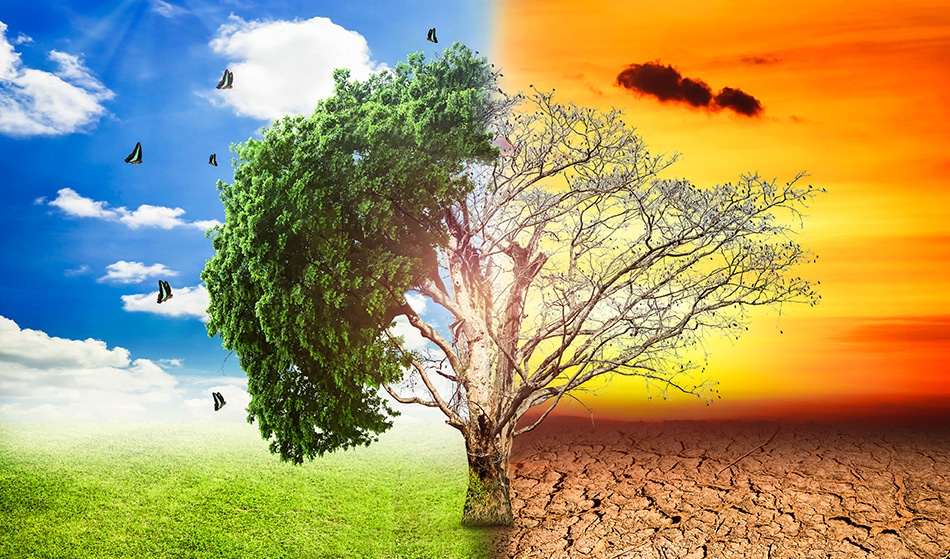
Global warming doesn’t just mean warming, which is why “climate change” has become the favored term among researchers and policymakers. While the globe is becoming hotter on average, this temperature increase can have paradoxical effects, such as more frequent and severe snowstorms. Climate change can and will affect the globe in several big ways: by melting ice, by drying out already-arid areas, by causing weather extremes and by disrupting the delicate balance of the oceans.

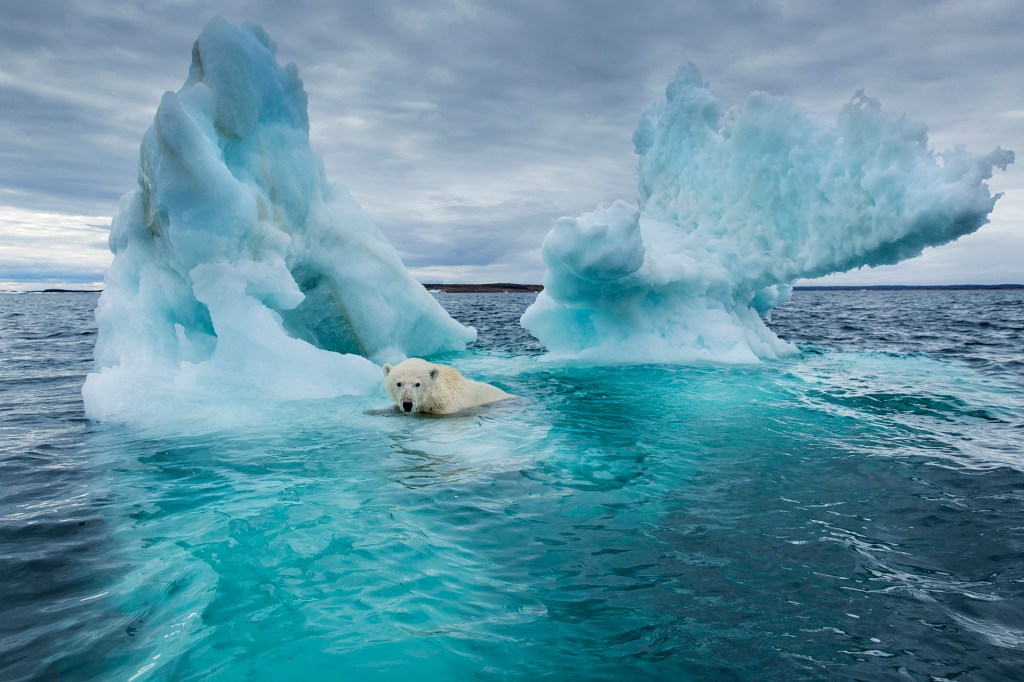
Canada, Nunavut Territory, Repulse Bay, Polar Bear (Ursus maritimus) swimming beside melting iceberg near Arctic Circle on Hudson Bay

The effects of global warming affect the humankind, plants and animals in numbers of ways. These effects, increase ocean levels, droughts and changed weather patterns.

Climate change can affect human health in two main ways: first, by changing the severity or frequency of health problems; and second, by creating unprecedented or unanticipated health problems or health threats in places where they have not previously occurred.

A reduction in yield and an increase in pests compromise food availability. This is aided by a loss of arable land and the need to implement irrigation systems when faced with a change in precipitation patterns. The long-term effects of global warming on this field can potentially cause famine.

Water scarcity is found in an increase magnitude around the world, affecting rich and specially poor countries. Nearly three billion people live in water scarce conditions, and this situation could worsen if current population growth trends continue.

Global warming affects us all. So, everyone must bring down his or her personal contribution.
Please spread the word about the effects of global warming, do your part and save the planet. 

How to seek happiness in life.

Staying happy is way more difficult than we think it is. Life is full of ups and downs, highs and lows and a never-ending cycle of work and the pressure of society. In between all these things we need to find happiness as well that gives meaning to our life. Without staying happy we can not live our life to the fullest.

Try out something new or something different from your daily life and incorporate certain habits in your life that will help you to stay satisfactory and earn happiness in life.


Avoid comparing yourself to others
This is easier said than done, but try to avoid comparing your social life to anyone else’s. It’s not the number of friends you have or the frequency of your social outings that matters. It’s what works for you.

Remember, you really have no way of knowing if someone with a bunch of friends and a stuffed social calendar is actually happy.

Take a phone break
Noticing a theme here? Cellphones and social media have undoubtedly changed the concept of being alone.

Is anybody really alone when they can pick up their phone and text or call just about anyone? Or check in on what that high school acquaintance is up to without even having to talk to them?

Take a step back from social media
Social media isn’t inherently bad or problematic, but if scrolling through your feeds makes you feel left out and stressed, take a few steps back. That feed doesn’t tell the whole story. Not by a long shot.

You have no idea if those people are truly happy or just giving the impression that they are. Either way, it’s no reflection on you. So, take a deep breath and put it in perspective.

Perform a test run and ban yourself from social media for 48 hours. If that makes a difference, try giving yourself a daily limit of 10 to 15 minutes and stick to it.
How to stay Fit.

Healthy Lifestyle Diet and Fitness vector sign in the shape of a heart with multiple icons depicting various sports vegetables cereals seafood meat fruit sleep weight and beverages

Staying fit is a great way to improve your mood and overall health. Many people struggle with staying fit over time, but the benefits of fitness definitely outweigh the costs. With some commitment and motivation, you can maintain your physical fitness for years to come!

Start Cycling or jogging: It’s not necessary to stay off as full complete workout. Just start taking initiatives as in of your spend you enitre day doing sedentary jobs or desk jobs to be more precise, just include a walk in your day to day life.No matter what your speed is, walking, jogging and cycling are very important parts of a healthy lifestyle as they are activities that keep your heart and lungs active and your blood flowing.

Exercise at home. Not everyone has the time or money to go to the gym and there is no need to. Working out at home is very easy and can be very beneficial. Some at-home exercises include:

  • Push-ups. Use your weight against the floor or wall to work on your upper body strength.
  • Sit-ups. Sit-ups can be done by simply laying on the ground or, with a more advanced technique, with a chair or exercise ball.

Stretching: Light stretching is I think very basic that needs to be included in everyday routine. Because it will help you to to start your new journey. Its the stepping stone to start your fitness path .

Eat healthy. Maintaining a balanced diet can be difficult to do if you do not have the time to cook for yourself every day. But, it is easy to find healthy solutions in restaurants and take-outs as well. You will find that maintaining a healthy and balanced diet can increase energy and productivity, boost your metabolism and make you a happier person because you will be consuming the nutrients and vitamins your body needs.

Go outdoors. There are definitely some perks to working out at a gym–air conditioning and televisions are a few. But scientists report that exercising outdoors, at least part of the time, can have major benefits. The varied terrain of a road, sidewalk, or trail challenges your body in ways that the monotony of a treadmill or elliptical trainer can’t do.

How to reduce stress.

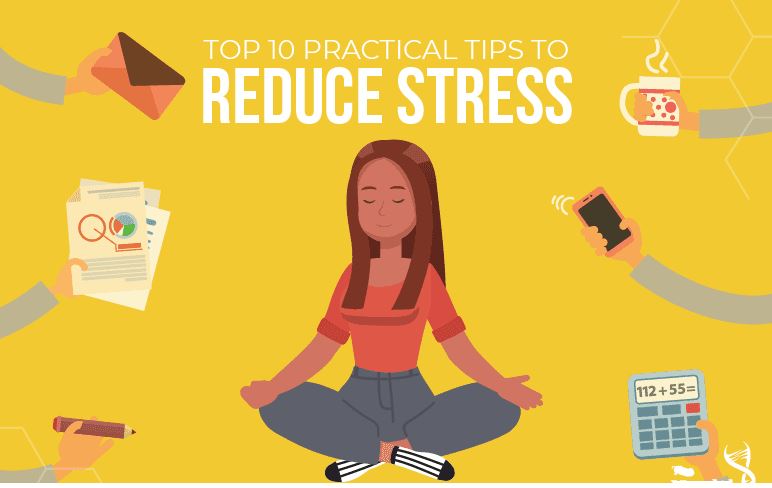
Everyone is in the rat race to be super productive and to achieve life’s ambition neglecting the fact that how draining the entire process is. As overwork brings stress so is the topic, because we need to address these issues and it is quite necessary.

To deal with it we need to plan out the day effectively and manage everything as per the need. While no one can avoid all stress, you can work to handle it in healthy ways that increase your potential to recover.

Study and practice relaxation techniques. Taking the time to relax every day helps to manage stress and to protect the body from the effects of stress. You can choose from a variety of techniques, such as deep breathing, imagery, progressive muscle relaxation, and mindfulness meditation. There are many online and smart phone apps that provide guidance on these techniques; although some entail purchase costs, many are available free of charge.

Exercise regularly. In addition to having physical health benefits, exercise has been shown to be a powerful stress reliever. Consider non-competitive aerobic exercise, strengthening with weights, or movement activities like yoga or Tai Chi, and set reasonable goals for yourself. Aerobic exercise has been shown to release endorphins—natural substances that help you feel better and maintain a positive attitude.

Try to connect with people. A good support network of colleagues, friends and family can ease your work troubles and help you see things in a different way. If you don’t connect with people, you won’t have support to turn to when you need help,” says Professor Cooper. The activities we do with friends help us relax. We often have a good laugh with them, which is an excellent stress reliever.

Avoiding unhealthy habits could be good practice to reduce stress from day to day life. Speaking of which working on a sleep schedule is mandatory and sound of sleep of 8 hours should be taken.

Last but not least to try to stay positive as much as you can because you can never work on any of the aforesaid strategy unless you’re in the the mood to uplift you and do something better for yourself

How to keep yourself motivated.

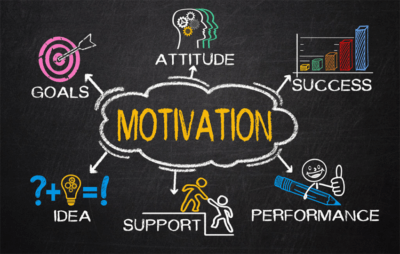
As we all know, motivation is the key to success and that’s why we need to stay motivated to succeed in life. Often, people confuse motivation with productivity but motivation has nothing to do with it. Being motivated means doing your work without considering it as a headache and not for just the sake of accomplishing the goal. And to stay motivated, you need to find a reason to love your life and to love what you do. Achieving purpose should not always be considered as a priority rather finding happiness in your life should be the goal. Because if you’re not happy in your life, not even a single thing will satisfy you and you will end up being frustrated and feel the pressure of your work or day to day life that is detrimental to health. So for that matter, we need to seek prosperity and it will just come up with the idea of being passionate about what you’re doing.

That is why it is necessary to take leisure in between so that you can do things for yourself. Even if you’re not doing something that suits your personality that is completely fine, you just need to take a gap in between so that you can fill that time with the things you love to do. Like for instance, if you’re someone who works in the IT sector, but your inclination is more towards nature or gardening then try to take a break from your work and can do gardening side by side, can water your plants or can go through some research article about anything that makes you happy.

Set your priorities and goal that is the foremost thing that will help you in the long run. When most people create goals, they write them down, stow them away, and promptly forget about them. They let the urgency of day-to-day operations distract them from dynamic growth and, before they know it, six motivation-less months have passed.

Your long-term goals should be so visible they’re consistently on the top of your mind. If they’re not, they won’t be completed; it’s as simple as that.

There are thousands of reasons to stay happy, and they ultimately enhance your motivation level. All we need to do is just introspect so that we can know ourselves better and find that purpose in life.

Why is it necessary to have a hobby?

It is necessary to have a hobby that helps us to grow as a person. Every individual is unique and that’s why interests and hobbies are different and the best way to develop a new is hobby is by trying something new. And the more we explore new things the more in-depth knowledge we gain. Hobbies not only helps us to manage our leisure time productively but also allows us to learn new skills.

There are endless benefits of having a hobby some of which are described below:

De-stress your mind:

  • Hobbies allow you to enhance your lifestyle and distress yourself while remaining mentally productive.
  • Having hobbies is always good for health as it reduces the risk of hypertension and depression.
  • Taking out your time and doing something that you love always puts us in a good mood and rejuvenate your mind and help prepare you to handle challenges in the future in a better way.
  • Hobbies that include physical activities create chemical changes in your body that help to reduce stress. 
  • Hobbies refocus your mind on to something that you enjoy doing.

Social interaction

  • Hobbies are a great way to meet people who enjoy doing the same things as you.
  • There’s nothing more rewarding than finding a person with the same interests– it puts friendship on the fast track.
  • The internet provides numerous groups and forums to connect with people that enjoy doing the same things that you want to do.

Enhances creativity

  • The skill of being creative is today’s necessity. It helps us grow as an individual.
  • Some hobbies require creativity and if you develop creativity through your hobby, it can be beneficial. 
  • Creativity can help you experience new things at school and work.

Builds up Self-confidence.

  • It can take some time to develop your hobby so that you may be able to tell that you are skilled. But, the journey of experiencing your hobby is very rewarding in itself.
  • With the exposure to different types of activities these days, it doesn’t matter which activity you choose. Whether you are pursuing a craft, sports, skill development, your hobby should allow you feel like you are good at something you like. That is where your confidence level starts to boost up.
  • If you’re good at something, you’ll start feeling pretty confident in yourself and this is precisely what hobbies encourage.

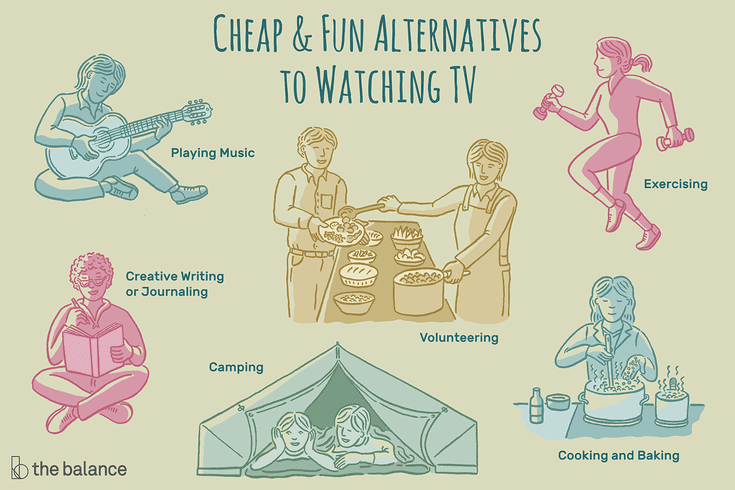
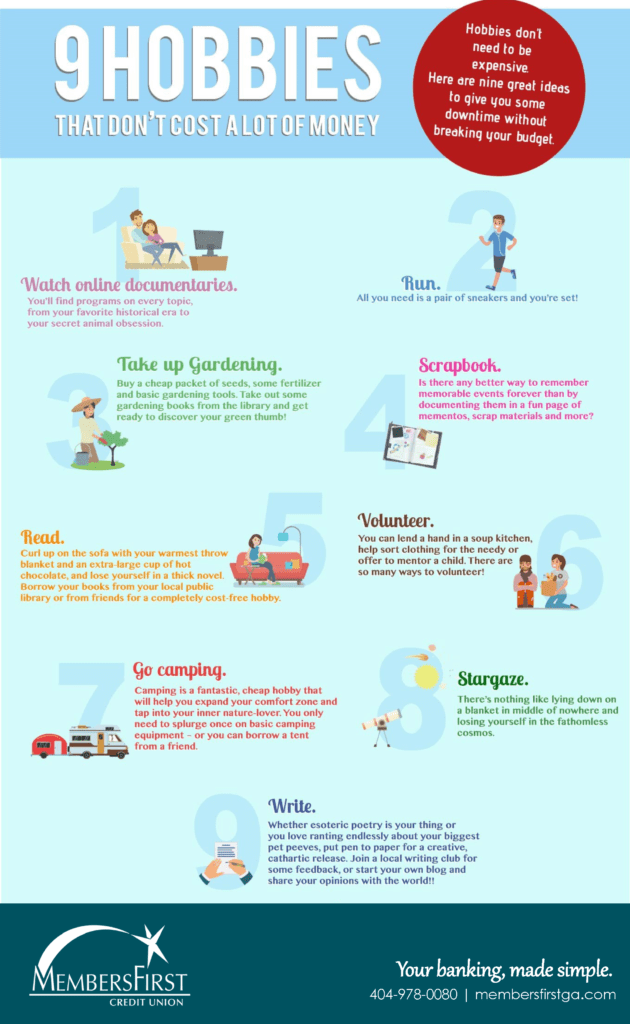
There are so many activities that one can count on as a hobby such as cooking, crafting, baking, sewing, fishing, gardening, writing, hiking, the list is endless. No matter which idea you choose to go with, there is no better day to start than today.

References:

https://www.skilledatlife.com/why-hobbies-are-important/

https://online.kettering.edu/news/2019/04/15/why-hobbies-are-important

https://www.peaceinnovation.com/blog/working-to-live-the-importance-of-hobbies?format=amp

How to manage time.

Time management is an art rather skill that is not easy for everyone. Often, we spend our entire time after college work or office work and it became difficult for us to take out time for our family. Time is very necessary for strengthening the bond that we often take for granted. Everyone is having a busy schedule these days especially because of online classes or work from home situations, but some manage time quite well and manages everything and have a balanced life, while others stay pretty engaged in their official work only that makes the situation stressful.

“Time management” refers to the way that you organize and plan how long you spend on specific activities. Failing to manage your time effectively can have some very undesirable consequences. Being conscious of time will result in self-improvement and goal achievement.

Here are some ways to manage time effectively.

  • Have a to-do list : Having a list is always a time saver. If you have a list, you’ll never have to wonder what’s on the daily agenda or what to do next. Indeed, a list keeps you focused and motivated, focused on feeling that sweet satisfaction every time you tick off a task from your list. Lists also let you see – and monitor – your progress. Even if you’re surrounded by distractions, your list will keep you on the right track.
  • Plan Ahead : Planning ahead is a critical part of time management. Ideally, you should plan ahead for the week or at least the day before. When you know exactly what needs to get done for the day or week, you’ll stay organised and focused. You can break tasks across days to see, in advance, how much time is needed to complete a project. Even spending just a few minutes planning ahead can transform how you work.
  • Be Decisive : Decide each day what the goals are by order of importance and stick to them. If you work in a shared office, avoid unnecessary conversations until you’ve done your task. Don’t get stuck on long telephone calls when you have a deadline looming and write short, polite responses to emails to keep lines of communication open.
  • Stay focused : Try not to let distraction get the better of you. Staying focussed on the particular job at hand is key to your success as a small business start-up. Try staying focused for short amounts of time, say 20 minutes at a go, and then have a short break before diving in again. Being mindful of how long you have to spend per task will help ensure you stay within your timeframe.

Sleep Deprivation: A serious issue.

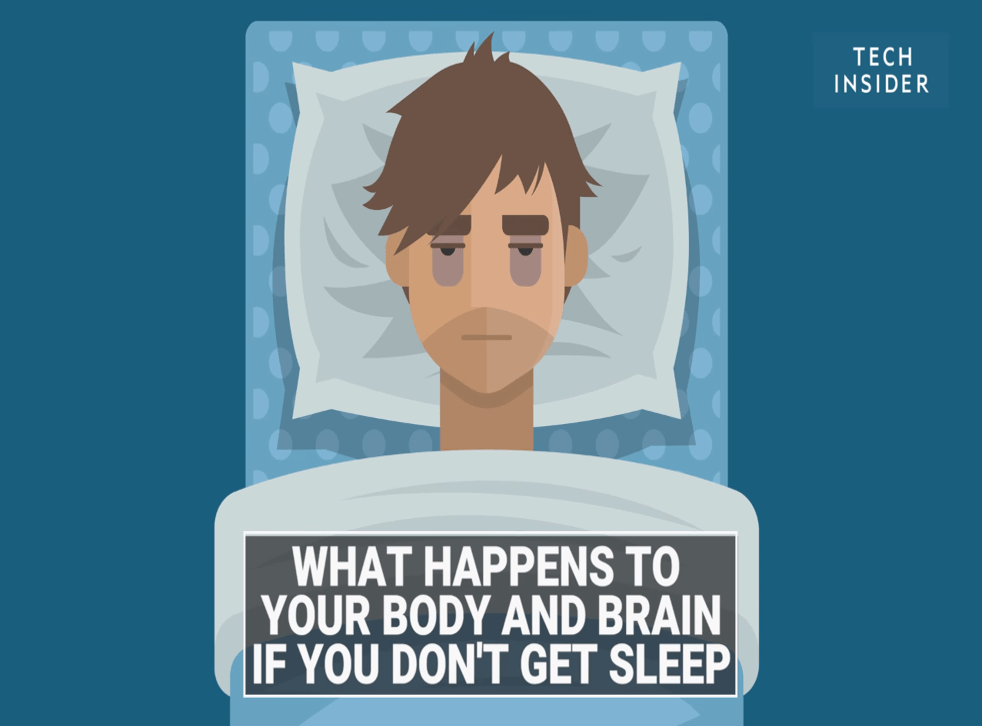
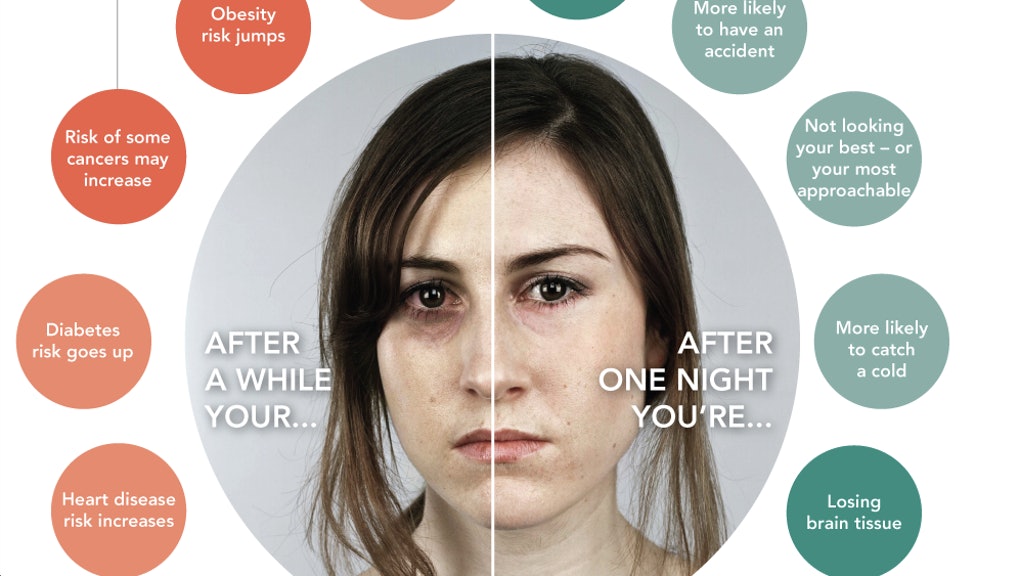
Sleep deprivation is the lack of sleep or reduced duration of sleep that damages one’s health in long run. The main reason behind lack of sleep these days is due to the lifestyle and excess interaction with gadgets such as mobile phones, laptops, tablets etc that promotes laziness and reduce physical activity manifold.

Sleep deprivation is the root cause of health deterioration as well as reduced life expectancy even though no one cares about the hours of sleep needed. Most of us spend two-third of our nights scrolling through phones using social media. Or watching a tv series, that causes insomnia if the habit persists. Sleep deprivation comes with a lot of health issues that we take for granted.

An average hour of sleep that is needed for an adult is around 7-8 hours, which is necessary for the body to perform metabolic activities and maintain homeostasis of the body. The lesser we sleep the more complex it would become for the body to perform efficiently that ultimately damages several organs of our body.

Effects on the body :

  • The cardiovascular system: Lack of sleep can severely damage the functioning of the heart. An adequate amount of sleep helps to maintain blood pressure, sugar levels etc that prevent the chances of increased heart disease.
  • Brain: Sleep deprivation can cause the altered perception as well as visualization. A lack of sleep may also make it harder for a person to form new memories, which can affect learning.
  • Hormonal imbalance: Insufficient sleep can cause a hormonal imbalance that upset the entire machinery. Lack of sleep causes release of stress hormone that builds up unnecessary tension in the muscles and nerves.
  • Fertility: Poor sleep may affect the production of hormones that boost fertility.
  • The immune system: Sleep deprivation may cause a person to be more prone to infections, that leads to various diseases.

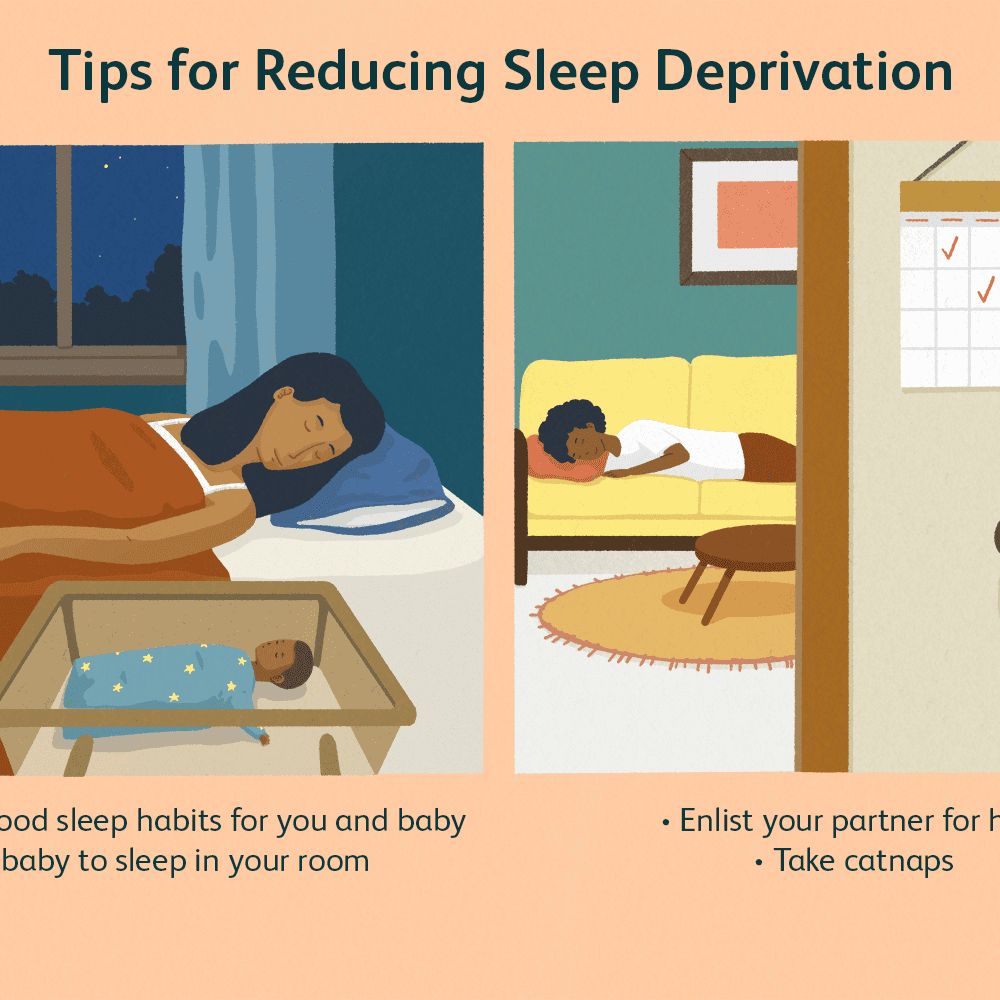
There are lots of ways to tackle the problem of sleep deprivation such as medication, cognitive behavioural techniques, relaxation techniques and Homecare strategies. Among all of the methods mentioned, homecare strategies is the most effective way because of no side effects related to it.

Some of the home care strategies are:

  • Get a regular exercise.
  • Try to take power nap of 15 mins during day time.
  • Avoid having dinner just before going to bed.
  • Limit the consumption of caffeine.
  • Try to go to bed and waking up same time every day.
  • Try to do physical activities or workout a little.
  • After trying to fall asleep for 20 minutes, get up and read, then try again later.

References: