Domestic Violence

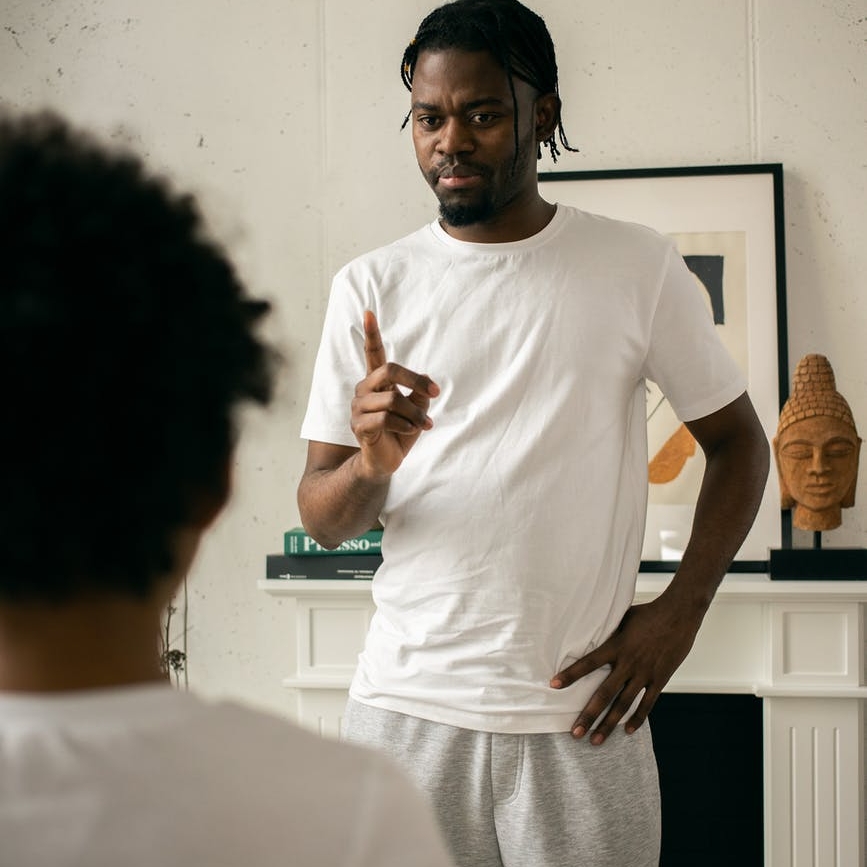
Domestic violence is defined as violence and abuse that occurs in a domestic environment, such as cohabitation or marriage. Domestic violence is defined as any type of behaviour that attempts to acquire authority and control over the victim, not simply physical abuse. It may afflict people from many areas of life and is usually directed at a partner, spouse, or close family member. We will discuss the causes and repercussions of domestic violence in an essay.

Causes of Domestic Violence

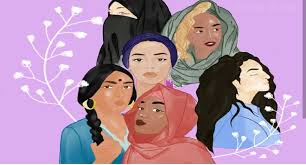
Domestic violence frequently targets women and children. Domestic abuse is a heinous crime that kills many people. Illiteracy and economic reliance on males are two of the most prevalent causes of domestic violence. This dilemma is exacerbated by a male-dominated culture. Furthermore, dowry is one of the major causes of violence against newlywed wives. Physically abusing women and making obscene statements is widespread in many areas of the world.

Furthermore, children are frequently victims of this cruel behaviour. It is critical to identify society’s double standards and hypocrisy. Frequently, the abuser is either insane or in need of psychiatric counselling. Domestic violence, on the other hand, is the result of a series of reckless behaviours displayed by a segment of society. It is also crucial to highlight that the abuser is not the only one who is accountable; those who allow this to happen and behave as quiet bystanders are equally to blame.

Types of Domestic Violence

Domestic abuse has a variety of negative consequences that vary depending on the type of domestic violence that occurs. It might be physical, emotional, sexual, or pecuniary in nature. A physical abuser employs physical force that injures or endangers the victim’s life. Hitting, punching, choking, slapping, and other forms of violence are included. Furthermore, the abuser refuses the victim medical attention. There is also emotional abuse, in which the perpetrator threatens and intimidates the victim. It also entails damaging their self-esteem.

It involves threatening someone with danger or disgrace in public. Emotional abuse can also include continuous name-calling and criticism. Then there’s sexual abuse, in which the perpetrator uses force to get undesired sexual intercourse. If your spouse does not consent, it is considered sexual abuse since it is coerced. Finally, there is economic abuse, in which the abuser has power over the victim’s money and economic resources.

They use this to impose control over them and make them completely reliant on them. Economic abuse occurs when your partner needs to beg you for money. The victim’s self-esteem suffers as a result.

Why is domestic violence an issue?

Domestic violence has a significant influence on people’s overall health and well-being. It is due to the fact that it causes bodily harm, anxiety, and despair. Furthermore, it affects social skills and increases the probability that they may engage in health-harming behaviours such as self-harm or drug addiction.

How does domestic violence affect a woman?

Domestic abuse has a negative impact on women’s health. It has severe ramifications for their mental and physical health, including reproductive and sexual health. It also covers injuries, gynaecological issues, despair, suicide, and other issues.

Conclusion

To summarise, domestic violence can take various forms, including physical aggressiveness such as kicking and biting, as well as sexual or emotional abuse. It is critical to recognise the indicators of domestic violence and report the abuser if it occurs around or to you.
India and her Handlooms

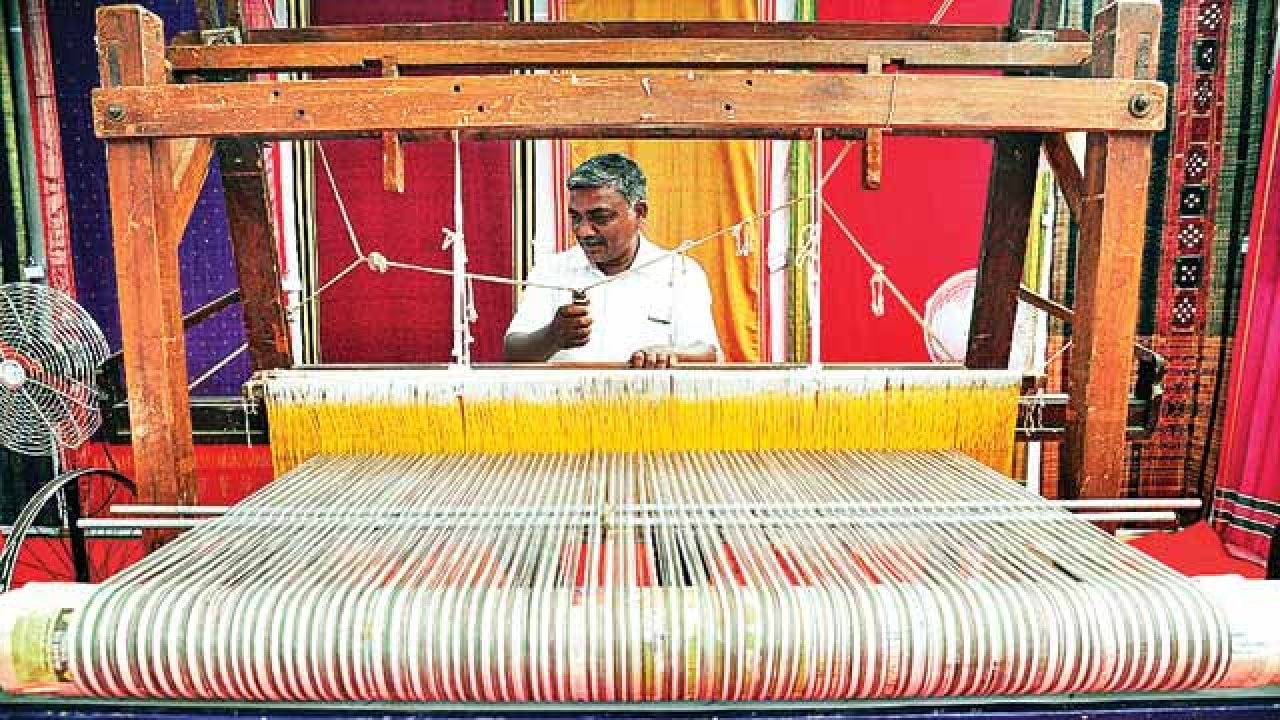
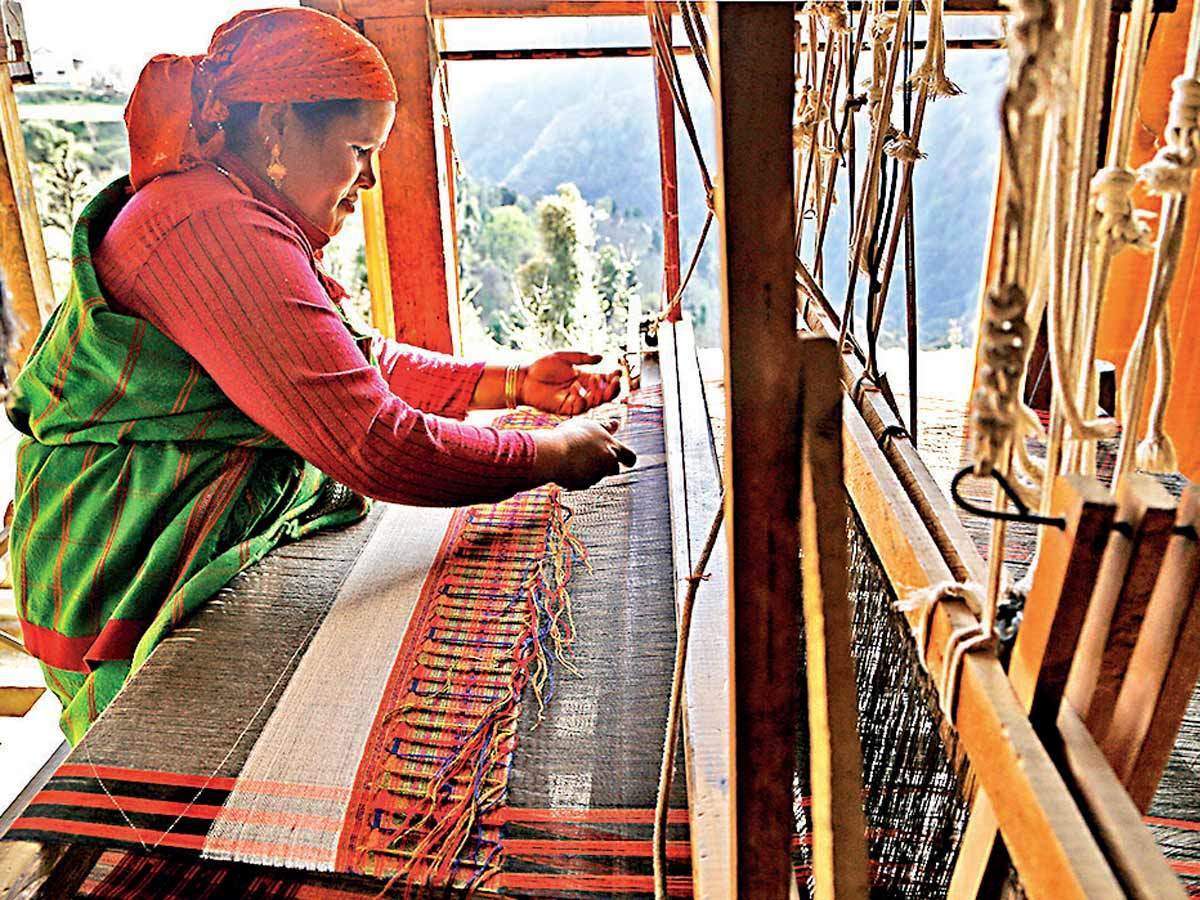
Indian handloom industry saw a reduction in 30% of its trade in the year 2020. This means that the already struggling industry will see further cut in costs. There is an urgent need to innovate new ways to market the goods it produces. The modern state of India still has one of the largest employed workforce in the textile sector, and a large part of it is the handloom industry – which is mostly worked in by the artisans who are either poor or are working hard to preserve their traditional way of manufacturing clothes and designs. For India presents a rainbow in manufacturing methods – right from the famous Benarasi Saree to the now almost extinct methods of making silk and woolen garments in the remote hills of Ladakh and Kashmir.

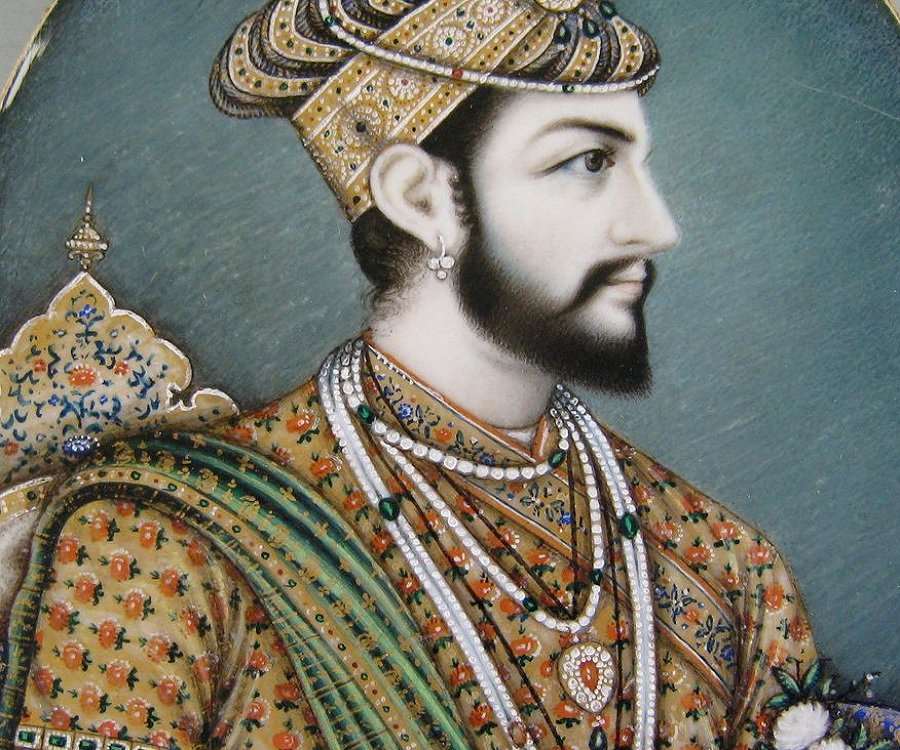
Cotton has been cultivated in the Indian subcontinent for over 3000 years. And that is probably also the age of a rich tradition of fabric making. With the advent of the bronze age through the influx of Greco-Roman, Mongol, Iranian, Vedic and Afghan cultures into the modern age of Mughals, Marathas, British and later the republic of India and her neighbours – the Indian textile industry has seen a plethora of changes and demand.

Shah Jahan Biography - Childhood, Life Achievements & Timeline
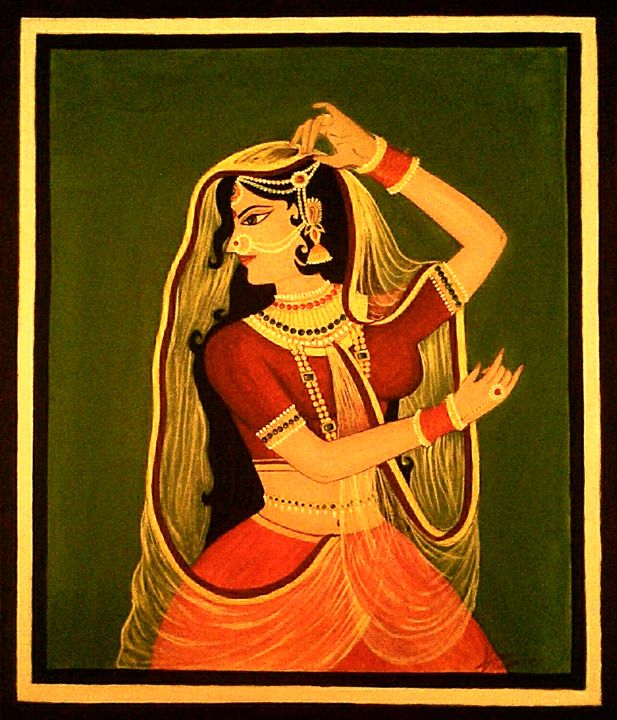
Queen of royal India - SSK Art Gallery - Paintings & Prints, Ethnic,  Cultural, & Tribal, Asian & Indian, Indian - ArtPal
From dhotis and sarees to kurtas and Salwars – India has seen a plethora of changes in its clothing culture.
India's handloom export declined by 30% within a year: Text Min statistics
Social enterprises looking at innovative ways to revive handloom sector  post-lockdown - The Economic Times

Handloom has a great symbolic importance to India. For it was the first Industry that stood as a symbol of self-reliance during the British Raj resistance period, a rhetoric the current Indian Prime Minister used in his Atmanirbhar Bharat campaign. After all, if it were not for Indian fabric – the famed Muslins and Pashminas and Indian spices – the British would have had to search for other reasons to come and settle in a land so very far away from their motherland.

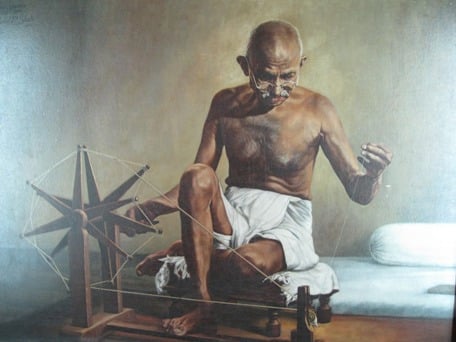
Cherishing the charkha | Indian Link
Gandhi used handloom as a symbol of self reliance

7th August marks the National Handloom day – a day dedicated to an industry that is rapidly finding itself in a stage where only the ones who are super-nationalist and the rich opting for it. Handloom products are often costly than the cheap produce of the machines that invaded the textile industry 200 years ago, effectively ushering in the Industrial Revolution in the 17th century England.

Back to India, here is a list of some famous Indian handloom industries and the cities in which they are concentrated.

  1. Varanasi – The famed Banaras Silk sari is the prized possession of many north Indian women as that is the standard sari of the bride in marriages in households that can afford them. And yet, the Benarasi artists are increasingly been replaced by machines that are producing cheaper saris though with reduced finesse. To add to it is the Zamdani works on cotton fabric, quite endemic to the city.
  2. Jaipur – Jaipur and its handloom industry have the royal family of Jaipur as its patrons. There are establishments and shops that were opened by the last Rajmata of the city, Gayatri Deviji to promote local industries. To add to that is the already existing tradition of Bandhni, Zari and Patti works.
  3. Surat – One of the oldest textile industries that were spotted and used by the local rulers and the British alike. The silk industry in Surat is one of the largest of its kind in the country.
  4. Kota – The tuition capital of the country is also home to the Kota Doria, Gotta Patti and the Kota weave artisans.
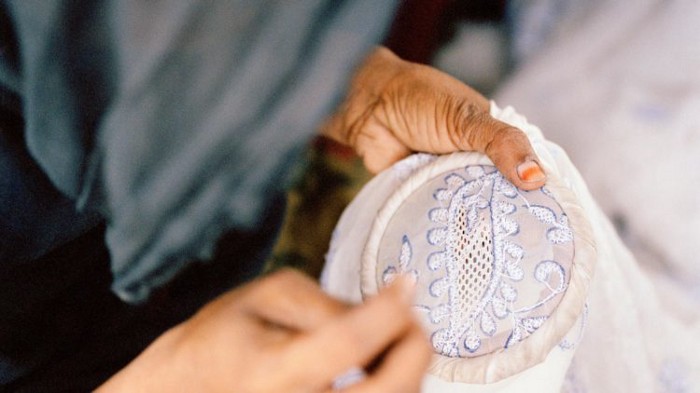
  5. Lucknow – The city has an industry that keeps alive the times when nawabs ruled over the city of Lucknow, the then capital of the Awadh state. Most famous of its local weaves is the Chikankari work.
  6. Bhadohi – The small town is only 40km from Varanasi and has been the centre of Indo-Persian carpet work since the era of the Mughal Emperor Akbar and has the largest carpet making industry in the country.

Well, there are many more of such cities and villages when one researches about them. Many of the ingenious art forms that are involved in making clothes are dying with less than 50 families left that carry forward the tradition. The sad part – machines cannot replicate that finesse. Such is the case of the wool and silk industry in the Gharwal and Kashmir valleys.

After the pandemic or even during it, let us and our government support this remnant of our history, our art, our tradition and a symbol of first instance of our modern industrial self reliance.

10 REASONS WHY YOU SHOULD TRAVEL TO THE MOUNTAINS

The mountains show the raw beauty of nature, extreme calmness and offer so much more than you can imagine. Feel the sun on your face and back and enjoy the cast number of activities provided by the mountains…. It can be canoeing or hiking or climbing or fishing etc. which will never make you regret your decision to travel the mountains. Go and Retreat on your next vacation.

REASONS TO TRAVEL MOUNTAINS :

  1. Health Benefits: Travel to mountains can be very therapeutic with the miles stretching greenery and beautiful sounds of birds.
  2. Finding Peace: Mountains help you find your inner peace in life and give the opportunity to discover and explore the beauty of nature.
  3. Mesmerizing Beauty: The terrain is rough and reaching some places can be tough but you will get to feel that because you will be mesmerized with the beauty of the mountains. This beauty helps in healing, giving peace and a whole pure feeling.
  4. Tranquility and Peace: People head to mountains when they need some peace and space. The mountains take you to a uncomplicated lifestyle. 10 minutes of meditation can heal your soul and give the peace that you want.
  5. Pure Air: One of the best things about mountains is the pure air which you won’t find anywhere else. Take a deep breathe and feel it immediately. You will get to know and feel the difference. You will surely miss this fresh air once you return to the city life.
  6. Adventures: Mountains offer a range of adventures which will add better experiences to your trip. And hiking is one of the best and most amazing adventures to do in mountains.
  7. Welcoming Nature of the People: The people of the mountains welcome you with a warm smile and everyone you meet in the mountains will be very polite and helpful. You will not feel like a stranger there.
  8. Disconnect: Mountains give you the perfect chance to escape from the chaotic lifestyle and everyday rush. It is important for everyone to take a break and enjoy their life with a free time.
  9. Build Relationships: Travelling to mountains give a great time to spend with your family and friends. Mountains offer many activities and adventures which can be done in groups and here you can do them with your family and friends and even other travelers which gives you an opportunity to build relationships.
  10. Not a Sight but an Experience: The best thing about the mountains is the experience that you will get and not just the scenes. You will understand and explore nature; come across different people and welcoming locals; adventures and events; fresh air and purity and peace. You will be disconnected from the entire chaos and hectic lifestyle and will get a perfect vacation filled with purity, tranquility and adventures.

The adrenaline rush from the peaks, the serene tranquility and the heights of mountains will fill your heart with happiness and joy. Mountains really bring out the best from you, set your soul free and happy. The tall peaks, the misty environment, the warm locals- a retreat to the mountains brings you back to the city with a clearer mind and a happier heart.

TOP 5 MAHARASTRIAN FOOD YOU MUST TRY

You haven’t tried any Maharashtrian dish till now? Ohh you must! What are you waiting for, here are some Maharashtrian foods for you, try these absolutely delicious Maharashtrian dishes and experience the cuisine in all its glory!

What comes in your mind when you think about Maharashtrian food, Mumbai’s famous Vadapao, Misal Pav from Pune, Kolhapur’s Tambda Rassa and many more. From Misal pav to Aamti to Bhelpuri, each one of them is a gem. So here are some famous and extremely tasty Maharashtrian foods for you.
1. Zunka Bhakar

Zunka Bhakar is a traditional meal of Maharashtrian people. It’s a meal of poor, who can’t afford any food, Zunka Bhakar is like a blessing for them. Every Maharashtrian loves Zunka Bhakar. Zunka is made with besan paste and served with bajra or jwari roti which is called as Bhakar.

2. Puran Poli

Puran Poli is like festival food for all Maharashtrian out there, its specifically made during all festivals like Diwali, Gudi Padwa even on birthdays Maharashtrians made Puran Poli. Made with gram flour and stuffed with sweet mixture of dal, this Maharashtrian bread is a sweet delight for your taste buds.

If you love sweets you should definitely try Puran Poli!

3. Misal Pav

Misal Pav is basically for breakfast but, you can had it anytime it’s a meal that can be had at any time of the day. If you are living in a Pune and you still haven’t tried Misal Pav then, what are you waiting for, you must try this out today!!

Misal Pav is made with potatoes, hot masalas and team up with bread to create a perfect, Maharashtrian meal.

4. Kandepohe

A famous Maharashtrian breakfast. For Maharashtrians Kandepohe with Chaha (tea) is like heaven. If we have any guests or any marriage proposal meeting exists, we Maharashtrians first made kandepohe, it’s like compulsory.

5. Modak

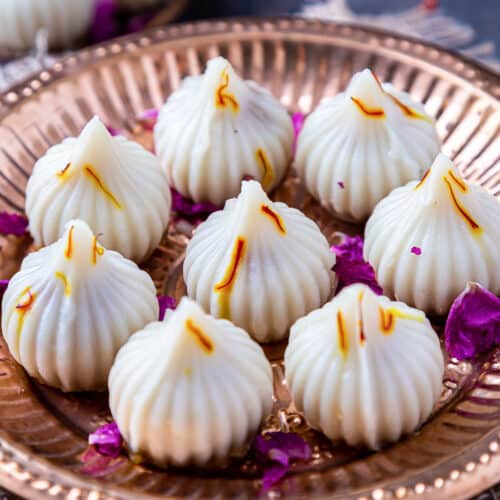
Modak, the favourite meal of Ganeshji, it’s specially made on Ganesh Chaturthi, Modaks are now made in many parts of the country as well. Sweet flour dumplings stuffed with coconut, jaggery, nutmeg and saffron.

Planting trees!!!!

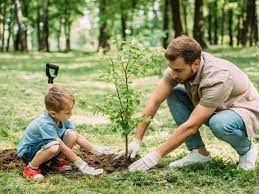
We all know that the world is heading towards deforestation, global warming, drought etc., What is the major cause of this global changes? It is us. We humans are quite selfish when it comes our own deeds. We keep on cutting the trees, increasing pollution, high useage of plastic etc. What can we do to make our earth lively and healthy? There is no other remedy than planting trees. Yes, there reason we live is the trees. Without them we won’t be alive. Let’s see about planting trees and its importance.

Planting trees will not solve the issue of climate change • Earth.com

Why trees are important to us?!?!

Trees are important to the environment because they provide oxygen and they act as carbon sinks. A carbon sink is a natural or artificial body that stores carbon dioxide. The more trees you have, the more carbon dioxide that you can store. This is because they take in carbon dioxide and then release oxygen, which allows them to store more carbon dioxide.

Importance of Planting more Trees. — Steemit

Planting trees has several benefits, including the fact that they help to reduce greenhouse gases (GHGs). They also help to reduce the amount of carbon dioxide in the atmosphere. As a result, planting trees can help to mitigate the effects of climate change.

Trees are also important for the environment because they provide a habitat for wildlife. They also help to improve the quality of air and water, and they provide a home for birds, insects, and other small animals.

When you plant a tree, you are helping to reduce the amount of carbon dioxide in the atmosphere. So, it is important that you plant a tree. The more trees you plant, the more you will be helping the environment.

What are the trees can be planted??

There are several different types of trees that can be planted. Some of these include the following:

Oak trees, Redwood trees, Pine trees, Alder trees, Fir trees,Bamboo trees,Evergreen trees, Deciduous trees.

METHOD OF PLANTING TREES:

  • Dig a big hole, put the rootball in, cover with dirt.

This is probably the most common method. It’s simple and easy, but it’s not the best. The tree will grow fine if you fill the hole with a small amount of compost. This will help the tree get established quicker and, in the long term, will make the tree more resilient to drought. But it’s harder to dig a big hole, and it’s hard to get the compost in there without disturbing the rootball. It’s also worth noting that the tree is going to be much happier if you can put the hole in a slightly damp area.

Do water the plant regularly until its becomes a tree. You may plant whatever tree you like and the most important thing is to maintain them in a good condition. Everybody says plant trees, save earth, save water. But in reality, how many of us has really planted trees? Think about it and find the best answer yourself!!

TOP 25 TREE PLANTING QUOTES | A-Z Quotes

Read more;

Place Of A Women In Society

It is rightly said woman is the backbone of society. From times immemorial, woman have been considered inferior to man in a patriarch society. Man has always treated woman not as an equal partner in life but as a mere slave. Biological superiority of man over woman has made him callous towards her. She has always being confined to the four walls of the house. Man has just treated her as an object of gratifying his sexual lust and physical desires.

Women have been denied most of the rights that give dignity of human beings. She has suffered a lot because of the whims and prejudices that man harbours towards her. But at the same time she has been called the better half of the man but unfortunately these are just sugar coated words. He abuses her physically, sexually, morally, economically and socially. There is no doubt that she has certainly been the victim of discrimination on the basis of sex. However, the scenario is changing very fast. The Constitution of India protects women’s rights by granting her equal status.

Woman have played a vital role in Indian struggle for freedom. Today, women are becoming more and more vigilant about their rights. They have discarded the Pardah system and have crossed the boundaries by exposing them in outer world. They are jostling with men in every walk of life braving their worth.

Education, political awareness and the impact of western culture have made her more vigil and aware about her rights. The concept of superiority of man is tottering. Today, woman have proved to be better doctors, administrators, pilots, academicians then many of the male counter parts. But despite this she is at the lower rung of the ladder in society. Though she is gaining economic independence but lately she is also exposed to sexual exploitation in offices and working places. Ironically, man still regards her as an unusual commodity.

Child Labour

Child labour is the worst form of child exploitation. There are more than 25 million child labourers in India. There is nothing more henious than this line. When it is time for children to play in the garden, they are forced to do banded labour. They have dreams to fulfill so it is need of the hour to stop this exploitation. They need play, education and nutrition. These must be provided to them but unfortunately they have to work in inhuman conditions. Childhood which is the most carefree period of a person’s life becomes a nightmare for them. they are mercilessly exploited at the hands of certain sections of the society.

Penury, in fact, is the root cause of all the troubles. It forces the poor parents to engage their children to work for them and earn something. The main culprits of the society are greedy contractors, the poor and uncaring parents and also the perceptors who do not teach. This gigantic wrong must stop and must be eliminated.

Law against child labour must be made strict and be enforced. Severe punishment should be given to those who indulged in or even encourage child labour. Though various steps have been taken by the government and many voluntree organisation are working to prevent the exploitation. Yet this social evil has not been eradicated completely. It is our foremost duty to look into this grave problem and take stringent actions in order to safeguard the rights of children.

The need of the hour for the government and NGOs is to come forward to establish institutes which provide free education and free meds. Primary education should be made mandatory. Until and unless we all get together to fight against the inhuman exploitation of children. We will not be able to eliminate this social stigma completely.

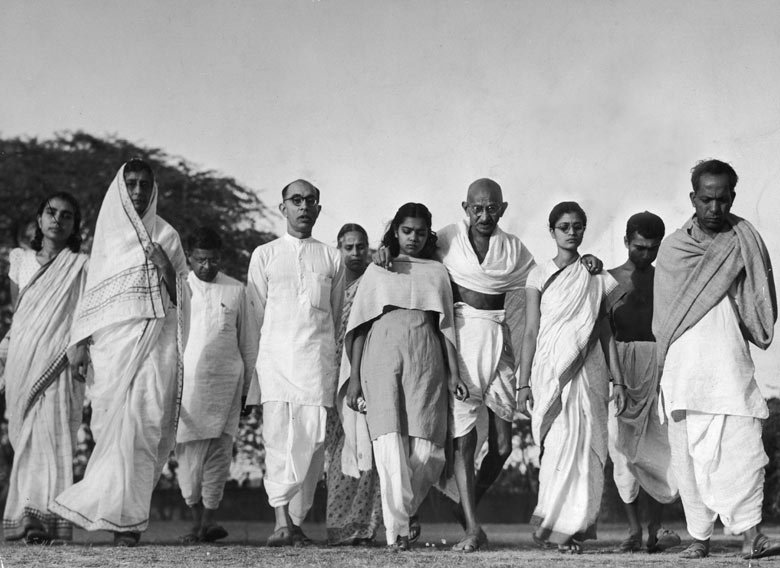
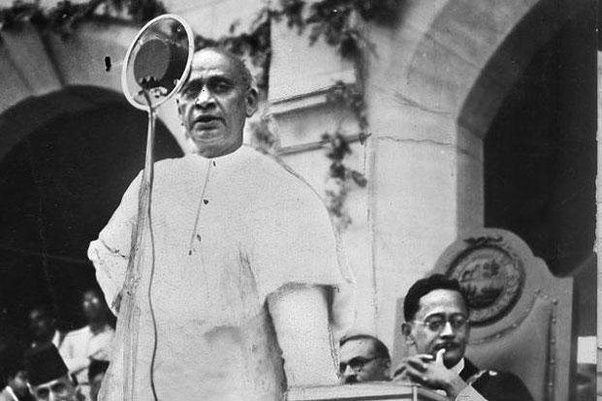
Sardar Vallabhbhai Patel- the man behind ‘Akhand Bharat’.


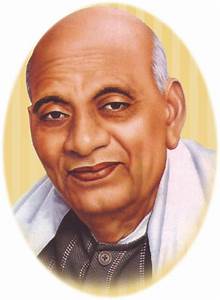
Sardar Vallabhbhai Patel was known as the ‘Iron Man of India.’ An advocate he was born on October 31, 1875, in a farmer’s family at Nadiad in Gujrat. His father Zaverbhai had fought against the British and served in the army of the Rani of Jhansi. The sons learned patriotism from their father. Vallabhbhai and his brother used to go to the fields with their father and on the way their father used to teach them simple mathematics. Their father imbibed in them values like honesty and fearlessness. His mother too was an influence on him and instilled great religious values in him. Vallabhbhai showed leadership and determination early in life.

He wanted to study law in England. But he did not have the means as his family was very poor. His brother too was a lawyer. He had attended classes before the examination, but Vallabhbhai studied on his own, read law books. Sometimes he attended court sessions and studied the cases carefully. He learned more from observing lawyers. He then gave the examination and started his practice from a small room. Vallabhbhai soon earned himself a name as a prominent lawyer. Later on, he went to England and studied and passed the barrister at law Examination. On his return to India, he set up his practice in Ahmedabad. Vallabhbhai met Gandhiji at a political conference and was greatly influenced by him. He gave up his western-style attire and worked in the national movement led by Gandhiji.
In 1918 when heavy rain destroyed crops in Gujrat, the farmers of Kheda district were greatly disturbed. They had to pay the taxes in any circumstances. They approached Gandhiji to help them, Gandhiji delegated the responsibility to Vallabhbhai Patel. Under his leadership, the farmers launched a ‘NO TAX’ campaign, but on peaceful lines. Patel was with farmers and even started dressing like them. Vallabhbhai dressed in a Dhoti, Kurta, and cap. He encouraged the farmers to stand firm. They needed him and did not budge despite the government seized their land, crop, and cattle. Eventually, their determination won out and the government was faced to give up its demand for the taxes.

The Kheda Satyagraha

During the non-cooperation movement, Patel gave up his practice as a barrister which earned him thousands of rupees. He asked the people not to co-operate in any way. He set up the Gujrat Vidyapeeth to educate children and asked them not to send their children to government-run schools. Patel as a follower of Gandhiji also took to Satyagraha and spinning the charkha and boycott foreign goods. In 1923 the government ordered that the tricolored flag should not be carried on any of the roads in Nagpur where the government officers lived. The people decided to disobey this order. They were offended, “why should we not display our flag in our country”. Vallabhbhai Patel was called upon to guide them. Satyagrahis from all over the country poured in. The agitation went on for about three and a half months. Eventually, the government had to withdraw the order, and the satyagraha ended in a victory for the people.
Mahatma Gandhi was very pleased with his disciple and called him ‘Sardar’ which means leader. From that time he came to be known as Sardar Vallabhbhai Patel.

In 1942 the congress called on the British to ‘Quit India’. Many leaders were jailed including Sardar Vallabhbhai Patel. They were released after 3 years but this too did not deter them. Patel declared that they would not let anything come in the way of India’s freedom. Finally on the 15th of August 1947 when India became free, Pandit Jawaharlal Nehru became the first Prime Minister. Sardar Patel’s greatest achievement was the integration of the princely states with the rest of India. At the time of Independence, they were given the option of joining India or Pakistan or to remain separate (independent). Sardar Patel was foresighted and he felt that the future of India lay in the consolidation of these princely states. He pleaded to them to maintain the unity of the country to make laws together as one nation. Hence he initiated the ‘Instrument of Accession’. According to this, issues like Defense, External Affairs, Transport, and communication, etc. were completely in the hands of the Indian government while the rest other powers were in the hands of the princely states. The rulers on the Indian side of the border signed the instrument and merged their states with India. Sardar firmly dealt with troublesome states like Junagadh and Hyderabad which though on the Indian side wished to join Pakistan or remain independent. Overall the integration of the princely states with the Indian Union took place peacefully.

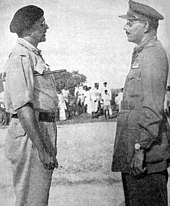
General Syed Ahmed El Edroos (at right) offers his surrender of the Hyderabad State Forces to Major General (of India) Jayanto Nath Chaudhuri at Secunderabad in 1948.

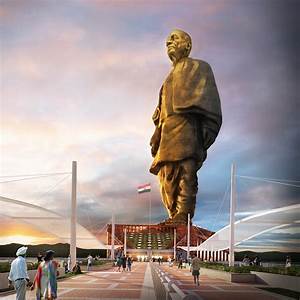
Saradar Vallabhbhai Patel was known as the ‘Man of Steel’, the Iron man of India, a man of few words, a dominant personality but cautious by nature. On his death in Bombay in December 1950, Jawahar Nehru the then Prime Minister of India stated that he was the Architect of Modern India. He left behind him a united India, he is remembered with reverence, and his qualities are greatly admired. The Statue of Unity was built in Gujrat in his honor.

The statue of Unity.

WHY BEACHES ARE THE BEST CHOICE FOR VACATION

India has a variety of landscapes to offer. It can be the snowy mountains or river sides and lakes or plantations or beaches. India has a coastline of over 7500 km and has numerous beaches. Vacation means different for different people. For some it could be visiting prestigious museums, learning local language and for some it can be exploring the new place and for some it can be doing adventures and even trying the exotic new foods and cuisines. The sea sides give the free winds of the beach, gentle caressing waves and the mysterious depths of water will increase your interest in travelling the sea even more. The feeling achieved after sitting beside the seashore and watching beautiful sunset cannot be matched with anything else.

Lets see why you should plan your next holiday to the beach :-

  1. RECONNECT WITH NATURE: You will get to connect with the nature and the beach is the best spot to do so. From witnessing the vast sea to watching the tiniest seashell you will experience everything.
  2. ENJOY THE EXCITING BEACH ACTIVITIES: The beaches can also make your trip exciting with the beach activities and endless ways to enjoy your stay. There are many outdoor activities to try. From beach games to extreme sport, beaches are the power pack of excitement and joy. The beaches offer many activities, it can be renting a jet ski, boat, kayak, or paddleboard. It is like camping.
  3. It’s Chill: Wear filp flops, sundresses and play clothes and there you go…. You are ready to enjoy the amazing beaches! Your time here will be filled with comforts, casual (without any hurried itinerary) and adorable and unique little stores and little things, yummy ice creams and quiet streets all these are very adorable. Nothing is like the chaos of the big city. You can relax in the safe, warm and welcoming sunset beach. It’s cool and exciting…
  4. AWESOME FOOD: Vacations offer you the opportunity to try new tastes and cuisines. You can find top-notch restaurants and fresh seafoods from little shops and store. You can find the, in new and creative ways and beach is thus the perfect place. All you need to do here is, some meal planning, search few restaurants of your interest and enjoy the awesome food.
  5. SUNSETS AND STARS: There is no place for stargazing than beach! Here, the evenings are quiet and peaceful. You will get to enjoy the vast sea and ocean, stars and sky. Beaches will give you the best days with their amazing little things and vast experiences…. And Yes, Sunset beaches are the best place to watch sun set and nights. There is something in these beaches which will always attract you and you should visit them…
  6. BEACH TOWNS AND ISLAND PEOPLE : Everyone here is in a chilling mood and is very welcoming. Everyone has a smiling face which will not make you feel as a stranger there. Enjoyment is in the air! Relax! Life is simple. Let the islanders remind you.
The view of the mesmerizing sunsets, the soothing sound of the sea and the children playing is a pleasing scene and noise which can only be experienced in beaches. Yup, holidays are awesome and can be very purposeful and good to soul. We can escape from or hectic lifestyle and can earn our days off. A beach holiday can be very healing and can renew your perspective in a very special way.

INDONESIA: PERFECT DESTINATION FOR BUDGET TRAVELERS

20’s are the most precious days of our life and are incredible. In this phase, you are old enough to be reasonable, responsible, courageous and knowledgeable. And in this age, you are young enough to have your time of freedom and open- mindedness.

WHAT IS THE BEST ACTIVITY TO DO IN YOUR 20s ? TRAVELLING…. Travelling gives a great experience and is a great way to enjoy these days of young age, to start exploring the world and to start a career. But in this age, we also think about doing activities which will be pocket friendly and will also not drain out the money. Therefore, money is a major obstacle for adventure and travelling for the people in their 20s. It’s very rare to find young persons who have sufficient amount of money for travelling.

The first step towards selecting a place for travelling is “doing a research”. Travelers seek out more unique and affordable ways to travel and the solution to this is research… Iam also one of those individuals who are aspiring to travel and here I have mentioned some awesome countries which are budget friendly and are easy to travel when you’re young and while on a budget from my research’s and bucket list. And Iam super excited to share about Indonesia from my researches.

The world has numerous countries, infinite number of gorgeous places and the more we travel, the more we get interested to explore and it is good to travel. There are many perfect places which are accessible without paying for private tour guide to travel in your 20s.

What makes Indonesia an ideal place for tourists ?

  • Indonesia is a land gifted with beaches, exotic water villas on peaceful islands, cultural ethos and vibrant tribes. The country provides many surreal places and all together they offer a mix of outlandish island and numerous adventures which will make a successful trip.
  • The country has many beautiful islands, beaches and lakes for beach and water bodies lover; national parks for wildlife lovers; active volcano sites for adventurous soul and many places to explore.
  • Indonesia is perfect place for every type of travelers. It is a place that gives peaceful time and alone time as well as adventures. Starting from wild and extravagant adventures to beautiful sights, Indonesia is the summation of every sort of adventure and peaceful. So, pick your favorite place and experience the adventure and peace of a lifetime.
  • Bali is the main tourist destination and in addition to that, the country has hundreds of little islands to visit every single day.
  • Indonesia is a perfect destination for a low cost vacation. As you move towards the inland more, the more the prices will go down. This place is economically feasible and you can also visit Lombok or Sumatra island.
  • The main deciding factor of budget is “transportation” . Depending on the transportation, the trip can get cheaper or even expensive. Intercity travelling can be very expensive and time consuming, so sticking to one region can be a solution. Indonesia gives large number of adventures to experience, explore and rejoice. So, spending more time in a particular place will allow you to travel deeper and explore more and will make the experience more meaningful.
  • If someone wants to travel far and wide on a budget, then using local transportation can be a solution.
  • Apart from Bali, Indonesia provides many beautiful resort island and Indonesia’s archipelago is even wider than United States and offers a whole world to discover.

From white sand beaches to jungles and savannahs, and from blue flame spewing volcanoes to remote rainforests which has orangutans…

Indonesia is a budget traveler’s dream. Indonesia’s best islands and mountains await your wandering soul! Have a look.

The Hiroshima Day

6th August 1945. Imperial Japan had refused to surrender even though all the other Axis powers had. Hitler and Mussolini were dead – the Second world war in Europe had come to an end as far as conflicts were concerned (A long age of a partitioned Germany and the Nuremberg trials would happen later). Roosevelt had overseen the construction of secret weapon and Truman, who came to power in the April of that year, ordered for its use.

Atomic Bomb Dropped on Hiroshima - HISTORY
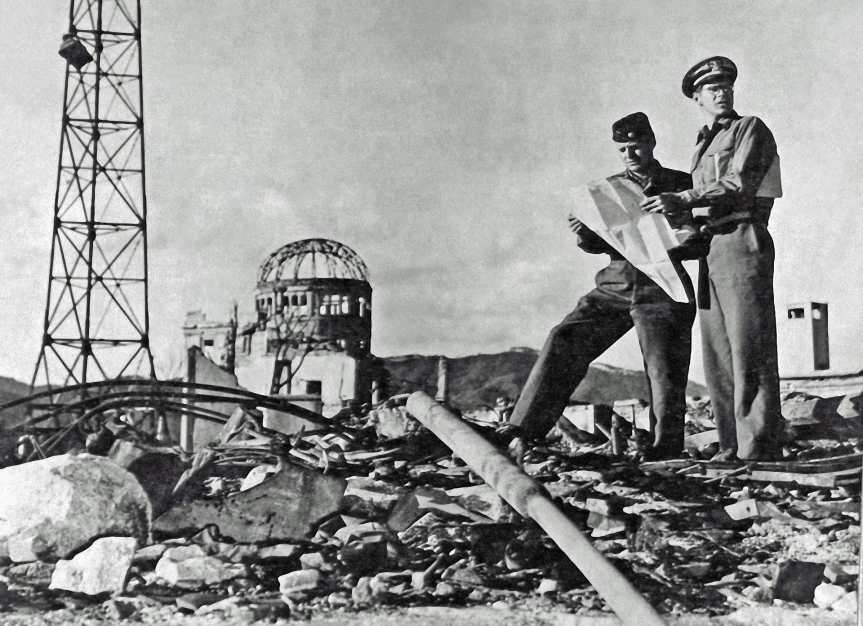
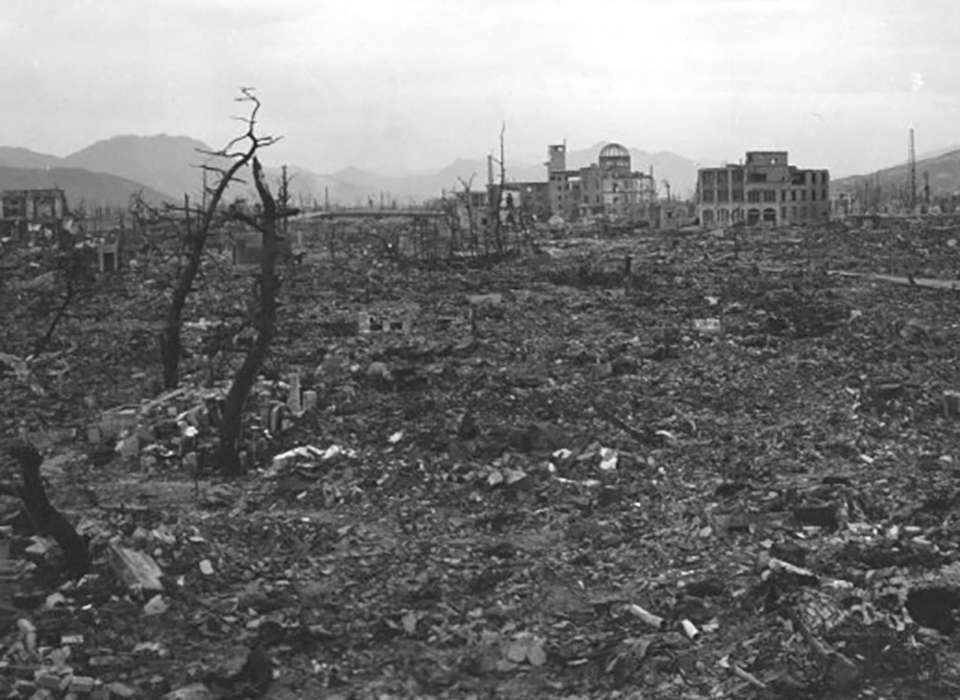
Hiroshima was the first city in history to suffer a nuclear detonation.

The city of Hiroshima was bombed on the 6th of August 1945 – the first ever atomic bomb attack in human history. 3 days later, another Japanese city – Nagasaki was bombed with the nuclear weapon – forcing Japan to surrender unconditionally and bring the second world war to a decisive end in the favour of the Allied forces. But Truman and most Americans shall never know what it is to be bombed with the weapon. Hiroshima and Nagasaki mark the only instances of atomic bombing recorded. The Allied had failed to bring Japan to its knees and sought the Atom bomb as a quick and effective way. But this quick way, which was a joint plan by the US and its allies – as required by the Quebec Agreement killed a 150,000 people – a 120,000 of them being civilians in Hiroshima alone. And this might have been one of the deadliest attacks on a civilian city by any country involved in a conventional warfare – let alone the US that was trying top be the leader of human rights and civilian liberties.

The Most Fearsome Sight: The Atomic Bombing of Hiroshima | The National  WWII Museum | New Orleans
A 120,000 people and 50sq km of area were eradicated in a matter of seconds.

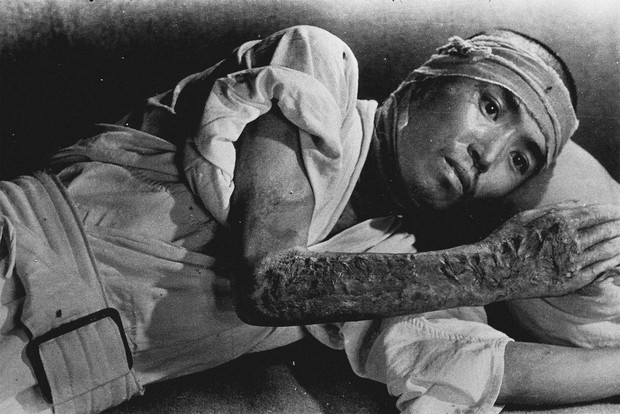
To the Allies, the bomb meant an end to warfare and a sign of American supremacy for the next 5 decades. But to Japan, it meant deaths of 200,000 people in both cities and several decades of nuclear poisoning, radiation induced mutations and cancers that spanned several generations and in some families continue even today.

The University of Texas created a photobook to let the average American – who allegedly yields more pride than sympathy toward the incident – to know of the plight of a nuclear warfare. And people across the world – may it be Chinese, Indian, Pakistani, American, Russian, Israeli or North Korean(if they could read this) would agree that the rhetoric of a nuclear warfare is so blatant in these societies that a bunch of stupid people in the government can lead to a humanitarian and environmental crisis unprecedented in history.

University of Texas photo book aims to show realities of Hiroshima,  Nagasaki blasts to US - The Mainichi
Raditation poisoning killed about 20,000 more people in the later months.

The Hiroshima Day is a reminder of the powers of nature that man has been able to harness and the fact that these powers mean only more responsible behaviour is needed in all of us.

Hiroshima Peace Memorial Park Hiroshima Tickets & Tours - Book Now
The Hiroshima Memorial Park stands as a testimony to those people who bore the brunt of war between two groups who sought nothing but a global supremacy in trade and diplomacy.

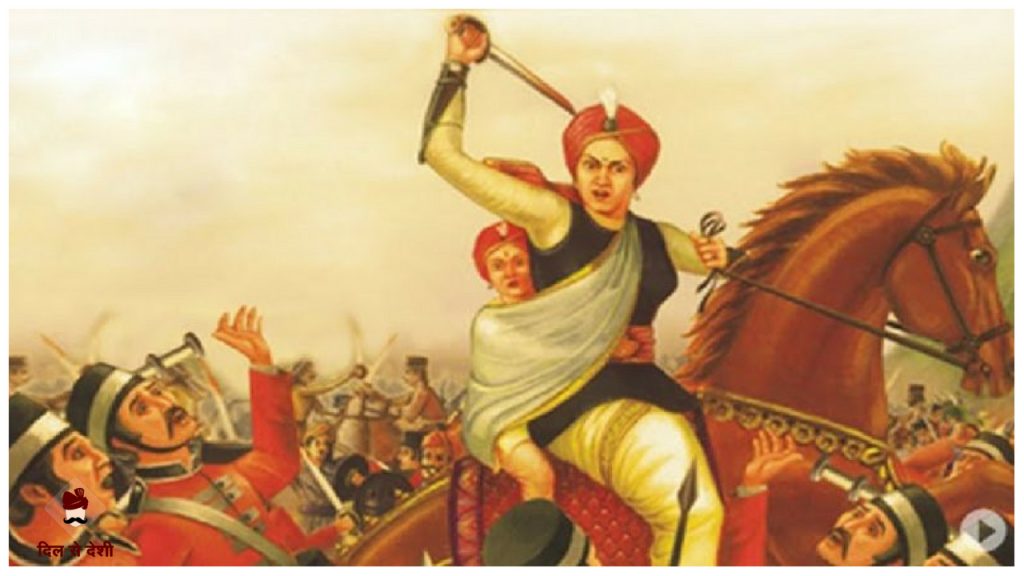
Rani Lakshmi Bai- an epitome of bravery and courage.

Rani Lakshmi Bai was the queen of the princely state of Jhansi, which is located on the northern side of India in UP. She was one of the leading personalities of the first war of Independence that started in 1857. The name of Rani Lakshmi Bai will be immortal in the history of India. She was considered as the heroine of India’s war of Independence. Her struggle against the British is legendry. She was a true patriot and full of self-respect. She was born on the 19th of November 1835 in the town of Bithur. Her parents were Moropanth and Bhagirathibai. Manikarnika or Manu as she was named at birth, lost her mother at the age of four, Manu was brought up by her father. With education, she also learned skills like sword fighting, horse riding, and using a gun.

  She was married to Gangadhar Rao, the king of Jhansi at the tender age of eight. Thus, she became the Rani of Jhansi. Jhansi is now the district in Uttar Pradesh. There was a treaty between the British and the Raja of Jhansi. One being that if the British needed any help then Jhansi would help them and the other being that the British decide who would be the ruler of Jhansi. On 21st November 1853, Lakshmi’s husband and the only son died. During that period, Lord Dalhousie was the Governor-General of British India. The adopted child was named Damodar Rao. As per the Hindu tradition, he was their legal heir. However, the British rulers refused to accept him as the legal heir. As per the Doctrine of Lapse, Lord Dalhousie decided to seize the state of Jhansi.

  Rani Lakshmi Bai went to a British lawyer and consulted him. Thereafter, she filed an appeal for the hearing of her case in London. But, her plea was rejected. The British authorities confiscated the state jewels. Also, an order was passed asking the Rani to leave the Jhansi fort and move to the Rani Mahal in Jhansi. Lakshmi Bai was firm about protecting the state of Jhansi. Jhansi became the focal point of the uprising. Rani of Jhansi began to strengthen her position. By seeking the support of others, she formed a volunteer army. The army not just consisted of the menfolk, but the women were also actively involved. Women were also given military training to fight the battle. In the revolt, Rani Lakshmi Bai was accompanied by her generals.

  Rani Lakshmi Bai prepared herself well for this fight for freedom. She used to set out on horseback, attired like a man with a metal helmet with a flowing turban, a protective plate bound to the chest, pyjamas, and a sash over them. With weapons like pistols and daggers, Rani was now ready for battle against the British. From the period between Sep-Oct 1857, Rani defended Jhansi from being invaded by the armies of the neighboring rajas of Orchha and Datia. In January 1858, the British army headed its way towards Jhansi. The conflict went for two weeks. Finally, the Britishers succeeded in the annexation of the city. However, rani Lakshmi Bai managed to escape along with her son, in the guise of a man.

   She took refuge in Kalpi. She then attacked the Gwalior fort and the Raja later surrendered. The British army then attacked the fort of Gwalior. Rani and her army fought courageously but got defeated. Rani Lakshmi Bai sustained many injuries. She died on 17th June. It is believed that when she was lying unconscious on the battlefield, a Pandit found her and brought her to an ashram, where she died. For her immense effort, she is referred to as the ‘Icon of Indian Nationalist Movement’. Her story became a beacon for the upcoming generations of freedom fighters.

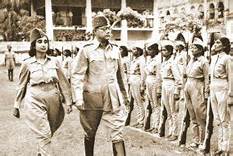
   A lot of literature has been written on the life history of Rani Lakshmi Bai of Jhansi. Heroic poems have been composed in her honor. Rani Lakshmi Bai became a national heroine and is a perfect example of female bravery. When the Indian National Army formed its first female unit, it named the Unit after her. Indian poetess Subhadra Kumari Chauhan wrote a poem in the Veer Ras style about her, while is still recited by children in schools all over India. The Rani of Jhansi was immortalized in bronze statues both at Jhansi and Gwalior.

‘Rani of Jhansi Regiment’ (of Indian National Army)

Divorce by Mutual Consent

Although it is believed that relationships are created in heaven, these heavenly ties do not always continue forever. Divorce is now seen casually, and individuals utilize it as a first choice, despite the fact that the law intended it to be a last resort. Many times, the partners in a marriage can no longer stand one other and cannot live peacefully together. In such situations, the couple may choose to divorce mutually. Mutual divorce occurs when both husband and wife mutually agree that they can no longer live together and decide to dissolve their marriage.

Essential Conditions of Mutual Divorce

  • Parties must be living separately – In order to dissolve a marriage by mutual divorce, the parties must have been living apart for at least one year prior to submitting the divorce petition. Living apart does not imply living in different locations. Living under the same roof as a couple but without sharing the bond of husband and wife qualifies the required requirement of living apart.
  • Parties are unable to live together – There are a variety of scenarios in which a couple is unable to live together despite mediation, reconciliation, and numerous efforts. In such a case, the couple can divorce by mutual consent. Following the filing of the petition, the parties are allowed a six-month cooling period, which can be extended to eighteen months. Both parties must ponder and examine their options during this period. If the parties are still unable to live together, the district judge should issue a divorce order.
  • Parties have mutually consented to end the marriage– In order to dissolve the marriage by a mutual divorce, both parties must have agreed to do so. The divorce petition is submitted jointly by both parties in the case of mutual divorce. The parties have the right to withdraw the petition at any moment. The petition appears to be withdrawable at the request of one of the parties within six months of the petition’s filing date. When a joint motion is adopted by the parties after the expiry of six months but before the expiration of eighteen months from the date of presentation of the petition for inquiry, the individual right of a party to withdraw the petition seems to be barred.
  • Parties must file for divorce jointly and without undue influence, fraud, or corruption– Both parties must have consented willingly and without pressure from the other parties to file for divorce. If neither partner is willing to file for amicable divorce, the party seeking divorce may do so using the grounds specified in Section 13 of the Hindu Marriage Act.

Advantages of Mutual Divorce

  • A divorce by mutual consent minimizes needless confrontations, saving both spouses time and money.
  • Maintenance and custody of the kid can be readily arranged by the parties amicably before the marriage is dissolved.
  • In this divorce, the court legalizes and agrees to all that the couple has talked and chosen.
  • Under this, the spouses need not explain the reason for divorce before the court of law. 
  • It does not lead to any confusion or chaos between the parties regarding how the assets and liabilities will be divided between the couple.
  • If the divorce takes place amicably without any conflict the couple can continue to be friends rather than sworn enemies.

Procedure for Mutual Divorce

To get a divorce by mutual consent, one must follow several steps. In India, the process of mutual divorce usually begins with the filing of a petition under Section 13B of the Hindu Marriage Act. Two motions are also involved in this procedure. Following are the important steps:

  • Filing a Joint Petition– The first step is to file a joint petition in the relevant family court. This joint petition must be signed by both parties. Both parties sign a joint declaration in the divorce petition declaring that they can no longer live together due to fundamental disputes and should be granted a divorce. This declaration also includes a distribution agreement, parental rights, and other details.
  • The appearance of both the parties in Court– The second step involved is the appearance of both the parties before the competent court before which the petition is filed. The court fixes the date and on this date, parties are asked to present before the court with their counsels. 
  • Court review of the petition– The court will review the petition as well as the papers filed by both parties. When the court is satisfied, it records both parties’ statements. In some situations, the court will attempt to mediate a resolution between the parties. When the parties are unable to reconcile, the divorce process begins.
  • Recording of the statement and adoption of the order on the First Motion– When both parties’ statements are recorded, the court issues the first motion order. Previously, the parties were allowed six months to reconcile. This six-month period can be extended to eighteen months, after which a second motion can be submitted. This is no longer a required requirement. In the case of Amardeep Singh v. Harveen Kaur, the Supreme Court waived the six-month cooling period if it was believed that both parties were committed to the divorce, there was no possibility of cohabitation between an estranged couple, and no alimony, child custody, or property issues were raised.
  • Appearing for Second motion– If neither party agrees to come together after six months from the first motion or by the conclusion of the reconciliation period, the parties may appear for the second move for the final hearing. This also entails the parties appearing in court and making remarks that are recorded. Both parties present their cases at the final hearing, and the court records their statements under oath in the family court.
  • The Court’s decision– The most essential condition for a divorce by mutual consent is the free consent of both parties. In other words, unless there is total agreement between the husband and wife for the dissolution of the marriage and the court is satisfied, the court cannot grant a decree of divorce by mutual consent. Based on the parties’ declarations as well as the facts and circumstances of the case, the court makes the proper judgments and dissolves the marriage. The divorce is then finalized when the court issues a divorce decree.

Conclusion

Divorce is a painful issue that should only be used as a last resort; nevertheless, many people nowadays do not hesitate to divorce. It causes family disintegration, and the kid of a divorced marriage suffers substantial stress as a result of growing up with split parents. The best way to divorce is by mutual consent since the parties do not have to publicly embarrass each other in court and may resolve any issues and dissolve their marriage willingly. From the time of filing until the finalization of the divorce judgement, the total mutual consent divorce procedure might take anywhere from 6 months to 1-1.5 years.

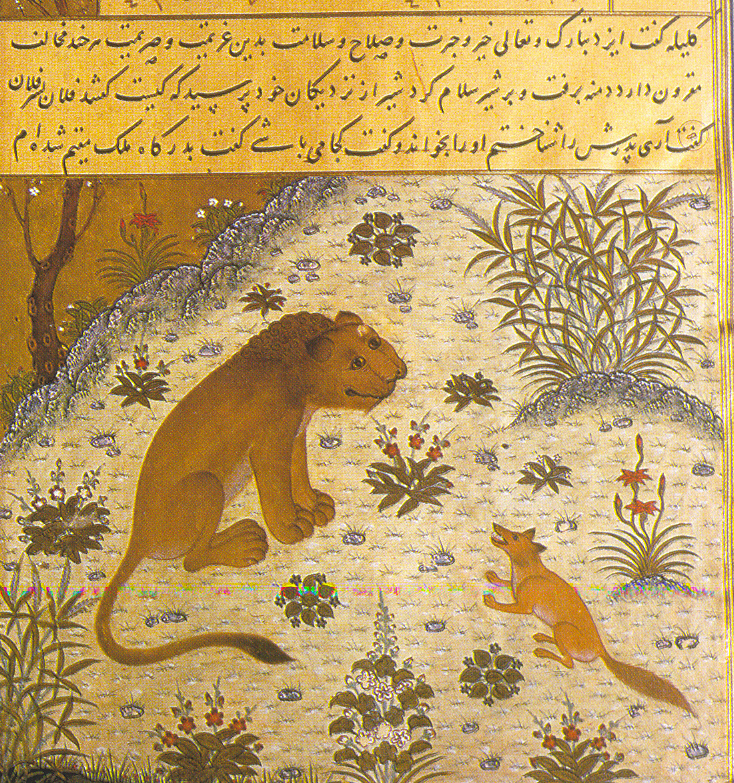
Panchatantra : The Older Aesop Fables

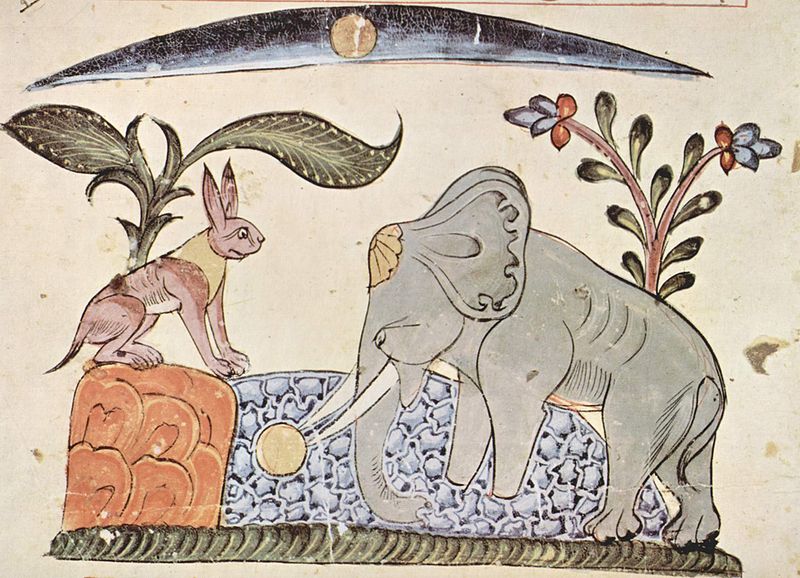
A certain king Sudarshan had three sons – neither of them willing to take responsibility or learn anything. The dejected king went to a scholar named Vishnu Sharma who used animals as characters to weave five treatises – sets of interwoven stories – “The Loss of Friends”, “The Winning of Friends”, “Of Crows and Owls”, “Loss of Gains” and “Imprudence” – that taught the princes about politics, life, justice etc. and came to be known as the Panchatantra.

Panchatantra to this day remains the most published, circulated and translated non-religious text in human history. The Arabs carried the book to their lands to be translated as Kalīlah wa Dimnah in the 7th century. By that time, it already existed in Sanskrit, Persian, Greek and the local Indian languages like Pali and Prakrit. By the 17th century, it existed in French, Italian, German, Chez, English and Slavic languages as well.

Ibn al-Muqaffa' by Khalil Gibran.png
Ibn al-Muqaffa, the scholar who translated the book in Arabic.
The Persian Panchatantra

The Aesop Fables of Greece carries a similar taste in story telling – simple and straightforward stories with talking animals often holding the traits identified with humans. But weirdly enough, that is a more famous set of stories in the modern day despite all the historic achievements the Panchatantra holds.

In the modern day, when society is increasingly pushing itself and its members – including kids and adults into its new evolving definitions of justice, crime and conduct – Panchatantra offers a freshness of simplicity despite being 2500 years in age and in lore.

Generation Gap

Maya Angelou quoted, “I’ve learned that regardless of your relationship with your parents, you’ll miss them when they’re gone from your life. ” It is indeed the truth. Lately I have been thinking a lot about relationship between parents and child nowadays.

Though we love our parents more than anything in this world and so they do. It is of no question that our parents took care of us and will always do, no matter how old we become. But, don’t you think that these days parents-child conflict are increasing way too much? What could be the reason behind that?

The first thing that comes in our mind is obviously generation gap and it’s true. Why generation gap? It is basically age gap between parents and children. However, the major issue arrives due to the mental gap in terms of thinking and current trends. These days, children, mostly teenagers believe that they are grown-ups and it’s high time for them to be independent. This helps them to gain more self-esteem. On the whole, both parents and children do not see things from the standpoint of each other and thus leads to conflict.

Some teenagers feel that their parents should trust them and give them freedom but they also know that parents are more concerned about their safety, which sometimes make children irritated.

Technology also affects the relationship between them. Technological ability is also important. Parents might not learn technology as quick as teenagers and when they try to learn from them, they get impatient. Our world keeps changing and developing, things rarely stay the same, causing generation gaps between the parents and their children.

Below are some of the significant points which need to be understood.

• Parents often do not tolerate mistakes and tend to tell their children off. They need to understand that this is their learning phase and making mistakes will make them grow in life, but if they only get punished for it, it widens the gap and creates a lack of proper communication.

• Children are expected to be replicas of parents often have dreams for their kids. They should not impose their wish on them without knowing what they want.

• Comparing children to each other or telling them how you were as a child also widens the gap. Due to this, they lose confidence and enthusiasm they may previously had.

• Lack of understanding is also the major cause. Listening and understanding what a children is trying to convey could be a good step. But, it is lacking these days. Parents often feel like because they have already been the age their child is currently, that they understand how their child thinks. They should understand things have changed from then to now.

Now, how to solve these problems? Here are some ways :

  1. Keep an open mind – The way that kid think is different from how parents do. Keeping an open mind and not assuming that they are same as you were at their age is very important. You must also understand that there are some things that are acceptable in society and therefore acceptable to your child that may not have been acceptable when you were the same age.
  2. Communicate – Taking out time to communicate with your kids will be very helpful. Your child must feel comfortable to talk to you about anything. The children must be assured that they can approach their parents with anything and can speak freely without any fear. And this way parents need not to worry about their children hiding thing from them.
  3. Listen – Parents need to allow their kids time to talk without interruption and listen to what they have to say. Learning your child’s thoughts and opinions makes them feel like what they want or feel matters to you, which in turn makes them feel much closer to you than before. Having a parent who listens as well instead of only talks and lectures will give your child more encouragement to listen to you in return.
  4. Understand – With listening comes understanding and this means that you have to learn to put yourself in your child’s shoes and trying to understand how they feel and what they want from what they tell you. If you are able to understand where your child is coming from, you will be able to close that generation gap to some extent.

  5. Unconditional Love – Love has a way of crossing boundaries and bringing people together if acted upon. So show your children how much you love them. This unconditional love and support that they get from you is very encouraging and makes children more inclined to show that same love and understanding back.

In the end, I would like to mention that children should also treat parents with love and affection because they did and are doing a lot for you everyday that is unnoticed. Your one word of affection can make their day. No matter how miserable you feel while they’re scolding you, never stop respecting them.