Cultural history brings to life a past time and place. In this search, cultural historians study beliefs and ideas, much as intellectual historians do. … These are reflected in the products of deliberately artistic culture, but also include the objects and experiences of everyday life, such as clothing or cuisine.
Poverty! Poverty is lack of food, Poverty is lack of shelter, Poverty is being sick and can not afford medicines, Poverty is knowing how to read but can’t afford going to School, Poverty is being unemployed. And Poverty is lack of representation and freedom.Poverty has so many faces, and can describe in different ways. Most often, poverty is a situation people want to escape.
We have to take the step to reduce poverty so that many more may have enough food to eat, adequate shelter to cover their head, access to education and health.Overpopulation and underdevelopment in the country is the main cause for poverty. The birth rate in India is very high and the former has taken the measure of the ‘one child policy’ to change the situation, but the latter has not made any effort yet.
Underdevelopment is another reason, the country do not have enough economic growth to support their growing populations.Poverty in India can eradicate with some effective programmes, just need a joint effort from everyone not only from the government. Government of India should make effective policies aiming to develop rural areas through the key components like primary education, population control policies, family welfare, job creation and many more.
We can define poverty as the condition where the basic needs of a family, like food, shelter, clothing, and education are not fulfilled. It can lead to other problems like poor literacy, unemployment, malnutrition, etc. A poor person is not able to get education due to lack of money and therefore remains unemployed. An unemployed person is not able to buy enough & nutritious food for his family and their health decline. A weak person lacks the energy required for the job. A jobless person remains poor only. Thus we can say that poverty is the root cause of other problems.
How Poverty is Measured?
For measuring poverty United nations have devised two measures of poverty – Absolute & relative poverty. Absolute poverty is used to measure poverty in developing countries like India. Relative poverty is used to measure poverty in developed countries like the USA. In absolute poverty, a line based on the minimum level of income has been created & is called a poverty line. If per day income of a family is below this level, then it is poor or below the poverty line. If per day income of a family is above this level, then it is non-poor or above the poverty line. In India, the new poverty line is Rs 32 in rural areas and Rs 47 in urban areas.
Causes of Poverty
According to the Noble prize winner South African leader, Nelson Mandela – “Poverty is not natural, it is manmade”. The above statement is true as the causes of poverty are generally man-made. There are various causes of poverty but the most important is population. Rising population is putting the burden on the resources & budget of countries. Governments are finding difficult to provide food, shelter & employment to the rising population.
The other causes are- lack of education, war, natural disaster, lack of employment, lack of infrastructure, political instability, etc. For instance- lack of employment opportunities makes a person jobless & he is not able to earn enough to fulfill the basic necessities of his family & becomes poor. Lack of education compels a person for less paying jobs & it makes him poorer. Lack of infrastructure means there are no industries, banks, etc. in a country resulting in lack of employment opportunities. Natural disasters like flood, earthquake also contribute to poverty.
In some countries, especially African countries like Somalia, a long period of civil war has made poverty widespread. This is because all the resources & money is being spent in war instead of public welfare. Countries like India, Pakistan, Bangladesh, etc. are prone to natural disasters like cyclone, etc. These disasters occur every year causing poverty to rise.
Ill Effects of Poverty
Poverty affects the life of a poor family. A poor person is not able to take proper food & nutrition &his capacity to work reduces. Reduced capacity to work further reduces his income, making him poorer. Children from poor family never get proper schooling & proper nutrition. They have to work to support their family & this destroys their childhood. Some of them may also involve in crimes like theft, murder, robbery, etc. A poor person remains uneducated & is forced to live under unhygienic conditions in slums. There are no proper sanitation & drinking water facility in slums & he falls ill often & his health deteriorates. A poor person generally dies an early death. So, all social evils are related to poverty.
Government Schemes to Remove Poverty
The government of India also took several measures to eradicate poverty from India. Some of them are – creating employment opportunities, controlling population, etc. In India, about 60% of the population is still dependent on agriculture for its livelihood. Government has taken certain measures to promote agriculture in India. The government constructed certain dams & canals in our country to provide easy availability of water for irrigation. Government has also taken steps for the cheap availability of seeds & farming equipment to promote agriculture. Government is also promoting farming of cash crops like cotton, instead of food crops. In cities, the government is promoting industrialization to create more jobs. Government has also opened ‘Ration shops’. Other measures include providing free & compulsory education for children up to 14 years of age, scholarship to deserving students from a poor background, providing subsidized houses to poor people, etc.
Poverty is a social evil, we can also contribute to control it. For example- we can simply donate old clothes to poor people, we can also sponsor the education of a poor child or we can utilize our free time by teaching poor students. Remember before wasting food, somebody is still sleeping hungry.
Central pollution control board is executing a nationwide program of ambient air quality monitoring known as National air quality monitoring programme.
National Ambient Air Quality standards prescribed specific standards for residential, ruler, Industrialand other sensitive areas.
N. A. M. P, four air pollutants – Sulphur Dioxide, oxides of Nitrogen, suspended particulate matter and respirable suspended particulate matter (pm10) have been identified for regular monitoring at all the locations.
Network consists of 683 operating stations covering 300 cities and town in 28 states and 9 union territories of country.
Annual average- Annual arithmetic mean of minimum 104 measurements in a year taken twice a week 24 hour at uniform interval.
The level of air quality necessary with an adequate margin of safety to protect the public health vegetation and its property.
Air quality index
Air quality index is tool for effective dissemination of air quality information to people.
There are six categories namely – good, satisfactory, moderately, polluted, poor, very poor and severe.
The propose 82 I will consider 8 pollutants PM 10, PM 2.5 NO2, SO2 Co, O3, NH3 and Pb.
Control of air pollution
Control measures
Technological
Legal
Economic
Technological approach
Adapting Lifestyle that uses less energy and pollutes less or using energy sources that produce less amount of pollutant as by-product.
Remove pollutant generating stuff from energy sources
example- Remove sulphur from coal before burning it.
Reduce the energy used without changing the way of life
Use more energy efficient car and replace existing bulb with CFL bulb and LED bulb.
Check the generation of pollutant their burned
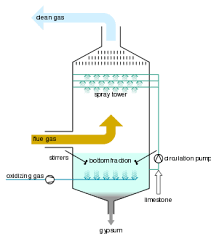
Catalytic converter, electrostatic precipitator, scrubber, Bag house collection of particulate emission, cyclone separator etc.
Encouraging mass transportation.
Electrostatic precipitator
Scrubber
Catalytic converter
Legal approach
After Stockholm conference, 1972 the Government of India under article 253 of the Constitution of India in enacted the Air Act, 1981 for the prevention control and abatement of air pollution.
To empower the central and state pollution control board. Air Amendment Act, 1987( for prevention and control of pollution) was enacted but this was not strong enough to play precautionary role.
After Bhopal disaster of Environment protection Act was passed in 1986 this act has punitive power to restrict any activity that would harm the environment.
To regulate vehicles pollution, the central motor vehicle act of 1939 was amended in 1989.
As per the current requirement all the transport vehicles must carry a fitness certificate which is to be renewed each year after the first two year of new vehicle registration.
National fuel policy announced on October 6, 2003 , a phased program for implementing the emission standards in India by 2010.
Economic approach
Cost consideration of air pollution involves 2 factor:-
Cost of controlling the air pollution
Cost of not controlling the air pollution
Determination of cost of first in straight forward but that of second is difficult and can be subjective to some extent.
Direct air pollution control in India
Fuel wood and Biomass burning
Transport
Control
Using low sulphur coal.
Use Proper air pollution control devices in industry
Individual efforts to control air pollution
Inform to Road Transport office and PCB about the vehicle polluting the environment
Regular engine tune up replacement of old more polluting vehicles
Shifting to less polluting fuels
Using mass transportation
Do not use CFC containing sprays for freshners that deplete the ozone layer.
Planting more trees
Say no to fire crackers in Diwali and other occasions.
Discrimination and inequality are deep rooted in the society. It can be traced back since ancient time, and this is not only on the bases of gender but, even with the skin a person is born, a person who had dark skin tone was declared a disgrace for the society they have to suffer in terms of the occupation, facilities and even to have the basic necessities fulfilled. This was a common behaviour of the society back then where a person who was born with certain skin is titled unacceptable and suffered of cruelty from his own people.
In many countries, even after so many years of independence people do suffer and the concept of discrimination and inequality is very normal for some. Specifically talking about gender-based inequality it is very common in the backward communities and in the modern society it still prevails in the thinking of people who have always accepted this as normal and not trying to change the orthodox mindset. In many cases the mindset which accepts inequality and discrimination is kind of hereditary and they can not accept change which is totally wrong. There are many households where a girl and a boy are treated differently no matter what, it is like rules are fixed but, who fix those rule ‘the society – as per the preference, likes, dislikes and most importantly what they feel is appropriate as per the narrow mindset which has not changed since infinity. It is actually painful and saddening to see a human treating another human this way, it is targeting our own people to support some ancient concepts which are hampering the growth of a society.
If we can not stop this or at least reduce the number of such incidences that are happening worldwide, how can we expect development of a nation. Afterall, we live on the same land, we breath same air, drink same water and when every one will be a part of the development process then only a nation prospers, its people prosper.
The worst part is the person who has to face all this like even from a small age for instance- if in a family there are two kids and both are treated differently then isn’t it harmful for their growth, a child can feel the difference he or she might grow introverted and disturbed mentally. If not this way, then in future, if the system remains the same the same child can experience discrimination and inequality at any other stage of life may be in terms of the opportunity they will get or even salary they will receive for the same work.
This should be learned that a person is not harmful for the society it’s the difference that we create is harmful. It is not solving any purpose but, creating unnecessary hurdles in the path of change and development. Strict laws and rules can control it up to some extend but, not fully. Today, we are still accepting changes and supporting open minded thinking so this discrimination and inequality should also end soon to have a clearer view of bright future.
Hello guys!!Today’s topic is about embroidery of India.
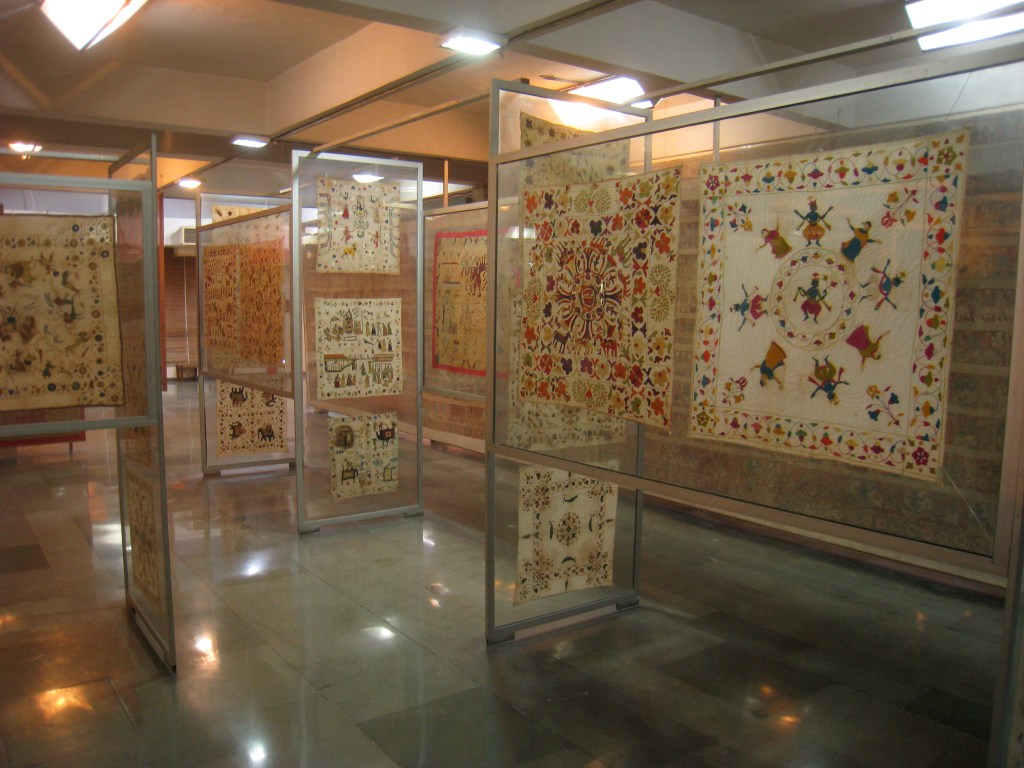
Embroidery is the craft of decorating fabric or other materials using a needle to apply thread or yarn.
In embroidery they use different materials such as pearls, beads, quills, and sequins and stitch them on the fabric enhancing it’s beauty.
From: wikipedia
In India the embroidery designs are formed on the basis of the texture and the design of the fabric and the stitch.
They generally use dot and the alternate dot, the circle, the square, the triangle, and permutations and combinations of these and develop the design .The range of varieties is unlimited and designing to stitching every step is different from each other .
Aari
Banjara embroidery
Banni or Heer Bharat (Gujarat)
Chamba Rumal (Himachal Pradesh)
Chikankari (Uttar Pradesh)
Gota (Jaipur, Rajasthan)
Kamal kadai(Andhra Pradesh)
Kantha (Bengal)
Karchobi – Rajasthan
Kasuti or Kasuthi (Karnataka)
Kathi (Gujarat)
Kaudi(Karnataka)
Khneng(meghalaya)
Kutch or Aribharat
Kutchi bharat/Sindhi stitch (Gujarat)
Kashmiri embroidery
Mukaish Work- (similar to chikankari) -Lucknow
Phool Patti ka Kaam (Uttar Pradesh)
Phulkari (Punjab and Haryana)
Pichwai (Rajasthan)
Pipli (Odisha)
Rabari (Rajasthan and Gujarat)
Shamilami (Manipur)
Shisha or Mirrorwork (Gujarat, Haryana, Rajasthan)
Toda embroidery
Zardozi or Zari or kalabattu
From :wikipedia
There are all different styles developed in different states giving them a tinge. Depicting their own traditions and culture through their work
Each state style gives of an unique mix to the Indian embroidery.
From craftsvilla
Each style is influenced by the fashion and attire they follow ,these styles are developed from their ancestors and Indian embroidery is famous for its simple yet classy look.
Embroidery is an art of fabric they make art pieces from a single piece of cloth and thread .
From:fibre2fashion.com
The trend always changes but the roots must not change , embroidery may changes over years with time but the effort they put into is will always be conveyed to people through their art ,through their embroidery.
Hello guys today’s topic is temari balls.It is a Japanese folk art form .
These balls are from embroidery.
From Wikipedia
But with the addition of a hand-strap (made with either satin cord or ribbon) and a tassel, can serve as an accessory for a kimono; a kimono bag.
Kimono is a Japanese traditional dress they were them especially for festivals.
Temari balls were made by reusing the old kimonos in ancient times but as in present times traditional temari became an art, with the functional stitching becoming more decorative and detailed, until the balls displayed intricate and detailed embroidery.
There are three “standard divisions” which are recognised:
simple division
8-combination division
10-combination division
In olden times japanes upper aristocracy and nobles used to compete for making beautiful temari balls.
From:japanobjects.com
These balls are not only environmental friendly but they are also safe for children
India is the land of beautiful places. There are many beautiful places to visit in India, it will give you the most amazing experience. So, in this blog I am going to tell you some famous tourist places to visit in India.
TAJ MAHAL
Taj Mahal is the best tourist spot in India. It is one of the seven wonders of the world. It is located in Agra, Uttar pradesh. Taj Mahal is named after Mumtaz Mahal, the wife of emporer Shah Jahan. The construction of Taj Mahal was started on 1631 and was completed on 1648. It was built with the help of 20,000 workers. Taj mahal was built in the memory of Mumtaz Begum. People from all over the world come to visit it. According to a survey more than 15 million of people visit Taj Mahal every year. The address of this place is 64 taj road, Agra-282001.
2. INDIA GATE
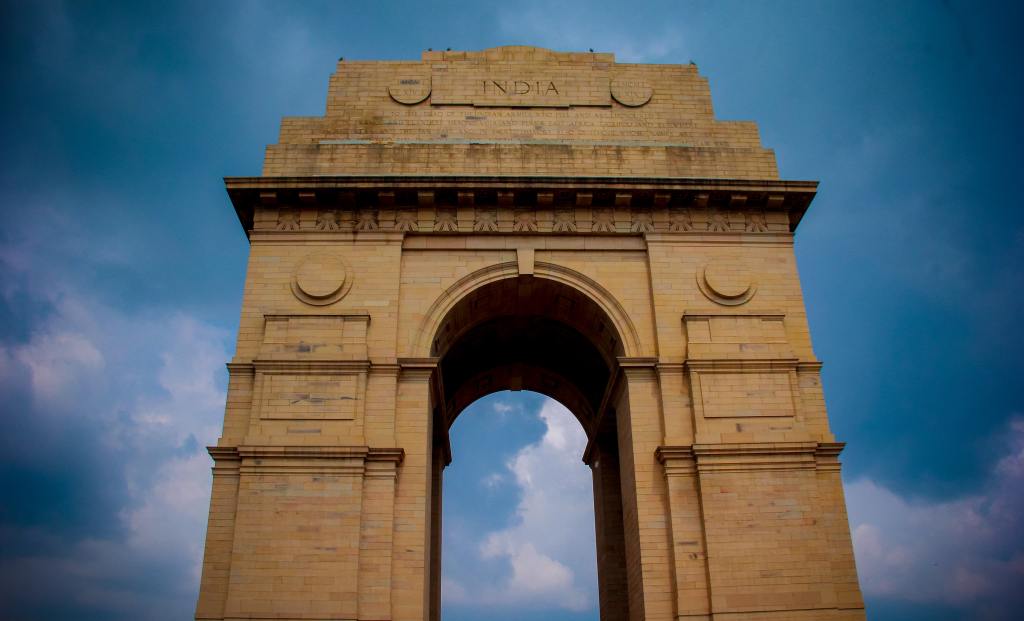
India gate, formally known as All India War Memorial is a war memorial located in Delhi. It is a memorial to 70,000 British Indian soldiers who died between the following years 1914 to 1921 in France, Persia, East Africa, Flanders, etc. It is one of the most famous places in India. The monument is about 42 metres high. The specialty of this place is, about 13,300 servicemen’s names are inscribed on this gate. Every years lakhs of people come to visit it. It was established on February 10th, 1921 and it is designed by a famous architect Edwin Lutyens, an Englishmen who designed numerous monuments other than it. The address of this place is Rajpath, New Delhi, Delhi 110001.
3. LOTUS TEMPLE
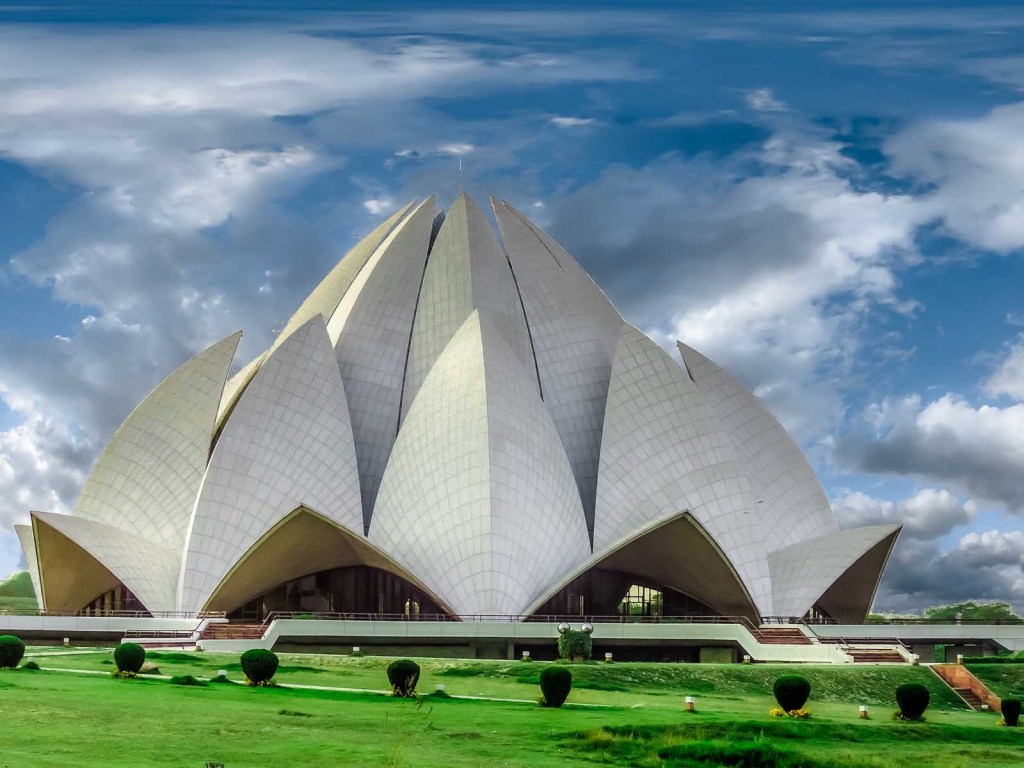
Lotus Temple is a Baha i House of Worship located at New Delhi. It the most beautiful and attract monument place in India. It was established on 1986 and it was designed by Iranian architect Fariborz Sahba. The lotus temple name derived from its design, as it looks like a lotus. It is also one of the famous place in India. The address of this place is Bahapur, Kalkaji, New Delhi.
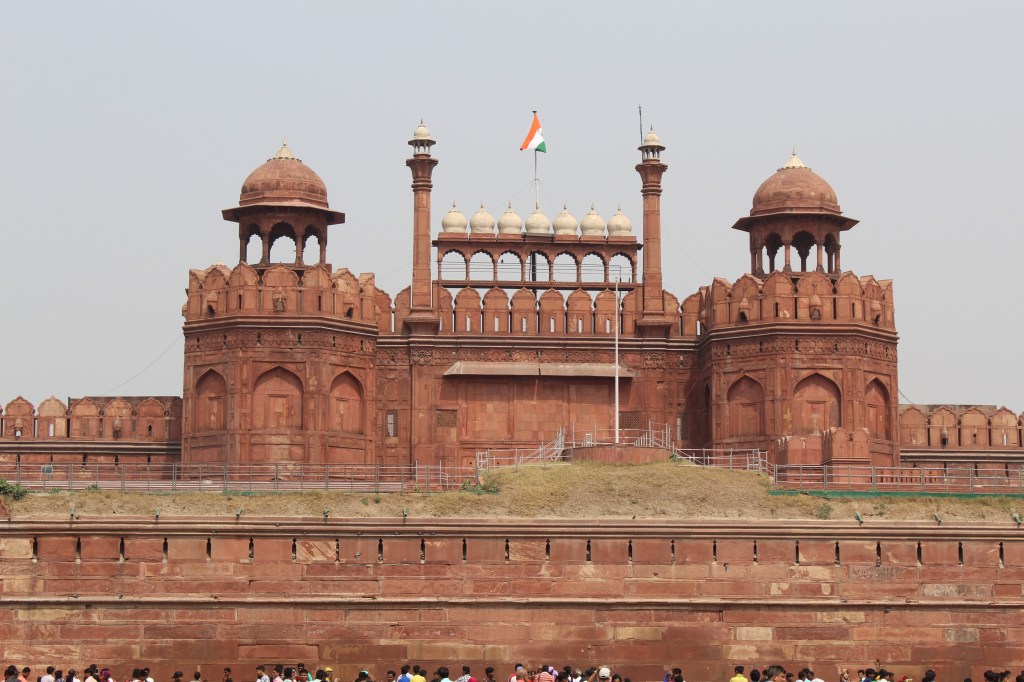
4. RED FORT
Red fort(also known as Lal Qalʿah) is a historical fort located in New Delhi, It is the main residence of Mughal Emperors. It is designed by Ustad Ahmad Lahori, who also built Taj Mahal. It was built by red sand stone and it is 75 metre high. Emperor Shah Jahan commissioned the construction of red fort on 12th May 1638, when he decided to shift his capital from Agra to Delhi. Every year on 15th August, the prime minister of India hoists Indian tricolor flag at main gate. Every year many people come to visit this place. The address of this place is Netaji Subhash Marg, New Delhi.
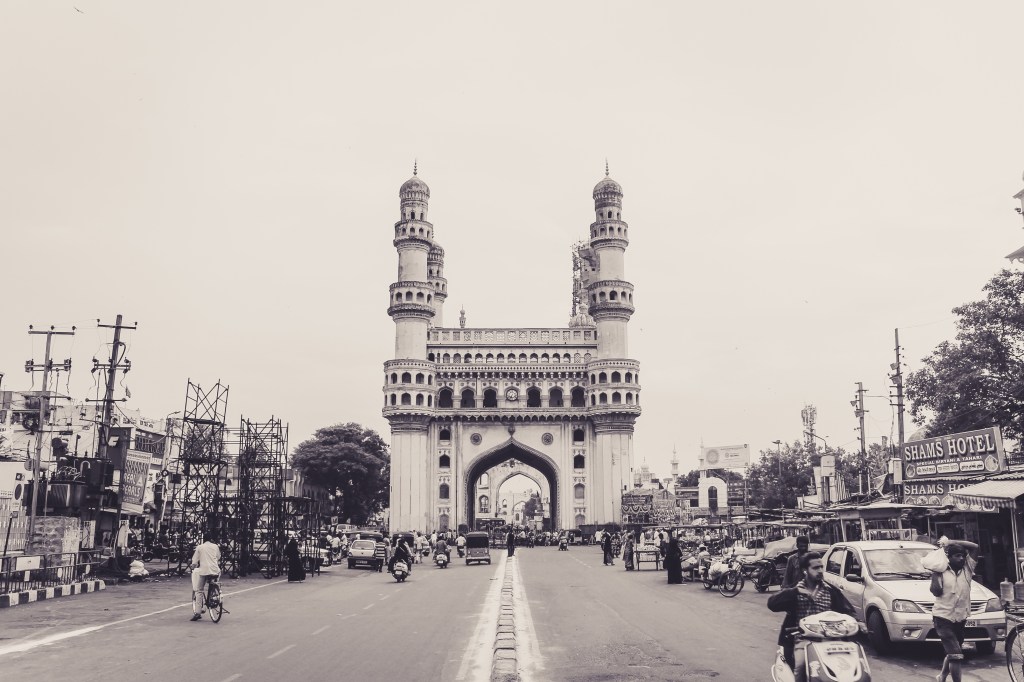
5. CHARMINAR
Charminar is a monument and a mosque located at Hyderabad, Telangana. It is one of the tourist attraction in Hyderabad. It was built by Mohammed Quli Qutab Shah who is the fifth ruler of Qubt Shahi Dynasty, in 1591 to commemorate the end of the plague in the city. The monument is 56 metre high. Approximately 1.7 million of people visit Charminar every year. The address of this place is Char kaman, Hyderabad.
We don’t need occasion to celebrate heroes and Bhagat Singh is one of the greatest hero India has ever seen. He was born in 1907 in the family of freedom fighters . His almost all the family members were active in politics. From his grandfather Arjun Singh to his uncles Ajit Singh and Swaran Singh, all had served the country once in their lifetime. Thus, the spirit of freedom was embedded in his heart from very childhood.
Bhagat Singh was not a great supporter of non violence , yet, he was also not a firm believer of violence. He took the path of violence out of helplessness and to protect his homeland. Just as the former Prime Minister Pandit Jawaharlal Nehru wrote about him ,”Bhagat Singh did not become popular because of his act of terrorism but because he seemed to vindicate for the moment, the honour of Lala Lajpat Rai, and through him of the nation , he became a symbol ; his act was forgotten , the symbol remained , and within a few months each town and village of the Punjab and to lesser extent in the rest of Northern India, resounded with his name .”
Bhagat Singh at the age of 12 went to Jallianwala Bagh hours after thousands of unarmed people gathered at the public meeting and had been killed. At the age of 14 he was amongst the villagers who welcomed protesters against the killing of a large number of unarmed people at Gurudwara Nankana Singh on 20 February 1921. He stated the act of bravery from the very young age but his real struggle of freedom began when he joined Young Revolutionary Movement.
He joined National College in Lahore in 1923. In 1926 he founded Indian Socialist Youth Organization ” Naujawan Bharat Sabha”. He also joined the Hindustan Republic Association in 1924.
He was so devoted to the freedom that he ran away from his home when his father arranged his marriage. He wrote in a letter — “My life has been dedicated to the noblest cause, that of the freedom of the country. Therefore , there is no rest or worldly desire that can lure me now”.
In December 1928 Bhagat Singh along with his companion Shivaram Rajguru, shot British officer, John Saunders . They had mistaken Saunders for James Scott, whom they had originally planned to assassinate. They were agitated due to the death of Lala Lajpat Rai and believed that James Scott was responsible for it. They fled away from the crime scene and were not caught for many months
In April 1929 Bhagat Singh and Batukeshwar Dutt was arrested for bombing Central Legislative Assembly in Delhi. It was during this trial that Saunders’ case reopened.The police found some evidence regarding Saunders and thus Bhagat Singh was convicted and hanged in March 1931, at the mere age of 23 ( Many that believes that Bhagat Singh was not given a fair trial, thus, it is suggested to read “The Trial of Bhagt Singh” by AG Noorani, as it gives the detailed account of the case)
The life of Bhagat Singh inspires many till now. He fought for what was right. He became famous not for his violent act but for his strong opinion regarding justice and freedom. He was brave and courageous man who prioritised freedom above anything else.
In Tibetan Buddhism, a ‘Lama’ is a spiritual teacher and ritual expert who fulfils many types of roles for his community, and ‘Dalai’ generally refers to big or mighty. So, the Dalai Lama is a title conferred to the spiritual and political leaders of the Tibetan People. The Dalai Lamas are believed by Tibetan Buddhists to be manifestations of Avalokiteshvara or Chenrezig, the Bodhisattva of compassion and the patron saints of Tibet. Bodhisattvas are realized beings, inspired by the wish to attain complete enlightenment, and who have vowed to be reborn in the world to help all living beings. Throughout much of history, the Dalai Lamas were just as much political leaders as they were spiritual leaders. Tibetan Buddhists believe that the Dalai Lama reincarnates as a child when he dies, and thereby establish a line of successors based on who they identify as the reincarnations of the previous Dalai Lama.
The Current Dalai Lama
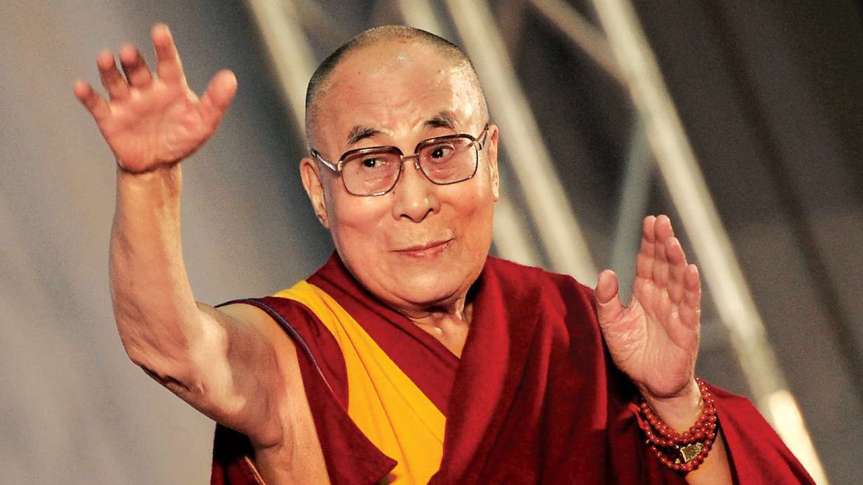
Tenzin Gyatso is the 14th and current Dalai Lama of Tibetan Buddhism. He was born on July 6, 1935, to a farming family located in Taktser, Amdo, north-eastern Tibet. He was recognized as the incarnation of the 13th Dalai Lama in 1937, and was thereafter enthroned as the 14th Dalai Lama in 1940. After China’s invasion of Tibet in 1950, His Holiness was vested with full political powers as head of state in Tibet. Using his political power, In 1954 he went to Beijing and met with Mao Zedong and other Chinese leaders to negotiate over China’s invasion of Tibet. Eventually, in 1959, following the brutal suppression of the Tibetan national uprising in Lhasa by Chinese troops, His Holiness was forced to escape into exile for fear of being kidnapped by the Chinese government. Since then, he has been living in Dharamshala, northern India.
The Dalai Lama set up a government-in-exile in Dharamshala, in the Himalayan Mountains. In 1989 he was awarded the Nobel Peace Prize for his non-violent struggle for the liberation of Tibet. He has consistently advocated policies of non-violence, even in the face of extreme aggression. He also became the first Nobel Laureate to be recognized for his concern for global environmental problems. Despite his past as a political leader, in 2011 he gave up his political powers and focused more on religious and ethical teaching.
The succession of the current Dalai Lama is under threat, due to his history of anti-Chinese resistance in Tibet, and the Chinese government has long worked to undermine the Dalai Lama’s authority. They have banned displaying a photo of the Dalai Lama and have launched re-education campaigns that force Tibetan dissenters to disown the Dalai Lama and embrace Chinese authority. In the first decade of the 21st century, the Dalai Lama suggested that his successor could be appointed by him rather than selected as his reincarnation, but this idea was rejected by the Chinese government. The Chinese government declared that the tradition of appointing a new Dalai Lama had to be upheld, as the title of ‘Dalai Lama’ itself is granted by China’s central government. Since 2011, after he stepped down as head of the Tibetan government-in-exile, he has written a number of books on Tibetan Buddhism and an autobiography.
The Future
The current Dalai Lama has gone on record to say that he may be the last Dalai Lama. He stated that the Dalai Lama institution will cease one day, and that there is no guarantee that some incompetent Dalai Lama won’t come next, who will disgrace himself or herself. So, it is much better that a centuries-old tradition should cease to exist at the time of a quite popular Dalai Lama.
Even if the institution continues, the Dalai Lama has stated that no recognition or acceptance should be given to a candidate chosen for political ends by anyone, including those in the People’s Republic of China. In other worlds, the Dalai Lama cannot be chosen as political puppet by anyone, especially China who would benefit from having a candidate that is submissive to their interest. Therefore, on 24 September 2011, clear guidelines for the recognition of the next Dalai Lama were published, leaving no room for doubt or deception.
As of today, the Dalai Lama has still not made his intentions clear, but has said that he will consult leading Lamas of Tibet’s Buddhist traditions, the Tibetan public, and other concerned people with an interest in Tibetan Buddhism to assess whether the institution of the Dalai Lama should continue after him. However, the Chinese government probably has their own plans too. This is an example of politics and religion being intertwined. As a historically political figure, the reincarnation of the Dalai Lama is not just a matter of theology and doctrine, it also has major implications on the future of the Tibetan people and the future of religious freedom rights in China.
Ecotourism is now described as “responsible travel to natural regions that conserves the environment, supports local people’s well-being, and includes interpretation and education” (TIES, 2015).
Both staff and visitors are expected to participate in education.
Ecotourism has been hailed as a panacea around the world: a way to fund conservation and scientific research, benefit rural communities, promote development in poor countries, improve ecological and cultural sensitivity, instill environmental awareness and social conscience in the travel industry, satisfy and educate discriminating tourists, and some claim and bring world peace
Ecotourism is a type of tourism that aims to have a low environmental impact, is environmentally friendly, and avoids the negative consequences of many large-scale tourism projects in previously undeveloped areas.
History of eco-tourism
Although the origins of the term “ecotourism” are unknown, Heizer (1965) appears to be one of the first to use it, identifying four “pillars” or principles of responsible tourism: minimizing environmental impacts, respecting host cultures, maximizing local benefits, and maximizing tourist satisfaction.
In the 1970s and 1980s, ecotourism grew out of the environmental movement’s womb. Growing environmental concerns, along with a growing discontent with mass tourism, resulted in a surge in demand for alternative outdoor experiences.
At the same time, developing countries came to recognize that nature-based tourism may be a source of foreign cash while also being a less resource-intensive alternative to forestry and agriculture.
Many Definitions of Eco-Tourism
Ecotourism, according to Ceballos-Lascurain, is “travelling to relatively undisturbed or uncontaminated natural areas with the specific goal of studying, admiring, and enjoying the scenery and its wild plants and animals, as well as any existing cultural manifestation (both past and present) found in these areas.”
Ecotourism is defined as “responsible travel to natural regions that conserves the environment and improves the well-being of local people,” according to the Ecotourism Society.
“Ecotourism is nature-based tourism that combines teaching and interpretation of the natural environment and is managed to be environmentally sustainable,” according to the Ecotourism Association of Australia.
This definition emphasises that the word “natural environment” encompasses cultural elements, and that “ecologically sustainable” refers to a fair return to the local people as well as long-term resource conservation.
Ecotourism, according to Tickell, is “travel to appreciate the world’s wonderful diversity of natural life and human culture without harming either.”
Ecotourism is a type of environmentally friendly tourism that promotes environmental and cultural awareness, appreciation, and conservation.
We defined mass tourism as a more traditional kind of tourism development in which short-term, free-market principles predominate and profit maximization is the primary goal. Tourism development was once thought to be a desirable and generally “clean” business for nations and regions to pursue.
This was especially true in terms of gains in foreign exchange profits, job creation, and infrastructure development, such as transportation networks.
We are more prone these days to demonize or portray traditional mass tourism as a beast; a creature with few redeeming features for the destination place, its people, and its natural resource base.
This isn’t to say that “mass tourism” hasn’t generated issues; it has. There has been a legitimate need to establish an alternative way to tourism growth that mitigates the harmful effects of mass tourism.
As a result, the concept of “alternative tourism” has gained popularity. This alternate strategy has been referred to as a “competing paradigm” to mass tourism, but it may also be seen as a complimentary approach. That is, there is no such thing as “alternative tourism.”
As a result, the dispute devolves into a semantic one. It may be best to recognize that alternative tourism is a natural result of a growing awareness of tourist development and its strengths and weaknesses.
Alternative tourism is a broad phrase that refers to a variety of tourist tactics (e.g., suitable, eco, soft, responsible, people to people, and green tourism), all of which claim to provide a more environmentally friendly alternative to traditional mass tourism in specific areas.
However, as Weaver correctly points out, alternative tourism is not without its detractors. It is apparent that just because alternative tourism arose in response to mass tourism’s negative repercussions does not mean it is less destructive or better than its alternatives.
Nature of Ecotourism
Between 2008 and 2017, tourism is predicted to rise at a rate of 4.3 percent per year in real terms. Ecotourism, often known as nature-based tourism, is the fastest-growing segment of the tourism business, increasing three times faster than the overall industry.
There can be little doubt that rising environmental concerns, along with the historically common habit of travel as a means of escape to nature, are encouraging people to seek solitude with nature, resulting in an increase in the number of visitors to national parks and other protected places.
Nature-based tourism encompasses a variety of aspects. Although not all forms of travel to natural places are necessarily ecotourism, this is an important step in distinguishing nature-based tourism from ecotourism and provides us with a number of levels at which to differentiate the link between certain tourism activities and nature:
Those activities or experiences that rely on the natural world. Those activities or experiences that are made better by the presence of nature. Those activities or experiences that happen to take place in a natural context. Nature-based tourism is divided into numerous categories, each of which employs a combination of these dimensions.
Camping, too, is an activity/experience that is frequently enhanced by nature. Most people would rather camp in a natural area than along the side of a busy highway.
As a result, while nature is an important aspect of these experiences, it is not the driving force behind them.
Guru Purnima symbolizes offering gratitude towards Gurus; it is celebrated on the day of full moon of Ashada. The teacher not only guides a student but also shapes his life by instilling true knowledge and by giving him direction. As full moon holds an attraction and magnetism that uplifts mind, similarly gurus have that aura which makes the disciple to acknowledge the true sign and inner light. Widely celebrated by the Hindus, Sikhs and Buddhist communities all over the world.
Image : Rkalert
A true guru spread the light of knowledge and wisdom to his disciples. Like the shine of silvery moon gives joy to everyone, a guru is also like that; he blesses the entire world with auspiciousness.
A guru is one who guides us through the knowledge of eternal self. A disciple should be ready to take the knowledge, keen to learn, should have faith, reverence and devotion to guru every moment.
Beside that a true guru reside all of us, the need is to look into self. So, why do we need an external guru? For example, children who want to become a researcher have to study for years under the supervision of expert educators. If we desire for knowledge, we must need an expert masters.
Image: Bee bulletin
Like a dark room can be lit only when somebody enters with a light or candle, the disciple also needs a guru to realize its true self. A guru can remove darkness with the light of wisdom; the inner lamp needs to be lit with the guidance of a Guru. There is a mirror within us but due to the hustle bustle of life, we are unable to visualize our inner guru. The mirror can be cleaned when you realize the true self and open to take the light within to remove the darkness of ignorance.
We all need a true guru who can show us the way through the journey of our life.
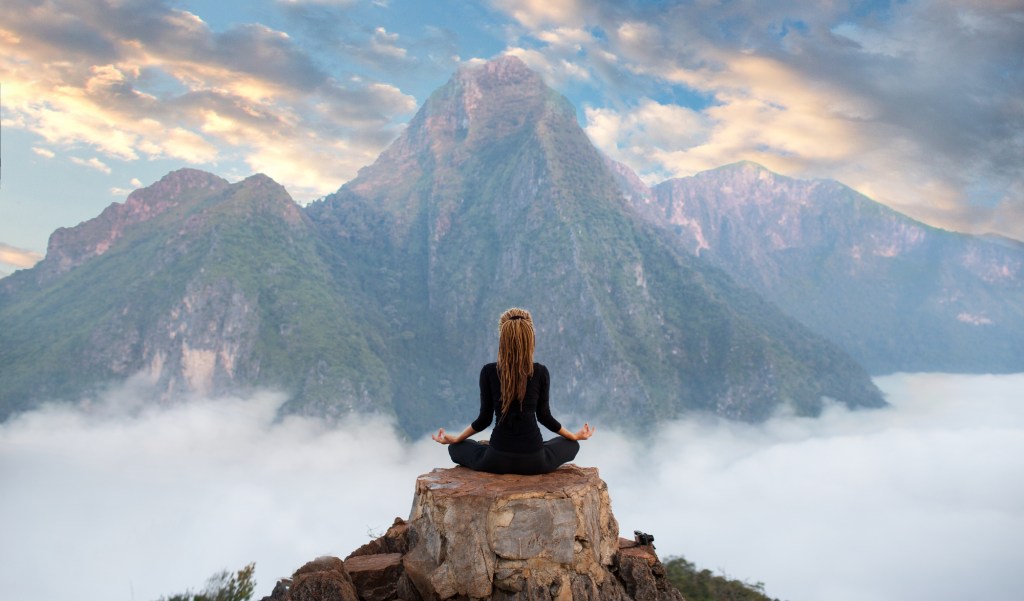
Yoga is basically a spiritual discipline which is based on an extremely subtle science that concentrates on bringing harmony between mind and body. It is a science and an art of healthy and sound living. The word ‘Yoga’ is derived from the Sanskrit word ‘Yuj’, signifying ‘to join’ or ‘to combine’ or ‘to unite’. Both Yoga and Ayurveda are historically closely related and have developed in tandem with each other since ancient times. According to Yogic sacred writings the act of Yoga prompts the union of individual consciousness with that of the Universal Consciousness, showing an ideal congruity between the mind and body, Man and Nature. Yoga is believed to balance the three doshas i.e Vata , Pitta & kapha. As indicated by modern scientists, everything in the universe is only an appearance of a similar quantum atmosphere. One who experiences this oneness of existence is said to be in yoga, and is named as a yogi, having achieved a state of freedom alluded to as Mukti, Nirvana or Moksha. Therefore, the prime objective of Yoga is Self-realization, to overcome all types of sufferings prompting ‘the state of salvation’ (Moksha) or ‘freedom’ (Kaivalya). Living with freedom in all aspects of life, health and harmony is the primary focus of yoga practice. “Yoga” likewise alludes to an inward science including an assortment of strategies through which people can understand this union and accomplish authority over their destiny.Yoga, being generally considered as an ‘Immortal cultural outcome’ of Indus Saraswati Valley civilization – going back to 2700 B.C., has substantiated itself taking into account both material and spiritual upliftment of humanity.Basic humane values are the very Identity of Yoga Sadhana.
20 ways yoga Improves health:
1. Builds muscle strength – Strong muscles do more than look good. They also protect us from conditions like arthritis and back pain, and help prevent falls in elderly people. And when you build strength through yoga, you balance it with flexibility. If you just went to the gym and lifted weights, you might build strength at the expense of flexibility.
2. Improves your flexibility – Improved flexibility is one of the first and most obvious benefits of yoga. During your first class, you probably won’t be able to touch your toes, never mind do a backbend. But if you stick with it, you’ll notice a gradual loosening, and eventually, seemingly impossible poses will become possible. You’ll also probably notice that aches and pains start to disappear. That’s no coincidence. Tight hips can strain the knee joint due to improper alignment of the thigh and shinbones. Tight hamstrings can lead to a flattening of the lumbar spine, which can cause back pain. And inflexibility in muscles and connective tissue, such as fascia and ligaments, can cause poor posture.
3. Perfects your posture – Your head is like a bowling ball—big, round, and heavy. When it’s balanced directly over an erect spine, it takes much less work for your neck and back muscles to support it. Move it several inches forward, however, and you start to strain those muscles. Hold up that forward-leaning bowling ball for eight or 12 hours a day and it’s no wonder you’re tired. And fatigue might not be your only problem. Poor posture can cause back, neck, and other muscle and joint problems. As you slump, your body may compensate by flattening the normal inward curves in your neck and lower back. This can cause pain and degenerative arthritis of the spine.
4. Prevents cartilage and joint breakdown – Each time you practice yoga, you take your joints through their full range of motion. This can help prevent degenerative arthritis or mitigate disability by “squeezing and soaking” areas of cartilage that normally aren’t used. Joint cartilage is like a sponge; it receives fresh nutrients only when its fluid is squeezed out and a new supply can be soaked up. Without proper sustenance, neglected areas of cartilage can eventually wear out, exposing the underlying bone like worn-out brake pads.
5. Protects your spine – Spinal disks—the shock absorbers between the vertebrae that can herniate and compress nerves—crave movement. That’s the only way they get their nutrients. If you’ve got a well-balanced asana practice with plenty of backbends, forward bends, and twists, you’ll help keep your disks supple. Long term flexibility is a known benefit of yoga, but one that remains especially relevant for spinal health.
6. Betters your bone health – It’s well documented that weight-bearing exercise strengthens bones and helps ward off osteoporosis. Many postures in yoga require that you lift your own weight. And some, like Downward- and Upward-Facing Dog, help strengthen the arm bones, which are particularly vulnerable to osteoporotic fractures. In an unpublished study conducted at California State University, Los Angeles, yoga practice increased bone density in the vertebrae. Yoga’s ability to lower levels of the stress hormone cortisol may help keep calcium in the bones.
7. Increases your blood flow – Yoga gets your blood flowing. More specifically, the relaxation exercises you learn in yoga can help your circulation, especially in your hands and feet. Yoga also gets more oxygen to your cells, which function better as a result. Twisting poses are thought to wring out venous blood from internal organs and allow oxygenated blood to flow in once the twist is released. Inverted poses, such as Headstand, Handstand, and Shoulderstand, encourage venous blood from the legs and pelvis to flow back to the heart, where it can be pumped to the lungs to be freshly oxygenated. This can help if you have swelling in your legs from heart or kidney problems. Yoga also boosts levels of hemoglobin and red blood cells, which carry oxygen to the tissues. And it thins the blood by making platelets less sticky and by cutting the level of clot-promoting proteins in the blood. This can lead to a decrease in heart attacks and strokes since blood clots are often the cause of these killers.
8. Drains your lymphs and boosts immunity – When you contract and stretch muscles, move organs around, and come in and out of yoga postures, you increase the drainage of lymph (a viscous fluid rich in immune cells). This helps the lymphatic system fight infection, destroy cancerous cells, and dispose of the toxic waste products of cellular functioning.
9. Ups your heart rate – When you regularly get your heart rate into the aerobic range, you lower your risk of heart attack and can relieve depression. While not all yoga is aerobic, if you do it vigorously or take flow or Ashtanga classes, it can boost your heart rate into the aerobic range. But even yoga exercises that don’t get your heart rate up that high can improve cardiovascular conditioning. Studies have found that yoga practice lowers the resting heart rate, increases endurance, and can improve your maximum uptake of oxygen during exercise—all reflections of improved aerobic conditioning. One study found that subjects who were taught only pranayama could do more exercise with less oxygen.
10. Drops your blood pressure – If you’ve got high blood pressure, you might benefit from yoga. Two studies of people with hypertension, published in the British medical journal The Lancet, compared the effects of Savasana (Corpse Pose) with simply lying on a couch. After three months, Savasana was associated with a 26-point drop in systolic blood pressure (the top number) and a 15-point drop in diastolic blood pressure (the bottom number—and the higher the initial blood pressure, the bigger the drop.
11. Regulates your adrenal glands – Yoga lowers cortisol levels. If that doesn’t sound like much, consider this. Normally, the adrenal glands secrete cortisol in response to an acute crisis, which temporarily boosts immune function. If your cortisol levels stay high even after the crisis, they can compromise the immune system. Temporary boosts of cortisol help with long-term memory, but chronically high levels undermine memory and may lead to permanent changes in the brain. Additionally, excessive cortisol has been linked with major depression, osteoporosis (it extracts calcium and other minerals from bones and interferes with the laying down of new bone), high blood pressure, and insulin resistance. In rats, high cortisol levels lead to what researchers call “food-seeking behavior” (the kind that drives you to eat when you’re upset, angry, or stressed). The body takes those extra calories and distributes them as fat in the abdomen, contributing to weight gain and the risk of diabetes and heart attack.
12. Makes you happier – Feeling sad? Sit in Lotus. Better yet, rise up into a backbend or soar royally into King Dancer Pose. While it’s not as simple as that, one study found that a consistent yoga practice improved depression and led to a significant increase in serotonin levels and a decrease in the levels of monoamine oxidase (an enzyme that breaks down neurotransmitters) and cortisol. At the University of Wisconsin, Richard Davidson, Ph.D., found that the left prefrontal cortex showed heightened activity in meditators, a finding that has been correlated with greater levels of happiness and better immune function. More dramatic left-sided activation was found in dedicated, long-term practitioners.
13. Founds a healthy lifestyle – Move more, eat less—that’s the adage of many a dieter. Yoga can help on both fronts. A regular practice gets you moving and burns calories and the spiritual and emotional dimensions of your practice may encourage you to address any eating and weight problems on a deeper level. Yoga may also inspire you to become a more conscious eater. One of the benefits of yoga is how the practices resonate through other areas of your life.
14. Lowers blood sugar – Yoga lowers blood sugar and LDL (“bad”) cholesterol and boosts HDL (“good”) cholesterol. In people with diabetes, yogahas been found to lower blood sugar in several ways: by lowering cortisol and adrenaline levels, encouraging weight loss, and improving sensitivity to the effects of insulin. Get your blood sugar levels down, and you decrease your risk of diabetic complications such as heart attack, kidney failure, and blindness.
15. Helps you focus – An important component of yoga is focusing on the present. Studies have found that regular yoga practice improves coordination, reaction time, memory, and even IQ scores. People who practice Transcendental Meditation demonstrate the ability to solve problems and acquire and recall information better—probably because they’re less distracted by their thoughts, which can play over and over like an endless tape loop.
16. Relaxes your system – Yoga encourages you to relax, slow your breath, and focus on the present, shifting the balance from the sympathetic nervous system (or the fight-or-flight response) to the parasympathetic nervous system. The latter is calming and restorative; it lowers breathing and heart rates, decreases blood pressure, and increases blood flow to the intestines and reproductive organs—comprising what Herbert Benson, M.D., calls the relaxation response.
17. Improves your balance – Regularly practicing yoga increases proprioception (the ability to feel what your body is doing and where it is in space) and improves balance. People with bad posture or dysfunctional movement patterns usually have poor proprioception, which has been linked to knee problems and back pain. Better balance could mean fewer falls. For the elderly, this translates into more independence and delayed admission to a nursing home or never entering one at all. For the rest of us, postures like Tree Pose can make us feel less wobbly on and off the mat.
18. Maintains your nervous system – Some advanced yogis can control their bodies in extraordinary ways, many of which are mediated by the nervous system. Scientists have monitored yogis who could induce unusual heart rhythms, generate specific brain-wave patterns, and, using a meditation technique, raise the temperature of their hands by 15 degrees Fahrenheit. If they can use yoga to do that, perhaps you could learn to improve blood flow to your pelvis if you’re trying to get pregnant or induce relaxation when you’re having trouble falling asleep.
19. Releases tension in your limbs – Do you ever notice yourself holding the telephone or a steering wheel with a death grip or scrunching your face when staring at a computer screen? These unconscious habits can lead to chronic tension, muscle fatigue, and soreness in the wrists, arms, shoulders, neck, and face, which can increase stress and worsen your mood. As you practice yoga, you begin to notice where you hold tension: It might be in your tongue, your eyes, or the muscles of your face and neck. If you simply tune in, you may be able to release some tension in the tongue and eyes. With bigger muscles like the quadriceps, trapezius, and buttocks, it may take years of practice to learn how to relax them.
20. Helps you sleep deeper – Stimulation is good, but too much of it taxes the nervous system. Yoga can provide relief from the hustle and bustle of modern life. Restorative asana, yoga nidra (a form of guided relaxation), Savasana, pranayama, and meditation encourage pratyahara, a turning inward of the senses, which provides downtime for the nervous system. Another by-product of a regular yoga practice, studies suggest, is better sleep—which means you’ll be less tired and stressed and less likely to have accidents. Sleep is one of the key benefits of yoga that nearly every practitioner can experience no matter what their skill level.
When it comes to tourism, India always founded as an attractive place to visit. From different types of people to different types of culture and traditions, the country has everything that one is looking for. But why India? Because it costs very cheap and very little amount of money to travel the most beautiful places around the region. The Country has the most beautiful beaches, Mountains, deserts, Forests, Rivers and the old historical temples that one should visit.
Here are the TOP 6 tourist places in India that a traveler Should Visit.
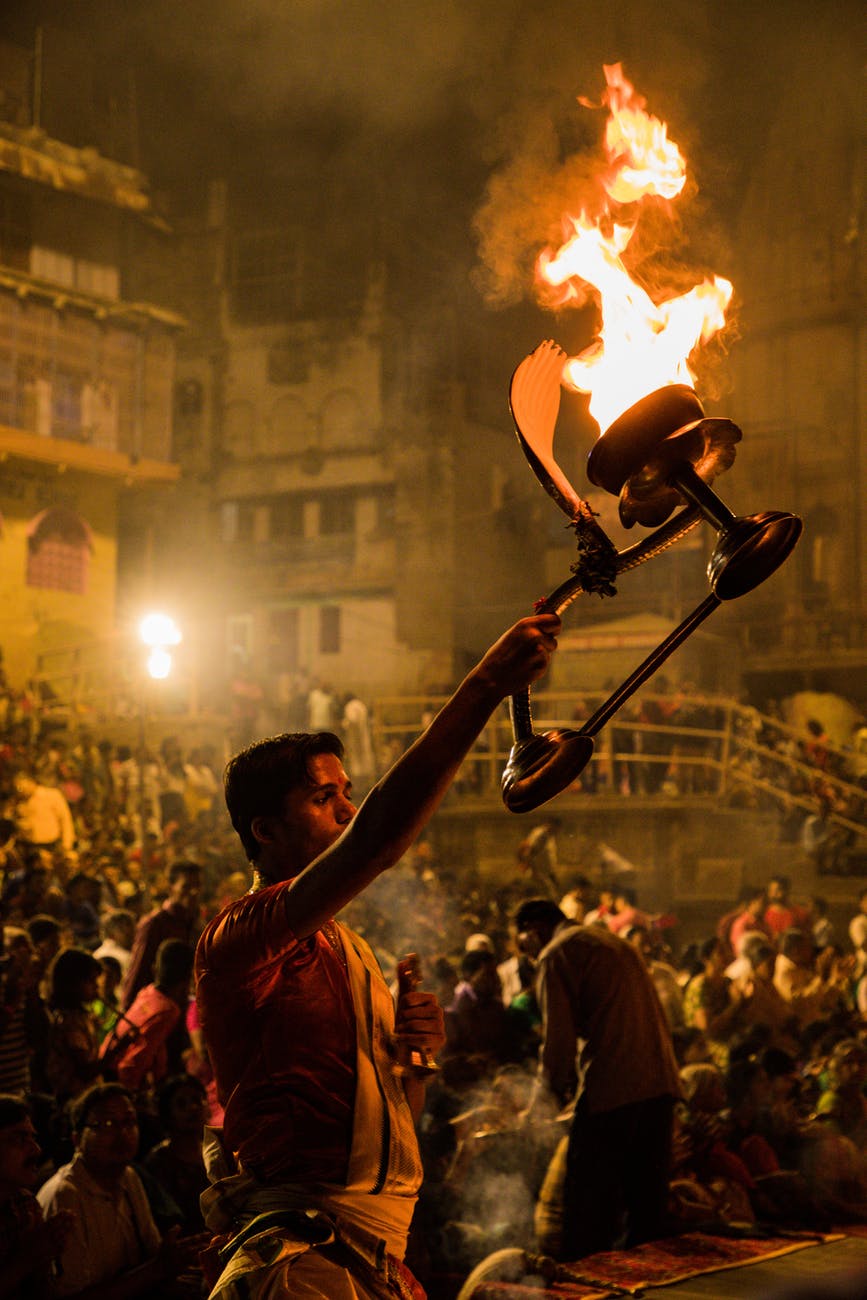
If one wants to travel every corner of the country, then they should start with this place and set it up at the of the priority list. Visiting the place where you can smell the Hindu culture everywhere. One should see the night near the river Ganga, where Hundreds and thousands of people come together and performs rituals and prayers. It is one of the most famous place in all over India. Starting a journey with the blessing of God is a best way to start. You can try a number of different food style around the street of Varanasi.
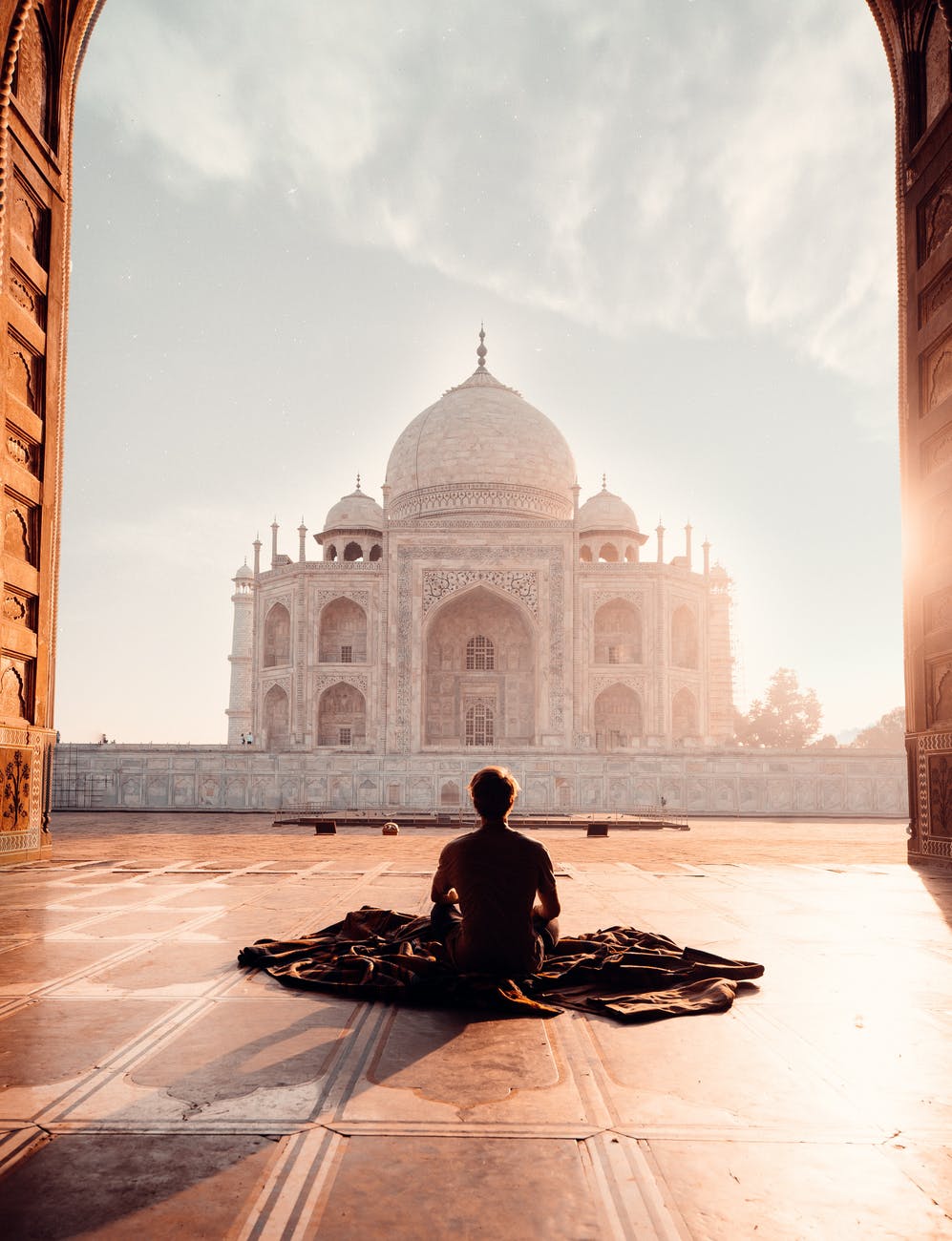
Taj Mahal is one of the examples of the most beautiful Monuments that one could ever visit. Taj Mahal is a wonder out of total 7 In the world. It was built around 1648 and was started in 1631 after the death of Mumtaj Mahal, the wife of Shah Jahan. It has a beautiful story of love and most famous in the world. It was decorated with diamonds, mother of pearls, Jade and was constructed with white marble.
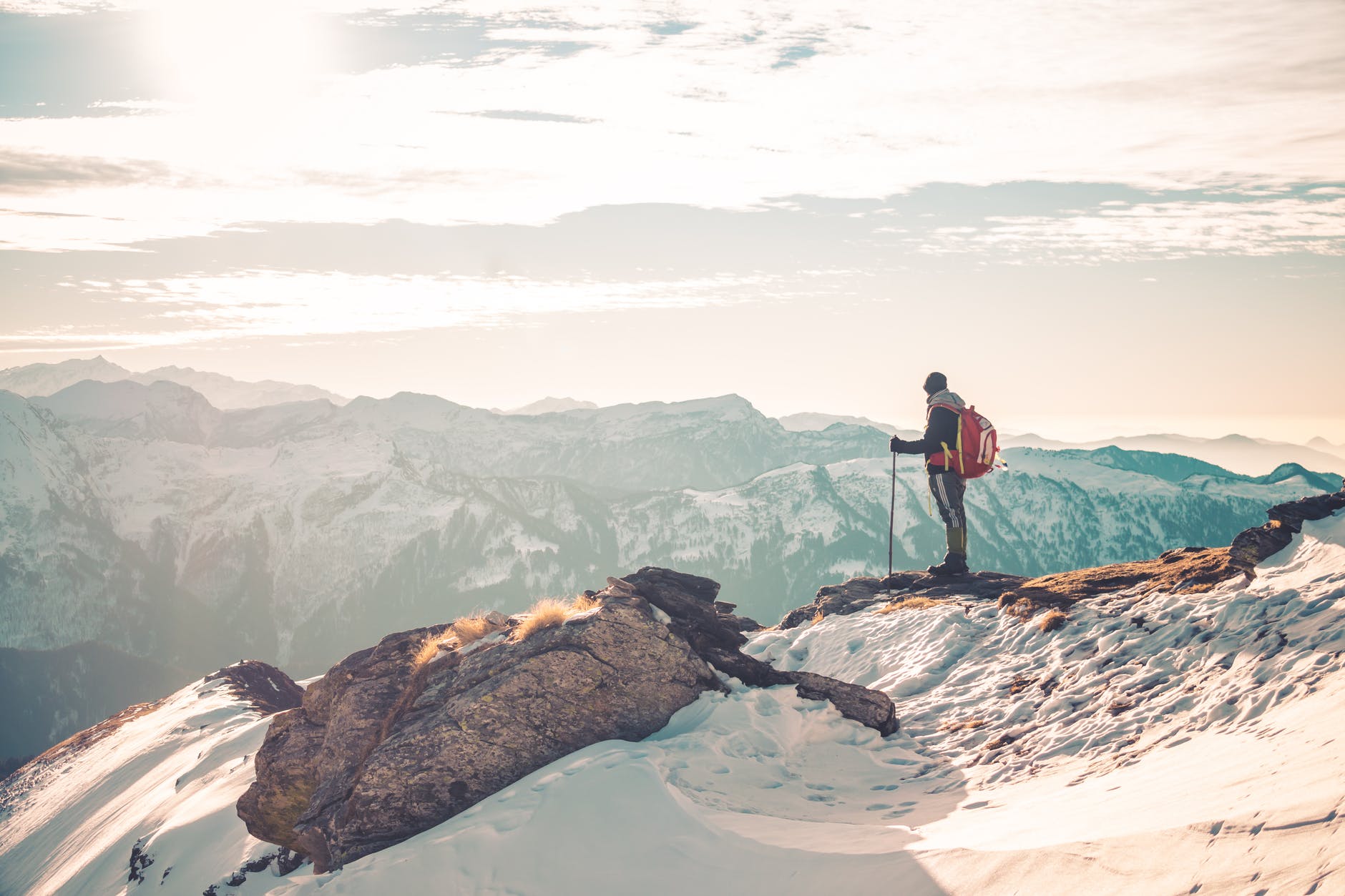
Feel the cold wind at the top of the hill around the Himalayas, a relaxation to your eyes while watching the beauty of nature. One of the finest pieces of nature that one could ever see in Shimla. The place costs quite less than the others. There’s a town hall at the center of the town and number of hill stations around the place. If one loves to visit the nature, then this place needs to be visited.
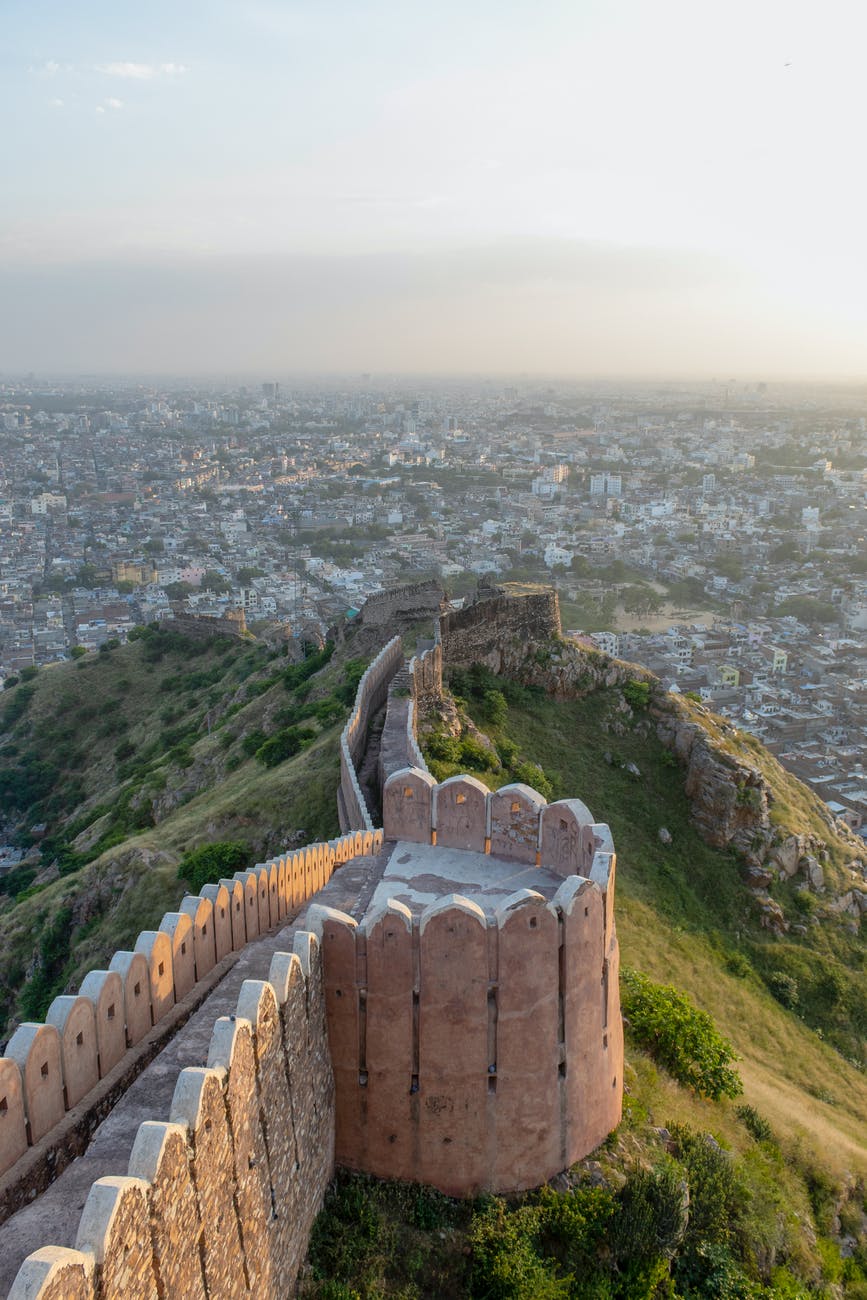
One could experience the old rich culture in this place. From the old tradition of shopping to Visiting the finest pieces of architecture, this place brings everything you need. Jaipur is the capital city of Rajasthan State and also known as “Pink City”. There are most famous places around the city which needed to be visited and they are, Hawa Mahal, Jantar Mantar, Amber Fort, and City Palace.
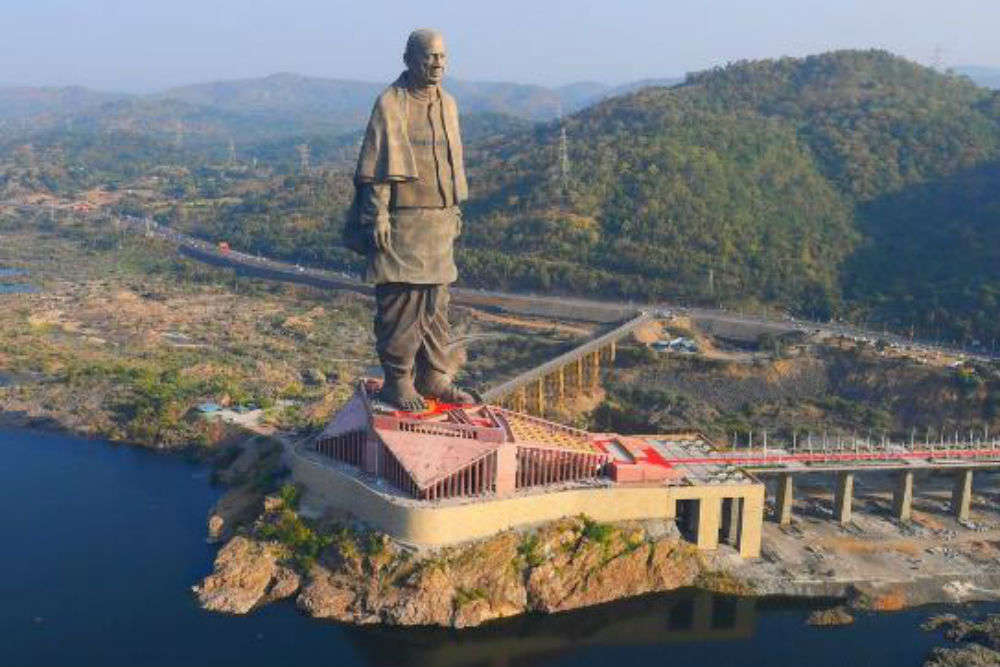
Recently, India had built the World’s Tallest State in the Name of One of the Country’s Freedom Fighter and also Known As an Iron Man of India, Shree ” Sardar Vallabhbhai Patel”, a former Deputy Prime Minister Of India. The statue is 180 meters Tall and Located near the Sardar Sarovar Dam. It serves the major tourist Attraction as well as it is a symbol of India’s integrity and resolve.
1. Rajmachi, Maharashtra
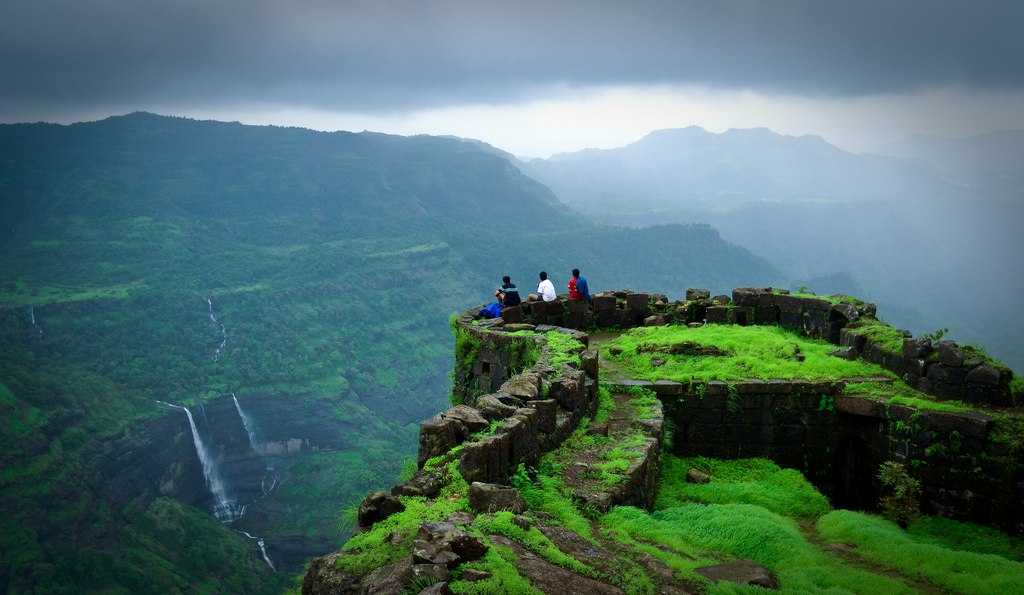
If one Love trekking then this place must needed to be visited. It is situated near a small village and has 2 two fortified peaks Shrivardhan and Manaranjan forts, located near two famous hills of Lonavala and Khandala. One can trek Upto 3 to 4 hours to reach the destination or one can easily drive to the other route and can trek for just 20 to 40 Minutes to reach the hill.
There are plenty of Places In India, which must be Visited by a traveler and above were one of those places.
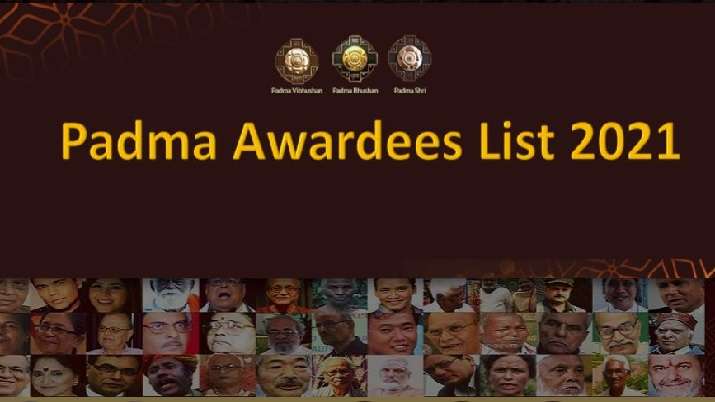
The Padma Awards are one of India’s highest civilian accolades, given out on the eve of Republic Day every year. The three categories of awards are as follows:-
Padma Vibhushan which is given for extraordinary and distinguished service
Padma Bhushan for distinguished service of higher level
Padma Shri for distinguished service in any field
The award is intended to reward accomplishments in all professions or disciplines where public service is a factor. The profession may include art, sports, trade, and industry etc. They are given out based on the recommendations of the Padma Awards Committee, which is formed every year by the Prime Minister. The public is invited to participate in the nomination process. Even one can nominate oneself. These honors are open to everyone, regardless of ethnicity, occupation, status, or gender. Government employees, including those who work for PSUs, are not eligible for these awards, with the exception of physicians and scientists.
The President has authorized the conferment of 119 Padma Awards this year, including one dual case in which the Award is considered as one. There are seven Padma Vibhushan awards, ten Padma Bhushan awards, and 102 Padma Shri awards on the list. There are 29 women among the honorees, as well as 10 foreigners, NRIs, PIOs, and OCIs, 16 posthumous awards, and one transgender awardee. The list is as follows:-
PADMA VIBUSHAN (7)
NAME
DISCIPLINE/FIELD
STATE/COUNTRY
1 Shri Shinzo Abe
Public affairs
Japan
2.Shri S P Balasubramanian(posthumous)
Art
Tamil Nadu
3.Dr. Belle Monapo Hedge
Medicine
Karnataka
4. Shri Narinder Singh Kapany (Posthumous)
Science and engineering
United states of America
5. Maulana Wahiduddin Khan
Others-spiritualism
Delhi
6. Shri B. B. Lal
Others-Archeology
Delhi
7. Shri Sudarshan Sahoo
Art
Odisha
PADMA BHUSHAN(10)
NAME
DISCIPLINE/FIELD
STATE/COUNTRY
1.Ms. Krishnan Nair Shantakumari Chithra
Art
Kerala
2.Shri Tarun Gogoi (Posthumous)
Public affairs
Assam
3.Shri Keshubhai Patel(Posthumous)
Public affairs
Gujrat
4.Shri Chandrashekhar Kambara
Literature and Education
Karnataka
5.Ms. Sumitra Mahajan
Public Affairs
Madhya Pradesh
6.Shri Nripendra Misra
Civil service
Uttar Pradesh
7.Shri Kalbe Sadiq (Posthumous)
Others-spiritualism
Uttar pradesh
8. Shri Tarlochan Singh
Public affairs
Haryana
9.Shri Rajnikant Devidas Shroff
Trade and industry
Maharashtra
10.Shri Ram Vilas Paswan (posthumous)
Public Affairs
Bihar
PADMA SHRI(102)
NAME
DISCIPLINE/FIELD
STATE/COUNTRY
Gulfam Ahmed
Art
Uttar Pradesh
P. Anitha
Sports
Tamil Nadu
Rama Swamy Annavarapu
Art
Andhra Pradesh
Subbu Arumugam
Art
Tamil Nadu
Prakasarao Asavadi
Literature and Education
Andhra Pradesh
Bhuri Bai
Art
Madhya Pradesh
Radhe Shyam Barle
Art
Chhattisgarh
Dharma Narayan Barma
Literature and Education
West Bengal
Lakhimi Baruah
Social Work
Assam
Biren Kumar Basak
Art
West Bengal
Rajni Bector
Trade and Industry
Punjab
Peter Brook
Art
United Kingdom
Sangkhumi Bualchhuak
Social Work
Mizoram
Gopiram Bargayn Burabhakat
Art
Assam
Bijoya Chakravarty
Public Affairs
Assam
Sujit Chattipadhyay
Literature and Education
West Bengal
Jagdish Chaudhary (Posthumous)
Social Work
Uttar Pradesh
Tsultrim Chonjor
Social Work
Ladakh
Mouma Das
Sports
West Bengal
Srikant Datar
Literature and Education
The U.S.A.
Narayan Debnath
Art
West Bengal
Chutni Devi
Social Work
Jharkhand
Dulari Devi
Art
Bihar
Radhe Devi
Art
Manipur
Shanti Devi
Social Work
Odisha
Wayan Dibia
Art
Indonesia
Dadudan Gadhavi
Literature and Education
Gujarat
Parshuram Atmaram Gangavane
Art
Maharashtra
Jai Bhagwan Goyal
Literature and Education
Haryana
Jagdish Chandra Halder
Literature and Education
West Bengal
Mangal Singh Hazowary
Literature and Education
Assam
Anshu Jamsenpa
Sports
Arunachal Pradesh
Purnamasi Jani
Art
Odisha
Matha B. Manjamma Jogati
Art
Karnataka
Damodaran Kaithapram
Art
Kerala
Namdeo C. Kamble
Literature and Education
Maharashtra
Maheshbhai and Nareshbhai Kanodia (Duo) (Posthumous)
One of the purest relationships is the relationship of friendship. A person without a friend lives a hard life. Everybody needs a companion to deal with our experience. It is dependent upon you that how you define friendship. It can be sharing your food, taking care of that person, supporting them in their thick and thin. You may not be loud about it, but if you care for a person silently, that is what friendship is. Friendship is about laughing together on small things, cherishing every moment you share, standing together for each other even when the world turns their backs towards them.
Friendships are sometimes more durable than the relationship of love. Even though the definition of friendship varies from person to person, the core meaning behind it is the same for everybody. Life is empty without a friend. So when you gain a true friend, make sure you cherish it with all your heart. The person with a real friend, with whom all the things can be shared, are the luckiest in the world. A friend will never judge you, and they will never stop scolding you if you are wrong. But whatever the situation be, they will always be there to support you.
Friendship is one of the greatest bonds anyone can ever wish for. Lucky are those who have friends they can trust. Friendship is a devoted relationship between two individuals. They both feel immense care and love for each other. Usually, a friendship is shared by two people who have similar interests and feelings.
You meet many along the way of life but only some stay with you forever. Those are your real friends who stay by your side through thick and thin. Friendship is the most beautiful gift you can present to anyone. It is one which stays with a person forever.True FriendshipA person is acquainted with many persons in their life. However, the closest ones become our friends. You may have a large friend circle in school or college, but you know you can only count on one or two people with whom you share true friendship.There are essentially two types of friends, one is good friends the other are true friends or best friends. They’re the ones with whom we have a special bond of love and affection. In other words, having a true friend makes our lives easier and full of happiness.
Most importantly, true friendship stands for a relationship free of any judgments. In a true friendship, a person can be themselves completely without the fear of being judged. It makes you feel loved and accepted. This kind of freedom is what every human strives to have in their lives.In short, true friendship is what gives us reason to stay strong in life. Having a loving family and all is okay but you also need true friendship to be completely happy. Some people don’t even have families but they have friends who’re like their family only. Thus, we see having true friends means a lot to everyone.
Importance of FriendshipFriendship is important in life because it teaches us a great deal about life. We learn so many lessons from friendship which we won’t find anywhere else. You learn to love someone other than your family. You know how to be yourself in front of friends.Friendship never leaves us in bad times. You learn how to understand people and trust others. Your real friends will always motivate you and cheer for you. They will take you on the right path and save you from any evil.Similarly, friendship also teaches you a lot about loyalty. It helps us to become loyal and get loyalty in return. There is no greater feeling in the world than having a friend who is loyal to you.Moreover, friendship makes us stronger. It tests us and helps us grow. For instance, we see how we fight with our friends yet come back together after setting aside our differences. This is what makes us strong and teaches us patience.Therefore, there is no doubt that best friends help us in our difficulties and bad times of life. They always try to save us in our dangers as well as offer timely advice. True friends are like the best assets of our life because they share our sorrow, sooth our pain and make us feel happy.
Global warming is the cumulative rise in average global temperatures on earth measured over a long period. It has been attributed to the large scale deforestation by man for different purposes. We consume a lot of fuel annually. With an increase in the human population, it has become impossible to meet people’s fuel requirements. Natural resources are limited, and we must use them judiciously. If we exploit natural resources like forests and water bodies, it will create an imbalance in the ecosystem. Global warming is not limited to the rise in temperature. It has other effects too.
Many parts of the world are witnessing natural disasters like hurricanes, floods, and avalanches. All these phenomena are a direct result of global warming. To prevent our environment from the harmful effects of global warming, we must restoring our ecosystem. Man has been exploiting natural resources without giving the environment anything in return. This needs to be stopped. We must all join forces to make this world a better place for our future generations who deserve this planet as much as we do. The basic step that we can follow to increase the overall health of our planet is planting trees. Afforestation should be our primary goal. The earth can become a better place if we pledge to plant as many trees as we can in our lifetime.
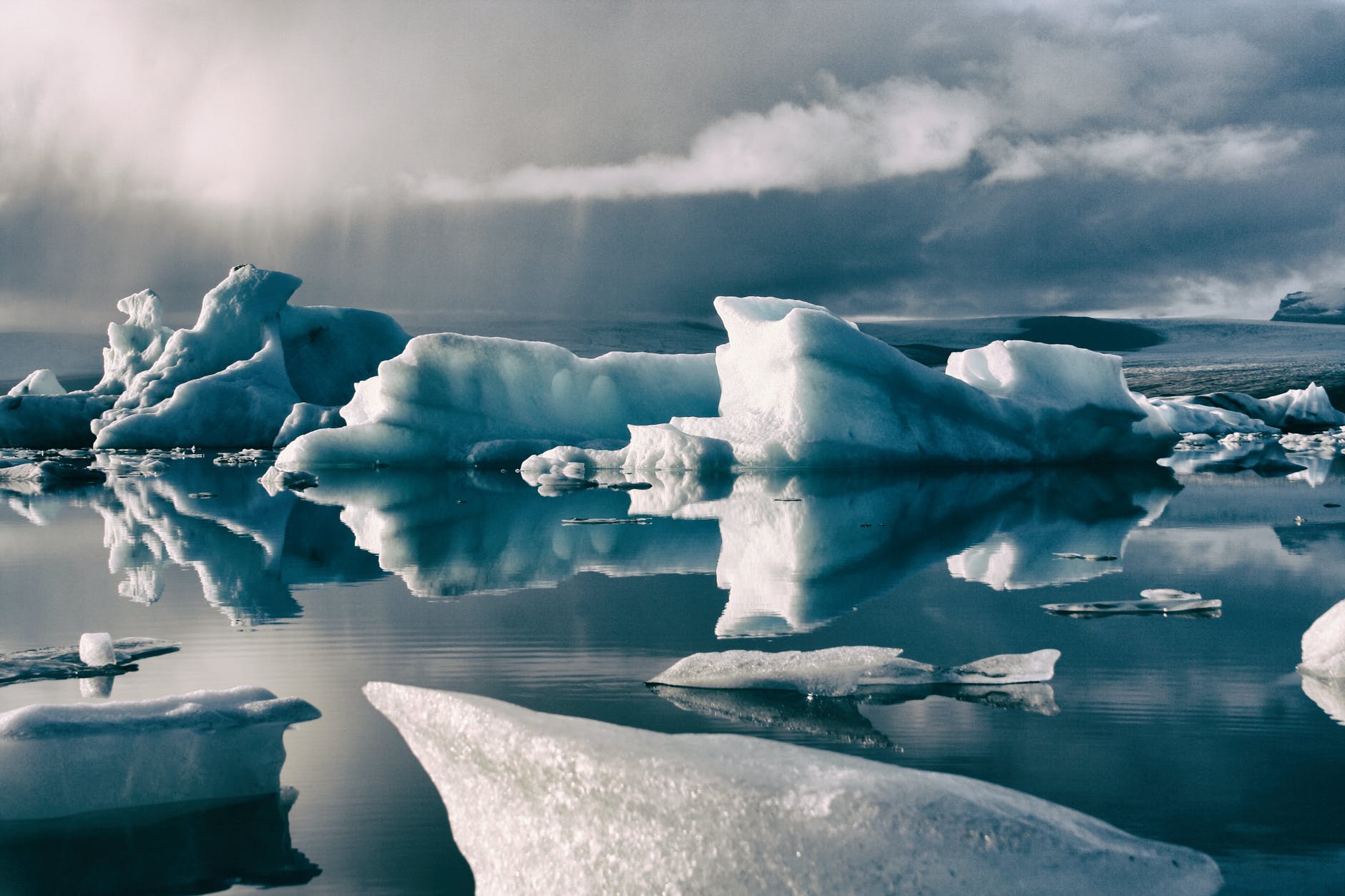
Global Warming is a term almost everyone is familiar with. But, its meaning is still not clear to most of us. So, Global warming refers to the gradual rise in the overall temperature of the atmosphere of the Earth. There are various activities taking place which have been increasing the temperature gradually. Global warming is melting our ice glaciers rapidly. This is extremely harmful to the earth as well as humans. It is quite challenging to control global warming; however, it is not unmanageable. The first step in solving any problem is identifying the cause of the problem. Therefore, we need to first understand the causes of global warming that will help us proceed further in solving it. In this essay on Global Warming, we will see the causes and solutions of Global Warming.
Causes of Global WarmingGlobal warming has become a grave problem which needs undivided attention. It is not happening because of a single cause but several causes. These causes are both natural as well as manmade. The natural causes include the release of greenhouses gases which are not able to escape from earth, causing the temperature to increase.Further, volcanic eruptions are also responsible for global warming. That is to say, these eruptions release tons of carbon dioxide which contributes to global warming. Similarly, methane is also one big issue responsible for global warming.
After that, the excessive use of automobiles and fossil fuels results in increased levels of carbon dioxide. In addition, activities like mining and cattle rearing are very harmful to the environment. One of the most common issues that are taking place rapidly is deforestation.
So, when one of the biggest sources of absorption of carbon dioxide will only disappear, there will be nothing left to regulate the gas. Thus, it will result in global warming. Steps must be taken immediately to stop global warming and make the earth better again.




















 Eduindex News
You must be logged in to post a comment.