

Rani Laxmi Bai was named Manikarnika Tambe and was nicknamed as Manu.She is also known as Jhansi Ki Rani, the queen who was fought against the British without any fear. She was born on 19th November 1828, in the town of Varanasi. Her father was Moropant Tambe and her mother Bhagirathi Sapre. Her father was the commander to the King of Peshwa, Bajirao of Bitoor district. The Peshwa called her “Chhabili” for her playful nature. She was educated at home and learned sports with her friends Nana Sahib and Tatya Tope like martial arts, horse riding, sword fighting, and more. She always preferred traveling on the horseback to using a palanquin. Her horses included Sarangi, Pavan, and Baadal.
She was married to the King of Jhansi and that’s when she became Rani Laxmi Bai from Manikarnika. Later she adopted a boy and named him Damodar Rao. After the death of the King, the British Raj officers applied the Doctrine of Lapse, a policy according to which if any Indian ruler dies without leaving a natural male heir, his kingdom would automatically pass over to the British. As a result, the Britishers wanted to claim Jhansi to which Rani Laxmi Bai cried out “Main apni Jhansi Nahi doongi”. That is when the fight against the Britishers started. She would tie her kid around her chest and fight on horseback.
There are novels, articles, and movies made in honor of her bravery. Even Netaji named the women regiment of the Indian army as Rani Jhansi regiment. The famous statue of Rani Laxmi Bai. She is an inspiration for all her countrymen.
Category: Culture and History
Monsoon!
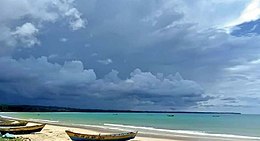
Yeah! Its a season of joy, enjoyment, happiness, and we should enjoy it at the best.
A monsoon is traditionally a seasonal reversing wind accompanied by corresponding changes in precipitation, but is now used to describe seasonal changes in atmospheric circulation and precipitation associated with annual latitudinal oscillation of the Intertropical Convergence Zone between its limits to the north and south of the equator. Usually, the term monsoon is used to refer to the rainy phase of a seasonally changing pattern, although technically there is also a dry phase. The term is sometimes incorrectly[according to whom?] used for locally heavy but short-term rains.
The major monsoon systems of the world consist of the West African and Asia–Australian monsoons. The inclusion of the North American Monsoon and South American monsoon with incomplete wind reversal has been debated.
The term was first used in English in British India and neighbouring countries to refer to the big seasonal winds blowing from the Bay of Bengal and Arabian Sea in the southwest bringing heavy rainfall to the area.
So we should definitely enjoy this season!
Anime

Anime refers to the animation work produced in Japan. Over the years, anime industry has grown significantly and anime has made it’s way all across the globe. With fans all around the world, anime is one of the greatest achievements of Japan.
Anime uses traditional style of animation. It is basically like a flipbook animation where each frame is drawn by hand. Even after the rise of computer generated animation, the anime industry still sticks to the traditional method of animation. Although CGI is used for special effects but the vast majority of animation is done traditionally. Because of this, anime has a distinct animation style, it somehow looks different, far more detailed and feels like an artwork.
The stories they animate are generally taken from the Japanese comics called ‘manga’. Usually a manga is released first after which it is adapted as an anime but this is not always the case. Some anime are original i.e. without any manga source material while others are released prior to their respective mangas.
Anime originally has Japanese audio. It can be watched with subtitles. Anime is often dubbed in different countries in the language they prefer, mostly it dubbed in English.
Another great feature of anime is the variety of genres and content it offers. Since anime is an animation, most people confuse it as ‘children’s cartoon’ or a ‘kids show’ but this is a very wrong belief as it undermines the content that anime offers. It is true that anime has content for children too but it’s not entirely that. It offers content for teens, young adults and adults. In fact the mainstream anime is targeted for an older audience. Taking about the genres, it has a lot to offer. Action, adventure, thriller, fantasy, sci-fi, romance, slice of life and what not. Each single genera offers a ton of different animes to watch.
The music in the anime is also very appealing. The opening an ending songs are usually taken from the j-rock or j-pop bands. The soundtracks used in the episodes can generate hype real quick and makes the overall experience fun.
Anime is a great source of entertainment and can teach valuable life lessons as well. One can learn a lot about the Japanese culture through anime. Here are some of the greatest anime out there which are worth checking out:
• Death Note:
Genre: mystery, thriller, supernatural
The story revolves around a boy named Light who finds a book which has the ability to kill the person whose name is written in it. Using that book he starts killing criminals to build a better world. This is however considered as serial killing and the investigators with the assistance of a detective named L try to apprehend the culprit.
This anime is a delight for thrill seekers and mystry lovers. It questions what true justice is and presents different perspectives of it.
•Naruto series:
Genre: adventure, fantasy
The series tells the story of an orphaned ninja named Naruto who has a demon sealed inside him. He seeks acknowledgement from his peers and dreams of becoming the leader of his village.
This anime is a classic and teaches many life lessons the most important being never giving up.
• Your Name
Genre: romance, fantasy, drama
This movie revolves around two teenagers who share a magical connection of switching bodies. Things get complicated when they decide to meet in person.
This anime has a breath-taking animation and has a very different take on love.
How systemic poverty is poisoning children

The Citarum River is the longest and largest river in West Java, Indonesia.Today it is known as the most polluted river in the world. When a group of journalists went to find out how this happened, the textile industry was found to be the culprit. The river water was severely polluted because the textile factories were mindlessly releasing their waste without any treatment. The amount of lead found in the water could permanently decrease the IQ of young children. Yet the same water was used to cook, clean and even water the paddy fields. This is what we call systemic poverty.
Let’s talk about india. India’s solid waste management system has two main factors causing the corruption & tipping fees and truck fee.Because of both these factors the people involved in this system do not want it to change. In fact they want the opposite. More garbage means more money for them.There is no incentive for change and betterment.From both these stories, what I want to highlight is that our system is poorly designed and is just a tool for people to profit off of .
Individual action is important but it’s also limited. I often see Greta Thunberg receive a lot of flak for protesting so much. But these people have failed to notice how she has started the biggest grassroots movement in climate history. Big companies are forced to change their ways and their unethical ways are exposed. Of course they are changing not because they are concerned about the planet but because they are concerned about the customers,but that is okay. We need systemic change and that is of utmost importance. We must hold our representatives accountable for these changes and not let them gaslight us into thinking that this garbage catastrophe is only taking place due to citizens.
The reason why citarum is the biggest example of systemic poverty is that despite major brands like H&M , Zara being responsible for the destruction , none of them are facing any charges. The innocent children are.
Tillage Practices and Their Potential to Impact the Soil Carbon Dynamics
Abstract
In dry regions, it is customary for farmers to use soil water conservation and/or water harvesting techniques. These practices have now become applicable to agriculturalists combating the adverse effects of drought on food production. In the semiarid areas of Zalingei in western Sudan, we quantified the soil erosion using traditional conservation measures and conducted experiments in two consecutive rainy seasons (2013 and 2014). A split-split plot design was used to quantify the respective influences of each variable on reducing soil erosion: A) three gentle gradients (Slope1 (0.98%), Slope2 (1.81%), and Slope3 (3.1%)); B) two cropping systems (mono-crop and mixed-crops); and C) five indigenous conservation tillage practices—chisel ploughing (CHP), cross slope tied bonding (CSTB), contour ridge with stone bonds (CRSB), cross slope bonding (CSB), and zero tillage (ZT). Our results showed that there were significant differences between the slopes in season 2 (2014); the soil eroded at Slope3 was more than that of Slope1 and Slope2 by 71% and 27%, respectively. Over two seasons, there were no significant differences between the cropping systems. Conversely, the erosion level observed with CHP was higher than with the other practices. However, the CSTB and CSB erosion levels were only higher in season 2 when compared with those of CRSB and ZT. The study concluded that under the above conditions, the rate of soil erosion was severe and exceeded the erosion tolerance. Based on these results, in western Sudan, CRSB and ZT may be the more effective indigenous conservation practices for the protection of agricultural soils and productivity.
INTRODUCTION
The level of soil degradation is increasing globally and is linked to an increased risk of drought . The growing human population faces increased pressure on its food supply, which is compounded by the limited availability of agricultural lands. To address these issues, the productivity of existing arable lands must be increased via better water use efficiency and soil conservation practices. . Moreover, climate change is also predicted to increase the incidence and severity of droughts in semiarid regions
The erosion of agricultural soils has long been a global environmental concern . Also, soil erosion is considered as one of the significant environmental problems worldwide due to its effects on water quality, soil productivity, and ecosystems. Rain flood erosion in agricultural lands strips the fertile topsoil on-site in arid and semiarid regions. Soil loss is often triggered and accelerated by poor or non-existing soil conservation practices promoting the transport of sediments and potentially hazardous pollutants via runoff to rivers and streams . In rainfed areas, the on-farm management of soil and water plays a critical role in achieving the full potential of soil conservation and water use . It is important to design conservation measures and strategies that are effective in controlling such soil losses on the Earth . Reasonable cultivation patterns combined with rainwater harvesting techniques can improve the management of degraded lands, which eventually leads to the sustainability of production, greater certainty, and lower marginal inputs. One type of soil conservation practices that are commonly used are conservation tillage practices (CTPs), which aim at no-tillage, little tillage, and cover crops . Other traditional or modern agricultural operations are used in conjunction with CTPs to reduce farmland degradation and to increase land productivity . In developing countries, the land is commonly fragile and degradable with poor vegetation as a result of the influence of frequent fires, tree logging, and free grazing. On top of these challenges, the area may suffer from climatic changes , rainfall fluctuations and the rapid advancement of the Sahara Desert. As a climatic adaptation strategy, rainfed, smallholder cultivation of grain crops is the predominant agricultural system in the hilly areas, where the terrace system is an interesting practice among indigenous water harvesting systems . However, the most effective method in conserving the soil surface is not well studied and reported so far in this area. Knowledge about the reduction in water and soil losses due to the practice of the terrace system is very limited in developing areas. Whether this traditional irrigation system helps in improving soil characteristics, crop production, and biodiversity richness in the area is also insufficiently quantified. Arid and semiarid areas account for about 60% of the national land in Sudan and account for approximately 8% of the world’s semiarid tropical regions . They are usually characterized by an unprotected soil surface, especially in clay areas, through which high-intensity rainfall cannot be infiltrated and thereby discharged dominantly by the surface runoff process . From these perspectives, this study aims to:
(A) evaluate the effect of the cultivation practices on the soil erosion;
(B) understand whether the cropping system affects water erosion, and
(C) recommend suitable field operations.
2. Method and Materials
2.1. Study Site
The field experiments were carried out during two consecutive seasons (2013 and 2014) at the experimental field of the University of Zalingei, western Sudan (between latitudes 12◦300–13◦300 N and 23◦300–23◦450 E) in the semiarid zone of North Africa. This is a mountainous area, where there are different types of waterways due to the land undulation, and large water streams (valley/wadi), streaming through from the Jebel Marra massif (approximately 100 km east of Zalingei) carrying fertile alluvial and volcanic soils [21]. The agriculture consists exclusively of small-scale family farms. Miehe [17] classified the soils of the area as Andosols with a bulk density of 1.32 g/cm3 . The climate is hot and rainy in the summer and harsh and dry during the winter. The average annual rainfall in Zalingei is approximately 600 mm/yr.; however, approximately two-thirds of it falls during July and August and about 90% from June to September, and there is very little or no rain from October to March [22,23]. The major crops for food are mostly grown during the rainy seasons (June to October) and include sorghum (Sorghum bicolor), millet (Pennisetum glaucum), and groundnuts (Arachis hypogaea), with vegetables mostly cultivated alongside the wadis’ lowland and flood plains during the winter. Water 2020, 12, 1554 3 of 11 Water 2020, 12, x FOR PEER REVIEW 3 of 12 Figure 1. The study area, located in the semiarid zone of North Africa. In the first rainy season (May–September 2013), the accumulation of rainfall was 542 mm, and it was 675 mm in the second season (June–October 2014); thus, the rainfall in the second season was 24.5% greater than in the first (Figure 2). The rain distributions were also varied, particularly during July and August of the second season, as a higher amount of rain precipitated, compared to that of the same period in the first season. To be exact, it was higher by 116.2% and 46% in July and August, respectively. Figure 2. The distribution of the rainwater per month (mm/m) and the accumulation of rainfall in each of the growing seasons, Season 1 (2013) and Season 2 (2014).
2.2. Experimental Design:
In three-factor field trials, split-split plots, each with 3 replicates, were used to quantify the influence of the following factors on soil erosion control: slope, cropping systems, and indigenous Water 2020, 12, 1554 4 of 11 conservation tillage practices. Thus, the field trial layout consisted of 90 plots, i.e., 3 whole plots × 2 subplots × 5 sub-subplots × 3 replicates. Three whole plots (each 35 m × 10 m), each with a different slope (S): S1 = 0.98%, S2 = 1.81%, and S3 = 3.1% (gradient measured by manual clinometer), were subdivided into 3 subplots (each 11 m × 10 m), each with a different cropping system (CS): mono-crop; sorghum and mixed crop; sorghum + groundnut. Each cropping type subplot was further subdivided into 5 sub-subplots (each 2 m × 5 m), each cultivated with a different conservation tillage practice (CTP): chisel ploughing (CHP), cross slope tied bonding (CSTB), contour ridge with stone bonds (CRSB), cross slope bonding (CSB), and zero tillage (ZT) (Figures 3A and 4). Water 2020, 12, x FOR PEER REVIEW 4 of 12 conservation tillage practices. Thus, the field trial layout consisted of 90 plots, i.e., 3 whole plots × 2 subplots × 5 sub-subplots × 3 replicates. Three whole plots (each 35 m × 10 m), each with a different slope (S): S1 = 0.98%, S2 = 1.81%, and S3 = 3.1% (gradient measured by manual clinometer), were subdivided into 3 subplots (each 11 m × 10 m), each with a different cropping system (CS): monocrop; sorghum and mixed crop; sorghum + groundnut. Each cropping type subplot was further subdivided into 5 sub-subplots (each 2 m × 5 m), each cultivated with a different conservation tillage practice (CTP): chisel ploughing (CHP), cross slope tied bonding (CSTB), contour ridge with stone bonds (CRSB), cross slope bonding (CSB), and zero tillage (ZT) (Figures 3A and 4). Figure 3. View of the prepared land of the experiment: (A) conservation tillage techniques; (B) collectors of soil particle deposits. Figure 4. The field layout of the simple methodology to determine the effect of conservation tillage on soil erosion. Chisel ploughing, CHP; cross slope tied bonding, CSTB; contour ridge with stone bonds, CRSB; cross slope bonding, CSB; and zero tillage, ZT. Arrows are in the flow direction.
2.3. Measurement of Soil Losses:
A small ditch (40 cm wide and 20 cm deep) was prepared, covered with a plastic sheet at the bottom end of each plot to receive the deposit of soil eroded, and transported by rain force out of the plot (Figures 3B and 4). After at least one day of rain events, the soil deposit was carefully taken from the field to the lab, where the samples were dried in an oven at 70 ◦C until a constant weight was obtained. At the rainy season’s end, the samples were weighed and the eroded soil mass per plot area was estimated.
2.4. Data Analysis
The procedure in Gomez and Gomez [24] was used for the analysis of variance (ANOVA) and all statistical analyses were performed using the SAS 9.4 software package (SAS Institute Inc., Cary, NC, USA). A least significant difference (LSD) of 5% probability was used in comparing the means of soil erosion for different treatment: (S), (CS), (CTP) (S × CS), (S × CTP), (CS × CTP) and (S × CS × CTP).
3. Results
3.1. Soil Erosion
There were significant differences in the mass of eroded soils among treatments with different land slopes in the second season (Figure 5A). However, the slope levels did not significantly affect the soil erosion in the first season. The cropping system factor also did not exhibit any significant variances among the treatment means over the two consecutive seasons (Figure 5B). The results showed differences as a result of the interaction between the land slope and the cropping system only in the first season (Figure 6A). The conservation tillage also significantly (p ≤ 5%) affected the soil erosion. There were no significant differences among treatments due to factor interactions over the two seasons: slope (S) × cropping system (CS) × conservation tillage practices (CTPs).
3.2. Effect of the Land Slopes and Cropping System
The slope factor clearly affected the magnitude of soil erosion, as we expected (Figure 5A). Only in the second season, S3 (3.1%) had significantly more eroded soil than S2 (1.81%); moreover, the masses of the eroded soil at the slopes were in the following order: S3 > S2 (by 27%), S2 > S1 (by 35%), and S3 > S1 (by 71%). However, there were no significant differences between S1 (0.98%) and S2 or S3 in the first season. The first season was unlike the second; the slope factor did not show any significant differences. The results did not show any significant differences between the mono- and mixed-crop systems (Figure 5B). Therefore, the two systems had no effects on soil erosion.
3.3. Effect of the Conservation Tillage Practices
The results in Figure 5C showed that the conservation tillage techniques in both seasons affected the soil water erosion significantly: in the first season, the CHP treatment differed significantly from CSTB and CRSB/CSB/ZT, whereas CRSB, CSB, and ZT were not markedly dissimilar from each other. In season 2, the soil loss measured in CRSB and ZT was significantly smaller than in the other three techniques. At the same time, the soil loss measured in CHP did not significantly differ from that in ZT; moreover, CSTB did not significantly differ from CSB. However, CHP and Z were not different from CRSB, but smaller than CSTB and CSB.
4. Discussion
Soil erosion occurs due to soil particle detachment, transportation, and sedimentation by erosion, such as water or wind. The problems caused by soil erosion can be both onsite and offsite, including nutrient lessening and limiting of crop production. As the topography affects these processes, the practices of CTP and CS also affect the soil erosion and crop production as a result. Not only is the quantity of annual rainfall essential to removing the soil particles from the original place, but the number of events, rain intensity in each event, and raindrop characteristics are also crucial factors. The mass of heavy rain with larger drops is more powerful for detaching and transporting the soil.
5. Conclusions
Our experiment provides a clear picture of how the conservation tillage practices (CTPs) affect the soil erosion of three slopes (S), and two cropping systems (CSs) in the hilly semiarid areas of the study area. According to the results of the experiment, we concluded that the conservation tillage practices (CTPs) strongly affected the soil erosion, such as the contour ridge with stone bonds and zero tillage. We found that the cropping systems (CSs) did not have significant effects; therefore, farmers need to apply more practices (i.e., CRSB) beside the CSs to conserve their land from soil erosion. We confirmed that the steeper the land, the more erodible the soil surface. The soil erosion due to cultivation practices in the study area is severe; therefore, the cultivation of cropland requires extensive 5. Conclusions Our experiment provides a clear picture of how the conservation tillage practices (CTPs) affect the soil erosion of three slopes (S), and two cropping systems (CSs) in the hilly semiarid areas of the study area. According to the results of the experiment, we concluded that the conservation tillage practices (CTPs) strongly affected the soil erosion, such as the contour ridge with stone bonds and zero tillage. We found that the cropping systems (CSs) did not have significant effects; therefore, farmers need to apply more practices (i.e., CRSB) beside the CSs to conserve their land from soil erosion. We confirmed that the steeper the land, the more erodible the soil surface. The soil erosion due to cultivation practices in the study area is severe; therefore, the cultivation of cropland requires extensive.
INTO THE WORLD OF WEBTOONS

Everybody has heard of K-Pop, many people know K-Dramas. After all, the Hallyu wave from Korea has been stunning the world for a long time now. With the addition of K-Dramas of various genres to Netflix and the exponential rise in fame of bands like BTS and Blackpink, Korean culture is taking over hearts in almost every part of the world. There is another part of Korean entertainment that is also making waves. Though not as prevalent yet, as Kdramas or Kpop, this part is also creating waves in its own way. What I am talking about are Webtoons.
Webtoon is an app that is part of the online portal developed in Korea called Naver. It was initially launched in Korea but soon after its rising popularity, it was launched globally in languages that included Chinese, Japanese, English, French, Indonesian, Spanish, Thai and German.
Webtoon is home to hundreds and thousands of comics across almost 20 different genres ranging from romance, to slice-of-life, to action and horror. Webtoon brought attention to the Korean equivalent of ‘Manga’, called ‘Manhwa’. The translations of these ‘Manhwa’ comics were released through the Webtoon app and has now gained a lot of popularity.
People still prefer reading Manga as books and their digitized copies are also in the form of ‘pages’. But, ‘webtoons’, as the comics on the app are called, are different. They are made solely for the mobile phones. They have a continuous style of page distribution, where one episode is generally one long page that you can scroll through easily on a phone. To be honest, the best experience of reading a webtoon is on the phone. Reading it on a desktop just does not have the same feel. This is bringing a lot of change in the way artists are planning out storyboards and layouts too.
That is another thing about webtoon. They have something called ‘Canvas’. This is a space where any artist can upload their comics for people from around the world to read. Through competitions and contests, many of these comics are recognized and taken up by the Webtoon corporation and made into an ‘Original’ on the app. When released as ‘Originals’, the artist is hired under the corporation and is financed by the corporation. The comic is serialized with proper release schedules and a more wider audience range. In this way, Webtoon is a great platform for aspiring comic book artists to get their works recognized and applauded.
During the lockdown, I came across the app and now I am fully hooked. There is so much variety both in terms of art styles and in terms of stories. So, I have decided to compile a list of my favourite webtoons for those who want to start reading and for those who already know and are looking for something new to read. So here goes!
1. WINDBREAKER

(img source:https://lh3.googleusercontent.com/nAHfAX6QMG7ht_6nAITp8VP3ATnOECEH5DIdEDf3wNAhLtAiMv6CFtGitzBYcRF3Orm0=h500)
- Status: Ongoing
- Genre: Sports
- No. of Eps: 339 (so far)
This webtoon is one of my all time favorites. It is a sports webtoon about extreme and street cycling. Reading this webtoon made me, a couch potato at the best of times, to also want to ride a bicycle. It follows a group of high school kids who start a cycling crew to enter a street cycling competition. It is about how they grow together both as riders and human beings in general.
The art is amazing, the story is amazing and every week I am waiting excitedly for a new episode to release. It is a really nice webtoon to start off your foray into this world, especially for those who love cycling and even for those who don’t. It is a very underrated webtoon that I hope gets a lot more love.
2. SPIRIT FINGERS

(img source:https://myseouldream.files.wordpress.com/2016/05/009-e1438849493245.jpg0
- Status: completed
- Genre: drama
- No. of eps: 167
For anyone looking for a light hearted webtoon to start their day, this is the perfect one. It is the story about a girl who has lived all her life as an awkward teenager and lacking self-confidence. But then, she encounters a group of the ‘hippest, strangest, coolest (yet most welcoming)’ people ever in the form of an art club called ‘Spirit Fingers’. Then begins her journey of self discovery self love.
A webtoon filled with lovable characters, dumb incidents and just hilarious in many senses, it is one that also gives out the message that everyone is unique and a ‘COLOR’ of their own. It is just about taking our the time to find yourself and your group. It is a small webtoon compared to the others on the list with just 166 episodes but a fun read nevertheless. The art took me some getting used to. But it grows on you and by the end of it you are in love with not only ALL the characters but also with how they are drawn.
3.LOST IN TRANSLATION

(img source:https://i.quotev.com/ihmkhfxjzola.jpg)
- Status: ongoing
- Genre: drama
- No. of eps: 71 (so far)
This is one of the webtoons I started reading as soon as it released, so I have been part of the whole journey so far. It is a webtoon that brings the two worlds of webtoons and the Kpop industry together. The webtoon is about an Idol group member whose stage name is ‘Wyld’. As ‘Wyld’ of group ‘Mayhem’ he is embroiled in scandals and has a persona of a player but in reality “Jaehwon’ is just a huge cinnamon roll who was forced to put on the persona by the company he works under. It is a new webtoon with not even a hundred episodes yet but I already love it. The art is distinctive and the story is really good so far. I cant wait to see how much better it is going to get.
Another thing about the band, Mayhem. It actually exists! It is a 2d band that has a huge fan following, basically readers of the series. If you go to YouTube and search for Mayhem, you can even listen to an original song along with a music video that was released by the band. Twitter pages for all band members is also there all having a huge amount of fan following. This is another thing about the webtoon that is keeping me hooked.
So there you have it. A small list of my favorite webtoons that I hope everyone will enjoy as much as me. There are so many more good ones that I haven’t included in the list. Many that can be found the minute you open the app. And new ones are getting added almost everyday. It is a new world in itself. One I have enjoyed stepping into and being a part of. I hope this helps you also in your foray into the world of webtoons.
youtube


YouTube the way of leaning…
What Are the Main Functions of YouTube?
- Users can search for and watch videos.
- Create a personal YouTube channel.
- Upload videos to your channel.
- Like/Comment/share other YouTube videos.
- Users can subscribe/follow other YouTube channels and users.
- Create playlists to organize videos and group videos together.
What is the main purpose of YouTube?
YouTube provides a simple way for people to store videos online and share them with others. YouTube videos cover any topic anyone cares to upload a video about. These videos are easy to share via other forms of social media, email and websites and can also be embedded in other websites
What are the benefits of being a YouTuber?
Benefits of Having a YouTube Channel
Give the Audience More Content. One really good reason to add video and a YouTube channel to your site is to give the audience more content. …
Extra Source of Traffic. …
Closer Personal Connection. …
Another Source Of Revenue. …
Modernizing. …
Creative Outlet. …
Get Outside Your Comfort Zone.
Teens Like YouTube because?
YouTube is a free to use service and a can be a great space for teens to discover things they like. For many young people, YouTube is used to watch music videos, comedy shows, how to guides, recipes, hacks and more. Teens also use the video-sharing service to follow their favourite vloggers (video blogger), subscribe to other YouTubers and celebrities they are interested in.
By YouTube what the people wish to like ?
The way the their mind sets and Intrest videos
there are different kind of people
Wish to learn new things
spend time on their mind sets
giving live news and events
Advantages and Disadvantages
1. In education YouTube help in term of provide the video of teaching and learning for the students to get the knowledge from the professors in another part of the world.
2. The students are able to access to the sources of learning anytime anywhere they want without any payment.
3. Provide the chance for all the learner to study with the high professional teacher especially for those who have no chance to go university.
4. There are many skill people who upload their video and we can learn from their skill.
5. YouTube is the very wide classroom for teaching and learning which we can save our time and budget.
6. It is a biggest source of study which easy to understand by the video such as video on how to make up, video on how to cook, video on how …etc.
YOGA: FOR A HEALTHY BODY AND A CALM MIND
On this day seven years ago, the United Nations on 11th December 2014 announced 21st June as the international yoga day. The aim behind it was to “globally raise awareness regarding the benefits of practicing yoga”.

Yoga, in the words of late practitioner B.K.S Iyengar is a way of maintaining a balanced attitude in day-to-day life and endows skill in the performance of one’s actions.
Since the onset of the pandemic followed by a nationwide lockdown, the amount of physical activity performed by an individual has declined at an alarming rate. The gyms shut down while the permission to leave the house only for essentials has made the human body quite lethargic and stiff. But yoga is one of the few ways where an individual can maintain their physical and mental health without the need of stepping out of the house.
So, on this yoga day, let’s talk about a couple of asanas that help one with weight loss.
Using yoga for weight loss is a pretty debatable topic. Many believe it alone can’t promote weight loss unless it’s combined with a healthy diet. By combining yoga with a healthy diet not only does it helps in losing weight but also keeps the mind and the body healthy.
One of the reasons for weight gain is neither binge eating nor lack of physical activities but stress. Stress can have a disastrous effect on one’s mind and body. It often reveals itself in the form of insomnia, anxiety, lack of concentration and pain. Combining yoga with stress management techniques; not only helps in weight loss but also helps in maintaining good physical and mental health.
Talking about the asanas, they don’t immediately produce a result as the poses are simple but, they focus more on increasing body flexibility, improving concentration, and building one’s muscle tone. Once the body gets used to it, only then it starts to show the results. The asanas used for weight loss are as follows.
1. Chaturangadandasana (the plank pose)
:max_bytes(150000):strip_icc()/ChaturangaDandasana_annotated-f411701712f84d0a97217bdeac0083e8.jpg)
Chaturangadandasana or the plank pose mainly to strengthens the core muscles. The benefits of this asana are contradictory to the way it’s performed. To perform this, you have to hug your elbows to your side while making sure your upper arms are parallel to the floor.
2. Virabhadrasana (the warrior pose)

Virabhadrasana or the warrior pose helps in toning the thighs and shoulders while increasing one’s concentration. It also improves the balance of the body and tones the back end, arms and legs. While contracting abdominal muscles while holding the pose helps in attaining a flat belly. It works more effectively the longer one can hold this pose.
3. Trikonasana (the triangle pose)

Trikonasana or the triangle pose helps in improving digestion and reducing fat accumulation in the belly and waist. This pose improves the blood circulation in the entire body and, its unique lateral motion helps to burn belly and waist fat while strengthening the thigh muscles and the hamstrings.
4. Adho Mukha Svanasana (the downward dog pose)
:max_bytes(150000):strip_icc()/DownwardFacingDog_annotated-2da4a29772664ed89e3413cf87ff9689.jpg)
Adho Mukha Svanasana or the downward dog pose benefits the body by toning it and strengthening the arms, thighs, back and hamstring. It also improves blood circulation, and the concentration when one holds the pose concentrates solely on breathing.
5. Sarvangasana (the shoulder stand)

Sarvangasana or the shoulder stand pose has multiple benefits. It increases strength, and improves digestion of the body and is also known for boosting the metabolism and balancing the thyroid levels. It also strengthens the upper body, legs and abdominal muscles while improving one’s sleeping pattern and respiratory system.
6. Sethu Bandha Sarvangasana (the bridge pose)
:max_bytes(150000):strip_icc()/SupportedBridgePose_annotated-79c06b222b6846b3b1e467de6fc03250.jpg)
Sethu Bandha Sarvangasana or the bridge pose is excellent for weight loss, glutes and maintaining thyroid levels. This pose helps in toning and strengthen the back muscles, improve digestion and thyroid levels while regulating the hormones and reducing back pain.
7. Dhanurasana (the bow pose)

Dhanurasana or the bow pose massages the abdominal muscles while strengthening the thighs, chest, and back muscles. This pose stretches the entire body while improving blood circulation.
Yoga, which originated in India, is a revival method for body and mind. It is a traditional form used by people of all age groups who yearn for a healthy body and mind. It benefits every single part of the body and also helps in relaxing the mind. This age-old tradition has been accepted and praised worldwide for its effectiveness and has helped maintain a healthy body and a relaxed mind.
WOMEN EMPOWERMENT
“There is nothing that can destroy a woman and her power.”
Women empowerment is explained as accepting women’s thoughts and helping them to take a stand for themselves. This has become a topic of concern in today’s society. But do we care about empowering women? The answer is probably no. We, as a part of our society, give many speeches on this. Do we indeed mean what we say? Do we follow the same with the women around us? Again, the answer will be no. Indian society is likely to appreciate empowerment when it is about others. When it comes to our own family, we start to think about society. The REAL empowerment starts when there is nothing to think about a woman taking a stand for herself.
Women empowerment should be focused on encouraging women to fight for their rights. Whatever a woman does should be done because it is her right and not because she is allowed to do it. No one has to let her do something that she wants. A woman can do whatever she wants without seeking any permission. A man does not ask for a woman’s permission to do something. Then why should a woman get her father’s or husband’s permission? Let me cite an example. We all have men in our family. Have we seen our father or brother asking for permission to do a job? No. But we would have seen our mother or sister seeking permission to take up her job or studies and also would have come across many ‘NO’s.
What is the need for somebody to allow us to do something when we have the right? First, women should understand this point. She must not get impressed by someone’s sympathy. From the ages, a women’s mindset is fixed that her work is to take care of the family, engage in daily chores and take care of children. We convince ourselves to do all these right from the beginning which should not be done. No woman should compromise their career, dreams in the name of family. The traditional mindset should be withdrawn from women’s minds first. She should believe that she can achieve things beyond family. She has her own identity and being one’s daughter or wife is not her true identity. We can expect the change from others, especially, men only if we become the change.
Women empowerment doesn’t mean that women should be given higher priority. Empowerment should work towards an equal status both for men and women. If a noble thing or achievement is done by a woman, we see it in the headlines of newspapers or magazines mentioning them as woman officer, woman pilot, female poet, or female artist. But we don’t identify any male artist, male poet, man officer, or man pilot. This describes how equal society is. Equality in society will be established when there is no particular mention given to either man or woman.
In addition, we must acknowledge that society is changing practically towards equality. We have started addressing the chairman as chairperson, man-made as artificial, and mankind as humanity. A six-year-old girl raising questions on the terms coined in the patriarchal society stands as proof that this is not going to last anymore. Her questions went viral and she was answered by some of the achievers. They explain to her about our old patriarchal society and the influence of patriarchy in language as well. The world needs to change and it is changing. We must agree that this little kid has already reached halfway to create an equal society.
Designation or Profession shouldn’t be linked with genders. It should be generic. Our work towards this would be supporting and standing for all those who are ready to take a stand for themselves. “Equality is the soul of liberty” should not be ignored at any cost.
LIFE HISTORY OF APJ ABDUL KALAM
Early life :
His full name is Abul Pakir Jainulabdeen Abdul Kalam. He was born on 15th October, 1931 in Rameswaram, Madras Presidency, British India which is presently known as Tamil Nadu, India. His father’s name was Jainulabdeen Marakayar who was a boat owner and imam of a local mosque. His mother’s name was Ashiamma. She was a housewife. He was the youngest of four brothers and one sister in his family. Even though his ancestors had numerous properties and were wealthy, they lost most of their fortunes by the 1920s. This is why Kalam was born and grew up during poverty.
Education:
He studied in Schwartz Higher Secondary School. Previously he had average grades but later he was described as a bright and hardworking student who had a strong desire to learn. He went to Saint Joseph’s College, Tiruchirapalli, then affiliated with the University of Madras. He graduated in Physics in 1954. In 1955 he moved to Madras to study Aerospace Engineering in Madras Institute of Technology. The Dean was dissatisfied with his lack of progress in a senior class project and threatened to revoke his scholarship unless the project was finished within the next three days. He met the deadline impressing the Dean who later said to him that he was putting Kalam under stress and was asking him to meet a difficult deadline. He narrowly missed achieving his dream of becoming a higher pilot, as he got ninth position and only eight positions were available in Indian Air force.
Career as a Scientist:
After graduating from Madras Institute of Technology in 1960 he joined the Aeronautical Development Establishment of the Defence Research and Development Organisation. He started his career by designing a small hovercraft but remained unconvinced by his choice of job. He was also a part of the INCOSPAR Committee. In 1969 he was transferred to the India Space Research Organisation (ISRO) where he was the project director of India’s first Satellite Launch Vehicle.
Presidency:
APJ Abdul Kalam served as the 11th President of India, succeeding KR Narayanan. He won the Presidential election held in 2002. His term lasted from 25 July 2002 to 25 July 2007.
Books written by Dr. APJ Abdul Kalam:
He played an important role in the second pokhran nuclear test in 1998. He was also associated with India’s Space Program and missile development program. Therefore, he is also called the “Missile Man” of India. He wrote many books. The name of these books are as follows:-
1. India 2020: A Vision for the New Millennium
Publishing year: 1998
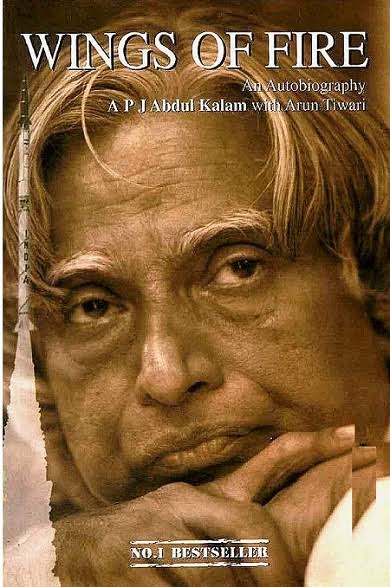
2. Wings of Fire: An Autobiography
Publishing year: 1999
wings-of-fire-biography-kalam
3. Ignited Minds: Unleashing the Power within India
Publishing year: 2002
4. The Luminous Sparks: A Biography in Verse and Colours
Publishing year: 2004
5. Guiding Souls: Dialogues on the Purpose of Life
Publishing year: 2005
Co-author: Arun Tiwari
6. Mission of India: A Vision of Indian Youth
Publishing year: 2005
7. Inspiring Thoughts: Quotation Series
Publishing year: 2007
8. You Are Born to Blossom: Take My Journey Beyond
Publishing year: 2011
Co-author: Arun Tiwari
9. The Scientific India: A Twenty First Century Guide to the World around Us
Publishing year: 2011
Co-author: Y. S. Rajan
10. Failure to Success: Legendary Lives
Publishing year: 2011
Co-author: Arun Tiwari
Ramnath Kovind: 10 facts about 14th President of India
11. Target 3 Billion
Publishing year: 2011
Co-author: Srijan Pal Singh
12. You are Unique: Scale New Heights by Thoughts and Actions
Publishing year: 2012
Co-author: S. Poonam Kohli
13. Turning Points: A Journey through Challenges
Publishing year: 2012
14. Indomitable Spirit
Publishing year: 2013
15. Spirit of India
Publishing year: 2013
16. Thoughts for Change: We Can Do It
Publishing year: 2013
Co-author: A. Sivathanu Pillai
17. My Journey: Transforming Dreams into Actions
Publishing year: 2013
18. Governance for Growth in India
Publishing year: 2014
19. Manifesto for Change
Publishing year: 2014
Co-author: V. Ponraj
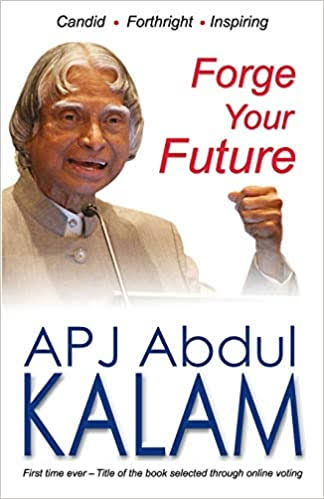
20. Forge Your Future: Candid, Forthright, Inspiring
Publishing year: 2014
21. Beyond 2020: A Vision for Tomorrow’s India
Publishing year: 2014
22. The Guiding Light: A Selection of Quotations from My Favourite Books
Publishing year: 2015
23. Reignited: Scientific Pathways to a Brighter Future
Publishing year: 2015
Co-author: Srijan Pal Singh
24. The Family and the Nation
Publishing year: 2015
Co-author: Acharya Mahapragya
25. Transcendence My Spiritual Experiences
Publishing year: 2015
Co-author: Arun Tiwari
Awards:
He won many awards. The list are as follows:-
1981: Padma Bhushan- Government of India
1990 : Padma Vibhushan- Government of India
1997 : Bharat Ratna- Government of India
1997 : Indira Gandhi Award for National Integration- Government of India
1998 : Veer Savarkar Award- Government of India
2000 : SASTRA Ramanujan Prize- Shanmugha Arts, Science, Technology and Research Academy, India
2013 : Von Brown Award- National Space Society
Death:
Dr. APJ Abdul Kalam breathed his last on 27th July,2015 due to a cardiac arrest while delivering a lecture at th Indian Institute of Management, Shillong.
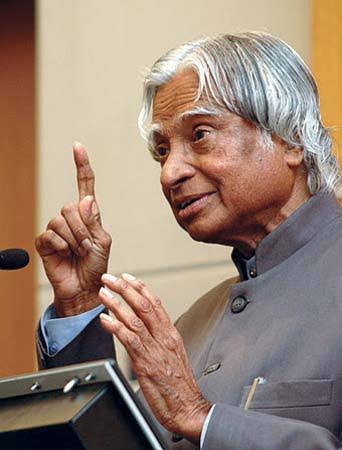
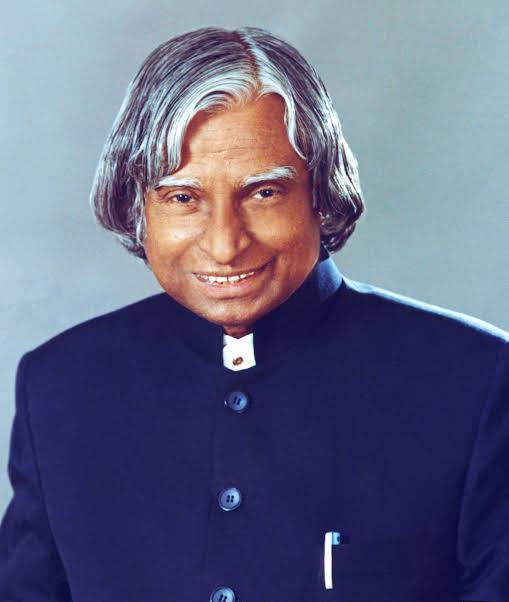
@track2traininginstitute @track2trainingseminar @edunewsnetwork @pen2prints
Biographies of Great Leaders
Famous Leaders
Cyrus the Great (600 – 530 BC)
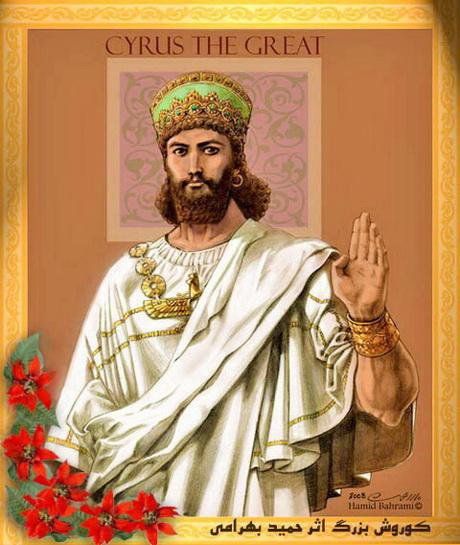
He was the founder of the Persian (Achaemenid) Empire. Cyrus conquered the empires of Media, Lydia and Babylonia, creating the first multi-ethnic state. He was admired for his tolerance of different customs and efficient and fair administration.
Alexander the Great (356–323 BC)
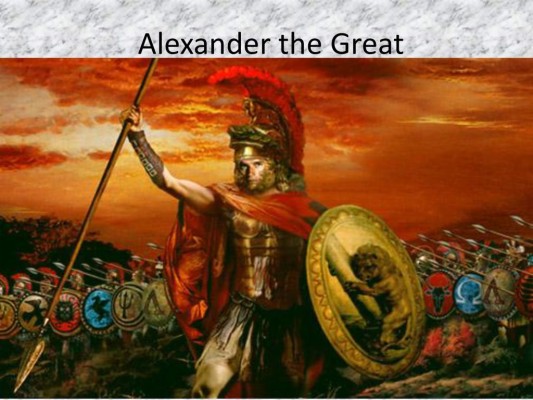
Tutored by Aristotle, the great philosopher, Alexander the Great emerged as one of the greatest military leaders. By the age of 30, Alexander had created an Empire which stretched from his Macedonian home to the Himalayas in India. Alexander became a legendary leader, even during his life, and he inspired great loyalty from his army.
Emperor Qin Shi Huang (260–210 BC)
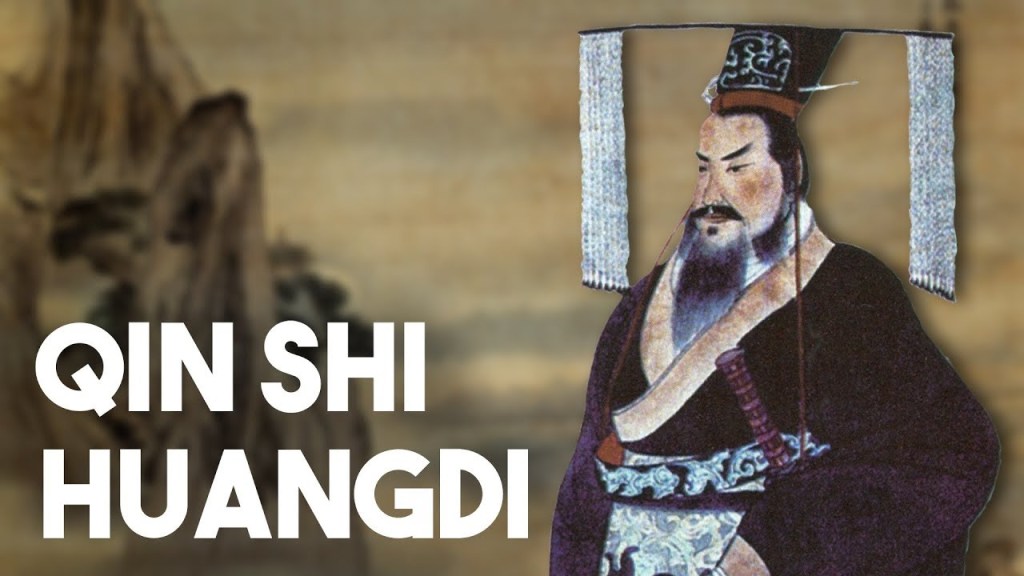
Emperor Qin Shi Huang
Huang led the state of Qin and conquered all warring states of China, creating the first unified state of China, which at the time was the largest Empire in the world. He also introduced a central bureaucracy with a legal framework and unified rules and regulations. Huang was ruthless in dealing with any opposition but is considered the creator of modern China.
Umar Ibn Al-Khattab (586 – 684)
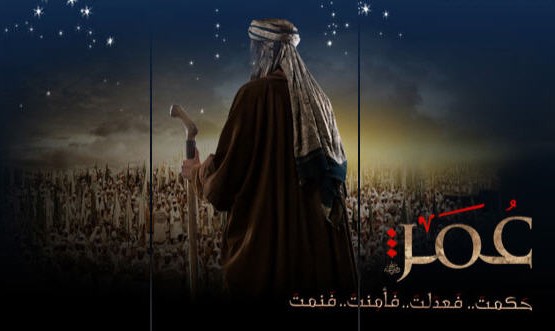
The Second Muslim Caliph and confidant of Muhammad. Under Umar, the Rashidun Caliphate spread to Syria, Palestine, Iraq and Iran. He was influential in the spread of Arab culture and the new Muslim religion.
Napoleon Bonaparte (1769–1821)

As Emperor of France (1804–1815), Napoleon’s forces swept across Europe. Napoleon frequently overcame numerical odds to win sweeping military victories. He established a dominion over much of Europe, changing the fate of the world.
Mikhail Gorbachev(1931– )

Leader of the Soviet Union(1988–1991). Gorbachev oversaw the transition from Communism to democracy in the Soviet Union and Eastern Europe and allowed the Berlin wall to come down. Gorbachev also instigated ‘Glasnost’, seeking to end restrictions on free speech and promote religious freedom. A leader who was willing to give up power, for the sake of his country and people.
Julius Caesar (100 BC–44 BC)
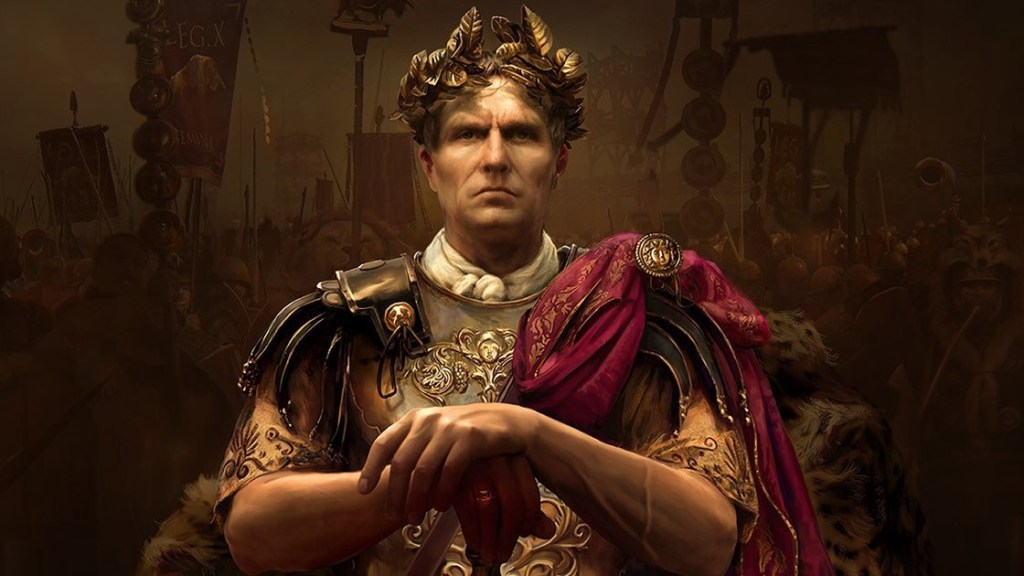
Under Caesar, the Roman Empire stretched to its furthers points – crossing the Rhine and into Britain for the first time. However, Caesar oversaw the fall of the Roman Republic and the rise of the age of the Roman Emperors. Caesar’s motto: ‘ I came, I saw, I conquered’.
Augustus Caesar (63 BC-AD 14)
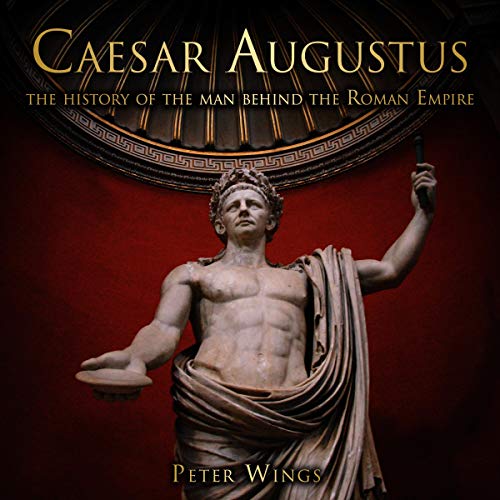
First Emperor of Rome. Caesar (born Octavian) was one the most influential leaders in world history, setting the tone for the Roman Empire and left a profound legacy on Western civilisation.
Mahatma Gandhi (1869–1948)
Gandhi was the leading political figurehead in the fight for Indian self-determination and independence. Gandhi inspired millions through his non-violent protests. Under his leadership, India gained independence, but at the cost of a separated nation, creating instead two countries: India and Pakistan. Gandhi is still revered as the father of the nation in India.
Dwight Eisenhower (1890–1969)
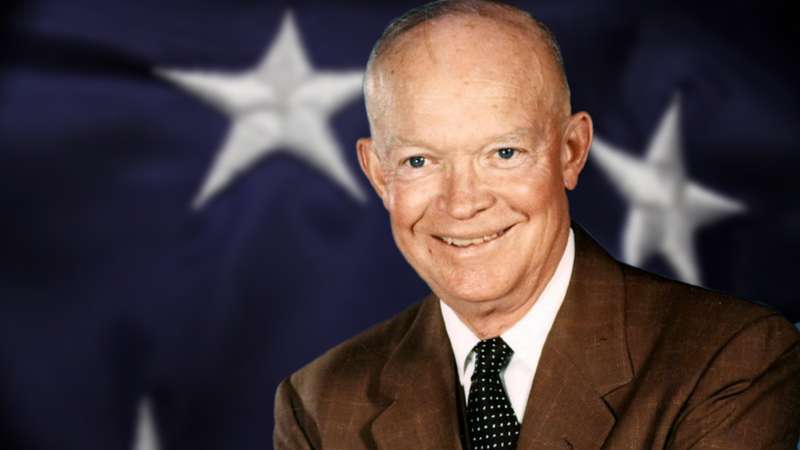
A five-star General in the US army, Eisenhower was Supreme Allied Commander for the D-Day invasion of occupied Europe and the subsequent liberation of occupied Europe (1944–45). He led the Allied coalition to victory, smoothing over simmering tensions with great political skill. He went on to become President of the US (1952-1960).
Constantine the Great (272–337)
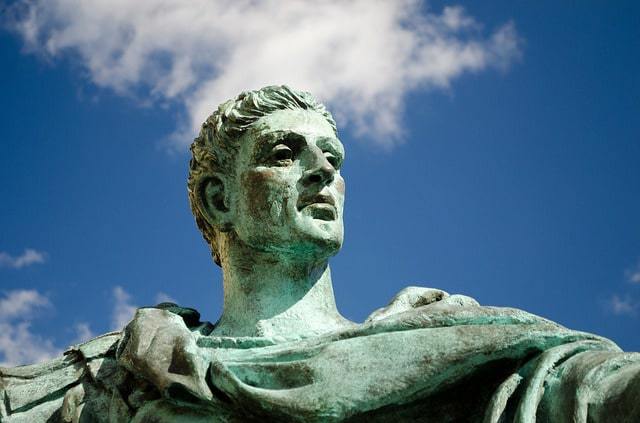
Constantine served as Roman emperor from 306 to 337. He successfully defeated both internal rebellions and consolidated the Roman Empire defeating the Franks, Alamanni, Visigoths, and Sarmatians.
Nelson Mandela (1918–2013)
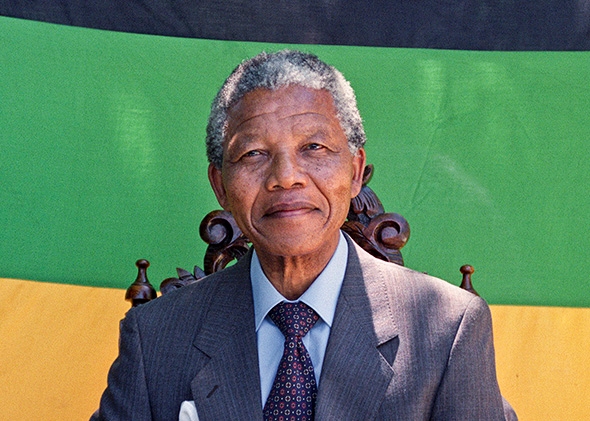
Anti-apartheid leader. Mandela spent over twenty years in jail for his opposition to the racist apartheid system, which excluded black people from many areas of society. He was elected the first President of Democratic South Africa in 1994. Under Mandela’s leadership, he helped South Africa to emerge peacefully from its apartheid era.
Martin Luther King (1929–1968)
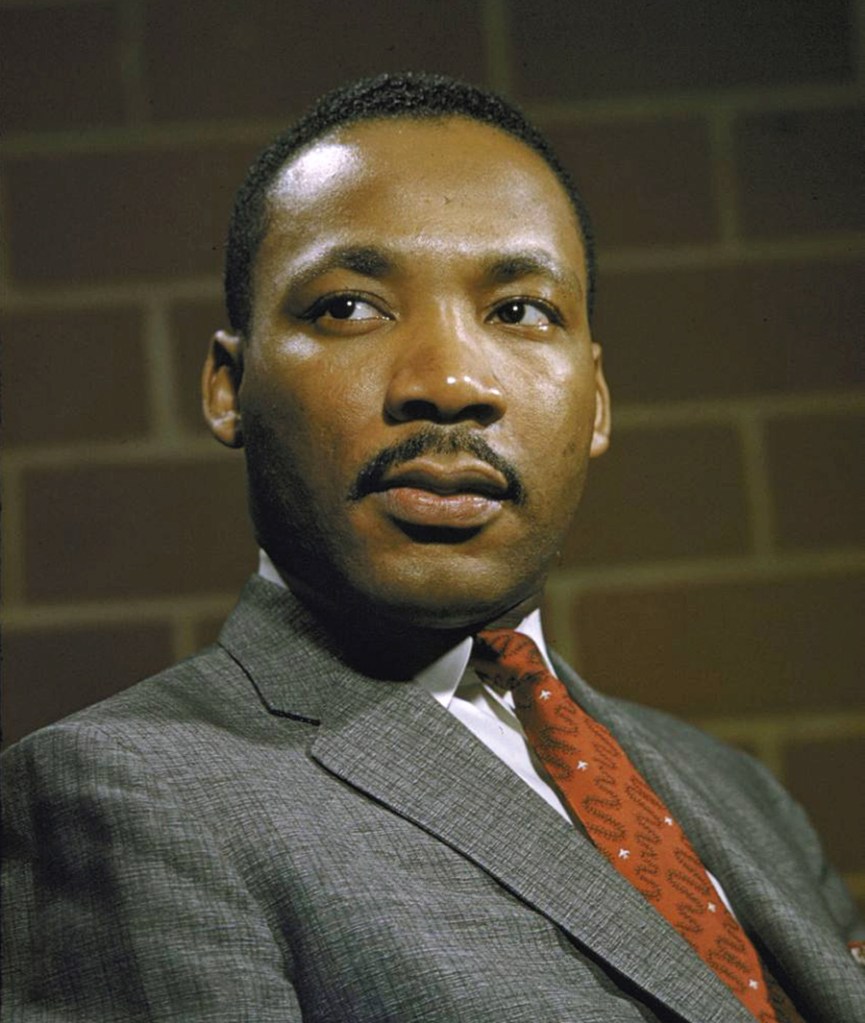
Non-violent civil rights leader. He inspired the American civil rights movement to achieve greater equality within the US. Helped to organise the 1963 March on Washington, where he gave his famous ‘I have a dream’ speech.
Saladin (1138–1193)
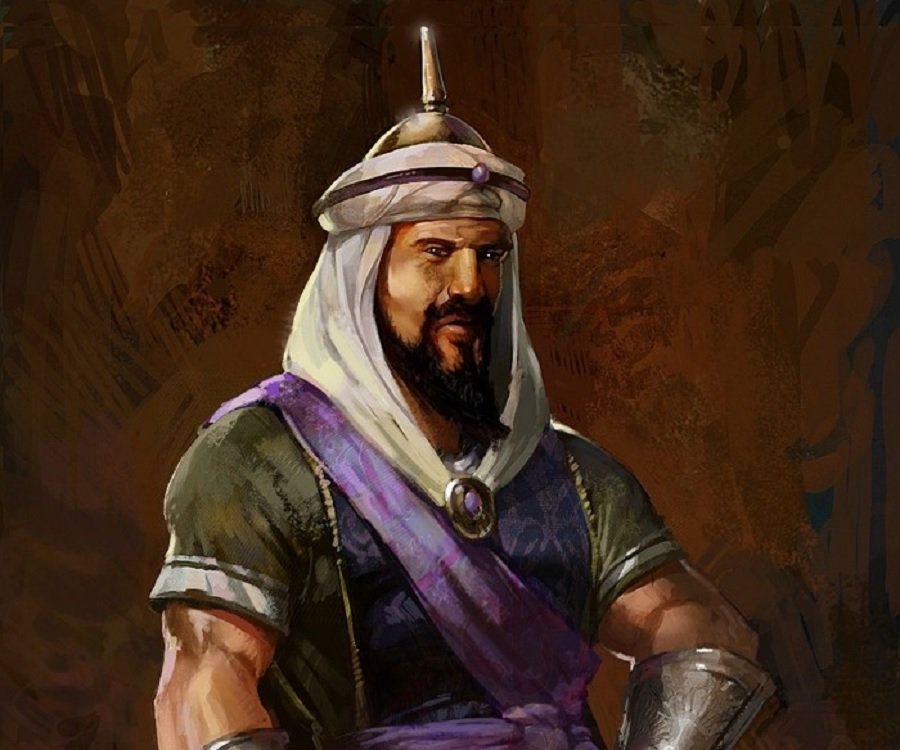
led the United Arab armies in Islamic opposition to Christian crusades. In 1187, he defeated the Crusader army and led the Muslim reconquest of Palestine. He earned the grudging respect of the Crusaders and King Richard I.
Abraham Lincoln (1809–1865)
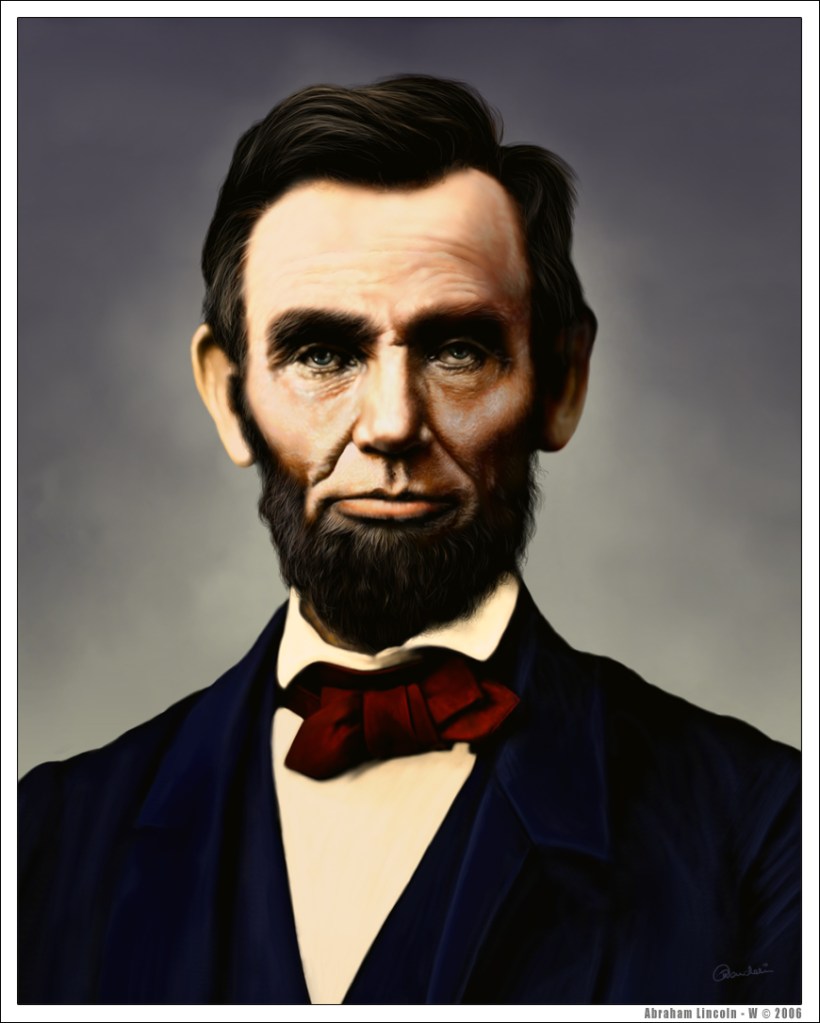
Lincoln was president of the US during the American civil war. His leadership was critical in holding the Union of US states together. Towards the end of the civil war, he also pushed for the end of slavery. His speeches, such as The Gettysburg Address are still seen as some of the finest expositions of American principles.
Chairman Mao (1893–1976)
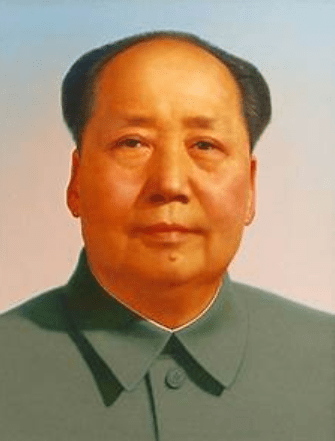
Mao led the Chinese Communist party to victory during the long march and fight against the nationalists. He then maintained an iron grip on the country, through his “Cultural Revolution” of the 1960s to his death in 1976. Mao was revered by many Chinese, on pain of death or political incarceration. He is held responsible for the deaths of millions of people.
Joseph Stalin (1879–1953)
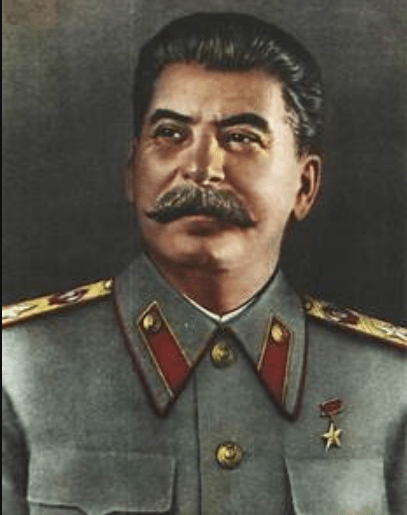
Leader of Soviet Union, from the death of Lenin until 1953. During his leadership, he developed a strict dictatorship and frequently purged any potential rivals. During the Second World War, he was the Supreme military commander in overseeing the defence of Russia against the invading German army. He led the country in total war against the Germans.
Akbar the Great (1542–1605)
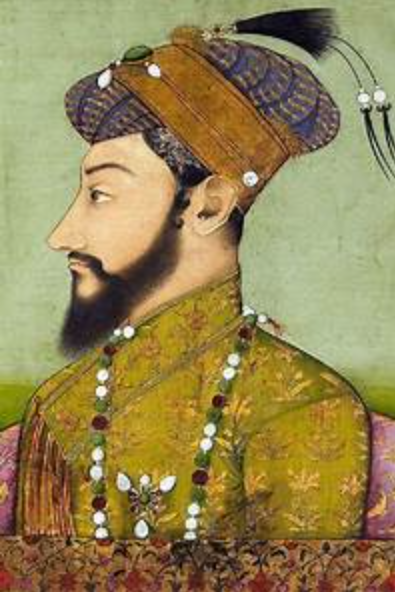
The third Moghul Emperor, Akbar consolidated his Empire across India, through a series of striking military victories. His reign saw the blossoming of the Moghul Empire as a beacon of culture and religious tolerance.
Ataturk (1881–1938)
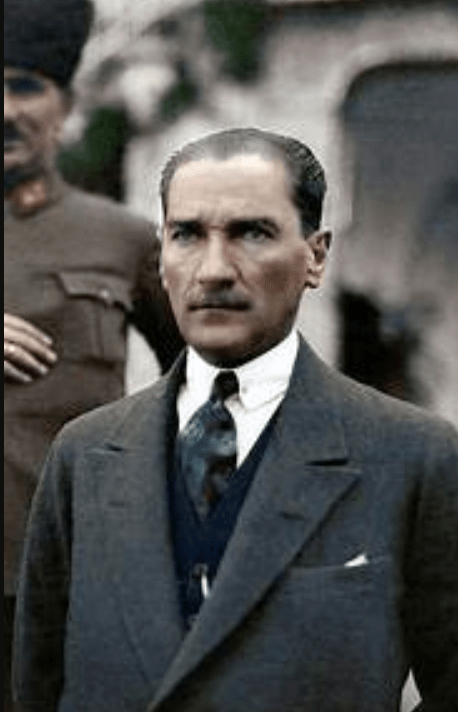
Military officer in the Turkish army. Led the Turkish independence struggle and founded the Turkish Republic. Widely revered in Turkey as the father of the nation.
Adolf Hitler (1889–1945)
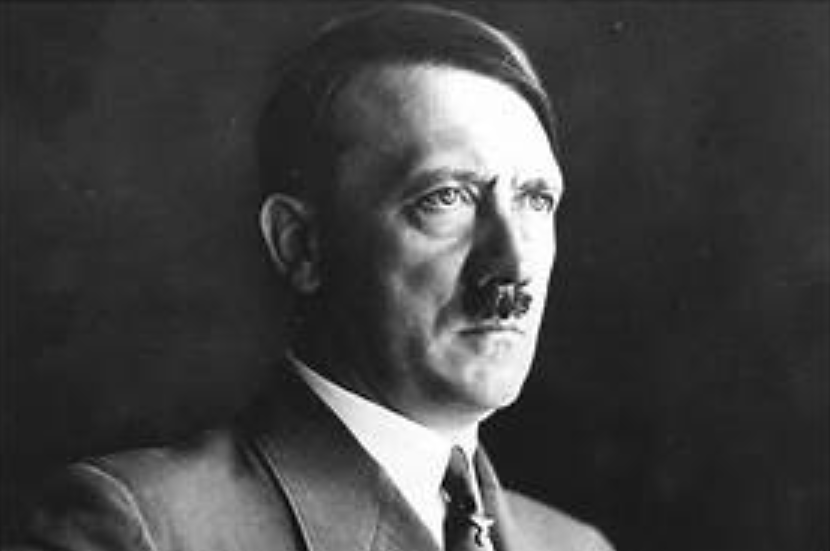
Dictator of Nazi Germany from 1933–1945. Ordered invasion of Poland, Western Europe, North Africa and the Soviet Union. As leader, he also persecuted the Jews and other minority groups, being responsible for the deaths of more than 6 million Jews and people of other minorities.
Lech Walesa (1943– )

Leader of the Polish Solidarity Movement, which sought to end Communist rule. Walesa became the first non-Communist President in 1991. Awarded the Nobel Peace Prize in 1983.
King Henry VIII (1491–1547)
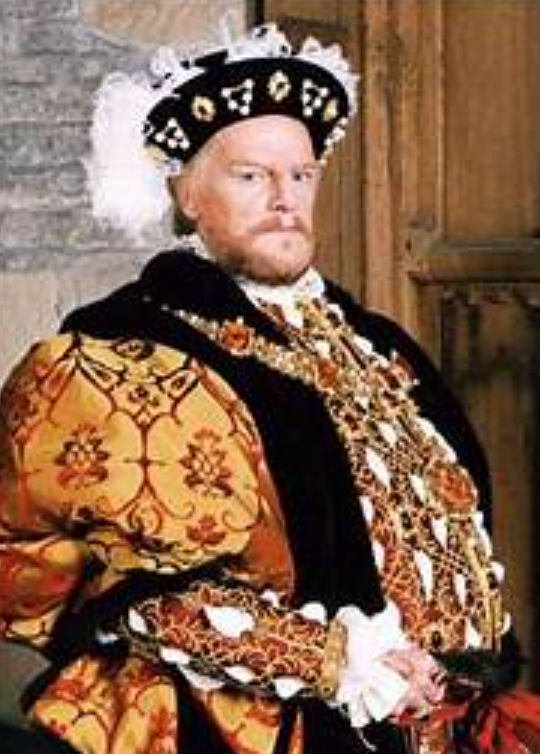
He was England’s most famous and perhaps most notorious King. He had six wives, two of whom he executed. Henry VIII also split the Church of England from Rome to enable him to remarry.
Thomas Jefferson (1743–1826)

He is the 3rd President of US. Principle author of the Declaration of Independence. Third President of the US from 1801–1809.
Charles de Gaulle (1890–1970)
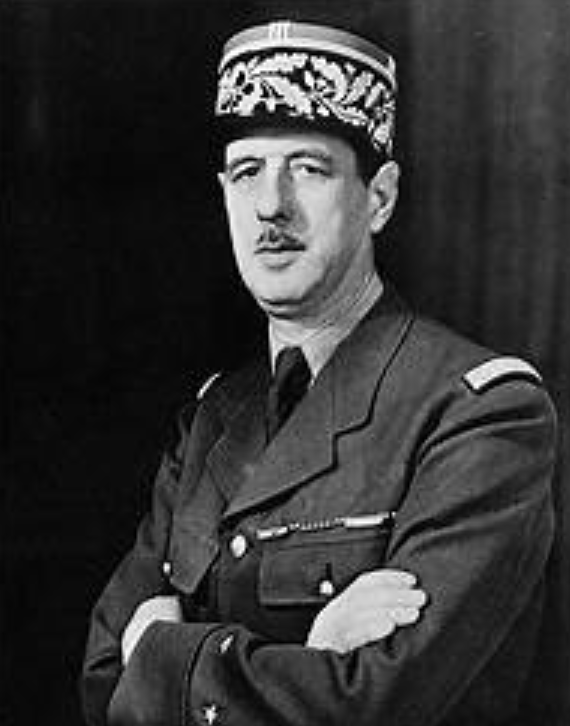
French leader who offered opposition to the Nazi occupation. During the Second World War was ‘Leader of the Free French’ based in London. After the war became an influential figure in shaping France’s post-war future.
Female Leaders
Joan of Arc (1412-1431)
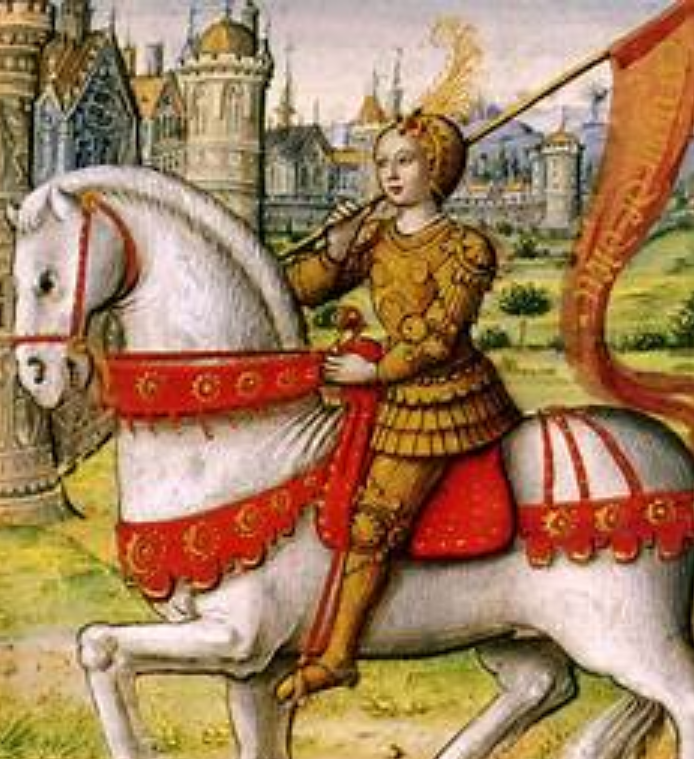
A poor peasant girl who made the most unlikely of leaders. But coming from obscurity, she helped lead the French Dauphin into successful battles against the English. She had a religious temperament and credited heavenly voices for her instruction and leadership. Died a martyr’s death after refusing to recant her experiences. Seven years after her death, her prophecy of French independence came true.
Queen Isabella I of Castile (1451 – 1504)
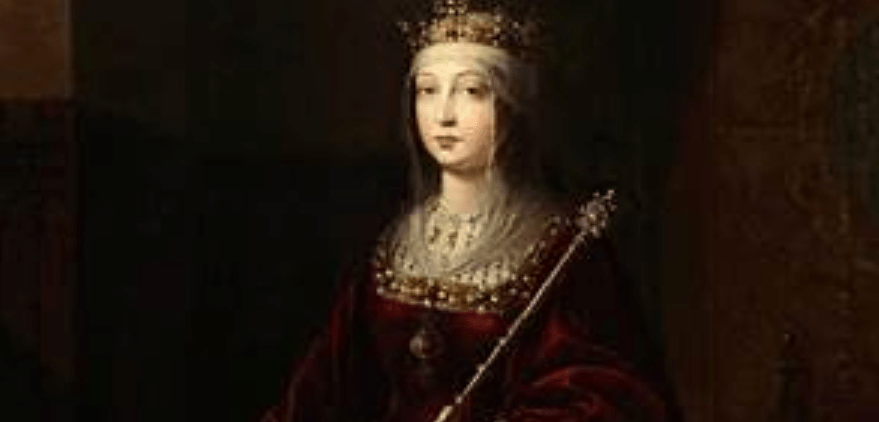
Isabella ruled Castile with her husband King Ferdinand of Aragon, effectively united the Spanish provinces. She allowed and financed the journey of Christopher Columbus and also set up the Spanish Inquisition. Her daugher Catherine of Aragon married Henry VIII and grandson Charles V became Holy Roman Emperor.
Queen Victoria (1819–1901)
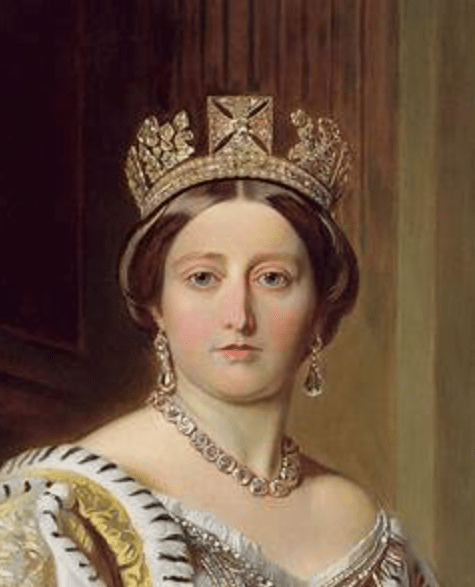
She is a Queen of England from 1837 to her death in 1901. During her reign, the British Empire spread across the globe. Victoria herself was made Empress of India by her prime minister. She came to epitomise a century and maintained close relationships with her Prime Ministers, especially Disraeli.
Queen Elizabeth I (1533–1603)
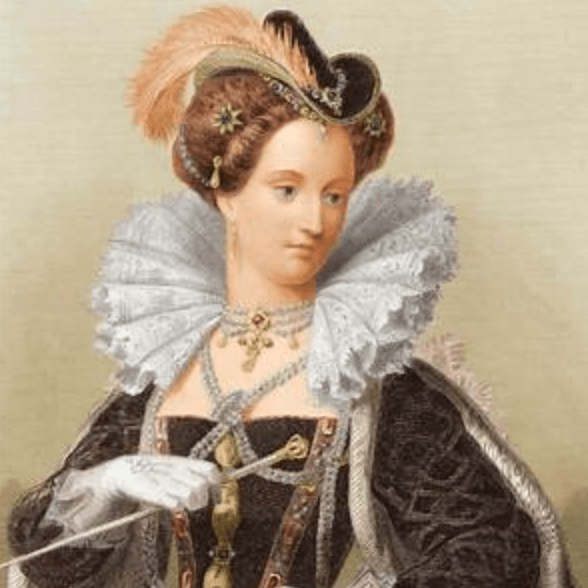
She is the daughter of Henry VIII who took the throne after a period of social and political turmoil. However, her reign proved a stabilising influence, and importantly saw the defeat of the Spanish Armada. During her reign, an increased number of explorations were made to the ‘New World’ – the Caribbean and North America.
Margaret Thatcher (1925–2013)
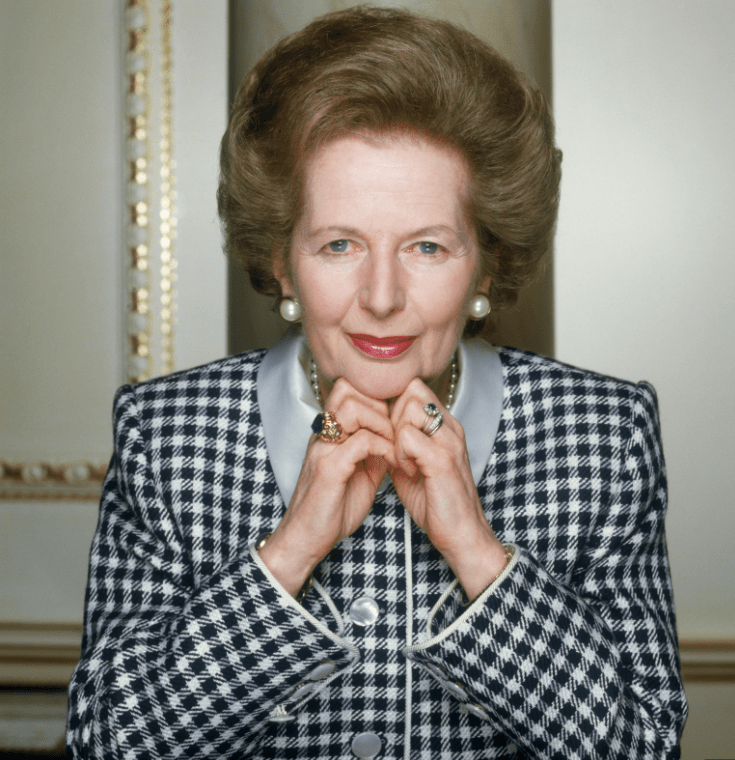
She Is a British Prime Minister from 1979–1990. She oversaw a period of rapid social and economic change in Britain. She was a conviction politician, unafraid to speak her mind and pursue her own ideology.
Boudicca (1st Century)

Led British citizens in revolt against the Roman occupation. Initially successful, Boudicca defeated the Romans in minor skirmishes before being defeated.
Aung San Suu Kyi (1945– )
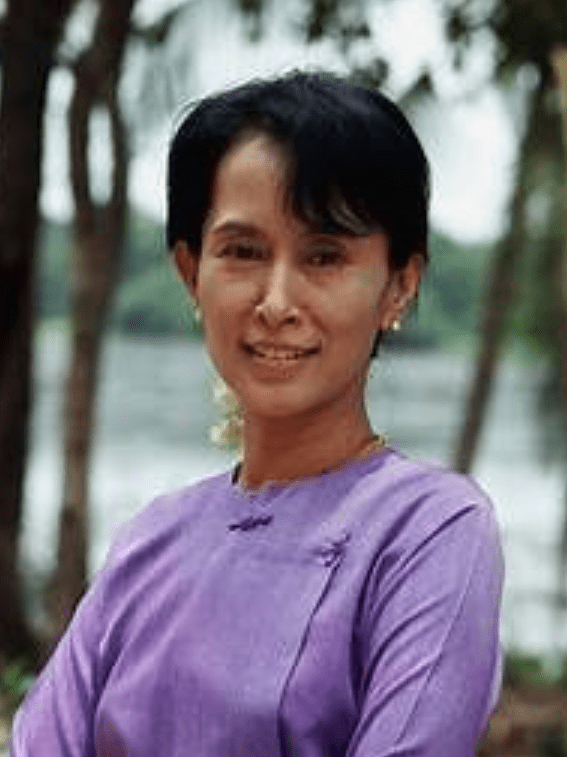
Burmese opposition leader. Awarded Nobel peace prize for opposition to military rule. Aung San Suu Kyi was placed under house arrest for many years due to her political principles.
Spiritual Leaders
Jesus Christ (c. 2BC–C 32 AD)

He is the central figure of Christianity. His teachings and life inspired his apostles to spread his message, and they began early Christian communities. His teachings and life later formed the basis of the New Testament and the development of the Christian religion.
St Paul ( 5–67AD)
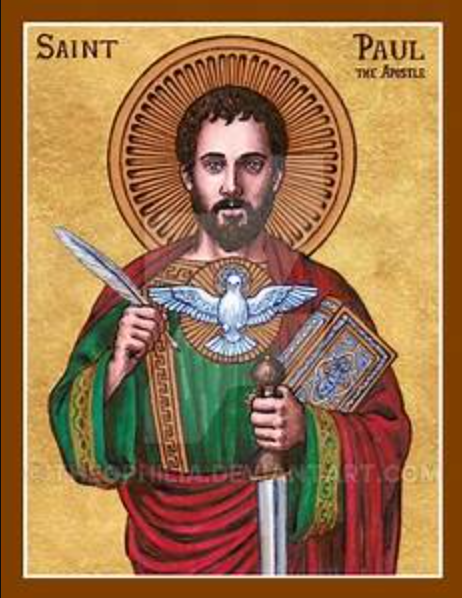
Missionary and influential early Christian. The letters of St Paul form a significant part of the New Testament. St Paul began his life as Taurus of Saul prosecuting Christians but later converted to Christianity.
Pope John Paul II (1920–2005)

Had a great effect on many lives that he touched. People felt he was a sincere and compassionate person. Lived through two very difficult periods of Poland’s history – occupation by Nazi Germany and the Communist era, before becoming Poland’s first pope.
14th Dalai Lama (1935– )
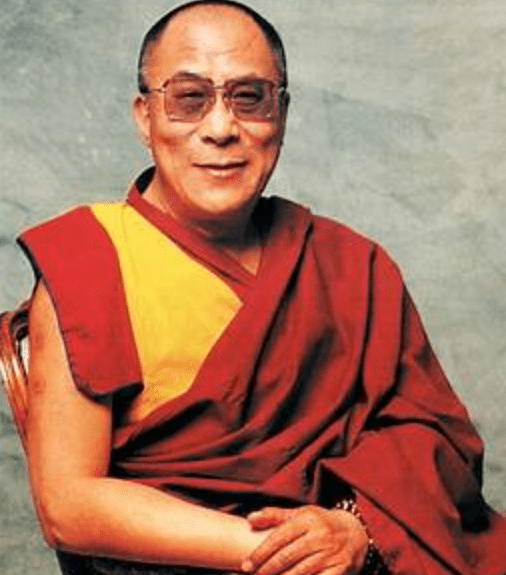
Leader of Tibetans in exile. Has sought to negotiate with Chinese to respect the traditions and culture of Tibetans. Believes in non-violent protest.
Pope Francis (1936– )
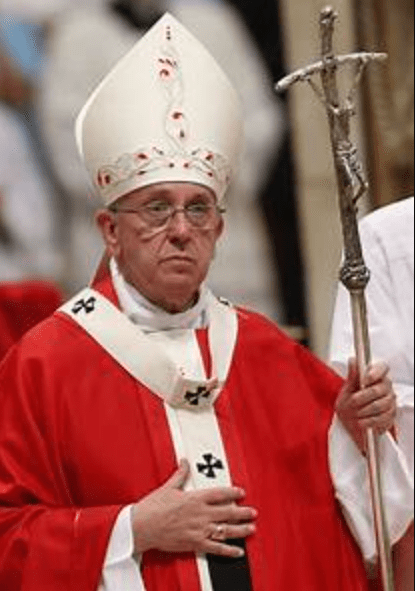
The first Jesuit pope and the first pope from the Americas, he has sought to reform the Vatican and the Catholic church. Pope Francis has stressed a more humble approach to the position of the pope and has been keen to bring people together.
Reference Link:
Indian classical music
something beyond the mundane through the medium of the arts.
The evolution of poetry, painting and other visual arts has been preserved on stone, leaves and
paper but music being auditory, no such evidence exists. As such it is not possible to listen today
to the music of the ancient times.
Inspite of such a variety of cultural interactions, our music has remained essentially melodic. In
melody, one note follows the other, making for a continued unity of effect, whereas in harmony
musical sounds are superimposed on one another. Our classical music has retained its melodic
quality.
It is usual to begin the history of Indian music with the melodic patterns of vedic chanting. The
oldest music, which possessed a grammar was the vedic. Of course, the Rig-Veda is said to be
the oldest: nearly 5000 years old. The psalms of the Rig-Veda were called the richas. The
Yajur Veda was also a religious chant. But actual music in Northern or Southern India, of
those bygone days could not have only been of this kind. There were non-Aryan people with
their own art. For instance, Santhal music from the Eastern region of India may have been
passed down from them. While the differences are obvious, there is no doubt that such music
of the people contributed to the formation of what we now call Hindustani Classical Music.
Natya Shastra of Bharata is another important landmark in the history of Indian music. It is supposed to have been written sometime
between the 2nd century B.C. and the 2nd century A.D. Some scholars are even doubtful whether it is the work of one author and the
work might well have been a compendium – at least, the version which is available to us. The Natya Shastra is a comprehensive work
mainly dealing with dramaturgy. But a few chapters of this deal with music. Therein we get information on scales, melodic forms, tala
and musical instruments. The then contemporary music recognized two standard scales. These were called gramas. The word grama
is itself perhaps derivable from the idea of group or sect: a village, for instance. This probably lead to a set of svaras or notes being
called grama. This could roughly be translated as scales. There were then two gramas prevalent. One was called the Shadja grama,
the other one was the Madhyama grama. The difference between the two was only in one note, the panchama. To speak more
accurately. we say that the panchama in madhyama grama was one sruti lower than the panchama in shadja grama.
Sa re ga ma pa dha ni
This is the mela aaroh of the modern raga Bilaval. Besides these seven shuddha notes or svaras there are five variants, making in all
twelve notes to a saptak.
Sa re re ga ga ma ma pa dha dha ni ni
There are, of course, finer variations: these are the shrutis, It is better, therefore, to call these 12 tonal regions rather than notes.
All known ragas are grouped within this twelve tone scale. Indeed. it was a Carnatic musicologist –
Venkatmukhi of the 17th century, who gave a system of 72 melas formed out of these twelve tones. Later
on, in the 20th century, Pt. Bhatkhande, chose 10 out of the 72 to classify Hindustani ragas
Indian cricket team.

The Indian men’s national cricket team, also known as Team India and Men in Blue, is governed by the Board of Control for Cricket in India (BCCI), and is a Full Member of the International Cricket Council (ICC) with Test, One-Day International (ODI) and Twenty20 International (T20I) status.
Cricket was introduced to India by British sailors in the 18th century, and the first cricket club was established in 1792. India’s national cricket team did not play its first Test match until 25 June 1932 at Lord’s, becoming the sixth team to be granted test cricket status. From 1932 India had to wait until 1952, almost 20 years for its first Test victory. In its first fifty years of international cricket, India was one of the weaker teams, winning only 35 of the first 196 Test matches it played. The team, however, gained strength in the 1970s with the emergence of players such as batsmen Gavaskar, Viswanath, Kapil Dev, and the Indian spin quartet.
Traditionally much stronger at home than abroad, the Indian team has improved its overseas form, especially in limited-overs cricket, since the start of the 21st century, winning Test matches in Australia, England and South Africa. It is second cricket team to win World Cup after West Indies. It has won the Cricket World Cup twice – in 1983 under the captaincy of Kapil Dev and in 2011 under the captaincy of Mahendra Singh Dhoni. After winning the 2011 World Cup, India became only the third team after West Indies and Australia to have won the World Cup more than once, and the first cricket team to win the World Cup at home. It also won the 2007 ICC World Twenty20 and 2013 ICC Champions Trophy, under the captaincy of MS Dhoni. It was also the joint champions of 2002 ICC Champions Trophy, along with Sri Lanka. The team has also won the Asian Cup seven times, making them one of the most successful cricket team in both Asia and the world. They are also one of the only four teams to win all major ICC tournaments. India have also won the ICC Test Championship, ICC ODI Championship, ICC T20I Championship and the World Championship of Cricket in 1985.
The Indian cricket team has rivalries with other Test-playing nations, most notably with Pakistan, the political arch-rival of India. However, in recent times, rivalries with nations like Australia, South Africa and England have also gained prominence.
As we do have our favourite cricketer, we all have different tastes but mine is MS Dhoni (Mahendra Singh Dhoni) he’s the beat no one can’t beat him but as we see our current Indian team so these are the players:
1. Virat Kohli.
2. Rishabh pant.
3. Kl Rahul.
4. Subhman gill.
5. Rohit Sharma.
6. Ravichandran Ashwin.
7. Jasprit B.
8. Yuzvindra chahal.
9. Umesh Yadav.
10. Ravendra Jadeja.
11. Kedar Jadhav.
And so on there’s alot of players in our Indian cricket team. And our Indian cricket team is doing so well. And is considered as one of the best teams.
YOGA-Indian heritage
Yoga’s roots began in India thousands of years ago. Yoga is one of the greatest achievements of Indian civilization, which has spread its influence far and wide.
The ancient seers used yoga as a means to explore the exterior and interior world and ultimately achieve the knowledge and wisdom of Vedas, shastras and Upanishads which have been passed down to the world. Yoga was evolved by the ancient Indian Rishis as a practical method for complete physical, mental and spiritual transformation of an individual. Different periods of Indian history can tell the origin of Yoga.
(i) Pre-Vedic period : The excavation of Mohenjodaro and Harappa in Indus Valley reveals that yoga was practiced in some forms during that period. The idols as well as statues which were found in excavation, are in various yogic postures. The language which was used in Indus Valley Civilization, is still unknown to us, but it is sure on the basis of idols that yoga was performed during that period.
(ii)Vedic period : Vedas refer to the oldest “portion of the sacred canon of Hinduism, they are four RIG, ATHARVA, SAMA and YAJUR. The word ‘Yunjate’ used in Rigveda gives the idea of the yoga for sense control. Some concepts of yoga are partially developed from Vedas.
(iii) Upnishads period : It is the upnishads, from which the later parts of Vedas provide the main foundation of Yoga teaching and philosophy known as Vedanta i.e., ‘Absolute reality’ or consciousness. The real basis of yoga can be found in upnishads. Pran and Nadis are discussed in upnishads along with the physiological effects.
(iv) Epic period : Around 6th century B.C. appeared two massive epics; the Ramayana written by Valmiki and the Mahabharata written by Vedavyasa. Various types of yogic practices were used during that period. Bhagavad Gita is perhaps the best known of all yogic scriptures.
(v) Sutra’s period : The backbone is furnished by Patanjali Yoga Sutra. He was rightly called the father of Yoga, who around 200 B.C, compiled, sythesized, modified, systematised and refined yoga in a metaphysical whole.
(vi) Smriti Period : Smrities were written till about 1000 A.D. During this period, of Smriti literature, we find various change in ideas, beliefs, worship and customs. Pranayam and other purification techniques used to occupy a significant place in every ritual of people.
(vii) Medieval Period : In this period, the two cults i.e., Natha cult and Bhakti cult were very famous. The literature of these cult shows that yoga was very popular in these cults. Hathayoga was evolved and became very famous in the Natha cult. The saints of these periods used to do various yogic practices.
(viii) Modem period: Swami Vivekananda made Yoga very popular and continued to spread its knowledge outside India also. Modern men have adopted this oldest science of life as a tool for keeping the systems of the body and mind in good health. Interest in Yoga is again at high pace with good reason. Yoga is the oldest form of personal development in the world, encompassing body, mind and spirit.
Yoga has its roots in the Indus Valley Civilization. The Vedas, Upanishads, the famous epics Ramayana and Mahabharata specially the Gita, Smrities, Yogasutra are authentic evidences of development of Yoga in ancient times. The seeds of yoga were sowed and developed in India and now it is spreading all over the world by Swami Ramdev ji.
Dinman Hardoul Singh

Dinman Hardoul Singh or Lala Hardoul is a Hindu folk deity of Bundelkhand in India. He was the prince of Orchha and the son of maharaja Vir Singh Deo and the brother of Jhujhar Singh. He was born in 1664 and died in 1688 at the age of 24. A temple of Hardoul in Bundelkhand is a centre for pilgrims and according to local beliefs he is still alive and is worshipped as a deity.
He is sometimes considered to be a nephew of Alha and Udal of Mahoba (see Alhakhand), however Alha and Udal were Banaphars during Chandela rule, where as Lala Hardoul was a Bundela.
Local legend states that prince Hardoul, was resented by Jhujhar Singh (Hardoul’s elder brother) who suspected his wife of having an extra-marital affair with Hardoul. Jhujhar ordered his wife to poison Hardoul in order to prove her innocence, with Hardoul willingly accepting it.[1]
The legend further goes that when Jhujhar’s (now the king) sister asked for aid in getting her daughter married; he sarcastically asked her to seek the help of the dead Hardoul. The dead prince is then said to have not only attended the wedding but served the guests as well.[1]
It is still believed by the local people that Hardoul attends weddings he is invited to and people leave him a wedding card to seek his blessings
The legend of Lala Hardoul is popular locally and is performed as street theatre in Bundelkhand. Chundri Odhasi Mahro Bir (also released as Lala Hardaul) is a 2012 Indian historical drama film, based on the folklore, directed by Nishant Bhardwaj and produced by Cair Saangri.[3] It stars Sachendra Choubey as Hardaul, Divyanka Tripathi as Padmavati (the queen and wife of Jhujhar Singh) and Devendra Bhagat as the king Jhujhar Singh.
 Eduindex

You must be logged in to post a comment.