The Great Indian Wedding: A need or a want?

The constitution of marriage dates back to years. Since human civilisation marriages are considered an important, integral and sacred practice in India so much so as to that individuals not wanting to get married face serious judgement and criticism even in this centuary. If I start talking about ‘societal norms’ in our nation that will become a whole new different blog in itself but what I’ll be writing about today is how worthy is an awe-inspiring, magnificent Indian wedding and is there really a need for one?

The Statics

Around 20% of all loan applications received from young Indians aged 20-30% in the year 2018-19 were for funding their marriage and many also use their personal loan to fund their weddings. The data accounting for loans that the middle class people take from unauthorised places to sponsor weddings will become unquantifiable. An article in times of India recently stated that food worth around Rs.339 crore goes wasted in Indian wedding functions in Bangalore alone. The study said that about 84,960 marriages are held at 53 marriage halls in Bangalore every year. About 943 tonnes of high-calorie quality food is wasted in these halls annually. This is the statistical data of just one state of our nation, imagine the soaring high data of the whole nation. All this when hunger remains no.1 cause of death in the world and 1/3rd of the world’s hungry people live in India. 836 million Indians survive on less than Rs.20 a day and while you read this blog today about 20 crore Indians will sleep hungry tonight. In a country like India where malnutrition is embedded, hunger is a widespread too.

The Crux

Through the above data and the introduction what I am trying to imply that there is an already an existing wide gap in terms of resource distribution and opportunities in our country. How fair is it for one to spend lakhs on a wedding functions while lakhs go to bed sleep without even a one course meal in the entire day. I do not nullify or disregard one’s need to celebrate and cherish their happiness in life but it could be done in a way that will bring happiness for the underprivileged too. Instead of serving your relatives with 4 course meal in a 5 star hotel, one can chose to offer food to the needy. There isn’t really a need for a lavish wedding just to satiate one’s socio-economic status. What people need to do is celebrate weddings as a private affair with their close and loved ones and make sure to help the needy too according to their capability. India celebrates 10 million weddings in a year! If the status symbol shifts from organising grand ceremonies to helping the poor, imagine the extent to which social stigmas like malnutrition, poverty, lack of shelter, medical facilities etc. can be curbed. I have tried to explain the thought through extravagant food bills in Indian wedding and malnutrition rate but there exists numerous ways to restrict unwanted expenses and channelize it’s financial benefit to the one in need. A bill was also passed in Lok Sabha in 2017 to check the ‘show of wealth’. According to the bill if any family spent more than 5lakhs on a wedding, they’ll have to contribute 10% of the amount on marriage to a girl from the underprivilege section of the society. Irrespective of legal bindings or restrictions, people have to develop self-consciousness and sensitivity. As Gandhiji said the earth has enough for everyone’s need but not for everyone’s greed. So it’s time people look beyond their greed and aid in fulfilling everyone’s need. This way we can have an effective and efficient utilisation of our resources and move towards an egalitarian society. So the next time you plan or organise a wedding make sure to have demarcations between your needs and wants!

Impact of COVID-19 on undergraduate education

COVID-19 has hit India with its absolute force and has put the entire nation under lockdown. This nationwide pandemic has tested various systems of India. The medical sector has suffered the most under its wrath due to the unavailability of staff and equipment. Furthermore, due to lockdown, various business activities have been shut down, this has also taken a toll on India’s economy. While sectors like these are facing issues as of now, the educational sector of India is also under crisis. Colleges/ universities have been shut for over 2 months as it would be unsafe for the students and faculty to attend college at the time of lockdown, while coronavirus continues to spread at a massive rate. Coping with COVID-19 is difficult for everyone including universities, because they serve such an extensive variety of purposes. First and the most significant, they are educational institutions, where undergraduate and postgraduate students acquire skills, knowledge and education and where faculty educate and conduct research. Furthermore, they additionally work as small cities, complete with police forces, energy plants, sports offices, and other civic institutions. They are likewise significant local employers and important drivers of nearby and regional economies. Lastly, many manage hospitals, setting them at the front line of the local healthcare system. Maulana Azad National Institute of Technology (MANIT) has made the students hostel  into a quarantine center as they have more than 300 rooms. Students are in panic as their belongings are still there. 

Despite the fact that most understudies have left grounds, the issues created by COVID-19 have not. Everyone from the workforce to office staff are stressed over their future. Research projects, semester exams and practicals are postponed. Admissions for new courses and staff recruitment are disrupted. Everything is in disorder. Undergraduate and postgraduate students have many questions like: How will their academic credit be determined? Will they be reimbursed for the unused room and lodging? Will there be a farewell ceremony for last year students? Will this affect their athletic scholarship? Would they be able to stay in the country if their student visa is revoked? Would the final year students get their degree this year or not? In short, universities still have various important decisions to make, and to convey to the students and faculty. 

Making an organization that gives a framework to these decisions can help—and is preferable done sooner rather than later. In working with higher-education institutions as well as businesses and public-sector agencies, we have perceived how integrated nerve centers can assist these institutions and organisations with setting a course and follow up. 

COVID-19 has drastically reshaped the manner in which worldwide higher education is taught. Lectures are being conducted online. Examinations and their conduct is uncertain since most of the universities have cancelled exams for now,  as all the education institutions have become virtual. Therefore, higher education institutions are quickly shifting how they impart and operate to meet the advancing needs of students and faculty. And they have successfully met the requirements of the students to a large extent. 


EDUCATION IN TIMES OF CORONA

We all are well informed about the current unfortunate scenario created by the deadly Novel Corona Virus. A lot has been said and discussed how much it has impacted the environment, society and the economy of the countries. This pandemic has tremendously affected the education system, this is also needed to be discussed widely. Almost every day, the teachers and students are facing new challenges. Education is the backbone of a society and the students are the future. Life becomes valueless without education. The suffering of the entire education system is not at all desirable.


From the very beginning, the main mode of education was offline and the basic source was school. But it is obvious that due to this corona outbreak all the offline modes of education are closed for an uncertain period of time. On 14th March the nation’s Prime Minister announced the first nationwide lockdown, and the news dropped like a bombshell for the institutions and teachers, because at that point of time many board exams were going on in schools and colleges and some results were about to be declared.


The lockdown is getting extended in increments since March. Given this situation, it is not possible for the institutions to take a complete break from teaching the students neither it is possible for the students to stop studying since whenever their schools/colleges will reopen they will have to give their due exams. In this situation the only thing that is feasible, is to introduce e-learning in their curriculums. Internet learning was always an option for extra studies for the students, but now that option has become a necessity for almost all the educational institutions.


Education is a basic right for every citizen of a country. But this overnight change of the mode of study from offline to online has made education unreachable to some of the students. Numerous students do not have an internet connection and thus the study materials that are being given to them are becoming unattainable for them. Some of the institutions have even started marking their attendance in the online classes. Those schools/colleges use to allot marks on the attendance of the students, so, those students who aren’t being able to attend these online classes are getting affected severely. All the sources of learning have become unobtainable for these students since their tuitions are also off now. Even the teachers are facing copious issues due to this sudden change. Many teachers are not technologically equipped so along with the students they are also taking time for getting used to it. The teachers are also facing pressures of converting all the teaching materials to digital formats. Even if the majority of the students are getting the facility of attending their classes through online conferences, it can not be apprehended how the pending and future exams will be taken through online mode.


Amidst this situation where all the students and teachers were already struggling to get adjusted with this newly formed learning system, the government of several states announced that the junior classes of the schools and the intermediate semester students of the universities will be promoted to the next class or to the next semester. Regarding this a lot of hassles has been created since most of the universities are still not agreeing to promote their students without taking their tests. Some of the institutions are planning to take their exams very soon even in this crucial situation. The students were already distressed and this being added into their suffering, they are now completely perplexed.


The university students who had their terminal semesters just when the lockdown started, are suffering the most. Most of them had their career plans ready already. Since the entire exam procedure got delayed, they are living in an extremely uncertainty right now. The school kids are facing problems in paying the fees of the schools and tuitions since most of the parents do not have the facility of online banking. The government and the institutions are trying to make things a little less difficult for the students. The sense of insecurity in the students are making them depressed and it has affected their mental health badly. No one knows what the future holds for all of us, but what we can do is to try to keep the students engaged not only with studies but also with creative things so that they can stay healthy and productive in this pivotal situation.

WORLD BRAIN TUMOR DAY

Every year World Tumor Day is observed on 8 JuneWorld Brain Tumor Day was first marked by Deutsche Hirntumorhilfe, a Non-Profit, German Brain Tumor Association. Deutsche Hirntumorhilfe declared the World Brain Tumor Day in the year 2000 to spread the awareness about the brain tumor among the people and tribute to all brain tumor patients and their families.

What is a Brain tumor?
Unnecessary growth of cells that are either within or around the structure of the brain is known as a Brain tumor. This abnormal collection of cells in your brain or central nervous system can disrupt brain function. Brain tumors are mainly of two types:

  • Malignant Tumors
  • Benign Tumor

Malignant primary brain tumors are cancerous and Benign brain tumors are non-cancerous.

Symptoms of Brain Tumor


•Changes in personality and behavior
•Double vision and blurred vision
•Severe headache
•Memory loss and confusion
•Nausea and vomiting
•Drowsiness
•Sleep problems
•seizures

Causes of Brain tumor

Age- with increase age risk of a brain tumor increases.

Chemical exposure- Being exposed to certain chemicals, such as pesticides, herbicides, and fertilizers that may find in a work environment can increase your risk for brain cancer. 


Exposure to ionizing radiation- People who have been exposed to high-radiation cancer therapies or radiation from nuclear fallout are on the increased risk of brain tumors.

Frequent use of cellphones: the radiofrequency energy from cellphones is capable of causing brain tumors.

Family History- brain tumors may be genetically inherited. If your family member is diagnosed with a brain tumor than consult your doctor immediately.

Endless blues: World’s Ocean Day.

What is it About?

World Oceans Day is a worldwide initiative by the United Nations to spread knowledge and awareness about the vast expanse of oceans on Earth. It is based on the idea of preserving the infinite number of life forms and coral reefs that are a part of the ocean and being aware of how human actions can harm their natural habitat. The principal focus of this initiative is to bring the oceans at the forefront of global environmental discussions, and plan and execute a sustainable method to save our oceans and the planet at large.

When is World Oceans Day?

We celebrate World Oceans Day on June 8, and a lot of activities at global, national and community levels are organised worldwide to observe this event.

What is the History of World Ocean Day?

World Oceans Day was first proposed by Canada’s International Centre for Ocean Development and the Ocean Institute of Canada in 1992, at the Earth Summit in Rio de Janeiro. Since 2002, the World Ocean Network has been instrumental in garnering support and organising worldwide activities on June 8. A huge network of more than 2000 organisations worldwide are invested in making sure that the ocean is protected from any damage due to technology or other human actions.

Why is World Oceans Day Important?

The composition, temperature, currents and life in the oceans drive every natural system that makes Earth habitable for humankind. Even the balance of oxygen that we breathe is primarily dependent on the ocean. The health of our oceans has become a matter of grave concern, due to the damage they have endured.

Dedicating a particular day to this cause not only helps in spreading awareness among people, but also in mobilising conscientious civic and political efforts towards addressing this global problem. Though spending just one day celebrating the oceans is not enough to bring about the changes required to conserve marine ecology, it works wonders as a starting point for people, especially young minds, to come together to take action against any damage done to ocean.

Other Important Facts About World Oceans Day

Knowing about World Oceans Day is not enough for your children to be able to grasp the whole concept of how important the ocean is for human survival. To encourage your children to celebrate our oceans and strive to make a difference, you could share some fun facts on World Oceans Day and how important the oceans are:

• 97% of Earth’s water is in the oceans, which is home to more than 200, 000 known species and millions of unidentified organisms.

• The oceans purify the air we breathe by absorbing 30% of the carbon dioxide in the air, which also helps in reducing the effects of global warming and climate change.

• Oceans are the world’s largest source of protein, and more than 2.6 billion people depend on the oceans as their primary source of protein.

• 40% of the oceans of the world are today affected by human actions causing pollution, depletion of fisheries, loss of coral reefs and endangerment of marine species. Seven out of the 13 great whale species are endangered today.

•13, 000, 000 tonnes of plastic leak into the ocean water each year. It has been predicted that there will be more plastic than fish in the ocean by 2050. Over 100, 000 marine wildlife animals are killed each year due to plastic contamination of the oceans.

• Each year a new theme is assigned to this day to cover different aspects of marine life and human dependency on oceans. In 2020, the celebratory theme on World Oceans Day is “Gender and The Ocean”, which emphasises the harm that gender disparity can bring to our oceans.

• The President of UN General Assembly has launched a global campaign “Play It Out”, against the use of plastic.

• Marine Protected Areas have been chalked out as an initiative to protect the oceans from illegal fishing.

• Jellyfish as a species is older than dinosaurs and has been on this earth for more than 650, 000 years.

• 75% of the world’s volcanoes are located under the Pacific Ocean around Ring of Fire, the largest zone of active volcanoes.

World Ocean Days Activities for Kids

It doesn’t matter how small their hands are, children can drive this movement and even inspire adults to participate. Here are a few activities that your kids can organise on World Oceans Day:

  1. Clean-up Drive

Invite all the children in the neighbourhood to the beach or any water body close by to clean the area. This will help them to understand how much litter ends up in the oceans through different waterways polluting the habitat of marine life.

  1. Ocean Themed Programme

An ocean theme-based arts and crafts competition can attract a lot of attention from children of all ages. You can engage kids in a drawing competition and then display their creative works. You can even inspire a few young writers to submit stories and poems based on marine life.

  1. Ocean Hunt

Treasure hunts are an intriguing way to engage children. Keeping the spirit of World Oceans Day, you can organise an ocean hunt by creating puzzles around facts from the oceanic world, leading to prizes like ornaments made out of sea-shells, passes to any nearby aquarium, books with interesting facts about the ocean, etc.

  1. Storytelling Competition

It is safe to say that all kids love stories, especially when they get to be the judge of who is the best storyteller. Engage the adults around and encourage them to bring in their theatrical talents to entice the kids with amazing storytelling skills. You can always use the sounds of the waves or wild animals from the ocean to enhance your performance.

5.Let the Kids Instruct

No child will say no to an opportunity to give some sound advice to his/her parents. Ask the children to make a list of human actions that harm our oceans and come up with instructional ideas to preserve them. Organise a session with all the adults, where the kids present their points of view on how to keep our oceans and planet safe.

Human Rights in the Digital Age

Our digitally connected world poses serious challenges to human rights. Mobile connectivity and internet use, low-cost and fast computing systems, and rapid AI advances have on one hand, provided new opportunities. But, on the other hand, they present unique challenges to the protections of core human rights.

Budding technologies like Al have massive potential to divide societies, violate privacy and provoke prejudice, extremism, racism, hatred, and violence across the globe in a short span of time. Breaches of data safety protocols and social media campaigns can create opportunities for blackmail and influence political processes. Defenders of human rights and democracy need to discourse these challenges as priority.

[1]Focusing on human rights in the digital age is key. Data collection has already begun on an industrial scale. States, political parties, various organizations and, in particular, businesses hold remarkably detailed and powerful information about us. More and more aspects of our lives are being digitally tracked, stored, used – and misused.

Digital technology already brings many benefits. Its value for human rights and development is huge. We can connect and communicate around the globe as never before. We can empower, inform and investigate. We can use encrypted communications, satellite imagery and data streams to directly defend and promote human rights. We can even use artificial intelligence to predict and eradicate human rights violations.

There is an urgent need to scrutinize the international treaties and conventions that codify human rights to provide strong policy guidelines regarding international cooperation for the protection of human rights in the digital age.

International courts, tribunals, and national courts, for example, should interpret international human rights conventions and national fundamental rights laws to simplify duty of care, refine the right to privacy, and freedom of speech, religious freedom, and association in the digital context. The vulnerability of women and children need instant attention. Women experience a higher level of online harassment than men. Children are more exposed to online persecution and sexual exploitation than adults. So, privacy protection rules should be made specifically for women and children. There should be detailed design and data consent standards for online services. The Age Appropriate Design Code announced by the UK in 2019 and American Children’s Online Privacy Protection Rule of 2013, for example, prescribe such standards for digital services.

Nonetheless we cannot ignore the dark side, the digital revolution is a major global human rights issue. Its unquestionable benefits do not cancel out its unmistakable risks. We should not feel overwhelmed by the scale or pace of digital development and do need to understand the risks associated with it.

[2]A lot of our attention is rightly focused on challenges to freedom of expression online and inciting hatred and violence. Online harassment, trolling campaigns and intimidation have polluted parts of the internet and pose very real off-line threats, with a disproportionate impact on women. In the most deadly case, social media posts targeted the Rohingya community in Myanmar in the run-up to the mass killings and rapes in 2017. Human rights investigators found that Facebook – and its algorithmically driven news feed – had helped spread hate speech

and incited violence.

These grave violations of human rights leave no room for doubt. Threats, intimidation, and cyber-bullying on the internet lead to real world targeting, harassment, violence and murder, even to alleged genocide and ethnic cleansing. Failure to take action will result in further shrinking of civic space, decreased participation, enhanced discrimination, and a continuing risk of lethal consequences – in particular for women, minorities and migrants, for anyone seen as “other”. But over-reaction by regulators to rein in speech and use of the online space is also a critical human rights issue. Dozens of countries are limiting what people can access, curbing free speech and political activity, often under the pretence of fighting hate or extremism. Internet shutdowns seem to have become a common tool to stifle legitimate debate, dissent and protests. The NGO Access Now counted 196 shutdowns in 25 states in 2018, almost three times the number (75)  as per the statistics recorded in 2016.


Some States are deliberately tarnishing the reputations of human rights defenders and civil society groups by posting false information about them or orchestrating harassment campaigns. Others are using digital surveillance tools to track down and target rights defenders and other people perceived as critics. Digital technologies have put privacy at risk. AI has enormously improved the possibility of electronic surveillance and interception. Thus, authentic national security and business interests need to be balanced against a basic right to privacy. How can the latter be ensured without undermining the former? International agencies like the United Nations should help state parties negotiate and enforce data-protection treaties and laws to ensure that governments, non-state actors, and companies cannot misuse the personal information of their citizens.

[3]Reportedly, the 2016 US presidential election and Brexit were shaped by spiteful use of digital technology. It is completely possible that powerful countries and multinational corporations will employ AI to raid the economy of the under-developed countries and weaken their national security. In view of the increasing misappropriation of digital technology in economic and political affairs, the developing countries, in particular, need to raise a voice at regional and international forums for an effective mechanism of collaboration and safety of the developing world.

[4]The UN, state governments, social media networks, and private business must guarantee that digital technology is working for the welfare of humanity in a transparent and accountable manner. AI systems must follow stringent ethical standards. It is becoming evident that AI can be used to create discrimination as prejudices can be fed into algorithms to produce a specific pattern or result. For example, the Artificial Intelligence can be misused to decide who is eligible for a particular job or permitted for a pertinent public service such as housing loan or healthcare. Therefore, there are constant global efforts to make AI developers subject to law and ethical values.

Those who progress and employ Al for political or business or war purposes must be held responsible for their actions. People are legally responsible for their actions under all legal systems. So, those who design, develop, adapt or deploy AI must also be held answerable for the consequences of their decisions. The legal responsibility of these actions becomes more critical when lethal autonomous weapons systems are used in striking violation of international human rights and humanitarian law. The UN secretary-general emphasized in 2018 that “machines with the power and will to take lives without human involvement are politically unacceptable, morally objectionable and should be prohibited by international law”.

[5]As we live in an age of digital interconnectedness, governments, human rights defenders, citizens and AI companies should work together to boost digital cooperation for the protection of human rights. Common human values like equality before law, dignity, privacy, freedom, inclusiveness, respect, and sustainability should be preserved. These human values must serve as a guiding light to our conduct in the digital age.

So while our notions of privacy are developing along with social media and data-capturing technology, we also need to identify that it’s not “just privacy” that is affected by the digitization of everything. The exercise of all fundamental freedoms is diluted when governments utilize new capacities that flow from digitization without regard for human rights. Furthermore, by engaging in tactics that weaken digital security for individuals, for networks and for data, governments trigger and further inspire a hackers race to the bottom. Practices that weaken digital security will be learned and followed by other governments and non-state actors, and ultimately undermine security for critical infrastructure, as well as individuals users everywhere. Defending and improving digital security for individuals, for data, for networks, and for critical infrastructure must be seen as a priority for national and global security.

There is already an urgent need for governments, social media platforms and other businesses to protect the fundamental pillars of democratic society, rule of law, and the full range of our rights on line: a need for oversight, accountability and responsibility. As the digital frontiers expand, one of our greatest challenges as a human rights community will be to help companies and societies to implement the international human rights framework in the land we have not yet reached. This includes clear guidance on responsibilities of business as well as the obligations of states.

At its best, the digital revolution will empower, connect, inform and save lives. At its worst, it will disempower, disconnect, misinform and cost lives.


[1] Robin Blom. Naming Crime Suspects in the News. Media Law, Ethics, and Policy in the Digital Age, pages 207-225.

[2] Katharine Sarikakis, Izabela Korbiel, Wagner Piassaroli Mantovaneli. (2018) Social control and the institutionalization of human rights as an ethical framework for media and ICT corporations. Journal of Information, Communication and Ethics in Society 16:3, pages 275-289.

[3] Robin Blom. 2020. Naming Crime Suspects in the News. Media Controversy, pages 354-372.

[4] Stephen Cory Robinson. (2015) The Good, the Bad, and the Ugly: Applying Rawlsian Ethics in Data Mining MarketingJournal of Media Ethics 30:1, pages 19-30.

[5] Corinne Cath. 2019. Internet Governance and Human Rights: A Literature Review. The 2018 Yearbook of the Digital Ethics Lab, pages 105-132.


Stop Spending So Much Time In Your Head

I know something about you without knowing you. I bet you spend A LOT of time in your head.

You know, thinking, worrying, stressing, freaking out — call it whatever you want. I call it a preoccupied mind. And with what?

99% of your thoughts are useless. William James put it best:

“A great many people think they are thinking when they are merely rearranging their prejudices.”

All my life I’ve been obsessed with practical things. Practical philosophy, practical knowledge, practical books, practical work, and practical advice.

That idea comes from Pragmatism, a philosophical tradition that started in the 19th century in America. Charles Sanders Peirce, who was a Harvard professor, is considered as the “father of Pragmatism.”

But it was William James, a trained physician turned philosopher, who really defined the philosophy.

About thoughts, worry, and stress, William James says:

“The greatest weapon against stress is our ability to choose one thought over another.”

Pragmatism believes that a mind is a tool. Your mind should work for you, not against you. People who don’t master their mind, don’t believe it’s possible.

Well, you can with enough practice. It’s a skill.

In other words: You have the ability to decide what you think. Or, you can choose NOT to think.

And that is one of the most important and most practical things you can learn in life. Before I learned that skill, I would spend hours and hours inside my head.

Just think about how much you think.

  • “I wonder what my boss thinks?”
  • “What happens if I screw up and lose my job?”
  • “Does she love me?”
  • “I think he doesn’t care about me.”
  • “I just keep failing.”

And the list goes on. That is all REAL shit. That’s stuff people tell me when I ask them what they worry about.

Do you know what those thoughts do to you? Guilt, anger, suffering

Thoughts have no use. 99% of them that is.Which thoughts are useful?

  1. Thinking about how you can solve problems. A problem is just an unanswered question. Put your brain to use and think about how you can solve problems. There are a lot of those on this earth.
  2. Understanding knowledge. That means this: Try to internalize knowledge and think about how you can use that knowledge to improve your life, career, work, relationships, etc.

That’s it. You can ignore every other thought.

If you’re constantly thinking, it’s because you haven’t’ trained your mind yet. You HAVE to get out of your head.

If not, you go mental. Everyone will. No exception.

Also, you’re probably thinking so much that you’re missing out on life. Did you notice the sunshine this morning when you woke up? Or the raindrops? Did you notice the smell of your coffee? Did you feel the texture of your cereals?

If your answer is no, you definitely need to get out of your head. Stop thinking and start feeling.

Now, you might think: “How do I train myself to stop thinking useless thoughts?”

Awareness.

That’s where it starts. Every time you start drifting off, become aware of it. Just observe your brain. Step outside yourself and just observe the crazy shit you’re thinking about.

Don’t judge. Don’t think you’re stupid. If you do that, you’re thinking again.

No, what you want to do is say this to yourself: “Ah that’s a great thought. Now, let’s get back to reality.”

Are you back to reality? Do you feel your eyes reading the letters on your screen? Do you feel your phone in your hand? Are you thinking about how you’re going to apply this information to your life?

Great. You’re USING your mind, and it’s not the other way around. Now, keep using that brain of yours.

Because I’ll tell you this: It’s the most powerful tool on earth

Safoora Zargar Needs Equal Attention As The Elephant Incident

Ever since the NCR act implementation came alive, the country was left with unprecedented anguish. The constitutional’s alarming move saw a full surge of student protests dispersing across the country and worldwide. Now a new incident came into light which has sparked outrage among the nation. 

As soon as the government announced lockdown due to the boost in Coronavirus outbreaks, several students and activists who actively lead a protest in Delhi were put behind bars amidst the lockdown. 

A 21-year-old MPhil student from Jamia Milia Islamia University, Safoora Zargar had been jailed for protesting against her rights as a citizen. The latter is currently nine months pregnant and has a condition of PCOS syndrome, which is widely common in women. 

The young female student has been facing a huge turmoil after her bail was rejected nearly four times. The law being enforced against the pregnant woman is clearly illegal but the judiciary don’t seem to mind breaking the rule when it comes to manning a particular community. 

Safoora was roughly booked under UAPA for allegedly steering the teacup of anti-CAA protest which took place in Delhi around February 2020. 

Comparing the elephant incident with Safoora one, Bollywood celebrity clad showed outrage on the elephant incident while blatantly ignoring the fact that a pregnant woman has been denied her human rights. The conclusion here clearly boasts that the a particular community is being brutally targeted with baseless reasoning to put forth by the rightists. 

Wake up, your child is going to do suicide

“If my parents understood my dreams than today I won’t be stealthy sitting on roof and writing this blog.”

So, you are a parent, if not than at one stage of life you’ll be ( but for now just read and share it with a parent). Every parent has great GREAT expectations from their offspring and sometimes that desire becomes so pressurizing that it takes the toll of the life of that little angel.

How many of you asked your child what he or she wants to become well many of you haven’t and in a rare case if you have, I am sorry to say that you didn’t took that seriously.

A child of 21st century is none less than the most busiest person on Earth, schooling, coaching, homework and much more trouble some tasks are a part of their life and after all that when they get the night time to rest, they wander in the land of dreams; the world that’s their own, they make ambitions and set goals for their life.

But do you even know the amount of grief and misery that your child feels when you say a crisp clear NO to them when they beg you to let them achieve what they want ?

Let me talk in statistics. Globally Around 65000 kids committed suicide in 2019 just because their parents didn’t allowed them to study in the field of their choice.

Just imagine the condition of a student who passed school working hard so that he could take admission in his dream college. But guess what, his CARING parents deny him that because the college is in another city . WTF, like seriously, we kids work our ass whole childhood to satisfy your marks hungry taste buds and what we get in return, a big rejection on our dreams.


As a parent your worries and thinking of well being of ur kid is justified. But you have to understand that the dreams and choice of your child also matters, afterall it’s them who would be studying and if they want to pursue a field of their choice then why deny it to them and become the reason of them going into depression or at worse, commuting suicide.


Parents, you have to understand this, your child knows his interests more than you or anyone else. Please, you just can’t put an end on their life by making them give up on their dreams.

Just go and talk to them, understand what ur child wants. Otherwise the day is not far when your child will cry silently in night and will fear to meet eye with people and will curse his very existence like I do. Please parents, wake up .


World’s food safety day

It is necessary to assure that food remains safe at every stage from production to harvest, processing, storage, distribution, preparation, and consumption. That’s why World Food Safety Day is celebrated on 7 June to highlight the health consequences of contaminated food and water. The World food safety day was observed by the United Nations from 2019. This year’s world is celebrating second world food safety day. Unsafe food is a threat to human health and economies, and marginalized people, especially women and children.

World Food Safety Day Theme: Food-Safety Everyone’s Business

This year’s theme for world food safety day is food safety everyone’s business. This campaign will promote global food safety awareness and will call upon countries, the private sector, civil society, UN organizations, and the general public to take action. The theme Food-safety everyone’s business depicts that whether we grow, transport, process, distribute, store, sell, prepare, or consume food, everyone has a role to play in making consumed food safe and uncontaminated for people. Through World Food Safety Day, the World Health Organization pursues its efforts to mainstream food safety in the public agenda and reduce the burden of foodborne diseases globally.

Food Safety Tips

* It is important to keep foods safe to maintain healthy eating. We all can reduce contaminants in food and keep food safe by following food safety tips:

* Wash your hands properly with soap and water before going to the kitchen.

* Before eating, cooking, and cutting fruits and vegetables rinse them properly under running water.

* Clean inside and outside of appliances and buttons and handles of appliances.

* Daily sanitize kitchen surfaces with hot and soapy water or use disinfectant.

* While doing food shopping keep raw seafood, poultry, and meat in a separate bag and fresh fruits and vegetables ina separate bag.

* Clean your refrigerator once a week, discard cooked leftovers in 4 days and raw poultry and ground meats in 1 to 2 days.

Human – The Monsters

After the recent incident, where a pregnant elephant died in Kerala after a fruit filled with firecrackers burst in her mouth, triggered nation-wide outrage, a video of a pregnant cow injured in a similar fashion has been circulating on social media. In the video being shared online, one Gurdiyal Singh, a resident of Himachal Pradesh, who claims to be the owner of the injured pregnant cow, describes how the cow’s mouth had been injured after one Nandlal fed her explosives.

Owner of the preganant cow blames neighbour for the brutal act

Meanwhile, Gurdiyal Singh confirmed that Nandlal, the alleged accused, works as a mechanic in Singh’s neighbourhood. Singh said that Nandlal has no remorse for his action. Nandlal has said that he is not scared of the repercussions and that he will continue to do whatever he deems fit. “Even the village sarpanch cannot harm me”, challenged Nandlal when confronted by Singh.

The video of this brutal act was circulated soon after social media was aflutter with outrage and anger over the demise of an elephant in Kerala. Amid outrage, the district police on Thursday (June 4) constituted a special investigation team under a DSP-rank officer to probe the matter.

One suspect arrested in Kerala elephant killing case

The forest department in Kerala has arrested one suspect in the case of death of a pregnant wild elephant in Kerala. The person is being interrogated in the matter. The elephant had died after she was fed a pineapple filled with firecrackers by some villagers.

The autopsy report of the dead elephant has revealed that the crackers stuffed in the pineapple which was fed to the elephant burst in her mouth leading to severe injuries. The elephant was not able to eat anything due to the deep wounds, due to which she fell and drowned due to weakness. The elephant’s preliminary post-mortem examination was conducted at the Mannarkkad Forest Division. It revealed that the animal died as a result of drowning, followed by inhalation of water which led to lung failure. This has been identified as the immediate cause of the death of the elephant.

The investigation in the case has been moving on a faster pace and the forest department has started interrogating the suspect in custody. As per reports, three people are under suspicion of feeding the pineapple full of crackers.

Pregnant elephant dies in Kerala after cracker-filled pineapple burst in its mouth

Recently, in an act of utmost cruelty, a pregnant elephant had died after some locals fed her cracker-filled pineapple which later exploded in her mouth. The incident took place in Malappuram district of Kerala when the elephant had wandered into a village in search of food. It is being believed that some villagers stuffed pineapples filled with firecrackers on her tusks while she was walking on the streets.

From anybody who throws stones at stray dogs to anybody hurting a living soul,choose one face. A lot of these animals trust  humans because the have been helped by them in past. This is cruel beyond measure. When you lack empathy and kindness,you don’t deserve to be called a buman. To hurt someone is not human . Just stricter laws won’t help. We need a descent execution of law too.
Until the guilty are punished in the worst possible way, these wicked monsters will never fear law. Though it’s difficult, i hope they are able to find out the  one who committed this crime and  punish them  accordingly.

Journey of the Technologies that shaped today’s world : Steam Engine

Ever since the discovery of steam engine which set off the industrial revolution in 18th century, the science and technology has advanced life consistently. The first technological revolution was brought by steam engines. They revolutionized how people and things moved around.

Till then people depended on manual labour by humans or animals. Such method was heavily dependent on the availability and condition of the roads. Often uncomfortable and it would take a daring man or woman to make arduous journeys. For carrying the things around it would take days. The medium available were unreliable and a patch of bad weather could have totally “derailed” the plans- if that word was even available in dictionary then. 😊

One of the earliest applications of the steam engines was removing of water from the mines. Mines in that period were highly unsafe due to undetected poisonous or combustible gases like Methane and sudden flooding of mines by ground water. Flooding claimed lives and forced mines to shut down. As mines were thousands of feet deep, manually removing the water was next to impossible. Steam engines came as a godsend for the industry.

The steam engines also changed the way people travelled and worked. The ubiquitous coal and water became the resources to do works that would have required hundreds of humans or animals. In fact, the earlies unit to measure the power of machine was “horsepower”. To make people understand how efficiently the machines worked, the inventor of steam engine- James Watt used the term Horsepower to express the power of the machine. 1 horsepower which is equal to 745.7 Watts in SI unit, was an estimate of how much power an adult horse puts in. Even today, many automobiles express the rating of their engines in terms of horsepower.

The potential of the steam engine was soon realised by other sectors as well. Governments and businesses invested in building tracks to connect remotest of areas to ensure smooth movement of people and goods. In fact, India was one of earliest country to get a railway track and a train. This was despite having the oppressing British rulers who probably never had anything good in their hearts for India to see the rays of development. Sole purpose of the track was to facilitate movement of goods especially the raw materials for the British industries from the remote parts of India to the ports to be carried out in ships. The tracks must have speeded the depletion of the resources of India, but the sunshine in the cloud was the railway tracks.

In fact, to this date Indian Railways is one of the most efficient and largest travel organization in the world. Before pandemic brought the wheels to a halt, Indian Railways stopped work on only two days in their history of 167 years. Ferrying hundreds of thousands of passengers and thousands of tonnes of raw materials and finished goods on a daily basis, Indian Railways is truly a lifeline for the Indians.

Designer masks: the new fashion statement

If we have to live with a face mask in the foreseeable future, let it be a designer one. Luxury brands to corporate fashion, artisanal communities to even turban designers are redefining the face mask into a fashion accessory, albeit one that follows all the norms of WHO safety protocols.

The bizarre situation arising out of the COVID-19 pandemic has sparked an amazing amount of creativity among designers and artisans. Glamorous to the artistic, the range of masks flooding the market is exhilarating.

While the initial intention of designers and brands was to create masks for a more altruistic purpose — to rush supplies to frontline workers as a contribution to the fight against the pandemic, it is turning into another vertical of their business. For artisans, on the other hand, it is a means to survive the financial constraints imposed by the lockdown and tide over these uncertain times.

Globally, fashion brands such as Dior, Prada, Gucci and Louis Vuitton recalibrated their manufacturing units to make masks, protective gear and sanitizers. Their masks initiative has moved from public-spirited to a fashion offering. Indian designers and savvy artisans are fast catching up. Face masks are a canvas for self-expression and a means of survival at a time when most business has come to a halt. According to the book History of Surgical Face Masks by John L. Spooner, masks first made an appearance as protective gear for medical practitioners in the 19th century. They were adapted in China in 1910 to prevent spread of pneumonic plague.

Fashion in Asian countries such as China, Korea and Japan included designer face masks as a shield to deal with rising pollution. The rest of the world is waking up to the fact that your mask does not have to be boring or surgical if you aren’t a frontline healthcare worker or afflicted by COVID-19.

The Savile Row mask

huntsman

Established tailors on this iconic London street are handcrafting and retailing face masks, which is now an essential accessory in our fight against the coronavirus. Huntsman, a big name on Savile Row, handcrafts soft masks made using 100 percent Egyptian cotton. The double-layered masks are embroidered with their signature alphabet ‘H’ and are sold in a classic box pleat design with elasticated straps.

The luxury monogrammed masks

lv-mask

LVMH, owner of brands such as Louis Vuitton, Dior, Givenchy and Fendi, has employed 300 additional artisans to make non-surgical face masks. The LV masks feature the classic brown monogram pattern in tan suede with gold rivets reinforcement and costs up to $1800. Pretty much like LV, Fendi has put out a logo-monogrammed mask in deep tan/brown shade that has been designed and hand-stitched by artisans in their Paris atelier.

The signature pattern face masks

ampm-amhale-safari-edit-face-mask-1-286x258-1

Most designers have signature prints that they are known for. Priyanka Modi, creative Director of AMPM, an edgy fashion brand has dovetailed their prints with some colour “added keeping in mind the universal dreariness, to lift up the spirits of the people who end up wearing them”. The result is a collection of snug textured, patterned masks with contemporary aesthetics and angular lines. Functional to the tee, these masks can be bought online as well as at AMPM stores, and retail between Rs 4,000 to Rs 5,000.

The quilted ones

hemant-258x258-1

Leconet Hemant’s dreamy signature patterns and prints make way on to their 3-and-5 ply face masks. “We have used cotton poplin with polyester interlining, which feature prints and light quilting with fabric. Each mask undergoes UV-ray sterilisation before being packed in a fabric pouch made from the off cuts,” says designer and co-founder Hemant Sagar. The prices of the masks range from Rs 999 and Rs 1499 and they are being sold via the brand’s stores.

The Rajput-style masks

1

Rajputs are famous for their swag and their style, on display even in the most stressful of situations. Udaipur-based safa and turban designer Harendra Jodha, who studied the Rajput lifestyle at Chopasin School (they teach you how to live a life of leisure like a Rajput!) created a range of beautiful handloom cotton 3-ply masks to match the safas that the men wear, particularly at weddings or important ceremonies.


Checklist for domestic travel via flights

women in brown blazer and brown skirt set

  1. Plan, Plan & Plan

A lot has changed as per the new guidelines, so it’s best to plan ahead. As per the new rule, you have to reach the airport at least 2 hours in advance, as opposed to the earlier 40 minutes cut off. Also keep in mind, how you will be travelling to the airport as public transport will not be easily available.


  1. Be Vigilant About Your Hygiene & Safety

Now I know that this one isn’t easy. We’ve never had to live or travel in a time with a highly infectious virus. So the best thing to do is not let your guard down. Start from the basic level and ensure that you are packed well. In an ideal scenario, ensure that you do not have to buy anything from a shop or from the airport. Make sure you have a mask, sanitizer and gloves easily accessible in your handbag. Ensure that you take maximum protection while heading to the airport and leaving your destination airport. You can never be too careful.

  1. Pack Only One Hand Bag & One Carry On Bag . As per the new rules, only one hand bag and one cabin luggage is allowed. So make sure you pack light and pack efficiently. Only carry what you need. Also remember, to carry a handbag that is not so heavy that you have to leave it on the floor of the airport. Another important point to note is that metal & plastic are better breeding grounds for viruses. So ensure that you carry a bad that is made of fabric instead of metal.
  2. Rethink Your Airport Look

Well, remember when airport looks were all the rage? You’re probably going to have to rethink that look now since the new look is all about hazmat suits, masks, sanitizers and gloves. As part of the new guidelines, just before you board the flight you have to compulsorily mask up and suit up to prevent infection and the spread of it. Wear comfy clothes underneath your protective gear and ideally pick a hazmat suit that you can dispose off with ease once you reach your destination.

  1. Eat Well Before The Flight/Carry Food

As per the new guidelines no meals will be served onboard the flight, so do ensure that you either eat well before the flight or carry your own food that you can eat after the flight.

  1. Let Your Loved Ones Know When You Are Travelling

We are not asking you to take permission, but do inform your friends and family about your travels and ideally do keep a backup option for stay and help at the destination you will be visiting. Mark your emergency contacts clearly.

  1. Carry Enough Cash & Have Ready Finance Available

No, we are not asking you to carry a briefcase full of money like in those old Bollywood films, but do ensure that you have both some liquid cash available with you and some easily available money in the bank. In case you do have to be quarantined or in the unfortunate situation that you get infected, ensure you have enough money for treatment and for stay.


PEER PRESSURE

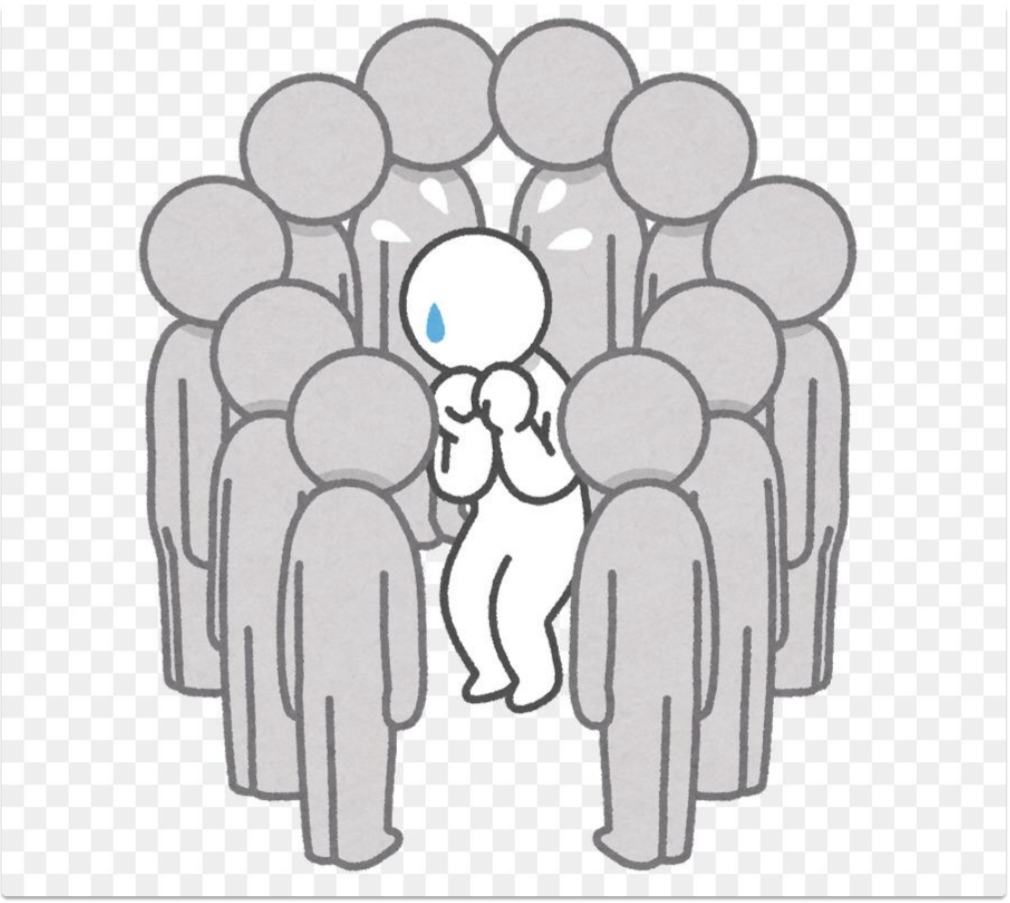
A term often read and heard about but very little pondered upon. The Cambridge dictionary defines peer pressure as ‘the strong influence of a group, especially of children, on members of that group to behave as everyone else does’. A simple definition but an impactful cycle. It plays an extremely important role in the social and emotional development of children as well as adolescents .So what exactly is a peer group? A peer group is made up of individuals who socialize together. It generally increases through childhood and reaches its intensity in the preteen and teen years. Maslow’s theory of hierarchy of needs defines social acceptance and acknowledgement as one of the primary needs for survival of human being in a society. This urge of social acceptance gives rise to a constant need for validation. As long as this urge is in alignment with one’s will and control, it creates a positive peer influence and the moment this urge takes over one’s ability to distinguish between the right and the wrong, it starts to create a psychological pressure. This psychological pressure exists in various forms amongst us and becomes a means to gauge what one ought to do.

Broadly classified as positive and negative, peer pressure can be spoken or unspoken and direct or indirect. While positive peer pressure leads to outcomes that are healthy, negative peer pressure leads to catastrophes. For example, if your friend constantly pushes you to eat healthy, its a positive peer influence. While a peer pressure to participate in a bike race without a driving license is a negative peer pressure. Positive peer pressure is beneficial and is also an important way to create and retain social bonds. It’s the negative peer pressure what needs attention today. You remember the last time you went for a movie with your friend despite detesting it? Or the latest college fashion wear that you had to pretend to like because it was the ‘new cool’? You might wonder what harm did it do and is it even that bad to switch priorities and likings in order to have a healthy peer group? Well, taking the above examples it actually isn’t but this is the initiation point of negative peer pressure. In most cases it starts off with incidents too minute to be reacted upon which is why the ‘initiation points’ goes completely unnoticed and neglected. What follows later leads to a devastating impinge like consumption of alcohol, drugs, cigarettes and one’s indulgence in unethical and illegal activities. The vicious cycle of peer pressure is sometimes attributed to ‘Social Stockholm Syndrome’. It is a psychological response where over the course of time, the victim starts to develop a sense of commonality with their victimizer. This sense of commonality later becomes toxic.

It isn’t always a cakewalk to shield yourself from negative peer pressure. But it isn’t a herculean task either. An individual’s environment at home greatly impacts one’s reaction when exposed to negative peer pressure. When children and adolescents have parents whom they can confide in, their psychological response towards this social infliction is more positive and less hampering in comparison to those who find it difficult to express themselves and are subjected to some or the other form of abuse at a very early age. As a parent one needs to gain their progeny’s confidence and trust. It requires small initiatives like a before bed talk every night and spending quality time with them at least on the weekends. Teens have to be taught to trust their instincts when in doubt and to say the magical word ‘NO’ when subjected to circumstances their morals don’t approve of instead of blindly following someone else’s path. Schools on the other hand, should hold more seminars on peer pressure to enable teens to identify the red flags which often come across as subtle signals. If prepared at a tender age to hold onto one’s own belief irrespective of the pressure around, negative peer pressure is one such social stigma that wouldn’t take much to eradicate.