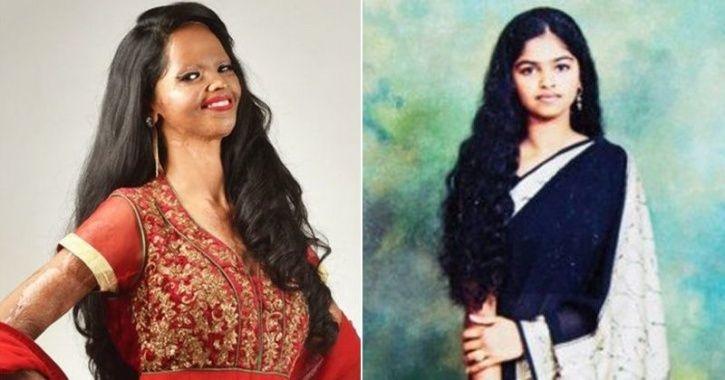
She was just a 15 year old girl . A girl , full of life . But what happened to her .
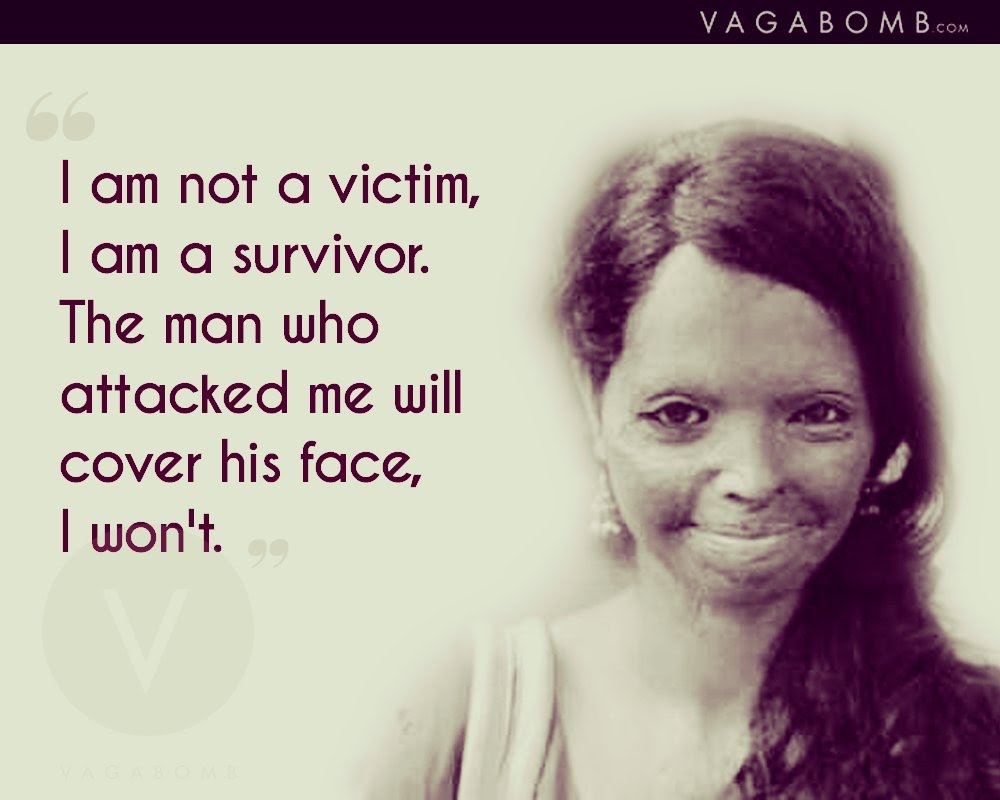
It’s her story . A story of a survivor.
She was powerful not because she wasn’t scared but because she went on so strongly, despite the fear.”
– Atticus
At the age of 15 , when a girl or a boy makes happy memories and learn about life . She was attacked in the market full of people . She was attacked because she rejected an old jerk of 32 years old.
A 32 year old proposed a marriage proposal to a 15 year old girl , who lives near the neighborhood. She ignored and rejected him and he planned an acid attack .
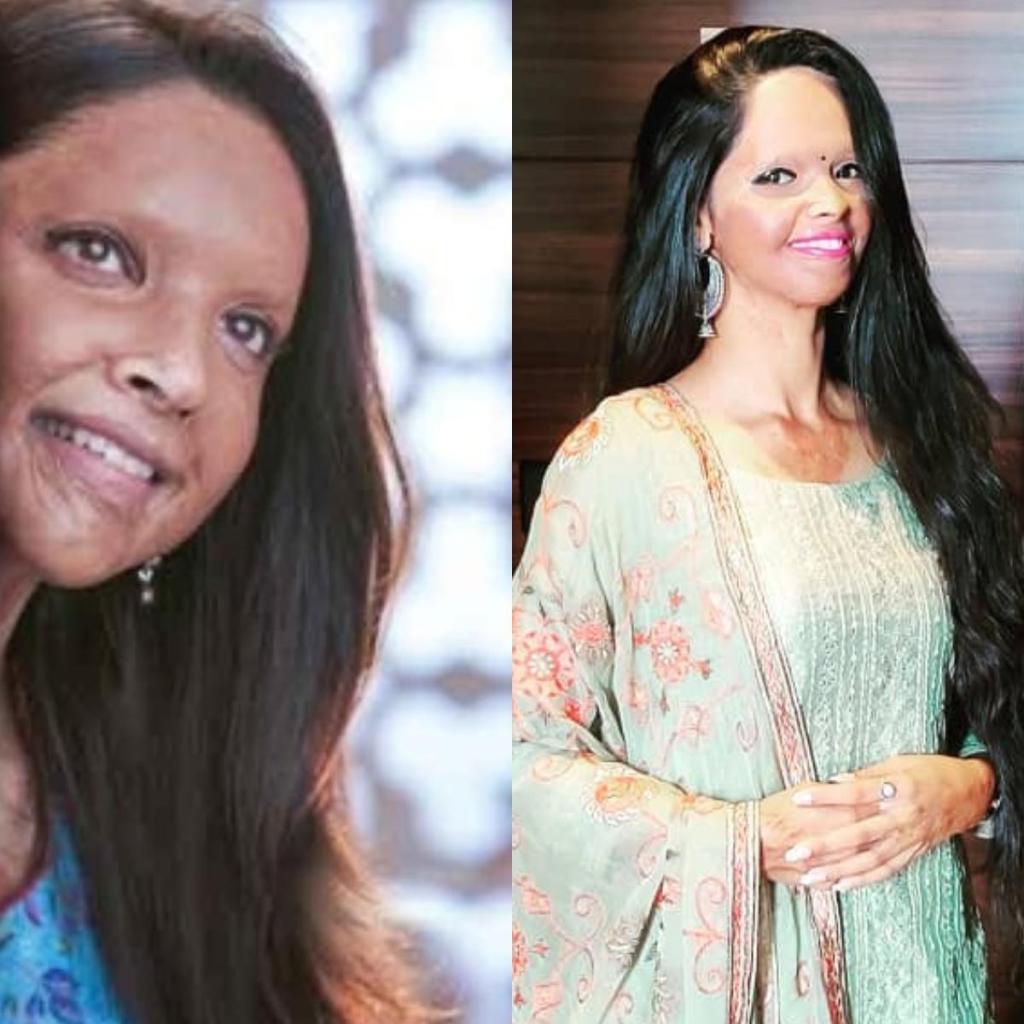
Her name is Lakshmi Agarwal , she was attacked at the age of 15 in 2005 in New Delhi after rejecting the romantic advances of Naeem Khan . She didn’t inform anyone about the scenario because she believed her parents and society would have blamed her and stopped her study .
After 10 months , Lakshmi was in the market and Naeem asked her again through message about the marriage proposal but she didn’t respond . And in no time , Kamran (Naeem’s older brother ) and his girlfriend attacked her with acid . He was in the motorcycle and his girlfriend Rakhi threw acid on Lakshmi , when Kamran called her name and she looked behind for response.
She fainted on the road and when she regain consciousness she went middle of the road asked for help and met with multiple accidents but no one stopped to help her . She was burning in fire and her skin was melting.
A man named Arun Singh called PCR and told police about the situation . Someone threw water to help her but it turned out opposite and the acid burnt her neck . Arun think it might be late , so he helped her on the backseat of his car , later the seat cover turned into black hole due to the acid .
Arun admitted her in the hospital , called police and her family . Lakshmi went through many surgeries and operations including eye surgery. Four days later Naeem Khan got arrested but was bailed after a month later .
Protests and media attention.
After many protests and media attention Naeem got life imprisonment .
Lakshmi’s story was one of the series in the Hindustan Times. Lakshmi was scared after the attack because most of her face and body parts were not same as before . But she didn’t loose hope ,she fought for justice , asked for help for the victims of acid attacks and pleaded the law for the ban on sale of acid.
Meanwhile government failed to frame policies on acid sale and chemical attacks .
“ Seriousness is not seen on the part of the government in handling the issue,” the bench headed by Justice RM Lodha.
In 2013 , the plea of Agarwal was heard and later claims that “ Acid is freely available in shops. Our own volunteers have gone and purchased acid easily. In fact, I have myself purchased acid,” she said. “We have launched a new initiative called ‘Shoot Acid’.
After , the law passed by Supreme court . Lakshmi founded NGO named Chhanv Foundation to help acid attack survivors in India.
In 2019, she was honored with the International Women Empowerment Award from the Ministry of Women and Child Development, the Ministry of Drinking Water and Sanitation and UNICEF for her campaign of Stop Acid Sale. In 2014, she received the International Women of Courage award at the hands of First Lady Michelle Obama.
And the movie Chhapaak is based on her life and stars Deepika Padukone in her role.
“And one day she discovered that she was fierce, and strong, and full of fire, and that not even she could hold herself back because her passion burned brighter than her fears.”
The internet has been taken over by Facebook and other forms of social media. People use social media because they believe it improves their life. Is it, however, true? Is it true that people go on Facebook to socialise or to study other people’s posts to see what’s going on? Are they expressing their dissatisfaction with politics or government entities in general? (Venting has been demonstrated to increase rather than decrease anger.) Are individuals battling on Facebook or other social media platforms, ruining relationships rather than strengthening them or people’s lives? Instead, it was shown that the majority of people use it to consume knowledge, which experts discovered leaves them feeling empty and unfulfilled. Another study published in the journal “Current Opinion in Psychology” in 2016 found that envying other individuals on social media leads to depression. When you’re sick, sad, or alone, browsing through vacation images from someone’s recent trip to Hawaii, positive relationship statuses, parties, or people having a good time in general makes you feel even more alone and melancholy.
What Motivates People to Use Social Media?
People use social media for a variety of reasons, including keeping in touch with others and monitoring them. Surveillance has been utilised throughout history to protect people from danger and to keep them safe. However, the majority of social media monitoring of partners or ex-partners does not fulfil that criterion. “Interpersonal electronic surveillance monitoring” is the phrase for this. Low-quality relationships, low happiness, and terrible connections in general are all indicators of online surveillance.
What Happens When People Spend Too Much Time on Social Media?
Researchers at the University of Michigan found that the more time people spend on Facebook, the more miserable they get. When browsing through the wonderful aspects of other people’s lives, it can also cause sentiments of jealously, resentment, and inadequacy. “Results showed that Facebook usage had a strong negative link with self-esteem,” according to a study conducted at the University of Gothenburg in Sweden. In other words, those who spent more time on Facebook had poorer self-esteem, according to the findings.”
For some people, Facebook might be a trigger for P.T.S.D. For many African Americans and others, the footage of Philandro Castro and Sterling being streamed live on Facebook sparked their P.T.S.D. There were many expressions of mental and psychological concerns on Facebook in the week following Sterling’s and Castro’s deaths. The African-American community was one of the hardest hit. They are not, however, the only ones who have been touched by such horrific recordings of individuals dying at the hands of police officers.
Finally, social media can have a detrimental impact on people. It’s a public bulletin board where anyone can publish anything. However, there is research underway that suggests that this type of “socialising” is actually harmful to humans. It can stymie the healing process that people go through after rejection, heighten feelings of inadequacy and jealously, and cause P.T.S.D., as well as make people feel worse.
How To Keep Social Media From Complicating Your Relationship | Psychology Today It’s usual for love partners to use social media and social networking sites to keep tabs on each other. So, how can you avoid your love connections becoming more complicated as a result of social media? What are some of the thorny topics you should be aware of?
• Dr Vikram Sarabhai – Indian National Committee for Space Research (INCOSPAR)
• INCOSPAR renamed as ISRO (Indian Space Research organization).
• Department of Space.
• Vision of ISRO – Harness space technology for national development, pursuing space science research and planetary exploration.
Achievements
• Aryabhata – India’s first satellite .
• Rohini – first satellite to be placed into orbit – Indian-made launch vehicle SLV-3.
• Chandrayaan -1 – unmanned lunar orbiter, success. • Mars orbiter Mission (MOM) India first nation to succeed on maiden attempt to Mars. ISRO – Fourth space agency in the world First space agency in Asia.
• Astro-Sat
launched on September 28, 2015, by PSLV-C30 Space observatory First dedicated Indian astronomy mission to studying celestial sources in X-ray, optical and UV spectral bands simultaneously.
• ISRO launched 104 satellites – single rocket (PSLV-C37).
• IRNSS/ NAVIC To meet the user requirements of the positioning, navigation and timing services based on the indigenous system Navigation details in the Indian Ocean regions.
• Upcoming mission – Gaganyaan : Indias manned space mission
We live in a technologically advanced society where technology is always evolving. Smart phones have supplanted cell phones, LEDs and LCDs have supplanted televisions, and laptops and tablets have supplanted desktop PCs. When a new model of a product is released, the prior one rapidly becomes obsolete, and obsolete things are frequently dumped as waste. These electrical items have reached the end of their useful life and are unwanted, broken, or obsolete. Those who have reached the end of this are referred to as e-waste, which includes electrical devices such as computers, cellphones, televisions, washing machines, refrigerators, and so on.
Millions of tonnes of e-waste are produced each year in developed countries; worse, e-waste from illicit countries like Japan, Malaysia, Ghana, Nigeria, Pakistan, and India, as well as developed countries like the US and Japan, should be dumped in underdeveloped countries. That was how it used to be. The cost of processing e-waste in wealthy countries is high. This is owing to the low cost of shipbuilding, which stimulates the export of rubbish to developing countries.
In undeveloped countries, where waste is buried, consuming and ill-equipped recycling facilities, local residents, industrial owners, and labourers are allowed to harvest valuable commodities from this garbage according to their needs. To leave the others behind, the majority of them acquire vital knowledge. To recover important components, acid baths and electrical burns are used. These practices, in turn, produce serious health problems and may injure those who engage in them. Circuit boards, electric parts, mono boards, and cables are likely to include hazardous metals such as lead, mercury, arsenic, copper, cadmium, nickel, zinc, gold, silver, and beryllium.
These metals have been linked to the release of hazardous chemicals into the environment via soil, causing health issues in both animals and humans. Chemicals can most likely be produced on land, resulting in both land and water pollution.
Polychlorinated biphenyl and polybrominated defanel ether, two important components of e-waste, have a dangerous side effect. They are the leading causes of ozone depletion. These poisons are also stored in food chains and food traps, posing a serious threat to all species on the planet.
Indeed, e-expanding waste’s environmental imprint is a matter of concern. The growing amount of e-waste must be managed by both consumers and producers. Reusable components are found in the majority of electronic materials.
This reusable component contains metals such as copper, aluminium, lead, and iron. A unique eco-friendly procedure should be developed to properly extract this chemical from garbage items. Both manufacturers and licenced recyclers must promote recycling models. Producers can enter the recycling chain by providing a collecting service and, compared to the unorganised sector, can raise their buyback offer. Consumers have a natural predisposition to see trash as having economic worth, which is where financial incentives to engage in the formal recycling system can be supplied. They should be persuaded to get rid of all of their technological equipment. Many businesses, including as Dell, Apple, and HP, have started recycling programmes. When it comes to trash disposal, the 3R approach, which includes reuse and recycling, can be extremely beneficial.
E-Parisissa is a remarkable initiative for e-waste treatment in India. Every year, Bangalore generates 8000 tonnes of computer waste, which is then sold to scrap merchants. E-Parisia, India’s first e-waste recycling facility, is located on the outskirts of the city and is environmentally friendly. Its mission is to reduce pollution and landfill trash via environmentally friendly recycling of valuable metals, plastic, and glass.
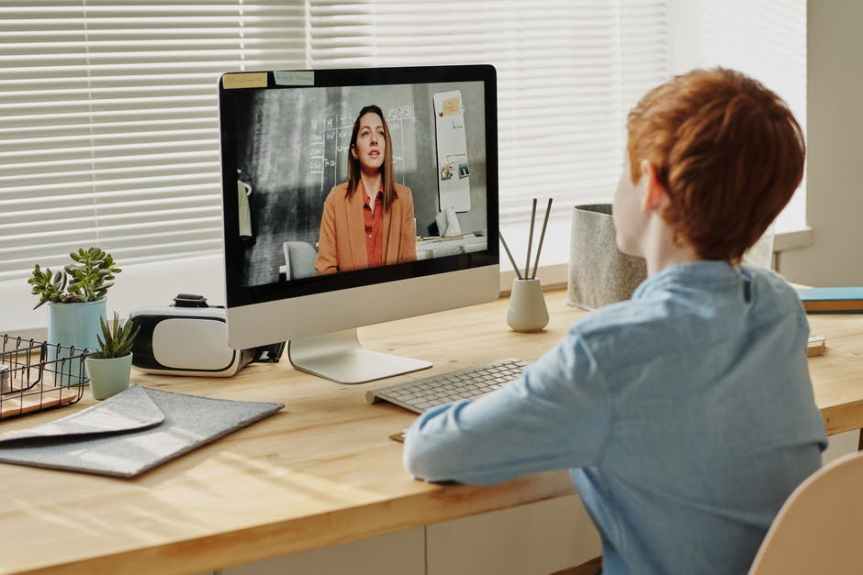
Students and teachers can communicate with each other through virtual or online learning using numerous channels such as email, online chat, and video conferencing. There is just one way for students to communicate with one another in a classroom. Many pupils have a visual memory and appear to study more eagerly, as well as being engaged in online learning. Due to the closure of schools and institutions, virtual learning has become popular. To some extent, it is advantageous because it eliminates the need to wake up early, there is no worry of being reprimanded, and one may study in a relaxed environment. However, the greatest way to create a teacher-student bond is in the classroom. An online engagement cannot replicate the conversation and questions that a student asks the lecturer in class. In an emergency, virtual learning can be a suitable substitute for classroom learning, but it cannot replace the classroom. Classroom learning is still the preferred method of imparting education and knowledge because it allows for the teaching of discipline. Virtual classrooms and reality Because it is not completely’ real,’ the virtual classroom cannot replace the traditional classroom. Teaching on the Internet is like teaching in a virtual world, but it isn’t the same as teaching in the actual world. Is this to say that any education provided or obtained on the Internet isn’t genuine? There is no way. The professors are trustworthy. These are genuine students. The substance is authentic. Virtual teaching, on the other hand, cannot replace classroom teaching because the atmosphere isn’t real.
Interaction between the teacher and the students Teachers are not taught to just provide their students data and figures and then leave for the day. A teacher’s abilities extend beyond the topic to include the capacity to lead students, filter through material when it isn’t well received by a class, change up material as needed, and even handle random queries that may necessitate more exploration of a thought. Teachers are expected to lead in a real-life classroom setting, where face-to-face interactions with students set the tone for the day’s instructional planning and execution. Interaction between students and teachers The course instructor or moderator in a virtual classroom is someone who merely watches the activities of an online classroom to verify that students log in and finish assignments on time. Assignments are assessed, and feedback is provided by e-mails, texts, and video chats on occasion. There are no one-on-one sessions with the teacher, no subject discussions, and no contacts with the teacher.
Interaction between students Students can influence the course of a day’s lesson, as any instructor who has taught in a real-life classroom situation understands. A student may ask a question about the subject matter that necessitates pausing for a time to investigate a completely different topic. Students can benefit from one other in the same way. For example, suppose the teacher poses a question, and a student’s response prompts another student to respond with an additional answer or question. The teacher has soon steered the students’ ideas and questions into a deeper study of the subject matter, assisting them in gaining more insight; however, this is unlikely to happen in the virtual classroom.
Classrooms are created by their surroundings. The only way for teachers to acquire the entire training and teaching they need to be the greatest at what they do is in a genuine classroom setting with students and teachers engaging with one another. Whether a virtual or classroom teacher is desired, the foundation for this vocation will always be laid in a genuine classroom setting. Leading, guiding, instructing, connecting, and growing as a teacher are all skills that must be learned. Because the classroom is created by the environment, virtual teaching will never completely replace traditional classroom instruction.
National Doctors Day is celebrated nationwide, every year, on the 1st of July. But why? This is to express our gratitude towards doctors and physicians for their service towards our well-being. Legendary physician and the second Chief Minister of West Bengal, Dr Bidhan Chandra Roy was born on the 1st of July in Patna, Bihar in 1882 and coincidentally died on the very same date in the year 1962. In 1961, Dr Roy was conferred with the nation’s highest civilian award, Bharat Ratna. Doctors day in India was established in 1991 in honour of his birth and death anniversary.
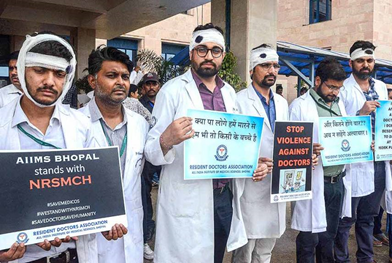
Well, Doctors day is celebrated every year on the 1st of July but this year another day was observed, by the doctors of IMA (Indian Medical Association) on 18th of June, NATIONAL PROTEST DAY. Doctors came together against the assaults on doctors in COVID wards. IMA observed nationwide protests demanding central law to protect doctors against violence.
Doctors and healthcare workers held placards and raised slogans like doctors bachao desh bachao (save doctors, save nation) and save the saviour. Doctors and medical staff at the IMA office in Hyderabad protested wearing black badges. Doctors from AIIMS Delhi and IMA unit, Ludhiana also took part in the agitations. Various state-level protests were taking place for a long time.
Why are these protests taking place?
Let me brief you here
Bhopal: A local politician was seen screaming at a Bhopal doctor who couldn’t save the life of a patient who was bought to the hospital at an oxygen level of 30. This left the doctor in tears and he was demoralised to the extent that he wanted to resign.
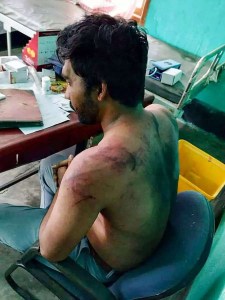
Guwahati: A doctor at a coronavirus facility in Assam was punched, kicked, and pounded with metal trash cans and bricks, by the relatives of a Covid patient who had died, allegedly due to oxygen shortage. Locals also assaulted the doctor who was then hospitalised.
Kerala: A police official allegedly attacked a doctor in the Alappuzha district. The official is accused of slapping Dr Rahul Mathew, who was working the night shift at the Mavelikkara district hospital, after the former’s mother, a COVID-19 patient, was brought dead to the hospitals. Doctors protest for the non-arrest.
And many more such cases went viral on social media. Assaults on doctors might not make it to the news daily, but take place every day.
What exactly did they do to get such treatment?
Grinded in high school, cracked NEET, spent 7-8 years working hard and studying in college, paid a hefty amount of fees to medical colleges or even took loans for their studies.
Who does that? Their fault, right?
Image source: Google | Image by: BusinessToday.In
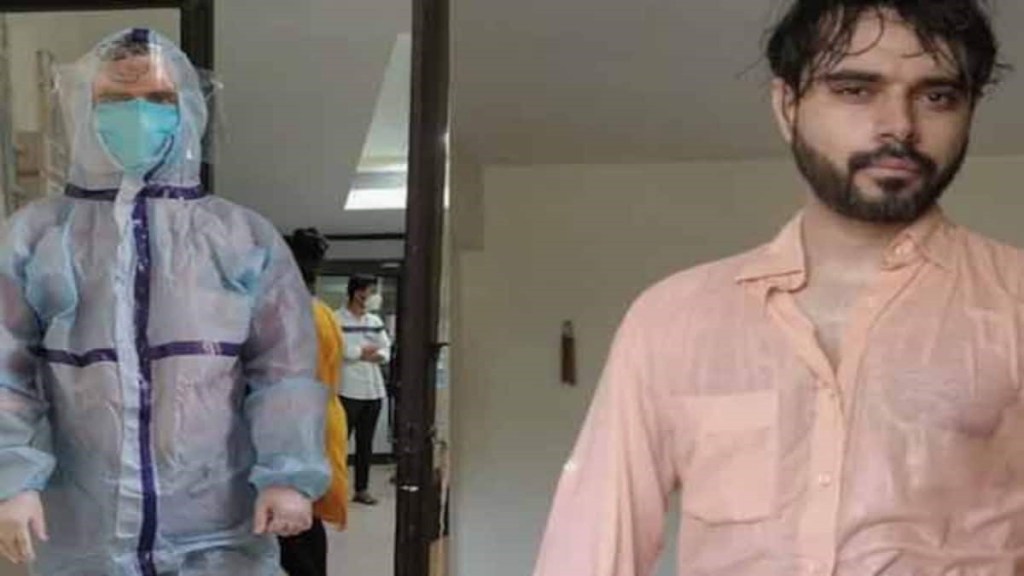
During COVID lockdown when most of us were busy making dalgona coffee and baking cakes, they were out there in scorching heat, wearing PPE kits dealing with patients. Burning the candle at both ends, forgetting they have a life of their own, forgetting they have a family waiting for them, isolating themselves from their own family members, in their own houses to protect their families from contracting the virus, more than 500 doctors died during COVID, trying to save our lives. But why, just to save us. Imagine how demoralising it is for them to get beaten up by the ones they’re working for.
What is the probable reason?
Lack of infrastructure
Manpower
Laws in place
Security arrangements
Lack of infrastructure
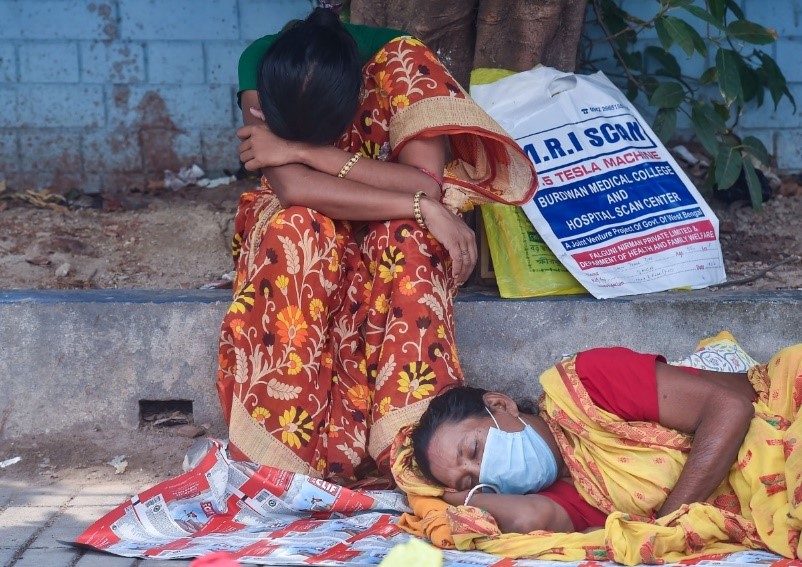
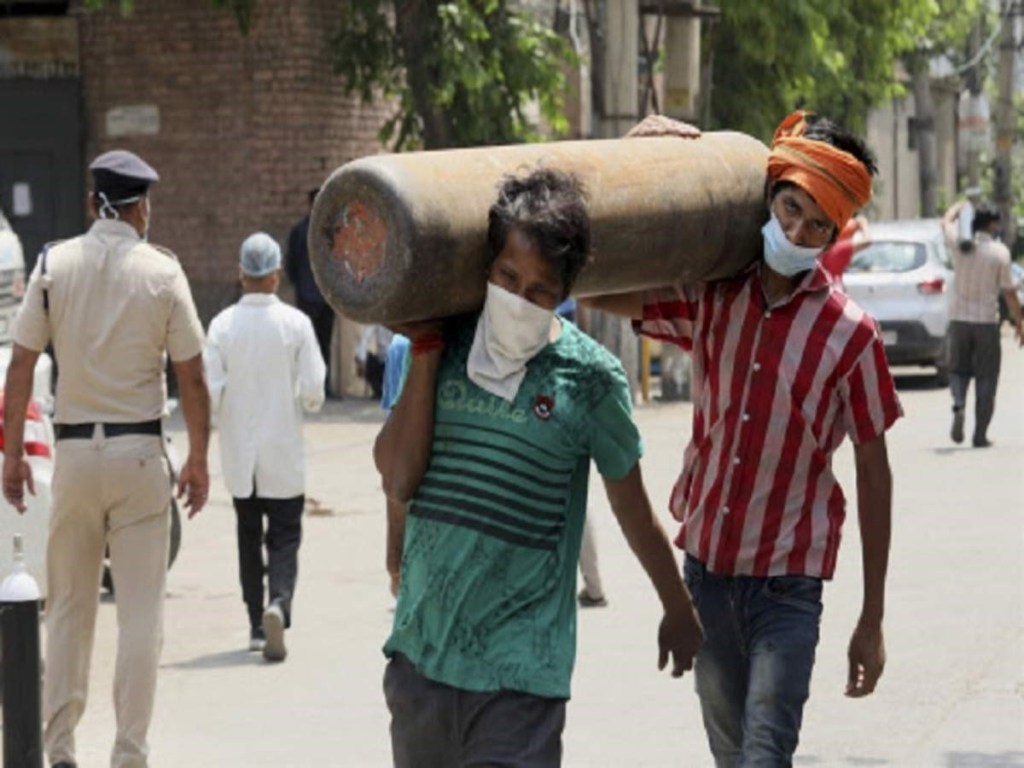
The shortfall of ICUs, no beds for patients, dearth of oxygen support, the inadequacy of medicines, caretakers bound to wait in long queues for medicines at dispensaries, patients gasping outside hospitals, black marketing of almost everything required for a person to recover, our health infrastructure was crippling.
Image source: Google | Image by: The Times Of India
Manpower
Along with the tools used to help fight COVID, there is a paucity of our warriors too. There should be at least one doctor per 1000 patients according to WHO, whereas in India there is one doctor who attends more than 1445 patients. Not just doctors, the suggested number of nurses per 1000 patients is at least 3, there are just 1.7 in India (43% less than WHO standards). This leads to overworking of doctors and medical staff ignoring their basic requirements like sleep and a proper diet.
Laws in place
Medicare Service Persons and Medicare Service Institutions (Prevention of Violence and Damage to Property) Act, also known as the Medical protection act is there in at least 19 states, which when breached can lead to an imprisonment of up to 3 years and a fine of INR 50,000. Damage to any medical devices and equipment is a punishable offence and offenders are liable to pay twice the amount of the damaged equipment’s cost.
The Act, however, fails to really protect doctors because it features neither in the Indian Penal Code (IPC) nor in the Code of Criminal Procedure (CrPC). This makes it difficult for victims to approach the police for help or the latter to file a complaint against suspects.
Security arrangements
Doctors are not politicians with scores of gunmen and bouncers around them, who will assure their safety? Due to lack of security at hospitals and clinics, doctors and other staff are the soft targets for unhappy relatives and agitated patients.
Stepping into doctor’s shoes
Imagine yourself as a teacher who fears being beaten up to death by parents for their child’s poor performance at a test, will you even be willing to teach anymore with the same zest. I don’t think so. Hospitals are understaffed, doctors are overworked, patients are overwhelmed.
But this isn’t the fault of our doctors. They are going an extra mile in order to save as many patients as they can, making 3 patients share a bed or switching oxygen support among patients, they have our best interest at heart.
Doctors are not supposed to be accountable for the paralyzed infrastructure, that is where the leaders we vote for come into play. They’re made to work for 15+ hours at a stretch that too in a harsh environment, in a place they no longer feel safe or comfortable in.
What do doctors want?
All they want is for the government to sit with them and consider their problems.
For a law to protect their lives so that they can continue with their duties towards the nation. The implementation of existing laws.
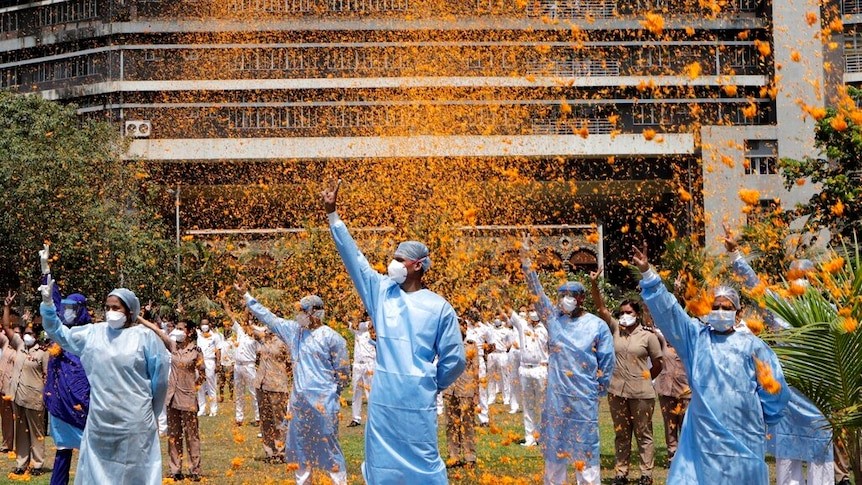
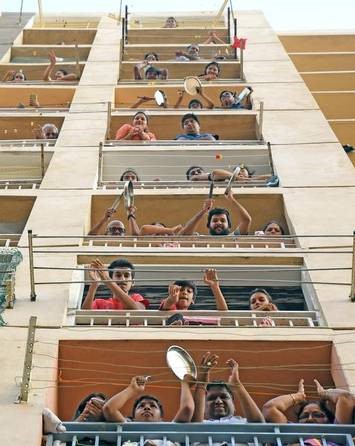
They don’t demand banging of thalis from our balconies or something like that in order to pay our respect, they didn’t ask for showering of flowers upon them for their service, all they’re asking for is to be able to practice in a safe environment where they’re worried for patients’ life, not scared of getting beaten up by sticks.
Image source: Google | Image by: Anjana Pasricha ( VoA)
We were always raised to believe doctors are God on land. Saving our life, giving us a new one at times, while risking their own. What they now want is not godly, but at least a humanly manner.
How can we help?
First and foremost, don’t be someone they need protection from. i.e. don’t be an assaulter.
Secondly, don’t ignore if you see someone being unfair toward them. Raise your voice, report if you see something like this.
A simple realisation that we can trust our doctors can do wonders.
Lastly, don’t forget they’re humans too. Thank them, pay your respect, or at least, just don’t be a jerk.
This Doctors day, I bet Dr Bidhan Chandra wouldn’t be proud of our country treating its doctors and medical staff like this.
Let’s all come together and promise that we’ll make the world a better place to live for our selfless human beings. We owe them.
Ending here with a salute to any doctor or an aspiring doctor reading this, and a sincere tribute to the warriors that lost their lives.
The presence of the doctor is the beginning of the core.Doctor’s day is celebrated on 1st july .It is an occasion to marked to pay tribute to the doctor and their contribution in the society .In india,it is celebrated in honour Dr. Bidhan Chandra Roy’s birth and death anniversary .
It is an attempts to alter system resources or affect their operation. It includes Modification of data, or creation of false data.
Four categories Masquerade Replay Modification of messages Denial of service
Masquerade : It takes place when one entity pretends to be a different entity. For example, authentication sequences can be captured and replayed after a valid authentication sequence has taken place, thus enabling an authorized entity with few privileges to obtain extra privileges by impersonating an entity that has those privileges.
Replay : Replay involves the passive capture of a data unit and its subsequent retransmission to produce an unauthorized effect.
Modification of Messages : Modification of messages simply means that some portion of a legitimate message is altered, or that messages are delayed or reordered, to produce an unauthorized effect.
Denial of Service : The denial of service prevents or inhibits the normal use or management of communications facilities. This attack may have a specific target; for example, an entity may suppress all messages directed to a particular destination (e.g., the security audit service). Another form of service denial is the disruption of an entire network, either by disabling the network or by overloading it with messages so as to degrade performance.
Passive Attacks
It attempts to learn or make use of information from the system but does not affect system resources. Passive attacks are in the nature of eavesdropping on, or monitoring of, transmissions. The goal of the opponent is to obtain information that is being transmitted.
Two types of passive attacks:
Release of Message Contents
Traffic Analysis
Release of Message Contents : A telephone conversation, an electronic mail message, and a transferred file may contain sensitive or confidential information. We would like to prevent an opponent from learning the contents of these transmissions.
Traffic Analysis : The opponent could determine the location and identity of communicating hosts and could observe the frequency and length of messages being exchanged. This information might be useful in guessing the nature of the communication that was taking place.
• Long-term change in the average weather patterns that have come to define Earth’s local, regional and global climates. Frequent and intense drought. Increased frequency and intensity of storms and heat waves. Caused rising sea levels, melting of glaciers and warming of oceans. Directly harm flora and fauna, destroy the places they live, and wreak havoc on people’s livelihoods and communities.
Atlas of Glacial Lakes
• Ministry of Jal Shakti -updated atlas of glacial lakes that are part of the Ganga River basin.
• Similar inventory of glacial lakes was prepared for the Indus River basin.
• Present Ganga study – Glacial lakes were mapped using Resourcesat-2 (RS-2) Linear Imaging Self Scanning Sensor-IV (LISS-IV) satellite data.
• Process of lake formation, location, and type of damming material – glacial lakes are identified in nine different types & majorly grouped into four categories.
• Bhuvan portal of National Remote Sensing Centre, ISRO.
• Create “comprehensive and systematic” glacial lake database for Ganga River basin.
Ganga River
• Ganga rises in the Gangotri glacier -Uttarkashi district of Uttarakhand.
• Source -Bhagirathi.
At Devprayag joining another hill stream Alaknanda becomes Ganga.
• Principal tributaries from right – Yamuna, the Son and the Damodar.
• Principal tributaries from left -The Ramganga, the Ghaghra, the Gomati, the Gandak, the Kosi and the Mahananda. • The Chambal and the Betwa -important sub- tributaries.
• River Ganga -Uttarakhand, Uttar Pradesh, Bihar, Jharkhand, and West Bengal.
• River basin -Uttar Pradesh, Bihar, West Bengal, Madhya Pradesh, Rajasthan, Jharkhand, Haryana, Uttarakhand, Chhattisgarh, Himachal Pradesh and the Union Territory of Delhi.
A computer is a machine that performs tasks and calculations according to a series of instructions or program operations (circuits, etc.) and software (OS, the underlying software that controls the hardware when the user issues instructions).
Programming
You don’t need a car, its function is the same as a jukebox that keeps playing tracks. For example, they want to tell the music box to play different music every time. They want to program the music box so that it can play different music. This part of the history of computers is called “the history of programmable machines.” “This is a concise sentence in the history of machines. When I speak their language, I can order to do different things.”
The role of computers in daily life
Today’s computers are fast, small and small. Powerful. Computers can save money, time and labor; otherwise it would take months or years to complete in a few seconds with computers. Launch satellites using a simple application on our desktop. According to the requirements, the storage capacity and speed of the computer will be different. For example, NASA and other companies that use high-speed supercomputers, because speed is an important part of your business. Computers are cheaper than smart phones. The essence is in hand. At home, computers provide opportunities to access social networks, read books, or work from home.In the office, they are the most important because they are the most important form of work. Although computers can help with almost everything from shopping to work to taking notes or playing games, people rely heavily on computers for almost everything. Computers make life easier and faster than ever. Large storage rooms are of great help to today’s business. The data received from different systems is stored on the computer for later use. In addition, previous shopping, reading, work, arithmetic, calling appointments and events or activating alarms all occurred in different places. Now everything can be done with our smart phone. If the book is bulky, it would be great to bring ten books. Now; millions of books are within reach. There is no need to check calendars anymore, because they have been replaced by reminders that automatically remind us of important events and clocks that only need to be activated once. These are some basic tasks that are performed daily, and it is difficult to work without a computer. Computers are no longer a luxury, they can be used in different forms on different platforms, for example as smart phones. Computers are also very helpful in medicine and have undergone extensive development in the past decade. Addictive.All in all, we can say that computers have profoundly affected our lives, and changes are no longer associated with ease, habit, and popularity.
The above is a small example of computers, but as far as modern technology is concerned, computers have changed our way of life. Computers are not only used for arithmetic but are now active in teaching, industrial purposes, automated processes, data management, analysis, personal and group entertainment, Music synthesis, professional photo and video editing, hardcore games, research goals, creating new software and applications to make life easier, shopping, banking, marketing, and even participating in the artificial creation of intelligent creatures with deep learning concepts and machine learning.
Body positivity refers to accepting your body irrespective of weight and size of individual with embracing all flaws and imperfections, In simpler words loving and accepting the way you look. Body positivity is like a movement of empowering every individual, it also challenges the way people look and body shame other on basis of their physical appearance. You must have heard people saying that Omg she looks so fat or shew is pretty but fatty, they always made this comment and feel that they have empowered themselves and setting a good example for society but what they don’t know is that one single comment can destroy someone’s self esteem, can damage their mental health as well. so if a person is trying to accept themselves with all the flaws and imperfection, society has problem with that because they have never seen anyone to be bug and still loving their body, what they know is being slim is the only body type that should exist, that is what a ideal individual should look like.
Due to these things body positivity breaks all the stereotype and set some new rules for society that is
1- Having big body is as normal as being slim.
2- Loving yourself is normal and loving your imperfections is normal as well.
3- Not judging someone based on their physical; appearance is great.
Because body comes in all shapes and size and you look beautiful as you are, you don’t have to change yourself just because someone else wants you to, if they are not able to accept yourself fully that’s their problem not yours.
On a kind note: You are beautiful just accept it and embrace your flaws.
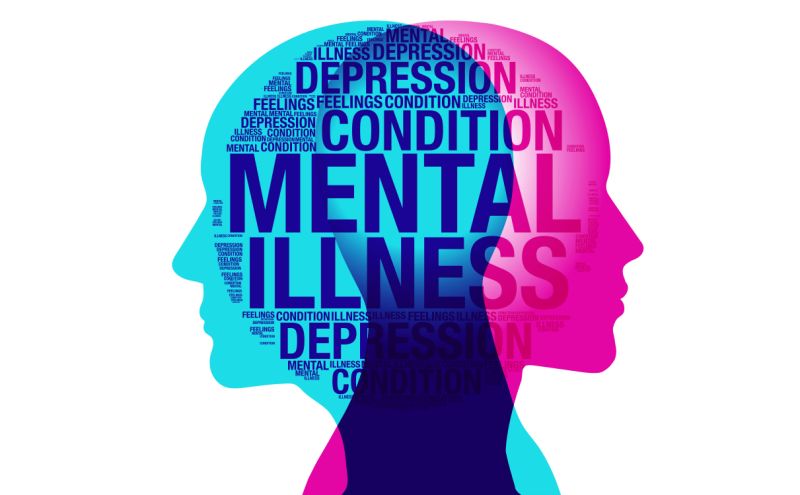
In India, Mental issues has been considered as a bane since ages. An issue which should ideally be concerned over more than any other diseases and problems in an individual’s life was always overlooked by each and everyone here. Instead what happened was without knowing the inner feelings and situations of someone, considering him/her mentally ill and making fun of their condition, discarding them out of social groups, insulting them in every possible ways. From children to elders; behaviors were all the same, because the root cause was the wrong learning which each one of us received. Calling someone “Mad” for some unusual pattern of theirs’ was and is taught as a very casual, funny thing to every kid. The problem is our society being so obsessed with their typically illogical norms set up by some Orthodox and unlearnt people. God knows how many lives had been destroyed beacuse of these stupid things people does, how many killed themselves till date just because they expected someone to understand them, but were disappointed.
Why are these norms even more important than a person’s whole life? Since, when did humans became so selfish to not care about anyone until they are either dead or devastated?
Be it a kid, teenager, adult each and everyone has a right to be understood and it’s a responsibility of all to understand. To answer the questions above I could suggest only one word ‘Respect’. Everyone here, is taught to care about society more than oneself. Be it our own parents and family at times, all would teach us to stop being different because it wasn’t respected enough and just close our eyes follow the illogical path to living. While Lord himself has made each one of us unique with different looks and features, why can’t we just respect and accept all what a person is and beautifully embrace the diversity of human kind. Let the person be free and do what makes Them happy and not just the society. Give a chance for everyone to express well and. not judge them unnecessarily. Be trust worthy and loving enough to make someone feel comfortable in sharing, rather than choosing death as a better option. However, finally when the world was at break in these lockdowns due to Covid is when everyone as a whole started gaining an in depth knowledge of mental health and a necessity to understand it, as of course it wasn’t easy to live caged in the same place and space everyday. The understanding came when all the people themselves beared the burden on their heads.
But, as said ” Better late than never”. The Mental Health consideration came into existence and the spread of a proper knowledge onto this utterly important topic started. Mainly initiated by Social media influencers to becoming a trending topic among common people, to celebs. It has finally came up to the government’s notice.
THE FIRST STEPPING STONE…
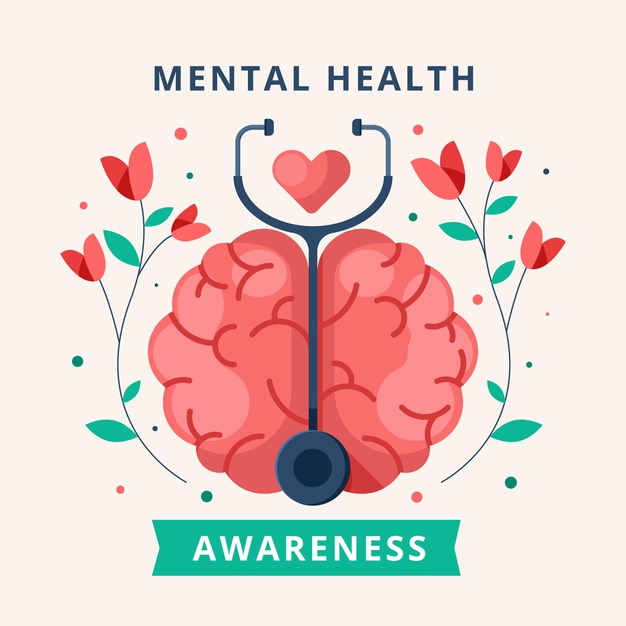
Taking it to consideration, CBSE (Central board of secondary education) has finally come up with a plan to spread a proper mental health awareness within the kids aged 9-11 years. News report from A reliable source states that, “CBSE has launched a new Mobile app for students and parents. The new app ‘Dost for life’ is an exclusive psychological counselling app for students and parents of Case affiliated students. The new app will simultaneously cater to students and parents from different cbse- affiliated schools in different geographies accross the World”.
This app is easily available for download on play store and is already affiliated with all the CBSE schools. Under this, students can fix their time slots according to their convenience and sit and attend sessions on mental health awareness three days a week. This would not only help students and parents understand and respect their own mental state and each other’s but also acknowledge them with the facts on how to be a help to people suffering through related issues arround them. Being known with facts and consequences of this issue, they could also be stopped from exaggerating their own problems, understand the true meaning of these terms and how to contribute their part in saving others from it. It will fulfill the agenda of making ‘Mental health’ an open and foremost significant topic to learn and talk about. Hopefully, it would contribute to the future of our country in the best way possible.
A NOTE TO ALL.
Remember, that fear of being judged and Unaccepted is the biggest enemy of a person. Thus, Self worth and Respect for others are the two main weapons you could use to curb this fear to build in you and others as well. Learn to accept yourself and others, take advices from good people around when confused, give them if Experienced but , “Never Ever Give Up”.
Here are some Lifehacks to keep you calm and happy in every situation for you to learn and suggest to your loved ones and to people in need for help; Find serenity in little things.
Permaculture is a fusion of the words ‘Permanent’ and ‘culture’. The term was devised by Bill Mollison and David Holmgren in 1978. In Mollison’s words, permaculture can be defined as the “conscious design and maintenance of agriculturally productive ecosystems which have the diversity, stability, and resilience of natural ecosystems. All this is achieved with a harmonious integration of landscape and people sustainably. The farms are designed in such a way that it promotes the coexistence of competing plants species. Currently, more than 3 million people practice permaculture across 140 countries.
Permaculture benefits claims
The practitioners of permaculture claim that as the population is increasing, there is increasing pressure to produce more food. The modern method of monoculture is not a sustainable method of growing food where a large area of land is used for only one crop and lots of chemical fertilizers are required to sustain the crop production. This also puts immense pressure on the topsoil and the soil loses its fertility and more fertilizers are required to maintain the productivity and output. Monoculture is discouraged by permaculturists because it promotes farming with a commercial-driven mindset and only selected varieties of crops and plants are grown that are commercially viable. Sometimes wild and uncultivated foods like tubers and millets are sidelined from the people’s diet even though when they are just if not more nutritious than any other food. Practicing permaculture can help small farmers to be more self-sufficient in producing their food and not rely on external input. Farmers also get the opportunity to grow large varieties of fruits, grain, and vegetables under a single roof. But it’s more than just self-sufficiency and the farm itself generates manure and this helps in saving the fertilizer costs. There is even more, as perennial plants are a structural part of the permaculture, this means that plants don’t require regular tending. This reduces the labor expenses as well. It also allows the plants to endure harsh weather conditions like the heavy downpour in monsoons or winters.
Challenges and future
Modern conventional agriculture science has been a boon in terms of production quantity as a whole but still, there are lots of problems that we are facing right now due to the use this form of farming. The focus should also be on the quality first and then quantity. What modern agriculture science has done is that it has separated the farmer from the soil. The focus and research are on the yields and nutritive properties of plants. Food has to come from the soil and most of the solutions are available in nature itself. Permaculture provides a pragmatic and efficient way for our subsistence farmers to produce food. In India where small farmers are the majority and they will also face immense pressure from the dangers of climate change and the increasing constraints on resources, epically water. Then there is the monetary issue as well. Permaculture helps in this case as the food is closer to the producer and there is less wastage of food. This makes food production economical and sustainable in a long run. Still replacing permaculture with traditional agriculture will not be easy and practical, but with small steps, it can emerge as a viable way to produce food and maintaining the ecology of the planet.
We human beings are blessed with the ability to talk, express our thoughts and feelings, walk freely on the land and various other things. Man is a curious creature wanting to try and explore new things and experiencing joy in that. Seeing the birds fly freely in the sky witnessing the nature and human made settlements through the microscopic view , many feet away from land has often led people to wonder how it would be to be in that sky. Well the creation of Aeroplane did do a little to experience that but still nothing comes closer to the experience of getting yourself loose in the air without a metal box enclosing you. The feeling of spreading your limbs freely experiencing the glories of nature , the very reason of our existence is incredible. And what if there is an opportunity to be this free bird amidst the world famous mighty Himalayas- where the wind from the great mountains will caress your face destressing you of your worries, the luscious greenery will provide you peace , the valleys and the rivers flowing hundreds and thousands of feet below you will scream peace and tranquility providing relief to the buried souls. Yes it is PARAGLIDING we are talking about.
To all the adventure sport lovers who are missing the rush of adrenaline flow through them while they take the “safe risks” by flying in air, in this covid pandemic where staying at home is the sole option, this blog is for you to read . The blog I am sure will give you all the reasons and information regarding paragliding in BIR BILLING.
Why to choose Bir as a paragliding destination
Bir , a small village located in the heart of Kangra district in Himachal Pradesh- The land of Gods , is a paradisal abode for all the adrenaline lovers, offering an unforgettable lifetime experience of letting yourself free amongst the clouds while gliding through them. IT IS THE BEST PARAGLIDING DESTINATION IN INDIA which attracts gliders from all over the world.Bir has also played as a host of 2015 Paragliding world cup.
The Bir-Billing area is a popular site for paragliders both searching for tandem paragliding as well as solo paragliding which attracts people from all over the world to paraglide. It is the highest paragliding spot in India and is the best budget friendly option which enables you to take a flight from 2430 meters above the sea level. It also offers you an opportunity to camp and relax in the lap of nature , away from all the worries , in a pocket friendly way.
Bir Billing can be accessed via road, train and flight. The Gaggal airport in Dharmshala is the nearest air port to Bir which is connected to Kullu and Delhi and the distance between Dharmshala to Bir is 68 kilometers which can be accessed only by road. To reach Bir by train one has to travel till Pathankot railway station and then take a toy train to Ahju railway station which is just 3 kilometers away from Bir. The toy train experience is also a wonderful one and I would recommend taking the train option as the toy train seeping through the majestic Himalayan valleys and tunnels will take you a step closer to the nature. Also there are buses at regular intervals from Dharmshala and Shimla to take you to Bir and overnight buses from Delhi to Dharmshala and Shimla runs daily.
Paragliding in Bir
The take off site at Bir offers a mighty 360 degree view of Dhauladhar Mountain Range. A single paragliding flight of about 15 minutes will cost rupees 2000 generally while a 30 minute long flight will cost you around 3000 rupees.(Note these are the general rates and it may differ from one paragliding company to the other).
You will be taken to the take off site by the company you choose to paraglide with. For the first time paragliders , tandem paragliding where you will paraglide with a professional paraglider, is highly recommended. A harness securing you with the paraglider will be tied to ensure your safety and the balloon and navigation will be the responsibility of your paraglider. You will have to take a short run pre take off from the cliff in the air which will get you set free in the air. The process of the short run followed by the jumping in air can be a bit scary but within two minutes max your fear will be overpowered by excitement and ecstasy of being able to shake your hands and limbs freely in the air without a caged body .
Best Time to visit Bir
The best time to visit Bir is between October to June. However paragliding in December and January when the mighty Himalayas are covered in white sheet of snow is simply fantastic. However, the paragliding may be stalled sometimes due to snowfall in the winter months.
For staying you can either choose the option of rental homes or the hotels, the prices of which starts from 500 rupees per night and go as high as to 3000 rupees per night depending upon the luxuries.
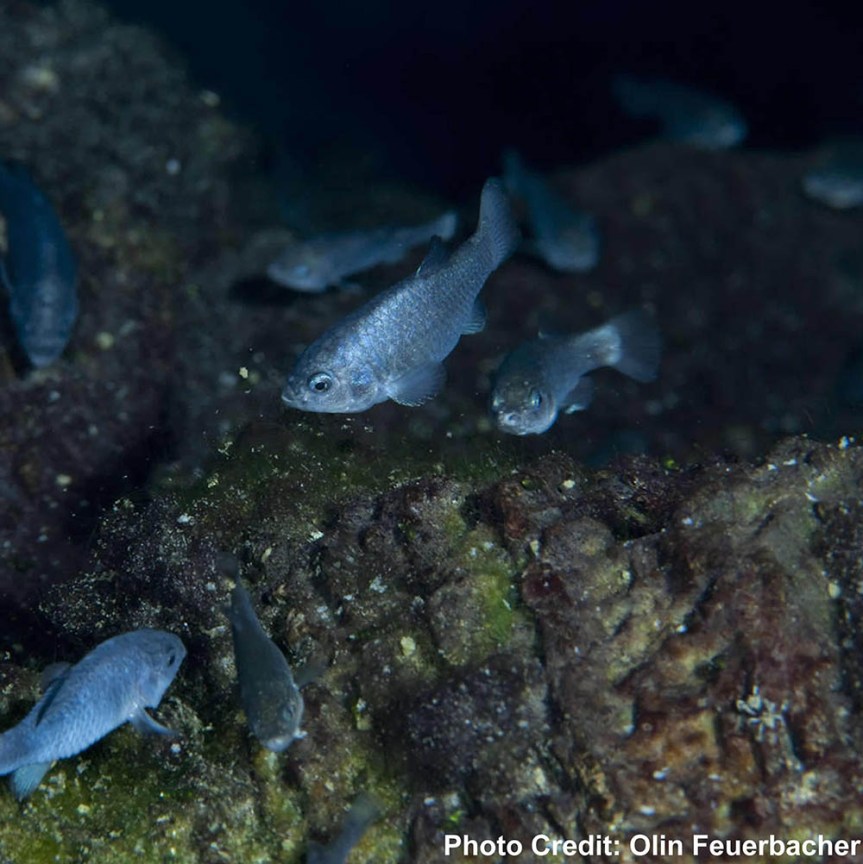
The pupfish, also known as the rarest fish in the world, are a group of killifish with striking coloration. They are mostly found in the extreme and isolated environment. These rare species of fish lives in a single pool in the Mojave Desert. They went almost extinct with their only canyon pool being pumped.
The description of Pupfish
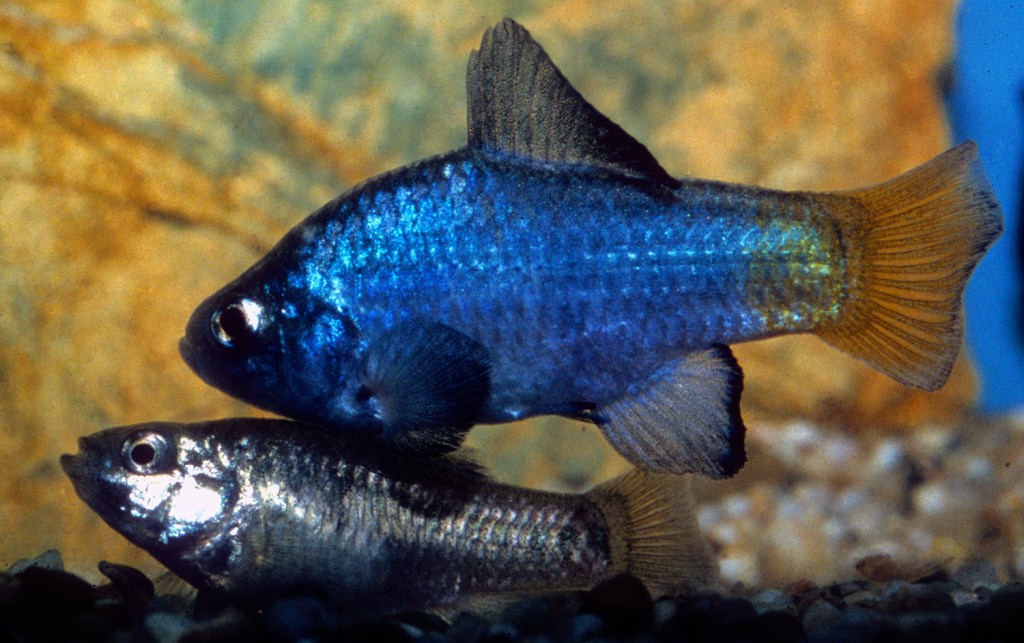
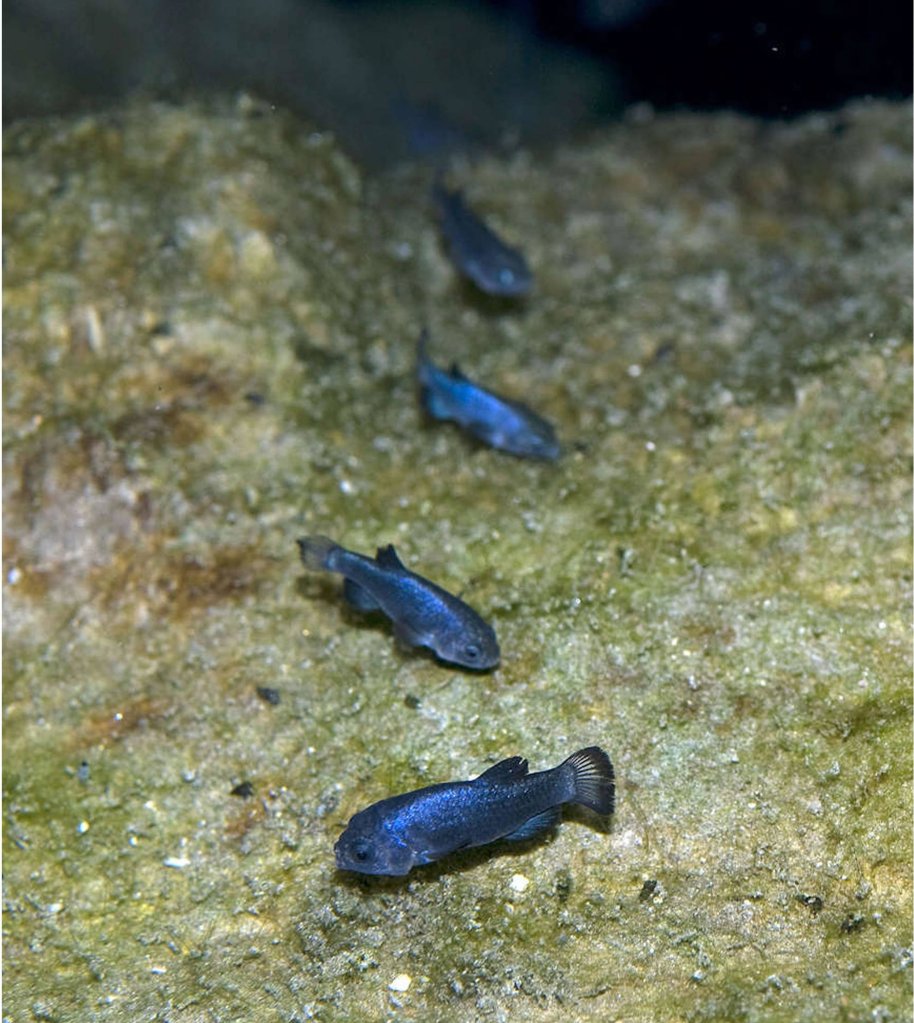
Pupfish are small, colorful, knuckle-sized and ray-finned fishes. The most famous amongst them are the Devil’s Hole pupfish. The Devil’s Hole pupfish are bright blue with purple accents whereas, the white sands pupfish has yellow and orange fins. Most of the pupfish are very tiny, some even less than an inch in length.
The diet of these pupfish includes variety of things, consisting of algae, plants, aquatic invertebrates and some insects.
About the devils hole pupfish
The fascinating and playful pupfish with bright, silvery-blue and lustrous body are found in an oasis within the Death Valley called as- The Devils Hole. These mighty goldfish-like fishes survive in the 92 degrees water of the Devil’s Hole. They withstand harsh conditions that would kill most other fish. Another fact about this fish is that it acts as an indicator of seismic activity around the globe.
The Death Valley as the name sounds is a land of the most extreme conditions. You can expect a scorching heat of 110 F to 120 F +. Even though this land experiences droughts and record summer heat, in the winters the peaks of the mountains are snow-laden. This land welcomes rainstorms rarely. Lush oases harbor tiny fishes and refuge for wildlife and humans. The name might sound very morbid but it is home to a great diversity of life.
What threatened their existence?
In the late 1960’s and early 1970’s, groundwater was pumped out extensively for the agricultural purposes. This activity led to a major downfall of the water level in Devil’s Hole. These invasions were a threat to the very existence of this fascinating species.
So, a group of academics, government employees and private citizens met in 1969 to speak about the protections needed for the fauna in Devil’s Hole.
The desert pupfish has been classified as endangered by IUCN. Due to the pumping of the aquifer since 1960’s, the fish never recovered. Later, it was decided that a back-up population was needed. A replica was created where one part of the population resides in the fake canyon, and the other in the natural canyon.
How many Devils Hole pupfish are left in 2020?
The observable population of the Devil’s Hole pupfish has reached 136. In the years 2006, 2007, and 2013 their population was less than 40. In the 1970s, 1980s, and 1990s, scientists counted near about 200 Devils Hole pupfish. And in the late 1990s there was startling decline in their numbers.
“Despite these extremes, Devils Hole pupfish continue to display their resiliency that have allowed them to survive for thousands of years”, said Brandon Senger, Supervising Fisheries Biologist for the Nevada Department of Wildlife (NDOW).











 Eduindex
You must be logged in to post a comment.