IS UNEMPLOYMENT GOING FROM BAD TO WORSE?

“An unemployed existence is the worst existence of life than the death itself”

Unemployment is a very serious issue not only in India but in the whole world. Many people do not have employment. The problems of unemployment are severe in India due to population growth. It is not a problem to be neglected but a problem to which a solution is a must. If this problem is neglected, it turns down to be the doom of the nation.

In a population of 1.32 billion, it is really hard to make everyone employed. From a survey of unemployment-employment based on expenditure which was carried out in July 2011-June 2012, the employment rate was 2.7%. But a survey based on educational levels for July 2017-June 2018 reported the rate as 6.1%. This reveals a crisis of quality jobs among the educated youth. The unemployment rate among people of 15-29 stood at 27.2% for women, 18.7% for men in urban areas, and 13.6% for women, 17.4% for men in rural areas in 2017-2018. This shows a genuine increase in the unemployment rate. As the education levels are rising, the aspirations are also rising. The categorization is that one with a job is considered employed and the one without a job and trying to find a job is considered unemployed.

THE PROBLEM

Unemployment emerges as a major problem because we are more concerned about our status in society than grabbing the opportunities. If everyone tries to opt for a white-collar job, that particular field will be crowded and the remaining left empty. Unemployment is first and foremost an economic and social problem as it brings about money for the unemployed as well as for the nation. It can be sorted out by entrepreneurship and by focusing on agriculture. There are many causes for unemployment but a few among them share a larger part. The caste discriminations fail to treat every individual equally. As a result, low caste people remain unemployed on a large scale than the high caste people. Another cause is our education system. The education should be technical and practical but we are guided theory-oriented. The education we gain must be job-oriented to overcome unemployment. The rising population creates unemployment and this, in turn, will create a serious impact. Awareness about the increasing population alone cannot help, implementation could only help.

As unemployment touches its peak, poverty also starts to touch its peak. This unemployed condition paves the way for an individual to choose the illegal way to get money. They tend to take alcohol, drugs or at last commit suicide out of stress. Unemployment increases crimes and also it affects physical and mental health.

THE SOLUTION

These problems could be solved by improving the education system as said earlier. Developing the rural areas could stop the migration of people to urban areas thereby reducing the population in urban areas. Government should encourage and develop agriculture-based industries in rural areas. More opportunities can be created if we allow foreign companies to start their unit in India. On the whole, we must follow the saying, “United we live divided we fall” to bring all these into action.

education ministry releases guidelines for parents to facilitate children’s home-based learning

The Union Education Ministry on Saturday released guidelines for parents and caregivers on how to provide support to children and facilitate their home-based learning at a time when schools are closed due to COVID-19 pandemic.

The guidelines emphasized the need for parents to create a safe, engaging and positive learning environment for children, have realistic expectations from them, take care of their health and ensure a healthy diet, and also have fun, a statement from the ministry said.

In a tweet, Union Education Minister Ramesh Pokhriyal ‘Nishank’ said the ‘Guidelines for parent participation in home-based learning during school closure and beyond’ have been drafted “for parents and caregivers to provide information on the ‘why’, ‘what’ and ‘how-to’ of participation in supporting children during school closure, irrespective of literacy levels”.

“I strongly feel that a home is the first school and parents are the first teachers. In this pandemic, the role of parents is pivotal in the growth and learning of children,” he tweeted.

These guidelines are meant not only for parents but also for caregivers, other family members, grandparents, community members and other siblings in promoting the welfare of children.

The activities suggested in the guidelines are in accordance with the various stages of school education under National Education Policy 2020, the statement by the ministry said. Age-appropriate art activities have been categorized on basis of 5+3+3+4 system such as Foundation Stage(age 3 to 8years); Middle Stage(age 11 to 14 years); and secondary stage: From Adolescent to Adult (age 14-18 years). The activities are simple and suggestive, which can be adapted and adopted to local needs and contexts. The guidelines appreciate the role of art as a therapy for children under stress or trauma, the statement said.

“They (guidelines) also lay significance on improving children’s learning by monitoring and addressing their learning gaps.” Collaboration of parents with teachers in documenting and reflecting on the progress of children in their learning is important for both teachers and parents, the statement by the Education Ministry said. The guidelines also advise schools to involve parents by providing information and ideas on helping students with homework and other curriculum-related activities, decisions, planning and involving them in school decisions, it said.

Resources have been made available for children with special needs which may be explored by parents. A separate chapter has been included in the guidelines for supporting parents with low or no literacy. Schools, teachers and volunteers may take suggestive steps to provide support to parents who are not quite literate, the statement said.  

MENSTRUAL HYGIENE: A CHALLENGING DEVELOPMENT ISSUE


Menstruation is still now a social taboo in Indian Society.The major reasons behind menstruation still being a taboo in the Indian society are illiteracy, poverty and lack of awareness.

WHAT IS MENSTRUATIONS?
The blood coming out from vagina normally occurs as part of a woman’s monthly cycle called menstruation or periods. Every month, our body prepares for pregnancy. The uterus, or womb, sheds its lining in case of no pregnancy . The menstrual blood is partly blood and partly tissue from inside the uterus. We can say that periods are the onset of puberty in girls. During this time a girl goes through several physical and psychological changes in her body. It is associated with bleeding along with stomach ache , nausea as well as mood swings.
After the onset of puberty , it brings various rules, restrictions, isolation and changed expectations in the girls life by the society. These changes in attitude towards girls such as restrictions on their self expressions, schooling, mobility and freedom has far reaching consequences on the mindset of women.

MENSTRUATION- A TABOO
In the Indian society menstruation is still considered as a taboo. Till now, adolescent girls are not given proper information about menstruation. People create major hurdles in educating girls about menstrual hygiene.

Mothers also don’t talk with their daughters about this topic because they feel shy while expressing the terms. Another reason they don’t discuss this topic is because most of them lack scientific knowledge on puberty and menstruation.
Most of the people in India, especially the girls are illiterate. This is one of the reasons for which menstruation is still a relevant taboo in our Indian society. The other important reasons are poverty and lack of awareness about menstrual health and hygiene.
Very less number (less than 18 percent) of Indian women use sanitary pads.

TROUBLES SUFFERED BY THE WOMEN:
In many families women’s freedom is still in the hands of patriarchal discourse. With the evolution of these cultures, there has not been any significant change in people’s attitudes and mentality towards menstruation.

In some families menstruation is still denoted as an unclean or embarrassing thing. For them even mentioning menstruation in public or private places is embarrassing. Most girls feel embarrassed to go to a medical store to buy sanitary pads for them. There are also many girls who cannot afford to buy the Sanitary Napkins.

Most of the girls in financially unprivileged families drop out of school when they begin to menstruate. More than 77 percent of girls and women in India use an old cloth, which is often reused, ashes, newspapers, dried leaves and husk sand during periods.

During these periods women are not allowed to participate in day-to-day activities. They are not allowed to enter the house or carry in with their household chores. They are even restricted from entering the kitchens. They are restricted from entering the temple. They are not even allowed to any sacred places and also not allowed to perform any rituals. They are restricted from doing all these works because they think that a menstruating woman is impure and everything she touches turns impure or bad. They think after menstruation a woman must be purified before entering the house or other places.
While menstruating, a woman goes through several psychological trauma and mood swings . During this time they should be given proper care but instead they are treated poorly by the society.

SURVEYS:
According to the latest National Family and Health Survey 58 per cent of young Indian women (15-24 years) use a hygienic method of protection (mostly sanitary pads) which is a significant increase from the 12 percent using pads in 2010. This is a consequence of greater attention to menstrual hygiene management over the past few years in India. This not only prevails in the Indian society but is a global issue.
On a global level, at least 500 million women and girls lack adequate facilities for menstrual hygiene management. The lack in appropriate information on sanitation and hygiene facilities, especially in public places like schools, workplaces or health centres can pose a major obstacle to women and girls.

CONCLUSION:
To prevent this troubles faced by the menstruating women in our society, we must give them proper education about menstrual health and hygiene, provide financial support or distribute sanitary napkins to the unprivileged women so that they don’t have to suffer the ill fate. @track2traininginstitute @edunewsnetwork

Race: today’s generation!

As I’m going to start this blog I would love to say everyone is perfect in their own personality, in their own perspective, in their own decisions. So it’s been a long time I had passed my school and now persuing my passion (not a course) ‘my passion’ so let me tell what is the main topic I’m talking about but firstly I’ll tell you a story which is real, so I was studying in 10th and one of my closest friend I can’t revel his name but his intrest was in painting and then he was confused that ‘bro what should I take as a stream in 11th’ so I told him what you love or in which you have your interest, but he said my father is telling me to take PCM (science, math) and he wants to take humanity but he was confused because his dad said if you’ll took humanity then there’s no future! And his dad told him take science-maths and then you cout prepare for IIT and he took science-math and just because he want to become a engineer and want to earn money! And he wasn’t happy as he wasn’t able to paint because of his studies and he wasn’t that good in studies so he was trying very hard but I said why I mean if you love to paint and you wanted to take humanity as your stream then did you took science and math just for the sake of money and even you don’t have intrest in science maths then why and he said because of my father. And this is my experience ladies and gentlemen he took science and maths he studied very hard and gave the exam for jee and he failed because he wasn’t having that intrest in PCM. And on the other hand he haven’t painted for more than a year and when he gave his exam and came back home he took his brush and painted and I’ll that art was one of the best of my friend as he hasn’t painted for a while which is more than a year but,

As i said ‘IF YOU HAVE INTREST IN A PARTICULAR FIELD, YOU’LL DEFINITELY WIN’ but if you don’t have intrest in that particular field you’ll definitely lose doesn’t matter who much you work upon it ‘HAVING INTREST IS THE TOP FACTOR’

For example, if you don’t love to cook and your mom said son just cook tonight’s dinner and you know how to cook but you hate it than Tonight’s dinner would be for the dustbin. I’m damn sure! I don’t love to paint and if you’ll say please make my sketch. Then I don’t know what I’ll make but after making that Sketch you’ll disown me I know.

But why you guys just want yurselves to put yur souls, your hard-work, your precious time and obviously money, in those things where you don’t have any Intrest in. My today’s generation just want to become a engineer, doctor, or a IAS.

Okay so, let’s take an assumption, if my friend was passed in that jee exam and he was selected in a college and becomes an engineer and was doing his job properly but what do you think he used to be happy and prosperous okay if you was at his place were you used to feel good and happy. Guys invest yourselves in those materials where you’re good at and where you’ll love your thing. Its not about that we should not listen to our parents but sometimes we should listen to ourselves too.

How Educational Psychology Help Children’s Learning?

Educational Psychology

Educational Psychology includes the investigation of how individuals master, including showing strategies, educational cycles, and individual contrasts in learning. The objective is to see how individuals learn and hold new data.

Educational Psychology draws from different fields like neuroscience and frequently includes government sanctioned testing to acquire data about youngsters’ mastering abilities.

This part of brain research includes not simply the learning cycle of youth and pre-adulthood yet incorporates the social, enthusiastic, and psychological cycles that are associated with learning all through the whole life.

Child Development

As your child grows, they go through reformist formative stages, from birth into adulthood. Natural, hereditary, and social variables would all be able to influence a youngster’s turn of events, and how rapidly they progress starting with one phase then onto the next. It’s hard for kids to clarify what they’re going through, considerably less to examine their sentiments. That is the place where kid brain science can help give you exceptionally significant and important data.

Everybody needs their children to have sound turn of events, yet it’s anything but in every case clear if a kid’s conduct is a manifestation of an ordinary stage being developed or an indication of an anomaly. Kid therapists and child psychologist can assist you with understanding the distinction. Understanding the ordinary and unusual mental examples of a youngster can assist guardians with seeing how to best impart and interface with their kid, instruct their kid methods for dealing with stress for overseeing feelings, and help their kid advance and flourish in each new formative stage.

Educational Psychology and Child development

At the point when you notice brain research the vast majority consider advising a treatment for intense subject matters, like uneasiness or sorrow… And keeping in mind that all clinicians have preparing here, our group has explicit postgraduate preparing in Educational and Developmental Psychology, which is a part of brain science zeroed in on learning and improvement.

Is educational psychology a hypothetical and applied branches at one of the parts of general brain research , which is characterized as the examination and comprehension of the standards of conduct of people in various instructive circumstances, where he is keen on investigations mental hypothesis and how to transform them right into it and commonsense strides in the instructive field bunch, ie the utilization of the laws and standards of brain science in the instructive angles, adjusted to the instructive climate wherein they identify with the viable childhood of positive and powerful, to raise the degree of capacities and capabilities, abilities and characters of the understudy bunch engaged with the cycle Altali Yeh.

Importance of educational psychology

  • The educational psychology profits by the encounters of analysts and their encounters in the field of schooling and training, to foster special hypotheses of learning and techniques, and to introduce the fundamental standards and laws for the use of these speculations.
  • So Educational Psychologists work with children to discover HOW they learn and measure data and search for approaches to improve their exhibition. What’s more, it’s difficult knowledge that influence learning results.
  • Intense subject matters, perspectives, inspiration, self-guideline, conduct and confidence all add to learning.
  • Educational clinicians acquire significant data by attempted individual appraisals with youngsters to decide what their hidden psychological cycles are meaning for their degrees of educational accomplishments.
  • It is imperative to comprehend the kid’s instructive history and whether the current concerns have been creating over the long haul. The foundation data is typically given by guardians finishing a poll, and preferably, from a survey finished by the youngster’s educator.
  • These appraisals may likewise uncover certain trouble spots like memory or passionate variables that influence learning, like uneasiness.
  • Educational Psychology offers systems and strategies that will assist the educator with understanding the understudy’s brain research and brain science through the advancement of instructive educational plans in the light of the understudies’ capacities and aptitudes so as not to over-burden them and to investigate the mental issues confronting the understudy at various age levels.

Conclusion

Alongside all the over, an educator should know about their conduct around youngsters and should be a good example for them. Kids gain so much from perception; they likewise will in general do it unwittingly. In this way now and again, it’s anything but important to really instruct the youngster but instead show them by doing it without anyone else’s help. This article concludes the importance of Educational Psychology on Children’s learning.

Should we test our Professors?

Few years ago, the human resources development ministry made an announcement that professors would be required to have a PhD degree before applying for lecturer ship from the year 2021. But are research skills equivalent to teaching skills. Is the quest to discover something new be compared to the passion to impart knowledge.In India, teachers are given at most respect but the profession itself is seemingly losing its charm. Teaching is a profession that teaches all other professions influencing generations. Naturally this huge responsibility should only be taken up by the passionate ones.

However the craze and lucrativeness of a government job has crippled the recruitment process. The herd mentality of finding a comfortable and a secured job results in unnecessary competition in the field of teaching. The eligibility to become a college professor is an entrance exam. The UGC NET exam is conducted at both National and state levels. After the candidate has qualified this exam they can apply for lecturer ship in a university of their choice. But can a mere exam judge the capability of researchers and teachers together?  In the golden age of coaching institutes ready to share their perfect strategy to crack the test. Candidates do not mind preparing for the second or third major entrance exams of their lives. 

The only outcome of these entrance tests is the pernicious coaching culture. While the real and bright students are on their way to MIT and Harvard on merit-based scholarships. Such a system undervalues the importance of skill. It fails to recognize teaching as an art. 

A very astonishing fact is that in higher education there is no need for B.Ed. or a similar course for teachers. B.Ed. is compulsory for school teachers in the country but are college students any less students. Training makes certain that professors are equipped with various teaching methods and are capable of handling students from different backgrounds. While it can be argued that a course can’t ensure a good teacher but lack of training does ensure substandard teaching. The quality of teaching depends directly on the quality of teachers. 

Thus, it is impossible to not draw a connection between the state of teaching and the state of research in our country. 

To improve the state of education it is important to take a step-by-step approach. One of the first steps is to build a strong foundation. An Important cue from the corporate world would be to set a common vision and unified purpose. To enable this a short course or training could be introduced for budding professors. Seminars and workshops by experienced educators for a few years in the start of their careers can steer them towards common good. 

It is a known fact that professors after a few years in the profession tend to become complacent. They fail to keep themselves updated with regards to their field of study or experiment with different teaching methods. 

Therefore, the next step should be to establish the culture of consistency. One way of doing this is to introduce a robust appraisal system. This would ensure competent teachers to reap the benefits of their fruitful performance and it also helps them remain motivated.

The third step would be to ensure accountability to students. Students are the consumers of the knowledge and the work done by teachers. What better evaluators than a student itself. A good anonymous feedback system will encourage students to give suggestions to their own teachers with regards to how they teach. Bais is a natural outcome of a feedback system but positive criticism can be filtered out to improve a teacher’s performance and to ultimately benefit the students. 

This sacred profession’s lost beauty can be restored if we start now. Teaching is an art driven by passion to inspire. Because inspiration and role model are what a young mind needs.

About the mid day meal scheme

The Mid Day Meal is the world’s largest school feeding programme reaching out to about 12 crore children in over 12.65 lakh schools/EGS centres across the country.
Mid Day Meal in schools has had a long history in India. In 1925, a Mid Day Meal Programme was introduced for disadvantaged children in Madras Municipal Corporation. By the mid 1980s three States viz. Gujarat, Kerala and Tamil Nadu and the UT of Pondicherry had universalized a cooked Mid Day Meal Programme with their own resources for children studying at the primary stage. By 1990-91 the number of States implementing the mid day meal programme with their own resources on a universal or a large scale had increased to twelve states.

  1. With a view to enhancing enrollment, retention and attendance and simultaneously improving nutritional levels among children, the National Programme of Nutritional Support to Primary Education (NP-NSPE) was launched as a Centrally Sponsored Scheme on 15th August 1995, initially in 2408 blocks in the country. By the year 1997-98 the NP-NSPE was introduced in all blocks of the country. It was further extended in 2002 to cover not only children in classes I -V of Government, Government aided and local body schools, but also children studying in EGS and AIE centres. Central Assistance under the scheme consisted of free supply of food grains @ 100 grams per child per school day, and subsidy for transportation of food grains up to a maximum of Rs 50 per quintal.
  2. In September 2004 the scheme was revised to provide cooked mid day meal with 300 calories and 8-12 grams of protein to all children studying in classes I – V in Government and aided schools and EGS/ AIE centres. In addition to free supply of food grains, the revised scheme provided Central Assistance for (a) Cooking cost @ Re 1 per child per school day, (b) Transport subsidy was raised from the earlier maximum of Rs 50 per quintal to Rs. 100 per quintal for special category states, and Rs 75 per quintal for other states, (c) Management, monitoring and evaluation costs @ 2% of the cost of foodgrains, transport subsidy and cooking assistance, (d) Provision of mid day meal during summer vacation in drought affected areas.
  3. In July 2006 the scheme was further revised to provide assistance for cooking cost at the rate of (a) Rs 1.80 per child/school day for States in the North Eastern Region, provided the NER States contribute Rs 0.20 per child/school day, and (b) Rs 1.50 per child/ school day for other States and UTs, provided that these States and UTs contribute Rs 0.50 per child/school day.
  4. In October 2007, the scheme has been further revised to cover children in upper primary (classes VI to VIII) initially in 3479 Educationally Backwards Blocks (EBBs). Around 1.7 crore upper primary children were included by this expansion of the scheme. From 2008-09 i.e w.e.f 1st April, 2008, the programme covers all children studying in Government, Local Body and Government-aided primary and upper primary schools and the EGS/AIE centres including Madarsa and Maqtabs supported under SSA of all areas across the country. The calorific value of a mid-day meal at upper primary stage has been fixed at a minimum of 700 calories and 20 grams of protein by providing 150 grams of food grains (rice/wheat) per child/school day.
    5.During the year 2009 the following changes have been made to improve the implementation of the scheme:-
    a) Food norms have been revised to ensure balanced and nutritious diet to children of upper primary group by increasing the quantity of pulses from 25 to 30 grams, vegetables from 65 to 75 grams and by decreasing the quantity of oil and fat from 10 grams to 7.5 grams.
    b) Cooking cost (excluding the labour and administrative charges) has been revised from Rs.1.68 to to Rs. 2.50 for primary and from Rs. 2.20 to Rs. 3.75 for upper primary children from 1.12.2009 to facilitate serving meal to eligible children in prescribed quantity and of good quality .The cooking cost for primary is Rs. 2.69 per child per day and Rs. 4.03 for upper primary children from 1.4.2010.The cooking cost will be revised by 7.5% from 1.4.2011.
    c) The honorarium for cooks and helpers was paid from the labour and other administrative charges of Rs.0.40 per child per day provided under the cooking cost. In many cases the honorarium was so little that it became very difficult to engage manpower for cooking the meal. A Separate component for Payment of honorarium @ Rs.1000 per month per cook- cum-helper was introduced from 1.12.2009.Honorarium at the above prescribed rate is being paid to cook-cum-helper. Following norms for engagement of cook-cum-helper have been made:
    (i) One cook- cum-helper for schools up to 25 students. (ii) Two cooks-cum-helpers for schools with 26 to 100 students . (iii) One additional cook-cum-helper for every addition of upto 100 students. More than 26 lakhs cook-cum-helper at present are engaged by the State/UTs during 2010-11 for preparation and serving of Mid Day Meal to Children in Elementary Classes.
    d) A common unit cost of construction of kitchen shed @ Rs.60,000 for the whole country was impractical and also inadequate .Now the cost of construction of kitchen-cum-store will be determined on the basis of plinth area norm and State Schedule of Rates. The Department of School Education and Literacy vide letter No.1-1/2009-Desk(MDM) dated 31.12.2009 had prescribed 20 sq.mt. plinth area for schools having upto 100 children. For every additional upto 100 children additional 4 sq.mt plinth area will be added. States/UTs have the flexibility to modify the Slab of 100 children depending upon the local condition.
    e) Due to difficult geographical terrain of the Special category States the transportation cost @ Rs.1.25 per quintal was not adequate to meet the actual cost of transportation of foodgrains from the FCI godowns to schools in these States. On the request of the North Eastern States the transportation assistance in the 11 Special Category States (Northern Eastern States, Himachal Pradesh, Jammu & Kashmir and Uttarakhand) have been made at par with the Public Distribution System (PDS) rates prevalent in these States with effect from 1.12.2009.
    f) The existing system of payment of cost of foodgrains to FCI from the Government of India is prone to delays and risk. Decentralization of payment of cost of foodgrains to the FCI at the district level from 1.4.2010 will allow officers at State and National levels to focus on detailed monitoring of the Scheme.
    8.41 cr Primary children and 3.36 cr Upper Primary children i.e a total of 11.77 cr children were estimated to be benefited from MDM Scheme during 2009-10. 11.04 Crore children were covered under MDM Scheme during 2009-10.
    During 2010-11 11.36 Cr children i.e 7.97 Cr. children in primary and 3.39 Cr. children in upper primary are expected to be covered in 12.63 lakhs institutions .
    Today, Mid day Meal scheme is serving primary and upper primary school children in entire country.

EFFECT OF POVERTY IN INDIA

INTRODUCTION:-
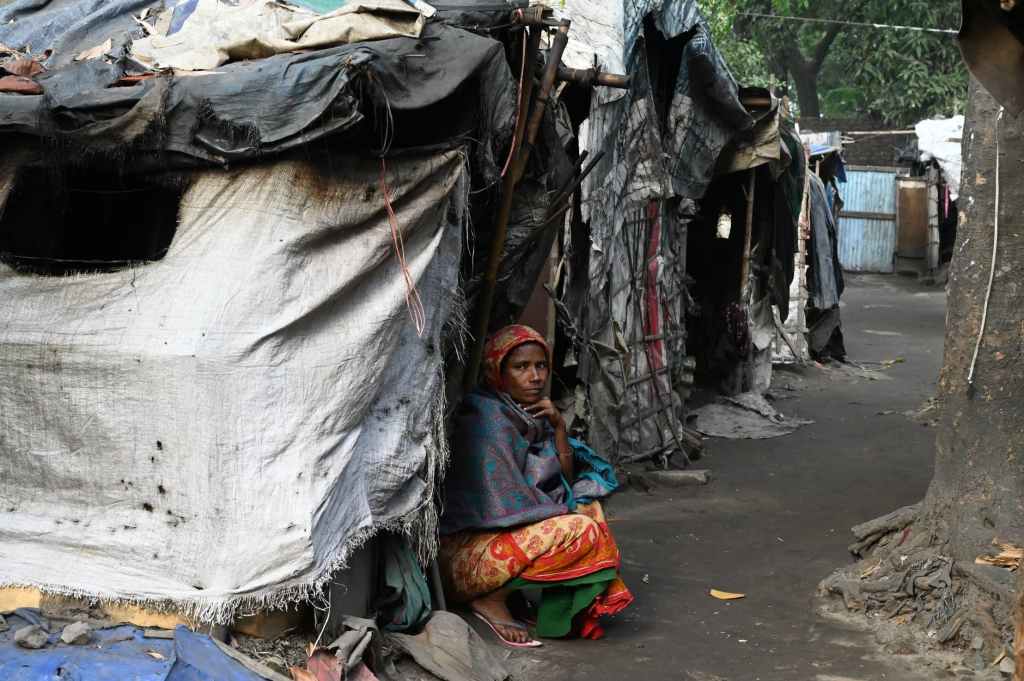
The situation in which a person remains underprivileged from the basic necessities of life is called poverty. The person does not have an adequate supply of food to eat, shelter to stay, and clothes to wear. Most of the people in India are suffering from poverty. They cannot afford to pay even for a single meal a day. They sleep on the roadside and wear dirty clothes. They do not get healthy and nutritious food. They don’t get any medicine and other necessary things either.

POVERTY IN INDIA:-
CAUSES OF POVERTY
The rate of poverty in India is increasing because urbanisation is increasing everyday. The people from rural areas are migrating to cities to find better employment. To provide the necessary needs of the family these people end up getting an underpaid job or an activity that pays only for their food. Most importantly, around crores of urban people are below the poverty line and many of the people are on the borderline of poverty.

Maximum people who are suffering in these poverty live in low-lying areas or slums. Most of the people are illiterate and for this reason in spite of efforts their condition remains the same and there is no satisfactory result.

There are many more reasons which can be said as the major causes of poverty in India. These causes include corruption, growing population, poor agriculture, the wide gap between rich and poor, old customs, illiteracy, unemployment and many more. Many people are engaged in an agricultural activity but in comparison to the earnings of other employees they get paid very less.

The more the population is, the more need of food ,houses and money. The deficiency in these needs results in the high growth of poverty. Thus as a result the difference and gaps between the extra rich and extra poor keeps on increasing.

The rich are growing richer and the poor are getting poorer resulting in the formation of an economic gap that is difficult to fill up.

EFFECTS Of POVERTY:-
Poverty affects the lives of people in many ways. It has various effects like illiteracy, reduced nutrition and diet, poor housing, child labor, unemployment, poor hygiene and lifestyle, and feminization of poverty, etc. These poor people are unable to afford a healthy and balanced diet, nice clothes, proper education, a stable and clean house, etc. because all these facilities require money and they don’t even have money to feed two meals a day.

EFFECTS OF POVERTY ON CHILDREN:-
Poverty in India impacts children, families and individuals in a variety of different ways through:

High infant mortality
Malnutrition
Child labour
Lack of education
High infant mortality
Every year at least 1.4 million children die in India before their fifth birthday. In addition to Nigeria, Pakistan, the Democratic Republic of the Congo and China, India is one of the countries with the highest child mortality rates. Most frequent causes of death of children are Pneumonia, malaria and diarrheal diseases as well as chronic malnutrition.

Malnutrition
India is one of the world’s top countries when it comes to malnutrition. In India most of the people cannot afford to pay for even one meal. More than 200 million people don’t get adequate quantities of food among which 61million are children. 7.8 million infants were found to have a birth weight of less than 2.5 kilograms.

Child labour – no time to play and learn
As we all know, in India child labour for children under the age of 14 is prohibited by law, 12.5 million children between the ages of 5 and 14 are working. In reality, there are more than 65 million children between 6 and 14 years old who do not go to school. Instead, for the sake of their family and to secure survival it is believed that Indian children contribute to the livelihood of their families; they work in the field, in factories, in quarries, in private households and in prostitution.

Lack of education – no opportunities without education
According to UNICEF, about 25% of children in India cannot afford education. The number of children excluded from school is higher among girls than boys. Under Indian law, women and men are treated equally but in the lower social caste girls and women are considered inferior. They are dominated by their fathers, brothers and husbands. The chances of finding a living wage from employment in India is virtually hopeless without education.

Due to poverty, many parents encourage early marriages for their daughters in hopes of better lives for them.

THE SOLUTIONS FOR ENDING POVERTY:-
For solving the problem of poverty it is necessary for us to act quickly and correctly. Some of the ways of solving these problems are to provide proper facilities to farmers. So that they can make profit from agriculture and do not have to migrate to urban cities in search of employment.

Illiterate people can live a better life if they are provided with required training. Everyone should follow family planning to check the rise in population.
We should take measures to end corruption, so that we can deal with the gap between rich and poor.

CONCLUSION:-
Poverty is not the problem of a single person but also of the whole nation.. We should deal with it on an urgent basis by taking effective measures. Eradication of poverty has become necessary for the sustainable and inclusive growth of people, society, country, and economy. @track2traininginstitute

TFM: the family man (Indian series)

The family man

The Family Man is an Indian ‘espionage action thriller streaming television series’ on Amazon Prime Video created, directed, and produced by Raj Nidimoru and Krishna D.K. who also co-wrote the story and screenplay with Suman Kumar, with dialogue penned by Sumit Arora and Suman Kumar. The series features Manoj Bajpayee as Srikant Tiwari, a middle-class man secretly working as an intelligence officer for the Threat Analysis and Surveillance Cell (TASC), a fictitious branch of the National Investigation Agency. It also stars Priyamani, Sharad Kelkar, Neeraj Madhav, Sharib Hashmi, Dalip Tahil, Sunny Hinduja and Shreya Dhanwanthary. Samantha Akkineni was hired for the second season of the series making her foray into the digital medium.

And to be honest it’s one of the best series I’ve had ever watched. Manoj Bajpayee is one of the finest actor of all the time. His acting gives a example to our new generation actors and he’s the god of acting for those who wants to become a actor.

From his struggle to his success, he implied all those thing he was willing to. And he has many awards and was nominated for best acting award (national award) for Gangs of Wasseypur. Rather than this all the actors/actresses in TFM1 and TFM2 contributes a huge part to make a series a super hit series of all the time. As in,
Manoj Bajpayee
Priyamani
Samantha Akkineni
Sharib Hashmi
Neeraj Madhav
Pawan Chopra
Kishore Kumar G.
Sharad Kelkar
Devadarshini
Gul Panag
Shreya Dhanwanthary
Sundeep Kishan
Sanyukta Timsina
Sunny Hinduja
Abhay Verma
Shahab Ali
Ashlesha Thakur
Vedant Sinha
Aritro Rudraneil Banerjee.

All these actors/actresses had different roles and they had persued that particular Roel very well with pure perfection. And if you ask who is My favourite among these so I’ll obviously say Manoj Bajpayee. But rather than him I love the role and character of Sharib Hashmi. He had done his job very well and the way he acted was truly unconditional.

And one main point It is only and only streaming of Amazon prime. And if you ask me that ‘it’s a boring day’ what should we do then I’ll recommend you this series to watch both season one and two.

Privatization of Prison: A Perspective

One of the most formidable challenges which our criminal justice system is facing today is the overcrowding of prisons. This century has witnessed a significant growth in the number of offenders brought before the court. It has became almost impossible to deal with such an oversized population in the prison in result it has placed a colossal burden on prison authorities as well as the government that must finance the confinement of such a large number of prisoners.

Prison privatization basically connects governments in need of more prison capacity with private corporations capable of providing such capacity. Local, state, and central governments accept bids from private companies to run prisons, jails, and detention centers. Private enterprises compete in theory to submit the best bid. In practice, the business is dominated by two major corporations, competition is restricted. The successful bidder then takes complete responsibility for running a prison’s day-to-day operations, including employing personnel, disciplining inmates, stocking supplies, and delivering legally mandated programming, among other things. The government pays the corporation in exchange. Because the paid fee is often less than the cost per inmate in a public prison or detention center, public agencies are encouraged to participate into such contracts in order to save money on correctional expenditures. The firm also bears legal accountability in the event of legal or constitutional challenges by taking over operational tasks. Prison privatization debates usually revolve around three issues: cost, quality, and morality.

After collecting several data from sources like National Crime Records Bureau, Bureau of Justice Statistics, National Informatics Center, Penal Reform and Justice Association, everything indicates that private prisons are seen to provide solid advantages but also with some drawbacks. However, some drawbacks because the risk will grow as the cost reduction become more dominant. Private prisons must meet certain standards in creating the regulatory and accountability mechanisms which will eventually regulate their operations. Private prisons can help improvement of the entire prison system if they’re properly regulated and held accountable to the general public.

Talking about the situation in India even though there will be multiple problems in such a diverse country there is great scope in India for privatization of prisons, with the overcrowded prison system and the increase in number of cases. Therefore, there ought to be a dedicated committee formed by the govt. in order to look into the possibility of the plan for India and the absolute best models that can be constructed to make sure that even when privatized, prisons of India treat prisoners with care and provide them with a mandatory quality of life and fulfill their basic rights.

EFFECTS OF LOCKDOWN ON STUDENTS LIFE

(CoV) are a large family of viruses that are causing illness in human beings. The symptoms of novel Coronavirus are common cold, headache and sometimes more severe diseases such as Middle East Respiratory Syndrome (MERS-CoV) and Severe Acute Respiratory Syndrome (SARS-CoV). This disease is so dangerous that it can cause death in case of severe infection.
LOCKDOWN:-
As the spread of Coronavirus was spreading day by day and there was no way to stop it other than causing lockdown. So our government decided to start a complete lockdown all over the country to stop spreading the infection. Not only did our country but also other countries decided the same as we all know that “Prevention is always better than cure”.
Effects of lockdown in short:-
When the lockdown was first announced people were initially happy but later everyone realized that this lockdown would have severe consequences on our daily life. The lockdown to prevent the spreading of Coronavirus is having various effects on different communities of People. Today I will say about the consequences in students’ life
LIFE OF A STUDENT DURING LOCKDOWN:-
During this coronavirus time, students ‘ lifestyles had changed a lot. At first all the students were very happy about the lockdown because schools and colleges would remain closed during this time. Everyone thought they could have an ash life, enjoying all day playing games, watching movies right from the morning to the night. Then suddenly we all realized that life without studies and meeting our loved ones are becoming very boring day by day, also all these entertainment games and movies would last for a short period of time and then we all started waiting for the unlocking situation to meet friends and relatives.

Slowly all the school and college authorities started initiating online classes. At first online classes felt better as there was a complete change in the situation of the class’s atmosphere. After a month we realized that there are lots of disadvantages and advantages to this type of education. Finally we realized that this virus is not a blessing to students but a foreshadow of the student’s further life to adjust to the Online mode of education. The shift in education is totally different from an education career.
Advantages and disadvantages of online classes

ADVANTAGES:
There are no significant advantages because there is a huge loss in jobs, lives, and the economy of the Country. But speaking about the children, there are some advantages.
Students used their quality time in studying. They had also got time to explore the talents in them other than studying.
We spent lots of time with our family. We all enjoyed the company of our grandparents, cousins, mother, father, and other relatives.Watching a movie along with the family and enjoying it can only happen now at this time. We could spend time with parents and explain career planning views.

Saving Time
A lot of time is saved as now we don’t have to travel from one place to another. Instead we can spend five to six hours of the quality time for the online classes. And if we avoid watching movies and playing mobile games then we would also get time for self study that is also necessary.

DISADVANTAGES
There are many disadvantages because there is a huge loss in jobs, lives, and the economy of the Country. Main disadvantages for students are

Online Classes
One of the problems of online classes is adopting the online classes.The adoption rate is around 50-60% whereas in the classroom the adoption was around 80-90%. It also has adverse effects on the eyes of the students due to long hours in front of the blue screen.
The interest in classes does not grow in the small children as the primary grades have low concentration power, and also it is very harmful for these small kids to sit for a longer time in front of the blue screen.

There are many poor students who do not have access to laptops and computers; and for this reason they are lagging in their studies.

There are even more disadvantages of the online classes like-
There are no exams; internals are giving marks. This may impact their career in the feature.
And finally, students are missing their happiest days in the schools and colleges. We all are hoping that the government will make good decisions on education with clear instructions as early as possible to avoid the situations that occurred by Covid-19 pandemic. @track2traininginstitute @edunewsnetwork

silence: Menstruation Ahead

Shhhhh…… “it’s that day of the month”.

Menstruation or period has always been taboo. People don’t want to talk about it. It is a natural cycle. And that’s how a female body functions, doesn’t it?

Taboos around menstruation have always explained it to be something to be kept hidden. Religious taboos on menstruation consider women on their periods as “impure”. It is weird how a normal body function can be considered impure.

In Indian, it is not allowed to enter the temple for a woman on her period, or touch the pickle jar. This misogyny doesn’t just prevail in India, but all around the world in their unique ways. Women in Nepal are kept secluded in a menstruation hut, not allowed to enter the kitchen or touch anyone while they are on their periods. Indonesian women face similar issues in India and Nepal. The political boundaries couldn’t have succeeded to unite the nations with menstruation taboos.

Misconceptions, cultural norms and silence has led to living in the dark, letting such taboos build up. People are not enough educated about it as they find it shameful. Many girls around the world don’t know about periods till they have them for the first time. Because of this lack of knowledge and social humiliation women around the world risk their lives. As the period is not talked about, women at some places use clothes to soak up their period blood; at times use the same cloth after washing because, either they feel shameful to buy a sanitary napkin or don’t have access to it.

Even when these sanitary napkins or pads are bought, are wrapped around with newspapers and then put into a black polythene bag, just to ensure double safety so nobody sees it. It is treated as something nobody should find out. Even while asking for it women almost whisper so that nobody in the vicinity could hear about it as it has been taught to them it shouldn’t be talked about.

We have even watched advertisements of sanitary pads on television, where a blue coloured liquid is poured on the pad just to show them how much the pad can soak. But the question here is- do women bleed blue? And the answer is an absolute no. Then why do the advertisements show so? It is just so that the viewers don’t feel gross. But shouldn’t the reality be shown as it is? These aspects also contribute to misconceptions and often confuse.

Out of curiosity, boys in the class often take out sanitary napkins from female classmate’s bags. Lack of menstrual awareness often leads to period shaming, where a girl getting stained from period blood is shamed and mocked leading to humiliation. Not women but men and every human being should know about it. Schools should have awareness programs to aware the students about menstruation and menstrual hygiene. It should also be taught how a person on periods can be taken care of. Periods are a healthy and natural function of a women’s body.

Not just women but also men should know about menstruation and menstrual hygiene. Schools should have awareness programs to aware the students about it. It should also be taught how a person on periods can be taken care of. There is nothing to be embarrassed about girl blood staining her dress, or having a sanitary napkin in her bag. Periods are a healthy and natural function of a women’s body.

JAMIA has extended it’s date of addmission

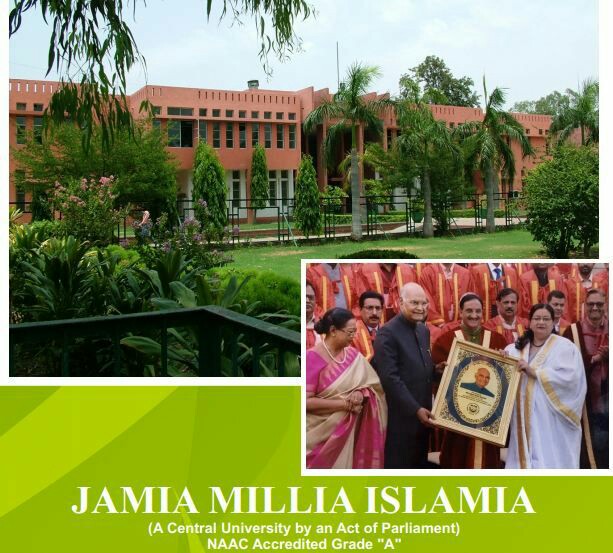
The great Jamia Millia Islamia University has extended it’s last date for submission of all forms for class nursary to 9 th standard.

Jamia University, jamia Nagar, New Delhi

If you are a parent and want to give your child best ever education, then go for it!

All the information related admission is available on jamia portal.

Just go to http://www.jmi.ac.in and you can see all the notices and prospectus related any class.

16th June, 2021

remember!

Last date for submission is extended by 12th June 2021 to 2021.

Covid-19: let’s see what’s going to be.

Some experts are also with the opinion that it could become the dominant strain in most of the parts of the world.

Okay, let’s keep this aside but do you think that this unlock would give us the better results, I’m neutral here as, the economy of the India is important I know it’s important but the lives of our Indians is the most important thing. Giving it a basic trail if you’ve have heard about those individuals and who were so happily living their lives who used to sing, dance, cook and etc etc. But after a few days they were no more you might heard it from your parents from your relatives from your friends that, that particular guy isn’t here with us he/she died due to covid and even when they were treated with the best medicines, from our best doctors but we all know from where does it started so let me tell you being careless about this pandemic would make you sit on the bed, so let me tell you my experience around 5-6 days ago me and my friend we were going for a morning walk and he removed his mask saying that he’s strong he won’t be having covid. I mean guys we have to be honest with ourselves that are we giving our best ladies and gentlemen please take care of yourselves:

Make sure you are wearing a proper mask.

Make sure you are washing your hands.

Make sure you are done with your doses (vaccination)

Make sure you are not going outside without any need.

Make sure you and your family are safe. And our nation is your family too.

Take care of yourselves covid is not gone yet.

Call for papers 2021

Send your papers for publication in IJR multidisciplinary journal for research publication. Open access and peer reviewed journal for scholars around the world. Visit journal at https://ijrjournal.com/index.php/ijr

All published papers in IJR journal will be indexed in google scholar and it will be open access for all the readers.

Papers from all disciplines are accepted for publication. Send papers to ijr@ijrjournal.com for review.