Discover Effective Varicose Vein Treatments Today

Varicose veins can be more than just a cosmetic concern—they can affect both our health and quality of life. At Metro Vein Centers in Austin, we understand that noticing bulging, twisted veins in your legs can be concerning. Millions of people experience this condition, making it essential to understand its causes, diagnosis, and treatment options. In this text, we’ll explore the underlying factors of varicose veins, effective management strategies, and the latest treatment solutions, empowering you to take control of your vein health with confidence.

Understanding Varicose Veins

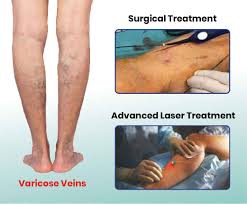
Varicose veins occur when the valves in our veins fail, causing blood to pool and the veins to become enlarged and twisted. This condition is common in the legs due to the increased pressure from standing and walking throughout our lives.

Symptoms and Causes of Varicose Veins

Common symptoms of varicose veins include aching, heaviness in the legs, swelling, and in some cases, skin changes and ulcers. The exact cause of varicose veins is multifactorial.

Causes

  • Weak or Damaged Valves: When valves that control blood flow fail, blood can flow backward, leading to swelling.
  • Hormonal Changes: Fluctuations in hormones can weaken vein walls. Women, especially during pregnancy or menopause, are often affected.
  • Genetics: A family history of varicose veins may increase our risk.

Risk Factors for Developing Varicose Veins

Several factors can increase our likelihood of developing varicose veins, including:

  • Age: As we age, our veins can lose elasticity.
  • Gender: Women are more likely to develop varicose veins than men.
  • Lifestyle: Prolonged sitting or standing can exacerbate the condition.
  • Obesity: Carrying excess weight places additional pressure on our veins.

Diagnosis of Varicose Veins

Diagnosing varicose veins typically begins with a visual examination and discussion of our symptoms and medical history. Our healthcare provider may use the following methods to assess the condition:

  • Ultrasound: This non-invasive test allows for visualization of blood flow in the veins and helps identify malfunctioning valves.
  • Physical Examination: Our doctor will examine the legs while we stand to observe any visible signs, such as swelling or discoloration.
  • Doppler Studies: In some cases, additional tests may be performed to assess blood flow and measure the pressure in the veins.

Overview of Treatment Options

Once diagnosed, several treatment options are available to manage varicose veins effectively. We can choose from conservative approaches to more invasive procedures depending on the severity of our condition.

Conservative Treatments for Varicose Veins

These options serve as the first line of defense:

  • Compression Stockings: Wearing these throughout the day can help reduce swelling and improve blood flow.
  • Lifestyle Changes: Maintaining a healthy weight and staying active are crucial. Simple activities like walking or elevating our legs can also alleviate symptoms.

Minimally Invasive Procedures

For those who need more than conservative care, minimally invasive options include:

  • Sclerotherapy: This involves injecting a solution into the vein, causing it to collapse and fade away.
  • Endovenous Laser Treatment (EVLT): Laser energy is directed at the vein, sealing it shut.

Surgical Treatments for Severe Cases

In more severe cases, surgical intervention might be necessary. Options include

  • Vein Avulsion: This involves removing the vein through small incisions.

Post-Treatment Care and Management

After undergoing any treatment for varicose veins, proper care is essential to ensure optimal recovery and effectiveness. We should consider the following guidelines:

  • Follow-Up Appointments: Regular check-ups will help monitor our recovery and ensure that our treatment is working effectively.
  • Managing Discomfort: Utilizing prescribed pain relief methods or over-the-counter medications can help manage any post-treatment discomfort.
  • Compression Garments: Continuing to wear compression stockings as advised by our healthcare provider can aid in recovery.

Lifestyle Changes to Prevent Recurrence

Plus to treatment, making lasting lifestyle changes can significantly reduce the risk of recurrence:

  • Regular Exercise: Incorporating lower-body exercises into our routine helps improve circulation.
  • Healthy Diet: A diet rich in fiber and low in salt can protect against venous issues.
  • Weight Management: Maintaining a healthy weight alleviates pressure on our veins.
  • Avoid Prolonged Sitting or Standing: Taking breaks to move around can help improve venous circulation.

Conclusion

Navigating the world of varicose vein treatments can seem daunting. But, understanding our options empowers us to take control of our vein health. From conservative treatments to advanced procedures, we have various routes to consider, each with its benefits. By prioritizing our health and embracing lifestyle changes, we can prevent recurrence and enhance our quality of life.

Types of Foods: A Detailed Overview

🍽️ Types of Foods: A Detailed Overview

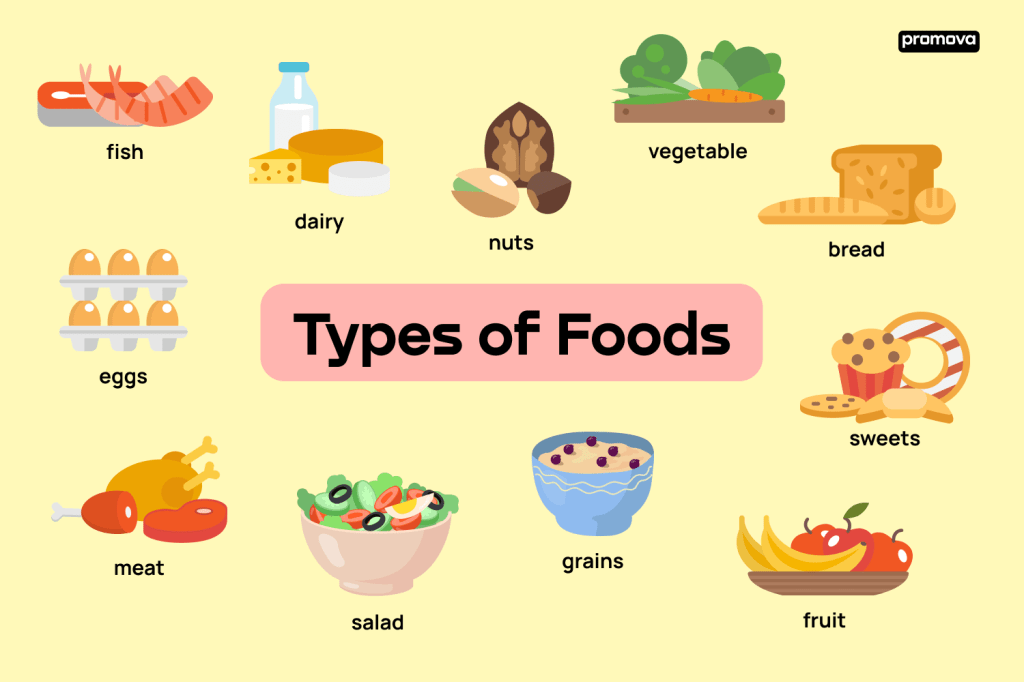
Food can be classified in various ways depending on nutritional content, source, and function. Below is a comprehensive breakdown:


1. 🌾 Cereals and Grains

  • Description: Staple foods rich in carbohydrates, providing energy.
  • Examples: Rice, wheat, maize (corn), barley, oats, millet, rye, sorghum, quinoa.
  • Uses: Basis for bread, pasta, noodles, breakfast cereals, and baked goods.
  • Nutritional Value: High in carbohydrates, moderate protein, some vitamins (B-complex) and minerals.

2. 🥦 Vegetables

  • Description: Edible plant parts such as roots, stems, leaves, flowers, and tubers.
  • Examples:
    • Roots & Tubers: Carrot, beetroot, potato, sweet potato, yam.
    • Leafy Greens: Spinach, kale, lettuce, cabbage, fenugreek.
    • Other Vegetables: Tomato, cucumber, broccoli, cauliflower, brinjal (eggplant), okra.
  • Nutritional Value: Rich in dietary fiber, vitamins (A, C, K), minerals (iron, potassium), antioxidants, and low in calories.

3. 🍎 Fruits

  • Description: Edible fleshy products of plants, often sweet or sour.
  • Examples: Apple, banana, mango, orange, grapes, pomegranate, papaya, watermelon, berries, pineapple.
  • Nutritional Value: Source of natural sugars, vitamins (especially vitamin C), minerals, fiber, and antioxidants.
  • Types:
    • Citrus fruits (orange, lemon)
    • Stone fruits (mango, peach, plum)
    • Berries (strawberry, blueberry)
    • Tropical fruits (banana, papaya, pineapple)

4. 🥛 Dairy Products

  • Description: Foods made from milk and milk derivatives.
  • Examples: Milk, yogurt, cheese, butter, cream, paneer (cottage cheese), ghee.
  • Nutritional Value: Rich in protein (casein), calcium, vitamin D, vitamin B12, fats, and probiotics (in fermented dairy).

5. 🍗 Meat, Poultry, and Seafood

  • Description: Foods derived from animals and birds.
  • Examples:
    • Meat: Beef, pork, lamb, goat.
    • Poultry: Chicken, turkey, duck.
    • Seafood: Fish (salmon, tuna, cod), shellfish (shrimp, crab, lobster).
  • Nutritional Value: Excellent source of protein, iron, zinc, vitamin B12, and omega-3 fatty acids (in fish).

6. 🥚 Eggs

  • Description: Highly nutritious food from poultry birds, primarily chicken eggs.
  • Nutritional Value: Rich in protein, vitamins (A, D, B12), choline, minerals, and healthy fats.

7. 🥜 Legumes, Pulses, and Nuts

  • Description: Plant-based protein-rich foods.
  • Examples:
    • Legumes/Pulses: Lentils, chickpeas, kidney beans, black beans, peas.
    • Nuts: Almonds, walnuts, cashews, peanuts, pistachios, hazelnuts.
    • Seeds: Sunflower seeds, flaxseeds, chia seeds, pumpkin seeds.
  • Nutritional Value: High in plant-based protein, fiber, minerals (magnesium, iron), healthy fats, and antioxidants.

8. 🥥 Oils and Fats

  • Description: Foods that provide concentrated energy and essential fatty acids.
  • Examples: Vegetable oils (olive oil, sunflower oil, soybean oil), butter, ghee, coconut oil, animal fats.
  • Nutritional Value: Source of essential fatty acids, vitamins A, D, E, K, and energy (9 kcal/g).

9. 🍫 Sugars and Sweets

  • Description: Foods high in refined sugars, often used for taste and quick energy.
  • Examples: Sugar, honey, jaggery, chocolates, candies, desserts, pastries.
  • Nutritional Value: Provide quick energy but low in vitamins and minerals (“empty calories”).

10. 🍵 Beverages

  • Description: Liquids consumed for hydration, refreshment, or nutrition.
  • Examples: Water, tea, coffee, fruit juices, soft drinks, milkshakes, soups, alcoholic beverages.
  • Nutritional Value: Varies—water hydrates, milk gives protein and calcium, tea/coffee provide antioxidants, while sugary drinks may add empty calories.

11. 🌱 Herbs and Spices

  • Description: Plant-based flavoring agents used in cooking.
  • Examples: Turmeric, cumin, coriander, cinnamon, black pepper, cardamom, ginger, garlic, basil, thyme, oregano.
  • Nutritional Value: Rich in antioxidants, phytochemicals, and medicinal compounds.

12. 🥗 Processed and Convenience Foods

  • Description: Foods that are altered from their natural state for preservation, taste, or convenience.
  • Examples: Bread, biscuits, canned foods, frozen meals, instant noodles, packaged snacks.
  • Nutritional Value: Often high in salt, sugar, and unhealthy fats; limited vitamins and minerals depending on processing.

13. 🌿 Functional and Health Foods

  • Description: Foods that provide health benefits beyond basic nutrition.
  • Examples: Probiotic yogurt, fortified cereals, soy products, green tea, oats, spirulina.
  • Nutritional Value: Help in preventing diseases, improving immunity, and promoting overall well-being.

✅ Conclusion

Foods are broadly classified into plant-based and animal-based categories, and further into nutrient groups like carbohydrates, proteins, fats, vitamins, and minerals. A balanced diet should include a variety from all groups to maintain health, energy, and disease prevention.

The Appeal of Delta 9 Products: How Safe Are They?

Image source: freepik

Delta-9 tetrahydrocannabinol is the main ingredient in cannabis that affects the mind. People are drawn to it for reasons like relaxation, a sense of euphoria, and relief from problems such as nausea or low appetite. The interest in products with this chemical keeps climbing, especially since hemp-derived products are now easy to find in many states.

Some people turn to Delta-9 to help with conditions like poor appetite or ongoing discomfort. Surveys carried out in 2024 show that many buyers use these products to manage stress, find relief, or for simple relaxation. The chemical’s appeal is linked to its noticeable mind-altering effects, easy access in many parts of the United States, and steady marketing that highlights potential wellness benefits.

Safety Under the Microscope: What the Evidence Says

Despite the steady increase in buyers, safety is a main concern. Clinical data points out a number of health risks when Delta-9 is used regularly or in high amounts. Reports from addiction experts and treatment centers tell us that long-term and frequent use increases the chance of developing a dependence. Some people who use Delta-9 show signs of needing more over time to get the same effect, and withdrawals can occur if use suddenly stops.

Researchers point to connections between steady Delta-9 use and the later use of other substances, and some medical professionals describe a stronger risk of mental health disorders in regular users. Effects can include anxiety, paranoia, and in certain cases, psychosis, especially among those with a personal or family history of psychiatric issues.

Short-term effects are possible as well. People using Delta-9 products can feel high, with slower judgment and less coordination, trouble remembering things, a racing heart, or higher pressure in their blood vessels. Poison control centers in the United States report calls about children who accidentally ate cannabis edibles, and some calls end with hospital visits. For this reason, pediatric doctors keep warning parents and health agencies about Delta-9 products that look like candy or snacks.

Product Forms and Common Consumer Choices

People now have many ways to buy Delta-9 products, including gummies, oils, tinctures, and delta 9 vape pens. Some prefer gummies for convenience, while others find tinctures easier to dose. These choices depend on taste, speed of effect, and comfort with inhaled versus ingested products.

Delta 9 vape pens are often sold next to edible products and infused beverages at stores. Surveyed users have pointed out differences in onset time, describing inhaled products as producing quicker effects compared to edibles. It is important to know that these product types can vary in dosage accuracy, purity, and risk for accidental overuse.

Problems with Content, Purity, and Testing

Testing of Delta-9 products in retail settings exposes gaps between what is promised and what is delivered. Lab analyses performed across several states in 2024 and 2025 found that about two-thirds of legal Delta-9 products had a potency level at least ten percent off from what was listed on the label. More telling, over seven in ten companies did not properly test their products for contaminants. That means buyers could be exposed to pesticides, solvent residues, or heavy metals without knowing.

Regulated states require products to go through stricter screening. In states with laxer rules or with so-called hemp loopholes, there is almost never a consistent approach to lab tests or required results. Consumer groups and watch organizations recommend looking for third-party lab certificates before buying, but these reports are not always available or reliable. Many lab reports from sellers skip testing for certain possible contaminants.

Regulation and Legal Status: Varied and Complex

Federal law treats Delta-9 THC differently depending on its origin and strength. If the product comes from marijuana and has more than 0.3 percent by dry weight, it remains an illegal substance under United States law. Hemp-derived products with 0.3 percent or less are legal at the federal level, but this has given rise to edible products that stay under the legal threshold by weight, yet still carry a strong mind-altering effect. More than half of states allow some form of recreational or medical use, and rules differ sharply from one state to another.

For example, states like California and Colorado run strict testing and permit both recreational and medical cannabis sales. Texas only allows very low-THC hemp products, and these must follow extra testing rules. Some states do not allow any sale of this chemical, while others only let people use it if they have a qualifying medical need. Almost all states block people under twenty-one from buying Delta-9, but sales and accidental use among children are still reported.

Groups with Higher Risks and Work-Related Concerns

Some people face more risk when using Delta-9. Those in safety-focused jobs, such as transport workers, face rules that forbid Delta-9 use on or off the job. Mistakes linked to slower thinking or movement can put lives at risk. Rules are in place for testing truck drivers and commercial operators, and government officers keep working to improve detection standards. 

People who use other drugs face risks from drug interactions. Delta-9 interacts with medications metabolized through the liver, such as certain psychiatric and sedative drugs, raising the risk of harmful effects.

Safety Watchdogs and Medical Expert Advice

Federal and state authorities urge caution about Delta-9. The United States Food and Drug Administration does not approve any over-the-counter Delta-9 products for any medical use in 2025. Endorsements and claims about health benefits are widespread, but these are not supported by large, well-run studies. Public safety groups demand tighter testing, more honest labeling, and better enforcement to keep products out of reach of the young.

Doctors who specialize in addiction and mental health suggest that people with a history of substance use disorder, mental illness, or those taking other medications should avoid Delta-9 or talk first with a healthcare provider. At the same time, risk is generally higher with regular use or high doses, especially in edible forms that are easier to take too much of at once.

Summary

Delta-9 products are common because they are easy to access, are promoted for wellness claims, and produce noticeable effects on mood and body. Consumers face real safety concerns. These include inaccurate doses, possible contamination, health risks for certain groups, inconsistent rules, and a lack of routine safety checks in many markets. Those who choose to use Delta-9 are advised to look for proper lab testing and to understand their state’s laws and risks before buying or using these products.

Word Count: 1106

How to Support Aging Parents with the Right Senior Living Plan

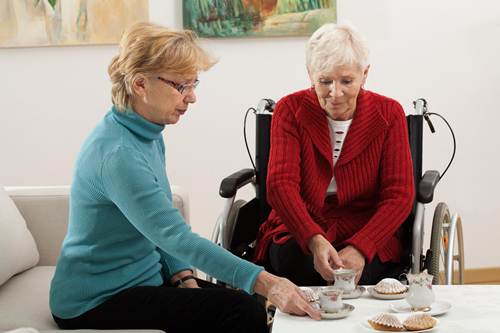
Taking care of aging parents can be a challenging but essential task. As our loved ones grow older, their needs change, and so do our responsibilities. Choosing the right living plan for aging parents is crucial to ensuring they live comfortably and safely.

It’s not only about finding a place for them to live; it’s also about making sure they have the support they need daily. Many families find it difficult to navigate the complex world of senior living options, but understanding what’s available can lead to the best decisions.

Understanding the Different Types of Senior Living Plans

There are several types of senior living plans available today. Each offers unique benefits and is suited for different needs. Here are some common options:

  • Independent Living
  • Assisted Living
  • Nursing Homes
  • Memory Care

Each of these options caters to different levels of care, so being aware of your parents’ specific needs is essential in choosing the right one.

The Benefits of a Senior Living Plan

A well-chosen senior living plan provides numerous benefits. First and foremost, it offers peace of mind knowing your parent is in a safe and supportive environment. Most senior living communities offer various services that can greatly enhance the quality of life for your loved one.

For instance, many facilities provide personalized daily assistance for seniors, ensuring they receive medication on time and support for daily tasks. Programs designed to enhance physical health, such as exercise classes and wellness workshops, also contribute to a better quality of life.

Visiting Potential Living Locations

After narrowing down the options, it’s vital to visit the potential living locations. This step allows you to see the facilities in person, meet the staff, and observe the community dynamics. Pay attention to how staff members interact with residents; kind and attentive staff can make all the difference in your parents’ experience.

Taking the time to visit each location will help you make an informed decision and ensure your parent will be happy and cared for.

Planning the Transition

Once you decide on a living plan, the next step is planning the transition. Moving into a new home can be overwhelming for seniors, so it’s crucial to approach this process with care.

Give your parent plenty of time to adjust and prepare for this new chapter in their life. Involve them in packing and decorating their new space. Familiar items from their current home can make the transition easier and more comforting.

Staying Involved

Once your parent moves into their new living arrangement, staying involved remains important. Regular visits, phone calls, and involvement in community events can help maintain a strong relationship. Encourage them to participate in activities offered at their new home to help foster friendships and engagement.

Your Role as a Caregiver

As a caregiver, your support plays a vital role in your parent’s happiness and health. Being proactive, understanding their needs, and advocating for them in their new environment can make all the difference. Knowledge about their living plan, active participation in their life, and an open line of communication can ensure your parent enjoys their golden years.

Embracing the Journey Together

Supporting aging parents with the right senior living plan is a journey full of emotion and consideration. Remember that it’s a collaborative effort, strengthening your bond while giving your parent the care and attention they deserve. Empower your loved ones by choosing the best living plan that suits them, allowing them to thrive in their later years.

For more helpful tips, check out the rest of our site today.

The Role of Fitness Certification in Enhancing Senior Health Care

Did you know that nearly 95% of older adults have at least one chronic health condition? This statistic highlights the urgency of prioritizing the health and well-being of the senior population.

One of the most effective ways to improve the care and health outcomes for seniors is through specialized fitness certification. As health care professionals and fitness trainers, it is vital to understand how obtaining such certifications can not only enhance our skills but also significantly benefit the seniors we work with. Keep on reading to learn more.

The Importance of Fitness Certification in Senior Care

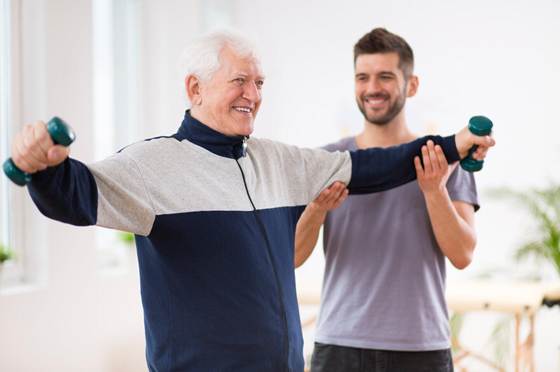
The role of fitness certification is increasingly recognized in the field of senior health care. These certifications equip health care professionals and trainers with the knowledge and skills necessary to design safe and effective exercise programs tailored specifically for seniors. Here’s why this matters:

Understanding Medical Conditions

Trainers learn about health problems like weak bones and heart issues. They know how to keep these in mind during workouts. This helps older adults stay safe while moving.

Safety Protocols

Fitness training teaches how to keep people safe while they exercise. Trainers learn rules to stop accidents. This makes workouts better for seniors.

Customized Programs

Each person gets a plan made just for them. Trainers change the plan to fit the person’s needs. This helps make the workout work well.

Client Motivation

Trainers learn how to keep people going. They say the right things to help seniors stick with it. This keeps people moving and feeling good.

By holding a fitness certification, trainers and health care professionals can develop a positive rapport with the seniors they assist. Understanding their needs, limitations, and preferences allows for a tailored approach to fitness that encourages participation and promotes physical activity.

Improved Outcomes with Certified Professionals

The expertise and training received through fitness certification programs directly correlate with improved outcomes in senior health. Many studies have shown that seniors who participate in supervised exercise programs have enhanced physical function and a lower risk of falls. Moreover, exercise has been linked to better mental health, reducing symptoms of anxiety and depression among older adults.

Here are some additional benefits of certified fitness trainers in senior health care:

  • Enhanced strength and balance
  • Improved flexibility and mobility
  • Stronger cardiovascular health
  • Better overall quality of life

Finding the Right Fit

Choosing a certified fitness professional is essential for elderly clients. Look for trainers who have specialized certification in senior fitness, such as those offered by the American Council on Exercise or the National Academy of Sports Medicine. These certifications signify that trainers understand the unique challenges seniors face and how to address them effectively.

Moreover, locality matters. Finding certified trainers within community centers or senior living facilities can help seniors develop a routine that best suits their lifestyle. Localized support creates a familiar environment for seniors, making it easier for them to engage in physical activity. Check out sites like https://www.americansportandfitness.com/products/senior-fitness-certification to learn more about fitness certification.

Transforming Senior Health Care with Fitness Certification

Using fitness certification in senior health care can change how we help older people stay healthy. Special training teaches us how to support seniors better and help them feel happier and stronger.

No matter what you do trainer, nurse, or helper getting fitness certification can make a big difference. Working together, we can help seniors live healthier and better lives.

For more related topics, check out the rest of our blog!

CPR and First Aid Certification Courses for All Levels

Are you ready to make a difference? CPR and first aid certification courses teach vital skills. You can feel proud knowing you are prepared for emergencies.

Everyone can learn how to help others in need. Whether you want to volunteer, work, or help at home, these courses are for you.

Continue reading this article to learn more about CPR and first aid certification courses for all levels.

CPR and First Aid Certification for Beginners

Beginner CPR and first aid courses teach simple steps to help in emergencies. Students learn how to check for danger, call for help, and give care. The training is easy to follow and is made for those with no experience.

These courses show how to help someone who is hurt or not breathing. With practice and support, anyone can learn to respond with confidence. Learning these skills early can save lives.

Advanced Life Support Training for Healthcare Providers

Healthcare providers have special responsibilities. Advanced life support training prepares them for high-stakes situations. They learn complex skills to support patients during critical health events.

With these courses, healthcare professionals enhance their abilities. They ensure they are ready to respond swiftly. This training can make all the difference in saving lives.

Workplace CPR and First Aid Courses for Employees

Employers value safety. CPR and first aid courses for employees promote a healthy work environment. Staff learn practical skills to respond to emergencies at work.

These courses reduce risks and ensure preparedness. Employees gain confidence and knowledge. A well-trained team can handle emergencies efficiently and effectively.

Pediatric CPR and First Aid Certification for Childcare Providers

Childcare providers face unique challenges. Pediatric CPR and first aid certification prepares them for emergencies involving children. They learn special techniques tailored for younger patients.

Every caregiver should feel capable and confident. This training helps them respond when children need help. Safeguarding our children is a priority, and training is the best first step.

CPR and First Aid Refresher Courses for Recertification

Skills can fade over time, so refresher courses offer updates. Recertification keeps responders informed about the latest techniques. It’s essential to stay current with first aid practices.

These courses are quick and effective. They ensure that knowledge remains sharp and ready. Keeping skills fresh helps responders act with assurance when needed most.

Online and In-Person CPR Certification Options for All Skill Levels

Many training options are available today. Both online and in-person CPR certification options cater to various learning styles. Participants can choose what works best for them.

Online courses are convenient and flexible. For those who prefer hands-on training, in-person classes are available. Explore options like CPR/first aid & BBP online certification to find the right fit.

Why CPR and First Aid Certification Courses Matter

CPR and first aid certification courses give you the power to act fast and help others. These skills can make the difference between life and death. The training is clear, useful, and made for people at any level.

Now is the time to get prepared and stay ready. You can learn these skills at your own pace. Start your training today and be ready to respond when it counts.

Did you find this article helpful? Visit more of our blogs!

The Intersection of Senior Living and Educational Engagement

Many people think learning ends after school or retirement. But the truth is, education can be a lifelong journey.

Today, more seniors are choosing to stay active by joining educational programs. From history lectures to computer classes, senior living communities are offering new ways for residents to stay curious and sharp.

This blend of senior living and education is helping older adults enjoy fuller, more meaningful lives.

What Is Educational Engagement for Seniors?

Educational engagement means taking part in learning activities. These can include classes, lectures, book clubs, and even hands-on workshops. Seniors may learn a new language, study history, or explore digital technology.

These opportunities are often offered in senior living communities, libraries, colleges, or local community centers. With the right support, seniors can enjoy learning in a relaxed and friendly environment.

Why Learning Matters at Any Age

Learning helps keep the brain sharp. Research shows that staying mentally active can slow memory loss and lower the risk of dementia. It also helps reduce stress, improve mood, and increase confidence.

For seniors, learning can also be a way to meet people and form friendships. Many older adults report feeling more connected and less lonely when they join classes or discussion groups.

How Senior Living Communities Support Learning

Many senior living communities now offer regular learning programs. Some even partner with nearby schools or colleges. They may bring in guest speakers or provide access to online courses.

Some programs are formal, with schedules and course materials. Others are casual, like discussion groups or movie nights followed by talks. The key is to give seniors a chance to grow and explore new ideas.

In places like independent living in Houston, residents enjoy access to a variety of educational and social activities. These programs make learning fun and accessible, without stress or pressure.

Benefits Beyond the Classroom

Educational engagement brings more than just knowledge. It helps seniors feel more confident and in control of their lives. It also boosts communication skills and keeps them up-to-date with the world.

For example, a class on using smartphones can help seniors stay in touch with family and friends. A writing workshop may help them record their life stories for younger generations. These moments of connection are powerful.

Technology as a Tool for Learning

Technology has made learning easier for seniors. Online classes, video lectures, and educational apps are now common. Seniors can join virtual book clubs, attend webinars, or watch documentaries from home.

Senior living centers often help residents use tablets and computers. Staff or volunteers may assist with logging in or using devices. With a little support, many seniors feel comfortable exploring online learning options.

Community Involvement and Intergenerational Learning

Some programs bring young and older people together. Seniors may mentor students, help with reading programs, or share their life stories. In return, young people may teach seniors how to use the internet or apps.

This kind of learning benefits both sides. It builds respect between generations and helps everyone learn something new. It also makes the community stronger and more connected.

Learning for a Fulfilling Life

Education doesn’t have an age limit. For seniors, learning brings purpose, joy, and better health. The connection between senior living and educational engagement is growing stronger every year.

Whether it’s through a class, a book club, or a new hobby, seniors can keep growing and thriving. Choosing a community that supports learning can make a big difference in your or your loved one’s life.

Curious about what’s next? Explore our site for more!

Understanding Wellness: A Comprehensive Guide to Senior Fitness

Staying active is important at every stage of life, but for older adults, it becomes essential. Senior fitness helps maintain strength, balance, and independence. If you’re ready to live a healthier life and feel more energetic, now is the time to explore what senior fitness really means.

core exercises for senior fitness

This guide walks you through the key aspects of staying fit as you age. Whether you’re just getting started or looking to improve your current routine, these wellness insights are for you.

Keep reading to discover how senior fitness can transform your daily life.

The Importance of Regular Movement

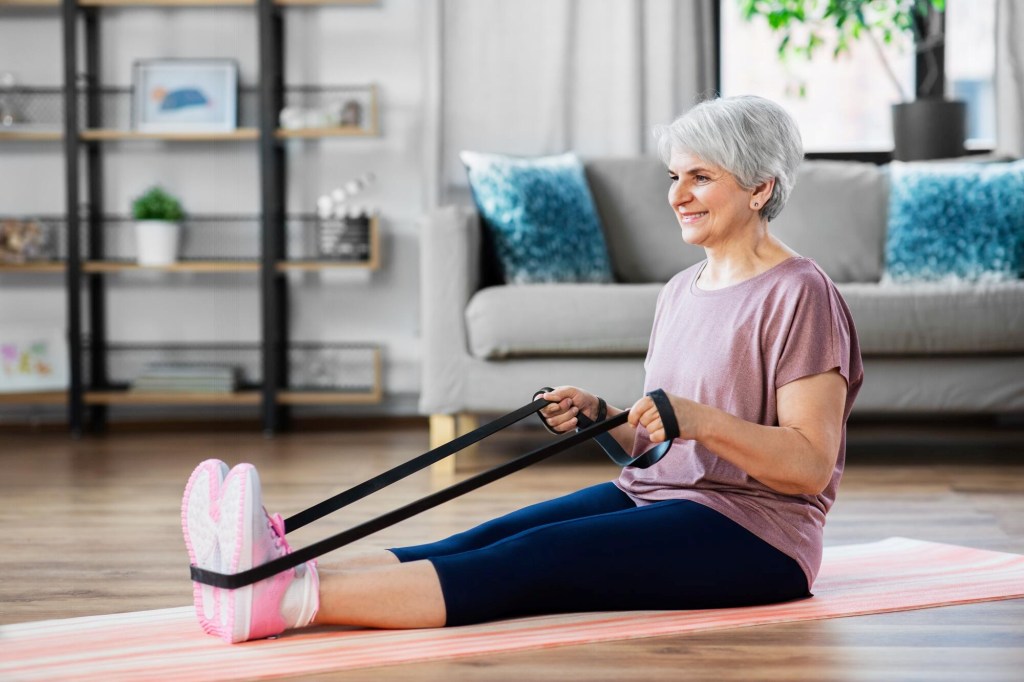
Daily movement keeps the body flexible and the joints working smoothly. It helps reduce stiffness and the risk of falls. Gentle routines like walking or stretching offer big benefits over time.

Regular activity also improves blood circulation and heart health. For seniors, this means more energy and better moods. Staying consistent with simple movement can make all the difference.

Nutrition and Hydration for Aging Bodies

Eating well gives the body the fuel it needs for fitness. Seniors need balanced meals rich in fiber, vitamins, and protein. Drinking enough water is just as important, especially during physical activities.

Healthy snacks between meals can maintain blood sugar and energy levels. Avoiding processed foods helps support overall wellness. The right nutrition plan supports every step of a senior fitness routine.

Balancing Strength and Flexibility

A good fitness plan includes both strength and flexibility exercises. Strong muscles support posture and prevent injuries. Stretching helps muscles stay long and loose. Over time, this balance makes everyday tasks easier.

Try low-impact resistance movements paired with light stretching. Including core exercises for senior fitness can help improve stability and reduce back pain.

Mental Wellness Through Physical Activity

Exercise isn’t just for the body- it’s for the mind too. Physical activity boosts mood and helps manage stress. For seniors, this can lead to better sleep and clearer thinking.

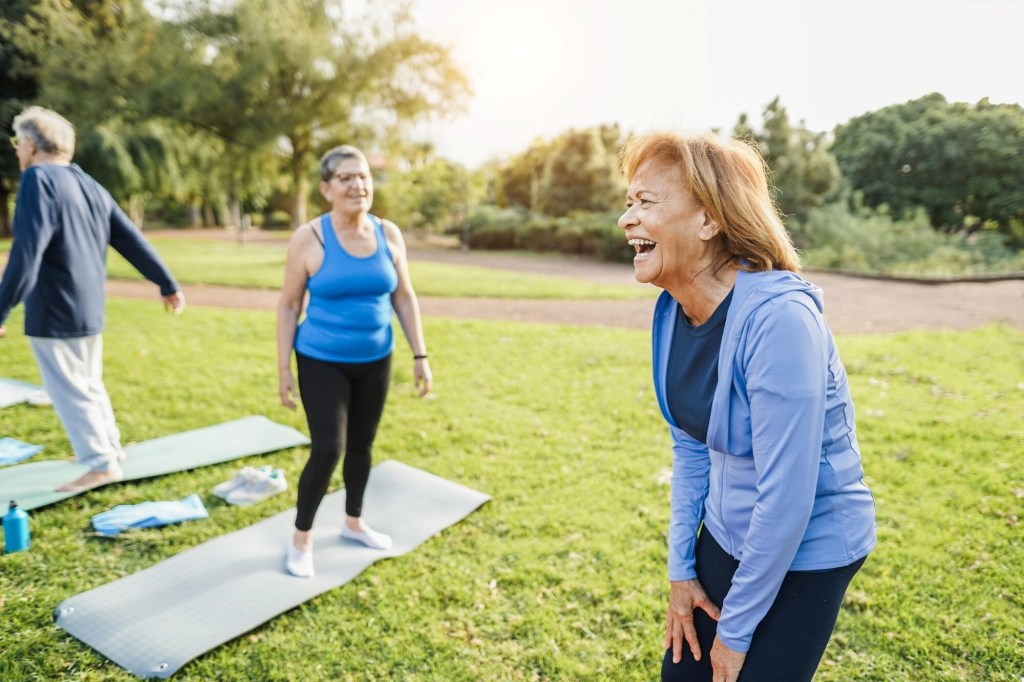
Being active also encourages social connections and prevents loneliness. Simple group activities or solo walks can lift the spirit. Staying mentally sharp is a key benefit of a good fitness routine.

Creating a Safe Exercise Environment

Safety is a top concern when starting a new fitness plan. Seniors should choose flat, well-lit spaces for exercise. Supportive shoes and stable equipment help reduce the chance of falls.

It’s important to warm up before and cool down after each session. Listening to your body helps prevent overexertion. A safe space encourages regular and confident movement.

Staying Motivated and Consistent

Motivation can dip, especially at the start of a new routine. Setting small goals makes progress easier to track. Celebrating small wins keeps spirits high. Having a friend or family member join you adds fun and accountability.

Variety in activities prevents boredom and keeps things fresh. Over time, these habits build a strong foundation for long-term wellness.

Give Value to Wellness and Senior Fitness

Senior fitness is more than just exercise — it’s a full approach to health and happiness in later years. By focusing on movement, nutrition, safety, and mental wellness, older adults can enjoy more energy and independence.

With the right habits, staying fit becomes a part of everyday life. It’s never too late to start making positive changes. Let senior fitness be your guide to a stronger, brighter future.

Find more useful tips on our blog.

Finding the Best Healthcare Staffing Solutions for Travel Nurses

Daily writing prompt
Describe a decision you made in the past that helped you learn or grow.

Are you a travel nurse looking for the right job?

Finding the best healthcare staffing solution can make your work life easier. The right agency helps you get good pay, steady work, and support on the road. With so many options, it’s important to choose the one that fits your needs.

Keep reading to learn how to find the best staffing solutions for travel nurses.

Best Travel Nurse Agencies

Finding the right agency can make travel nursing easier. Good agencies offer fast placement and strong support. They help with housing, licenses, and paperwork. Some even give bonuses and extra benefits. Pay is often higher with trusted staffing solutions.

Nurses can choose where and when they want to work. Agencies connect nurses with top hospitals and clinics. To get started, just browse openings and apply. It’s a simple way to begin your travel nurse journey.

Quick Job Placement

Travel nurses need fast options. Waiting too long can cause stress. Good agencies act fast. They match nurses with jobs in days. Some jobs even start within a week. This helps nurses stay on track. There’s no need to wait for months. Agencies know which hospitals need help now.

They take care of all the details. That includes contracts, housing, and travel. Nurses just need to say yes. You can browse anytime. It’s simple and doesn’t take long. Fast placement makes travel nursing easier.

Top Pay Opportunities

Travel nurses can find high-paying jobs through top staffing agencies. These agencies offer better pay for urgent needs. Nurses with special skills often earn more. Agencies may also give bonuses for tough assignments. Overtime pay can increase earnings.

Some jobs offer extra benefits like free housing and travel. With the right agency, nurses can find jobs that pay well. This makes travel nursing a great option for earning more.

Reliable Staffing Help

The best staffing solutions offer clear communication and support. Nurses need an agency that understands their needs and offers flexibility. Competitive pay and benefits are important when choosing a staffing agency. A good agency will provide assistance with housing and travel arrangements.

They should also offer a variety of assignments to match nurses’ skills. Nurses can benefit from agencies that offer 24/7 support during assignments. Trusted agencies build long-term relationships with healthcare facilities. These connections ensure travel nurses are always in demand.

Supportive Recruiter Teams

Supportive recruiter teams play a key role in matching travel nurses with the right job opportunities. They listen carefully to nurses’ needs and preferences. Good recruiters provide clear communication throughout the hiring process. They help nurses navigate paperwork, housing, and licensing.

Supportive teams are available when questions or issues arise. Their goal is to build trust and long-term relationships. With the right recruiter team, travel nurses can focus more on patient care and less on job logistics.

Learn More About the Best Healthcare Staffing Solutions

Travel nursing can be a great way to grow your career and see new places. With the right agency, you get better pay, faster job placement, and full support.

Whether you want steady work or a new adventure, a trusted staffing team can help. Take the next step and find the agency that fits your goals. Your perfect travel nurse job is waiting.

Looking for more tips and ideas? We’ve got you covered. Check out some of our other posts now.

Creative and Artistic Activities for Seniors: Keeping the Mind Sharp

Daily writing prompt
What book are you reading right now?

Have you ever wondered how to keep your mind sharp as you age?

Engaging in creative and artistic activities can be a powerful way to stay mentally active, improve mood, and bring joy to daily life. Whether it’s painting, writing, or even gardening, these activities not only spark creativity but also help you stay connected to the world around you.

cognitive health with memory care in Kansas City

In this article, we’ll explore fun and simple ways for seniors to keep their minds vibrant and healthy through creative and artistic pursuits.

Painting or Drawing

Painting and drawing are great ways for seniors to express their creativity. They can use different mediums like pencils, charcoal, or paints to create art. These brain boosting art activities help improve focus and fine motor skills as they work on details and shading.

Starting with simple sketches or watercolors is a good option for beginners. More experienced artists may enjoy trying oils or acrylic paints. Creating art can be a relaxing activity that gives seniors a sense of accomplishment.

Crafting

Crafting includes activities like knitting, crocheting, and making jewelry. These activities help keep the hands and mind busy with creative projects. Seniors can create items that are both functional and decorative, such as scarves or bracelets.

Crafting can be a social activity when done with others. It also offers a way for seniors to express their personal style and preferences. The sense of completion from finishing a project can boost self-esteem and well-being.

Writing and Journaling

Writing is an excellent activity to keep the mind active. Seniors can write about their memories, stories, or poems. This allows them to reflect on their life and express their thoughts in words.

Journaling is a simple and helpful way to organize ideas. Writing about daily events or personal experiences helps with memory. It also encourages the practice of thinking critically and creatively.

Music and Dance

Learning to play an instrument can keep the mind sharp and focused. Seniors may also enjoy listening to music, which can bring back memories and boost mood. Music activates different parts of the brain and can be a source of relaxation.

Dance helps with physical coordination and balance. Seniors can enjoy simple movements to music or follow dance routines. It also provides an outlet for self-expression and can increase energy levels.

Puzzles and Brain Games

Puzzles and brain games like Sudoku or crossword puzzles help keep the brain active. These games can improve memory, logic, and problem-solving skills. Seniors can enjoy these activities alone or with friends, making them both fun and beneficial for cognitive health.

Engaging in regular brain exercises, such as puzzles, is a proven way to promote improved cognitive health with memory care in Kansas City. These activities support mental well-being by keeping the brain sharp and alert.

Unlock Your Potential With Creative and Artistic Activities for a Sharper Mind

Engaging in creative and artistic activities can improve the overall well-being of seniors. These activities help maintain mental sharpness and promote a sense of purpose. They also provide opportunities for self-expression and can bring joy to daily life.

By participating in these creative activities for the brain, seniors can stay active, improve their mood, and feel more connected to themselves and others. Creativity offers a powerful way to enhance quality of life.

Did you learn something new from this article? If so, be sure to check out our blog for more educational content.

Creating a Pandemic-proof Infrastructure

During the last few years, the world saw a crisis that shook every aspect of human life. A crisis that comes once in many decades. Almost every country experienced a complete lockdown at some point in time. Many countries with previously thought-to-be world-class health-care systems have also been tried, pushed to the limit, and in some respects found wanting. The pandemic took all countries by surprise and the discussion on appropriate national and global strategies is very diverse. The COVID-19 epidemic has demonstrated what is at risk, upending the lives of families worldwide. Millions of people have died, and a generation of kids has experienced a learning catastrophe.

The two years of the pandemic highlighted the current inadequacies of our healthcare delivery system and the need for urgent improvisation. The two years have seen us go through harrowing times—patients died for want of hospital beds and oxygen; the ventilator supply ran dry; high infections led to a severe manpower crunch at hospitals; there were not enough vaccines available then. Our healthcare system had crumbled under pressure, and our frontline workers, both in public and private hospitals, had burned themselves out. And now with cases rising, there is fear of a return to the past among healthcare workers.

Although the pandemic has eased, the virus is still alive and mutating and more pandemics are expected to follow. In the wake of this scenario, it is important for the world community to better equip ourselves to tackle such situations in the future. It is the moment that we realise the importance and need to strengthen healthcare infrastructure globally. It is time to work on making a pandemic-proof healthcare system for the future. Below are the areas that need to be focused on:

  • ·         Curative services – there is a need for the expansion of telemedicine from triage, diagnosis, and follow-up services covering all conditions (acute to chronic). Making institutions adapt and become centres of knowledge dissemination- telemedicine and all possibilities of e- and m-health and provide knowledge to people at home, on what symptoms to look out for, where to test, how to self-care, etc for not only Covid-19 but for other conditions too.
  • ·         Improve primary health care – Better primary health care will help us protect against future pandemics. Improving primary health care includes recruiting, training, and prioritising healthcare workers, and establishing effective surveillance and response systems, building confidence in health services through community outreach.
  • ·         Improve logistics and supply – There are a lot of logistics that are needed in a healthcare system. Some examples include masks, gloves, PPEs, disinfectants, etc. Apart from there’s also the supply of syringes and the cold chain storage that’s been necessary to make sure that the vaccines are stored at the proper temperature and don’t go to waste.  Increased investments in this type of infrastructure will assist to guarantee that communities obtain the immunizations they require while also protecting them from future outbreaks.
  • ·         Promotive and preventive healthcare services – The pandemic has demonstrated that having an underlying condition like diabetes, hypertension or obesity predisposes one to complications, long hospital stays, and mortality. Because of all these reasons, COVID-19 has been categorised as a syndemic rather than a pandemic. It is necessary to provide preventive and promotive health services like boosting one’s immune system through diet, exercise, and supplements, in different formats, online, face-to-face, or through home visits.
  • ·         Mental health services – Mental health issues during the pandemic are threatening to become the next pandemic. Stress and mental health issues related to lockdowns affect everyone but tend to affect the weaker segments of society more severely. It is necessary to create awareness about mental health and make mental health services available, accessible, and affordable to all.

It is true that we need to build pandemic-proof health infrastructure. But does Covid-19 expose our health sector only or show us the reality of other aspects also? Working only on health will not be sufficient. We also need to improve our social, educational and political infrastructure. The world saw a huge dropout of students because of online classes during pandemic. Some of the major reasons given for dropping are fairly obvious: technology problems, lack of support, poorly designed courses, and technologically inexperienced educators. This demands due consideration and commitment. The epidemic has impacted numerous nations’ governmental and political systems, resulting in declarations of emergency, suspensions of legislative activity, isolation or death of multiple lawmakers, and postponing of elections owing to worries of viral transmission.Furthermore, in certain areas, the epidemic has posed various problems to democracy, causing it to be weakened and harmed. Hence, building a pandemic-proof political infrastructure will not only ensure an efficient response to tackle the crisis but also provide basic institutional support to the nation and to the world as a whole.

This is a unique moment where we have an opportunity to learn from this pandemic and prevent others in the future. The legacy of COVID-19 mustn’t be one of disruption and disparity, but instead a moment of monumental change.

5 billion people exposed to trans fat : WHO report.

Five billion people globally are exposed to harmful trans fat, increasing their heart disease and death risk, according to a new report by the World Health Organization (WHO).

At this point, 43 countries have put best-practice regulations against trans fat in food, covering 2.8 billion people worldwide, showed the Countdown to 2023 – WHO report on global trans fat elimination, released January 23, 2023.

However, despite significant progress, this still exposes five billion people to the devasting health effects of trans fat, making the 2023 target unattainable.

The World Health Organization is calling for the total elimination of trans fat – responsible for over 500,000 premature deaths each year.

In its annual status report, Countdown to 2023 WHO Report on global trans fat elimination 2022, WHO says governments need to do more to ban industrially-produced fats, which clog arteries and are commonly found in cooking oils, spreads, packaged foods, and baked goods. 

Depression

Some feelings are like old familiar friends, Depression is like that for me. When I’m not in it, I don’t remember.I remember it’s bad,I remember darkness,but it is different to feel it again. It’s the difference between remembering what a room looks like and actually walking through the door in that room. Being inside it again, feeling it again.
When depression starts,it can be slow at first.An instructive thought appears,“I don’t want to be here”and assume it’s gone like you bat it away like a fly or a bad smell. But when it hits you fully though when you are really in it,it’s everything;It’s Who you’re, you’re nothing else. On the outside, You look the same smiling and pretending is so much work but inside it’s a different story. You start to hate yourself, you’re so alone;so unbelievably Alone. And you can be with someone you Love but you’re not really with them.


“We think we know what’s going on with other people,but we don’t.You never really know what’s going on inside someone else’s head. Everyone’s fighting a battle;you can’t see.” We all have blind spots. And you know it’s you,it’s something wrong with you and it’s also exhausting: so goddamn shitty and exhausting,it’s helpless. It’s a void and existing takes so much energy,you want to sink into a hole of nothing where no one talks to you and you don’t have to smile or talk or be.


Anyway, it’s familiar, I’ve been here before, gotten out of it before but getting out of the part becomes the room that you remember but aren’t in; and that’s what’s Scary.

China’s first population fall in six decades.

China’s population fell last year for the first time in six decades, a historic turn that is expected to mark the start of a long period of decline in its citizen numbers with profound implications for its economy and the world.

The country’s National Bureau of Statistics reported a drop of roughly 850,000 people.

China’s birth rate has been declining for years, prompting a slew of policies to try to slow the trend.

But seven years after scrapping the one-child policy, it has entered what one official described as an “era of negative population growth”.

Health experts says the next 40 days will be crucial for India amid covid surge in China.

.

There is still no clarity on what is happening in China, with experts raising alarm that the country is witnessing a steep increase in the number of COVID-19 cases due to coronavirus variant BF.7.

The Union Health Ministry has, however, said that the next 40 days will be crucial in India – with the country likely to witness a surge in January.

“In the past, whenever a NBCOVID-19 wave was reported in India, it used to hit us in 30-35 days, starting from East Asia, it used to hit Europe in 10 days, moving towards America and the Pacific region, and then finally hitting India which would normally take 30 days,” a senior health ministry official told media, requesting anonymity.

The official added that the number of deaths and hospitalisations is likely to be low this time, even if India is hit by a COVID wave by the end of January.

Meanwhile, the Ministry is likely to make mandatory, from next week, negative RT-PCR reports for passengers arriving from China, Hong Kong, Singapore, Japan, South Korea and Thailand.

Filling up of ‘air-suvidha’ forms and 72-hour prior RT-PCR testing could be mandatory for arrivals from these countries.

The government has made random coronavirus testing mandatory for two per cent of passengers arriving in each international flight from December 24. Union Health Minister Mansukh Mandaviya is likely to visit the Delhi airport to take stock of testing and screening facilities there.