INDIA MOVING TOWARDS SELF RELIANCE

Progress of India towards self-reliance is governed by certain pressing issues and their timely solution to achieve self-reliance. India has succeeded in keeping the rate of spread of Coronavirus which has caused a lot of injury to the social and emotional status of the society and created obstacles for India in achieving the aim of becoming self-reliant and seek self-sustenance.

If we look back to the days when economic reforms were introduced in the 1990s that gradually brought improved result in bringing the economy on the right track and resulted in improvement in the living standards of the people. However, we could have put in more thrust on technological and related advancements. This lacuna surfaced because of the trade policy on import and export of the goods.

The Central Government is now focusing more on development of infrastructure, usage of technology to optimum, upliftment of human resources. This is the right time when India can revive the economy by bringing about some major changes in the usage of available resources with the help of penning down new methodologies.

Issues that have caused hindrance for India’s progress towards self-reliance are; keeping away from full open markets that aligned with globalization, rate of production and manufacture, China playing an indispensable role in the Indian economy, Centre-State face off in concurrent sectors particularly agriculture.

If we shift our focus towards the solutions available to us viz. the availability of trained and skilled workforce for self-sustenance, shifting the dependence of manufacturing from China to India. India has a considerable young population strength that can be trained to attract new investments from global manufacturing giants. Optimum utilization of Indian human resource can set a new trend in the global economy. India is a ground for development and also a market with a huge potential for finished goods.

India possesses relevant aspects for generating the demand and consumption of the supply which can boost Indian self-sustenance. At the same time, while striking the balance between opening more areas for investment, India needs to seek healthy competition among the local and regional level. An opportunity to recognize the scattered local expertise of the Indian people in creating hand made useful things.

Policies can be framed to give more inclination towards local innovative crafts and skills so that they survive capitalism. Increasing control over agricultural products, defence sector, public health system and developing an indigenous chain of supply will enhance the self-sustenance. Increasing transparency in government purchase system adopting global procurement standards can enhance the rate of provision of material for expecting real-time growth.

India can focus on areas where it can shoulder the leadership and invite the investors. Usage of technology for the growth of Indian subcontinent is still underexplored. The world has turned virtual and advancement towards artificial intelligence and automation is the need of the hour. Hence, it can be summed up that framing real-time policies that focus more on meeting the results and adequate pumping of resources for proper development of education sector, health sector and catering for training the human resources will take India a step closer to achieve self-reliance.

BASICS OF A MICROBIOLOGY LAB

Microbiology is the study of microbes i.e. the organisms which we can’t see with the naked eyes. Although many microorganisms are beneficial for the human use, some are pathogenic also which causes diseases. Clinical Microbiological Laboratory is concerned with finding of those infectious, pathogenic microbes.

MATERIALS USED IN MICROBIOLOGY LAB
Laminar flow hood, Incubator, Autoclave, Refrigerator, Bunsen Burner, Wire loop, Petri plates, Glass slides, Weighing balance, Media plates, Sensitivity disks, Staining rack, Microscope, Bio safety Cabinet, Centrifuge etc.

INTRODUCTION TO DIFFERENT MEDIA
Some of the media used in the microbiology lab are :

  1. MacCONKEY AGAR : It is the selective and differential media used for the isolation of Gram-negative Bacteria. This media can be used for differentiating Lactose fermenting and Non-lactose fermenting bacteria.
  2. BLOOD AGAR : It is the enriched media for the growth of bacteria such as streptococci.
  3. CHOCOLATE AGAR : It is the lysed Blood Agar. The only difference in blood agar and chocolate agar is that in blood agar RBCs are lysed. This enriched media is suitable for the growth of bacteria that are unable to grow on Blood Agar.
  4. THIOSULFATE CITRATE BILE SALT AGAR (TCBS) : It is the selective as well as differential media for the growth of vibrio cholerae , a causative organism for cholera.

GRAM STAINING
Gram staining is the process for differentiating Gram positive and Gram negative bacteria. When the whole procedure of gram stain is followed and the slide is observed under the microscope, Gram positive bacteria appear Violet in color and Gram negative bacteria appear Pink in color.
For the gram staining we need Glass slide, Normal Saline, Inoculating loop, Bunsen burner, Crystal Violet, Gram’s Iodine, Acetone, Safranine.

PROCESS :

  1. The isolated colony of the microorganism is taken and in the drop of normal saline on the glass slide the colony is mixed with the help of inoculating loop to make a smear. The prepared smear is heat fixed.
  2. A staining rack is taken and on the smear, Crystal Violet is added. After 1 minute, the stain was removed by washing the slide in running water.
  3. After that, Gram’s Iodine is added on the smear as a decolorizing agent which is again washed after 1 minute under the running tap water.
  4. The next step is to add Acetone on the smear which is added in the hand to hand process.
  5. After the decolorisation is done, Safranine is added on the smear which is also washed after 1 minute.
  6. The glass slide is then air dried and observed under the microscope.

RESULTS :
It was observed under the microscope that the Gram positive bacteria appear Violet in color due to Crystal Violet stain whereas Gram negative bacteria appear Pink in color due to safranine.

TESTS ANALYZED
The tests analyzed in the microbiology section of the laboratory are basically the culture and sensitivities tests of urine, stool, sputum, pus swab etc.
The basic procedure of performing all the tests are :

  1. First of all, all the tests are performed inside the laminar flow hood.
  2. The samples collected from the patients and the media plates are kept inside the laminar flow.
  3. The inoculating wire loop is heat sterilized and with the help of it, the samples are cultured or streaked on the media plates.
  4. After inoculation, the cultured media plates are incubated for 24 hours (48 hours if necessary) for allowing the growth of bacteria.
  5. After the growth, staining is done or sensitivities are checked according to the requirement by the doctor.
  6. The report is prepared for the patient.

Guide to live a Happy Life !

–You’re going to realise it one day-
That happiness was never about your job, or you degree, or being in a relationship. Happiness was never about following  the footsteps of all of those who came before you, it was never about being like others.
One day you are going to see  it – that happiness was all about the discovery, the hope, the listening to your heart and following or wherever it chose to go. Happiness was always about being kinder to yourself, it was always about embracing the person you are becoming. One day you will understand that happiness was all about learning how to live with yourself, that it was never in the hands of other people. It was about you , It is about you and It will always be about you–

Since long time, I’ve been exploring the best ways that people can live happily. And over the last year.
Outsmart Your Smartphone,Conscious Tech Habits for Finding Happiness, Balance, and Connection IRL. Even though there are tons of things you can do to live a happier life, I’ve narrowed our focus down to the 10 skills you can build that I believe are the most important to increase happiness. By building these skills, you can start to live a happy life.

1. Live a happy life by creating a plan for your happiness.

You wouldn’t bake a cake without a recipe. You wouldn’t go to a place you’ve never been without a map. And you shouldn’t try to build happiness without a plan either. Creating a good happiness plan is what takes you from where you are now to the happy life you envision.

2. Develop yourself to live a happy life.

Remember when something you wanted to do seemed impossible? Maybe it was that first time you rode a bike, or drove a car, or asked someone out on a date. Then you did it and realized you had it in you all along. Creating a happy life is the same way — the first step is believing in yourself and your ability to live happily. Then you’ll see that you had it in you all along. This is why engaging in personal development is key to living a happy life.

3. Think positive to create a happy life. 

We all know someone who will find the one bad thing in every situation. Maybe this person is us. If we learn to think positive instead, we can make even the most obnoxious situations more enjoyable, creating a happier life from the one we have now. Every moment of every day is a little better, because we can find the silver linings. This is why positive thinking is key to a happier life.

4. Boost your self-confidence to create a happy life.

If we don’t have self-confidence, it’s easy to think that there’s something fundamentally wrong with us — that there’s nothing we can do to change ourselves and create the happy life we desire. But self-confidence is actually a skill. When we learn how to think, feel, and act in ways that make us a person we really love, we can be more self-confident and, as a result, live happily more easily.

5. Create work-life balance for a happy life. 

Are you exhausted, demotivated, and in desperate need of a break? By learning how to create better work-life balance, you can make better use of the limited time you do have in your life. As a result, you end up enjoying all parts of your life a bit more.

6. Build resilience for a happier life. 

Sometimes life knocks you down — there is no getting around that. What really matters for creating a happy life is how easy it is for you to get back up. Developing emotional resilience keeps those challenges and hardships from overwhelming you. You recover more quickly from difficulties, and as a result, you’ll live happily more days each month and year.

7. Be more mindful to create a happy life. 

Now that we live in a high-tech world, we go through much of our lives on autopilot. As a result, we miss out on the best parts of being alive — positive experiences, connections with others, and even having fun. So maybe we already have a happy life . . . and we just don’t see it. When you become more mindful and self-aware, you stop feeling so numb and are able to better enjoy everything your life has to offer.

8. Find your life purpose for a happy life. 

We all want our lives to feel like they matter. It can be tricky, though, to figure out what matters to us. Each person’s life purpose is different, and learning to notice when you’ve found your purpose is a skill. By building this skill, your life becomes more meaningful and more satisfying, so you can live happily more easily.

9. Practice kindness to live a happier life.

We’re often so focused on boosting our own happiness that we ignore how we affect others. This is a huge mistake, because kindness is, counterintuitively, one of the best ways to create a happy life. Acts of kindness fuel a longer-lasting, more enduring type of happiness. So when you build this skill, you live more of your days happily.

10. Build healthy relationships for a happy life.

So often we think that a happy life is something we must build on our own. But long-term happiness actually comes from the relationships that we build with others. In fact, healthy relationships are the most important factor in both our health and our happiness. This is why learning how to develop better relationships helps you live happily for life.

Here are some steps which will help to boost the above skills :

~ Clarify why you want a happy life.
~ Clarify when you’ll build the skills that lead to a happy life.
~ Decide which happiness skills to build.
~ Decide in what order you will build the skills that lead to a happy life.
~ Commit to your goal to create a happier life.
~ Develop a growth mindset that focuses on           your belief in your ability to create a happy life.
~ Identify your values.
~ Define a happy life in your own words.
~ Record your progress towards personal development.
~ Get some help developing yourself to build a happy life.
~ Help your brain get used to thinking positive.
~ Start your day by imagining the way it looks in your happy life.
~ Savor positive moments.
~ Capitalize on positive moments.
~ Pay attention to the positive things.
~ Create a collection of positive images or positive quotes.
~ Think positive, but think negative when you need to​.
~ Practice gratitude​.
~ Stop minimizing your successes​.
~ Practice self-compassion.
~  Imagine your best self.
~ Know your strengths.
~ Celebrate your successes.
~ Practice mindful acceptance.
~ Observe your situation to increase your awareness​.
~ Find the positives in negative situations​.
~ Create a collection of images or quotes that inspire you to live happily.
~ Understand the benefits of negative emotions.
~ Beef up your coping skills.
~ Stop your negative thought cycles.
~ Be more present in the moment.
~ Take breaks from technology.
~ Pay more attention to find the meaning in your life.
~ Spend more time uninterrupted
~ Identify your values.
~ Find out what drives you.

Of course, building all of these skills takes time. If you need help, get support to walk you through the steps and guide you on your journey to living a happier life

Master plan of China- DISCLOSED!!!

The life after the pandemic situation will not be normal again as this pandemic situation is also not normal.

Knowingly or unknowingly the virus developed in China (according to news) created the biggest impact in the health and economic sector of the world. Nobody knows how much time will it take to come out completely from this pandemic situation. China with the most power in terms of technology and population might have a master plan to be executed in the name of Novel Corona virus by supplying the goods of medical department and further other essential commodities which might be needed by the people in the near future to the world and soon they will earn billions of dollar by supplying it to the world. So, again now world will depend more on China than before.

download


We as a responsible citizen of India, need to stop the master plan of China as in the near future it will harm us very very badly. Let us understand by an example, India is surrounded by countries like Pakistan, Bangladesh, Sri lanka, Nepal this all countries have taken huge amount of money from China like wise Pakistan took huge money from China to develop a road passing from the mountain, so now Pakistan is in debt to pay the money and in return China can do anything to gain the money back. Pakistan took more money from China than from IMF, and has to pay around 19 billion US$, which will be extremely hard for Pakistan. In the same way Sri lanka owes 1.4 billion US$ which is left over from from 99 years and now China will ask for payback or will capture the Sri lanka. Bangladesh debt for 64.9 billion US$. India is also in debt of paying to China, but China will not capture India first it will first capture our surrounding countries and than head towards India. So, we need to become very attentive towards each step of China and understand their activity, we also need to stop buying Chinese goods to save our country and instead go for Made In India goods. JAY HIND…

made-in-india-vector-16416448

Zero Tolerance For Violence Against Doctors And Healthcare Workers

Nothing on earth can be more disgusting, more degrading and more demoralizing than to see that how brazenly so many dastardly and cowardly acts of unprovoked and uncalled for attacks against doctors and healthcare workers have been carried out ever since the outbreak of this corona pandemic is going on! We must be honest enough to concede that the Covid-19 pandemic is akin to a full fledged war which is completely unprecedented where we don’t even know where the enemy is hiding and who can spread it so easily by just body contact also! We also must be gracious enough to concede that the doctors and other health staff are our new frontline soldiers and they must be protected from violence against any lumpen elements and those who dare to attack them must be meted out the most severe punishment so that a stern and strong message goes out that violence against them who risk their own lives to protect their patients will not go unpunished and unaccounted for!

                                    Truth be told, doctors are rendering willingly so many sacrifices and hardships that it cannot be described in words! Dr Javed Ali Huda had barely removed his PPE after a long day attending to the patients at the emergency OPD of Meerut’s Lala Lajpat Rai Memorial (LLRM) Medical College when he received the heart breaking news of his father’s untimely demise. He had to give the funeral a miss. He laid bare his feelings while controlling his emotions that, “I wanted to go home and see my father one last time. But, I am a doctor and could not have risked the lives of others back home. I was put on a video call and my family sent me pictures of my father’s burial!” There are so many such similar instances where doctors have willingly given the highest priority to their sacred duty placing them above their family and their near and dear ones! Still can we ever allow violence against doctors who are the living form of “God” who attend to their patients most willingly without any discrimination under any circumstances?

                                             Needless to say, the dire need for a strict law to protect doctors and health workers was felt most when two medical doctors – Zakiya Syed and Trupti Katdare were attacked and pelted with stones by a violent mob in a dense settlement in Indore.  These two medical doctors had then fled to save their own lives but they then returned to the spot a day later along with their team of health workers to screen people for the coronavirus disease (Covid-19). Dr Zakiya Syed said that, “I am injured but not scared at all. This won’t deter me from doing my duty.”

                                It is certainly a solace to see that the Union Government too acted with alacrity and approved an ordinance to amend and strengthen the Indian Epidemic Diseases Act, 1897, making offences against doctors and nurses cognizable, non-bailable and carrying imprisonment terms from six months to seven years. We also saw how even the Indian Medical Association too taking serious note of the repeated attacks on doctors and health workers did not shy away from calling a two-day strike by the doctors on April 22 and 23. When the Union Home Minister Amit Shah assured them that no guilty attackers would ever be spared under any circumstances that the strike was ultimately called off!

                                                 It is also most reassuring to see that even the PM Narendra Modi has strongly condemned the growing attacks against doctors and reiterated his government’s full solidarity with doctors and health workers by following a zero tolerance policy against all such attackers. This alone explains why it has not dithered in enacting a strict law also to protect doctors from dastardly attacks by those with criminal bent of mind. This was in fact the crying need of the hour also!

                                                As it turned out, soon after the Union Cabinet had approved the ordinance, Prime Minister Narendra Modi said that there can be no compromise on the safety of healthcare professionals fighting the Covid-19 pandemic. He also eloquently pointed out that, “The Epidemic Diseases (Amendment) Ordinance, 2020 manifests our commitment to protect each and every healthcare worker who is bravely battling COVID-19 on the frontline. It will ensure safety of our professionals”  The Centre has also made it clear that the law will mandate that the police complete the probe in such cases within 30 days and that the courts pronounce judgment within a year! Very rightly so!

                                              Be it noted, SK Sarin who is Director of Institute of Liver and Biliary Sciences, Delhi has minced no words in observing in his enlightening editorial titled “The safety of healers” in ‘The Indian Express’ dated April 27, 2020 that, “While hundreds of acts of violence against doctors have been reported every year for the past two decades, many more are never brought to light. Doctors, nurses and healthcare professionals will remember the day the Union government passed an ordinance ensuring that acts of violence against doctors and other medical staff will be a cognizable and non-bailable. Imprisonment from six months to seven years and a penalty from Rs 50,000 to Rs 7 lakh can be sanctioned by the courts. Such punishments will serve as a deterrent to unruly patients and their relatives, if found guilty.”

                                                    To be sure, in this same enlightening editorial, Dr SK Sarin while continuing in the same vein adds a caveat by pointing out that, “Will the courts change their outlook in the wake of the new ordinance? If these very warriors are ostracised while returning from work or are thrown out of their houses, bruised by a crowd pelting stones, will the courts and judges rise to the occasion and take suo motu action? Will they be able to deliver timely and exemplary punishments and safeguard the dignity and lives of HCPs? Healthcare professionals need a sensitive and accountable judicial system and this ordinance should be given more punch and wider applicability in the times to come.”

                              Furthermore, AIIMS Resident Doctors Association (RDA) General Secretary Dr Srinivas Rajkumar T said while welcoming the Centre’s decision that, “We appreciate the central government for taking note of this situation, albeit late, and ensuring immediate amendments are made as feasible so that frontline warriors are able to serve the country without fear.”

                               Interestingly enough, the Union Health Ministry also advised the Chief Secretaries of all states and Union Territories to adopt adequate measures in ensuring the safety of the health workers. Separately, the Union Home Ministry in a letter asked all states and Union Territories to provide adequate security to doctors and front-line health workers who are facing attacks from unruly people. Amit Shah who is Union Home Minister also told a group of doctors and representatives of the Indian Medical Association (IMA) that safety of health care professionals treating the virus infected patients is non-negotiable.

                                 Going forward, the Home Ministry letter sent by Home Secretary Ajay Bhalla to all State Chief Secretaries also urged that governments impose strict penalties against those obstructing the functioning of healthcare workers and against those offenders who obstruct the last rites of healthcare workers who may have died due to Covid-19 or any other reason. It also asked states and Union Territories to appoint a nodal officer both at the state and at the district level on a 24×7 basis, to redress any safety issues of medical professionals. It also conceded that at this time, even a single incident of violence against healthcare professionals was likely to create a sense of insecurity among the entire healthcare community!

                            Of course, we must also pay attention to what Dr Ullas Batra who is Senior Consultant, Medical Oncology of Rajiv Gandhi Institute and Research Centre Delhi says on the proposed ordinance which the President recently approved also that, “This ordinance is exclusively for those doctors who are working to treat COVID-19 patients. In my opinion, it needs to be extended to all medical doctors.” Centre too must pay heed to what Dr Batra has said so plainly!

                                          No doubt, this new ordinance protects not just doctors but also paramedical staff and accredited social health activists. It is also provided that two times the cost to be recovered from vandals if cars or clinics of health care professionals are damaged! There is also the provision of Rs 50 lakh insurance for health workers.

                                 All said and done, what now truly matters most is strict, swift and sincere implementation of the new law to ensure that there is zero tolerance for any kind of violence or threat or intimidation in any form  against not just doctors but also health workers which include nurses, paramedical staff among others! It is solely because of them that India has managed to limit the death casualty to such a low level not crossing the figure of even ten thousand even though in advanced and developed countries like USA, the death toll has exceeded one lakh and ten thousand for which they deserve full credit also! This has certainly  enhanced the reputation of our country at the world stage also!

                             In other words, this alone explains that why even PM Narendra Modi has also while appreciating the relentless work done by them expressed his firm commitment and resolve to ensure that those who attack them are dealt with sternly and strictly and not left scot free under any circumstances for which he certainly deserves accolades! It must be now ensured that not even a single act of violence against doctors, nurses and health workers should ever go unpunished under any circumstances, come what may! This again is possible only if this new ordinance is implemented in totality against all those who dare to attack doctors and health workers in any way!

                                 In conclusion, the ball is now clearly in the court of the courts, police and law enforcing agencies who must lead from the front by ensuring that no guilty is ever spared under any circumstances for which special police officers should also be appointed to serve its purpose! This will certainly help resolve the issue of scarcity of law enforcers for immediate response!

                          Only then will a loud and clear message go out to one and all that there shall be zero tolerance from now onwards against any form of dastardly attack against doctors and health workers! Also, the government must now leave no stone unturned to ensure that the provisions of this new ordinance are disseminated widely using all the tools at its disposal so that people become aware fully about it and are able to use it when needed!

                          Even the political parties too must now step forward and lead from the front and ask their cadres to inform the people of this new ordinance! Only then can this new ordinance serve its true purpose for which it has been enacted! There can be certainly  no denying or disputing it!

Sanjeev Sirohi, Advocate,

s/o Col BPS Sirohi,

A 82, Defence Enclave,

Sardhana Road, Kankerkhera,

Meerut – 250001, Uttar Pradesh.

How Tea drinking has evolved around the world

When you get up early in the morning and start your day the first thing you aspire for is tea. Tea is refreshing, energetic drink that sets up your day. we get to know about the popularity of tea from the fact that it is 2nd most consumed drink after water all around the globe. Tea is an aromatic beverage commonly prepared by pouring hot or boiling water over tea powder prepared by crushing leaves of the Camellia sinensis , an evergreen shrub (bush) usually found in East Asia . Tea is very ancient drink as its origin dates back to around 3rd century AD which is mentioned in medical records of Hua Tuo in the regions of today’s worlds North Burma and southwestern China.

Tea: history and origin

Tea has been in use as energetic and recreational drink since ancient time. During 18th-19th century tea had become very popular among Britishers who were using it as recreational drink. They were so much addicted to tea that they had started trading Opium drug derived from the seed capsules of the opium poppy Papaver somniferum grown in mostly Northeast part of India for the miraculous plant leaves Camellia sinensis from plantations of China. Later the Chinese liberals started fights against this conspiracy of western countries against Asian countries especially against East Asia. This led to famous Opium wars between two countries.

Tea and Health

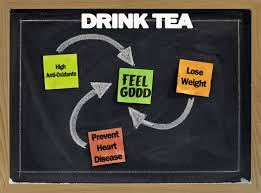
Tea has many positive effects on health.If you are up to lose your weight then tea can be your best partner.Many researchers have stated that consumption of Tea helps in reducing risk of heart attacks as it lowers cholesterol level,it also helps in maintaining blood pressure.Green tea drinking is very effective to reduce risk against cancer and also it improves brain functioning.

Though it has many good health effects but its over consumption can lead to caffeine overload leading to dizziness,nervousness and disturb in sleep. It can also cause muscle pain , heartburn etc. It is recommended that daily intake of caffeine should not exceed 40 milligrams.

Tea: beverage of the world

Tea has gained popularity in almost over 100 countries where people enjoy this drink in various forms. A balanced consumption of tea is like boon to us.Tea has evolved over the centuries from native to only China and east Asia in 3rd century AD to almost in every household of the world in this 21st century.

12 July :- New conversations day

“Many are so in the habit of making lazy conversation about weather & sport that we don’t take the opportunity to ask interesting questions and have rewarding conversations” .

Awkward Silence are suggesting a number of alternative conversation starters that people can use including ‘Which birthday tradition should change?’, ‘How would you feel about your partner doing kissing scenes in a film?”, and ‘What do you want to achieve with your life?’. “Conversation is extremely powerful. It’s the where ideas blossom, it’s where connections are made, it’s the life-blood of relationships”

Yet despite how impactful it is, people tend to under-value its worth.” “This is why New Conversations Day is so important, it’s to help people wake up to how rewarding new conversations can be.”

New Conversations Day is about not waiting until tomorrow to have the conversations we could be having.Like asking each other what we should be doing with our lives & making decisions, or talking to our parents & discovering their stories, or simply sharing the big ideas on our hearts” said Mr Benbow.

We want people on 12 July to not be content with dull conversation, we want them having genuinely interesting conversations. We have hundreds of suggestions to get them started, but each conversation is unique.

Ask someone what they would have said if they were the first person on the moon, or whether it’s OK for couples to have secrets from each other. Ask someone what they would teach their children about alcohol, or whether they think animal have morals. Ask someone what their idea would be for a TV show, or about the last time they cried.

Shampoos: Adding Grime & Subtracting Shine

We all crave for luscious, silky, thick, shiny and long hair, shampoo ads can blind us with the attractive videos and the visuals it has to offer, especially with a famous celebrity. We blindly trust the attractive and amusing shampoo ads which make us believe in drastic changes in the hair quality after we use that respective shampoo. It never really meets our demands. One is unknowingly damaging their hair by using such products.

Most of the shampoos which you get over the counter in stores are not SLS free, contain silicon and also are plastic based, which means the effects are temporary, most of us must have tried all the new brands available in the market to see a major improvement in our hair quality. But I wonder if anyone of us were really satisfied with the product.

Even though the products claim to have argon oil, grape seed oil and other essential oils which can solve our hair woes but the dangerous chemicals like cyclomethicone, copolymers, SLS or even methylchloroisothiazolinone are present in huge amounts in-comparison to the natural, organic and biodegradable components hence making no difference to the product and its users.

Shampoos which contain waxes, SLS and silicone etc. apparently lead to product build up on your hair, which is adding unwanted synthetic layers on your hair and eventually causing damage. Same goes for dry shampoos, hair gels, hair mousse and hair serums which state that it will replenish your hair and repair the damage but that’s not true after all. When one gets split ends or damaged hair there is no solution as such to clearing that damage by using products which state that it will “repair the damaged hair”. There is only one solution when it comes to the eradication of damaged hair that is to cut those hair off.

Not only this, but plastic based shampoos contain resins which are extracted from petrol(by products) and hence can cause hair product build up and with more product build up in the hair one is more exposed to a dandruff build up as well. The same goes for conditioners, they are loaded with silicone and waxes which gives us a temporary shine and makes your hair smooth and soft only for some time. Shampoos only act as cleansers and some of them are so harsh that if used without a conditioner they can make your hair super dry and frizzy.

They also contain colors and preservatives and synthetic essences which can become host to numerous allergies, and also thickening agents that actually damage the hair strands and it will strip the natural oils that our scalps create and can make the hair crisp and give it a parched appearance.

These shampoos not only are doing unwanted damage to our hair but are damaging the environment and polluting the ecosystem especially marine life and the sea creatures, one of the reasons behind coral bleaching is because of the chemicals found in hair care and skin care which are dumped in sea water, even the waste from factories producing silicon and plastic based shampoos causes a lot of damage to the sea life.

We all know that we don’t have many options to choose from when it comes to organic shampoos but one definitely must try and get their hands on an organic shampoo and see the difference it can make. Many brands like khadi, soul tree and Organic Harvest etc. offer some of the best organic and hair friendly products without damaging the environment. These brands are easily available on online e-commerce websites like Amazon or Nykaa which caters to a wide array of consumers.

Abdhi Upadhyay

Anxiety makes you the prisoner of your own mind

What a dreadful night it was, when my body was as cold as ice, I was frozen in the month of may and was constantly shaking with the fear of losing someone. Thinking about that dreadful situation itself gives me anxiety. Coping up with anxiety is not at all easy my friends, it is like climbing up the Mt.Everest with naked feet, where you feel the chills of the cold wind and the hot aggressive waves of heat passing through your spinal cord. Why does this happens, why does the blood pressure dances like a columbus. Why does the brain cells dance like a hippi and why do we feel nervous or tensed as if there’s a war going outside our house and the people will eat us up.

Everydayhealth.com

Difference between anxiety and getting anxious

Anxiety is a feeling of nervousness, uneasiness or feeling worried. When I was lying cold in the bed, I was constantly shaking and my mind felt numb, thinking about what will happen next, why is my life like this, should I call out for help, should I share it with the others? But you are not able to do anything at that moment, you just want to stay still for a while, even listening to songs never helps. You just want to be alone with your thoughts because anxiety leaves you lifeless and unhappy. This is what anxiety is, a monster under your bed, which enters in your mind like an unwelcomed guest and creates a havoc in your body.

Feeling anxious is a different thing, it is not constant, it comes according to the situation. Anxiousness is a feeling of distressed, uneasiness or stressed about a particular matter for a short span of time. For example, many of us feel anxious while giving a speech, examination or also at the time of giving an interview. Many of us feel anxious while talking to someone, while stepping out of our comfort zone or even going to the parties. The symptoms remain the same that you will feel cold or sweaty but the condition of anxiety is even worse.

There are various kinds of anxiety disorders and the two of them are:

1.Panic Disorder: It is a state of disorder where you get constant panic attacks and you will feel as if you are in real danger or the world is going to end. It is a feeling of terror and you lose your control over things, over your behaviour. They can occur anytime, anywhere, where a person feels that this is a harmful or dangerous situation and it can cause a panic attack. The symptoms of panic attack are feeling sweaty, having numb toes or feeling hot or cold.

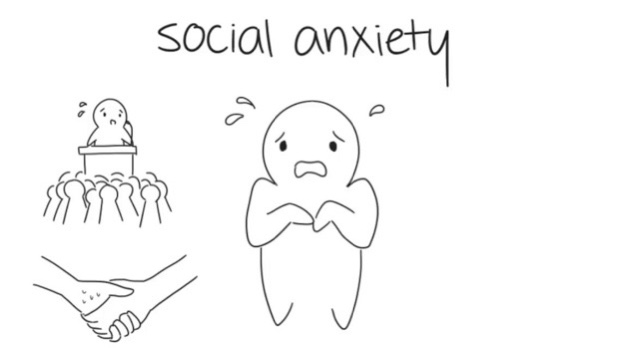
2.Social Anxiety Disorder(SAD): Also known as Social Phobia, it a situation where one has abnormal amount of anxiety and fear of going out and having social interactions or even talking to the strangers. It is a situation where the person feels that he/she is being watched and judged by people. As a result people often avoid going out and do not interact with them. The symptoms can be a rapid heart rate, nausea and feeling sweaty.

How does the society takes it and how should we deal with it?

Mental illness is still a stigma in our society, where people feel anxious about sharing it with others because they feel that the society will mock at them and will never understand their situation. Over the years the word ‘anxiety’ has been thrown around lossely. Society takes it up as a condition of normal stress or tension, but they do not understand the real meaning of anxiety, they don’t know that it is a monster which threatens or blackmails us. But the society will never accept this, they have painted a different picture for themselves regarding ‘anxiety’ and always think that it is not more than stress from which we will get rid of after sometime. We should not focus on what the society thinks, we should focus on our health and fight with this monster inorder to get cured from this mental-illness. We should try to maintain calm and should not panic and try to meditate. Doing regular exercise will help us to get rid of this problem. We should always think positive in every situation and try to stay away from the things that can bring us near to the anxiety. The biggest cure for this problem is that we should share our problems with the person on whom we trust and who will never mock at us, be it family or friends. Society will always try to put you down and will always mock at you and you should always try to ignore them because they are the main reason for anxiety and mental illness. You have to accept that it will take time to get rid of this and have to follow the right steps and the right therapy and accept that you are still a normal person, nothing can disturb your life.

trinity news.ie

https://www.hhs.gov/answers/mental-health-and-substance-abuse/what-are-the-five-major-types-of-anxiety-disorders/index.html

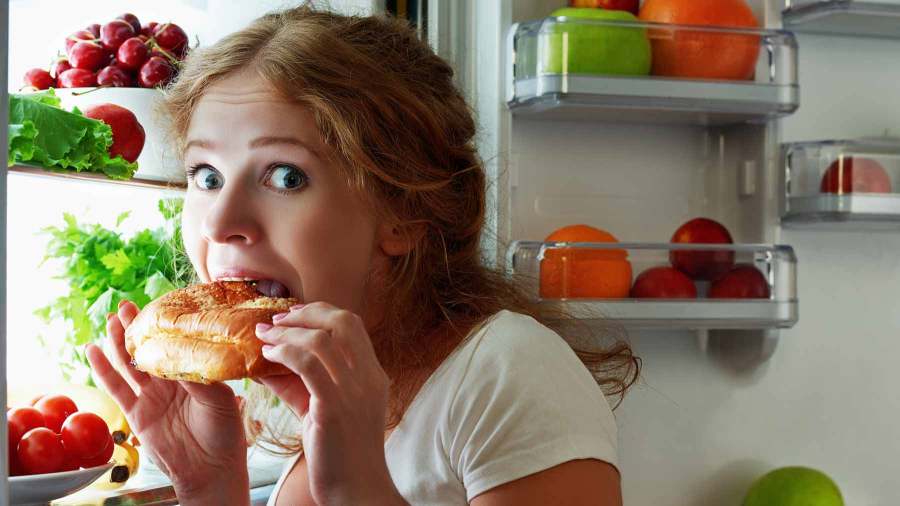
Are you hungry all the time?

Bulimia Nervosa

Bulimia (boo-LEE-me-uh) nervosa, commonly called bulimia, is a serious, potentially life-threatening eating disorder. People with bulimia may secretly binge — eating large amounts of food with a loss of control over the eating — and then purge, trying to get rid of the extra calories in an unhealthy way.

To get rid of the gained weight this people follow things like self-induce vomiting or misuse laxatives, weight-loss supplements, diuretics or enemas after bingeing.

Or you may follow other unhealthy measures such as fasting, strict dieting or excessive exercise.

Causes

The exact cause of bulimia is unknown. Many factors could play a role in the development of eating disorders, including genetics, biology, emotional health, societal expectations and other issues.

Symptoms

The major symptoms of this disorder are:

  • Being preoccupied with your body shape and weight
  • Living in fear of gaining weight
  • Repeated episodes of eating abnormally large amounts of food in one sitting
  • Feeling a loss of control during bingeing — like you can’t stop eating or can’t control what you eat
  • Forcing yourself to vomit or exercising too much to keep from gaining weight after bingeing
  • Using laxatives, diuretics or enemas after eating when they’re not needed
  • Fasting, restricting calories or avoiding certain foods between binges
  • Using dietary supplements or herbal products excessively for weight loss

Diagnosis

If you have any bulimia symptoms, seek medical help as soon as possible. If left untreated, bulimia can severely impact your health.

Share your bulimia symptoms and feelings with a mental health professional and seek treatment immediately.

Some symptoms you can notice in a bulimia affected person are:

  • Constantly worrying or complaining about being fat
  • Having a distorted, excessively negative body image
  • Repeatedly eating unusually large quantities of food in one sitting, especially foods the person would normally avoid
  • Strict dieting or fasting after binge eating
  • Not wanting to eat in public or in front of others
  • Going to the bathroom right after eating, during meals or for long periods of time
  • Exercising too much
  • Having sores, scars or calluses on the knuckles or hands
  • Having damaged teeth and gums
  • Changing weight
  • Swelling in the hands and feet
  • Facial and cheek swelling from enlarged glands

Complications

Bulimia may cause numerous serious and even life-threatening complications. Possible complications include:

  • Negative self-esteem and problems with relationships and social functioning
  • Dehydration, which can lead to major medical problems, such as kidney failure
  • Heart problems, such as an irregular heartbeat or heart failure
  • Severe tooth decay and gum disease
  • Absent or irregular periods in females
  • Digestive problems
  • Anxiety, depression, personality disorders or bipolar disorder
  • Misuse of alcohol or drugs
  • Self-injury, suicidal thoughts or suicide

Prevention methods

Although there’s no sure way to prevent bulimia, you can steer someone toward healthier behavior or professional treatment before the situation worsens. Here’s how you can help:

  • Foster and reinforce a healthy body image in your children, no matter what their size or shape. Help them build confidence in ways other than their appearance.
  • Have regular, enjoyable family meals.
  • Avoid talking about weight at home. Focus instead on having a healthy lifestyle.
  • Discourage dieting, especially when it involves unhealthy weight-control behaviors, such as fasting, using weight-loss supplements or laxatives, or self-induced vomiting.
  • Talk with your primary care provider. He or she may be in a good position to identify early indicators of an eating disorder and help prevent its development.
  • If you notice a relative or friend who seems to have food issues that could lead to or indicate an eating disorder, consider supportively talking to the person about these issues and ask how you can help.

HEMATOLOGY

Hematology is a branch of medicine concerned with the cause, prognosis, treatment, and prevention of diseases related to blood. Some of the tests carried out in this section are PCV, CBC, ESR, ABO blood grouping, Antigen typing, Cross Matching etc..

MATERIALS USED IN HEMATOLOGY
Pipette, Haematocrit centrifuge machine for PCV, Haematocrit reader for PCV, Hematology analyzer for CBC, Microscope, Glass Slides, Electrophoresis Machine, Cover slips, Bunsen Burner, Capillary Tubes, Test Tubes, EDTA, Scissors, Normal Saline, Immersion Oil etc…

COMPLETE BLOOD COUNT (CBC) TEST
Complete Blood Count, CBC is a very common and easy test to determine the total number of different cells present in the patient’s blood. A doctor may order CBC as a normal routine test or if you have an unexplained symptoms of bleeding.
For the test, Blood Sample is collected in the EDTA bottle and is mixed properly with the anticoagulant.
The main equipment used for the CBC test is HEMATOLOGY ANALYZER. The EDTA bottles are put under the hematology analyzer sensitive probe so that the machine can analyze the samples and give the appropriate results.

PACKED VOLUME (PCV) TEST
It is also known as Hematocrit Test. PCV test is a measurement of percentage of blood that is made up of cells. The test value is expressed in percentage. For eg, if the PCV value comes out to be 30% then it means that there are 30ml of cells present in 100ml of blood. The doctor may order for the test if he finds the symptoms related to Anaemia, Polycythaemia or dehydration. The value of PCV rises when the number of RBCs increases or when the total blood volume is reduced.
Reference values:
Newborn infants – 50 – 70%,
Newborn at one week of age – 37 – 49%,
Infant at three month of age – 30 – 36%,
Infant at one year of age – 28 – 45%,
Child at ten years of age – 36 – 40%,
Adult female – 36 – 46%,
Adult male – 38 – 50%

ERYTHROCYTE SEDIMENTATION RATE (ESR)

It is a test that directly or indirectly tests the inflammation in the body. It also measures the rate at which erythrocytes present in the blood sediments. In the test, blood sample is collected by the patient in the EDTA tube and the rate at which RBCs settle down at bottom is measured.
The followings are considered normal ESR test results:
• Women under age 50 : >20mm/hr
• Men under age 50 : >15mm/hr
• Women over age 50 : >30mm/hr
• Men over age 50 : >20mm/hr
• Newborns : >2mm/hr

BLOOD GROUPING TEST
Blood Grouping, generally known as ABO Blood grouping is a test which can determine the patient’s blood group. The blood group of a patient may be A, B, O or AB type. Three different types of serum are used in this test i.e. Anti-A, Anti-B, Anti-D.
In the test, Blood samples are collected from the patient in the EDTA bottle. A sterile glass slide is taken and was labeled as A,B and D. Blood drops were put on the slide in the three different regions. Anti-A , Anti-B and Anti-D serums were added to the blood on the slide at the respective regions and mixed with a toothpick. Agglutination was observed after some time and results were recorded.

IMPROVE YOUR FOCUS

In this fast-paced world we’ve created, we’re only going to feel more overwhelmed by the ever-increasing directions and distractions we feel pulled toward. With exponentially increasing demands on us in our work and personal lives, sustaining and improving focus on things which matter is getting tougher and tougher.
You’ll be pleasantly surprised to learn that keeping focused is no longer about trying to discover secret weapons of willpower or self-discipline. With these initial self-reflective exercises and different brain-training exercises, you’ll no longer be having arguments with yourself to get on with the job!
Here’re 7 ways on how to improve focus.
1. Have a Plan You Feel Clear AboutOne of the foremost common reasons we struggle to take care of focus is because we lack clarity about what we’d like to try to to next. The next best action step doesn’t feel clear to us.
If you are trying to lose weight but aren’t clear on exactly what activities you need to do, with what intensity, the food you need to eat and the timing of when all this needs to happen, you increase your chances of staggered progress.
If there are not enough parts early in the process to that feel clear for you to make the next step, these emotional obstacles will derail you.
You must also recognize the amount of detail in the steps you need to feel ready and confident to move forward — this will differ between you and the next person. You and another person are often given precisely the same instructions to find out a task. He/she might feel completely ready and confident to get to work. On the other hand, you hesitate.
Work on developing enough detail clarity until you are feeling you’ve got enough resources and know enough to require the steps.
2. Set Your Mood and Environment to maximise Your Capacity to FocusIt’s been argued that in slightly-above-ambient temperatures, you’ll be more creative. You feel more relaxed and your productivity increases. Conversely, lower temperatures have also been found to more positively influence decision-making ability and alertness.
Cornell University conducted a study of office administration workers whereby their productivity positively correlated with increased office temperatures.[1] At 25℃, the workers were typing with 90% accuracy. However, with a drop of 5℃, the typing rate nose-dived along side an increased error rate of 25%. The study also identified other factors which could greatly affect productivity and focus such as air quality and pollution.
It’s not just temperature you need to pay attention to. Good lighting is essential. The wavelength of blue light emitted from neon lights and most electronic devices generally ignites our serotonin levels and keeps us awake. Consider though that natural light is best where possible. When your body is truly getting tired, you can honor its natural rhythms and listen to its cues for rest.
Switch off communication applications (e.g. Facebook messenger, Slack, Yamma). Make it hard for yourself to access such applications and devices by physically putting them in places that are inconvenient for you to access (try the 20-second rule and make it take more time to access). If you have to go outside to the garden shed to retrieve your phone (and it’s cold and raining outside), you’re less likely to do it!
Maximize your exposure to visual messages which direct you to remain on task. Rather than have your eyes cast across post-it-note messages such as: “Don’t get distracted”, have messages of what you want to direct yourself to do: “Keep going. Stay focused.” Surround where you propose to execute most of your day’s work with deliberate messages that directly tell you to remain on target .
3. Create a Distraction Procrastination To-Do ListWhen you know you have to prepare a complex report or assignment, the temptation to be carried away with the social flittings of your friends on Facebook or your colleagues chatting nearby will likely be stronger than ever. That story you spin yourself that you’re only spending a smidgin’ of your time getting ‘up-to-date’ so it can’t really do any harm becomes the sole story you would like to believe.
Trying to resist the temptation completely can cost you valuable time and psychic energy . The guilt you harbor for contemplating digressing from your important activity inflicts an emotional cat-o-nine tails upon you. That doesn’t serve you either.
Submit half-way. Fully indulge at a designated time period to soak up that dopamine rush from scrolling through sporadic events and sponsored posts on your newsfeed or chat to whoever is online at the time. 
After pounding through a piece of labor , undergo that guilty pleasure. When you engage in it, do it fully. If you’ve been studying straight for three hours, it’s time to stand up, stretch and stroll to your favourite coffee shop and back. Go for a walk or swing on the swings in your closest public park.
If you work from home, bake a batch of scones, put on a face mask as you soak your feet in a foot spa. Or watch half of the football match you recorded but haven’t gotten ‘round to reviewing yet.
Cold-turkey abstinence is hardly ever effective. Not only are you wasting time and energy resisting the urge. You make the urge stronger by denying yourself! So, don’t deny yourself but manage it wisely.
4. Practice Meditation and MindfulnessIf you’re yet to be convinced of how meditation can help you improve focus, look no further than the declarations made by the American Psychological Society praising its benefits.More and more studies are demonstrating how meditation can reduce rumination, stress, anxiety and improve relationships, emotional stability, focus and working memory capacity.
If you’re not meditating, you are doing yourself a gross disservice. Meditating allows to practice regaining focus. As you practice, you learn and increase your skills to notice when your mind is wandering off track. You then practice bringing it back to what you ought to be directing your attention to.Include in your morning preparations for the day a gentle but directed review of what you need to devote your time to today. Throughout the day, consider that your attention span swings like a pendulum. Exercise it one direction and let it swing into a free-thought space for moments of reprieve.
The world, our bodies and our minds work in rhythms. Learn to exercise your mind and focus intrinsically . If you try to beat yourself cognitively into submission, you’re unlikely to win. You’ll be unnecessarily exhausting yourself in repeated attempts of trying.
Here’s a beginner guide for meditation: Meditation for Beginners: How to Meditate Deeply and Quickly
5. Schedule Planning, Review and Recognition Periods Throughout Your DayManagement consultant and best-selling author of 18 Minutes, Peter Bregman recommends a simple plan to help train your brain to remain focused and help you track your progress.
Before the computer goes on, the first 5 minutes of your day, you invest in planning and write out your ‘today’s activities’ list. Physically writing down your activity goals for the day (using paper and pen, not electronic word processing) engages more functions within your brain (e.g. the generation effect[3]) which train it to acknowledge these activities are highly important.
Bregman then recommends that for 1 minute at the end of each of the next 8 hours, you stop and recall what you have accomplished in that hour. You congratulate yourself for what you have achieved and regain focus, recalibrate expectations and take a pause. You slow down to speed up.
By reviewing what you’ve got accomplished, you attach a positive emotional experience to your work and progress. This action in itself will improve your focus as you fuel your motivation to stay the wheels of your momentum, rolling.
The final 5 minutes at the end of the day are spent in reviewing and planning the next day. Doing so makes it easy for you to sustain laser focus from at some point to subsequent , to subsequent .
These 18 minutes of planning serve as plain but powerful guard rails to keep you mentally on track.
6. Create Goals and Activities That Satisfy Your Highest Priorities and ValuesWhenever you’re resisting doing something, it’s highly likely because it’s not topping your desirability charts.
As a human being, you behave and act in ways which ultimately keep you feeling safe and comfortable. As long as we can see we will get to continue feeling safe and comfortable, it doesn’t matter what activity we’re asked to do.
However, the moment a notion arises of your needing to do something that feels unfamiliar (and hence, uncomfortable), you can guarantee you’ll feel a sting of resistance. It might be slight but it will be there. However, life doesn’t allow us to simply avoid whatever we please.
The key is to examine and reframe what you need to do in a way that does satisfy your highest values and priorities.
If you believe you know what your values and priorities are, take a look at the results you have against the goals you’ve set for yourself thus far.
For example, if you believe one of your highest priorities is to have a healthy bank balance yet your balance statement shows more outgoings than revenue, having a lot of money is actually not a high priority for you.
At now , you would like to explore the variability of activities that yield a healthy bank balance that you’re not currently exercising. Saving, reducing costs, modifying and monitoring spending habits, making wiser purchase choices and finding ways to extend your income are all activities you would like to explore. These things might sound dull and like diligence .
7. Transform Information to Make Things More InterestingAccording to neurobiologists’ findings, we learn better when we actively do different things with the information. Not only are our experiences of learning more enjoyable, we activate more parts of our brain. This serves lessons and memories to be more effectively encoded into LTM .
You need to become clever at delighting and regularly stimulating your senses through variety.
If you’re studying, engage a spread of the way to exercise using the knowledge and skills you want to develop. Discussion groups, creating informal quizzes, teaching someone the knowledge you would like to find out involves you exercising verbal communication skills where you want to both give and receive information. You must adapt to your audience.
Drawing pictures and diagrams, creating voice memos about what you’re learning, using colors and symbols again different activates different parts of the brain. More connections are developed in your neural circuitry to aid your recall.
Furthermore, you become more adaptable and adept at applying what you learn to different situations.
Creating your own personalized manuals and notes becomes a passion project which pushes the personal gratification scale higher and higher.
Before you know it, staying focused no longer feels like a chore

Easing out the lockdown

The World Health Organization (WHO) has declared that the rate of infection of coronavirus has increased in those countries that relaxed the lockdown at once. They have indicated that underestimating the challenges that may arise in the future needs to be taken into consideration by the stakeholders.

WHO Director-General Tedros Adhanom Ghebreyesus has said that China and Germany have reported an increase in cases after a lockdown was relaxed. Any lifting of restrictions imposed for safeguarding the people be done with proper planning and catering for the contingencies, which includes testing on priority and vigilance of the government on every development.

The country lifting the lockdown should possess enough medical potential to deal with the development of new clusters of the coronavirus. Easing out the pressure on medical fraternity is the need for time as they are under stress for the last couple of months. A gradual and firm approach in lifting the restrictions is required. Indian public health system has been doing well when we think of coping up with the coronavirus pandemic.

India needs to facilitate investment in the health system to cope with any development of the second wave. The limitations of testing can be addressed by the government on top priority to avoid any resurgence going unnoticed for a longer period. A steep rise in the infected coronavirus cases can be seen for the last three days, India is about to touch the figure of the daily rise of coronavirus infected cases to ten thousand which is a matter of concern.

Rolling out of effective plans to revive the economy amidst the spread of coronavirus after keeping a lockdown for a considerable period is understood. However, hurried opening or relaxing the restrictions may boomerang on society and can cause a huge spread of coronavirus. Social distancing measures can be converted to the law for a certain period and people breaking the same can be imposed a penalty to stay in quarantine etc. this will reduce the unnecessary burden of movement of people.

Health and survival of the people be given the topmost priority over giving impetus to economics. A steep rise in the coronavirus cases during the past week in India is a sign to the government to monitor the cases more closely. The government needs to plan an effective exit strategy for a smooth transition from a complete halt.

Workplaces that require less manpower and contribute more to the development of the economy can be opened by the government on priority rather than the opening of malls and educational institutes that may become a hub of the spread of the infection. India has succeeded in keeping the mortality rate low due to coronavirus at a bare minimum in comparison with the developed countries of the world who delayed the lockdown and suffered the loss of lives.

Migrant workers moved to their native place causing economic loss to the place from where they moved and adding to the burden of accommodating them to their native place. Unemployment is increasing in urban areas and the migration of people has carried the infection to rural areas too. Unambiguous guidelines of the government are required and center-state face-off must be avoided on political grounds by both, rather the states should support the central government in dealing with the entire scenario diligently.

Worst incidents of 2020 till date!!!

2020 is probably the year of histories to be created and to taught in the coming decades that how intelligent and cruel are the humans!!!

There is the series of bad events on it self starting of the year…again and again humans are proved that the level of damage can be upmost by them. We are taking ourselves to the path of destruction which might not have any end. Let us see what are the events that give us hint that 2020 will be written in history.

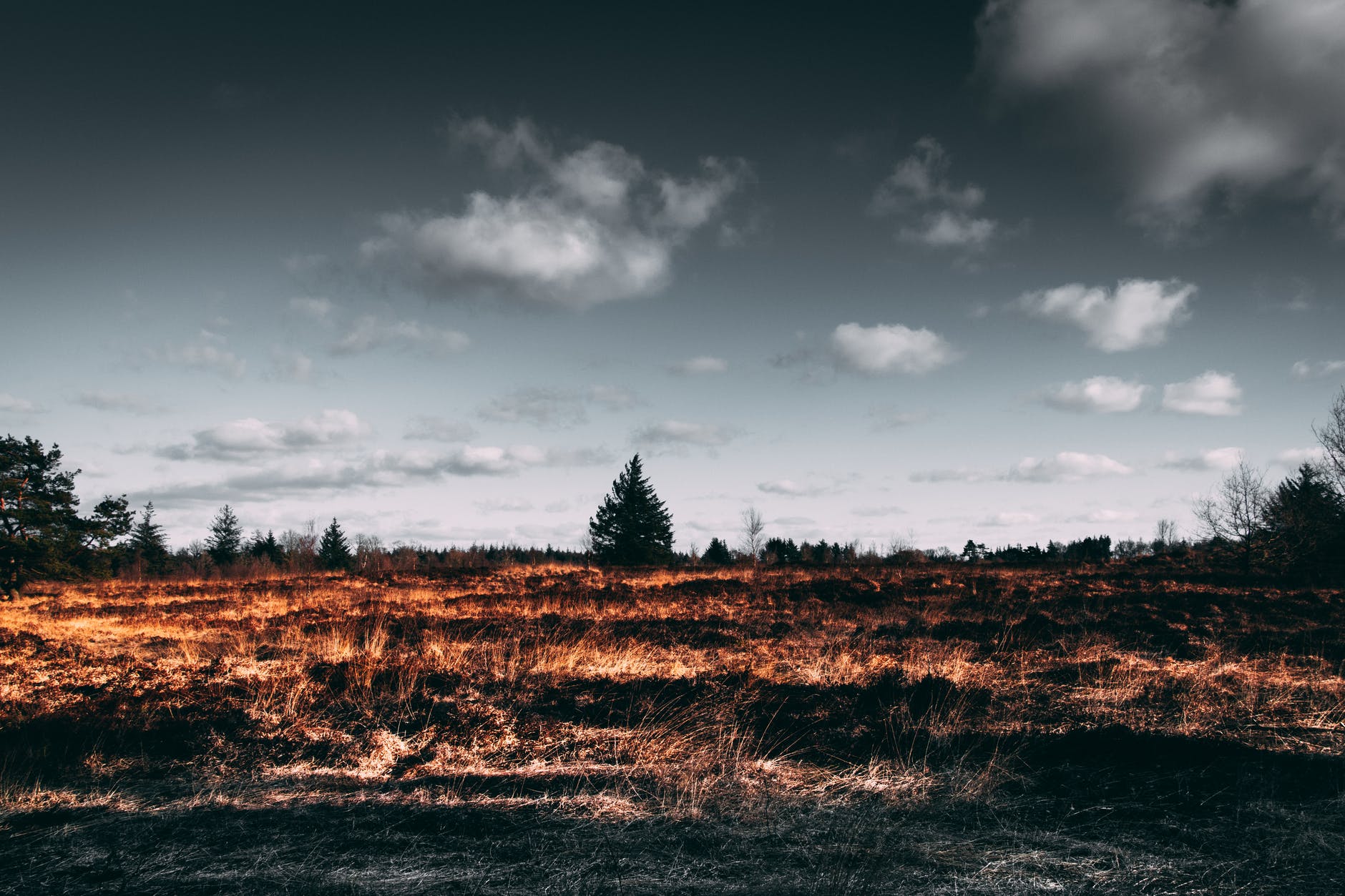
1- Australian forest fire

Australia encounters fires almost every year but this time it gave a new signal. Over 1 billion animals are believed to be dead and an estimated 2,000 homes were lost, the overall damage and economic losses would reach 100 billion US$.

brown open field
Photo by Matthis Volquardsen on Pexels.com

2- Flood in Jakarta- Indonesia

In Indonesia, flooding is common particularly during the rainy season of October-April, but this particular flood occurred in January and killed almost 70 people on Sulawesi Island and hundreds of people were displaced by heavy rain in West Java.

man pouring water from dipper on blue and grey house
Photo by hitesh choudhary on Pexels.com


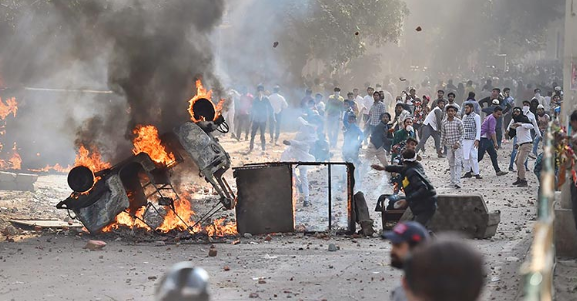
3- Riots in Delhi

Riots in Delhi was based on anti-CAA protest in which violence, property destruction and also rioting that killed 53 people, most of whom were Muslims shot, slashed with kicks and set on fire by Hindu mobs in North East Delhi.

image-75

Image source: This week

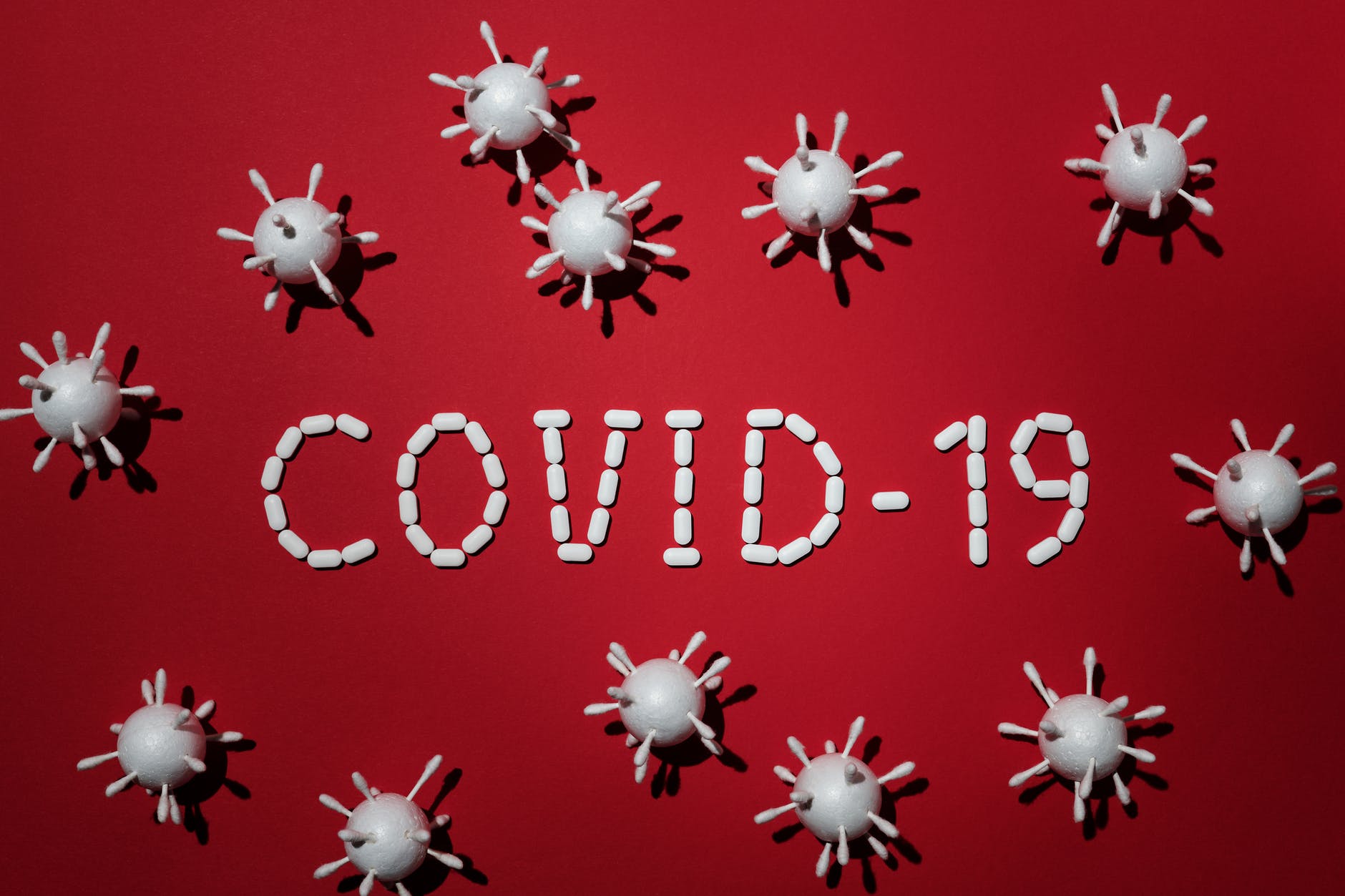
4- The Pandemic- COVID-19

This is the worst situation till date of 2020 a 2 gm virus( research says that total molecules of corona virus from all over the world would weigh 2 gm i.e. equal to a coin weigh) it almost broke the economic condition of every country in the world.

pexels-photo-4031867.jpeg
Photo by Edward Jenner on Pexels.com

5- Olympics & IPL- 2 biggest event of world brought to halt.

Due to COVID-19 outbreak 2 most popular event were called off which was very disappointing for the players as well as their supporter.


6- Brutal killing of Saints

This incident took place in Palghar were people of village mysteriously attacked the van on saints which was heading towards their senior saints funeral program. People on investigation said that they were informed that this van contain corona virus patient, it was more worse when police also joined people in this attack.

Man-Lynched

Image source: Siasat.com

7- Gas leakage- Visakhapatnam

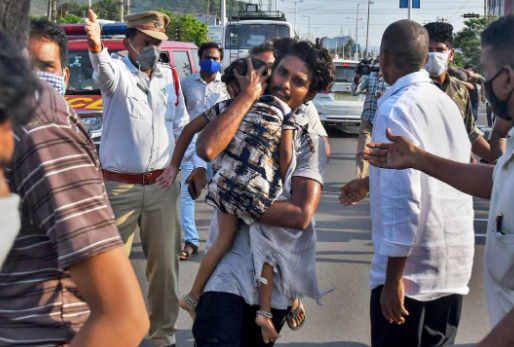
This was a major gas leak in LG polymers chemical plant in Visakhapatnam which killed 11 people, 800 were hospitalized and many more faced issues like headache, ill, vomiting etc.

image-4

Image source: The Hindu

8- Justice for Blacks

The conflict raised when George Floyd, 46, died on May 25, after a video showing a white Minneapolis police officer kneeling on his neck for almost 9 minutes.

crowd of protesters holding signs
Photo by Josh Hild on Pexels.com

9- Indian cinema lost 2 gems

Bollywood lost 2 precious gems Irfan Khan an Rishi Kapoor. Actor Irfan Khan were facing problem related to Neuroendocrine tumor which became the reason for his death where as on the other hand actor Rishi Kapoor died by Leukemia.

10- Brutal death of a pregnant Elephant- Kerala

This incident took place in Velliyar River in Kerela where a pregnant elephant came in search of food where local offered a pineapple loaded with fire cracker which exploded in her mouth, doctors tried to save her but unfortunately couldn’t save. Suspect was arrested by forest officials and was interrogated. This shows how cruel has mankind became over the years.

image-5

Image source: Facebook


Like, Comment and Share the post if you agree.

WORLD BRAIN TUMOR DAY

Every year World Tumor Day is observed on 8 JuneWorld Brain Tumor Day was first marked by Deutsche Hirntumorhilfe, a Non-Profit, German Brain Tumor Association. Deutsche Hirntumorhilfe declared the World Brain Tumor Day in the year 2000 to spread the awareness about the brain tumor among the people and tribute to all brain tumor patients and their families.

What is a Brain tumor?
Unnecessary growth of cells that are either within or around the structure of the brain is known as a Brain tumor. This abnormal collection of cells in your brain or central nervous system can disrupt brain function. Brain tumors are mainly of two types:

  • Malignant Tumors
  • Benign Tumor

Malignant primary brain tumors are cancerous and Benign brain tumors are non-cancerous.

Symptoms of Brain Tumor


•Changes in personality and behavior
•Double vision and blurred vision
•Severe headache
•Memory loss and confusion
•Nausea and vomiting
•Drowsiness
•Sleep problems
•seizures

Causes of Brain tumor

Age- with increase age risk of a brain tumor increases.

Chemical exposure- Being exposed to certain chemicals, such as pesticides, herbicides, and fertilizers that may find in a work environment can increase your risk for brain cancer. 


Exposure to ionizing radiation- People who have been exposed to high-radiation cancer therapies or radiation from nuclear fallout are on the increased risk of brain tumors.

Frequent use of cellphones: the radiofrequency energy from cellphones is capable of causing brain tumors.

Family History- brain tumors may be genetically inherited. If your family member is diagnosed with a brain tumor than consult your doctor immediately.