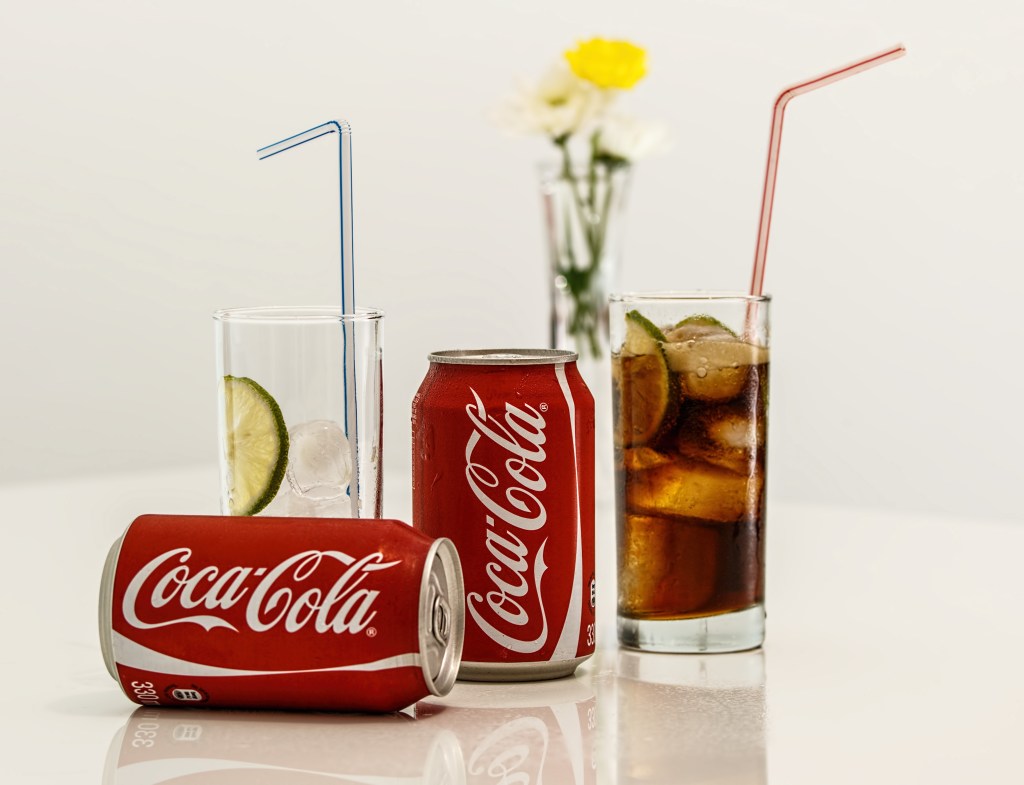
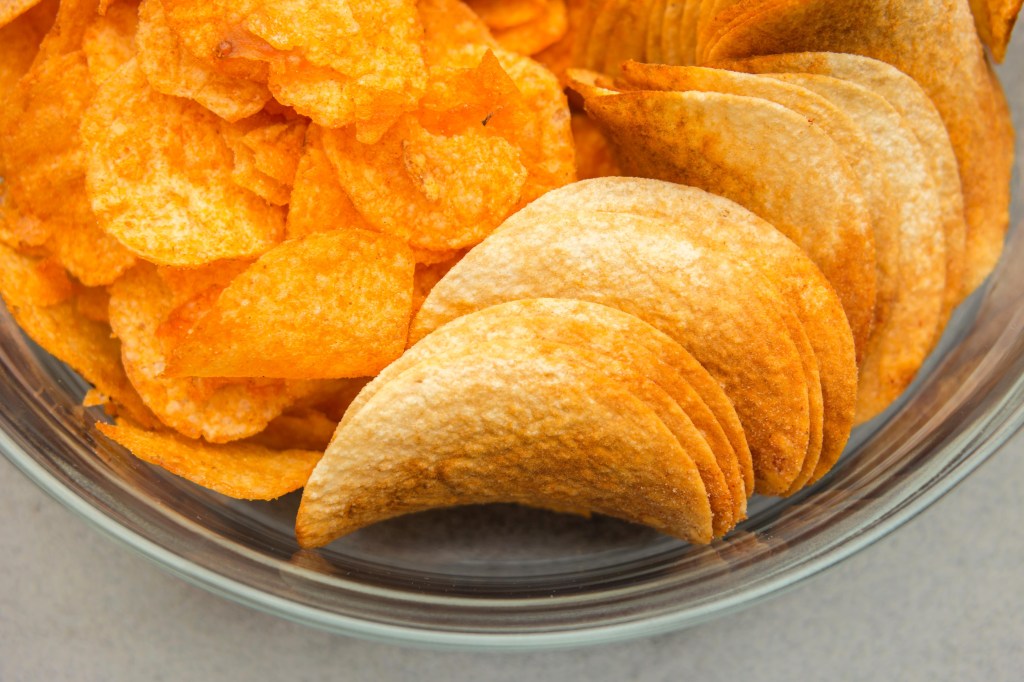
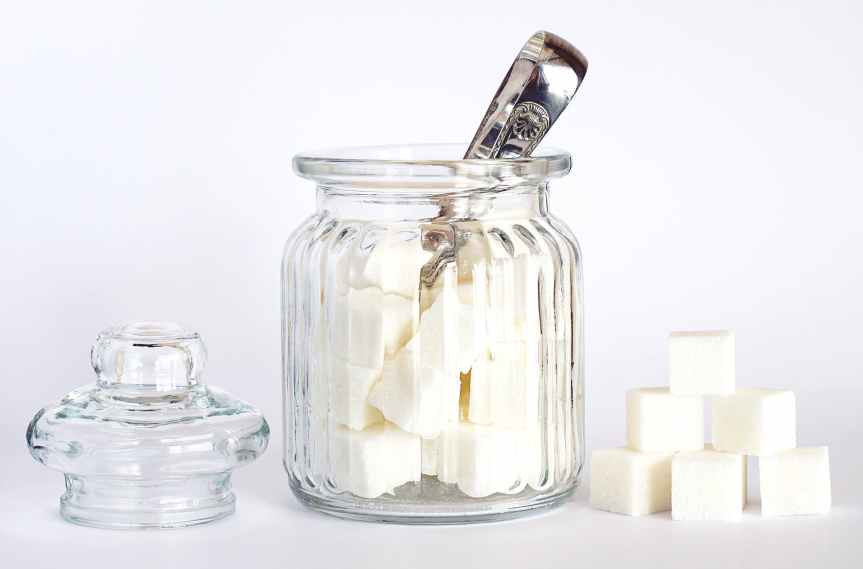
1. Eat well. Food eye health starts with the food on your plate. Nutrients like Omega 3 fatty acids, vitamins, proteins, zinc,iron might help age related vision problem like cataracts. Your diet should include plenty of fruits like oranges and other citrus fruits and vegetables, like spinach,kale. Eat eggs, nuts, beans and other food that include proteins. A well balanced diet helps you maintain healthy weight that helps you in decreasing risk of obesity and diabetes which are main reason of vision in adults.
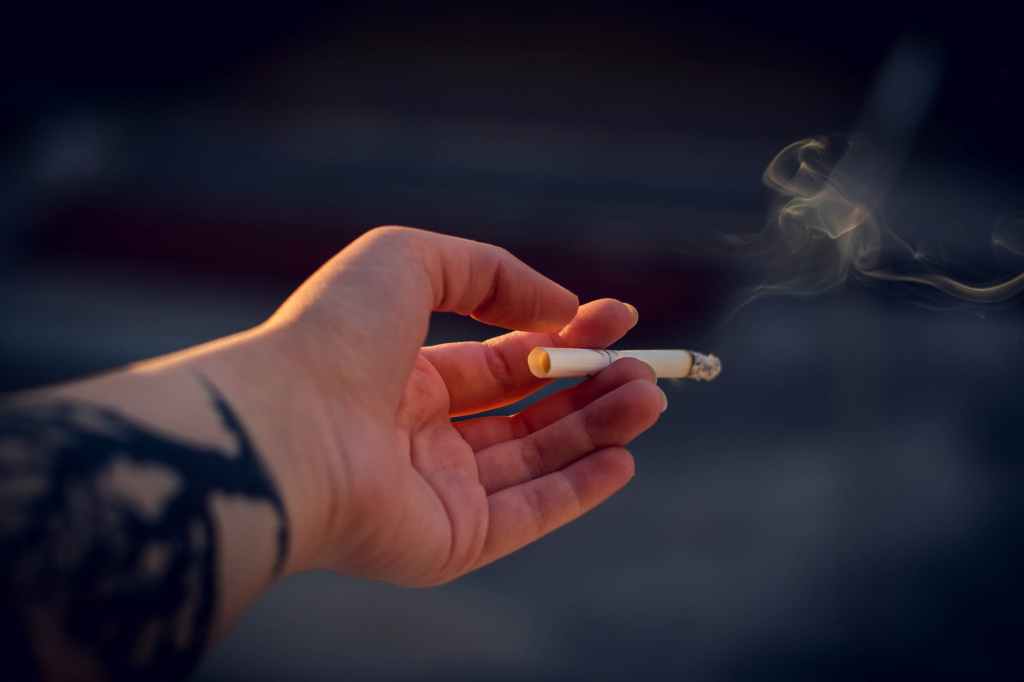
2. Quit Smoking. Smoking increases the risk of developing age-related eye diseases.
3. Wear Sunglasses. Protect your eyes by using sunglasses that block out both UV-A and UV-B radiation. Too much sun exposure can damage your eyes and raise your risk of cataracts and age-related macular degeneration. The right pair of shades will help protect your eyes from the sun’s UV rays. Wraparound lenses help protect your eyes from the side.
4. If you wear lenses, take steps to prevent eye infections. Wash your hands well before you put in or take out your contact lenses. Also follow the instructions on how to properly clean them. Some contact lenses offer UV protection but it’s still a good idea to wear sunglasses for an extra layer.
5. Get regular exercise. Exercise may help to prevent or control diabetes, obesity,high blood pressure, and high cholesterol. For ex. If you have diabetes, your blood glucose levels are too high. Over time, this can damage your eyes.
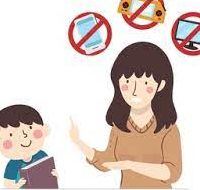
6. Give your eyes a rest. Starting at computer or phone screen for too long can cause eyestrain or blurry vision, dry eye, headache. To protect your eyes, make sure your glasses prescription is upto date and good for looking at a phone screen. Use an anti glare screen, if needed. Choose a comfortable chair so that you won’t get any shoulder or back pain. Take rest after every 20 minutes. Look 20 feet away for 20 second.
White Revolution was one of the biggest dairy development movements, by the Indian Government, in India in 1970. It was a step taken by the Indian Government to develop and help the dairy industry sustain itself economically by developing a co-operative, while providing employment to the poor farmers.
The White Revolution helped increase milk productivity and milk was now sold at competitive market prices. This program increased the demand for development and production of healthy animals, use of modern technology in milk production sector and networking between various small and large scale dairy industries.
The White Revolution followed after thesuccess of the Green Revolution and the aim of White Revolution was to make India one of the largest milk producers in the world.
Phase 1: This phase started in July 1970 with the objective of setting up dairy cooperatives in 18 milk sheds in 10 states. They were to be linked with the four best metropolitan markets. By the end of this phase in 1981 there were 13,000 village dairy cooperatives covering 15,000 farmers.
Phase 2: It aimed at building on the designs of phase 1 and on the assisted Dairy development programmes in Karnataka, Rajasthan and Madhya Pradesh. By the end of this phase in 1985 there were 136 milk sheds, 34,500 village dairy cooperatives and over 36 lakh members.
Phase 3: This phase emphasised on consolidating the gains of the earlier two phases by improving the productivity and efficiency of the dairy sectors for long term sustainability. It ended in 1996 and by that time there were 73,300 dairy cooperatives and over 9.4 million farmer members.
Advantages of White Revolution
It ended the imports of milk solids in India and India started exporting milk powder to many foreign nations.
Dairy industries and infrastructures modernised and expanded. Around 10 million farmers earn their income from dairy farming.
Dairy needs are met locally.
Genetic improvement of milking animals has increased due to cross breeding.
Online education is a form of education where students use their home computers through the internet. For many nontraditional students, among them all those who want to continue working full time or raising families, online graduations and courses have become popular in the past decade. Often online graduation and course programmes, some of which are conducted using digital technologies, are provided via the online learning portal of the host university.
It’s not easier studying online! Online institutions must meet with the same quality requirements as brick-and-mortar institutions. With the advancement of online learning technologies, virtual institutions have enhanced automated processes to deter fraud and/or plagiarism.
Many online institutions will partner with universities on campus to develop and deliver online programs. This enables an online service, while providing validated course studies through the brick-and-mortar institution, to benefit from the advanced expertise and technology that an online provider provides.
Since Pandemic started, people have started taking mental health seriously and are talking about it much more than what it was previously now it’s more Highlighted, and People are taking these thing seriously and I am so grateful that finally people are getting aware about it.
Now what is basically mental health ?
You must have listen this word thousand time since last year, ”Mental health refers to cognitive, behavioral, and emotional well-being. It is all about how people think, feel, and behave. People sometimes use the term “mental health” to mean the absence of a mental disorder”.
Mental health can affect daily living, relationships, and physical health. You have to pay attention towards it because it has it’s own impacts.
The WHO stress that mental health is “more than just the absence of mental disorders or disabilities.” Peak mental health is about not only avoiding active conditions but also looking after ongoing wellness and happiness.
They also emphasize that preserving and restoring mental health is crucial on an individual basis, as well as throughout different communities and societies the world over.
In last, I will just say please pay attention towards your mental health, it’s very very important.
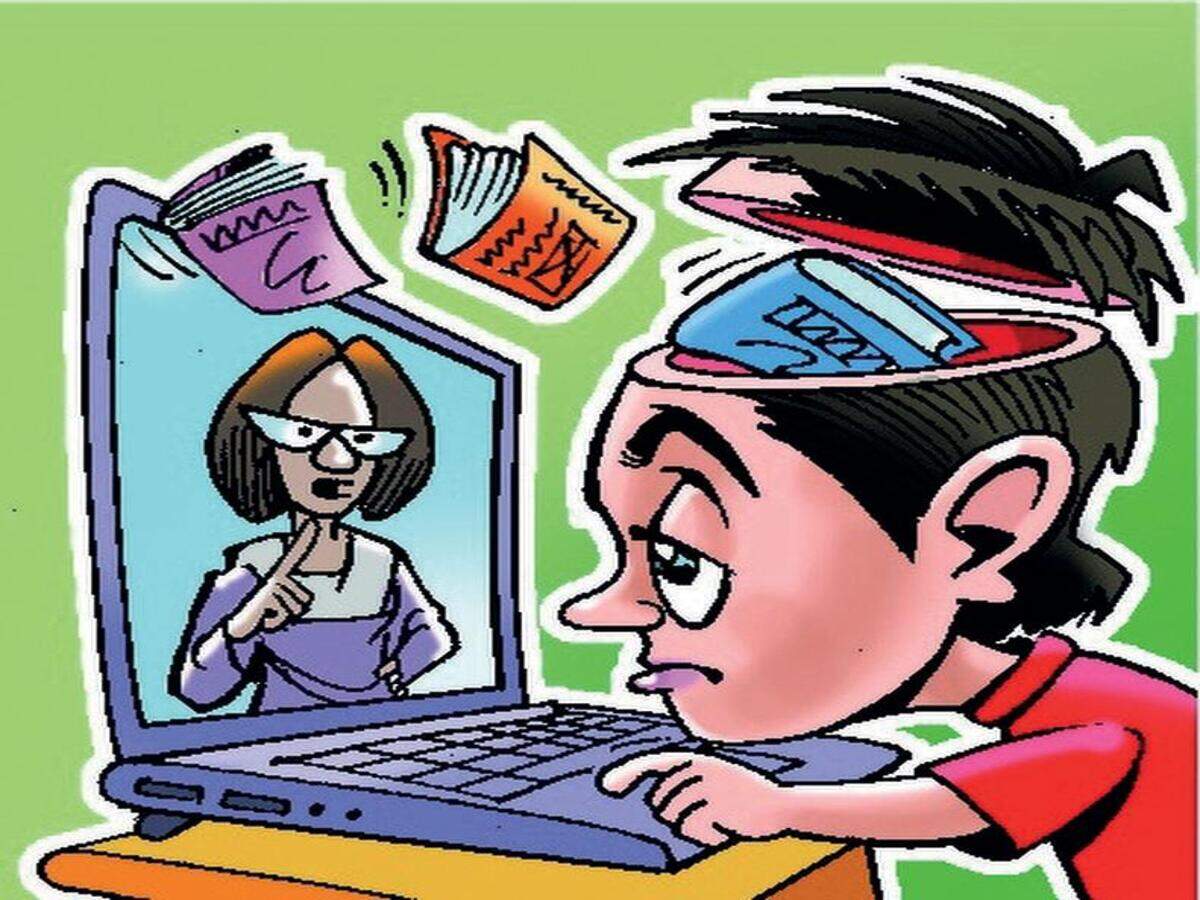
Everything has a positive and negative side. Similarly, online classes has both positive and negative sides. On one hand, the e-education and online classes have emerged as a solution for the educational crisis in current pandemic and thanks to these technological advancements which helped the students to continue their education. But on the other hand, online learning has numerous negative consequences also. In this article. we will try to identify and understand some these negative consequences and effects of online learning.
Due to pandemic, everybody lost many things, everyone’s life and lifestyle have changed and society has been altered but the there’s a huge impact of this pandemic is on the children’s of age group 4 to 9. These children’s should be learning new thing now, exploring and playing and making friends but all these things are nearly impossible for them in current situation. The pandemic forced the kids to moveout from the learning zone with which they were acquainted, like a classroom and are setup in the completely opposite scenario, where the students have missed many essential part of their education. The sudden transition of education from classroom studies to online learning will also have a huge impact on them. However, the new generation is very internet savvy but the e learning has certain limitations. Online learning comes with many challenges that has many impact on the students.
The main issue here is the lack of consistency…Children are more attentive and curious to learn things when they were in class but in this online learning scenario, the consistency of these children to be focused on studies and concentrated decreases. A students interest to answer the questions and clear doubts is more in classes but this is reduced in online learning. The willingness of a student to get his or her doubts cleared and participate in the class decreases due to the lack of one to one reaction with the teachers.
Reduced Concentration and Self Discipline… The major limitations that the students are currently facing in the online learning is reduced concentration in the class and self discipline. A school classroom provides the complete atmosphere which boosts the interest and concentration of students to learn. And such environment and structure which is effective for learning is not present at home. This classroom atmosphere give the best environment to student where they can learn, complete their assignment. Homes lack such things and as a result of which students struggle to finish their homework’s and assignments, lack of motivation and lower goals for themselves. This also discourages the students to do better in academics and explore new things.
Reduced Interaction with Peers…In addition to lack of motivation to study, the very important part of a child’s school life is also missed. This is their interaction with friends. Schools provide a neutral environment for students where they can study as well as enjoy. There is scope of social interactions which aids in developing many new skills such as understanding people of different personalities, setting boundaries, learning cooperation and empathy etc. These skills are very important for the students as it helps them in socializing with others. But such facilities cannot be provided in the homes due to the current pandemics. Because of this the students get isolated and a sense of isolation can emerge in them.
Health Hazards of Online Teaching… Online learning required continuous focus of screens which has many physical health and mental health hazards. The increase in screen time is one the major concerns and disadvantages of online learning. Some students may also develop bad posture and physicals problems. It has serious impacts on the eye sight of the students also.
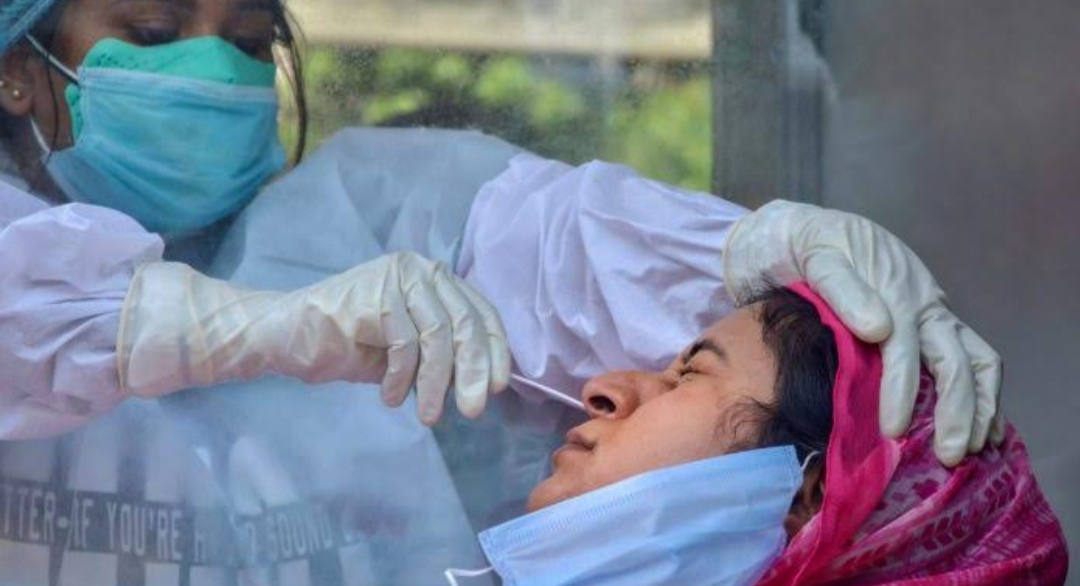
The Covid-19 weekly case positivity rate has finally dropped to below 5% in all districts of the state for the first time in months during the ongoing second wave. Even last week, when Andhra Pradesh’s average weekly positivity rate stood at 3.2%, East Godavari and West Godavari had crossed the 5% positivity rate threshold.
As per the latest weekly case positivity rate statistics between July 12 and 18, Kurnool has the lowest case positivity rate among all districts at 0.74%.
In all, Anantapur, Kurnool, Srikakulam and Vizianagaram have a less than 2% weekly case positivity rate. While the weekly positivity rate ranges between 3% and 5% in five districts, eight districts have a positivity rate less than 3%.
The case positivity rate is a key indicator to gauge the spread of the disease in the community at a certain point in time. The World Health Organisation (WHO), in an advisory released in May last year, stated that less than 5% samples testing positive for Covid-19, at least for two weeks, is an indicator that the disease is under control.
Corresponding with the lowering case positivity rate, the daily new infection numbers have now dropped to about the 2,000 to 3,000 range from the peak of 24,171 cases on May 16. But districts such as East Godavari, West Godavari, Visakhapatnam and Chittoor still continue to contribute a major chunk of the daily infection numbers. This can be gauged from the fact that while the state’s cumulative case positivity rate stood at 8.22% as of July 18, it is as much as 12.43% in East Godavari, 9.88% in Chittoor and 8.59% in West Godavari.
Despite the fall in case positivity rate, the state health department is augmenting infrastructure at all hospitals in its preparation for the anticipated third wave. A special focus has been laid on improving infrastructure to treat paediatric Covid-19 cases based on the assumptions of several experts and reports that the third wave may hit children.
Imagine you are suffering from a stomach upset every two days, or that you’re lactose intolerant and every time you drink milk or consume dairy products you have to run to the bathroom as soon as possible. This is just one of the many situations.
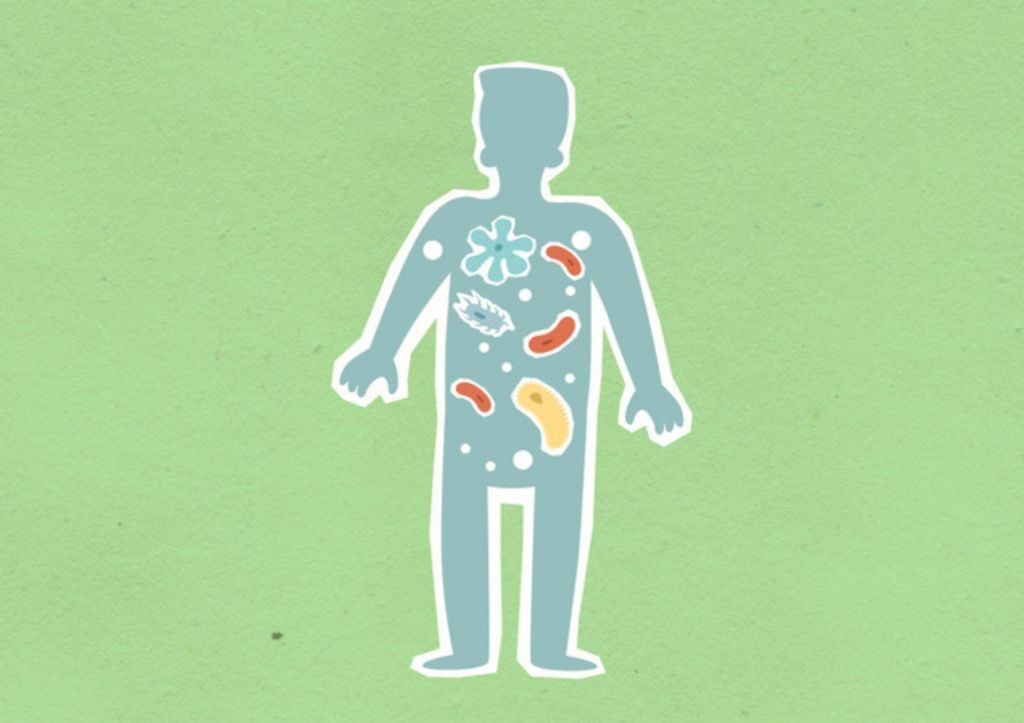
The human body contains trillions of bacterial cells, more than human cells in or on the external surface of the body. These organisms may be symbiotic, commensals and/or pathogens. Some organisms may be symbiotic which when opportunity provides turn into pathogens. Out of the trillion cells, intestinal organisms are more and diverse than any other group of organisms present in the body.
Faecal Microbiota Transplantation:
Faecal microbiota transplantation is the transplantation of stool through the upper gastrointestinal tract. The stool is taken from a healthy donor and transferred to a recipient whose suffering from a disease that is related to an unhealthy gut microbiome.
FMT was first described in 1958. The first use of FMT in western medicine was published in 1958 by Ben Eiseman and colleagues, a team of surgeons from Colorado, who treated people with using faecal enemas, which resulted in a rapid return to health. FMT is delivered through an enteral route through an endoscope, a nasoenteric tube or via capsules.
The mechanism is due to the concept of establishing a new gut microbiota community to restore the normal gut flora. It is based on repopulating the microbiome flora.
FMT is used to treat Clostridium difficile infection (CDI), inflammatory bowel disease (IBD), autoimmune disorders, allergic diseases and may also be used to treat metabolic disorders like obesity.
The faecal material is collected from the donor after screening. the donor collects their stools in a plastic bag. The stool is then diluted with saline and filtered through sterile gauze. The capsules can be made by dilution, blended and then pipetted in the capsule and then sealed by another capsule. Capsules can be used for up to 6 months and should be stored at -80 degree C.
Requirement for donor and recipient are:
Who is a recipient?
should have episodes of mild to moderate infection that has not responded to treatment with antibiotics
have episodes of severe infection, that needs admission
severe infection that did not respond to antibiotics within 2 days
Should not have any immunosuppressive disorders, cirrhosis of the liver or be on immunosuppressive drugs
Donor SHOULD NOT
have had any antibiotics in the last 3 months
be immunocompromised
have any tattooing or body piercing in the last 6 months
have a history of drug abuse
have a history of high-risk sexual behaviour
have a history of any incarceration
have travelled to endemic areas
have any other gastrointestinal disorder such as IBD
FMT can be transferred through the upper gastrointestinal tract. However, the delivery through this route results in an increased risk of vomiting etc. Hence, delivery by capsules seems a more reasonable choice. The capsule delivery reduces the procedure time, cost and risk of complications.
Common side effects of this procedure include bloating and loose stools. FMT is considered a success if the recipient shows no signs of the earlier disease and doesn’t relapse for eight weeks. To ensure proper treatment, some patients require many sittings.
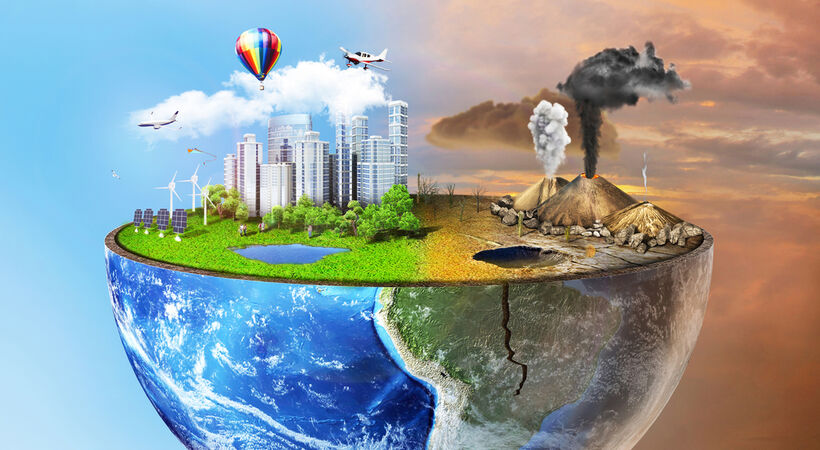
Case study : Effect of global warming on the Sundarban National Park, West Bengal. Methodology:
Description of the problem.
Cause of the problem.
Analysis of the problem.
Control of the problem.
➡Introduction to the problem: The Sundarbans provide important protection against storms and flooding for cities including Kolkata, India, on the Bay of Bengal. But increasing global warming accelerates the sea-level which adversely affects the Sunderbans. This would eliminate the protection they provide against the region’s from the intense tropical storms.
Scientists project that under a high emissions scenario, relative sea-level rise is likely to inundate most of the Sundarbans by mid-century, and could wipe them out by the end of the century.
Mangroves of the Sundarbans prevents the damage caused by the cyclones and storms.
➡Cause of the problem:Global warming is one of the main reasons for the increased sea-level which adversely affects
the mangrove forests. Due to which reserved space is no longer a safe refuge for mangrove forests and their associated species. And other national parks also face damage due to climate change in the form of an increase in invasives, loss of vulnerable species, and changes in species composition. In a few cases, the biome as a whole faces extinction. Climate changes has already begun to have negative impacts on ecosystems and their families.
➡Analysis of the problem:
•Global Temperature Report for 2019 by Berkeley Earth: This is the report by the Berkeley Earth (a California non-profit organization) which clearly shows the continuous increase in temperature of earth in the past years.
•Ecosystem is a cycle which can only be run with balance. Any change in the climate causes imbalance of the ecosystem which causes different natural disasters and global warming is one of the biggest problems which we are facing nowadays.
➡Control of the problem: The only solution to control any of the problems is to keep balance in all the things. The main cause of the bad effects on the Sundarbans is global warming or we say continuous rise in the temperature of the earth which causes rise in the sea-level, cyclones, flooding, storms etc.., which adversely affects the reserved part of mangrove forests and other national parks.
Ways to prevent global warming:-
● Reduce⬇ Reuse⤴ Recycle🔄
● Power your home with renewable energy.
● Reduce excess use of water. There is a solution for every problem. We just need to focus on the problem and prevent rise of
I learnt of Climate change and global warming in high school and just revisited it after 7 years.
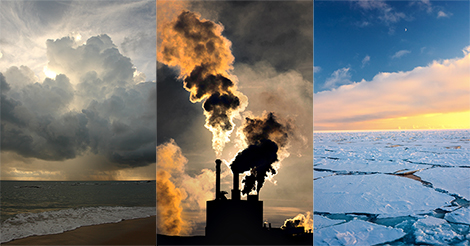
On the 6th of June 2018, Texas was hit by a hail storm – in the middle of a summer. The Artic has lost more than 50% of its ice. Russia, US, Scandinavian countries and many more are already on their way to claim the resource rich seas. The average temperature of the world is higher than ever. The awe that people had when the skies were clearer during the near global lockdown due to COVID-19 was evident. The amazon rainforests are on fire, yes, they still are. The Canadian and European forests are burning faster and earlier than in recorded history. There have been cases of untimely forest fires in India as well, not to forget that a large part of Australian bush wilderness was lost in 2020. To add to this, a million cubic meters of the Gulf of Mexico is dead, Antarctica is browning, Yemen has lesser water than the already no water situation and many countries have brought green energy into their federal budgets. That’s a lot many things happening together.
When I was still a high school student, we had studied about all the important conventions and their goals with regards to the planet – the Kyoto protocol, the Montreal Protocol and so on. Then came the Paris Accords. To add to it was the information that global temperatures must be limited to a degree and half more than the 1950 level or else the planet will go berserk. I don’t know how old the new news is, but the news is that the scientists concluded that there is no way the goal can be achieved. And now we must try to limit the temperature at four and a half degrees above the previously said level to avoid the loss of agricultural lands across the planet.
That is a huge leap of faith for me and maybe for many more people who do not really invest even very small amounts of time to know the news that the planet has to give. We are too occupied with corruption, civil wars and international blame games. To be frank, I try not to waste water, electricity or even throw plastics or dump trash outside a bin or a designated area. I try to walk or cycle and as of now, just lie around in my room for most of the time. And the trouble is, the environmental problems are too large now. Because one, everyone doesn’t carry out the simple acts of being considerate towards the environment and two, the emissions by the rich and the ones not so rich but busy in producing what we consume are too big and have restrictions full of loop holes on them. The environment norms are yet not very sturdy. Sturdy is not strict, rigid and harsh. Sturdy are the ones that help. For instance, to implement rules eliminating the use of fossil fuels based vehicular fuel eliminates the exhaust the vehicles shall produce. However, in most countries, especially the most populated ones in Asia, South America and Africa still produce their energy using fossil fuels. How are these countries going to charge electric vehicles? Using fossil fuels. That in turn means the use of “dirty” energy is itself not eliminated. There are several more examples like the flawed system of Carbon credits and so on.
What can we do? Be more considerate to the world to reduce domestic output of toxins. And to reduce consumption of goods that are harmful to this planet. And google is a sufficient enough aid for knowing which products do that and which don’t.
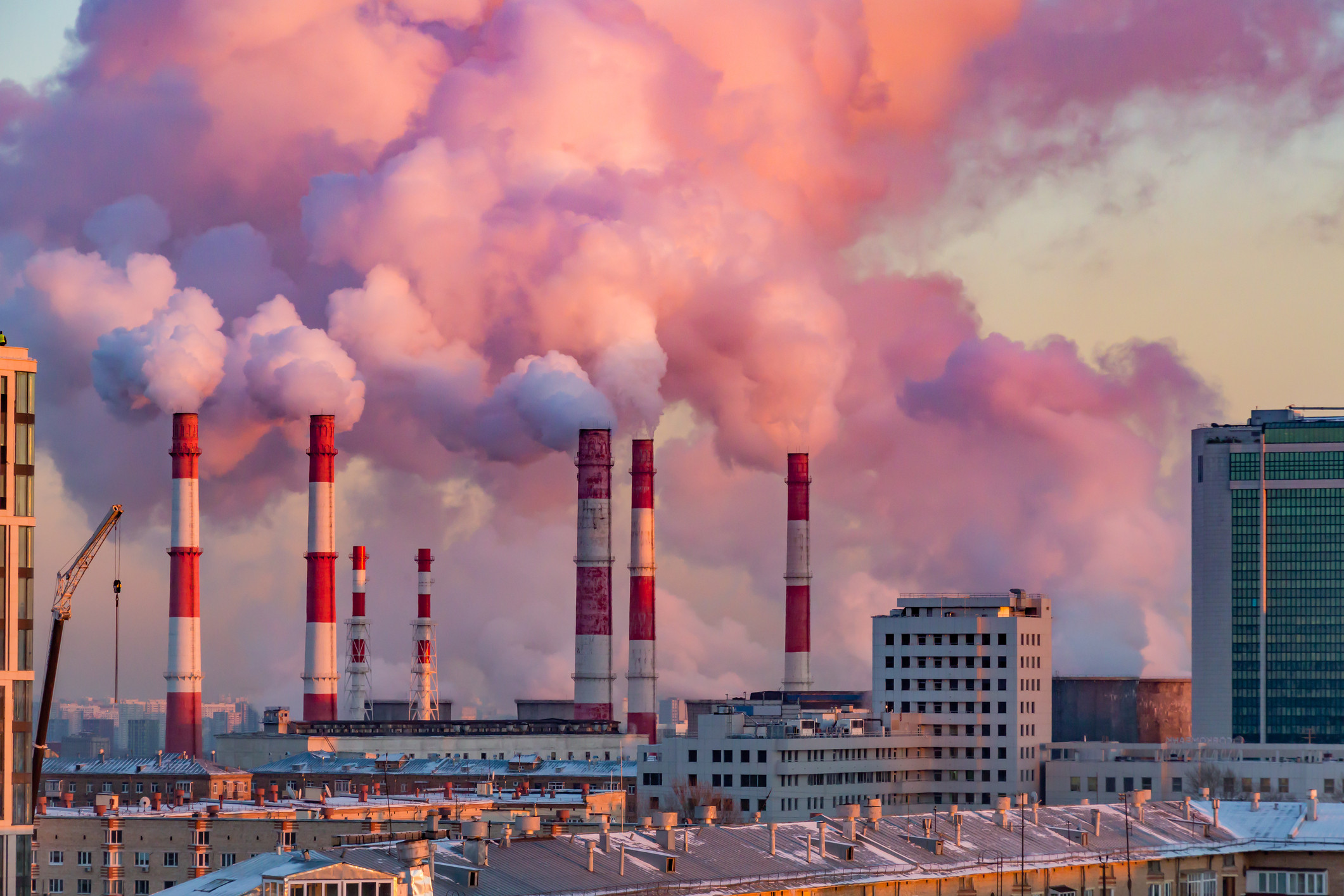
Any undesirable changes in the physical, chemical or biological characteristics of any component of environment i.e. air, water and soil – which can cause harmful effects on various form of life or property are called environmental pollution.
Consequences of pollution
Any favorable unpolluted environment has pertains a specific composition in their component i.e. air, water and soil.
The problem like pollution come into existence due to short-term economic gain over long-term ecological benefits for humanity.
During last few decades we have contaminated badly on air, water and land on which life itself depends with a variety of waste products.
Be the part of Solution , not the part of Pollution…
We can survive without food for a few days, without water for few hours but without air it is impossible to survive for few min.
An average human require about 12 Kg of their each day which is nearly 12 – 15 times greater than the amount of food we eat.
Types
Air pollution
Water pollution
Soil pollution
Marine pollution
Noise pollution
Thermal pollution
Nuclear hazard
Air pollution
Air pollution started from very beginning of human evolution. Hippocrates had mentioned air pollution in 400 BC.
Any undesirable changes in physical, chemical or biological characteristics of any component of the in air which can cause harmful effect on living things is called Air pollution.
Earlier the air pollution is caused only by burning of fire word as a means of cooking and heating.
With the industrial revolution the problem become more serious due to cold burning in the industries and development of Transportation system leads to large amount of petrol and diesel was started utilising in the beginning of 20th century.
Severe air quality problem due to diesel and petrol engines were felt for the first time in Los Angeles in1943.
The gaseous pollutants include oxides of sulphur, oxides of Nitrogen, carbon monoxide, volatile organic compound, Ozone etc.
Particulate pollutants includes smoke, soot, fumes, aerosoles, liquid droplets, Pollen Grain etc.
Radioactive pollutants include Radon222 , Iodine 131, Strontium 19 plutonium 239 etc.
Greatest industrial disaster leading to serious air pollution took place in Bhopal were extremely poisonous methyl isocyanide gas was accidentally released from union carbide pesticides manufacturing plant on the night of 3rd December 1984, the effect of this disaster on human health and the soil are felt even today.
Now we know this tragedy as Bhopal gas tragedy.
The London smog was the major disasters were recorded in 1952 which cause more than 8000 deaths due to accumulation of air pollutants over the city for 5 days.
Primary pollutants – primary pollutants are emitted directly from the point source (natural or human activities).
Five primary pollutants together constitute 90% of the Global air pollution
Carbon dioxide
Carbon monoxide
Sulphur oxide
volatile organic compound mostly hydrocarbon
suspended particulate matter
Secondary pollutants – secondary pollutants formed by the interaction of primary pollutants. example – peroxyacetyl nitrate, smog, Ozone, sulfuric acid, nitric acid, carbonic acid etc.
Indoor air pollution
Many people spend large portion of their time in inside the homes as much as 80% of their life.
We work study, eat, drink, sleep in enclosed environment whereas circulation may be restricted.
Children and Womens are more exposed to rest in indoor air pollution
Burning of dung cake , wood, kerosene for fuel.
Cigarette smoke
Incomplete combustion produce carbon monoxide that are injurious to health.
Chemical fumes from paint and solvents
Chemicals released from Modern building and Furnishing material
First, let me start my article with a question. What will you do in you spare time or free time these days? Everyone would answer that since it is pandemic time we are in home using gadgets in our free time right. Now, this has been the trend these days. Okay, let me put it this way. What will you do in your free time before pandemic. The answer is gadgets only. We have been immersed in the world of gadgets these days. What is a leisure time, guys? It is to make yourselves and your mind to set free of thoughts. But how can we say, using mobile phone in free time set your mind free? Just think about it. Now, let me tell you about the spare time these days and spare time during the late 20’s.
I think the 90’s kids and early 2k kids are the ones who enjoyed their spare time carefree even without a mobile phone. Because the environment and generation they grew up is like that. There will be only button phones those days. These kids in spare time, if they are farming family, those kids would do farming related works such as to feed the cattle, goats etc. If they have no work in their home, they would go out early and come home late in the evening. They would even be scolded those days. Do you have any idea how they spend their time?
Mobile phones those days
They spent their time by playing, cricket, kabbadi, etc., but most of them would play outdoor games. They used to swim in the well, catch fish and eat, roam around the area they live, and so on. Girls would spend their time by playing indoor games like dayam, chess, snake and ladders etc., because most of the girls are not allowed to go out too far. Parents those days never worried about them. But think about it now?
These 2k kids might not know the craze for icecream. Since, I’m an early 2k kid, I know how I waved for eating ice-cream. Also, the ice-cream van would come once or twice a week only. The kids would please their mom or dad, to buy that icecream. The taste in the icecream that we craved for is shown in everyone’s face. Then, if it’s some function or some ritual days, there will always a moving toy shop. The kids would torture their parents to buy them plastic mobile phone, balloon, remote control car etc., The happiness lies in these things. Sorry, 90’s kids, I think I have recalled your past beautiful memories, right? There won’t be private mobile phones for everyone. This is the major advantage I would say. Orelse, will you have those unforgettable memories? Let me ask you one thing. Those 90’s and early 2k kids, did you miss those days?
Now, when we come to talk about the life of children these days. Let me start my talk with a question. If your mom asks you to call neighbour aunt or uncle for something whose house is 200m away. What will you do? I would say you will definitely use your mobile phone to call them. But things aren’t like this those days. The kids now-a-days lives a sophisticated life since childhood so that they don’t know how to face a problem. The kids these days are very sensitive. When you parents say not to use mobile phone often, definitely you would scold them or pick a small fight with them. Parents now-a-days worry about their children so much. They fear what to do if you go in a wrong path. Most of the children won’t go out to play these days. If you ask them, they would say I have allergy or some other silly reasons. Because their entertainment lies in those gadgets like mobile phone, laptop, etc. I didn’t oppose the use of mobile phones but use it to a certain extent and don’t get addicted by that. There may be a chance that the children would go in wrong way while using these gadgets. There are negatives equal to the positives of the gadgets. The games that kids play now-a-days is free fire, pubg, ludo,etc. But they don’t know about indoor and outdoor games. I’m sure that the kids these days would definitely miss their childhood days and that would be the thing they regret in their life. So, kids make your childhood memorable dears!!
Use gadgets limitedly
Spare time is to relax yourselves and make you mind set free from other thoughts or continuous work. These facts fits for elders too! As I said, Since it is like a debate, I will stand on the side of spare time those days (late 20’s). This doesn’t mean that I am against gadgets, but they are just for need. Those gadgets are not life. Okay, we have gadgets now. What will you do one day without gadgets? Guys, you must also know to spend time without gadgets. I hope you will think better and will live a healthy and happy life. Spare time is relaxing yourself not engaging yourselves in gadgets!!!
Many people glamourize jealousy by saying it’s a sign of love. It’s not! It’s a sign of insecurity and reflective of seeing your partner as an object to be possessed. It’s a negative emotion stemming from both desire and insecurity, but not love. Conversely, if you love the fact someone is possessive about you, it stems from your debilitating need to be loved and be taken care of, even at the cost of your freedom
What is Jealousy?
Jealousy and possessiveness are not safe cocoons. It’s a prison where the prisoner has to behave as per the rules and insecurities of the jailor or be punished for it. There is no space or regard for trust, individuality or personal growth. Your love for your partner and your desire to see them happy will be used as a means to whip you into subservience and to force you to bow down to their demons. None of it is healthy, desirable or productive. None of it will create harmony and long term happiness.
To truly love is to trust. To allow those you love to blossom, be the best they can be. To be protective and not possessive because being protective is to care about them and being possessive is all about catering to the self.
Why We Feel Jealous?
Jealousy is often thought of in the context of romantic relationships: a boyfriend who forbids his girlfriend from talking to other men, for instance, or a person who can’t stand to see her old flame post pictures with a new partner on Facebook. But the feeling can occur in almost every type of human relationship—from siblings competing for parental attention to coworkers trying to impress a respected boss.
Although jealousy is a painful emotional experience, evolutionary psychologists regard it not as an emotion to be suppressed but as one to heed—as a signal or a wake-up call that a valued relationship is in danger and that steps need to be taken to regain the affection of a mate or friend. As a result, jealousy is seen as a necessary emotion, because it preserves social bonds and motivates people to engage in behaviors that maintain important relationships.
How to Deal With Jealousy?
Even though it may feel taboo, simply acknowledging jealousy’s presence can both help ward it off in the future and strengthen a relationship in the present. Exploring the emotions that underpin jealousy can inspire self-reflection that may help to develop internal coping skills. Being honest with the other party about jealous feelings can spur productive conversations about what the relationship might be missing and how to repair the bond
Valuable though it can be, jealousy also has the potential to fuel damaging behavior. It can compel someone to obsessively monitor another’s communication, relationships, and whereabouts; attempt to lower their self-confidence; or even behave violently.
FAQs
Why am I so jealous?
Research has identified many root causes of extreme jealousy, including low self-esteem, high neuroticism, and feeling possessive of others, particularly romantic partners. Fear of abandonment is also a key motivator.
Are men more jealous than women?
Men and women both feel jealousy. Some evidence suggests that in the context of romantic relationships, men feel greater jealousy about sexual infidelity (real or perceived), while women tend to feel more jealous about emotional infidelity.
Either Stable burning in various states accrued the air pollution in Delhi and created a gas chamber around NCR ; SC came upon a committee to observe scenario , Or 4 industries inflicting stream pollution were shut down by Maharashtra pollution board . Everybody has responsive to environmental problems as higher than . The key solution for resilience to environmental issues are provided by government in various legislations , enactments and provisions on environment laws .
In republic of India environmental law is concern with the policy and law for protection of the environment . It aims for achieving carbon free economy through taking measures for reducing climate change. All the acts under this laws are safeguards in ensuring effective management of the environment and its multiple ecosystems . It provides for preventing environmental damage .
Natural resources in the earth were unscathed from millions of years. It were remain pure until the industrialized started . After the industrialization this resources have been exploited in Spain of 100 years only . From 19th century, the environment (air , water and land ) is directly exploited by rapidly growing population at alarming-rates.
environment includes water, air and land and the inter-relationship which exists among and between water, air and land, and human beings, other living creatures, plants, microorganisms and property , as mentioned in section 2 of environmental protection Act of 1986 . Environment is a wide sphere , it consists of social, economically , political , religious dimensions .
Addressed area of environmental laws in India :
1. Quality of water : For the prevention and control of water pollution and to maintain or restore wholesomeness of water in the country the water act of 1974 was enacted. It further provides for the establishment of Boards ( CPCB and SPCB ) for the prevention and control of water pollution with a view to carry out the aforesaid purposes. This act prohibits the discharge of pollutants into water bodies beyond a given standard, it also lays down fine and penalties for non-compliance.
2. Reduction of air pollution and maintaining air quality : The Air (Prevention and Control of Pollution) Act, 1981 (the “Air Act”) is an act to provide for the prevention , protection and abatement of air pollution .It provides for establishment of Boards at the Central and State levels with a view to carrying out the aforesaid purposes.
3. Hazardous Waste management : legislations that directly or indirectly deal with hazardous waste management are the Factories Act, 1948, the Public Liability Insurance Act, 1991, the National Environment Tribunal Act, 1995 and rules and notifications under the Environmental Act.
4. Containment cleanup, damage mitigation : preventing future damage to the environment is undeniably the primary objective of environmental law, mitigating and reducing existing damage is also important. This area most often deals with issues like toxic leaks and oil spills. The central objective of this branch of environmental law is deciding liability, planning an appropriate response, and also determining the best process of investigation and monitoring in the overall clean up process. This area also concerns itself with the study and assessment of risk in the long term, to better mitigate any future accidents and risks.
5. Sustainability of resources : United Nations has put great emphasis on ensuring the sustainability of resources. For this vision , it has advocated the formation of various legal principles and legislation. In this regards concept of environmental impact assessment introduced .
Noble legislations and enactments on environment law in India :
Laws on Forest and wild life protection: • The Indian Forest Act, 1927 ; The Wildlife Protection Act, 1972; The Forest (Conservation) Act, 1980 ; The Environment (Protection) Act, 1986; The National Green Tribunal Act, 2010.
Laws on Water pollution : • The Water (Prevention and Control of Pollution) Act, 1974.
Laws on air pollution : • The Air (Prevention and Control of Pollution) Act, 1981 (the “Air Act”)
Laws on hazardous waste management : • Biomedical Waste (Management and Handling) Rules, 1998 ; Municipal Solid Wastes (Management and Handling) Rules, 2000 ; Batteries (Management & Handling) Rules, 2001 ; Hazardous Wastes (Management, Handling and Transboundary) Rules, 2008 ; E – Waste (Management and Handling) Rules, 2011 . Laws on wetlands
•Ramsar convention (1971) : This convention was initiated to push for greater conservation and sustainable use of wetlands ; Wetlands (Conservation and Management) Rules, 2017. Constitutional provisions on environment laws
• Part IVA (Art 51A-Fundamental Duties) of the constitution casts a duty on every citizen of India to protect and improve the natural environment including forests, lakes, rivers and wildlife, and to have compassion for living creatures.
• the Constitution of India under Part IV (Art 48A-Directive Principles of State Policies) stipulates that the State shall endeavour to protect and improve the environment and to safeguard the forests and wildlife of the country.
environment makes human life possible, and our cultural environment helps define who we are. It is therefore essential that our population and economic growth are environmentally sustainable.
Nowadays, obesity has become an enormous as well as fatal health problems. This problem not only in India but in other countries also. Even in United States of America, one out in three adults and one out of five children and teenagers are facing the problems of obesity. In India also, we are sailing in the same boat. Most of the people since childhood fall prey to obesity is most of the countries of the world . In fact, ‘obesity is that condition of the body in which the amount of fat increases at extreme level.’ In other words, obesity can be defined as ‘the condition when an individual weighs 20 per cent or more than the ideal weight. ‘ A child weighing around 30 pounds (approximately 13.600 kg ) or more than the ideal body weight is usually considered an obese. In the state of obesity, the body weight of the individual is always more in comparison to height . Due to a number of health risks of obesity , it has been declared a disease . It has been observed that obese persons usually fall prey to diabetes, hypertension, cardiovascular diseases, cancer, arthritis , osteoarthritis, flat foot, respiratory problems , varicose veins , liver malfunctions , etc .
Generally , the questions arises : What should be the ideal body weight of an individual ? Who is obese and who is not? Different methods are used in various countries to know the obesity of an individual .According to the first method , after having a glance over the shape of the body it can be observed whether he/she is obese or not . But this method cannot be called an appropriate method to know about obesity of an individual because the approval of a society about body shape changes with the passage of time . For example , plump females used to be liked by society in yester century in India . According to the second method , if an individual’s body weight is more than in proportion to height (according to height and weight chart) , the individual will be obese . But this method cannot be accepted as the best method. The third method is a more scientific method . In this method , the body fat percentage is calculated . If the body fat percentage of a person is more than the requirement , he/she will be an obese . This is the most accurate method to know the obesity but it is not easy to apply this method . In comparison to other methods , the weight and height chart is still preferred to know one’s obesity because it is easily available , cheap and easy to use . Another method to know the obesity is BMI (or Body Mass Index ). If you want to know your body mass index , then divide your body weight in kg by your height in meter square viz .
You must be logged in to post a comment.