Health care system in India

• NITI Aayog document – ‘Investment Opportunities in India’s Healthcare Sector’

 Promotes further privatisation of health care
 Explores the pandemic as business opportunity for the health “industry” to grow.
• Author – Importance of public health and an enhanced government role in
health delivery services.
• Story of 2 states (model) Kerala and Maharashtra comparison
 Both are big states – comparable state GDPs
 Kerala COVID mortality – 0.48%
 Maharashtra COVID mortality – 2%.
 Reasons
 Huge differences in the effectiveness of public health systems
 Kerala has more government doctors compared to Maharashtra
 Kerala also has a higher proportion of government hospital beds
 Kerala allocates over one and half times higher funds on public health every year in per capita terms compared to Maharashtra.
 Weak public health system has proved to be a critical deficiency
 Clear message: a neglect of public health systems means large-scale, avoidable losses of lives.

Lacunae in the health care system

  1. Resource allocation
  2. • Central vista project – ₹20,000 crores
  3. • Could be utilised for setting up oxygen plants,
    numerous lives would have been saved.
  4. • Paltry allocation for National Urban health
  5. • Last time allocation – Rs. 1000 crores (amounts to Rs 2 per individual per month)
  6. • Parliamentary Standing Committee – Suggested
    allocating ₹1.6 lakh crores for public health during the current year (almost doubling of the present central health Budget)

2.To regulate the private players in health sector

• High Pricing
 COVID-19 care often costs ₹1 lakh to ₹3 lakh per week in large private hospitals
 Massive hospital bills – untold distress even among the middle class.

• Unregulated drug use
 Eg. Drug Remidesvir was used in COVID patients without valid evidence on
efficacy
 Indiscriminate use of steroids culminated

  • Mucormycosis infections

• Effective implementation of Clinical Establishments (Registration and Regulation)
Act
 Only 11 states have implemented it
 Not effectively implemented due to a major
delay in notification of central minimum
standards, and failure to develop the central framework for regulation of rates.

• In essence : Need to regulate the private
hospitals. And invest more in the public health

Kadambini Ganguly

We have seen a lot of women who overcome the hindrances made by society to a woman. One of them was Kadambini Ganguly, who broke the norms of society and became India’s first female doctor. She was born on 18 July 1861, when India was struggling for her freedom. At that time people were not much aware of the importance of female education. She was also one of the first graduates (along with Chandramukhi Basu). She also became one of the first female doctors of the country who were certified to practice western medicine.

She was in Bhagalpur, Bihar, in a Brahmo family, in 1861. Her family was originally hailed from Barisal (in present Bangladesh). Her father’s name was Braj Kishore Basu. He was a headmaster by profession and participated in several social movements aimed at women’s empowerment. He established the Bhagalpur Mahila Samiti with Abhay Charan Mallick in 1863.

She completed her education at the Bangla Mahila Vidyalaya, and after that, she wrote the entrance examination for the University of Calcutta. In 1878, she became the first Indian woman to clear the entrance. And because of her efforts, Bethune College introduced first arts and then Graduation courses in 1883.

She married a Bramo reformer, Dwarkanath Ganguly. Her ambition was to go to the clinical school but at that in Calcutta Medical College females were not permitted to enter. She and her husband volunteered to change this standard. And in a result, she became the first woman to attempt to get admission to Calcutta Medical College in 1884. She graduated in 1886 and was awarded the Graduate of Medical College of Bengal and made history as the first practicing woman physician with a degree in modern science in the whole of South Asia. She worked for a short period of time at Lady Dufferin Women’s Hospital (her salary was 200 rupees per month). Then she decided to travel to London in 1892 for further education. The reason to leave was strong opposition from her colleagues and administrative staff who believe that this is a male-dominated stream and could not accept a woman entering the mainstream. Apart from this she also contributed to several movements in India’s freedom struggle. She became the first woman to be on the platform at a session of the Indian National Congress. She organized the Women’s conference in Calcutta (1908) and spiked many movements during the partition of Bengal. She also served as the President of the Transvaal Indian Association and worked for the rights of female coal miners in the eastern parts of India. She did not leave her profession as a doctor and continued to practice until her death in 1923.

The 19th century was a period of misogynistic practices such as Sati, Child marriage, and many more, she was truly a torchbearer in terms of providing women access to educational institutions. She is still an inspiration to many women in India who thinks that she cannot reach her goal because she is married or financially weak or having children. She achieved her goal despite all the hindrances. Women like her have always been an example in the society who created hr space for women in the fields which remain traditionally a man’s sphere even in the present day.

In the book ‘How India Wrought For Freedom’, Annie Besant depicted Kadambini as a “symbol that India’s freedom would uplift India’s womanhood”.

Nausea! It could be Cybersickness or Motion sickness

Nausea due to watching fast moving digital images becoming common if you are watching computer generated mayhem in the latest action film or scrolling rapidly on your smartphone, you may start to feel a little off. Maybe it is a dull headache or dizziness or creeping nausea. And no, it is not something you ate.

A peculiar side effect of the 21st century is something called digital motion sickness or cybersickness. Increasingly common, according to medical and media experts, it causes a person to feel woozy, as if on a boat in a churning sea, from viewing moving digital content.

“It’s a fundamental problem that’s been kind of been swept under the carpet in the each industry,” said Cyriel Diels, a cognitive psychologist and human factors researcher at Conventry University’s Centre for Mobility and Transport in England. “ It’s a natural response to an unnatural environment.”

Digital motion sickness, known among medical professionals as usually induced motion sickness, stems from a basic mismatch between sensory inputs, said Steven Rauch, medical director of the Massachusetts Eye and Ear Balance and Vestibular Centre and professor of otolaryngology at Harvard Medical school. “Your sense of balance is different than other senses in that it has lots of inputs,” he said “ When those inputs don’t agree, that’s when you feel dizziness and nausea.”

In the traditional motion sickness, the mismatch of occurs because you feel moment in your muscles and joints as well as in the intricate coils of your inner ear, but you do not see it. That is why getting up on the deck of a ship and looking at the horizon helps you feel better. But with digital -motion sickness, it is the opposite. You see movement -like the turns and twists shown in a movie or video e game car chase that you do not feel. The result is the same: You may have sensory conflict that can make you feel queasy. It can happen to anyone, even if you are someone who is not prone to motion sickness in cars, boats or air r planes. Various studies indicate it can affect 50% to 80% of people, depend ting on the fidelity of the digital con tent and how it is presented. Studies show that women are, more susceptible than men, as are a those with a history of migraines or concussion.

How do you treat cybersickness?


The moment you feel the onset of symptoms, you should take a break from whatever screen you’re looking at. Crowson says you need to give your brain the visual cues that you’re not moving, ideally by looking at the horizon (which, depending on where you live, might not be possible). Even if you can’t see the horizon, anything outside or not moving around you will do.

How do you prevent cybersickness?


Since it’s not realistic to stop looking at screens (unfortunately), we have to find a way to manage our time with them. “Structured breaks are really important,” says Crowson, who recommends 50 minutes on and 10 minutes off your screen. “Even if you’re feeling good at the end of the 50 minutes, it’s still good to take that 10 minutes off, especially if it’s been a trigger before.”

Since screens aren’t disappearing from our lives anytime soon, your best bet to avoid cybersickness is to keep up with those breaks even if it’s for a walk, to stretch, or to look outside the window. Chances are you need it.

How To Stop The Habit Of Negative Thinking

The further we let ourselves think negatively then the more we will think negatively and it will become all the more difficult to stop that thought pattern. However, thinking positively all the time is not the answer to defeating negative thinking. It is plausible to have fewer negative thoughts and reinterpret those thoughts in a more rational way.

The way to control negative thinking so that it would not become a bad attitude about life is to understand that negative, cynical, or disparaging thoughts are common among most individuals. Being harsh on oneself isn’t the answer, and neither is finding a good response to every negative thought. If you’ve had a bad day, you can state that it was a tough day. If you have a disagreement with somebody, you could be correct in believing that they have been treating you unfairly. We don’t have to make negative ideas unacceptably common.

But, if you realise that perhaps the majority of your recent thinking has been pessimistic and it is proving to be increasingly difficult to remain cheerful or positive, it may be time to attempt to put your thoughts into balance. You surely wouldn’t want to sour every scenario by dwelling on the negative attributes. If we let negative thoughts overwhelm us, we may find it more difficult to relax, be nice to others, and be appreciative of our life experiences.

Here are some ideas to help you keep negative thoughts under control:

Allow negative thoughts to come and go

Let yourself think negatively. Resist from retorting that you must not think that way. Recognize the notion, and then just let it go. Your thoughts do not represent you or your situation. Many individuals consider their thoughts as balloons that drift away as quickly as they are formed. You don’t really have to give every thought equal value or allow it to determine every prospective circumstance.

Be actively involved in your expression of appreciation

Whatever type of day you’re experiencing, make some time to reflect on some things you’re grateful for. It could be as simple as the cup of coffee you’re sipping or the fact that it’s Friday. If you practise gratitude even when you’re not struggling, then you will be able to recall what it was you were appreciative for when things go tough.

Avoid thinking in terms of all or nothing

Extreme thinking inhibits us from dealing with each circumstance on its own terms. The constant use of terms like “never” and “always” makes it difficult for us to understand that things change with time and that we really do not wish to foresee the future. Rather, use terms like “frequently” or “sometimes.”

Keep your expectations in check

We frequently anticipate situations to go a certain way and sometimes they don’t. We are then dissatisfied, which is quite natural. Which is why we should avoid placing too many precise expectations on a particular type of result that we cannot foresee. We don’t know whether or not relationships will pan out the way in which we want them to. We can’t be sure whether a job will be a good fit for us or not. Everything might appear to be going smoothly before something unexpected happens. When we have preconceptions about just how things are going to turn out, we are much less equipped for surprises.

Letting ourselves experience all of our emotions without turning them away ensures that even if we are dissatisfied, we understand everything will turn out just fine. We can withstand a circumstance even though we are upset, unhappy, or dubious about it. Allow your ideas to linger and be deliberate in appreciating the good in your life. You’ll find that you can manage anything and that your negativity now seems to be under control.

We all have unpleasant thoughts from time to time. We’re having an awful day, and it seems like the entire universe is conspiring against us. We start believing that everything is more difficult for us, that life is unjust, or that other people do not even have our best interests at heart.

The further we let ourselves think negatively then the more we will think negatively and it will become all the more difficult to stop that thought pattern. However, thinking positively all the time is not the answer to defeating negative thinking. It is plausible to have fewer negative thoughts and reinterpret those thoughts in a more rational way.

The way to control negative thinking so that it would not become a bad attitude about life is to understand that negative, cynical, or disparaging thoughts are common among most individuals. Being harsh on oneself isn’t the answer, and neither is finding a good response to every negative thought. If you’ve had a bad day, you can state that it was a tough day. If you have a disagreement with somebody, you could be correct in believing that they have been treating you unfairly. We don’t have to make negative ideas unacceptably common.

But, if you realise that perhaps the majority of your recent thinking has been pessimistic and it is proving to be increasingly difficult to remain cheerful or positive, it may be time to attempt to put your thoughts into balance. You surely wouldn’t want to sour every scenario by dwelling on the negative attributes. If we let negative thoughts overwhelm us, we may find it more difficult to relax, be nice to others, and be appreciative of our life experiences.

Here are some ideas to help you keep negative thoughts under control:

Allow negative thoughts to come and go

Let yourself think negatively. Resist from retorting that you must not think that way. Recognize the notion, and then just let it go. Your thoughts do not represent you or your situation. Many individuals consider their thoughts as balloons that drift away as quickly as they are formed. You don’t really have to give every thought equal value or allow it to determine every prospective circumstance.

Be actively involved in your expression of appreciation

Whatever type of day you’re experiencing, make some time to reflect on some things you’re grateful for. It could be as simple as the cup of coffee you’re sipping or the fact that it’s Friday. If you practise gratitude even when you’re not struggling, then you will be able to recall what it was you were appreciative for when things go tough.

Avoid thinking in terms of all or nothing

Extreme thinking inhibits us from dealing with each circumstance on its own terms. The constant use of terms like “never” and “always” makes it difficult for us to understand that things change with time and that we really do not wish to foresee the future. Rather, use terms like “frequently” or “sometimes.”

Keep your expectations in check

We frequently anticipate situations to go a certain way and sometimes they don’t. We are then dissatisfied, which is quite natural. Which is why we should avoid placing too many precise expectations on a particular type of result that we cannot foresee. We don’t know whether or not relationships will pan out the way in which we want them to. We can’t be sure whether a job will be a good fit for us or not. Everything might appear to be going smoothly before something unexpected happens. When we have preconceptions about just how things are going to turn out, we are much less equipped for surprises.

Letting ourselves experience all of our emotions without turning them away ensures that even if we are dissatisfied, we understand everything will turn out just fine. We can withstand a circumstance even though we are upset, unhappy, or dubious about it. Allow your ideas to linger and be deliberate in appreciating the good in your life. You’ll find that you can manage anything and that your negativity now seems to be under control.

EYE GLASSESS OR LENS ??

Whether you choose to wear eyeglasses or contact lenses for vision correction mostly depends on personal preferences. Lifestyle, comfort, convenience, budget and aesthetics should all factor comes into your decision-making process.

I can just say what is the pros and cons of each in order to make you analyze things in more systematic manner.

WHY EYEGLASSESS ?

Pros :

  1. Eyeglasses offer many benefits over contact lenses.
  2. They require very little cleaning and maintenance, you don’t need to touch your eyes to wear them .
  3. Glasses are cheaper than contact lenses in the long run since they don’t need to be replaced as often.
  4. They can adjust the amount of light entering your eye for optimum comfort and vision.
  5. Eyeglass lenses block 100% UV and protect not only the inside of the eye from UV, but the exterior of the eye and eyelids as well.
  6. Wearing glasses reduces the need to touch your eyes, which in turn reduces the likelihood of irritating your eyes or developing an eye infection.
  7. If you have dry or sensitive eyes, glasses won’t exacerbate the problem like contact lenses can.

Cons:

  1. Some people don’t like how they look in glasses and feel it detracts from their facial aesthetics or hides their features.
  2. Some frames can exert constant pressure on your nose and behind your ears, leading to headaches and general discomfort.
  3. Your vision can be obstructed or blurred when they fog up in cold weather.
  4. If you have a strong prescription, your glasses might make your eyes appear unnaturally minified or magnified.
EYE GLASSES

WHY LENS ?

Pros:

  1. Contacts conform to the curvature of your eye, providing a wider field of view and causing less vision distortions and obstructions
  2. Contact lenses don’t get in the way when playing sports and exercising.
  3. Contact lenses won’t clash with what you’re wearing.
  4. Contacts typically aren’t affected by weather conditions and won’t fog up in cold weather like glasses.
  5. If you want to see how you would look with a different eye color, you can experiment with color contact lenses.
  6. Some contact lenses can reshape your cornea while you sleep. Overnight orthokeratology (Ortho-k) temporarily corrects myopia, so you can see clearly the next day without the need for glasses or contacts.

Cons:

  1. If you work at a computer often, wearing contact lenses will likely contribute to symptoms of computer vision syndrome.
  2. Contacts require proper lens care and lens case cleaning each day, to avoid potentially serious eye infections. 
  3. It doesn’t block UV rays as much as eyeglasses.
  4. If you accidentally fall asleep while wearing daily wear contacts, your eyes typically will be dry, gritty, red and irritated when you wake.
  5. Contact Lenses are costlier as it has to be changed periodically
  6. It doesn’t protect you from wind and dust instead it will make eye irritated.
  7. They don’t adjust light entering into your eye.
LENS

Nutrition can help prevent these diseases

Some may wonder why it is so vital to eat well. What are the advantages of eating a well-balanced diet that includes nutrient-dense foods that are low in calories? One of the key health benefits is illness prevention. Here are a few reasons why your health may be affected by your diet.

OBESITY

Obesity has been connected to an underlying factor in many other health disorders, such as cardiovascular disease and diabetes, and is directly tied to food. High-calorie meals and sedentary lifestyles are primarily to blame for these figures. Obesity is a big concern among seniors, who tend to become less active as they get older. Getting to and maintaining a healthy weight, on the other hand, is simple with the appropriate nutrition. Weight gain can be avoided by avoiding foods heavy in saturated and trans fats, as well as dishes with a lot of sugar. Instead of processed foods, people should eat whole grains, fruits, and vegetables.

More than 33% of people in the United States are obese, according to the Centers for Disease Control and Prevention.

DIABETES

Type 2 diabetes is on the rise worldwide, according to the WHO, which may contribute to the development of other illnesses such as renal and heart disease. Type 2 diabetes is primarily caused by consuming too much sugar, which can cause a person’s glucose levels to become erratic. People can reduce their risk of diabetes by avoiding processed baked goods, desserts, and sugary beverages like soda and fruit juice, according to Helpguide.org. Choose fruits, healthy grain cereals with low sugar content, and dark, leafy greens instead.

CANCER

Certain forms of cancer can be avoided by following a healthy diet. Keeping your body at a healthy weight will help you avoid malignancies of the breast, kidney, oesophagus, uterus, colon, and rectum. According to the American Cancer Society, 1,658,370 new cases of cancer will be diagnosed in 2015. Including a variety of fruits and vegetables in your diet can help reduce your risk of developing cancer. Focus on foods like soy beans, which, according to Helpguide.org, have been linked to a reduced risk of breast cancer.

CARDIOVASCULAR DISEASE

Cardiovascular disease kills more people than all forms of cancer combined, according to The Heart Foundation. There are many different types of cardiovascular diseases, but the most common is coronary heart disease. Fortunately, according to the World Health Organization, appropriate nutrition can minimise a person’s risk of acquiring this disease. Unbalanced diets or diets heavy in lipids and cholesterol can increase a person’s risk significantly. People can avoid heart disease by avoiding diets heavy in saturated and trans fats, as well as cholesterol, and instead opting for meals high in polyunsaturated fats, such as omega-3 fatty acids. It’s also a good idea to eat a lot of fruits and vegetables, healthy grains, and low-sodium dishes. A person’s blood pressure can be reduced by avoiding salt, which is a key factor in cardiovascular disease.

OSTEOPOROSIS

One of the leading causes of bone and fragility fractures is osteoporosis, a condition in which the bones become porous. This illness causes 8.9 million fractures each year, according to the International Osteoporosis Foundation. Fortunately, eating well can help you maintain good bone health and lower your chance of fracture. Vitamin D and calcium, two minerals that contribute to the formation of healthy bones, should be consumed at the recommended daily levels by older people. The National Institutes of Health recommends that you have at least 500 milligrammes of calcium and 600 international units of vitamin D every day. Regular physical exercise, in addition to a balanced diet, can help with bone health.

General knowledge

General knowledge is very important in everyone’s life. The person without the knowledge is like the bird without the wings. It is very important to know what is happening across the world. So, it is very important to attain the general knowledge. To grab general knowlede, an individual must follow some of the techniques like reading books, articles, magazines, newspapers etc.

The newspaper consists of all the important things like the business purposes, sports, entertainment, some interesting puzzles, Hindi habits, food recipes, Current affairs etc.

Reading newspaper is an important thing because whenever an individual comes across a motivational thing, he or she will be motivated and focuses on the particular aspect. The individual will get to know the current affairs. The person will get a good grip on the general knowledge. solving puzzles improves the skills of the person. Reading about the healthy habits in the newspaper makes the individual to go for good and healthier meals.

Reading newspaper is very important because gives the chance to know what is happening around us. Early in the morning or evening whatever the time maybe, sparing at least 10 to 15 minutes of time on newspaper is a very good habit that an individual can develop.

The newspaper consists of all the important things like the business purposes, sports, entertainment, some interesting puzzles, Hindi habits, food recipes, Current affairs etc.

In one of the other way the individual develops good habits and focuses more on what they are trying to do.

Individual Differences :

Intelligence :

High scores on tests of general knowledge tend to also score highly on intelligence tests. IQ has been found to robustly predict general knowledge scores even after accounting for difference in age, and five factor model personality tarits. However, many general knowledge tests are designed to create a normal distribution of answers, creating a bell shaped curve.

General knowledge is also moderately associated with verbal ability, though only weakly or not at all with numerical and spatial ability. As with crystallized intelligence, general knowledge has been found to increase with age.

Long term semantic memory :

General knowledge is stored as semantic memory. Most semantic memory is preserved through old age, though there are deficts in retrieval of certain specific words correlated with aging. In addition, stress or various emotional levels can negatively affect semantic nemory retrieval.

Personality :

People high in general knowledge tend to highly open to new experiences and in typical intellectual engagement. The relationship between openness to experieñce and general knowledge remains robust even when IQ is taken into account. People high in openness may be more motivated to engage in intellectual pursuits that increase their knowledge. Relationships between general knowledge and other five factor model traits tend to be weak and inconsistent. Though one study found that extraversion and neutroticism were negatively correlated with general knowledge, others found that they were unrelated.

Predictor of achievement :

A number of studies have assesses whether performance on a general knowledge test can predict achievement in particular areas, namely in academics, proofreading and creativity.

Academic achievement :

General knowledge has been found to predict exam results in a study of Britush schoolchildren. The study examined congnitive ability and personality predictors of exam performance and found that general knowledge was positively correlated with GCSE english, mathematics, and overall exam results. General knowledge test scores presicted exam results, even after controlling for IQ, five factor model personality traits, and learning styles.

Proofreading :

General knowledge has been found to robustly predict proofreading skills in univeristy students. A study found that proofreading had a larger correlation with general knowledge than with general intelligence, verbal reasoning, or openness to experience. In a multiple regression analysis using general knowledge, general intelligence, verbal reasoning, five factor personality traits, amd learning styles as predictors, only general knowledge was a significant predictor.

Creativity

General knowledge has been found to have weak associations with measures of creativity. In a study examining contributions of personality and intelligence to creativity, general knowledge was positively correlated with tests of divergent thinking, but was unrelated to a bigraphical measure of creative achievemnet, self- rated creativity, or a composite measure of creativity. The realtionship between general knowledge and divergent thinking became non- significant when controlling for fluid intelleigence.

Game shows and Quizzes :

Many game shows use general knowledge questions for entertainment purpose. Game shows such as who wants to be a Millionarie? and fiteen to one centre their questions on general knowledge, while other shows focus questions more on specific subjects. Some show ask questions both on specific subjects and on general knowledge .

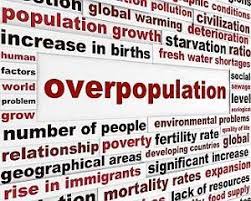
Overpopulation: Cause and Effect

Debates concerning overpopulation may rapidly turn contentious because they raise the question of who is to blame for the problem and what, anything that, should be done to address it. Numerous population experts are concerned that debates about overpopulation will be exploited by small-minded people who claim that some humans are “right people” to be on the planet and others are the “wrong people” (typically people living in poverty, people of colour, foreigners, and so on). However, there are no “right” or “wrong” individuals on the world, and debating the issues of global overpopulation should never be used as a justification or as a platform for such a discussion.

Every human being has a legal right to an adequate and equitable share of the Earth’s resources. However, with a population reaching 8 billion, even when everyone chose a comparatively low materialistic quality of life, the Earth would still be pushed to the brink of ecological disaster. Furthermore, the “average individual” on Earth consume at a pace that is more than 50% more than what is feasible. Surprisingly, the average American consumes over five times more than the planet’s sustainable output.

If we are using the word “overpopulation,” we explicitly imply a scenario in which the Earth’s resources cannot be replenished each year due to the world’s population. According to specialists, this has been the situation every year since 1970, with each succeeding year growing increasingly harmful. To help moderate this highly unsustainable scenario, humans have to understand what is causing overpopulation and overconsumption, as well as how these patterns influence everything from climate change to sociocultural instability.

THE CAUSES OF OVERPOPULATION:

The Earth now has a population of over 7.8 billion people. And according to United Nations, the world’s population would reach 10.8 billion by 2100, assuming sustained fertility decreases in many nations. Surprisingly, if more progress can be made in women’s reproductive self-determination and fertility decreases faster than the United Nations predicts, the population in 2100 may be a relatively smaller 7.3 billion.

For the time being, the world’s population continues to grow at a rapid pace (approximately 80 million people per year), and our supply of critical nonrenewable resources is depleting. Many variables, including declining death rates, underused contraceptives, and a poor education for females, contributes to these unsustainable trends.

FALLING MORTALITY RATE:

An imbalance between births and deaths is the fundamental (and arguably most visible) driver of population increase. According to the World Health Organization, the worldwide infant mortality rate has dropped, with 4.1 million newborn deaths in 2017 compared to 8.8 million in 1990. Of course, this is good news for public health.

At the same time, people are living longer lives all across the world. Those of us alive now will most certainly live far longer lives than most of our forefathers. Because to advances in medical, technologies, and hygiene practices, global average life expectancy has more than quadrupled since 1900. Falling death rates are also nothing to grumble about, but universal lifespan contributes to the math of growing population numbers.

UNDERUTILIZED CONTRACEPTION:

According to the UN Population Division, the worldwide fertility rate has consistently declined over the years, falling from an average of 5 children per woman in 1950 to 2.4 children per woman now. Along with that encouraging trend, worldwide contraceptives use has gradually grown, going from 54 percent in 1990 to 57.4 percent in 2015. Nonetheless, contraceptives usage is underused in general. According to the World Health Organization, an estimated 214 million women in poor nations who wish to avoid pregnancy do not use contemporary contraception.

These women are not taking contraception for a number of reasons, including societal norms or religious beliefs that prohibit birth control, misunderstandings about negative side effects, and a lack of autonomy for women to make sex and family planning decisions. Between 2010 and 2014, an estimated 44 percent of pregnancies were unplanned. Giving more women access to and control over family planning options might go a long way toward flattening the population curve.

THE EFFECTS OF OVERPOPULATION:

It seems to reason that as the world’s population grows, so will the demand on resources. Higher population equals more demand for food, water, housing, energy, healthcare, transportation, and other necessities. All of this consumption adds to environmental degradation, increasing conflict, and an increased likelihood of large-scale calamities such as pandemics.

ECOLOGICAL DEGRADATION:

Population growth will undoubtedly generate pressures that will result in increased deforestation, diminished biodiversity, and increases in pollution and emissions, all of which will worsen climate change. Eventually, many experts think that unless we take action to assist prevent future population increase in the duration of this decade, the extra pressure on the planet will lead to ecological upheaval and breakdown so extreme that it affects the survival of life on Earth as we know it.

Garbage and pollution on beach

Each spike in the global population has a measurable impact on the planet’s health. According to estimates a family having one fewer child could reduce emissions by 58.6 tonnes CO2-equivalent per year in developed countries.

INCREASED CONFLICTS:

Scarcity caused by environmental damage and overpopulation has the ability to promote violence and political upheaval. Warfare over water, land, and energy resources is already taking place in the Middle East and other places, and the unrest is certain to worsen as the world population rises.

HIGHER RISK OF DISASTERS AND PANDEMICS:

Some of the recent new diseases that have wreaked havoc on humans throughout the world, such as COVID-19, Zika virus, Ebola, and West Nile virus, emerged in animals or insects before being transmitted to humans. Part of the reason the globe is approaching “a time of heightened outbreak activity” is because humans are demolishing natural habitats and coming into more frequent contact with wild animals. Now that we’re in the grip of a pandemic, it’s apparent how impossible it is to maintain social distance in a globe populated by over 8 billion people.

WHAT CAN BE DONE?

When tackling overpopulation, it is critical to use an empowerment-focused strategy while organising against anybody promoting the use of compulsion or violence to solve our issues. The combined efforts of expanding family planning information, enhancing women’s autonomy, and refuting commonly held contraceptive misconceptions will have a significant impact on the world’s population trajectory.

At Population Media Center (PMC), we observe firsthand how raising knowledge about family planning options and the environmental and economic benefits of having fewer families may influence reproductive behaviour. Listeners to our Burundian radio show Agashi (“Hey! Look Again!”), for example, were 1.7 times more likely than non-listeners to verify that they were willing to negotiate condom use with a sexual partner, and 1.8 times more likely to say that they generally approve of family planning for limiting the number of children.

At PMC, we use the power of storytelling to inspire listeners to live healthier and more affluent lives, which helps to stabilise the global population and allows people to live sustainably with the world’s renewable resources. Discover how PMC is combating overpopulation right now!

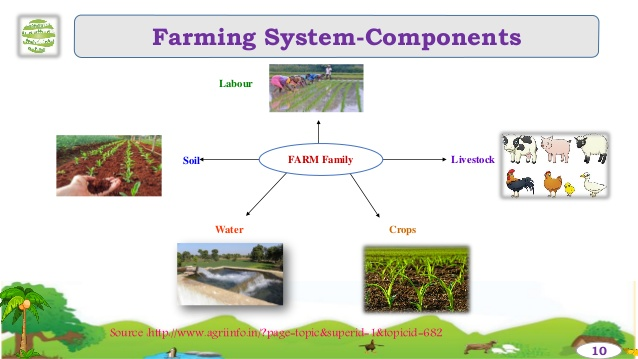
Let us respect farming and farmers!!

                                                 IMPORTANCE OF AGRICULTURE

Farming plays a major role to the life of any human being. Without food, life on earth is not possible as hunger will consume every human and living being on this earth. Each and every modern food like pizza, burger, sandwich and nuggets and many more have atleast one primary content of cereal in it.

 This sector is the primary factor for any economical balance and system of a country. Agriculture is commonly called as the backbone of any nation as it supports the important necessity factor of any country. Provides employment for various industries and population in an enormous rate that can be guaranteed for sure.

If the farmer is poor then so is the whole country”.  – Polish Proverb

Agriculture is the only platform that proves to provide self-employment and opportunities for others also. A smart way of farming can help you earn more than a lakh a month with organic based products alone. It’s stream also associates with rearing of farm animals, and sea creatures along with livelihood of many families. In rural sides, the basic establishment is agriculture to run their family.

There maybe sophisticated industries uprising and converting the society into a digital world, but a farmer can never be replaced or compared with anyone as they are preferred as gods to fulfill our stomach on time.

The farmer is the only man in our economy who buys everything at retail, sells everything at wholesale, and pays the freight both ways”.      – John F. Kennedy

There are critical situations where farmers lose hope on their passion and life resulting in suicides. These corporates also play a role in controlling vast area of these fields and demolishing but these issues became outdated inspite of protesting it.

An agricultural life is one eminently calculated for human happiness and human virtue”.    – Josiah Quincy

It can be considered as the India is the ancient and first nation to spread the cultivation process all over countries by exporting them also encouraging friendly nations to produce their paddy or farming.

An independent, stress-free job only with your hardwork and knowledge about effective production for each variety of seed, you succeed with your outcome.

Certain kind of insults and discriminations are made in every step of their life denoting their passion as if some kind wrong act to stabilize certain dignity of higher caste forgetting about the reality as farmers are rulers of any nation.

To understand the present let me take you to an incident, “Imagine a situation where you have to just drink water and tolerate your hunger, you can adjust for a day or even one week but your health will gradually decrease since as a defect to fulfil hunger”.

Our health is balanced and nutrition is maintained because of the benefits of various pulses and grains that supports life force of every species. So, try to support and cultivate the habit of encouraging it to younger generations as they need to respect and know the importance played by this sector in a nation’s economy.

           “If farmers fail to keep hands on land, we can’t keep hands on food/rice

Try creating awareness and modify of vision towards farmers to appreciate them at right work which is forgotten by us mostly. Helping a farmer is like feeding a thousand children while they are hungry. Do support agriculture and respect as mere humans to maintain humanity.

The things must be told to every single child to know the value of farming to be recognized and adopt this as their passion in upcoming future.

Yes. We can fight it .

With the onset of the pandemic many lives have changed drastically. These changes have predominantly broken many and pushed some, into a state of stagnancy. The active life of man has been hindered by this invisible enemy.  Now we find people busying themselves with the world of virtual reality and has accepted as if it were familiar and ordinary.

But this swapping of the worlds has seriously affected its inhabitants especially, the younger generations. They are been confined into the limited space of their rooms which becomes their home, school, playground, etc. They have lost the touch with the outside world, which made them to communicate with other human beings of their age, they no longer play with them or have any fun associations with others. The constant exposure to the technological gadgets in the form of mobiles and computers have ruined the happiness of their glorious time. This cloistered lifestyle has many bad effects, one of which is the Suicides. It is alarmin to see the number of suicidal cases increasing day by day.

Who are the most effected?

Suicidal tendencies do not find its victims with any benchmarks of age, gender or race. To answer it more clearly, everyone one is equally susceptible to self- destruction and it ultimately depends on one’s happiness, which is medically termed as Depression.

What are reasons by which our happiness gets reduced?

The reasons could be many, but within the young people, the following are the commonly found reasons:

  • Having a psychiatric disorder, including depression
  • Loss or conflict with close friends or family members
  • History of physical or sexual abuse
  • Problems with alcohol or drugs
  • Physical or medical issues, for example, becoming pregnant or having a sexually transmitted infection
  • Being the victim of bullying
  • Being uncertain of sexual orientation
  • Reading or hearing an account of suicide or knowing a peer who died by suicide

How to deal with it?

  • Do not suppress your feelings and emotions. Let it out to someone you trust.
  • Do not be a recluse while dealing with a problem, engage yourself with some creative processes like doing something that is useful.
  • Do something that gives you pleasure. For instance, painting, music, dance, reading and many more. Do not use this advice, as an excuse for doing anything as you wish. The activities should be selected in terms of their positive effect on the doer.
  • If you are a believer, practice prayers. No matter what religion you follow, pray to the God, that you believe in. Because prayers are the excellent source of meditation, it has the capacity to sooth mind. This will eventually help you to retain the faith in your own Self.
  • Try to remain positive. Sufferings are boons in disguise. It is one of the ways to work out the effect of past actions. Learn a lesson from sufferings.

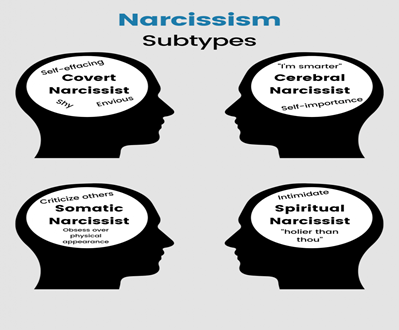
Narcissistic Personality Disorder

                                                      Information regarding NPD to be aware of

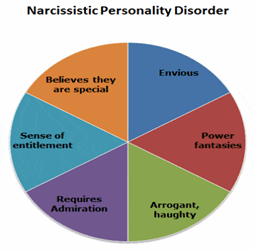
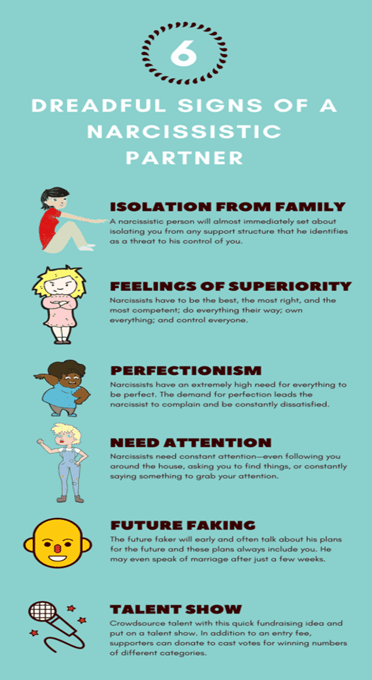
A typical kind of mental disorder among several personality disorders. This enhances them to behave in a self-caring way also can be called as ‘self-love’ where they consider mostly about them alone. They will be longing for popularity and respect accompanied by the interest for committing in relationships and lack of attention for others’ emotions.

They get embarrassed because of things that isn’t happening whatever they dream off which becomes primary obstacle for them in life. Their meek expressions/actions are a kind of awful sometimes according to circumstances that makes annoyed.

  • Narcissistic meaning 

 People become mad of their physical appearance and care intensively for their commitments over thinking them repeatedly. Their sense of quick annoyance breaks their bonds often leaving them under loneliness. Their stressful alone life makes them still weaker and lose their thinking ability (IQ).

  • Narcissistic definition

  Person with a very sensitive character who requires admiration from public with a stable and long life of happiness without sorrows being with outmost self-care on themselves that drives them crazy thinking about it constantly without succeeding them. They are outspoken and unbearable ones so their links are loosened.

  • NPD

It is a kind of advanced and serious stage of person when they get stressed more for their never-ending desires or prolonged needs. But their inner voice language of their own considers as a empty one with none to trust or to relay on.

It can be observed that nearly 5% of every society and community has people with this effect. They subconscious mind has lost control because of the heart feelings causing trouble for their connections. It will arise when you face situations in a childhood stage or as a teenager.

  • Narcissist Behavior

They behave in an arrogant and uncontrollable way that seems endless to bring them to consciousness. To take advantage over your peers to reach your height of dreams. Also hesitating to consider others requirements to be done which reflects a brutal behavior, as if using them as a slave for own purposes and throwing away.

 Admiring about being more like a god in all attributes like attraction, popularity, brilliance etc. Especially elders lose control if they have this disorder failing to focus on reality and truth.

  • Signs of narcissist

It can be found out by a bit of diagnosis by questioning on various general ideas that makes the affected person reveal the true identity as they speak out to all the random topics asked by the psychotherapist driving them to distress.

 Also, the conditions of your heath will act as an evidence of this disorder. It is a hereditary disorder so you can try figuring it out by consulting a psychotherapist as it may add new features to you character taking you to a worst mentality.

  • Complications of NPD

People can find absolute troubles to maintain their positivity and relationship among their own surroundings as a vulnerable act getting exposed to drugs or drinks as a support to overflow your emotions initiated by depression and thoughts of suicidal acts.

  • Causes of NPD

The traces of this disorder are not accurate somehow as it develops in people due to various factors

  1. The incidents that have tear you apart in life (like physically or verbally)
  2. Betrayal of your beloved ones especially friends or parents and
  3. Due to physical appearance or temperament 
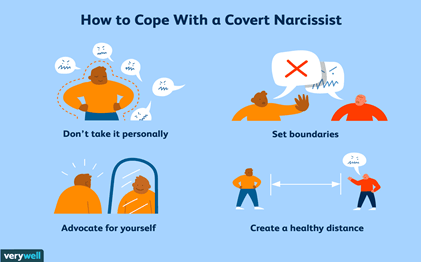
  • Remedies of narcissistic personality disorder

The relief out of this disorder is to treat you under a psychologist for longer duration of years since it is the only permanent solution to change your attitude and wake up your consciousness to interact with people more reliably in a positive and healthy manner. Try using some drugs prescribed by doctors that relaxes your depression and enhances your mood by stabilizing it preciously.

This is just like a side-effect of our stress of over thinking and reacting to certain intolerable incidents but surpass them by sharing and forgiving things instead of caring about what can’t be undone. Try to unjust and undergo things as nothing is permanent in life.

Life is a track where you have to take turns to travel your journey and admit to face your reality but it never lets you travel back

Concentrate on some other things to divert your focus on what you lost. Use your pain to gain your success instead of allowing it to consume you.

  • Help yourself to cope up and to recover from instances share things that will make you light and opt for things that will make you prosper in life.
  •  People might help you out if you share your pain with them. So be good and do good to gain good things in life….

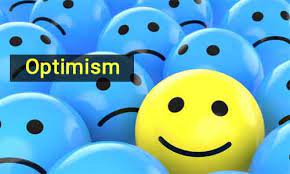
Want to be a optimist?! That’s Easy!!

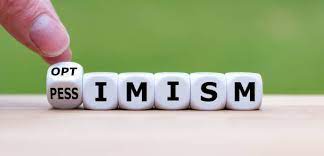
Are you a person lacking confidence and hope in everything? Trying hard to be an optimistic person? It’s very easy. Let’s see how to be optimistic in everything through this article.

WHO IS A PESSIMIST?

A pessimist is a person who thinks the worst side of anything or they have a thought that they can’t do it. These pessimistic thoughts came from fear to do something. They often focus on the negative side or an unfavorable situation rather than thinking about what is going right. A pessimistic person is more likely to notice problems or it may cause anxiety to them. These types of people may have depression because of this. If we want to know clearly, it is a personality trait. These pessimistic persons wouldn’t believe anyone because they don’t know whether those persons have good intentions. To put it simply, they don’t believe anyone firmly.

According to research, pessimism is associated with the right hemisphere of the brain and the lower self-esteem was also associated with the right side of the brain. Though pessimism is a perspective that affects the general worldview, it is not an unchangeable trait that can’t be changed throughout the lifetime. A pessimistic person can also be optimistic like others.

” A pessimist is an optimist in full possession of the facts “.

– Arthur Schopenhauer

COME ON; LET US BE OPTIMISTIC!

Till now, we saw about pessimism; Being optimistic is a wonderful thought that make us feel self-confident and self- aware. As we saw, pessimism is connected to the right side of the brain and optimism is connected to the left side of the brain. But we should know that both the right and left brains are necessary to maintain a healthy state. Yes, both optimism and pessimism are related to each other and necessary to maintain a healthy life. But sometimes, the pessimistic thoughts may come upon the optimistic thoughts. The only thing is we should control our pessimistic thoughts.

Why You Should Choose A Positive Response For Every Situation -  WhateverItTakesMotivation

Just follow few tips and automatically be an optimistic person. Yeah, that’s for sure.

  • First, learn to be grateful. Being grateful makes you both optimistic and have a great personality. Even if it is a small thing, be grateful to the one who helped you. For example, if one helped you during your difficult times, don’t forget their help when you reached some peaks in your career or life. So, grateful and optimistic feel makes you feel better than anything.
  • Always believe that you can do it even when no one can! In this case, being optimistic helps you to achieve it. Just believe and move towards your goal. Let me say myself as an example, I love photography and I participate in many inter-collegiate competitions. Till now, I didn’t win any prizes, but I continue to pursue my dream. And I hope one day I will be able to win the prize. Just trim yourself to be a better and confident individual.
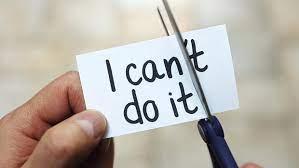
  • Don’t think that it is impossible. When the word impossible reaches your mind or heart you can’t do anything, don’t allow it. Anything is possible if you are very optimistic and confident. Think about it, if anyone can do your work, why are you here? Just ask this yourself and find yourself in yourself.
  • If there is some problem, just look into a solution rather than blowing it into a big volcano. Be calm and shuttle, think optimistically, and seek solutions. It will be good for you and your loved ones.
  •  Then, focus on the things which are under your control. Don’t look into things that are out of your control. Because those things can disturb you and make you a pessimist sometimes.
  • Lastly, love fearlessly and no one can stop you in this. Yes, pursue your love optimistically. Your love can either be your career or dream or anything just pursue it optimistically. And learn to see beauty in small things. For example, none of us would say,’ I don’t like a child ‘ because we forget ourselves when we are with them. This is an optimistic feel. If there is a smile on that child’s face without any doubt we will be happy, Right? That’s it. This tells you how optimistic you are!!

Both optimism and pessimism are needed in our life but they should be kept at an equal level to maintain a healthy and a happy life.

The pessimist complains about the wind..." William A. Ward [800x598]:  QuotesPorn

Some reference links;

https://www.goodtherapy.org/blog/psychpedia/pessimism

https://www.123helpme.com/essay/The-Importance-Of-Optimism-774469

Microplastic-A new global concern

Pollution from plastics have always ranked in the top for being a global problem. Now microplastic pollution is joining the club. Microplastics, as the name suggests are the minute particles of plastic. The size of a particle is less than 5mm. They occur from the larger plastics which degrades into small pieces as expected, they are also added as exfoliants to beauty and health products. Microbeads which are intentionally designed to be small can be added to this list of sources. Microplastic fragments are also found in single use plastic bottles and everyday usage plastic products like containers also one of the sources. As the macroplastic waste is omnipresent but prominent in marine bodies, microplastic also is a major pollutant of the oceans and large lakes. They get accumulated in soil as well.

Microplastics is a quite new to the pollutants list. But they are a serious threat as they can not be removed by water filtration systems. Aquatic life and birds will feed this microplastics mistaking them as food. There is no complete information available about the pollution because of less research in the area. But slowly the research is increasing in the field.

hazards of microplastics

Microplastics are made of polypropylene, polystyrene and polyethylene. UV light fragments large plastic litter into micro and nanoparticles of plastic. As mentioned above, the capacity of the to microplastics escape the filtration process poses a serious threat. We all know plastic can not be digested. If these microparticles enter the body they may get accumulated. Because of their small size they might posses the capacity to pass through cells and tissues. Their segregation in aquatic animals will be a threat indirectly to humans because we feed on them. It is estimated that humans consume 11,000 microplastic particles per annum.

If these microplastics enter cells, they may cause irritation as they are foreign bodies. They are chemically toxic to the body as well. But it is the biggest threat to marine animals. They affect the reproducing capacity of the marine animals. The number of larvae were less and size of the offspring was small. They got physical inabilities, problems in swimming. They block gastrointestinal tracts of the animals.

some solutions to reduce microplastic pollution

The main solution is the 3R, reuse reduce and recycle. Any pollution related to plastic can be reduced if we reduce the usage of the plastic. Mainly the single usage plastics should be reduced. Products containing microbeads should be avoided. people should be aware about the problems and should support bans on plastic. Conducting beach cleanups will reduce the amount of plastic that reaches the ocean. Ocean cleanup projects will also do maximum help. Finding the major sources of the problem and starting to solve the problem at its origin. People should try to have zero waste life, at least mini waste life so that there will be less contributions towards pollution. Taking the help of technologies to check the pollution and developing perfect filter systems which will filter off 100% microplastics.

TEA CONNOISSEUR – “HERBAL TEA”(2)

So in the previous article we have discussed about the new variety of tea that are not actually tea but called so. Herbal teas are not true teas as they are not brewed from the leaves of the Camellia sinensis plant. They are infused from fruits, flowers and plants. However, what makes them healthy is the absence of caffeine and presence of high amount of antioxidants.

Some of the types included :

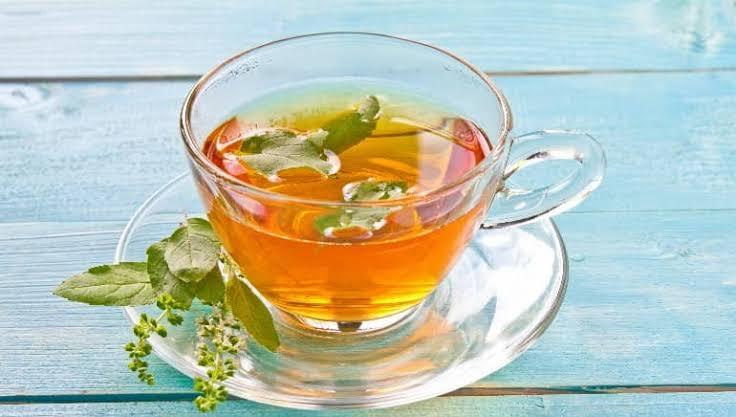
Tulsi tea

Tulsi or the holy basil is famous worldwide for its innumerable properties. It is called the “Queen of Herbs” as it is bestowed with a myriad of complex biochemical compounds including eugenol, urosli acid, carvarcol, apigenin, luteolin and other flavonoids. Moreover, its also imbued with essential nutrients like vitamin A, C, calcium, zinc, iron and chlorophyll which is valuable in healing the body and mind. Tulsi tea, infused from dry or fresh leaves has various anti-inflammatory, antioxidant, antidiabetic, anticancer, antimicrobial and radioprotective properties. It is also considered a tonic for the body, mind, and spirit.

Chrysanthemum tea

Chrysanthemum tea is one of the most popular flowers teas in China, infused from its dried flowers. Studies showed it has a strong antioxidant activity and may help fight free radicals. It’s used for its cooling effect, especially during warm season, for potential sedative effect and lowering blood pressure. Chrysanthemum tea is rich in potassium, which helps reduce the risk of serious health conditions like cancer, diabetes, stroke, and heart disease. It is super rich in beta-carotene and vitamin A, that helps in eliminating oxidative stress and damaged cells in organ systems around the body and promote eye health.

Eucalyptus tea

Eucalyptus tea is infused from its dried leaves. It a famous herb native to Australia, providing numerous health benefits. The consumption of fresh or dried leaves is considered toxic because its hard to digest. However, it can be consumed in the form of tea to tap to its various benefits. The main flavonoids in eucalyptus include catechins, isorhamnetin, luteolin, kaempferol, phloretin, and quercetin. Diets rich in these compounds are known to protect against certain cancers, heart disease, and dementia. It possesses multiple antiseptic and antibacterial properties. Hence, they can be used for different breathing and lungs related problems–from treating the common cold and flu to sore throat and pneumonia.

Blue tea

Blue tea has been around in the market for ages. It is infused from dried flowers called Asian pigeonwings, bluebellvine, blue pea, butterfly pea, cordofan pea or Darwin pea. However, they are becoming more easily and widely available for consumption in stores due to its popularisation through travel blogs and shows. The tea is said to have stress busting effects that may also help reduce symptoms of anxiety. It contains anthocyanin, a compound known to increase blood circulation in the head and therefore helps maintain a healthy scalp. Blue tea has more antioxidants than green tea, hence they protect the body against free radical action and promote anti-ageing.

Guava leaf tea

Guava leaf tea is infused from the young leaves of the guava tree. It has in been a part of traditional medicine for centuries in Mexico and parts of South America. The leaves are a powerhouse of antioxidants like vitamin C and flavonoids such as quercetin. The polyphenols in guava leaf tea have been shown to regulate the absorption of carbohydrates from food and hence are beneficial for diabetic patients. The contain flavonoids (antioxidants), tannins, and acids (gallic and betulinic) that has various anti-bacterial and anti-fungal properties.

Don’t forget to read more from the series 🙂

TEA CONNOISSEUR

TEA CONNOISSEUR – ‘HERBAL TEA’

TEA CONNOISSEUR – ”HERBAL TEA” (1)

Unlike the major broad varieties of tea, Herbal teas are not true teas. They are not brewed from the leaves of the Camellia sinensis plant. They are infused from dried fruits, flowers, spices or herbs. Hence, they are also called “tisanes”.

Herbal tea however is often considered a much better option due it the absence of caffeine. The polyphenols in herbal teas load them up with antioxidants that benefit our body in several ways. Antioxidants nurture a healthy lifestyle and gives us the boost of energy we need to get through a busy day.

Diving right into the types of herbal teas:

Chamomile tea is infused from dried Chamomile flowers. It contains Chamazulene, an aromatic chemical compound that possesses anti-inflammatory, analgesic and antispasmodic properties. Camomile tea is often known for its calming properties as it smoothens the nervous system and promotes muscle relaxation. Soothes . It relaxes the uterus and decreases the production of prostaglandins. Chamomile tea helps eliminate and prevent dandruff, soothe scalp irritation and promote healthy hair.

Peppermint tea is infused from dried or fresh peppermint leaves. The menthol in peppermint provides the cooling properties and the minty scent. This tea provides a cooling sensation that possibly eases pain. Peppermint has various antibacterial, antiviral and anti-inflammatory properties that helps them fight cold, allergies and infections caused by a clogged sinus. It aids in digestion and soothes the stomach.

Rosehips tea is infused from the pseudo fruit of the rose plant, which gives it a delicate, floral flavour and a distinct tart aftertaste. The high levels of polyphenols, carotenoids, vitamin C and E, provides powerful antioxidant properties. The presence of tiloroside promotes fat-burning and weight-loss. The antioxidants in rosehip helps to protect the brain and boosts the formation of collagen that prevents skin from aging.

Ginger tea is infused from dried or fresh ginger. It has been used for medical purposes since the old times. Ginger contains nutrients like vitamin B3 and B6, iron, potassium, vitamin C, magnesium, phosphorus, zinc. It has volatile oils, which have anti-inflammatory properties similar to that of non-steroidal anti-inflammatory drugs. It is known to prevent the nausea and vomiting associated with motion sickness. The vitamins, minerals and amino acids in ginger tea can help restore and improve blood circulation, which may help decrease the chance of cardiovascular problems. Ginger may prevent fat from depositing in the arteries, thus preventing heart attacks and stroke.

Lemongrass tea is infused from dried or fresh Lemongrass stem. Compounds like chlorogenic acid, isoorientin, and swertiajaponin promotes to its anti-inflammatory properties. According to the Memorial Sloan Kettering Cancer Centre, smelling lemongrass may help people with anxiety. It increase haemoglobin concentration, packed cell volume, and red blood cell count in the body. It soothens the symptom of premenstrual syndrome (PMS) by preventing water retention in body that leads to bloating.

Do not forget to read more from the series 🙂

TEA CONNOISSEUR

TEA CONNOISSEUR – “HERBAL TEA”(2)