Genetically Modified Rice For more Vitamin A intake

Rice is one of the most consumed food across the globe, mostly because it is one of the cheapest food. Yearly consumption of it is more than 400 million tons. The human body requires all the nutrients in the proper amount to remain healthy. . In an era with more than 700 million people living below the poverty line, it was very difficult for them to get proper nutrients. One of the nutrients is vitamin a Despite containing a lot of carbohydrates rice grain lacks Carotene which is transformed to Vitamin A by our body which is one of the major concerns.

The Need

Vitamin A deficiency approximately affects one-third of children around the world. Its deficiency leads to skin diseases blindness and growth retardation in children. It can also lead to infertility. In underdeveloped and developing countries where rice is the staple food the lack of vitamin A consumption by people is a point of great concern. Other food supplements that contain vitamin A like milk butterfish are usually expensive and for poor people. Thus it was very vital to improve the quality of rice grain for proper nourishment of our body.

Research

Peter Bramley was the first to discover the phytoene desaturase gene could produce lycopene, which then can be converted to b carotene. These details were published in 2000 by Ingo Potrykus and Peter Beyer The rice formed was termed golden rice. In 2005 Syngenta researchers produced Golden Rice 2 by fusing phytoene synthase gene from maize with crt1 from the previously developed golden rice, which produced over 20 times more carotenoids than previous rice. US Food and Drug Administration approved for use of golden rice for human consumption in 2018.

One of the reasons why rice grain lacks vitamin a is that it does not contain carotene but only contains a precursor molecule for it. Organisms like the bacterium Erwina and plants like daffodil contain enzymes that convert this precursor into carotene. Scientists isolated the 2 types of genes for the pathway of carotene from bacterium and daffodil and then added each gene to rice with the help of Ti plasmid vector. Not only Vitamin A a lot of research is going on and has been done to enrich rice grain with other nutrients like iron

The need for the improvement in the nutritional factors of rice was very crucial for human beings to sustain Improvement especially in rice grain was very important as it is one of the most consumed commodities. Golden Rice 2 contains enough vitamin A to sustain the daily requirement of around 75g. The research found that the b-carotene present in golden rice is equivalent to that in oil and better than that in spinach at providing vitamin A to children.

Antibiotics and microbes

Antibiotics produced by microbes are regarded as one of the most significant discoveries of the twentieth century and have greatly contributed towards the welfare of the human society.

“Anti is a Greek word that means ‘against’ , and bio means ‘life’, together they mean ‘against life'( in the context of disease causing organisms).”

Antibiotics are chemical substances, which are produced by some microbes and van kill or retard the growth of other disease casing microbes.

“Penicillin was the first antibiotic to be discovered by Alexander Fleming while working on Staphylococcus bacteria”

He observed a mould growing in one of his unwashed culture plates around which Staphylococcus could not grow. He found out that it was due to chemical produced by the mould and he named it Penicillin after the mould Penicillium notatum.

However, it’s full potential as an effective antibiotic was established much later by Ernest Chain and Howard Florey. This antibiotic was extensively used to treat American soldiers wounded in World War II.

Antibiotics have greatly improved our capacity to treat deadly diseases such as plague, whooping cough( Kali khansi) , diptheria(gal ghotu) and leprosy (kusht rog), which used to kill millions all over the globe.

“Vaccines and antibiotics have made many infectious diseases a thing of the past; we’ve come to expect that public health and modern science can conquer all microbes. But nature is a formidable adversary.”

“When antibiotics became industrially produced following World War II, our quality of life and our longevity improved enormously. No one thought bacteria were going to become resistant.”

https://www.brainyquote.com/quotes/bonnie_bassler_547883?src=t_antibiotics

https://medlineplus.gov/antibiotics.html

Anger

Anger is one of the basic human emotions, as elemental as happiness, sadness, anxiety or disgust. These emotions are tied to basic survival and were honed over the course of human history. Anger is related to the “fight, flight, or freeze” response of the sympathetic nervous system, it prepares humans to fight. But fighting doesn’t necessarily mean throwing punches. It might motivate communities to combat injustice by changing laws or enforcing new norms.

Of course, anger too easily or frequently mobilized can undermine relationships or damage physical health in the long term. Prolonged release of the stress hormones that accompany anger can destroy neurons in areas of the brain associated with judgment and short term memory and weaken the immune system. For those who struggle with chronic anger, or for those who only experience occasional outbursts, learning skills to identify and navigate this powerful emotion can lead to growth and change.

What causes anger?

The question of why some shrug off annoyances while others explode in rage is a fascinating one. One model of anger, put forth by psychologist Jerry Deffenbacher, posits that anger results from a combination of the trigger event, the qualities of the individual, and the individual’s appraisal of the situation.

The trigger is the event that provokes anger, such as being cut off in traffic or yelled at by a parent. The qualities of the individual include personality traits, such as narcissism, competitiveness, and low tolerance for frustration, and the pre-anger state, like levels of anxiety or exhaustion. Perhaps most importantly is cognitive appraisal—appraising a situation as blameworthy, unjustified, punishable, etc. The combination of these components determines why and if people get mad.

How can I manage my anger?

If you are often carried away by anger, it can be helpful to understand the patterns that trigger you. It’s possible to intervene at different points along the way to deal with anger effectively.

1. Sleep: Sleep deprivation makes it harder to control angry impulses, so regular, healthy sleep can prevent you from being provoked.

2. Consider alternative interpretations: And ask yourself what evidence you have to support your angering interpretation. Consider different perspectives.

3. Take deep breaths: Take long, slow, deep breaths, using the diaphragm rather than the chest.

4. Avoid the “catharsis myth”: Venting anger, acting with aggression, and viewing aggressive content does not tend to release anger effectively.

5. Know that it’s ok to get mad: If you have been wronged, treated unfairly, or provoked, you should get angry, but express it assertively instead of aggressively.

How can I manage anger that’s warranted?

In cases of warranted anger, such as a coworker who never contributes to collaborative projects, you may want to use a different set of anger management tips. In those situations:

1. Distance yourself from the angering situation. This will help you stop ruminating and develop a clear path forward.

2. Dedicate time to thinking about how to solve the root problem so it doesn’t occur again.

3. Express your anger assertively, with a solutions-oriented approach, rather than aggressively.

LEARN FROM FAULTS-STORY OF A TEENAGER

” I know that changes in me are due to activation of hormones in teenage. The cuddle hormone is responsible for that. I’m the one who likes to enjoy my life to the fullest and I could not control the thoughts that are running at high speed with new energy. I’m curious about to join in a college where I can find many new friends to enjoy the college life along with my academics. I can still remember the first day in my college where I met an unforgettable person in my life.

At initial days I felt delighted to go college and enjoyed my studies along with my friend whom I met on the first day. With in few weeks we both became best friends and we used to bunk the classes when we feel bore. After some days my attendance report was sent to my parents, by seeing my attendance report my parents scolded me a lot. I felt very bad on that day and next day when I went to college I discussed every thing that was happened in my home with my bestie. After listening to my words he cooled down me and made me to feel better from my guilt. At that day I felt happy to have such a friend.

His presence made me to do crazy things with a pretty smile on my face but I have never recognized that I’m neglecting my studies. Slowly my mind got turned to bad things, I started smoking along with my friend with out knowing the consequences. At that time I don’t know that those cigars contain drugs in them. I have addicted to those cigars a lot and my studies got damaged totally. One day, my parents got to know about me through my principle because of a robbery that was made by me and my friend.

When my principle asked me and my friend about the robbery, he simply throwed that mistake on me and escaped from their. I never expected that from him and I regretted a lot for having such a worst person as a friend in my life. I said every thing that happened to me with my parents on that day but they didn’t spill a word on me and immediately next day they took me for counselling. Slowly I started understanding my parents and their love and care on me but I bagged a bad name in front my lecturers and my cousins insulted my parents a lot because of me.

After a lot of counselling sessions I realized about the importance of career in my life and started my new journey with focused mind and today I owned a job in an MNC with an outstanding salary. Guys, I just want to convey you one thing that, be conscious while choosing your friends and don’t neglect the words of your parents especially when your are in teenage. Never forget to learn from your previous mistakes. ”

From the above story, I can definitely say that most of the teenagers have confronted with various situations where they can distract from their studies. The teenager life is too complicated in every persons life and we have to understand that it is a phase where everyone want freedom and wishes to fly heights. So my dear teenagers, beware of your root point where you have to come back though you fly at heights and always remember that time is the precious gift that can’t bring back once if you wasted it. So please use your time wisely to reach your motives with out any distractions.

Drug Addiction

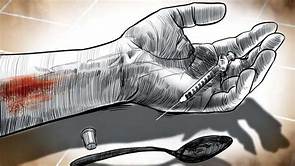
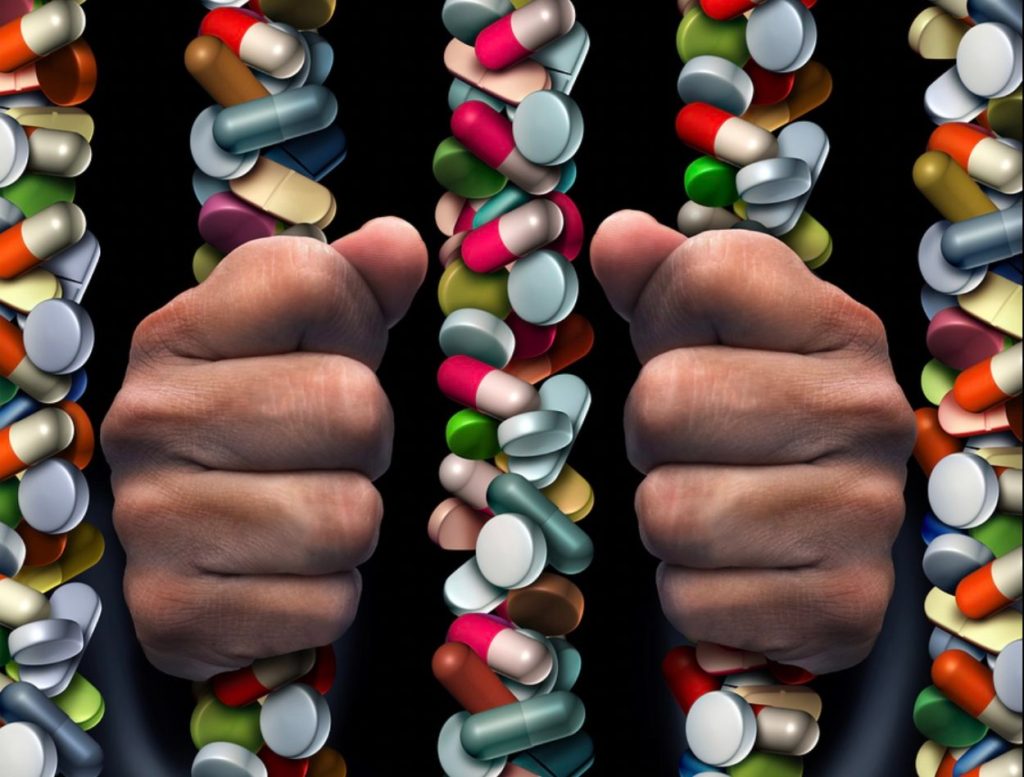
Drug Addiction has now become one of the major problem of our society, particularly in the urban areas. Sometimes frustration and sometimes temptation are the cause of this addiction. Many youngsters are falling victim’s of this deadly curse. As a result, possibilities of these young men and women society are being nipped in the bud. The dishonest traders operate underground, and the deadly narcotics and drug are smuggled into country. It is really surprising to note that these traders manage to thrive at the cost of precious lives and rosy possibilities to our young generation. Many of these drug addict crazy young men are tempted to continue these drugs. Once they take it, they are caught in a death trap. Slowly but surely they are led to death.

One thing that many of these dangers have in common is that they affect not only the user but also have a negative impact on those around them.

Physical dangers to the user include:

• Developing a tolerance to the drug.

• Withdrawal symptoms when trying to cut back or quit.

• Health problems, like irregular heart rate, high blood pressure, lung damage, and seizures.

• Injury, both accidental and self-inflicted.

• Overdose.

• Death.

Dangers can also have social, professional, or interpersonal consequences. These can include:

Becoming pregnant while using drugs and harming the fetus and newborn baby.

Jeopardizing relationships with friends and family.

Neglecting work and school responsibilities.

Involvement in criminal activity and a greater risk of being victimized by crime.

The exact cause of drug addiction is unknown; however, there are factors that may contribute to drug addiction:

An underlying mental disorder, like schizophrenia, post-traumatic stress syndrome (PTSD), depression or anxiety.

  • A low sense of self-worth.
  • Emotional distress due to personal, professional, or financial difficulties.
  • Exposure to an environment where drug use is accepted and drugs are readily available.
  • Peer pressure.
  • Genetics.

But we have a duty to fight against this dangerous enemy of our social life. The alarming nature of the problem must be highlighted and people must be made aware of this evil with the help of the mass media. Seminars should be organized in schools and colleges. In west Bengal an anti narcotic cell has been established in Lal bazar, Kolkata. Drug business is punishable and the highest punishment is death sentence in Bangladesh. But no government action can be fruitful unless it is backed by a strong public opinion, especially of the young generation.

MENTAL PEACE

MENTAL PEACE


So let’s talk about what is exactly mental peace. People have their own different views on this, some of which are appropriate and some not.

It is that state of mind where we are not influenced by any external situations or circumstances no matter what.  Many people get annoyed or panic in situations which is out of their comfort zone.

It is something that is not very easy to achieve as we’re living in a hectic and busy world in the modern era. People nowadays are so busy with their jobs and earning money that they don’t even have time for themselves.

They tend to live in the past or future and forget about living in the present. Life is uncertain, we don’t know what happens in the next second. But we spend our life planning for future rather than living in the very second of their life.

I just want to point out here that mental health is equally important as physical health. We can exercise for hours or go to gym and get a desired physique. But what about mental health?

  • There are so many little things around us that can bring a wide smile on our face. Nature being the best instance. We can praise the trees, plants, chirping of the birds, wind, river, mountains etc. Spending time in nature can actually make us feel younger, happier. We can just close our eyes and feel the air passing through our body.
  • When we focus on our breathing, our mind is diverted towards the life enhancing process of drawing in air and exhaling. We can take deep long breaths and focus on our lungs and diaphragm as we do this. This is the quickest way to vanish any disturbance and attain mental peace within seconds.
  • Listening to a relaxing music can help maintain our peace and make us calm. There is a good saying that music is food for our soul and an instant way to gain mental peace.
  • Playing with a pet can actually make us happy. A pet loves us more than himself. I don’t think so there is one person out there who can love us more than themselves except our parents obviously. Having a pet to play with is a great way to de-stress. Touch is a powerful sense and can ease tension and promote peace of mind.
  • Accepting the life as it is. We are privileged to have food on our plate, a roof above us to live, a family to love, air to breathe, water to drink. Many people out there dream of having a life that we are living. It is important to understand that we cannot control some things. We can only accept the flow of life and go with it. Therefore Acceptance is crucial for peace of mind.
  • And last but not the least, self love is extremely important in our lives. We should accept our flaws and learn to love ourselves. We keep giving the love to others that we ourselves deserve. The more we like ourselves the more happy we are. We can deal with any tough situation that comes our way. And I truly believe by doing this we can achieve ANYTHING in our life.

Final thoughts

The most important ways to achieve peace of mind involve being true to yourself, accepting that life is uncertain and watching your thinking. Many of us mentally “torture” ourselves daily with the things we tell ourselves.

Trust your thoughts less, pay less attention to the negative ones and focus on what you are thankful for in life, and you’ll be well on your way to inner peace of mind.


Addiction to Gadgets

Technology and gadgets are now indispensable in our daily lives. In the past few years carrying a miniature computer (a smart phone) in a pocket has become commonplace. Technology helps advance the human race forward and makes doing mundane things more efficient and repeatable. Technology has helped create the information revolution.
With technological advances, devices have evolved to be so powerful and smart that it feels like having a super-computer on one’s hands. Humans now have an insatiable appetite for information at their fingertips. When technology makes this happen, the natural tendency is for this to become an expectation. 
Life Without Gadgets:
■People born before the 1980’s would very well relate to life before the information age, when people had no access to internet or personal gadgets.  Let’s briefly walk down the memory lane to relive those moments — a life without gadgets.
■Children played together outdoor — they had a lot of physical activity.
■People talked to each other more often, and verbal communication face-face was at its peak.
■Chat jargon did not exist and people knew their spellings well, as they read more books.
■People enjoyed spending more time outdoors with family and friends.
■It was commonplace to get the news from newspaper or radio.
■Entertainment came from playing board games, playing sports, going to the movies, watching VHS tapes, etc.
■Writers often used either a type-writer or a word processor on their computer.
■Computers were expensive and bulky.
■Doing research was hard; frequent visits to the library or scouring through plethora of papers, books, etc. were necessary.
■Communication was slow.
Life With Gadgets:
Gadgets equipped with internet have transformed our lives in several ways and brought about a paradigm shift in our dependence on technology to perform key tasks in our everyday routine. To highlight a few:
■Enormous amount of information at our fingertips
■Use Google Maps to get directions, watch YouTube videos to learn to cook, sing, draw, learn science, etc.
■Health monitoring apps on the cell phone that would remind people to walk, run, bike, check BP periodically, etc.
■Capability to share daily life or special events instantly with thousands of people and see reaction in a matter of minutes, if not seconds
■Expedited research with access to information galore
■Ability to watch videos on demand from anywhere (Netflix, Amazon, etc.)
■Ability to read e-books online on demand — no more visits to library needed
■Use of mobile phones, tablets as pacifiers for kids
■Improved speed of communication by orders of magnitude leading to faster decision-making
■Existence of mobile apps for entertainment, social interaction through digital media, paying bills, accessing bank accounts, etc.
Effects of Gadget Addiction:
While the business model of the top few app companies hinges on people spending more time with their gadgets every day, we need to recognize that the most important fallout of this induced behavior would be the rising epidemic of gadget addiction. A sense of urge to use the phone or any other gadget when bored or idle equates to addiction. Gadget addiction doesn’t discriminate who is affected, it affects all age groups and people of all races. The effects range from mental, physical, emotional to even threatening our democracy.
Mental and Emotional Health:
Dopamine is a neurochemical that largely controls the pleasure and reward centers of the brain. High levels of dopamine are usually associated with motivation and excitement to fulfil goals that would lead to recognized rewards and thus reinforcement of a sense of pleasure while achieving those goals. Procrastination, lack of enthusiasm and self-confidence, and boredom are linked to low levels of dopamine.
Research has shown that the brain gets “rewired” as excessive amounts of dopamine get released in the body on frequent interaction with a rewarding stimulus, i.e., using a smartphone app like Facebook. Boredom triggers an interaction with the rewarding stimulus (Facebook app), which in turn results in wide variety of rewards in the form of likes, messages, photos, etc. causing high releases of dopamine in the body. Frequent cycles such as these cause the brain’s receptors to become more insensitive to dopamine, causing the body to experience less pleasure than before for the same natural reward. This leads the person down a spiral, where one has increased craving for the same reward to achieve normal levels of pleasure. If the increased craving cannot be satisfied, it would lead to anxiety, lack of motivation and depression. Gadget addiction is likened to addiction to alcohol or drugs since it results in similar negative consequences.
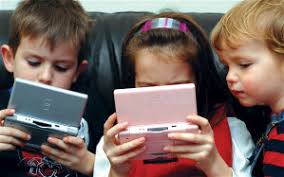
Studieshave shown that children’s cognitive and emotional development can be adversely impacted by internet/gadget addiction. More screen time means more virtual interactions and rewards through social media (shares, likes) and less face time. Less face-to-face interaction with other people results in lack of empathy for fellow human beings.
Physical Health:
Today’s children are immersed in technology right from a very young age. With more than half the schools in the US using smart devices as teaching tools in class, coupled with at-home smart device usage, the total screen exposure time of students in the age group 8-18 has exceeded ten hours a day. There are obvious benefits to being exposed to technology right from a very young age, i.e., development of skills needed to be successful in technology-related areas in a future career. However, on the downside, there could be lack of development of social behavioral skills and high risk of obesity due to limited physical activity.
As one would also expect, one of the biggest health risks of excessive smart device usage is vision-related. The National Eye Institute has found that the frequency of myopia (near-sightedness) has increased exponentially in Americans over the last few decades. The other effect on eyes was reduced blink rate leading to higher incidence of dry eye symptoms.  Based on these findings, the American Academy of Pediatricshas revised recommendations for limiting screen time for kids at different ages.
Listening to loud music through earbuds has detrimental effects on hearing ability  The National Institute of Deafness and Other Communication Disordersreports that about 15% of Americans between the ages of 20-69 have a reduced capability to hear high frequency sounds due to exposure to loud sounds. Other negative effects on physical health from excessive gadget usage include lack of sleep and increased weight on the spine as the head tilt increases to view the screen.
As we see the rise of ill effects of long term gadget use, rising health concerns amidst this drive to seek mindshare, finite attention of the same consumers there are groups of individuals who are now speaking up and taking a stand. These groups are investors, ex-employees of these companies and consumer groups. Starting 2018 these voices have amplified and there is a call for action and change is imminent.

Sexually transmitted diseases

Diseases or infections which are transmitted through sexual intercourse are collectively called sexually transmitted diseases (STDs) or venereal diseases (VD) or reproductive tract infections (RTI).

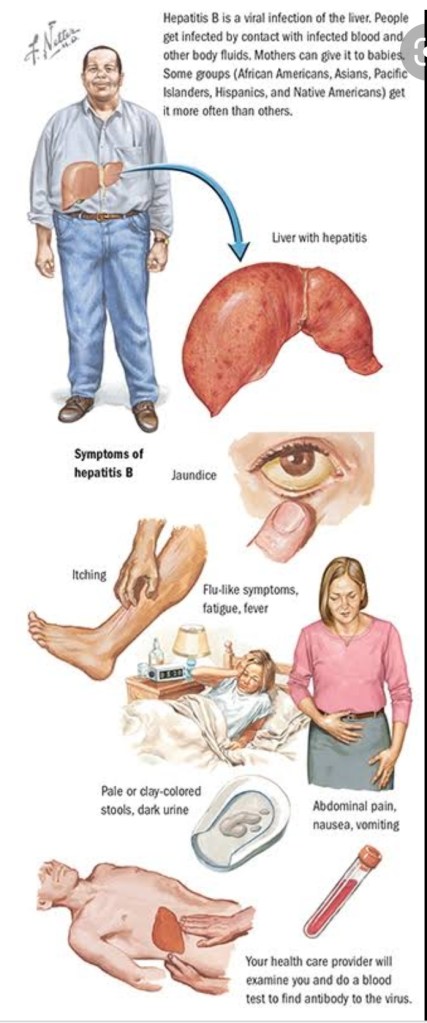
Gonorrhoea, syphilis, genital herpes, chlamydiasis, genital warts, trichomoniasis, hepatitis-B and HIV leading to AIDS are some of the common STDs.

Some of these infections like hepatitis-B and HIV can also be transmitted by sharing of injection needles, surgical instruments, etc., with infected persons, transfusion of blood, or from an infected mother to the foetus too. Except for hepatitis-B , genital herpes and HIV infections, other diseases are completely curable if detected early and treated properly.

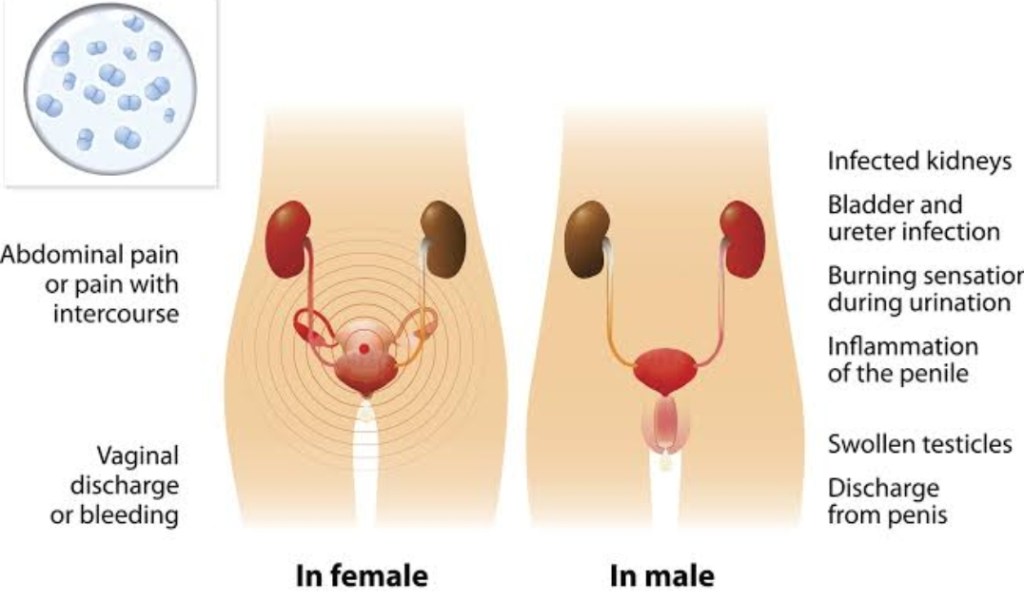
” Early symptoms of most of these are minor and include itching, fluid discharge, slight pain, swellings etc., in the genital region.”

Infected females may often be asymptomatic and hence, may remain undetected for long. Absence or less significant symptoms in the early stages of infection and the social stigma attached to the STDs, deter the infected persons from going for timely detection ne proper treatment.

Syphilis

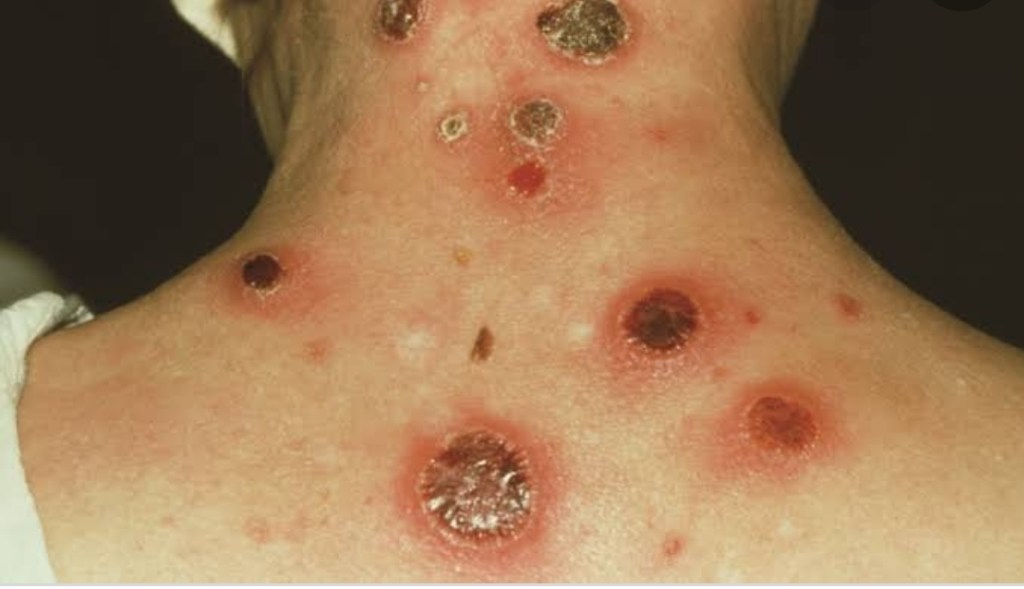
This could lead to complications later, which include pelvic inflammatory diseases(PID), abortions, still births, ectopic pregnancies, infertility or even cancer of the reproductive tract.

” STDs are a major threat to the society. Therefore, prevention or early detection and cure of these diseases are given prime consideration under the reproductive health-care programmes.”

Though all persons are vulnerable to these infections, their incidences are reported to be very high among persons in the age group of 15-24 years.

Gonorrhoea

Prevention

  • Avoid sex with unknown partners/multiple partners
  • Always use condom during coitus
  • In case of doubt, go to a qualified doctor for early detection and get complete treatment if diagnosed with disease.

Sexually transmitted infection https://g.co/kgs/YhaXJ7

https://www.healthline.com/health/sexually-transmitted-diseases

Water

Water is the basic needs of the individual for the Survival. Some of the things like oxygen, water, food are very essential for the individual to live. After the oxygen, water is very much important for the individual survival and for the whole environment as well. Water is used in the daily basis for many of the activities like drinking, cleaning, watering, and also for some of the electric purposes etc.

There are plenty of water in the seas but there is no use of them. Because, all the seawater are salty and not food for drinking purpose. They can be made for drinking by some of the beautification methods which takes lots of processes and also the time. Scarcity of the water is not only the India’s problem but also the global problem.

If the wasteage of water is continued in the same way, there will be a day where no water can be found for drinking purposes and for some of the utility purposes. Most of the people waste water without any need. Using water for the purposes are all good but Wasting the water without any reason is a bad habit that an individual must not develop. It is very easy to waste water rather than saving the drop.

The main sources of water are surface water, ground water and rain water.

Importance of water :

Water is very important to the human body. Every one of your cells,organs and tissues use water to help with temperature regulation, keeping hydrated and maintaining bodily functions. In addition, water acts as a lubricant and cushions your joints. Driniking water is great for your overall health. Because your body loses water through breathing, sweating, and digestion, it’s important to rehydrate by drinking fluids and eating foods that contain water.

Water delivers important nutrients to all of our cells,especially muscle cells, postponing muscle fatigue. Water helps weight loss. Water helps you feel full longer,without adding any additional calories.

Benefits of Drinking water :

* Increases Energy & Relieves Fatigue. Since your brain is mostly water, drinking it helps you think, focus and concentrate better and be more alert.

* promotes weight loss.

* Flushes out Toxins.

* Improves skin complexion

* Maintains Regularity.

Best source of water :

1. Watermelon – water content : 92%

2. Strawberries – water content : 91%

3.cantaloupe – water content : 90%

4.peaches – water content : 89%

5.oranges – water content : 88%

6. Skim Milk – water content : 91%

7. Cucumber – water content : 95%

8. Lettuce – water content : 96%

9. Broths and soups – water content : 92%

10. Zucchini – water content : 94%

11. Celery – water content : 95%

12. Plain yogurt – water content: 88%

13. Tomatoes – water content : 94%

14. Bell peppers – water content : 92%

15.cauliflower – water content : 92%

16. Cabbage – water content : 92%

17. Grape fruit – water content : 88%

18. Coconut water- water content : 95%

19. Cottage cheese – water content: 80%

Disadvantages of water :

It is said that too much consumption of water can lead to fluid overload in the body and imbalance in the body. Excess water can lead it lower sodium levels in the body, which may further lead to nause, vomthing, cramps, fatigue. This condition is known as hyponatremia.

The best method to save water is to use in limited amounts. That is, to limit the water without wasting much water.

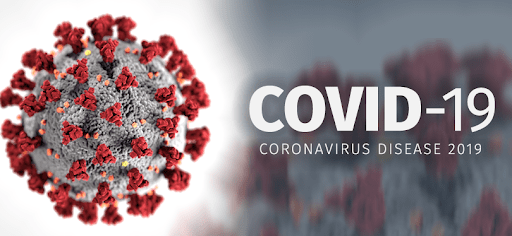
COVID-19

Symptoms

COVID-19 affects different people in different ways. Most infected people will develop mild to moderate illness and recover without hospitalization.

Most common symptoms:

  • fever
  • dry cough
  • tiredness
  • Less common symptoms:
  • aches and pains
  • sore throat
  • diarrhoea
  • conjunctivitis
  • headache
  • loss of taste or smell
  • a rash on skin, or discolouration of fingers or toes

Serious symptoms:

  • difficulty breathing or shortness of breath
  • chest pain or pressure
  • loss of speech or movement
  • Seek immediate medical attention if you have serious symptoms. Always call before visiting your doctor or health facility.
  • People with mild symptoms who are otherwise healthy should manage their symptoms at home.
  • On average it takes 5–6 days from when someone is infected with the virus for symptoms to show, however it can take up to 14 days.

Where should we register for COVID-19 vaccination?

Register on the Co-WIN Portal and schedule your vaccination appointment. https://www.cowin.gov.in/home

The contraindications to second dose of vaccine are:

Severe allergic reaction after a previous dose of this vaccine. If your treating physician considered this event as a severe allergic reaction to the vaccine, then you should not take second dose of vaccine. If you experience any other adverse event (known or unknown) after first dose, you can take the second dose.

Patients who have experienced major blood clotting (venous and/or arterial thrombosis) in combination with low platelet count (thrombocytopenia) following first dose of vaccine.

Mental Health- still a taboo?

Just because no one else can heal or do your inner work for you, doesn’t mean you can, should or need to do it alone.

Lisa Olivero

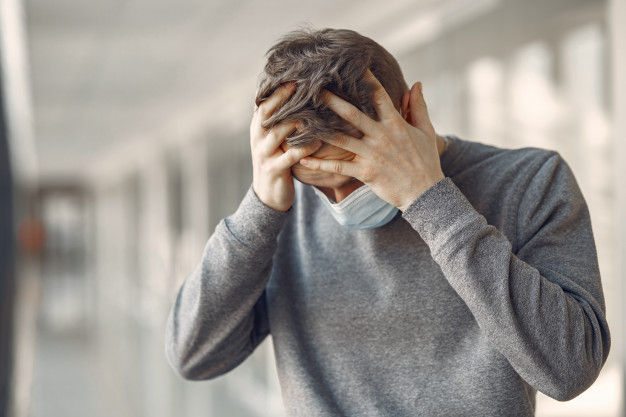
Have you ever felt the stark desire to inevitably scream in a room full of people, hoping they just care enough to notice the signs you have been leaving regarding your deteriorating mental state and how desperately you need help? But instead, you just accept your solitude in an empty chair and try to repress your bottled-up emotions deep within the realms of your consciousness.

A lot of us might have gone through the same situation at a certain point in our lives. The primary reason behind this subconscious aversion to the expression of thoughts is the mere fact that humans have been conditioned to do so throughout their lives. Men are typically the most vulnerable victims of this detrimental mindset. From an early age, they are frequently instructed to not cry like a girl. According to a survey, a significant percentage of men in the nation are currently depressed, and they themselves admitted that they lack a support system.

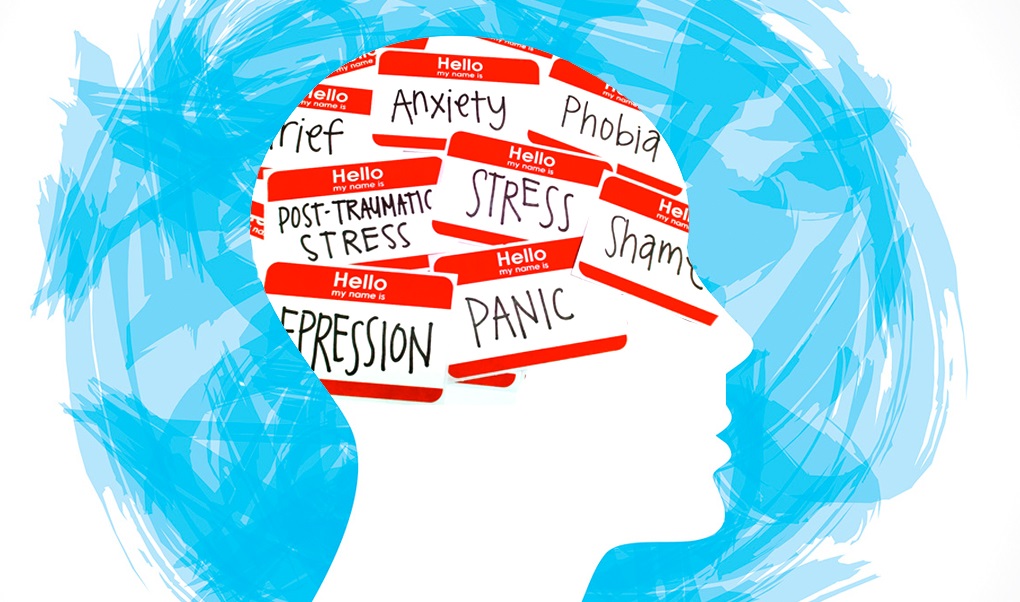
Mental health is still a deeply rooted stigma that people aren’t ready to accept. In order to understand the concept one needs to broaden the perspective of understanding humans and follow certain ways like-

  1. Instead of asking,”How are you?” ask,” How are you, really?”
  2. Look for obvious signs in a person- whether they feeling low from abnormal no. of days.
  3. Asking your closed ones to describe their day in detail and be a good listener.
  4. Do not mistreat someone who is already going through some sort of trauma.
  5. Treat people with kindness, you never know what someone is going through.

Additionally, in India, therapists continue to be overlooked as a useful resource for treating a person’s mental health. A person is called a “lunatic” if they see a therapist. In light of the increased public awareness during the pandemic’s lockdown time, these issues are being explored on social media, and many people now see psychology as a crucial component of the educational system. People have now started considering mental health as being equally essential as physical health as because of an alarming spike in suicide incidents during this period.
Still, awareness needs to be assured at ground level and there is still a long way to go to see the day when all of us are not reluctant to lend a helping hand to our fellow humans.

A fundamental aspect of any society should be understanding, accepting, and embracing each and every emotion one feels which makes them human.

Covid-19 impact on education, health, business sectors.

Covid-19 has effected all sectors like education, business, health care and daily wage workers In this blog, we are going to discuss the impacts on education, health care, business and daily wage workers. Due to the covid-19 pandemic.

COVID-19 IMPACT ON EDUCATION

The covid-19 has impacted all countries all over the world. It has majorly impacted education the most. Due to the out spread of the covid-19 government decided to shut down the schools, which was a big decision. Due to this all teachers and students shifted to online education.

Since all schools have been shut down, all schools shifted to online mode of education. Students and teacher find it hard because it was a new environment. Now, teachers have teach there students in online also, students have to submit there assignment and projects online. Teachers found very hard to teach in online because they has to teach students using online gadgets. Students have to scan there assignments and convert it to a PDF then they have to submit there assignments. In India, many students didn’t attend online classes because they don’t have the access to internet. In an online survey, up to 50 percent of the students in India don’t have the access to internet. In all online classes, only 40 percent of the students used attend a class. Due to covid-19 all exams were conducted in online mode. Teachers has to evaluate answer sheets in online using some gadgets. Due to lack of resources like phone, laptop and internet students cannot write online exams, submit assignments. Some schools didn’t conduct online classes for there students.

COVID-19 IMPACT ON BUSINESS

Because of national wide lock down all companies were shut down. All there business and profits were collapsed. All small business companies were collapsed due Covid-19 pandemic. Only few companies could sustain but there was huge loss for them. Only IT companies survived in this covid pandemic. There was huge loss for all companies in India. Due to the shut down of many companies, many people lost there job, creating a financial crisis for many families. The share values of many companies dropped. According to a survey, nearly 60 percent of businesses were fully closed. Many people started doing work from home.

COVID-19 IMPACT ON DAILY WAGE WORKERS

Daily wage worker are the most effected people in the covid pandemic. They have to work everyday to eat. They are paid very low wage. They even didn’t get the minimum wage. Each and single rupee is important for them to survive. Due to national wide lock down, all constructions were closed making no job for them. Even though government helped them, but it was not enough. They have no shelter, no people were giving them shelter due to the wide spreading of covid-19. They are sleeping on streets and roads. There was no food for them. Many workers died due to hunger.

COVID-19 IMPACT ON HEALTH CARE SECTORS

There was also lot of impact on health care sector. There were many patients in every hospital. Daily thousand’s of people are dying due to covid-19. Doctors were working day and night to save patient’s life. Doctors are risking there life to treat a covid patient. There were lack of doctors in hospitals. Government hospitals are full of patients. There were shortage of medicines.

That’s all from my side. I hope you like it, thank you.

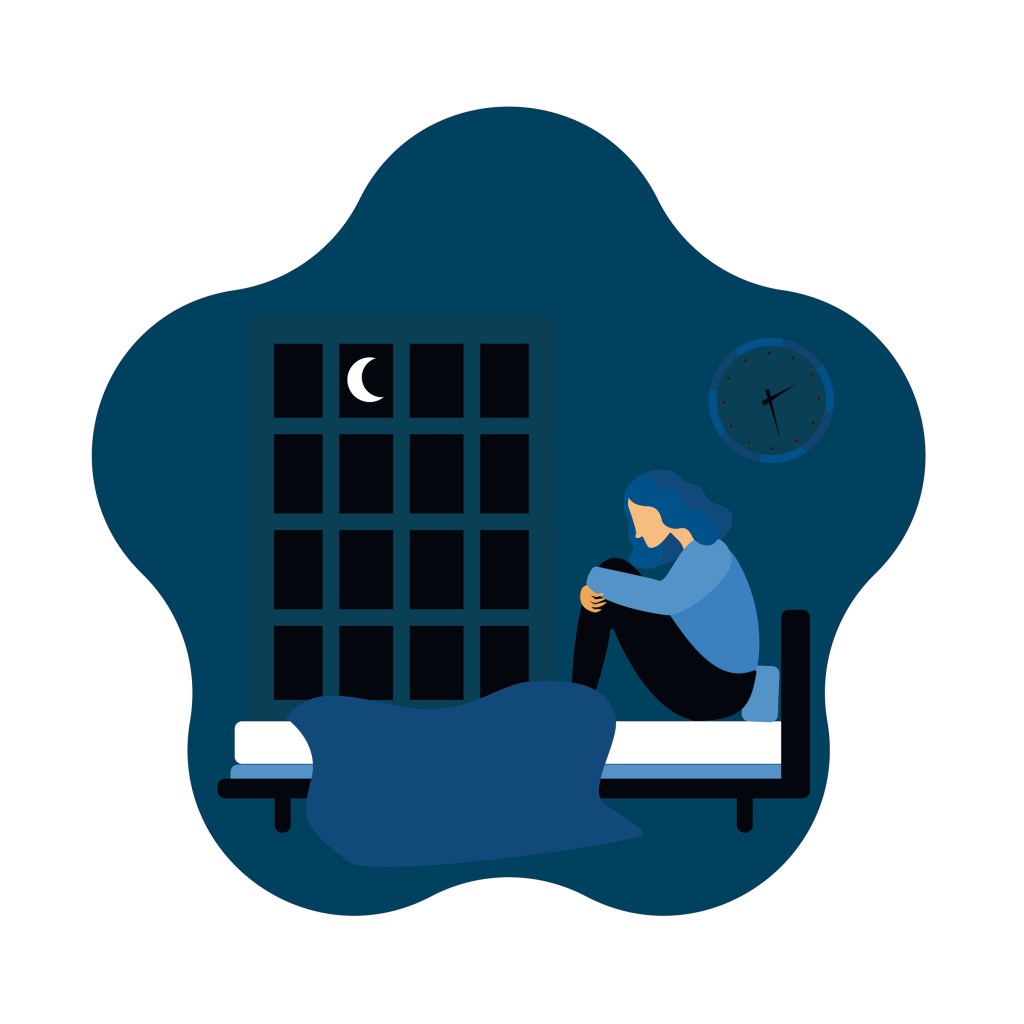
INSOMNIA

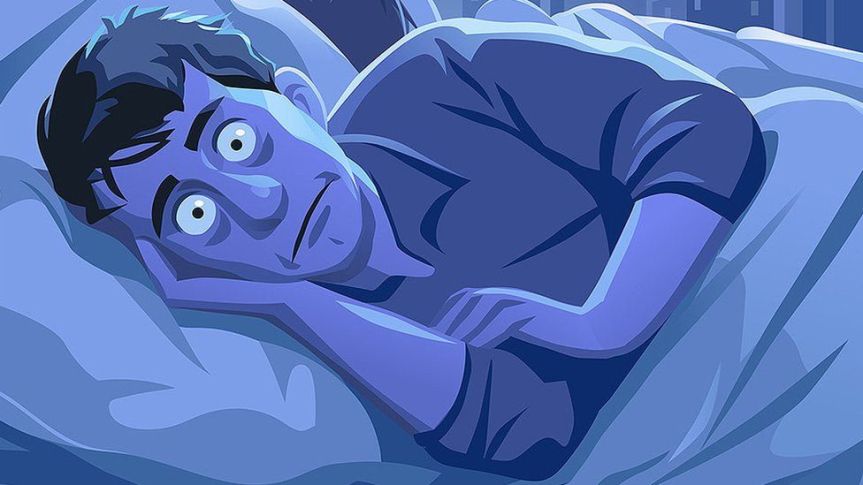
Insomnia, also known as sleeplessness, is a common sleep disorder that can make it hard for the person to fall asleep, hard to stay asleep or cause to wake up too early and not be able to get back to sleep. Insomnia is typically followed by daytime sleepiness, low energy, irritability and a depressed mood. It may result in an increased risk of motor vehicle collisions, as well as problems focusing and learning. How much sleep is enough varies from person to person, but most adults need seven to eight hours a night. Insomnia can occur independently or as a result of some another problem. Conditions that can result in insomnia include psychological stress, chronic pain, heart failure, hyperthyroidism, heart burn, menopause, certain medications and drugs such as caffeine, nicotine and alcohol. Other risk factors include working night shifts and sleep apnea.

SYMPTOMS:-

Insomnia symptoms may include:-

  • difficulty falling asleep at night.
  • waking up during the night.
  • waking up too early.
  • not feeling well-rested after a night’s sleep.
  • daytime tiredness or sleepiness.
  • irritability, depression or anxiety.
  • difficulty paying attention, focusing on tasks or remembering.
  • ongoing worries about sleep.

CAUSES:-

Insomnia may be the primary problem or it may be associated with other conditions. Chronic Insomnia is usually a result of stress, life events or habits that disrupt sleep. Treating the underlying cause can resolve the insomnia, but sometimes it can last for years. Chronic Insomnia may also be associated with medical conditions or the use of certain drugs. Common causes of chronic insomnia include:-

  1. Stress- concerns about work, school, health, finances, family can keep the mind active and occupied every time, making it difficult to sleep.
  2. Travel or work schedule- the circadian rhythms of our body act as an internal clock, guiding such things as the sleep-wake cycle, metabolism and body temperature. Disrupting the body’s circadian rhythms can lead to insomnia.
  3. poor sleep habits- include an irregular bedtime schedule, naps, stimulating activities before bed, an uncomfortable sleep environment, watching smart phones or other screens.
  4. eating too much late in the evening- may cause the person to feel physically uncomfortable while lying down. Many people also experience heartburn, a backflow of acid and food from the stomach into the esophagus after eating, which may keep them awake.

Additional causes of Insomnia include:-

  1. Mental health disorders- anxiety disorders, such as post-traumatic stress disorder may also be the reason for disruption during sleep. Awakening too early can be a sign of depression.
  2. Medications- many prescription drugs can interfere with sleep such as certain antidepressants.
  3. Medical conditions- such as chronic pain, cancer, diabetes, heart disease, gastroesophageal reflux disease(GERD) etc.
  4. sleep related disorders.
  5. caffeine, nicotine and alcohol.

PREVENTION:-

Good sleep habits can help prevent insomnia and promote sound sleep:-

  • keep the bedtime and wake time consistent from day to day.
  • staying active- regular activities help to promote a good sleep.
  • check the medications to see if they may contribute to insomnia.
  • avoid or limit naps.
  • avoid or limit caffeine and alcohols.
  • keep yourself calm and relaxed when going to sleep.

Afforestation

Afforestation is very useful to prevent and maintain the oxygen levels. Due to the deforestation, many of the trees are being cut and the oxygen supply has been reduced very drastically. Afforestation will help to maintain the oxygen levels in the atmosphere and helps the individual and the world to be healthy all the time. Oxygen is the minimum need for the individual to survive on the earth. If there is no oxygen, then which will cannot live or survive. When there is no o2, It is equally difficult for the animals to survive.

It also helps to maintain good forests. Deforestation, that is cutting of the trees makes the land abandoned and trees life less. When an individual takes a step forward to plant trees that is afforestation, good number of trees will be grown and the forests will be developed.

The most important thing for the animal’s survival is trees that give shelter and plants for the food. When the trees are being cut, some of the animals find no shelter and sometimes no food to eat. When afforestation takes place animals will find good shelter and also good food to eat.

Importance of Afforestation :

Afforestation helps to addess all the issues of soil erosion and barren land at the same time. Tress acts as wind barriers thereby weakening the speed of the wind and reducing its impact and ability to carry big soil particles.

The impacts of afforestation is occuring in many parts of world, can modify the nature and transformations of soil organic carbon and associated soil prevents, which in turn can affect plant diversity and ecosystem function. Afforestation also decreased soil bulk density and pH, and increased soil water content.

Types of Afforestation :

Afforestation materials are mainly divided into three categories: seed,seedling,and cutting. The choice of these three types of afforestation materials and methods is related to site conditions, tree species and age.

Various causes of Afforestation :

* Afforestation is highly fundamental in creating an alternative source pool of nature resource.

* Afforestation aids in tackling global warming and stabilizing global temperatures.

* protection of sensitive areas, biodiversity, and natural cycles.

* Afforestation can support wildlif.

* Afforestation creates employment and can provide a source of livelihood.

Advantages of Afforestation :

* A constant supply of forest products.

* prevents soil erosion.

* stabilizes the climate.

* Has the potential of reversing global warming and climate change.

* Better quality air.

* Improve watershed.

* preservation of wildlife.

* provision of employment and economic opportunities.

Disadvantages of Afforestation :

If not properly managed, afforestation can result in a reduction of local biodiversity, the modification of particular biomes, the intriduction of non – native and potentially invasive species, reduced stream flow and lost revenue from agricultural.

Obesity

Obesity is described by the BMI (Body mass index). The obesity in the body is nothing but the high level of fat stored in the body. It is a very bad thing which in future leads to many health problems.

Many of the children are falling obese now a days. This is because of not having good food. Many of the children are highly addicted to the junk food. The junk food intake in the body increases the fat levels in the body.

A disorder involving excessive body fat that increases the risk of health problems. Obesity often results from takingin more calories than are burned by exercise and normal daily activities.

Symptoms:

Obesity occurs when a person’s body mass index is 25 or greater . The excessive body fat increses the risk of serious health problems.

What causes obesity?

Obesity is generally caused by eating too much and moving too little. If you consume high amounts of energy , particularly fat and sugars, but do not burn off the energy through exercise and physical activity, much of the surpluse energy will be stored by the body as fat.

8 Most common causes of obesity :

* physical inactivity.

* overeating.

* Genetics.

* A diet high in simple carbohydrates.

* A frequency of eating .

* Medications.

* psychological factors.

* Diseases such as hypothyroidism, insulin resistance, polycystic ovary syndrome, and caushing’s syndrome are also contributors to obesity.

Let us now look at some methods to prevent obesity.

*Healthy and nutritious food :

It is very important to consume healthy and nutritious food every day. To gain a sufficient amount of nutrients and and to be healthy it is very important to consume nutritious food. Consuming nutritious food helps us to gain sufficient energy. Being healthy prevents us from Many deadly diseases.

*Exercise :

Exercising at least for 10 to 15 minutes a day help the individual to be physically fit and also mentally strong. Exercising every day is a very good habit which everyone need to make it and perfect habit to do. Exercising 10 to 15 minutes also relieves us from the stress and the tension we have had. So, it is better to spend at least 10 to 15 minutes even in our hectic schedule an exercise.

* yoga :

Yoga relives from the stress and tension we have had. Sparing at least 10 to 15 minutes time on yoga benefit is a lot. It relaxes the muscle and comes to mind. It helps to be physically fit and mentally strong. All the asanas and pranayama helps to Gain strength and to be physically fit.

*Meditation :

Meditating for certain minutes helps to calm the brain and soul. It helps and relieving the stress and the tension we have had. It helps us to focus on the things which we are willing to do. It also equally helps us to be mentally strong. It is such a good and a mandatory practice an individual must obtain and must follow without any delays.

* Monitor your weight regularly.

* Be consistent.

Who obese people?

BMI is calculated by dividing a person’s weight in kilograms by the square of their height in metres. A BMI of 25.0 – 29.9 is classified as overweight but not obese, while a BMI of 30.0 or over is classified as obese. A BMI of graeter than 35.0 is classified as severely obese.

Adult BMI calculator

BMI WEIGHT STATUS

Below 18.5 underweight

18.5 – 24.9 Normal

25.0- 29.9 overweight

30.0 and above obese

The negative effect of obesity :

Obesity is serious beacause it is associated with poorer mental health outcomes and reduced quality of life. Obesity is also associated with the leading causes of death in the united states and worldwide, including ,diabetes, heart disease, stroke, and some types of cancer.