Token :- A token is the smallest unit of program. There are various tokens in python some of them are literals, keywords, identifiers, delimiters, operators, statements and expressions.
1. Literals
It refers to data item that have a constant value. Various type of literals are string literals, None (special literal), numeric literal and boolean literal.
2. Keyword
Python has some reserve words which have predefined meaning to its interpreter. It can’t be used as variable, mrthod or class name.
3. Identifiers
It is a name used to identify a variables, arrays and functions.
4. Variable
Variables are used as containers to store data. The data stored in a variable can be modified whenever needed.
5. Delimiters
Delimiters can be defined as a sequence of one or more character that is used to specify the boundary between separate independent region in plain text or other data streams.
6. Statements
A statements is a unit of code that python interpreter can execute.
7. Operators
Operators are used to specify operations to be performed in an expression.
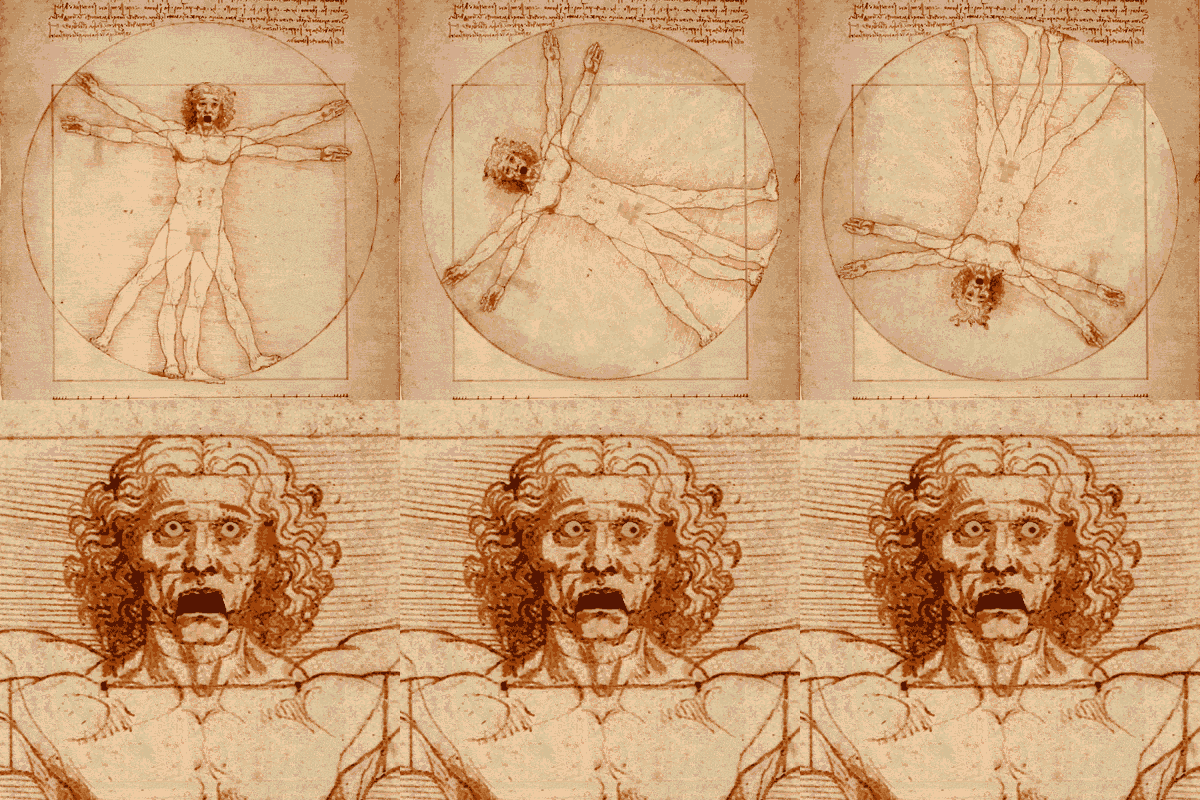
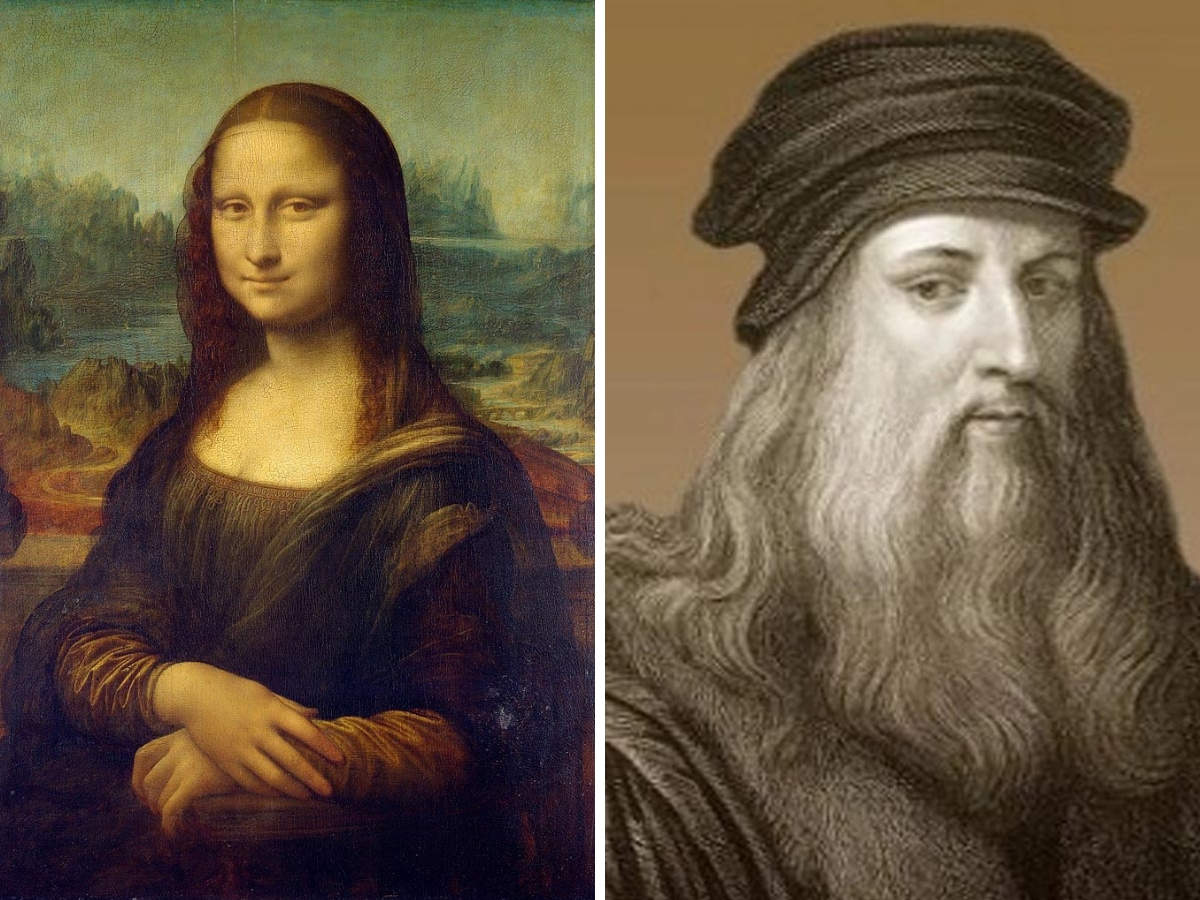
Leonardo da Vinci (1452-1519) was a painter, architect, inventor, and student of all things scientific. His natural genius crossed so many disciplines that he epitomized the term “Renaissance man.” Today he remains best known for his art, including two paintings that remain among the world’s most famous and admired, Mona Lisa and The Last Supper. Art, da Vinci believed, was indisputably connected with science and nature. Largely self-educated, he filled dozens of secret notebooks with inventions, observations and theories about pursuits from aeronautics to anatomy. But the rest of the world was just beginning to share knowledge in books made with moveable type, and the concepts expressed in his notebooks were often difficult to interpret. As a result, though he was lauded in his time as a great artist, his contemporaries often did not fully appreciate his genius—the combination of intellect and imagination that allowed him to create, at least on paper, such inventions as the bicycle, the helicopter and an airplane based on the physiology and flying capability of a bat.
Leonardo da Vinci: Early Life and Training
Leonardo da Vinci (1452-1519) was born in Anchiano, Tuscany (now Italy), close to the town of Vinci that provided the surname we associate with him today. In his own time he was known just as Leonardo or as “Il Florentine,” since he lived near Florence—and was famed as an artist, inventor and thinker.
Did you know? Leonardo da Vinci’s father, an attorney and notary, and his peasant mother were never married to one another, and Leonardo was the only child they had together. With other partners, they had a total of 17 other children, da Vinci’s half-siblings.
Da Vinci’s parents weren’t married, and his mother, Caterina, a peasant, wed another man while da Vinci was very young and began a new family. Beginning around age 5, he lived on the estate in Vinci that belonged to the family of his father, Ser Peiro, an attorney and notary. Da Vinci’s uncle, who had a particular appreciation for nature that da Vinci grew to share, also helped raise him.
Leonardo da Vinci: Early Career
Da Vinci received no formal education beyond basic reading, writing and math, but his father appreciated his artistic talent and apprenticed him at around age 15 to the noted sculptor and painter Andrea del Verrocchio, of Florence. For about a decade, da Vinci refined his painting and sculpting techniques and trained in mechanical arts. When he was 20, in 1472, the painters’ guild of Florence offered da Vinci membership, but he remained with Verrocchio until he became an independent master in 1478. Around 1482, he began to paint his first commissioned work, The Adoration of the Magi, for Florence’s San Donato, a Scopeto monastery.
However, da Vinci never completed that piece, because shortly thereafter he relocated to Milan to work for the ruling Sforza clan, serving as an engineer, painter, architect, designer of court festivals and, most notably, a sculptor. The family asked da Vinci to create a magnificent 16-foot-tall equestrian statue, in bronze, to honor dynasty founder Francesco Sforza. Da Vinci worked on the project on and off for 12 years, and in 1493 a clay model was ready to display. Imminent war, however, meant repurposing the bronze earmarked for the sculpture into cannons, and the clay model was destroyed in the conflict after the ruling Sforza duke fell from power in 1499.
Leonardo da Vinci: ‘The Last Supper’ and ‘Mona Lisa’
Although relatively few of da Vinci’s paintings and sculptures survive—in part because his total output was quite small—two of his extant works are among the world’s most well-known and admired paintings.
The first is da Vinci’s “The Last Supper,” painted during his time in Milan, from about 1495 to 1498. A tempera and oil mural on plaster, “The Last Supper” was created for the refectory of the city’s Monastery of Santa Maria delle Grazie. Also known as “The Cenacle,” this work measures about 15 by 29 feet and is the artist’s only surviving fresco. It depicts the Passover dinner during which Jesus Christ addresses the Apostles and says, “One of you shall betray me.” One of the painting’s stellar features is each Apostle’s distinct emotive expression and body language. Its composition, in which Jesus is centered among yet isolated from the Apostles, has influenced generations of painters.
When Milan was invaded by the French in 1499 and the Sforza family fled, da Vinci escaped as well, possibly first to Venice and then to Florence. There, he painted a series of portraits that included “La Gioconda,” a 21-by-31-inch work that’s best known today as “Mona Lisa.” Painted between approximately 1503 and 1506, the woman depicted—especially because of her mysterious slight smile—has been the subject of speculation for centuries. In the past she was often thought to be Mona Lisa Gherardini, a courtesan, but current scholarship indicates that she was Lisa del Giocondo, wife of Florentine merchant Francisco del Giocondo. Today, the portrait—the only da Vinci portrait from this period that survives—is housed at the Louvre Museum in Paris, France, where it attracts millions of visitors each year.
Around 1506, da Vinci returned to Milan, along with a group of his students and disciples, including young aristocrat Francesco Melzi, who would be Leonardo’s closest companion until the artist’s death. Ironically, the victor over the Duke Ludovico Sforza, Gian Giacomo Trivulzio, commissioned da Vinci to sculpt his grand equestrian-statue tomb. It, too, was never completed (this time because Trivulzio scaled back his plan). Da Vinci spent seven years in Milan, followed by three more in Rome after Milan once again became inhospitable because of political strife.
Leonardo da Vinci: Philosophy of Interconnectedness
Da Vinci’s interests ranged far beyond fine art. He studied nature, mechanics, anatomy, physics, architecture, weaponry and more, often creating accurate, workable designs for machines like the bicycle, helicopter, submarine and military tank that would not come to fruition for centuries. He was, wrote Sigmund Freud, “like a man who awoke too early in the darkness, while the others were all still asleep.”
Several themes could be said to unite da Vinci’s eclectic interests. Most notably, he believed that sight was mankind’s most important sense and that “saper vedere”(“knowing how to see”) was crucial to living all aspects of life fully. He saw science and art as complementary rather than distinct disciplines, and thought that ideas formulated in one realm could—and should—inform the other.
Probably because of his abundance of diverse interests, da Vinci failed to complete a significant number of his paintings and projects. He spent a great deal of time immersing himself in nature, testing scientific laws, dissecting bodies (human and animal) and thinking and writing about his observations. At some point in the early 1490s, da Vinci began filling notebooks related to four broad themes—painting, architecture, mechanics and human anatomy—creating thousands of pages of neatly drawn illustrations and densely penned commentary, some of which (thanks to left-handed “mirror script”) was indecipherable to others.
The notebooks—often referred to as da Vinci’s manuscripts and “codices”—are housed today in museum collections after having been scattered after his death. The Codex Atlanticus, for instance, includes a plan for a 65-foot mechanical bat, essentially a flying machine based on the physiology of the bat and on the principles of aeronautics and physics. Other notebooks contained da Vinci’s anatomical studies of the human skeleton, muscles, brain, and digestive and reproductive systems, which brought new understanding of the human body to a wider audience. However, because they weren’t published in the 1500s, da Vinci’s notebooks had little influence on scientific advancement in the Renaissance period.
Leonardo da Vinci: Later Years
Da Vinci left Italy for good in 1516, when French ruler Francis I generously offered him the title of “Premier Painter and Engineer and Architect to the King,” which afforded him the opportunity to paint and draw at his leisure while living in a country manor house, the Château of Cloux, near Amboise in France. Although accompanied by Melzi, to whom he would leave his estate, the bitter tone in drafts of some of his correspondence from this period indicate that da Vinci’s final years may not have been very happy ones. (Melzi would go on to marry and have a son, whose heirs, upon his death, sold da Vinci’s estate.)
Da Vinci died at Cloux (now Clos-Lucé) in 1519 at age 67. He was buried nearby in the palace church of Saint-Florentin. The French Revolution nearly obliterated the church, and its remains were completely demolished in the early 1800s, making it impossible to identify da Vinci’s exact gravesite.
Disinvestment is the action of an organization or government selling or liquidating an asset or subsidiary. Absent the sale of an asset, disinvestment also refers to capitalexpenditure (CapEx) reductions, which can facilitate the re-allocation of resources to more productive areas within an organization or government-funded project.
The government undertakes disinvestment to reduce the fiscal burden on the exchequer, or to raise money for meeting specific needs, such as to bridge the revenue shortfall from other regular sources. In some cases, disinvestment may be done to privatise assets. However, not all disinvestment is privatisation. Some of the benefits of disinvestment are that it can be helpful in the long-term growth of the country; it allows the government and even the company to reduce debt. Disinvestment allows a larger share of PSU ownership in the open market, which in turn allows for the development of a strong capital market in India.
Are disinvestment and privatisation related?
The government, whenever it so desires, may sell a whole enterprise, or a majority stake in it, to private investors. In such cases, it is known as privatisation, in which the resulting ownership and control of the organisation does not rest with the government. The government usually avoids doing this. The government mostly retains more than half of the stake in the public sector enterprise so that the control remains in its hands. But when it doesn’t, then the ownership is transferred to the private sector, which results in privatisation. It is also known as majority disinvestment or complete privatisation wherein 100 per cent control goes to the private sector.
Impact of Disinvestment on Indian Economy
Public sector undertakings were established in India as a part of mixed economy with the objective of providing necessary infrastructure for the fast growth of economy & to safeguard against monopoly of industrialist community. However, the entire mechanism did not turn out as efficient as it ought to be, all thanks to the prevailing hierarchy and bureaucracy.
To illustrate the trailing scenario, the average return on capital employed (ROCE) by PSUs have been way too low as compared to the cost of borrowing. For instance, between 1940 and 2002, the average ROCE was 3.4% as against 8.6% average cost of borrowing. PSE survey by NCAER shows that PAT has never exceeded 5% of sales for or 6% of capital employed. The government pays a higher interest though, by at least 3 percentage points.
As per an NCAER study report the cost structure of PSEs is much more than the private sector (the following table shows a comparative scale) :
Lack of autonomy, political interference, nepotism & corruption has further deteriorated the situation. For instance, the head of a PSU is appointed by the Government, who in turn appoints all employees who play major roles in the organization. So directly or indirectly the Government itself controls the appointment of all manpower in these organizations. It is not the business of the Government to do business, i.e. it is best controlled by experts and professional managers.
To address operational inefficiencies in PSEs without comprising on their social objectives, disinvestment policy is often used. However, there are concerns regarding the extent of impact on firm performance since disinvestment may involve transfer of ownership but not control. Analysing data from 1991-2010 on all manufacturing PSEs owned by the central government, this column shows that the average annual efficiency score of disinvested enterprises rose by almost 20%.
Public sector enterprises (PSEs) have an indistinct mandate of meeting objectives beyond the narrow paradigm of profit maximisation. Generating employment, investing in projects that have long gestation periods, setting up operations in certain locations, and regulating prices of some of their products, are some of the objectives that may fall under the social ambit of PSEs. When this multidimensional mandate is combined with an environment free of competitive pressure, PSEs may suffer from operational inefficiencies. To address this inefficiency without compromising on the social objectives that PSEs are expected to achieve, minor disinvestment may be a useful remedial policy.
Implications of Disinvestment on Indian Economy
Disinvestment will be extremely positive for the Indian equity markets and the economy. It will draw lot of foreign and domestic money into the markets. It will allow PSU to raise capital to fund their expansion plans and improve resource allocation in the economy. It will allow the government to stimulate the economy while resorting to less debt market borrowing. Private borrowers won’t be crowded out of the markets by the government and will have to pay less to borrow from the open market. Disinvestment will allow government to have much better control over the market economy without upsetting norms of market behavior.
In future disinvestment will assume the role of a major instrument of policy intervention by government as 48 PSUs listed on BSE as of February 8, 2010, account for close to the 30% of the total market cap of the exchange. This is significant as a total of 4,880 odd companies were listed on the exchange. As of February 8, 2010, the BSE PSU index had a total market cap of Rs 17,14,466.96 crore.
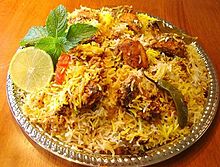
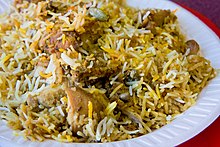
Biryani is a mixed rice dish originating among the Muslims of the Indian subcontinent. Biryani is an Indo-Aryan word derived from the Persian language, which was used as an official language in different parts of medieval India by various Islamic dynasties.Biryani is popular throughout the Indian subcontinent, as well as among its diaspora. It is also prepared in other regions such as parts of Afghanistan, Iran, and Iraq.
Biriyani made with Indian spices, rice, and meat such as chicken, beef, goat, lamb, prawn, fish and sometimes, in addition, eggs or vegetables such as potatoes in certain regional varieties.different varieties of biryani developed in the Muslim centres of Delhi (Mughlai cuisine), Rampur, Lucknow (Awadhi cuisine) and other small principalities.According to historian Lizzie Collingham, the modern biryani developed in the royal kitchens of the Mughal Empire (1526–1857) and is a mix of the native spicy rice dishes of India and the Persian pilaf.[14] Indian restaurateur Kris Dhillon believes that the dish originated in Persia, and was brought to India by the Mughals.
Different kind of biriyani around all over India :-
Based on preparation style and technique there is two kind of biriyani. Such as – (1). Pakki Biriyani, (2). Kacchi Biryani.
Pakki Biriyani :- In a pakki biryani, the rice, marinated meat, and any vegetables are partially (“three-quarters”) cooked separately, before being combined into layers in a cooking vessel. Different layers of rice may be treated with different spices (e.g., with dissolved saffron or turmeric give the rice different colors and flavors).
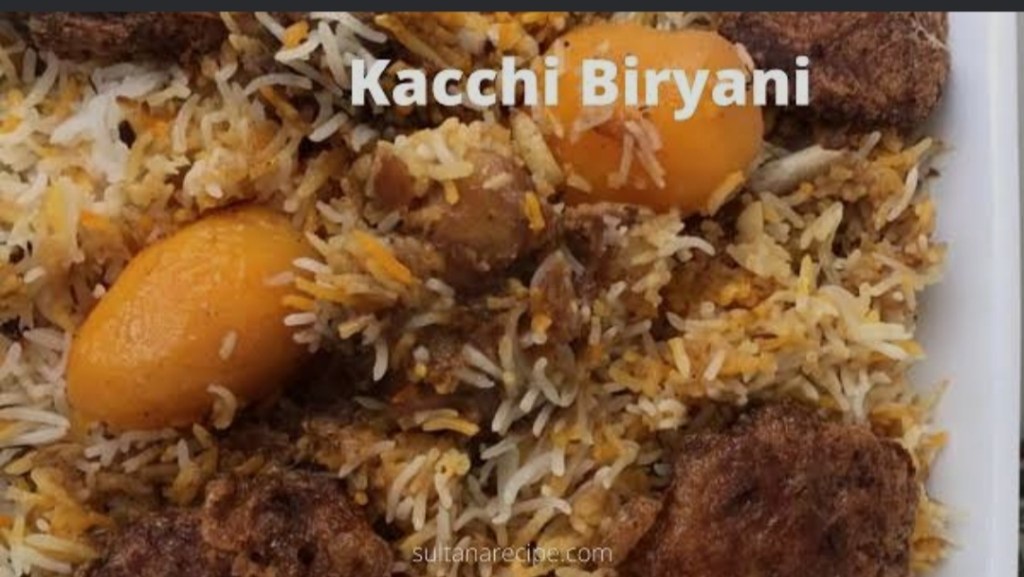
Kacchi Biriyani :- In a kacchi biryani, layers of raw marinated meat are alternated with layers with wet, pre-soaked, raw rice (which may be treated with different spices as above), and cooked together by baking or medium-to-low direct heat (typically, for at least an hour). Cooking occurs by a process of steaming from the ingredients’ own moisture: the cooking vessel’s lid is sealed (traditionally, with a strip of wheat dough) so that steam cannot escape.
In Indian Subcontinent there is various kind of biriyani, such as :-
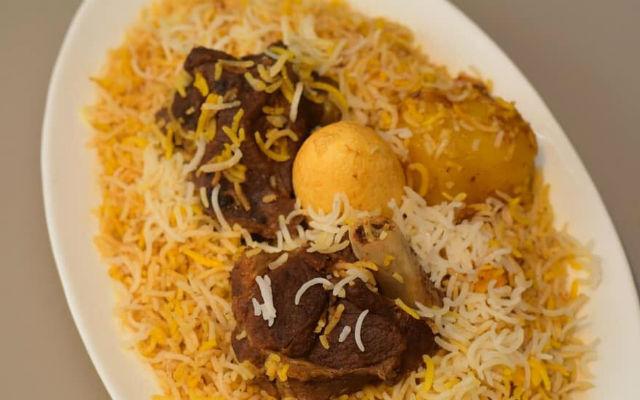
1. Aminia :- Aminia has been treating people to delicious Awadhi style biryani in Kolkata ever since its first outlet opened up in 1929, and its popularity shows no sign of waning.In addition to the succulent meat and the tasty rice, you’re treated to a side of rezala when you order their biryani, which is a curry made from coconut, yoghurt, cream, and cashew nut paste.
Details :- Where: Aminia, 201/1, Rajarhat Road, Meena Tower Central Area, Chinar Park (multiple locations)
When: 11:00 AM to 11:00 PM
Cost For Two: Rs 600
Contact: 8335036781
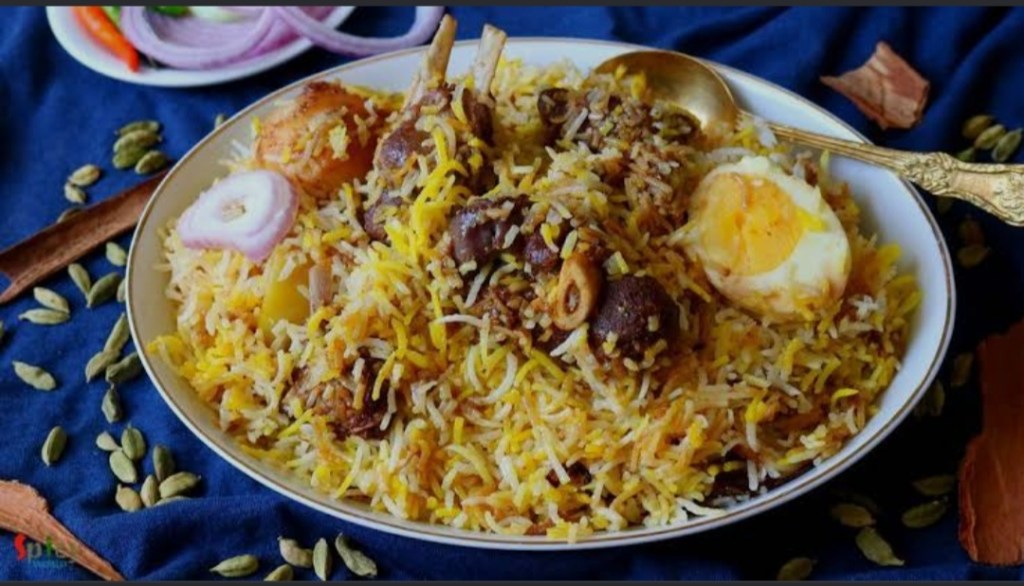
Aminia’s Mutton Biriyani
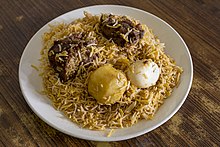
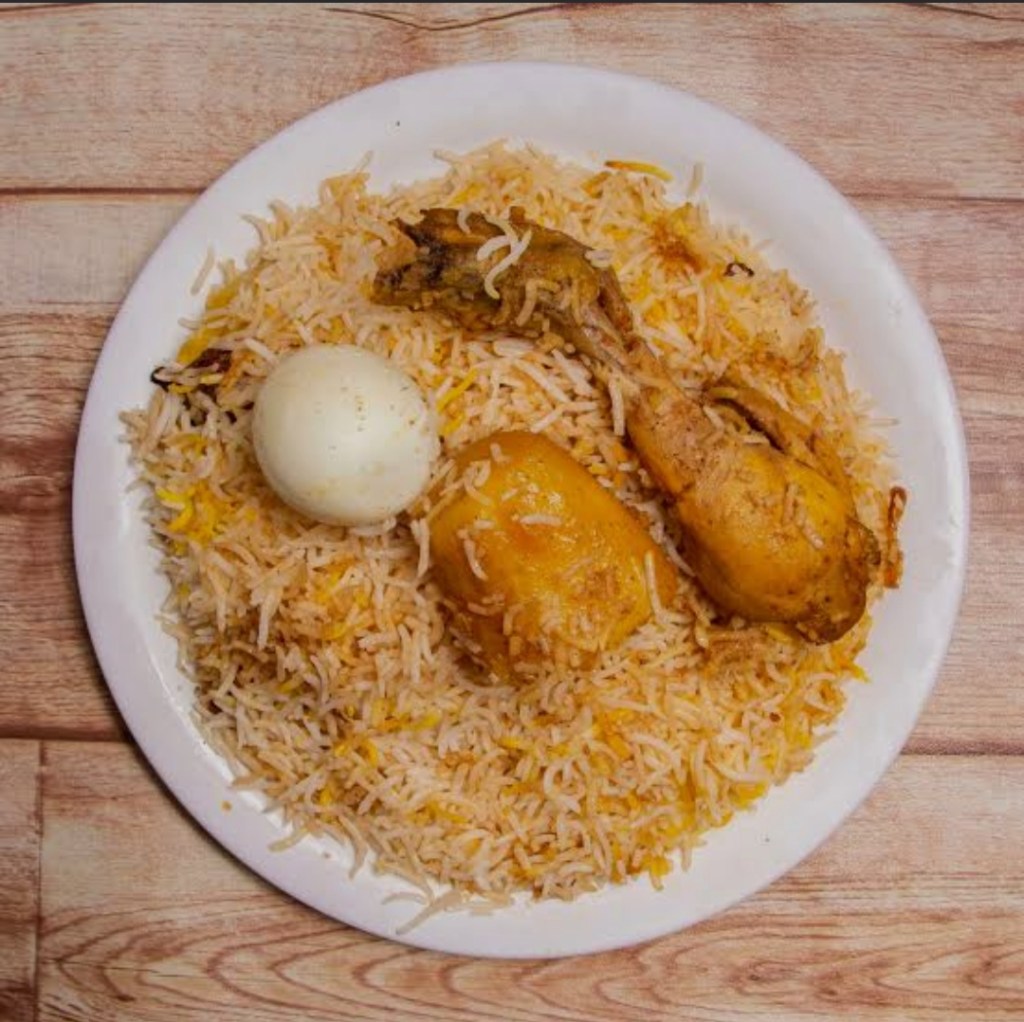
2. Arsalan :- To get a taste of authentic Mughlai cuisine in the city, one place that cannot be missed is Arsalan. Their legendary chicken biryani is served with one succulent piece of meat and a perfectly cooked potato on a bed of rice. There is a must tried sweet iteam called ‘firni’ is amazing.
Details :- Where: Arsalan, 28, Circus Avenue, Near A.J.C. Bose Road Flyover, Park Circus Area
When: 11:00 AM to 11:00 PM
Cost For Two: Rs 700
Contact: 9007007921
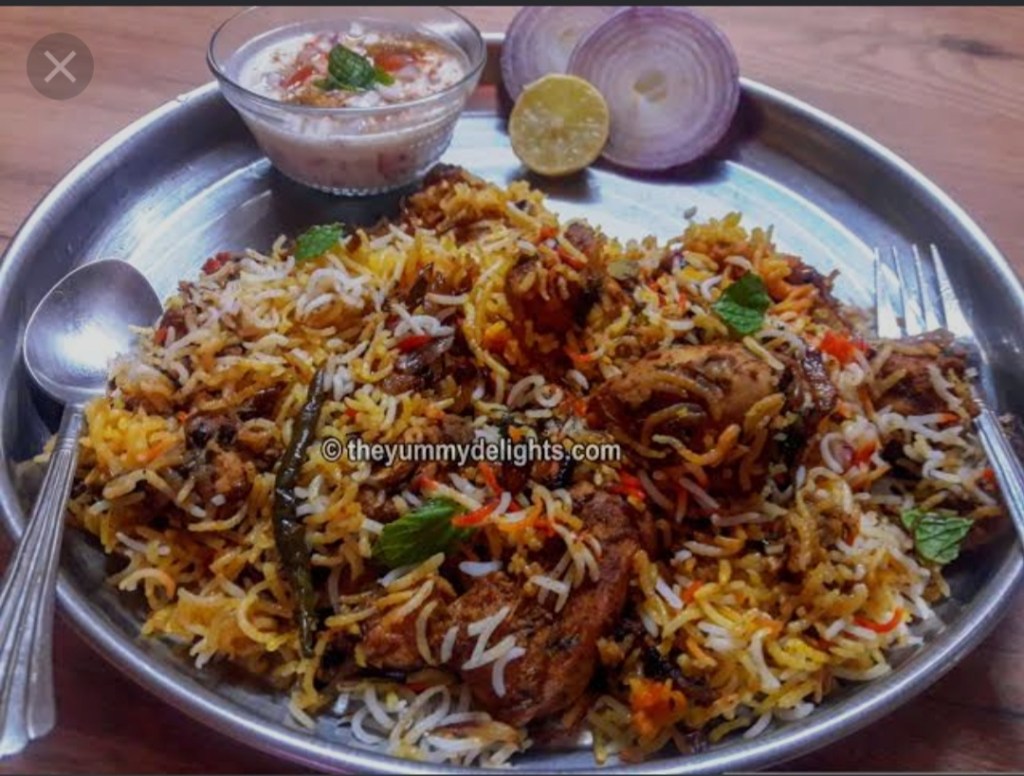
Arsalan’s Chicken Biriyani
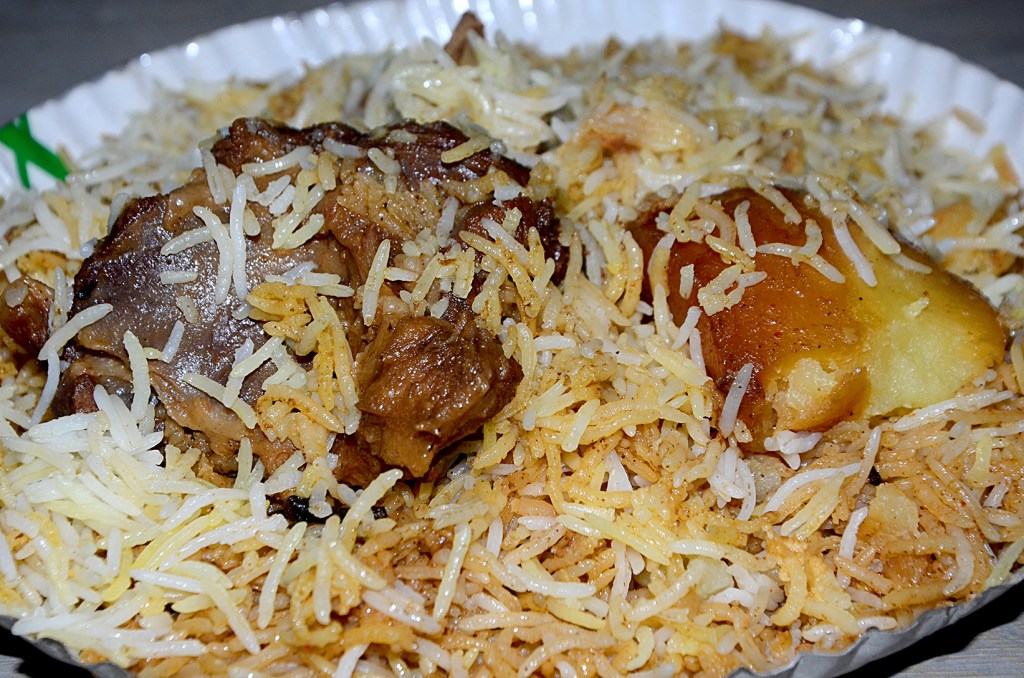
3. Dada Boudir Biriyani :- There’s an eternal love affair between the people of Kolkata and Biryani.The Biryani Md Kalim Khan, head cook at Dada Boudir Hotel was a childhood friend of Sanjib Saha. Before he joined the restaurant, Sanjib was continuing with the family tradition of serving Bengali meals. Khan started working at Dada Boudir Hotel from 1988 and he brought with him his panache and expertise in Biryani – Dada Boudir Hotel has been serving Biryani since then.
Details :- where : 213, Shri Aurobindo Sarani Rd, Manicktala, Khanna, Kolkata, West Bengal 700006
From more than a century humankind is asking about could we ever be able to travel with speed of light, Is travel with speed of light is possible?. As space enthusiasts, could space ships shown in movies star trek and star wars be possible, can we make warp drives?
Let us first discuss about speed of light. It is a cosmic speed limit. Speed of light is fastest speed of which any two poles in space can communicate with each other. It is a speed at which light travels. In one second a beam of light can make 8 rotations. The standard speed of light if we convert to km/hr than speed of light is 1,079,252,848.8 km/hr(1.07 billion km/hr). Or we can say 299,792,458 meter/sec. So again question arises can this speed be achievable. If we can make to travel with speed of light then to reach to our nearest star Proxima Centauri it will take 4.2 earth years. So if we travel 5 times speed of light then to reach proxima centauri it will take nearly 1 year.
In 1994 a Mexican physicist Miguel Alcubierre published a theory, in which he showed how a warp drive is possible with Albert Einstein’s Theory of General Relativity. He said that in order to make a warp drive it will require a huge amount of negative energy. Negative energy equivalent t mass of Jupiter.
Alcubierre said that if the lift hand side of Einstein’s equation is for curvature of space-time, right hand side is newton’s gravitational constant with T is stress energy factor, then there requires a negative energy in right side to bend fabric of space-time. Alcubierre determined that the ship needed to stay inside a flat space-time bubble, which is such that it can move with any arbitrary speed.
But, Alcubierre’s theory is as real as fiction. As we know that negative energy is not possible and does not exists. Anti matter exists and is different from negative energy. Anti matter is a regular matter with opposite charge but with it has positive mass.
In 2021 paper by physicist Erik Lentz of Gottingen University showed that space time warp bubble solution is possible by positive energies and theoretically move at any arbitrary speed.
Again we have question that is warp drives be possible? The answer is Yes.
In recent papers published by Advanced propulsion laboratory at Applied Physics authors Alexey Bobrick and Gianni Martire showed that how warp drives are possible without negative energy. They showed that we can travel with some fraction of speed of light, but to travel faster than speed of light you would need a superluminal matter. In other words, you would need a matter that travels faster than speed of light. Accelerating anything with mass to speed of light requires an infinite amount of energy. This would be true for any warp engine design, but is impossible.
Gianni and Bobrick showed that there are four types of warp drives, of which Alcubierre showed class 3 type. They showed that Class 1 type of warp drive is physically possible with positive energy and real matter and they don’t travel with speed of light. These classification is based on speed inside the bubble(Vin) and speed outside the bubble(Vout).
These can be achieved by time dilation. Gianni and Bobrick proposed two ways of time dilation, either you go really fast with 90% of speed of light or you put yourself into a strong gravitational field. The stronger the gravitational speed the slower the time passes for passengers. If we make a ship of super dense material, perhaps close to mass of a neutron star then gravitational field will be strong enough for time dilation. They designed a shape, if the ship has diameter of 620 meter with mass of 10% as of sun then time for the passengers inside the ship will be 1/10. The passengers will travel to Proxima Centauri in 9 Earth years but for passengers inside ship will feel as of 10 months.
But to move such a massive ship we need a powerful engine. If we convert its 13% mass to energy than we can get enough energy. The one way is fusion as it converts 1% of mass to energy. The one Bobrick and Gianni proposed that if we take advantage of Gravitational Accretion Energy. This is disklike flow of dust, gas and plasma orbiting around a massive astronomical object. The friction and loss of angular momentum creates huge amount of energy that potentially be harnessed. Accretion disk can convert 10% of any given mass into energy which is highly sufficient.
Now the question is no longer “If” humanity will achieve warp travel, now the question is “When”.
The European debt crisis started in 2008 when many European countries were not able to refinance their government debt or bail out over-indebted banks of their country without the supervision of third parties like the European central bank (ECB), other countries and the International Monetary Fund (IMF). Portugal, Italy, Ireland, Greece and Spain had to some degree failed to generate enough economic growth to pay off bondholders.
There were many reasons behind why the European debt crisis occurred. One of the main reasons was because of the common currency of Europe, the Euro.
Every member of the EU shared the Euro and also had similar monetary policies. But each country had control over its own fiscal policies that decided government borrowing and spending. Because of this, countries like Portugal and Greece kept borrowing and spending and soon, it went out of control. Large amounts of debt began to build up. This was the structural problem of having a common currency for multiple countries but not having rules on forming their respective fiscal policies.
The second cause was the Global Financial Crisis in 2008. Because of this, Industrial production fell and financial institutions plummeted. This discouraged investors. The cost of borrowing also increased as investors demanded more interest. Hence, Greece struggled to keep up as they relied heavily on debt. Their GDP decreased by almost 7% and output fell by 16%.
Third, strict restrictions slowed economic growth. Unemployment was increased, consumer spending was reduced and also reduced lending capital. There were also no penalties for violating debt to GDP ratios that were set up by the EU. This was because it was believed that the only penalty possible was exclusion from the EU and this would lead to a fall in the value of the Euro itself.
Another cause was the increasing central government debt and the high cost of borrowing coupled with the failing financial system. Greece’s debt became 113% of their total GDP and needed countries like Germany to bail them out and pay their creditors. Soon, Spain, Ireland and Portugal also needed bailouts.
Lastly, many of the EU countries had large trade imbalances which contributed heavily to the crisis as a whole. Germany was the only country with a good debt and fiscal deficit situation. Countries like Italy, Spain and Portugal had a large fiscal deficit and an even worse balance of payment position. Some countries went to the World Bank and International Monetary Fund for assistance as they were very financially stable. Amidst all this, the Euro was devalued to boost exports in hopes of helping economic recovery. However, what this did was worsen the debt situation as it increased the dollar value of the existing debt.
According to Prof. Seligman, taxes are defined as a compulsory contribution from a person to the government to defray the expenses incurred in the common interest of all without reference to special benefits conferred.
Types of tax
In modern times taxes are classified into two types. There are: ✓Direct Tax ✓Indirect Tax
Direct Tax
A Direct tax is paid directly by an individual or organisation to imposing entity.
A tax payer, for example, pays direct taxes to the Government for different purposes, including real property tax, personal property tax, income tax or taxes or on asserts.
Corporation Tax
It is levied on profit of corporations and companies. It is changed on royalties, interest, gains from sale of capital assets located in India, fees for technical services and dividends.
Wealth Tax
It is imposed on property of individuals depending upon the value of property. The same property will be taxed every year on its current market value.
Gift Tax
It is paid to the Government by the recipient of gift depending on value of gift.
Estate Duty
It is charged from successor of inherited property. It is not desirable to avoid payment of taxes. They are levied directly on income and property of persons, who pay directly to the government.
Indirect Tax
On the other hand when liability to pay a tax is on one person and the burden of that tax shifts on some other person, this type of tax is called an indirect tax. Indirect Tax is a tax whose burden can be shifted to others.
Service Tax
It is raised on provision of Service. This tax is collected from the service recipients and paid to the Central Government.
Sales Tax or VAT
It is an indirect tax on sale of goods because liability to collect tax is that of shopkeeper but the burden of that tax falls on the customer. The shopkeeper realizes the tax amount from the customer by including it in the price of the commodity that he sells.
Excise Duty
It is paid by the producer of goods, who recovers it from wholesalers and retailers. This tax in India is levied by the Central Government.
Entertainment Tax
The state government charge such tax on every transaction related to entertainment.
Some examples are movie tickets, video game arcades, stage shows, exhibitions, amusement parks, and sports-related activities.
Goods and Services Tax (GST)
Goods and Services Tax is a kinds of tax imposed on sale, manufacturing and usage of goods and services. This tax is applied on services and goods at a national level with a purpose of achieving overall economic growth. GST is particularly designed to replace the indirect taxes imposed on goods and services by the Central and State.
“It was only for the good of his subjects that he collected taxes from them, just as the Sun draws moisture from the Earth to give it back a thousand fold” – Kalidas
Bir Billing, Himachal Pradesh beautiful evening sky .
Bir Billing the land of beautiful human birds you can see here , known as ” Paragliding Capital of India”.
This place is famous for ecotourism, spiritual studies and meditation , Bir is also a hometown for Buddhist monasteries where you can visit and suit yourself to their hospitality.
The famous thing is paragliding where Billing is the takeoff site for paragliding and Bir village is for landing , so two words together and here is Bir Billing . We can find here many small cafes and their traditional food square which is amazing , people are very friendly nature loving and they have small markets , selling their traditional accessories .
Bir is also famous for mountain biking , by cycling bikes you can visit around the Buddhist monasteries. Zig Zag roads are so beautiful surrounded with beautiful mountains and greenery.
In Bir you can also find here beautiful hostels very affordable and homestay is a great experience where you can connect with so many new people and share about your experiences. The hostels they organized fun games and adventures tales , you can show your talent to people it’s a very artistic place.
If you ever want to experience the most pleasing sunset just as a flying bird , then obviously you should visit the Bir Billing by experiencing the aerial sports.
Majestic views of the higher Himalayas and Tibetan settlements can be best explores walking down its narrow lanes while appreciating the beauty all around surrounded with Himalayas mountains .
July 1 is celebrated as ‘National Doctor’s Day by the Indian Medical Association (IMA). commemorating the iconic and internationally renowned medical practitioner, Dr Bidhan Chandra Roy who served as a physician, a freedom fighter, an educationist, and a politician. Amidst the pandemic, while India is still battling with the deadly virus, our Frontline Warriors are too fighting to save our life, and one of those heroes are our doctors. There’s no better day than today, National Doctor’s day to express our gratitude for our medical saviours. This pandemic has made us realize how important doctors are for a country. everyone who has survived corona is due to these frontline warriors who saved lives without even worrying for their own lives and their families.
This day was first celebrated in 1991 to honour the chief minister of Bengal, dr BC Roy. He played a great role in establishing medical institutions like Jadavpur T.B. Hospital, Chittaranjan Seva Sadan, Kamala Nehru Memorial Hospital, Victoria Institution (college), Chittaranjan Cancer Hospital and the Chittaranjan Seva Sadan for women and children. He was also referred to as the first medical consultant in the subcontinent of India who was more successful and dedicated than his contemporaries in several fields by British Medical journal.
We celebrated this day to express our gratitude towards all the doctors who work endlessly to keep our country and families healthy.
So you’re considering learning web development skills, and you’ve heard that becoming a full stack developer is the way to go. that’s very savy developer have both the front end and back end developer skills most tech teams need. that means you’ll be able to apply for both software engineering jobs and web development jobs alike- or land a gig doing both. if you are ready this guide will help you plan a full stack web developer career roadmap, point you toward thwe web development skills you need, and land the job in as few as 90 days. here’s how to do it.
TABLE OF CONTENTS
get to know what full stack means
decide if full stack is right for you
find your front end and back end skill gaps
learn the programming languages and web skills you need
build your web developer portfolio
find full stack developer jobs
ace your web developer interview
METHODS TO BECOME A FULL STACK DEVELOPER
1.GET TO KNOW WHAT FULL STACK MEANS: Before you jump into learning the skills let’s get clear on what a full stacker developer actually is. full stack developer are developers who work with both the front and back end of a website or application. there are familiar with HTML, CSS, Java script, and one or more back end languages. hence the term full stack they’ve got all the web development skills to build sites and apps from start to finish.
2.DECIDE WHETHER FULL STACK WEB DEVELOPMENT IS RIGHT FOR YOU: You may have heard whisperings that full stack developers aren’t necessarily beloved. there’s a pretty large divide between people who think of full stack developers as the famed unicorns of the tech world and those who feel like they’re spreading themselves too thin. here’s a quick breakdown of the pros and cons of full stack.
3.FIND YOUR FRONT END AND BACK END WEB DEVELOPEMNT SKILLS GAPS: If you dont have any web development skills, start by learning the ones that will land you a front end developer job.
4.TECH YOURSELF THE NECESSARY PROGRAMMING LANGUAGES AND WEB DEVELOPMENT SKILLS: Now that you know which skills you need to learn it’s time to set about learning them ideally within the next 90 days. that may sound very little time, but here’s the beauty of becoming a full stack developer. you can start applying for jobs before you’ve finished learning all the skills. in fact you can even find your first client as soon as you enroll in a web development course by using them as your class project.
5.BUILD UP A WEB DEVELOPMENT PORTFOLIO: Every web developer and engineer front end, back end, full stack, haystack needs an online portfolio that showcases their work. ideally that portfolio is also one of your designs. regardless make sure to update it before you start applying with your strongest projects.
What is more pathetic? Being a victim or to witness your loved ones suffer?
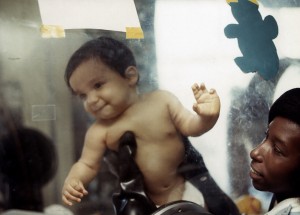
SCID is also known as bubble boy syndrome. It is a disorder caused due to the lack of ability to produce B cells and T cells in the immune system. It can literally be called as the malfunctioning of the immune system. SCID is a genetic disorder which is prone to affect the male heritance of the generation. The person with SCID lacks their immunity where they cannot fight against even basic common cold.
Symptoms and cure:
Due to the lack of immunity the victim suffers from any kind of infection prone due to bacteria, virus, fungus etc… But very much prone to common diseases like Diarrhea, Liver disorder (hepatitis), skin infections Meningitis. Yes there is cure for it due to the advancement in medical science. Stem cell treatment or also known as Bone marrow transplant. It acts as a permanent cure to this disease. But early diagnosis is very much essential for increasing the survival rate.
LIFE OF DAVID VETTER:
The world prominently came to know about this disease after David Vetter. Parents of David Vetter were already expecting him to be inherited with this disease after losing their first son after 7 months of his birth to the same disease. So his parents decided to isolate him as soon as possible to a sterile environment. Though he spent early days of his life in Hospital, after some time he was able to live in his home with his parents inside a sterile bubble like chamber. All the products sent inside like food, clothing’s were all steriled and then sent in. His parents were trying to give him a normal life by giving education, television and playroom inside it. Though at first he was unaware of the importance later he came to know about the importance of the sterile bubble for his life survival. He was designed with a special suit by NASA which would allow David to walk out of his bubble and see the outside world. His sister Katherine was his donor to the bone marrow transplantation. Though the transplant was success it failed to give the expected result. He became prone to illness which when they found that the Katherine had traces of dormant virus which was undetectable in the screening. And finally he was dead and laid next to his late brother David Joseph Vetter III.
Cows, tigers, lions, elephants, horses, bulls, snakes, and monkeys are all revered in Hindu mythology. The Vedas, Hinduism’s early writings (written in the second millennium BCE), preach ahimsa, or nonviolence, to all living things. In Hinduism, killing an animal is considered a violation of ahimsa and results in negative karma. However, while people display their devotion to deities and the animals associated with them in temples, animals are also subjected to cruelty in places such as circuses. The Indian Constitution contains several laws for the safety, protection, and punishment of animals, including the Indian Penal Code (IPC), the Prevention of Cruelty to Animals (Slaughterhouse) Rules, 2001, the Wildlife Protection Act, 1972, and the Prevention of Cruelty to Animals Act, 1960 (PCA Act), to name a few. Among other Regulations and Acts of the Indian Constitution, Article 48A, Article 51A(g), Sections 428 and 429 of the IPC establish rules against animal cruelty. Animal sacrifice is prohibited in all parts of the country, according to Rule 3 of the Slaughterhouse Rules, 2001. In addition, the Central Bureau of Investigation investigates specific wildlife offences (CBI). Following the Covid 19 incident, numerous incidents have surfaced exposing the brutality of the human mind, the most recent of which being A suo motu case initiated by the Kerala High Court on animal cruelty will now take the name of Bruno, a Labrador dog reportedly slain by three teenagers in the State. In Gujarat, a stray dog was mercilessly thrashed and carried 500 metres by a two-wheeler.
A dog raped with a screwdriver in Goa, a langur hung and tortured to death in Telangana, and a street dog assaulted, tied to a motorbike, and then thrown over the second floor of a building in Ludhiana are just a few of the heinous crimes against animals that have been documented. How about the pregnant elephant who died in Kerala when suspected firecrackers disguised in fruit detonated in her mouth? On March 28, 2021, a man was seen on CCTV assaulting a stray dog in Naya Nagar, Goregaon West, Mumbai; however, no police case was filed.
Molesting a stray dog in Goregaon West, Mumbai; however, no police case was filed. The Supreme Court of India recognised the Right to Life as enshrined in Article 21 of the Constitution of India to include animals in a case titled Animal Welfare Board of India v. Nagraja&Ors. In 2014. The Supreme Court of Nepal banned the unlawful transport of cattle to Nepal for the Gadhimai festival in 2014, which helped to reduce the number of animals killed that year. In the case of Karnail Singh and others against State of Haryana, the High Court of Punjab and Haryana recognised all creatures in the animal world, including avian and aquatic species, as legal beings on May 31st, 2019.
All inhabitants of Haryana have been designated as persons in loco parentis (in the place of a parent), allowing them to act as guardians for all nonhuman animals in the state. The only way to bring these activities back to normal is to enact stronger rules and provide legal protection for animals. This is the first step toward achieving a mindset shift in order to build a society in which animals are treated equally to humans.
According to an IndiaSpend research, the number of incidences of mob lynching is on the rise every year. The term “vigilance” is described by the Cambridge dictionary as “law enforcement conducted by a self-appointed group of persons without any legal authority.” People who want to enforce legal power without any legal grounds are involved in lynching instances. A lynching occurs when a group of people kills a person, accusing him of committing an offence that is frequently motivated by religious prejudice or amusement. When one community’s beliefs about an issue disagree with the views of the other community, an unlawful act of mob-lynching occurs as a result of the conflict. In India, states like Uttar Pradesh, Haryana, Delhi, Gujarat, Karnataka, Rajasthan, and Madhya Pradesh have the largest number of cow-related mob attacks.
The country’s impact on mob lynching In particular, there has been an upsurge in the frequency of lynching cases. Since the BJP administration came to office in 2014, there has been a rise in the frequency of such attacks. This act of people taking the law into their own hands due to a lack of understanding of the justice system poses a severe danger to the Rule of Law and Natural Justice concepts. Such activities have also posed a major threat to the country’s minority populations, and adequate measures must be made to prevent and deter such crimes.
The Supreme Court has ruled on lynchings by mobs. In the case of Tehseen S. Ponawalla v. Union of India & others, the Hon’ble Chief Justice of India, Dipak Mishra, and the three-judge bench denounced recent occurrences of mob lynching and mob attacks on Dalits and members of other communities. On July 17, 2018, he asked the parliament to draught and enact laws that would make mob lynching a separate crime and set punishments that would serve as a deterrent to future lynchings.
Furthermore, the bench argued that no one or group of individuals can take the law of the land into their own hands and impose punishment that they are not obligated to impose. Furthermore, the Chief Justice of India underlined the necessity of issuing orders for punitive, rehabilitative, and preventative measures.
Lynching punishments In our country, there is no explicit legislation or legal provision dealing with lynchings or mob violence. However, the following statutes, which are currently part of the Indian Penal Code, provide for the penalty of mob lynching.
Section 302 of Indian penal code. Section 304 of Indian penal code. Section 325 of Indian penal code. Section 34 of Indian penal code. Section 120B of Indian Penal Code .
Conclusion Mob lynching can occur for a variety of causes. Witch-hunting was one of the causes of mob violence, with 2000 mentally ill women being murdered because of rumours accusing them of kidnapping and murdering children. In India, religious conflagrations such as the 1984 Sikh riots, Anti-Muslim riots in Gujarat, or the lynching of Ghulam Muhammad by Hindu Yuva Mahaini over his relationship with a Hindu girl in the neighbourhood have had a negative impact on the country.
There are many tips that you can use to become an event planner and become one of the best, however, you need to know that to become an excellent event planner you need to pay attention to the fine details and offer the best to your clients. This can take a lot of time from your day-to-day activities. To become an event planner you need to put forth a lot of energy and time.
The first tip and the most important one is that you need to get in contact with some of the best supplies. You need to have a business contract and connection with many suppliers so that you can offer the best to your clients. Remember when you have the best suppliers; your reputation will be excellent.
Also, always give your clients options. Have a least a dozen venders that you work with on a regular basis so that your clients can choose from a few options. When you give your clients options they will feel more evolved in the planning process.
You need to think about what kind of events that you will plan. They can be small dinners to huge weddings so you need to come up with creative ways to bring life to a party. There are going to be a lot of signatures styles, but if you continuously research then you can keep up on trends and event activities.
When you are doing a wedding that is multicultural, you need to learn about both of the cultures that they want present in the wedding. This will give you a better understanding of the traditions that they want to honor.
You also need to think about your location of business. Is your office somewhere respectable or in the ghetto? You need to make sure that your clients are going to feel comfortable in your office. This way you can have more cliental.
As an event planner you need to learn how to communicate effectively. You need to know what is acceptable and what is not by reviewing all your details with the clients. The party isn’t about you, but the clients. You need to keep that in mind. Even if you think sometime is wrongfully place, listen to your clients needs and wants.
Another way for you to enhance your reputation is to keep ties with the clients who were very pleased with your performance. Use them as references, but always ask before giving out any information. This way you can give future clients and idea of your quality.
You may also want to ask your clients if you can take general pictures of the event so that future clients will be able to see what exactly you are capable of doing. This is will make a lot of people hire you on the spot.
Talk to the client and set a budget before contacting any of your suppliers. This way you can communicate effectively with your suppliers and clients. You can offer the best possible solutions and ideas within a budget. If you can pull off an extraordinary event within a budget, then you will be recommended to everyone. There are only two things that matter and that is the design and cost of an event.
Finally, you need to have a personality that allows you to interact with others and really hear what others want. You need to have the strength to handle everything with a collective attitude, as well as, make the planning process fun for your clients. Your personality and the way you handle things makes a huge difference in being a successful event coordinator or an okay planner.
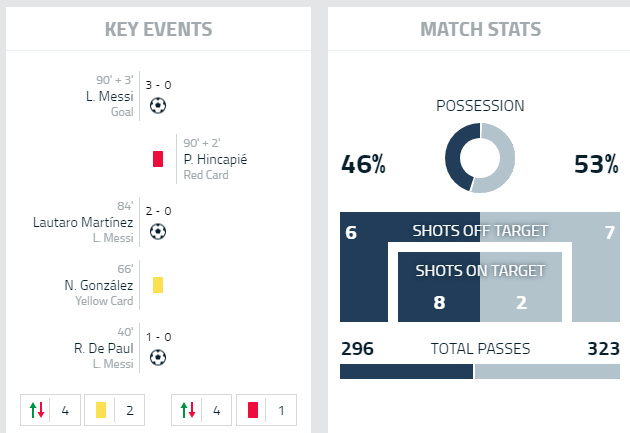
Argentina advance to the semi-finals of the Copa America after being Ecuador 3-0 in their clash at the Olímpico Pedro Ludovico. Rodrigo de Paul opened the scoring in the first half with his first international goal. The Albiceleste had to be patient in the second half, but late efforts from Lautaro Martinez and Lionel Messi secured the win to send them into the last four. Ecuador battled hard, but lacked the quality before defender Piero Hincapie ended his tournament on a low note by receiving a red card.
‘He gives us confidence and joy’ – Messi dazzles with Copa America quarter-final free kick against Ecuador
(Dan Bernstein)
Lionel Messi scored a free kick to cap his excellent performance in a 3-0 victory over Ecuador on Saturday in the Copa America quarter-finals, drawing effusive praise from his team-mates.
The forward also assisted twice – once without looking at his target as he made the pass – in a Man of the Match effort that prompted Nico Gonzalez to say the entire squad draws “confidence and joy” from his play.
Argentina will play Colombia in the final four on Tuesday.





















You must be logged in to post a comment.