The Arctic’s last ice area

 A region present in Northern Greenland was named the Arctic’s last ice area. This was named as such because scientists believed that this area was the strongest and most resistant to global warming. Global warming has caused some major effects around the globe melting of ice caps, ever-rising sea levels, erratic weather conditions all of these occur due to global warming. Due to various human activities, harmful gases and pollutants are released into the atmosphere which results in increasing the temperature and also causing a breach in the ozone layer.

Let’s take a close look into what the last ice area means; the National Geographic in the year 2015 estimated the climatic changes and their effects on our environment and predicted that by the end of 2040, the final place to able to withstand global warming would be this area. It’s devasting to imagine that in another two decades there will only be a small island on which global warming would not have its effect. Furthermore, the World Wildlife Fund also stated that the current climatic conditions are majorly responsible for the shrinking Arctic and are not a good sign for the future. They also made it clear that not only the animals residing in the Arctic are exposed to danger, but also the local Inuit societies that survive on these lands.

This area was regarded important as it would help sustain several species that require the habitat as and when the surrounding areas would have melted. This area is now prominent with several polar bears who use this region as their hunting grounds. But now this area has begun to melt, raising concerns all around the globe. Researchers have stated in a Journal published in “Communications Earth & Environment” in August 2020 this region recorded an ever-low concentration of sea ice; suggesting that the Last Ice area has begun to deteriorate.

The main question that arises is that when did the melting start. Well According to research led by the University of Washington, the initial signs of melting were observed in the year 2018.  They also claimed that about 80% of melting had occurred due to weather-related scenarios like winds and the other 20% was due to global warming. This has resulted in the gradual melting of ice caps throughout the Arctic region, causing panic among the locals.

With the additional help of satellite imagery researchers have identified that sea ice levels were less than 50%. Although satellite imagery cannot be considered to be accurate, it does give us an idea about how worse the situation is. The lead author of the study under the University of Washington also stated the alternate reason for the melting was maybe due to the open ocean causing a cycle of absorbing heat energy from the ice, forcing it to melt.

Although the results and studies are unsatisfactory in giving any accurate reason behind this, it tells us that the effects due to global warming have begun sooner than we had expected and we must get together and must prevent further harm to our environment.

Female pilot will join Jeff Bezos on spaceflight

When American billioniore Jeff Bezos blast off into space later this month. He’ll bring 82 year old Wally Funk with him.

Funk is one of the 13 women who completed a NASA astronaut training program in 1960s, and will be oldest person ever to travel into to space. Funk was 21 year old when she passed the training. In 1960 she was a part of program to determine whether women were fit for space or not.

They told me I’ve done better and completed the work faster than any of the guys, Ms Funk said in a video posted on Mr. Bezos account. But women were denied the chance to become astronaut because of their gender.

In a video posted to social media on Thursday, Bezos space firm blue origin announced that Funk would be among the passengers. Also she will join Jeff Bezos’s brother Mark and the other traveler who paid 28 million, winner of an auction on 20 July. Bezos is currently the richest man on the planet. He is been flying with fellow billionaires Elon Musk and Richard Branson to become the first, to travel into space on a privately developed rocket.

Rani Lakshmibai

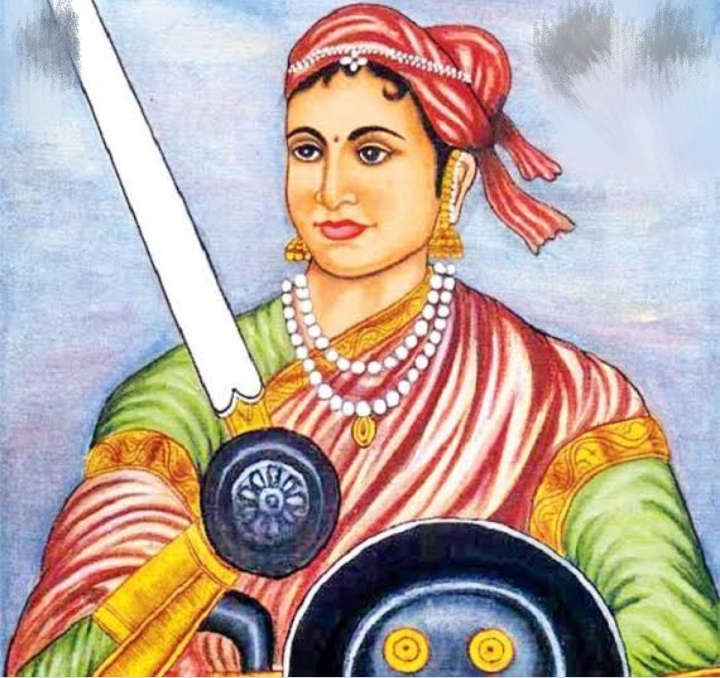
Rani Lakshmibai is an unforgettable warrior in the Indian History. Lakshmi Bai was born around 1827 in present-day Varanasi in northeast India. Named Manikarnika, she was the daughter of a Brahman who worked as an adviser to the court of the peshwa, or prime minister, of the Maratha Empire, Baji Rao II. Though not aristocratic, Brahmans belonged to a higher caste of priests and scholars. When Manikarnika was four, her mother died, and she moved to court with her father. The peshwa raised her like his own; she received an education unlike most girls and trained with the boys in martial arts, fencing, and riding.

Rani & the Annexation of Jhansi

In May 1842, Manikarnika was married to Maharaja Gangadhar Rao Newalkar, the Maharaja of Jhansi. Sometime later she was named Lakshmibai after the revered Hindu goddess Lakshmi. In 1851, she gave birth to a son Damodar Rao, who died in infancy after four months. Sans any heir, the Maharaja adopted the son of his cousin. The boy, originally called Anand Rao, was given the name Damodar Rao on the day before the Maharaja died. The Maharaja conducted the adoption procedure with a British political officer in attendance and gave a letter to the latter with instructions to treat the child with respect. In his letter, the Maharaja also mentioned that following his death, his widow Lakshmibai should be given the government of Jhansi for her lifetime.

The Maharaja died in November 1853, and thereafter the British East India Company, under Governor-General Lord Dalhousie refused to recognise the adopted son of the Maharaja as his heir and annexed the state of Jhansi applying the policy of ‘Doctrine of Lapse.’ The turn of events infuriated Lakshmibai who was generally known to the British as “the Rani of Jhansi”. She resolved not to surrender Jhansi to the British. The British ordered Lakshmibai to leave the Jhansi palace and fort and commissioned to her a yearly pension of Rs. 60,000 in March 1854, which the young queen refused, declaring, “I will not give up my Jhansi.”

The Revolt of 1857 & Rani Lakshmibai

Regarded as the first major resistance against the British rule, the Indian Rebellion of 1857 for the first time posed some kind of a threat to the British rule in India. It began in the form of a sepoy mutiny against the British East India Company in the garrison town of Meerut on May 10, 1857.

As she took control of her kingdom and organized her forces to fight the colonialists, a revolt by Indian soldiers, or sepoys, in the company’s army, which began to the north in Meerut, caught fire. Rather than a single cause, the revolt had been stoked by an accumulation of grievances over what was seen as a British attempt to undermine traditional Indian society and religion.

Till such time, Lakshmibai had not revolted against the British and had actually sought permission from the British political officer Captain Alexander Skene to build a group of armed men for her security, which she was allowed.

The rebels of the 12th Bengal Native Infantry captured the fort of Gwalior in June 1857, and massacred several European officers and their families. The involvement of Lakshmibai in such incident remains obscure and debatable till present. The sepoys left Jhansi acquiring hefty money from Lakshmibai and threatened to destroy the palace she resided in. Post the massacre, Lakshmibai took charge of administration of the city and wrote about the incident to the commissioner of the Saugor division, Major Erskine. The latter replied on July 2 that year requesting her to manage the District on behalf of the British Government till the time a British Superintendent arrived. Meanwhile, Lakshmibai had to defend Jhansi against a group of mutineers as well as from Company allies, Datia and Orchha.

Her appeal to the British for help later fell on deaf ears, the governor-general considered her responsible for the massacre. This, however, did not deter the courageous Lakshmibai to protect Jhansi at any cost. She got a foundry built to cast cannon to be used on the fort walls. She also mustered forces which included former Jhansi feudatories and also some mutineers and managed to defeat the invaders in August 1857. Lakshmibai then ruled Jhansi peacefully till January 1858.

The British had announced to send troops to Jhansi, but the troops did not arrive for long. Meanwhile, a section of Lakshmibai’s advisers, who wanted to free Jhansi from the British rule, bolstered their position and when the British troops finally reached Jhansi in March 1858, they were taken aback by the kind of defence set up by the city. The fort was equipped with heavy guns that could fire across the town. Sir Hugh Rose, who was in command of the Central Indian Field Force, declared that if the city does not surrender it will be destroyed. At this juncture Lakshmibai proclaimed that they would fight for independence till their last breath. She fought the British troops in defending Jhansi when it was besieged by Rose on March 23, 1858. She put up a tough resistance to the British forces and also sought and received help from Tantia Tope.

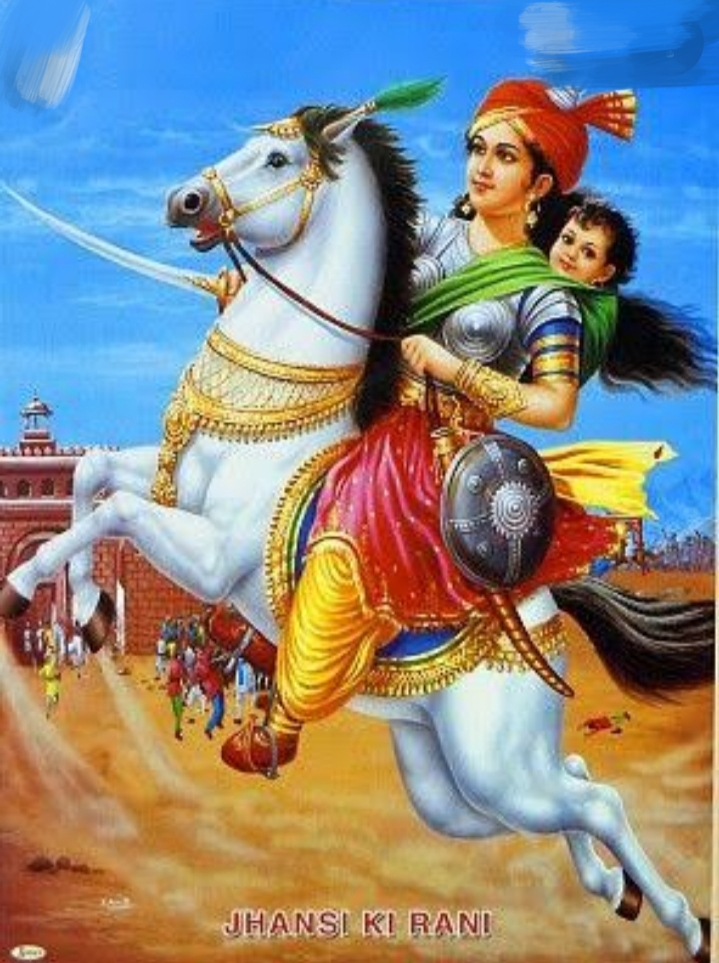
Although her troops were overpowered by the British, Lakshmibai did not surrender. The valiant Rani jumped from the fort on her horse, Badal, with Damodar Rao on her back and managed to escape in the night escorted with her guards. The other warriors who escaped with her included Dee Lala Bhau Bakshi, Moti Bai, Deewan Raghunath Singh and Khuda Bakhsh Basharat Ali (commandant) among others.

Escaping the fort, she headed east and decamped to Kalpi where other rebels including Tantia Tope joined her. They managed to occupy Kalpi, but the British troops attacked the town on May 22, 1858. Lakshmibai led the Indian troops against the British but could not make headway. Lakshmibai along with Nawab of Banda, Rao Sahib, and Tantia Tope then fled to Gwalior and joined the other Indian forces. They were successful in occupying Gwalior sans any combat and led a successful assault on the city-fortress of Gwalior seizing its treasury and the arsenal. Thereafter, Nana Sahib was proclaimed as the Peshwa (ruler) and Rao Sahib as his governor (subedar). Lakshmibai, however, expected an attack by the British in Gwalior but failed to convince the other Indian leaders to prepare for a defence. Lakshmibai’s anticipation proved right when the British forces under Rose made a successful attack on Gwalior after capturing Morar on June 16 that year.

Death

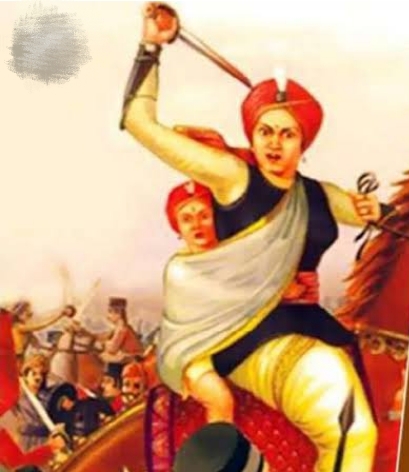
Lakshmibai led a fierce battle against a squadron of the 8th (King’s Royal Irish) Hussars under the command of Captain Heneage in Kotah-ki-Serai, close to the Phool Bagh of Gwalior on June 17, 1858. According to some sources, Lakshmibai wearing a sawar’s uniform died when a soldier “dispatched the young lady with his carbine”, while other sources mention that the Rani wearing an attire of a cavalry leader fought fiercely and when she got severely wounded, she asked a hermit to burn her body so that the British could not capture it. Following her death, her body was cremated by a few local people. According to Rose, the remains of Lakshmibai were interred under a tamarind tree under the Rock of Gwalior “with great ceremony”.

Immortal Rani Lakshmibai

In the course of time, many patriotic songs and poems have been written narrating her bravery, including the Hindi poem ‘Jhansi ki Rani’ by Subhadra Kumari Chauhan, which finds place in curriculum of many Indian schools.

While Lakshmibai is depicted as an iconic figure of the Indian independence movement in Indian novels, poetry, and films, the Victorian novels mostly represent her in negative shade as an unscrupulous, scandalous and bloodthirsty woman.

Several films and television series have been made on her life. These are ‘The Tiger and the Flame’ (1953) and ‘Manikarnika: The Queen of Jhansi’ (2018); television series ‘Jhansi Ki Rani’ (2009).

Many books and stories have also been penned narrating the bravery of Lakshmibai. Some of them are ‘The Queen of Jhansi’ (1956) by Mahasweta Devi, and ‘Rani’ (2007) by Jaishree Mishra.

England into Semis

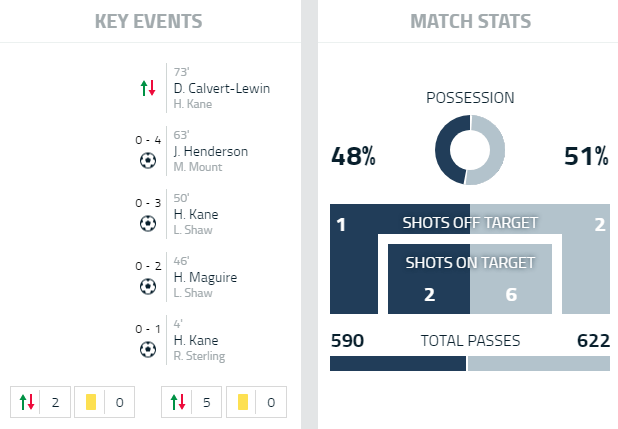
England secure their place in the last four of Euro 2020 with a 4-0 hammering of Ukraine at the Stadio Olimpico. Harry Kane fired the Three Lions ahead in the fourth minute. Harry Maguire then doubled their advantage almost immediately after the restart before Kane added a third with a close-range header. Jordan Henderson put the game beyond doubt with his first England goal, allowing Gareth Southgate and his team to canter into the semi-finals for the second major tournament in a row.

England take on Denmark in their semi-final clash at Wembley on Wednesday. Ukraine are next in action in their World Cup qualifying campaign against Kazakhstan in September.

Ways to Make Your Daily Walk Feel More Like a Walking Workout. [PART 2]

[By Bhoomika Saini]

Home Workout

1. Use elevation to your advantage.

Heading up hills naturally increases the intensity of your walk even if you’re moving at the same pace or slower. “A walking incline can be even harder than running,” Barrett says. Declines also serve their purpose, activating your core and strengthening your mind-muscle connection as you focus on each step.

Those lucky enough to live near undulating trails or roads can simply plan their route accordingly. If you’re largely on flat land, find any suitable slope—even a sledding hill or a parking-lot ramp—and do four to five hill repeats, walking up purposefully and down intentionally.

2. Do an out-and-back where you can do some stair climbs at the halfway point.

One simple way to add extra intensity into your workout is to incorporate some stairs into your routine. A common way to do this is to map your route to include regular walking as a warm-up, then hitting a flight of stairs for some higher-intensity work, and then walking back home as a cooldown.

For instance, Lewis lives in Philadelphia—home to the art museum with the steps featured famously in the movie Rocky. Someone who lives a mile or so away could plot a route to their base, then climb up and down a couple of times before briskly walking home again, she suggests. (You can also try this stair workout for some inspiration.)

3. Mix in some bodyweight moves.

Even if there aren’t stairs in your vicinity, you can still break up a walk with a burst of calisthenics. If you have access to a track or a park with a looped path, try walking the curves and doing dynamic or bodyweight moves on the straightaways, Curry says—for instance, walking lunges, walking planks, or single-leg hopping. No track? Try it by time—for instance, two minutes of walking, then one minute of strength moves.

If you’re near an open playground and don’t mind toting along hand sanitizer, you can do pull-ups or monkey bars. Prefer not to touch? Try toe taps on a curb, step-ups on park benches, or a split squat with one foot elevated on a ledge.

4. Walk to music with a quicker tempo

There’s a reason group fitness classes blast power pop—music not only boosts your mood, research shows it can actually make hard efforts feel easier. What’s more, it can also work as a kind of metronome guiding your pace.

Spotify has playlists for songs of various beats per minute that Lewis loves for keeping the tempo up. Choose one that’s comfortably challenging—say, 130 to 140 BPM—and will last for the duration of time that you want to walk, and aim to keep up with it. (You can also try our SELF playlist of the best workout songs for some motivation, too.)

Or use music as a cue for more intense segments. Walk easy for verses and fast during the chorus, suggests Erin Schirack, a Chicago-based personal trainer and cofounder of MV Fitness. Theodore recommends this bodyweight circuit at the start of every other tune: 10 squats, 10 split squats on each leg, 10 lateral lunges per leg, and 10 push-ups, either on the ground or with your hands on a bench to make it easier.

5. Or even twirl, prance, or twerk.

Professional dancer Bobby O’Brien is the other mind behind MV Fitness in Chicago, which offers dance workouts inspired by music video choreography. Sprinkling a few moves into your walk elevates your heart rate and gives you an opportunity to move in different directions—critical for those of us hunched at desks and over our devices all day, he says. Some of his favorite moves are air punches, grapevines, lateral shuffles, and strutting on the balls of your feet, which works your calves and quads.

Don’t let self-consciousness or a lack of dance training hold you back. After this whole COVID thing and the movement that’s been happening with our country—we’ve all gone through this together. “Let go of everything that’s in your head and don’t worry about what people think.”

6. Use technology to your advantage (or leave it behind).

This is another time when it’s important to consider the purpose of your walk. If it’s a mind-clearing, meditative stroll, it might be best to leave your GPS watch at home and your phone in do-not-disturb mode, Lewis says. But if you’re aiming for fitness benefits, you can use digital tools as motivators.

If you have a watch or fitness tracker with a step count, try to take a few more steps during each 30- or 60-minute walk. Or you can race others using the app Strava, whether it’s against friends or strangers.

If you go this route, just be careful not to let your competitive nature get the best of you. Stress and anxiety can affect what’s known as your rate of perceived exertion, or how hard it feels like you’re working to power through each step.

“You need to listen to your body,” she says, even if the message is to slow down or back off. “If you’re used to hitting a certain number or certain metric, don’t be disappointed by what your Garmin says. You should be more excited and proud that you did something as opposed to nothing.”

7. Close it out with a stretch session.

Taking a few minutes to further loosen warm, limber muscles after a walk can ease some of the strain and fatigue you’ve built up and also give your session a sense of closure.

Your body may guide you to what’s tight and achy. If your form is correct, your shins, calves, and hamstrings may feel sore, Mosier points out. Loosen your calves by standing with the ball of your left foot on a curb or step and your right foot flat on the ground. Lean but don’t bounce until you feel a stretch in your left calf, and hold for 30 to 60 seconds before repeating on the opposite side.

For your hamstrings, step your left foot forward, straighten your left knee, bend the right slightly, then hinge forward at your hips with your back flat. Stretch your arms overhead, reach forward, then slowly stand back up. Repeat five times on each side.

That small act of self-care can go a long way in cementing your walk as an important accomplishment, another way you’re navigating the challenges everyone’s facing right now. It’s this buffer between the workout and the rest of the world, a finishing touch. “It just makes the rest of the day better. And then the next day, you’re prepared to go for a walk again.”

Delhi Unlock News…

Delhi enters the sixth phase of Covid lockdown tomorrow with the stadiums and sports complexes reopening, although they still won’t allow spectators. Cinema halls, multiplexes and and swimming pools, however, will remain shut.

Chief Minister, Arvind Kejriwal’s government today has issued orders allowing the sport facilities to function normally. Earlier, stadiums and sports complexes were opened up for those, training for national and international competitions or to hold such events.

Now, the government has opened them up on a regular basis, but without spectators.

There will be strict adherence to standard operating procedure and other guidelines of the government, and compliance of Covid-appropriate behavior the Delhi Disaster Management Authority ( DDMA ) said.

Spas, schools and colleges, social, political, cultural, religious, and other such gatherings will remain prohibited, its order has stated, according to PTI report. Delhi Metro trains and public transport buses will remain continue to report with 50% seating capacity.

Last week, the DDMA allowed the opening of gyms and yoga institutes, allowing them to function at half their capacity, while wedding at banquet and halls and hotels were okayed at 50% attendance.

Ways to Make Your Daily Walk Feel More Like a Walking Workout. [PART 1]

[By Bhoomika Saini]

Photo by Andrea Piacquadio on Pexels.com

You can still get in your cardio—no running required.

During the last few months, many of us have added a daily walk to our regular routine. But did you know you can turn it into a walking workout too?

Even though many of us have fewer places to go during this COVID-19 pandemic, walking just for the sake of getting out of the house and getting in a bit of movement has become a go-to activity for lots of people.. At the right doses, walking can relieve the stay-at-home itch, offer appropriately distanced opportunities for a change of scenery, and bring structure to often shapeless days.

Taking a walk is also a good way to get some exercise. And while it’s perfectly fine to keep them easy and ambling, especially if they’re primarily for fresh air or mental-health purposes, there are also plenty of ways to make them hard enough that it will feel like a moderate to intense workout. That’s key: Many of us—especially those who depended on classes like indoor cycling—are lacking cardio options since many gyms remain closed (and if yours is open, you might not feel safe going back to it just yet).

Making the shift starts with intention. “Understand the difference between a leisure walk and a fitness walk,” Jayel Lewis, a certified international personal trainer and business coach in Philadelphia, tells SELF. “If you are going to walk for a workout, identify that before you go, and set yourself up for success prior to leaving.”

In other words, decide in advance that you’re walking with the goal of getting your heart rate up or building some strength and endurance. Block out a walking workout on your calendar just like you would a studio or Zoom class, she says. Then, make a plan for exactly how you’re going to execute it. Here are a few options to consider if you’re looking to turn a walk into a walking workout.

1. You don’t need to obsess about gear, but dressing the part helps.

One of the best things about walking as exercise is how accessible it is, says Ellen Barrett, an A.C.E.-certified instructor in Washington, Connecticut, who offers online yoga, Pilates, and dance classes.

Still, putting some thought into your preparation can shift your mind and body into fitness-building mode. “It’s like when actors put on their costume and wig and makeup and turn into a character—it’s the same thing with fitness,” she says.

Start with the shoes; while she’ll wear just about anything, including Crocs, on a jaunt to the park with her family, Barrett picks appropriate footwear for more serious treks. You don’t have to buy expensive new walking-specific shoes, but comfortable and closed-toed options like running shoes, hiking shoes, or tennis shoes provide a bit more support. (If you’re walking for a workout, definitely leave the flip-flops at home.)

A sports bra will reduce uncomfortable shifting and bouncing—which can be an issue, even if you’re doing a lower-impact activity like running—and moisture-wicking clothes keep you cooler on hot days and reduce chafing. Of course, these days, a mask is definitely a must-have accessory to help prevent the spread of COVID-19, and there are some masks that work especially well for walking and running.

Getting everything ready the night before, especially if you’re a morning walker, can make it easier to get out the door in the time you’ve allotted, she says.

2. Kick things off with a dynamic warm-up.

Before you start striding, take some time to boost blood flow and activate the muscles you’ll use while walking, like hip flexors and quads, recommends Kristine Theodore, coach and co-owner of Runaway Fitness in Chicago. Spend a few minutes doing leg swings, lunge walks, calf raises, toe taps, or whatever combination makes you feel loose.

You can also use a foam roller for this purpose, says Krishna Curry, a Los Angeles-based certified strength-and-running coach (and a former pro track athlete). Spend 5 to 10 minutes releasing your hip flexors, inner thighs, calves, and quads. This can be especially beneficial if you’re incorporating faster paces or strength moves into your stroll.

3. Go a little bit longer than you have before.

One of the simplest ways to step up your walk is simply to add more steps, DJ Zmachinski, a certified personal trainer at Life Time in Chanhassen, Minnesota, tells SELF.

Exactly how long or how far depends on your starting point and existing fitness level. “For one person, 10 minutes might be a pretty intense walk,” Barrett says. “And other people need to go 90 minutes to feel like they did something extra.”

Begin where you are—a good goal might be 20 to 30 minutes three or four times per week. Progress slowly, adding two to five extra minutes to each walk per week, Zmachinski says. Once you build up to a duration that feels challenging but doable, you can stay there—or try dropping back down to a shorter distance at a faster pace.

4. Focus on your form.

You’ve probably heard runners debate the best movement patterns and foot placement; similarly, fixing up your walking form can make faster and longer walking easier and reduce your risk of injuries along the way, says Chris Mosier—a personal trainer and coach at Edge Athlete Lounge in Chicago, who competed in the 2020 Olympic trials in the 50K race walk.

If you had watched the race, you would see that athletes glide forward with a smooth and efficient stride rather than bounce up and down, Mosier tells SELF. To mimic them, think about pushing off with your big toe and firing up your glutes to drive your leg forward. Your core should be engaged but not tight, and your gaze should stay level. Keep your elbows bent at about 90 degrees and swing your arms from your shoulders. Try not to let your hands cross the center of your body or rise above chest level, and keep your wrists firm but your grip relaxed.

5. Pick up your pace with intervals.

Intervals—short periods of harder efforts—not only make your walk more challenging, but they can also make it more engaging and fun. And harder doesn’t have to mean “running” if you don’t want it to. After all, elites at the 50K race walking trials compete at a pace that would be pretty quick for a general runner—and they do so for longer than a marathon distance—just with one foot always on the ground. (In fact, that’s a rule of the sport; if you wind up airborne, a judge will disqualify you.)

Mosier’s favorite interval workout is a pyramid. He recommends starting with a 10- to 15-minute warm-up of easy walking. This isn’t a casual stroll, but a focused pace where you could still maintain a conversation.

Then walk fast—at a clip where your heart starts beating faster and you’d be able to speak only in short sentences—for one minute, followed by one minute easy. Follow that with two minutes fast and two minutes easy, then three minutes fast and three minutes easy. Work your way back down again with two minutes fast and two minutes easy, then one minute fast and one minute easy, before finishing with a five-minute recovery.

Don’t want to worry about timing yourself? Make it a less formal Fartlek—that’s a Swedish term for speed play. Simply pick a tree or mailbox ahead of you, walk fast until you reach it, then spend a few minutes walking at an easy recovery pace before selecting another destination.

6. Add some oomph with weights.

Walking already involves your calves, quads, hamstrings, glutes, and core. Integrating weights can further challenge those muscles and also recruit more of your upper body, Barrett says.

Toting light dumbbells or even household objects works, but she prefers 1- to 2-pound wrist weights. That way, your hands stay free, your arms can swing naturally, and you minimize the strain on your hands and wrists that can come with gripping for long periods of time. Ankle weights, while great for mat workouts, can interfere with your knee alignment when worn walking and running, she says.

For an overall more intense workout, you can also wear a weighted vest (this one from Henkelion has reflective straps and a pocket for your keys; amazon.com, from $23), says Zmachinski. Or, DIY by stowing a medicine ball, dumbbell, or other objects from home, like books, in a securely-fitting backpack. Just make sure to keep the weight balanced—and that you’re comfortable with the (unweighted) moves before adding that extra resistance.

7. Tote along some resistance bands.

Prefer to travel lighter? You can still work in some strength moves by wrapping a stretchy resistance band around your wrist to have at the ready for some strength moves, says Curry. Better yet, take two—a small mini-band and a longer, looped elastic resistance band (you can always tuck them into a small fanny pack).

After a walking warm-up, pause at a park, parking lot, or playground (or even your backyard, if you are doing loops) for a quick band circuit. For instance: Place a mini-band around your ankles and do side-to-side monster walks. Lie down with it above your knees for glute-burning bridges. Sit down and loop the longer resistance band around your feet, hold it in your hands, and pull your elbows back for rows. Longer bands can be stretched over a playground pull-up bar or other sturdy anchor point for moves like pull-downs and tricep extensions.


brown; black; white !

YOU ARE SO FAIR, RED COLOUR SUITS YOU!

YOUR COLOUR IS DULL, ITS WHEATISH. DONT WEAR PINK, IT WONT SUIT YOU

“you’re so white”/ “you’re so brown”/ “you look so black, put some foundation” , is what a lot of have heard, growing.

DISCRIMINATION ON THE BASIS OF COLOUR HAS BEEN PREVALENT FOR YEARS ; NOW.

we cant change people’s mind, but can change our thinking.

it does not matter whether we are black, brown or white. what matters the most is our heart, our values and thoughts.

outer beauty might come and fade, but inner beauty stays forever.

every color is beautiful. every color is pure. every color suits your color tone, every color makes you look heaven.

accept yourselves the way you are.

if you accept how you look , the world itself will shut down it’s mouth, if they don’t ; who cares?

love yourself the way you are, keeping appreciating yourself.

thank the almighty/ universe for blessing us with every possible happiness.

BEST MESSAGING APPS!

[By Bhoomika Saini]

Instant messaging has revolutionized the way the world works. Most of us got our first spin with it during the height of MSN Messenger from its launch in 1999. Now the rise of smartphones has changed the way instant messaging works again. However, there’s not a single, one-size-fits-all solution for messaging just yet. There are several options out there for instant messaging, but sometimes it’s not even our decision, but rather, we have to use whatever our friends and family use. Nonetheless, among apps, keyboards, and more, a decent messaging service should be in order as well. From widely-used options to privacy-focused ones, there’s something for everyone here.

  1. Best Overall Messaging app: WhatsApp Messenger

WhatsApp. It might not be as good as other instant messaging apps feature-wise or have the cleanest track record when it comes to privacy or the communication around privacy. But there’s a compelling argument as to why most of us use it anyway — everyone else uses it, and we’re kind of stuck with it. That’s because of its absolutely massive user base — over 2.5 billion active worldwide users. Given there are roughly 7.5 billion people on Earth, that means a third of the world uses WhatsApp. Depending on where you live, you probably have an absolute majority of your friends and family using it as well. While several other IM apps offer a lot more functionality, and WhatsApp is quite slow to integrate new features, WhatsApp has the biggest draw of an IM app: a large and active user base, making it near-omnipresent and consequently indispensable.

Even when taking out the user base, it’s still not half bad — end-to-end encryption for messages and calls, stickers, stories, and more make WhatsApp one of the best IM apps you can get.

WhatsApp Messenger

2. Best Android-focused Messaging app: Google Messages

Google Messages is on track to becoming Android’s alternative to iMessage, Apple’s iOS-only messaging service. But here’s the thing about Google Messages — it uses RCS, which is an open standard meant to replace SMS and serve all smartphones, even iOS. Yet somehow, Google seems to be the only one bringing it to the masses. So what gives?

We don’t know, but what we do know is that Google Messages, as a service, is pretty cool. It features SMS fallback for users without RCS, and it brings all the features you would expect from a normal messaging app, including voice messages, multimedia, and more. It’s even testing end-to-end encryption. It’s one of the best IM apps you can get if you’re looking for something to communicate with your Android friends.

Messages

3. Best Messaging app for Features: Telegram

Telegram was once hailed as the ‘hail Mary’ of privacy in instant messaging, and for what it’s worth, it’s still pretty good in that respect, even though its “security” and “encryption” spots got dethroned by apps using end-to-end encryption protocols. But Telegram has started to focus more on building a whole social network experience around their concept of messaging.

Telegram has massive groups with thousands of people, channels, communities, and even recently got an audio/video chatting experience similar to Clubhouse. Plus, it also keeps constantly adding new features to improve the user experience, features automated bots, and much more. There’s a new feature release practically every couple of weeks, and the users can’t get enough of it.

Telegram

4. Best Messaging for Privacy: Signal

Signal is a great IM app, but it is a bit barebones in what it does as most of its focus is on securing your privacy. In fact, WhatsApp and Signal share the same end-to-end encryption protocol, the Signal protocol (made by, you guessed it, Signal). But just because it works like WhatsApp under the hood doesn’t mean the apps are closely related at all.

While WhatsApp is backed by a big tech company (Facebook), Signal is backed by the Signal Foundation, a non-profit organization, and makes keeping your messages and personal information safe from prying eyes a big part of their marketing. It’s one of the best IM apps if you care about security as much as you care about your privacy.

Signal Private Messenger

5. Best Messaging app for Socials Integration: Facebook Messenger


There isn’t much to the story here. Facebook Messenger started off as the messaging component of Facebook in 2011, and from there, Facebook started spinning it off into its own thing. Currently, Facebook Messenger is still the messaging component of Facebook, but it can also work standalone without a Facebook account. If you wish, you can also integrate both Facebook and Instagram messaging into the same app. Given that Facebook Messenger also works with SMS, the app tries to be an all-in-one messaging hub which can either be a godsend or extremely annoying, depending on your perspective.

You should consider this app if you need to keep tabs on Facebook and Instagram messaging.

Messenger – Text and Video Chat for Free

6. Best Messaging app for Groups and Communities: Discord

Discord as a service is pretty amazing. Once launched as a gaming-focused VoIP/instant messaging service, it was meant to allow gamers to coordinate with each other over voice channels while having minimal impact on game performance. Soon, however, it started shifting away from just gaming to a more all-purpose communication service where people can hang out, talk, and have fun with each other.

If you have a group of friends, you can start your own Discord service as a hang-out place for everyone, or you can scale it up as much as you want and have servers with thousands of people, bots, several channels, and more. It’s one of the best IM apps if you’re going to focus on group messaging and communication over anything else.

Discord - Talk, Video Chat & Hang Out with Friends

7. Best Messaging app for Businesses: Slack

Slack is often compared to Discord, and we can clearly see why — it provides similar functionality and allows users to create separate channels for different purposes. But Slack features a lot more features that make it good for businesses over anything else. It features integrations with other services to maximize your workflow, supports bots to either automate parts of your workflow or simply do the stuff no one wants to do, supports message pinning, managing, and tracking documents, and even allows for sharing specific channels across multiple workspaces.

If you have a team and want to have a reliable method of communication inside your team, Slack is your best option.

Slack

8. Honorable Mention: Google Chat

Google Chat gets an honorable mention, both because of Google’s hilariously bad history with messaging services and because it’s actually not that bad once you take a closer look at it. Google Chat is one of the two apps that’s meant to replace Google Hangouts, another Google messaging service that’s soon to be retired, the other one being Google Meet. You’re probably already familiar with Google Meet as a Zoom alternative, but Google Chat is meant to take care of the messaging component.

Google woes aside, however, Google Chat is meant to be good as both a one-on-one messaging service and a service for teams, similar to Slack, providing similar functionality. So if Slack isn’t your team’s cup of tea, maybe Google Chat would be a good option for you?

Google Chat

The World of Nepotism

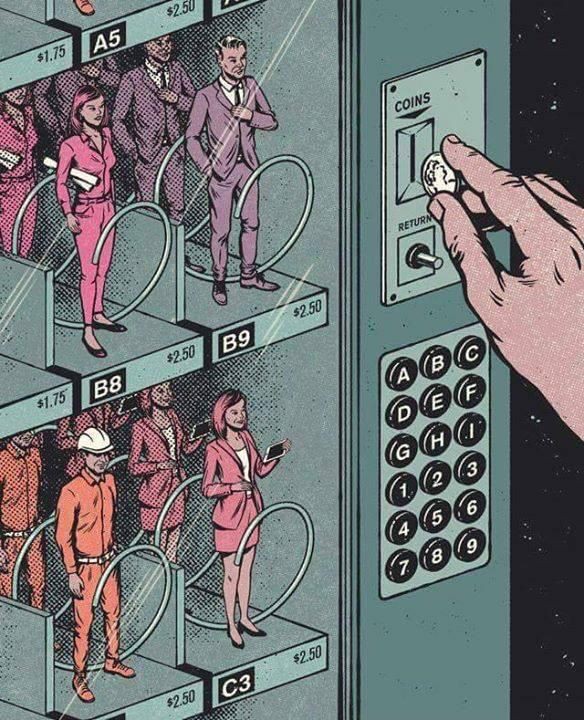
Welcome to the anti-meritocratic world, this world. What are you going to do about it? Will you stand back and watch while cronyism, nepotism, the old school tie, the private club, the right university, the right accent, the right background, the right secret society, the right religion, the right family, destroy merit so that their chosen ones can prosper at your expense. It’s time to smash the conspiracy. Break up all the mechanisms that allow privileged groups within society to rig the system in their favour and penalise anyone who doesn’t belong to their insidious cliques.

Michael Faust, The Meritocracy Party

Well , Its a very complicated questions . In the world, where one’s knowledge didn’t get recognition .

What would you do , when you get acknowledged not on the basis of your knowledge but on the basis of your relation with the owner ?

What would you do , if you don’t get promoted because you are not his /her relative ?

Do you ignore the fact that you are not the one , whom your boss approves?

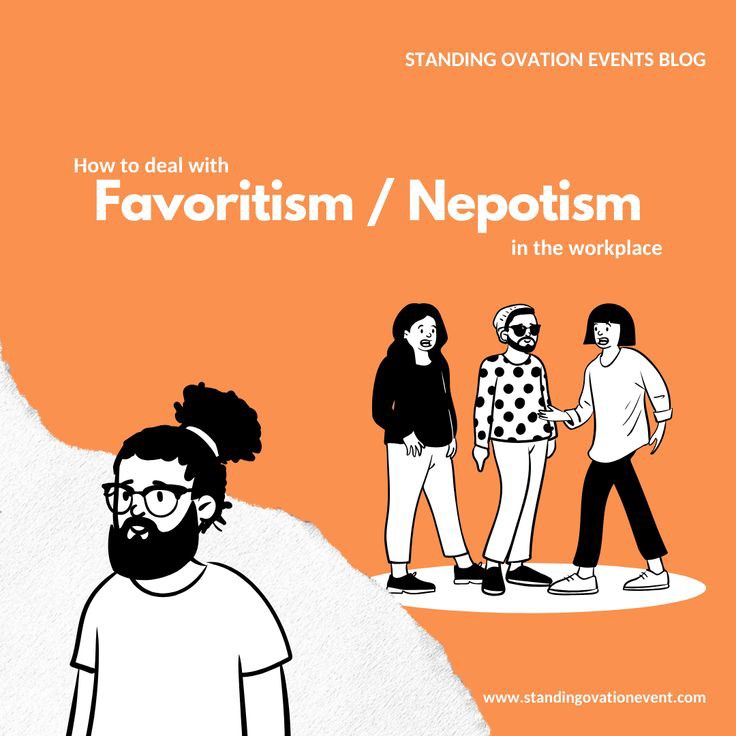
Well , if you think it’s favouritism than you are absolutely correct . You may also come accross the word NEPOTISM and if you don’t than start reading the passage . (I did as well )

This 8 letter word is destroying everyone in today’s world. And who is responsible for creating such a hypocrite. We the people have to repose this curse and make sure to control it with our coming generations, else it will destroy the whole world. And there’ll be no humanity left in this world” –

Ikramul Hannah.

Introduction

Nepotism is a the practice among those with power or influence of favouring relatives or friends, especially by giving them jobs.

Nepotism is generally defined as “the bestowal of patronage by public officers in appointing others to positions because of blood or marital relationship”.

Nepotism is found in almost all the fields but it is practiced most in business, politics, sports and entertainment sectors. It has been in practice since time immemorial, but some special cases have made it to the limelight in the past few decades.

Nepotism in India :

India has it’s fair share in the field of NEPOTISM . Well , have you ever expected that . I say , YES . Because being one of the largest country , people might become more thirsty for power . “When constantly reaching out for more, you forget what you have” Christine Szymanski.

Nepotism can be characterized as ‘the demonstration of utilizing force or impact to get out of line preferences for individuals from one’s family’.

You must be conflicted , why does nepotism exist even today ? We are living in 21st century , than why we have such orthodox thinking ? Who says no one can define what is going on in one’s mind ( well I say , isn’t is obvious ) .

From the politics to the Entertainment , from the owner to the customer, from the Bollywood to the Judiciary ; Nepotism is everywhere .

Like in OJO -MOJO , After the submission of writing competition , OJO’s class teacher asked him who wrote better . Is it MOJO or OLLY , what do you think whom he would choose . MOJO thinks OJO will choose OLLY because he likes her . But when the result announced MOJO was astounded because OJO choose MOJO’s writing . So , what do you think is it nepotism or not . Think and you will know the answer .

Bias has become the first qualification to join a party, and extreme bias the virtue to become a leader.

Link

New chief minister of Uttarakhand

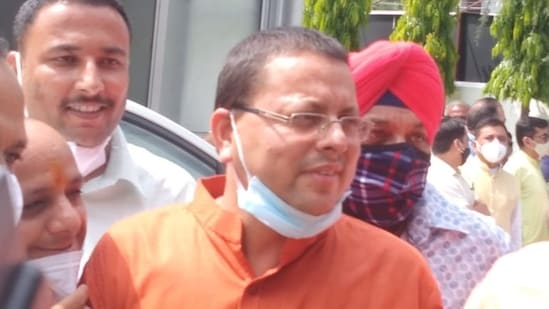
Dhami is Uttarakhand’s third chief minister in nearly four months. Tirath Singh Rawat, who was sworn-in on March 10 as the successor to Trivendra Singh Rawat, resigned amid uncertainty over by-polls which he required to win to continue in office. 

New Uttarakhand CM Pushkar Singh Dhami

The Bharatiya Janata Party (BJP) announced on Saturday that Pushkar Singh Dhami will be the new chief minister of Uttarakhand, succeeding Tirath Singh Rawat, who stepped down from the post on Friday. Dhami, who is an MLA from the Khatima assembly constituency in the hill state’s Udham Singh Nagar district, was elected after a BJP legislature party meeting in Dehradun, which was chaired by Union agriculture minister Narendra Singh Tomar.

Child Labour and Kailash Satyarthi

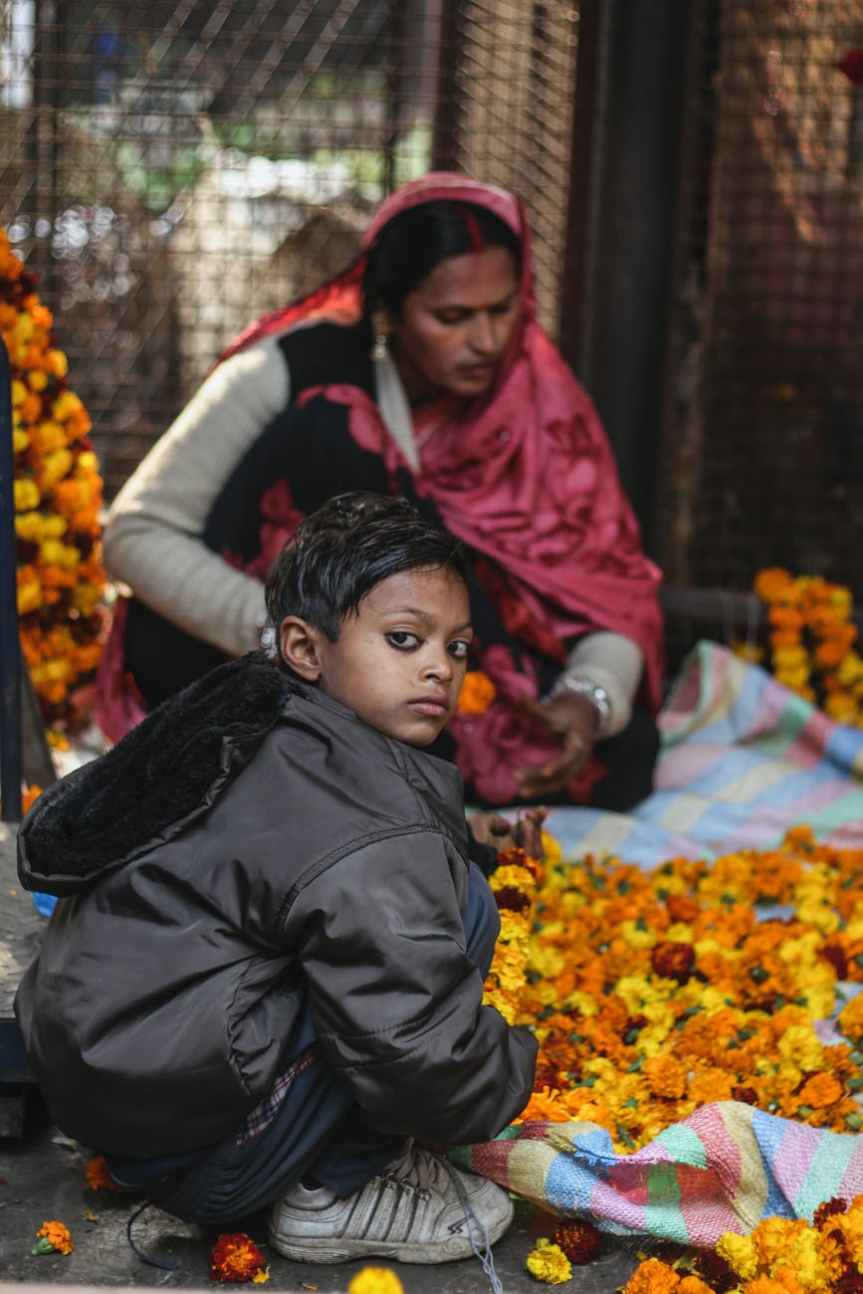
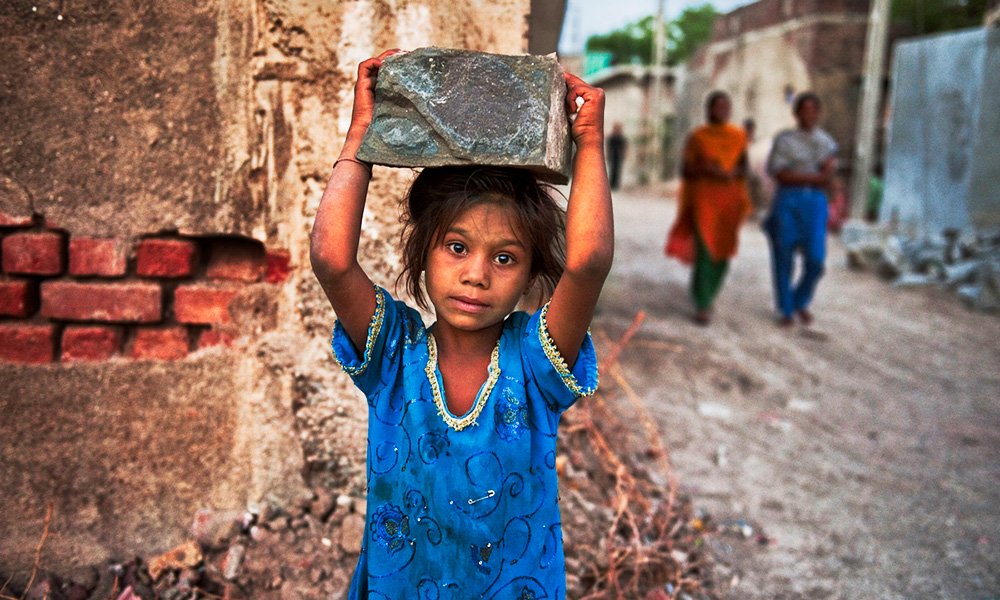
The desperate conditions affecting the rural as well as the urban poor are forcing children to toil often in subhuman conditions. They are deprived of their basic rights as children including education and their joyful childhood. Most of them have never been to school. Some of them have dropped at a very young age.

Estimates of the number of child labour vary largely. According to 2001 census, 12.6 million children are working in India. But in a Supreme Court case last December, Ashok Agarwal, an advocate of non-governmental organizations submitted that 100 million children are out of school and working- that is half of India’s 200 million children.

India has the largest number of child labour in the world. They are employed in industries and trade, including garments, footwear, brick kilns, hotels, and textile shops. Many children work in export oriented hazardous industries. Girls are often subjected to trafficking.

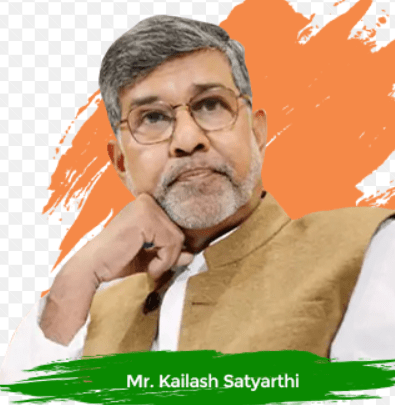
Kailash Satyarthi

Kailash Satyarthi is an Indian child right and education advocate and an activist against child labour. He founded the Bachpan Bachao Andolan- Save the Childhood in 1980 and has acted to protect the rights of more than 83,000 children from 144 countries. It is largely because of Satyarthi’s work and activism that the International Labour Organizations adopted Convention No. 182 on the worst forms of Child labour, which is now a principal guideline for governments around the world.

https://www.google.com/url?sa=i&url=https%3A%2F%2Fsatyarthi.org.in%2F&psig=AOvVaw0FH2um2lnVjx2oRAc0z_6N&ust=1625483078110000&source=images&cd=vfe&ved=0CAsQjhxqFwoTCJDalr2iyfECFQAAAAAdAAAAABAD

Health Infrastructure in India

The pandemic has shown that India’s healthcare system is lacking on multiple ares and calls for a rework by all stakeholders. Government expenditure on health, demand-supply mismatch, and chronic shortages are just some of the problems.

In 2020-21, India spent 1.8% of its gross domestic product (GDP) on healthcare. With ‘health and well-being’ one of the six pillars of the Union Budget 2021-22, the government has committed approximately 2.5-3% of GDP now. Data shows that India has 1.4 beds per 1,000 people, 1 doctor per 1,445 people, and 1.7 nurses per 1,000 people. According to the World Health Organization (WHO), India ranks 184 out of 191 countries in health spending. The US spends over 16% of its total GDP on healthcare, while Japan, Canada, Germany etc. spend over 10% of their GDP on healthcare.

How have facilities coped with the pandemic?

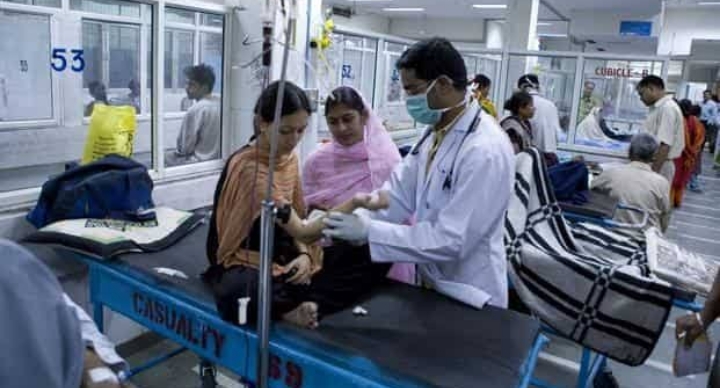
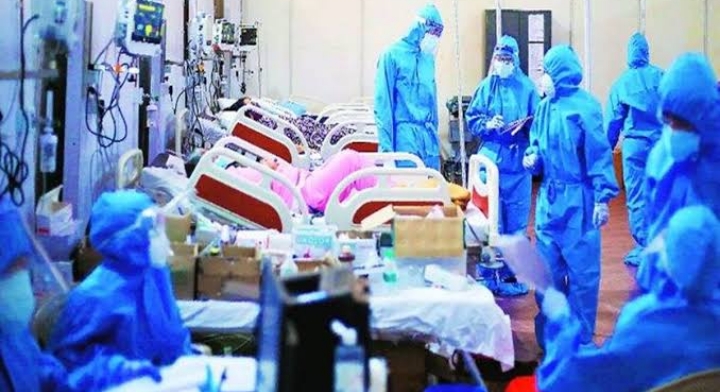
Badly. The capacity of the healthcare system has been stretched to its limits with critical shortages of hospital beds, oxygen concentrators, life-saving drugs, medical supplies, disease surveillance etc. With urban India struggling to counter the onslaught of the second wave of covid-19, rural India’s threadbare healthcare system stands even more stressed.

On April 9, Harsh Vardhan said the country had “substantially ramped up” hospital infrastructure, with 75,867 ICU beds and 255,168 oxygen beds. But going by the crisis across states, these numbers seem inadequate. Public health experts say the Centre and the states must now work together to quickly add more beds, ICUs and ventilators and also open temporary Covid facilities. They must ensure uninterrupted supply of medical oxygen. Several states have launched online tracking of hospital beds, but these often fail to display real-time data, leading to harassment of patients. For milder cases, the district administrations can open home care facilities with regular tele-monitoring so that the load on hospitals can be reduced.

Does poor healthcare impact the economy?

At a micro level, increased expenditure adversely impacts savings and consumption levels. Reduced consumption leads to reduced demand, disincentivising producers to invest more in capital formation. In case of firms, poor health conditions impact physical and mental ability, worker turnover, and attendance, leading to lower productivity. At a macro level, lower economic efficiency results in lower production relative to inputs employed, leading to lower economic growth and reduced income generation.

What is needed to improve healthcare?

India is in desperate need of an all-encompassing public healthcare system. The need of the hour is to have a regulator who can work with states and ensure that the focus shifts to affordable health-care, availability of more health-care professionals, well-equipped facilities, and disease prevention instead of disease management. Inequity among states in terms of facilities needs to be minimized. The Centre needs to aim for 100% health insurance coverage.

Government Initiatives

Some of the major initiatives taken by the Government of India to promote Indian healthcare industry are as follows:

  1. In March 2021, various states and UTs started implementation of the ‘Intensified Mission Indradhanush 3.0’—a campaign aimed to reach those children and pregnant women who were missed out or have been left out of the routine immunisation programme due to the COVID-19 pandemic. This is aimed to accelerate the full immunisation of children and pregnant women through a mission mode intervention.
  2. In March 2021, the Parliament passed the National Commission for Allied, Healthcare Professions Bill 2021, which aims to create a body that will regulate and maintain educational and service standards for healthcare professionals.
  3. In the Union Budget 2021, investment in health infrastructure expanded 2.37x, or 137% YoY; the total health sector allocation for FY22 stood at Rs. 223,846 crore (US$ 30.70 billion).
  4. The government announced Rs. 64,180 crore (US$ 8.80 billion) outlay for the healthcare sector over six years in the Union Budget 2021-22 to strengthen the existing ‘National Health Mission’ by developing capacities of primary, secondary and tertiary care, healthcare systems and institutions for detection and cure of new & emerging diseases.
  5. In Union Budget 2021-22, the government announced its plans to launch ‘Mission Poshan 2.0’ to merge ‘Supplementary Nutrition Programme’ with ‘Poshan Abhiyan’ (Nutrition Mission) in order to improve nutritional outcomes across 112 aspirational districts.
  6. The Government of India approved continuation of ‘National Health Mission’ with a budget of Rs. 37,130 crore (US$ 5.10 billion) under the Union Budget 2021-22.
  7. In the Union Budget 2021, the Ministry of AYUSH was allocated Rs. 2,970 crore (US$ 407.84 million), up from Rs. 2,122 crore (US$ 291.39 million).

Laws in India children need to know

Out of tons of subjects and important topics missing from our Indian curriculum, laws are one of the most important.

Here are some laws each and every child needs to be aware of, regardless of all variable factors:

I LAWS AGAINST CHILD LABOUR

Image source: Google | Image by: Nikita Roy 

Children below 14 years of age – can work in family enterprise or entertainment industry as artists with certain conditions

Children between 14-18 years of age- cannot work in any factory, mine or any other hazardous setting, without exception

Children cannot be made to overwork or even work night shifts.

These laws are made clear in article 24 of the Indian constitution and acts that were passed in its pursuance.

II LAW AGAINST SEXUAL OFFENCES

Image source: Google | Image by: Manisha Yadav scroll.in

The Protection of Children from Sexual Offences(POCSO), amendment Bill 2019 protects children below 18 against:

  • Sexual assault against children
  • Child pornography
  • Harassment
  • Drugs being administered to them to bring about early sexual maturity

POCSO aims at making offences against children gender-neutral.

III ENSURING FREE AND COMPULSORY EDUCATION

Image source: Google | Image by: Aprajita Jha

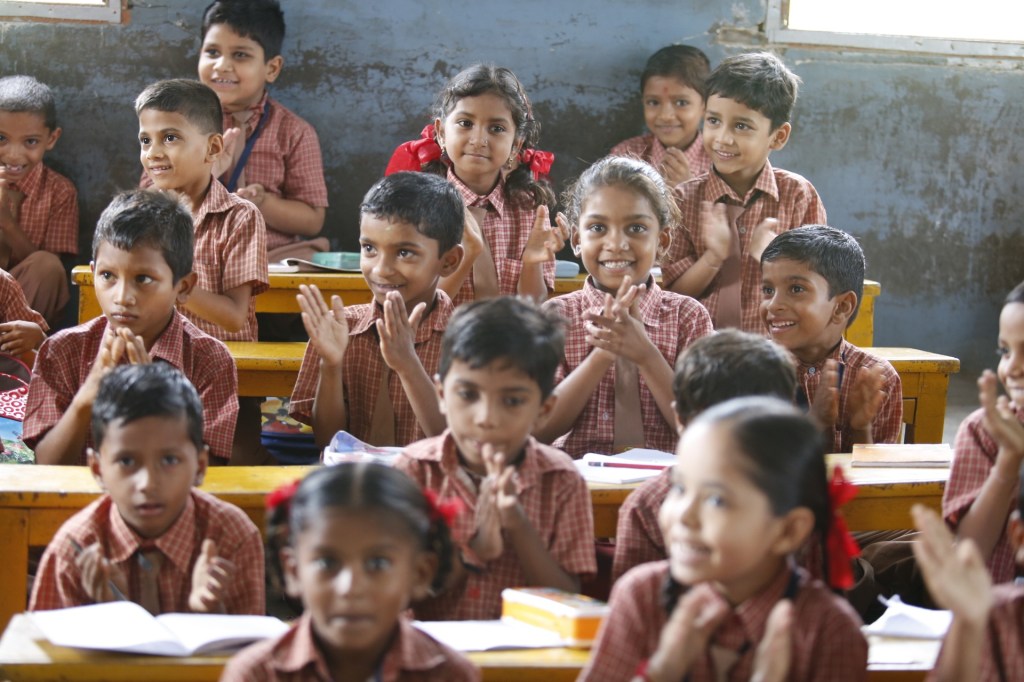
The Right of Children to Free and Compulsory Education Act or Right to Education Act (RTE), 2009, Article 21A of the Indian constitution, ensures free and compulsory education to everyone between 6 to 14 years of age. 25% of seats in all private institutions are reimbursed by the state to which kids are admitted based on economic status or caste-based reservations.

The Right to education of a specially enabled child (under 18 years of age) has separate legislation that is laid down under the Persons with Disability Act.

IV PROHIBITION OF CHILD MARRIAGE

Image source: Google | Image by: OBJECTIVE IAS

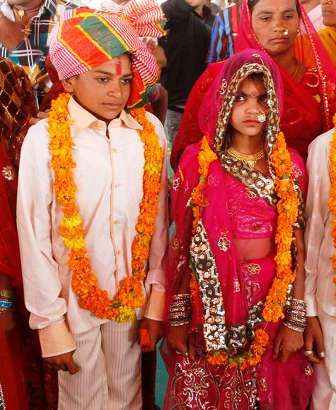
Any marriage in which either the boy is under 21 or the girl is under 18, is child marriage.

Prohibition of Child Marriage Act, 2006 serves the following purpose:

  • Prevents child marriages
  • Protects the children involved
  • Prosecutes the offenders

Child marriages, under the above-mentioned act, are cognizable and non-bailable offences. This law also prescribes punishment for performing, conducting and abetting child marriage. Permitting or promoting these marriages by the parents of a child is punishable.

POCSO penalizes penetrative sexual assault on a child by anyone related to the child through marriage

Section 375IPC penalizes sexual acts with a girl below 18 years of age, with or without her consent.

V LAWS AGAINST TRAFFICKING

Image source: Google | Image by: Jessica Gooding

The Trafficking of Persons (Prevention, Protection and Rehabilitation) Bill of 2018 addresses this crime affecting mostly children and women.

This bill addresses:

  • Aggravated trafficking for forced labour
  • Begging
  • Trafficking by administering chemical substances or hormones for the purpose of early sexual maturity
  • Trafficking for marrying, under the ploy of marriage or after marriage.
  • Promotion or facilitation of such crimes

So these were some of the children specific laws other basic laws such as the right to equality, right to life, right against discrimination etc. should also be taught to children.

Here are some of the basic ways we can spread awareness:

  1. Including basic laws and fundamental rights in school textbooks.
  2. Making young parents aware of the laws.
  3. Workshops, seminars, etc. in educational institutions.
  4. Including them in cartoon shows and podcasts for children.

To all the parents reading this, ensure your child is safe and comfortable and make them aware of all the laws to ensure their well-being.

To all the children reading this,

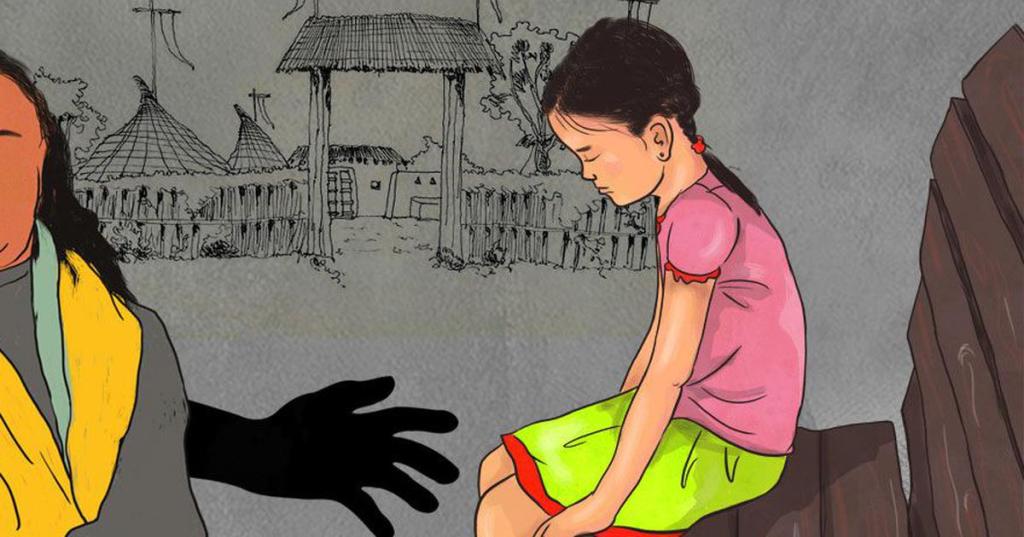
If you’re being hurt in any manner, verbal abuse, beatings, bad touch, not being provided with essentials or absolutely anything that is making you feel uncomfortable, REPORT.

Here are some of the few actions you can take:

Image source: Google | Image by: Sage Day

Tell a trusted adult, your parents, grandparents, school counsellors or teachers. You can also tell a friends’ parent, or any other adult you trust.

Don’t have an adult you trust, don’t worry as there is support available, you can always call childline number 1098.

As a child being harassed, you might be threatened to stay mum, but it’s important you raise your voice.

If you think any of your friends or someone you know is being abused or suffering in any manner, you should tell your parents or teachers.

Child-friendly mechanisms are used in all stages of your case and you don’t ever need to hesitate to report when something unfair is happening to you. You don’t deserve that ordeal.

References:

  1. https://byjus.com/free-ias-prep/right-against-exploitation-articles-23-24/
  2. https://www.firstpost.com/india/child-labour-act-govt-allows-under-14-children-to-work-in-non-hazardous-family-enterprises-2242120.html
  3. https://www.business-standard.com/about/what-is-pocso
  4. http://righttoeducation.in/know-your-rte/about
  5. https://timesofindia.indiatimes.com/blogs/legally-speaking/legal-status-of-child-marriages-in-india/
  6. https://www.thehindu.com/opinion/op-ed/preventing-trafficking/article23325538.ece

STARTUP STORIES – YULU

Yulu

Mobility Matters:

The world is evolving at a rapid phase which makes people turn into nimble-footed. People are endeavoring to match their 24 hours between their job and their life. This could be clearly understood when stood in a signal of a busy urban road. They try their level best to spare the time spent on their daily commute. The pandemic has taught us the best lesson that it’s always better to have alternative options to public transport modes. Because at certain times public transport is unreliable, time-consuming and exhausting. There are many possible alternative solutions offered for the same. One such hassle-free solution is to rent electric bikes and pay after the rode ends. This could be a revolution in urban mobility. 

Yulu – the market changer:

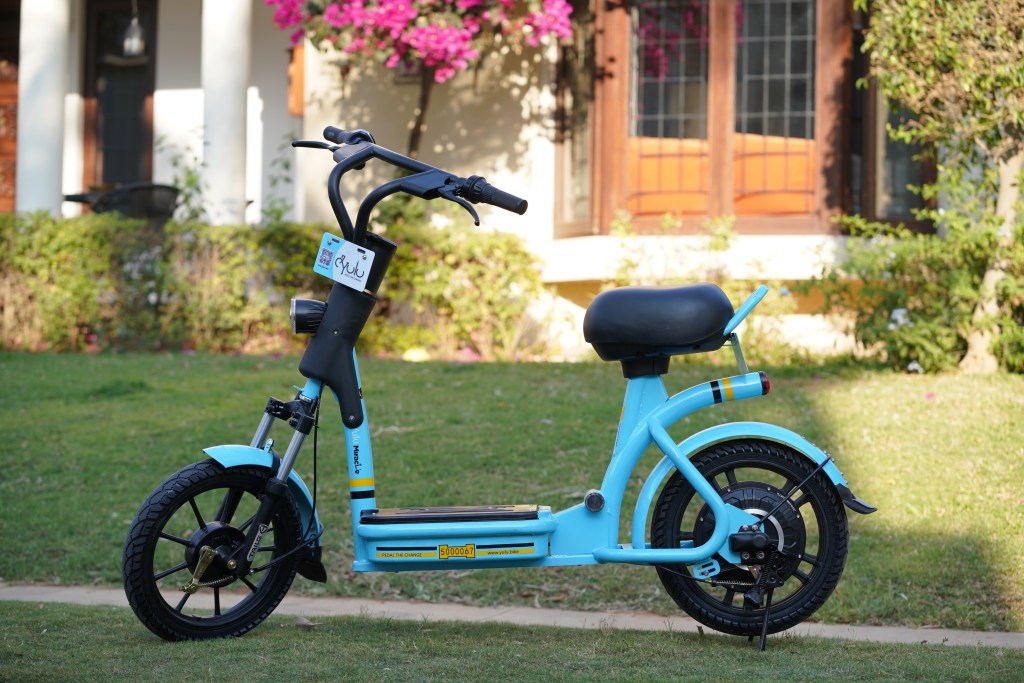
Bangalore is one of the first Indian cities to adopt and explore new technologies. No wonder it’s known as the “ Silicon Valley of India. ”Many Multi-National Companies are headquartered in the city and hence the population is becoming denser day by day. Hence the commute problem is becoming crucial in the city. Yulu came as a game-changer in resolving the problems. Started in 2019 they launched with a fleet of 2000 electric scooters named Miracle. 

You can simply download the Yulu app, find the Yulu zone, unlock the bike by scanning the QR code, ride the vehicle and once you end the ride you will be charged based on the distance you have covered. People like the idea for 2 reasons : * The user interface was easy to use *The bike had a decent range of 60kms and a speed of 25km /hour. Owing to the acceptance of the people in Bangalore, Yulu expanded its fleet in 2020.  The startup operated in 4 major cities of India – Mumbai, Bangalore, Pune, and Bhuvaneshwar.

Reason for their success:

  • Early adopters: They addressed the mobility challenges of India with a service-based vehicle fleet at an early stage. The hassle-free commute experience with proper service and support attracted the consumers easily.
  • Consistent updates: They follow their customers so closely and understand their needs better. They improvised the charging infrastructure, added slots for carrying personal things etc. 
  • Beginner-friendly: Since it’s a vehicle with a maximum speed of 25km/hr, it does not need a license for a ride. This has made the vehicle a beginner-friendly one.
  • Analyzing Algorithms: They have algorithms in the software which analyze the areas and time zones that hold peak demand. Based on the analysis they expand their zones of operation. 
  • Alternative thinking: In the pandemic situation, the usage of YUlu bikes dropped significantly. Then they offered their bikes as service to frontline warriors, delivery executives, etc which has improvised their revenue and has also provided a better reach

The micro-mobility solution provider has been backed by a series of investors and AutomotivePioneer Bajaj. As its revenue has increased almost 2.5 times in the current year its expected to raise the next round of funding for its further expansions.
https://www.yulu.bike/products/miracle/