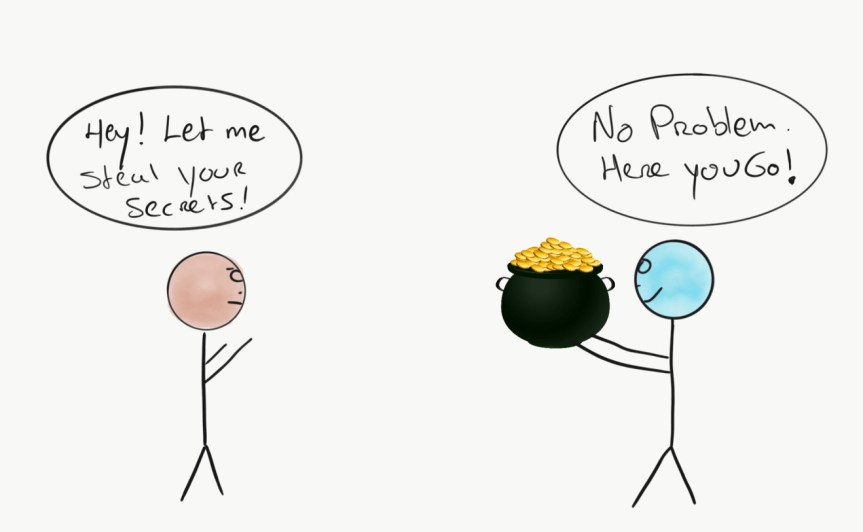
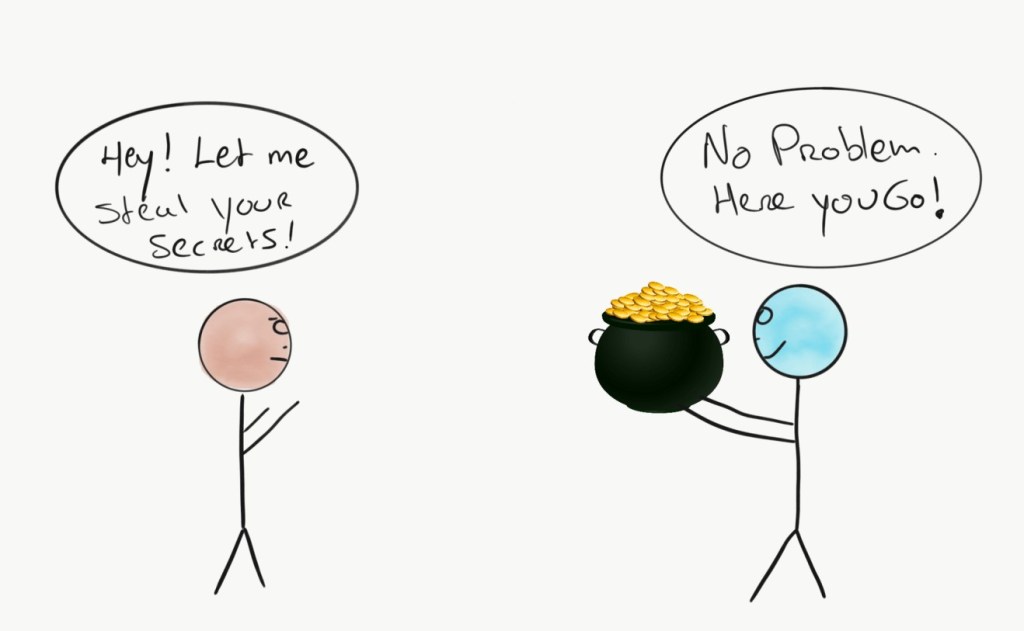
Have you seen them? Articles and books that promise you the secrets to success? Save yourself some time and stop reading them. I’ll tell you why in a minute.
There are many kinds of those “success-articles.” The ones that suggest there’s a difference between winners and losers are my favorite.
Stuff like: “This behavior separates successful people from average people.” Or how about articles that list the habits of Millionaires or Billionaires? It’s so predictable.
Those types of articles and books are designed to give you a good feeling about yourself. “See! I have all the traits of successful people. I’m one of them!”
They always focus on the outcome. Not the process. Studying, learning, and stealing productive habits or tactics are all smart things to do. But that’s not what I’m talking about here. I talk about people who only focus on the outcome. I.e. success.
Also, everyone pretends that the word success has nothing to do with money and status. But that’s simply not true. When we talk about success, we all talk about getting rich. Just be honest.
Derek Sivers, the author of Anything You Want, said it best on the Tim Ferriss Show when he was asked about success:
“Notice how we all assume that when you say “become successful” you really mean “get rich”.”
I don’t think there’s anything wrong with getting rich. People can pursue anything they want.
But let’s keep it real and not pretend that “only you can determine the definition of success,” and then talk about the habits of millionaires.
Last week I was speaking to my mentor about this phenomenon. He never reads anything online. He likes newspapers and physical books. He’s not really into new technology.
Until a year ago, he still had a Nokia 6310i. You can only call, text, and play Snake II on those phones.
He literally bought 5 or 6 of them when he heard that Nokia discontinued that phone. He loves the battery life. Apparently, those things lasted forever on one charge.
Anyway, my mentor is an old school. And we were talking about how a lot of people love to dissect success. This is what he said:
“There’s a difference between studying success and actually building a business or career that matters. It’s the same as talent and hard work. I know a lot of talented people who never contributed anything to the world.
And I also know a lot of people without talent who did wonderful things in life. Knowing how to be successful will not guarantee success. I believe it’s the opposite. People who don’t assume they know everything often accomplish the most.”
I think that was such a great point he made. I must be honest. I’ve also tried to “study the habits of successful people” in the past. But I’ve never looked at it that way.
My mentor tried to make me aware that success doesn’t happen by imitating others. No matter how many habits of successful people you might have, it doesn’t mean anything.
Correlation doesn’t mean causation.
That’s the exact phrase he used. Reading articles and books that talk about success is a waste of time because they are not teaching you anything useful.
Worse, they can cause tunnel vision. You might pursue things that lead you in the wrong direction. (more on that later)
For instance, take waking up early. That’s always part of the lists of habits. But waking up is not a skill that does something. When you try to imitate a rich person who wakes up early, will you become rich by waking up early?
Richard Branson is one of the most well-known people in the world, and many believe he’s the most successful entrepreneur there is.
He’s written books and articles. He’s also been interviewed, analyzed, and researched to death. We know all about Branson’s habits and mindset.
I wonder: If we’re all trying to imitate him, why are there not more world-famous entrepreneurs? Exactly. It’s not that simple.
I get why we study successful people. We all want the outcome but no one wants to put in the work themselves.
I don’t read articles about success. I don’t care whether someone is only talking the talk or has backed it up with results. You just can’t promise someone’s success if they do XYZ. But that’s not the most important reason I don’t care about imitating success.
There’s beauty in the struggle.
If you blindly try to imitate others, you kill your character. Ralph Waldo Emerson put it best:
“Envy is ignorance, imitation is suicide.”
Be yourself. It’s the biggest cliché in the book of an amateur philosopher. “Imitation is death” sounds better than the lame old “just be yourself.” And it means the same.
But let’s pretend for a second that someone can provide you with an exact roadmap to success. Would you still imitate it? Or would you rather pave your own path?
Because why even care about the outcome? Life is not about success, no matter how you define it. Life is about the struggle of figuring things out. The very thing that many of us run away from.
One of my favorite musicians, J. Cole, wrote a song called “Love Yourz” about this concept. He says:
“There’s beauty in the struggle. Ugliness in the success.”
Think about it. What if you get to a destination to find out that you arrived at the wrong place?
That’s what imitation does.
Be bigger than that.
Always create your own path—no matter how hard it is. And you better love it too. Because that’s the only right path there is.
What is body positivity? Body positivity refers to the assertion that all people deserve to have a positive body image, regardless of how society and popular culture view ideal shape, size and appearance. Some of the goals of body positivity include:
challenging how society views the body
Promoting the acceptance of all bodies
Helping people build confidence and acceptance of their bodies
Addressing unrealistic body standards In today’s day and time, people promote body positivity all over social media. But, the only chess or positivity in social media is known as “toxic positivity”. What is toxic positivity? Toxic positivity refers to the idea of focusing only on the positive aspects of life while rejecting or dismissing negative emotions, which are a part of our human nature. Social media and the body positivity Movement can put some pressure on people by telling them that we should feel good about their bodies all the time regardless of their state of health. We should learn to love ourselves at our own pace, and not be empowered by something we see on social media. It is valid to not feel great about ourselves and be uncomfortable or unsatisfied. Even though a person has a lot of confidence and high self-esteem, it’s completely okay for them to go back as a whole. Going back to the term “body positivity” this movement is based on the fact that all bodies are beautiful. But, If a body is obese or svelte- it has a direct relation to the lifestyle that person leads. Those who support this movement say that a body must be accepted regardless of its condition. Something such as race and height of a person cannot be changed, so in that terms, we must love and accept who we are. But, why should we accept q body type that may not be healthy? Why not change something that can be changed? Being obese or losing weight recklessly is not right nor healthy, or think that just because you are slim you are automatically healthy. Because of social pressure, men and women suffer from body distortion. While women suffer from anorexia, men suffer from bigorexia (it makes the person look weak, while they aspire to have a perfect, strong and muscular physique) body positivity must have worked wonders for some men and women, but it isn’t for everyone. When obesity coexists, it’s not as simple as “learning to embrace your body” but it is rather learning to love the process. You can learn to love yourself while seeking some change for the sake of your health. Because of the social pressure and the unrealistic standards of a body, many people feel discontent about their selves with directly affects a person’s mental health and physical health. Diseases such as anorexia, bulimia, morbid obesity, anxiety among others are clear example. Thus, strong messages and movements are overall positive for a collective purpose, but it is important to create awareness about how it is important to seek professional help for a particular case. Every person has a different story and different struggles to overcome.
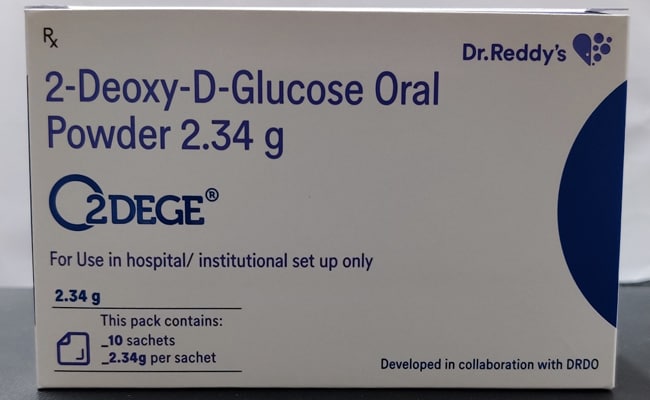
Dr Reddy’s Laboratories on Monday announced the commercial launch of anti-Covid drug 2DG, developed by Defence Research and Development Organisation (DRDO)
It was earlier said on June 1 that the anti-Covid drug is approved for emergency use as an adjunct therapy to the standard of care in the treatment of coronavirus patients in hospital settings. “Ideally, 2DG should be prescribed as early as possible by doctors for moderate to severe COVID infected patients for a maximum duration of up to 10 days,” it said.
The DRDO further said that uncontrolled diabetes, severe cardiac problem, ARDS, severe hepatic and renal impairment patients have not been studied yet with 2DG, and hence caution should be exercised.
“The 2DG should not be given to pregnant and lactating women and patients below 18 years,” it added.
The first batch of DRDO’s anti-Covid-19 drug was released on May 17 by Union defence minister Rajnath Singh and health minister Dr Harsh Vardhan, after the Drugs Controller General of India (DCGI) permitted the emergency use authorisation of 2-deoxy-D-glucose (2-DG), anti-viral drug as an adjunct therapy for moderate to severe coronavirus. The 2DG drug comes in powder form in the sachet, which is taken orally by dissolving it in water. It accumulates in the virus-infected cells and prevents virus growth by stopping viral synthesis and energy production. Its selective accumulation in virally infected cells makes this drug unique. The drug reportedly reduces a patient’s average recovery time by two and a half days and oxygen demand by up to 40 per cent, the Union health ministry had said.
A dowry is a transfer of parental property, gifts, money, upon the marriage of a daughter’. it’s questionable that why it’s not given for men too, a gift by the parents to the groom, like bride price. It’s a common notion to judge bride and her family by the dowry that they give to their daughter. It’s considered as a status symbol. Even though it’s an ancient custom and prohibited by law it’s still in practice. The reason still it continues is because it’s an additional benefit for the groom’s family both financially and socially. In contrary it’s a heavy burden to the family of bride. When we think more about the dowry this also a reason for female feticides, the parents think about the money they have to make for raising the female child. Women as only a mere commodity, for sale or an object. if she is a colored girl the dowry increases the dowry increases.
According to the analysis, India has the highest rate of excess female deaths ,13.5per 1000 female births, which suggests that an estimated one in nine deaths of females below the ages of 5 may be attributed to postnatal sex assortment. “Dowry and alcoholism remain the primary reasons for domestic violence, and women faced with both reduced to living hell. Abusive husbands turn on their worst against women without a place to go or means to stay independent. Women either presume or face the reality that having married them off at quite an expense, they were no longer welcome at their homes,”
In domestic violence cases lives triggered by dowry, the husbands often appropriate the entire dowry, leaving their partners dependent on them. some of them even pressure women to bring more money or property. More over this topic was considered as an outdated topic by the society itself now it came back as a questionable think after a long time because of some current happenings. The sad side of it is that it only regained its importance after losing few valuable.
The divorced daughter is better than a dead daughter – is a most seen quote in both social media and internet. I didn’t get point of comparing a divorced women to a dead, here we can understand the societal notion of women should have a companion for making her life fruitful. Never independent women are having made their life more fruitful than that of a married woman. It doesn’t matter whether the women is married or not, what matters is happiness and satisfaction of her as an individual.
Dreams are stories and images that our minds create while we sleep. They can be entertaining, fun, romantic, disturbing, frightening, and sometimes bizarre. It is a fact that each dream lasts up to 5-20 minutes only. That is probably the reason why we often feel that dreams were short.
WHY DO WE DREAM?
There are many theories that state why we get dream, some of them are,
1)Building memory: Researchers suggest that dreams reflect a biological process of long-term memory consolidation, serving to strengthen the neural traces of recent events, to integrate these new traces with older memories and previously stored knowledge, and to maintain the stability of existing memory representations in the face of subsequent experience.
2)Processing emotion: The society seems to condition us to always appear calm and in full control of how we feel, no matter the circumstances which leads us in suppressing all our dark emotions. Researchers have discovered that there is a greater tendency for negative emotions experienced during waking hours to manifest within dreams. Especially sadness, fear, anger, and anxiety. Positive emotions did not significantly manifest in dreams.
3)Mental housekeeping: During sleep, the brain needs to process all the information from that day. This theory states that dreams are a result of the sorting, scanning and searching through memories. Very few people can actually remember their dreams during the day as they are more focused on working for the following day.
4)Instant replay: Human brains use dreams to replay recent events and help form memories — and experts have gotten the first glimpse of this process in action, a study has reported. When we sleep, our brains replay the firing patterns our neurons underwent.
5)Incidental brain activity: This view holds that dreaming is just a by-product of sleep that has no essential purpose or meaning. No worries and no place for superstitions.
TYPES OF DREAMS
VIVID DREAMS: Vivid dreams involve especially realistic or clear dream content.
RECURRING DREAM: Recurring dreams involve the same imagery repeating in multiple dreams over time.
BAD DREAMS: Bad dreams are composed of bothersome or distressing content.
WHY DO WE OFTEN FORGET OUR DREAMS?
Part of this is biological, as neurotransmitters forming memory are less active during sleep, and dream forgetfulness also appears to be related to the level of electrical activity in the brain during dreams.
Additionally, it could have something to do with the content of your dreams. Early psychoanalytic theory suggested that difficult or traumatic information in dreams is suppressed, and the dreamer is less likely to retrieve or analyse it.
remembering dreams is a superpower!
FORGETTING DREAMS
Most people over the age of 10 years dream between 4 and 6 times each night, but some people rarely remember dreaming. It is often said that 5 minutes after a dream, people have forgotten 50 percent of its content, increasing to 90 percent another 5 minutes later.
HOW CAN YOU REMEMBER DREAMS?
Focusing on the dream as much as possible upon waking.
Writing down as much about the dream as possible upon waking.
Waking up naturally and not with an alarm.
Remind yourself that dream recall is a priority.
FACTS ABOUT DREAMING
1)Dreaming can help you learn and develop long-term memories.
2)Lucid dreaming is when the dreamer’s aware that they are dreaming. They may have some control over their dream.
3)We may not remember dreaming, but everyone is thought to dream between 3 and 6 times per night.
4)Around 95 percent of dreams are forgotten by the time a person gets out of bed.
5)Blind people dream more with other sensory components compared with sighted people.
6)You can only dream about faces you’ve have already seen.
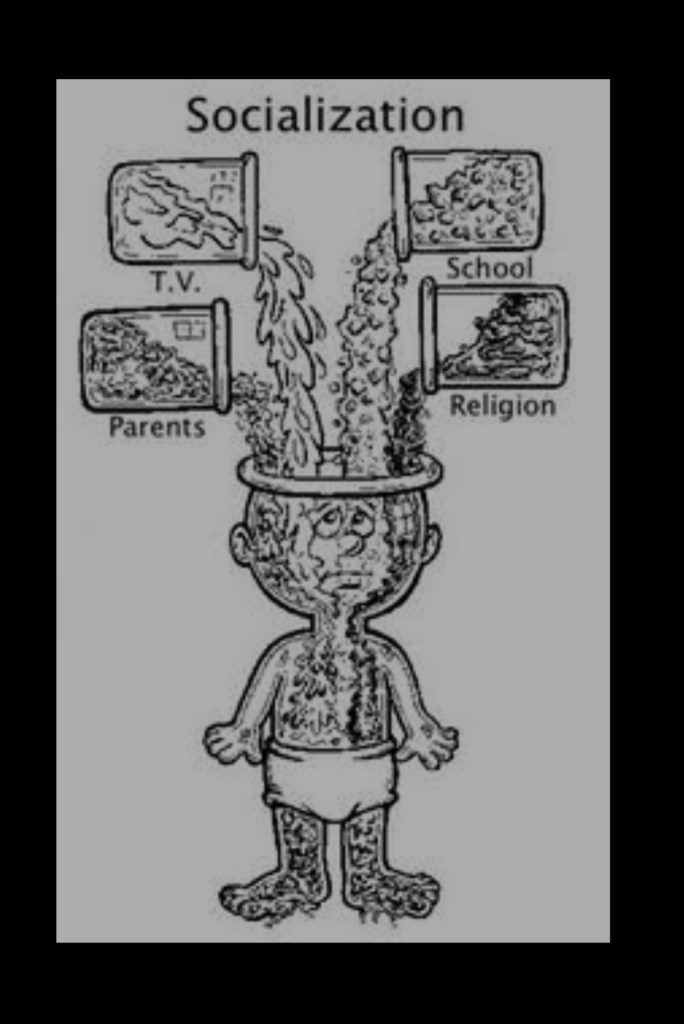
It is said , Little of man’s behaviour is instinctive , rather his behaviour is ‘ learnt ‘.
At birth the human child possesses the potentialities of becoming human .
The human child comes into the world as a biological organism and becomes a social being by learning social ways of acting .
The child becomes a man or a person
( Purush) through various experiences .
Socialist referred it as “socialised person “
Every society has its own way of making a biological organism into a socialised being .
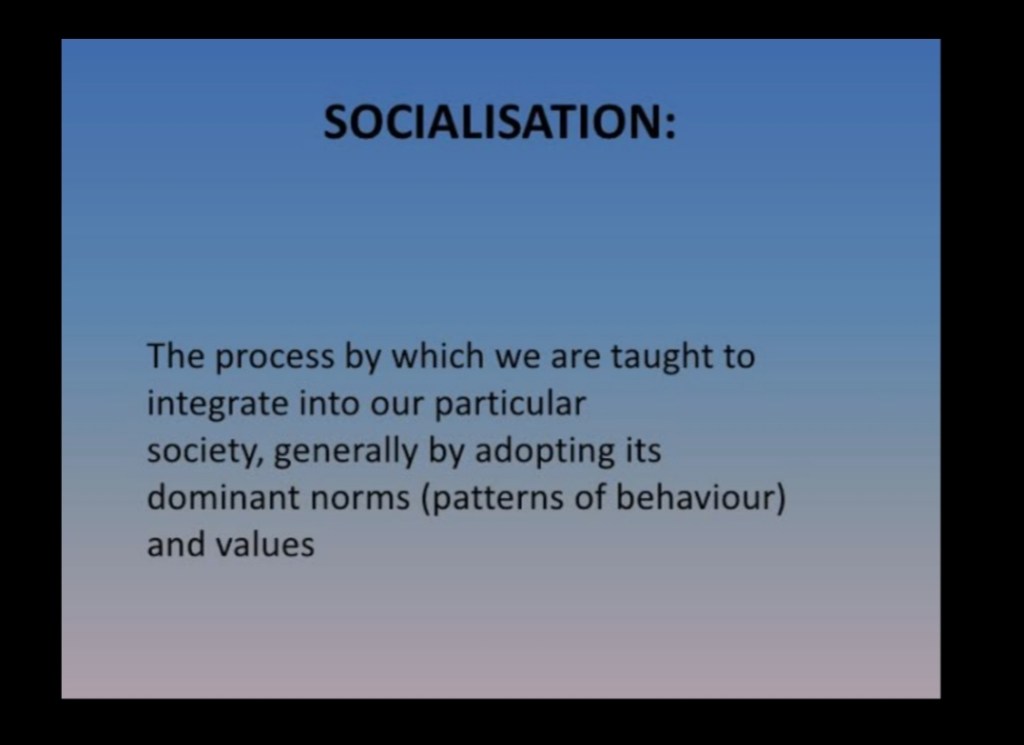
This social training is called “Socialisation “
Hence , the process of moulding and shaping the personality of a human infant is called “Socialisation “.
Sociologists have often referred to socialisation as “transmission of culture “.
A man is not only social but also a cultural being .
Cultural learning is the process by which the individual learns the fundamental culture pattern of the society in which he lives or will live . Culture includes not only its living members but also members of past generations and those yet unborn . Culture defines social conditions for us like what we eat , drink , wear , God we worship , our beliefs etc.
Still cultural learning does not completely define socialisation .
Socialisation is an aspect of all activities within human societies and are socialised in the course of the activities.
Socialisation is the process of adjustment of an individual to conditions of his social environment . There are some relevant internal forces that direct or limit socialisation like instinct , urges , capabilities , education , reflexes , etc .In the process of socialisation an individual learns culturally approved habits , ideas ,. beliefs . He is taught his rights and duties ,his position and responsibilities. The culture rules are so completely internalised that they become part of individual personality .
Definitions :-
Lundberg says that socialisation consists of the ” complex processes of interaction through which the individual learns the habits , beliefs ,skills and standards of judgement that are necessary for his effective participation in social groups and communities . “
Peter Worsley explains socialisation as the process of “transmitted culture, the process whereby men learn the rules and practice of social groups “.
Socialisation is the process of working together ,of developing group responsibility or being guided by the welfare needs of others ”
– Bogardus
W.F. Ogburn defines Socialisation as “, the process by which the individual learns to conform to the norms of the group “.
Hence , Socialisation is a process of transforming the human animal into human being ,of converting the biological being into social being .
Characteristics of Socialisation :-
• It is a continuous process .
• Socialisation is also referred to as ” transmission of culture “.
• Socialisation is social learning .
• Socialisation can be informally or formally conducted
• Socialisation means internalisation of norms .
• The process of Socialisation emerges from the development of “self “.
• Timing is an important concept of Socialisation .
Types of Socialisation
Ian Robertson in his book “Sociology “( 1977) described four types of Socialisation . According to him , an individual undergoes four types of socialisation in his lifetime .
1:
Primary Socialisation :-
Many Sociologists like Sigmund Freud, George Herbert Mead, Charles Cooley, Jean Piaget and Talcott Parsons , have contributed to the theory of primary socialization.
Primary Socialisation is the most essential and fundamental type of socialisation. Period early in a person’s life during which they initially learn and build themselves through experiences and interactions around them is the period of primary socialisation.
It takes place in the early years of life of a newborn individual .It includes teaching of language and cognitive skills , internalisation of culture and norms , developing a perspective , emotional ties etc.
Primary socialization starts with the family teaching children how to bond, create relationships, and understand important concepts including love, trust, and togetherness.
“Internalisation of norms ” is the most important aspect of primary socialisation . It is a process where the norms of the society become a part of an individual .
Several agents reinforce an individual’s learning of norms , the right and wrong behaviour .
2:
Secondary Socialisation:
Secondary socialisation generally refers to the social training received by the child in institutional or formal settings and continues throughout the rest of his life.The process can be seen at work outside the immediate family, in the ‘peer group’. The growing child learns very important lessons in social conduct from his peers. He also learns lessons in school. Hence, socialisation continues beyond and outside the family environment.
3:
Anticipatory Socialisation :-
According to Merton , the process whereby men socialise themselves into the culture of groups with the anticipation of joining that group .
Men learn not only the culture of the group which they belong to but also about the group they don’t. An individual may socialise into groups of which they are already members or into groups to which they wish to become attached.
For instance , a person starts doing his physical exercises and learns to become tough mentally and physically if he intends to join the military.
Socialisation is not a process that takes place merely in early childhood but also at different times and places throughout life .
4:
Developmental Socialisation and Resocialisation :-
According to Ian Robertson ,
“It builds on already acquired skills and knowledge as the adult progresses through new situations such as marriage or new jobs . These require new expectations , obligations and roles . New learning is added to and blended with old in a relatively smooth and continuous process of development “.
Developmental Socialisation is based on learning on the achievements of primary socialisation. A person learns more developed beliefs, values and norms through which he learns how to act in his new role.
Re- Socialisation fundamentally means ” stripping away of the learned patterns and substitution you f new ones “
Re- Socialisation takes place mostly when a social role is radically changed during periods of rapid mobility .
Agents of Socialisation
Socialisation includes moulding and shaping the personality of an individual . The continuous process of socialisation includes some agents who help an individual human being to become a social being .
• Family and Parents :-
The first stage of socialisation starts from the foetal form , where the mother plays an important role . The process of socialisation begins with parental , particularly maternal influence on an individual.
Parents are the first to introduce the child to the society system and culture of his group.
The family acts as the fundamental agent in internalisation of roles for an individual.
• Peers :-
As the child grows he starts associating with other individuals outside his family . He learns from these individuals in school or in the playground or on the street .
The peers group forms perspective on several important topics .
In modern society the peer group has surpassed the importance of the parental group. An individual has more communication understanding with his peers than his own family.
The child maintains an egalitarian relationship with those who are of the same age or gender .
It’s with the peers group that an individual learn more information regarding culture , manners , fashion , styles , gender etc.
• Teachers :-
School is the most influencing place where an individual learns how to behave and form an independent personality . Teachers are major agents of socialisation. School is a formal conduct in the process of socialisation . Teachers help an individual to be responsible and mature .
• Literature and Mass of Communication :-
Entertainment media , mass.media , literature , plays an important Agent I’m socialising . The different opinions or perspectives on several important topics like political , economical , social , etc are highly influenced by these agents.
The attitudes and ideologies ,the words written by someone impact a person in guiding and forming a perspective in a new light .
Stages of Socialisation
Socialisation is a continuous process of learning. AC children are taught about social life in various stages . The form of socialisation begins with ‘ simplicity to complexity’ as the social world gets wider and wider and the child is confronted with several things to learn and adjust .
At each stage of socialisation the child internalises a ‘ system ‘ of roles .
Socialisation consists of four stages from infancy to adulthood .
The first stage –
The Oral Stage :- Oral Stage begins with the birth of the child . It lasts till the child completes his one year .In the foetal form the child feels the comfort of his mother’s womb .
In this stage the child establishes his oral dependency by whimpering or bawling for everything .
Sigmund Freud ,an Australian Psychiatrist ,called this stage as primary identification as a child tries to internalise his and his mother’s role .
2:
The Second stage
The Anal Stage :- The next stage in socialisation is the Anal Stage which begins just after the completion of the oral stage . In this stage the child is taught to do some fundamental tasks such as eating , Cleaning , toileting , etc .
In the first stage the oral dependency starts to fade and the child learns that he cannot depend completely on his mother .
In this stage the child’s mother is the socialising agent .The child in this stage separates his and his mother’s role and understands the social system to a larger extent than in the first stage .
3:
The Third stage
The Oedipal Stage :-
The thirst stage starts from the fourth year of the child and lasts till puberty i.e 12-13 years .
The third stage the child establishes his role on the basis of his sex .
The boys and girls learn about their roles in the society and identify themselves as part of the social system and starts internalising according to their sex , the role of others and their identities on the basis of their gender .
4
The Fourth Stage :-
The Stage of Adolescence :- The fourth is the stage where the child becomes free from their parental control and establishes independence . Parents play an important role in a child’s life at all stages . Despite the freedom from parental control ,they help the child to make some very important decisions in his life . They encourage and help them to take new roles during this period of Adolescence . They expect the child to learn new responsibilities and new roles that are assigned to them .
In modern society ,the parents intend to give more freedom than traditional societies where parents take mostly all the important life decisions of the child .
This stage is the most important stage in socialisation as the child’s behaviour and personality depends on the kind of learning he / she learns and the decision he/ she takes that affects the society . During adolescence the child goes through several physiology and psychological changes ,which affects mentally and emotionally and hence establishes more new experiences than any other stages .
Socialisation makes an individual a social being who transmits cultural ideas , beliefs , languages , skills etc from generation to generation, learns rules and practices of social groups and contributes to forming a society .
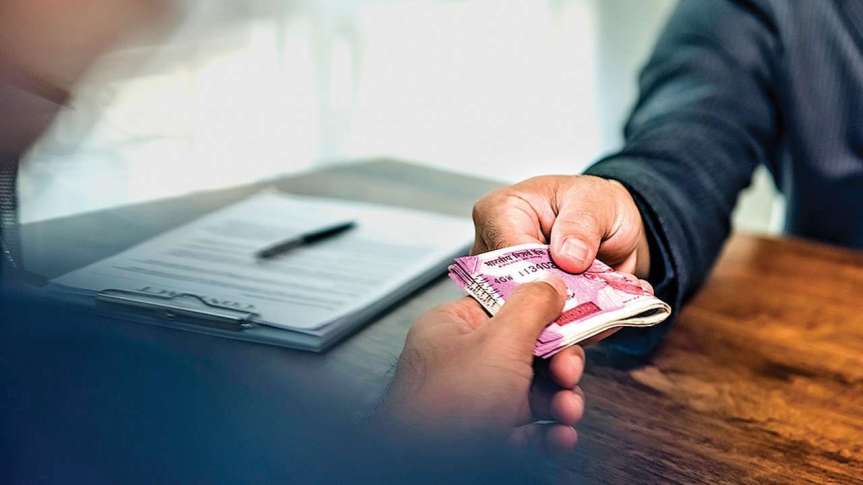
Corruption has been in Indian society in some shape or another since time immemorial. Our opportunistic politicians, who have already done more harm to our country, are at the root of corruption. People who labour on the basis of correct ideals are acknowledged and seen as silly in today’s culture. Corruption in India is caused by the collaboration of bureaucrats, politicians, and criminals. Previously, bribes were paid to have the wrong things done, but now bribes are paid to get the right things done at the appropriate time. Furthermore, because respected individuals are participating in it, corruption has become something respectable in India. Social corruption such as under-weighing of products, adulteration in culinary items, and different types of bribery have persisted in society.
In today’s world, if a person wants a government job, he must pay lakhs of rupees to higher officials, even if he meets all of the eligibility criteria. In any office, one must either offer money to the employee in question or arrange for work to be done through other means. Adulteration and duplicate weighing of products occur in the food and civil supply departments by unethical workers who defraud consumers by jeopardising people’s health and life. Officers charge money in property tax assessments even if the house is built properly according to government norms and regulations.
In India, political corruption is at its highest. The primary source of concern is that corruption is weakening the political body and undermining the supremacy of the law that governs society. Politics is now solely for criminals, and criminals are designed to be in politics. Elections in several sections of the country have become connected with a slew of illicit activity. Threatening voters to vote for a specific candidate or physically preventing voters from entering polling booths – particularly weaker sectors of society such as tribals, Dalits, and rural women – occurs often in numerous parts of the country. The government has boosted the compensation of M.P.s from Rs.16, 000 to Rs.50, 000, a 300 percent increase over the previous salary. However, many of them are dissatisfied with the raise and want the government to increase the wage to a much greater amount. This clearly demonstrates how politicians are always out for monetary gain and are unconcerned about the wellbeing of the people. One of the most common types of corruption is tax evasion. It is usually practised by government officials and politicians, resulting in the buildup of black money, which lowers people’s morale.
MAJOR REASONS RESPONSIBLE FOR CORRUPTION-The nature of the human being is the most significant component. People in general have an insatiable desire for luxury and comforts, and as a result, they become involved in any dishonest activity that results in monetary or material gain. Moral and spiritual qualities are not prioritised in the educational system, which is largely to blame for the degeneration of society. Employees are paid extremely little, and as a result, they are obliged to generate money in illicit ways. The penalties placed on criminals are insufficient. Political leaders have absolutely ruined society. They live a lavish lifestyle and are unconcerned about society. The people of India have not been woken or enlightened. They are afraid to speak out against anti-social elements in society.
MEASURES– The Right to Information Act (RTI) provides all necessary information about the government, such as what the government does with our tax payments. This act gives you the right to ask the government about any problem you’re having. The Central Vigilance Commission is another effective anti-corruption tool (CVC). The Government established it to advise and guide Central Government entities in the areas of vigilance. If there are any instances of corruption or complaints about them, they can be filed to the CVC. CVC also bears the obligation of raising public awareness about the dangers of bribery and corruption. The establishment of special courts for expedited justice can be a tremendous benefit. There should not be a long period of time between the filing of a case and the delivering of a verdict. Strong and strict rules must be adopted, leaving no room for the guilty to flee. In many circumstances, personnel choose corrupt methods out of necessity rather than choice. Some people believe that the earnings they are paid are insufficient to feed their families. They would not be forced to accept bribes if they were paid more. The one thing that must be ensured is the correct, fair, and unbiased application of numerous anti-social legislation in order to take strong, deterrent, and prompt legal action against offenders, regardless of their political influence or financial strength. To combat the threat, firm and decisive efforts must be taken, and an environment must be established in which decent, patriotic intellectuals can come forward to serve the country with pride, virtue, and honesty for the benefit of the people of India.
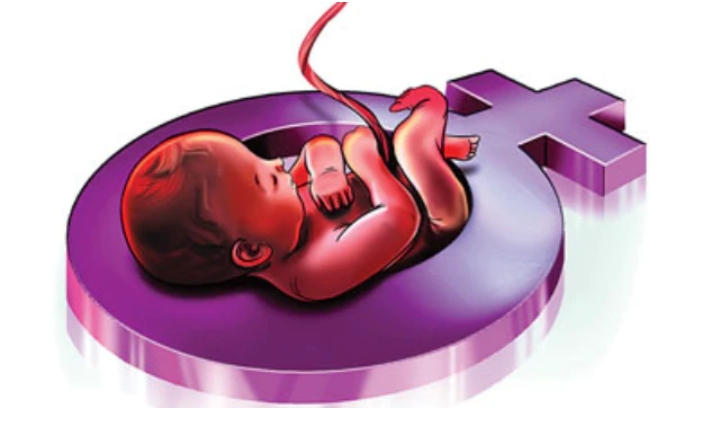
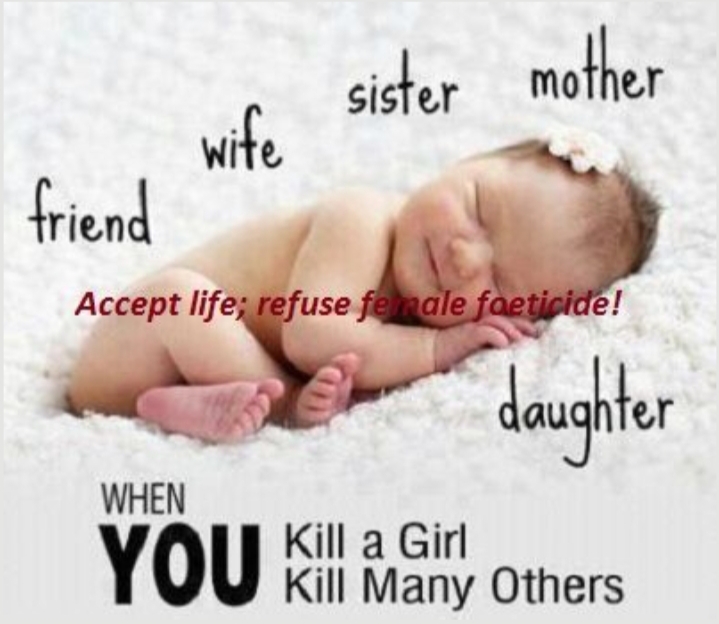
The term Female Foeticide means killing the FOETUS in the mother’s womb. It happens before taking birth, after the sex recognition tests like an ultrasound scan. The practice of any sex determination is prohibited or illegal in India. It is an awful practice or shamed those parents who were abortion the girl child. It unbalanced the sex ratio of a particular state or country.
NO PRESENT, NO PAST, NO FUTURE WITHOUT GIRL CHILD
Female foeticide is unethical & illegal practice in India. It is a practice by the families who are despairing for a baby boy.
One of the many reasons behind this is the regressive thinking of the people that the son will earn while the girls will only consume.
It has been the most important topic for social awareness in Indian society. Which youth of our country must know about it. We must empower our young girls to emphasize their rights diligently.
In India, the girl is worshipped as ‘Devi’ on the other hand, denying her existence, or we can say they don’t have the right to live. The time has perhaps come to get rid of male chauvinism and treat children as a gift of nature.
Some main reasons for female foeticide are:
A major social evil of dowry makes people commit to this crime. There is a long practice of dowry burdens the parents from the day a girl is born.
This is a pride issue in society for the guardian to have a boy in the family.
There is a stress on women of the family to give birth to a male child, so she is forced to go for sex recognition and abort if the baby is a girl.
Some doctors do this heinous act for money.
Women are viewed as liabilities.
Illiteracy, insecurity, and poverty in society are significant reasons for this act.
The The government made many slogans to stop female foeticide like:-
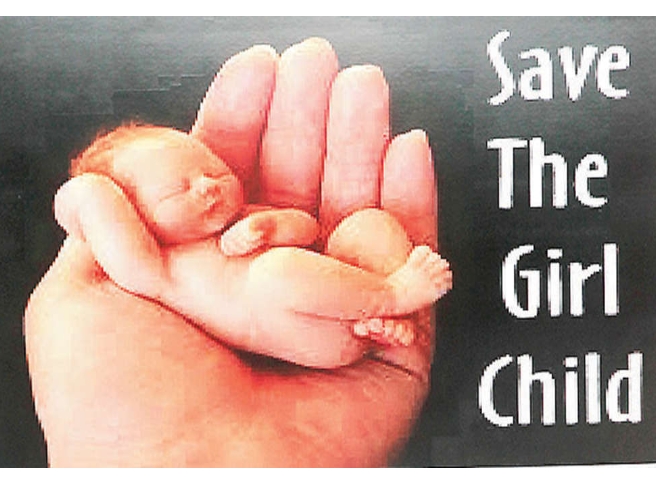
Save the girl save the nation!
Beti Bachao Beti padho!
Our daughter is a knot that ties the family together!
Female foeticide is a crime.
When a fetus of a female is killed, it is anti-life; stop female foeticide!
Say no to female foeticide!
Narrow minded people want a bride for their son but kills their own daughter. What do they expect? If everyone starts thinking like them. These criminals don’t deserve a life
It is said that God creates mothers because he couldn’t present everywhere. But it is unbelievable to realise God’s representative is continuously killing someone beautiful even before she comes out and see the beauty of nature.
The practice of female foeticide is vital in the early of 1990’s when the Ultrasound technique was invented to check the health of the baby inside the mother’s womb, especially knowing the genetic disorder, and this technique was being used for this crime. The misconceptions of Indian patriarchal society have a male child, particularly in the family. This leads to the enhancement of this crime.
Some adverse effects of this practice are shown as;
Decrease the female’s population, which imbalance the sex ratio.
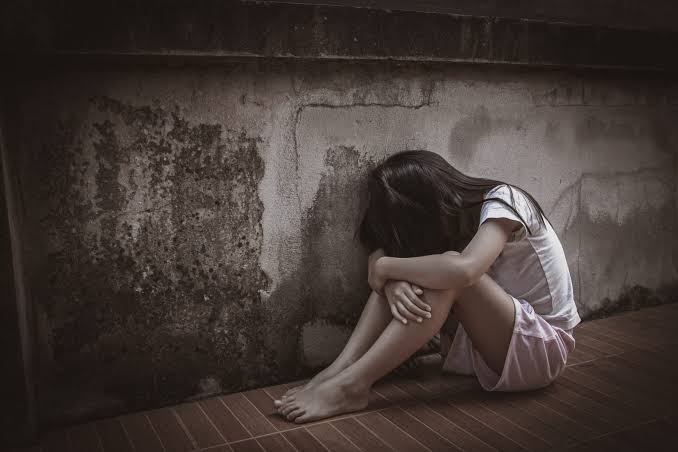
Women are abused and sexually exploited in the society.
It Leads to women trafficking.
Also, adverse effects on women’s health physically, mentally, and emotionally.
The suicide rate in women will increase.
Due to a decline in sex ratio, women are kidnapped, brought, and sold for marriage.
The most preventive act against this crime is The PARENTAL DIAGNOSTIC TEST Act (PNDT Act) of 1994, which states that:-
This act was brought in the year 1994 in all states of India but came into force in 1996.
According to this act, prenatal diagnostic techniques are prohibited and regulated.
PNDT Act was amended in the year 2003 with its main aim to ban the use of sex selection techniques as well as misuse of prenatal diagnostic techniques for sex selecting abortion
Only legislation enacted in this behalf is not sufficient. Orthodox views regarding women must need to be changed. The PNDT act should penalize and punish the violators for this crime strictly. The destructive act of female foeticide and coercive abortions has to end before women become endangered species. We must give equal opportunities to the daughters of our country. Girls do not have equal access to healthcare education and more as their boys counterpart. This is why parents consider them a burden. Therefore, all these facilities must be made accessible to them for the same. This will help them create an identity of their own.
In Shakespeare’s tragedy Macbeth the dramatist uses darkness imagery for the three purposes in order to create atmosphere, to aroused emotions of the audience and to contribute to the major theme of the play. the darkness imagery in Macbeth contributes to its ominous atmosphere.
In the beginning of the play the three witches are talking and the first witch says “When shall we three meet again? In thunder, lighting or in rain?” This is the perfect example of darkness imagery because the crushing thunder, lightning and rain reminds us of the evil and ominous things. Later on the sergeant is talking with King Duncan and Malcolm when he states “Ship wrecking storms and direful thunders break” it also contributes to the ominous atmosphere of the play. Finally, Lady Macbeth and Macbeth are talking in the scene just before the murder of Banquo and Macbeth quotes, “Light thickens, and the crow makes wing to the rooky wood Good things of the day begin to droop and drowse, while night’s black agents to their preys do rouse” It implies that the day is turning into night, all the good things are going to sleep and the evil creatures are coming out. Since, the imageries creates an ominous atmosphere it would then load to the second dramatic purpose to arouse the emotions of the audience. It enables people to create a mental picture of what they are regarding.
While having a conversation with Duncan Macbeth says aside “Stars hide your fires! Let not light see my black and deep desires” When words like dark and desires are put in the context it creates many horrible mental pictures about murders and fights which arouses people’s emotions. As well as arousing the emotions of the audience darkness imagery works well in characterizing. Through the use of darkness imagery the dramatist was able to characterize Macbeth as perceived in the next quote where Macduff and Malcolm are talking and Macduff says, “Not in the legions of horrid hell can come a devil more damn’d in evils, to top Macbeth”. It is understood that Macduff views Macbeth as a man even further corrupt that any devil and would consequently characterize him as evil
Lastly, Malcolm is speaking with Macduff and says how he will reveal his real evil self and states, “When they shall be open’d black Macbeth will seem as pure as snow.” The characterizing of Macbeth as a dark person but contrary to previous beliefs. Malcolm is actually more evil.
Consequently, viewing the previous it is undoubtly true that darkness does play a major role in developing the play and its dramatic purposes. Darkness imagery does help in conveying to the audience the atmosphere, it does provoke the audiences response to the play and it did help illustrate the characters in Macbeth.
Writing this article isn’t easy for me because there was a phase in my life where I was obsessed with perfumes. I would use different scents every day depending on my mood.
But, there were a few times, where I would get a headache or a sneeze when I would come in contact with a strong perfume. I would excuse myself thinking I am sensitive to a few scents.
But, I got to know that a lot of people are allergic to perfumes in general. Some are more severely allergic than others and can even get asthma attacks. Here are some things that I found which made me stop using perfumes:
Trade secret: did you know that perfume companies are not required to list their ingredients? Even if they do list the ingredients, it’s only a few out of 3000 chemicals. Fragrance formulation is considered a trade secret that is also protected from the manufacturer.
No authority to regulate the formation of perfumes: when I told it is a trade secret I meant there is no state, federal or global authority that regulates the safety of the chemicals used in fragrances.
Health problems: inhaling the 3000 chemicals will come at a cost. They cause health problems like asthma, fatigue, headaches, dizziness, coughing, burning of the skin, and many more. The chemicals also mess with our hormones. You might be someone who does not suffer from these but, do you really want to inhale a product with harmful chemicals that cause health issues.
Second-hand smoking: using perfumes in the long term can affect our health just as negatively as second-hand smoking does. The toxins used in fragrances are as harmful as that of second-hand smoking.
This article mainly focuses on how perfumes are harmful. But, it’s the entire fragrance industry that is harmful. We buy scented products on a daily basis. Our shampoos, body washes, hair sprays, detergents all have fragrance added to it. Even products for female hygiene sometimes contain fragrance. We don’t know the number of chemicals the word “fragrance” holds in products. So, it is best to avoid scented products in general.
If you are devastated knowing how bad fragrance is. There are some alternatives you can use:
Using essence oils: these oils are extracted from plants and are completely natural. You can add them to your products or use them separately in the form of a roll-on. But, make sure to get 100% pure essence oils.
DIY: you can DIY soaps and perfumes by using natural homemade products that won’t harm your body. You can easily get these ingredients in your nearby store. You can also DIY your essence oils.
Fragrance-free products: Buying products that are free of fragrance or chemicals are a great alternative.
Non-toxic perfumes: Some brands make sustainable or eco-friendly perfumes so you can try using them. These perfumes are made of essential oils or organic ingredients. But, don’t forget to make sure they only natural ingredients.
These alternatives may seem like a lot of work. But it is way better than exposing yourself to chemicals and toxins daily. The chemicals used by the fragrance industry not just harm us but are also bad for the environment.
115 milliseconds, that’s the amount of time a new technology — developed by researchers from Australia’s national science agency and a university in South Korea — takes to detect that ransomware has detonated on a computer and block it from causing further damage. As hackers execute bolder attacks with bigger potential payouts, computer scientists are pushing the limits of software to make near-instantaneous decisions and save victims from ruin.
Ransomware is a type of cyberattack that encrypts files on victims’ computers, rendering them useless until a ransom is paid. It can take just minutes to cripple an entire network.
The recent hacks of Colonial Pipeline Co., which shut the biggest gasoline pipeline in the U.S. for nearly a week, and of JBS SA, which temporarily shut all U.S. beef plants for the largest meat producer globally, have exposed drawbacks in protection for industries. Colonial paid a $4.4 million ransom, while JBS paid $11 million.
Endpoint Protection Software are cybersecurity tools that protect “end user” devices such as laptops and desktop computers, which are vulnerable to being hacked through their users clicking on malicious links or phishing emails. some of the leading companies offering Endpoint Detection software include SentinelOne Inc., Cybereason Inc., Microsoft Corp. and CrowdStrike Holdings Inc.
The innovation of that software is that it blocks files deemed to be malicious — what traditional antivirus does — and goes a step further, automating the hunt for suspicious behavior on users’ machines, aiming to identify poisoned code before it causes damage.
One of the few ways to get ahead of the problem is to have security software running deep inside a computer’s operating system. There, it can see each program running on the machine and have the best shot at distinguishing between legitimate and malicious ones.
But according to Oliver Spence, co-founder of U.K.-based North Star Cyber Security, “Solving ransomware is magnitudes harder than solving spam and that isn’t solved yet,” he said. “How do you tell which email is legitimate or not? How do I tell if a process is legitimate or not? Solve either problem completely, and you are well on your way to being rich enough to retire.”
One challenge of staying ahead of the problem is that skilled hackers routinely test their code and techniques against the latest security software, adapting when needed to evade detection, said Andrew Howard, chief executive officer of Switzerland-based Kudelski Security, said Andrew Howard, chief executive officer of Switzerland-based Kudelski Security.
“Ransomware attacks today are typically human-operated, meaning that a human is actively guiding the attack,” Howard said. “As the defenses get better, this drives new offensive techniques, which drives better defenses, which drives new offensive techniques, and so forth. There is not a 100% effective technical solution for this problem.”
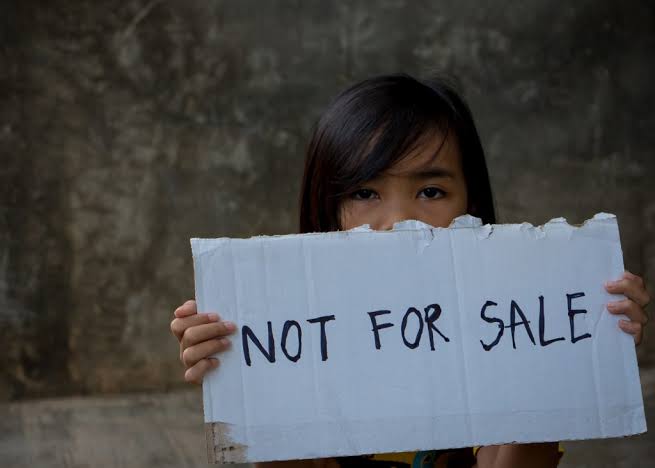
In India child trafficking is a very serious issue. This is happening because there are a number of people who fall under the poverty level category and it is usually this demographic that is subject to child trafficking. The majority of the country’s trafficking problem is internal. This means that usually the most unprivileged families and disadvantaged people of the countries like the Dalits, religious minorities, tribal community members, and girls from different minority groups etc have to face this. Due to poor socio-economic situations, people take advantage of the poor parents and thereby leaving their children into such trafficking rings. The parents from these poor backgrounds assume that the children are going to live in better conditions but in reality, the children are kidnapped and taken advantage of.
What is child trafficking
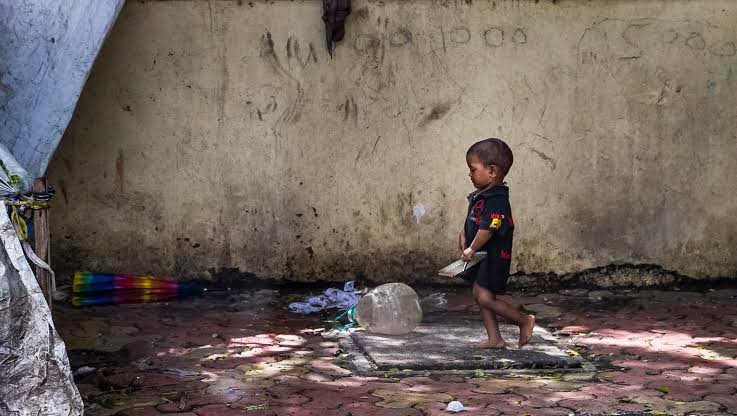
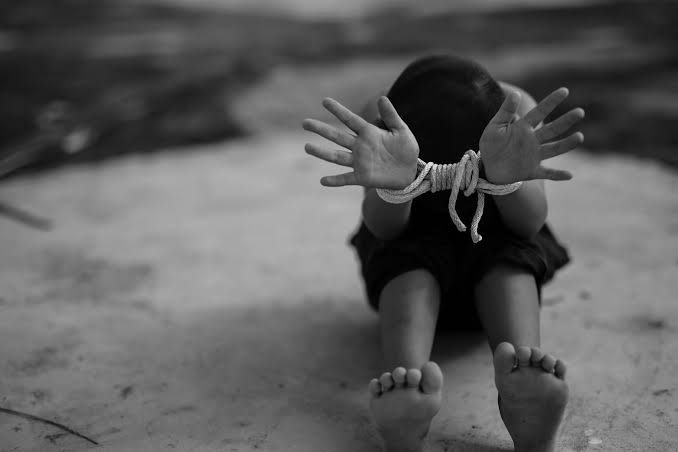
Child trafficking is a practice where children are taken away from their family and later they are forced to beg on streets, do some form of work, used for sex or simply sold.
Child trafficking is linked to demand for cheap labour, especially where the working conditions are poor. Children are forced to do many dangerous stunts and also in illegal situations. Such works include slavery, domestic labour, sexual exploitation or prostitution, drug couriering and being turned into child soldiers. Those children are exposed to many dangerous situations like working in hazardous environments. Many are also denied the chance to reach their full potential because they don’t get an education or have the freedom to make their own choices. Children become separated from their families. They are left without protection and are easy prey for traffickers to exploit either by force or with false promises.
How many children are affected by child trafficking?
It is estimated that almost 21 million people are trapped in forced labour or slavery among which one in every four people are under the age of 18.
Almost 5.5 million children are victims of child trafficking around the world. They suffer violence, exploitation and abuse – ending up in work, forced marriage, prostitution, begging and armed recruitment.
Causes of child trafficking
Poverty Poverty is one of the main causes of child trafficking. Poor parents were sometimes forced to abandon their children in the hands of traffickers assuming that they would lead a happy life.
Humanitarian Crises Child trafficking is particularly prominent in areas struck by natural disasters.The countries where human rights are violated have a higher rate of child trafficking.
Lack of Education Illiteracy and the lack of education make families more vulnerable to traffickers.
Absence of Birth Registration The children whose births were never registered are the most threatened.
Lucrative Activity Child trafficking is extremely lucrative.
International Adoption International adoption is very common among infertile couples. Traffickers and dishonest adoption agencies take these advantages and they don’t get much trouble finding potential clients.
Use of Children Children are sold for the purposes of sexual exploitation, begging, soliciting, or for forced marriages. Their life comes to risk while doing construction work, working in factories, or are employed as domestic servants. Children are given a substantial sum of money to parents waiting to adopt.The sale of child organs is also a very infamous practice done by the traffickers. To earn a good living, many children agree to sell one of their kidneys for money.
Prevention of child trafficking
1. Foster the spread of education. 2. Spread awareness among parents and communities. … 3. Strict laws in place to prevent child trafficking. … 4. Encouraging business to not use child labour. … 5. We must support NGOs like Save the Children in the fight against trafficking.
If you are pass out (higher secondary) from science stream aka biology stream. This is article to tell you which course you can choose for higher education.
MBBS
BAMS
BHMS
BNYS
BPT
BUMS
BDS
Bvs ah
Bsc nursing
Bsc diary technology
ry technology
Bsc biotechnology
bsc home science
BOT
BMLT
Bcom
Bba
Bsc nutrition and dietician
Bsc forensic science
Bsc bioinformatics
Bsc clinical psychology
B pharmacy
Mbbs is acronym for Bachelor of Medicine, Bachelor of Surgery is a 5 year-long undergraduate program which is undertaken by students aspiring to be doctors in the near future. It can be done through NEET.
BDS is a dental course through neet.
BAMS is a ayurvdic course through neet.
Bhms and bnys , bums all have admissions through neet.
Veterinary also had same criteria .
If you are looking for course apart from the medical or science stream. You can apply for bachelor in business administration or bachelor in commerce. You can also opt for integrated courses here.
If you have interest in medicine join B pharamcy. After wards you can go for M. Pharmacy too.
Apart from it there are some bsc courses. You can look at those. Like bsc in radiology,botony, zoology.
Oil prices in India have shot up over the past year. Mustard, vanaspati, soya and palm oil have gone up by around 30% while sunflower has shot up by more than 40%.
Why have the prices gone up?
India imports a large part of its edible oil. Around 70%. This wasn’t always the case. Till the early 1990s, India was self-sufficient in edible oils, depending on traditional cooking mediums such as mustard oil. However, a series of government decisions post-liberalisation to favour international free trade as well as a significant increase in per capita consumption, engineered a massive shift, with imported palm oil becoming the market leader.
India’s edible oil imports are so large that the country spends more on importing only two other commodities: crude oil and gold.
The impact of this extreme dependence on imports means that retail prices of edible oils in India are highly sensitive to international conditions. In the past year, to India’s poor luck, multiple crops faced problems around the world. Covid-19 lockdowns in Malaysia resulted in a poor palm crop. Dry spells in Ukraine and Russia saw sunflower oil production hit with global production falling by 9% in 2020 year-on-year. And demand for biodiesel saw soya bean oil prices hit a record high.Given edible oil is a highly substitutable product, this pushed up prices of even locally produced oils such as mustard. Mustard oil faced further pressure given that due to lockdowns, home-cooked food saw increased consumption, which is where mustard oil is mostly used.
Can domestic production help?
India’s total oilseed production has risen marginally in the past few years. In theory, the government has stated that it aims to increase domestic production (even if these aims are often not followed on the ground). Increased local production is, of course, critical for food security and also helps increase agricultural incomes.
However, increasing domestic production by itself might have a limited impact on price. In fact, it might even increase them further. Bharat Mehta, the head of Solvent Extractors’ Association, which represents Indian oil producers, explains that this is due to inefficient farming practices in India. “Productivity in India is very low,” explained Mehta. “So it’s natural that given this low productivity, the prices will be high.”
Small farm sizes and outdated farming practices mean that Indian farming is one of the most inefficient in the world. For example, the yield of soyabean in Brazil is around than three times that in India.
So while making farming more efficient and reducing edible oil imports would be beneficial targets, the political focus on inflation means that governments inevitably end up ignoring farmer incomes to keep consumers happy.
Can import duties have an impact?
India levies a 32.5% duty on palm oil imports, while crude soya bean and soya oil are taxed at 35%. The Modi government was seriously considering reducing these taxes in order that retails prices can be decreased. However, movements in international markets saw oil prices decline in the previous week.
In a June 16 press release, the government noted that “in some cases, the decline [in prices] is as much as 20%”. As a result, Reuters reported that the Indian government had put on hold its plans to cut duties.
While oil prices are still significantly higher than last year, the precarious fiscal situation of the government itself means it has limited room to maneuver on this front even though inflation in a commodity as critical as edible oils could have significant electoral repercussions for the ruling Bharatiya Janata Party.
“We are in this together and we will get through this together” is a quote we often hear in today’s time. The COVID 19 pandemic was definitely a situation that most of us didn’t expect and it resulted in a loss of thousands of lives and heart breaking situations. Coronavirus disease (COVID–19) is an infectious disease caused by a newly discovered coronavirus. The first COVID case was reported from Wuhan, China, on 31 December 2019. From there began the endless struggle to free the world of this hazardous disease and methods on how to do so are still being conducted as of today. The virus spread so quick that no one had time to prepare resulting in loss of economy and loved ones. The numbers kept increasing and it became hard to provide facilities for everyone in need of them.
However ways on how to prevent the virus have definitely been helpful to a lot of us. One huge step taken was the world wide lockdown where people were asked to remain in quarantine and airplanes had shut down preventing travel of citizens to avoid spreading the virus. Prevention methods such as wearing of masks, maintaining social distance, avoiding social gatherings and even a nationwide lockdown were all put into place. Various testing methods had been developed to diagnose the disease. The standard diagnostic method is by detection of the virus’ nucleic acid by real-time reverse transcription polymerase chain reaction (rRT-PCR), transcription-mediated amplification (TMA), or by reverse transcription loop-mediated isothermal amplification (RT-LAMP) from a nasopharyngeal swab. Some common symptoms of the virus could be dry cough, fatigue or headaches while non common symptoms could be loss of taste and smell, breathing difficulties etc. Although the virus affected everyone in a negative manner, there were several companies who benefited from it and used it to their advantage. Companies such as Amazon, Zoom, Tesla, Apple had a rise in their economic prices. Vaccinations were soon introduced from different countries where some worked while some didnt and there was shortage in the number of vaccinations due to high demand for them. People also found new ways of communication through the technological platforms further helping in development of countries. Another positive aspect of this is that we as an individual have found time to spend with our family thus strengthening relationships and bonds with family. On the other hand communication has become more hander and children growing in this pandemic have tended to develop a introvert personality which could be a negative feature for them in the future.
In the present people have began to adapt to this form of lifestyle where technology plays a important role in survival and are slowly learning to be more comfortable with this method of communication. Inspite of that studies are still being made on how to put a stop to the virus or how to develop better methods of prevention which hopefully is something that’ll happen soon because We are in this together and we will get through this together.










You must be logged in to post a comment.