Transhumanism – saving grace or certain doom?

Imagine, one day you could wake up and have a robotic arm that could fetch you anything that is more than an arms distance away without you having to get up from your bed or that you could have a brain so powerful that you would memorise anything just by glancing over it for a second, imagine..
As one grows older, questions like can humans live forever? Is immortality possible? seem very bogus, however as technologies evolve along with new philosophical ideas that are born, the hypothetical situation that was thought to be impossible, may not seem too far off.

Growing up, watching movies like the matrix or the terminator or avatar where ideas like living forever and enhancement of the human body, made many people wish that the idea of living forever, was not an idea anymore. From ancient times, transhumanism was portrayed from Icarus flying too close to the sun to many others.

From the media to the mythos, the idea of incorporating technology into humans seems plausible. Thus a movement was born, to make all this advancement possible. So the movement that encourages this advancement, is called transhumanism.

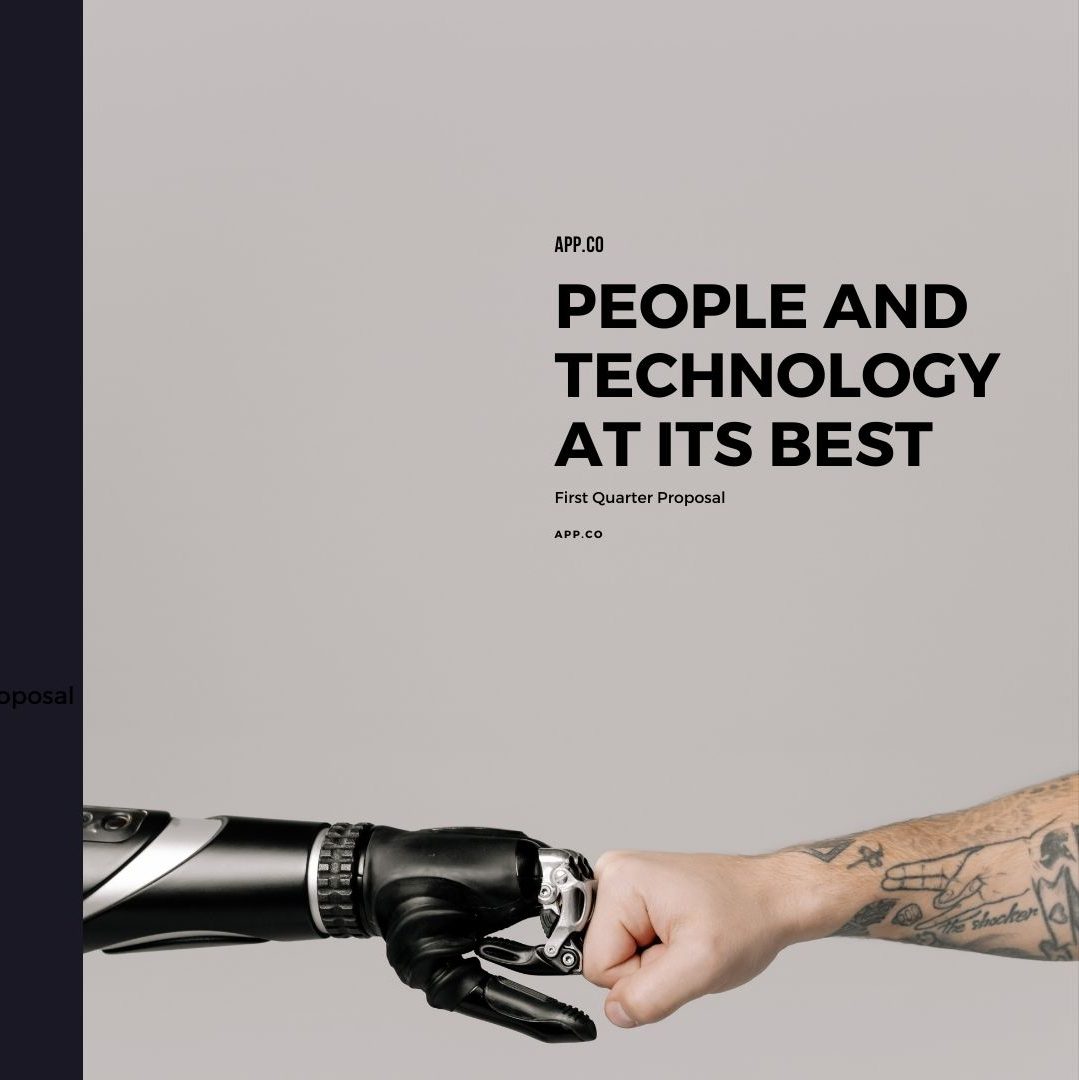
According to the, ‘The Transhumanist Reader: Classical and Contemporary Essays on the Science, Technology and Philosophy of the Human Future,’ transhumanism is a scientific and philosophical movement that calls for the improvement of human existence via the advancement and increasing prevalence of advanced technology capable of significantly altering or enhancing human intelligence and physiology. The movement makes use of the scientific knowledge of human anatomy to allow people to transcend their current biological limitations.The fundamental belief of transhumanism will help cross humans biological limitations by augmentations. Human capabilities are enhanced by augmentations like objects, extensions or technologies. Spectacles, footwear and robotic arm are some of the augmentations.

Transhumanism is viewed as an extension of humanism. According to transhumanism, the present phase of homo sapiens can be seen as an intermediate stage on the road to post-human life forms, which can be achieved by modifying ourselves. Transhumanism originated as a philosophical movement that is currently a growing field.

Science and technology are used to enhance or alter body chemistry to stay healthy and be more in control of our lives. We are all transhumanists (people how advocate for transhumanism m to varying degrees. However, some people advocate transhumanism more broadly, where they advocate for mechanical parts in the body to make the biological figure more enhanced.

Inevitable Evolutions: Human-transhuman-post-human –: Homo sapiens have a range of emotions, experiences. Even though humans are considered the most intelligent species to ever exist, humans do face some limitations. Lifespan – Human character is cut short by death. Humans died and their intelligence dies with them. Intellectual capacity- Humans have cognitive limitations etc, are some of the limitations of the human form. Emotions- Sometimes, emotions may be seen as a disadvantage as, imagine you’re in an argument, and suddenly you start crying, it may show signs of weakness.

Transhuman refers to an intermediate form of being between the human and post-human. 

Being posthuman entails breaking free from the constraints that characterise the least favourable dimensions of the “human condition.” Disease, ageing, and death will no longer be a problem for posthumans. They will have much more physical capability and morphological independence. These beings may show a certain type of emotion or no emotion. The distinctions between post-human brains can not be as clear as they are between humans.

However, as every coin has two sides, transhumanism along with its pros also has its cons. Some of the most discussed cons of transhumanism are dehumanisation wherein our uniqueness will be lost and everyone will have the same beliefs, immortality though is regarded as a pro, sometimes maybe a con, as due to immortality, overpopulation may be an inevitable problem, as well as the laws of nature and science would be broken. Transhumanism may also lead to a social divide on the already existing divides in the society, it may just make the rich or the people who will be able to pay for augmentations, thus making the rich even more powerful. 

However, the situation is quite complex. Before this movement reaches its peak, one should know, if this movement could be our saving grace or our certain doom.


To know more about this movement, the following sources/books can be referred:

  1. The Transhumanist Reader: Classical and Contemporary Essays on the Science, Technology and Philosophy of the Human Future, First Edition. Edited by Max More and Natasha Vita-More. 2013 John Wiley & Sons, Inc. Published 2013 by John Wiley & Sons, Inc.
  2. Transhumanism: A Grimoire of Alchemical Agendas – by Scott D de Hart and Joseph P Farrell.
Gender inequality

Discrimination is the state when all individuals are not treated equally and not given equal rights. Every individual in the community yearns for equal status, opportunities, and equal rights. People generally say these days that everyone is treated equally but they are not. Discrimination usually exists because of cultural differences, geographical differences, and gender. Inequality on the basis of gender is something that is not appreciated, but it is seen many times in many companies. There are many areas where equal opportunities are not provided to women.

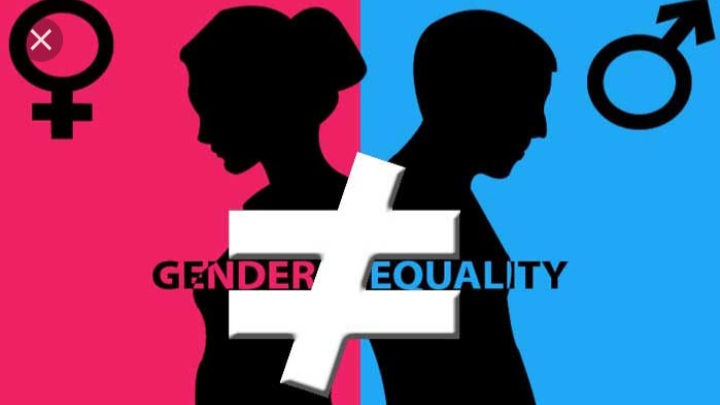
We are in the 21st century, and even now, women are not treated equally as men. It is generally believed that women are more talented than men, and it has been proved many times, but society is not yet ready to accept this fact. Gender equality is the term used when equal opportunities in the fields of politics, economics, education, and health are provided to both men and women.

As per the World Economic Forum’s gender gap ranking, India holds the rank 108 out of 149 countries. The rank should be a major concern in the country as it signifies the immense gap between the opportunities given to women when compared to men. The structure in India is such that women are neglected in many fields like education, health, finance, etc. They are just limited to household chores which should not be the scene here. There are many places in India where women are considered as a burden and they are not allowed to go to school and study as well. Also, a preference for sons prevails in many areas in India.

The seven important forms of gender inequality :

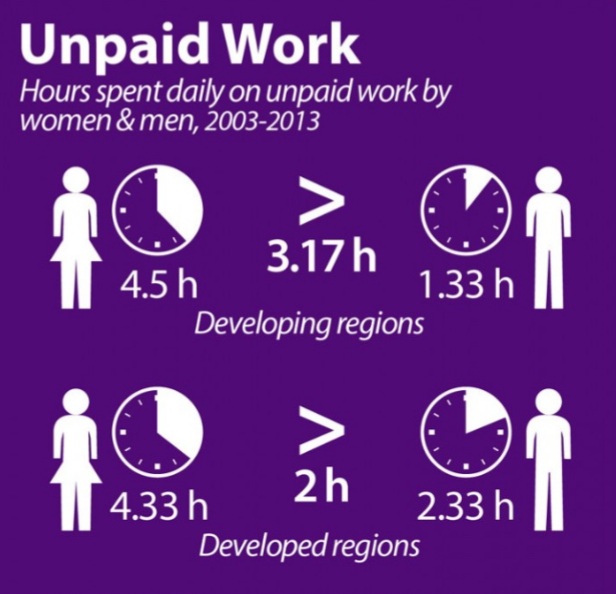
1 . Women works Longer than Men :

In most of the societies the male – stream is the main stream who argues that women have comparative advantage in household non- market production, like cooking and cleaning for the family that cant be called emotional and personal caring work. Based on this thinking, household jobs are then asymmetrically distributed. Women are more valued in home. Men are specialised in market- baesd production. Thus, being the bread- earners, males enjoy both power and status.

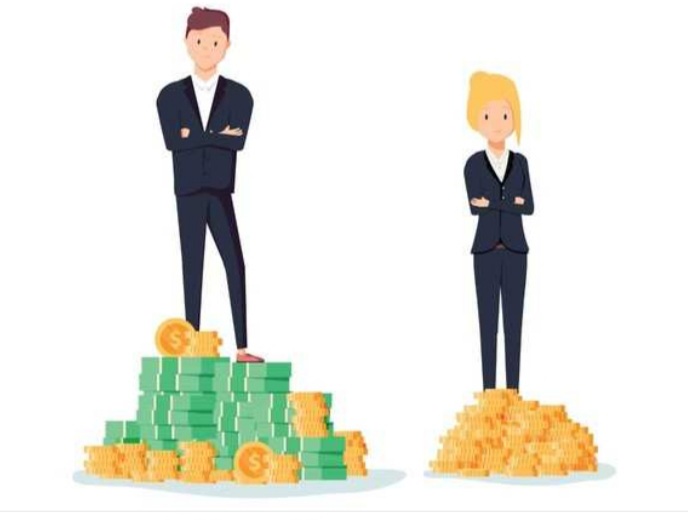
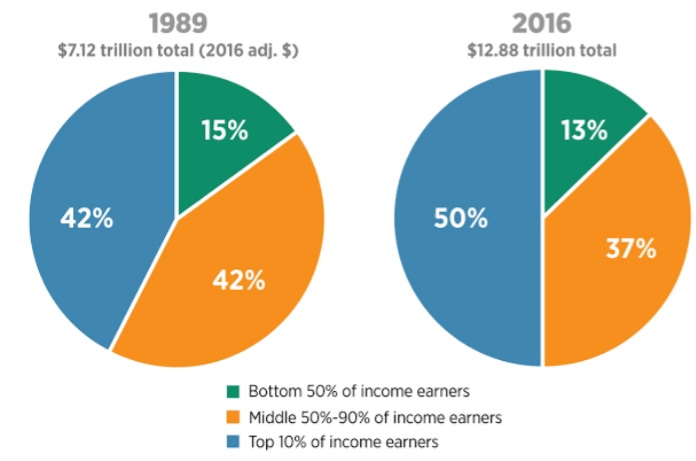
2. Inequality in Employment and Earnings :

Historically, men have greater participation in work outside home than women. But women ( particularly of poor households) share unequally household duties in addition to economic production. Thus they work longer than males. This kind of ‘ division of labour’ may be seen as the ‘ accumulation of labour’ on women, as described by Amartya sen. Household activites are often viewed as ‘ sedentary activites’ which require less ‘ calore’ to gain energy.

3. Ownership Inequality :

A case of social inequality. Let us turn to another kind of inequality, called ownership inequality a classic case of social inequality. In most of the societies, ownership over property and means of production rests mainly on male members . The law of inheritance provides such ownership rights on male child. Such denial coming out of hierarchical dualism within the family not only reduces the voice of women but also prevents them from participating in commerial, economic and social activites.

This kind of social deprivation means absence or lack of capability or because of ‘capability deprivation’, women are subject to various kinds of exploitation and unfreedoms. Social inequality distorts the process of development. Unfortunately, ownership inequality in any country is not of recent origin. In her earlier life, a woman comes under the influence of her father, then husband as she enters a married life and finally, under sons ownership right over property is skilfully avoided. A telugu proverbs corraborates this understanding: ” Bringing up a daughter is like watering a plant in anothers courtyard.”

4. Survival Inequality :

Another crudest from of gender disparity is the unusally high mortality rates of women , though biologically, women live longer than men! Thus more boys than girls are born evrywhere leading to a ‘ deficit’ of women and a ‘ surplus’ of men. In developed countries beacuse of absence of gender bias in health care and nutrition, women outnumber men. In Europe and in north America, 105 or more girls are born per 100 boys. Such high female- male genderd survival rate in different age groups.

5. Gender Bias in the Distribution of Education and Health :

Health and education are the major forms of human capital are realted to economic development . Human capital gets accumulated as a society advances in education . The contribution of human capital towards Japan’s remarkable economic progress attracts our attention . Improvement in health capital also improves the return to investments in education .

However, one finds a huge education and health gaps between developed and developing countries. In recent times, despite a large increase in econoc advancement on times, despite a large increase in economic advancement in asia and africa, these countries lag far behind the developed countries in terms of educational attainment particularly in respect of women’s education. Gender disparity not only hindrrs economic progress but also exacerbates social inequality.

6. Gender Inequality in Freedom Expression :

Let us talk about gender inequality beyond economic issues or factors. Women are not only subject to income or asset inequality but also in terms of freedom and power deprivation of women goes beyond one’s imagination. They lack not only economic freedom at home because of absence of autonomy in house hold decisions, limited or poor wages earned but also lack any freedom in airing opinions over education of children.

In some backward poor societies the right of women giving options is completely denied. Such un – freedoms, however, are not uncommon even among the educated elites who enjoy enormous power and authority in the male domined society. Historically , this sort of law socioeconomic status of women has been continuing nowasdays.

7. Gender Inequality in Respect of viloence and victimisation :

Finally, anti – female bias starts before the girl child is born and this attitide of the society a female member carries throughout her life. It is because of the unequal sharing of income, property, household benefits . Women are subject to both physical and sexual violence – the oppsite of freedom, and an extreme form of coercion. This is common for both poor and not too much uncommon in rich countries as well as among rich people. One in three women in the word is beaten or raped during her life times.

Dowry harassement is considered as an ‘ instrumental use’ of violence. Dowry death is the most serious form of domestic violenece. Wife beating is not uncommon. Sexual violence is an obnoxious form of human rights violation.

Specifically, public health can contribute to reducing health inequities by integrating health equity considerations into policy and programs, collebrating with other sectors to address inequities engaging with communities to support their efforts to adress inequities, identifying the reduction of health inequities.

Reducing inequality requires transformative change. Greater efforts are needed to eradicate ectreme poverty and hunger and invest more in health, education, social protection and decent jobs especially for young people, migrants and other vulnerable communities.

We should understand that women are the part and parcel of any family. When it comes to flexibility, they can manage their home and offices at the same time. If equal opportunities are not given to them, they will be led down and won’t be able to achieve big milestones which they are obviously capable of.

TEA CONNOISSEUR

Tea is not a word but an emotion for Indians. Be it masala chai, black tea, green tea or even kashmiri kahwa. A hot cup of tea suit’s every season and emotion. Happy? It will add up to your mood. Anxious? It will calm you down. Sleepy? It will keep you awake. Insomnia? It will help you relax and sleep.
So now you might be wondering, how does one tea provide so many services where most of them contradict one another?

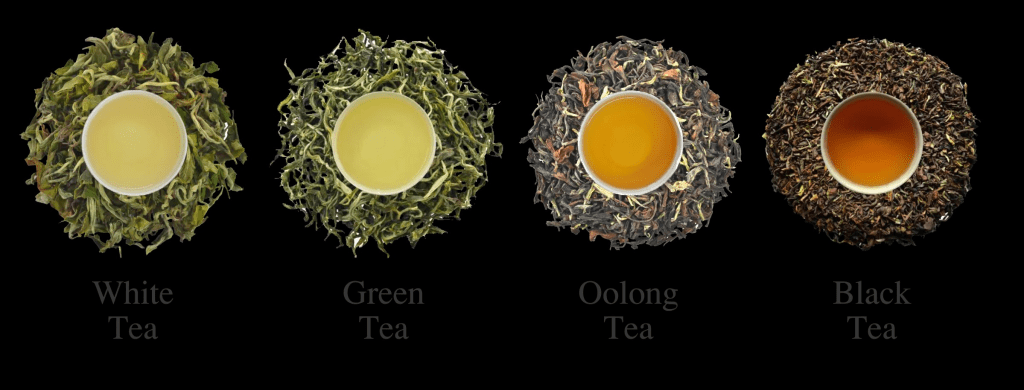
To answer that, the quality and benefits of the tea depends on its Level of Oxidation. The four major types of tea i.e. WHITE TEA, GREEN TEA, OOLONG TEA and BLACK TEA, comes from the same plant called Camellia sinensis. However, they are differentiated by the level of oxidation they undergo. This adds to its level of flavour, aroma and health properties.

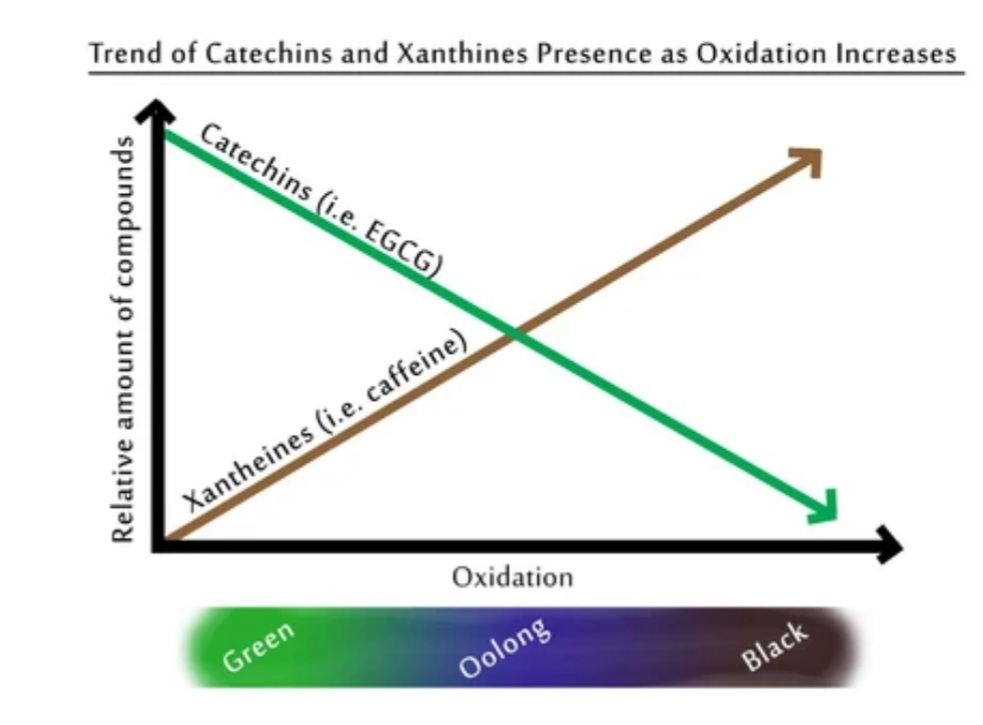
The two major compounds in tea are Catechins and Xantheines. Catechins is present in the form of ECGC which are naturally occurring antioxidants that reduces the oxidative cellular damage in the body and Xantheines in the form of caffeine that provides a gentle energy boost without the harmful side-effects of coffee. The presence of these compounds depends on the oxidisation of the tea leaves. Higher oxidisation leads to more of Xantheine and less of Catechins, where’s lower oxidized leaves contain higher Catechines and less Xantheine.

White Tea is most delicate of all the tea’s as it’s uncured and unfermented. Famous for it’s floral, fruity and naturally sweet flavour, it contains the highest amount of antioxidants as is least oxidized (So it has most of it’s natural Catechins). Hence, it possesses major health benefits because of the absence of caffeine. It’s known for its anti-aging and most potent anti-cancer properties.


Green Tea is the most famous health tea for the past few decades. It is darker compared to White tea as it is slightly more oxidized, however it contains high number of antioxidants that is beneficial for promoting good metabolism and weight-loss. Some of the numerous health benefits of green tea include growth of bladder, stomach, pancreas, lungs; reduced risks of neurological disease like Alzheimer’s; lower blood pressure; prevent cancer; lowers cholesterol levels; prevents tooth decay and many more.


Oolong Tea comes after green tea in terms of its antioxidant content as it’s more oxidized compared to the latter. Its properties depend upon the level of oxidation which is mostly between 30% -70%. It is aromatic and highly fragrant. It is known to lower bad cholesterol levels (LDL) and increase the production of good cholesterol (HDL). It has higher amount of caffeine hence it is known to increase mental alertness and increases concentration


Black Tea is rich, hearty and bold. It’s over 80 % oxidized and hence contain highest levels of caffeine compared to all the others. Hence, this makes it best for an instant energy boost. It is known to protect the skin against excess UV radiation exposure, boost immunity, protect lungs, improve heart health and lower the risk of kidney stones.


Hence, who wouldn’t want to enjoy a hot cup of tea on a pleasant evening (Specially, if it’s good for your health as well as taste buds).

Communication skills

Good communication is very important to convey what is there in the mind. Whatever language, communicating in a understandable way is very important. communication today is very important both in the business world and in private life.

Even though the person is good at skills and is capable of doing things better, lack of communication degrades the skills and brings a negative mark on the person which is a bad thing for the individual.

Top 5 communication skills and How to improve them

Developing strong communication skills is essential when it comes to building a successful careee. Communication skills play a key role in your private life too. These 5 skills are absolutely necessary for sucessful commuincation in the workplace or private life.

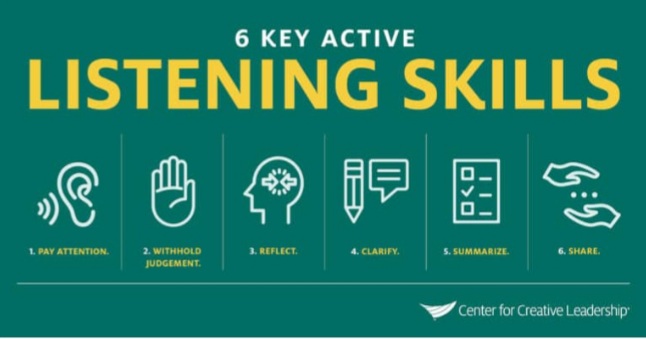
1. Listening :

Listening is one of the most important aspects of communication. Successful listening is not just and understanding of spoken or written information, but also an understanding of how the speaker feels during communication. If a speaker can see and feel that someone is listening and understanding that can help build a stronger, deeper realtionship between interlocutors.

Careful listening can also create an environment in which everyone feels safe to express ideas, opinions and feelings, or plan and solve problems in a creative way.

2. Straight talking :

Conversation is the basis of communication, and one must not neglect its importanc. Even a simple, friendly conversation with colleafues can build mutual trust and even detect problems before they become serious. A healthy does of chatting with and unknown person can lead to a business opportunity . Be accessible and friendly because then you will be able to talk to almost anymore.

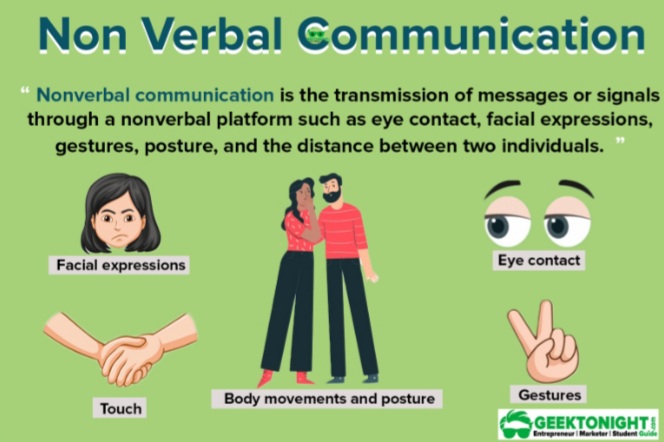
3. Non- verbal communication :

When we talk about things that matter to us then we send a lot of nonverbal messages. Non verbal signals are wordless communication, body position, facial experssion, hand movements, gestures, eye contact, attitude and tone of your voice, muscle tension and the way you breathe. The way you look, listen create, react, gesture , speaks far more about feelings than words will ever be able to.

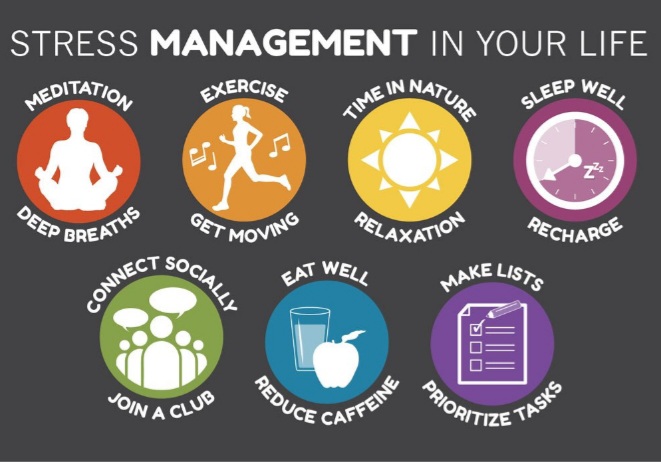
4. Stress Management :

In small quantities, stress can be very useful and encouraging for work . However, when the stress becomes constant and completely begins to take effect, it can affect communication, clarity of opinion and appropriate behavior and action. When you are under stress you may misunderstand other people, send confusing nonverbal signals, and use funny patterns of behavior.

5. Emotion control :

In communication, feelings play an important role. Making decisions more often affects the way you feel than the way you think. Gudided by emotions, your nonverbal behavior affects the understanding of other people and how others understand and perceive you. Control of emotions provides you with tools to understand others, yourself and the messages you send. Though recognizing feelings makes it simple, many people have strong feeling like anger, sorrow, or fear being pushed under the carpet.

Importance of communication :

Communication thus helps understand people better removing misunderstanding and creating clarity of thoughts and expression. The communication brings people together, closer to each other. The communication is an important management function closely associated with all other managerial functions.

Everybody has their own way of communicating. It is influenced by cultural background, the way someone was raised, their gender, their temperament, and much more. At that point true communication may become utterly impossible. Sometimes we may have a difficult time understanding anothers feelings , needs and habits.

* communication serves four major functions with a group of organization :

* control

* Motivational

* Emotional expression

* Information

* communication serves five major purposes :

* to inform

* to express feelings

* to imagine

* to influence and

* to meet social expectations

For example:

For instance, if an individual is going to an interview with great confidence. An individual who is good at different kinds of skills, and also good at executing them and he is lack of communication skills. As the person is not a good communicator, the person faces difficulty in explaining the things to the other person which is known to him. Instantly, this brings a bad impression on the person and a negative mark will be marked on him. The negative mark has a lot to do with. The negative mark can also lead to the rejection of the person in the interview.

Being knowledgeable is very important to achieve certain goals in life, attaining good communication skills and being a good communicator is also equally important to achieve high in the life. Being a good communicator is not A big deal. It is so easy as the lifestyle. Any individual can be good communicator if he communicates all the time with other people in the possible way.

URBAN ECOSYSTEM AND URBAN SUSTAINABILITY

URBAN ECOSYSTEM

UNDERSTANDING URBAN ECOSYSTEM

Urban Ecosystem is the ecological system which is located within an urban area or a city or town or any densely populated area. Urban Ecosystem is the amalgamation of the urban population, its built infrastructure along with its surrounding environment and the interactions between them. It can be seen as a modern way by which adaption can be promoted and guidance can be provided for ecosystem approaches for planning and management of urban areas and their ecosystem. By this the effectiveness and efficiency of the amenities and services being provided for the people can be improved.

URBAN ECOSYSTEM

NEED TO UNDERSTAND URBAN ECOSYSTEM

  1. As of the current situation, more than 54% of world’s population is residing in urban areas (2017) and is projected to reach nearly 66% by 2050.
  2. Urban areas occupy only a small portion of land as compared to the total land available but the amount of global energy consumed by them is huge and is nearly 67 – 76%.
  3. Industrial activities are one of the most widely practiced activities in urban areas and they consume nearly 80% of residential water and 80% of woods.
  4. With the increasing percentage of population residing in urban areas the chances of deterioration of urban ecosystem also increases.
  5. The expanding urban areas convert the  biomes into residential, industrial, commercial, and transportation areas.

STRUCTURE OF URBAN ECOSYSTEMS

Urban Ecosystems consist of 2 elements:

  1. Biological Elements : In the biological components in includes plants, animals and other life forms of life and in addition to that, it also includes the human population, their demographic characteristics, their institutional structures and the socio economic tools that they employ.
  2. Physical Elements : The physical component mainly includes buildings, transportation networks, modified surfaces (e.g., parking lots, roofs, and landscaping) and the environmental alterations etc . 

CHARACTERISTICS OF URBAN ECOSYSTEMS

  1. In comparison to other ecosystems, urban ecosystems are more warm because of high built up areas which reduces the infiltration of rainwater and show high amount of surface run off.
  2. The amount of chemicals, pollutants and heavy metals and other man made organic compounds is also more concentrated in these areas.
  3. The biological community found in different urban areas and urban ecosystems is similar, which is mainly attributed to the structural similarities in urban areas like infrastructures, buildings etc. and due to introduction of different types of activities and characteristics in urban areas for satisfying the needs of the population.

URBAN SUSTAINABILITY

As the percentage of people residing in the cities is increasing, the need of understanding the human – nature interactions and the evolution of their interaction and relationship also increases. With increasing urbanization, the complexities, adversities and nature of this relationship increases and keeps on changing.

Urban Sustainability is the approach that aims to reduce the reliance of cities on other means and modes for satisfying its need and to power itself by making best use of the available renewable sources of energy. By this practice, the carbon footprint, ecological footprint and extent of pollution caused by the cities and urban areas can be reduced. This can be done by efficiently using the land, using the compost obtained from material, by switching to zero waste strategy and waste – to – energy concept. By this the cities impact on micro and global climate change will be reduced.

SOME STRATEGIES FOR ACHIEVING URBAN SUSTAINABILITY

  1. Urban Gardening
  2. Using Sustainable Approaches in construction of buildings
  3. Sustainable Landscaping
  4. Investments in Downtowns
  5. Food Forest

Wormhole

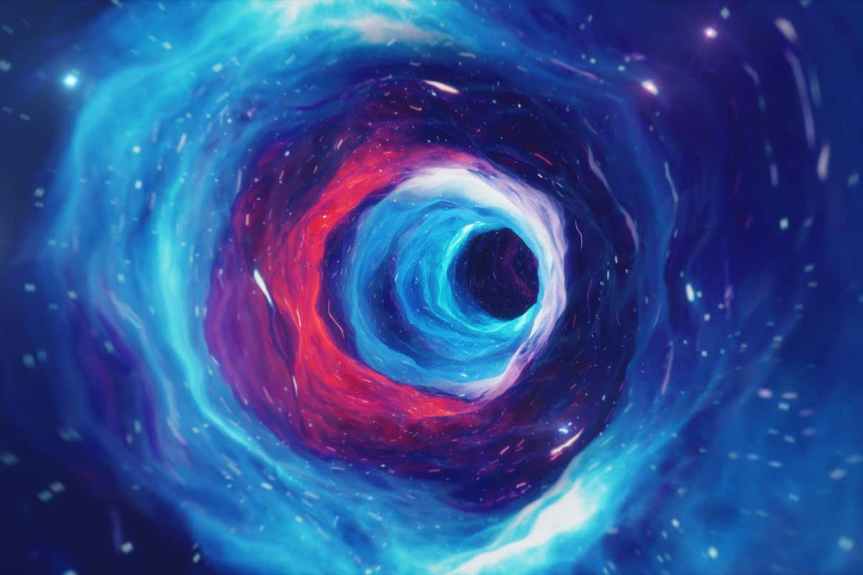
The wormhole theory postulates that a theoretical passage through space-time could create shortcuts for long journeys across the universe. Wormholes are predicted by the theory of general relativity. But be wary: wormholes bring with them the dangers of sudden collapse, high radiation and dangerous contact with exotic matter.

Wormhole theory

Wormholes were first theorized in 1916, though that wasn’t what they were called at the time. While reviewing another physicist’s solution to the equations in Albert Einstein’s theory of general relativity, Austrian physicist Ludwig Flamm realized another solution was possible. He described a “white hole,” a theoretical time reversal of a black hole. Entrances to both black and white holes could be connected by a space-time conduit.

In 1935, Einstein and physicist Nathan Rosen used the theory of general relativity to elaborate on the idea, proposing the existence of “bridges” through space-time. These bridges connect two different points in space-time, theoretically creating a shortcut that could reduce travel time and distance. The shortcuts came to be called Einstein-Rosen bridges, or wormholes.

PLAY SOUND

“The whole thing is very hypothetical at this point,” said Stephen Hsu, a professor of theoretical physics at the University of Oregon, told our sister site, LiveScience. “No one thinks we’re going to find a wormhole anytime soon.”

Wormholes contain two mouths, with a throat connecting the two. The mouths would most likely be spheroidal. The throat might be a straight stretch, but it could also wind around, taking a longer path than a more conventional route might require.

Einstein’s theory of general relativity mathematically predicts the existence of wormholes, but none have been discovered to date. A negative mass wormhole might be spotted by the way its gravity affects light that passes by.

Certain solutions of general relativity allow for the existence of wormholes where the mouth of each is a black hole. However, a naturally occurring black hole, formed by the collapse of a dying star, does not by itself create a wormhole.

Through the wormhole

Science fiction is filled with tales of traveling through wormholes. But the reality of such travel is more complicated, and not just because we’ve yet to spot one.

The first problem is size. Primordial wormholes are predicted to exist on microscopic levels, about 10–33 centimeters. However, as the universe expands, it is possible that some may have been stretched to larger sizes.

Another problem comes from stability. The predicted Einstein-Rosen wormholes would be useless for travel because they collapse quickly. 

“You would need some very exotic type of matter in order to stabilize a wormhole,” said Hsu, “and it’s not clear whether such matter exists in the universe.”

But more recent research found that a wormhole containing “exotic” matter could stay open and unchanging for longer periods of time.

Exotic matter, which should not be confused with dark matter or antimatter, contains negative energy density and a large negative pressure. Such matter has only been seen in the behavior of certain vacuum states as part of quantum field theory.

“A wormhole is not really a means of going back in time, it’s a short cut, so that something that was far away is much closer,” NASA’s Eric Christian wrote.

Although adding exotic matter to a wormhole might stabilize it to the point that human passengers could travel safely through it, there is still the possibility that the addition of “regular” matter would be sufficient to destabilize the portal.

Today’s technology is insufficient to enlarge or stabilize wormholes, even if they could be found. However, scientists continue to explore the concept as a method of space travel with the hope that technology will eventually be able to utilize them.

Chakras

Have you ever attended a yoga session before? Have you ever heard about these chakras? 

If yes, that’s great. If not, that’s fine we are going to cover it in this article.

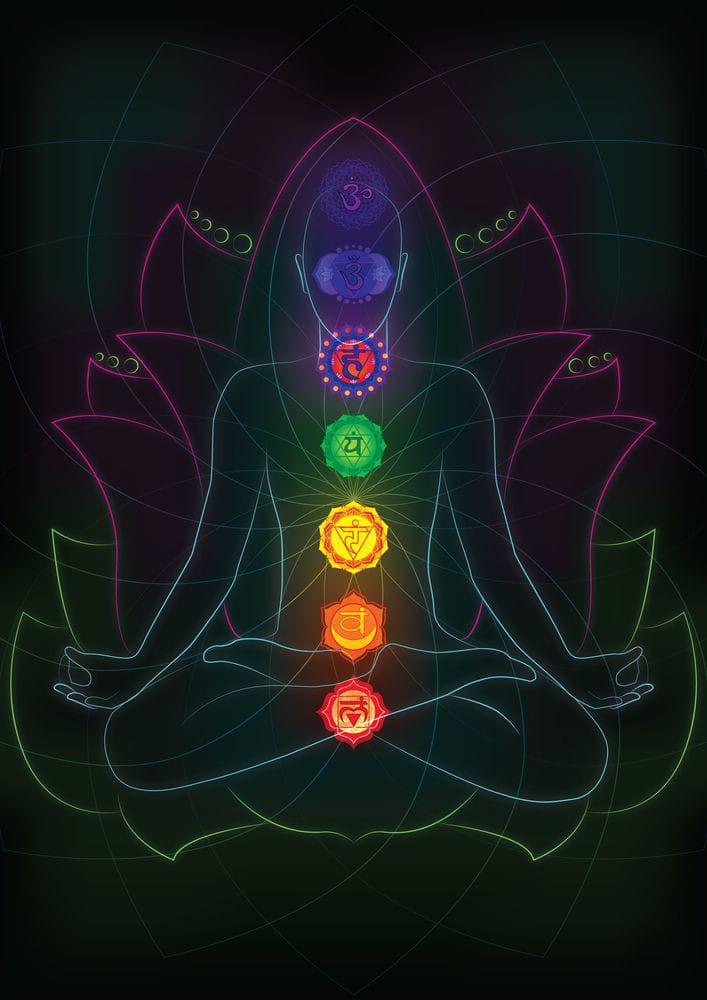
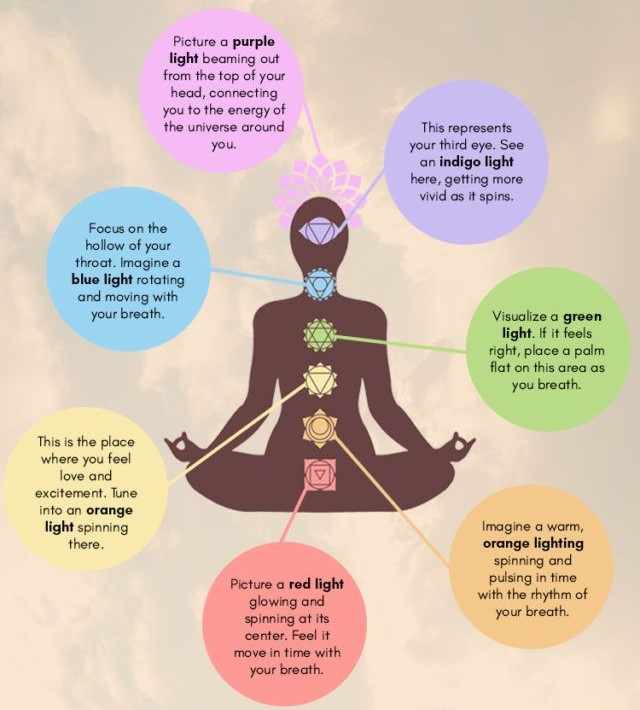
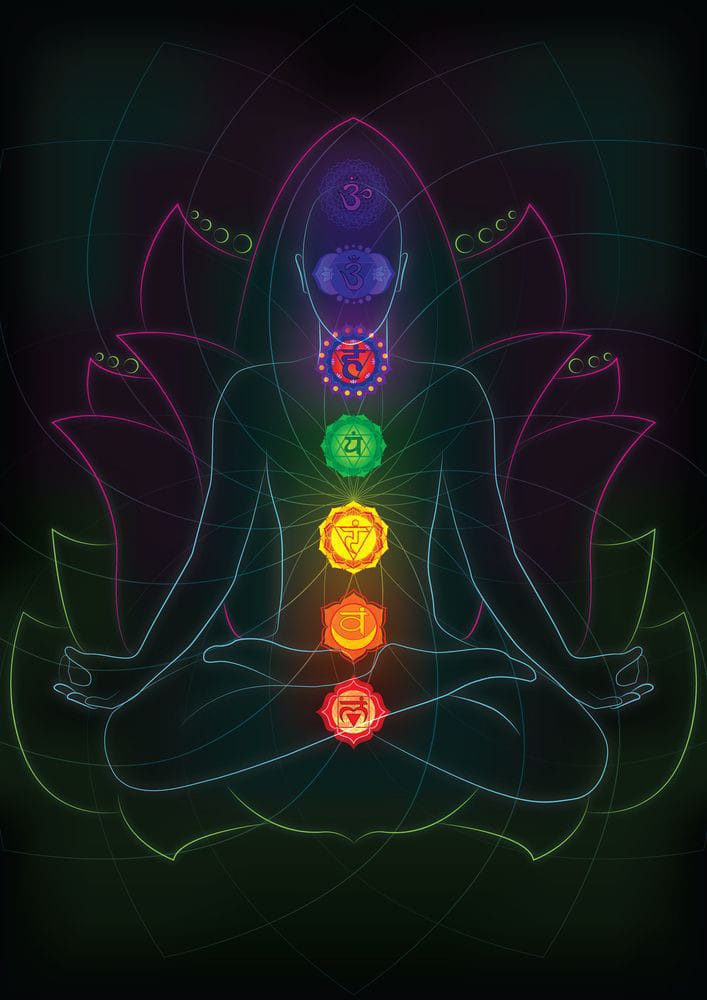
Chakra is a word that comes from Sanskrit, meaning wheel. There are seven wheels or chakras in a human body. Each is located in sequential order along our spinal cord. 

Activating these chakras are important to have a physical and emotional balance. If any of them is imbalanced it means that your chakras are blocked and there is a need to activate them.

But how do we do that? Before answering that question let’s learn about the position and significance of each chakra.

Okay, let’s start from the bottom.

1. Root chakra- Muladhara: 

Color– Red

Represents– the Earth

It is located at the bottom of the spine. It provides a foundation for your life. Gives a sense of commitment, energy, vitality, and independence in life. Helps you to stay grounded. 

If this chakra is blocked. The consequences may be like this- anger, possessiveness, insecurity, fear, low self-esteem, etc.

How to activate/balance this chakra?

You can activate this chakra by performing yoga or meditation.

Hand Mudra
yoga poses

2. Sacral Chakra- Swadhisthana:

Color– Orange

Represents– Water

Located below the belly button.

This chakra deals with one’s creativity, emotional identity, desires, and pleasure. Gives a feeling of compassion, a good sense of humor, intuition, sense of belonging. 

If this chakra is blocked it gives a sense of shyness, guilt, irritation, lack of creativity, etc.

How to activate this chakra?

By following the mudras mentioned below you can balance the chakra.

Hand Mudra
yoga poses

3. Solar plexus chakra- Manipura:

Color– yellow

Represents– Fire

Located in the stomach area. This chakra deals with the sense of belonging and mental understanding of emotions. This makes you feel energetic, confident, intelligent, focused, good digestion, and productive.

If this chakra is blocked you feel timid, depressed, judgmental, angry, and fear of rejection.

By following the mudras mentioned below you can balance the chakra

Hand Mudra
yoga poses

4. Heart Chakra- Anahata:

Color– green

Represents– Air

Located at the center of the chest. It reflects a person’s social identity and affection like love, trust, forgiveness, and wisdom. Makes you motivated, compassionate, emphasized, sense of completeness, friendliness, etc.

If this chakra is blocked you might feel difficulty in love, lack of hope and compassion, mood fluctuations, and feeling low.

By following the mudras mentioned below you can balance the chakra

Hand Mudra
yoga poses

5. Throat chakra- Vishuddha: 

Color– Blue

Represents– Sound

It is located in your throat. Deals with creativity, effective communication skills, faith, expression, listening skills, and all.

If this chakra is blocked it may cause indecisiveness, weakening of willpower, lack of expressiveness, low level of creativity, and proneness to addiction.  

By following the mudras mentioned below you can balance the chakra

Hand Mudra
yoga poses

6. Third eye chakra- Ajna:

Color– Indigo

Represents– light

Located between the eyes. It is responsible for intuition, imagination, wisdom, self-awareness, insight, understanding, and reasoning. It gives clear thinking, a healthy imagination, strong intuition power, good concentration, and focus.

If this chakra is blocked it results in poor judgment, confusion, fear of truth, poor concentration, and addictions.

By following the mudras mentioned below you can balance the chakra

Hand Mudra
yoga poses

7. Crown chakra- sahasrara:

Color– Violet/white

Represents– Conscience

Located at the top of the body, the crown chakra is to maintain a spiritual connection and consciousness. Gives a feeling of oneness, open-mindedness, thoughtfulness, etc. 

If this chakra is blocked you feel a sense of fear, lack of purpose, lack of inspiration, disbelief in spiritual and devotional practices.

By following the mudras mentioned below you can balance the chakra

Hand Mudra
yoga poses

credits to the right owners of the pictures used.

sources: pinterest

Education in the present

Education is very important in every individual’s life as it is very important for the living. The person who is educated will be well treated by the society and will you have good potential wherever he or she goes. Education as the extra energy to the individual’s life and a moles the individuals character into a good one. It is very important to be educated as the competition in the world is comparatively very high.

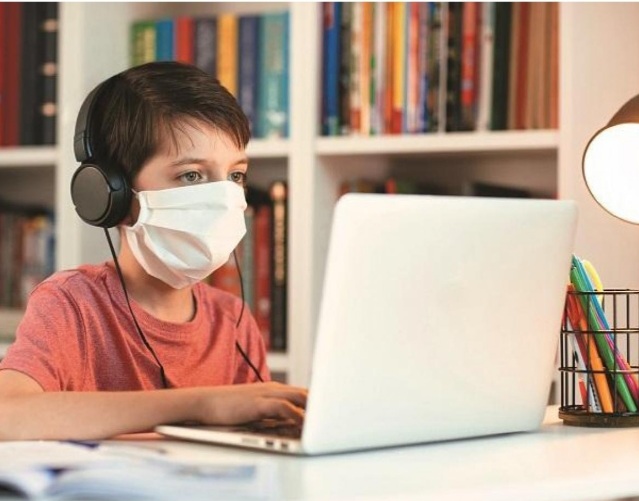
Online classes are the greatest and the biggest task to all the students. It is so difficult for all the students to understand the topics in a detailed manner. Even though the students try their level best to understand the topics during the online class, it is only the 50% of learning but the topics are not understood properly but the students and face lots of difficulties.

It is also equal difficult to conduct exams to all mine because it’s exams are connected through online then there is a chance formal practices. Basically, students commit malpractices during exams in a view to get good marks but not about the knowledge. So,many of the students commit malpractices.

Ways to improve the education system

* skill – based learning :

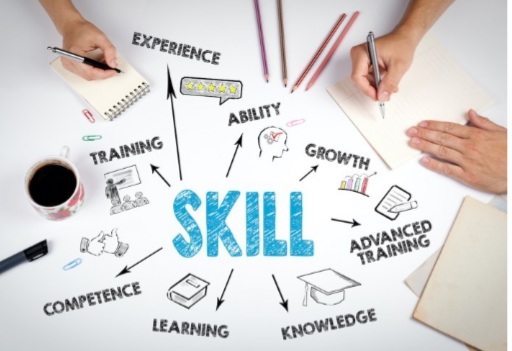
As of now , the education system is such that everyone is forced to study science and math. If this system can be revamped to identify the strengths of a student, then they can be given appropriate training in the chosen field. This will ensure that the child shines in that particular field.

* Rural Education :

As the sad thing about the Indian education system is the fact that its focus is only on urban clusters. There are hardly any decent centres of learning in the rural areas. This is especially true in terms of higher education. If a country has to actually develop, urban and rural development have to go hand in hand.

* Gender Neutral Education :

The education system has always favoured men over the fairer sex. The major change that must be brought about is to involve women in the same. Particularly subjects that are now considered to be the strength of men alone ( like carpentry, engineering, etc). Should be made more accessible to women. Pioneer women in these fileds should be given due encouragement and appreciation.

* Teacher Training :

India has a very good quality of dedicated teachers. However, the sad fact here is the fact that after they join this service, they receive little or no training. In such a situation, giving them periodic training will not just ensure that they are updated with the changing times, but will also improve the entire education scene of the country by leaps and bounds.

* Infrastructure :

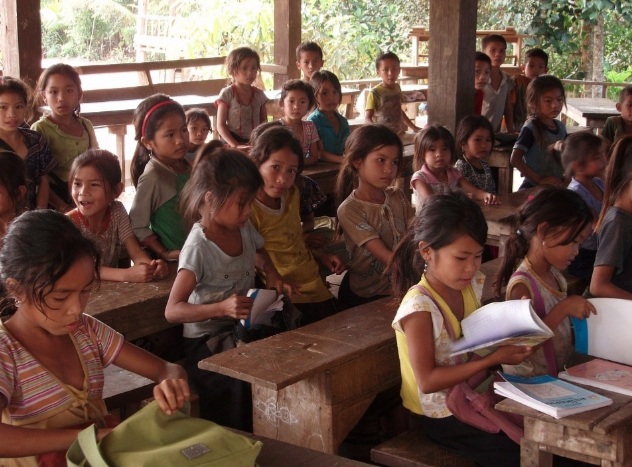
As in every other sector, the indian education sector is one that suffers from the acute death of infrastructure. Most of the government schools do not even have proper chairs, tables, restrooms, let alone a playground, libraries and laboratories. Thus ,the first step in revamping the education scene in the country should begin with improving the infrastructure so that the students are given an evironment where they can learn to the best of their abilities.

* subsidising professional courses :

It is a sad reality that many meritorious students are not able to afford professional corses because of the sheer expense involved in the same. This is all the way truer in case of students from the general category who do not have access to many scholarships. In such a situation subsidising the cost professional education will ensure that the same is within the reach of deserving students from the lower and lower middle class strata of the Indian society.

* Basic computing In Rural Areas :

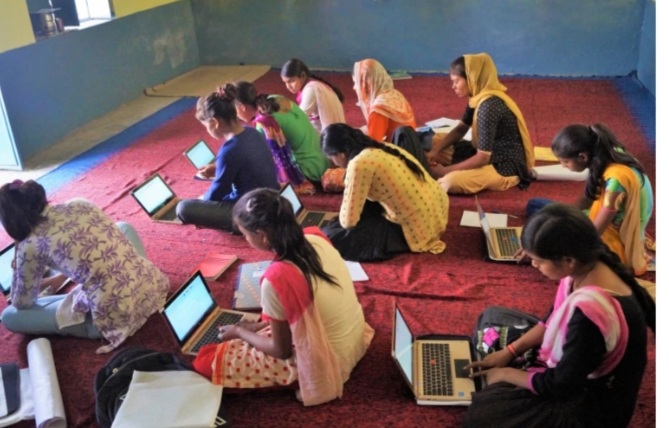
On one hand , India is a land of IT giants; on the other, rural India is completely digitally ill- equipped, in a sitiation like this, the first change that the education system must bring forward is to start free computing classes for skill development in rural areas. Only then will rural Indian move in the same pace as that of the urban Digital India and the country embark on the journey of development.

* Make sports compulsory :

One of the main reasons for the alarming rise in suicide amongst students in the country is the fact that they cannot handle stress. That in turn is because they are subjected to too much mental pressure. By making sports compusory it can be ensured that all the students indulge in some sort of some physical activity. This will lead to their mind performance better and enable them to grasp their theory lessons well.

* Educate parents :

Most of the times it is seen that the children’s woes centre atound that of their parents. In the Indian scenerio, parents are the ones who force their wards into a career they do not like. As a result students do not excel and upon failing to meet their parents expectations, they suffer from a number of mental health issues. To prevent such a thing from happening, the first step that must be taken is to educate the parents about the different carrer options that are available to the students and the possible scope of future in them.

* Remove The Reservation system :

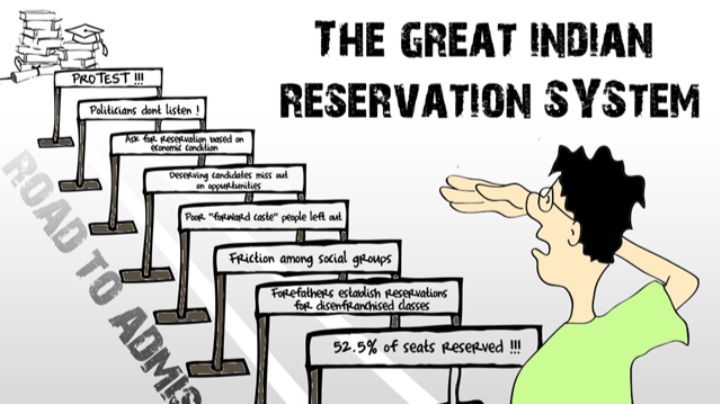
The reservation system in India has been so obsessed with providing the best of opportunities to the reserved that it misses out on many opportunities for the ones who actually deserve the same. This results in not just personal loss for certain people but also brain drain for the entire country and fosters a massive loss to the nation’s economy.

Today’s education system may be good to score marks, but fails to retain the knowledge once students have completed their examinations. This leads to young minds being stifled at an age when they should be asking questions, learning and gaining knowledge, and developing a thirst for more knowledge.

THE WATER ACT 1974

The water  act was enacted by parliament act, 1974 purpose to provide for the prevention of control of water & the maintaining or restoring of wholesomeness of water. As on day, it is applicable in all the states of India. It extends to the whole of India except the State of Jammu & Kashmir. This Act having 64 sections Divided into 8 chapters.

OBJECTIVES

  • Prevention  &  control of water pollution
  • Maintaining or restoring the wholesomeness of water
  • Establishment of board for prevention & control of water pollution.
  • An act to provide for the levy & collection of access on water consumed by persons carrying on certain industries & by local authorities.

Constitution of central Board

  • Chapter   3 deals with Constitution of central Board
  • The terms & conditions of the services of the members, disqualification, holding of board meetings & other committees.
  • Members- Chairperson- Environment expert
  • Officials not exceeding 5- nominated by Central Government
  • Representative not exceeding 3- Agricultural, fishery, industry etc.
  • persons not exceeding 2- companies or cooporatations owned.

Constitution of State Board

  • Chapter  4 deals with Constitution of central Board
  • The terms & conditions of the services of the members, disqualification, holding of board meetings & other committees.
  • Members- Chairperson- Environment expert
  • Officials not exceeding 5- nominated by state Government
  • Representative not exceeding 5- local authorities functioning with state government.
  • persons not exceeding 3- Agricultural, fishery, industry etc.
  • persons not exceeding 2- companies or cooporatations owned.

Constitution of Joint Board

  • Two or more states or Union Territory or Union Territories can constitute a Joint Board with agreement for a specific period.
  • Chairman
  • Two Officials- Appointed by state government.
  • One person- Local authority
  • One representative- Agriculture, fishery, trade etc
  • Two persons- companies or cooporatations owned.

Functions of Central Board

The central board may establish or recognize a laboratory or laboratories to enable the Central Board to perform its functions under this section efficiently. Central Board may- Delegate any of its functions under this act generally or specially to any of the committees appointed by it. Do such other things & perform such other  acts as it  may think necessary for the proper discharge of its functions & generally for the purpose of carrying into effect the purposes of this act.

Powers & Functions of Central Board

  • Advice to central government for prevention & control of water pollution.
  • Co-ordinate the activities of the state board & resolve disputes
  • Provide technical assistance
  • Plan & organize the training.
  • Collect, compile & publish technical data
  • Lay down the standards for a stream or well
  • Establish laboratories.
  • Plan & organize nation wide program for prevention & control of water pollution
  • Plan comprehensive program for prevention & control of water pollution.
  • Advice to State government
  • Encourage, conduct & participate in investigations & research relating to problems of water pollution & prevention.
  • Inspect sewage or trade effluents, works & plants for treatment.
  • Lay down, modify or annual effluent standards for the sewage & effluents.
  • Evolve economical & reliable methods of treatment for local conditions.

Prevention & Control of water pollution

  • Powers of entry and inspection
  • Power to take sample and procedure
  • Report preparation in triplicate.
  • Use of well or stream for disposal is prohibited.
  • Accidents in area, information should be carry to state board.
  • Have powers to close, prohibit, regulate any industrial operation.

Penalties

Person held guilty he is punishable with imprisonment which may extend to three months or fine up to 10000 rs. Or both. Any person disposes any polluting matter into any stream or well he is punishable for 6 years with fine.

Why should we care about our privacy?

Privacy in general terms is the right to be left alone or freedom from interference or intrusion. In terms of the internet, privacy is the right to have some control over how your personal information is collected and used.

More technical innovation gives way to more efficient and advanced technologies. In recent years the information has become the most important component to cultivate this innovation. As many new people are coming on the internet and the amount of information being shared is increased manifold. Every organization or individual is entering the realm of the digital world and data is the entity of this world. Data is also very essential to understand a user or a customer or a client but sometimes there is no limit to the amount of data that an internet corporation is willing to extract. Somewhere there has to be a line that needs to be drawn. In recent years there have been many issues regarding the privacy policy of many tech corporations. Facebook has been in controversy much time. Recently Whatsapp’s privacy policy also raised many questions, then in an ironic move Whatsapp raised the question of privacy by suing the government regarding the new Information technology rules. But this is just the tip of the iceberg and numerous other aspects get overlooked. First, we will need to understand what this privacy means for us as individuals. Only then we can clearly determine the relevance of these rapidly changing developments in this subject.  

“Arguing that you don’t care about the right to privacy because you have nothing to hide is no different than saying you don’t care about free speech because you have nothing to say.”

-Edward Snowden

It’s not that privacy means that there is something to hide; rather privacy is having things you don’t want to show. For instance, people would not like to post their Bank account online or Bank statements. People would also not like to have a public camera inside their homes. Similarly, there are some things that an individual would not like to share online. Privacy can provide secrecy, but there is more to it. Privacy also provides autonomy and therefore freedom to an individual. Well, there is even more to privacy than the freedom that many people do not realize which is that when we think we’re being watched, we make behavior choices that we believe other people want us to make.  Humans intrinsically like to avoid societal condemnation and perception of whether or not we are in private changes the way we behave. This indicates the benefit that a state can have with surveillance and can lead to a conformist population.

As it is stated by many that data is the oil and for many tech organizations it truly is. We can witness this with the various technological corporations that rely upon user data including Facebook, Google, Amazon etc. But Even Smartphone manufacturers like Xiaomi have realized the lucrative benefits of collecting and selling user data. For these companies, our data is money and they earn billions of dollars with this data. Both the private tech giants have clauses in their privacy policy that allows government agencies and third parties to access the data. The data that gets uploaded on the internet never gets deleted and stays there forever. What we have to realize is that even if the information seems futile today, it may have an importance tomorrow. In conclusion, privacy is not a trivial issue and people will have to understand its importance until it’s too late.

References:

DOPING

To continue the fight against doping - Fondazione Gianni Benzi Onlus

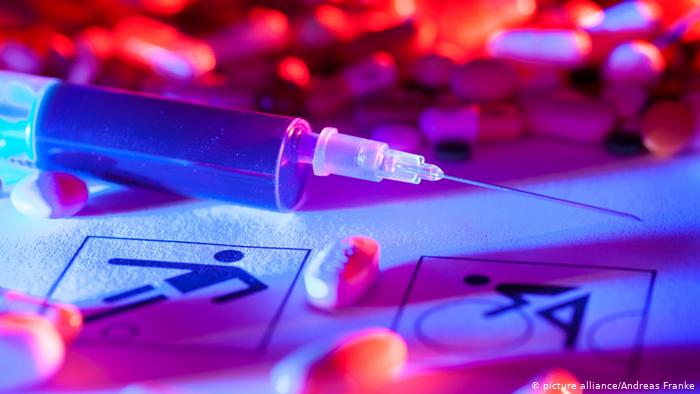
Doping is not new to the people . In ancient Greece, there were specialists who used to offer athletes nutritional ingredients in order to enhance their physical performance. Those specialists may be compared to the current sports medicine specialists . During the Olympic Games in the third century BC, the athletes tried to increase their sports performance by taking mushrooms and opium . In the Ist centaury AD, the Greek runners used to drink a herbal beverage to increase their strength and become capable to run long distance races. Gladiators are also reported to use various substances for enhancing strength . In the modern era , the use of performance enhancing substances and techniques by the top sportspersons across the world has been a presistent issue in the world of sports for nearly four decades. Since the beginning of the 21st century, many athletes have been engaged in taking such substances. Some of them have been tested positive such as Tim Montgomery, Marion Jones, swimmer Phelps, etc.

Concept of Doping

‘Doping’ is the word, which is used in the field of sports, to refer to the situation when athletes use prohibited substances or methods to unfairly improve their sporting performance. In general terms, doping is the use of performance enhancing substances or methods by athletes to gain an advantage over their competitors . In fact , some athletes take illegal substances to enhance their performance . This activity is known as ‘doping’ . Doping in sports is the deliberate or inadvertent use by an athlete of a substance or method banned by the International Olympic Committee. In fact, the ban or prohibition on such substances is necessary to protect the athletes from the unfair advantage which may be gained by those athletes who use prohibited substances or methods to enhance their performance and also from the possible harmful side effects which these substances or methods can produce. The following definitions of doping may help in understanding its exact meaning:

According to International Olympic Committee, ‘‘Doping is the use of any method or substance that might harm the athlete, in a quest to gain an unfair advantage, over his/her fellow competitors”. In fact, doping is the use of prohibited substances or methods designed to enhance an athlete’s physical or mental abilities or to mask the use of such substances or methods during preparation for or participation in a sports competition .

According to World Anti-Doping Agency (WADA) ,” Doping is defined as the occurrence of one or more of the anti-doping rule violations set forth in Article 2.1 through Article 2.8 of the code.”

Applications of Artificial Intelligence-II

In part-I, we have discussed the meaning, scope, stages of AI, few applications, and benefits/uses of AI in society. in this article, we are going to see about the transportation and medical applications of AI.

AI in Social Problems:

Litterati

It is a crowdsourced litter clean-up app and a global database for litter. Identifies litter type, distribution, and location and helps to find more sustainable solutions.  

In 2017, 1.1 billion cigarettes were found all over the world.

AI in Road Transportation:

Road transport is a major sector where AI can be applied more prominently. AI can make transportation modes much safer, cleaner, smarter, and more efficient. 

Self-driving cars

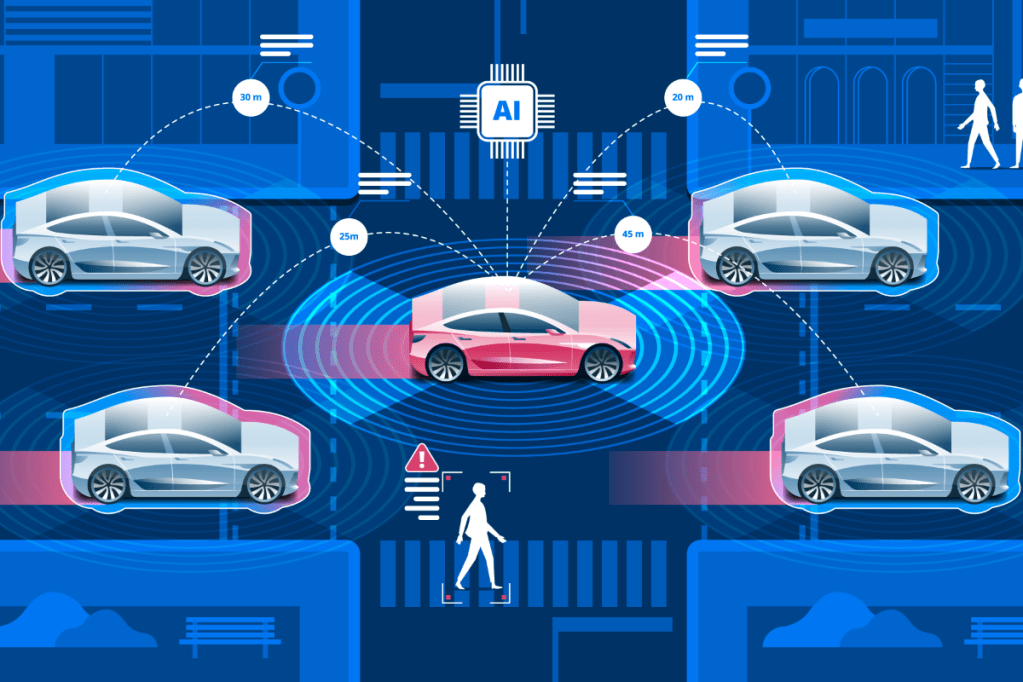
Self-driving cars are a combination of sensors, cameras, radar, and AI technologies like machine learning and neural networks. Developers use a large amount of data from image recognition systems. Neural networks identify the pattern in data i.e., images from the cameras and sensors. It identifies the traffic signs and signals, boundaries, trees, pedestrian walks..etc.

One such technology developed by Google is Google Waymo Vehicle

Google Waymo Vehicle

It is an example of self-driven cars. It is almost an autonomous vehicle but still needs a human to perform certain functionalities but can drive in ideal conditions. 

Levels of Autonomous Cars

LEVEL 0: No Advanced Driver Assistant System(ADAS) is used. The human driver should drive.

LEVEL 1: ADAS assists the driver by its alert systems by its rear-view cameras, but the driver should take care of the steering, brakes, and acceleration

LEVEL 2: Human presence is important even though ADAS will take care of the steering, brakes, or acceleration.

LEVEL 3: ADAS can take driving tasks and parking can be performed under certain conditions. But still, human is the main driver here and need to take care of the circumstances.

LEVEL 4: The driver need not pay much attention as ADAS can take over the driving.

LEVEL 5: No human help is required. ADAS can drive the vehicle under any circumstances.

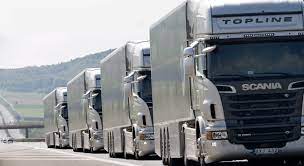
Truck platooning

Truck platooning is also an example of Artificial intelligence. It is a heavy coupling of trucks. The first truck is occupied by the human driver and the rest are fully automated. They maintain a minimal distance between them and accelerates at the same rates. It might be a risk during traffic and unexpected accidents might occur. In the future, the risk factor is expected to be less.

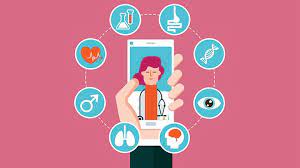
AI in Medical Sector:

AI helps health professionals to diagnose the patient faster and more accurately. 

AI is developing innovative drugs and treatments by reducing medical and diagnosis errors by predicting adverse reactions. Lowers the cost of healthcare work providers and patients.

Problems at the healthcare centers

Due to more number of patients, general practitioners and primary care surgeons are over-burdened because of which there are extremely long waiting at the hospitals.

Solution  

Your.MD

Your.MD aka Healthily is the world’s first AI-based health assistant which provides personalized advice about their medical complaints. This app records the symptoms and, maps them with the clinical data compiled from public sources. Engages about thirty doctors to research illness.

Research

It creates a pre-primary care market and eases the burden of medical staff and helps improve their work through digital screening of non-accurate conditions.

Google Launchpad Studio

Creates an ecosystem of applied Machine Learning startups and focuses on healthcare.

BYTEFLIES is the first company to use this studio.

Supervises Learning for Telemedicine 

Technology can be used for good and bad so there is a need to be vigilant. The latest technologies are typically applied to the wealthy. 

But,

“AI has the potential to extend knowledge and understanding to a broader population. Image-based AI diagnoses of medical conditions could allow for a more comprehensive deployment of the telemedicine”. 

Google deep mind

Google deep mind can diagnose diabetic retinopathy like a highly trained ophthalmologist via telemedicine.

‘BETTER DIAGNOSE WITH LESS HUMAN EFFORT’

It uses a portable fundus camera which is deployed in the screening site and transmits images securely to the cloud software platform for analysis and automatically generates a report which facilitates compliance with follow-up examinations.

credits to the right owners of the images used.

Basics of Vaccines

Latin word Variolae vaccinae is the origin of the word vaccine. In 1798 for the first time Edward Jenner developed first vaccine to prevent smallpox. Now vaccine is a biological preparation. It is produced from living organisms. And it will help to induce immunity or sometimes cure the disease. Vaccines can be administered orally or by injection or by nasal routes. Mostly vaccines are in liquid form.

there are types in vaccines
  1. LIVE-ATTENUATED VACCINE: In this type, vaccine is prepared using the living microbes which cause the disease. In laboratories a culture of these organisms is grown and the isolated organisms are weakened or disabled. Even though the microbe is alive, it will loose the capacity to cause harm. The organisms can be disabled by culturing them in sub optimal conditions. These are relatively safe and produce strong response and create long memory. But these are very expensive to produce.
  2. INACTIVATED VACCINE: Here the disease causing microbe is killed or we can say inactivated through various means. Treating with chemical agents or thermal treatment. These inactivated microbes are purified and formulated into vaccine. This type of vaccine are very safe but the memory created will be comparatively of shorter duration.
  3. RECOMBINANT SUB-UNIT VACCINE: Here the microbe is genetically modified and their potential to cause harm is reduced or removed. Some of the components of the microbe can be prepared separately by genetic recombination. Like only a part of protein or DNA can be synthesized and formulated into vaccine.
  4. TOXOID VACCINE: If the disease causing microbe is affecting because of the toxic substance that produces, the toxin can be isolated and purified through cultures of the microbe. And then this toxin can be treated chemically so that it will not cause any harm but will be enough to cause the immune reaction in the body. The inactivated toxin is formulated into the vaccine. This type of vaccine is easy to produce and is very safe. But these will also have shorter memory.
what dose a vaccine contains?

The vaccine is not only composed of the antigen in bulk. It contains some additional fluid also. They contain preservatives to have a good shelf life and to ensure sterility and check contamination. These preservatives will not be toxic at the concentration used. The may sometimes have saline or water. Vaccine may also contain adjuvants. An adjuvant is a substance which helps the vaccine to generate stronger immune response. You can say they make vaccines work better. Aluminum salt is a common example for adjuvant.

working of vaccines:

If you get infected, the body will show defense against the foreign substance and immune reaction would have been initiated and the person will get sick. The vaccine is the mimic of the disease causing microbe and will generate immune response without making the person sick. The mimics trigger the antibodies production in the body. Antibodies bind to these mimics and destroy them with the help of immune cells. This helps the immune system to quickly recognize the enemy if they enter again.

Vaccines have great impact on public health. They help to reduce human mortality. They prevent the entire population from the risk of infectious diseases. Many diseases were due to vaccination programs. Polio is an example to that. So everybody should get vaccinated to conquer the pandemic that we are currently facing.

The sun won’t die for 5 billion years

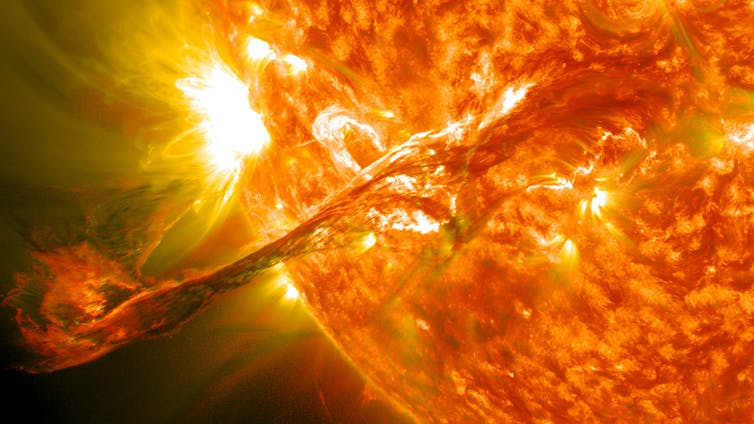
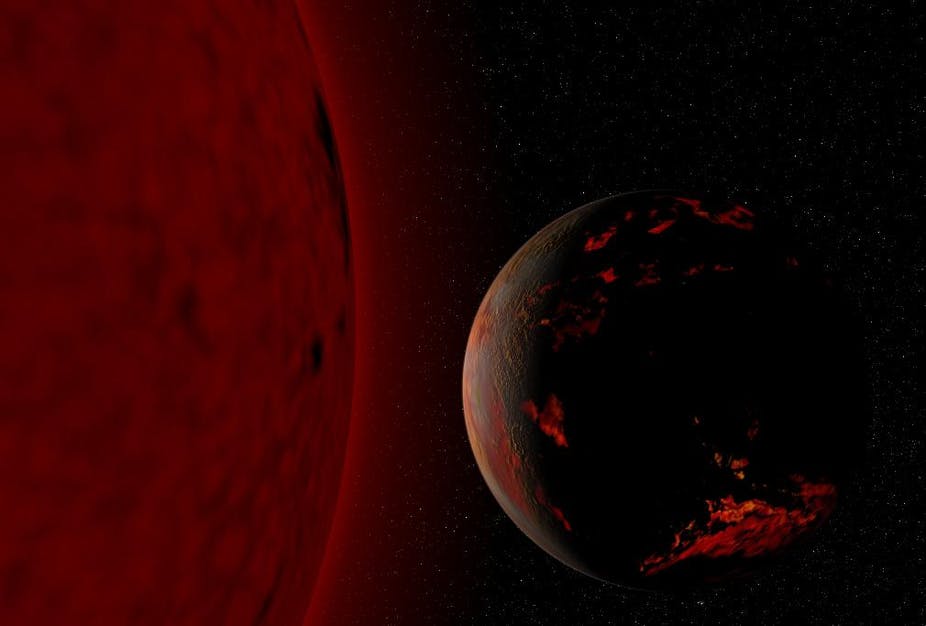
In a few billion years, the sun will become a red giant so large that it will engulf our planet. But the Earth will become uninhabitable much sooner than that. After about a billion years the sun will become hot enough to boil our oceans.

The sun is currently classified as a “main sequence” star. This means that it is in the most stable part of its life, converting the hydrogen present in its core into helium. For a star the size of ours, this phase lasts a little over 8 billion years. Our solar system is just over 4.5 billion years old, so the sun is slightly more than halfway through its stable lifetime.

After 8 billion years of happily burning hydrogen into helium are over, the sun’s life gets a little more interesting. Things change because the sun will have run out of hydrogen in its core – all that’s left is the helium. The trouble is that the sun’s core is not hot or dense enough to burn helium.

In a star, gravitational force pulls all the gases towards the centre. When the star has hydrogen to burn, the creation of helium produces enough outward pressure to balance out the gravitational pull. But when the star has nothing left in the core to burn, gravitational forces take over.

Eventually that force compresses the centre of the star to such a degree that it will start burning hydrogen in a small shell around the dead core, which is still full of helium. As soon as the sun begins to burn more hydrogen, it would be considered a “red giant”.

The process of compression in the centre allows the outer regions of the star to expand outwards. The burning hydrogen in the shell around the core significantly increases the brightness of the sun. Because the size of the star has expanded, the surface cools down and goes from white-hot to red-hot. Because the star is brighter, redder and physically larger than before, we dub these stars “red giants”.

Earth’s fiery demise

It is widely understood that the Earth as a planet will not survive the sun’s expansion into a full-blown red giant star. The surface of the sun will probably reach the current orbit of Mars – and, while the Earth’s orbit may also have expanded outwards slightly, it won’t be enough to save it from being dragged into the surface of the sun, whereupon our planet will rapidly disintegrate.

Life on the planet will run into trouble well before the planet itself disintegrates. Even before the sun finishes burning hydrogen, it will have changed from its present state. The sun has been increasing its brightness by about 10% every billion years it spends burning hydrogen. Increased brightness means an increase in the amount of heat our planet receives. As the planet heats up, the water on the surface of our planet will begin to evaporate.

An increase of the sun’s luminosity by 10% over the current level doesn’t sound like a whole lot, but this small change in our star’s brightness will be pretty catastrophic for our planet. This change is a sufficient increase in energy to change the location of the habitable zone around our star. The habitable zone is defined as the range of distances away from any given star where liquid water can be stable on the surface of a planet.

With a 10% increase of brightness from our star, the Earth will no longer be within the habitable zone. This will mark the beginning of the evaporation of our oceans. By the time the sun stops burning hydrogen in its core, Mars will be in the habitable zone, and the Earth will be much too hot to maintain water on its surface.

Uncertain models

This 10% increase in the sun’s brightness, triggering the evaporation of our oceans, will occur over the next billion years or so. Predictions of exactly how rapidly this process will unfold depend on who you talk to. Most models suggest that as the oceans evaporate, more and more water will be present in the atmosphere instead of on the surface. This will act as a greenhouse gas, trapping even more heat and causing more and more of the oceans to evaporate, until the ground is mostly dry and the atmosphere holds the water, but at an extremely high temperature.

As the atmosphere saturates with water, the water held in the highest parts of our atmosphere will be bombarded by high energy light from the sun, which will split apart the molecules and allow the water to escape as hydrogen and oxygen, eventually bleeding the Earth dry of water.

Where the models differ is on the speed with which the earth reaches this point of no return. Some suggest that the Earth will become inhospitable before the 1 billion year mark, since the interactions between the heating planet and the rocks, oceans, and plate tectonics will dry out the planet even faster. Others suggest that life may be able to hold on a little longer than 1 billion years, due to the different requirements of different life forms and periodic releases of critical chemicals by plate tectonics.

The Earth is a complex system – and no model is perfect. However, it seems likely that we have no more than a billion years left for life to thrive on our planet.

Vitamins

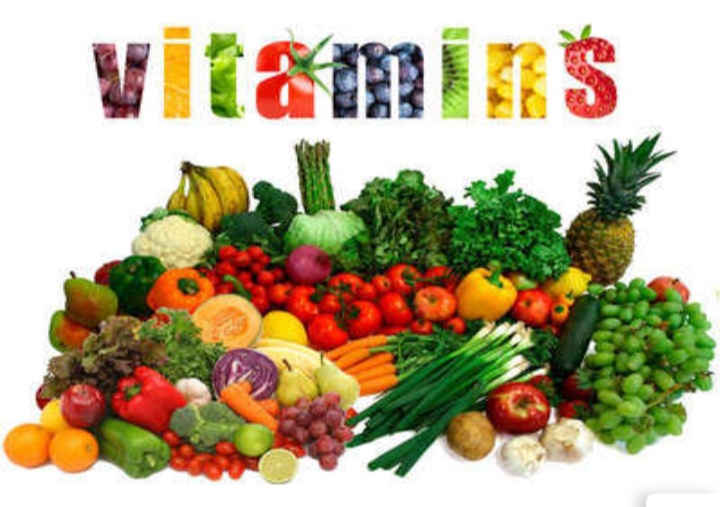
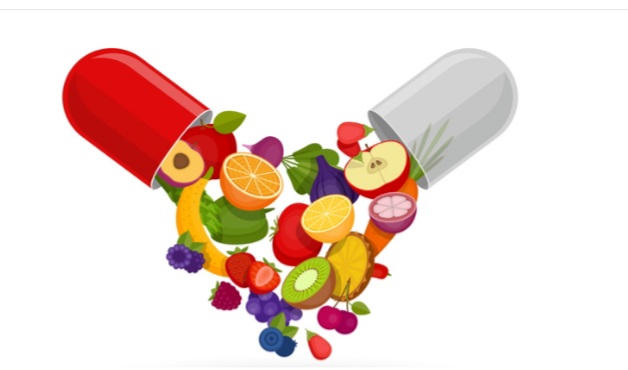
Vitamins and minerals are very important for everyone to be fitter and healthier. It is very important to consume the food which is rich in vitamins and minerals. And there are many side effects of not consuming vitamins and minerals like vitamin deficiency. Vitamins and minerals are good source of energy.

Nutrients are very important to consume and have good cause. An individual must prefer nutritious food than the junk food. It is very important to eat the fruits and vegetables rather than eating the high calorie food.

Many of the people does not include those fruits and vegetables in their diet. When they do not include the fruits and vegetables it leads to the malnutrition sometimes.

Types of vitamins :

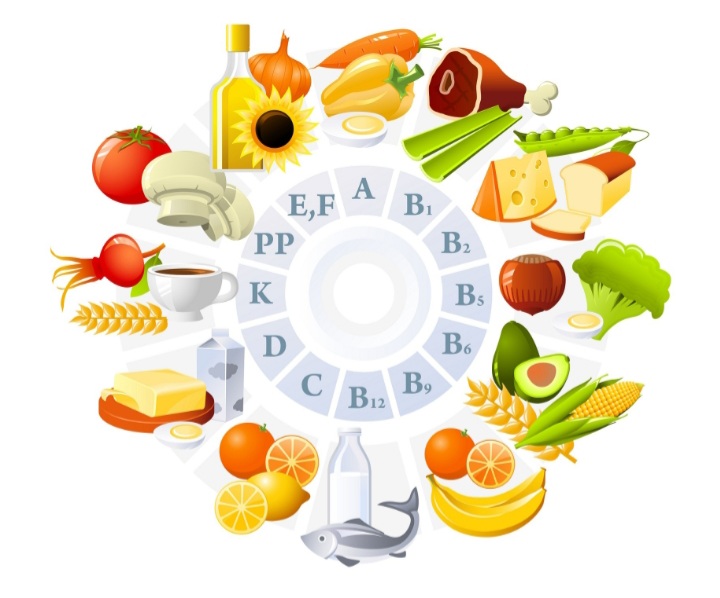
There are 13 essential vitamins. They are vitamins A,C,D,E,K, and the B vitamins (thiamine, riboflavin, niacin, pantothenic acid , biotin,B6, B12, and folate). Vitamins have different jobs to help keep the body working properly. Some vitamins help you resist infections and keep your nerves healthy, while others may help your body get energy from food or help your blood clot properly.

Food sources :

* vitaminD from fatty fish, fish liver oils, fortified milk products, and fortified cereals.

* vitamin B12 from meat, fish, poultry milk, and fortified breakfast cereals. Some people over age 50 have trouble absorbing the vitamin B12 found naturally in foods. They may need to take vitamin B12 supplements and eat foods fortified with this vitamin.

* calcium is a mineral that is important for strong bones and teeth, so there are special recommendations for older people who are at risk for bone lkss. You can get calicium from milk and other dairy, some forms of tofu, dark green leafy vegetables, soyabeans, canned sardines and salmon with bones, and calcium – fortified foods.

* Magnesium is found in foods containing dietary fiber, such as green leafy vegetables, whole grains, legumes, and nuts and seeds. Breakfast cereals and other fortified foods often have added magnesium. It is also present in tap, mineral, or bottled drinking water.

* pottasium is found in fruits, vegetables, meat, and dairy foods. Foods high in potassium include dried apricots, lentils and potatoes. Adults get a lot of their potassium from milk, coffee , tea and other nonalcoholic beverages.

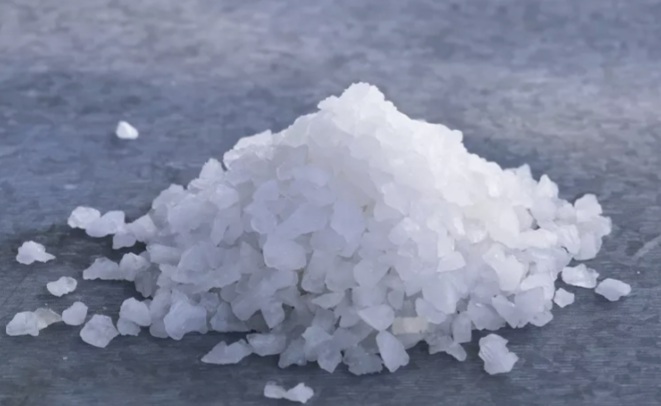
* preparing your own meals at home without using a lot of processed foods or salts will allow you to control how much sodium you get.

* vitamin B6 is found in a wide variety of foods . The richest sources of vitamin B6 include fish, beef liver, potatoes and other starchy vegetables, and fruit ( other than citrus).

* vitamin A can be found in products such as eggs and milk. It can also be found in vegetables and fruits, like carrots and mangoes.

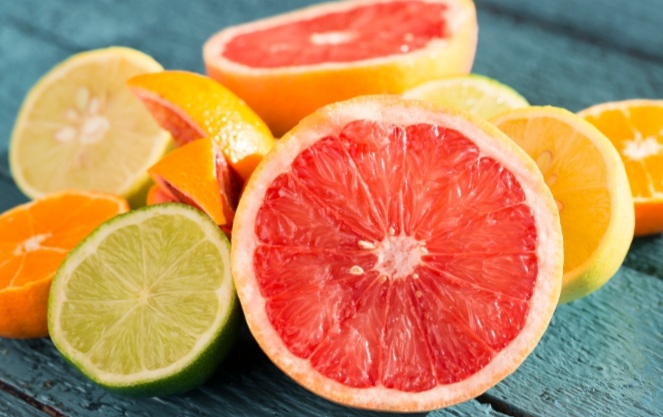
* vitamin C is found in some of the best fruits and vegetables. Citrus fruits, tomatoes, and potatoes can be large source of vitaminC

* vitamin E can be found in nuts like peanuts and almonds and can be found in vegetable oils, too. It can also be found in green vegetables, like broccoli and spinach.

* vitamin B1 in meat- especially pork- and fish. It’s also in whole grains and some fortified breads, cereals, and pastas.

* vitamin B2 in eggs and organ meat, such as liver and kidneys, and lean meat. It is found in green vegetables, like asparagus and broccoil.

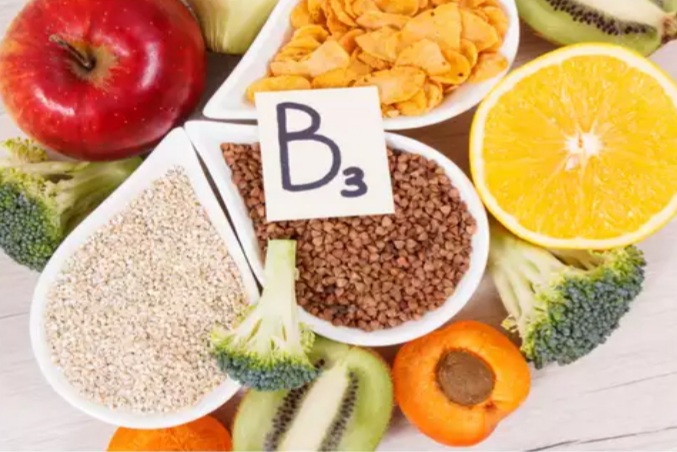
* vitamin B3 can be found in some types of nuts, legumes, and grains. It can also be found in poultry , beef, and fish.

* vitamin K can be found in many foods including green leafy vegetables, like spinach and kale and in some fruits, such as blueberries and figs . It can also be found in cheese, eggs and different meats.

* Folate can be found in vegetables and fruit, such as broccoli brussel sprouts, spinach, and oranges. It can also be found in nuts ,

Most of the teenagers consume junk food instead of eating the healthy food that is the fruits and vegetables. The junk food contain some preservatives in it and they’re also rich in fats and carbohydrates which are not so good. Doing a mistake is acceptable but doing the mistake even after knowing the truth is a bad one. So, all the teenagers must know the need of the situation and must bring the awareness among the people who are addicted to the junk food. They must motivate the people who are in it all the time.