June 30 is the world asteroid day and it is held on the anniversary of Siberian Tunguska event which is known as one of the most dangerous asteroid related event on earth. This day is designed by United Nations general assembly to raise awareness about the harmful effects of asteroids and measures to be taken to avoid these effects. On this day lets know more about the asteroids.
After the formation of the solar system, some of the rocky remains which failed to form a planet started to revolve around the sun around 4.6 billion years ago and these are called asteroids. Asteroids are made of same starting materials as earth and the other planets. But they are not big enough to be called a planet. Currently 1,097,065 is the known asteroid count and there is an asteroid belt between Jupiter and Mars which contains more than 200 asteroids of size larger than 60 miles in diameter. And many asteroids are present outside the belt also.
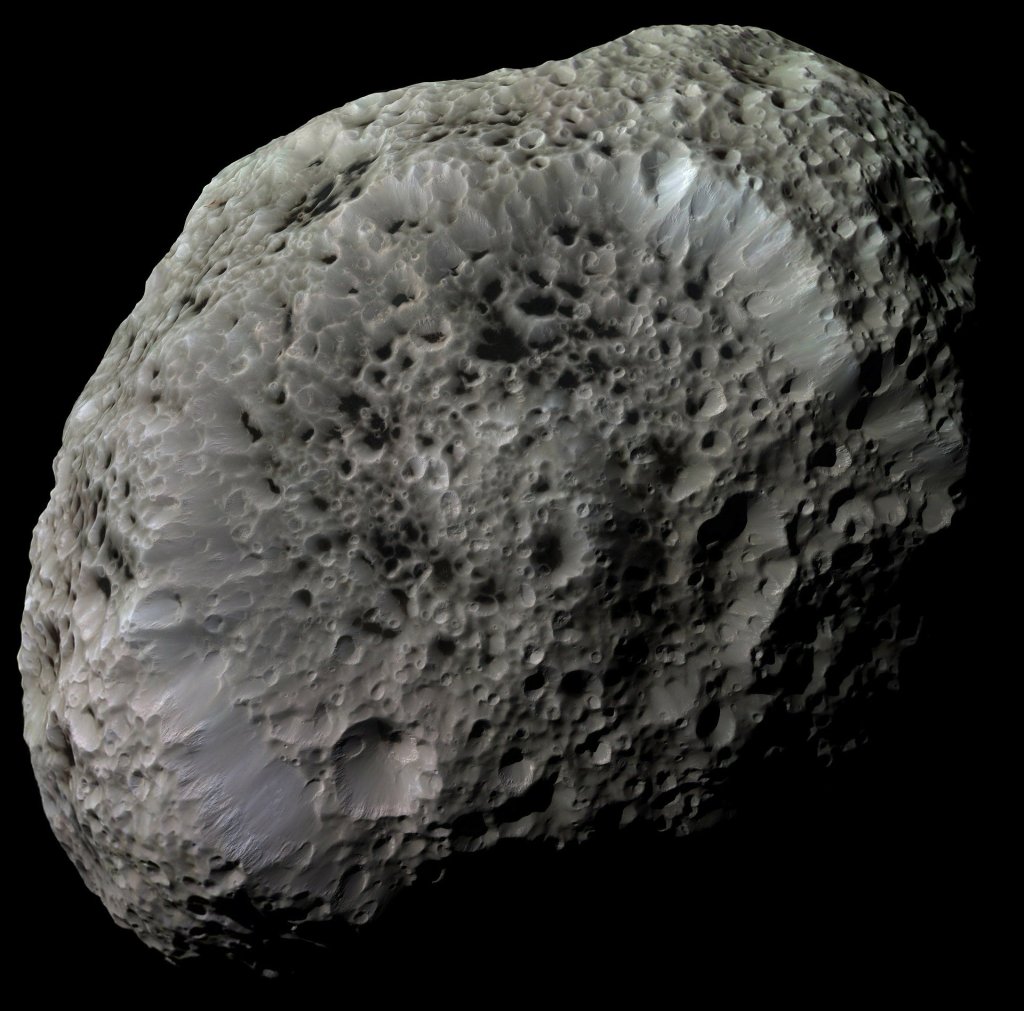
asteroids can be very big of 940km and can be very small of 6-foot-wide. They are irregularly shaped although some are nearly spherical. Their surface is pitted as moon`s surface. Some of the asteroids also have their own moon. There are binary asteroids also present which revolve around the sun in pair and revolve around each other too. The average temperature on their surface is minus 73 degree Celsius.
THERE IS A CLASSIFICATION FOR ASTEROIDS BASED ON THEIR COMPOSITION
asteroid
C-type asteroids: They are also called as carbonaceous asteroids. This is the most common type of the asteroid making 75% of the population. They are mostly grey in color. They have large amount of carbon with rocks and minerals. They inhabit the main belt`s outer region.
M-type asteroids: They are also called as metallic asteroids. They are mostly made of nickel and iron and small amount of stone. They are moderately bright and red in color. They are in the middle region of the main belt.
S-type asteroids: They are also called as siliceous asteroids. They are of 17% of the total asteroids present at inner region of the asteroid belt. They are mostly made of silicate materials. Their composition is similar to meteorites.
CAN ASTEROIDS BE A SPACE COLONY FOR HUMANITY?
The desperation of the humanity for survival is the main driving force to think about colonizing the asteroids. But this has many obstacles. The main challenge is the transportation. Asteroid belt is 204.43 million miles away from the earth & journey to them may take more than 18 months. And size of the asteroids is not enough to produce gravity. This makes landing on them difficult. Another problem is the temperature which is very less. Scientist are studying to remove all these obstacles and possibility of habiting on the asteroids is quite at the far end of the future.
MINING ON ASTEROIDS
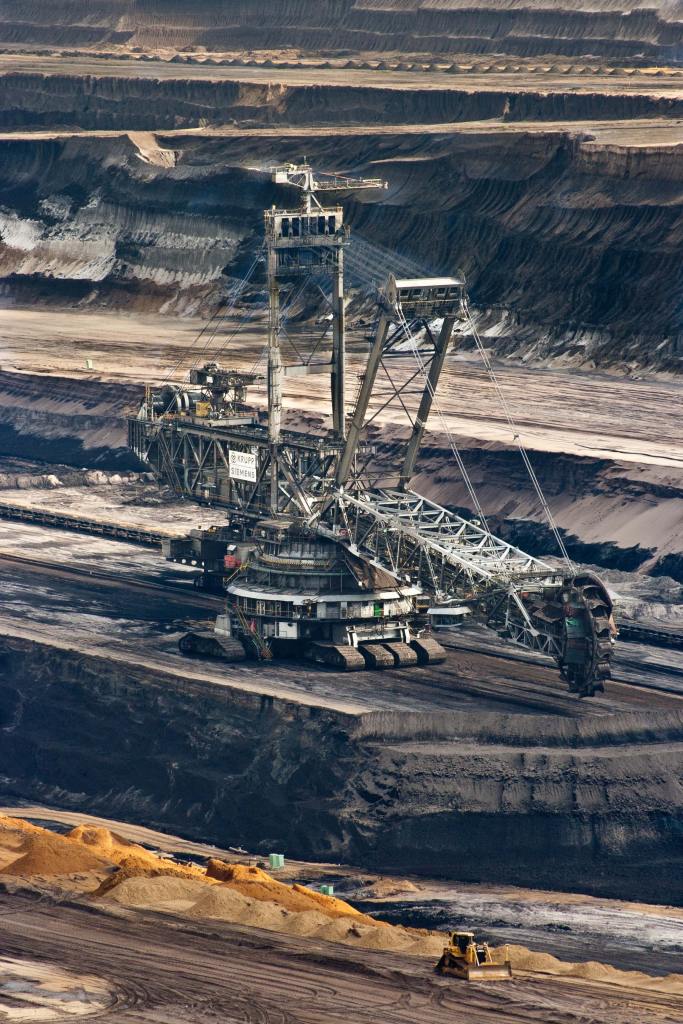
mining
Mineral depletion is becoming a major thing on the earth. It is predicted that earth will run out of the minerals in coming 50-60 years. So extraction of minerals from the space that too asteroids sounds interesting and hopeful. Asteroids also contain water which can be used as fuel for the spacecrafts used. Its been said that the world`s first trillionaire will be a person who owns asteroid mining. Asteroid mining will bring the essential economic progress.
Mining on asteroids requires a lot amount of resources. Some of may include mining robots and haulers. Construction and maintenance of infrastructure is important. In-space manufacturing should be enabled to do mining effectively. Bringing the mined materials back to earth is also a challenge.
The technology for asteroid mining is being constructed by a company called Deep space industries. They are developing 3 types of spacecrafts. They are: Fireflies to examine the asteroids, Dragonflies to bring back samples to the earth and Harvesters to voyage to the asteroids and gather tons of minerals and return back to the earth. TransAstra is another company which is developing technologies for the same. If all these companies succeed then the dream of mining on asteroids will come true and will benefit the earth`s economy.
Ethnic complexities or relations in India have historically been complex. “Ethnic relations” refers to attitudes, behaviors and opinions towards people of other ethnicity or races. India is one of the most ethnically diverse countries, with more than 2,000 different ethnic groups. There is also significant diversity within regions, and almost every state/province has its own distinct mixture of ethnicities, traditions, and culture. Throughout the history of India, ethnic relations have been both constructive with mutual cultural influences and destructive with discrimination against other ethnicities. In this research paper we will talk about the progress or the current scenario of racial discrimination in India and its various problems.
Racism is most commonly used to name a form of prejudice in which a person thinks that their “race” is better or superior over other races. This most often takes the form of believing that those with other skin colors especially darker skin colors are inferior physically, intellectually, morally, and/or culturally, and mistreating and discriminating against them because of this. Such a belief typically promotes the notion that white people are “the default” that whiteness is “normal” and that people with other appearances are the ones who are “different” (and “inferior”).Racism has existed in our society from ages right from the time of colonization of India.
According to local sources, unity in diversity has been growing in India, making the country more tolerant. One World Values Survey reported 43.5% of Indians responded that they would prefer not to have neighbors of a different race.
What is race?
To fully understand racism, we have to understand the meaning of race. Throughout history, the word race has been used to classify humans based on various physical characteristics, especially skin color, facial form, and eye shape. But sorting people into such races is truly arbitrary they’re not based on meaningful scientific differences (like, for example, those used to determine legitimate scientific classifications such as species and genus). The obsession with the difference in people’s skin color is one of the foundations of racism.
Biases related to the caste system
Racism is linked to the prevalent caste system which is hierarchical in nature. The broad orderings and the sub-orderings in India seem complex and confusing as classifications are often overlapping: region, religion, caste, sub-caste, Jati, Gotra, Kula, Varna and language. “Any effort to simplify them beyond a point can lead to a distortion of social reality.”
earliest classification, as found in Rig Veda, was not based on birth but on the hierarchy that was determined by one’s occupation; however, it is certain that at some particular point in history it became birth-based and rigid
The killing or discrimination was not rooted in color, which some scholars mistakenly believe it to be the case rather this was a time of constant wars and conflicts between the invader immigrants and the actual tribal population of the time..
earliest classification, as found in Rig Veda, was not based on birth but on the hierarchy that was determined by one’s occupation; however, it is certain that at some particular point in history it became birth-based and rigid
The killing or discrimination was not rooted in color, which some scholars mistakenly believe it to be the case rather this was a time of constant wars and conflicts between the invader immigrants and the actual tribal population of the time.
Status of Racial discrimination in the 21st century
The next part of this research paper will discuss how skin tone is still so deeply attached to the normal Indian psyche that it gets confused with the societal value system of caste, class, and religion
Skin tone also forms various strata of variables and acceptability in society. Beauty ideals are now governed by the media, which glorifies lighter skinned models–both male and female–who are chosen to advertise almost all products over darker skinned models
In the wake of George Floyd’s death the debate about colorism and skin tone in India has been discussed in several media outlets, and as part of the general critique a big Indian matchmaking website, Shaadi.com has removed a filter where people could use to mark skin color preferences for their potential partner
In the state of Maharashtra, a group of young tribalgirls trained to be flight crew through a government scholarship program that aimed to empower women; however, the program seems to have actually disempowered darker skinned women. The majority of girls were denied employment due to their darker skin tone. A few of those women obtained jobs, but only as out-of-sight ground crew.
This is not a question answered by Ayn Rand’s novel ‘Atlas Shrugged’ however it does shed light on a dystopian world which is rushing towards a total economic collapse. Businesses suffer due to a corrupt and meddlesome governing authority putting up burdensome laws. The story follows railroad executive Dagny Taggart in her struggle against ‘looters’ that exploit their productivity. In this world more and more successful leaders and thinkers abandon their business and seemingly disappear as a strike against the looters. The novel pushes a capitalist world where everyone gets what they deserve. This novel takes the idea “what if all thinkers decided to go on a strike” and revolves around the consequences.
This world has a common saying “Who is John Galt ?” which means “why bother” this phrase not only confuses the protagonist but drives her. Dagny sets out to save her company from the economic collapse by setting out to make a new rail line with the help of Hank Rearden who creates a new alloy lighter and stronger than steel. A government research foundation “State Science Institute” wants to buy the alloy from Rearden but he’s unwilling to sell. The institute then publishes a report condemning the metal without proper analysis still succeeds in making many significant organizations boycott the train line. To counter the boycott Dagny declares the new line an independent line with the name John Galt line to protect Taggart transcontinental. Dagny and Hank find out that Ellis Wyatt a supporter of the rail line set his oil fields to fire and disappeared along with a few other leaders. Meanwhile an old friend of Dagny’s Francisco d’Anconia is found by Dagny and hank to be damaging his own business for unknown reasons.
After the completion of the John Galt line and eventual inauguration Dagny and Hank find out an incomplete motor that works on the atmospheric static electricity. To find more about this mysterious motor she hires a scientist by the name of Quinten Daniels. The authority then imposes a directive where employees are forbidden from leaving their jobs and all the patents are nationalized in protest of this Dagny resigns. Due to a major disaster in Taggart Transcontinental’s tunnels Dagny returns to work and is notified that Quentin Daniels is resigning too. She tries to stop him from doing so, on the way she finds the secret about the motor which was created by an engineer named John Galt. She chases after Daniels in a plane and crashes into a hidden valley called Galt’s culch while inadvertently discovering the reason behind all the disappearances.
She meets John Galt who is leading the organized strike of the “men of the mind” against a society composed of looters and exploiters. Dagny stays at the culch and begins to understand Galt’s motives and reasoning behind the strike. Galt wishes for the world to be devoid of the leeches and looters. Galt asks Dagny to join his strike which is supported by many prominent figures like d’Anconia but Dagny refuses to abandon the railroad.
Dagny leaves Galt’s culch and finds herself back in her world which has devolved into dictatorship. d’Anconia finishes the sabotage of his own industry and invites Rearden to support the strike after stopping a government sanctioned armed takeover of Rearden Steel. Meanwhile Galt follows Dagny to New York and delivers a long speech about his ideals but is captured by the authorities he is then rescued by his followers joined by Dagny. The novel ends as Galt announces the way is clear for the strikers to re-join the world and help rebuild it due to the downfall of the government.
In conclusion I’ll say that the novel is definitely not a small one which an avid reader could finish in a weekend but is definitely worth reading as the world seems to be going in the same direction the author feared.
Drinking fresh juice is a great way to load up on your nutrients which aid in revving up metabolism. This way you’ll be able to burn more calories thus, promoting your weight loss goals. Here are some tasty juices that will boost up your immune system.
Amla juice
To manage weight, it is often suggested to drink Amla juice on an empty stomach. Add a drop of honey to keep you active throughout the day.
Bottle gourd juice
A summer superfood, it is well a known vegetable to cut down flab. It contains less calories with no fat and also keeps your body cool.
Pomegranate juice
It is good for your skin as well as promotes weight loss. It contains compounds that helps to burn fat and boosts metabolism.
Orange Juice
It is considered as a negative calorie fruit. It contains fewer calories than what your body requires to burn it. Simply, you burn more than you drink.
Cabbage juice
It helps in relieving a lot of stomach problems like indigestion and bloating and clears up your digestive tract. This juice also aids your weight loss process.
Watermelon Juice
This juicy fruit provides 30 calories per 100 grams and keeps you hydrated. It is rich in amino acid arginine which helps in weight loss.
Bitter gourd Juice
Drinking it daily stimulates the liver to secrete bile acids which are required for metabolizing fat. Moreover, this juice is very low in calories.
You don't have to eat less, you just have to eat right!
Sometimes it seems true that ‘I’ in India stands for ‘incredibility’. Yess! Udaipur is incredible. It is known as ‘the city of lakes’.In 1559, Udaipur was founded by Maharana Udai Singh (2nd) in the fertile circular Girwa Valley to the southwest of Nagda, on the Banas River. This city served as the capital of Mewar kingdom between 10th and 12th century. It is in the state of Rajasthan.
CLIMATE OF UDAIPUR-
Basically Udaipur is a place of tropical climate.There are three main seasons, summer, monsoon and winter. The weather of the city is usually hot for being located in the desert land of Rajasthan. Iy is an area of 598m above sea level that’s why it has a sultry type of climate. It is the only one place in Rajasthan where the place is made hot in summer for the scorching sun and pleasant in winter.Summer runs from mid- March to June and July is the Monsoon season. Winter is actually a pleasant and beautiful season. In winter this city is relatively cold than summer but not too cold. The winter season runs from October to March.
CULTURE OF UDAIPUR-
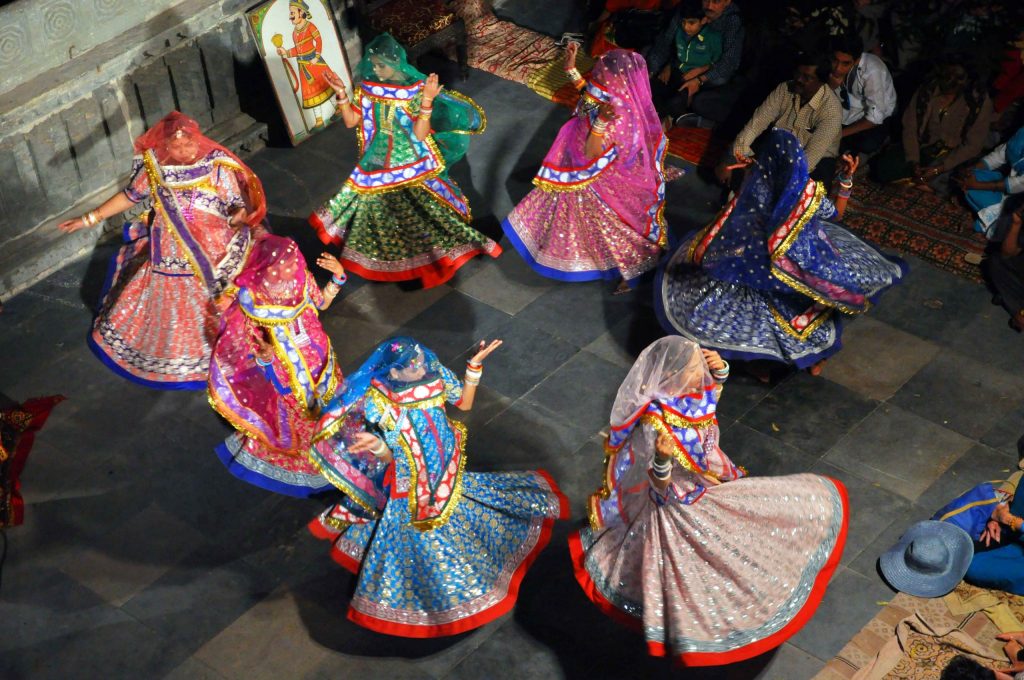
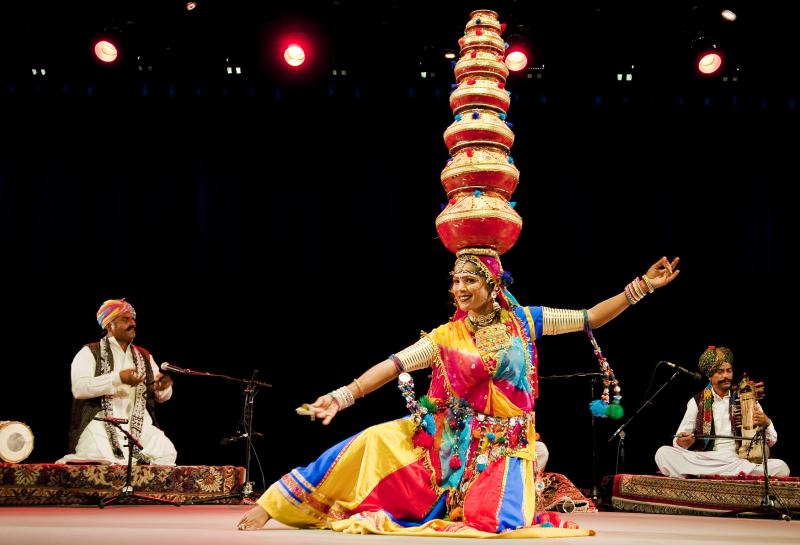
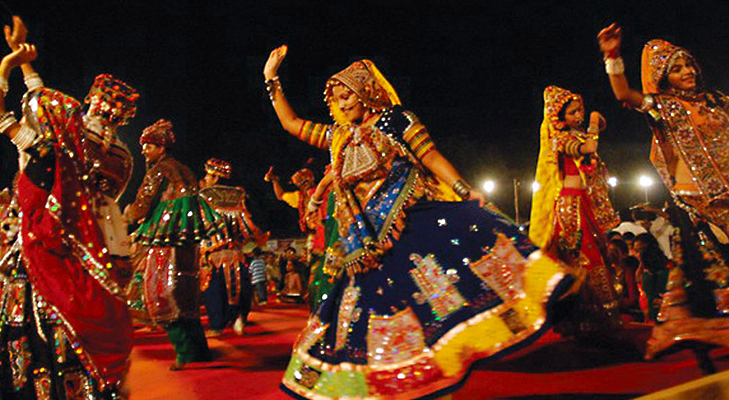
Udaipur is so colourful. It is the owner of the rich cultural heritage from the bygone ages. The lakes, temples, huge forts,and palaces maintain the culture. There is the Bhil tribe till now, so it’s possible that we could see the people with typical colourful rajasthani dresses with silver jewelry. The colourful people, their colourful festivals and fairs delimitate the culture of Udaipur. The city has kept the balance between the past rituals and the modern advancements. The folk dance and music colored the culture and tradition more. Dance like- Ghoomar, Kalbelia,Bhavai, Kachchhi Ghodi and Terahtaali etc.
Ghoomar or Ghumar is a traditional folk dance which was performed by the Bhil tribe to worship Goddess Saraswati. The veiled women who wear flowing dresses are called ghaghara,and chiefly perform this type of dance. It was ranked 4th in the list of “Top 10 local dances around the world” in 2013.The Kalbelia dance is an integral part of their culture and performed by men and women. In the Bhavai dance the male or female performers balance a number of earthen pots or brass/metal pitchers as they dance nimbly, pirouetting and then swaying with the soles of their feet perched on the top of a glass bottles, on the edge of the sword, on the rim of a brass/metal thali (plate) and on the broken glass during the performance. Kachchhi Ghodi is mainly performed during weddings to welcome the bride grooms party and it has an interesting novelty horse costume. And when we come to the music, the dwellers of Udaipur find solace in the melodious music of Morchang, Naad, Tanpura, Sarangi and many other instruments that used to echo the courts of Mewar rulers.
FESTIVALS-
India’s most exciting and colourful part is its festival. Udaipur looks different during festivals. There are observed Mewar festival, Shilpgram festival, Diwali, Teej festival,Dussehra, Hariyali Amavasya, Gangur festival,Jagannath Ratha Yatra, Jal-Jhulni Ekadashi etc.
TOURIST SPOTS-
Udaipur is the city of lakes .It is a beautiful tourist spot. The main tourist spots are-
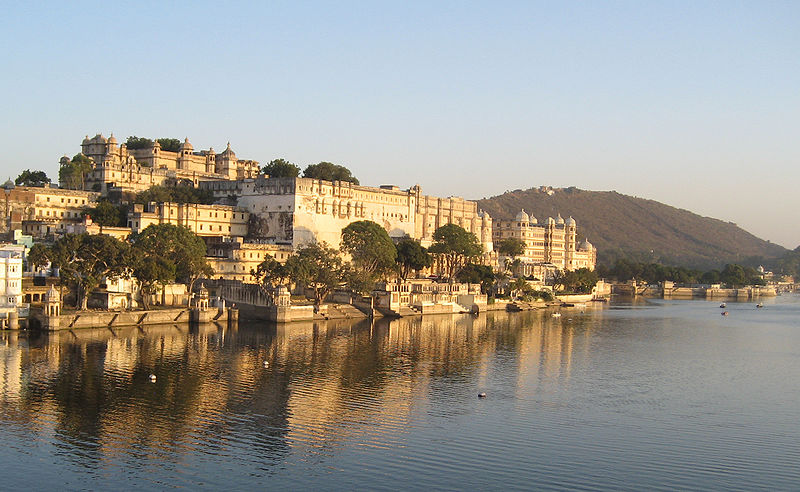
CITY PALACE, UDAIPUR- It is located on the east bank of Lake Pichola. Its main entrance is through the triple-arched gate. This gate leads to a series of courtyards, overlapping partitions, terraces, corridors and gardens. The palace now houses a museum with many antique articles, paintings, decorative furniture and utensils from the royal era.
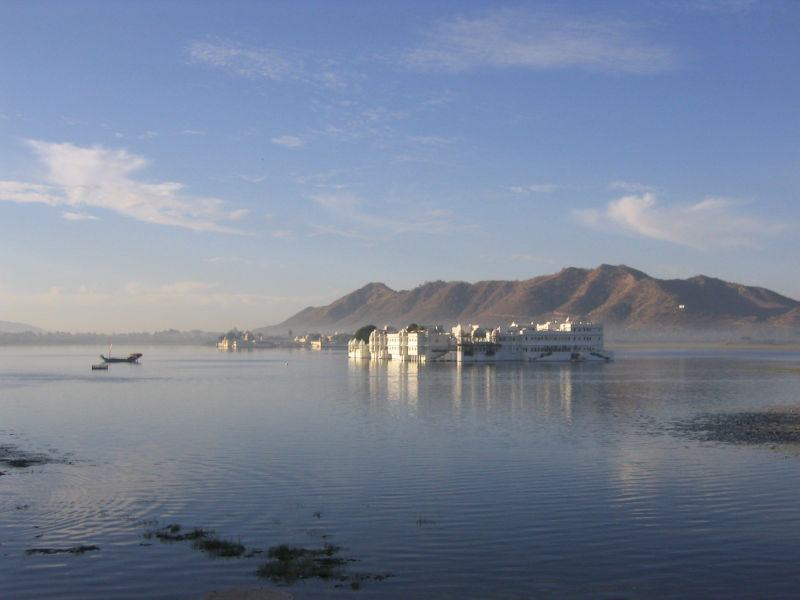
LAKE PALACE- It is located over an island in Lake Pichola and it served as a royal summer palace. It is made of white marble and it is now transferred into a 5 star hotel.
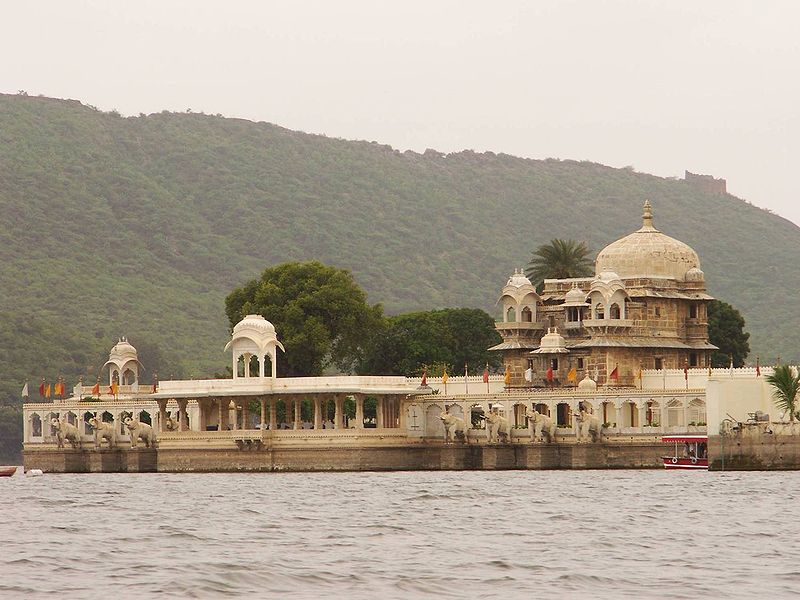
JAG MANDIR- It is also located on Lake Pichola island. This is also known as ‘Lake Garden Palace’. The royal family used the palace as a summer resort and pleasure palace.
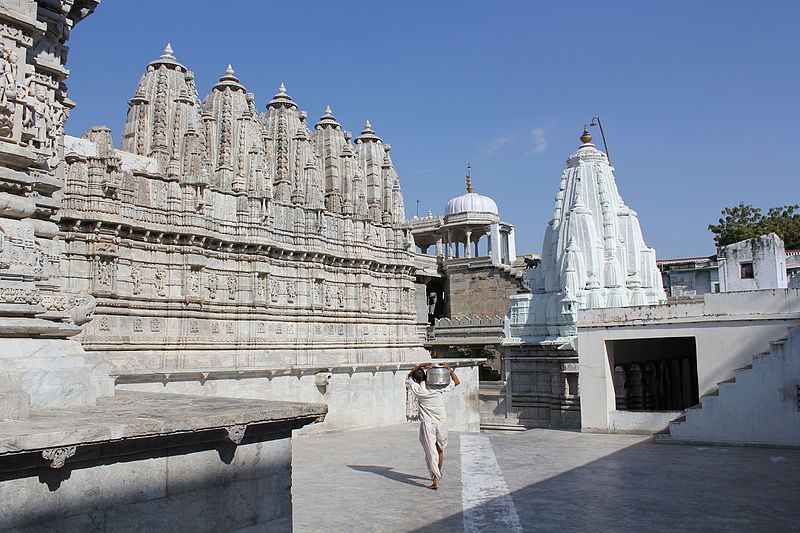
KESARIYAJI TEMPLE- The temple is dedicated to Lord Rishabh dev, the first Jain Tirthankara. The fifty-two pinnacles of the temple are seen from a long distance. The main idol in the temple is of Tirthankara Rishabha, carved in black stone in padmasana posture.
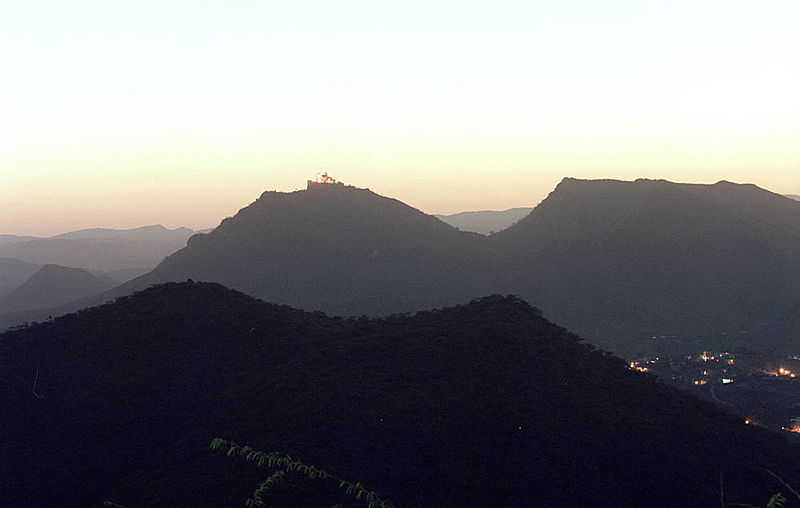
MONSOON PALACE- Monsoon Palace is known as Sajjan Garh Palace. It is made with white marble and it is located on Bandera peak of the Aravalli hill. From this palace we can take a view of the city’s lakes, palaces, and surrounding countryside.
JAGDISH TEMPLE- Maharana Jagat Singh founded this temple which is a large Hindu temple in the middle of Udaipur.
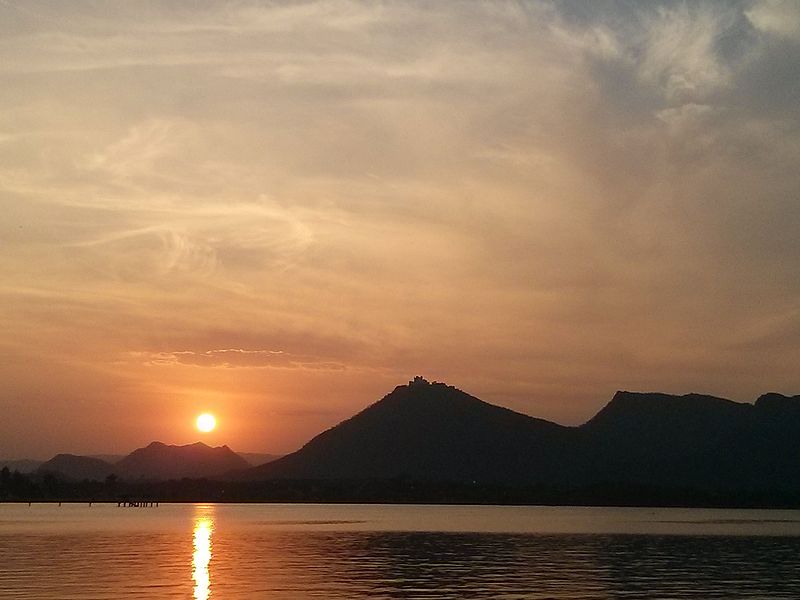
FATEH SAGAR LAKE- It is located in the north-west part of Udaipur. It was originally built by Maharana Jai Singh and later it was reconstructed by Maharana Fateh Singh.
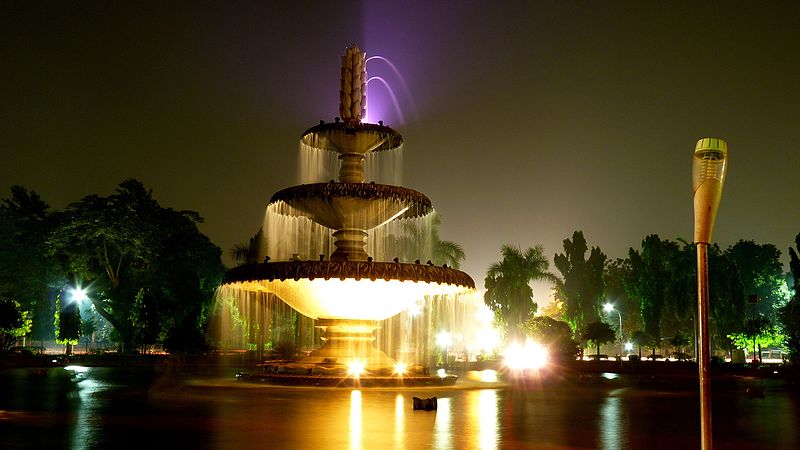
SUKHADIA CIRCLE- It is a large roundabout in the city’s northern suburb of Panchwati, on the road to Ranakpur and Mt. Abu. There are fast food centers, camel and horse rides, boat rides and kids play zone areas.
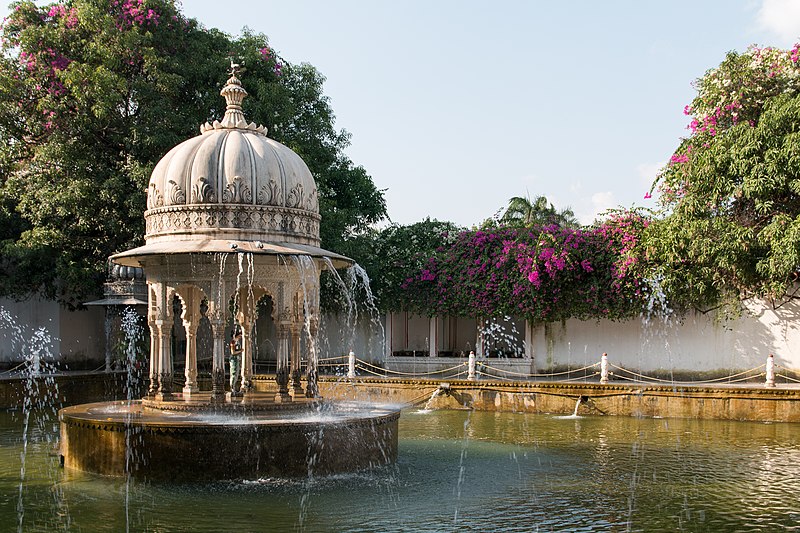
SAHELIYON-KI-BARI – It is a garden and tourist space which is in the northern part of the city. There has garden with its fountains and kiosks, a lotus pool and marble elephants, was laid for a group of forty-eight young women attendants who accompanied a princess to Udaipur as part of her dowry.
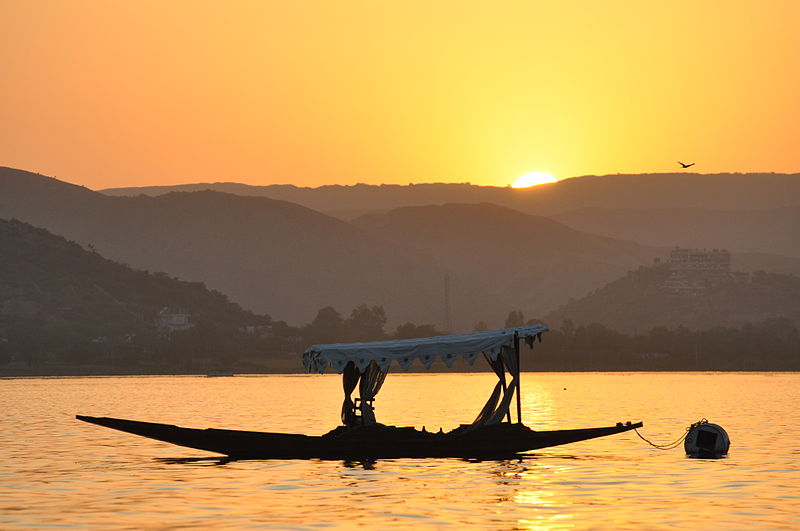
LAKE PICHOLA- It is an artificial freshwater lake .Two islands, Jag Niwas and Jag Mandir are located within Pichola Lake, and have been developed with several palaces to provide views of the lake.
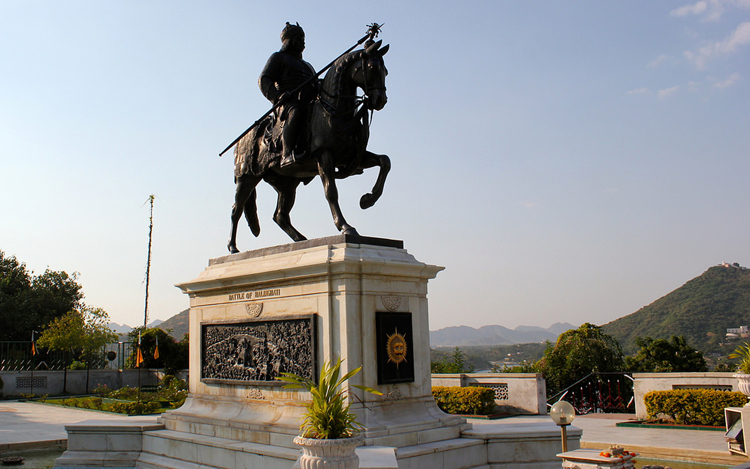
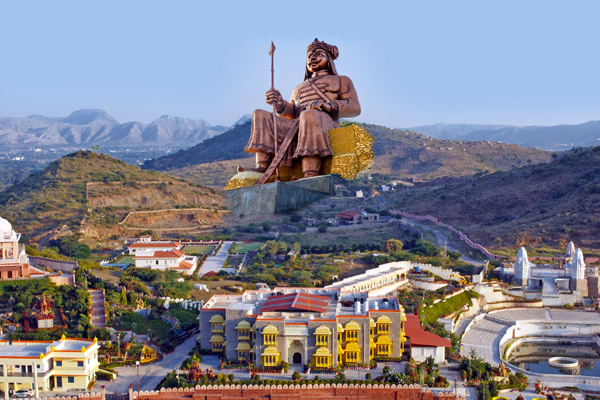
MOTI MAGRI- Moti Magri is a memorial of Maharana Pratap.It is basically a small hill, atop of which there is a bronze statue of the Maharana astride his favourite horse “Chetak”.
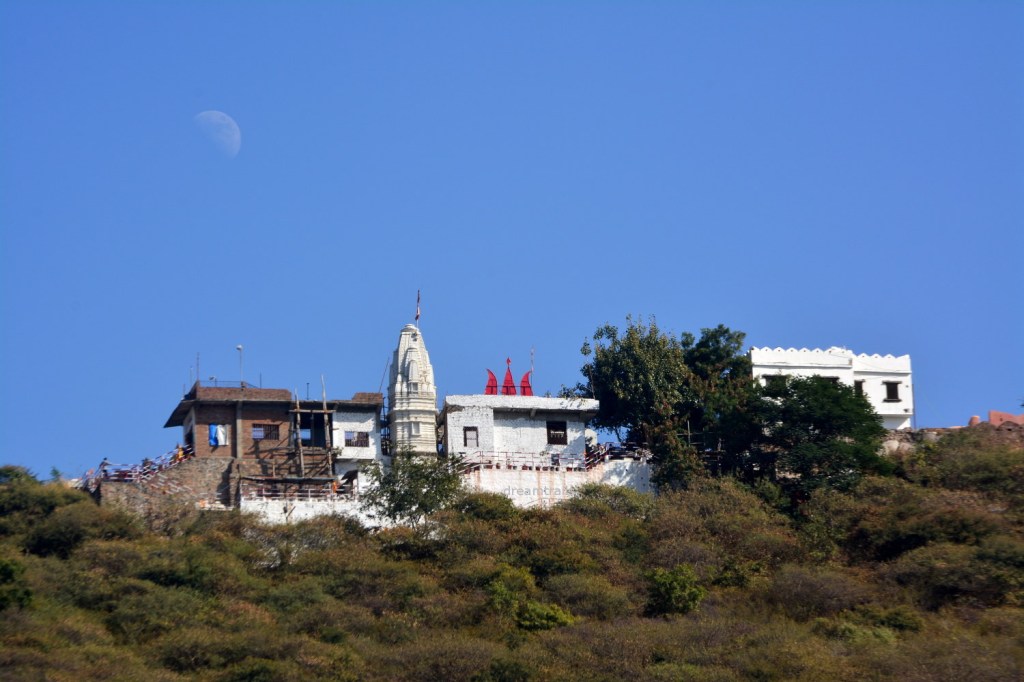
NEEMACH MATA TEMPLE- It is located on a hill near Fateh Sagar Lake. From this location we can take a holistic view of the entire Udaipur.
KERNI MATA, UDAIPUR- It is located on Doodh Talai near Pichola lake. There is a rope-way which takes visitors to a hill at which this temple is located. We can take views of Pichola Lake, Jag Mandir and Doodh Talai. One can view the whole city from the top .
PRATAP GAURAV KENDRA- It is located at Tiger Hill. It aims at providing information about Maharana Pratap and the historical heritage of the area with the help of modern technology.
Learning lessons of management from business books is not the only option to gain knowledge about business but we can gain similar knowledge by exploring our Indian street markets where we encounter a wide variety of businesses and street vendors. We can learn something new point from every interaction on streets.
WHY INDIAN UNORGANIZED SECTOR GOT THAT MUCH POPULARITY IN MAKING ECONOMY?
The street markets (or) small businesses comes under unorganized or non-corporated sector. This sector has loin share in national income, manufacturing activities, employment, forex earnings etc.. Only unorganized sector itself comprises 92 percent of Indian workforce.
Street vendors every day thrive through many difficulties. The environment where they operate is dynamic and constantly changing. They used to adopt different strategies to sell their limited sources to the customers. Most of the small businesses or street vendors do not have permanent shops. Street vendors should set up shops every day and close them by evening.
For Example: When we come across a street markets, we can observe the prices of commodities cheaper when compared to the marts. This is because, they do not have to pay rent or electricity bills or fees to the government and there will be a large number of shops which sell the same goods. If some trader charge high on a particular commodity then people would move to the other shop where they can get same commodity under low price or where the buyer can bargain and bring the price down.
The above stated example shows us the scenario of the street markets and make us to understand the hectic competetive situation of the vendors.
THE TECHNIQUES THAT WE CAN LEARN FROM THE STREET VENDORS ARE:
1) Most of the street vendors “work with limited resources” . They doesn’t any office setup to sell their products. They only look about how to sell their products using less resources.
2) Street vendors used to be customer centric: Yes, most of the street vendors truly apply the fact that ” customer is the king”. They take the initiative step to interact with the customers instead of waiting for the customers. Not only that most of the street vendors like to set up their shop where they can get the potential customers to sell their products.
3) Discipline and Consistency: Street vendors used to be focused to wards their work. They have to wake up early in the morning in order to get the stocks for that day and will return to their stay after every one has gone. They should maintain the same routine through out the year. This shows that discipline and consistency are the virtues that should be possessed by every entrepreneur in order to see profits in their business.
4) Symbiotic co-existence with customers : Street vendors possess a good collaborative skills with their competitors also. Though they sit next to each other and sell the same products also they used to help each other. This is one of the best thing that we can learn from vendors.
5)Adaptive nature: Street vendors used adapt different strategies to sell their goods as per the demand. At the same time they used to manage their business by changing the products to sell according to the season and demand.
CONCLUSTION:
Finally, when we start understanding the street markets or small businesses they teach us the other side of the coin. The one, who really want to get succeed as an entrepreneur (or) who want to learn tactics of the business then try to visit your local market places where you can learn many new principles that you can’t even get from your academics to execute your business wisely.
” THE KEY TO LEARN SOMETHING NEW IS TO OBSERVE THE THINGS AROUND YOU “
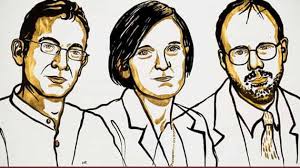
The 2019 Nobel Prize in Economic Sciences was awarded to Abhijit Banerjee and Esther Duflo, who currently work at the Massachusetts Institute of Technology, and Michael Kremer of Harvard University. The Prize committee noted that these economists “introduced a new approach to obtaining reliable answers about the best ways to fight global poverty.” The new Nobel laureates are considered to be instrumental in using randomised controlled trials to test the effectiveness of various policy interventions to alleviate poverty.
So what is randomised control trial?
A randomised controlled trial is an experiment that is designed to isolate the influence that a certain intervention or variable has on an outcome or event. A social science researcher who wants to find the effect that employing more teachers in schools has on children’s learning outcomes, for instance, can conduct a randomised controlled trial to find the answer. The use of randomised controlled trials as a research tool was largely limited to fields such as biomedical sciences where the effectiveness of various drugs was gauged using this technique. Mr. Banerjee, Ms. Duflo and Mr. Kremer, however, applied RCT to the field of economics beginning in the 1990s. Mr. Kremer first used the technique to study the impact that free meals and books had on learning in Kenyan schools. Mr. Banerjee and Ms. Duflo later conducted similar experiments in India.
Why is randomised controlled trial so popular?
At any point in time, there are multiple factors that work in tandem to influence various social events. RCTs allow economists and other social science researchers to isolate the individual impact that a certain factor alone has on the overall event. For instance, to measure the impact that hiring more teachers can have on children’s learning, researchers must control for the effect that other factors such as intelligence, nutrition, climate, economic and social status etc., which may also influence learning outcomes to various degrees, have on the final event.Randomised controlled trials promise to overcome this problem through the use of randomly picked samples. Using these random samples researchers can then conduct experiments by carefully varying appropriate variables to find out the impact of these individual variables on the final event.
What are some criticisms of randomised controlled trials?
A popular critic of randomised controlled trials is economist Angus Deaton, who won the economics Nobel Prize in 2015. Mr. Deaton has contended in his works, including a paper titled “Understanding and misunderstanding randomised control trials” that simply choosing samples for an RCT experiment in a random manner does not really make these samples identical in their many characteristics.
While two randomly chosen samples might turn out to be similar in some cases, he argued, there are greater chances that most samples are not really similar to each other. Other economists have also contended that randomised controlled trials are more suited for research in the physical sciences where it may be easier to carry out controlled experiments. They argue that social science research, including research in the field of development economics, may be inherently unsuited for such controlled research since it may be humanly impossible to control for multiple factors that may influence social events.
In the recent years, distance teaching and learning has become a major part of our lives. Now a days, since the outbreak of COVID-19 we all are doing work from home not taking even a days’ leave thinking that it would not waste our time no matter whatever is going around us. We are all somehow bound to do the same be it for our schools, colleges or official works. But the question arising here is that are we seriously up to something doing this?, Are we mentally getting affected through all this in any way?, Do our mind feels saturated at times? Yes, It surely does. Maybe online teachings and online learning or be it work from home allows us to work at our own pace, learn the things according to us, be in a comfort zone but in many ways the machines are captivating our minds and transforming us into ‘Robots’.
What physical learning taught us is something which online teachings can never teach us. The way we used to interact with our teachers, with our friends, developing a different bond with people around us has now been restricted to just a screen and a room. Sitting in a room with a laptop for hours, working endlessly since morning till late night, having the whole routine ruined is something people now are getting used to. These all things have created a different environment around, which is making us to adapt more of the virtual things rather than seeing the real outcomes. We are living in a world where we have more of the assumptions than the factual information because we are now physically restricted to go out and explore them ourselves. We have a virtual thought flow in and around us.
Online education is usually more affordable. Online education further happens to be comparatively cheaper in comparison to the conventional learning. Under traditional education or training programs we are required to pay for the other facilities provided by the institution but for online training and learning we only need to pay the fees.
Although I agree to the point that online classes and work from home has increased our convenience and flexibility towards certain things, good for women who can now take out some time from their household works and learn different skills by just being at home, but in many ways have made us isolated from the social life where we physically interact to people and made us to live a stressful life. Not only mentally but it has also affected us physically. Sitting for hours and idly staring at the screen has affected our eye sight, no exercises in a day leading to obesity and much more. We are now much more reliant on technology where we are actually ignoring the practice based learning. Work from home has created new opportunities for many people across the globe who were earlier not being able to do any work due to personal reasons. It is helpful up to some extent but not reliable as it prevents us from learning basic skills otherwise possible physically.
Elie Wiesel’s Night is a personal account of the Holocaust. It narrates the experiences of a schoolboy in the camps of Auschwitz and Buchenwald. It is a poignant account of the cruelties imposed on man by man.
Elie Wiesel was a schoolboy who was born in Sighet and spent his life with his family. In 1944, he was taken to Auschwitz and then to Buchenwald. Immediately separated from his mother and sister, he is left with his father to work in the camp. The rest of the book recalls his experiences in the camp until he was released a year later. The book voices out the grief and despair of the inmates of the camp. The author successfully manages to express himself and provide a disturbing account of the Holocaust.
Eliezer Wiesel was a Holocaust Survivor who later became a writer, professor and an activist. He was born on September 30 in the year of 1928. He authored several book that bear witness to the experiences of concentration camps. He was honoured with the Nobel Prize for Peace in the year 1986. He dedicated his whole life for Jewish causes and human rights causes. He died in the year 2016.
“Then came the march past the victims. The two men were no longer alive. Their tongues were hanging out, swollen and bluish. But the third rope was still moving: the child, too light, was still breathing… And so he remained for more than half an hour, lingering between life and death, writhing before our eyes. And we were forced to look at him at close range. He was still alive when I passed him. His tongue was still red, his eyes not yet extinguished.
Behind me, I heard the same man asking: “For God’s sake, where is God?” And from within me, I heard a voice answer: “Where He is? This is where–hanging here from this gallows…”
That night, the soup tasted of corpses.”
Forced out of silence by experiences such as these, the author manages to create an enduring account of what an inmate went through in the camp. Though the book is short and the writing sparse, it makes the reader relive the suffering experienced by the people in the camp. It makes the reader empathize with the author and feel his disgust at humanity after reading the book.
Never shall I forget that smoke. Never shall I forget the small faces of the children whose bodies I saw transformed into smoke under a silent sky. Never shall I forget those flames that consumed my faith forever. Never shall I forget the nocturnal silence that deprived me for all eternity of the desire to live. Never shall I forget those moments that murdered my God and my soul and turned dreams to ashes. Never shall I forget those things, even were I condemned to live as long as God Himself. Never.
The pain that is contained in the words alone is sufficient to make one ponder about the absurdity and meaninglessness of inflicting pain upon fellow humans in the name of race, caste, or gender.
“If only I could get rid of this dead weight … Immediately I felt ashamed of myself, ashamed forever.”
“Here there are no fathers, no brothers, no friends”, a Kapo tells him. “Everyone lives and dies for himself alone.”
The book captures, with precision, the emotions of the human mind in the face of extreme suffering. Events such as doctors pulling out gold crown tooth, people who enjoyed watching people fight for a loaf of bread, a father abandoned by his son make one question about Faith and God just like the author.
“One day when I was able to get up, I decided to look at myself in the mirror on the opposite wall. I had not seen myself since the ghetto. From the depths of the mirror, a corpse was contemplating me. The look in his eyes as he gazed at me has never left me.”
After reading the last lines of this book, the reader’s mind is sure to be purged of trivialities and filled with a deep sense of empathy.
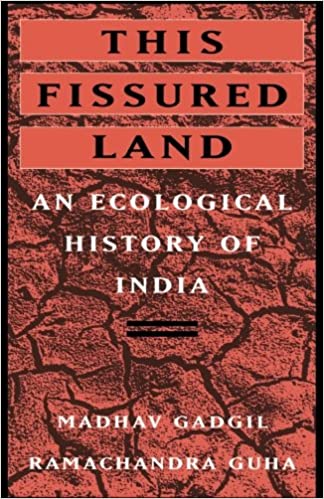
This Fissured Land is a book that provides an ecological interpretation of Indian history and a fresh theory of resource use. It is a book about the interaction between human and nature. Written by eminent scholars like Madhav Gadgil, an Indian Ecologist, and Ramachandra Guha, an Indian Historian, the book offers fresh insights and a different perspective on the history of India and environmental issues. The book is a compilation of the lifetime works of Madhav Gadgil and Ramachandra Guha.
Madhav Gadgil is an Indian ecologist and the founder of the Centre for Ecological Sciences, Indian Institute of Science. He is know for heading the Western Ghats Ecology Experts Panel (WGEEP) of 2010, also known as Gadgil Commission. He was awarded with the Padma Shri in 1981 and the Padma Bhushan in 2006. Ramachandra Guha is an Indian Historian and a columnist. His notable works include India After Gandhi and Gandhi: The Years That Changed the World. He has been awarded with several accolades for his achievements in the field of history.
This book This Fissured Land looks at Indian history through an ecological lens and provides a proper account of environmental history. It studies the interaction between humans and nature and natural resources and the consequences of these interactions. It introduces us to an environmental dimension of history.
The book studies the conditions under which humans excercised prudence or profligacy in their use of nature. It classifies human habits under the categories of prudence and profligacy. The book also offers a new sociological framework for the analysis of resource use. It presents the theory of ‘modes of resource use’.
The theory of ‘modes of resource use’ classifies human societies based on their interaction with nature and natural resources. Understanding the shortcomings of Marx’s mode of production when trying to classify societies based on resource use and ecological context, the authors introduce the concept of modes of resource use. Their major criticisms of Marx’s mode of production are that it ignores natural contexts within which field and factory exist, places less importance on political structures and struggles, its lack of applicability outside Europe, and its little value when interpreting religious, ideological and cultural values of various societies and differences in them.
This concept of ‘modes of resource use’ includes natural resources in its domain of production. This concept is developed so that finding the characteristics of different modes, and estimates the environmental impact of different modes, and estimates the effects of these modes on the ecosystem and availability of natural resources become easier. When it comes to relation of productions, this concept inquires the types of property, control and management and forms of allocation and distribution. All these factors influence and guide the human societies and the periods of history in utilisation of natural resources. Regarding productive forces, it investigates the different technologies of resource exploitation, conversion and transportation that are typical of these human societies. This concept does not consider the socialist and capitalist societies as there are more similarities between them than differences in the ecological context. According to modes of resource use, human societies are classified into four historical modes. These are gathering(including shifting cultivation), nomadic pastoralism, settled cultivation or agriculture, and industrial mode of society. Each historical mode of society has a set of unique characteristics with respect to the aspects of technology, economy, social organization and ideology.
After introducing this concept of ‘modes of resource use’, the next section of the book focusses on the ecological history of India. It studies historical events from an environmental perspectives and offers its opinion regard the practices followed in the past by Indians. The theory of ‘modes of resource use’ is applied to Indian history prior to British rule. It explains the origins and the practice of caste system and religions from an ecological context. The next part part of the book analyses the impact after the advent of the British. It focusses on the use and abuse of forests under colonial rule. It is a history of Indian forest using the perspectives of the authors. It points the flaws in our current mode of resource use and provides the basis for creating a sustainable mode of resource use.
The month of June is observed as the Pride Month to honor the Stonewall Uprising of 1969 in Manhattan which marked a monumental turning point in the LGBTQ history of America. But today, it has grown much more than that and celebrates the richness and diversity of the LGBTQ community with parades, festivals and several other events. The pride march is a call for unity and togetherness in the community. With the 2021 pride month coming to an end, let’s take a look at what each day of the month celebrates.
Credits: Google Images
1. Gay Pride
June 1st celebrates Gay pride. It refers to people who are emotionally and sexually attracted to others of their own gender. Also commonly used to denote men or man aligned person who are attracted to other man-aligned people.
2. Lesbian Pride
June 2nd celebrates Lesbian Pride. It refers to women or woman-aligned person who are emotionally and sexually attracted to other women or women-aligned people.
3. Bisexual Pride
June 3rd celebrates Bisexual Pride. It refers to people who are emotionally and sexually attracted to two or more genders.
4. Polysexual Pride
June 4th celebrates Polysexual Pride. It refers to someone who is attracted to many or multiple genders but not all.
5. Pansexual Pride
June 5th celebrates Pansexual Pride. It refers to someone who is attracted to different kinds of people regardless of their gender identity. They are attracted to all genders.
6. Omnisexual Pride
June 6th celebrates Omnisexual Pride. It refers to someone who is attracted to all genders. But unlike Pansexuality, they are not gender-blind and recognise the other’s gender. Gender plays a role in one’s attraction.
7. Queer Pride
June 7th celebrates Queer pride. It refers to an identity and is regarded as an umbrella term for sexual and gender minorities, and people who fall outside of the cultural norms around sexuality and gender identity.
8. Demisexual Pride
June 8th celebrates Demisexual Pride. It refers to a sexual orientation which falls under the asexual spectrum. It is defined as someone who does not feel sexual attraction until they form a deep emotional bond with someone.
9. Greysexual Pride
June 9th celebrates Greysexual pride. It refers to a sexual orientation that falls under the asexual spectrum. It refers those who relate to asexuality, yet feel that there are parts of their experience that aren’t fully described by the word asexual.
10. Asexual Pride
June 10th celebrates Asexual Pride. It refers to a sexual orientation which is defined by the lack of sexual attraction. Asexual experiences may also include: not wanting to have sex, not being interested in sex, not experiencing a sex drive/libido, or being repulsed by sex.
11. Polyamory Pride
June 11th celebrates Polyamorous pride. It is the capability or desire to be in a relationship with more than one person at once. Polyamorous can be used both as a description of a relationship with more than two people and as description of people who desire such relationships. Polyamorous relationships can be romantic, sexual, or both.
12. Intersex Pride
June 12th celebrates Intersex pride. Intersex is a term for those born with physical sex characteristics that cannot be traditionally classified as male or female. Variations may appear in a person’s chromosomes, natural hormones, genitalia, gonads, secondary sex characteristics, or some combination of these things.
13. Trans Women Pride
June 13th celebrates Trans Women pride. It refers to a woman who was assigned male at birth. Trans women may experience gender dysphoria and may transition. This process includes hormone replacement therapy and sometimes sex reassignment surgery.
14. Trans Men pride
June 14th celebrates Trans Men pride. It refers to a man who was assigned female at birth. Trans men may experience gender dysphoria and may transition. This process includes hormone replacement therapy and sometimes sex reassignment surgery.
15. Agender Pride
June 15th celebrates Agender pride. It is complete genderlessness, or the lack of gender. It is a non-binary identity in which one is not male, female, or any other gender. They may identify as most strongly as just a person, rather then as any given gender.
16. Genderfluid Pride
June 16th celebrates Genderfluid pride. Genderfluid refers to someone whose gender identity changes over time. A genderfluid person can identify as any gender, or combination of genders at any given time. Their gender can change at random or it may vary in response to different circumstances. One’s gender can change over the course of hours, days, weeks, months, or years.
17. Bigender Pride
June 17th celebrates Bigender pride. Bigender is a non-binary gender identity in which someone has two distinct gender identities. They could feel both genders at the same time or be fluid between them, in which case they may also identify as genderfluid. Bigender people can experience any two genders, including binary and non-binary genders.
18. Trigender Pride
June 18th celebrates Trigender Pride. Trigender is a form of multigender in which someone has three distinct gender identities. These three gender identities can be any genders, either binary or non-binary, so long as it is exactly three. Trigender people may experience these genders simultaneously or fluidly.
19. Pangender Pride
June 19th celebrates Pangender Pride. Pangender is a form of multigender in which someone experiences all genders. It is a non-binary gender which refers to a vast and diverse amount of genders in the same individual that can extend infinitely.
20. Genderqueer Pride
June 20th celebrates Genderqueer Pride. Genderqueer is a term for people who feel that they have a queer or non-normative experience with gender, either through their gender identity, their gender presentation, or other experiences of gender.
21. Demigirl Pride
June 21st celebrates Demigirl pride. It refers to a non-binary gender in which one is partially, but not fully, a girl or woman. They may or may not identify as another gender in addition to being partially a girl. The other part of one’s gender can be any gender or combination of genders, including a lack of gender.
22. Demiboy Pride
June 22nd celebrates Demiboy Pride. It refers to a non-binary gender in which one is partially, but not fully, a boy or man. They may or may not identify as another gender in addition to being partially a boy. The other part of one’s gender can be any gender or combination of genders, including a lack of gender.
23. Androgyne Pride
June 23rd celebrates Androgynous Pride. Androgyne is an identity under the non-binary umbrella. It is described as being simultaneously male and female or in between male and female, or as being simultaneously masculine and feminine or in between masculine and feminine.
24. Intergender Pride
June 24th celebrates Intergender pride. Intergender is a gender for intersex people only, referring to any gender identity that is fundamentally tied to one’s intersex identity. It denotes that being intersex has an important affect on one’s gender identity. It commonly involves a gender that is in between male and female or a gender that is partially male and/or female, but it does not necessarily have to.
25. Nonbinary Pride
June 25th celebrates Nonbinary Pride. It refers to someone whose gender does not fall strictly within the category of the binary genders. Non-binary can be a gender identity on its own, or it can be used as an umbrella term for anyone whose gender is something other than male or female.
26. Questioning Pride
June 26th celebrates Questioning pride. Questioning is the process of exploring, learning, or experimenting with what one’s gender, sexual orientation, romantic orientation, or another part of one’s identity is.
27. Homoromantic Pride
June 27th celebrates Homoromantic Pride. Homoromantic refers to the romantic attraction to the same gender or genders similar to one’s own. A homomantic person may or may not be sexually attracted to the same/similar gender(s).
28. Biromantic Pride
June 28th celebrates Biromantic Pride. It is a romantic orientation in which someone is romantically attracted to two or more genders.
29. Panromantic Pride
June 29th celebrates Panromantic Pride. Panromantic is the romantic attraction to people regardless of gender, and as a result, one is attracted to all genders.
30. Aromantic Pride
June 30th celebrates Aromantic Pride. It refers to a romantic orientation defined by a lack of romantic attraction.
[2:29 PM, 6/30/2021] Priyanshi: Stagnation or improvement
We are living in a world where problems and solutions both exist. It’s the human tendency to always look for pleasure and hence nobody chooses the problems which are existing in the world. People always try to look out for a solution but now here the questions arise that whether we want a short-term solution or a long-term solution, whether we believe in stagnation or improvement. Let’s understand the concept by taking an example. If someone asks you that what would you prefer, a world with present humanity, intelligence, and all other things or the world that will be there after 100 years. Whose humanity would you like to prefer? The current one or the one after 100 years. Think the answer to this in your head and now let’s move on. Accepting the current world with whatever it has will come under stagnation and accepting the world that will be there after 100 years will lead to some improvements or we can say that at least there will be chances of improvement. Let’s understand this concept a little more briefly. We are not saying that the world that will be there after 100 years will be perfect but the thing that we need to understand here is that there will be more propensity for us to improve. For example, if we would have stopped 100 years before ,then can you imagine how the world would have looked like now. Let’s imagine, still, there would have been Sati Pratha, no rules would have come against the dowry system, child marriage, still, there would have been no normalising of the LGBTQ community. But why all these things didn’t happen because we believe in moving on and keep changing ourselves, fight for the discrimination and we didn’t believe in stagnation. And now here comes the need to know that why still we want to keep altering because still many issues are existing in the world which we don’t even know about, they need to be resolved. If we accept the world that is right now how will the issues get resolved. In-country like India still normalisation of the LGBTQ community doesn’t exist completely. This work which is in progress needs to keep going so that we can achieve the results that these struggling people deserve. So, we don’t prefer a perfect world but a world where chances of improvement always exist, where chances of self-growth always exist. If your mind ever tries to accept things as they are without looking at the propensity of improvement. Just let your mind remind of these examples and start working on them. Just let your mind be conscious of the after-effects of stagnation because we need to at least try to give a world to our future generation where the issues that exist right now don’t exist at their time. So that our future generation can focus on the improvements that their world will be having. Let’s give a chance to us , let’s give a chance to self- growth and let’s try to make this world a better place for us as well as our future generation.
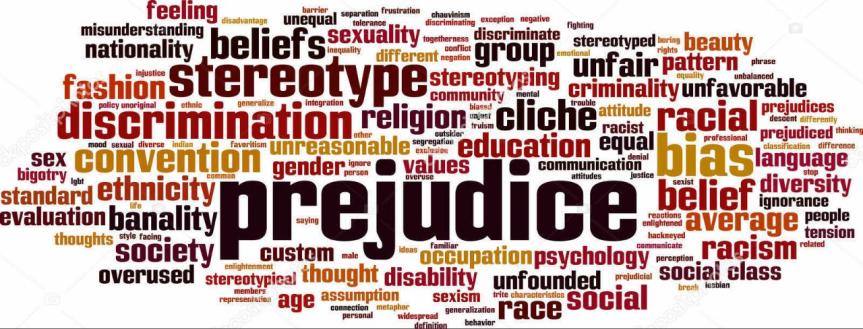
Prejudices refers to a set attitudes towards a particular group of people. They usually refer to negative attitudes. Attitude is a state of mind or set of views with an evaluative feature. Prejudices are often based on stereotypes about the specific group. Stereotypes refers to fixed ideas regarding the characterstics of a specific group. Usually, stereotypes consist of undesirable characteristics about the target group. All members of the group are assumed to possess these characteristics which is often not true in reality. Prejudice is often accompanied by dislike or hatred towards members of the group. Prejudice can be seen in behaviour through discrimination. Discrimination makes a distinction between the two groups by favouring one group over other. Sometimes prejudice can lead to excessive hatred and discrimination which may even lead to mass killing of innocent people. An example of this is the holocaust of Jews by Nazi Germany. Discrimination can controlled by law but attitudes and minds sets of people cannot. Just like any other attitude, prejudices are also learned through observation, association, exposure to information or through culture. The family, groups, personal experiences, media also play a role in learning of prejudices. In some cases it has been observed that a strong social identity towards one’s own group may cause group bias and lead to negative attitudes towards other groups and lead to prejudice. Another reason for prejudice is scapegoating. It is a group based way of expressing frustration towards the weaker group and it leads to negative attitudes. Here the stronger group places the blame for its problems on the weaker group. The weaker group is too weak to defend itself. https://www.bbc.co.uk/bitesize/guides/zcb42hv/revision/3#:~:text=One%20bad%20experience%20with%20a,and%20can%20lead%20to%20prejudice Sometimes people continue to hold stereotypes because they believe that after all, there may be some truth in what people say. These sorts of beliefs are rather difficult to change as they originate in response to other stronger beliefs. Stereotypes are also learned in the similar manner as attitudes. Stereotypes are usually formed by hearing different things about the particular group. A single bad experience with the member of a group may lead to the assumption that all members of that group behave that way. https://blogs.hope.edu/getting-race-right/our-context-where-we-are/the-history-we-inhaled/what-are-the-causes-of-stereotypes/ Stereotypes provide grounds for prejudices which lead to discrimination. This however, is not always true. Sometimes prejudices may develop without stereotypes or may not lead to discrimination. Similarly, discrimination may be seen without prejudice. But even so, these three are often considered to be connected. Prejudices are attitudes and are not very easy to change if once formed. In order to control it, strategies should focus on minimising the opportunities for learning prejudices or changing such attitudes at an earlier stage. Narrow social identity based on the in-group should not be emphasised and people should be encouraged to seek out truth rather than blindly believing in what they hear. These goals can be achieved through education and information. By correcting the stereotypes that are formed on false grounds. Emphasis should be given to individual identities rather than group identities. This can weaken strong in-group bias. Increasing the contact between the two groups can remove misunderstandings, mistrust and can lead to communication which may lead to discovery of positive characteristics.
In the field of games and sports, people donot acknowledge women’s sports to be at par with men’s sports .Right from the beginning of Olympic Games, the role of women in sports and games has been neglected. However, from the last decade of previous century , there is an increasing interest of women in sports both as participants and spectators. The provision of sports facilities to both women and men in sports shows a new trend. More people, than in the past, now want to see women on the playfields. However , few discriminations still persist in terms of salaries, cash awards, television time, etc. Indeed a lot of efforts have been taken vis-a`-vis women participation in sports and even greater steps are yet to be taken.
SPORTS PARTICIPATON OF WOMEN IN INDIA
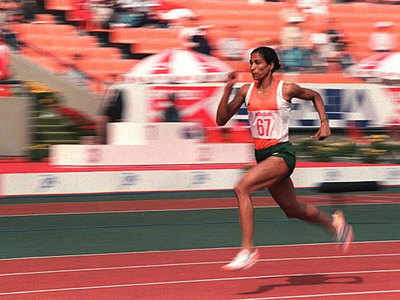
Here, we will discuss in detail women’s participations in the field of sports .As a matter of fact, women’s participation in sports has a long history . In ancient Olympics , women were not allowed to even watch sports competitions . Even in the first modern Olympic games which were held in 1896 in Athens , there was no participation of women .In fact , women started participating in the modern Olympic Games from 1900 onwards . They participated only in two sports events . In this Olympics , only twenty – two women participated . In 1904 Olympic Game , only six women participated in three events . With the passage of time , the number of women participants in Olympics increased and exactly after 100 years i.e., in 2000 Sydney Olympics , the number of women participants increased up to 4,096 . In this Olympics , a total of 10,500 sportspersons from 199 countries took part and out of which 38.2 per cent were women. This number of women participants was a record during that time . In 2008 Olympic Games , which were held in Beijing , a total of 10,700 sportspersons from 205 countries took part and out of which 4,637 were women whose percentage was 42.4 , whereas only 23 women of India participated in theLondon Olympics . In 2012 London Olympic Games , 10,960 sportsperson from 205 countries participated , out of which 4,862 were women whose percentage was more than ever before . For the first time women boxing was included in the Olympic program . In 2008 Olympics , 26 female sportsperson participated from India . Only four Indian women participated in the Olympics held in 1952 in athletics . Karnam Malleshwari became the first Indian Women to secure a bronze medal in weightlifting in Sydney Olympic Games in 2000 . In 2012 London Olympic Games , Sania Nehwal and MC Mary Kom added feather in the cap of India by securing one bronze medal each . Though PT Usha could not win any medal in the 1984 Olympic in 400 m hurdle race , yet her performance was remarkable and extraordinary . In fact , there is a long list of Indian woman sportsperson who have won various positions in the World Cups , Common Wealth Games, Asian Games ,SAF Games , etc.
Kolkata was initially the capital of the British Raj, which means that several structures constructed by them during the pre-Independence era still stand strong along with other iconic ones in the city. From rajbari and museums to churches places, our City of Joy boasts of many beautiful heritage sites that you must check them out.
Now kolkata (calcutta) is capital of India’s West Bengal state. Kolkata is also known for architecture, art gallery, cultural festival.
1. Victoria Memorial :-
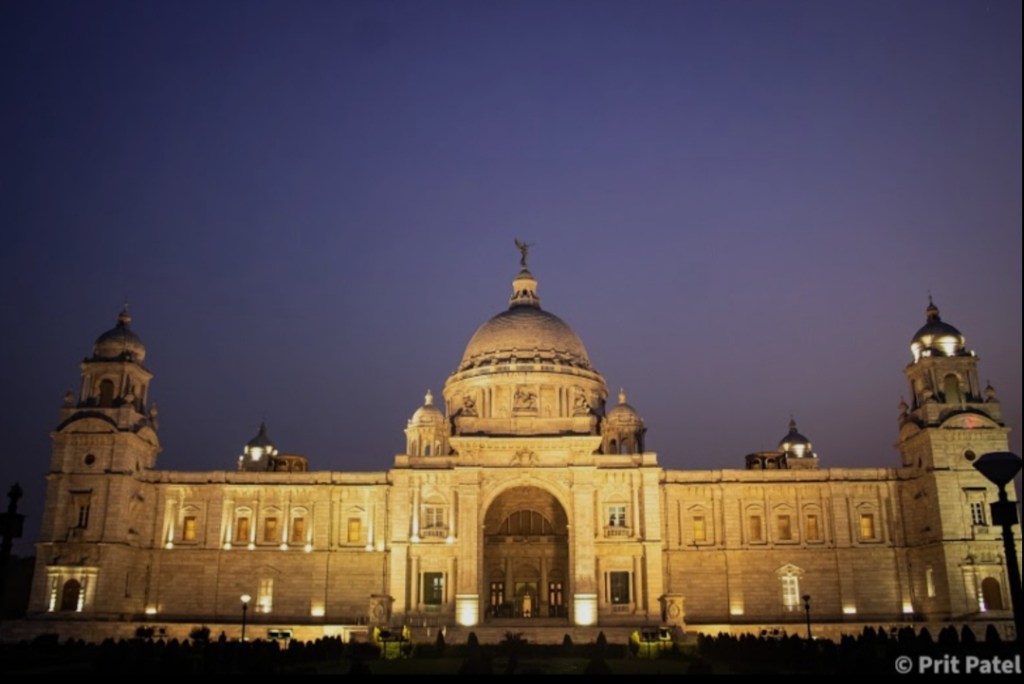
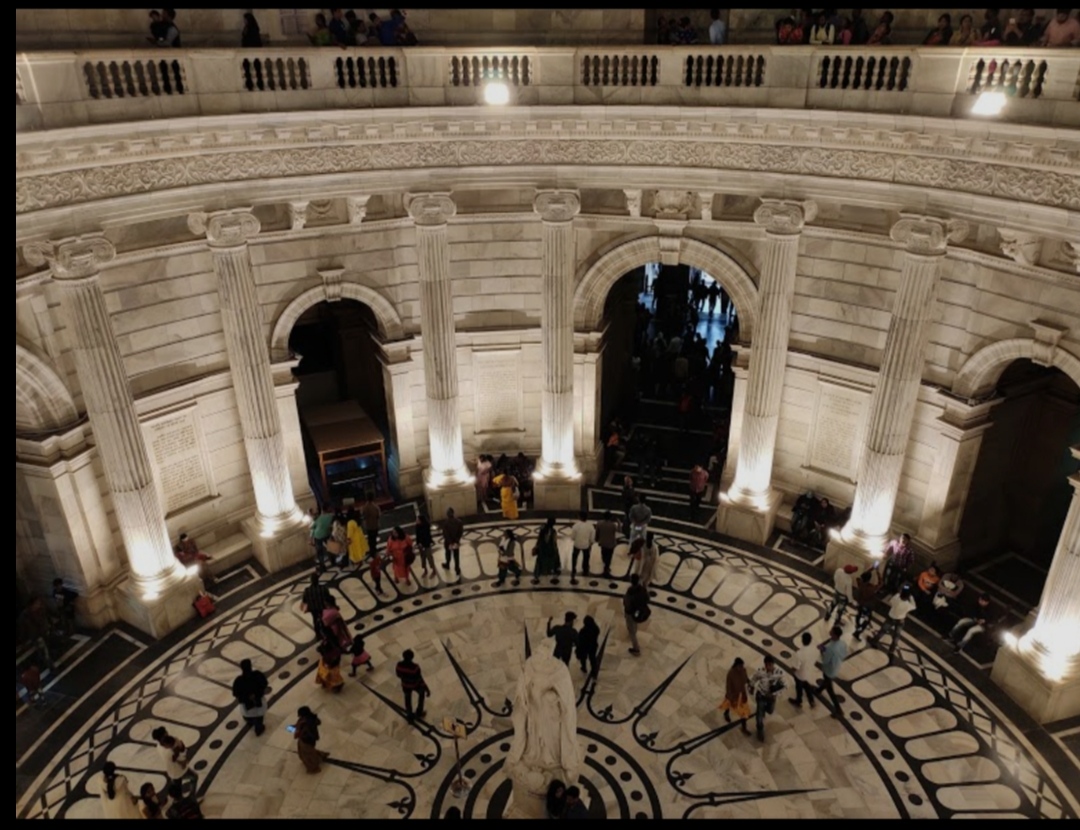
The Victoria Memorial is possibly the most awesome reminder of the Raj to be found in India. It is one of the famous and beautiful monuments of Kolkata.It was built between 1906 and 1921 to commemorate Queen Victoria’s 25-year reign in India. After the Sepoy Mutiny of 1857, the British government gathered the reins of control of the country directly, and in 1876 the British parliament made Victoria the Empress of India. Her reign ended with her death in 1901.
Victoria Memorial
2. Maidan :-
Maydan is a massive green place trails, Riverside, picnic spot including some sports venu. The Maidan (literally, open field), also referred to as the Brigade Parade Ground,is the largest urban park in Kolkata in the Indian state of West Bengal.The Maidan is dotted with statues and architectural works, the most notable being the Victoria Memorial. For the greenery and refreshment this place known as ‘Lungs of Calcutta’. The property of the Indian Army, the Maidan hosts the army’s Eastern zone high command in Fort William.
Maidan, kolkata
3. Nandan :-
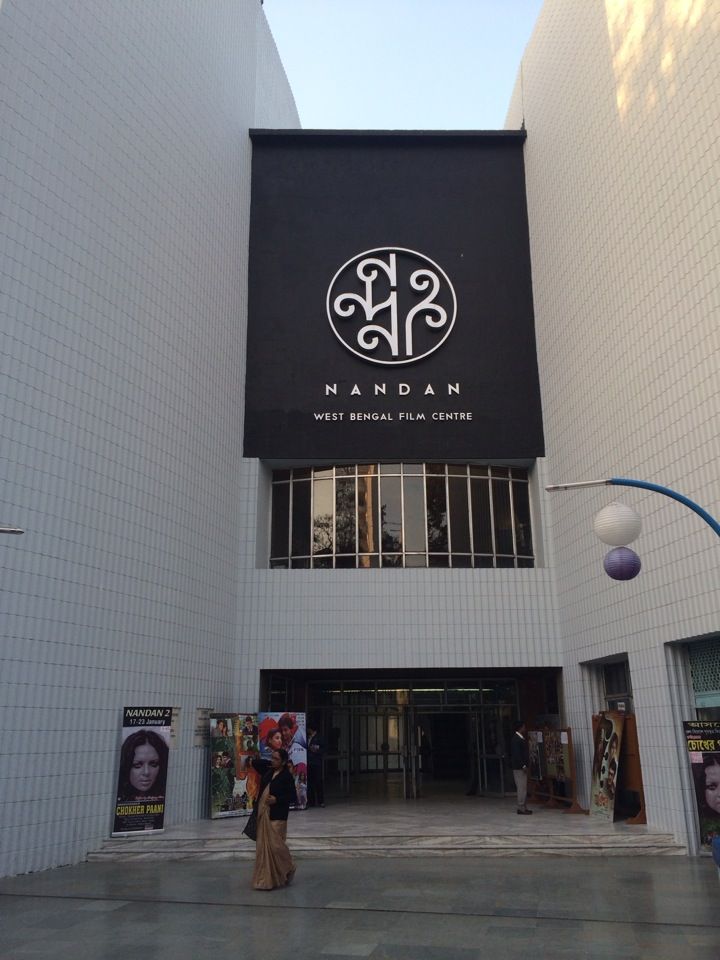
Nandan is one of the main venues of the Kolkata International Film Festival, hosting it till 2010. It is a government-sponsored film and cultural centre in Kolkata, India. The primary aim of the cultural hub is to encourage and facilitate cinematic awareness in society. While in 2011 the opening and closing ceremonies was shifted to Netaji Indoor Stadium, Nandan remains the main centre for the festival.The foundation stone of Nandan was laid by former Chief Minister of West Bengal Jyoti Basu in 1980[3] and it was inaugurated by film-maker Satyajit Ray on 2 September, 1985. Most favorite place of film lovers all around Kolkata.
Nandan, Kolkata
4. South Park-street Cemetery :-
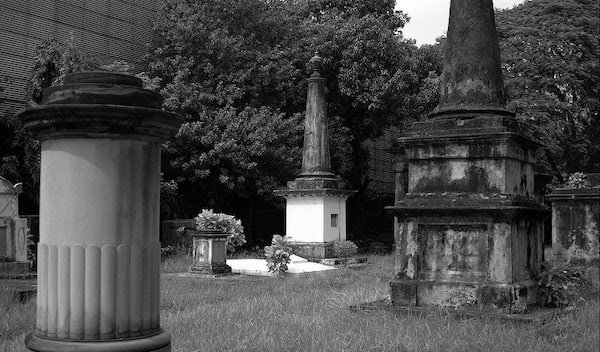
The Park Street Cemetery was one of the earliest non-church cemeteries in the world, and probably the largest Christian cemetery outside Europe and America in the 19th century. Opened in 1767 on what was previously a marshy area, the cemetery was in use until about 1830 and is now a heritage site, protected by the Archaeological Survey of India (ASI). The tombs are an admixture of the Gothic with a rich flavour of the Indo-Saracenic style. Of the latter, mention may be made of a unique and composite brick structure built in the ‘panchyatana’ manner, with a central dome flanked by miniature replicas of Orissan ‘rekha deul’ on four sides. Coupled with this peculiarity, the black basalt carvings on the frontal façade indicate a distinct respect for the Hindu faith.
South Park-street Cemetery, Kolkata
5. Dakshineshwar Kali Temple :-
The Dakshineswar Kali Temple was founded around the middle of the 19th century by Rani Rashmoni.Rani Rashmoni was a Mahishya by caste and was well known for her philanthropic activities. This temple is a Hindu navaratna temple located at Dakshineswar. Situated on the eastern bank of the Hooghly River, the presiding deity of the temple is Bhavatarini, a form of Parashakti Adya Kali, otherwise known as Adishakti Kalika.This temple is one of the most visited temple in Kolkata.
Dakshineshwar Kali Temple
6. Howrah Bridge :-
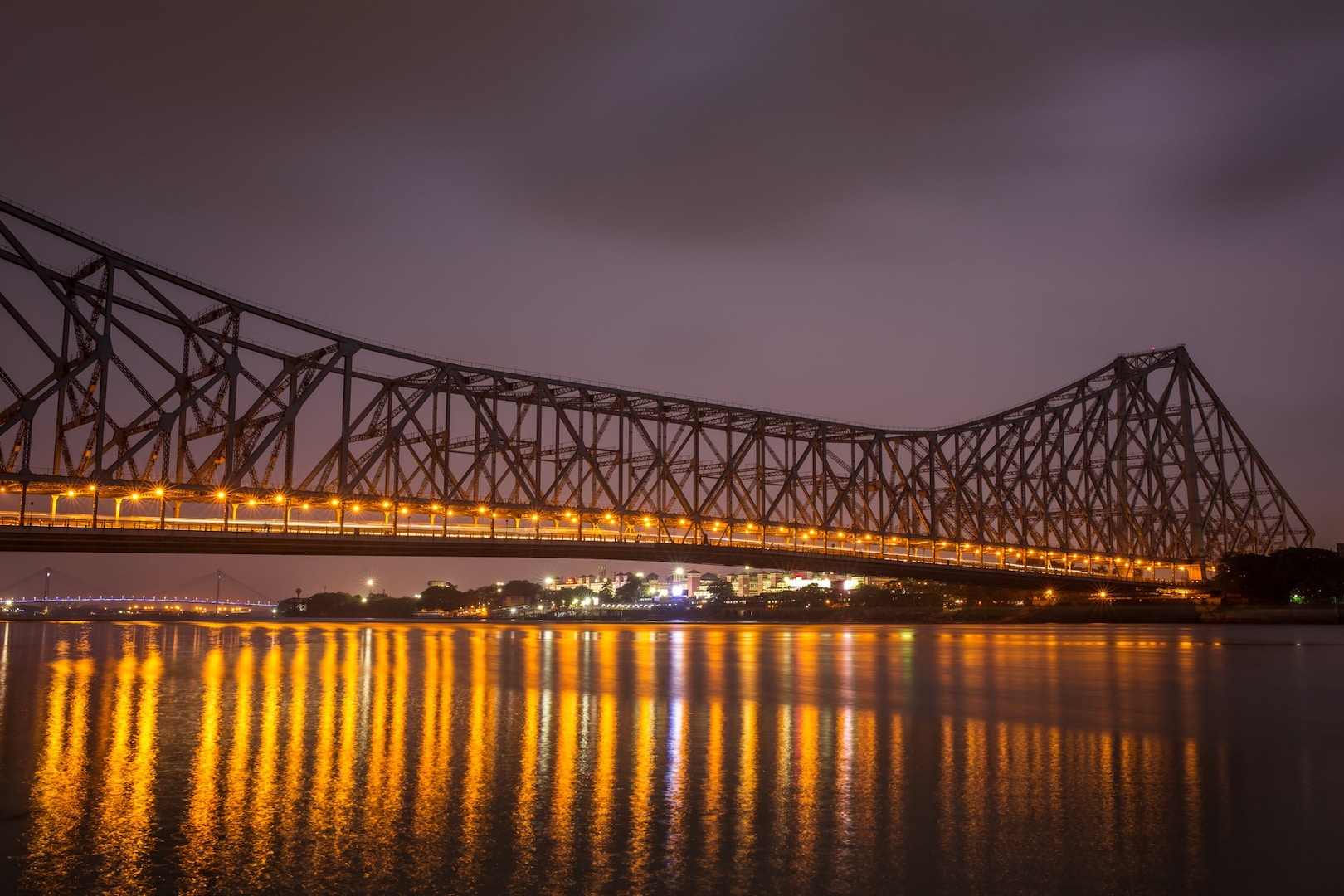
The Howrah Bridge is one of four on the Hooghly River and is a famous symbol of Kolkata and West Bengal.The Bridge is a balanced cantilever bridge over the Hooghly River in West Bengal, India. Commissioned in 1943,the bridge was originally named the New Howrah Bridge, because it replaced a pontoon bridge at the same location linking the two cities of Howrah and Kolkata (Calcutta). The night lightning of Howrah bridge is mesmerizing.
Howrah Bridge
7. Thakur Bari :-
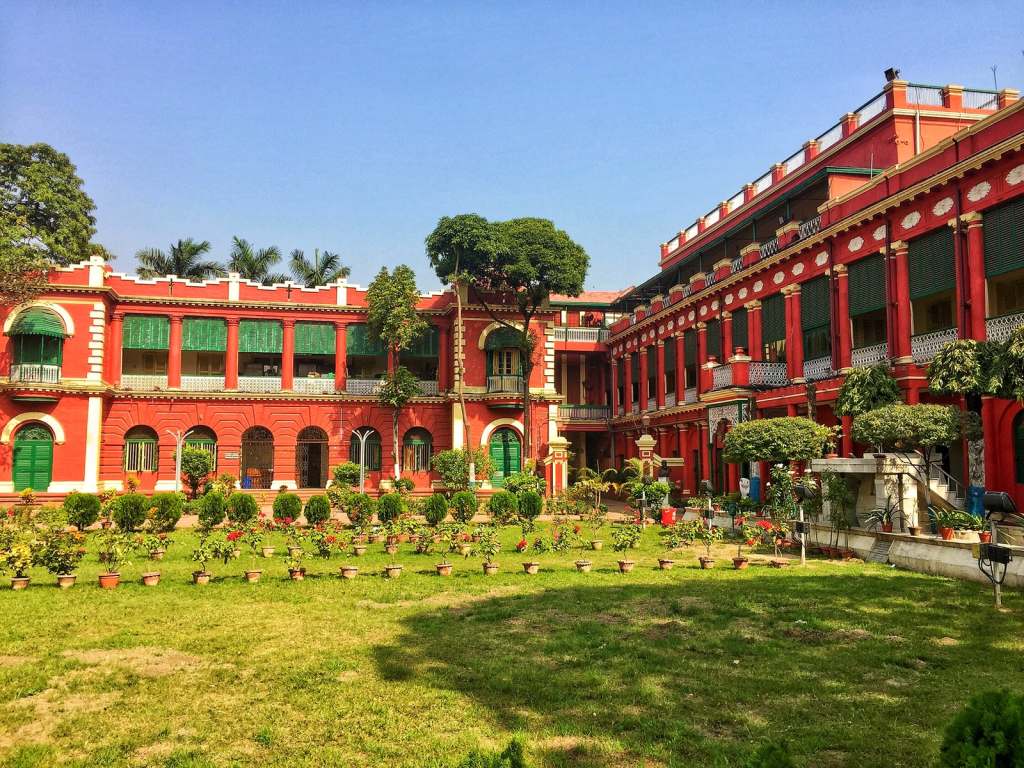
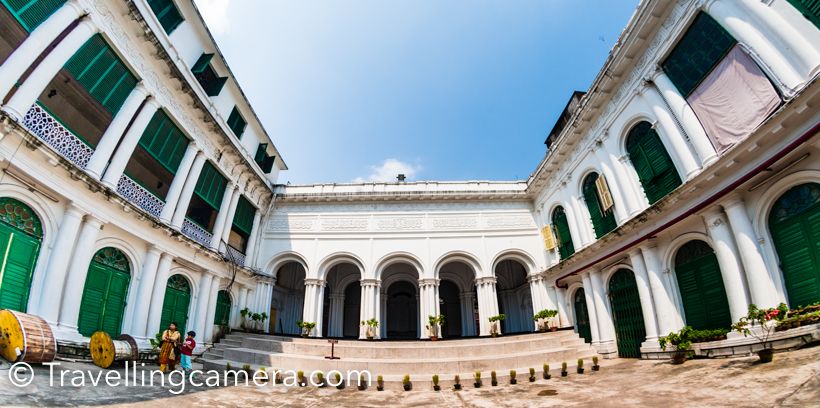
Jorasanko Thakur Bari or House of the Thakurs (anglicised to Tagore) in Jorasanko, North Kolkata, West Bengal, India, is the ancestral home of the Tagore family. It is the place where Rabindranath Tagore was born and spent most of his childhood. It was built in the 18th century on the land donated by the famous Sett family of burrabazar to ‘Prince’ Dwarkanath Tagore (Rabindranath Tagore’s grandfather).The house has been restored to reflect the way the household looked when the Tagore family lived in it and currently serves as the Tagore museum for Kolkata.
Jorasanko Thakur Bari
8. Prinsep Ghat :-
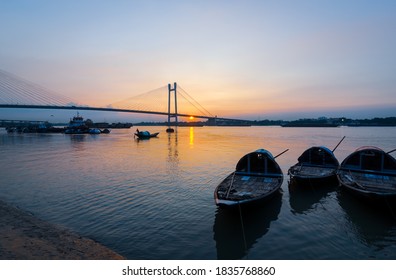
Prinsep Ghat was located between the Water Gate and the St George’s Gate of the Fort William, the monument to Prinsep is rich in Greek and Gothic inlays. It was restored by the state’s public works department in November 2001 and has since been well-maintained.The Palladian porch in the memory of the eminent Anglo-Indian scholar and antiquary James Prinsep was designed by W. Fitzgerald and constructed in 1843.Prinsep Ghat is one of the oldest recreational spots of Kolkata.[4] People visit it in the evenings on weekends to go boating on the river, stroll along the bank and purchase food from stalls there.One of the songs in the Bollywood film Parineeta was shot here on the ghats.
Prinsep Ghat
9. Rabindra Sarobar :-
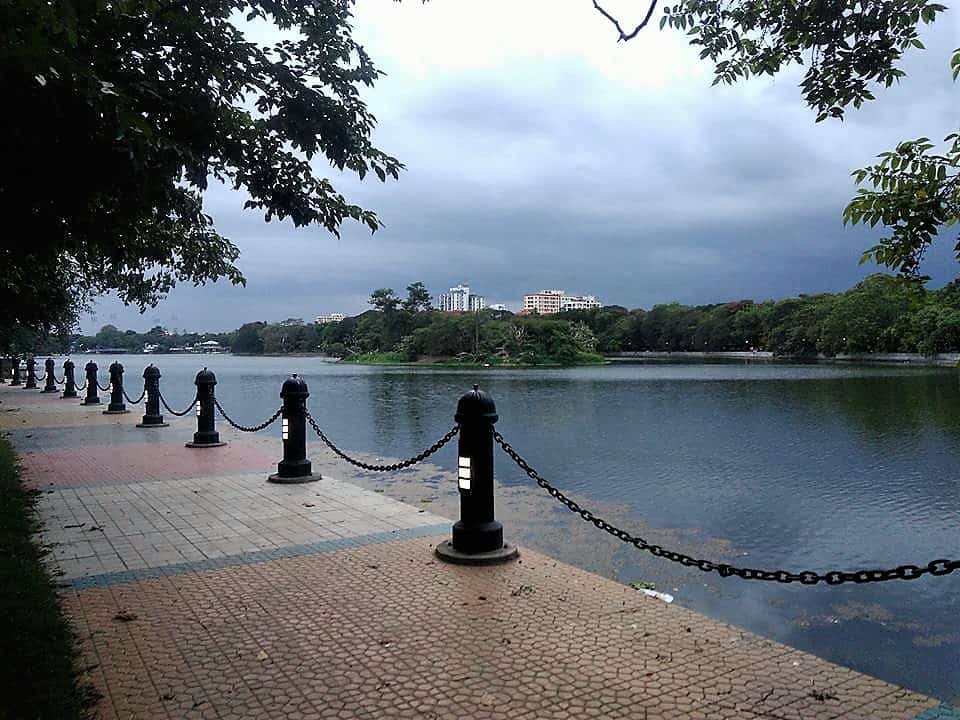
Rabindra Sarobar also known as Dhakuria Lake is an artificial lake in South Kolkata in the Indian state of West Bengal.The lake and the surrounding green cover occupy an area of 192 acres. The water body is of 73 acres while the green cover has an area of 119 acres. It has a unique bio diversity and attracts 107 species of birds, which includes 69 resident birds, 14 local migrants, 23 long distant migrants and one summer visitor. The green cover has 11,000 trees of which 7.500 are over 75 years old. Sometimes there was a opportunity of rowing in this lake for visitors. Many bangali films shooted in this place.
Rabindra Sarobar
After visiting all those place you will definitely agree with that – ‘Kolkata , The City Of Joy’.





















 Eduindex
You must be logged in to post a comment.