Each and every move of my inhale and exhale, you are!
The day runs like osain boult when I’m WITH HER.Every time my thought of leaving her kills me, god I wish I would always be with her till my last breathe. My eye fails to see the revolution of the world, when I’m WITH HER.
The biggest asset I earned throughout my life is she, who never leave me like how I’m being left by others. Your heart says be honest to atleast yourself even if it didn’t work on others but I say I want only her to see my purest soul.
Everyday my good morning starts with her and my good night ends by her. Each and every smiles and emotions influenced by her. Every dream which I dreamt is with her. Everytime when I kiss my pillow assuming her. Everybody,I’m seeing will end with the search of her.Every word I’m speaking or spilling out of my mouth is filled with her.
Even everybody in the world left me, I don’t care I just let itself go only thing is I want her as my all.Each and everytime before and after blinking that 0.1 sec your picture plays in my mind and you runs through out me in my body like blood. I’m proud to say you’re my atom who builds me when I’m down.
Finally I’m with her.
WITH HER, I find my success. WITH HER, I find my mom. WITH HER, I find the world. WITH HER, even I find myself. The day, the night, the right, the wrong, the best, the worst, the laugh, the tears, the sun, the moon, the love, the life everything is WITH HER.
IN EVERYONE’S LIFE THERE’S A PERSON WHO WILL BE MOST AFFECTED WHEN ANYTHING HAPPENS TO THEM, IN MY LIFE THAT’S YOU AND I’LL BE THE MOST AFFECTED PERSON IF ANYTHING HAPPENS TO YOU.
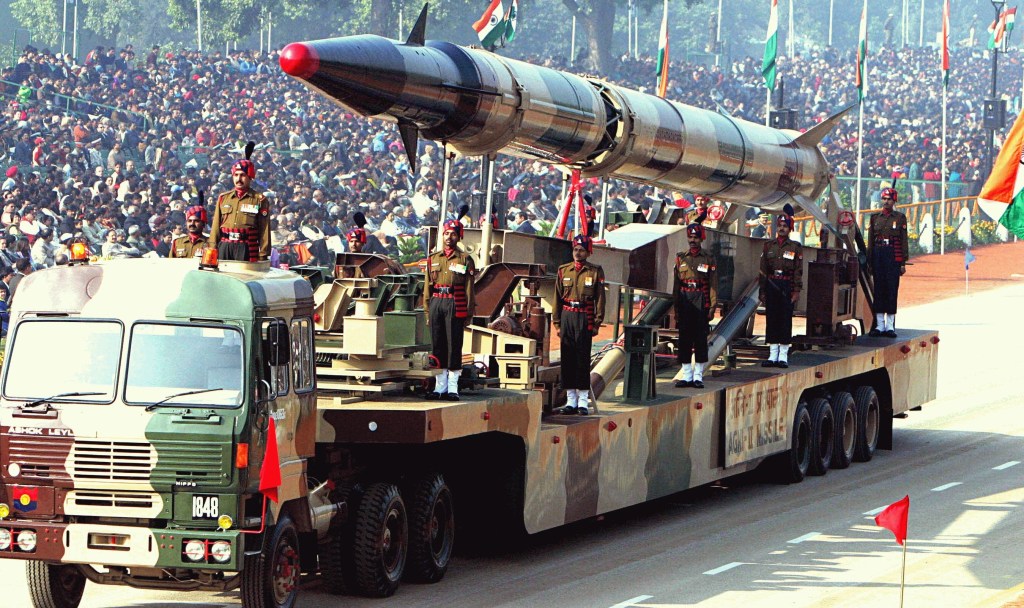
The name Agni(meaning fire) was given after one of the 5 elements in nature(Agni, Vayu, Prithvi, Akash, Jala). Agni missiles are medium to intercontinental-range ballistic missiles, developed under the Integrated Guided Missile Development Programme, INDIA. The family of missiles consists of AGNI I, AGNI II, AGNI III, AGNI IV, AGNI V, AGNI P, AGNI VI. And here is a brief description of each one of them.
India night-tests Agni-I missile
Agni I:
Agni I is an intermediate-range ballistic missile, it is 14.8 m long, with a diameter of 1.3 meters, and weighs 22,000 kgs. With a maximum payload of 1,000 kgs, the missile could extend its range up to 1,200 km of distance. Agni I is used by the SCF of the Indian Army. It is made of all-carbon composite materials to protect the payload during its re-entry stage. It is designed to be launched from Transporter-Erector-Launcher (TEL) vehicles, either by road or rail-mobile through transportation. The development of this missile began in 1999, and was first tested in January 2002 from a TEL vehicle at the Interim Test Range on Wheelers’ Island of India’s eastern coast. This missile has relatively high accuracy, simplicity, and due to its combination of an inertial guidance system with a terminal phase radar correlation targeting system on its warhead.
Agni II missile
Agni II:
Agni II is a medium-range, two-and-half-stage solid propellent ballistic missile, and is 20 m long, with a diameter of 1 m, and weighs around 26,000 kg. With a payload of 820-2,000 kgs, the missile could extend its range from 2,000 to 3,500 km. Agni II was first tested on 11th April 1999 at the Wheelers’ Island of the Odisha coast using IC-4 launch pad, over the range 2,000 to 2,200 km. The Agni II uses a combination of inertial navigation and GPS in its guidance module as well as dual-frequency radar correlation for terminal guidance. The 20-meter-long, two-stage ballistic missile has a strike range of 2,000 km to 3,000 km during the night trail of a nuclear-capable intermediate-range ballistic missile on 16th Nov 2019.
Agni-3 ballistic missile successfully launched by Indias Strategic Forces Command (SFC) from Wheeler Island, off the coast of Odisha on September 21, 2012.
Agni III:
Agni III is an intermediate-range, two-stage solid propellent ballistic missile, it is shorter (17 m and wider and 2 m in diameter) compared to other missiles (Agni I and Agni II), and weighs up to 44,000 kg. With a payload of 2,500 kg, Agni III could extend its range from 2,000 to 3,000 km. It is made using advanced carbon composite materials, while the second-stage booster is made of iron-based steel alloy. Agni-III was first tested on 9th July 2006 from Wheeler Island on the coast of the eastern state of Odisha, by Rail-mobile, possible road-based TEL( Transporter-Erector-Launcher). It was again tested on 12th April 2007 successfully, again from Wheeler Island. The third successive trail-test was fired on 7th May 2008 from Wheelers island, which had a range of 3,500 km,taking a warhead of 1.5 tonnes. It is the most accurate strategic ballistic missile which increases the “kill efficiency” of the weapon. It was reported that with a low payload Agni III and hit a target of over 3,500 km.
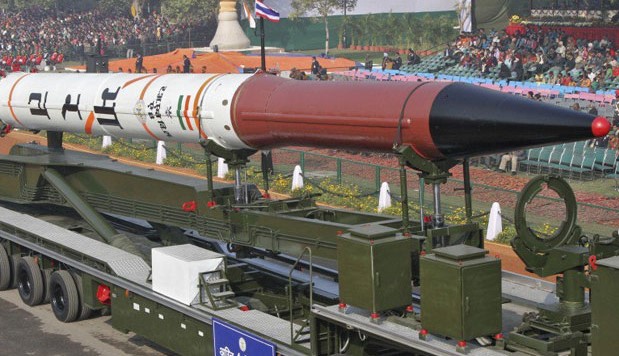
Agni IV missile
Agni IV:
Agni IV is an intermediate-range, two-stage nuclear-capable ballistic missile, it is 20 m long, with a diameter of 1 m, and weighs up to 17,000 kg. It was previously called as Agni II prime. Agni IV was first tested on 15th November 2011 and on 19 September 2012 from Wheeler Island(Abdul Kalam Island) off the coast of the eastern state of Orissa. It could reach the target up to the range of 3,500–4,000 km with a payload of 800–1,000 kg. On 20th January 2014, that is during its third test, the missile was lifted off from the launcher and after reaching an altitude of over 800 km, and impacted near the target in the Indian ocean with a remarkable accuracy carrying a payload of 900 kg. Agni IV is equipped with state-of-the-art technologies, that include indigenously developed ring laser gyro and composite rocket motor.
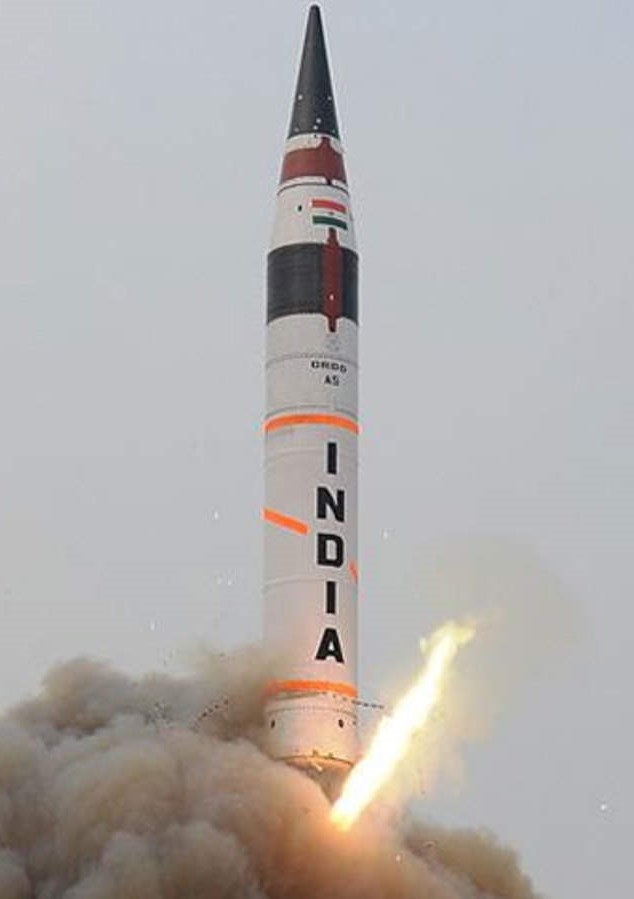
Agni V missile
Agni V:
Agni V is an intercontinental-range, three-stage solid-fuel ballistic missile, it is 17 m long, with a diameter of 2 m, and weighs up to 50,000 kg, developed by the Defense Research and Development Organisation of India. It could reach a target of more than 5,500 km. It was first test-fired on 19th April 2012, from Abdul Kalam Island formerly known as Wheelers Island off the coast of Odisha. It is a canister launch missile system and ensures that it has the requisite operational flexibility and can be swiftly transported and fired from anywhere. The second test launch of Agni-V was completed on 15th September 2013 and the canisterized version was launched in January 2015.
Agni P missile
Agni P:
Agni prime is a medium-range, two-stage solid-fueled ballistic missile, it is half of the weight of Agni III, developed by the Defense Research and Development Organisation, India. Both the first and second stage of the missile was made of composite materials. It could extend its range up to 1,000-2,000 km. As per DRDO, Agni-Prime is a new generation advanced variant of the Agni family, launched on 28th June 2021. “Being a canister-launched missile, Agni-P will give the armed forces the requisite operational flexibility to swiftly transport and fire it from anywhere they want. The test at 10:55 met all mission objectives with a high level of accuracy,” says DRDO. This missile has followed the Textbook trajectory with a great level of accuracy.
Agni VI under development
Agni VI:
Agni VI will be a four-stage intercontinental ballistic missile, currently in the hardware development phase and expected to have a Multiple Independently targetable Reentry Vehicle(MIRV) as well as a Maneuverable Reentry Vehicle(MaRV). It is expected as the latest and most advanced version among the Agni Missiles.
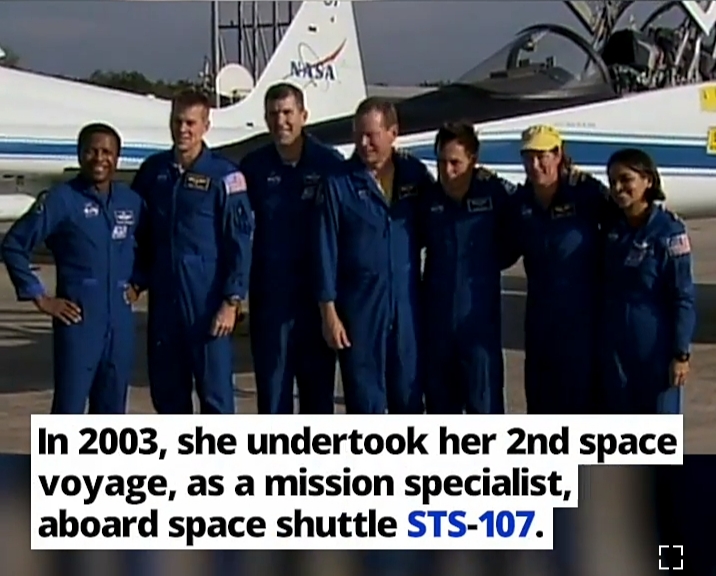
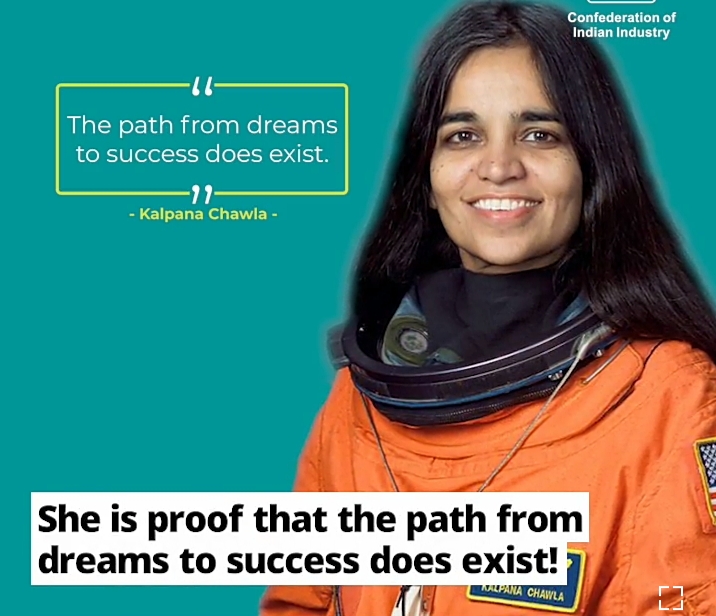
Kalpana Chawla was an American astronaut and engineer, who was the first woman of Indian origin to go to space. She first flew on Space Shuttle Columbia in 1997 as a mission specialist and primary robotic arm operator. Her second flight was on STS-107, the final flight of Space Shuttle Columbia in 2003.
Born: March 17, 1962, in Karnal, India
Died: 1 February 2003, Texas, United States
Space missions: STS-107, STS-87
Spouse: Jean-Pierre Harrison (m. 1983–2003)
Education: University of Colorado Boulder (1988), University of Texas at Arlington (1982–1984).
Awards: Congressional Space Medal of Honor, NASA Space Flight Medal.
First Opportunity to fly
Second Opportunity to fly
On February 1, 2003, as the world waited for the return of the Space Shuttle Columbia flight STS-107, it disintegrated over Texas during its re-entry into the earth’s atmosphere. The disaster killed a seven-member crew including Kalpana Chawla, the first Indian woman to have been to space.
Seventeen years later, her father, Banarasi Lal Chawla, says that Kalpana had one dream only – that no child, especially girls, should ever be deprived of education.
KALPANA’S DREAM
About pursuing a dream, Kalpana said that the path from dreams to success does exist. One needs to have the vision to find it, and the courage to get onto it. Yes, success is possible. Her life is an example of that.
DEATH
Chawla died on 1 February 2003, in the Space Shuttle Columbia disaster, along with the other six crew members, when the Columbia disintegrated over Texas during re-entry into the Earth’s atmosphere, shortly before it was scheduled to conclude its 28th mission, STS-107.
National Doctor’s Day is a holiday honouring doctors. This day was designated as a special day to honour Dr. Bidhan Chandra Roy, a famous physician and West Bengal’s second prime minister. Doctor is the term, and the work they accomplish is on the level of a deity. People have realised the necessity of physicians as a result of the Pandemic. The tough circumstances surrounding COVID-19 have reminded us once again of the everyday efforts and sacrifices made by physicians and healthcare workers all across the world. Doctor’s Day is observed on various days across the world to honour this great profession. This year is committed once again to all of the doctors and healthcare workers who are risking their lives in these hard times, whether in primary or secondary care settings, or in dedicated COVID care facilities.
Tough Education
Being a doctor isn’t easy. A child has to set his/her mind in the way that doing hard work and practice is the only way towards success. Many students wish to pursue a career as a doctor. Doctors have a prominent social and professional life, allowing them to help a large number of people while also earning a good living. If you want to be a doctor, you should start planning and preparing for it as soon as possible after high school. If you’ve decided to pursue a career as a doctor, be aware that the road ahead will not be simple. To become a doctor, you must begin working diligently at an early age and make the necessary sacrifices for several years. A genuine concern in the well and happiness of others, as well as a desire to serve others, are two essential traits for a doctor.Physics, Chemistry, and Biology are required courses in secondary school or at the plus two level.
You must have completed 17 years but not be older than 25 years while applying for the MBBS programme through the general category.The bachelor’s degree in medicine (MBBS) is the first step toward becoming a doctor. This is your ticket to a medical profession. This is generally a five-and-a-half-year programme that culminates in a year of mandatory internship.
Those interested in pursuing a degree in MBBS, BDS, or Veterinary Science must take the NEET test. The Central Board of Secondary Education in India holds a single entrance examination every year to admit students to various medical institutions across the country. The colleges you can attend are determined by your NEET test score. There are particular courses available throughout your degree if you want to specialise in subjects like Ayurveda, Homeopathy, or Unani. The admission tests for JIPMER, AIIMS, Armed Force Medical College, Lady Hardinge Medical College, and Jawaharlal Nehru Medical College are held separately. Students who want to attend these universities must take these special examinations conducted by the colleges and do not have to go through the NEET process. JIPMER is one of India’s most prominent medical schools.
This is the Education one has to take to become a doctor.
Problems occurred during Covid-19 service
In the fight against COVID-19, doctors and healthcare professionals who are reacting to a worldwide health catastrophe have become unintentional targets. Several incidents of such violence against them have been reported in India during this epidemic period. Doctors have been spit on, abused, and driven away, according to reports. Due to a scarcity of personal protective equipment, this is the case (PPE). Doctors blame the rise in violence against healthcare professionals on a combination of misinformation and fear, which has been exacerbated by the pandemic. Patients are unable to obtain healthcare due to transportation stoppage, fear of law enforcement, and dissatisfaction as a result of quarantine or containment zone limitations, all of which have worsened the situation. During their work, up to 75% of doctors are subjected to violence. The reasons for violence against healthcare workers may vary from fear, anxiety, panic, misinformation and mistrust. Government hospitals in India are inundated in such a public health crisis with lack of adequate facilities, equipment and infrastructure. People are panicked about catching COVID-19 from medical workers or being stigmatised for having contracted it themselves. The situation is being made more difficult as health units and professionals in some government hospitals highlight shortage of PPE but receive hostile response from hostile hospital administration.
Overcome these Problems.
A better and timely communication with the aggrieved patients and their family members is the key to avoid violence and untoward incidents. Due to shortage of time and to maintain social distancing norms, often the verbal and direct communication between doctors and patients is lacking during this pandemic. The hospitals should designate some social workers and counsellors to coordinate with them on a regular basis to allay any fears.
The widespread news coverage about COVID-19 has heightened anxiety and fear among the Indian public. Social media platforms can play a positive role in the current pandemic collaborating with Government agencies to educate the public about the diagnosis, spread, containment and prevention strategies against transmission. The uptake of ‘Aarogya Setu’—Indian government’s contact tracing application can be promoted by smart phone technology companies and web providers to minimise the spread of COvid-19. This will help to safely reduce lockdown measures.
Violence against doctors is underreported in India, perhaps because the doctors fear for their personal safety and harassment from the public, administration and law enforcement system. Recently, doctors and government institutions have started to take steps to protect themselves against violence. Marshalls have been posted at large central government hospitals in Delhi in their accident and emergency department. At places, doctors have had to evaluate patients from a distance to avoid assault.
The Indian government has recently issued an ordinance that makes violence against healthcare workers a non-bailable offence, punishable by up to 7 years imprisonment. The Ordinance seeks to protect doctors, nurses, and paramedic and community health workers from harassment or physical injury. It has been welcomed by all quarters to rein in violence and punish the wrongdoers.
Telehealth has been a game changer and one of the good outcomes of the COVID-19 outbreak. Patients will have less face-to-face interaction with doctors as a result of telehealth, which may minimise physical attack on doctors to some level. The prospect of telemedicine services being recorded may compel patients and their carers to act correctly.
Time has to identify effective ways and means to improve and strengthen public health education and practice, says Dr. Ravi Agrawal. Establishment of better primary healthcare facilities such as Delhi’s Mohalla (community) and Mumbai’s Swasth (health) clinics is one of the right ways forward to access local healthcare. Doctors and healthcare workers need to be supported in carrying out their fight against global health crises such as COVID-19 pandemic.
At last I would like to say “Doctors are humans not Gods so stop blaming them.”
My mom told me a story about how everyone has their own story
A Young Man and his father were travelling by train and they seem to be very happy. A young man in his twenties was seeing out from the train’s window and suddenly he is shouted father, see the sun it looks like a circle Then his father smiled at him.
young men again shouted – father, look at the trees as they are going behind. father again smiled at the young man. A couple sitting nearby looked at the young man’s childish comment with pity.
Suddenly the young men exclaimed again.. father, look at the clouds and sun! they are all running with us. The couple observed the young man’s behaviour for a long time they couldn’t resist and said to the old man “why don’t you take your son to a good doctor?” The old man smiled at his son and said “we did and we are just coming from the hospital”
The couple saw them with strange expression. The Old man said again “My son was blind from birth and he just got his vision today”
Every person in the world has a story. Don’t judge people before you truly know them. The Truth might surprise you.
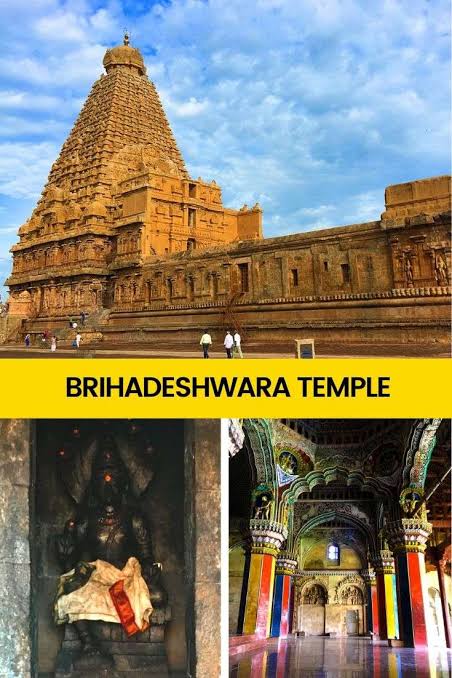
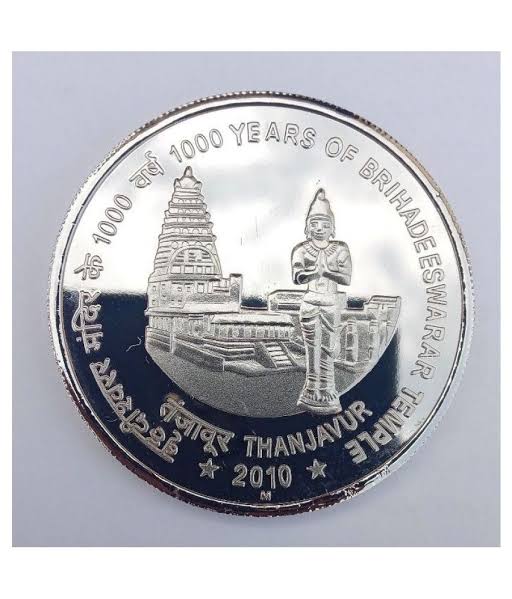
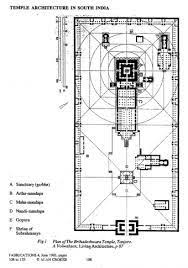
Brahadeeswara Temple The year 2010 celebrated the thousand years of cultural and historical, heritage of the Brahadeeswarar Temple.
The 1000-years old Timeless Heritage 🛕🕉🛕:
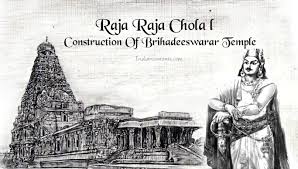
King Rajaraja cholesterol constructed the Brahadeewarar Temple, commonly known as the Big Temple by the natives of Tanjore . It's architecture marvel,fine proportions and intricate carvings and grandeur make it a symbol of cultural and sculptural expertise. Tanjore " The Granary of Tamilnadu", is also the seat of Carnatic music,dance,traditional handicrafts and stylized bronze work. Hence, the Chola's made it their capital.
Visit to the Nayak Palace🛕🛕:
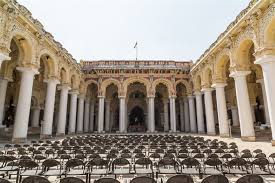
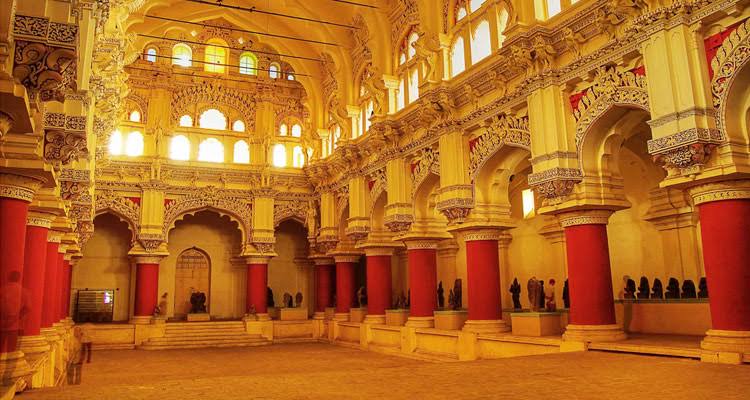
With a great thirst for Indian culture ,the author visited the palace complex which was built by the Nayaks in the 16 th Century. The Martha's had renovated it later. The Royal Muslim here has a collection of urns,drums,manuscripts,gifts, jewellery weapons and other belongings of the Maratha. A painting of Maratha King welcomes one to the Durbar Hall. An array of pallava and chola on the craftsmanship of their Era.
The 11th century Brahadeeswarar Temple🛕🕉🛕 :
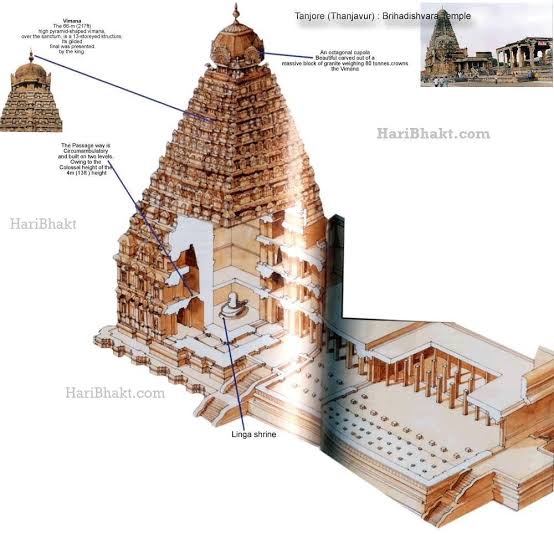
The magnificent structure of the Big Temple, situated in an area of 750 feet by 400 feet surrounded by a moat welcomed him. Its marvellous engineering technology could be judge by the vimanam. The towering vimanam is built up with stones with bonding and notching and without the use of mortar. It is baffling to note how the topmost stone of 80 tons was placed without modern of the divine mount Kailash. The sculpture and structure is incomparable. The shrine for lord Muruga is an integral part of the Temple. It is an elaborately carved stone structure, a designer's delight. It would take weeks if not months to copy the unrepeated designs on each of the short pillars of this shrine. The chiseled would have indeed taken months to complete each shapes.
The magnanimous King Rajaraja Chola🛕🛕:
The author stood in awe,astonishment and reverence when he saw a walled fortress inside -a standing testimony of the Chola's opulence and vision . The huge statues reflect their steadfast reverence to Lord Shiva. Rajaraja, his sisters and his queens donated gold and silver to build this Temple.
The intricate carvings and murals🛕🕉🛕:
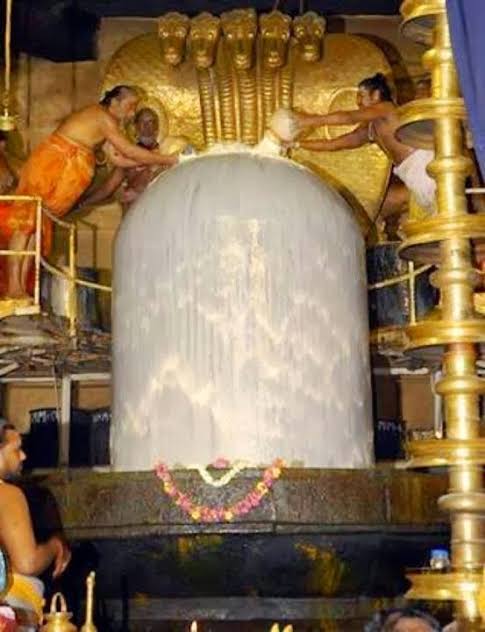
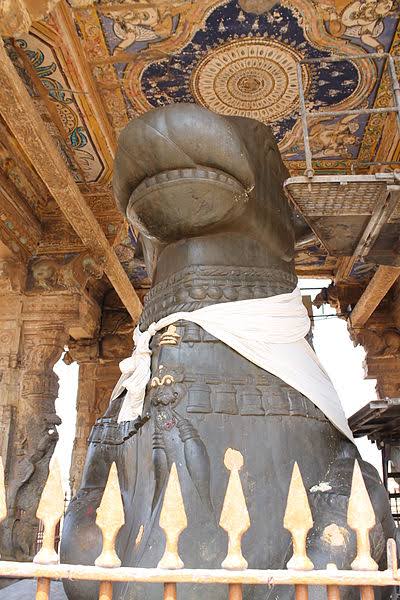
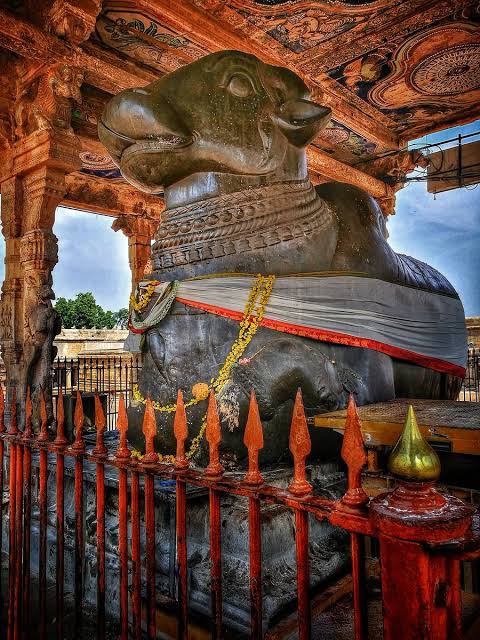
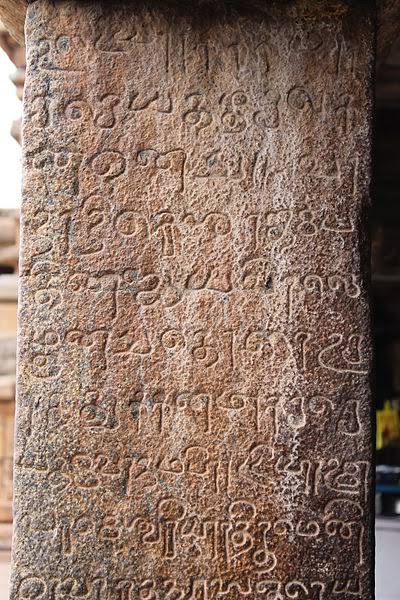
The delicate carvings on the pillars and the inscriptions on the walls of the temple are delight to a historian's sense. The deities and Shiva Linda's in the pillaged cloisters are worthy to be admired. The huge Shiva Linga in the sanctum sanatorium and the Nandhi Statue depict the large heartedness of Cholas , who did not hesitate to spend large sums of money. The sculpture and engineering technology of this 11th century Temple is truly admirable. The huge granite stones had been interlocked so perfectly with a harmonious bonding that they can withstand rains ,wind and heat down the centuries.
The might vimanam🛕🛕:
Unlike many Temple the 58m tall and 13-storyed vimanam makes the Gopurams. In its splendid idea ,it's impressive vision, its displays of the mighty effort of construction-it stands as a testimony for centuries to come.
It’s Dedication🛕🕉🛕:
Among all the temples dedicated to all suites, this is the only Temple which has been dedicated to Brahadeeswarar. When the devotee king anointed it with holy water from all the sacred rivers of India, little did he think that the Big Temple would stand for 1000 years and forever. The big Temple will live as long as Indian history lives.
The year 2010 celebrated the thousand years of cultural and historical, heritage of the Brahadeeswarar Temple.The 1000-years old Timeless Heritage :King Rajaraja cholesterol constructed the Brahadeewarar Temple, commonly known as the Big Temple by the natives of Tanjore . It’s architecture marvel,fine proportions and intricate carvings and grandeur make it a symbol of cultural and sculptural expertise. Tanjore ” The Granary of Tamilnadu”, is also the seat of Carnatic music,dance,traditional handicrafts and stylized bronze work. Hence, the Chola’s made it their capital.Visit to the Nayak Palace :With a great thirst for Indian culture ,the author visited the palace complex which was built by the Nayaks in the 16 th Century. The Martha’s had renovated it later. The Royal Muslim here has a collection of urns,drums,manuscripts,gifts, jewellery weapons and other belongings of the Maratha.
A painting of Maratha King welcomes one to the Durbar Hall. An array of pallava and chola on the craftsmanship of their Era.The 11th century Brahadeeswarar Temple :The magnificent structure of the Big Temple, situated in an area of 750 feet by 400 feet surrounded by a moat welcomed him. Its marvellous engineering technology could be judge by the vimanam. The towering vimanam is built up with stones with bonding and notching and without the use of mortar. It is baffling to note how the topmost stone of 80 tons was placed without modern of the divine mount Kailash. The sculpture and structure is incomparable. The shrine for lord Muruga is an integral part of the Temple. It is an elaborately carved stone structure, a designer’s delight. It would take weeks if not months to copy the unrepeated designs on each of the short pillars of this shrine. The chiseled would have indeed taken months to complete each shapes.The magnanimous King Rajaraja Chola :The author stood in awe,astonishment and reverence when he saw a walled fortress inside -a standing testimony of the Chola’s opulence and vision . The huge statues reflect their steadfast reverence to Lord Shiva. Rajaraja, his sisters and his queens donated gold and silver to build this Temple.The intricate carvings and murals :The delicate carvings on the pillars and the inscriptions on the walls of the temple are delight to a historian’s sense. The deities and Shiva Linda’s in the pillaged cloisters are worthy to be admired. The huge Shiva Linga in the sanctum sanatorium and the Nandhi Statue depict the large heartedness of Cholas , who did not hesitate to spend large sums of money.
The sculpture and engineering technology of this 11th century Temple is truly admirable. The huge granite stones had been interlocked so perfectly with a harmonious bonding that they can withstand rains ,wind and heat down the centuries.The might vimanam:Unlike many Temple the 58m tall and 13-storyed vimanam makes the Gopurams. In its splendid idea ,it’s impressive vision, its displays of the mighty effort of construction-it stands as a testimony for centuries to come.It’s Dedication :Among all the temples dedicated to all suites, this is the only Temple which has been dedicated to Brahadeeswarar. When the devotee king anointed it with holy water from all the sacred rivers of India, little did he think that the Big Temple would stand for 1000 years and forever. The big Temple will live as long as Indian history lives.
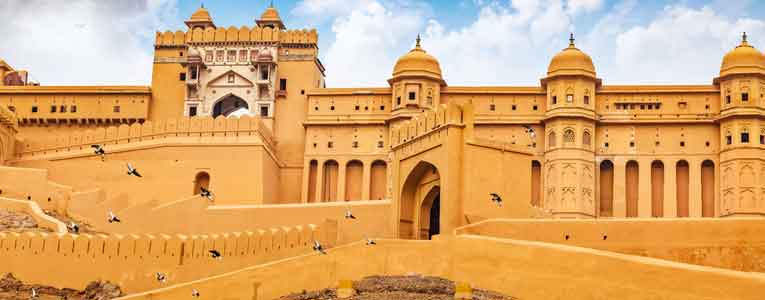
India is one of the most beautiful countries in the world. Every street, every corner has a story to tell. One of the cities that attracts the most tourists is: Jaipur, also known as The Pink City. Jaipur is the land of history and monuments. It is the capital city of Rajasthan and was founded by Maharaj Jai Singh II in 1727. The city is an architectural beauty. It is said that the Maharaj consulted various books before drawing the layout of the city. The entire city is built on the principles of Vastu Shastra and is a historical landmark. Here is a brief overview of my favorite attractions in and around the city:
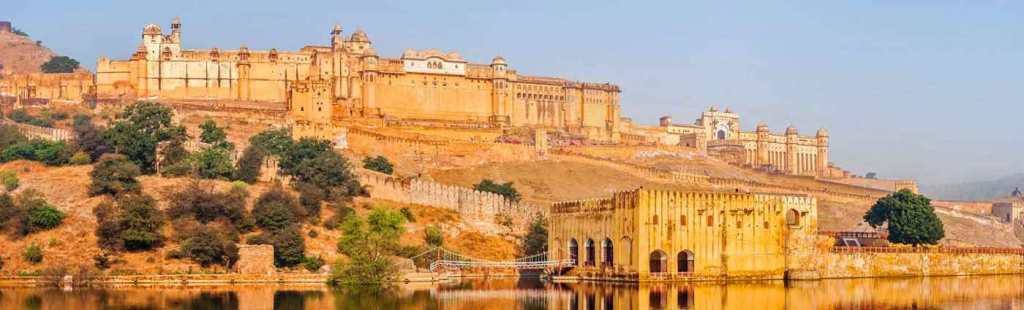
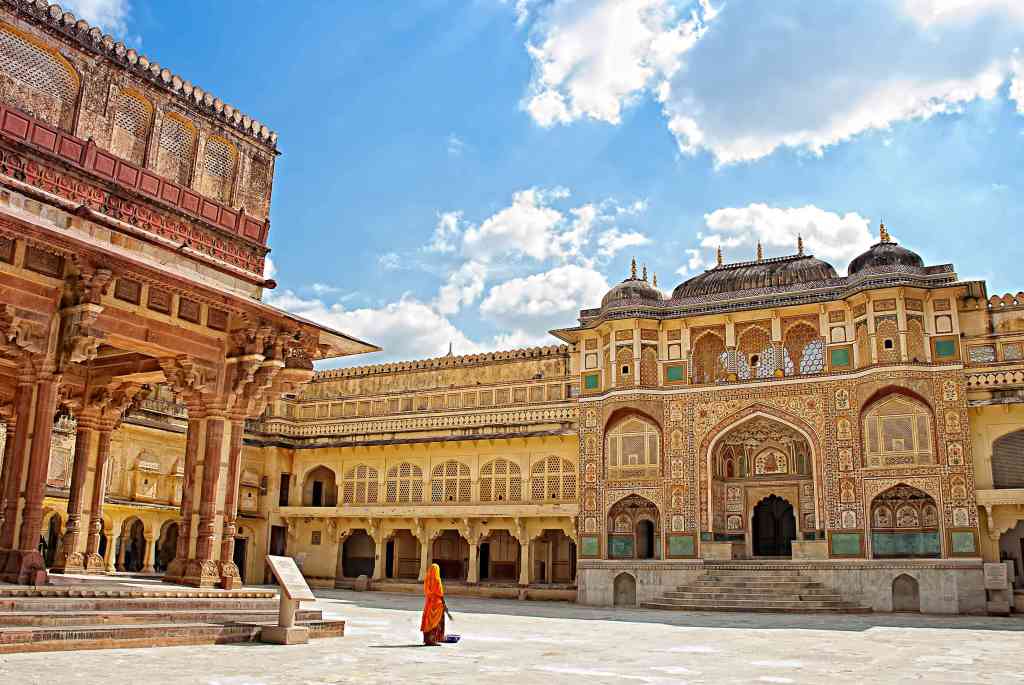
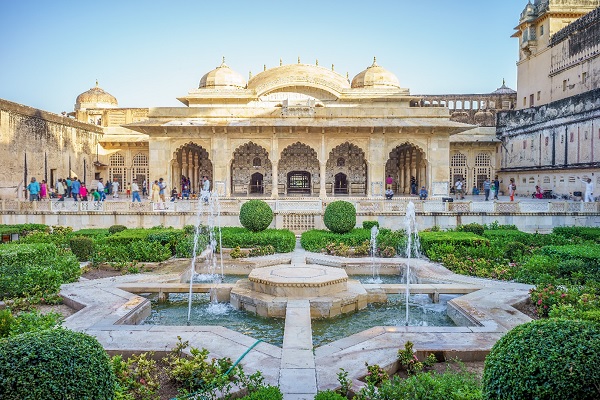
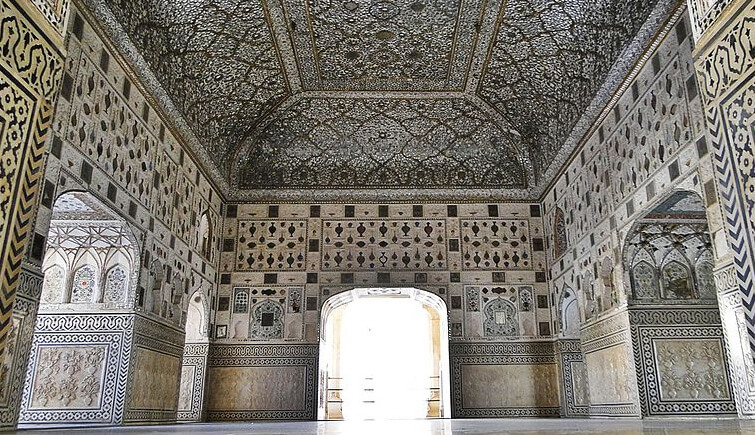
AMER FORT: The most magnificent attractions of Jaipur is the Amer Fort. The fort was built by Raja Maan Singh and is situated about 11 kilometres from Jaipur. The fort is divided into four courtyards and each section has its own entry and exit. Each section represents a different and interesting part of history. The fort interior is something to die for. The parts of the fort include:
First Courtyard or Jaleb Chownk
Second Courtyard where Deewan-e-Khas and Deewan-e-Aam is built
Third Courtyard is the site for Jai Mandir ( also known as Sheesh Mahal or the mirror palace) and Sukh Niwas. The two buildings are connected by a garden which are same as the Mughal gardens.
Fourth Courtyard is the place where the royal ladies and their helpers used to reside. The king built twelve rooms for his twelve queens.
The construction is so alluring and all the details have been well taken care of. Each and every section narrates an incident you would want to hear.
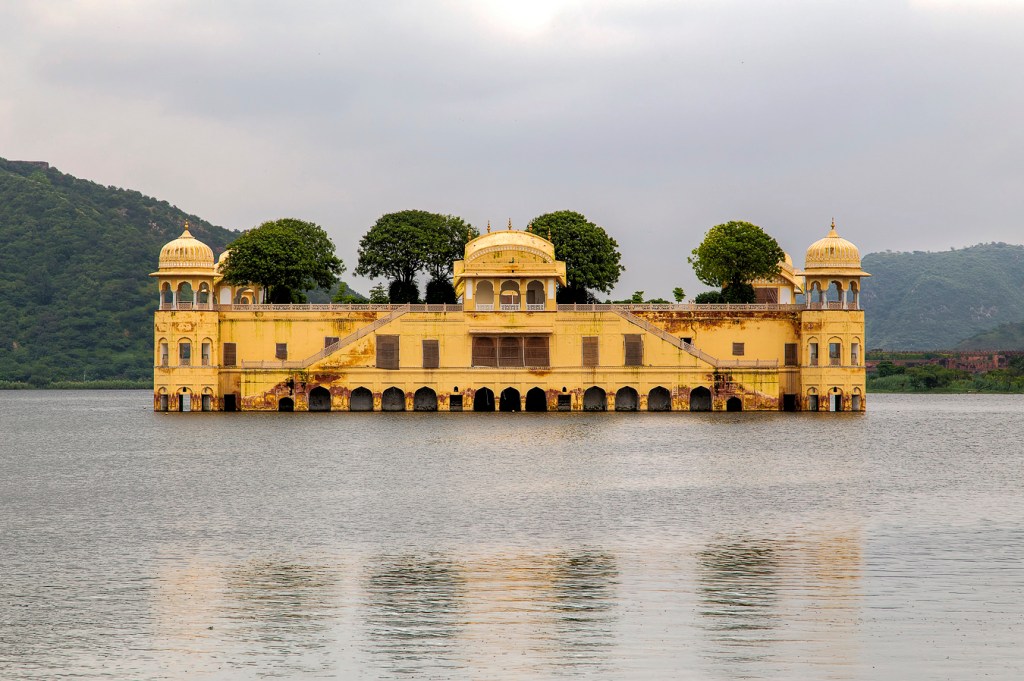
JAL MAHAL: A fort situated in water, how can someone not appreciate such a beauty. Jal mahal was built by Pratap Singh of Jaipur who was the grandson of Maharaj Jai Singh II, the founder of Jaipur. The fort was built in 1799 and is situated in the middle of Man Sagar Lake. It is a gorgeous five story palace made entirely of red stone. The interesting thing is that four floors of the fort are beneath the water and only one of the floor is visible. Tourists are not allowed to enter the fort but can appreciate the scenic from afar.
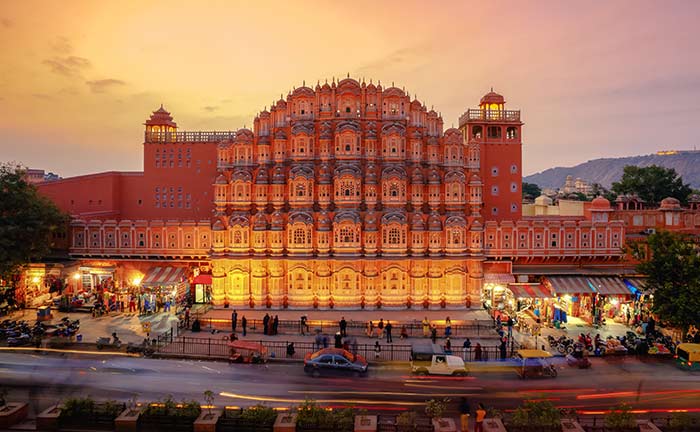
HAWA MAHAL: Hawa mahal is an example of pure architecture marvel. The structure was also built by Pratap Singh in 1799. The entire structure is made of pink and red stones. It is a five story building with 953 windows called Jharokhas which have been designed with intricate latticework. The structure was built for the ladies to watch special occasions and interestingly no one from the outside can view the interior of the building. Also, there is no main entrance. Tourists have to enter through the City Palace to see the building from the inside. Another fascinating factoid is that the structure has no foundation and is the tallest structure in the world with no foundation.
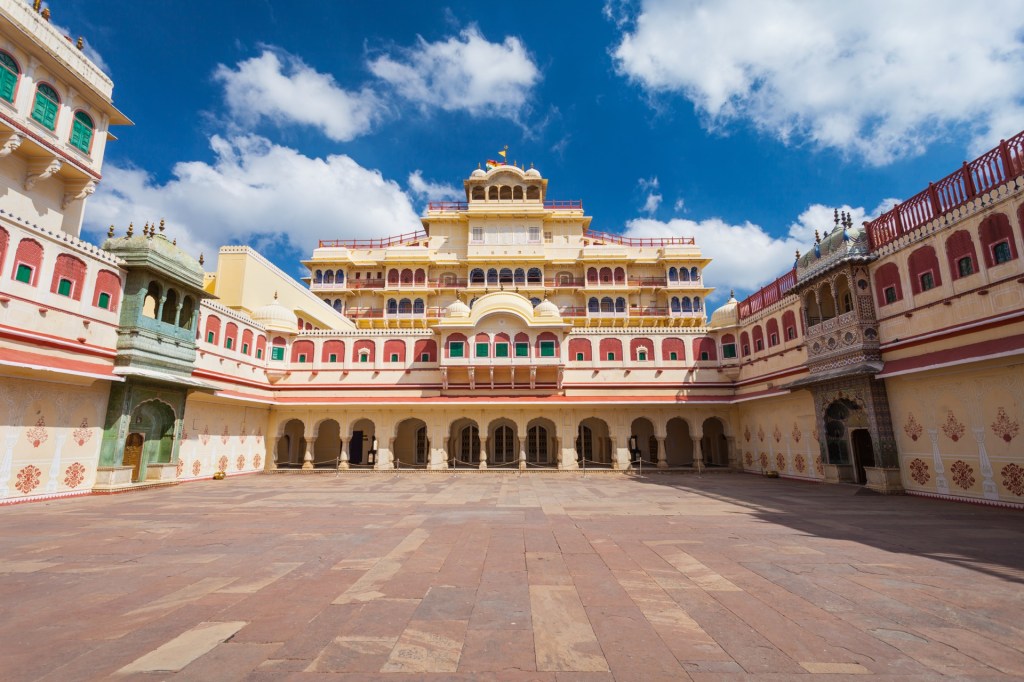
CITY PALACE: City Palace is another eye candy in the long list of historical monuments. The palace is situated in the heart of the city and has several sections and courtyards like Deewan-e-khas, Deewan-e-aam, etc. Mubarak Mahal and Chandra Mahal located in the courtyard of the place are two beautifully built structures with carving in white marble.
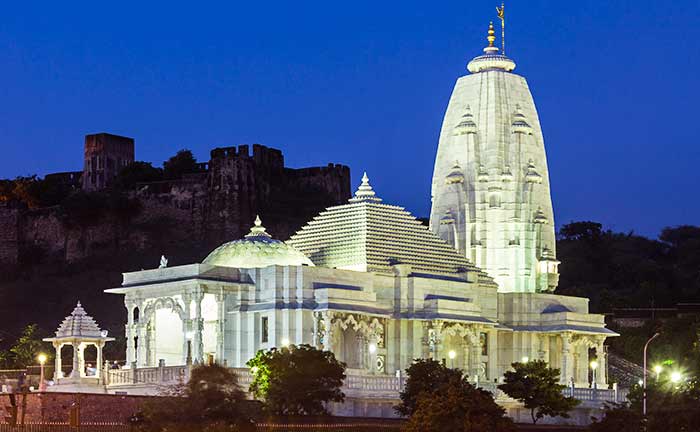
BIRLA MANDIR: Birla Mandir was built by B.M. Birla Foundation in 1988. The entire mandir is made of white marble and is dedicated to Lord Shiva and Goddess Lakshmi. It is one of the fourteen Birla mandirs in India. This temple is particularly famous to the devotees. Apart from the main temple, the Birla Temple complex incorporates a museum that displays the ancestral possessions of the Birla family, and a garden with a shopping complex.
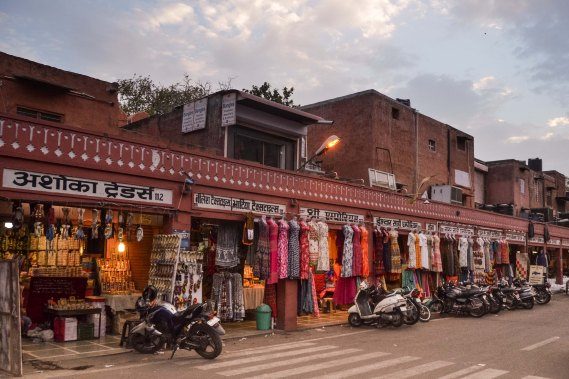
MARKETS OF JAIPUR: Jaipur is the home to some of the best market areas. One of them is Bapu Bazaar. Bapu bazaar has all kinds of stuff from clothes to artificial jewelry to decoration pieces all available within a reasonable price range. If you ever plan on visiting this marvelous city, you must visit the bazaar and grab yourself a souvenir as a memory of the trip.
So, if you are planning a trip you must keep Jaipur in mind. There is so much in the city that you can absorb. The idle time to visit would be during the winter season when the sun rays are a bliss. You visit Jaipur once and you will find yourself craving to visit again and to learn more about its history.
“The only journey is the journey within.” Being raised in an Indian household, mental health was something that was frowned upon or considered unimportant while academic scores decided how happy you were or would be in life. Mental health includes our emotional, psychological, and social well-being. It affects how we think, feel, and act as we cope with life. Mental health, defined by the World Health Organization, is “a state of well-being in which the individual realizes his or her own abilities, can cope with the normal stresses of life, can work productively and fruitfully, and is able to make a contribution to his or her community”
Mental illnesses affect 19% of the adult population, 46% of teenagers and 13% of children each year. People struggling with their mental health may be in your family, live next door, teach your children, work in the next cubicle or sit in the same church pew. However, only half of those affected receive treatment, often because of the stigma attached to mental health. Untreated, mental illness can contribute to higher medical expenses, poorer performance at school and work, fewer employment opportunities and increased risk of suicide. Stress can be the cause mental health problems and make existing problems worse. For example, if you often struggle to manage feelings of stress, you might develop a mental health problem like anxiety or depression. Mental health problems can cause stress. You might find coping with the day-to-day symptoms of your mental health problem, as well as potentially needing to manage medication, heath care appointments or treatments, can become extra sources of stress. Stress can impact on how you feel physically. May is Mental Health Awareness Month, also known as Mental Health Month. It has been observed each May in the United States since 1949. It has never been more important than now to recognize that mental health is an essential component to one’s overall health and wellbeing, and that mental illnesses are common and treatable. While it may be that some of us are more vulnerable than others, everyone faces challenges in life that can impact their mental health. After all, just a few months ago, none of us had any idea that all our worlds would be upended by the coronavirus, and that worry, isolation, loneliness, depression and anxiety would become collective experiences shared by literally everyone. By virtue of our birthright, as human beings none of us are immune. Perhaps this collective experience of living with the emotional and psychological impacts brought on by COVID will help cultivate not only more awareness of mental health issues, but more compassion too. One can hope. According to a 2017 Centers for Disease Control report, suicide was the tenth leading cause of death overall in the United States, claiming the lives of nearly 47,000 people. Suicide was the second leading cause of death among individuals between the ages of 10 and 34, and the fourth leading cause of death among individuals between the ages of 35 and 54. There were more than twice as many suicides in the United States as there were homicides.
Therefore mental health is very important and we should do our part by talking to others and listening to the ones in need of it.
The persisting scenario of pandemic and prolonged lockdown has proven the fact that education can be done online. The learners aren’t required to be physically present but still they can complete the entire course through a virtual platform. This condition might have influence on the post pandemic period or even the present methodology can be adopted. Such things leaves us thinking, WHAT IS THE REAL PURPOSE OF EDUCATION ? WHAT IS THE ROLE OF SCHOOLING IN AN INDIVIDUAL’S LIFE ? Though we can’t come up with a solution for the problems still we have answers for the mentioned questions. Hence we can form a better system.
Going through the history of schooling a certain idea can be derived, the purpose being preaching religious values, morality and knowledge of life or which can be called as art of living a life in a righteous way. Through years it slowly evolved with various theories ending up in the system that exist today which entirely focuses on developing their knowledge in particular field. This system enables the learners to pursue a job and make earning but it fails to teach the person to survive in the society. It denys them from giving a picture of social life thus forgetting the ultimate aim of education. Also in the contemporary world where children confined to their rooms without any other source of entertainment are left to rely on their mobile phones and electrical gadgets. Without supervision of their parents there are lots of chance for them getting mislead with negative influence which promotes violent behaviour in them. This can be seen through the increasing number of crimes which are being committed by the graduates who are being mislead and manipulated to follow wrong beliefs.
To contradict this we need a social form of education where they learn moral values. The student must be open to social crisis through regular discussion by which they get a idea of the current scenario of world, providing them a real picture and thus allows them to share thier view towards it. This method develops their communication skills and ensures a positive form of interaction. The range of success differs,it changes place to place and between individuals, so one cannot define whether you lived a successful life but can definitely tell whether you lived in courteous way. Thus inorder to form a well built society for future we need to teach the young generation with moral values.
Soft skills are the traits that make your character. These are the skills that are common for anyone who is seeking a job regardless of the work domain. Soft skills are opposite to the hard skills that are completely related to the job stream. Hard skills differ from person to person while soft skills are common to all. These are the skills that should be demonstrated in our work environment and cannot be added to the resume. Some of the soft skills are communication, leadership, interpersonal skills, teamwork, critical thinking, creativity, work ethic, and many more.
Communication
Communication is the most important soft skill that anybody can possess. It is the speaking and writing skills that show the way you express yourself and your thoughts. It is a crucial skill for people in sales fields. Some common skills that fall under communication are presentation, public speaking, verbal and non-verbal communication, and listening.
Leadership
It is the quality that takes a person to higher positions. It shows how you mentor and your co-workers and employees and guide your teams. This includes the quality of volunteering and taking responsibility. This skill helps you to grow in your career. It is also critical for entrepreneurs. The leader must be able to take decisions. It includes decision-making skills, management skills, and mentorship.
Inter-personal skills
Inter-personal skills are the ones that we use unknowingly on a daily basis. These include the way we communicate with our teammates and co-workers. The relationship we maintain with others in the work environment and the optimistic approach towards things also are considered interpersonal skills. Some other skills which come under this are empathy, patience, diplomacy, etc.
Teamwork
It is the coordination that you maintain within the team. Taking the consent of each team member before starting work, giving equal opportunity and priority to each member’s opinion, discussing the plans and executing it in the right way, working together and faster to accomplish tasks – all these are combined and said as teamwork.
Critical thinking
It is the ability to analyze and understand the problems and find out a solution for them. The person should have the quality of making the right decisions and changing them if they went wrong. The situations need to be handled smoothly without tension and stress. Observation, logical thinking, troubleshooting, flexibility, curiosity, and acceptance of changes come under critical thinking.
Work ethic
This is the quality of being punctual, organized in their works, submitting reports before the deadline. It is most essential for any type of job, be it small or big. Some of the work ethics are being independent, dedication, attentiveness, multitasking, time management, and so on. Employers are more likely to offer the job to a person with a good work ethic as it shows your professional behavior and organized approach towards work.
Creativity
It is a skill that requires innovative thinking to find a solution. It is needed in every field but it is most indispensable for designers, architects, and artists. Some skills that are included in creativity are thinking out of the box, imagination, mind mapping, application of the idea, experimenting, etc.
Apart from these, there are many more soft skills like planning, management, business ethics, business etiquette, self-confidence, time management and stress management, decision making, etc. You can cultivate these skills by practicing in your day-to-day life with your colleagues and friends.
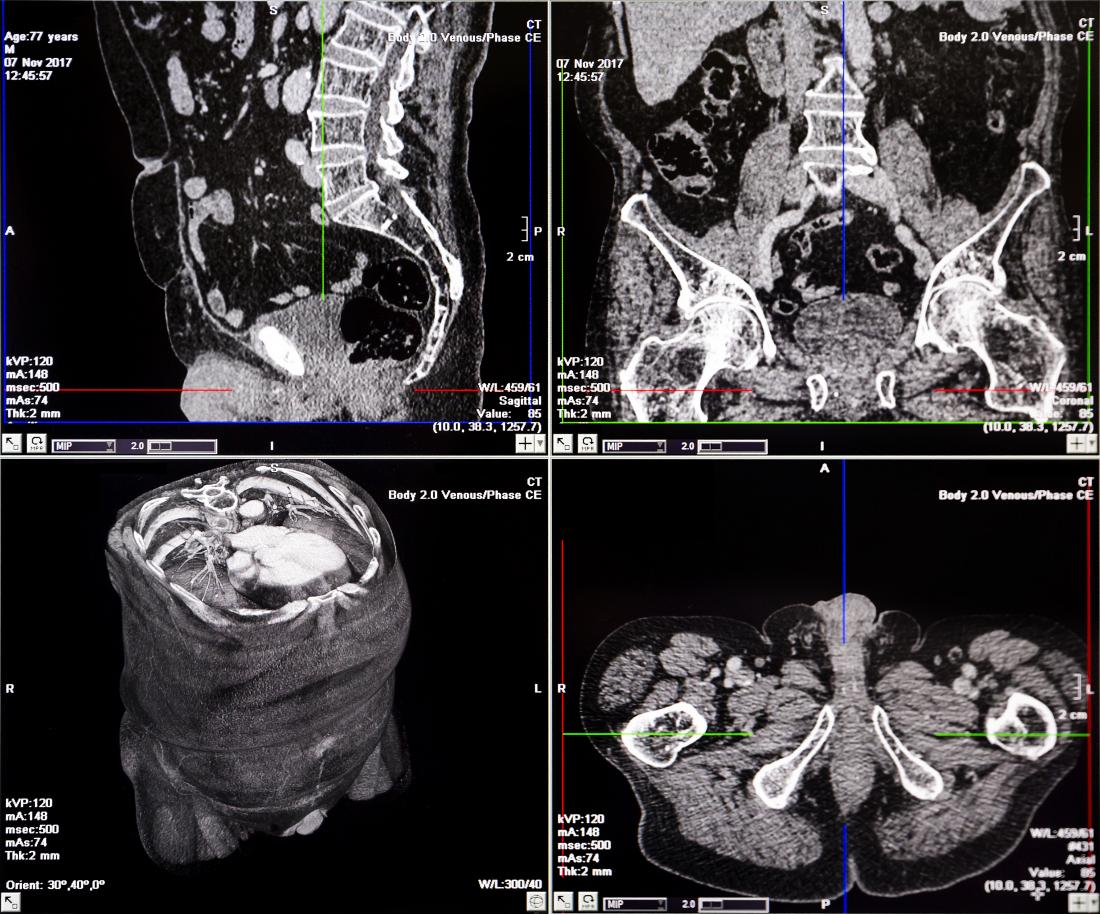
Computed Tomography (CT) which is also called Computerized axial Tomography (CAT) is an technology which has revolutionized the medical world.It enables the doctors to watch the vital organs, identify the blockages and growths and diagnose signs of diseases without surgery.
What is Computed Tomography scan?
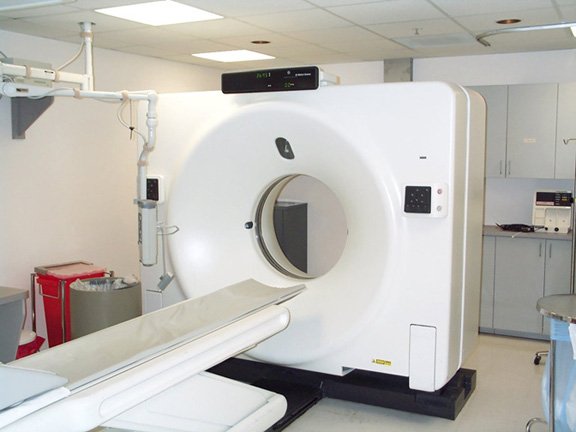
Computed Tomography scan combines the us of a digital computer together with a rotating X-ray device to create detailed cross sectional images or slices of the different organs.
Advantages of CT over other imaging techniques
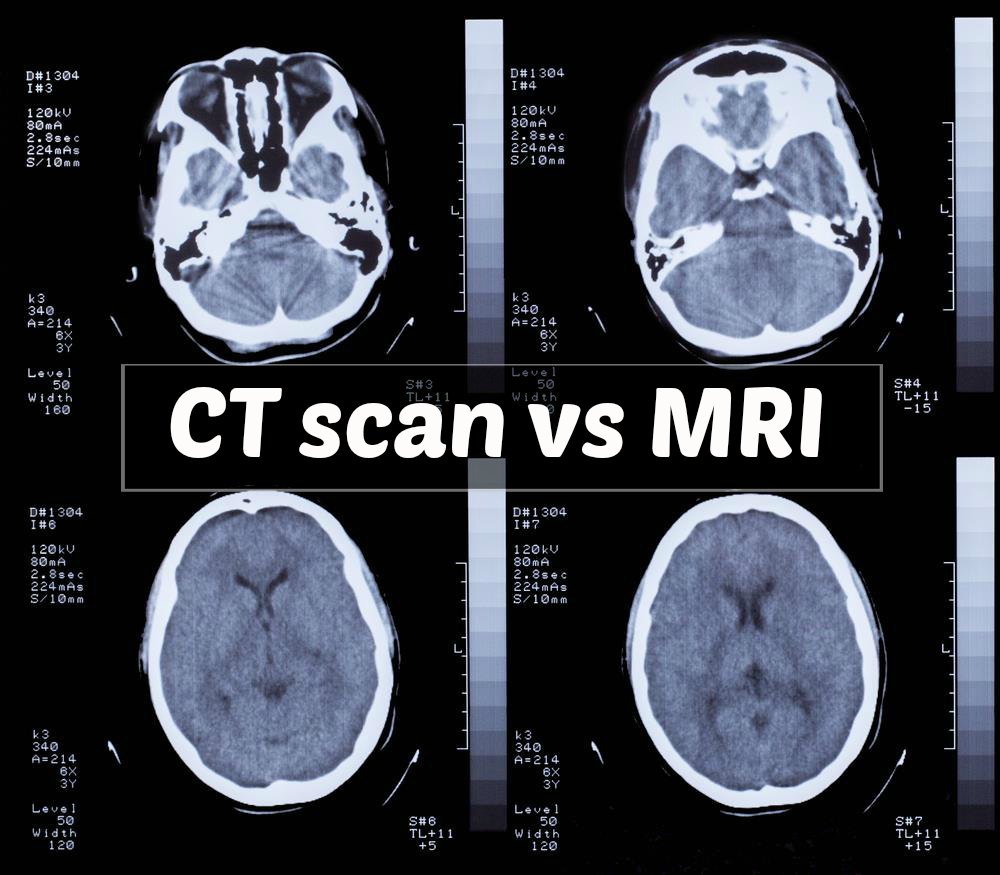
CT scan is a painless and less sensitive to patient than MRI.Among the various imaging techniques CT has the unique ability to image a combination of soft tissues,bone,and blood vessels.Here no radiation remains in the patient body after a CT examination.X-ray image of the head can only show the dense bone structure of the skull.Magnetic resonance (MR) imaging does an excellent job of showing blood vessels and soft tissue,but MR does not give as much details of bony structures such as the skull.CT images of the head allow the physicians to see soft-tissues ,anatomic structures like the brain’s ventricles,of grey and white matter.And,CT can provide detailed cross sectional images and diagnostic information for nearly every part of the body.
Role of CT scan in the diagnosis of covid -19
Chest CT scanning in patients with covid associated pneumonia usually shows ground glass opacification,possibly with consolidation.Though CT scans aren’t recommended as the only way to diagnose COVID-19, it may be appropriate on a case-by-case basis. For patients with severe symptoms, imaging might help to assess the seriousness of the disease. And when used with lab tests, a thorough medical history and a physical exam, CT scans can be helpful for determining a plan of care for a patient
Uses of CT scan
⭐CT scan can be used to measure bone mineral density for the detection of osteoporosis.
⭐CT has excellent application in trauma cases and other internal bleeding in patients.
⭐CT is an invaluable tool in the cancer diagnosis and is often the preferred method for diagnosis lung,liver and pancreas cancer.
⭐CT imaging and CT angiography and finding a greater role in the detection, diagnosis and treatment of heart disease, vascular diseases and acute stroke,which lead to stroke,gangrene or kidney failure.
⭐CT is used extensively for diagnosing problems of the inner ears and sinuses.CT is excellent for imaging tumors or polyps in the sinuses and diseases that cause degeneration of the small bones in the inner ear.
⭐CT has been the basis for interventional work like CT guided biopsy and minimally invasive theraphy.CT is also often used to follow the course of cancer treatment to determine how the tumour is responding to treatment.
Disadvantages of CT scan
⭐ CT scan,being a valuable tool for diagnosis and screening, a CT scan does carry risks, which relate to increasing your risk of cancer and reacting to contrast agents.It is really expensive.
⭐It is not suitable for tracking the progress of the stone over time, supporting the recommendation for KUB radiography along with the CT scan.
⭐At the low doses of radiation a CT scan uses, your risk of developing cancer from it is so small that it can’t be reliably measured.
The year 2010 celebrated the thousand years of cultural and historical, heritage of the Brahadeeswarar Temple.The 1000-years old Timeless Heritage :King Rajaraja cholesterol constructed the Brahadeewarar Temple, commonly known as the Big Temple by the natives of Tanjore . It’s architecture marvel,fine proportions and intricate carvings and grandeur make it a symbol of cultural and sculptural expertise. Tanjore ” The Granary of Tamilnadu”, is also the seat of Carnatic music,dance,traditional handicrafts and stylized bronze work. Hence, the Chola’s made it their capital.Visit to the Nayak Palace :With a great thirst for Indian culture ,the author visited the palace complex which was built by the Nayaks in the 16 th Century. The Martha’s had renovated it later. The Royal Muslim here has a collection of urns,drums,manuscripts,gifts, jewellery weapons and other belongings of the Maratha. A painting of Maratha King welcomes one to the Durbar Hall. An array of pallava and chola on the craftsmanship of their Era.The 11th century Brahadeeswarar Temple :The magnificent structure of the Big Temple, situated in an area of 750 feet by 400 feet surrounded by a moat welcomed him. Its marvellous engineering technology could be judge by the vimanam. The towering vimanam is built up with stones with bonding and notching and without the use of mortar. It is baffling to note how the topmost stone of 80 tons was placed without modern of the divine mount Kailash. The sculpture and structure is incomparable.
The shrine for lord Muruga is an integral part of the Temple. It is an elaborately carved stone structure, a designer’s delight. It would take weeks if not months to copy the unrepeated designs on each of the short pillars of this shrine. The chiseled would have indeed taken months to complete each shapes.The magnanimous King Rajaraja Chola :The author stood in awe,astonishment and reverence when he saw a walled fortress inside -a standing testimony of the Chola’s opulence and vision . The huge statues reflect their steadfast reverence to Lord Shiva. Rajaraja, his sisters and his queens donated gold and silver to build this Temple.The intricate carvings and murals :The delicate carvings on the pillars and the inscriptions on the walls of the temple are delight to a historian’s sense. The deities and Shiva Linda’s in the pillaged cloisters are worthy to be admired. The huge Shiva Linga in the sanctum sanatorium and the Nandhi Statue depict the large heartedness of Cholas , who did not hesitate to spend large sums of money. The sculpture and engineering technology of this 11th century Temple is truly admirable. The huge granite stones had been interlocked so perfectly with a harmonious bonding that they can withstand rains ,wind and heat down the centuries.The might vimanam:Unlike many Temple the 58m tall and 13-storyed vimanam makes the Gopurams. In its splendid idea ,it’s impressive vision, its displays of the mighty effort of construction-it stands as a testimony for centuries to come.It’s Dedication :Among all the temples dedicated to all suites, this is the only Temple which has been dedicated to Brahadeeswarar. When the devotee king anointed it with holy water from all the sacred rivers of India, little did he think that the Big Temple would stand for 1000 years and forever. The big Temple will live as long as Indian history lives.
Do you get annoyed when somebody doesn’t respond to your calls? or Do you feel frustrated when you are unable to finish a task? These emotions are faced within you when you lack patience. Patience is when an individual can bring these emotions under control and it is also a skill or an ability to tolerate delay and act accordingly.
Impatience leads to anger issues, it also acts as an obstacle between you and your goals, it increases the chances of making wrong decisions and it may also lead to a negative attitude and constant complaining.
Whereas patience will help you to stay calm, it will increase the chances of making proper decisions and may create a positive attitude within you and a positive environment around you.
Patience is a skill which should be taught by parents to their children. A child should learn to wait even for the littlest craving. It will increase their ability to wait and would definitely help them to get closer to their goals and dreams in the future.
The importance of patience is also given in some holy books like Bible, Bhagavad Gita, and Quran. It focuses on the ability to be calm with your loved ones as well as your foes.
How to foster patience? There are various ways to develop patience.
• Learn to wait • Take a long view before making any decisions • Stay calm even during difficult stages of life. • Smile even during facing challenges • Relax between tasks • Also be a patient listener
A child’s patience is tested when he doesn’t get his favourite toy , a man’s patience is tested when he doesn’t get his job promotion.Patience is tested of every person at every stage of life and one should know how to tackle it perseverance can bring patience to life. Patience comes to us when we practice it in our daily lives. It is a virtue to be exercised with repeated efforts to create long-term goals and be successful. So, have patience!
The ability to build real relationships is one of the most important aspects of social media and a key factor in attracting people of all ages, genders and nationalities. It is an important part of developing healthy social networks and powerful social network tools. People can share their business, products and services with the world as long as they stay connected and use social media. Social networks allow people to communicate, and everyone can update and report at any time. Companies make full use of social media to improve your online reputation and greatly help increase sales and personal income.
You need to make sure to use all social media platforms to gain insight into the needs of your customers. To make the most of social media for your business, make sure you have a content marketing plan. If you need content on any social media platform, you can use social media asset management tools to create high-quality content.
You can also use social media to track what people say on social media. Although social media is mainly used by the public, the government also uses it to raise public awareness.
Although the use of social media for teaching can be distracting, educators can do everything they can to guide students to develop good habits and practices, Benefit. Regarding the advantages provided by social networks.
If you consistently and continuously invest time and effort, you will see the real benefits of social media marketing. Social media can give your business a huge advantage by helping you connect with your target audience. It can cover a large number of people, but for social media, it is also a media sharing network.
Social media advertising is one of the two components used together to attract potential customers and spread information and brand awareness. Different from classic ads. When you actively post on social media pages, social media marketing is easy.
SOCIAL MEDIA AS A BLESSING
There are some people who actually make a good or can say the best use of the social media. Like if we talk about the young entrepreneurs who have just begun with a start up but is lacking in public attraction and funding so they create a short 30seconds advertisement and attach it with the trending apps which work through network connection . Talking about the awareness ;both the social media and mass media have been playing their roles very well by keeping their viewers updated with the latest screamers , exposing the Scams ,scandals , and even the worse parts of humanity .


























 Eduindex
You must be logged in to post a comment.