1 INGREDIENT FOR SUCCESS RECIPIE: PASSION


 “PASSION WITHOUT PURPOSE LEADS TO FRUSTATION, PURPOSE WITHOUT PASSION LEADS TO PROCRASTINATION AND PASSION WITH PURPOSE LEADS TO SUCCESS”

1 INGREDIENT FOR SUCCESS RECIPIE: PASSION, the force that always pushes us to come out from our comfort zone. A burning passion coupled with absolute detachment is the key of for all success in life because nothing great in the world has ever been accomplished without passion. Passion is the uncontrollable force that infuse our life completely with happiness and joy by bringing stubborn commitment and determination. Passion is our inner flame that drives you and lets the reason to hold reins.

A great leader’s courage to fulfill his vision comes from their passion as people with great passion can break the boundaries and make the impossible happen. There are only 3 things you need to change the world “Vision, Passion and Action”. Passion gives us the strength to overcome fears, to ignore what other people think of us, to be disciplined and to promotes us to make sacrifices in pursuit of our dreams.

If you can’t figure out your true purpose, figure out your passion which will in turn lead you to right into your purpose and thus if you have strong purpose in life you don’t have to be pushed to achieve it as your passion will drive you there. Passionate people never make excuses and never look for shortcuts as it is the single fastest way to speed yourself to massive success.

do check out the habits of passionate people : http://liveboldandbloom.com/12/passion-in-life/passionate-people. https://www.pickthebrain.com/the-ten-habits-of-passionate-people

        BEST ILLUSTRATION FOR “1 INGREDIENT FOR SUCCESS RECIPIE: PASSION “

The best illustration to check whether we are truly passionate or not is in mountaineering. It is easy to spot those who are not passionate about the process. People who want to stand on the tip of the mountain but are not extremely interested in enjoying the journey towards the top. For such people success without the true hard work and passion is completely not the work which they are loving to do. Their passion gives them the energy to work the hardest, fight the longest and never ever gives up in life.

1 INGRIEDIENT FOR SUCCESS RECIPIE

do check out how to find your passion effectively https://www.wikihow.com/Find-Your-Passion

1 INGREDIENT FOR SUCCESS RECIPIE: PASSION IN BUSINESS

The best feeling in this world is when you are getting paid to do what you are passionate about. The crucial difference between a successful businessman and a poor one is that the successful businessman loves the work of business management on the other hand the poor business man looks his work as a job and does not enjoy and love doing it. The value of passion for business is highly recognized. Many innovating centers, companies success stories is purely based on this ingredient, their company employees are been taught to be passionate about their work.


The yellow fungus: 2021 has one more fatal disease to offer

Looks like the torments are going to take up new dimensions this 2021. While 2020 introduced us to the new normal, 2021 superseded its predecessor and comes bearing a variety of diseases to offer. We faced the mutated Covid-19, the wave of black fungus originating from Rajasthan, a few days ago we came across white fungus and its implications. As a ‘cherry’ on top of it all, today, India reported the first case of yellow fungus in Uttar Pradesh.

What is yellow fungus?

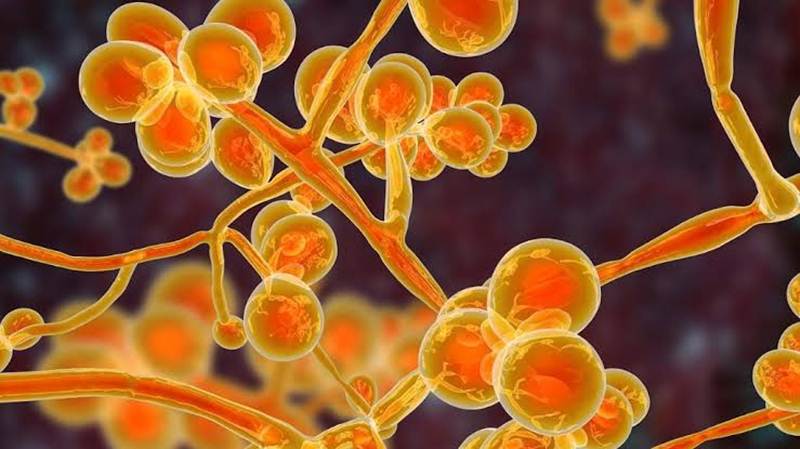
Yellow fungus otherwise known as mucor septicus, is a fungal infection just like black fungus and white fungus. It is said to often occur in lizards rather than human beings and has been classified deadly when compared to black and white fungus. The reason for its fatality is that it is harder to detect it, thus reducing the time to treat it at its earlier stages. In the worst case, it can also lead to organ failure and thus is not to be taken carelessly. The cause of fungal infections, be it black white or yellow, is said to arise due to poor hygiene. Fungal infections grow rapidly in atmospheres with higher humidity(30-40%).

Symptoms

Initial symptoms of yellow fungus are lack of appetite, lethargy and weight loss. The generality of early stage symptoms is the reason for its difficult detection. As the infection spreads, it can lead to sunken eyes, more time to heal wounds, development of pus and ultimately, it can induce necrosis(death of body cells and tissues), affecting organs leading to organ failure and in the worst case, death.

Out of the blue, why are fungal infections surfacing now?

Fungal infections are more likely to attack people with reduced immunity much than people with enriched immunity. Due the backlash faced by people due to Covid-19, the immunity system of people affected remained vulnerable. This vulnerability along with poor hygiene was taken advantage of, leading to rising cases of fungal infections. The director of the New Delhi’s All India Institute of Medical Sciences (AIIMS) Randeep Guleria, stated that another reason for the spread is due to the irrational use of steroids for the treatment of Covid-19 contributing to compromised immunity. Find what Randeep Guleria said regarding this here.

Preventive methods

What can be done on our part to fight fungal infections? The obvious answer to it is clean environment. Some methods to follow:

  • Keep your residing place dry and clean as humidity is a growth factor for fungus.
  • Avoid using damp towels, shoes etc as they can become breeding grounds.
  • Do not wear tight clothing which can lead to absorption of sweat causing humid patches
  • Dispose stale food as soon as possible
  • Covid-19 patients should be careful and should report to hospital immediately on encountering symptoms

Be on the look out during these crazy times. Stay indoors and come out only if it is absolutely necessary. Be safe and take care.

Mucormycosis {Black Fungus}

Mucormycosis, formerly known as zygomycosis, is a fungal disease caused by a variety of fungi in the Mucorales family. This family of fungi is commonly found in the environment – in soil, for example – and is often connected with decaying organic matter like fruit and vegetables. Mucormycosis is a very uncommon infection. Mucor mould, which is widely found in soil, plants, manure, and decaying fruits and vegetables, causes it. It’s everywhere, in soil and air, and even in healthy people’s noses and snot. It affects the sinuses, brain, and lungs, and it can be fatal in diabetics or persons who are extremely immune-compromised, such as cancer patients or HIV/AIDS patients.

Mucorales fungi are opportunistic, which means they frequently infect humans who have a compromised immune system or damaged tissue. Immune function can be harmed by medicines that suppress the immune system, such as corticosteroids, as well as a variety of other immunocompromising illnesses, such as cancer or transplantation. Tissue damage can occur as a result of trauma or surgery.

Inhaling spores, eating spores in food or medicines, or having spores contaminate wounds are the three ways humans might get mucormycosis. The most common method is inhalation. Every day, we inhale the spores of a variety of fungi. However, if our immune systems and lungs are in good shape, they are unlikely to cause an infection.

Covid-19 infections are more severe in people with diabetes and obesity. They’re more likely to be given corticosteroids as a result of this. However, corticosteroids, in combination with diabetes, raise the risk of mucormycosis. Meanwhile, the virus that causes Covid-19 can harm airway tissue and blood vessels, putting them at risk of fungal infection. Mucormycosis can go to the eyes and cause blindness, or it can move to the brain and cause headaches or convulsions.

Controlling these fungal infections would necessitate improved awareness, better testing to detect them early, as well as an emphasis on diabetes management and the prudent use of corticosteroids. Patients will need access to surgery and antifungal treatment as soon as possible. However, more research into the prevention of these illnesses is required.

Conflict Theory | the fight of our lives

In the 19th century, renowned political thinker Karl Marx purported the Conflict Theory. The Conflict Theory is a sociological theory that suggests that society is constituted by the perpetual conflict between social groups. These groups generally compete for resources, i.e money, power, status, etc.

24 Sociology Images ideas | sociology, inequality, political cartoons

Conflict Theory stands in opposition to Functionalism, which states that society is based on consensus where social institutions work in harmony to maintain social order. Conflict theory states that social order is maintained by domination and the struggle for power between the haves and have-nots. The dominant group will hold on to their resources for as long as they can, even suppressing the other group in the process to stay at the top.

Further, the dominant group will use the resources in their position to try and maximize their wealth, thereby strengthening their position.

Conflict theory can be observed not only in society but also in phenomena such as poverty, war, discrimination, revolution, etc. Wherever there are resources to be had, there will emerge a dominant group. This is where Conflict theory comes into play.

Marx further stated that conflict is what drives social change and what makes power change hands.

In the modern scenario, we see examples of the Conflict Theory between the bourgeoisie and the proletariat. Interestingly, the dominant group might not necessarily be numerically larger, just wealthier.


Computers in the service of mankind

Computer is the latest miracle that has ushered in a revolution in the application of science for the benefit of mankind. It is like a super electronic brain doing all types of difficult calculations, keeping records and storing data for mankind. Its main features are speed, accuracy and ability to store large amounts of data. It is an appliance which can do a job in seconds that would normally take days for hundreds of people to accomplish.

The modern world is undoubtedly a world of computers.Age old system of keeping records in voluminous registers and files is gradually making way for computer based data processing.It is used in schools, colleges, offices, banks, airlines, shops, laboratories, hospitals and libraries. Computer based telecommunication network can link-up any part of the world at any time. Robots have replaced manual labour in factories. In the field of medical diagnosis and printing technology computerised machines are doing wonders. The space flights would not have been possible without the application of computer science.

Computers dominate every sphere of man’s life. Its presence has been felt in railways, airlines, industries, commercial establishments, banks and telecommunications. Typewriters have made room for computerised word processors.

Even though computers yield greater productivity, they can replace human labour and cause unemployment. While mankind should reap the benefits of computerization, they should not allow it to deteriorate the employment situation.

Black fungus – all you need to know!

It is caused by a group of fungi, found in air or dust, mucormycosis is a deadly infection, affecting those with low immunity. It starts in the nose and spread to the eyes and then the brain. It is arare fungal infection affecting 1 in 10,00,000 people but with a mortality rate of 50 percent. It can cause blindness, organ dysfunction, loss 9f body tissue, and even death if not treated on time. There are chances of infection increase in patients who are diabetic, covid positive and are taking steroids. Uncontrolled diabetes is the biggest cause for its raising number, especially post covid.


The early symptoms are sinusitis, local pain on the cheekbone, one sided facial pain, numbness or swelling. Blackish discoloration over the bridge of nose or palate. Loosening of teeth, jaw involvement, blurred or double vision with pain, thrombosis, chest pain, pleural effusion and worsening of respiratory symptoms.


How it is treated?
While the infection may just begin with a skin infection, it can spread to other parts of the body. Treatment involves surgically removing all dead and infected tissue. In some patients, this may result in loss of upper jaw or sometimes even the eye. Cure may also involve a 4 to 6 weeks course of intravenous anti fungal therapy. Since it affects various parts of the body, treatment requires a team of microbiologists, internal medicine specialists, intensivist neurologists, ENT specialists, opthalmologists, dentists, surgeons and others. Controlling diabetes is one of the foremost prevention methods suggested by ICMR. Hence, covid 19 patients who are diabetic need to take utmost care.

Prophylactic use of antimicrobials – a debatable issue

An ancient and quiet honourable practise has been the use of preventive medicine. For example, the ancient Chinese use to pay their doctors while they remained healthy, however as soon as they felt sick this payment would not be given. The effectiveness of antibiotics as a prophylactic means for protecting healthy individuals exposed to pathogenic bacteria, preventing the development of an infection in chronically ill patients and preventing an infection in patients who undergo surgery is a debatable issue. Many surgeons reported significant reductions in post-operative infection following antibiotic use, and a few did not even reported infections for a period of twenty years. Despite this success, prophylaxis presents certain hazards, including the evolution of antibiotic resistance, superinfections and drug side effects, for the individual patient and for the general public. Therefore, physicians have broad views on the responsible preventive use of antibiotics. However, antimicrobial prophylaxis (AP) should be confined to specific well-accepted evidence for the prevention of excess costs, toxicity and antimicrobial resistance in order to effectively prevent infections. Initial or secondary (recurring prevention or reactivating infections) prophylaxis may also be regarded as primary (prevention of initial infections) or may be administered to prevent infection by killing a colonising organism. Patients should know in detail the potential risks and benefits of AP. The potential risks are allergic reactions with the use of antibacterial agents that can be serious or life-threatening, and clostridium difficile colitis. The risk of tendinitis, including the rupture of the tendon of Achilles should be alerted to patients taking fluoroquinolones.

The pros and cons of using antimicrobials as a prophylactic.

  1. THE PROS: In the diagnosis of life-threatening acute bacterial infections, surgical infectious diseases and if there is an effective use of antimicrobials as prophylaxis, antibiotics can have many benefits.

In bacterial infections: In acute bacterial infections, which were highly mortal before introduction of antibiotics, the benefits of antibiotics as prophylactics is most clearly indicated. Mortality in endocarditis was about 100% prior to 1990 and about 20% total in 2010 although the death rate is usually caused not by unsuccessful antibiotic therapy but by cardiac failure or embolic complications. In bacterial meningitis in 1990, the mortality rate was reduced to 8% to 20% in 2010 and acute osteomyelitis mortality decreased from 50% to less than 1%. Many other infections, in both individual patients and others within the community, have significantly reduced morbidity and serious effects of spraying. In high-risk patients, this included the use of antibiotic prophylaxis for bacterial meningitis. During the systemic inflammatory response (SIR) stage of the infection, the early initiation of broad- spectrum antibiotics was proved critical for preventing the development of sepsis. When appropriate antibiotics are prescribed early in the surgical sepsis, mortality is significantly reduced.

In surgical site infections: Although the technique is still less than good surgical and aseptic technique, the risk of surgical site infection is considerably decreased by antibiotic prophylaxis in high-risk surgical patients such as operations over 2 hours, abdominal procedures, endogenous or exogenous contamination and co-morbidity. The choice of antibiotics depends on the organisms that are most likely to be affected; the kind of operation; the probability of resistance development and the financial cost involved. In felines, the rate of postoperative infections was reduced in the course of the optional orthopaedic surgery by preoperative antibiotic prophylaxis. Therefore, it is usually advisable to treat routine perioperative prophylactic antibiotics, even if numerous orthopaedic operations are categorised as clean. Orthopaedic procedures normally last longer than 90 minutes and the potential infection may be influenced by local wound factors like implants and tissue trauma. In the presence of implants, bone and joint infections are very difficult to treat, increase morbidity and may adversely affect the result. Cefazolin is currently seen as a choice antibiotic because of its outstanding effectiveness, low toxicity and reasonable costs against most surgical wound pathogens. The first dose should be given at a concentration of 22 mg/kg 30–60 minutes before surgery. The dose is usually recommended to be repeated every 90–120 minutes, but there is evidence that the frequency is enough every three hours.

The selection criteria of the antibiotic are:

  • The most prone bacteria that could cause infection should be identified. A prophylactic against frequently found skin bacteria (skin flora) is used when only an incision in the skin is made. An antibiotic is chosen to treat both the skin and the mucosal flora if the mucosal incision is involved.
  • Chemical and drug toxicity characteristics.
  • The least likely antibiotic that is required for serious infections is chosen if different antibiotics are equally helpful for prophylaxis. This helps prevent antibiotic resistance from developing.
  • Sensitivities specific to the environment of the specific hospital. Some hospitals may be very frequent with methicillin-resistant infections, while vancomycin or clindamycin-resistant infections in other hospitals may be more frequent.
  • CONS: The drawbacks of prophylactic antimicrobials are shown by side effects, resistance development and opportunistic pathogens.

Side effects: Their ability to cause serious or fatal adverse reactions sometimes provides a reason to limit the use of antibiotic agents for true therapeutic indications. For example, the most commonly used antibiotics for UTI prevention are nitrofurantoin, trimethoprim/sulfamethoxazole (TMP / SMX), but these drugs have negative reactions in children. Gastrointestinal disturbance, skin reactions such as urticaria, maculopapular rash are the common adverse reactions to nitrofurantoin. Almost exclusively because of sulfamethoxazole, most commonly dermal, adverse events related to trimethoprim/sulfamethoxazole. Serious side effects are extremely rare and mostly reversible when treatment is discontinued but they do exist. The long-term use of low-dose urinary prophylaxis antibiotics is therefore not completely safe. While adverse reactions existed in children to these medications, the lower dose of prevention and the lack of significant co-morbidities and medicinal interactions in children are much less common in children than in adults. In 1% of patients, penicillin causes death from type I anaphylactic shock in sensitive allergic patients and have other harmful consequences. High dose of penicillin may be associated with serum sickness (type III reaction), penicillin, thrombocytopenia, and haemolytic anaemia from cytotoxic antibodies. There is 10 percent cross-sensitivity between the derivatives of penicillin, cephalosporin and carbapenems because they share a similarity between the side chain rather than the beta-lactam structure. Therefore, the same or closely related drug must be avoided to which the patient has shown sensitivity in the past. In certain circumstances, certain drugs are more likely to be toxic. Ampicillin and amoxicillin rash are more common when lymphoid tissue is ebullient, in the case of lymphomas or glandular fever. The following are commonly used antimicrobials for prophylaxis along with their side effects:

  • Penicillin: side effects are reactions of hypersensitivity, renal damage, low potassium (hypokalemia)
  • Cephalosporin: side effects are reactions of hypersensitivity, reduction of blood cell levels such as: neutrophils, leucocytes (leucopoenia) and thrombocytopenia, nausea and vomiting, gastrointestinal problems diarrhoea, anorexia.
  • Metronidazole: side effects are toxicity of the CNS, problems in gastrointestinal tract, neutropenia, blood clotting problems, and alcohol reactions
  • Antibiotic resistant: The bacterial resistance mechanisms are known to include genetic changes, antibiotic metabolism by bacteria, like beta lactamase (beta lactamases), altered receptor site affinity, cell wall permeability alterations (antibiotic efflux pump) and the environmental influence at infection sites. In pus, most bacteria are relatively resistant in the dormant phase. The slow cellular immune mechanism does not affect the intracellular microbes such as tubercle bacillus, Brucella abortus, and Salmonella typhi. This partly explains the slowness of antibiotics in these infections. Infections on heart valves and the meninges, for example, are more resistant to antibiotics than infections elsewhere because the concentrations of polymorphs and macrophages are low. Inappropriate antibiotic treatment facilitates the spread of resistance. In many countries, UTI-associated antibiotic resistance has become widespread. Previous studies showed an increased rate of antibiotic resistance. Antimicrobial resistance in enteric and oropharyngeal flora may be developed through the use of antibiotics for prophylaxis. A recent study has reported a high rate of resistance against third generation cephalosporins in children who received prophylactic antibiotics. Clinicians are advised to carefully use prophylactic antibiotics. Additional hazards are present in antibiotics that inhibit the growth of a range of different types of bacteria. These medications also eliminate benign bacteria that help protect us from diseases by competing with pathogenic bacteria and limiting their propagation. Wide ranging antibiotics may produce deep changes in bacterial population composition and lead to the outgrowth and invasion of so-called superinfections of antibiotic-resistant strains.

Since the V. Cholerae infection dose is high, proper hygiene generally makes immunisation and prophylaxis unnecessary, hence antimicrobial prophylaxis in endemic areas has not proved effective. In the prevention of sexually transmitted diseases, chemical prophylaxis is ineffective. The use of antimicrobials to prevent genital diseases may, indeed, deteriorate the situation by selecting harder resistant strains. Antibiotic products, especially those of a wide activity range, alter the normal flora of the body, allowing resistant and opportunistic pathogens to colonise and multiply. These could cause secondary infections in a healthy female, such as candida vaginitis, or fungal and systemic infection in a highly susceptible patient, such as an immunosuppressive treatment. Clostridium difficile, anaerobic bacterium which can multiply after normal flora is suppressed and is relatively resistant to many commonly employed antibiotics but metronidazole or vanzomycin, causes the severe complication of pseudomembraneous colitis. Between 2000 and 2007, 400 percent of the increased mortality from Clostridium difficile infection was partially due to the emergence of the insusceptible C. fluoroquinolone strain. When pseudomembraneous colitis is developed in transplant patient, it is impaired to absorb the immunosuppressive medications which increase allograft-rejection susceptibility.

Other disadvantages of prophylactic use of antimicrobials are:

  • More expensive treatment: Antibiotics are costly and shouldn’t be used inappropriately. However, the cost of the antibiotics is negligible compared to the cost of hospitalisation for a long stay due to a wound infection in patients at clearly reduced risk of wound infections which were found by prophylaxis. The least cost-effective agent for a short period of time is selected if antibiotic prophylaxis is used.
  • Allergies and toxic reactions: When antibiotics are used, toxic or allergic reactions may occur. These can be reduced for brief periods by using safe agents.
  • The use of antibiotics can lead to a false sense of safety. Careful surgery and precautionary and postoperative care are essential if wound infections are to be minimised.
  • Infection due to side effects by drugs, especially clindamycin, with bacteria such as the Clostridium difficile.

Conclusion:

The use of antimicrobial prophylaxis has led to a large number of infections being prevented and significant declines in surgical infections at the site. Specific, accepted indications should be limited to antimicrobial prophylaxis to avoid excess cost, toxicity and resistance to antimicrobials. The potential risks and benefits of any antimicrobial prophylaxis system should be understood by patients. Although there is evidence based antimicrobial prophylaxis practises, many are based on low evidence or expert advice. Additional antimicrobial prophylaxis studies are necessary. There remain significant controversies in antimicrobial prophylaxis, with many opportunities to practise improvement through rigorous studies. More antibiotics do not always reduce surgical site infection more effectively. There are significant gaps between directives and practises, mainly over the current guidelines on antibiotic prophylaxis.


The very familiar but not known to many: Chinavirus

The former US president Donald trump may be wrong about many things, however calling covid-19 as the “chinavirus” was not one of them. This pandemic has shattered the world, nearly 34.7 lakh people have already lost their lives, but the pandemic is relentless and unforgiving, with no intention of stopping the virus is spreading rapidly, hitting multiple times, causing waves of cases and deaths, rendering people jobless, hungry, suicidal, and in depression. Wherever it goes it stays and brings mass destruction along with it. Its goal? Global domination for a long time. With all these fearful idiosyncrasies of the virus, one must wonder who created it. Can a disease of this magnitude occur naturally? If so, then why didn’t the world face this pandemic a long time back? Is this the wrath of god or the doing of the devil?

The answer to this has been discovered. This is the doing of man. The “China virus” originated in a laboratory and the variants belong to it. A type of biological warfare, but done in the most perverse of ways, the sufferers being the entire world. This statement has been supported by a number of investigators and scientists, in much detail. China knew that the virus (which was not just SARS but a more deadly modification of it) had escaped from the lab and so, it closed down Wuhan to itself, but not the travel of international flights from Wuhan which carried suspected infected individuals. It has long tried to hide the fact that the virus was its own doing, and blamed it on bats and wet markets, which still continue to function as of today. When the rest of the world suffered, china profited from the helplessness of other countries and was healthy, back on its feet again. The unsettling part of china’s wet market claims is that if its so clear that the virus has originated from them, then why not let scientist of other countries investigate it at the proper time? Was china busy clearing up evidence from its labs? The WHO that supported China’s claims, itself seemed not to have been able to enter for a year.

There have been deflects from the chinavirus to the UK, South African and the Indian variants. These deflects and the continuous focus on the devastation the virus has been causing, has caused the point of origin of the virus seem of less concern. However, china is liable to give a reasonable explanation and pay for what it has done. These variants will naturally originate because of mutations caused due to the varying climatic conditions of different countries; however, the original virus was from china. This large-scale destruction cannot be caused by any random naturally occurring microorganism, but a specifically engineered bioweapon. However, what is atrocious is the fact that apart from the Indian and Australian media, not many are speaking up against china. It is because either they are too uplifted for China or afraid to cry out against China due to their diplomacy. Had it not been a superpower, everyone would have talked against it.

As more evidence surface each day against china (causing the “mysterious” deaths of many Chinese scientist who are speaking up) it will have to face lawsuits from all over the world. China does not recognise any international court of law; however, this will be of little importance as China has businesses and assets all across the world and if any court has sufficient evidence in any case, they will simply have to bind China’s assets in the country where prosecutions have won against China. There is a great deal of avarice on Wall Street and companies who are still willing to operate in China, but if China is sanctioned for its total lack of respect for the rule of law and for its criminal responsibility to deliberately infect the world while closing Wuhan to its own towns domestically, the international powers are going through a criminal case in China.

China should have at the proper time alerted the world about the virus, closed down international fights and not denied the fact that the virus is transmitted through persons. Rather it is trying to profit from vaccines, closing down oxygen supply to Indians who are suffering with the chinavirus, and blaming other countries on the pretext of variants. China should be shunned; it should pay for the losses of lives in developing countries and supply medical help rather than take objection on covid-19 being called the china or Wuhan virus. If we don’t stop it now, we only encourage it to do another “accidental” attack on the world.

FUNDAMENTAL RIGHTS – THE ESSENCE OF DEMOCRACY

” Children of migrants and migrating children remain invisible and are most vulnerable and are denied access to health and proper nutrition, quality education and skills and knowledge they need to thrive and spend their lives in makeshift, unfriendly, unhygienic and testing conditions.” – The Times of India


“Illegal parking on footways or public streets will amount to violation of fundamental rights under Article 21” : Karnataka High court.


We come across such news headlines on a daily basis in our lives but when it comes to filing a complaint against our fundamental rights being violated we take a step back. From facing discrimination from rent owners to having troubles in neighbourhood dealing with drainage system or improper garbage segregation. All these violate our fundamental rights. A worker working in factory getting wages less than his minimal wage, a person being treated unfairly just because of his/her caste, race, religion or gender, women facing trouble working among the male members etc. all these are live instances of people facing violation of their fundamental rights. 


In these pandemic days we find similar examples of such instances- People not wearing masks are violating other citizens’ fundamental right to life. Hospitals not admitting patients violate their right to life. Insufficient availability of medical equipments like ventilators, ICU beds and oxygen cylinders violate fundamental rights. All these instances highlight the importance fundamental rights play in our lives.


Backdrop-

India’s constitution came into force on 26th January 1950 against the backdrop of horrendous violence the partition unleased on the subcontinent. Our constitution makers were fully aware of the situation prevalent in India and the aspirations of the citizens living in it. Each and every provision of the constitution was thoroughly viewed, debated and passed with public reasoning. While framing the most balanced arrangements the leaders of our constituent assembly did not hesitate to adopt provisions and guidelines which they found suitable from various others countries, without slavish imitation. 


Fundamental rights defined in Part III of our constitution finds its origin in United States of America. As early as 1920s there was demand for rights from British government. It was therefore natural that independent India would be provided with these rights and hence regard them as fundamental, of utmost value. The constitution has separately listed them and made special provisions for their protection. They are so important that constitution itself ensures they are not violated by government. These rights cannot be changed by the constitution itself and hence impose rigidity on part of the constitution. 


Fundamental rights are contained in Article 12 to 35 of Part III of our constitution. There are six main fundamental rights that our constitution guarantees its citizens- 


Right to equality –

It prohibits discrimination on grounds of religion, race, religion, caste, sex or place of birth. Equal opportunity in work places should not be denied to anyone and this rights abolishes untouchability.


Right to freedom-

Everyone must have freedom of speech and expression, freedom to assemble peacefully, form associations/unions, move freely throughout the territory of India, reside in any part of India and practice any profession or carry on any occupation, trade or business.


Right against exploitation-

It prohibits traffic in human beings and employment of children in hazardous jobs.


Right to freedom of religion-

It guarantees freedom of conscience and free profession, practice and propagation of religion, freedom to manage religious affairs, pay taxes for promotion of particular religion, and freedom to attend religious instruction or worship in certain educational institutions.


Cultural and education rights-

It guarantees protection of language, culture of minorities and right to establish educational institutions for minorities.


Right to constitutional remedies-

It states that any citizen can move the court to issue direction/orders/writs for enforcement of rights.


How does the constitution protect us against violation of these rights  ?

Merely providing these rights is not enough, there has to be a way to defend against attack on these rights. Right to constitutional remedies is considered as the ‘heart and soul of the constitution’ by Dr. B.R Ambedkar. It gives right to a citizen to approach a High court or Supreme court to get any fundamental right restored in case of their violation. It provides 5 writs that the court can issue as special orders to guarantee the enforcement of these rights. Apart from Judiciary there are many other mechanisms for the protection of these rights- National commission on women, National commission on minorities, National commission on schedule caste, National human rights commission and many others like these are established to protect fundamental and other kinds of rights. 

 
Being a citizen we must be aware of our rights and take immediate action upon their violation. This is the most basic lesson we have learnt in our primary classes but is hardly being implemented and attended to.  

Signing off

Janhavi Thakre


Delhi Police visited Twitter India office amid the Toolkit Controversy

Delhi Police visited Twitter India amid the Congress toolkit controversy: A team of Delhi Police visited Twitter India office in Delhi, Gurugram regarding the earlier response of notices given to them. The team raided Twitter ‘s offices in Lado Sarai and Gurugram.

The Police took this action two days after the central government raised an objection on marking “manipulated media” on tweet of a spokeperson of their when he tweeted something related to Congress toolkit. Sambit Patra, a spokeperson of Bhartiya Janta Party tweeted “Friends look at the #CongressToolKit in extending help to the needy during the Pandemic! More of a PR exercise with the help of “Friendly Journalists” & “Influencers” than a soulful endeavour. Read for yourselves the agenda of the Congress


After the toolkit controversy, some spokeperson of Bhartiya Janta Party started criticizing Congress for the content of toolkit which was primarily to defame Modi and defame India. BJP claims that Congress was circulating the toolkit to others as a guide or an advisory that how others should defame prime minister Narendra Modi. The viral toolkit was asking Congress supporters for defaming India and Modi by using the terms “Indian strain” and “Modi Strain“. The toolkit was also suggesting to keep blaming Kumbh Mela as the main spreader of Corona. It urged Congress supporters to keep spreading the term super spreader Kumbh.

As per some sources, the government has asked this social media giant to remove “manipulated media” tag from the post, claiming that it is not acceptable to pass any kind of judgement in the matter which is still under investigation. Twitter labelled the tweet of Sambit Patra as manipulated media and also continued that this may label Tweets that include media (videos, audio, and images) that have been deceptively altered or fabricated on May 21.

As per the government, the raiding of Twitter offices by Delhi Police was required as Police wants to ensure that who was the right person to serve notice to, as replies by MD of Twitter were ambiguous. Delhi Police PRO Chimnoy Biswal also agreed and said that “it appears that Twitter has some information that is not known to the police. This information is relevant to the inquiry“.

He further added, “it appears that Twitter has some information which is not known to us on the basis of which they have classified it (Patra’s tweet) as such. This information is relevant to the inquiry. The Special Cell, which is conducting the inquiry, wants to find out the truth. Twitter, which has claimed to know the underlying truth, should clarify

However Congress is declining these allegations and is claiming that the toolkit which is said to be prepared by Congress is fake. It is blaming the opposite parties saying that they are trying to defame us. This is also a major reason of the controversy as it is appearing that Twitter is supporting the stand of Congress even before the investigation is completed. A lot of Congress supporters also lodged many fir complaints against few politicians of BJP including BJP chief JP Nadda, Smriti Irani and general secretary of BJP. A unit of Congress student’s wing NSUI also lodged complaint against Sambit Patra and few other BJP officials.

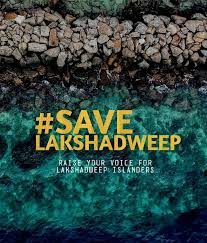
Widespread protest over the new “reforms” by Lakshadweep administrator

Lakshadweep is the smallest Union territory of India situated 220-440 kms across the south western coast of the country. It is a group of 36 small islands where only 11 of them are inhabited by people.Kavaratti, the largest of the islands, is the capital of the union territory. Almost 99% of the population are muslims and fishing is their primary occupation.Major languages in the island are Malayalam,Jeseri and Mahl.The island is dependent on the state of Kerala for education,health, jobs and trade.Customarily Lakshadweep was governed by administrators ( IAS/IPS officers ) with the support and consultation with elected district panchayath.This was the case till december 2020.But the demise of the then administrator Dineshwar Sharma IPS changed the scenario altogether as the Centre appointed Praful Patel as the administrator of Lakshadweep. He is not an IAS/IPS officer but a BJP leader who was the Home minister of Gujarat when the current Prime minister was Gujarat’s Chief minister.


The series of “reforms” he brought about which are being opposed by the islanders are; The island has one of the lowest crime rates in the country.The jail in Lakshadweep remains closed throughout and there is a police station for name sake. But the new administrator has implemented the Goonda Act in the island. Meat was removed from the lunch menu of the schools and he has also called for banning of cattle slaughter and beef consumption. This is seen as a direct attack on the culture of the island.200 temporary appointed high school teachers were dismissed and the students who protested against this were suppressed. Several anganwadis were closed in the island.


The administrator reduced the powers of the elected district panchayat and brought education,health,agriculture,fishing,local governing and animal conservation under his direct control.Two dairy farms were closed stating that they were running at loss. And it is now reported that milk is being exported from Gujarat to the island.Trade with the mainland usually happens through Beypore Port in Kerala now it has been diverted to Mangalore port.Also bizarre rules like people with more than 2 children  being exempted from contesting elections are also reported from the island.


The administrator defends himself saying that he is making these reforms to develop the island and to boost tourism here. Stating the same he has removed the sheds and other fishing equipment from the shore which was used by the fishing folks. The island was dry land but the administrator has approved the opening of beverages. 


The greatest opposition was against changing the existing SOP (Standard Operating Procedure) for COVID. The island was among the parts of the country in the green list during the first wave with zero cases reported.This was due to the strict quarantine measures implemented in the island.But the new administrator relaxed the rules to promote tourism which led to drastic increase in cases with the positivity rate going beyond 13%.


Huge protests against these policies are being held by islanders.But the islanders cannot involve themselves in direct protest due to covid restrictions,therefore the protest is held majorly online. The islanders have also started protesting at their footsteps.Also elected representatives and natives have contacted public figures and politicians to extend support to their cause and to bring their plight to mainstream media. The official Lakshadweep media handles were suspended and the twitter handles that posted against these reforms were taken down.Various requests have been made to the president to recall the administrator.


People have claimed that the BJP is trying to implement its facisit agenda in the island.But the BJP leaders have cleared this stating that these reforms are for the development of the island and to make it a tourism hub.”Unity in Diversity ” is our nation’s hallmark, therefore factors that disrupt this unity should not be encouraged even at the cost of development. Also freedom to choose the development that we want for our place should be accounted for. Development should never be at the cost of the lives and culture of the people of that place.


Save Lakshadweep

Mental Health

“Mental health is not a destination, but a process. It’s about how you drive, not where you’re going.”
Mental health refers to cognitive, behavioral, and emotional well-being. It is all about how people think, feel, and behave. Mental health is an integral and essential component of health. The WHO constitution states: “Health is a state of complete physical, mental and social well-being and not merely the absence of disease or infirmity.” An important implication of this definition is that mental health is more than just the absence of mental disorders or disabilities. It is an integral part of health; indeed, there is no health without mental health. Mental health can affect daily living, relationships, and physical health. The COVID-19 pandemic and the resulting economic recession have negatively affected many people’s mental health and created new barriers for people already suffering from mental illness and substance use disorders. It is common for everyone to experience increased levels of distress and anxiety, particularly as a result of social isolation. Physicians and other frontline health care professionals are particularly vulnerable to negative mental health effects as they strive to balance the duty of caring for patients with concerns about their own well-being and that of their family and friends. It is normal to feel fearful and anxious during tough times like this. We must Treat ourselves with kindness and respect, and avoid self-criticism. This is the best time for making time for our hobbies and favorite projects. We can do many things like daily crossword puzzle, plant a garden, take dance lessons, learn to play an instrument or become fluent in another language. Taking care of ourselves physically can improve our mental health. We must eat nutritious meals, avoid smoking and vaping, drink plenty of water, exercise, which helps decrease depression and anxiety and improve moods, get enough sleep. Researchers believe that lack of sleep contributes to a high rate of depression in college students. Some other ways by which people can overcome stress and anxiety are, volunteer your time and energy to help someone else. You’ll feel good about doing something tangible to help someone in need — and it’s a great way to meet new people. Try meditating, Mindfulness and/or prayer. Relaxation exercises and prayer can improve your state of mind and outlook on life. In fact, research shows that meditation may help you feel calm and enhance the effects of therapy. Decide what you want to achieve academically, professionally and personally, and write down the steps you need to realize your goals. Aim high, but be realistic and don’t over-schedule. You’ll enjoy a tremendous sense of accomplishment and self-worth as you progress toward your goal. As rightly said by Michelle Obama –
“Sadly, too often, the stigma around mental health prevents people who need help from seeking it. But that simply doesn’t make any sense. Whether an illness affects your heart, your arm or your brain, it’s still an illness, and there shouldn’t be any distinction…we should make it clear that getting help isn’t a sign of weakness — it’s a sign of strength — and we should ensure that people can get the treatment they need.” In short we can say that mental health is as important as physical health and we must take good care of both.


Unusual jobs we never knew existed

If the usual nine to five jobs sound boring to you, there are a plenty of unusual, interesting and never heard before jobs- jobs which don’t involve in office time at all.

Let’s have a look at the most unusual yet interesting professions.

>Iceberg mover

The idea came up after the tragedy of Titanic in 1912. Professionals and specialists are hired to tow icebergs out of the path of ships and oil rigs. Iceberg movers earn an estimated amount of $19,000 to $52,000 per year.

>Panda nanny

As a part of China Giant Panda Protection, the research centre in China is on hunt for specialised nannies for panda cubs. Those who wish to partake will be provided free meals, transit and accommodations along with an estimated pay of 200,000 Yuan ($32,000) a year.

>Ash artist

We must have heard of sand artists. Ash artist is somewhat similar to it. The only difference being the art piece is made of passed ones’ ashes. Though it might sound creepy but the art made out of the ashes looks beautiful and has a connection since it was made of a person you knew. The estimated pay is $225-$500 per commission.

>Professional mermaid

Though having seen a mermaid for real is not possible but a professional mermaid is definitely a real, though self made, job. There are no schools or institutions providing training in mermaid work. One has to be self motivated and comfortable in practicing and wearing a fish tail like mermaid and swimming like one. Professional mermaid job gets an estimate of $300/hour.

>Professional foreigner

Never thought being a foreign could be a profession? Here is a chance to work as a professional foreigner especially in China. It’s a big business in China where they hire foreigners to attend real estate events and meetings. Professional foreigners earn an approximate of $1,000/week.

>Fortune cookie writer

As the name suggests, those little notes we get in our cookies are usually written by professionals. Companies hire freelancers to make those little slips with sweet messages. Such freelancers get paid $40,000 to $80,000 annually.

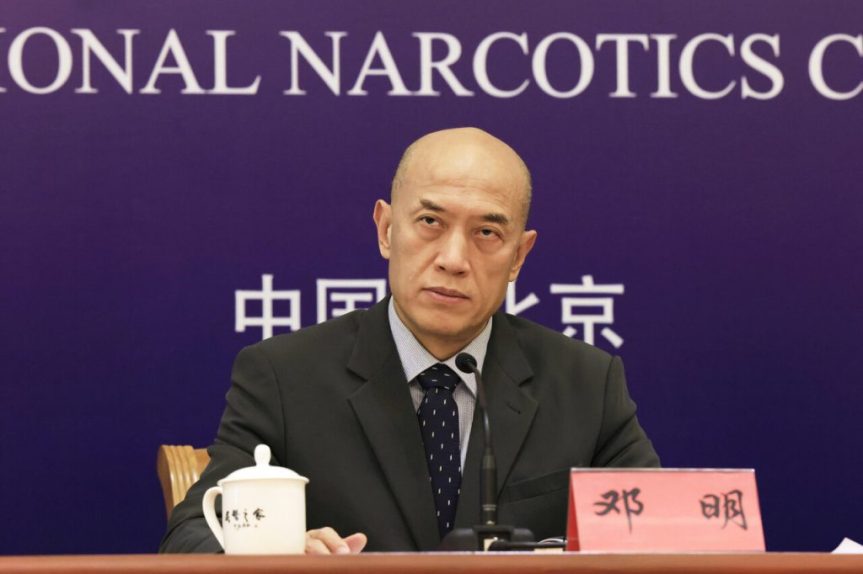
China Issues Total Ban On Synthetic Cannabinoids

China will proudly become the world’s first nation to ban all synthetic cannabinoid substances, the country’s National Narcotics Control Commission declared. This endeavour is liable to come into effect on July 1. It echoes China’s continued efforts to crack down on new psychoactive substances. Xi Jinping, existing President of China, aims to advance China to its glory through his grand strategy of “National Rejuvenation”. 

 According to Chinese councils, more than eight thousand variations of synthetic cannabinoids are manufactured worldwide. While some are being produced domestically, others are being smuggled from abroad. As it is becoming one of the most abused new psychoactive substances it spawns severe health risks. It is also highly cloaked and camouflaged. Some are detected in e-cigarette oil and some in cut tobacco formulated from leaves, flower petals etc. The former U.S. President Trump irritatedly criticised China for shipping synthetic opioids into the U.S. Cannabinoid substances stance a severe threat to society and its use and abuse increased alarmingly in the last few years. Hence, it is arising as a public health problem. Many of these drugs create enormous threats for abuse, addiction or overdose than the remaining drugs of abuse that they replace. One of the primary concerns about the widespread usage of these dopes is that their properties are unpredictable, hence the degree of threat they pose is unlikely. 

Synthetic cannabinoids represent the largest group of drugs detected and reported worldwide to the United Nations Office on Drugs and Crime. Sprayed on natural herb mixtures, it is often sold as “herbal smoking blends” or “herbal scent” under several brand names. Synthetic cannabinoids have been linked with deaths and acute intoxications in Europe and many other areas. In addition to being more powerful than natural cannabis, it may also have long half-lives, dangerously leading to a prolonged psychoactive effect. These are human-made chemicals and it alters your mind too. These chemicals are labelled cannabinoids because of their similarity to marijuana plant chemicals. Because of this resemblance, synthetic cannabinoids are often misleadingly titled synthetic marijuana or fake weed. Hence they are traded as safe and legal. In fact, they are not at all safe and may harm the brain much more intensely than marijuana and in some cases, it may even be life-threatening.


Health effects of synthetic cannabinoids

• Violent behaviour 

• Heightened moods

• Severe anxiety

• Confusion

• Paranoia

• Hallucinations

• Rapid heart rates

• Vomiting

• Gloomy thoughts

How do people take synthetic cannabinoids
The most common way of using this synthetic cannabinoid is by smoking the dried plant material. Users also buy synthetic cannabinoid products as liquids to try them in e-cigarettes.
Its overdose may result in kidney damage and seizures.


Thus, China added synthetic cannabinoids to its list of banned drugs. It is the second time that the Chinese government imposed a class-wide ban on a substance after it controlled all fentanyl-related drugs in 2019. The changes may take effect on July 1. It is a new situation and a new challenge for China. China knows and they stood up for themselves, creating a new world, new life for its people. They are saving their people from the nightmares of chemical slavery. Let us all hope for the best.


Digital Citizenship | Digital literacy

Digital Citizenship

Digital citizenship is responsibly using the technology by anyone who uses computers, the Internet, and digital devices to engage with people on any level. Digital citizenship includes appropriate online etiquette, literacy in how digital technologies work and how to use them, an understanding of ethics and related law, knowing how to stay safe online, and advice on related health and safety issues such as predators and the permanence of data. It is about confidence and positive engagement with digital technologies.

With the increase in technologies, everyone is becoming more dependent on the internet for daily activities like checking bank account, purchasing something online, or talking to someone; especially at present, many people are using the internet daily as a result of social distancing due to the COVID-19 pandemic.

Digital Citizenship

Due to this increase in dependency on technology, there’s a difference between good digital citizenship and bad digital citizenship.

Good digital citizenship engages people and shows them how to connect with one other, empathize with each other whereas Bad digital citizenship, on the other hand, includes cyberbullying and irresponsible social media usage.

By educating people especially students about digital citizenship, they can develop an understanding of concepts like

  • Digital and information literacy
  • Privacy and Security
  • Cyberbullying
  • Practicing digital literacy
  • Practicing digital wellness
  • Acknowledging the digital divide
  • Understanding User Data

Online etiquettes are also one of the aspects of being a good digital citizen i.e communicating kindly with others. It’s important for people to understand that their written words have just as powerful an effect on the recipient as they would if spoken aloud.

Digital literacy:

World over years has taken a huge turn with the advanced technology we have therefore it is very essential to teach citizens about the basic understanding of using devices in an effective and useful way.

Example: Finding your query on search engines like google, shopping online, learning how to pay online, etc.

Digital literacy is the practice of reading information online and understanding what it means, where it originated, and whether it’s accurate. Digital literacy requires a lot of planning and review to ensure what one needs to know about the digital world.

Digital Literacy can be summarized as:

  1. Clickbait:

Clickbait refers to any text, headline, video title, etc. that’s deliberately written to pique someone’s interest and get them to click.

     2. Fake News:

Fake news is a relatively new phenomenon in 2019. It refers to any media outlet publishing severely biased or intentionally false information.

     3. Empathy:

Empathy is actually a big part of digital literacy and digital citizenship because digital literacy requires students to think beneath the face-value text that they’re reading online, they need empathy to truly understand the information they’re absorbing.

Digital Divide is the disparity between those who have access to modern digital tools (like computers and the Internet) and those who don’t. By acknowledging the digital divide one can mean to find the information one needs.

Digital wellness is the practice of refraining from indulging in the Internet and digital media for unreasonable amounts of time.

  • Practicing Digital Wellness is using a combination of health information, psychology, neurology, and current events to illustrate why it’s important to take time away from devices.
  • It is encouraged not to legally download contents that are not relevant or has an age restriction, accessing illegal material may lead to disrespect to digital property and if found guilty can cause severe punishment by the authority.
  • It is advised to avoid hateful speech and harassment which may hurt others.
  • Maintain good digital communication, in today’s circumstances almost everything is online for students from attending classes to making friends, let us teach them how they can do the safe and mannered talk and explain to them about the tactics of digital citizenship.

Lastly, Securing Digital Devices includes a few things like safety from viruses, keeping our devices password-protected, spam, etc.