POVERTY & PANDEMIC

Pandemics are large-scale outbreaks of infectious disease that can greatly increase morbidity and mortality over a wide geographic area and cause significant economic and social issues.

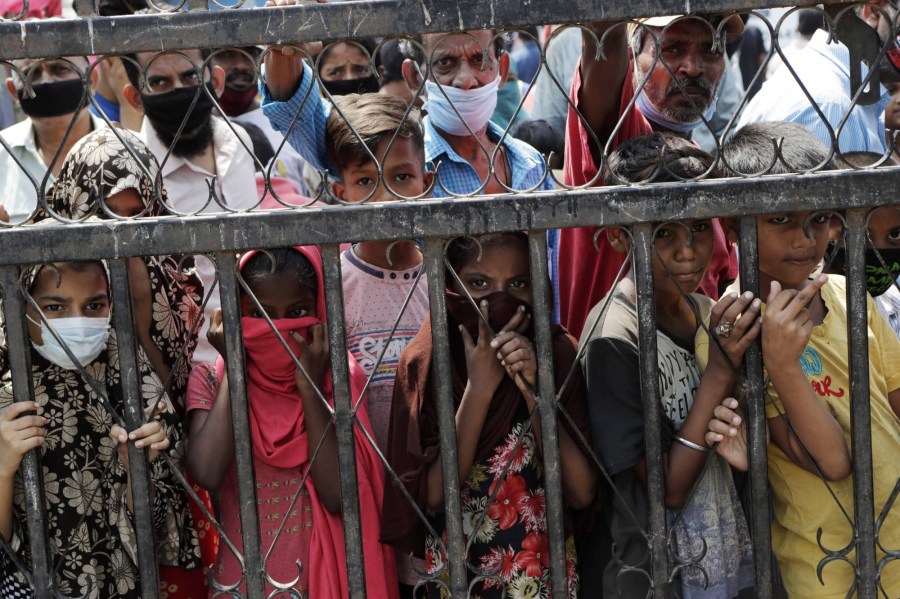
A pandemics’ economic fallout has had a devastating and disproportionate impact on the rights of low income people , who were already struggling. Country’s strict lockdown may save many lives but it also snatches many livelihoods. Millions do not get paid in lockdown. Price of foods increase during pandemic. Number of extremely poor people increase day by day.

When outbreaks begin, the poor are also more likely to have already been suffering from malnutrition and immunosuppressive conditions, which can increase susceptibility to infectious diseases.

Pandemics can cause enormous economic damage as workers fall sick, people avoid markets and public places , and quarantines and disease control measures reduce travel. It carries particular risks for poor households, whose livelihoods are already precarious.

Proper actions that bring growth, remove inefficiencies and empower people reinforce strategies to reduce poverty from pandemics.

More than 18 crore 44 lakh doses of Covid-19 vaccine administered in country so far

India has administered more than 18 crore 44 lakh doses of Covid-19 vaccine in the country so far. These include over 96 lakh 58 thousand Healthcare Workers who have taken the 1st dose and more than 66 lakh 52 thousand Health care workers who have taken the 2nd dose.

Over one crore 44 lakh Frontline Workers have taken the 1st dose and more than 82 lakh front line workers have taken the 2nd dose. The Ministry said, more than five crore 46 lakh people above 60 years have taken the 1st dose and more than one crore 79 lakh citizens have taken the 2nd dose.
 
Health Ministry said that more than 14 lakh 79 thousand beneficiaries were inoculated with Covid-19 vaccine doses yesterday. Out of which more than 12 lakh 42 thousand beneficiaries were vaccinated for 1st dose and more than two lakh 36 thousand beneficiaries received 2nd dose.

The Ministry said, more than six lakh 63 thousand beneficiaries of the age group 18 to 44 years received their first dose of COVID vaccine yesterday and cumulatively over 59 lakh 32 thousand across 36 States and Union Territories. The Liberalised and Accelerated Phase-3 Strategy of Covid-19 Vaccination has come into force from 1st of this month.

Plasma therapy dropped from India’s corona treatment protocol

Centre has dropped plasma therapy from Covid treatment protocol. Covid National Task Force yesterday released new clinical guidelines for management of mild, moderate and severe Covid cases. Plasma therapy does not find a mention under the new guidelines. The decision came on the basis of recommendations of experts from AIIMS, ICMR-COVID-19 National Task Force, and Joint Monitoring Group of Union Health Ministry.
 
Members of the ICMR-National Task Force for COVID-19 met on Friday to deliberate upon the effectiveness of plasma therapy which gained momentum last year just during the onset of the pandemic. However, in the recent meeting, all members of the task force were in favour of removing the use of convalescent plasma from the Clinical Guidance for Management of Adult COVID-19 patients citing its ineffectiveness and inappropriate use in several cases. Indian Council of Medical Research (ICMR) has said that they will issue an advisory on the matter soon.
 
The plasma therapy, which includes transfusion of COVID-19 antibodies from the blood of a recovered patient to the one being treated, has not been found effective in reducing the progression to severe disease nor has a decrease in the fatality rate been observed. The development comes just days after a group of medical practitioners wrote Principal Scientific Advisor K Vijay Raghavan cautioning against the ‘irrational and non-scientific use’ of convalescent plasma for COVID-19. 

PM Modi to interact with state & district officials across country on COVID -19 management

Prime Minister Narendra Modi will interact with field officials from states and districts today to converse about their experience in handling the COVID -19 pandemic. Many of these districts have seen a huge surge in cases and widespread infection.
 
Through their interaction with the Prime Minister, the officials will share some best practices in addition to suggestions and recommendations for continuing country’s ongoing battle against COVID-19, especially in semi-urban and rural areas. Officials from Karnataka, Bihar, Assam, Chandigarh, Tamil Nadu, Uttarakhand, MP, Goa, Himachal Pradesh and Delhi will take part in the meeting.
 
The battle against COVID-19 across various States and Districts is being led at the cutting edge by field level officials. Many of them have shown great initiative and come out with imaginative solutions. A better appreciation of such initiatives will help towards developing effective response plan, targeted strategy implementation and support necessary policy interventions.

Extremely severe cyclonic storm Tauktae weakens after crossing Gujarat coast

Extremely severe cyclonic storm Tauktae has weakened into a ‘very severe cyclonic storm’ after hitting Gujarat coast. Tauktae has now crossed the Gujarat coast and lies overland. India Meteorological Department (IMD) said, Tauktae with winds gusting up to 185 km per hour began making landfall on the Gujarat coast last night.
 
Apart from Gujarat, the Tauktae also forced governments in coastal areas of Maharashtra, Kerala and Goa to issue s to its citizens and concerned authorities. Dadar and Nagar Haveli & Daman and Diu have also been put on high . Armed forces and the National Disaster Response Force (NDRF) have been carrying out evacuation operations.
 
Earlier yesterday, Prime Minister Narendra Modi spoke to Chief Ministers of Goa, Gujarat and Maharashtra assuring the Centre’s assistance in rescue operations and other relief measures.
 
Gujarat Chief Minister Vijay Rupani held a meeting with officials of the coastal districts of Valsad and Gir Somnath at the State Control Room in Gandhinagar.
 
Towns and villages plunged into darkness due to power outages and several trees and electric poles were uprooted in areas near Gujarat’s coast. Authorities snapped power supply in many areas of the worst affected coastal districts of Gir Somnath, Amreli, Junagadh, and Bhavnagar as a precautionary measure.
 
Electric supply to over 23 lakh consumers in western Maharashtra was impacted because of the Tauktae cyclonic storm. Supply to over 56 per cent of the consumers in Palghar, Thane, Kolhapur, Pune, Sindhudurg, Ratnagiri and Raigad districts has been restored. Gusty winds reaching the speed of 114 kmph and heavy showers lashed Mumbai and its neighbouring areas yesterday, uprooting trees and disrupting local train services in the metropolis.
 
 
 AIR Ahmedabad correspondent reports that coastal areas of Gir Somnath, Bhavnagar and Amreli districts are receiving heavy rainfall with high velocity of wind.
   
Gujarat Chief Minister Vijay Rupani closely monitored the entire process of landfall from the state emergency operation center in Gandhinagar. He also spoke to the concerned district collectors and asked them to ensure all possible steps to save the human lives.
 
A widespread power outage was reported from Rajula and Jafrabad taluka of Amreli district and Kodinar and Una in Gir Somnath district. The power supply has been disrupted in the coastal districts of Saurashtra due to high-velocity winds and rain. Vehicular traffic has also come to a halt due to uprooted trees falling on highways.
 
The maximum impact of the cyclonic storm was witnessed in Porbandar, Junagadh, Gir Somnath, Amreli and Bhavnagar districts of Saurashtra. Earlier, more than 2 lakh persons had been evacuated and shifted to the safer places in the coastal districts of Gujarat. About 50 teams of NDRF are engaged in rescue and relief works in the coastal areas of Gujarat.

Cyclone Tauktae

The Tropical Cyclone Tauktae has crossed Kerala, Karnataka, Goa, Mumbai. The cyclone made it way north towards Gujarat on Monday evening.


There were heavy rains along the regions covering the coastline of the Arabian Sea. The winds blew stronger and the rains were heavier today in Maharashtra. Even though many cities are still in lockdown and everyone is safely in their homes sheltered the cyclone has caused a few damages and also cost lives. The state of Maharashtra has also experienced heavy rainfall rains in Konkan, Mumbai, Palghar, Raigad and Thane regions on 17th of May that is Monday.


The Indian Meteorological Department or IMD had informed that Mumbai is not under the direct threat of the cyclone Tauktae. However, it was predicted to pass through the sea cost of Mumbai. The India Meteorological Department (IMD) is an agency of the Ministry of Earth Sciences of the Government of India. It is mainly responsible for meteorological observations, weather forecasting and studying the changes in the tectonic plates and prediction of earthquakes and other natural disasters.
The news channels showed pictures of the sea, the high tides, water getting accumulated on the roads causing the vehicles to get stuck, potholes getting filled with rain water and trees falling on the road. The power lines have been cut off in some areas for a certain period of time and issues in the internet connectivity is seen due to the cyclone.


15 fishermen who went to sea are found missing in Kozhikode. Kozhikode is also know as Calicut, a city in Kerala. The water level in many dams across Kerala increased immensely after heavy rains were seen. The Cyclone Warning Division of the Indian Meteorological Department (IMD) informed that the wind speed is expected to increase to 150-160 km per hour. Around 1.5 lakh people are being shifted from low lying coastal areas in Gujarat and 54 teams of the National Disaster Response Force (NDRF) and State Disaster Response Force (SDRF) have been deployed in Gujarat beforehand.
It is very important that we keep ourselves updated with the latest incoming news regarding the cyclone in order to keep ourselves braced and prepared for emergency situations like this.


Precautions to take when informed about a cyclone beforehand are given below:
Keep the mobile phones fully charged for emergency.
Keep in handy the emergency numbers of Disaster Management National / District / Region or Maharashtra Control Room contact information.
Do not keep the mobile phone on charging and use it simultaneously.
Make sure that torches or other emergency lights are in working condition.
It is important to keep food, especially medicines and other essential things stored in the house to avoid stepping outdoors unnecessarily.
Keep the important documents handy and keep them all together in a safe place.
The gas pipeline should be switched off when not needed.
Stay away from broken buildings and structures since they are more prone to damage.
Vehicles should be safely parked in the areas where there is less possibility of water getting accumulated.

INSEAD vs HBS

Institut Européen d’Administration des Affaires (INSEAD) and Harvard Business School (HBS) are two extremely famous management institutions among students seeking admission in management courses in foreign universities. Both are ranked among the top B-schools across the globe providing various opportunities in the field of management.

Let’s have a brief overview of the two.

INSEAD is a private university having campuses in France, Singapore and Dubai. It offers masters programs, doctoral programs, certificate program and executive education programs such as open programs, online programs etc.

HBS is a branch of Harvard University situated in Boston, Massachusetts. Apart from a two year MBA programs it offers doctoral programs, executive education programs and online certificate courses.

Considering the following points of difference one can decide upon a suitable option:

>Duration of MBA

INSEAD– It offers a 10 months MBA program. Admissions are made in two cycles in the month of January (which comes along a month summer break) and September.

HBS– It offers a full time two-year MBA program.

>GMAT score

INSEAD– Approximately 80% i.e. a score of 670-750 out of 800 is mandatory for admission and has one of the highest admissions acceptance rate.

HBS– 90% i.e. a score of 724 out of 800 is mandatory for admission. Selection process is way too selective compared to other B-schools making the admission acceptance rate low.

>Cost of MBA

INSEAD– The annual fees of a typical MBA program is 106,505 USD.

HBS– The annual charge is around 111,542 to 155,300 USD.

>Geographic diversity

INSEAD– The campuses of INSEAD are present across Europe, Asia, Middle East, and North America which brings in students of diverse backgrounds.

HBS– Since the institute is based in the USA the majority students are Americans.

>Scholarships

INSEAD-Two types of scholarships are provided: (a) Need-based i.e. financial needs and (b) Non need based i.e. based on merit, gender, profession, background

HBS– Need based scholarships, fellowships and student loans are available.

>Internships

INSEAD– Paid summer internships are available with salary around 300-15000 USD.

HBS– Paid internships of around 800 USD are available.

>Campus exchange

INSEAD– INSEAD has a widespread network making campus exchange convenient.

HBS– HBS has its only campus situated in Boston.

>Recruiters

INSEAD– 300+ recruiters

HBS– over 600 recruiters

>Base salary

INSEAD– Average salary offered is 105,900 USD.

HBS– Average salary offered is 150,000 USD.

>Career opportunities

INSEAD– Having global network especially across Europe and Asia INSEAD provides greater opportunities and exposure.

HBS– Job opportunities are more concentrated in the USA which makes it ideal for those seeking settlement in the USA.

The Flaws In Our Education System

Historically, the concept of education involved the sharing of knowledge and values between people. This form of education ensured that valuable knowledge was promulgated within a society, from one society to another, and from generation to generation. It focused on the importance of culture and taught skills needed to positively contribute to society through hands-on learning and observation. Children were given the freedom to explore on their own because this supported their natural ways of learning. Moreover, it bolstered unity as the teachers were always members of the same community that they were teaching. We would not be aware of countless facets of history, such as the Egyptian civilization, the Mesopotamian civilization, and the Hunter-gatherer culture if this form of education did not exist.   

So how did it all go wrong? 

The popularization of the standardized education system as we know it today, in which children are corralled into classes based on their age and study in institutions known as schools, can be traced back to the Industrial Revolution. Nowadays, it is suitably referred to as the “one shoe fits all approach to education” and the “factory model of education”. However, if we consider the prevailing socio-economic conditions of that time, creating a standardized education system was ineluctable and economically beneficial. 

Schools were tasked with transforming their attendees from students to efficient workers who would eventually increase the quantity and quality of the labour force. The need to encourage unique skills and individuality did not exist as students would grow up to do monotonous and regulated work. As Alvin Toffler put it “the whole idea of assembling masses of students (raw material) to be processed by teachers (workers) in a centrally located school (factory) was a stroke of industrial genius”. At the time, it was thought that the best way to produce efficient workers was through the teaching of certain subjects that curricula makers deemed “crucial” using the same method and pace for all students. Students were compelled to utilize rote learning and take graded exams that decided their “intelligence” and potential in life.   

The egregious problem arises when we notice that schools continue to espouse this myopic view on education even after over a hundred years. A hundred years ago, things like the radio, jet engines, helicopters, credit cards, car seat belts, personal computers, smartphones, and the internet did not exist. In a world that undergoes major transformations constantly, how can we be satisfied with this archaic and pernicious education system in the 21st century? 

In today’s world of modernity, complexity, fastidiousness, globalization, and innovation, the flaws of our education system are more conspicuous than ever. No two students are the same. This monolithic and iniquitous system neglects the fact that students have different skill-sets, they learn at different paces, they come from different backgrounds, and wish to pursue different careers in their lives. Undoubtedly, there are numerous instances in which students benefit from and even thrive in the current education system. There are also countless children that long to go to school but don’t have the opportunities or resources to do so. However, there are too many instances in which students, despite arduous effort, struggle in and are lobotomized by this sclerotic education system. They are made to feel inadequate. They are made to believe that they are “slow” and will always flounder.    

Students acquiescently regurgitate vast amounts of information on exams with minimal innovation. These exams, more often than not, test the memorization skills of students, rather than serve as a platform on which they can showcase their understanding of a concept. Students who do well in these exams have the hubristic belief that they are “winners” because society says so and those who don’t do well are humiliated and considered “losers” by society. While it is understood that learning requires the amassing and retention of information, any information that is not understood becomes an undigested burden. The misconception that good grades are the only path to success causes unnecessary pressure on students. 

The strictures imposed by this education system curtails creativity and originality. Concurrently, it encourages conformity, rigidity, and conventionality. It assiduously ignores essential modern-day lessons, such as financial literacy, life skills, mental health, critical thinking, empathy, compassion, collaboration, and countless others. This results in students feeling disconcerted when they face the precarious reality of after-school life. It provides students with a series of conclusions, rather than a way of thinking. 

To truly change this standardized educational system, we have to abandon the ostensible idea that it is still a product of logical necessity or scientific insight. The hunter-gatherers adapted their education system to their needs. The education system was modified to cater to the needs of the industrial revolution. Likewise, our education system must change too so that students can truly be prepared for the future. This will certainly alleviate any antipathy held by students towards education and will make education and learning synonymous again.

“Everybody is a genius. But if you judge a fish by its ability to climb a tree, it will live its whole life believing that it is stupid.”

Albert Einstein

Role of Community Radio for Development

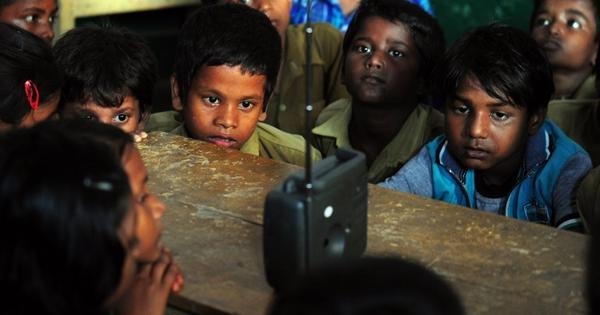
Community radio plays a important role for the development of the rural life. Community radio helps to avail utilities and amenities for various development aspects of our society like education, health, water and sanitation, protection from natural disasters, address social issues at the community level and connect rural population with the government. Community radio can facilitate the disadvantaged and vulnerable groups of the country by raising their voice, focusing their problems, expressing their modern updated ideas and thinking for the development of the whole nation. It can play a significant role for the rural development.

The main objective of this analysis is to explore the importance and effectiveness of community radio in especially remote rural areas. There can be no improvement of the country unless the villages or rural areas improved first. Unfortunately, the state of things there is as bad as possible. The people are extremely poor, living in wretched conditions. There are no proper arrangements for medical help, sanitary living and good education. There is no cultural atmosphere and nothing bright to inspire the people. So they drag on a miserable existence, more dead than alive. Community radio is a medium of helping the people of rural areas. It aims to enrich the livelihood of the local people, through the content that is created by the people and for the people of the community. As community radio prepares and broadcasts programmes for the rural particular community, so it can also be specified to a target population. The historical philosophy of community radio is to make use of this means as the voice of the disadvantaged group, the representative of exploited people and generally as a tool for progress and improvement.

Through community radio try to give proper education and facilities, improvement of agriculture and sanitary conditions and various other welfare activities.it will make life easy. Community radio is a non-profit radio station and its main aim is the wellbeing of the local level community people. It produces program for the people of any certain geographical area and also represent their culture and views, thoughts and ideas etc. The involvement of community members in many different ways that reflects the interest of the community it serves.

Community radio has been established mainly for local level rural population. Main target group of community radio are the general villagers who are the listeners of radio. Community radio will create awareness among the villagers. It has significant effect on the societal condition. People have to remember that community radio is for their permanent benefit.  In community radio the public are voluntarily participating and producing programmes for themselves for their own benefit. community radio is an instrument of power in changing the lives of women. The need of the hour is to educate the masses, create awareness and cater to the needs of the people at the grass-roots level. Community radios can help to empower and give a voice to the people.

Racism (नस्लवाद)

 नस्लवाद को इस विश्वास के रूप में परिभाषित किया जा सकता है कि लोगों की अलग-अलग जातियों में विशिष्ट सांस्कृतिक विशेषताएं होती हैं जो वंशानुगत कारकों द्वारा निर्धारित होती हैं और इसलिए कुछ जातियों को स्वाभाविक रूप से दूसरों से श्रेष्ठ बनाती हैं।  यह विचार कि एक जाति में दूसरों की तुलना में स्वाभाविक श्रेष्ठता है, अन्य जातियों और सांस्कृति के सदस्यों के प्रति अपमानजनक व्यवहार पैदा करता है।  नस्लवाद, जातिवाद महिलाओं के प्रति भेदभाव की तरह, भेदभाव और पूर्वाग्रह का एक रूप है।

जातिवाद और नस्लवाद एक अतार्किक मान्यता है कि एक विशेष जाति में विशिष्ट सांस्कृतिक लक्षण होते हैं जो आनुवंशिक कारकों के कारण संपन्न होते हैं जो व्यक्तिगत नस्लों को दूसरों से स्वाभाविक रूप से श्रेष्ठ बनाते हैं और उन्हें निम्न जातियों, समुदायों का शोषण करने का अधिकार देते हैं।  जब हम खुले तौर पर नस्लवाद का अर्थ बताते हैं, तो हम देख सकते हैं कि ऐसा विचार कितना अकथनीय और अकल्पनीय है।  लेकिन, नस्लवाद हमारी चेतना और अवचेतन में इतना गहरा बैठा है कि हम लंबे समय से ऐसे क्रूर आदर्शों के आगे झुक गए हैं।
एक समाज के भीतर सूक्ष्म नस्लवाद के ऐसे उदाहरण बड़े पैमाने पर होते हैं और दूसरों के प्रति लोगों के अक्षम्य व्यवहार को जन्म देते हैं।  इस तरह का अनुचित व्यवहार और कार्य मानसिक तनाव, सामाजिक उत्पीड़न और यहां तक ​​कि शारीरिक हमले जैसी चीजें हैं।  चूंकि हमने जातिवादी और नस्लवादी टिप्पणियों और गतिविधियों पर ध्यान नहीं दिया है, इसलिए इसे अनुपचारित छोड़ दिया जाता है और विभिन्न पृष्ठभूमि के दो अलग-अलग लोगों के बीच और अधिक विभाजन और क्रोध की ओर जाता है।  यह एक कभी न खत्म होने वाला दुष्चक्र है और आज की दुनिया में एक बड़ा संकट है। नस्लवाद लोगों को एक खास तरह से पैदा होने के लिए, एक विशेष त्वचा के रंग के लिए खेद महसूस कराता है।  नस्लवाद की कोई वैज्ञानिक व्याख्या नहीं है, और नस्लवादी लोग अन्य मनुष्यों की भावनाओं से पूरी तरह अनभिज्ञ हैं।
 कोई भी व्यक्ति काला, सफेद, काला, गोरा या विशेष रूप से कुछ भी नहीं चुन सकता है।  भगवान ने हमें बनाया है, और ऐसा कुछ भी नहीं है जो हमें इसके लिए दोषी महसूस कराए।  लोगों की सांस्कृतिक पृष्ठभूमि या त्वचा के रंग के कारण उनका मज़ाक उड़ाना हास्यास्पद और अमानवीय है।हम इस बारे में बात करते रहते हैं कि कैसे आधुनिक समाज विविध संस्कृतियों और विविध लोगों को गले लगाता है।  हम विश्व शांति जैसी विशाल चीजों को हासिल करने की कोशिश करते हैं, भूख और गरीबी को मिटाते हैं, लेकिन हम ऐसे बदलाव करने के लिए एकजुट होने के लिए तैयार नहीं हैं।
 नस्लवाद हमारे समाज की सामाजिक उन्नति के बीच एक बाधा है।  ऐसे संकीर्ण विचारों वाले और अनन्य आदर्शों से कुछ महान प्राप्त करना असंभव है।  यह एक नाजुक विषय है और लोगों को खुले दिमाग रखने और परिवर्तनों को अपनाने की आवश्यकता है।हमारे समाज में नस्लवाद का उन्मूलन संभव है यदि हम इस तरह के संवेदनशील विषयों के बारे में अधिक खुले हैं और इस तरह के सरल मामलों पर विचार करते हैं।  हममें से अधिकांश लोग इस तरह की बाधाओं के बारे में सोचने के लिए बहुत अधिक आत्मकेंद्रित होते हैं।  यह इतना सामान्य व्यवहार है कि हम इसके दुष्परिणामों को भूल जाते हैं।  यह सही समय है जब हमने बदलाव किया है।
 चूंकि नस्लवाद इतना गहरा विश्वास है, इसलिए हमें बदलने के लिए कुछ समय की आवश्यकता होगी।  लेकिन अगर हम ठान लें तो कुछ भी हासिल किया जा सकता है।  हमें बांटने के लिए नस्लवाद की जरूरत नहीं है।  लोगों को इस तथ्य को स्वीकार करना चाहिए कि कुछ भी महत्वपूर्ण हासिल करने के लिए।  हमें संकीर्ण सोच को त्यागना होगा।  तभी हम विश्व के एक समाज के रूप में आगे बढ़ सकते हैं।
नस्लवाद हमारे समाज के आधुनिकीकरण के बीच एक बाधा है।  हमारे समाज में इस तरह के अनुचित व्यवहार के लिए कोई जगह नहीं होने चाहिए।

Horrors of War

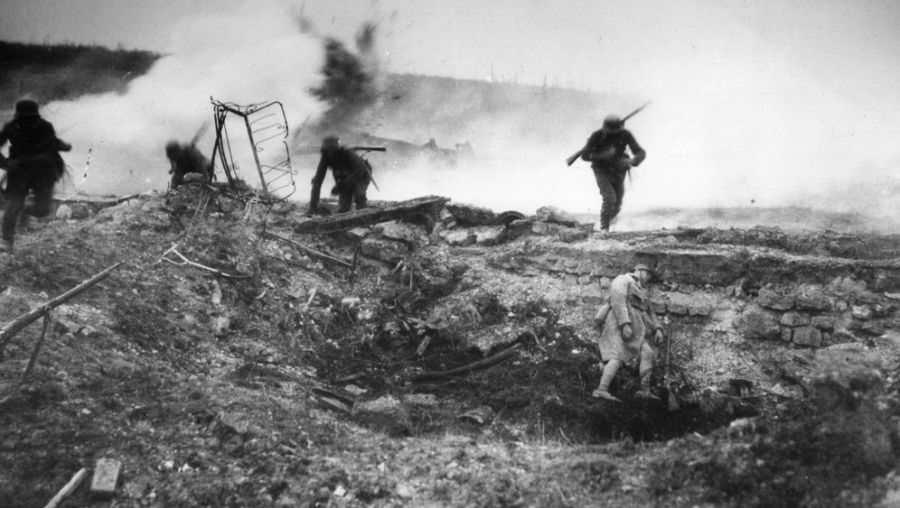
It is said that man is a fighting animal. This is why there have been so frequent fights between man and man from the earliest times—fights between individuals, tribes, races and nations. In fact, the political history of mankind consists mostly of these conflicts and wars.

At first wars were fought with bows and arrows, swords and spears and horses. Then came guns and cannons and motor vehicles to carry them and the soldiers. Now nations have aeroplanes to drop bombs for quick results. It will be seen that changes in method have made wars more and more horrible. When armies fought with bows and arrows, and swords and spears, there was a spirit of chivalry in them. But victory in modern wars depends on the cowardly act of striking the enemy unaware and unprepared. Development of nuclear weapons threatens to wipe out civilisation altogether.

The horrors of a modern warfare continue even after peace has been concluded. Bombs infect the survivors with poisons of various incurable diseases. Japan is still suffering it after the atom bombs were dropped there. The economic life also of the countries concerned is shattered by destruction, and the miseries of the people know no bound. Indeed, the situation in Europe was so critical after the last war that the U.S.A had to come forward with generous helps for the reconstruction of even enemy countries.

Another dangerous feature of a modern war is that it doesn’t remain confined to a few countries. Almost every country is compelled by the force of circumstances to take sides, so that the war soon turns into a global war.

Unless, therefore, wars are banned, human civilisation is doomed to utter ruin. The United Nations Organisation has been formed with this object in view. And it is duty of every country to strengthen it and help it in setting all international disputes in a peaceful way.

Effective speech 101

The first step is to overcome the fear of public speaking. Effective speaking is not an inbuilt talent. You can develop it through correct practices just as we learn other things in life.

You can do this through:

  1. Deep breathing: Before and after your speech
  2. Shifting your focus from how you look and feel to the message you want to share with your audience. Do not imitate others, just be yourself.
  3. Visualizing: Take 10-15 minutes a day to relax, close your eyes and visualize the room you are speaking in, the audience and yourself confidently delivering your speech, smiling and moving across the stage.
  4. Focus on facts, not fears: Instead of focusing on your irrational fears- mind going blank or audience getting bored- focus on the thoughts like ‘I have the sketch, I know the bullet points or I am knowledgeable on this topic.’ Rehearse it with your friends or family.
  5. Focus on speech clarity: Organize the speech around two or more important points rather than including all the information from everywhere.
  6. Never memorize it word to word. Just remember the facts and major points and you will come around. Make brief notes of interesting things or which you don’t want to miss.
  7. Be excited about your subject, include experiences and provide examples. They do wonders!

After overcoming the fear of speaking, begin with all the important points for effective speaking.

  1. Story telling

Audience can forget data and statistics, but they will never forget a delightful story. Use stories from real-life events, something funny to share from your past incidences or challenges, struggle and success stories, etc.

Your stories should be:

  • Relevant to the subject
  • Short and simple
  • At proper intervals
  • Relatable

        You should:

  • Express emotions through body language.
  • Use adjectives and verbs to make the stories more interesting.

You should not:

  • Use more than two stories on the same topic.
  • Fill it with too many minute details or characters which distract the audience from the primary concern.
  • Not use uncommon jargons.

2. Body language: It is our way of communicating through our body movements and gestures to express our emotions, expressions, and actions. We should also read the body language of our audience.

For a positive body language:

  • Posture: Feel comfortable and stay upright. No slouching shoulders or bent posture. Do not lean or grip the lectern. If you are sitting, do not lean, bent or move your legs very much.
  • Body placement: Move as you speak. Use the space, be with the audience and not behind the lectern or just positioned in one place. This cannot apply if you are sitting in a studio where you need to be seated.
  • Arms: Do not use hand gestures which reveal anxiety. Example: Clutching your hands, fiddling with your clothing, cracking fingers, etc.
  • Facial expressions: Smile at your listeners as you talk. It is very effective when you gain their admiration.

3. Tone of voice: The study related to the vocal part of the non- verbal communication is called paralinguistic. And paralanguage refers to the non- verbal elements of communication. These are:

Speech Pace: It is the speed at which we speak. Practice for 150 words per minute. It is the ideal limit. Steady your breathing, focus on enunciation, reflect about punctuation in your speech.

Speech Pitch: It is the placement of your voice on a musical scale from high to low. Usually men have lower pitch than woman. Varying your voice pitch differentiates different emotions and points. It is the easiest way to avoid monotony, add excitement, make certain words and ideas stand out, appear relaxed and confident to the listeners. Identify the exact words and phrases that you want to emphasize. Example: Use higher pitch for excitement and lower pitch for seriousness or to add weight to the message.

Speech Volume: It is the loudness of your voice. It depends on the space of speaking and the size of the audience. It should not look as if you are shouting when you are not. There should not be a difficulty in listening to you. Reach everyone in the distance too. You can change your loudness for creating dramatic effects or expressing powerful emotions.

4. Pauses: Pauses are much needed. There is no need to fill silence with umm, ahm, like, you know or and. There are 3 types of to use in different ways:

  • Brief pause: Last for half a second to 2 seconds. Use it for separating a thought, emphasizing last words, or building anticipation for what is coming.
  • Long pause: Can last anywhere from 3 seconds to a couple of minutes. Used for creating tension.
  • Spontaneity pause: Speakers are to use it when they are searching for the right word or pretending to reflect on something.You can also plan and plot these pauses. They ultimately make your the speech look more real, polished and less rehearsed.

5. Visual aids: These include flip charts, projectors, slide shows, handouts, and certain props.

  • Adding a visual dimension can make a speech look more vivid, graphic, and professional looking.
  • Multiplies understanding
  • Helps to maintain attention
  • Adds humour or creates excitement
  • Organizes complex information

Encourages gesture and movement to connect more with your audience. With good practice and knowledge of your subject, you can easily become an effective speaker.

What is happening in Palestine?

In the beginning of holy month of Ramadan on 13th of April the Israeli security forces installed metal barriers outside the Damascus Gate not allowing access of Palestinians in the area. Ramadan is the holiest month for Muslims where they fast, pray, donate and go to pilgrimages.


The conflict kept rising between them starting from May 7th to May 10th. Clashes took place in the Eastern Jerusalem region. The Israeli forces stormed Al Aqsa Mosque in East Jerusalem. Al Aqsa Mosque is the third most holiest pilgrim place for Muslims around the world. The Israeli security forces used tear gas while people were in the middle of their prayer. There was a video that went viral on the internet that showed that the Israeli forces were dropping tear gas on them in the middle of their prayer. They used stun grenades and rubber tipped bullets on the worshippers. More than 900 hundred Gazans have being injured 31 of them being children since the day of attack. This took place during the final week of Ramadan. Since the evening of May 10th around 250 rockets were launched from Gaza which a city in Palestine into the Israel territories.


Social media platforms are deleting certain posts showing the footage of the violence taking place in Palestine. Freedom of Speech and Right to Information and Mass Media is a fundamental right of every citizen and that is being taken away too. People are scared for their lives. “We felt like we were in a horror movie,” said a local resident Salwa Al-Attar, who escaped the bombardment with her family. “The planes were above us, and the tanks and navy were bombing – and we could not move. The children, women and men were screaming.” This statement is from a BBC news article.
On Friday, May 14th which is yesterday seven Palestinians were killed after Israel launched an airstrike on a house in Gaza City. On Saturday May 15th, Israeli airstrike destroyed a high rise building Al Jalzeera and The Associated Press and other media offices in the Gaza Strip. The airstrike happened an hour after the Israeli military ordered people to evacuate the building. The building had The Associated Press, Al Jazeera and a number of offices. Israeli air strike in Gaza city today killed at least 10 Palestinians majority being women and children.

As each moment passes by the Palestinians are scared and living in terror. They are living with the fear of losing their loved ones. We should post about it, tweet and share it on our stories to spread the awareness and amplify to stand in support of the suppressed. It is the least we can do in the middle of this pandemic that has already cost so many lives.


We can see the unity amongst different countries as they unite and stand together. 100,000s of people were seen in London marching for peace between the two. There are over 70 protests in support of Palestinians across UK, USA, Japan and Jordan. You don’t have to be a Muslim or belong to Palestine to be in support of them it is merely for the sake of humanity.

FACTS ABOUT DRONES

In the tech world, we call a drone as ‘Unmanned Aerial Vehicle’. Started as a military invention in the US, drones and their scope of use is growing day by day. At present, civilians and police departments around the world are also enjoying the benefits of the drone technology at an increasing rate. Photography, videography, food-delivery, farming, environmental and crime surveillance, etc. are the activities for which we are using the features of drones. We can buy drones for personal of professional use from any local or online tech or gadget store starting from a range of USD 50 or INR 45,000 to 50,000.

Scope of drones

Drone is another rapidly growing and adaptive gadget which the humans can manipulate for humanitarian causes and as well as causing harm to life and property. From delivering food packets for flood-relief to deadly gunshots on people, drone industry is much diverse and is rising soon creating a boom into the ecommerce delivery system and agricultural industry in the coming years.

But before that, let’s have a look at some important facts about drones which you probably don’t know.

  • Drones are not always remote controlled.

It will surprise you that there are three types of drones according to their piloting methods:

  1. Remotely Piloted Drone–Piloted from a remote station where the drone is not directly visible.
  2. Model Remotely Piloted Drone-Piloted for educational, recreational or experimental usage only within a visible area of sight.
  3. Autonomous Drone–Does not require a pilot. We feed the flight and working instructions into its system before taking off, just like any targeted missile.
  • Drones can legally invade your privacy.

To your shock, there is no national framework or statutory body to govern the use of drones by the police. Police don’t even require a warrant or permission to survey using drone. The drones flown by the police or military drones have ungoverned access to all parts of the United States to gather data except government properties and lands. Many other countries act similarly for regulating drones by government authorities.

  • Can you fly a drone easily in your country?

The drone rules of each country are different and very complex. It takes days or months for common people to get certain licenses and permissions to fly drones in a particular country.

Examples:

  1. A foreigner or a foreign company cannot fly drone in India. To use drone for commercial activities, a foreigner is bound to lease their drone to an Indian company who will get Unique Identification Number (UIN) and drone permit called UAOP (Unmanned Aircraft Operator Permit) from DGCA (The Directorate General of Civil Aviation) for the foreigner.
  2. A non-US citizen is bound to take permission and licenses 15 days prior to using drone in the US.
  • Drones have killed lakhs of children

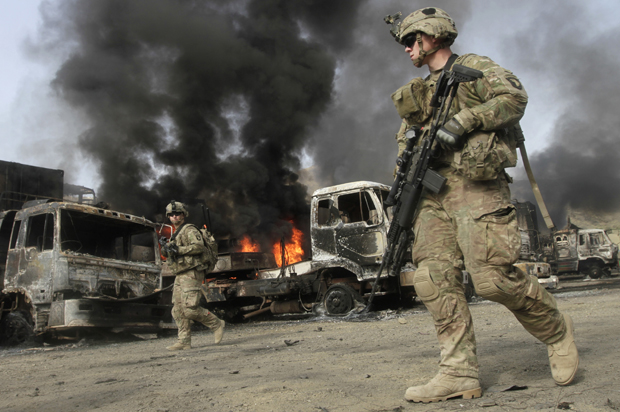
The military, police, and terrorists use attack drones or weaponized drones at the time of warfare. Drones work as small weapons, which is very hard to notice for a common citizen. This reckless use of drone technology by military, police and criminals over the years is taking many lives. Most of the victims are civilians and children.

  • Resolving worst farming and food problems by using drones.

Thermal cameras installed on drones can identify water leakages and identify which crops are getting enough water. A drone can zoom down to even an individual plant. Farmers in Canada and other countries are using drone data for years to calculate the health of the plants.

6 easiest weight loss tips you can practice now!

Are you the one who wants to lose weight while eating junk food? Well, today is your lucky day, because this is possible! As I was thinking about losing weight, I worried about food constraints, workout strength, and scheduling. I kept on researching for easier and adaptable methods and I learned some amazing and unique weight loss tips.

Weight loss does not always associate with body image. It is also a means of being healthy for some and a professional requirement for others. All we need is motivation to act. Remember why you want to do this and DO NOT BE AFRAID to start now. Baby steps are fine and the results will amaze you!

If you are working from home like me, you must have plenty of time and resources. If not, all the more reason for you to read my tips. Imagine yourself after achieving your desired weight! I am losing at least 3KGs per month since then!

  1. First dose: Start your day with a glass of lukewarm water mixed with 1 tablespoon of honey and 1 medium-sized lemon. This tonic not only helps in weight loss but also helps in the proper digestion of your subsequent meal or breakfast.
  2. The 5-minute breaks: If you don’t have time or interest for 40-60 minutes of continuous exercise daily, 5-minute breaks are very important for you. This way, you don’t have to plan or do every exercise in one go. Whenever you are sitting or standing for long hours, take a 5-MINUTE GAP EVERY HOUR to practice some easy weight loss ‘Yogasanas’ and do some stretching. You can also play a song and enjoy aerobic dance for 5 minutes. Maintain the intensity. Remember, unless you sweat, you have done little. If you take at least 8 breaks a day, you are giving 40 minutes to it daily, which is ideal. If you have time, you can escalate the duration of the break. If you are in an office and you can’t do it there, do it in the lounge, bathroom, parking basement, or terrace. You know you can find a place. *winks*.
  3. Walk: If you are not in quarantine, wear a mask, and instead of driving, walk to the nearby stores for buying grocery or stuff which is available nearby, instead of driving. (You are also helping in environmental protection.) If you do phone calls, walk every time you are on a call. Stop just sitting or standing while you talk on call.
  4. 3-hour meal plan: You need to do your homework and maybe need some help with it. Search and note the healthiest recipes which are also tasty. Choose one for each meal and stick the plan on your kitchen wall. The food needs to be tasty, otherwise unwanted cravings! Your meal plan goes like this: Eat small portions of food every 3rd hour. Yes, that’s just it!
  5. Tiffin: Keep a tiffin filled with fruits, and have them in between the meals whenever you feel hungry. Eat them, make juice or shake. But do not add sugar. You can also freeze it and eat it like ice cream. Vegetable juices are also a very healthy option. I suggest, eat the fruits and drink the vegies. The sweet taste of fruits compensates for the sour taste of vegetable juice.
  6. Eat junk food: Yes, you can, but in calculated proportions. If you are okay with not eating junk at all, it’s best. Otherwise, plan your junk diet as well. Out of your favorites, make a list and ideally have one meal of junk in every two weeks. If it’s difficult, make it once a week. Remember, only one meal of junk. Don’t overeat. Don’t force yourself into not eating junk for months. Because if you do, there is a 70% chance of you snapping and eating junk every day due to long-standing cravings.
  7. Celebration: Sunday is not an exception. Celebrate your Sunday by relaxing, dancing, and a bit of exercising. Work your body out for a minimum of 40 minutes. Sunday is not an excuse for unplanned junk. Keep track of your parties, so that you can plan your junk meal accordingly.

As the World Health Organization states, “Health is a state of complete mental, social and physical well-being, not merely the absence of disease or infirmity.” And Gautam Buddha knew “To keep the body in good health is a duty… otherwise we shall not be able to keep the mind strong and clear.”