Start-up to Success: Ola Cabs

Gone are the days when commuting without a personal vehicle, used to be an issue for city dwellers. Either they had to resort to public transport which is not always the safest option, or book rental car services way before the trip for enormous amounts. Now with the coming up of app based cab riding services, voyaging has become easier for city dwellers.

And Ola is one of the key players in the market in regard to cab services. It is the first Indian cab aggregator company. Ola has made it much easier for the public to book cab at their own convenience. The company started in 2010 by Bhavish Aggarwal and Ankit Bhatia, and since then it has been bridging the gap between cabs and commuters.

Ola partners with a number of taxi drivers and owners, and with the help of their app they allows people to book cabs by entering their pick up location and destination. Ola has users in over 250 Indian cities and employs more than 2.5 million driver-partners.

How did it start ?

It all started when Bhavish Aggarwal while journeying from Bandipur to Bangalore, was left abandoned in his journey by his driver. This was because the driver was renegotiating the already decided payment. This unfortunate incident lead him to come up with a economical and satisfying cab service. And thus, Ola cabs was born.

The founders of Ola, Bhavish Aggarwal and Ankit Bhatia are both IIT Mumbai graduates, and launched Ola in December 2010. Both of them became the youngest billionaires of India, at the age of 25 and 26.

The name of the company is driven from the Spanish word ‘Hola’ that translates to ‘Hello’. The name ‘Ola’ probably indicates their services as easy and simple to use. Their logo is simple yet elegant and has the ‘O’ in the shape of a tyre.

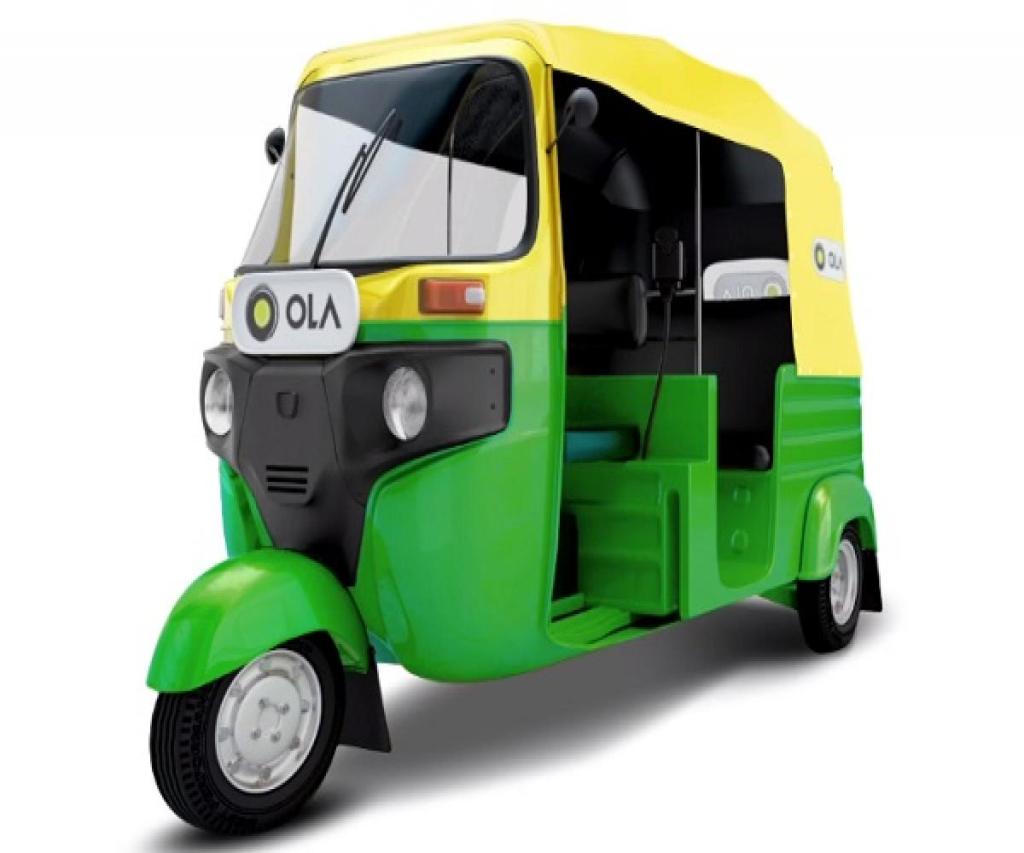
Ola has a wide range of car categories to choose from, such as hatchback, sedan, SUV and more. Travellers choose them depending on their budget and number of people travelling. For travelling within the city, people can hire cabs, bikes, autos and even e-rickshaws through Ola.

Challenges and Competitors

In the initial day of the start up they had to code for long hours and sometimes 48 hours straight. They even had to drive customers to their desired locations at times because the drivers did not show up. As much as Ola wanted to spread their services across India, they faced the issue of internet connectivity in smaller town. Thus, they designed the app so that I could accommodate network connectivity in smaller towns. However, after bagging an investment worth 2 crores, things were finally in track and there was no looking back.  

Every business has its fair share of competitors and so does Ola. Uber is Ola’s biggest competitor. There are other players in the Indian market such as, Meru Cabs, Zoomcars, PeIndia Cabs, Carzonerent and more. Rapido is increasing taking over the bike taxi segment as well, which is the competitor to Ola’s bike services.

Needless to say, just like most businesses, Ola too had to bear the burnt of the COVID-19 pandemic. The travel and transport sector was hit severely with the pandemic as there were repeated lockdowns and curfews affecting its revenue generation. However, with the upliftment of lockdowns and curfews, it is believed that Ola will regain its revenue generation soon.  
Addition and Expansions

In spite of facing ups and downs through out the years Ola manages to sail through smoothly. Over the years Ola introduced new services in ‘Ola pedal’, which is a huge success in IIT Kanpur and IIT Madras campuses. They have also introduced the option to book cabs on an hourly basis to travel out of the city and have named the segment ‘Ola outstation’.

‘Ola money’ was also introduced and the product includes Ola money credit card, Ola money post-paid, Ola money mobile wallet and Ola money hospicash. Ola launched ‘Ola corporates’ in 2016, where employees book their rides through Ola, and the fare is deducted from the company’s Ola corporate prepaid account.

In March 2015 Ola acquired ‘TaxiForSure’, another taxi aggregator for $200 million, and maintained its stand in the country’s cab hailing market. Another impressive deal was when Ola acquired Foodpanda-India, an food delivery aggregator in 2017 at a valuation of $40-$50 million. In 2018 onwards, Ola expanded its services overseas in countries of New Zealand, Australia and United Kingdom.

                     Clocking more than 150,000 bookings per day, Ola holds a little less than half of the Indian market (as of the Uber’s 2020 report). The CEO of Ola Bhavish Aggarwal has disclosed that the company is planning on initiating an IPO in the coming years. Ola plans on further expanding their services in remote areas, making India travel luxuriously on a budget.  
THE BOOK REVIEW OF IKIGAI

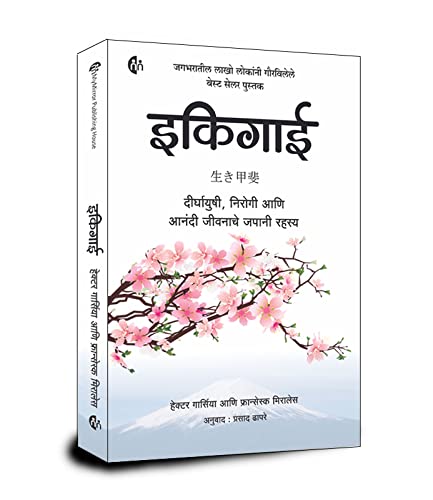
THE BOOK REVIEW OF IKIGAIIkigai is the Japanese term the meaning that is the art of living. “IKIGAI: The Japanese secret to long and happy life” book is written by Francesc Miralles and Hector Garcia. the book is published by Penguin books. This book refers to the practice of living a purposeful life.


The book is about a long, healthy, and happy life. for the book, they studied Japanese living culture. They went to Okinawa and observed the lifestyle of people. Okinawa is the home of long-living people. the reason for long life is their lifestyle which is detailed explains their lifestyle. Anyone struggling to find motivation in life. In this book, there is how we become always motivated. and can live a happy life. The content also contains encourages healthy life and purposeful living among people. there are various things to become happy such as the importance of flow, importance of friendship, reason of being living, and lifelong source of motivation.
The book contains details about living a long lifestyle. There is a specific diet for the whole life. always eat in small pieces so we can stop our eating when the stomach is full. another important point is exercise. regularly do some exercise. the suryanamaskar is great exercise. it’s all about a healthy body so we can easily focus on our work. mental health is also much more important and for that, they told what is ikigai and how to find our ikigai. continuous working on/ with our ikigai is the best way of a happy life.
Ikigai is to find the purpose of our life. Everyone should be self-motivated and finding the source of self-motivation is the secret of a long, happy life.
the 10 rules to follow Ikigai are included in the book-
1)Keep working and never retire
2)stay calm
3)Don’t fill your stomach
4)good friends
5)Be more fit for next birthday
6)Humor
7)Being connected to nature
8)thank you
9)Live in the present
10)Behave like your Ikigai

this is the best to become self-motivated. being self-motivated is the secret of a long and healthy life. everyone should read books and find the ikigai of life. and live a healthy, happy, and long life.

Bauls of Bengal: The Devoted Folk Singers

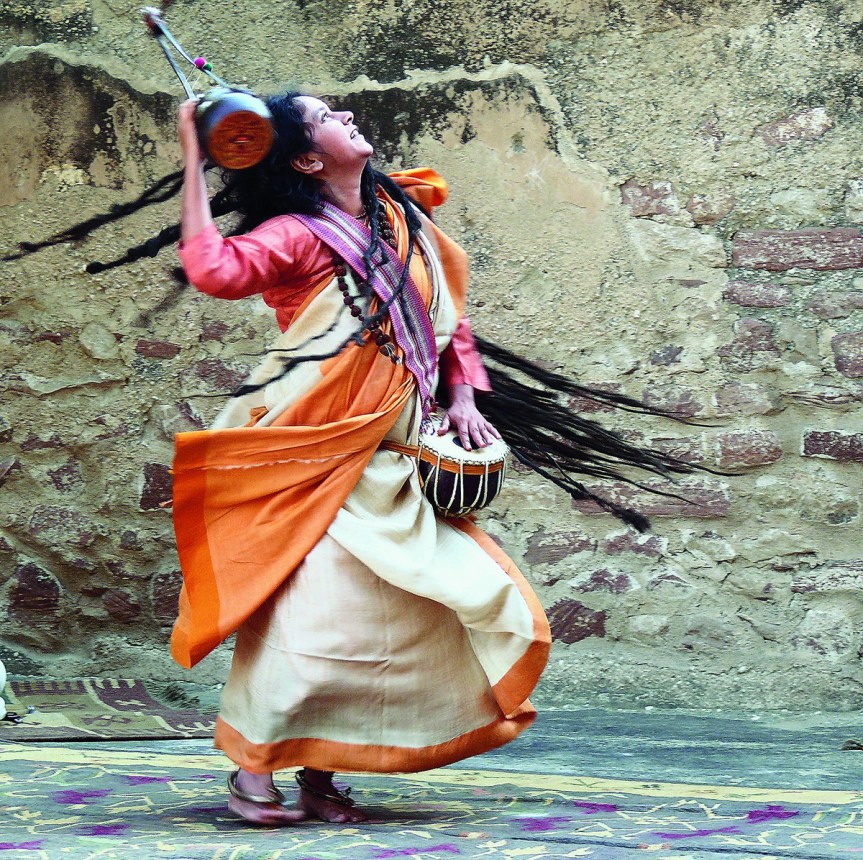
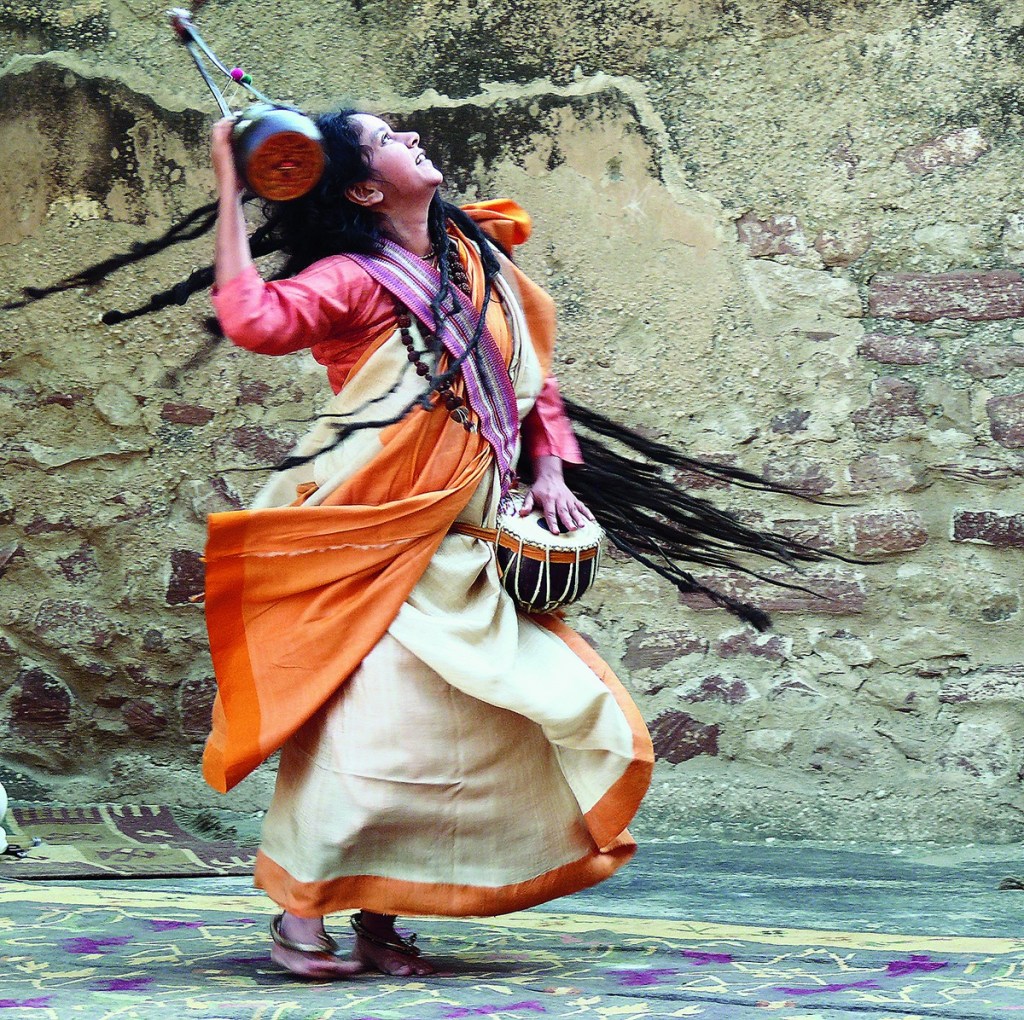
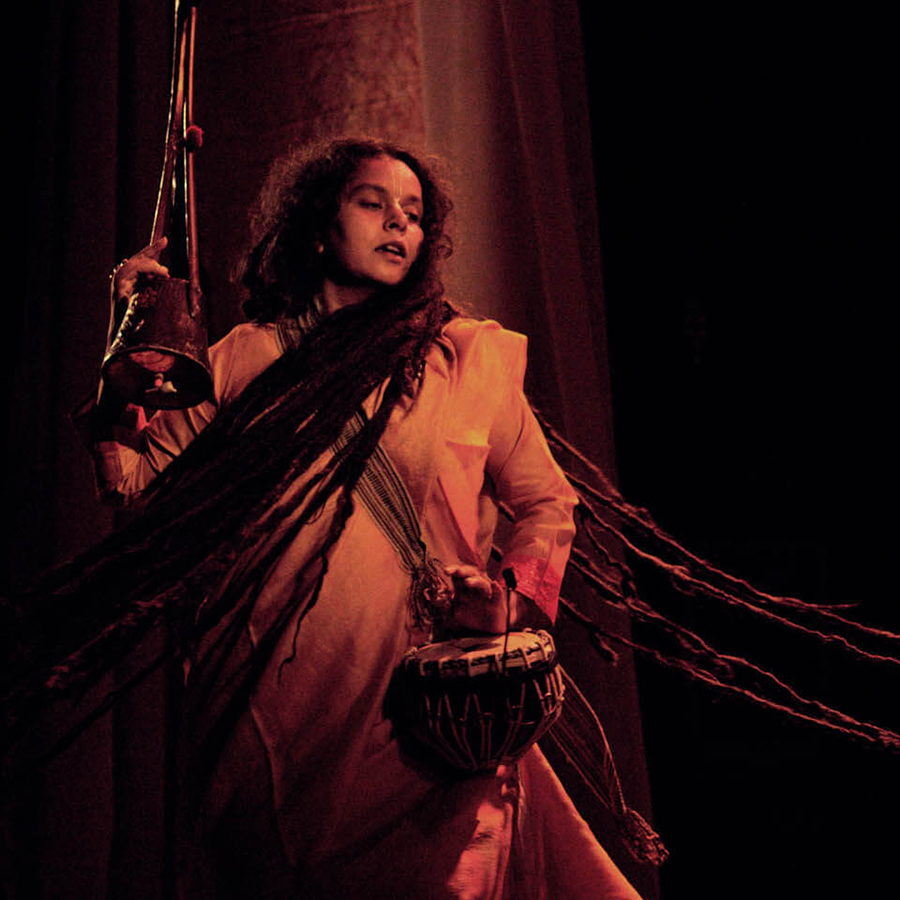
Parvathy Baul

Introduction

The Bauls of Bengal are an order of wandering folk singers that have kept their philosophies alive for centuries. But modern demands threaten to overtake their simple, itinerant lifestyles. Now, an audio-visual record is being taken to keep their vocal traditions alive for generations yet to come.

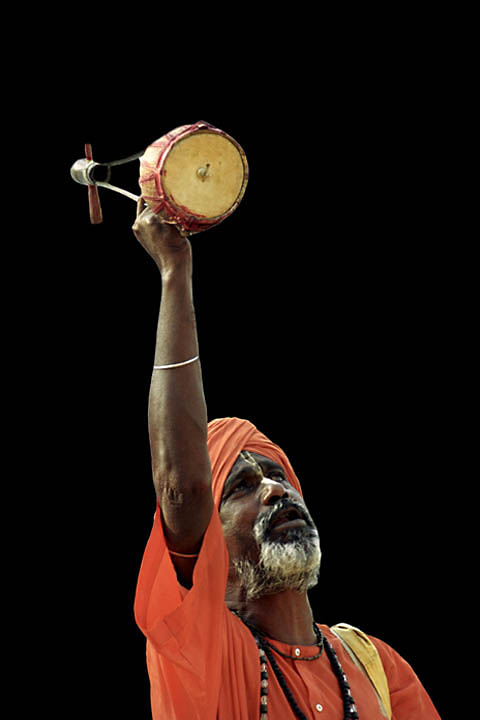
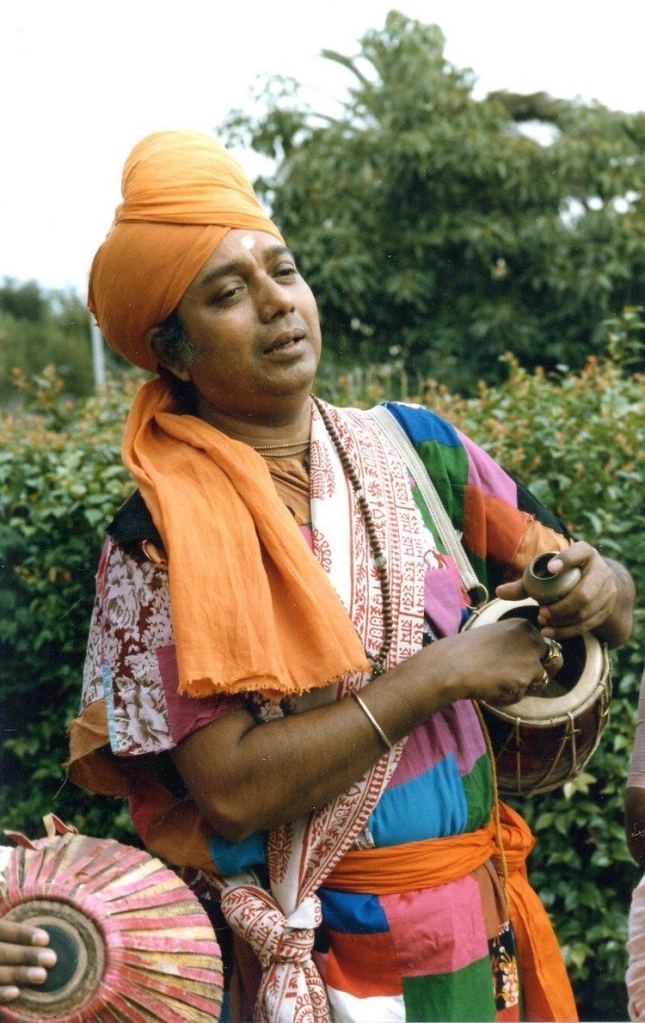
A Baul holding a Dotara

Bauls : Who They Are

In the Bengal region of South Asia, however, itinerant mystics are still welcomed widely, respected for their sincere but simple way of life, and rewarded for the brilliance of their performances, sharing memorable poetry and music, mainly with rural communities, much as they have done for several centuries. These are the Bauls of Bengal – a group that pursue a life of self-denial and meditative discipline, committed to a belief that ‘the ultimate’ existence is to be found, not so much through rituals in holy places, but in every ‘self’ and are enthusiastic to share this passion almost exclusively through their art. Bauls belong to an unorthodox devotional tradition, influenced by Hinduism, Buddhism, Vaishnavism and Sufi Islam, yet distinctly different from them. Bauls neither identify themselves with any organized religion nor with the caste system, special deities, temples or sacred places. They share only one belief —that God is hidden within the heart of man and neither priest, prophet, nor the ritual of any organized religion will help one to find Him there. To them we are all a gift of divine power and the body is a temple, music being the path to connect to that power.

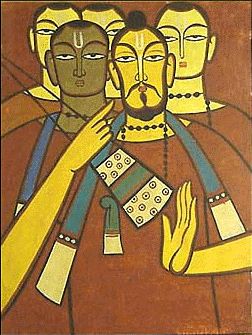
Bauls artwork by Jamini Roy

Historic Background

The word Baul comes from the Sanskrit word “Batul,” which means mad and is used for someone who is possessed or crazy for God. The Bauls are wandering minstrels of West Bengal and Bangladesh, whose song and dance reflect the joy, love and longing for mystical union with the Divine. The Baul tradition of mendicancy – ascetics who entertain in exchange for subsistence – has ancient origins, and seems to have thrived well before the rule of the great Mughal Emperors from the 16th to 18th centuries, a period during which Islam spread eastwards from the Middle East to Bengal and beyond. Originally the district of Birbhum in West Bengal was the seat of all Baul activity. Later, the Baul domain stretched to Tripura in the north, Bangladesh in the east, and parts of Bihar and Orissa in the west and south respectively. In Bangladesh, the districts of Chittagong, Sylhet, Mymensingh and Tangyl are famous for Bauls. Bauls from far off places come to participate in the Kenduli Mela and the Shantiniketan Poush Mela –the two most important fairs held in West Bengal for Baul music.

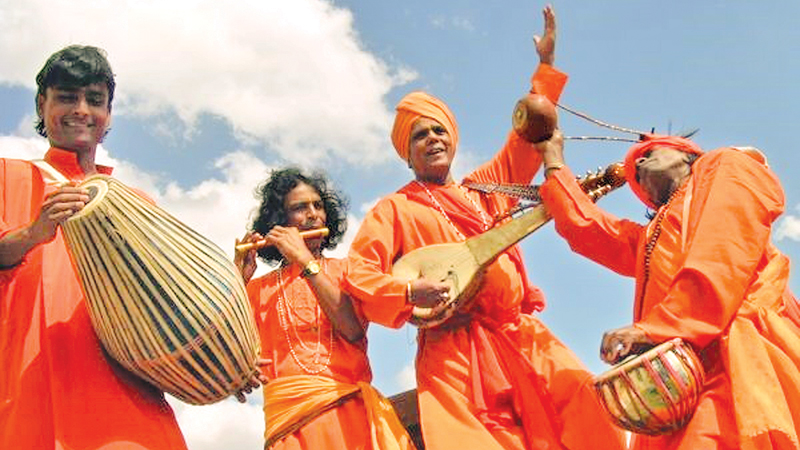
A group of Bauls in Bengal

The Characteristics and Attires

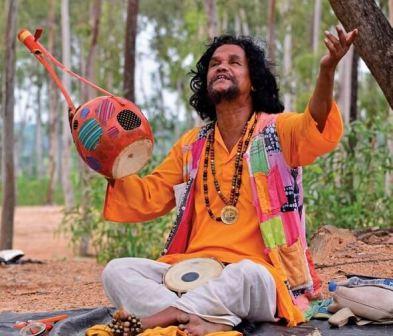
They can often be identified by their distinctive clothes and musical instruments. It’s easy to identify a Baul singer from his uncut, often coiled hair, saffron robe (alkhalla), a necklace of beads made of basil (tulsi) stems. Bauls use a number of musical instruments: the most common is the ektara, a one-stringed “plucked drum” drone instrument, carved from the epicarp of a gourd, and made of bamboo and goatskin. Others include the dotara, a long-necked fretless lute (while the name literally means “two stringed” it usually has four metal strings) made of the wood of a jackfruit or neem tree; besides khamak one-headed drum with a string attached to it which is plucked. The only difference from ektara is that no bamboo is used to stretch the string, which is held by one hand, while being plucked by another. Drums like the duggi a small hand-held earthen drum, and dhol and khol; small cymbals called kartal and manjira, and the bamboo flute are also used. Ghungur and nupur are anklets with bells that ring while the person wearing them dances.

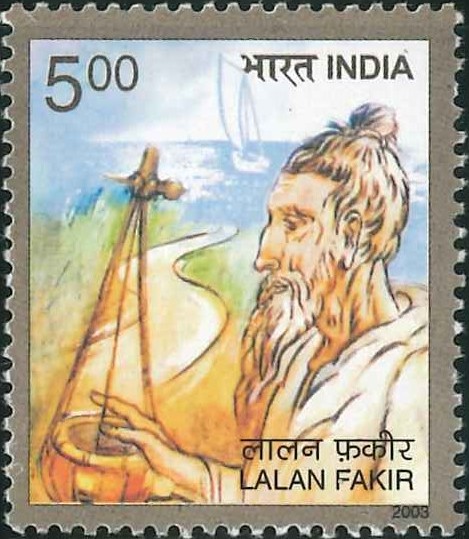
Lalan Fakir

Lalan Fakir : The Legend of Baul Movement

 Lalan Fakir (1774 -1890), the greatest of all Bauls, continued to compose and sing songs for decades without ever stopping to correct them or put them on paper. He composed a thousand songs, of which just 600 can be traced. It was only after his death that people thought of collecting and compiling his repertoire. He rejected the division of society into communities, protesting and satirising religious fundamentalism of all kinds. Lalan’s metaphysical lyrics raise a basic question – that if there is a single creator then why so many religions exist ? This is a pertinent problem in today’s world; we all know that the different ‘Gods’ have created acrimony between races and sects and as of today this concept of different ‘Gods’ remains the most decisive divisive force on planet Earth. His most famous song quoted, “Khanchar Bhitor Ochin Pakhi Kemne Ase Jay”. In 2004, Lalan was ranked 12 in BBC’s poll of the Greatest Bengali of all time.

Parvathy Baul

Baul Philosophy

Bauls do not believe in the pious ‘other world’ and most of the times deny the presence of super powers. Looking from a different angle it can be said that according to them, ‘God’ resides in each human being and it is for the human being to realise this truth, the human beings are the best exponents of spirituality ever to tread on this Earth. Nowhere did this philosophy leave its imprint more powerfully than on the work of Rabindranath Tagore, who talked of Bauls in a number of speeches in Europe in the 1930s. An essay based on these was compiled into his English book ‘The religion of man’. An important part of Baul philosophy is “Deha tatta”, a spirituality related to the body rather than the mind. They seek the divinity in human beings. Often, the lyrics philosophize on love and stress to remain unattached and unconsumed by the pleasures of life even while enjoying them. Baul music celebrates celestial love, but does this in very earthy terms.

Purna Das Baul

International Connection

Referred to as the Baul Samrat, Purna Das Baul, introduced Baul songs to the West during an eight-months tour of the US in 1965 with stars like Bob Dylan, Joan Baez, Paul Robeson, Mick Jagger, Tina Turner, and all. Dubbed “India’s Bob Dylan” by the New York Times in 1984, Purna Das Baul has played with Bob Marley, Gordon Lightfoot and Mahalia Jackson and the likes. Currently another version of Baul called the folk fusion also called baul rock is also greatly accepted by the audience, especially in West Bengal. Kartik Das Baul has taken baul to different heights by associating himself with folk fusion. This type of baul was brought into the world of music by ‘Bolepur Bluez’, which was world’s first folk fusion band. There are also the Western Bauls in America and Europe under the spiritual direction of Lee Lozowick, a student of Yogi Ramsuratkumar. Their music is quite different (rock /gospel/ blues) but the essence of the spiritual practices of the East is well maintained.

A Baul in Shantiniketan,Birbhum

Conclusion

The tradition is so integral to Bengal that it’s hard to think of Bengali culture sans the Bauls. They’re not only an intrinsic part of Bengal’s music, they’re in the mud and air of this land and in the mind and blood of its people. The spirit of the Bauls is the spirit of Bengal– ever-flowing in its society and culture, literature and art, religion and spirituality.

Women in The Indian Film Industry

The Indian film industry is enormous, with more than 1800 movies being released every year in over 20 languages. In fact, Bollywood is the largest film industry in the world! With top movies like Baahubali and Dangal earning a box office collection of over 300 crore Rs, it is evident that films are a big deal in India. People flock to theatres to see their favourite movie stars and enjoy their films. For years, the film industry has been considered a male-dominated workspace. But there have been several women who have broken through this pre-conceived barrier and risen to become some of the best in the industry. Fatma Begum is credited as the first woman feature director in India for her work in the silent film Bulbul-e-Paristan (1926). She was a director, actor and writer who established her own production company Fatma Films in 1926. Jaddam Bai, Protima Dasgupta and Shama Zaidi are some of the pioneering women directors and screenwriters in India. Women directors were not under the spotlight for a lot of years after then till unique and creative women started gaining attention for their directing and screenwriting skills in the last few decades.

A lot of female filmmakers and producers are going mainstream these days, many of them bringing their own fresh and interesting takes on filmmaking and storytelling. Anjali Menon films like Manjadikuru (2008), Bangalore Days (2014) and Koode (2018) are some of the most heartfelt and warm films in Mollywood. Soorarai Pottru in Tamil was also directed by the talented Sudha Kongara. Meghna Gulzar’s work in Raazi (2018) and Chaapak (2020) has been impressive as well. Gauri Shinde brought back the legendary actress Sridevi on screen in 2012 with the highly acclaimed English Vinglish. Rima Das is a director and screenwriter whose film in Assamese, Village Rockstars (2017) won many national and international awards. Zeenat Lakhani was the co-writer for the 2017 Hindi comedy-drama Hindi Medium. Mira Nair (Monsoon Weddings, 2001) and Gurinder Chadha (Bend it Like Beckham, 2002) are directors who found fame outside of India for their work. Zoya Akhtar, the daughter of poet and screenwriter Javed Akhtar, has directed and produced several hugely popular and commercially successful films. Her most recent work was with Gully Boy (2019) and she has announced a road-trip movie, Jee Le Zara featuring some of the female superstars of Bollywood like Alia Bhatt, Priyanka Chopra and Katrina Kaif. This has been planned as a sequel to Zindagi Na Milegi Dobara (2011) which was such a big success on its release it remains one of the most loved films in Bollywood by the masses. Top actresses in Bollywood like Priyanka Chopra, Anushka Sharma and Deepika Padukone have also taken up producing, with many of them establishing their own production houses.

Some of the most significant evolutions can be seen in the depiction of female characters in Indian cinema. For ages, these characters were simply the side pieces, simply pretty, too emotional and dependent on the male characters in the movie. Oftentimes, she was the “damsel in distress”, needing the “hero” to save her from the villains so that he could show off how strong and cool he is. Over the last 2 decades, there have been several films that showcased strong women characters – both physically and mentally. More female-oriented movies are being made like Kahaani (2012), Queen (2013), Raazi (2018) and the recently released Gangubai Kathiawadi (2022), which showcase the diverse personalities and strengths of women. Even in some male-oriented films, women are represented as strong-minded individuals in their own right. Their characters no longer lack substance. Take the 2020 Tamil film Soorarai Pottru for example. Even though Surya’s Maaran is the central character, the character of his wife Bommi, played by Aparna Balamurali, is one of the highlights of the film. With her strong principles and ambitious personality, she impresses the audience by standing up for herself and supporting her husband. Films have a lot of influence on the socio-political stance of society regarding various issues. When there are movies like Kabir Singh (2019) still garnering a huge fan following for their depiction of toxic masculinity and abusive relationships, stories like that of Soorarai Pottru are required for providing a good example of what a healthy relationship should look like and how women are just as strong, funny, ambitious and efficient as men. Filmmakers these days understand how impactful cinema is as a communication medium and try to bring attention to the various issues faced by women like discrimination, abuse and acid attacks through their films.

Women have come a long way in Indian Cinema. Here’s to hoping we get to see more of their work and a lot more real and relatable female characters on screen in the coming years.

Pollution-The Evil that walks the Earth

Pollution changes a medium such as air, water, or soil in a way that can make it harmful to people or nature. Different types of pollutants include chemicals, dust, noise, and radiation. The word pollution comes from the Latin ‘polluere’ that simply means contamination. Hence, in layman terms, pollution is something that contaminates the environment. The presence of harmful substances in the air, land, and water, which can harm living beings and the environment is pollution. Referring to harmful gases, fluid, or other pernicious matter that are released or introduced in the natural environment.

Pollution and its causes

Inhaling poisonous air is as hazardous as smoking. It is not only the humans who are affected by this polluted environment but also the animals. Air is filled with highly toxic gases. These dangerous gases in the environment are released by the power industries that burn fossil fuels, industries that dispose of waste in the water, farmers using pesticides, high usage of artificial lights and loud sounds, etc. Each of these leads to the generation of the life-threatening cause – pollution.
Any use of natural resources at a rate higher than nature’s capacity to restore itself can result in pollution of air, water, and land. Other than human activities, there are a few periodic natural cycles that also result in the release of dangerous stuff. Natural activities other than human ones like volcanic eruptions and dust wildfires, etc also result in the creation of pollution.

Globalization is another major cause of pollution. Globalization has become an effective facilitator of environmental degradation.

Types of pollution

Pollution can be categorized as follows-

•  Air Pollution: It is the contamination of the natural air by mixing it with different pollutants such as harmful fumes and chemicals. This type of contamination can be caused by burning material or by gases emitted by vehicles or harmful fumes emitted as a by-product of industries. Global warming is one of the biggest side effects of air pollution as per the experts.

• Water Pollution: It is the contamination of the water on the planet Earth. It includes water contamination by pollutants such as bacterial, chemical, and particulate that reduces the purity of the water. Oil seepage, as well as littering, is one of the most common forms of pollution. It mainly occurs in lakes, oceans, rivers, and even underground reservoirs. 

•  Soil Pollution: It is also known as land pollution. It is the contamination of the soil or the land that prevents the growth of natural life. It includes land usage for irrigation, wildlife as well as habitation. The very common causes of soil pollution include hazardous wastage, mining as well as littering, non-sustainable farming practice, seepage into the soil, etc.  

• Noise Pollution: It is the loud noises that are fashioned by human activities that disturb the standard of living in the affected area. It can shoot from things such as railroads, traffic, loud music, concerts, airplanes, fireworks, etc. This can even result in permanent or temporary loss of hearing as well as disturbances to wildlife.

• Radioactive Pollution:- This is one of the most dangerous forms of pollution. It is enormously harmful and can even result in death. Radioactive pollution results in the pollution of the air and land with radioactive poisoning. Leakages or accidents at nuclear power plants, as well as from improper disposal of nuclear waste are also reasons for this pollution. This pollution results in birth defects, cancer, deteriorating health, and even death.

Contemporary Fashion: The Minimalist’s Coverbook

Models walk the runway at the 3.1 Phillip Lim Fashion Show during Mercedes-Benz Fashion Week Fall 2015 at Skylight Clarkson SQ. on February 16, 2015 in the Brooklyn borough of New York City.

Introduction

The sense of fashion never goes out-of-date for a true fashionista. Among the Millions of fashion lingos in today’s market , one that often dominantly buzzes around, is the term “Contemporary Fashion”.Meant to describe labels with a designer aesthetic and more accessible price points and we use the term “accessible” loosely, with most pieces averaging out around $500 , the term means big bucks where the fashion industry’s concerned, having become one of the biggest areas people spend their money in the last few years.

What Contemporary Fashion Is

Contemporary apparel is clothing that is accessible, in price and in terms of the way people wear it. The contemporary category often contains more modern-style clothes compared to the higher end luxury market. The voice of the contemporary industry is a bit more modern and a tad younger. Contemporary brands appeal to both the luxury shopper and the new breed of aspirational shopper.  This tier has become a go-to for women who can no longer justify shelling out huge amounts of cash on designer garb. It is also appealing to people bored of regular fashion and who are prepared to spend that little bit extra for something that will last.

A great contemporary brand is one with a unique look and feel. Garments and accessories will have interesting construction details and a good-quality finish. The collections are in line with seasonal trends but also incorporate signature items that consumers immediately recognize and associate with the designer brand.

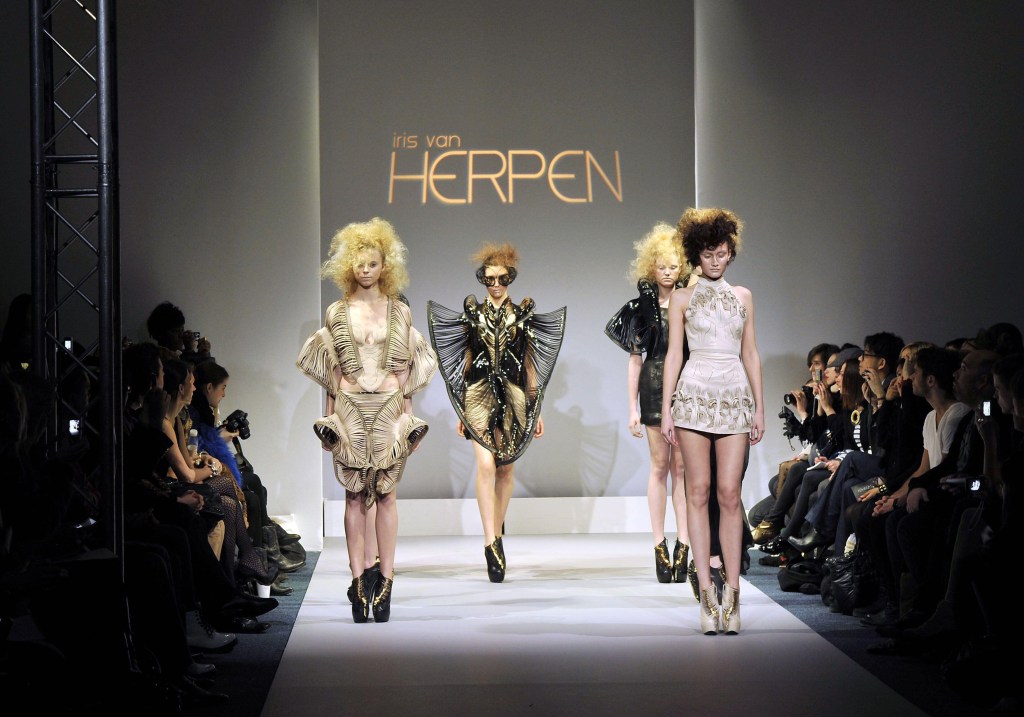
A Harpen Fashion Show

Is It Futurist: The Sustainability Question

In fashion, the term ‘futuristic’ is often used to describe avant-garde clothing designs. It could refer to several things, such as the clothing’s method of production, the materials used, or the garment’s design. Futurism can even refer to the 20th century Italian art movement, and indeed, this movement addressed the problem of designing fashion for the 20th century. We would learn much by examining Futurist fashions in order to understand its legacy in relation to contemporary fashion designers viewed as futuristic today. This paper will review this legacy by looking at five specific examples—Italian Futurists and their contribution to classless and genderless fashion; French designer Yves Saint Laurent’s iconic minidress inspired by the De Stijl art movement; fashion designed specifically for women with active lifestyles; technological advancement and space exploration seen in the designs of André Courrèges and Pierre Cardin; and advancements in textile manufacturing during the late 20th and early 21st century in relation to Karl Lagerfeld, Donatella Versace, and Hussein Chalayan. This leads to the primary analysis of Iris van Herpen and other contemporary designers including Noa Raviv and Neri Oxman. Their designs will be discussed in relation to the problem of labelling fashion as futuristic.

A Paris Georgia Apparel

Challenges of Contemporary Fashion

The contemporary brands fashion market is clearly brimming with a high level of competition. The up-and-coming contemporary designers are forced to continuously compete with older, established luxury brands in the targeting of the younger generation of consumers. The contemporary market began out of consumers’ need and want to own versatile clothing that could be worn on a daily basis.  Stylish consumers were hungry for locating a head-to-toe outfit that luxury brands create, but could be sold at a more reasonable tag.

Simone Racha Catwalk Show at London Fashion Week

Scopes of Contemporary Fashion

Due to the fact that contemporary brands appeal to several groups of consumers, this industry will continue to see global opportunities. Fashion editors and industry insiders agree that contemporary brands have stolen the limelight and are helping to bridge the gap between luxury brands and main street.

Not only will contemporary labels allow you to up your designer arsenal without forcing you to exist on an exclusively Kraft Dinner diet, but the pieces are also constructed with everyday wear in mind (no couture-like assembly required). Not to mention that contemporary lines still boast that oh-so-coveted designer aesthetic and quality craftsmanship—perfect if you’re looking to break away from the usual suspects in fast fashion retail.

Famous Contemporary Fashion Designers and Their Works

Carven: Founded in 1945 in Paris, Carven has enjoyed a resurgence since the hiring of designer Guillaume Henry in 2009, who transformed the house from old-school couturier into the cool girl’s label du jour.

Carven Spring 2014 ready-to-wear collection
Carven Fall-Winter 2015-16 collection

N°21:  Started in 2010 in Milan by designer Alessandro Dell’Acqua, the brand offers a smorgasbord of whimsical designs that can be effortless.

N°21 Spring- Summer 2018 collection
N°21 Spring-Summer 2021 collection

Jonathan Simkhai: Starting from NYC His first womenswear collection was shown in 2010, where Simkhai debuted his take on dressing for today’s cosmopolitan woman. A master at tailoring oversized pieces to flatter the female form, his designs run the gamut from exaggerated boxer shorts to basketball jerseys.

Simkhai Fall 2017 collection
Simkhai Fall 2020 ready-to-wear collection

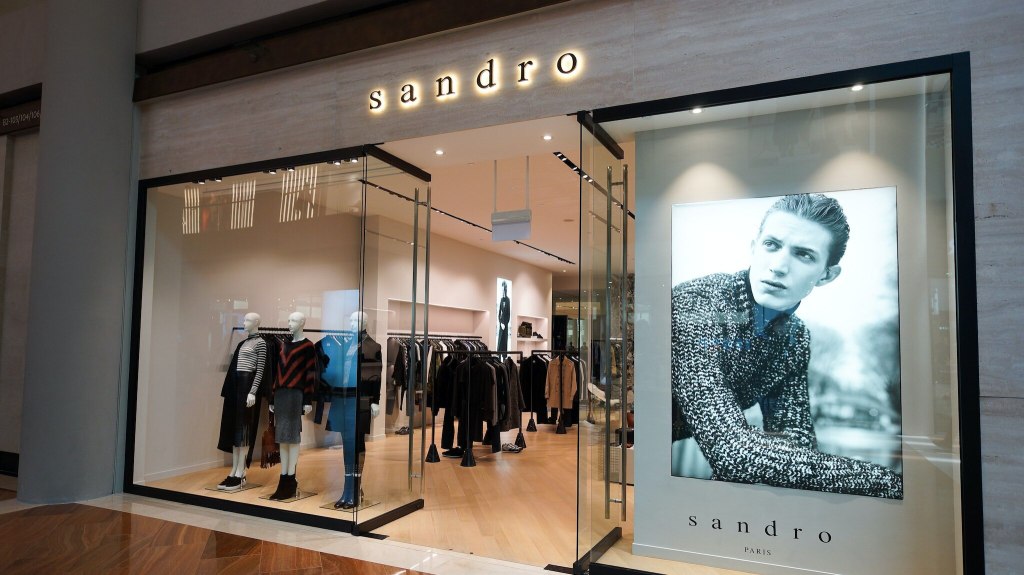
Sandro : Launched by husband-and-wife duo Didier and Evelyne Chétrite, Sandro is a well-known and popular brand in the contemporary market.  Since its launch in 1984 (in the Marais district of Paris), the label has gathered a cult following with women charmed by its insouciant, season less separates and rock’n’roll aesthetic. Sandro has stores worldwide in places such as New York and Japan, and a flagship store based in Covent Garden, central London.

A Sandro Store
Sandro Spring-Summer 2021 Menswear Collection

Conclusion

Consumers want to feel like they own something special and unique. They want exclusive quality labels that are not mass produced, yet are still affordable.  It is important to keep in mind that this category is less expensive then higher tiers such as Haute Couture, but the prices are clearly higher than budget collections.The changing demographic of fashion consumers and the rise of contemporary brands. To stay in the game, luxury fashion marketers must compete on a global scale.

Living a stress-free life

Stress can have a very negative impact on a very positive life. Stress has many forms and many different ways of hitting one’s life hard. Luckily, there are steps to leading a healthy, stress-free life. Some steps include exercising regularly, adopting hobbies, stopping smoking, reducing caffeine intake, eating healthy, getting enough rest, learning relaxation techniques.


We can overcome anxiety and insecurity by getting involved in some practical and beneficial activities. Cultivating hobbies, spending time with family, and going on friendly trips helps us love a balanced and healthy life. Reading good books is equivalent to having good friends with great insight. We can try meditation by devising ways to the welfare of mankind. Some other factors include being positive and maintaining positivity all around us, being calm and peaceful, avoiding ugly fights and negative people, etc, Some sort of sport, vacations, indoor games, and healthy eating all sum up to making life stress-free and healthy.


Stress is the feeling of being mentally tired or it refers to the mental tiredness of an individual. When we feel exhausted, we feel stressed. When we have so much in mind, we feel stressed. When we overthink situations and many many things, we feel stressed out.


Despite knowing that stress can have many negative effects on our life, people still prefer denying that this could be a mental disorder. A stressful life can be a hindrance to our efficiency and ability to live a healthy life. Being stressed may cause us to fall sick often, feel grumpy, and sometimes irritated too. We can eliminate stress and lead a stress-free lifestyle by waking up early, following a routine, creating a to-do list, meditating, exercising, avoiding procrastination, and taking good care of ourselves.

The Origin of Glass – Unknown facts

Archeological findings suggest that glass was first created during the Bronze Age in the Middle East. To the southeast, in Egypt, glass beads have seen found dating back to about 2500 B.C.E. Glass is made from a mixture of silica sand, calcium oxide, soda, and magnesium, which is melted in a furnace at 2,730°F (1,500°C). Most early furnaces produced insufficient heat to melt the glass properly, so glass was a luxury item that few people could afford. This situation changed in the first century B.C.E. when the blowpipe was discovered. Glass manufacturing spread throughout the Roman Empire in such quantities that glass was no longer a luxury. It flourished in Venice in the fifteenth century, where soda lime glass, known as ‘cristallo’, was developed. Venetian glass objects were said to be the most delicate and graceful in the world.

How glass was made?

It all begins in the earth’s crust, where the two most common elements are silicon and oxygen. These react together to form silicon dioxide, whose molecules arrange themselves into a regular crystalline form known as quartz. Quartz is commonly found in sand, where it often makes up most of the grains and is the main ingredient in most types of glass. You probably noticed that glass isn’t made of multiple tiny bits of quartz and for good reason. The edges of the rigidly formed grains and smaller defects within the crystal structure reflect and disperse light that hits them. But when the quartz is heated high enough, the extra energy makes the molecules vibrate until they break the bonds holding them together and become a flowing liquid, the same way that ice melts into water. Unlike water, though, liquid silicon dioxide does not reform into a crystal solid when it cools. Instead, as the molecules lose energy, they are less and less able to move into an ordered position, and the result is what is called an amorphous solid. A solid material with the chaotic structure of a liquid, which allows the molecules to freely fill in any gaps, this makes the surface of lass uniform on a microscopic level, allowing light to strike it without being scattered in different directions.

How glass is transparent?

Why light is able to pass through glass rather than being absorbed as with most solids? You may know that an atom consists of a nucleus with electrons orbiting around it, but you may not know that an atom has a lot of empty space. So, light passes through these atoms easily without hitting any of these particles. Then why aren’t all materials transparent? This is because, the different energy levels those electrons in an atom can have. Consider an atom of an iron, an electron in it initially assigned to move in a certain orbit. But if it had the enough energy; it could reach the exited state and jump to a closer orbit. So, one of the light photons passing through can provide the needed energy. But there is one thing; the energy from the photon has to be the right amount to get an electron to the next orbit. Otherwise, it will just let the photon pass by, and it just so happens that in glass, the electrons are placed so far from each other, that the photons of visible light can’t provide enough energy for an electron. Photons from ultra violet light give just the right amount of energy, and are absorbed. That’s why you can’t get a suntan through glass. This amazing property of being both solid and transparent has given glass many uses throughout the centuries.

 In the 1950s Sir Alastair Pilkington introduced ‘float glass production”, a revolutionary method still used to make glass. Other developments have included safety glass, heat resistant glass, and fiber optics, where light pulses are sent along thin fibers of glass. Fiber optic devices are used in telecommunications and in medicine for viewing inaccessible parts of the human body.

Foundation of Accounts: Accounting Standards

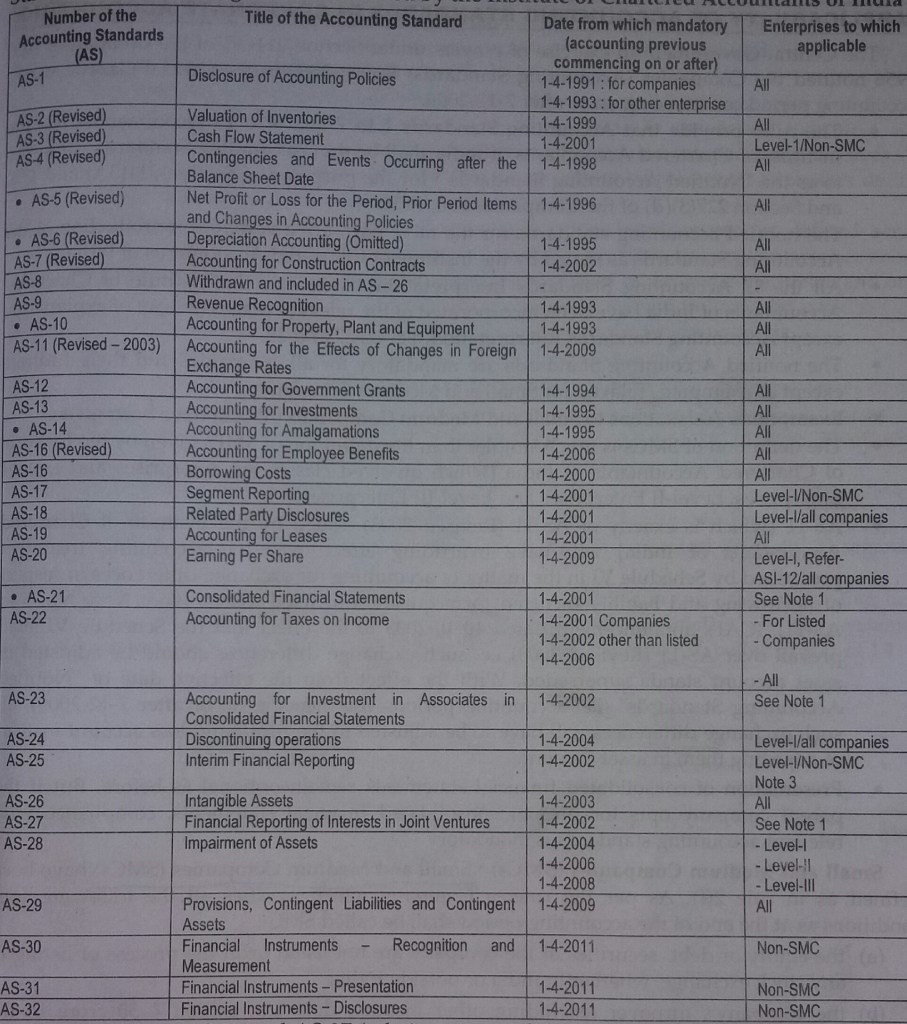
The use of the word ‘Standards‘ is generally known as ‘Principles‘ a few years ago. The British introduced the term ‘standards’ in place of ‘principles’ when they set up their Accounting Standards Steering Committee at the end of 1969, and then Americans adopted the same term in 1973, when the Financial Accounting Standards Board was established in place of Accounting Principles Board. In India this term mainly become popular since the formation of the Accounting Standards Board in April 1977 by the Institute of Chartered Accountants of India (ICAI).

An Accounting Standard is a selected set of accounting policies or board guidelines regarding the principles and methods to be chosen out of several alternatives. Accounting Standard is considered as written statements issued from time to time by institutions. Such accounting bodies are currently found in many countries of the world. e.g., Accounting Standards Board (India), Financial Accounting Standards Board (USA), Accounting Standards Board (UK), etc.

The main objective of Accounting Standards is to harmonize the diverse accounting policies and practices at present in the use of India. Harmonization of accounting standards does permit flexibility to make the necessary adjustments to suit their purpose. There are some other objectives of Accounting Standards like standardizing the diverse accounting policies and practices with a view to eliminating to extent the non-comparability of financial statements.

At present, Accounting Standards are regarded as a major component in the framework of accounting and reporting practices. Standards exist to help the accounting practices which are regarded as the most suitable for the circumstances covered. They help individual companies and their managements to justify whatever practices they adopt when producing their financial statements.

Auditors are duty-bound while discharging their function to ensure that the Accounting Standards issued and made mandatory by the ICAI are implemented. Section 227 (3) of the Companies Act, 1956 requires to report auditor to report his opinion on the Profit and Loss Accounting and Balance Sheet.

ARTIFICIAL INTELLIGENCE


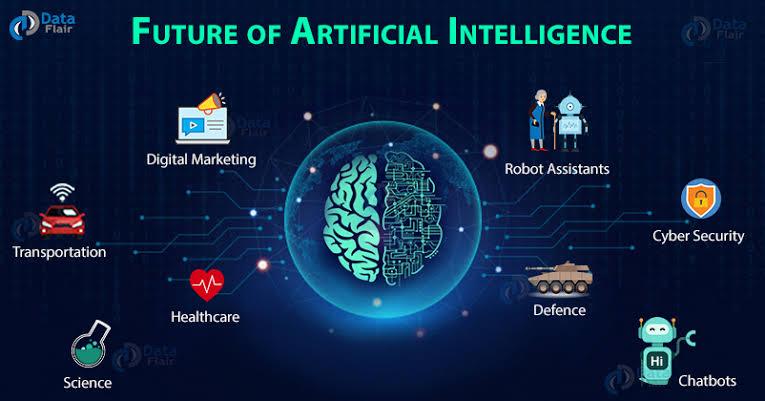
Nowadays Artificial Intelligence is regularly and commonly used. and it is part of each and every industry.
It is the field of study. it has the ability of a computer or a robot controlled by a computer to do tasks that are usually done by humans because they require human intelligence and discrimination.
The most important technologies creating artificial intelligence are machine learning and natural language processing(NLP). On daily basis, we are using such a technique. here are some example

1) Facial detection= When we use a virtual filter (Snapchat) our face is detected by mobile phones and the filter is activated. This facial detection is also used as a password for mobiles. here it acts as a security.
2)Autocorrector= Artificial intelligence is deep learning in machine learning. so during type, if there are mistakes it is corrected automatically. there are some apps also available in the market. some times it also checks and corrected grammatical mistakes.
3)Search = We regularly search for something on mobile phones or on any electrical computer device. The data we get after searching is analyzed and stored. it is also a deep machine learning process. by this you can watch anything or order what you want
4)Social Media= Using social media Artificial intelligence support monitoring content, suggest a connection, and also shows relevant advertisement. social media is working on analyzing with deep learning.
5)E- payments= There are everyday transactions is done for such little transactions going to the bank is very complicated. the E payment solves this problem. working in Artificial intelligence. Algorithms in artificial intelligence are done various transactions, deposits, transfer money, etc.
6)Education = various daily learning is in animation. and this animation is also deep learning and analysis procedure. so education is easy now and also easy to understand for students.

thus each and every industry and field is using Artificial intelligence. and it is easy to use. it did deep learning, lots of analysis and give result which is to study about latest progress.

Food habits

Food habits refers to eating habits of people like why do people eat? what type of food they eat? and how often they eat? First of all why do we eat food? we eat food in order to gain energy and carry on with our everyday work. It is important to know what type of food is good for our heath, the amount of food we intake. Nowadays the life is so hectic that people need everything so fast which leads to relying on fast food, packed food which contains too much of additives and preservatives. These kind of food when taken for a long time period leads to a lethal effect on our body. At the same time it is really necessary to take vitamins and other needed stuff regularly, taking vitamins less than that needed by your body could lead to vitamin deficiency, at the same time taking vitamins more than that required by your body could lead to vitamin toxicity or hypervitaminosis.

Over eating

Over eating is a term used when some person eats more than required by his/her body. What happens when a person over eats? His body slows down the process of digestion of the food he consumed, which obviously leads to fat accumulation which leads to obesity, again obesity leads to various other health complications. over eating causes nausea, bloating, sleepiness and also leads to complications like diabetes, high blood pressure and also it runs the risk of causing heart diseases. All we need to do is, eat healthy food in moderation and exercise regularly and stay fit . It is not possible to eat healthy all the time, of course we all have cravings when we see junk food, even though we know its unhealthy, but still we can eat healthy most of the time and have some cheat days to eat those junks. Always remember that a healthy person is a happy person.

Traditional Dance Forms of Kerala

The state of Kerala is well known for its luscious landscapes and beautiful backwaters. It is also home to a treasure trove of art forms and literature. These art and dance forms symbolize the rich historical and cultural heritage of the state. Let us take a look at some of the classical dance forms of Kerala that will no doubt mesmerize anyone.

Kathakali

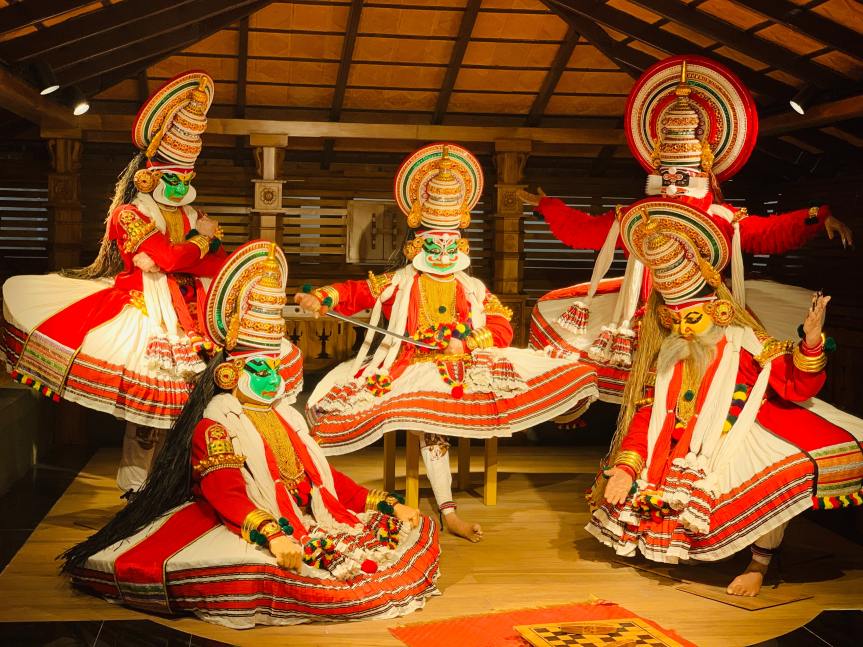
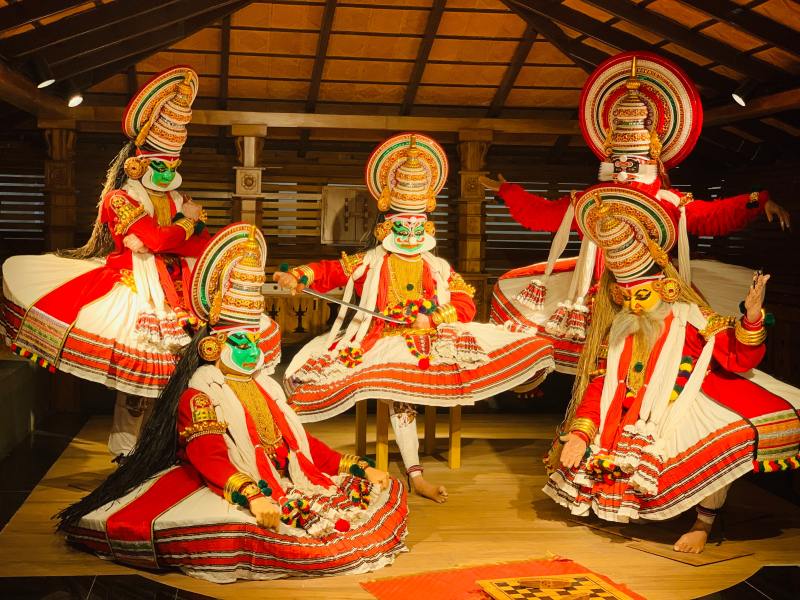
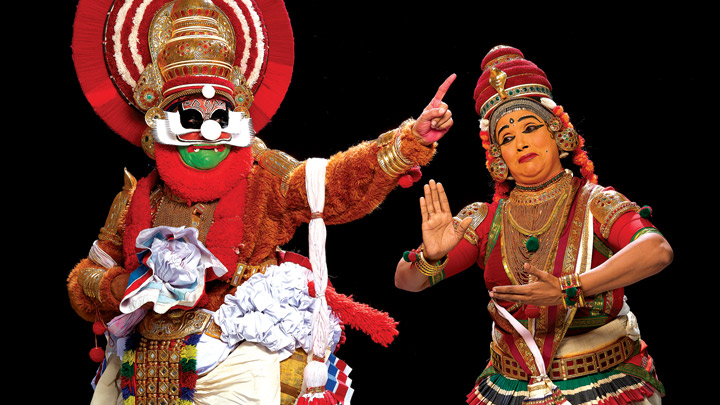
Kathakali is one of the most famous dance forms of Kerala, iconic for its elaborate costumes, colourful make-up, complex gestures and facial expressions. Formally systematized in the 17th century, this dance form has its roots in the temple and folk arts which are traceable to at least the 1st millennium CE. The term ‘Kathakali’ literally means ‘Story-play’. It has elements and aspects taken from Bharatamuni’s Natya Shastra as well as movements incorporated from ancient Indian martial arts and athletic traditions of South India.

A Kathakali performance perfectly blends musical instruments like Maddalam, Chenda, and Idakka, vocal performers, choreography, hand gestures and facial expressions to express ideas. The performances show folk stories, religious legends and spiritual ideas from the Puranas and Hindu epics. Traditionally, it was performed only by males, with female roles also being performed by men. Since the 1970s, women have also entered this field of classical dance. The performances used to be long and extended to many nights but have now been shortened. Taught in the past through the ancient Gurukula-based training system, students of Kathakali today are trained in professional schools like the Kerala Kalamandalam and Trivandrum Margi School.

Kathakali has 6 basic make-up types – Pachcha (green, typically for noble characters like Krishna, Rama, Nala), Kathi (Knife, for villain characters), Kari (Black, for she-demons), Thaadi (Beard, for characters like Hanuman), Minukku (Shining, for female characters), and Teppu (for special characters like Garuda, Jatayu, Hamsa).

Mohiniyattam

Source: wikimedia commons.org

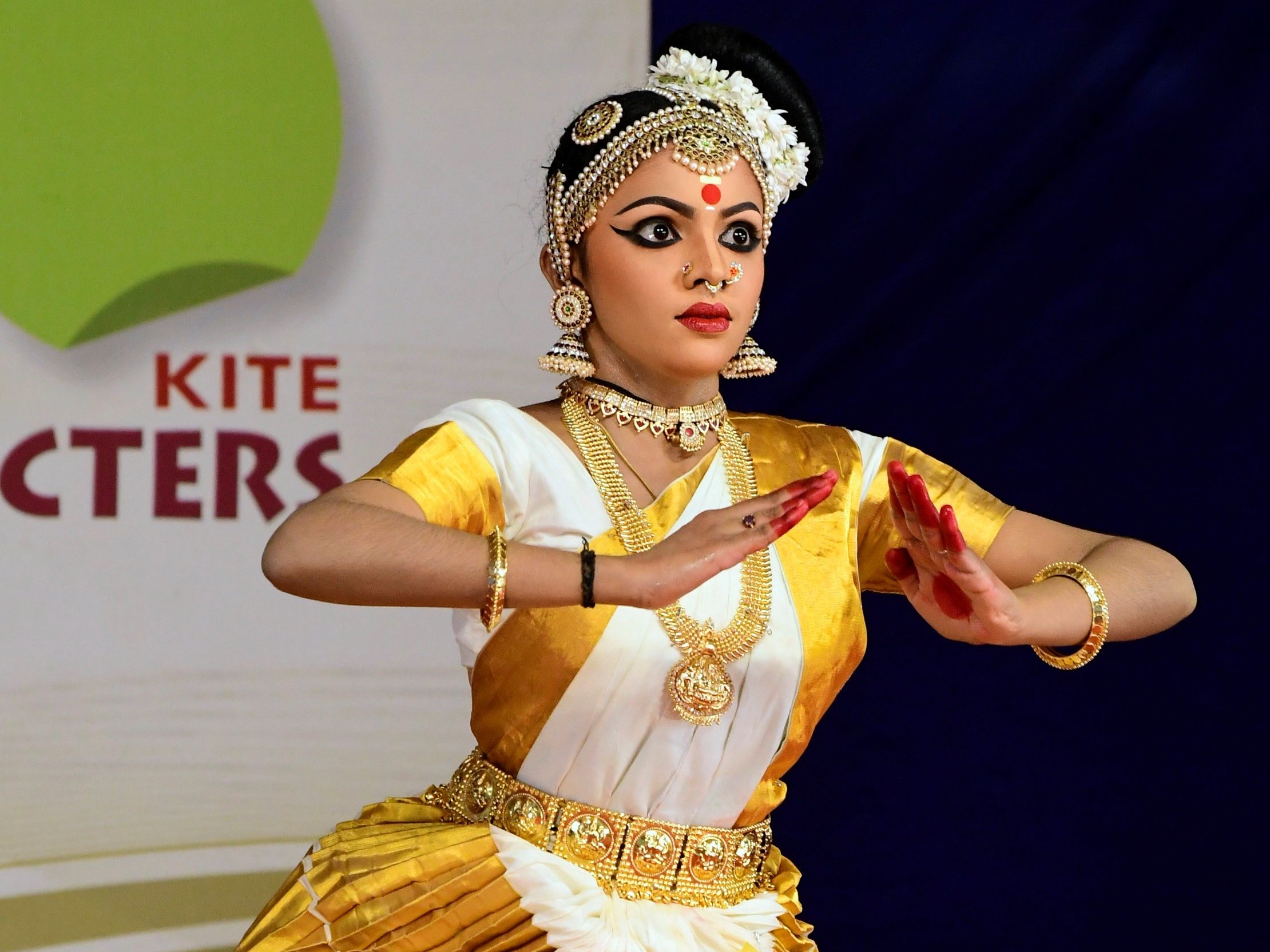
The roots of Mohiniyattam are in the Natya Shastra, following the Lasya style of delicate, graceful and feminine movements, The name comes from Mohini – a divine avatar of Lord Vishnu. It was traditionally performed solo by women although men perform it now as well. A typical Mohiniyattam performance includes Carnatic music and singing, with the songs in a Malayalam-Sanskrit hybrid called Manipravalam. The performers wear a plain white, off-white, or cream coloured saree with gold-laced embroidery. This dance form was banned by the British during their rule, ridiculed as a dance form of the devdasi system. The reintroduction and revival of Mohiniyattam after the Colonial era was spearheaded by the poet Vallathol Narayana Menon, who established the Kerala Kalamandalam dance school, encouraging the training and practice of the dance form.

Mohiniyattam and Kathakali form a part of the 7 classical dance forms of India.

Chakyar Koothu

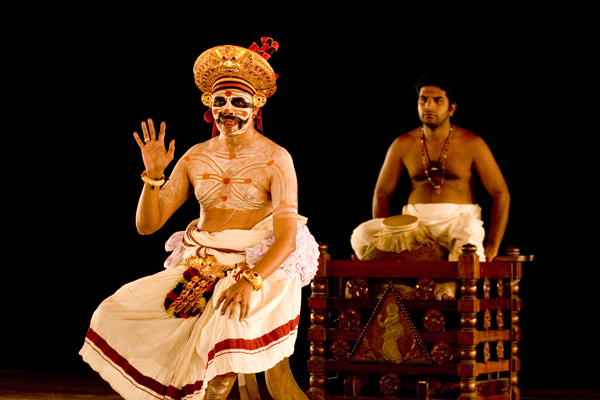
Chakyar Koothu is an art form performed in a place specifically designed inside Hindu temples called a Koothambalam. This dance form was traditionally performed by members of the Chakyar community in times of temple festivals. It is performed solo, with the performer narrating stories from Puranas and Hindu epics like Ramayana and Mahabharata. The performer wears a distinctive headgear and black mustache and has his torso covered in sandalwood paste and red dots. The performance is basically a monologue, oftentimes incorporating humor and wit to comment on current events and members of the audience. The performer is accompanied by musical instruments namely the pot drum Mizhavu and a pair of Ilathalam.

Nangiar Koothu

source: nangiarkoothu.com

Nangiar Koothu is a traditional dance form related to the art of Koodiyattam. Similar to Chakyar Koothu, it was presented only in Koothambalams, Performed solely by women, this dance form traditionally allowed only women of the Ambalavasi Nambiar community to learn it, but now is open to all. Nangiar koothu shows stories from Sree Krishna Charitam – a text depicting the life of Lord Krishna. The performer or Nangyaramma presents stories of Krishna using body movements, hand gestures and facial expressions and is accompanied by the Mizhavu.

Koodiyattam

souce: Keralatourism.org

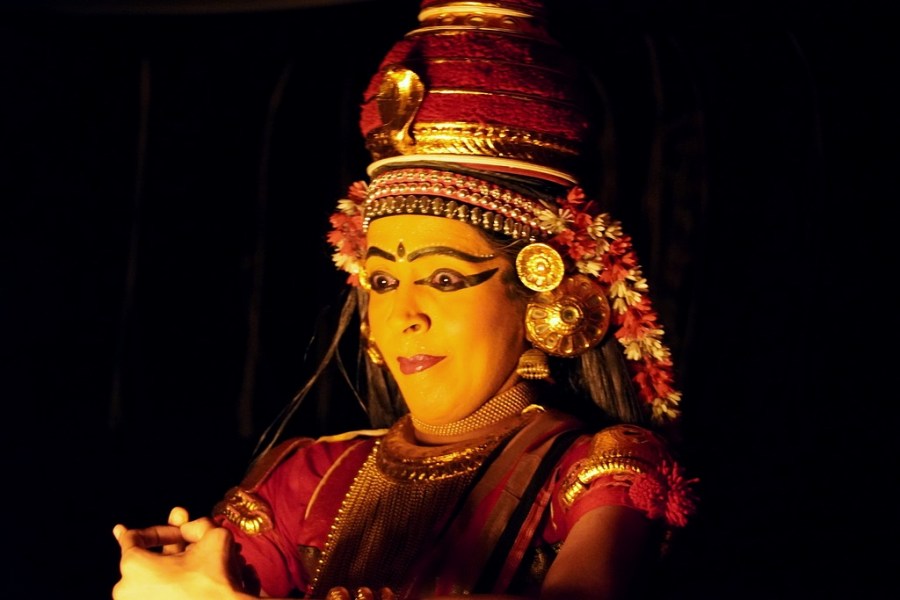
Koodiyattam which literally translates to ‘Combined Act’ is an art form recognized by UNESCO as Masterpiece of the Oral and Intangible Heritage of Humanity. It is also performed in Koothambalams and combines Sanskrit theatre performances with elements of traditional Koothu, much like Chakyar Koothu. It is performed by Chakyars and Nangyarammas, who perform together on stage, unlike the solo performances of Chakyar Koothu and Nangiar Koothu.

In both Koodiyattam and Chakyar Koothu, Guru Mani Madhava Chakyar is considered the greatest master and artist. He introduced the art form to people outside the Chakyar community and outside Kerala.

Ottan Thullal

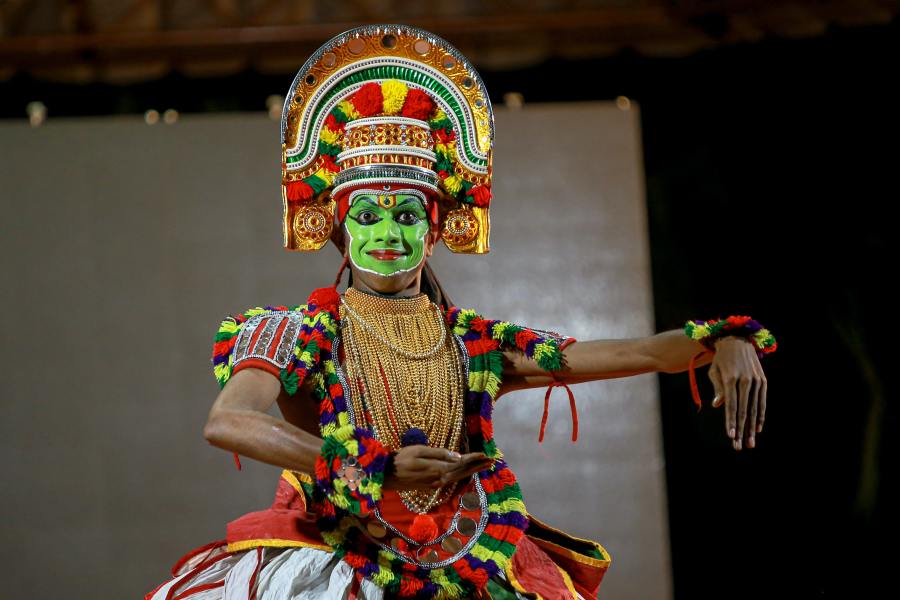
There are 3 varieties of Thullal – Ottan Thullal, Seekanthan Thullal and Parayan Thullal, of which Ottan Thullal is the most popular. It was introduced by the legendary poet Kunchan Nambiar in the 18th century, with its principles based on the Natya Shastra. It is said that Kunchan Nambiar developed this dance form to get back at a Chakyar who ridiculed him for falling asleep during a Chakyar Koothu performance. Ottan Thullal performances are often laced with humour, criticizing and commenting on society. The performer is accompanied by a Mridangam, Idakka and a pair of Ilathalam.

The performers wear green make-up much like a Pachcha character in Kathakali, with colourful costumes. They dance and recite while a chorus of 1 or more artists repeats the sentence that is recited. They perform in Malayalam, making it easily understandable for the local audience, and use old sayings and elements of folklore.

Budget 2022

A country’s financial budget is a systematic representation of how it operates and is a defining factor of its reputation. The Indian Constitution does not use the word budget, rather it is stated as the “Annual Financial Statement”. This first Union Budget of British India was presented on 7th April 1860 by Sir James Nilson, and that of independent India, on 26th November 1947 by R.K. Shanmukhan Chetty.

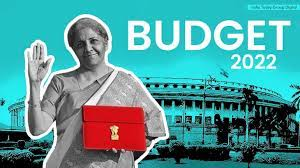
This year on 1st February, Finance Minister Nirmala Sitharaman delivered her 4th annual budget and the 10th under the Modi government. Before we get into the intrinsic details of this year’s budget, it is important to understand from where the Indian government attains most of its income.

35% of India’s reserves come from borrowing and other liabilities. GST, Income Tax, and Corporation Tax constitute 16%,15% and 15% respectively. 7% comes from Union excise duties and another 5% from Customs and Non-Tax Revenue. Thus a majority of India’s resources come from the taxpayers and loan lenders only.

One of the most important points mentioned was the prediction of the Indian economy’s estimated growth rate, set at 9.2%. This is the highest growth rate for any recovering economy, as confirmed by the International Monetary Fund(IMF). The backbone of this year’s budget was the auspiciousness of India entering Amrit Kaal, that is in 25 years, we will be celebrating 100 years of our Independence. With this in mind, the Finance Minister set out certain milestones we hope to achieve as a country before 2047.

The budget’s index is comprised of four important areas-PM GatisShakti, Inclusive Development, Productivity, and Financing of Investments.

On India’s 75th Independence Day, Prime Minister Narendra Modi announced that the Centre will launch ‘PM Gati Shakti Master Plan’, a Rs. 100 lakh-crore project for developing ‘holistic infrastructure’.PM Modi said that the Gati Shakti plan will help raise the global profile of local manufacturers and help them compete with their counterparts worldwide. It also raises possibilities of new future economic zones.

The prime minister also said that India needs to increase both manufacturing and exports. Every product that is sold globally from India is attached to India, which is why I am saying that every product of yours is a brand ambassador for India, he said.

A number of new schemes were also introduced, such as Kisan Drones, Ken Betwa Project, ECLGS, GTMSE, RAMP, DESH-Stake-Portal, DrAAS, “One Class One TV”, Saksham Anganwadi, Har Gar, Nal se Jal, etc.

But the most crucial part of a budget is its Fiscal Management. A few important pointers are as follows:

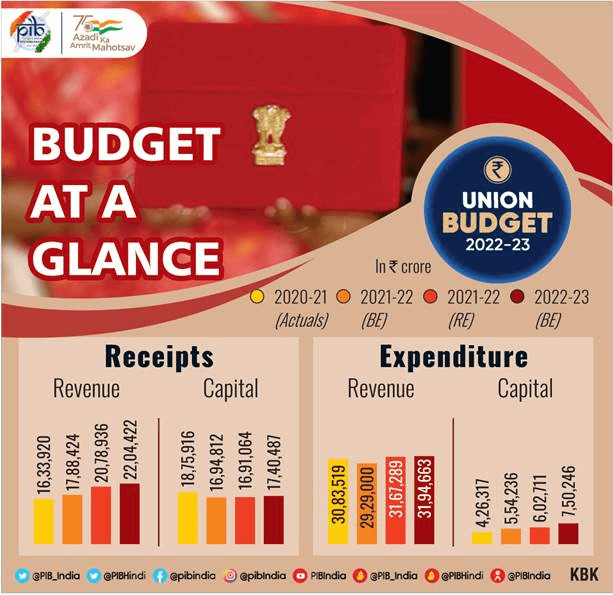
  • Proposed fiscal deficit of 4.5% of GDP by 2025/26.
  • Projected fiscal deficit of 6.4% of GDP in 2022/23.
  • Revised fiscal deficit for 2021/22 at 6.9% of GDP.
  • 50-year interest-free loans over and above normal borrowing allowed for states.

Overall, even though this year a lot of improvements were seen, including the exemplary step towards mental health advocation, the middle class was left unimpressed. With no reduction in taxes and an extra 30% tax on the new cryptocurrency policies, the average man was yet again disappointed.

How Mental health affects your body?

We all feel under the weather from time to time, but if you have been feeling emotianlly drained for a long length of time, then it is likely you are suffering from a mental disorder and you should immediately consult with an expert. Ignoring your mental health can have negative impacts on your physical health as well.
Here are 5 common impacts that your mental health can impose on your body –

1) Weight fluctuation
Mood disorders can often lead to you eating more and less and not maintaining a proper balanced diet and henceforth can result in weight gain and weight loss.

2) high blood pressure
Extreme stress can cause your blood pressure levels to rise up and leave you feeling tired and weak.

3) Insomnia
Poor mental health can cause you difficulty to sleep and lack of proper sleep can disrupt your daily schedule.

4) Drugs and Smoking
People with mental health conditions often resort to drugs, liqour and smoking in order to avert their problems and feel at ease. This in turn proves detrimental to their health. Expert consultations are always recommended in such cases.

5) Weak Immune System
Poor mental heath can weaken your immune system making you more vulnerable to get colds and other infections.

The Dark Side of Ghana

Photo by Pixabay on Pexels.com

Ghana is well known for it’s dark chocolate. Infact, it is the 2nd largest chocolate exporter in the world. Several children are forced into child labour for the extraction of cocoa seeds and they are made to work from the crack of dawn till night. To keep the price of chocolate minimum, child labour is infused since children are not paid for their work. Top international chocolate brands such as Nestle, Hershey’s and Mars buy cocoa from them. Apart from child labour, there is another ritual since prevalent in Ghana that is inflicted upon young women.
Trokosi or female ritual servitude still exists in parts of Ghana, Togo , Benin and parts of Nigeria too till this very day. It takes place when a member if a family commits a crime. The crime can be rape,theft , murder etc. And once the crime is uncovered the family members fear punishment from the gods. So in order to please the gods, the father of the family would take one of his virgin daughters and give her to a local shrine as atonement for the crimes made by the family member. The shrines are run by old male priests. The young girls are forced to work for these priests without any proper education, food or clothing and often raped and sexually assaulted and in many cases leaving her with children  who continue to live and work in these shrines. However NGO’s and other human rights organizations are fighting this practice. Many individuals and private groups in Ghana have had successes in persuading priests to stop this practice.
Since 1998, International Needs Ghana which is a local group played an integral part in a campaign which led to the release of around 2,800 Trokosi girls and the banning of the Trokosi practice in Ghana. Even Today, International Needs help many of the liberated girls by providing education and vocational training.At the Adidome Vocational Training Centre, the girls can take free training courses to learn new skills. They can learn how to bake, sew , make beauty products and so on.
They are also given literacy classes.The centre also offers medical check-ups counselling and support for the girls. And once they are done with the training and leave the centre they are supported with equipments so they can begin their own small business and make a living.