Faces

The Japanese say you have three faces. The first face, you show to the world. The second face, you show to your close friends, and your family. The third face, you never show anyone. It is the truest reflection of who you are.

Why Am choosing this to write?

No one can understand you more then your self..! Very diplomatic but 200% true. Why What how who whom??? Might be so many questions hits in your mind.

Not very large way but I would like to say. It just you who create our destiny our family our dream our achievement if I am adding this that means only you can do things for your self. Don’t go here and there. Don’t waste your time and energy on nonsense things or task or work. Just listen to your hearts and your head.

Every one have 3 faces you agree or not you too have as I am having . For the people out side world knows me as a girl who are pursuing her graduation. My family think I am made on BTS and K-dram and my actually thing is

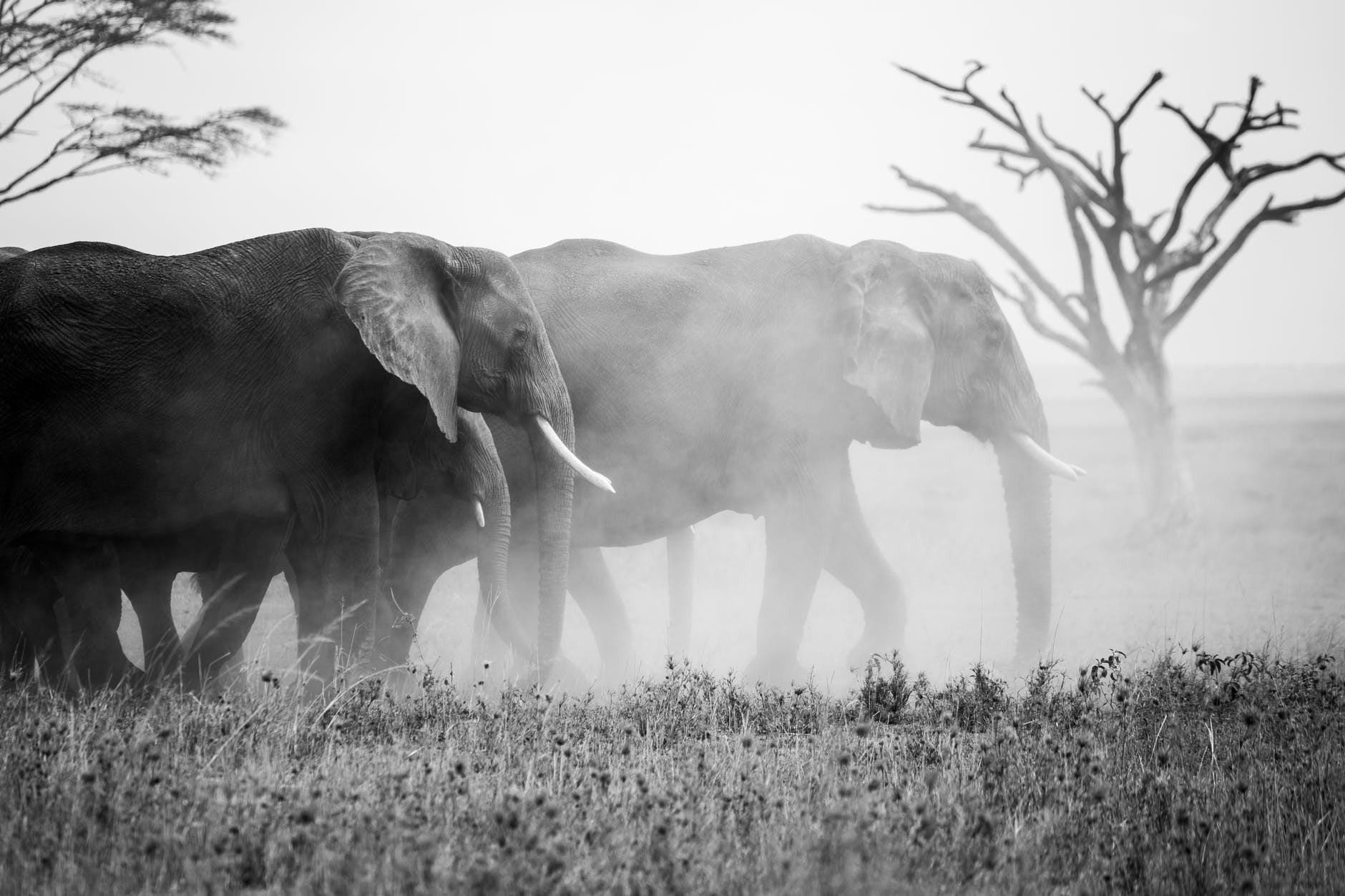
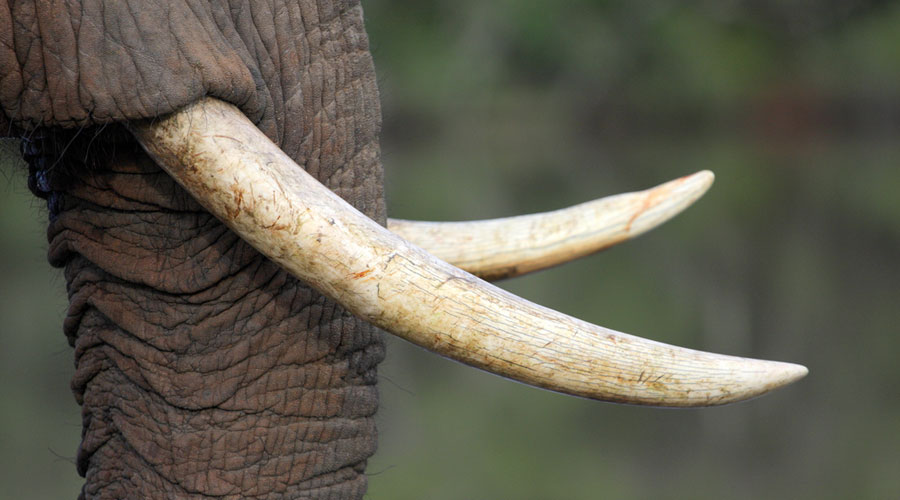
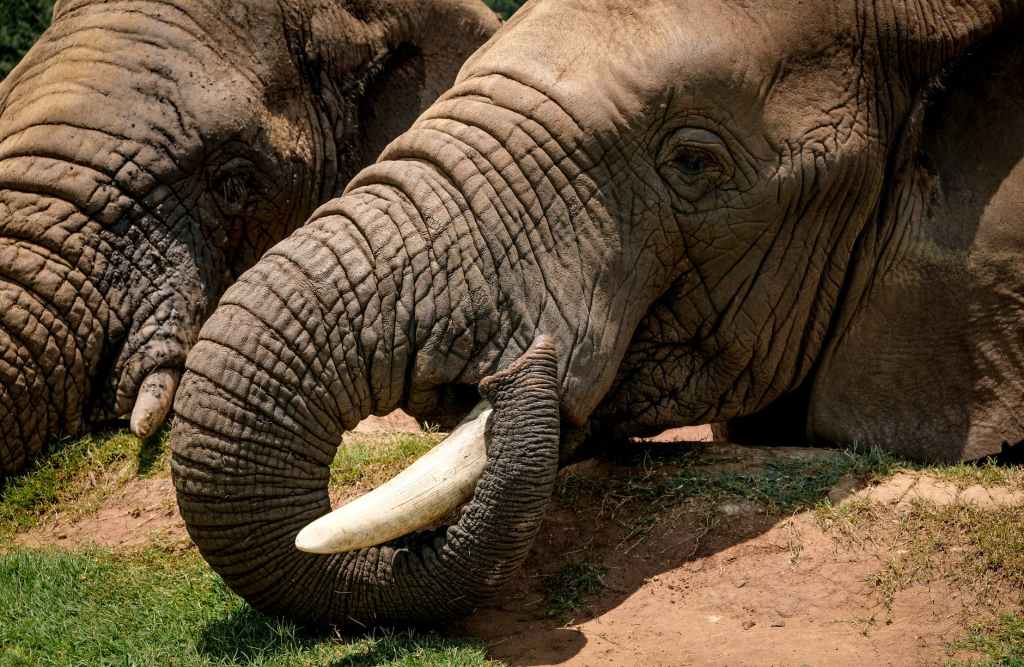
Behind every ivory trinket-is a dead elephant?

It is distressing to see the plight of the tusk-bearing animals these days. Numerous news headlines are daily highlighting the illegal smuggling of ivory. The extortionate value and demand of the ivories are not only in India, but also in the international markets. Wild animals are mercilessly being poached on a massive scale, possessing a major existential threat to wildlife. But do we really care or do enough to stop this inhumane and selfish act?

Let us first understand the connotation of the word ‘poaching’.

Poaching, in simple words, is the illicit act of killing, shooting, hunting or capturing of animals. The aim of this illegal act is mainly for the purpose of trade of animal products like skin, teeth, horn, bone, etc. Poaching plays a decisive role in being a contributor to biodiversity loss. Due to this felonious act, the number of extinctions has increased dramatically over the past decades. It is necessary to understand that poaching is not only about the uncontrolled killing of protected animals or endangered animals but any unlawful killing of animals.

Smuggling of elephant tusks

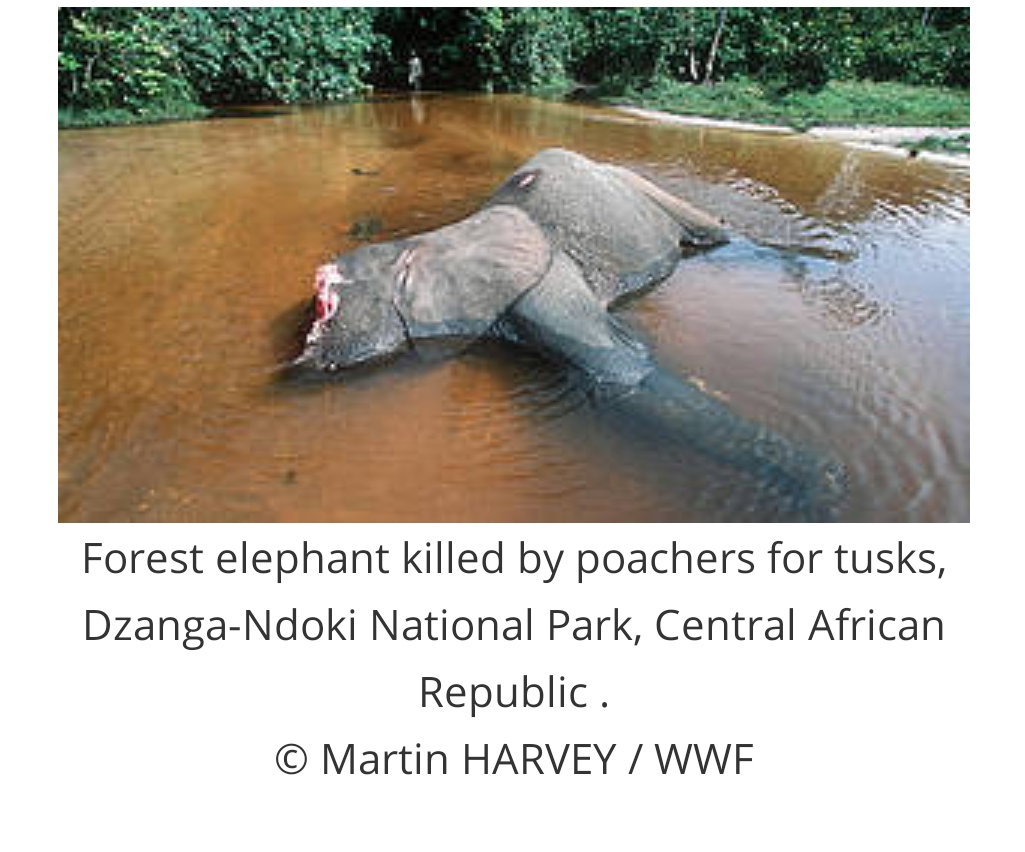
In India, poaching of elephants is very common and a major challenge to be combated. Ivory trade is in high demand mostly in the Asian countries. About 20,000 elephants are mercilessly killed every single year for their tusks. These ivory tusks are then smuggled in the international markets to eventually end up as ivory trinkets.

Ivory trade has been in practise for millennia. In the 14th century BCE, the exportation of ivory and slaves from Africa and Asia were done extensively. The freshly captured slaves along with the tusks were sold. The ivory was then used to make ornaments and aesthetically pleasing commodities.

On July 6, 2016, a complete ban on commercial trade in African elephant ivory went into effect in the United States. The African elephant population has decreased dramatically. Near about 350,000 elephants are left in Africa, as per 2019 data. It is quite shocking to know that 10,000 to 20,000 elephants are slain every year. Elephant numbers have dropped by 62% over the last decade, and if not brought under control, then they’ll be extinct by the end of the next decade.

Major countries where these tusks are sold

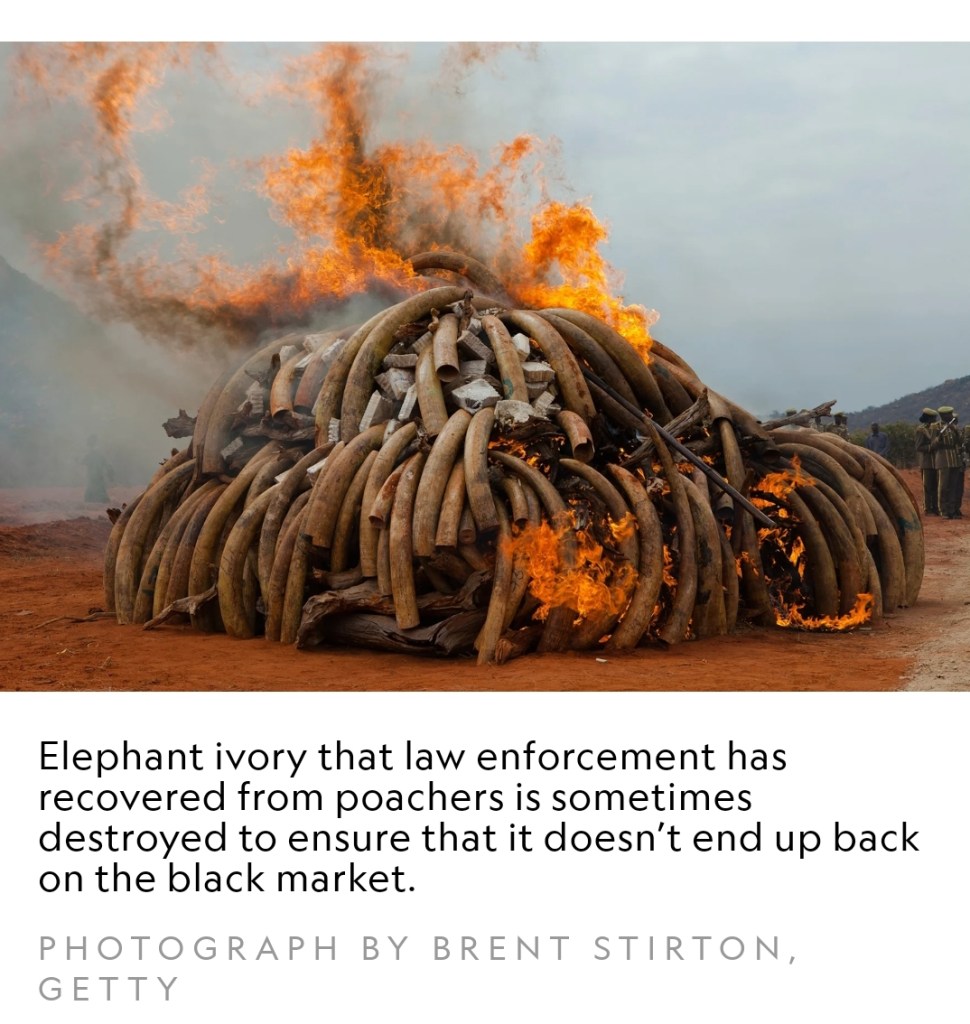
China is the biggest consumer market for ivory products. However, a ban was enforced on ivory trade by China in the year 2017. But it is evident that ivory is in high demand in many countries. Illegal selling of ivory is still rampant. In the year 2011, a whopping amount of 100kg of ivory was seized by Tanzanian officials. That same year several countries including Tanzania and Kenya seized a total of 17 ivory shipments weighing 800 kg.

According to surveys and in-depth interviews the demand for ivory is known to be concentrated in: China, Thailand, Vietnam, the Philippines, and the United States.

Last year, about 8.8 tonnes of ivory items were seized in Singapore.


The adverse effects of tusk-removal on the elephants

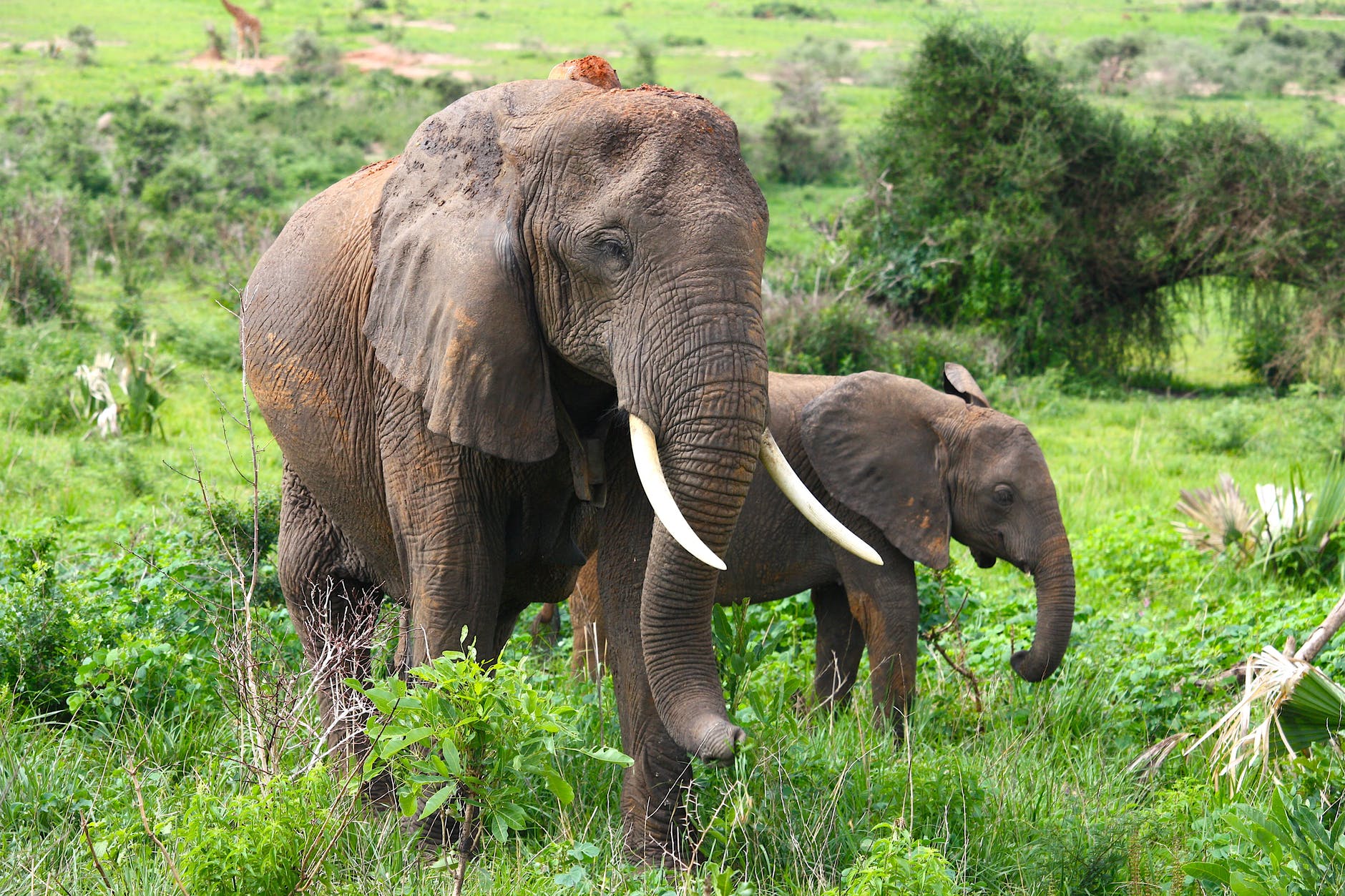
I am sure that we have all seen the majestic elephants flaunting big, off-white tusks on either side of their trunks. These tusks are both beautiful on the elephant and of utmost importance in the species’ survival.

Many poachers claim that there are no after effects of tusk-removal. Either the elephants are killed or sedated before removing their beautiful tusks.

An elephant’s tusk is deeply embedded in its skull. When the tusks are removed, there is a big hole left afterwards. The hole is big enough to stick your arm into it. If the tusks are removed at the point where it protrudes from the head, the nerve is exposed. Either way, now the wound is open and vulnerable to all sorts of infection. So, even though the elephant remains alive it is still at risk. Now, suppose there is an ivory poacher. Any poacher will want as much ivory as he can acquire with as little risk as possible. If he opts for the removal of the tusk completely, he/she will have to completely sedate or kill the elephant, because of little time and the fear of getting caught.

But is it just the elephants?

The answer is a ‘Big No’. Ivory has been valuable since ancient times in art and manufacturing a range of items and artefacts. Though elephant ivory is the most important source, ivory of walruses, mammoth, killer whale, sperm whale, hippopotamus, narwhal and warthog are used as well.

The international and national trade of ivory of threatened species such as African and Asian elephants is illegal.

Read about ivory trade and other tusk bearing species at- https://en.m.wikipedia.org/wiki/Ivory_trade#:~:text=The%20ivory%20trade%20is%20the,resulting%20in%20restrictions%20and%20bans.


Metro Region Concept

 A metropolitan area (metropolis) is a region consisting of a densely populated urban core and its less populated surrounding territories, sharing industry, infrastructure and housing. A metro area usually comprises multiple jurisdictions and municipalities, neighborhoods, townships, boroughs, cities, towns, exurbs, suburbs, counties, districts, states and even nations. As social, economic and political institutions have changed, metropolitan areas have become key economic and political regions. Metropolitan areas include satellite cities, towns and intervening rural areas that are socioeconomically tied to the urban core, typically measured by commuting patterns. 

At first, the ‘metropolitan district’ was used in 1910 in the Census of Population carrying a central city of 50,000 or more population and all adjacent minor civil divisions having a population density of 150 or more persons per square mile. By 1940, the concept of the metropolitan district had lost favour because the possibilities of correlating local data with district data were limited. 

Besides this, the metropolitan district did not truly represent social and economic integration with the central city. Therefore, a new areal unit, the standard metropolitan area, came into vogue in 1949. It was defined as made up of counties instead of minor civil divisions. It was succeeded by the ‘Standard Metropolitan Statistical Area’ (SMSA).It is defined below as it existed in 1970. 

A contiguous county will be included in an SMSA if: 

(a) At least 75% of the resident labour force in the county is in non-agricultural labour sector 

(b) At least 30% of the employed workers living in the county work in the central county or counties of the area. 

A contiguous county which does not meet the foregoing requirements will be included in an SMSA if at least 75% of the resident labour force is non-agricultural and meets two of the following additional criteria of metropolitan character and one of the following criteria of integration. 

(i) Criteria of Metropolitan Character 

(a) At least 25% of the population is urban. 

(b) The county had an increase of at least 15% in total population during the period covered by the most recent two censuses. 

(c) The county has a population density of at least 50 persons per square mile. 

(ii) Criteria of Integration 

(a) A least 15% of the employed workers living in the county work in the central county or counties of the area, or 

(b) The number of people working in the county who live in the central county or counties of the area is equal to at least 15 per cent of the employed workers living in the county, or 

(c) The sum of the number of workers commuting to and from the central county or counties is equal to at least 20% of the employed workers living in the county.

As stated above it seems that metropolis is primarily a demographic concept. But this may be emphasized once again that metropolis is much more than an agglomeration. It possesses distinct character and functions which are not likely to be found either in agglomeration or in conurbation. In metropolitan cities each function has benefited from the conditions which brought about the other functions and has found reasons for developing there itself. 

There the powers of attraction make them bigger and bigger, and consequently enormity of their size increases their power of attraction. This is happening in Mumbai which has grown tremendously during 1901-1991 by 1000 times. Mumbai has simultaneously an international port, one of the biggest commercial marts, an important industrial node of the country and a cosmopolitan centre. After analyzing the conditions of this development, it may be observed that out of 300 cities with population over one million in the world (1991), more than 50% are sea ports. In reality, ports possess immense potentials to concentrate functions, because, on the one hand, they are by definition commercial places, and on the other, they attract manufacturing industries by the materials of all sorts which they receive from various parts of the country. 

Even in the days of the ancient Mediterranean civilizations, and also, during the colonial times, the great commercial connections were then maritime links with the metropolis. The eastern and western sides of the Atlantic in Europe and America therefore, have great ports. Metropolitan cities acquire a sort of permanence and remain evergreen over time.

Metropolitan Cities in India 

The Constitution (74th Amendment) Act, 1992 defines a metropolitan area in India as, an area having a population of ten lakhs or more, comprised in one or more districts and consisting of two or more municipalities or panchayats or other contiguous areas, specified by the Governor by public notification to be a Metropolitan area. 

In India, the Census Commission defines a metropolitan city as one having a population of over four million. Delhi, Mumbai, Kolkata, Chennai, Hyderabad, Bangalore, Ahmedabad, Pune, Surat and Nashik are those Indian cities that have over 4 million people. For these million plus cities the Census definition of an urban agglomeration requires that it should be a continuous urban spread constituting a town and its adjoining urban growths or two or more physically contiguous towns together with adjoining outgrowths. 

There are 53 urban agglomerations in India with a population of 1 million or more as of 2011 against 35 in 2001. As per the preliminary results of the Census 2011, released by the Registrar General of India, Greater Mumbai with a population of 18,414,288 continues to be India’s biggest city, followed by Delhi – 16,314,838 and Kolkata- 14,112,536. These three cities are India’s mega-cities with 10 million plus population. But, when we consider Urban Agglomeration as an extended city comprising built up area of central core and any suburbs linked by continuous urban area, we have a change at the top. Delhi NCR, with the inclusion of Gurgaon, Faridabad, Noida and Ghaziabad becomes the No.1 urban agglomeration with a population of 21,753,486, ahead of 20,748,395. 

As of 2011 census of India, there are 46 metropolitan cities in India and the top ten are, Mumbai, Delhi, Kolkata, Chennai, Hyderabad, Bengaluru, Ahmedabad, Pune, Surat and Visakhapatnam.


Why We Need Media Literacy

The presence of media in our lives is extensive. Take a look around you and observe all the various forms of media available. When are we not really surrounded by some form of media? According to Statista Research Department (2021), there are more than 143000 registered newspapers and periodicals across India. Around 210 million households own a television and 744 million users access the internet using mobile phones(Sandhya Keelari, 2021). There is a penetration rate of 54% for smartphones in India. 

An important question arises in this age of saturated information and intense political situations – Are we as media literate as we should be? Before coming to the importance of media literacy, let us look at its proper definition. Media literacy has been defined as the ability to access, analyze and evaluate the power of images, sounds and messages which we are now being confronted with daily and are an important part of our contemporary culture. It also refers to being able to communicate competently in media available on a personal basis. Media literacy basically refers to how much a person can identify the different types of media and understand their messages. These can be television, radio, print, advertisements, memes, video games, etc. Understanding the objective or goal of the author/creator of a media is the basis of media literacy. Media literacy is an essential topic of study, particularly for the youth, for the following reasons:

For Gaining Right Information:

Media literacy helps you access and understand new information, ideas, and perspectives. Media helps us collect data which can be very useful for school or work. A common example is how all students now go to the internet first when a project or presentation work is given to them. It helps them find out what they had missed before.

However, we must also be able to understand when inaccurate or wrong information is presented to us. As the media bombard us with information from all sides, finding the right data may be difficult. Media literacy helps us identify reliable sources. While misinformation has been a prevalent issue for years, it has become even more evident during the lockdown periods of the COVID-19 pandemic. Misinformation has caused both minor and major social and health issues in the country. Misinformation refers to wrong or inaccurate information spread unintentionally. A vast majority of forwarded messages in your family groups on Whatsapp would fall into this category. Disinformation, on the other hand, is false information propagated intentionally. People must be made aware of the nuisance of misinformation and disinformation. They should develop a skepticism towards digital information but not to the extent that they lose their natural curiosity.

Critical Thinking:

We need to be able to critically analyze the media presented to us. This means that on watching a news report, we should understand how the reporter has framed the news and if there is an underlying purpose or bias in the report. Media literacy also helps us recognize how biased media can affect our perceptions of an event or issue. In a country like India, almost all the media we are exposed to can be politically-charged. Directly or indirectly, most newspapers, television channels and media houses are affiliated with some political group or their views. This bias is not right or wrong as long as it is not the deciding factor above everything. Whether it is right or not, we as consumers should be able to recognize various perspectives presented by the media and respond rationally. This also applies to social media posts. Someone who has good media literacy skills can spot paid promotions or advertisements on social media and television.

Media literacy is an area of education that should be given more significance in India. It should be taught so that on exposure to any kind of media, people can find the answers to the following queries on their own:

  • What is the correct source of this message?
  • What creative techniques are used to grab my attention?
  • How might different people understand this message from me?
  • What values and points of views are represented in or avoided from this message?
  • Why are they sending this message?

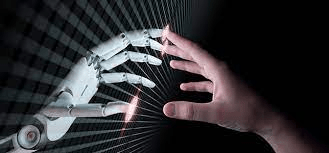
WHAT IF TECHNOLOGY’S ACTUALLY MAKING US MORE HUMANE

Some say, that it is Artificial Intelligence that will cause the next Big Bang, vanquishing the entire human race. Another pose is that technology has resulted in our mind losing its power to think. Well, let’s ask ourselves a question-“What defines a human?”


A human is defined through various characteristics, out of which the principle ones include emotional interaction and social well-being. Technology’s aim was never to transfigure the way humans think or perceive their surroundings. It slightly altered our emotions to a more positive outlook. A mobile phone is nothing but a simple way to contact our kith and kin living away from us. A social media app is nothing but a path to bliss through socialization with the world. The feature of face-time is the new cure to depression and anxiety.

The truth is that technological superiority can never surrogate humans because it is us humans only, who put forward these advancements.

Machinery and computers have only amended our lifestyle for the better. Let’s take television as an example. Would we ever have known about starving kids in Africa, had it not been for the television. But now that we do, we are compassionate towards them and are funding their nutrition. Technology can be used not just for interaction, but for improving our day-to-day lives. Fitness recorders encourage us to get up and engage in physical exercises, and still, we hear about indolence due to technology. A simple web search can help us transform our diet and thus become more productive.

Thus the role that technology has played so far was for the betterment of humanity, and the persistence of humanity.

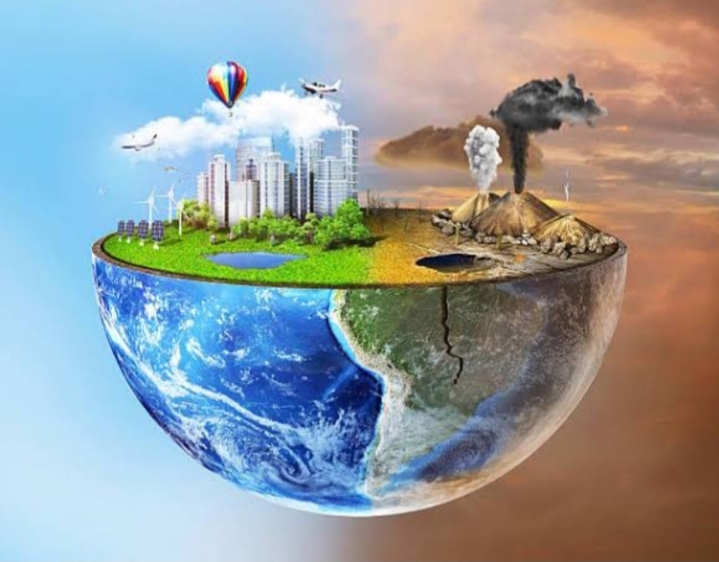
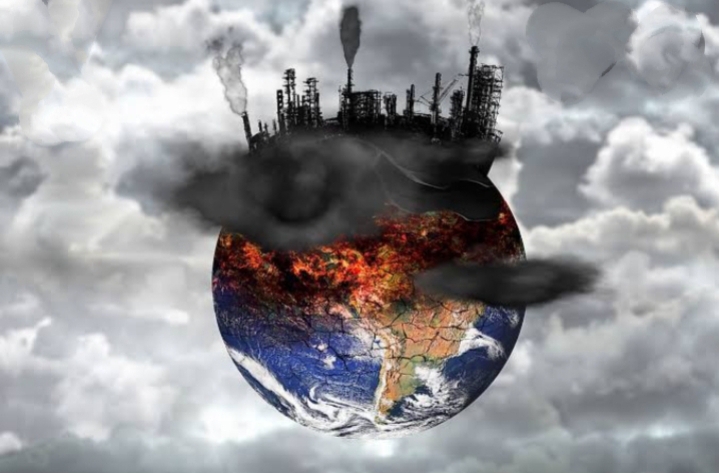
ONE OF THE BIGGEST PROBLEMS IN THE WORLD: POLLUTION

Pollution is the harmful things which are found in the environment. These harmful materials are called pollutants. Pollutants can be natural such as Sulphur dioxide, smog. They can also be man-made like wastage in factories. These hazardous pollutants cause air, water as well as land pollution. In addition to this, there are some other types of pollution like noise pollution, plastic pollution, light pollution, etc. Pollution can take the form of any substance (solid, liquid, gas) or energy.

Some forms of pollution are listed below:

Air pollution: Air pollution is caused due to increase in the hazardous gases in the air. Natural pollutants like smog, ground-level ozone, and man-made pollutants are carbon dioxide released from vehicles, some harmful gases released by the factory in the air cause air pollution. Air pollution causes heart disease, lung cancer, and long-term disease for the respiratory system. It also damages the human brain, kidneys, and other body parts.

Water pollution: water pollution occurs when agricultural fertilizers, pesticides, or insecticides are found in water. Oil leaks, industrial wastage which is found in water also cause water pollution. The diseases like diarrhea, cholera, typhoid, hepatitis A, polio can be caused due to intake of polluted water.

Sound pollution: sound pollution is caused due to loud music systems, machines in factories, or the use of firecrackers in any event. It is also caused by traffic noise. The most common effect of sound pollution on human beings is losing hearing power. It also causes high blood pressure, heart disease, sleep disturbance.

A Jest of God: The Book Review

The first cover of A Jest of God (1966)

Introduction

A Jest of God is a novel by Canadian author Margaret Laurence. It was first published in 1966. It won the Governor General’s Award  for 1966 . In 1968, director Paul Newman and screenwriter Stewart Stern  adapted A Jest of God  into the motion picture Rachel, Rachel. It starred Joanne Woodward in the lead role and Estelle Parsons as Calla, both of whom received Academy Award nominations for their performances. It was also nominated for Best Picture.

Revised Cover of A Jest of God (1966)

About The Author

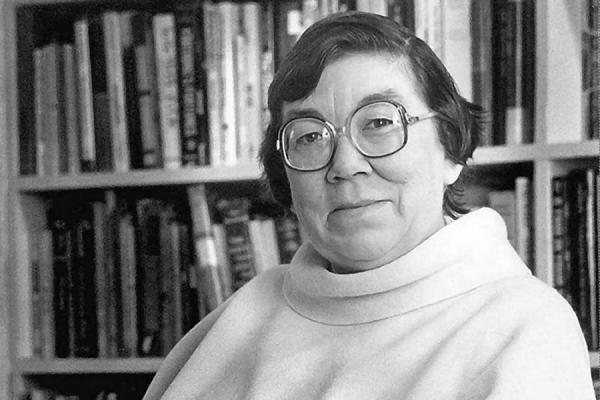
Margaret Laurence (née Jean Margaret Wemyss), was a Canadian novelist (born 18 July 1926 in Neepawa, MB; died 5 January 1987 in Lakefield, ON). Margaret Laurence was one of the pivotal and foundational figures in women’s literature in Canada. Two of her novels — A Jest of God (1966) and The Diviners (1974) — won the Governor General’s Literary Award  for fiction. She also wrote acclaimed poetry, short stories and children’s literature, helped found the Writers’ Union of Canada and the Writers’ Trust of Canada, and served as chancellor of Trent University. She was made a Companion of the Order of Canada  in 1972 and was named a Person of National Historic Significance by the Government of Canada  in 2018.

Margaret Laurence

Storyline of The Novel

The tale of the dutiful daughter who returned home to care for her ailing widowed mother records with appalling accuracy the life of a thirty-four year old spinster schoolteacher in a small town outside of Winnipeg. The relentless confinement of Rachel Cameron‘s life is disrupted the summer the milkman’s son, now a teacher in a Winnipeg high school, returns to visit his parents. Rachel is an easy mark; her affair with Nick brings out passion after awkwardness, and the yearning for a family of her own. The understanding that Nick is married destroys the affair but not her longing, and when she thinks she is bearing his child she determines to go through with her pregnancy. The prospective infant turns out to be a tumour, benign; Nick turns out to be unmarried and the more inaccessible; but Rachel emerges from her experience with a new conception of herself and her environment. She will no longer be a victim, though she may be a reluctant jester, and she makes the needed move to a place where her old responsibilities and limitations will remain but where there will be a greater freedom. Saved from soap opera by an utter sureness and honesty of vision, from dreariness by the aptitude of its portrayals, this carries a compassionate conviction that will reach a limited but sensitive feminine readership.

Poster of movie Rachel, Rachel (1968) based on novel A Jest of God (1966)

Analysis of The Storyline

The novel gets told with difficulty because Rachel’s voice is halting, obsessive. She begins her story as an observer, watching the children in the schoolyard, watching herself both in her immediate present as a teacher and remembering back to her childhood. She thinks of the “secret language” children share. In contrast, her own language is halting, and she finds difficulty establishing a voice. She frequently interrupts to judge her voice critically. She wonders: “Am I beginning to talk in that simper tone?” . Then, as a corrective, she speaks “more sharply than necessary,” and cautions herself to “strike a balance” . But, if we read this story in Jungian terms. (as many critics do),we perceive that Rachel cannot achieve this desired balance until she accepts her shadow side. Locked in a pattern of avoidance, no wonder she finds “my own voice sounds false to my ears”.

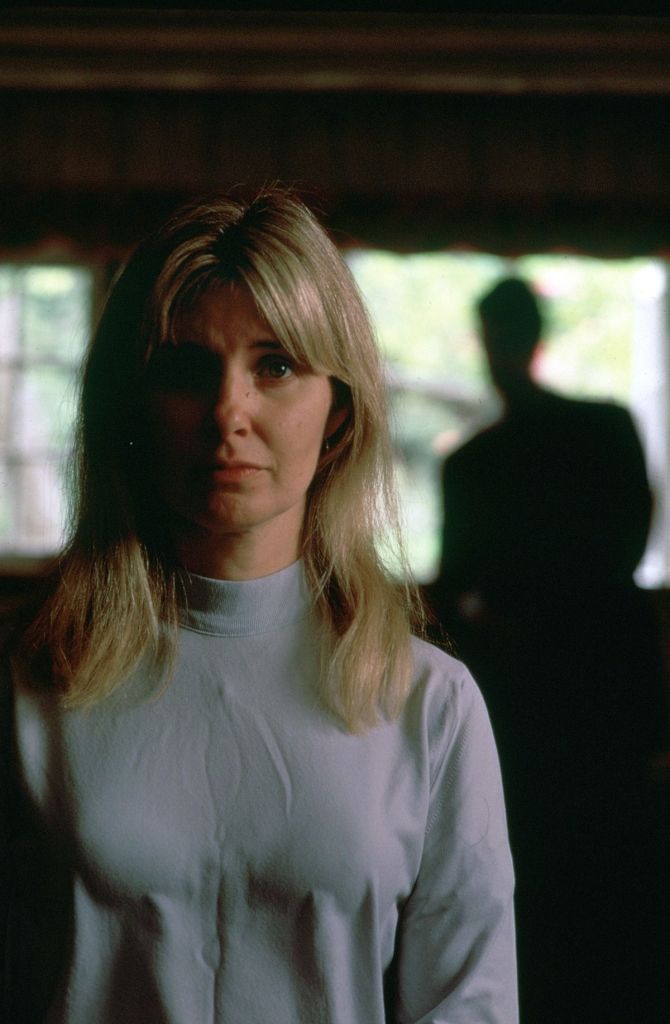
Joanne Woodward as Rachel in Rachael, Rachael (1968)

Because she resists acknowledging her desires, she remains blocked. When she approaches a recognition of her “darker,” “shadow” selves, she retreats, and stops the story. If she fears she is entertaining “morbid” thoughts or eccentric fantasies, she admonishes herself: “This must stop. It isn’t good for me. Whenever I find myself thinking in a brooding way, I must simply turn it off and think of something else”. She retreats from her sexual fantasies : “I didn’t. I didn’t…. Rachel, stop it. You’re only getting yourself worked up for nothing. It’s bad for you”. Yet these private fantasies are colourful and engaging, in vibrant contrast to her stilted public language and constrained behaviour. Fortunately, almost in spite of herself, she comes to acknowledge her desires and to face the implications of sexual passion. Through a symbolic descent into the underworld, the womblike, tomblike mortuary presided over by Hector Jonas (/Jonah), she realizes that she has the power to affirm her passions, to choose life.

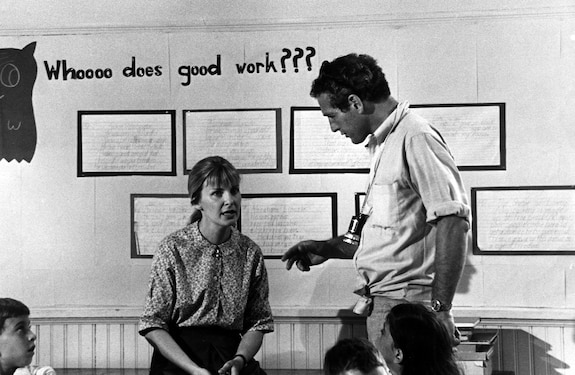
scene from Rachel, Rachel (1968)

Conclusion

A Jest of God is beautifully written, a sympathetic, tender novel which sees Rachel come to a new understanding about herself, and her standing with her difficult mother. A thoroughly beautiful novel, that still possesses its relevance to today’s readers.

Healing

We all come across the word healing as we scroll down through social media or while reading a newspaper. We know the meaning of healing as in healing a wound, that is to recover or the process of recovering. But have you heard about healing your mind, it is nothing but emotional healing, the ability to take proper control of your mental health in a way they do not interfere your present moments. Nowadays, be it young children, teenagers or adults, we use the word stress in our everyday life. Stress is something that is unavoidable nowadays, loads of books to study, loads of activities to be done, relationship issues, health issues and lots of other stuff. Once your body reacts to stress, that makes you feel frustrated, so it is really important to heal your mind and body.

Steps to heal yourself

Once we get a wound, immediately we all treat the wound with some kind of antibiotics after cleaning the wound, same way when your body reacts to stress it creates some wound to your mind, so it must be treated immediately by healing. Here are some ways to heal yourself:

  1. Take a deep breath whenever you feel stressed and think calmly to overcome the issue whatever it might be.
  2. Indulge yourself with your favorite hobbies and keep going with it until you forget all your worries
  3. Do some exercise, this might help your body and mind to relax
  4. Have a nice talk with your closed once, share your thoughts with them, this surely reduces your burden.
  5. Spend some time with nature, the pure air, birds chirping, cool breeze, really heals you better than anything else
  6. Cook your favorite dish or go to your favorite restaurant, have something that makes you forgot all your worries
  7. Have some ice cream, its the best comfort food, it seems to combat anxiety, stress and sadness away.
  8. Take everything slowly, face your problems with a smile, Don’t push yourself too hard
  9. Begin everyday with a smile.

UNPRECEDENTED TIMES REQUIRE UNPRECEDENTED MEASURES

“Vulnerability is not a weakness, it is our greatest measure of courage.”
What role does this impactful quote by Brene Brown play in our life? Arduous times have a tendency to shake the psychological well-being of any mortal. Sometimes, during unprecedented times, we are forced to take steps that were never dreamt of, by us.
Since the Big Bang, mankind’s path to advancement has been full of thorns. The Spanish Flu, the 1931 China floods, the 9/11 attacks, and numerous life-threatening scenarios were faced by us.
But if during those times, we hadn’t taken the necessary steps and shown impeccable courage, we wouldn’t have had the opportunity to write essays like this. We have to deal with emergency situations or when besieged by sorrows and life-threatening situations, we feel pressed to come out of our comfort zone of normalcy.

The most considerate example in front of us is the current pandemic that has befallen the planet-“The COVID-19 Pandemic”. This worldwide disaster crippled the economy of most of the countries, disavowed more than half of the businesses and industries, and forced millions to migrate.
Then the question that comes into our mind is-“How to avert this biological calamity?”And the first answer that we take into account is “Unprecedented measures”. We needed to do something that might not have happened in decades before. We were forced to go into a worldwide lock-down. People couldn’t step out of their houses and were forced to confine themselves within four walls. Collaborations were arrow-struck, the aviation sector was totally destroyed, and worse was the case of unemployment.
This was not the time to be insensitive or remain aloof. We had to support our families as their pillars, and console the infected.
There were various steps taken up by the governments, to control the situation. A few major ones include business shutdowns, work-from-home situations, and an obligation towards the country by wearing N-95 masks.
These times required us to keep ourselves immaculate and avoid as much contact with others as possible.
Even though hardships come and go in everyone’s lives, when we introspect, we find that the courage to overcome the difficulty is on the other bank of the river. The bridge that we need to cross, is that of self-confidence.
One of the main reasons people fail to scrutinize a burdensome task is an apathy. A lack of interest tends the bearer to give up easily. Thus being ebullient is very important to take unprecedented measures during unprecedented times.
The Indian directorate introduced a number of schemes for containing the economic fallout. An economic relief package of ₹20 lakh crore was announced by the Prime Minister in support of the financial victims of the pandemic. Numerous farmers and unemployed were funded by the government. Under the Pradhan Mantri Yojna, a sum of ₹12,000 crores was donated by PM Narendra Modi, to the farmers. Under the Ujjwal scheme, the government decided to provide free LPG refills to around 8.3 crore poor women. Close to 6 crore farmers were benefitted during the lockdown, because of the ingenious steps taken up.
There were countless such initiatives taken up in our country and the world. But the significance of these is often missed by us. The spontaneous reaction to the spread of the virus is often missed by us. The virtual operating system of the countries is often missed by us.
Many would still condemn the lock-down, rebuke the improvised and extrapolated agencies and organizations of the world, because they are unaware of the fact that even soothsayers cannot tell if a pandemic would fall upon the planet within a few days.
Difficulties and struggles do not knock on your door. They don’t even wait for you to be ready to tackle them. But if the wit of a person or country is strong, none can stop them from becoming the “difficulty for the difficulty”.
If we scrutinize a catastrophe and its victims closely, we find that the optimistic have a better chance of reverting back to normalcy, than the pessimistic. This also proves, that the degree of impact of our reaction towards a crisis, “is directly proportional” to our attitude. Giving up is too easy, winning may also be too easy, but the most difficult part is standing up, after falling down. The most important part is about how we perceive the situation in front of us.
What most individuals fail to acknowledge, is that preparing for an unprecedented time in advance is not possible, because of the word ”unprecedented”. Sometimes we have to go with our gut or rely on involuntary actions.
Looking back, we realize that even history provides a lot of classic ethics about times when people were given a chance to show their heroism.
Japan suffered two atomic bomb attacks in 1945, and it was predicted that it would take a few hundred years for the country to come back to its normal state. But as we see now, it is the world’s second-largest developed economy. How could that be possible? It was the civilians in Japan who fought vigorously against all anomalies to make their country one of the finest technologies in the world.
Recent events like the “Black Lives Matter” movement highlight the need for these unexpected times and measures. When George Floyd was cumbered to death by a policeman, thousands took to the streets and protested for the lives of the black community. Was this ever expected to happen? NO, but it still resulted in all 4 officers (who were responsible) being taken into custody. Thus, the reaction of a unified mass can change a lot of things.
Accomplished pilots gain their reputation from storms and tempests. Our valor often increases in proportion to the hindrances imposed upon it. Nobody learns to drive without knocking off a few trash cans or ace an examination without making mistakes.
Thus-
“A winner is never actually the person who wins, but it’s the loser because he knows the true meaning of winning.”

Mimi of Bollywood: Priyanka Chopra

An Indian actress, model, film producer, and singer the winner of the Miss World 2000 pageant Priyanka Chopra is one of India’s highest-paid and most popular entertainers. She has received numerous awards including two National Film Awards and five Filmfare awards. In 2016 the Government of India honored her with the Padma Shri and in the next two years, Forbes listed her among the world’s 100 most powerful women.

Priyanka Chopra was born on 18th July 1982 in Bihar 2018 in Jamshedpur of Bihar to Ashok and Madhu Chopra. At age of 13, Priyanka moved to United steps to study living with her aunt. While in Massachusetts, she participated in several theatre productions and studied Western classical music and choral singing. After 3 years she returned to India finishing the senior year of her High school education in Bareilly.

Her mother entered her in the Femina Miss India contest of 2000; she finished the second-place contestant of Femina Miss India was given the title Miss India world and sent to the Miss World competition. Priyanka next won the Miss World pageant where she was crowned Miss World 2000 and Miss World continental queen of beauty Asia and ocean at the Millennium Dome in London.

Priyanka’s main vocal influence was her father who helped to develop her interest in singing. After winning Miss India and Miss World, Priyanka was cast as the female lead in Humraaz which was released in 2002. Priyanka set up the production company Purple Pebble Pictures with an aim to produce small-budget films and promote new talent in the Indian Film industry.

Priyanka has worked with UNICEF since 2006, recording public service announcements and participating in media panel discussions promoting children’s rights. To promote organ donation, she pledged to donate her own organs after death and was the keynote speaker at the University of Pittsburgh medical center, Bollywood-themed 20th anniversary celebration of its liver transplant program in 2012.

Indian Prime Minister Narendra Modi selected Priyanka as one of the nine nominees called “Navratna” in 2014 for swachh Bharat Abhiyan. In late April 2021, due to the covid-19 pandemic in India, Priyanka along with her husband Nick opened a fundraiser along with NGO Give India to get donations for oxygen supply, covid-19 care centers, testing, and vaccination efforts.

1st December 2018 Priyanka get married to American singer and actor Nick Jonas and she legally changed her full name to Priyanka Chopra Jonas.

Organic Farming in India: The Future of Sustainable Agriculture

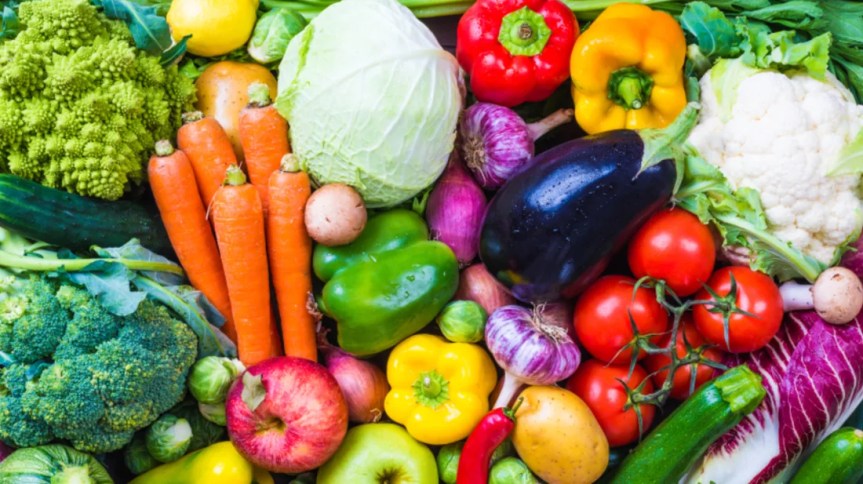
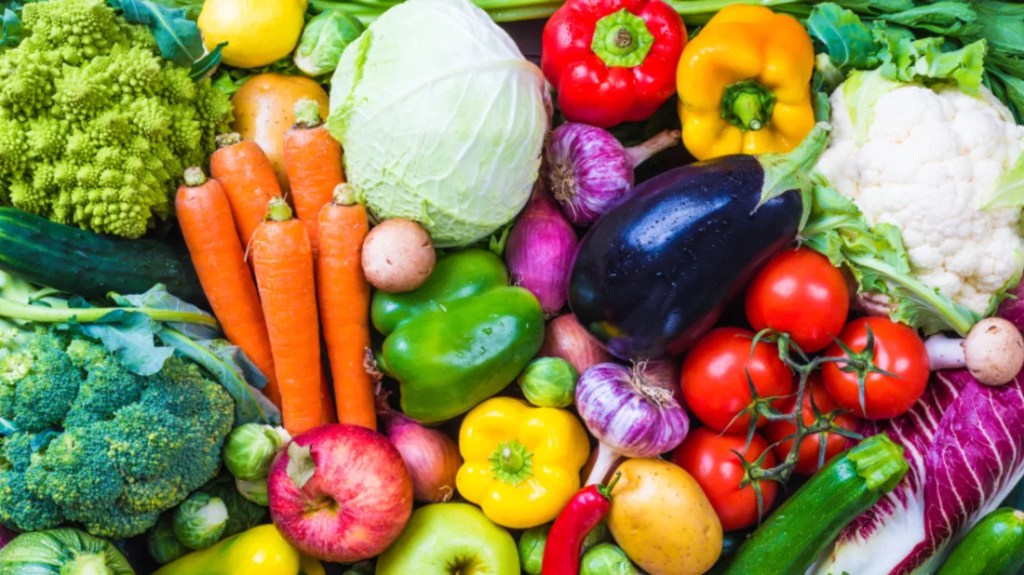
Organic Farming Produce

Introduction

The term ‘organic’ was first coined by Northbourne, in 1940, in his book entitled ‘Look to the Land’. In recent years, organic farming as a cultivation process is gaining increasing popularity . Organically grown foods have become one of the best choices for both consumers and farmers. Organically grown foods are part of go green lifestyle.

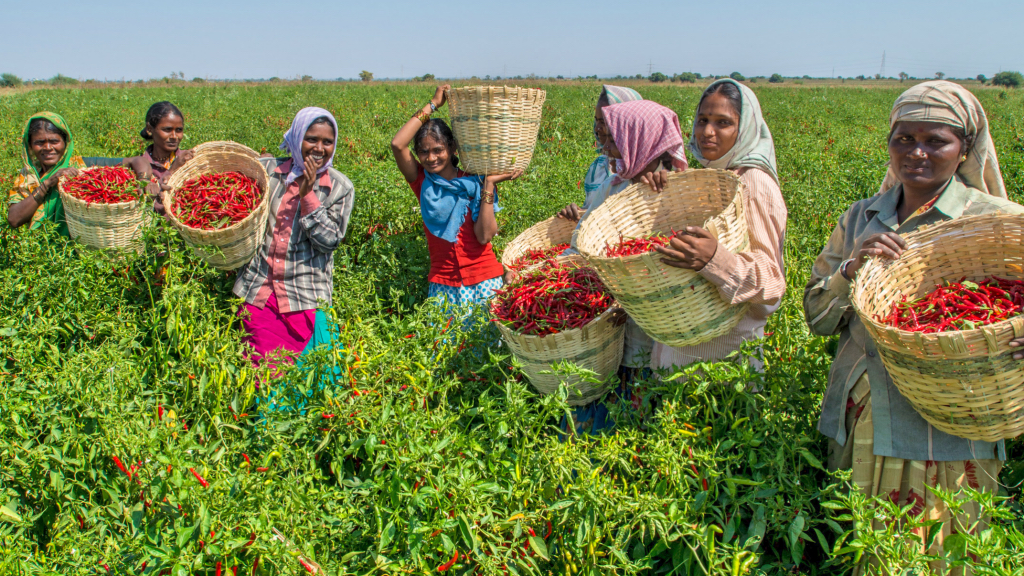
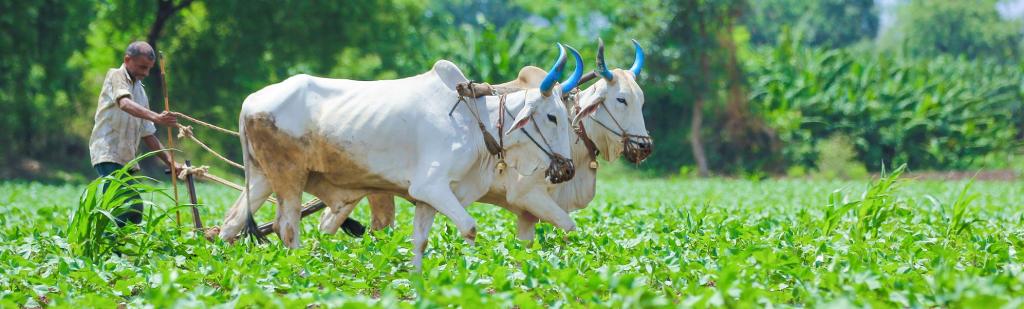
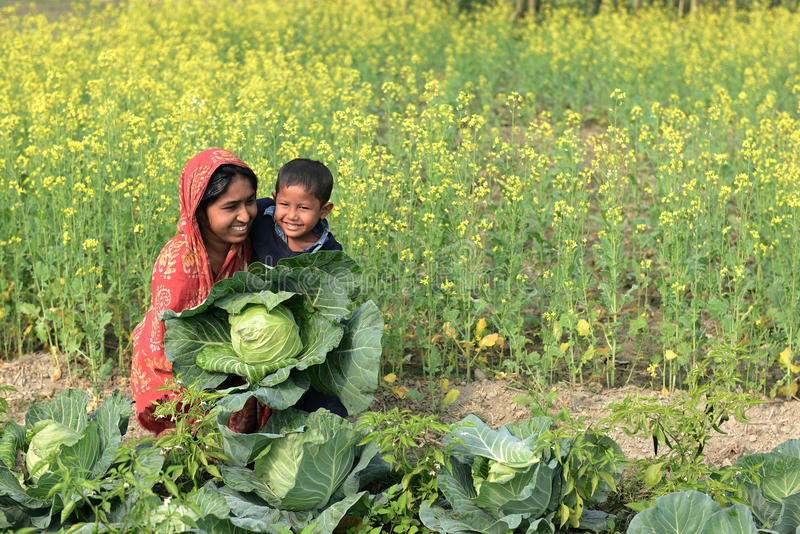
Farmers showing their Organic Harvest

Why Being Preferred These Days: The Importance of Organic Farming

Food quality and safety are two vital factors that have attained constant attention in common people. Growing environmental awareness and several food hazards (e.g. dioxins, bovine spongiform encephalopathy, and bacterial contamination) have substantially decreased the consumer’s trust towards food quality in the last decades. Intensive conventional farming can add contamination to the food chain. For these reasons, consumers are quested for safer and better foods that are produced through more ecologically and authentically by local systems. Organically grown food and food products are believed to meet these demands.

Organic Farming Processes

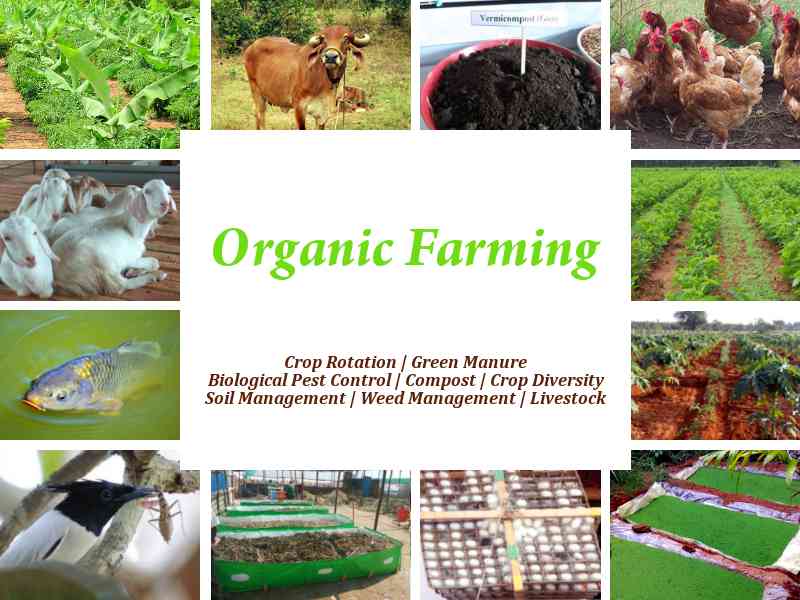
Organic Farming Process

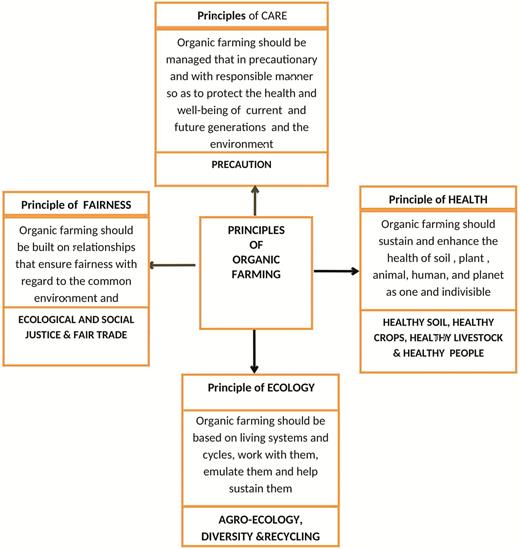
Organic farming and food processing practices are wide-ranging and necessitate the development of socially, ecologically, and economically sustainable food production system. The International Federation of Organic Agriculture Movements (IFOAM) has suggested the basic four principles of organic farming, i.e. the principle of health, ecology, fairness, and care . The main principles and practices of organic food production are to inspire and enhance biological cycles in the farming system, keep and enhance deep-rooted soil fertility, reduce all types of pollution, evade the application of pesticides and synthetic fertilizers, conserve genetic diversity in food, consider the vast socio-ecological impact of food production, and produce high-quality food in sufficient quantity.

Principles of Organic Farming  

According to the National Organic Programme implemented by USDA Organic Food Production Act (OFPA, 1990), agriculture needs specific prerequisites for both crop cultivation and animal husbandry. To be acceptable as organic, crops should be cultivated in lands without any synthetic pesticides, chemical fertilizers, and herbicides for 3 years before harvesting with enough buffer zone to lower contamination from the adjacent farms. Genetically engineered products, sewage sludge, and ionizing radiation are strictly prohibited. Fertility and nutrient content of soil are managed primarily by farming practices, with crop rotation, and using cover crops that are boosted with animal and plant waste manures. Pests, diseases, and weeds are mainly controlled with the adaptation of physical and biological control systems without using herbicides and synthetic pesticides. Organic livestock should be reared devoid of scheduled application of growth hormones or antibiotics and they should be provided with enough access to the outdoor. Preventive health practices such as routine vaccination, vitamins and minerals supplementation are also needed.

Principles of Organic Farming

Types of Organic Farming

Organic Farming are of two types. Here are the two types of Organic Farming being performed in India.

(a) Pure Organic Farming – pure organic farming, there is avoiding every unnatural chemical. In the process of pure farming, fertilizer and pesticides obtain from natural sources. It is called a pure form of organic farming. Pure organic farming is the best for high productivity. 

(b) Integrated Organic Farming – Integrated organic farming consists of integrated nutrients management and integrated pest management.

Organic Farming in India

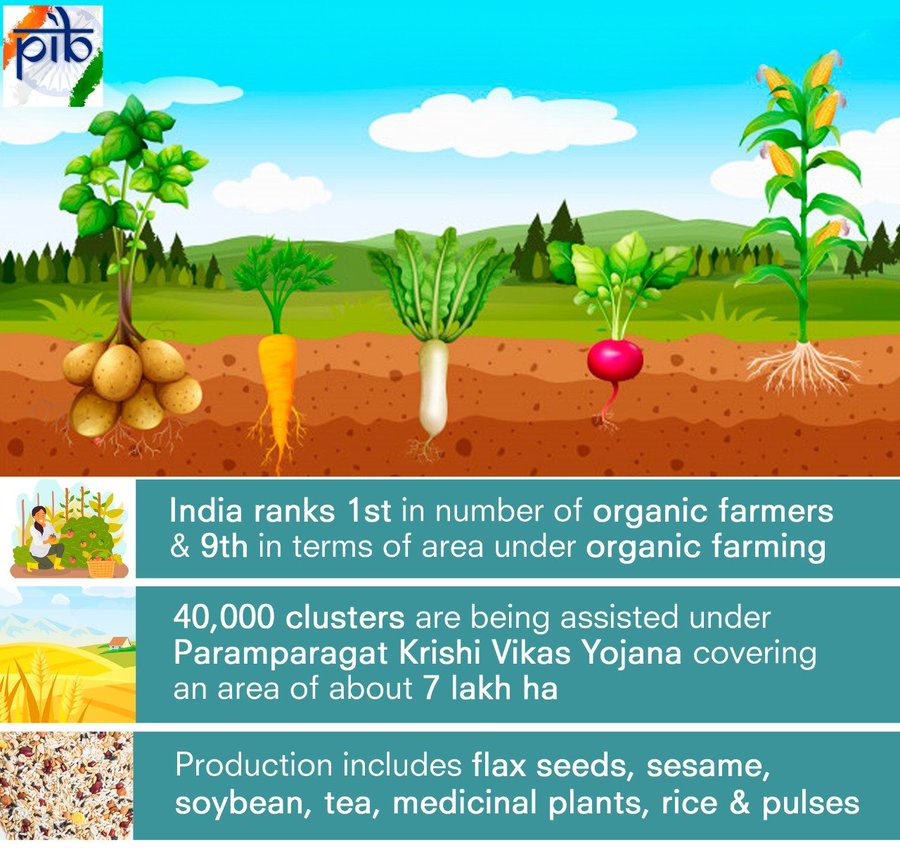
Organic farming is in a nascent stage in India. About 2.78 million hectare of farmland was under organic cultivation as of March 2020, according to the Union Ministry of Agriculture and Farmers’ Welfare. This is two per cent of the 140.1 million net sown area in the country. A few states have taken the lead in improving organic farming coverage, as a major part of this area is concentrated only in a handful of states. Madhya Pradesh tops the list with 0.76 million of area under organic cultivation — that is over 27 per cent of India’s total organic cultivation area. The top three states — Madhya Pradesh, Rajasthan and Maharashtra — account for about half the area under organic cultivation. The top 10 states account for about 80 per cent of the total area under organic cultivation. Sikkim is the only Indian state to have become fully organic so far. Even though India has very small organic area under cultivation, in terms of number of organic farmers it is being ranked first. India has over 1.9 million farmers as of March 2020, which is 1.3 per cent of 146 million agricultural landholders.

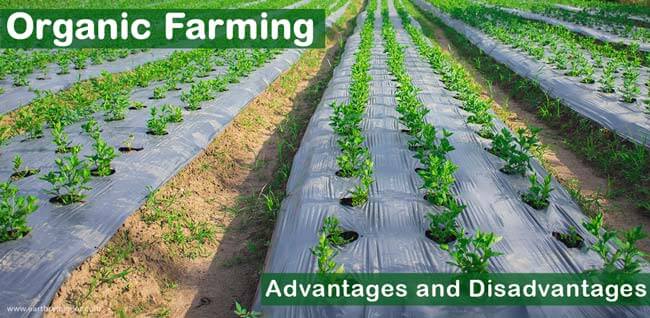
Advantages and Disadvantages of Organic Farming

Advantages of Organic Farming

Organic farming in India is very economical, it uses no expensive fertilizers, pesticides, HYV seeds for the plantation of crops. It has no expenses. 

With the use of cheaper and local inputs, a farmer can earn a good return on investment. This is one of the most important benefits of organic farming in India. 

There is a huge demand for organic products in India and worldwide and can earn more income through export.

Organic products are more nutritional, tasty, and good for health to chemical and fertilizer utilized products. 

Organic farming in India is very environment friendly, it does not use fertilizers and chemicals. 

Disadvantages of Organic Farming

Organic farming in India has fewer choices, and off-season crops are limited.

Organic agricultural products are low in the early years. Farmers find it difficult to accommodate mass production.

The main disadvantage of organic farming is the lack of marketing of the products and Inadequate infrastructure.

Organic Farming in India

Future of Organic Farming in India

India is an agriculture-based country with 67% of its population and 55% of manpower depending on farming and related activities. Agriculture fulfils the basic needs of India’s fastest-growing population accounted for 30% of total income. Organic farming has been found to be an indigenous practice of India that practised in countless rural and farming communities over the millennium. The arrival of modern techniques and increased burden of population led to a propensity towards conventional farming that involves the use of synthetic fertilizer, chemical pesticides, application of genetic modification techniques, etc.

Organic Farming leads to Sustainability and Holistic Growth

Even in developing countries like India, the demand for organically grown produce is more as people are more aware now about the safety and quality of food, and the organic process has a massive influence on soil health, which devoid of chemical pesticides. Organic cultivation has an immense prospect of income generation too. The soil in India is bestowed with various types of naturally available organic nutrient resources that aid in organic farming.

As per data collected from Government of India

Conclusion

India is a country with a concrete traditional farming system, ingenious farmers, extensive drylands, and nominal use of chemical fertilizers and pesticides. Moreover, adequate rainfall in north-east hilly regions of the country where few negligible chemicals are employed for a long period of time, come to fruition as naturally organic lands. Organic farming yields more nutritious and safe food. The popularity of organic food is growing dramatically as consumer seeks the organic foods that are thought to be healthier and safer. Thus, organic food perhaps ensures food safety from farm to plate. The organic farming process is more eco-friendly than conventional farming. Organic farming keeps soil healthy and maintains environment integrity thereby, promoting the health of consumers. Moreover, the organic produce market is now the fastest growing market all over the world including India. Organic agriculture promotes the health of consumers of a nation, the ecological health of a nation, and the economic growth of a nation by income generation holistically. India, at present, is the world’s largest organic producers and with this vision, we can conclude that encouraging organic farming in India can build a nutritionally, ecologically, and economically healthy nation in near future.

Maha Shivratri and the Legacy of Ahilyabai Holkar

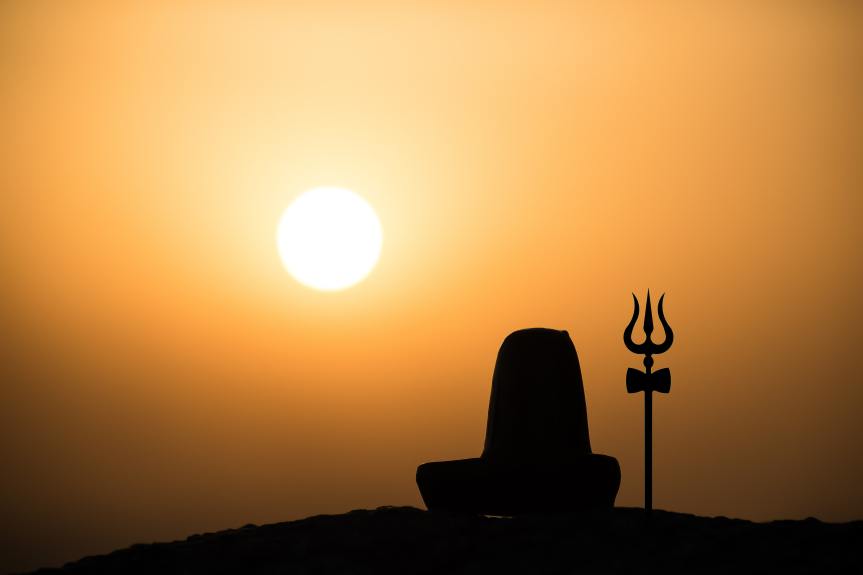
Hindus all around the world observe the night of Maha Shivratri today on the 1st of March 2022. Maha Shivratri (“The Great Night of Shiva”) is celebrated every year on Chaturdashi Tithi during Krishna Paksha in the month of Magha according to the South Indian calendar, or on 13/14 night of Krishna Paksha in Phalguna of the North Indian Hindu calendar. It is said to be the day Lord Shiva performs his heavenly dance (“Tandav“) of creation, preservation, and destruction. According to other legends, it is also the night Lord Shiva married Mata Parvati. So it is considered to be the night of union of Shiva and Shakti – the embodiment of love, power, and oneness. Devotees worship and pray to Lord Shiva, perform all-day fasting, and maintain an all-night vigil on this day. Some visit Shiva temples or go on pilgrimage to Jyotirlingams, the holiest of Shiva temples.

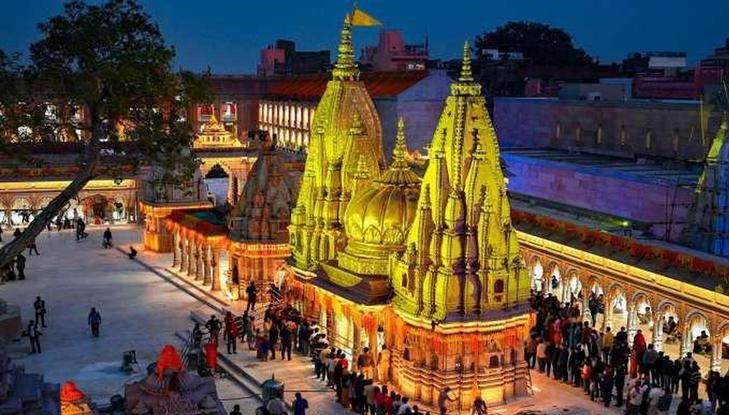
The Kashi Vishwanath temple in Varanasi, Uttar Pradesh is one of the sites of the 12 Jyotirlingams across India. This holy temple is one of the most important places of worship in the Hindu religion, with Vishveshvara or Vishvanath, the Jyotirlinga of Shiva residing inside the temple. The history of this sacred place of worship, however, is one of a cycle of destruction and plunder and re-construction. The original temple was destructed at the hands of Qutb al-Din Aibak in 1194 CE, re-constructed in 1230, and then again destroyed by the Mughal Emperor Aurangzeb in 1669 CE, building the Gyanvapi mosque in its place. It was a great and virtuous queen by the name of Ahilyabai Holkar who re-built the present-day Kashi Vishwanath temple beside the mosque. The story of this little-known noble queen is truly magnificent.

Ahilyabai was born on 31 May 1725 to Mankoji Rao Shinde, the Patil or Chief of Chondi village, Ahmednagar in present-day Maharashtra. Ahilyabai was not born into royal lineage but was married to Khanderao Holkar, after the Lord of the Malwa territory, Malhar Rao Holkar, became impressed by the young girl’s reverence and strong character. She became a widow at 29 when her husband died in the battle of Kumbher in 1754. It was her father-in-law, Malhar Rao Holkar, who prevented Ahilyabai from committing Sati after her husband’s death. Tragedy struck Ahilyabai again when her father-in-law, who was her greatest pillar of support passed away in 1766. This led to Ahilyabai’s only son Male Rao Holkar ascending the throne under her regency. He also died a few months later in 1767 which resulted in Ahilyabai becoming the ruler of Indore on 11 December 1767, despite some objections from the kingdom. She proved all those who opposed her wrong when she protected her kingdom from invaders who wanted to plunder Malwa, barely a year into her rule. She was a learned politician, cautioning the Maratha Peshawa against the British in a letter in 1772, comparing the British embrace to a bear-hug.

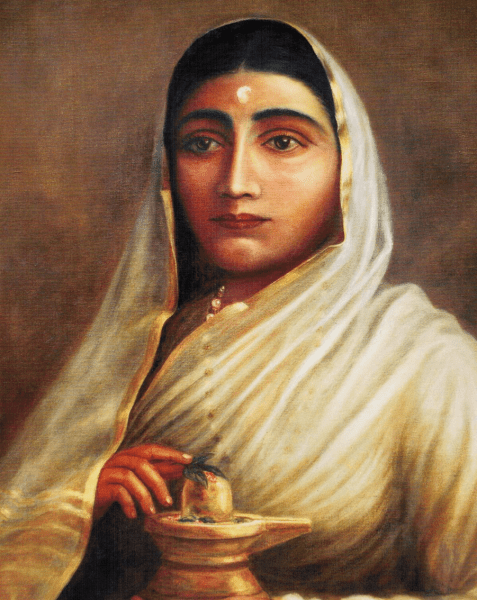
Maharani Ahilyabai Holkar Source: thebetterindia.com

During her 30-year rule, she transformed Indore from a tiny village to a prosperous city. She constructed numerous forts and roads in Malwa, sponsored festivals, and donated to many Hindu temples. She built dozens of temples, ghats, wells, tanks, and rest-houses stretching from the Himalayas in the north to the pilgrimage centers in the south. It was in 1780 that Ahilyabai re-constructed the present-day Kashi Vishwanath Temple adjacent to the mosque. The noble queen also beautified various holy sites including Gaya, Somnath, Ayodhya, Mathura, Haridwar, Kanchi, Avanti, Dwarka, Badrinarayan, Rameshwar, and Jaganathpuri as recorded by the Bharatiya Sanskritikosh.

Maheshwar, her capital was a center of literary, artistic, musical, and industrial achievement. She established a textile industry in the city and gained supporters like the Marathi poet Moropant, Shahir Anantaphandi, and Sanskrit scholar, Khushali Ram. Historians write of her kind rule, encouraging all within her realm and her kingdom to do their best.
She was 70 when she died in 1795 and was succeeded by her commander-in-chief and nephew, Tukoji Rao Holkar. As a tribute to her, Indore international airport has been named Devi Ahilyabai Holkar Airport. Similarly, Indore university has been renamed Devi Ahilya Vishwavidyalaya. A commemorative stamp was also issued in her honor in 1996. On 13 December 2021, India’s Prime Minister Narendra Modi inaugurated the Kashi Vishwanath Corridor Project in Varanasi, restoring an array of temples to their past glory. On this day, let us remember the great queen of Malwa and her invaluable contribution to our nation. The legacy of the great queen of Malwa lives on.

Putin Lays Out Terms As Russia Shells Ukraine City

Ukraine War: European Union members have announced new sanctions and assured Ukraine of more military support in the coming days.

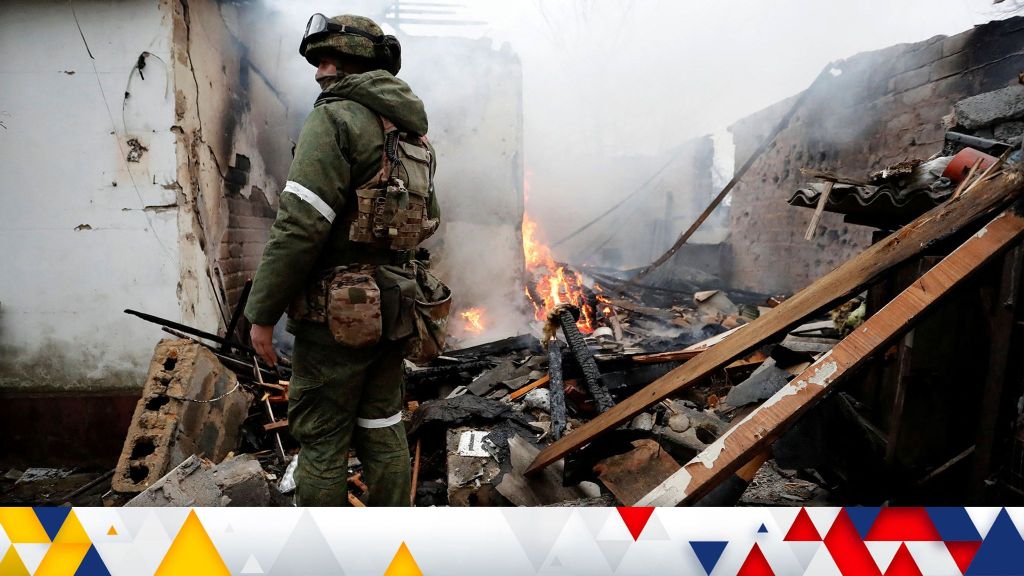
Kyiv: Vladimir Putin has put out conditions on ending Russia’s offensive as his forces shelled Ukraine’s Kharkiv, killing at least 11. Ukraine, meanwhile, has demanded retreat of all Russian forces during talks between Kyiv and Moscow at Belarus border.

FIFA Suspends Russia

World soccer’s global governing body suspended Russia and its teams from all competitions on Monday, ejecting the country from qualifying for the 2022 World Cup only weeks before it was to play for one of Europe’s final places in this year’s tournament in Qatar.

The suspension, which was announced Monday evening in coordination with European soccer’s governing body, also barred Russian club teams from international competitions. The decision came a day after FIFA was heavily criticized for not going far enough in punishing Russia for its invasion of Ukraine, and amid mounting demands from national federations for stronger action.

The initial pressure for an outright ban of Russia came from soccer officials in Poland, Sweden and the Czech Republic, whose national team faced the prospect of games against Russia in a World Cup playoff in March. Other countries and officials, including the federations representing France, England and the United States, quickly said they would not play Russia under any circumstances.

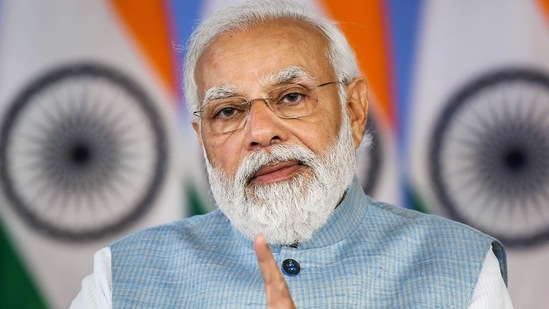
PM talks to Romanian, Slovak counterparts, thanks them for evacuation aid

Prime Minister Narendra Modi particularly thanked Romania for permitting Indians to enter its territory without visas.

Prime Minister Narendra Modi thanked Romania PM Nicolae-Ionel Ciucă, and Slovak PM Eduard Heger for permitting evacuation flights to land in their countries to bring back stranded Indians from war-hit Ukraine. (PTI)

Prime Minister Narendra Modi on Monday spoke to his Romanian and Slovak counterparts Nicolae-Ionel Ciucă and Eduard Heger, respectively, as India continued to use the two nations as land routes to bring back its stranded nationals from war-hit Ukraine.null

Modi thanked both Ciuca and Heger for their assistance in the repatriation process since Russia’s invasion of the east European country. According to a statement, he particularly thanked the Romanian PM for allowing Indians to enter the country’s territory without visas.

He thanked them for allowing special evacuation flights in their countries, which are being used to bring home stranded Indian citizens from Ukraine.

Further, Modi apprised Ciuca and Heger of the deployment of aviation minister Jyotiraditya Scindia and Union law minister Kiren Rijiju in Romania and Slovakia, respectively, as special envoys to oversee the evacuation process over the next few days.

During his calls with the two leaders, Modi also expressed his anguish at the ongoing violence and humanitarian crisis in Ukraine, and reiterated the need for a return to dialogue. “He also stressed upon the importance of respecting sovereignty and territorial integrity of nations,” a PMO statement said.

Written by Sharangee Dutta | Edited by Sohini Goswami, New Delhi