WhatsApp and its advantages

Photo by Anton on Pexels.com

WhatsApp is one of the best and popular messaging app in the world right now. Through WhatsApp, an indivisual can send text messages, photos ,audio messages, documents, contacts and many other important and useful things.It is known for its simplicity. Every person who have a smartphone with him ,even though if he does not like other social media platforms, but WhatsApp will be definitely installed in his smartphone.

WhatsApp was founded by Brian Acton and Jan Koum .WhatsApp uses a customized version of the open standard Extensible messaging and Presence protocol. after installing WhatsApp ,it creates an account using ones registered mobile number as the username. After that, WhatsApp is ready to use.

Now I want to discuss some key points that why WhatsApp has become so important and popular in todays life.

Advantages of WhatsApp

  1. First of all , and the most basic advantage of WhatsApp is it is free of cost unlike normal text messages from phone in which we have to pay for each and every message. WhatsApp allows its users to send messages free of cost.

2. In WhatsApp , we can not only send text messages to each other, but also many other things. WhatsApp allows users to send voice messages if we are not comfortable with texting messages everytime.it supports voice calling as well as video calling. we can send any document to others( in pdf or any other form ) upto a limit of 100 mb. We can send any one’s contact to each other who is asking for it in a well mannered form instead of noting the mobile phone in a piece of paper than giving it. We can also share our live locations .

3. It also has a feature of deleting the message before receiver has seen it . Messages which are sent by mistake by us or due to or any other reason .This feature is not available in other apps. It also shows us that the messages we have sent to our friend has arrived there or not.(single tick for sent, double tick means message has delivered and blue tick means that person has seen the message).These types of features are not present in other platforms.

4. WhatsApp messages are end to end encrypted, means the messages we are sending to each other are highly secure. we can also use our WhatsApp in laptop also through WhatsApp web.

5. Connecting people:- WhatsApp connects us with friend and relatives to whom we are not in touch since a long time .We send each other good morning, good night messages, some funny memes, jokes and other things. we can also create family , friends groups etc.

6. Promotion:- WhatsApp is one of the most successful source of brand promotion of various e-commerce websites and others.

7. WhatsApp is very useful in professional life. WhatsApp is used almost in all fields. like nowadays online classes are happening in all colleges so every school has created a unique class group off students to send messages and study material. In companies, they also contact with their clients regarding their meetings and other things through WhatsApp. If we have to send an important document in anywhere WhatsApp is the best and easiest way to send it.

These are some of the advantages of Whatsapp there are many other also, becauise of these advantages of WhatsApp , it has become a very important part of our daily life.

QUESTIONS YOU NEED TO AS YOURSELF BEFORE STARTING A BUSINESS

1. Why are you starting the business?

First of all defining the why behind what you are doing is most important, If you aren’t clear about why you are doing what you are doing then its better to quitting that thing.


2. What value are you going to add in other peoples life?

Ask yourself whether you are going to add value to other peoples life, whether you are going to bring comfort in others life. If the answer is yes, then definitely your business will sustain in the market.

3. How well are you mentally prepared to start the business?

For starting a business you need to be mentally strong enough. Running a business includes a lot of problem solving tasks, pressure ,bear losses, patience. Therefore you need to be mentally strong enough to handle all such situations.

4. Is there any easier way ?

Most entrepreneurs think if the problem is hard then there should be a complicated solution to the complicated problem but if your are creating any product then always think how you can make it more easier for its end consumers.

5. Is it really worth it ?

Ask yourself that it is actually worth it doing this particular thing because you are going to spend a lot of time on that thing, I know you can’t predict this too early but being realistic is more important that being optimistic.

"Basketball" is the sport really ready to take off in India?

 With Giannis antetokoumpo a Greek national born in Nigeria winning the 2021 NBA title, the question has to be asked “With basketball becoming more international than ever, can the game find solid footing in India?”. 

The answer unfortunately is not a simple yes or no, no matter how much we want it to be. The truth is in the last two decades basketball has become quite popular in the urban communities across India. Every park, school, college, society has a hoop kids can play in. NBA icons like Michael Jordan, Lebron James and late Kobe Bryant motivate and inspire kids as much as any other sportsperson. 

And yet the sport’s popularity remains in the shadows. It has little representation in the popular culture, movies, it doesn’t even have a league like IFC for football. Now part of it is because cricket rules supreme in India (but surely a nation of a billion people can have more than one sport) and the other is because the groundwork for the sport never existed in the country. 

BFI the governing body of basketball clearly didn’t have a lot of success in nurturing the talent that existed in the country. The Indian national team never had a great record in the international tournaments not to sat they’ve never had any. But the trend seems to be taking a turn for the better. NBA association has opened schools for developing talent from a young age, BFI in controlled collaboration seems to only benefit from it. 

It is only a matter of time when the prodigies of India take their place in the international tournaments and the country is exposed to the beauty of the game. Basketball aficionados of the country are hungry for a rise in the sport and they might just get their wish. Who know maybe we’ll have one of our won lifting the NBA trophy one day!       

"Basketball" is the sport really ready to take off in India?

 With Giannis antetokoumpo a Greek national born in Nigeria winning the 2021 NBA title, the question has to be asked “With basketball becoming more international than ever, can the game find solid footing in India?”. 

The answer unfortunately is not a simple yes or no, no matter how much we want it to be. The truth is in the last two decades basketball has become quite popular in the urban communities across India. Every park, school, college, society has a hoop kids can play in. NBA icons like Michael Jordan, Lebron James and late Kobe Bryant motivate and inspire kids as much as any other sportsperson. 

And yet the sport’s popularity remains in the shadows. It has little representation in the popular culture, movies, it doesn’t even have a league like IFC for football. Now part of it is because cricket rules supreme in India (but surely a nation of a billion people can have more than one sport) and the other is because the groundwork for the sport never existed in the country. 

BFI the governing body of basketball clearly didn’t have a lot of success in nurturing the talent that existed in the country. The Indian national team never had a great record in the international tournaments not to sat they’ve never had any. But the trend seems to be taking a turn for the better. NBA association has opened schools for developing talent from a young age, BFI in controlled collaboration seems to only benefit from it. 

It is only a matter of time when the prodigies of India take their place in the international tournaments and the country is exposed to the beauty of the game. Basketball aficionados of the country are hungry for a rise in the sport and they might just get their wish. Who know maybe we’ll have one of our won lifting the NBA trophy one day!       

The Geography of The Rugged Karakoram

The Karakoram is a mountain range traversing the borders of China, India and Pakistan, with the northwest extremity of the ranges even extending as far as Afghanistan and Tajikistan. The ranges begin in Afghanistan’s  Wakhan Corridor in the west, encompasses the majority of Gilgit-Baltistan, also known as PoK(Pakistan occupied Kashmir) and extends into Ladakh in India and the disputed Aksai Chin region(controlled by China). They are the second highest mountain range in the world.

Etymology

The name ‘Karakoram’, comes from the local Turkic language. ‘Kara’ meaning Black and ‘Koram’ meaning Gravel. The early European travellers also used the term ‘Muztagh’ which meant “Ice Mountain” for the range now known as Karakoram. The word is still used in the names of the peaks of the range. In traditional Indian geography the range was known as ‘Krishnagiri'(black mountains).

Geography

The range is about 500 km(311 miles) in length and is the most heavily glaciated part of the world outside the polar regions.

The Karakoram is bounded on the east by the Aksai Chin plateau, on the northeast by the edge of the Tibetan(Xizang) Plateau and on the north by the river valleys of the Yarkand and Karakash rivers of China’s Xinjiang Autonomous Region beyond which lie the Kunlun Mountains. At the northwest corner lie the Pamir Mountains

The southern boundary of the Karakoram is formed, west to east, by the Gilgit, Indus and the Shyok Rivers, which then separate the range from the northwestern end of the Himalayas proper. These rivers flow northwest before making an abrupt turn southwestward towards the plains of Pakistan. At the middle of the Karakoram range is the famous Karakoram Pass, which used to be a part of the historic trade route between Ladakh and Yarkand, which connected to the Silk Road from East Asia to Europe, that is now inactive.

Highest Peaks of the Range

  • K2
  • Gasherbrum I
  • Broad Peak
  • Gasherbrum II
  • Gasherbrum III
K2

Passes

  • Kilik Pass
  • Khunjerab Pass
  • Karakoram Pass
  • Shimshal Pass

https://www.britannica.com/place/Pakistan/The-Himalayan-and-Karakoram-ranges

Achievements of Jawahar lal Nehru as prime Minister

In the 35 years from 1929, when Gandhi chose Nehru as president of the Congress session at Lahore, until his death, as prime minister, in 1964, Nehru remained—despite the debacle of the brief conflict with China in 1962—the idol of his people. His secular approach to politics contrasted with Gandhi’s religious and traditionalist attitude, which during Gandhi’s lifetime had given Indian politics a religious cast—misleadingly so, for, although Gandhi may have appeared to be a religious conservative, he was actually a social nonconformist trying to secularize Hinduism. The real difference between Nehru and Gandhi was not in their attitudes toward religion but in their attitudes toward civilization. Whereas Nehru talked in an increasingly modern idiom, Gandhi was harking back to the glories of ancient India.

The importance of Nehru in the perspective of Indian history is that he imported and imparted modern values and ways of thinking, which he adapted to Indian conditions. Apart from his stress on secularism and on the basic unity of India, despite its ethnic and religious diversities, Nehru was deeply concerned with carrying India forward into the modern age of scientific discovery and technological development. In addition, he aroused in his people an awareness of the necessity of social concern with the poor and the outcast and of respect for democratic values. One of the achievements of which he was particularly proud was the reform of the ancient Hindu civil code that finally enabled Hindu widows to enjoy equality with men in matters of inheritance and property.

Internationally, Nehru’s star was in the ascendant until October 1956, when India’s attitude on the Hungarian Revolution against the Soviets brought his policy of nonalignment (neutralism) under sharp scrutiny by the noncommunist countries. In the United Nations, India was the only nonaligned country to vote with the Soviet Union on the invasion of Hungary, and it was thereafter difficult for Nehru to command credence in his calls for nonalignment. In the early years after independence, anticolonialism had been the cornerstone of his foreign policy. His interest in the issue waned, however, after Zhou Enlai, the Chinese prime minister, stole the spotlight from him at the Bandung Conference of African and Asian countries that was held in Indonesia in 1955. By the time of the first conference of the Non-Aligned Movement in Belgrade, Yugoslavia (now in Serbia), in 1961, Nehru had substituted nonalignment for anticolonialism as his most-pressing concern.

Indian Sisterhood

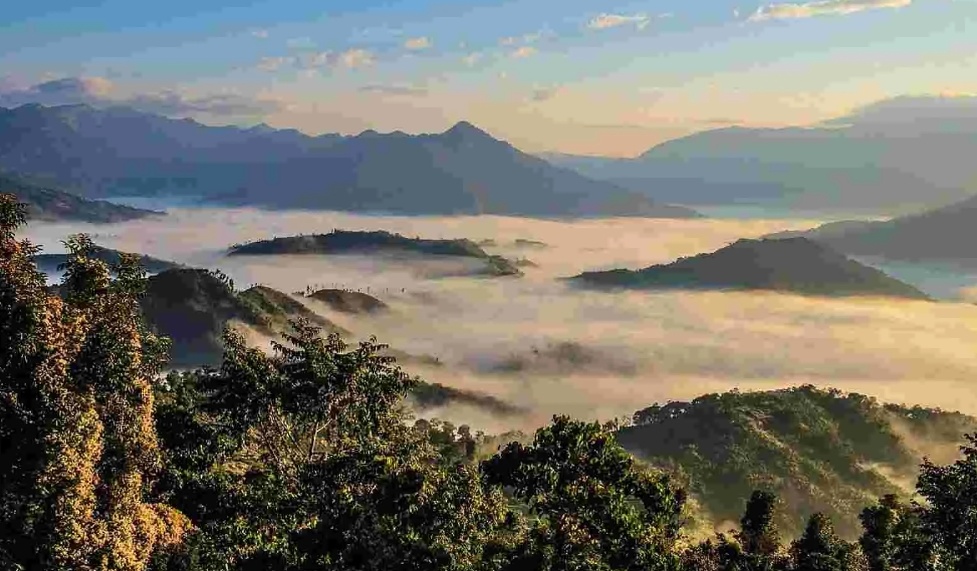
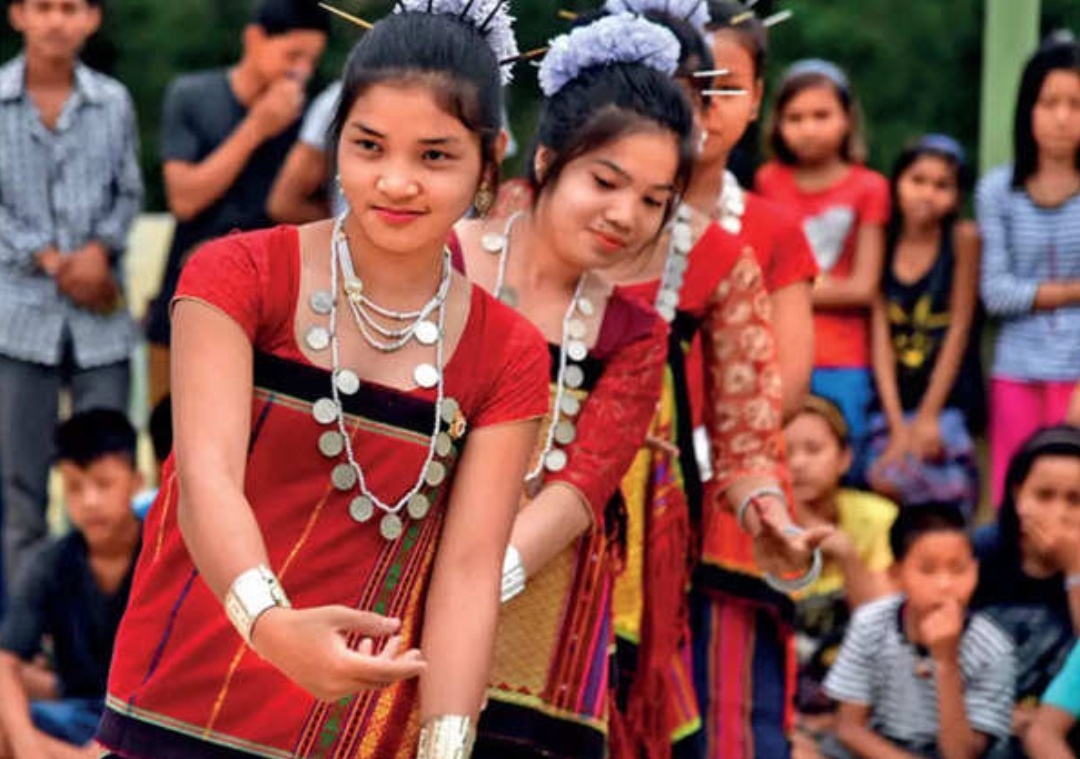
The name “The Seven Sisters” was first heard in the year 1972. It refers to the states of Arunachal Pradesh, Assam, Meghalaya, Mizoram, Manipur, Nagaland, and Tripura. These states are home to majestic flora and fauna, and beautiful terrains.
These states are home to many tribes and around 220 languages are spoken in these states.
Further, are some more interesting facts about these states.

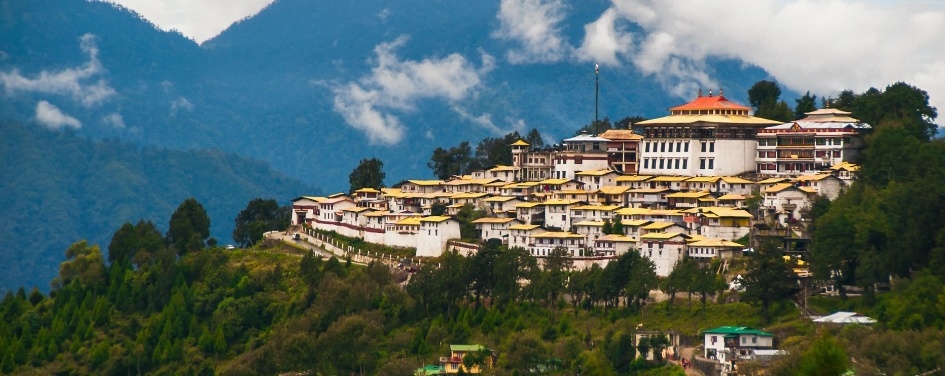
Arunachal Pradesh

Arunachal Pradesh is the largest state among the Seven Sisters. The capital of the state is Itanagar. The state is mostly covered with greenery. Arunachal Pradesh is also called the Orchid Paradise of India. It is also the birthplace of the Sixth Dalai Lama, Tsangyang Gyatso. The state is inhabited by 26 major tribes and 100 sub – tribes.

Assam

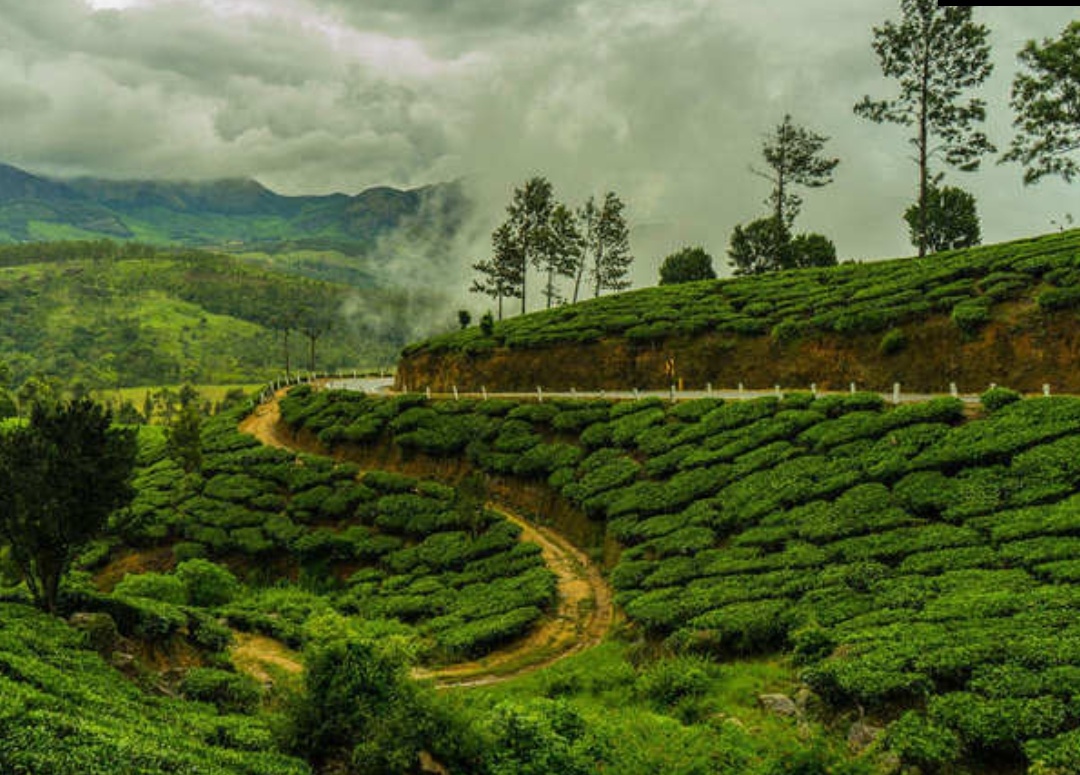
Assam is one of the most progressive states in India. Guwahati is the capital of Assam. It is well known for its silk and tea. Assam is home to various animals such as one horned Indian rhinoceros, tiger, wild water buffalo, elephants, and various species of Asiatic birds. The state also has its own State Anthem.

Meghalaya

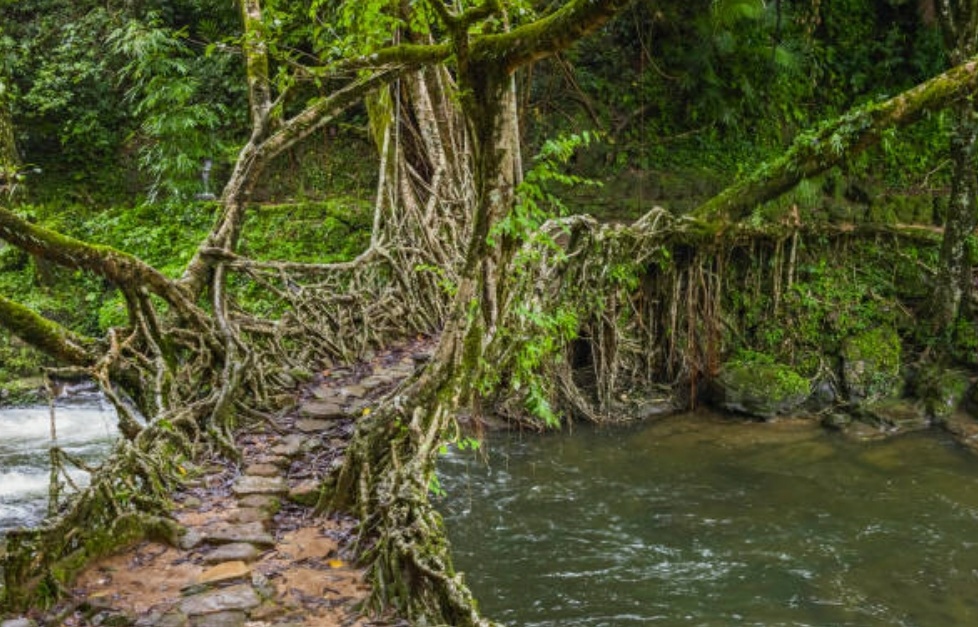
Shillong is the capital of Meghalaya. It is the wettest place on Earth. It recieves over 10,000 mm of rain in a year. Meghalaya is known for its Living Root Bridges. The life span of these bridges is said to be 500 years old. Meghalaya is also famous for its waterfalls, forests and biodiversity.

Mizoram

Mizoram became a part of India only 34 years ago. It is the leading producer of bamboo in India. Mizoram is enriched with flora and fauna. Around 90.68% of land is covered by forests which attracts many wildlife photographers. It is the second most literate state in India.

Manipur

Manipur and Nagaland were the only two states where World War II was fought in India. It is famous for its natural beauty, rich culture and traditions. Imphal is the capital of Manipur. It attracts alot of tourists for it’s beauty and rich historical background.

Nagaland

Nagaland is famous for its festivals and is known as “The Land of Festivals”. The locals celebrate various festivals every month. World’s hottest chilli pepper is cultivated in Nagaland. 90% of the people in Nagaland follow Christianity.

Tripura

Tripura is the smallest state among the Seven sisters and is famous for its tribe culture and food. It is well known for its tea plantations and beautiful gardens. Agartala is the capital of the state.

The Seven Sisters, is the best place to visit if you’re a fan of natural beauty.

Best Hindi web series

If you are fan of web series just like me, I can recommend you one of my favorite Web series it’s called Broken but beautiful all though most of you have seen this already but it comes with 3 season, it’s available on Mx player you can binge watch it anytime,

Basically it’s a hindi Romatic web series with amazing cast (season 3)

CAST

Siddhart shukla as main lead Agasthya Rao, Sonia Rathee as Rumi and many more, i think you should definitely see this, and it just mind blowing, how love can break you into pieces but it can still be Beautiful. and talking about songs if you listen them one time, you will become addicted, I think Akhil Sachdeva is such a underrated singer his voice is so so soothing to ears it’s was treat to watch and listen to it until you become addicted to his voice man. The storyline and plot is amazing.

Please watch it.

MADAM CURIE

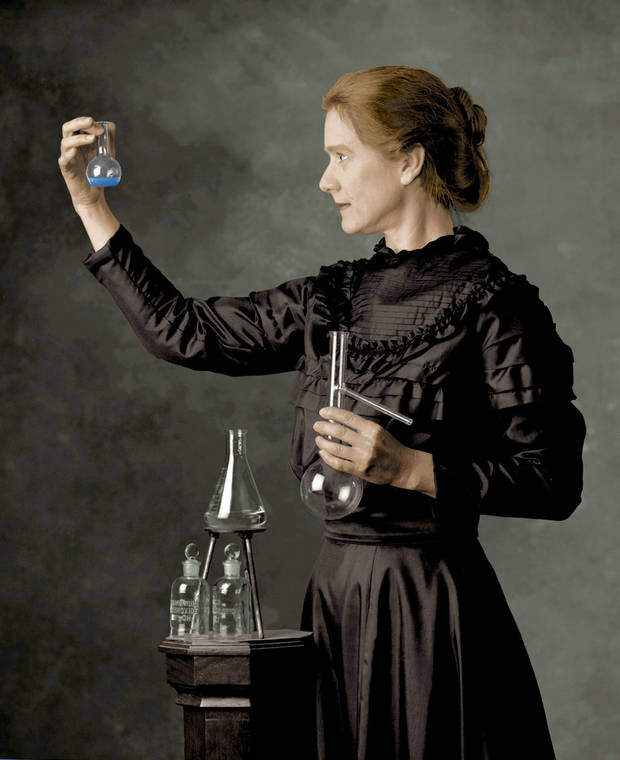
Who Was Marie Curie?

Marie Curie became the first woman to win a Nobel Prize and the first person man or woman to win the award twice. With her husband Pieree Curie, Marie’s efforts led to the discovery of polonium and radium and, after Pierre’s death, the further development of X-rays. The famed scientist died in 1934 of aplastic anemia likely caused by exposure to radiation.

Early Life and Education

Maria Sklodowska, later known as Marie Curie, was born on November 7, 1867, in Warsaw (modern-day Poland). Curie was the youngest of five children, following siblings Zosia, Józef, Bronya and Hela.

Both of Curie’s parents were teachers. Her father, Wladyslaw, was a math and physics instructor. When she was only 10, Curie lost her mother, Bronislawa, to tuberculosis.

As a child, Curie took after her father. She had a bright and curious mind and excelled at school. But despite being a top student in her secondary school, Curie could not attend the male-only University of Warsaw. She instead continued her education in Warsaw’s “floating university,” a set of underground, informal classes held in secret.

Both Curie and her sister Bronya dreamed of going abroad to earn an official degree, but they lacked the financial resources to pay for more schooling. Undeterred, Curie worked out a deal with her sister: She would work to support Bronya while she was in school, and Bronya would return the favor after she completed her studies.

For roughly five years,  Curie worked as a tutor and a governess. She used her spare time to study, reading about physics, chemistry and math.

In 1891, Curie finally made her way to Paris and enrolled at the Sorbonne. She threw herself into her studies, but this dedication had a personal cost: with little money, Curie survived on buttered bread and tea, and her health sometimes suffered because of her poor diet.

Curie completed her master’s degree in physics in 1893 and earned another degree in mathematics the following year.

SAROJINI NAIDU

Born on 13th February 1879, Sarojini Naidu was a Bengali. She was born in Hyderabad to a prosperous family. Since her young age, she showed exceptional skills that made her stand out from the crowd. She had beautiful skills of writing poems. Her marvellous writing skills offered her an opportunity to study in two of the best institutions, Girton College, University of Cambridge, and King’s College in England.

It was her family that instilled progressive thoughts and high values in her mind. She grew up in a very forward environment. This is the reason why she believed in equality and justice for all. With these excellent personality features, she grew up to be one of the best poetesses in India and an ardent political activist.

When the British Government implied the divide and rule policy to curb down the independence movement in Bengal by partitioning the state in 1905, she took it very seriously. She became a political activist and traveled a lot of places in India to deliver speeches. She wanted to see all the natives of contemporary India unite against the tyranny of the British colonial rule. All her speeches and lectures focused on nationalism and social welfare.

She took a step ahead and formed the Women’s Indian Association. This association was formed in the year 1917. She gathered many women activists like her. After three years, she then joined Mahatma Gandhi in the Satyagraha movement. She then carried her nationalistic deeds under the supervision of Mahatma Gandhi. She also took part in the 1930’s Salt March. The British police arrested the protesters and she was one of them.

She was on the frontline leading the Civil Disobedience Movement and Quit India Movement. Many significant nationalists and freedom fighters were present at that time. These two movements literally shook the pillars of British rule. She continued to fight for the independence of her country. After India got independence, she was appointed as the first governor of the United Provinces. She was also the first female governor of India.

She wrote excellent books on poetry. She had remarkable poetry skills. When she was in school, she wrote a Persian play named Maher Muneer. It was so good that she got praised by the contemporary Nizam of Hyderabad. In 1905, she published her first poetry collection with the name ‘The Golden Threshold’. She was a remarkable poetess who knew how to write poems for all. She has amazed children with her skills. She also instilled patriotism with her critical poems. Her tragic and comedic poems also have immense significance in Indian literature.

PERSONAL HYGIENE HABITS

One of the best ways to maintain good health is to maintain good personal hygiene. Personal hygiene helps you to stay clean, gives you confidence and has a positive impact on personal relationships, and reduces the risk of illness and adverse medical conditions caused by poor hygiene. Continue to learn about ten ways you can practice personal hygiene.

Ten Practices of Personal Hygiene

  1. Wash Your Hands Regularly: Washing your hands is one of the most effective ways to reduce the spread of infection. You should wash your hands especially before and after meals, after going to the toilet and when you meet a sick person. To get the most effective results, be sure to wash your hands properly.

Brush your hands with clean water and soap.
Put your hands together by rubbing them thoroughly with soap.
Rub your hands for at least 20 seconds.
Wash your hands thoroughly.
Wipe your hands with a towel or dry air.

  1. Bathing: Cleansing your body removes dead skin cells and impurities and helps fight infections. For older adults, it is recommended to bathe or shower at least twice a week to achieve the best results.
  2. Brush your teeth twice a day: Be sure to brush your teeth twice a day, once in the morning and at night, to keep your oral hygiene consistent with regular dental check-ups.
  3. Floss Your Teeth Daily: In addition to brushing your teeth, brush your teeth once a day for proper oral hygiene.
  4. Take Care of Your Nails: Cleaning and cutting your nails reduces the risk of infected hangnails and nail beds.
  5. Wear clean clothes: After dressing, wash them thoroughly with a cleaner and dry them immediately when cleaning. Dirty clothes can catch bacteria that can lead to body odor or even skin irritation.
  6. Shut your mouth when you cough or sneeze: This is very important to avoid spreading the virus to people around you.
  7. Get Sleep Free: Getting enough sleep is important for your health, no matter how old you are. It is recommended that all adults sleep between seven and nine hours a night.
  8. Create a habit: Whatever procedure you can take to maintain your personal hygiene, make a mental checklist or write it down. In this way, you will remember and follow the steps you need to take to stay clean and healthy.
  9. Visit a Doctor: Regular appointment with health professionals can help you catch infections and infections early, making them easier to treat. Visit your healthcare provider where you have concerns and schedule daily check-ups.

Industrial Revolution

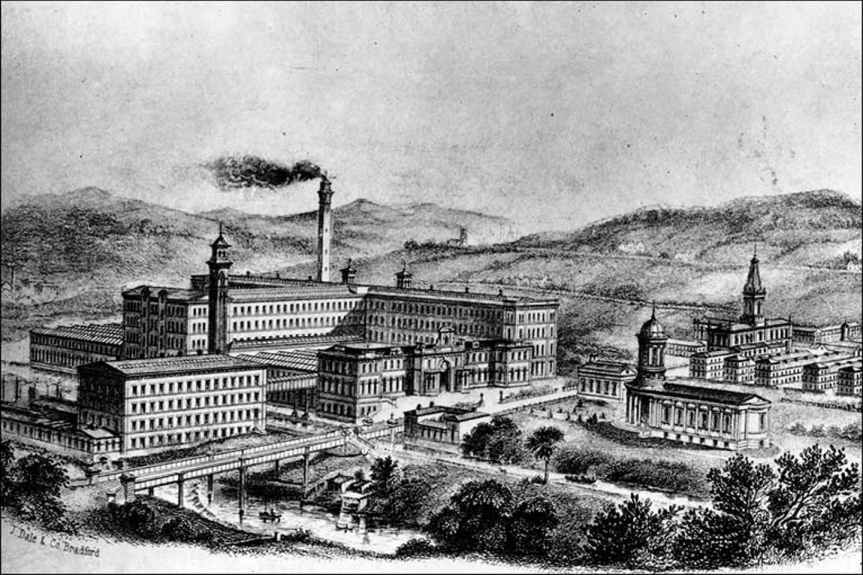
Industrial Revolution is the transition from agricultural economy to an economy dominated by industries and machines. Technology made it easier for people to work with modern approach to working and living. The concept of modern way of living with the help of machines first began in Britain and soon spread to different parts of the world.


The technological changes that were made consisted of – use of iron and steel; use of coal, electricity and petroleum as the new energy sources; new machines were invented like power loom and spinning jenny to increase production with minimum use of man energy; Factory system was adopted where labors were segregated according to their expertise; application of science. These technological advancements made it possible to manufacture more with maximum use of natural resources.


Other socio-economic changes were possible because of industry dominated economy like agricultural improvements, where food was available to people who belonged to non-agricultural society. Economic changed brought about better distribution of wealth among the people. It widely improved the growth of the cities that resulted in provision of better amenities and proper governance. State policies changed and were made more industry intensive. Art and culture had seen major transformation. With the use of machines, workers were more efficient in producing more modern and durable goods.


First Industrial Revolution began in Britain in 1760. Britain is the birthplace of industrial revolution. Britain were more aware of the need of industrial dominance with growing opportunities abroad. Britain had an astounding growth in textile industry. New inventions like power loom, spinning yarn helped weavers and spinners to build a massive industry in Britain and other countries. New techniques introduced were less expensive and highly productive.


Industrial Revolution gave birth to better ways of communication and transportation. Steam engine was the key invention in the revolution. These innovation widely spread across various industries like cotton mills, paper industry, iron industry.


Steam power in mining industries pumped water from deep mines. Factories were not the only result of this revolution, steam ships and railroads were invented too. Steam powered boats and ships were used by British to transport goods through rivers and canals.


Ways of communication had developed with the introduction of telegraphy system for effective communication over greater distances. Banks and financial institutions were significant during this time. Stock exchange was founded during 1770’s in London. British had created industrial dominance over a large part of Europe and other nations.


Belgium transformed economically when William and John Cockerill developed a machine. Resources like iron and coal were majorly used. Textile advancements were seen as well.


France were shifting to strategies to reach industrial revolution. Due to uncertain political situation, huge investments to grow industrial presence in France was not supported. Though, it stayed behind British in creating industrial power in Europe, it still was known to be a well-known revolution.

Germany’s industrial revolution did not start until 1870’s but when its revolution began it became the greatest producers of steel, leaving British behind and dominated chemical industry.

United States industrial revolution rose to power in 19th century. Mid-20th century was the period of industrial revolution in China and India.


Industrialization made transportation and communication simpler but worsened the working conditions of labors. Workers were forced to work for longer hours with lower wages. Small towns were transformed into cities and this transition gave rise to pollution and lack of sanitation. Thus, people opposed technological change in 19th century. To ensure workers interests are met, trade unions were formed and laws were passed to protect poor workers.

IMPORTANCE OF EDUCATION

Education is important for both men and women as both have an essential role in the development of a healthy and smart society. Education is a necessary way for delivering a brilliant future and at the same time performs the most significant part in the growth and improvement of the nation. The citizens of the nation are responsible for the greater future and progress of the nation.

Extremely educated citizens form the foundation of a developed nation. Hence, decent education builds a brilliant tomorrow for both the individual and the nation. It is only educated directors who make the country and bring it to the top of prosperity and growth. Education makes everyone brilliant and as excellent as possible.

A reliable education provides many purposes to life like an individual improvement, increase of social situation, development in social well-being, financial growth, prosperity to the country, establishing life purposes, informing us of many social concerns, and determining the circumstances to offer best solutions for any issue and other relevant matters.

Nowadays, everyone can get education using modern technology-based platforms, and also various distance education programs are available for the same. And such a modern education system is completely proficient in discussing social problems of illiteracy and inequality among every one of various castes, religion, and caste.

Education expands the creativity of people on a massive scale and benefits them to overcome all the diversity in the nation. It allows us to study properly and know every phase of life. Education gives the sense to know all human liberties, social freedoms, responsibilities, and obligations towards the nation. In short, education has the power to reform a nation in the best way.

LEARNING LESSONS FROM THE BOOK : THE PSYCHOLOGY OF MONEY

1. Use money to gain control over time, because the ability to do what you want, when you want, with whom you want , for as long as you want to, pays the highest dividend that exists in finance.

2. Wealth is what you don’t see, its hidden, it is the oncome that you have not spent and that is the fastest way to be wealthy, not spending the money you have and doing its opposite will never make you wealthy.

3. Wealth is just the accumulated leftovers after you spend what you take in. And since you can build wealth without a high income, but have no chance of building wealth without a high savings rate, its clear which one matters more.

4. Do not aim to be coldly rational( by looking at the spreadsheet) when making financial decisions. Aim to just be pretty reasonable. Reasonable is more realistic and you have a better chance of sticking with it for the long run.

5. Like everything else worthwhile, successful investing demands a price. But its currency is volatility, fear, doubt, uncertainity, and regret and you have to view them as fees( a price worth paying to get something nice in exchange).

WHITE REVOLUTION :

White Revolution was one of the biggest dairy development movements, by the Indian Government, in India in 1970. It was a step taken by the Indian Government to develop and help the dairy industry sustain itself economically by developing a co-operative, while providing employment to the poor farmers.

The White Revolution helped increase milk productivity and milk was now sold at competitive market prices. This program increased the demand for development and production of healthy animals, use of modern technology in milk production sector and networking between various small and large scale dairy industries.

The White Revolution followed after the success of the Green Revolution and the aim of White Revolution was to make India one of the largest milk producers in the world.

Phase 1: This phase started in July 1970 with the objective of setting up dairy cooperatives in 18 milk sheds in 10 states. They were to be linked with the four best metropolitan markets. By the end of this phase in 1981 there were 13,000 village dairy cooperatives covering 15,000 farmers.

Phase 2: It aimed at building on the designs of phase 1 and on the assisted Dairy development programmes in Karnataka, Rajasthan and Madhya Pradesh. By the end of this phase in 1985 there were 136 milk sheds, 34,500 village dairy cooperatives and over 36 lakh members.

Phase 3: This phase emphasised on consolidating the gains of the earlier two phases by improving the productivity and efficiency of the dairy sectors for long term sustainability. It ended in 1996 and by that time there were 73,300 dairy cooperatives and over 9.4 million farmer members.

Advantages of White Revolution

  1. It ended the imports of milk solids in India and India started exporting milk powder to many foreign nations.
  2. Dairy industries and infrastructures modernised and expanded. Around 10 million farmers earn their income from dairy farming.
  3. Dairy needs are met locally.
  4. Genetic improvement of milking animals has increased due to cross breeding.