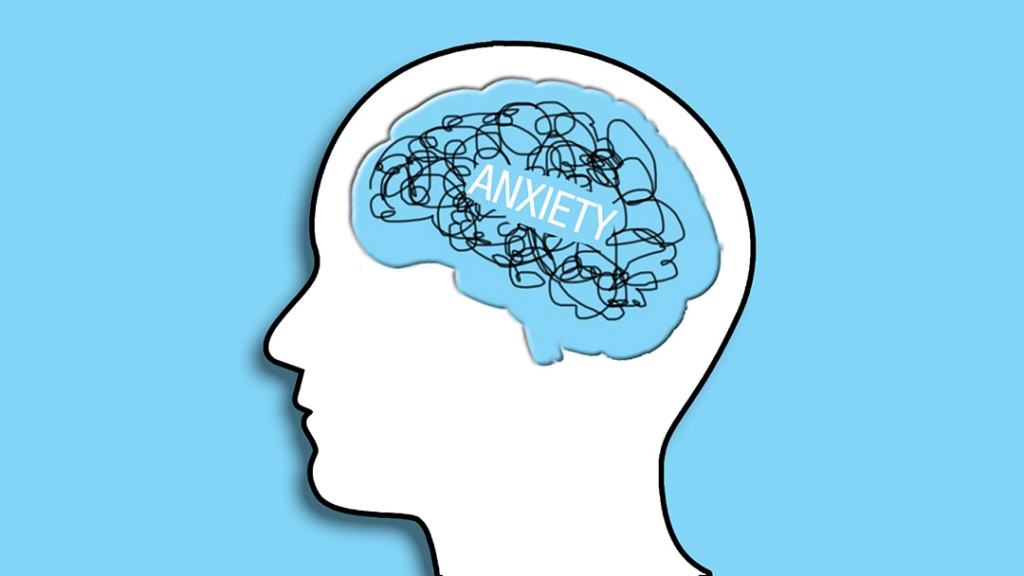
Workshop on Mental Health & Cyber Security on World Mental Health Day

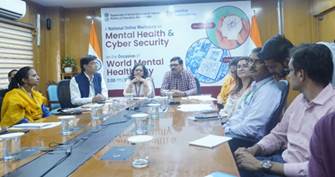
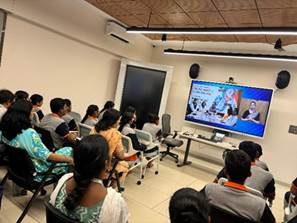
The Department of School Education and Literacy (DoSEL), Ministry of Education, organized a national online workshop on Mental Health and Cyber Security for the engagement of youth on World Mental Health Day today. The workshop had two sessions on mental health by Dr. Rajesh Sagar, Professor (MD), Psychiatry Department at AIIMS Delhi and on cyber security by and Dr. Rashmi Sharma Yadav, DCP, Indian Cybercrime Coordination Centre, MHA. The workshop was broadcast live on YouTube, reaching over 20 lakh students and educators nationwide.

Shri Vipin Kumar, Additional Secretary, DoSEL, highlighted the importance of mental well-being and safe utilization of the internet among students. He emphasized the necessity of early intervention to mitigate the potential adverse effects of mental health challenges in today’s digital age.

Smt. Archana Sharma Awasthi, Joint Secretary, DoSEL, reinforced the commitment of the National Education Policy 2020 to prioritize student well-being. She highlighted the significance of mental health for both students and educators and exhorted everybody to attentively listen and follow the advice given by the experts to maintain good mental health and prevent themselves from being victims of cybercrime.

Dr. Rajesh Sagar provided valuable insights into prevalent mental health issues such as stress, anxiety, and depression. He emphasized that nearly 50% of mental health disorders emerge before the age of 14, advocating for early intervention. Dr. Sagar identified common stressors including academic pressure, parental conflicts, and bullying, and shared effective coping strategies, such as deep breathing and cognitive restructuring, to foster a happier childhood.

In her presentation, Dr. Rashmi Sharma Yadav highlighted the importance of cyber hygiene and security for children. She outlined preventive measures against cyberbullying, grooming, and fraudulent online gaming applications. She encouraged students to report cyber fraud through the helpline 1930 and @cyberdost, stressing the importance of responsible internet use, parental awareness, and safeguarding personal information. Both experts suggested that students should share any issues arising with their elders like parents and teachers.

The workshop engaged students from classes VI to XII from Navodaya Vidyalaya Samiti, Kendriya Vidyalaya Sangathan, Kasturba Gandhi Balika Vidyalayas, CBSE and state government schools across the country and was simultaneously presented in sign language, ensuring accessibility for all participants. The initiative received widespread appreciation from attendees, reflecting a collective commitment to fostering a safer and healthier educational environment.

*****

What is Anxiety

 Anxiety is body’s natural response to stress. It’s a feeling of fear or apprehension about what’s to come. For example, going to a job interview or giving a speech on the first day of school may cause some people to feel fearful and nervous.

But if the feelings of anxiety are extreme, last for at least 6 months, and are interfering with your life, then it may be anxiety disorder.

What are anxiety disorders?

It’s normal to feel anxious about moving to a new place, starting a new job, or taking a test. This type of anxiety is unpleasant, but it may motivate us to work harder and do a better job. Ordinary anxiety is a feeling that comes and goes but doesn’t interfere with our everyday life.

In the case of an anxiety disorder, the feeling of fear may be with us all the time. It’s intense and sometimes debilitating.

This type of anxiety may cause us to stop doing things we enjoy. For example, it may prevent us from entering an elevator, crossing the street, or even stepping out of home in extreme cases.

If left untreated, the anxiety will keep getting worse.

Anxiety disorders are the most common form of emotional disorder and can affect anyone. But, according to the American Psychiatric Association, women are more likely than men to receive a diagnosis of an anxiety disorder.

What are the types of anxiety disorders?

Anxiety is a vital part of several different disorders. These include:

1. panic disorder. This means you experience recurring panic attacks at unexpected times.

2. Phobia. This is an excessive fear of a specific object, situation, or activity.

3.Social anxiety disorder. This is an extreme fear of being judged by others in social situations.

4.obsessive-compulsive disorder. This means you have recurring irrational thoughts that lead you to perform specific, repeated behaviours.

5. Separation anxiety disorder. This means you have a fear of being away from home or your loved ones.

6.  anxiety disorder. This is anxiety about your health (formerly called hypochondria).

In addition, a number of mental health and medical conditions may feature anxiety as a symptom. These include:

a. post-traumatic stress disorder (PTSD). This is anxiety following a traumatic event.

b. Major depressive disorders. A strong relationship exists between depression and anxiety.

c. Chronic disease. Managing conditions such as chronic obstructive pulmonary disease (COPD) and diabetes may result in anxiety symptoms.

d. Inflammatory conditions. Anxiety can lead to chronic inflammation and diseases such as arthritis

e. substance use disorders: many people with anxiety may try to self-medicate to help manage their symptoms.

f. Chronic pain. Anxiety is often found in those with chronic pain disorders.

What are the symptoms of anxiety?

Anxiety feels different depending on the person experiencing it. Feelings can range from butterflies in your stomach to a racing heart. You might feel out of control like there’s a disconnect between your mind and body.

You may have a general feeling of fear and worry, or you may fear a specific place or event. In some cases, you may experience a panic attack.

Symptoms of anxiety can include:

1.    anxious thoughts or beliefs that are difficult to control

2.    restlessness

3.    trouble concentrating 

4.    difficulty falling asleep

5.    fatigue

6.    irritability

7.    unexplained aches and pains

Your anxiety symptoms might be different from someone else’s. That’s why it’s essential to know how anxiety can present itself.

What is a panic attack?

A panic attack is a feeling of intense fear that comes on suddenly and peaks within 10 to 20 minutes. The initial trigger of the fear can be known or unknown.

The physical symptoms can mimic a heart attack. Once you’re experiencing a panic attack, the symptoms may get worse if you believe you may be having a heart attack or having a mental health emergency. Another common fear that may exacerbate a panic attack is the fear that you might be judged negatively if you’re having an attack in public.

Panic attacks can vary greatly, and symptoms may differ among individuals. In addition, the many symptoms of anxiety don’t happen to everyone, and they can change over time.

Common symptoms of a panic attack include:

chest pain

feeling of choking

fear of losing control

feeling of impending doom

sweating, chills, and hot flashes

shaking

numbness and tingling of hands, feet, or face

nausea or upset stomach

shortness of breath

fear of dying

When you experience repeated panic or anxiety attacks, you may have a panic disorder.

What causes anxiety?

1.stress

2.other medical issues such as depression or diabetes

3.first degree relatives with generalized anxiety disorder

4.environmental concerns, such as child abuse

substance use

5.situations such as surgery or occupational hazard

In addition, researchers believe that it stems from the areas of the brain responsible for controlling fear and the storing and retrieval of emotional and fear-related memories.

Who is at risk of anxiety disorders?

With each type of anxiety, there are different risk factors. But there are some general influences including:

1.    Personality traits. This includes shyness and nervousness in childhood.

2.    Life history. This includes being exposed to negative or stressful life events.

3.    Genetics. Of those who have a diagnosis of anxiety, 25 percent  have a first degree relative who also has a diagnosis of anxiety.

4.    Other health conditions. Thyroid problems and other health conditions can make you prone to anxiety.

5.    Stimulants. Consuming caffeine, specific substances, and medications can worsen your symptoms.

Are there tests that diagnose anxiety?

A single test can’t diagnose anxiety. Instead, an anxiety diagnosis requires a lengthy process of physical examinations, mental health tests, and psychological questionnaires.

Some doctors or healthcare professionals may conduct a physical exam, including blood or urine tests to rule out underlying medical conditions that could contribute to the symptoms one is experiencing.

Several anxiety tests and scales are also used to help a doctor assess the level of anxiety.

What are treatments for anxiety?

Treatment for anxiety falls into three categories:

Psychotherapy. Therapy can include cognitive behavioural therapy and exposure response prevention.

Complemental health techniques. Mindfulnessyoga, and self-management strategies such as stress management are ways to treat your anxiety using alternative methods.

Medication. Doctors prescribe antianxiety and antidepressant drugs.

Meeting with a therapist or psychologist can help you learn tools to use and strategies to cope with stress when it occurs.

What natural remedies are used for anxiety?

Lifestyle changes can effectively relieve some of the stress and anxiety you may cope with every day. Most natural “remedies” consist of caring for your body and participating in healthy activities while eliminating unhealthy ones.

These include:

a. getting enough sleep

b.  meditating

c. staying active and exercising

d. eating a healthy diet

e.  avoiding alcohol

f. avoiding caffeine

g. quitting smoking cigarettes 

h.  Anxiety and depression

if you have an anxiety disorder, you may also be experiencing depression. While anxiety and depression can occur separately, it’s not unusual for mental health disorders to happen together.

Anxiety can be a symptom of clinical or major depression. Likewise, worsening symptoms of depression can become triggered by an anxiety disorder.

You can manage symptoms of both conditions with many of the same treatments: psychotherapy (counselling), medications, and lifestyle changes.

Why it’s important to address your mental health

It’s important for people to address their mental health to live lives that are fulfilling. Acknowledging and treating your mental health helps create resilience. It also teaches you to better cope. Then when a similar situation occurs, you are equipped to handle it.

Stressful situations are going to happen. How you react can determine how these situations will affect you. Many resources are available regarding anxiety, depression and stress.


World Suicide Prevention Day

 World Suicide Prevention Day

The International Association for Suicide Prevention (IASP) organizes World Suicide Prevention Day (WSPD), which is observed every year on September 10 and is supported by the World Health Organization (WHO). The occasion shows the world’s dedication to raising awareness of suicide prevention.

The WSPD 2022 theme, “Creating hope through action,” emphasizes the importance of taking action as a community to address this pressing public health issue. Suicide prevention in the region is a responsibility shared by all of us, including our families, friends, coworkers, educators, religious leaders, medical professionals, elected officials, and governments.

Objectives 

The main objective of this day is to increase global awareness of suicide prevention. Promoting stakeholder cooperation and self-empowerment are goals that will help avoid self-harm and suicide. These can be accomplished by enhancing the skills of healthcare professionals and other key players, spreading encouraging and educational messages to the general public and vulnerable populations like young people, and promoting open dialogue on mental health at all levels of society—at home, at school, at work, etc. People who are thinking about or touched by suicide are also urged to share their experiences and get support from a professional.

Hope Through Action

People who commit suicide or attempt suicide have an adverse influence on their family, communities, and societies as a whole. The COVID-19 has further enhanced associated risk factors for suicide, such as loss of employment or financial resources, abuse or trauma, mental and substance use disorders, and obstacles to receiving medical care. More over half of those polled in Chile, Brazil, Peru, and Canada one year after the pandemic’s start said that their mental health had gotten worse.

ANXIETY

N kavya

Anxiety is your body’s natural response to stress. It is a feeling of fear or apprehension about what is to come. It is normal to feel anxious about moving to a new place, starting a new job, or taking a test. This type of anxiety is unpleasant, but it may motivate you to work harder and do a better job. Ordinary anxiety is a feeling that comes and goes but does not interfere with your everyday life. In the case of an anxiety disorder, the feeling of fear may be with you all the time. It is intense and sometimes debilitating. This type of anxiety may cause you to stop doing things you enjoy. For example, it may prevent you from entering an elevator, crossing the street, or even leaving your home in extreme cases. If left untreated, the anxiety will keep getting worse.

Symptoms of anxiety :
1. anxious thoughts or beliefs that are difficult to control
2. restlessness
3. trouble concentrating
4. difficulty falling asleep
5. fatigue
6. irritability
7. unexplained aches and pains.

What causes anxiety?


Medical experts are not sure of the actual cause. But a combination of factors likely plays a role.
The causes of anxiety may include:
1. stress
2. other medical issues such as depression or diabetes
3. first-degree relatives with generalized anxiety disorder
4. environmental concerns, such as child abuse
5. substance use
6. situations such as surgery or occupational hazard. 7. In addition, researchers believe that it stems from the areas of the brain responsible for controlling fear and the storing and retrieval of emotional and fear-related memories.

Physical symptoms of anxiety :


When you experience symptoms of anxiety, they can manifest as physical symptoms such as:


1. dizziness
2. tiredness
3. heart palpitations
4. muscle aches and tensions
5. shaking
6. dry mouth
7. excessive sweating
8. stomach-ache
9. headache
10. insomnia

Who is at risk of anxiety?


Medical researchers say with each type of anxiety, there are different risk factors. But there are some general influences, including:


1. Personality traits. This includes shyness and nervousness in childhood.
2. Life history. This includes being exposed to negative or stressful life events.
3. Genetics. Of those who have a diagnosis of anxiety, percent trusted to have a first-degree relative who also has a diagnosis of anxiety.
4. Other health conditions. Thyroid problems and other health conditions can make you prone to anxiety.
5. Stimulants. Consuming sources, specific substances, and medications can worsen your symptoms.

Are there treatments for anxiety :


Once you’ve received a diagnosis of anxiety, treatment can help you overcome the symptoms and lead a more manageable day-to-day life.


The treatment is categorized into three types :


• Psychotherapy. Therapy can include cognitive behavioral therapy and exposure response prevention.
• Complemental health techniques. Mindfulness, yoga, and self-management strategies such as stress management are ways to treat your anxiety using alternative methods.
• Medication. Doctors prescribe antianxiety and antidepressant drugs.
• Session, with a therapist or psychologist, can help you learn tools to use and strategies to cope with stress when it occurs.

Some other commonly used medications include:

• Selective serotonin uptake inhibitors (SSRIs). Escitalopram, fluoxetine, and paroxetine are common SSRIs.
• Selective norepinephrine reuptake inhibitors (SNRIs). Duloxetine and venlafaxine are common SNRIs.
• Antipsychotics. Quetiapine and aripiprazole are common antipsychotics.
• Benzodiazepines. Diazepam and clonazepam are common benzodiazepines.
• Anxiolytics. Buspirone is a common anxiolytic.

Natural remedies for anxiety are :

1. getting enough sleep
2. meditating
3. staying active and exercising
4. eating a healthy diet
5. avoiding alcohol
6. avoiding caffeine
7. quitting smoking cigarettes if you smoke.

Foods that can help you with anxiety :

• flax and chia seeds
• fatty fish such as mackerel and salmon
• turmeric
• vitamin D
• magnesium
• tryptophan

It’s important to understand that anxiety disorders can be treated, even in severe cases. Although anxiety usually doesn’t go away, you can learn to manage it and live a happy, healthy life.

Impact of Social Media on Youth.

Social media is an plateform which is build that facilitates the users to create content and sharing of information, ideas, interests and different contents ,through virtual communities and networks technology.

Over the last two decades, social media has gained tremendous growth and fame. Despite the fact that almost everyone in the world is connected to at least one social media platform, youth and teens are the ones who who are using social media and are becoming so socially hampered that they even interfere their lives with social media. According to researchers, they have found that these different social media plateforms have a profound impact on the lives of our youth in society in terms of morality, behavior, and even education.

The use of social media has both negative and positive impacts on our youth today. The positive effects of social media on young people today is keeping up to date with what’s happening around the world and being able to network and stay connected with classmates and friends without physical meetings. For example, people in one city can connect and interact with friends in other cities and neighborhoods, bridging the gap between them. In addition, social media platforms allow young people to create pages and groups based on their profession, beliefs, and other aspects of life, creating more connections and more opportunities in their respective fields. This could even create more employment opportunities for unemployed youth.

According to a BBC News report, social media sites appear to continue to connect and inform more people, but it’s also causing social isolation among youths as it reduces the number of face-to-face interactions between young people, as they usually spend most of their time on these online social platforms. Analysis of many studies by various scientists has shown that social isolation can have a variety of effects on youth’s physical, emotional, mental and psychological estate which can create different problems in them. This, in turn, can lead to depression, anxiety, and many other problems. Also, using short forms and abbreviations can lead to misspellings and misuse of words and tenses. This has a direct impact on the student’s language skills and tends to adversely affect the student as it leads to poor language performance.

Also, young teens under the age of 18 can be exposed to online content that may not be appropriate for their age. Social media often introduce these teens to pornographic content which may be shared on online social groups and this may mislead them . The morals of these teenagers are also manipulated because they are granted access to immoral literature and video. This can harm their phycology of seeing things differently in life.

The social media can be used effectively by youth as long hours on social media can be devoted to productive activities that enable people to grow, earn a living, and be educated, such as using online tutorials and online research materials.
Social media may harm ones creativity and also can reduces the productivity of teens by chatting for long periods on social media sites . This may cause young people to not be independent, and rely on the help from others . Social media also provides a great platform for cyber theft and bullying. This increases the chances of personal information theft and incidents. This poses a lot of risk to young people as their personal information can be stolen because they are stored in places they do not know or where security is unknown or suspicious.

At last, social media opens a communication channel for young people and has many benefits. This includes the development of oneself and opening to wide range of social networks that promote opportunities and cultural abilities. However, it is very important that youth should use different social platforms carefully to avoid being victimized by cybercriminals and using it in limit so that it may not harm their mental and phycology abilities.

Child Labour in India.

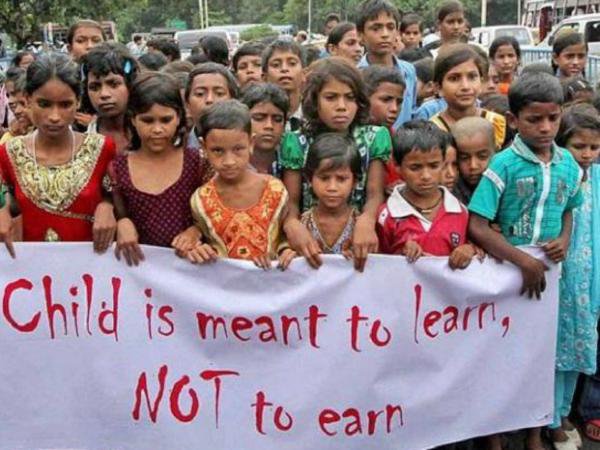
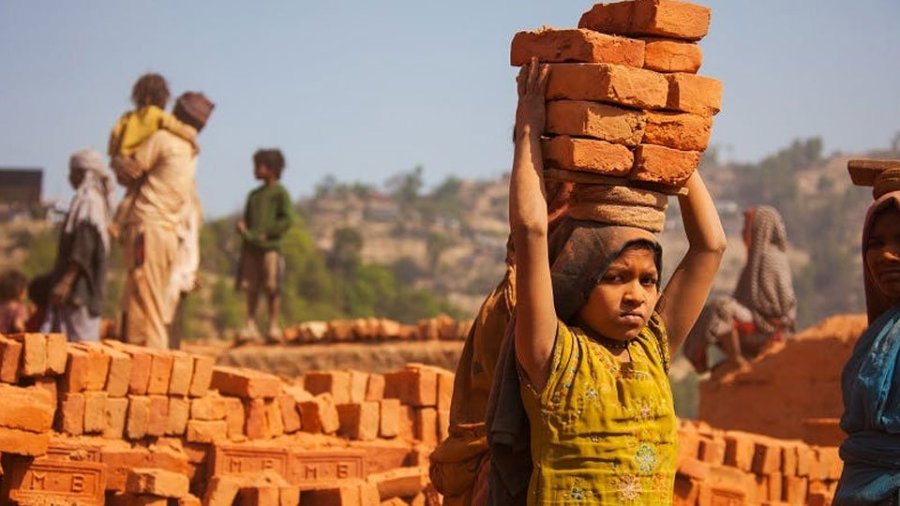
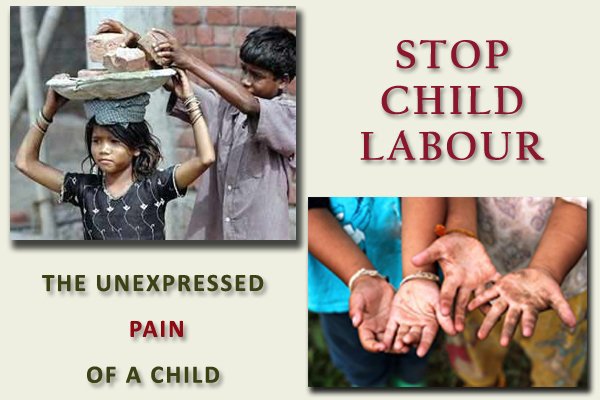
Child labor is the deprivation of children’s childhood, affecting their ability to attend regular school and exploiting them through all forms of work that are mentally, physically, socially and morally harmful.

After gaining independence from colonial rule, India enacted many constitutional protections and child labor laws. The Constitution of India in the principles of basic rights and public policy prohibits child labor under the age of 14 in factories, mines, castles or other dangerous occupations (Article 24). The Constitution also stipulated that by 1960 India would provide all children aged 6 to 14 with the infrastructure and resources for compulsory free of charge education . (Articles 21-A and 45).
In 2011, the Indian Census found that of the 259.64 million children in this age group, the total number of child laborers [ages 5-14] was 10.1 million. The problem of child labor is not unique to India. Approximately 217 million children work worldwide, many of whom work full-time.

In India child labour is defined as the involvement of children under the age of 17 in economically productive activities, with or without compensation and wages . Such participation can be physical, mental, or both. This work includes part-time or unpaid work on farms, family businesses, or other economic activities such as cultivation or milk production for sale or personal consumption. The Government of India divides child labor into two groups. The main workers are those who work more than 6 months a year. And marginal child laborers are workers who work all year round, but less than six months a year. In 1979, the Government of India established the Gurupadswamy Commission to learn about child labor and how to fight it. The Child Labor Probation and Regulation Act was enacted in 1986 on the recommendation of the Commission. A national child labor policy was developed in 1987 focusing on the rehabilitation of children working in dangerous professions. Since 1988, the Ministry of Labor and Employment has established approximately 100 industry-specific national child labor projects to rehabilitate child laborers.

The Government of India has enacted numerous laws, organizations and institutions to combat the issue of child labor. Some initiatives include child labor bans and regulations, laws prohibiting the employment of children in certain occupation and regulating the working conditions of children. The National Child Labor Policy attempts to take a sequential approach with a primary focus on the rehabilitation of children working in dangerous professions and processes of works. The Ministry of Labor and Employment is responsible for providing and supervising a range of child labor policies in India. In addition, as Osment reported, NGOs such as Care India, Child Rights and You, and Global March Against Child Labor were implemented to tackle child labor through access to education and resources. However, these efforts were of little success.

Non-governmental organisations:
Bachpan Bachao Andolan, Child Rights and You, ChildFund, CARE India, GoodWeave India,Talaash Association, Global March for Child Labor, and many other NGOs are campaigning to eliminate child labor in India. increase.

GENDER BASED VIOLENCE AND MENTAL HEALTH COUNSELING

Source: Love Uganda Foundation

Gender-based violence impact the enormously on mental health of person. In this case, mental health counselling has significant role to eradicate gender based violence. Post-violence survivor possibly suffer with depression, anxiety and post traumatic stress disorder. Accurate role of mental healthcare prevent the increasing number of GBV; to reduce negative thoughts. Countries having Gender Based violence prevention based on rigid public health model that do not carry mental health component, though GBV must require concepts, competencies and standards of mental health to interdicte the GBV. Inequality of gender, gender stereotypes & prejudice, difference of feminity and masculinity capabilities,  Upbringing in patriarchal society or mindset aggression, male ego are several elements increasing insensitivity and hideousness and intricate to control the GBV.

Source: International Centre for Research on women

 Listen to and invest believe in survivors because prepetrator is only responsible for actions. Teach in schools what is to be men and make them aware of their emotional side. Call for responses and services require mandate for solution, Understand consent is extremely vital as men hard time to evaluate NO, learn the signs of abuse and how can we help and talk extensively and exclusively of gender based violence. In 2013 UNFPA and UN Women initiated Joint Global Programme on Essential Services giving to people who suffering with Gender based violence; providing access to services and quality of these particularly focus on health, Justice and social science ( such as psycho – counseling, helplines and safe house) and programmes on sexual & reproduction health because health services should be first place that survivors of abuse seek assistance.

Source: OSCE

 1) Mental health professionals well aware of how to help and support the survivors,  what are their emotional & psychological requirements in case of physical,verbal, sexual violences, anxiety and depression mental health professional (MHP) capable to encounter accordingly.

 2) Counselling is a faithful forum where anyone can be vulnerable, survivors can find easy to open up & release themselves emotionally in front of mental health Counselors. MHP can maintain solidarity to survivors, value their experience, understand their needs, ensure faith of confidentiality that no word will go out in fact each word will taken into consideration.

 3) In gender-based violence, survivor evidently confront the issue of acceptance and believing. Professionals competent enough to provide acceptance and build confidence in them

 4) Survivors needs emotional Support as  Counselors understand it  entrust  emotional assistance.5) Mental health counselling significantly help survivors to uplift their lives by feeling confident that help them to know about themselves and find sustainability on financial level. For it, Health professionals must support the idea of high level of self awareness for themselves for more influencial results.

5) Mental health counselling significantly help survivors to uplift their lives by feeling confident that help them to know about themselves and find sustainability on financial level. For it, Health professionals must support the idea of high level of self awareness for themselves for more influencial results.

6) Different Mental health counselling Programs and survey research increase the  efficiency and credibility of Counselling for survivors. Research determine the effectiveness of orientation of work,  conclude the conceptual results that enhance the relevancy and realiability of survey.

 7) Mental health professionals helps survivors to overcome of feeling of unwantedness just by listening and understanding their outputs, that give them  sufficient emotional support.

 8) Mental health counselling must provide 24×7 through E – Governance and from NGOs online portals. Government initiatives become extreme important regarding gender Based violence, their women empowerment Policies must confirm the positive results on society that ultimately helps women socially.

 9) Determining mental health counseling in rural areas is crucial because women especially in marginalized community found far more difficult to come out and express their needs because social structure & norms. Mostly do not aware of what to do in such situations. At this time, mental health counselors untapped them & make them aware of their legal, social and political rights; moreover their human rights.

 10) Gender based violence survivor do not know what to do now it at first, self doubt engraved in them strongly. Mental health professional advisory assistance support them to better their condition by doing counselling sessions and penetrate positivity.

 11) By community Awareness program, self employment, skill development program, self help group , support health care & group insurance support evidently proved to be helpful to the survivors.

Gender based violence anywhere is a threat to peace & security everywhere – John.F.kerry

GENDER BASED VIOLENCE AND MENTAL HEALTH COUNSELING

Source: Love Uganda Foundation

Gender-based violence impact the enormously on mental health of person. In this case, mental health counselling has significant role to eradicate gender based violence. Post-violence survivor possibly suffer with depression, anxiety and post traumatic stress disorder. Accurate role of mental healthcare prevent the increasing number of GBV; to reduce negative thoughts. Countries having Gender Based violence prevention based on rigid public health model that do not carry mental health component, though GBV must require concepts, competencies and standards of mental health to interdicte the GBV. Inequality of gender, gender stereotypes & prejudice, difference of feminity and masculinity capabilities,  Upbringing in patriarchal society or mindset aggression, male ego are several elements increasing insensitivity and hideousness and intricate to control the GBV.

Source: International Centre for Research on women

 Listen to and invest believe in survivors because prepetrator is only responsible for actions. Teach in schools what is to be men and make them aware of their emotional side. Call for responses and services require mandate for solution, Understand consent is extremely vital as men hard time to evaluate NO, learn the signs of abuse and how can we help and talk extensively and exclusively of gender based violence. In 2013 UNFPA and UN Women initiated Joint Global Programme on Essential Services giving to people who suffering with Gender based violence; providing access to services and quality of these particularly focus on health, Justice and social science ( such as psycho – counseling, helplines and safe house) and programmes on sexual & reproduction health because health services should be first place that survivors of abuse seek assistance.

Source: OSCE

 1) Mental health professionals well aware of how to help and support the survivors,  what are their emotional & psychological requirements in case of physical,verbal, sexual violences, anxiety and depression mental health professional (MHP) capable to encounter accordingly.

 2) Counselling is a faithful forum where anyone can be vulnerable, survivors can find easy to open up & release themselves emotionally in front of mental health Counselors. MHP can maintain solidarity to survivors, value their experience, understand their needs, ensure faith of confidentiality that no word will go out in fact each word will taken into consideration.

 3) In gender-based violence, survivor evidently confront the issue of acceptance and believing. Professionals competent enough to provide acceptance and build confidence in them

 4) Survivors needs emotional Support as  Counselors understand it  entrust  emotional assistance.5) Mental health counselling significantly help survivors to uplift their lives by feeling confident that help them to know about themselves and find sustainability on financial level. For it, Health professionals must support the idea of high level of self awareness for themselves for more influencial results.

5) Mental health counselling significantly help survivors to uplift their lives by feeling confident that help them to know about themselves and find sustainability on financial level. For it, Health professionals must support the idea of high level of self awareness for themselves for more influencial results.

6) Different Mental health counselling Programs and survey research increase the  efficiency and credibility of Counselling for survivors. Research determine the effectiveness of orientation of work,  conclude the conceptual results that enhance the relevancy and realiability of survey.

 7) Mental health professionals helps survivors to overcome of feeling of unwantedness just by listening and understanding their outputs, that give them  sufficient emotional support.

 8) Mental health counselling must provide 24×7 through E – Governance and from NGOs online portals. Government initiatives become extreme important regarding gender Based violence, their women empowerment Policies must confirm the positive results on society that ultimately helps women socially.

 9) Determining mental health counseling in rural areas is crucial because women especially in marginalized community found far more difficult to come out and express their needs because social structure & norms. Mostly do not aware of what to do in such situations. At this time, mental health counselors untapped them & make them aware of their legal, social and political rights; moreover their human rights.

 10) Gender based violence survivor do not know what to do now it at first, self doubt engraved in them strongly. Mental health professional advisory assistance support them to better their condition by doing counselling sessions and penetrate positivity.

 11) By community Awareness program, self employment, skill development program, self help group , support health care & group insurance support evidently proved to be helpful to the survivors.

Gender based violence anywhere is a threat to peace & security everywhere – John.F.kerry

Maladaptive Daydreaming

Daydreaming is our break from reality. We all have our own imaginary situations going on in our mind. Who doesn’t like to wander and take a break from reality. But, what If you were unable to live in the reality due to your daydreaming? What If your escape found no route back to the real world? That is what Maladaptive Daydreaming is all about.

What is Maladaptive Daydreaming?

Maladaptive Daydreaming is a condition where the person is unable to touch his feet to the ground(reality) due to his feet touching a consolidated and intense imaginary ground.
The common observable symptoms are as follows:

•Escaping the reality by making up an alternate world and living in it for hours.
•Well structured plots with defined storyline and settings
•Lasts for several minutes to several hours.
•Withdrawal from social activities and relationships due to the extensive and intense daydreaming.
•Trouble while focusing in everyday tasks.
•Trouble sleeping
•Daydreaming becomes an addiction where you no longer have control on it and feel empty If not engaging in it. It becomes the top priority of the day
•Talking to yourself and making faces.

What triggers the daydreams?

•Real life events
•conversation topic
•movie
•noise or smell

Why some people may resort to it unknowingly?

Intense daydreaming may act as a coping strategy. A person who is tired of his daily mundane lifestyle, traumatic past or present, may find daydreaming as a comfort zone rather than a mere temporary escape.
During Covid 19 lockdown many people experienced something similar due to the elimination of interactions and activities from their lives.

How Is it different from daydreaming?

•Daydreaming acts as an temporary escape. It is rather a pleasant experience whenever the reality goes harsh on us.
Maladaptive Daydreaming is rather creating one’s own comfort zone in an imaginative alternate reality and withdrawing from reality

• Daydreams are usually about pleasant scenarios or our imaginary future.
Maladaptive Daydreaming can be pleasant too. However, it also involves well defined plots about control,power,sex,rescue.

•Daydreams start and end in our minds. It just makes us feel happy.
Maladaptive Daydreaming may be accompanied by movements, talking to oneself and facial expressions. The person gets deeply involved in his alternate reality.

Is Maladaptive Daydreaming considered as a disorder?

Maladaptive Daydreaming was first defined in 2002 and is not yet recognized in the Diagnostic and Statistical Manual of Mental Disorders (DSM-5).

Does Maladaptive Daydreaming has a treatment?

There is no official treatment method for Maladaptive Daydreaming. There is no method to diagnose it either. However,Somer developed the Maladaptive Daydreaming Scale (MDS) which helps to determine if a person is experiencing Maladaptive Daydreaming.
Maladaptive Daydreaming is often diagnosed as Schizophrenia in which a person is unable to differentiate fantasy from reality.

What are the effects of Maladaptive Daydreaming?

Though a person indulges in extensive fantasizing to protect himself from anxiety, trauma, depression or obsessive compulsive disorder, however,it may lead to negative effects on one’s emotions, social life and mental well being. Some of the effects are as follows:

•Emotional Distress. After daydreaming so extensively one may feel emotionally worse due to their energy and concentration being highly invested in a reality which yields nothing and is above all, imaginary.

•It is common among people suffered from Attention Deficit Hyperactivity Disorder (ADHD) and may lead the person to suffer from anxiety, restlessness and attention deficiency.

•A person may spend 4.5 hours of his day engaging in intense daydreaming. Therefore, withdrawing from social activities, interactions and an active lifestyle.

• The person is unable to focus on what is going on and fails to grasp responsibilities,tasks,and studies. They may find it tiring and draining.

However,It can be managed through living an active lifestyle, engaging in interactions and meditating to keep the urge and the anxiety at bay. The human mind is indeed a world of its own. Sometimes,we alone cannot control it. Consulting a psychologist and talking about it may give us more insight into the condition.Withdrawal and Isolation may end up making the condition worse.

SOCIAL ANXIETY DISORDER

Social Anxiety Disorder (S.A.D.) is also known as Social Phobia. It is one of the major psychological disorders listed in the DSM-5. It leads to a fear of social situations that involve direct or indirect interactionS with other people. It is a permeating disorder that can have a negative impact on an individual’s life. According to the latest data of 2020, 15 Million adults spread across the globe were diagnosed with social anxiety.

Reasons that lead to Social Anxiety

  • Genetic risk factors such as, a family history of anxiety related issues
  • Domestic atmosphere of anxious behavioral traits
  • Having an overly reactive Amygdala in the brain
  • Having to adjust in a new atmosphere during adolescence
  • Early childhood experience of bullying, rejection, avoidance, domestic conflicts, sexual abuse, death of a loved one, etc

Symptoms of Social Anxiety

PHYSICAL SYMPTOMS

  • Blank or a racing mind
  • Excessive sweating
  • Stomach upset or nauseating sensation
  • Rapid heart rate
  • Dizziness or lightheadedness
  • Cold tremors or shivering
  • Respiratory illness
  • Palpitations
  • Avoiding eye contact with people

BEHAVIOURAL AND PSYCHOLOGICAL SYMPTOMS

  • Intense worry about social situations (attending a party, going for a social gathering, hanging out with with peer, presenting a business presentation, etc)
  • Use of intoxicants (alchohol, drugs, smoking) to face a social situation
  • Experiencing anxiety several day before the social event
  • Thoughts of embarrassing oneself before a group of people or a person
  • Mind racing over thoughts of being judged negatively by people
  • Trying to spot flaws in one’s own actions or social performances
  • Intense fear of meeting new people and interacting with them
  • Fear of making mistakes, having a shaky voice during public interactions

Diagnosis of Social Anxiety

A mental health practitioner (Psychiatrist, Psychologist, Counseller) can diagnose a patient with social anxiety though a variety of methods.

Social anxiety can be determined through the following methods :

  • Listing out the situations that make the person anxious
  • Usage of techniques such as Questionnaires, Check lists, Survey to understand the symptoms experienced by the person
  • Applying the DSM-5 and ICD criterions to diagnose social anxiety

Treatment of Social Anxiety

  • Use of psychotherapy methods like personally interacting with the therapist about the problems faced by oneself and employing ways to generate happiness and overcoming the issue
  • Engaging in activities organized by support groups such as ADAA, Seven Cups of Tea, Daily Strength, etc
  • Pursuing hobbies that makes oneself elated (singing, dancing, sports, artwork,etc) and using one’s time constructively
  • Trained mental health practitioners may also suggest medications such as Antidepressents to regulate the levels of chemical messengers such as dopamine, norepinephrine, serotonin in the body

Every year approximately 5 Million deaths occur due to anxiety and mood related disorders. Social Anxiety is not taken into possession by choice but varied circumstances leads to it. One must express concern and empathy towards any person known to face mental health related issues. Providing support and reassurance is much needed in such circumstances. Advancements in the diagnosis and treatment of Social Anxiety Disorder proves that the future is still optimistic for those who suffer from it.

Attention Deficit Hyperactivity Disorder (ADHD)

Talking about a mental disorder is like speaking about sexuality. Not that the latter is less important but the fact that both the subjects are hardly acknowledged is dangerous.
Attention Deficit Hyperactivity Disorder is a common disorder found amongst all age groups. Especially children and young adults. Most probably, half of the population having this disorder are not even aware of its existence and effects.

What is ADHD?

It is Attention Deficit Hyperactivity Disorder. The name itself reveals a lot about.

In children it is often quite visible. The symptoms range from doing too much activities, not being able to be still for a time span and lacking focus. With regard to this age group, the symptoms are clearly visible and may hamper the child’s education and causes many more distress in home and school. Many children outgrow ADHD but others may be effected in their adolescence and adulthood.
In such scenarios, the teachers and the school should look after the learning impairment by introducing the child new teaching techniques, learning skills and modified curriculum

In teens the Symptoms may get worse due to the hormonal changes of adolescence and the sudden increase of academic pressure on them
Symptoms include forgetting dates of assignments, may interrupt their classmates and teachers, rush in assignments. The teens may often do a number of tasks while forgetting the primary tasks to be completed. Their lack of focus extends to peer relationships. This may lead to the teen securing bad grades in the school.

ADHD in adults is common. However, many adults are unaware about it. Anxiety and panic attacks have become so common in the generation that differentiating them from ADHD,especially in absence of knowledge about mental health, is too long a process for the face paced world. .
A comprehensive evaluation including review of their past and present symptoms, medical history and examination. Medications and psychotherapy is given to adults diagnosed with ADHD. Behaviour management strategies involving minimization of disruption and increase structure and organization and involving family members can be helpful

The Three Types Of ADHD

ADHD, predominantly impulsive/hyperactive: The most least common type of ADHD. Symptoms include: Not being able to sit still, talking too much, always on the go as if driven by a motor, has difficulty waiting for his or her turn, Interrupts conversation

Inattentive Type: Doesn’t pay close attention to details and makes careless mistakes in schools or workplace, does not seem to listen when spoken to (lost in some other thoughts),lacks focus, has problem organizing tasks, avoids and dislikes tasks requiring mental efforts, looses things of daily use

ADHD Combined Type: The most common type of ADHD which is a combination of the above two types.

What Causes ADHD


ADHD is mostly hereditary.However,premature birth and the consumption of alcohol and cigarettes during pregnancy can also lead to ADHD developing in the child.

Can ADHD Be Cured?

ADHD has no permanent cure. However,it can be managed through a number of medications and therapies. In many cases medications alone is an effective treatment. However, in other cases therapies such as cognitive behavioral therapy, support groups, anger management and counselling psychology are effective.

ANXIETY A GROWING PROBLEM

Anxiety a problem faced by millions in the world. Some know about it; others are not even aware of it. They are suffering it all alone. Some suffer with minor, others with major anxiety to the extent that they even try to take away their own life.

What is anxiety ?

So, let’s first know what anxiety is? This is really important to know what anxiety actually means, because there are many who are suffering from it, but are not even aware of it.

Anxiety in simple sense means having worry, fear in some stressful or tensed situation, which is normal. But when somebody experiences it on a daily basis in an intense and excessive manner on small-small things, is actually suffering from anxiety disorder. And this is a very severe disorder to the extent that people are not able to overcome it and end up taking their lives.

Cause

The main causes of anxiety disorder are:

  • Not Living in Present : the first and in most of the cases it is caused to youngsters because of the uncertainty and worry about their future. Their worry rises day by day, and it grows to become a disorder.
  • Expectations: the other cause is worry of not being up to the mark of their expectations or having over-expectations.
  • Results : worry about result is another cause.
  • Thinking negative : what ever they think they are always seeing it negatively.
  • Overthinking : another main cause is overthinking. They keep on thinking about one thing and their mind goes on to think of other related things with it. And ultimately they go into so much deep thinking that they themselves don’t realize.
  • Hopelessness : they become hopeless and think they are of no worth to the world.
  • Being altruistic : it simply means always thinking what others or the world would think about them, which makes them more nervous.

These we some of the causes their might be other reasons too. But now we should look at the solution, because for every problem their is a solutions as every night has a day.

Solutions

  • Start to Live in Present : the first and foremost thing is to start living in the present. Don’t worry about the future as that is not in your hand; what you have is the present just live in the present.
  • Stop Expecting: the other thing is that do not expect anything from time(future) or anyone, because you are disheartened only when you have expection. When you do not expect anything, then whatever you get you are satisfied with it.
  • Don’t worry about results : Stop worring about results as it is not in your hand, just leave it ot God, everything will be fine. You just do your work and don’t worry about the result (hindi saying : karm Kar phal ki chinta mat kar).
  • Think positively : try to be positive as being negative never helps. And just think it yourself as even if you are negative what ever the destiny has decided it will happen. Just keep one thing in your mind whatever happens happens for good (joh hota hai achhe ke liye hota hai).
  • Do Yoga : the one of the most effective way to calm your mind is doing Yoga. By doing yoga you to try to make balance between your mind and body. Try to meditate. Whenever any negative thoughts comes to your mind just stop, what ever you are doing and do simple yoga. Watch videos on internet. Try to divert your mind.
  • Don’t worry about what people think : just keep in mind that, whatever you do, you do it for yourself and not to get somebody’s remark or happiness, it’s for you. Just do whatever you like, don’t let them affect you as it’s not worth it because they have no importance in your life.
  • Stop overthinking : when every you realize that you are getting trapped in your endless thinking, just keep everything aside and immediately stop thinking, just take two deep breath and try to relax yourself. And try to remember all the above points, you will feel relaxed.
  • Take a nap : just take a nap if you are feeling stressed.

Just try it once. If then too you are not feeling well, then please do contact a psychiatrist or any friend or your parents or anyone close to you to share your feelings with them. And be positive.

STRESS- CAUSES, EFFECTS,SYMPTOMS AND TREATMENT

BY DAKSHITA NAITHANI

INTRODUCTION

Stress is a human emotion that is natural and affects everyone at some point in their lives. The human body is built to recognise and respond to stress. An individual’s body creates physical and mental reactions in response to changes or difficulties (stressors). It is any sort of change that produces physical, emotional, or psychological pressure. It may be caused by a variety of conditions or life events. When we encounter anything new, unanticipated which challenges our sense of self, or when we believe we have little control over a situation, it is frequently activated.

Your body’s stress reactions assist it in adapting to new conditions. A stress reaction, for example, may help your body work harder and remain awake longer if you have an important test coming up. When stresses persist without release or times of relaxation, it becomes a problem.

To some extent, everyone is stressed. We all handle stress in various ways which also has a significant impact on your wellbeing .Genetics, early life events, personality, and social and economic conditions can all influence our capacity to cope.

TYPES OF STRESS

Not all types of stress are harmful or even negative. Some of the different types of stress that you might experience include:

Acute stress:  We face this type of stress in daily life it is short term and can be either positive or distressing.

 Chronic stress: Chronic stress is a type of stress that appears to be never-ending and unavoidable, such as the stress of a physically demanding profession; chronic stress can also result from catastrophic events and psychological trauma.

Episodic acute stress: Acute stress that appears to be rampant and becomes a way of life, resulting in a life of constant distress, is known as episodic acute stress.

Eustress: Eustress is a thrilling and enjoyable experience. It’s a type of positive stress that can help you stay energised. It’s linked to adrenaline rushes, as when you’re skiing or rushing to reach a target.

CAUSES OF STRESS

There are numerous factors that might generate stress in one’s life. Work, economics, partnerships, parenthood, and day-to-day hassles are all common causes of stress. Workplace stress may also be detrimental to your psychological health. Workplace stress causes people to miss an average of 24 days of work each year due to illness.

Even life changes that are positive in nature such as moving to a larger house, getting a work promotion, or going on vacation can lead to stress. If you’re anxious in certain situations, you could have a hard time understanding why, or you might be hesitant to express your thoughts with others.

The fight-or-flight response, which is usually triggered by stress, is the body’s reaction to a perceived threat or danger. The fight-or-flight response, which was called for its capacity to enable us to physically fight or flee when faced with danger when is triggered in situations where both the responses are not appropriate, such as in traffic or during a stressful day at work. The relaxation reaction does not occur frequently enough in instances of chronic stress, and being in a near-constant state of fight-or-flight might harm the body.

HOW CHRONIC STRESS AFFECTS YOUR HEALTH

When you consider the influence stress has on your life, you can see the link between your mind and body. Physical health problems might arise when you are worried out about a relationship, money, or your living circumstances. It’s also true in reverse. Wellness issues, whether you have high blood pressure or diabetes, will have an impact on your stress level and mental health.

Heart attacks, arrhythmias, and even sudden death can be triggered by severe acute stress, such as being involved in a natural disaster or getting into a verbal altercation. Stress has an emotional impact as well. While mild anxiety or frustration may result from some stress, prolonged stress can lead to burnout, anxiety disorders, and depression. When under a lot of stress, your autonomic nervous system becomes overactive, which can harm your body.

SIGNS AND SYMPTOMS

Continuous activation of the stress response creates wear and tear on the body. When a person is under stress for a long term symptoms manifest themselves in the form of physical, emotional, and behavioural manifestations.

Physical symptoms of stress include:

  • Aches and pains such as chest pain or a feeling like your heart is racing.
  • Feeling exhausted all the time or having trouble while sleeping.
  • Having Headaches, High blood pressure, dizziness or shaking.
  • Muscle tension or jaw clenching (Grinding teeth)
  • Having various digestive problems.
  • It also results in a weak immune system.
  • Clammy or sweaty palms

Stress can lead to emotional and mental symptoms such as:

  • Anxiety or irritability.
  • Depression.
  • Panic attacks.
  • Sadness.
  • Changes in mood

Identifying Stress

Having stress for long-terms has also been related to various gastrointestinal diseases including Irritable Bowel Syndrome (IBS) or stomach ulcers, as well as cardiovascular illness, according to certain studies.

Stress may originate from a variety of places, but even little everyday pressures from job, school, family, and friends can have a negative impact on your mind and body.

If you think it might be bothering you, there are a few things you can look for:

  • Difficulty concentrating, worrying, anxiety, and difficulties remembering are all psychological symptoms.
  • Anger, irritability, moodiness, and frustration are examples of emotional indicators.
  • High blood pressure, weight fluctuations, frequent colds or infections, and changes in the menstrual cycle and libido are among physical symptoms.
  • Poor self-care, not having time for the activities you like, or depending on drugs and alcohol to cope are all behavioural markers to look out for.

TREATMENT

There is no one particular therapy for stress because it is not a separate medical diagnosis. Change the environment, improve stress coping abilities, apply various relaxation techniques and treating conditions that may have been created by chronic stress are all part of stress treatment.

Psychotherapy, medication, and complementary and alternative medicine are some of the therapies that may be beneficial.

HOW TO COPE WITH STRESS

Stress is unavoidable, but can be managed. One can take control of their health and decrease the influence stress has on life once they understand the toll it takes and how to battle it. You can’t escape stress, but you can keep it from becoming overwhelming by using the following methods on a regular basis:

  1. Exercise

Regular exercise is one of the most effective methods to calm your body and mind. Plus it will also lift your spirits. Work up to 2 hours and 30 minutes of moderately intensive activity, such as brisk walks, or 75 minutes of rigorous exercise, such as swimming laps, running, or participating in other sports. Focus on creating realistic fitness goals so you don’t give up.

  • Relax Your Muscles

Your muscles stiffen up when you’re anxious. Stretching, getting a massage and other self-care activities can help loosen them up and rejuvenate your body. Taking a hot bath or shower is a great way to relax. Having a restful night’s sleep is also very important.

  • Deep Breathing

Stopping and taking a few deep breaths can immediately relieve stress. Once you get the hang of it, you’ll be amazed at how much better you feel. Simply take these five steps:

  • Sit with your hands in your lap and your feet on the floor in a comfortable posture.
  • Close your eyes for a moment.
  • Consider yourself in a soothing environment. It may be on the beach, in a lovely field of grass, anyplace else that helps you feel calm.
  • Slowly inhale and exhale deeply.
  • At a moment, do it for 5 to 10 minutes.
  • Eat Well

Eating a good well-balanced, regular diet will make you feel better overall. It may also aid with mood regulation. For energy, your meals should include plenty of vegetables, fruit, healthy grains, and lean protein and make sure you don’t forget any. 

  • Slow Down
  • 5 to 10 minutes ahead of time, set your watch. You’ll be able to arrive a bit earlier and avoid the worry of being late.
  • Switch to the slow lane if you’re travelling on the highway to prevent road rage.
  • Break down projects into manageable chunks. If you don’t have to, don’t try to respond to all 100 emails; instead, respond to a handful of them.
  • Take a Break

 To give your mind a break from stress, schedule some genuine leisure. It may be difficult for you at first if you are someone who enjoys setting objectives for the day. But if you stay with it, you’ll come to like these times. Meditation, Yoga, Tai chi, Prayer, Listening to music, and spending time in nature are all relaxing activities.

  • Make Time for Hobbies

You must schedule time for activities that you like. Every day, try to do something that makes you happy, it helps you to relax. It doesn’t have to take a long time; 15 to 20 minutes would suffice. Reading, knitting, doing an art project, playing golf, watching a movie, doing puzzles, and playing cards and board games are all relaxing activities.

  • Talk About Your Problems

If anything is troubling you, talking about it might help you relax. Family members, friends, a trustworthy priest, a doctor, or a therapist are all good places to start.

So, when you’re worried, pay attention to what you’re thinking or saying. Change the negative message you’re sending yourself to a positive one. Don’t tell yourself, “I can’t do this,” for example. Instead, tell yourself, “I can do this,” or “I’m doing the best I can.”

  • Go Easy On Yourself

Accept that no matter how hard you strive, you will never be able to achieve everything with perfection. So, do yourself a favour and quit being hard over yourself and stop overestimating your abilities. Also, remember to retain your sense of humour. Laughter is one of the most effective ways to relax.

  1. Eliminate Your Triggers

Determine the main sources of stress in your life. Is it your job, your commute, or your schooling that’s the problem? If you can figure out what they are you may get rid of them or at least decrease them in your life.

Teenagers & Anxiety

All teens experience some amount of anxiety at times. Anxiety is actually a normal reaction to stress, and sometimes it helps teens deal with tense or overwhelming situations. For many teens, things like public speaking, final exams, important athletic competitions, or even going out on a date can cause feelings of apprehension and uneasiness. They may also experience an increase in heartbeat or excessive sweating. That’s how the brain responds to anxious feelings.

For some teens, however, anxiety can go beyond these typical symptoms to negatively affect friendships and family relationships, participation in extracurricular activities, and even their schoolwork. When feelings of anxiety interfere with normal daily living, the presence of an anxiety disorder should be considered. According to the National Institute of Mental Health, approximately 25% of 13 to 18-year-olds have an anxiety disorder, and just under 6% have a severe anxiety disorder.

Given that teens experience a wide variety of physical and emotional changes as they grow, an anxiety disorder can be difficult to spot. Many red flags may seem like usual teens struggles or be chalked up to hormones. Watch for these hidden signs of anxiety in your teens :

1. Emotional Changes to Watch Out For in Teens

While some anxious teens express feelings of pervasive worry, others experience subtle emotional changes such as :

  • Feeling “keyed up”
  • Feeling on edge
  • Irritability
  • Difficulty concentrating
  • Restlessness
  • Unexplained outbursts

2. Social Changes

Anxiety can negatively affect friendships. If your once social teen suddenly avoids his favourite activities or stops making plans with friends, think twice. You might notice that he/she is :

  • Avoiding social interactions with usual friends
  • Avoiding extracurricular activities
  • Isolating from peer group
  • Spending increased time alone

3. Physical Changes

Many of the physical complaints that can occur with an anxiety disorder mimic average teen complaint, which tend to increase as they get older. Pay attention to patterns. A couple of headaches here and there shouldn’t be a cause for concern, for example, but frequent headaches are a red flag. Watch for these common psychosomatic complaints :

  • Frequent headaches, including migraines
  • Gastrointestinal problems
  • Unexplained aches and pains
  • Excessive fatigue
  • Complaints of not feeling well with no obvious medical cause
  • Changes in eating habits

4. Sleep Disturbances

Teens aged 13 to 18 get 8 to 10 hours of sleep on a regular basis to promote optimal health. It is also recommend shutting down screens 30 minutes prior to bedtime, and removing all electronics from the bedroom.

It’s no big secret that homework demands, changing brain structure, extracurricular activities, and screen time can all cut into the sleep habits of teens. Therefore, it can be difficult to know whether fatigue is a product of anxiety or of a busy schedule. Watch for these red flags :

  • Difficulty falling asleep
  • Difficulty staying asleep
  • Frequent nightmares
  • Not feeling refreshed after sleep

5. Poor School Performance

Given that anxiety can affect everything from sleep habits to eating habits to missing school due to physical issues, it should come as no surprise that poor academic performance can also result from untreated anxiety. School avoidance, missed days due to anxiety-related illness, and persistent worry can make it difficult for anxious teens to keep up with their workload. Watch for these changes in your teen :

  • Significant jump in grades (usually downward)
  • Frequently missed assignments
  • Describes feeling overwhelmed by workload
  • Procrastinates on, or has difficulty concentrating on, homework assignments more than usual

6. Panic Attacks : Know the Symptoms

Not all anxious teens experience panic attacks, and some experience mild symptoms of panic without enduring a full panic attack. The following symptoms are common among people with anxiety disorders :

  • Rapid heartbeat
  • Sweating and trembling
  • Dizziness
  • Upset stomach
  • Difficulty breathing
  • Chest pain
  • Feeling like they’re dying
  • Feeling like they’re “going crazy”
  • Numbness or tingling in arms and legs
  • Derealization.

CHHICHHORE

THE MOVIE WITH BEST MESSAGE : NEVER QUIT

Chhichhore, the movie which taught us that, suicide is not right option, movies which taught us “ NEVER GIVE UP”, we just have to keep going, doing our best just keep going and enjoy your life cause these moments are never gonna come back.

In life things we love the most always disappears quickly and its life.

The film tells the story of Aniruddha “Anni” Pathak, a middle-aged divorcee whose son Raghav tries to commit suicide but survives, though he is in a critical condition for his unwillingness to live out of fear he would be called a “loser”. Desperate, he goes against the wishes of his former girlfriend turned ex-wife Maya’s wishes to recount his own journey in 1992 as a “loser” in a gang of six; as he continues along to convince Raghav, the other five receive news of the tragedy and decide to join their friend in his pain to complete a story they never fail to cherish as a lesson in their life.

Since childhood we are listening this, from our parents, family members and relatives, if you win this competition, I’ll buy you your fav dress or I’ll buy you motorcycle, if you get first rank in your school or college test, I’ll buy you smartphone, if you got selected or if you pass the test I’ll give you this or that or whatever you want I’ll give you, blab blah. But no one told us that if you didn’t won or if you got second rank or if you failed the test, it’s okay, it’s completely okay, atleast you have tried and worked very hard for this. What’s big deal if you didn’t got selected, the most important thing is, you tried and didn’t give up easily. Life is all about second change for them who don’t give up easily and try until they give their best. Let’s say that, it wasn’t your best and promise yourself that you will try very hard to give your best and trust yourself, if you think you can do it then you definitely can and one day you will definitely became successful and will achieve your dream.

Its human nature that we got disappointed very soon, we think like we did so much hard work for this and after all this what we got is failure.

Its life and in life things always don’t go as we planned, just trust yourself and try harder, you may struggle but it won’t matter anymore. If you feel like quitting, think about the reason why you started.

NEVER QUIT. NEVER GIVE UP. FLY IT TO THE END.

Here are some memorable dialogues from Chhichore we will always remember

1. “Tumhara result decide nahi karta hai ki tum loser ho ki nahi… Tumhari koshish decide karti hai!”

2. “Success ke baad ka plan sabke paas hai… lekin agar, galti se fail ho gaye… toh failure se kaise deal karna hai… Koi baat hi nahi karna chahta.”

3. “Hum haar jeet, success failure mein itna ulajh gaye hai… ki, zindagi jeena bhool gaye hai… Zindagi mein agar kuch sabse zyada important hai… toh woh hai khud ZINDAGI.”

4. “Doosron se haarke loser kehlane se kahin zyada bura hai…khud se haarke loser kehlana.”

5. “I am a failure, mera kuchh nhi ho sakta… But we forgot success doesn’t come at once.”

6. “Dost jinke sath hum haste hai, rote hai Par zindagi jeena sikhte hai.”