MAJOR LEARNING LESSON FROM THE BOOK- TALK LIKE TED

1. The speaker must love and should be genuinely passionate about his topic, if the speaker himself is not inspired by what he is speaking then it cant inspire others. So always choose the topic which you would love to speak about.

2. No one wants to hear the same boring and old stuff. People want something new, thus reveal information that’s completely new to your audience, and they will be your devoted listener.

3. Deliver jaw dropping moment in your presentation. Share something by which your audience will get surprised because that moment makes your presentation remarkable.

4. Don’t try to make your talk too long or too short that the audience cant even get what you have to say. According to the author, the ideal length of a talk should be 18 minutes. Because it forces you to say only what is important.

5. The best way to teach the heart and soul of your audience is to tell them stories, especially your own stories. Because they will only listen to what you are saying only if they feel familiar and connected to what you have to say.

Little Women : A classic for the ages

by Louisa May Alcott

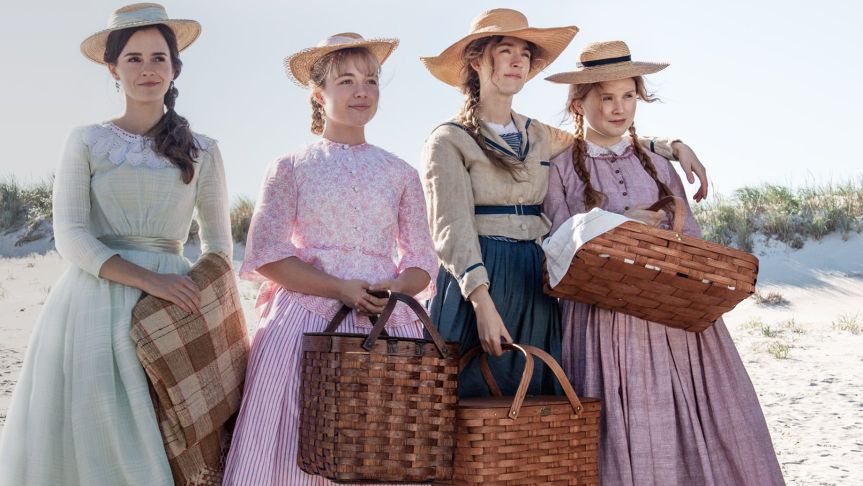
Although it hadn’t won any awards at the time of its release, multiple film adaptions, television shows, plays and retellings are a testament to the cult that surrounds the book “Little Women” by author Louisa May Alcott (1832-1888). Published in two volumes in 1868 and 1869, Alcott wrote the book in response to a request from her friends and family to write a book for young girls. The first novel was a huge success and struck a chord with readers and Alcott was flooded with letters requesting the second volume immediately. She quickly wrote the next volume to accommodate them. Eventually, the two volumes were released as one novel in 1880.

The novel continues to be very widely read and the ambitious female characters in it contributed to the rise of feminism in 20th century America. It revolves around the story of the four March sisters: Margaret “Meg”, Josephine “Jo”, Elizabeth “Beth” and Amy as they live their lives and grow into adults. The girls must contend with learning to become good women and learning about who they are as people with the help of their mother and father.

While on the surface it may come across as a simple story about the four March girls’ journeys from childhood to adulthood, Little Women centres on the conflict between two emphases in a young woman’s life—that which she places on herself, and one which she places on her family. In the novel, an emphasis on domestic duties and family detracts from various women’s abilities to attend to their own growth. For Jo and, in some cases, Amy, the problem of being both: an individual skilled at what they do and to be a dutiful woman creates conflict and pushes the boundaries set by nineteenth-century American society.

At the time when the novel was composed, women’s status in society was slowly increasing. As with any change in social norms, however, progress toward gender equality was made slowly. Through the four different sisters, Alcott explores four possible ways to deal with being a woman bound by the constraints of societal expectations: marry young and create a new family, be subservient and dutiful to one’s parents and immediate family, focus on one’s art, pleasure, and person, or struggle to live both a dutiful family life and a meaningful professional life . While some of the March sisters conform to society’s expectations of the role that women should play, the others initially attempt to break free from these constraints and nurture their individuality. Eventually, however, settling into a more customary life. While Alcott does not suggest that one model of womanhood is more desirable than the other, she does recognize that one is more realistic than the other.

The novel contains five intrinsic aspects: character, theme, setting, plot, and writing style. It is an unusual example of young adult literature of the time because Alcott gives her character with both faults and virtues, avoids teaching to reader, writes in a simple but accurate style, employs simple and often humorous dialogue. Heart-warming and emotional, Little Women by Louisa May Alcott has stood the test of time, and indeed deserves the title of being the cult classic we all know.

The new price efficient Samsung Galaxy Chromebook Go.

The Galaxy Chromebook Go launched on Samsung’s website last month as a new cheap Chromebook from the company. There were still a lot of unknown facts regarding the 14-inch tablet, other than a few specifications and pictures. The notebook is now official and may be purchased.

While just the Wi-Fi variant will be available on Thursday, Samsung plans to release an LTE version in the following weeks, which could be a great bonus for on-the-go web browsing.

Galaxy Chromebook Go.

The low pricing of the Galaxy Chromebook Go appears to be reflected in its features. It has a 14-inch 1366 x 768 HD display, which is a significant downgrade from the Galaxy Chromebook 2’s 4K OLED panel. It also has an Intel Celeron N4500 CPU and 4GB of RAM, which won’t set the world on fire but should suffice for everyday Chrome use.

Two USB Type-C connectors, a USB 3.0 port, and a headphone-out/microphone-in combination port are included on the Galaxy Chromebook Go. The Chromebook boasts a military-grade construction and weighs only 3.2 pounds, according to Samsung (1.45kg). The island-style keyboard is spillproof and can withstand the odd drop. There are two 1.5W speakers included, as well as Wi-Fi 6 which is significantly quicker.

Samsung says that the Galaxy Chromebook Go’s 5480mAh battery would last 12 hours on a single charge, which is impressive compared to the Chromebook 2’s seven-hour battery life (in our tests) but is likely due to the changes in display and CPUs.

The Galaxy Chromebook Go is already available for purchase on Samsung’s website for $299. You may get it for as little as $129.99 if you have a device that can be traded in. An LTE version will be available shortly, according to Samsung.

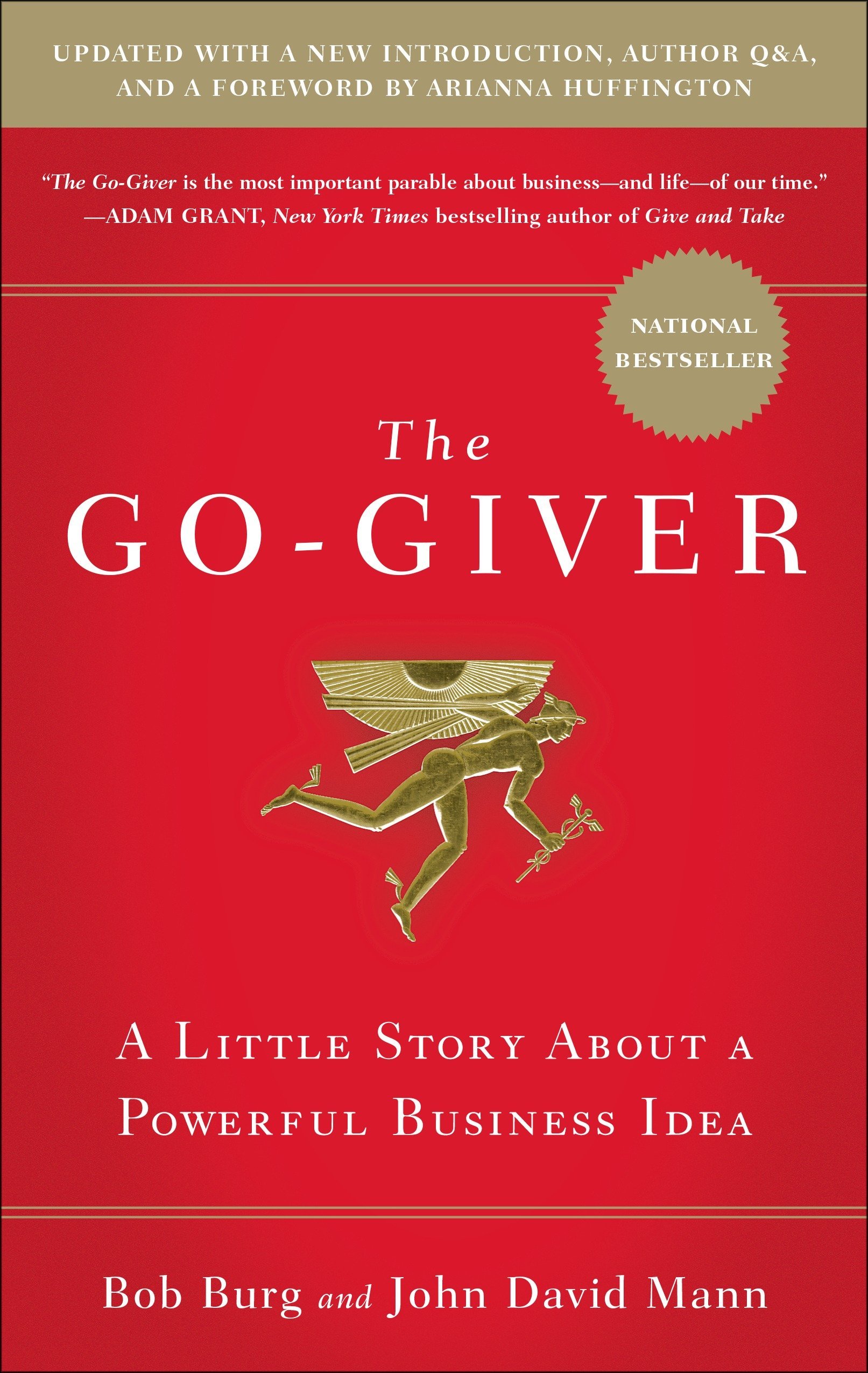
LEARNING LESSONS FROM THE BOOK- GO GIVER

1. Your income is determined by how many people you serve and how well you serve them.

2. The only winning proposition is one hundred percent. Forget win-win , focus on the other persons win. Because your influence is determined by how abundantly you place other peoples interest first.

3. As long as you are trying to be someone else or putting on some act or behaviour someone else taught you, you have no possibility of truly reaching people. The most valuable thing you have to give people is yourself.

4. All the giving in the world wont bring success, unless you also make yourself willing and able to receive in like measure. Thus, the key to effective giving is to stay open to receiving.

5. Your true worth is determined by how much more you give in value than you take in payment.

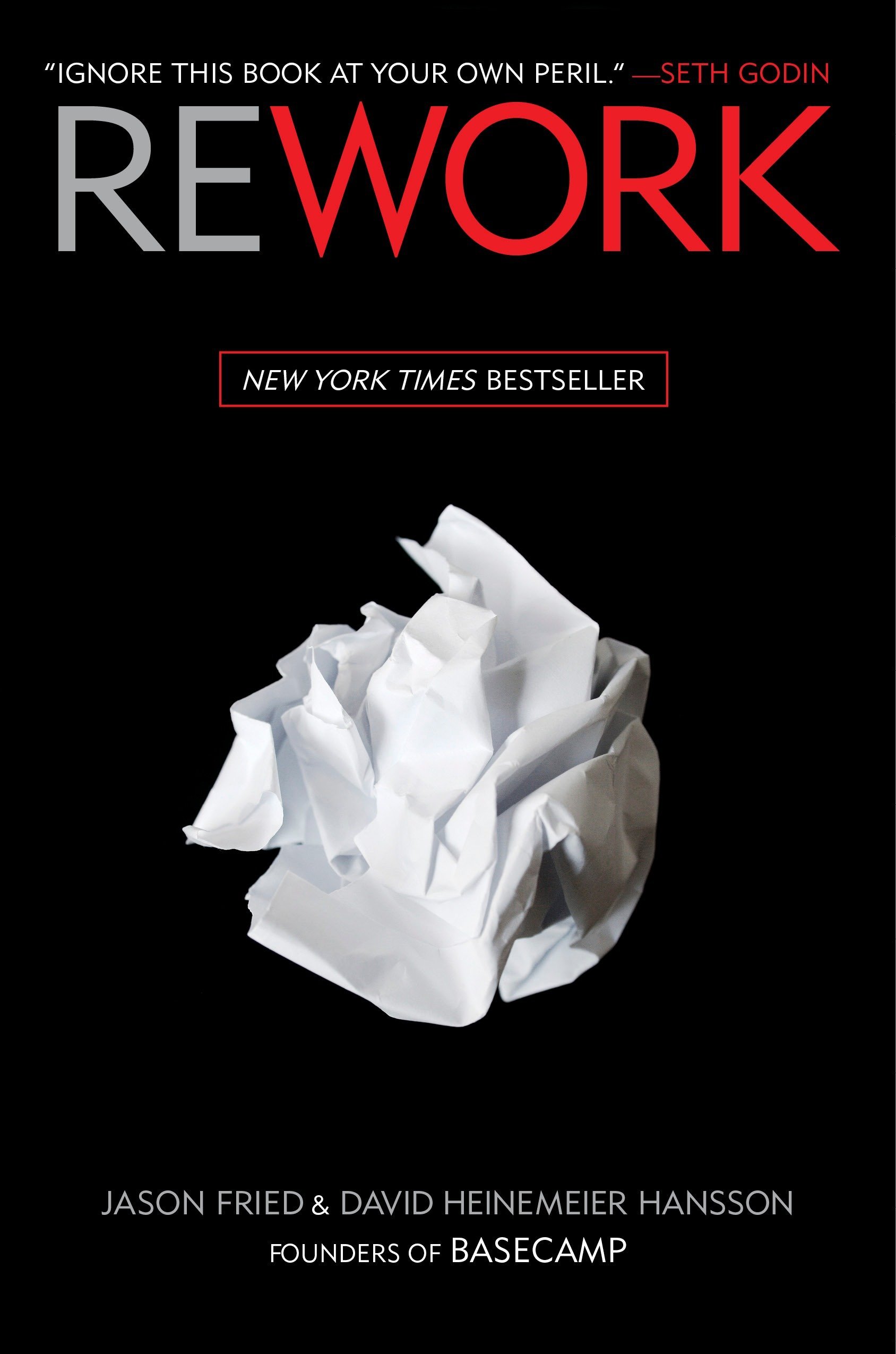
LEARNING LESSONS FROM THE BOOK ‘REWORK’

1. BE A CURATOR

What makes a great product is not the things or features in it but the things which are removed, yes its true! Because people like it simple and easy to use so don’t make it complex, be like a good curator always look for removing things.

2. UNDERGO YOUR COMPETITION

In business most people focus on becoming better than competition than making a better product . But the best way is to do less than your competitor to beat them.

Solve the simple problem and leave the hairy, difficult, nasty problems to the competition. Instead of one upping, try one-downing .

3.WELCOME OBSCURITY

If you are unknown, you company is unknown then its just fine because this is the real time when you have full freedom to make a lot of mistake and no one will blame you because no one knows you, but once you get bigger you become too conservative and you don’t take risk, so enjoy this beauty.

4. PLANNING IS GUESSING

Your plans are not plans they are just guesses so if certain plan doesn’t got executed well, then don’t take it seriously, because they are just mere guesses and every time guessing cant be right. So stop worrying about it.

The Complete Memoirs’ Review: Neruda in Full

 is impossible not to feel a thrill of expectation upon opening “The Complete Memoirs” by Pablo Neruda. But once a reader discovers what’s actually on its pages, the title’s claim of completeness—with its promise of juicy restorations and the accretion of long-lost chapters written by the great Chilean poet—seems no better than a gimmick to sell afresh a book that was first published in English translation 44 years ago.

An “editorial note” at the book’s end lists all the additions to Neruda’s original memoirs—while unhelpfully omitting the page numbers that would transport a reader straight to the new material. There are 19 texts added in all, ranging in length from a half-dozen pages of previously unpublished words to the wispiest fragments. Here’s an example of the latter, as vaunted by the editors: “We now publish, for the first time, the only known version in writing of this phrase: ‘What is my poetry? I don’t know. It would be easier to ask my poetry who am I.’ ” Readers who know their Neruda will contend that only one textual addition—which deals plainspokenly with the homosexuality of the Spanish poet Federico García Lorca—truly adds value.

Which is fine, of course, because the original version—let us not call it “incomplete”—is a deliciously self-serving and unabashed narrative account of the poet’s life, loves, grudges, contempt and ideology. It is stunningly vain in places yet always beautiful, and reading it today—in our age of much-curbed masculinity—raises taxing moral questions. What should we think of a man so casually priapic, who never hesitated to use his power—as poet or diplomat—to drive women (who were often vulnerable) to his bed?

Neruda chose to call his book “I Confess I Have lived”—“Confieso Que He Vivido” in the original Spanish. It was published posthumously in 1974, a year after he succumbed to cancer and—some like to think—heartbreak, brought on by the suicide of Chile’s President Salvador Allende only days before Neruda’s own death. Allende was a dear friend and leftist fellow traveler, and Neruda had abandoned his own presidential ambitions—he was the Communist Party’s candidate for Chile’s highest office—so as to throw in his lot with the socialist Allende. The latter appointed Neruda Chile’s ambassador to Paris in 1971—the year in which the poet won the Nobel Prize for literature.

https://www.google.com/url?sa=t&source=web&rct=j&url=https://books.google.com/books/about/The_Complete_Memoirs.html%3Fid%3DylT2DwAAQBAJ%26source%3Dkp_book_description&ved=2ahUKEwiEgr7V6-fxAhXs3jgGHY9XBlIQmhMwBHoECBMQAg&usg=AOvVaw3Ps45PWUjXd8Aw2LoCapKp

https://www.google.com/url?sa=t&source=web&rct=j&url=https://www.amazon.in/Complete-Memoirs-Hardie-St-Martin/dp/0374538123&ved=2ahUKEwiEgr7V6-fxAhXs3jgGHY9XBlIQFnoECBgQAQ&usg=AOvVaw3tdZRgWgQLHkU1aAVw3rT0


Why make reading A habit?

“A person lives a single life, but a reader lives multiple lives”. A quote that inspired me to get into reading. How do you define reading? Well, Wikipedia defines it as “A process of taking in the sense or meaning of letters, symbols, etc., especially by sight or touch”. But is that all a habitual reader goes through? Obviously not. This is just a definition that describes the generalized view. If you call a bibliophile to describe reading, He or she may say ” Reading is a journey, an experience filled with all the emotions and knowledge”.

Reading is not only for experience, But there are many benefits of making reading a habit:

it empowers your brain

Many researches have shown that reading involves a complex process in your brain. There are complex networks in brain which strengthen through reading. It keeps you mentally stimulated. Reading is an exercise to your brain. And these exercises will make you smarter. Reading improves brains connectivity.

it gives new ideas

Reading helps in detecting patterns, solving puzzles and problems. You are actively thinking while reading. This will arise new ideas to the problems you were having trouble to solve or it may show a new approach to the same. You may get situations in life where references from the books you have read will guide you or solve your problem.

it helps you to write better

When you read a good book, which is well written and executed, brain absorbs that technique. reading multiple types will increase your skill. These skills you acquired while reading, that technique you appreciated when you noticed it will unknowingly show up in your writing. This will increase the quality of your writing.

it influences your world view

While reading you are thinking using the writers mind. He will provide a new view to a same situation. Good things that you accumulated during reading process will reflect in your opinions. They influence and improve the way you approach the world. It broadens your perspective and makes you question and reexamine your beliefs and judgements.

reading increases your knowledge

When you love a specific genre or a type of book, you effortlessly gain all the knowledge given within the book. This will make you smarter effortlessly. Books will have information about history, economics, science, culture, customs and what not. You will get all of these information without taking courses in colleges.

reading reduces stress

When you read a good book, it will help you reduce all your stress either from work or from personnel issues. Many researches have also proven the same. Reading can ease tension in your muscles. It is like a mini break but without taking a break!

reading improve vocabulary

Reading more and more will introduce you to more and more new words. Unknowingly these words make their way in your daily vocabulary improving your language skill. A person with good conversational skill is preferred everywhere and a good vocabulary will increase your confidence also. This will definitely help in having a good career.

If all these things are not motivating you to read, here is another fact. Bill gates, one of the worlds richest man takes a braked named “Think break” where he isolates from the other distractions of the world and just reads to have new ideas. He takes this break twice a year and you don’t need a proof to show how they end up.

WHAT HAPPENED TO MY READING HABIT POST LOCKDOWN?

Image Source: google.com

Reading has always been my favorite hobby since I was introduced to the magical universe of books. I love reading books as it improves our vocabulary as well as enhances our creative mind. It gives me a sense of peace and satisfaction in quenching my thirst for knowledge. It helps to know the world around you better. It is an excellent method to mitigate your pressure, much the same as a natural therapy. I love the power of books to explore our past, present, and future. Books are immortal and I can’t envision a world without books.

I was an ardent reader during my school days. But during my college days, I got busy with my college life schedule. So, I wasn’t able to focus much on reading. Apart from that, my procrastination also occupied a great role. But this lockdown has cleared me an approach to return to my old reading days and I am so happy with that.
There are many tips to help cultivate your reading habit. You can always carry a book to wherever you go, by reading at least 10-15 pages per day or read books that excite you. However, there’s more you can do. The habit of reading cannot be compelled to anybody. You ought to consistently allow yourself to stop on the off chance that you are losing interest. Before you want to start reading, ask yourself why? The answer may vary according to the personal interest of a person.

During the lockdown, I had pretty much free time. So, I thought of reading a book titled ‘Ikigai; The Japanese secret to a long and happy life’ by Albert Liebermann & Hector Garcia. It is a life-changing book. I cherished the book deeply. I completed the book in one go. One thing that I loved about this lockdown was getting on track with my reading habit. Before lockdown, I just read fiction books. But now I read many genres like non-fiction, self-help, crime & thriller, etc. Though it was a slow process, I loved every bit of being on track again. Also, I am a quote lover person.

Some of my favourite quotes from books are:

“You will never be able to escape from your heart. So it’s better to listen to what it has to say. That way, you’ll never have to fear an unanticipated blow.” – The Alchemist by Paulo Coelho

“Confidence doesn’t mean that everything will go our way. It simply gives us the ability to accept failures that we will inevitably meet on our path and move forward with hope.” – Three Thousand Stitches by Sudha Murthy

“if you have not made somebody’s day happier, if you’ve not appreciated something good that has happened to you and if you have not felt thankful to be alive, then you have wasted that day of your life on earth!” – Life Is What You Make It by Preethi Shenoy

“All animals are equal, but some animals are more equal than others.” – Animal Farm by George Orwell

“The words that come out of our mouths do not vanish but are perpetually stored in infinite space, and they will come back to us in due time.” – Fourty Rules Of Love by Elif Shafaf

Earlier, I felt really bad staring at large piles of unread books on my book-shelf. Reading a book after many years was a herculean task for me as I couldn’t concentrate much. However, it was worth it. Reading books is a good quality that a person can possess. They are truly your companion because you can rely upon them, regardless of what your state of mind is.

BOOK REVIEW : HOW TO WIN FRIENDS AND INFLUENCE PEOPLE

How to win friends and influence people is a great book to read . Dale Carnegie provides timeless, rock solid and practical advice that can be applied in our personal life.

Here are few methods to win friends and influence people that I learnt from this book :

1. Don’t criticise, condemn, or complain.

2. Give honest and sincere appreciation.

3. Go out of your way to make people feel important.

4. Become genuinely interested in other people.

5. Remember to use the other person’s name.

6. When wrong, admit it quickly and emphatically.

7. Publicly praise the other person’s accomplishments.

8. Show respect for other people’s opinions.

9. Try to see things from other’s perspective.

10. To get the best of an argument , avoid it.

11. Always begin in a friendly way.

12. Ask questions rather than give orders.

13. Smile.

14. Let the other person save face.

15. Let the other people do all the talking.

HAPPY READING ; )

book review :IKIGAI- The Japanese secret to a long happy life.

” Life is not a problem to be solved. Just remember to have something that keeps you busy doing what you love while being surrounded by the people who love you”- Ikigai by Hector Garcia and Francesca Miralles

IKIGAI is a Japanese concept referring to have direction or purpose in life, providing a sense of happiness and fulfillment and towards which the person may take action, giving them satisfaction and a sense of meaning.

This book touches on various elements of life that certainly we all are aware of, but always fail to implement in our daily life by giving ourselves unnecessary excuses. This book talks about how every person in this world has the ikigai ( a reason for being ), and by asking a few simple questions to yourselves, you can discover yours and live a prosperous and happy life. The authors of the book have beautifully put down all the ideas and facts which will persuade you to live your life to the fullest. The authors in the book bring the Japanese secret for the readers from the wise people of OKINAWA Island in Japan on how to live a happy and long life.

The best part of this book is, unlike many other self-help books, this does not go on and on. There are very few chapters. The idea or the message which the authors try to convey is straightforward. Read the book carefully, and it will surely teach you how you can bring meaning and joy to every day by following your IKIGAI .

Overall, a wonderful book to read if you feel stuck in your life or just want to make some changes in your life.

HAPPY READING ; )

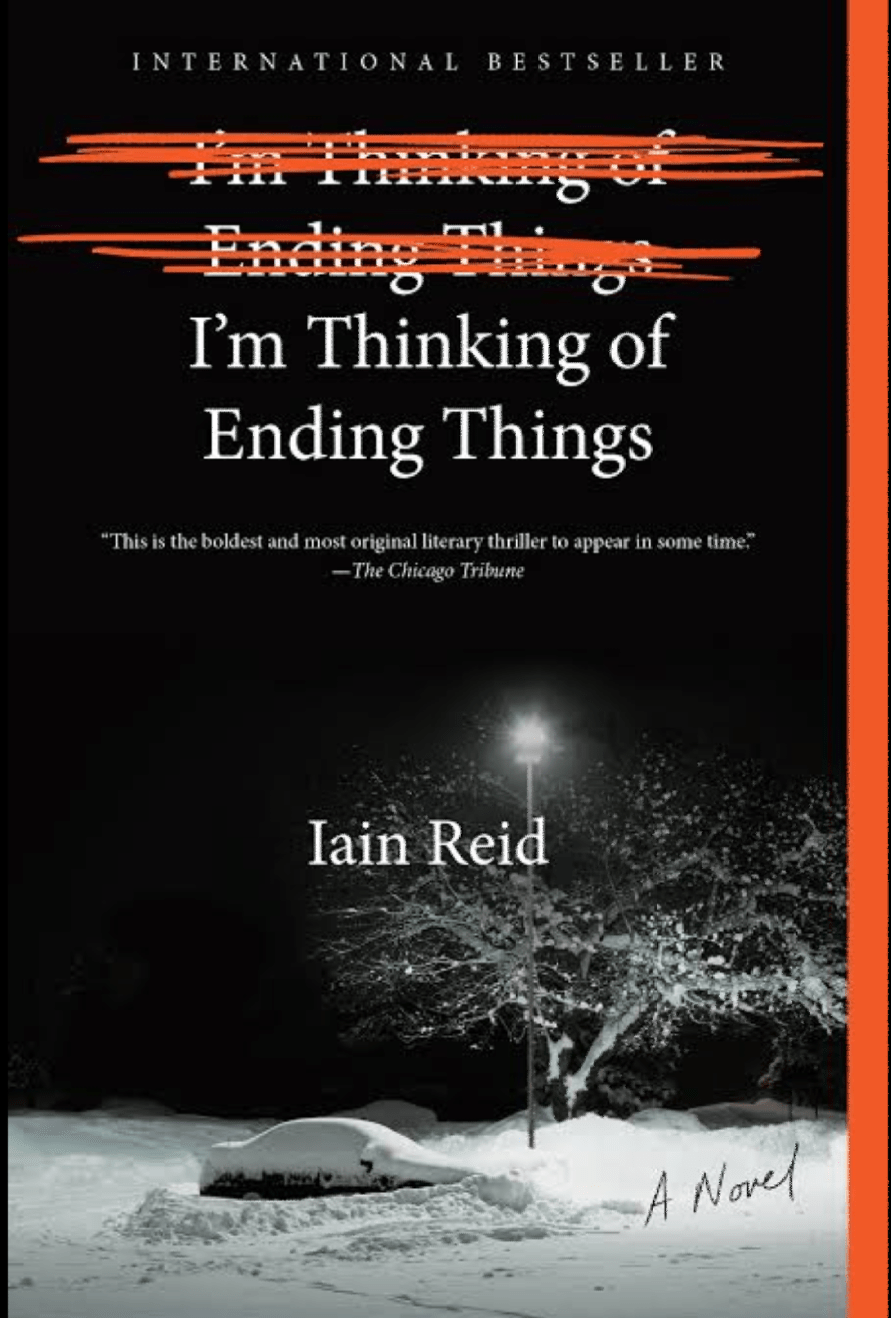
I’m thinking of ending things…

Author – Iain Reid

Page count – 224 (hardback) 130 (eBook)

Genre – Suspense, psychological thriller

The story is about a young woman and her boyfriend. A girl has no name (high five if you GoT (again) that reference). Jake is her boyfriend. We find them driving to his parents house in the country and then back home. Its just that. But you won’t believe how much happens in that time frame. The conversation between the couple makes you think. They have these deep talk about childhood and other stuff.

The name of the book is such because the girl keeps thinking of ending things with this boyfriend all this time and this is important.

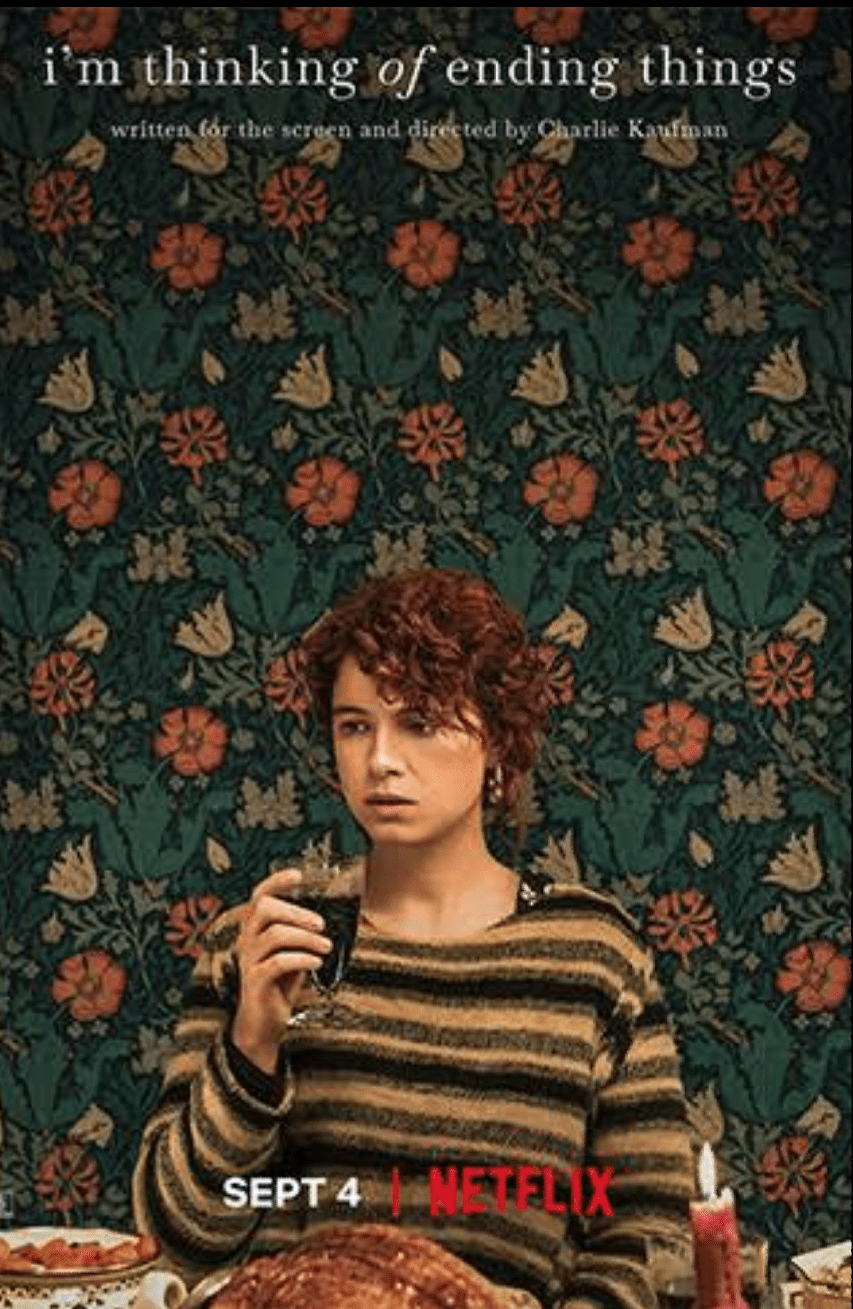
Recently made into a Netflix movie this book is what I wish I had heard about earlier. I strongly recommend thriller novel fans to give it a read. Moreover it’s short. You could finish it within a day or two. Haven’t seen the movie yet but I will check it out after I finish writing this. I really want to see the difference between how I pictured it and how the movie is portrayed. I do that with every book based movie.

It’s been a while since a read a good book. This one kept me hooked. One of those un-put-downable. The suspense it creates. You know there’s something wrong about it but you cannot pin point what it is. There’s this one crazy page and the next page is normal but you turn to the next page and it’s crazier than the first. You’ll make yourself comfortable with the surrounding, the character and the scene changes out of the blue. The last few pages are so confusing makes you feel anxious unless you read it all.

It has a 3.5/5 rating on Goodreads. I would rate it 4/5.

P.s. Suggest me some good thriller novels please.

Thank you for reading. Have a nice day!

Before you vanish off the face of earth read these books.

If you are a regular know-all-the-famous-books voracious reader you have already read most of these so you may skip I won’t mind. But for those of you who want to show off that you “read” here’s a bunch of books you could actually read and not get bored and maybe magically fall in love with books.

I am not mentioning Harry Potter or Twilight or The Hunger Games and so because these are some books that shape you as a teenager and the books call the readers themselves I need not do it.

Note: This is not a ranked I listed my favourites. Let’s first go through the fiction section…

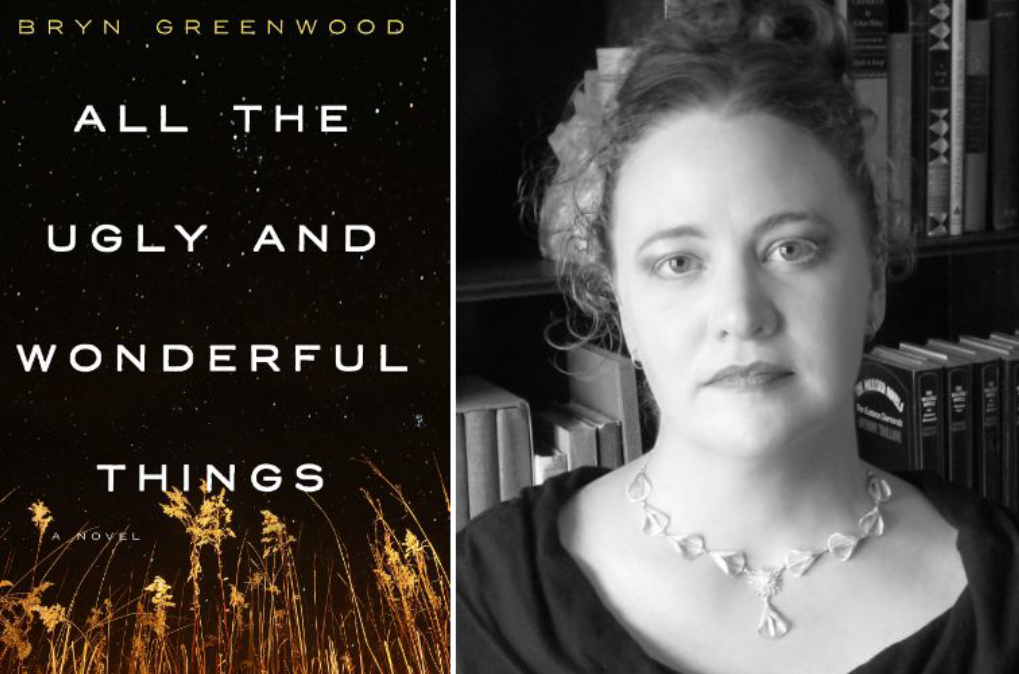
1. “All the ugly and wonderful things”

Author- Bryn Greenwood Page count-432

An unusual and disturbing love story but somehow you want this couple to be together. The story is messed up but trust me it will leave a mark on your mind.
2. “A walk to remember”

Author – Nicholas Sparks Page count – 240

http://eduindexnews.com/2020/09/06/a-walk-to-remember-book-review/

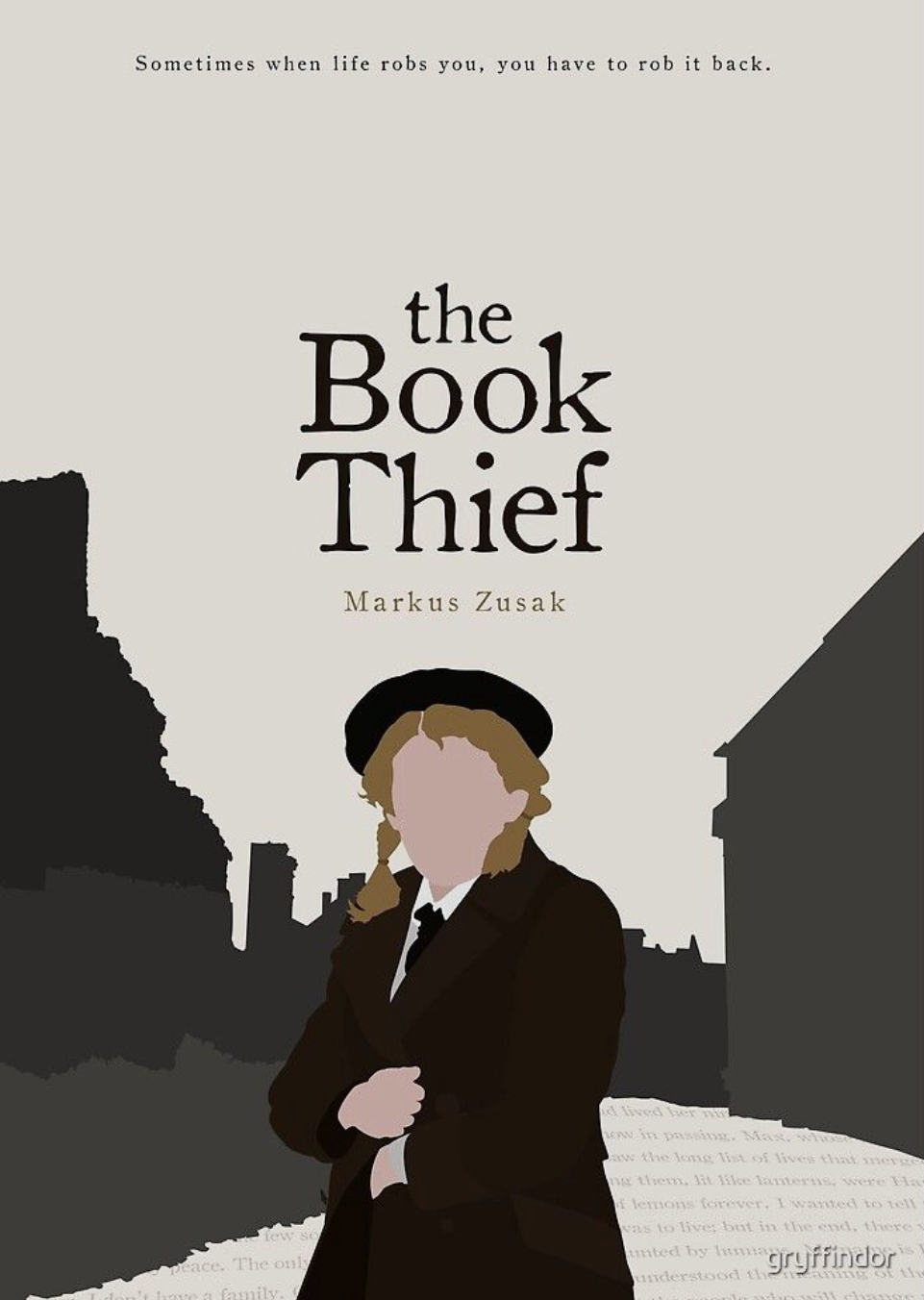
3. “The book thief”

Author- Markus Zusak Page count – 584

A historical novel narrated by Death. It’s about a little girl finding solace in books. The war makes things happen.

4. “Tell me your dreams”

Author- Sidney Sheldon Page count- 363

An absolute best thriller on Dissociative Identity Disorder or Split personality.

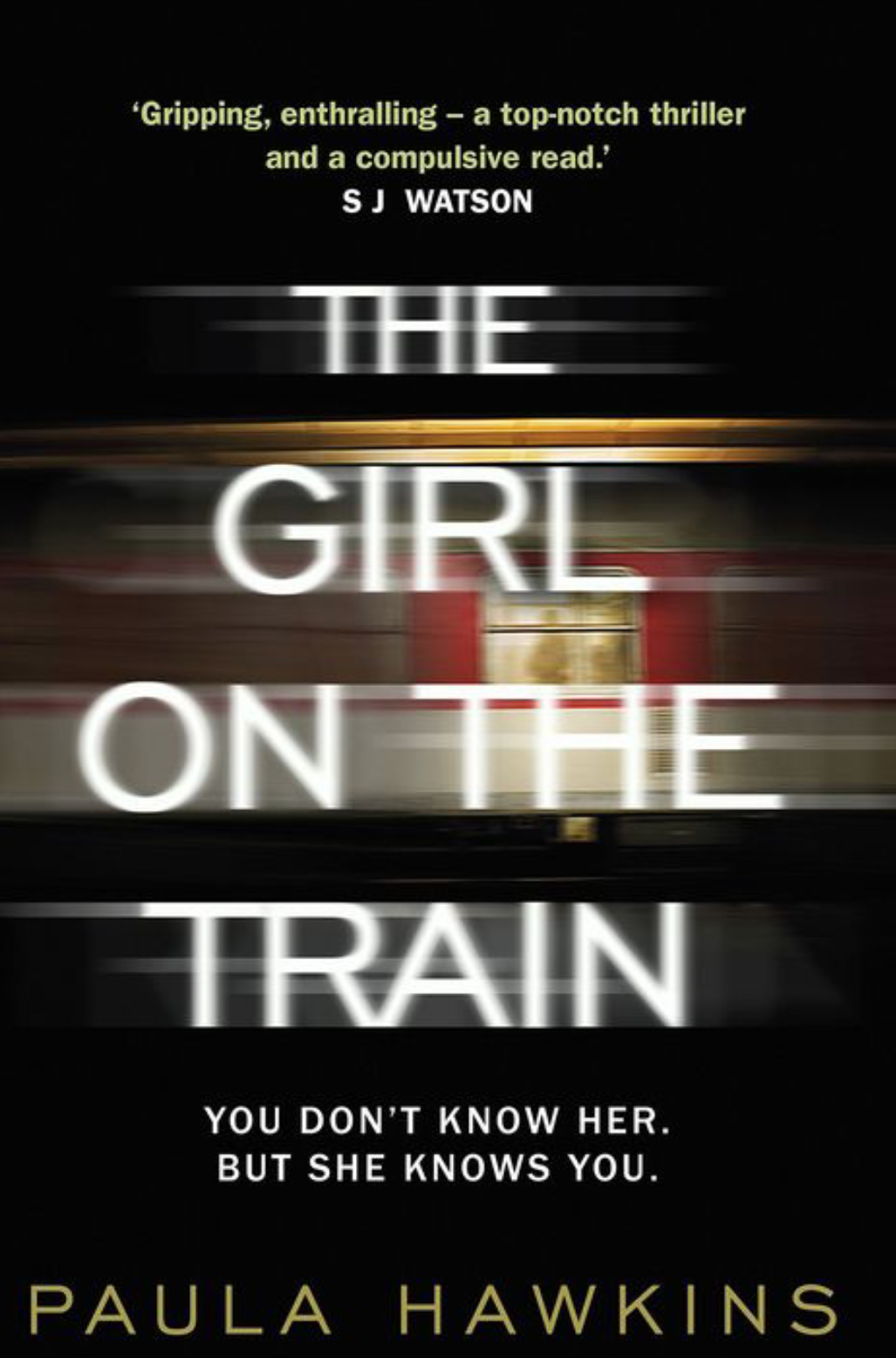
5. “The girl on the train”

Author- Paula Hawkins Page count – 317

Another great thriller. All about the title literally. Take my word for it you’ll love it.
6. “A thousand splendid suns”

Author- Khaled Hosseini Page count – 384

http://eduindexnews.com/2020/09/06/a-thousand-splendid-suns-book-review/

7. “Angels and demons”

Author- Dan Brown Page count -664

First of the Robert Langdon series. Though it’s a thick book you’ll want in read it all in one sitting.

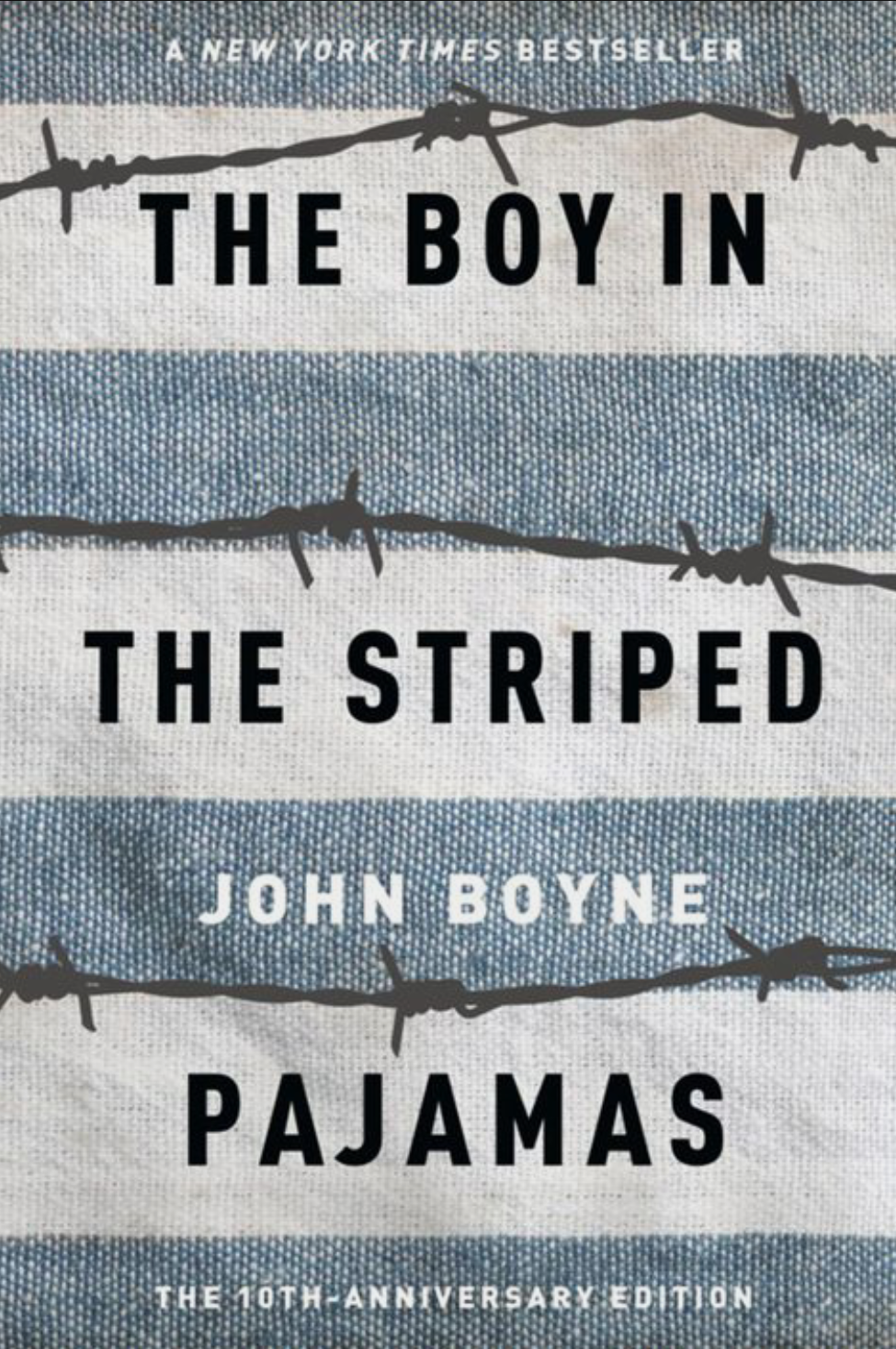
8. “The boy in striped pyjamas”

Author- John Boyne Page count -216

Written from the perspective of a nine-year old boy. You won’t believe how and when this innocent narrative turns into a powerful holocaust story.

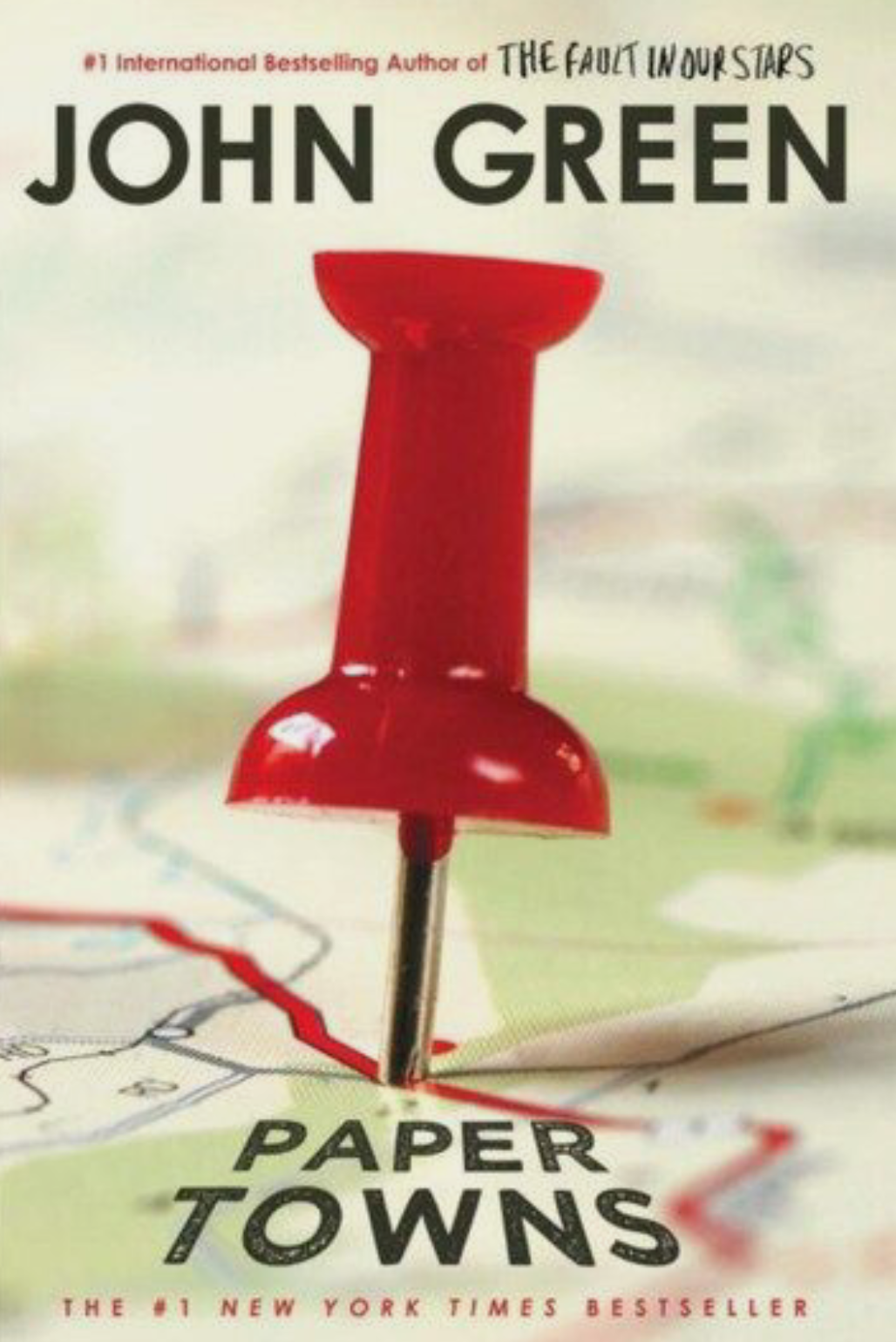
9. “Paper towns”

Author- John Green

Page count -305

A young adult about a group of friends finding out secrets about a mysterious girl. Dialogues and quotes are brilliant.

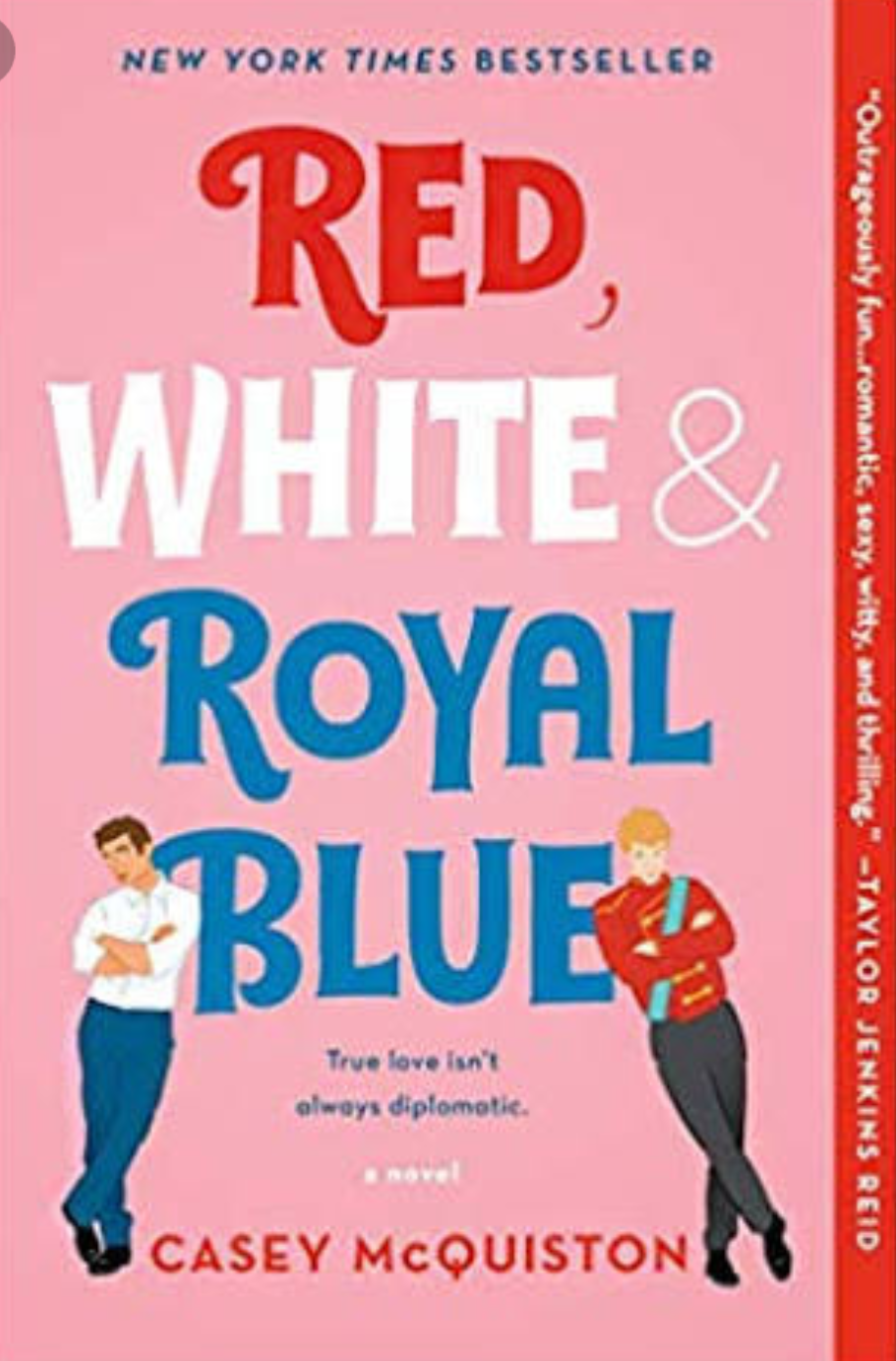
10. “Red, white and royal blue”

Author – Casey McQuiston Page count- 432 LGBT romance novel. It’s so so good needs no explanation.

Non-fiction…

11. “The diary of a young girl”

Author- Anne Frank Page count -352

12. A brief history of time”

Author- Stephen Hawking Page count – 256 13. “Into the wild”

Author- John Krakauer Page count -224

14. “Wild: from lost to found on the Pacific crest trail”

Author- Cheryl Strayed Page count-336

15. “Ikigai”

Author-Albert Liebermann and Hector Garcia Page count -208

Thank you for reading. Have a nice day!

A Walk to Remember book review

This was my first Nicholas Sparks and surely this one compelled me to read more of his works. Being a rapacious reader I can say he is one of the best romance novelist.
“A walk to remember” is a 1999 release by famous American author Nicholas Sparks. It has a page count of 240. It was later turned into a 2002 movie of the same name.

The story is narrated by the protagonist, Landon Carter. He is 57 years old and is reflecting on events from his past.
“Love is like the wind, you can’t see it but you can feel it.”
Nicholas Sparks

The book is all about the unexpected love story that happens between the two teenagers Jamie Sullivan and Landon Carter. So there is this guy all egoistic and the type that goes around bullying around his fellow schoolmates and then there is this sweet cheerful girl, daughter of the church minister. Love seems unlikely but you know opposites attract and henceforth the story begins.
Landon was supposed to act in a play so he asked Jamie to help. They spent a lot of time together and ended up falling for each other when they did not want to. Everything is fine but one fine day Jamie tells Landon a bitter secret about herself. This very plot twist tests their love for each other. They stick together till the end making this one of the sweetest love stories
According to me if one loves to read romance then this ones got to be on your list.
“First you will smile, and then you will cry — don’t say you haven’t been warned.”
Nicholas Sparks

Thank you for reading. Have a nice day!

Why Australia is least affected by recession!!!

America’s economy is approaching a big milestone. If it keeps humming until July 2019, it’ll be the longest expansion in U.S. history. It would be exactly one decade and one month old by then. But there’s another country with an even more impressive run It’s even called the ‘lucky country’ Three big lessons from Australia.

  1. Be smart.
  2. Be organized.
  3. Be lucky.

So, if I’ve got any advice for other countries, it’s try and be as lucky as Australia That luck has to do with Australia’s treasure trove of natural resources. You know Australia is on the other side of the world and sitting on tremendously valuable minerals right at the point where the Chinese economy is just around the corner and exploding. Australia and every one its natural resources were within the right geographic neighborhood even as the Chinese economy began to begin . And it just so happens that China did a big fiscal stimulus in 2008 and spent a great deal of money building new cities. So all of these resources were drawn from places like Australia. So that also served as a huge tailwind at a time when developed markets were in a whole lot of trouble.

What Currency Is Used In Australia | Australian Dollar : Compare ...

The year 2008 was a time of economic turmoil The Global Financial Crisis hit and markets crumbled around the world. But as it turns out this was also a year for Australia’s economic management to really show off At the time the government had a very helpful and very low level of debt. One reason? Pension reform in the 1990s. Australia set up a compulsory retirement system called the superannuation system. It requires employers put money into its employees’ retirement savings.

Since companies and citizens have to build up retirement savings, some of the financial burden to pay off pensions was taken off of Australia’s government As other economies reeled in the wake of the 2008 crisis, the Australian Government was then able to put money directly into people’s bank accounts This boosted consumer spending in order to stimulate growth In 2008, the Australian Government unlike some other developed market governments actually jumped in very quickly with fiscal stimulus, so that helped to kind of minimize the effect of the crisis The country’s numbers continued to look sluggish after the financial crisis. But they never quite dipped low enough or for long enough to satisfy the definition of a recession. It takes two quarters of negative growth to fall into a recession. Australia’s economy did post a couple of negative quarters since 2008, but no country’s perfect. Overall Australia’s economy has been managed pretty much in recent years partly due to a robust and stable financial institution.

Reserve Bank of Australia – Australia's LGBTQ Inclusive Employers

Australia has an independent financial institution and it is a very well-run financial institution . It also has a floating exchange rate and the exchange rate helped it adjust to international shocks. Australia’s economic reforms gave it flexibility in times of hardship. For example, floating the Australian dollar In 1983, Australia’s government moved the dollar onto a floating exchange rate This meant that the dollar would be valued by supply and demand instead of being subject to influence from its government or its central bank It allows the economy to react to shocks as well Typically when an economy is hit by some sort of negative shock. The currency will adjust. It will depreciate and that helps promote exports. Another reason behind Australia’s economic diary lies in its immigration policy. Since the late 1990s, Australia has seen growth in temporary migration, many arriving to the country on student or temporary work visas. The number of temporary migrants peaked in the year 2000. However a recent change to immigration law in 2018 gave visa applicants more hurdles to get through if they wanted to come to the country Even when our GDP per capital average incomes aren’t rising by much because the number of people continues to rise that means the total GDP continues to rise at even more rapid pace Part of that’s underpinned by much faster population growth Most experts think Australia’s economy remains strong in 2019, but it’s not without risks.

Australia’s suffering at the instant from pretty weak wage growth. That’s worrying a lot of people. There’s a lot of fear right now that China is hitting a wall. That will hit demand for Australian products. The good news is to the extent that the Chinese are buying commodities hopefully will find buyers from overseas for many of those commodities if the Chinese are not there The bad news is the rest of the world economy is not doing that well.

Australian economic growth slows, enters per capita recession ...

Sherlock- the ever changing phenomenon.

Celebrities and icons, they are a staple in our lives constantly being showcased no matter where we go. We grow up idolizing them, praising their works, this can make them iconic within their own fields. However, these icons can also be fictional. Many a character from TV shows and books have become common household names due to their immense popularity. But none more than the greatest detective to ever walk the fictional works of Arthur Conan Doyle, the London sleuth himself, Sherlock Holmes. More than a century after first emerging into the fogbound, gas-lit streets of Victorian London, Sherlock Holmes is universally recognizable. His wardrobe comprising of the Inverness cape, deerstalker hat and the calabash pipe. With figures such as his best friend and housemate Dr John Watson, arch nemesis Moriarty and house keeper Mrs Hudson, Sherlock and his associates have become part of the popular consciousness, as have his infallible powers of deduction utilized in the name of law along with his catchphrase “Elementary, my dear Watson”. And yet many of his most recognizable features don’t appear in Arthur Conan Doyle’s original stories. So, who exactly is Sherlock Holmes? Who’s the real “great detective,” and where do we find him?

We can often see Conan’s Sherlock speculate, guess and even make false guesses. Furthermore Mrs. Hudson is barely mentioned, never does he say his iconic catchphrase, and his sidekick spend most of the time apart and even his arch nemesis Moriarty, is featured only in two stories. His drug use is infrequent after the first two novels and Holmes is seen preferring his own sense of justice rather than being enthralled by the English justice system. Even the most iconic elements of the Holmesian legend aren’t Doyle’s either. The cape and hat were imagined by Sidney Paget, the story’s initial illustrator, the curved pipe added by American theater actor William Gillete and his iconic phrase was coined by author and humorist P.G. Wodehouse. Thus, we can see that the Sherlock we know is vastly different than the one imagined by Sir Conan Doyle. Many believe that he was inspired by his university mentor Dr Joseph Bell. But today Doyle’s version has long since been eclipsed by various different interpretations of the character, making the original virtually unrecognizable. There have been thousands of adaptations of Holmes, making him one of the world’s most adapted fictional character. This process began with Victorian stage plays and has since accelerated with the emergence of film, there were more than 100 adaptations of Holmes in the first two decades of the 20th century alone. Adding to the fact many thousands more in print, film, television, stage and radio it makes much sense that the character would take on different variations as it is played on by different perspectives. To showcase this, we can see clearly that during the WWII Holmes was featured in a number of allied anti- Nazi propaganda, with both Churchill and Roosevelt being avid enthusiasts, going so far to name one secret base as Baker street. On the other side of the coin, we see that he was adapted in German as well some being the favorite of Hitler. Another can be seen in the modern era, the vast differences in Downey’s and Cumberbatch’s portrayal of the same character. While the soul of the character stays the same, he simply dons different characteristics with each portrayal. So, the truth is that this world of adaptations has made him a palimpsest.

Sherlock is a cultural text, repeatedly altered over time as each new interpretation is superimposed over the earlier one. One can almost see Sherlock like a phoenix, rising anew from its predecessor’s ashes, thus continually evolving embodying ideas and values far removed from those in Conan Doyle’s version. But never the less, the baker street resident will forever be the greatest detective of all times, Sherlock Holmes.