Vaccination for children to commence from August

Vaccination of children against COVID-19 may start as early as August, Union Health Minister Mansukh Mandaviya told a meeting of the BJP parliamentary party on Tuesday.

India was on its way to becoming the largest producer of vaccines as his Ministry would expedite more licences to Indian companies, he stated. He also spoke about the government’s efforts to fight COVID-19 and ramp up vaccination.

The Minister’s statements are in line with what the government told the Delhi High Court in early July that vaccines for adolescents between the ages of 12-18 would be available soon, as trials were under various stages and that a policy to regulate the vaccination programme would be spelt out soon.

Giving more details about this, Lav Aggarwal, Joint Secretary, Health Ministry, said at a press conference that both Bharat Biotech’s Covaxvin and Zydus Cadila’s DNA vaccines for the 12-18 age group were being looked into. “Final trial results are awaited and after due scrutiny, the vaccines will be made available for children. We hope to make the vaccine available in the near future,’’ he added.

A senior Health Ministry official said that while the Pfizer- BioNTech mRNA vaccine had been tested and approved in the European Union for use in adolescents aged 12-15, India was looking at an indigenous vaccine. “The exact timeline for this vaccine’s procurement and the quantity available is still not certain, so details can be given out only after the fine print has been decided upon,’’ he stated.

All India Institute of Medical Sciences head Randeep Guleria had advocated the resumption of physical classes of primary schools if vaccination was successfully able to cover those associated with school activities. He had said that while vaccination of children will be a milestone, children mostly have mild infections and some even are asymptomatic.

“They, however, can be carriers of the infection, which is dangerous for the medically compromised section of society. Currently, while Zydus has already done the trials, Covaxin trials should be over by August or September, and by that time, we should get an approval and roll out the vaccine for children,’’ he noted.

The U.S. Food and Drug Administration (FDA) previously gave Pfizer-BioNTech vaccine emergency use authorisation for children. This vaccine requires two injections given 21 days apart. The European medicines’ watchdog has also approved the use of Moderna’s vaccine for children aged 12 to 17.

Suresh Kumar Panuganti, consultant peadiatric critical care, Yashoda Hospitals, Hyderabad, said prevention is better than cure and various diseases could be prevented in children by using vaccines.

Dr. (Maj.) Manish Mannan, HoD, Peadiatrics and Neonatology, Paras Hospitals, Gurgaon, pointed out that vaccines have a great role in preventing the severity of illness, comorbidity and mortality.

“Vaccination would be very helpful for the safety of the children and is very necessary. As announced, first the vaccination will be given to 12-18 year old kids and then it will followed with other age group of kids depending upon the effectiveness, adverse effects and reaction, if any. In this pandemic, if vaccination is available, one should surely get it,’’ he asserted.

Dr. Mannan noted that the vaccines which were made available underwent a lot of process before being made available to the public. “All the vaccines’ efficacy are tested and all of them will play a great role in reducing the severity of conditions. It is not correct to say that a 3rd wave will effect kids largely. Most of the children are already exposed to the disease but vaccination would be helpful,’’ he added.
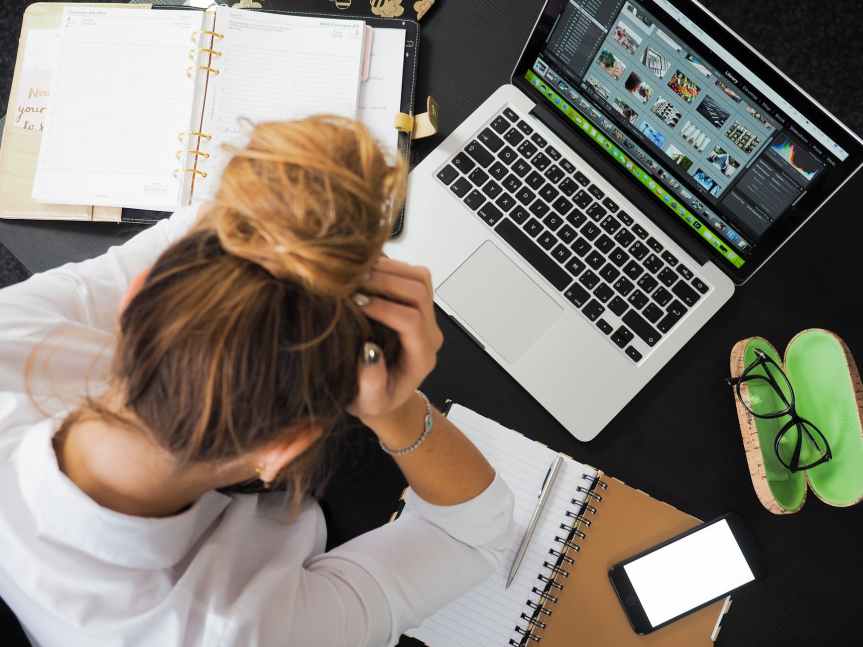
ONLINE CLASS IS A MENTAL EXHAUSTION FOR STUDENTS

Education is taught in a classroom environment in schools all over the world. Students are conditioned from ages to this traditional form of teaching. With the onset of the Covid-19 pandemic throughout the world, the entire scenario has been changed. Although the decision of online classes was shocking to everyone, students were a bit happy as they don’t want to go to their schools and on the other hand, they were sad, as they will miss their friends. With the emergence of online classes, parents were forced to get mobile phones or other gadgets for their children even if they didn’t wish that from their hearts. Children went on cloud nine as they were given a separate pc or mobile in which they could play, chat, enter social media, etc. Nobody knows what they do with their smartphones. Even if the parent questions the children, they had a witty answer that they are listening to classes or doing their assignments. No matter how strict their parents are or how hard they try to spy, the children started breaking all these by using the term ‘privacy’. Let us see how this situation affects a child’s mental and physical state.

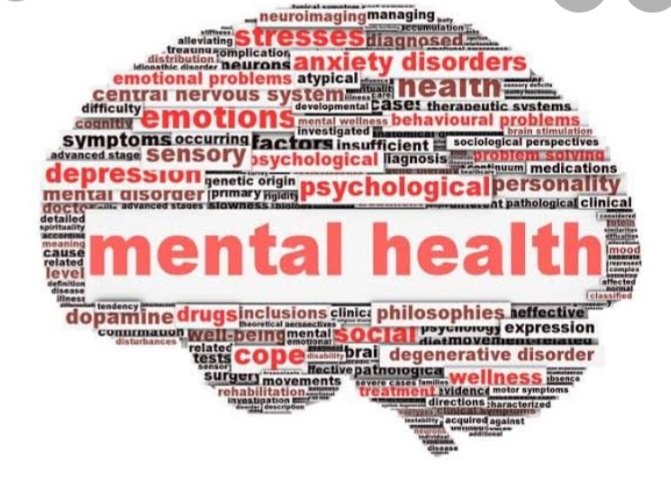
MENTAL HEALTH

As we know, students are more likely to get distracted even by small things. In that state, they have to sit inside their homes and listen to the monotonous classes online. The classroom environment can never be brought to home as they have to share space with the family members. In this case, they tend to lose concentration very often as everyone in the house is engaged with some tasks. This brings no difference however hard they try to focus rather makes the student stressed out. 

Kids start their social life only from school. They start to mingle with others only from that time. This important phase of life is missed out by them and they grow in a reserved manner. It becomes difficult for them to gel with society and others as they were homebound all these days. Again, this brings in mental stress for the introverts. However, Extroverts will cope with the situation better than introverts. 

Studies from experts also reveal that kids are prone to develop anxiety and depression from being confined in a single place. They come across many things that are irrelevant to their age in social media and begin to watch unnecessary bad things out of curiosity. This stimulates the child’s mental state to do the wrong. Moreover, they increased the video games playtime and got addicted to games such as PUBG and free fire which also affects the mental stability directly. 

PHYSICAL HEALTH

Apart from affecting mental well-being, online classes also affect physical health. Using mobile phones and PCs for a long time affects the eyesight and give rise to headache as well as fatigue. The rays from the gadgets cause eye pain and irritation. Children use the mobiles even after class time as they cannot go out and play with others. They use this technology as time pass. As a result, they lack physical activities like outdoor games. If they go to school, they had a separate hour for playtime during which they run and play on the ground. Also, when they return home from school, they enjoy playing games and cycling with their friends in the surroundings. This increases stamina and makes the physical body strong.  

Learning is not only about gaining knowledge but also about physical, mental, social, and emotional well-being. So, the emergence of online classes has created unwanted stress and irritation in budding lives. All these are not realized by the children as they lack enough maturity. Escaping from exams and other troublesome things, students continue to prefer online classes to get some lame advantages without knowing that they cannot escape from life exams. This would be realized one day or the other by everyone and that day they would regret the ‘lifeless life’ they led without spending time in the outside world.

Mental Health

We human beings often tend to pay less attention to our mental health than our physical one, but we all should understand its heavy importance and admit the fact that they can be equally or even more dangerous than the physical issues so one should take immediate help of doctor or councilor in case some abnormalities or issues arises.

Importance of mental health :

Mental and physical health are equally important components of overall health. Mental illness, especially depression, increases the risk for many types of physical health problems, particularly long lasting conditions like stroke, type 2 diabetes and heart disease. Similarly, the presence of chronic conditions can increase the risk for mental illness.

Some mental illnesses :

Mental illnesses are among the most common health conditions in the united states.

* More than 50% will be diagnosed with a mental illness or disorder at some point in their lifetime.

* 1 in 5 children,either currently or at some point during their life, have had a seriously debilitating mental illness.

Causes of mental illness :

There is no single cause for mental illness. A number of factors can contribute to risk for mental illness, such as

* Early adverse life experiences such as trauma or a history of abuse.

* Experiences related to other ongoing medical condition, such as cancer or diabetes

* Biological factors, such as genes or chemical imbalances in the brain.

* use of alcohol or recreational drugs.

Types of mental illness :

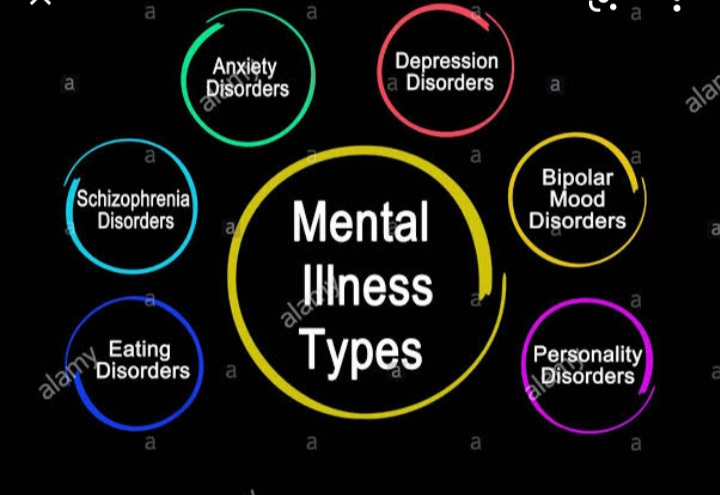
People can experience different types of mental illnesses or disorder and they can often occur at the same time.Mental illness can occur over a short period of time or be episodic. This means that the mental illness comes and goes with discrete beginnings and ends. Mental illness can also ongoing or long term.

There are more than 200 classified types of mental illness. Some of the main types of mental illness and disorders are listed below; however; this list is not exhaustive.

Anxiety Disorders :

People with anxiety disorders respond to certain objects or situations with fear and dread or terror. Anxiety disorders include generalized anxiety disorder, social anxiety, panic disorders and phobias.

Hyperactivity Disorder :

It is one of the most common childhood mental disorders. It can continue through adolescence and adulthood. People diagnosed with ADHD may have trouble paying attention, controlling impulsive behaviors or be overly active.

Disruptive Behavioral Disorders :

It involves a pattern of disruptive behaviors in children that last for atleast 6 months can cause problems in school, at home and in social sitauations.Behavioral symptoms can also continue into adulthood.

Depression and other mood disorders :

While bad moods are common and usually pass in a short period, people suffering from mood disorders live with more constant and severe symptoms. People living with this mental illness find that their mood impacts both mental and psychological well- being, nearly evry day and often for much of the day.

Eating Disorders :

Eating disorders involve obsessive and sometimes distressing thoughts and behaviors including

* Reduction of food intake

* overeating

* Feelings of depression or distress

* concern about weight, body shape, poor self image

Personality Disorders :

People with personality disorders have extreme and inflexible personality traits that cause problems in work, school or social realtionships. Personality disorders include antisocial personality disorder and borederline personality disorder

Substance use Disorders :

Substance use disorders occur when frequent or repeated use of alochol and or drugs causes significant impairment, such as health problems, disability, and failure to meet major responsibilities at work, school, or home. Substance use problems can be fatal to the user or others. Exsmples include drunk driving fatalities and drug overdoses.

In this busy world our brain gets a lot stressed and its very important that we should take due care of it, some of the practices which will help us to do better with our mental health are:

  1. Yoga plays a great role in keeping our mind calm and also helps us to focus and concentrate on things. It also helps us deal with tough situations and gives us the strength to stay away from negativity.
  2. Exercising regularly is a key to healthy body and we all know that a healthy body and a healthy mind goes hand in hand, so we must ensure that we exercise daily to keep ourselves fit.
  3. The environment that we stay in also the company with which we spend time also plays a major role we should be extremely aware while selecting our company and in case we are not able to adjust we should walk away.
  4. Food is the fuel and is of immense importance we should ensure that we are not nutrient deficient also we should ensure that we intake enough amount of water daily.

The effects of video games on a child’s behaviour

Video gaming has become a popular activity for people of all ages. Many children and adolescents spend large amounts of time playing them, although no one should have more than two hours total of screen time in a day. Video gaming is a multi-billion dollar industry, bringing in more money than movies and DVDs combined. Video games have become very sophisticated and realistic and some games connect to the Internet, which allow children and adolescents to play online with unknown adults and peers.

While some games have educational content, many of the most popular games emphasize negative themes. They promote the killing of people or animals, the use and abuse of drugs and alcohol, criminal behavior, disrespect for the law and other authority figures, sexual exploitation and violence towards women, racial, sexual and gender stereotypes, and foul language obscenities and obscene gestures. Examples of video games not acceptable for children because they have these themes include the popular ones Grand Theft Auto, Call of Duty, and Mortal Kombat.

There is growing research on the effects of video games on children. Studies of children exposed to violence have shown that they can become immune or numb to the horror of violence, imitate the violence they see and show more aggressive behavior with greater exposure to violence. Studies have also shown that the more realistic and repeated the exposure to violence, the greater the impact on children. Children and adolescents can become overly involved and even obsessed with video games, leading to poor social skills, time away from family time, school work and other hobbies, lower grades, reading less, exercising less, becoming overweight, and having aggressive thoughts and behaviors.

So how can you, as a parent, protect your child against these types of video games? First, you can check the Entertainment Software Rating Board ratings to learn about the game’s content. Every video game will actually have a label on the front to tell you what type of game it is. If it says M for mature, it’s not for your child.

Play the video games with your child to experience the game’s content and know exactly what your child is playing. Set clear rules about the game’s content for both playing time in and outside of your home. Strongly warn your children about the potential serious dangers of Internet contacts and relationships while playing online. There are a lot of online predators that will look for children specifically playing video games and this can lead to them meeting in real life. Finally, remember that you are a role model for your child. Make sure the video games you play as an adult are ones that you would want your child to play.

If you are concerned as a parent that your child is spending too much time playing video games or your child starts becoming obsessed with aggressive or violent video games, make sure you set some limits. You’re not allowed to play games for one hour after all the homework is done and encourage your child to participate in other activities so they’re not drawn to those video games. By being aware of what games are out there, you can help your child make appropriate decisions about gaming no matter where your child plays.

CHILDHOOD DREAMS

DREAMS AS A CHILD

Everyone has a profession or two that they aspire to be when they grow up. Some children, for example, want to be firefighters, while others want to be physicians or professors and lots more. This is where everything starts. Dreaming is what gives a child the wings to fly, the hope to survive and the will to become successful in future. Childhood and early adulthood experiences may mould and mould these dreams. Many of these children grow up to abandon their childhood ambitions whereas some of these children, continue on their road to pursue their aspirations and become the professionals they’ve always wanted to be.

My Childhood Aspirations When I reflect on my life, I realize how wonderful it has been. I had an absolutely fantastic childhood and consider myself to be quite fortunate. I grew up in a home with two loving parents who have been there for me through thick and thin, and for that I am eternally grateful, forever. My parents instilled in me the belief that I could be anything I wanted and that I could do everything I set my mind to, they made me believe that nothing is impossible and you can gain what you want if you work hard. As I grew older and developed into the person I am now, my dreams evolved.

DREAMS AS ADULTS

When people consider their life dreams, they frequently consider whether or not they are childlike fantasies. Adults are continually influenced by what is considered juvenile or practical, as well as how others would see them if they pursue their aspirations. Most people who are going to follow all of their childhood aspirations are emotionally immature in some way. Bringing this down to the level of students has a similar effect. After all, when children reach a certain age, the adults in their lives dismiss their dreams as infantile or kiddish which is very much seen among the people in the current generation. Despite the fact that it can drive someone’s willingness, childishness is usually regarded as negative or problematic in some way. People can be motivated by a variety of emotions that are considered juvenile, such as wrath, sadness and many more.

When broken down by gender, it appears that gender stereotypes were still present in the minds of today’s adults when they were children. Pilot (13 percent), Athlete/Olympian (10 percent), and Police Officer or Detective (6 percent) were the most popular dreams for boys, while Vet (12 percent), Teacher (11 percent), and Dancer/Choreographer were the most popular ambitions for girls (6 percent). I’ve had a range of interests and occupations throughout my life that have given me a lot of pleasure. But when it came to my work and something I’d be doing for the rest of my life, I couldn’t think of anything that would make me truly happy.

Some people have an easier time moving on from their “childhood aspirations” than others. As they become older, they develop interests behind the scenes or in theater administration, which they can turn into an internship, which could lead to a full-time job. That’s just fine with them but this is not fine by me.

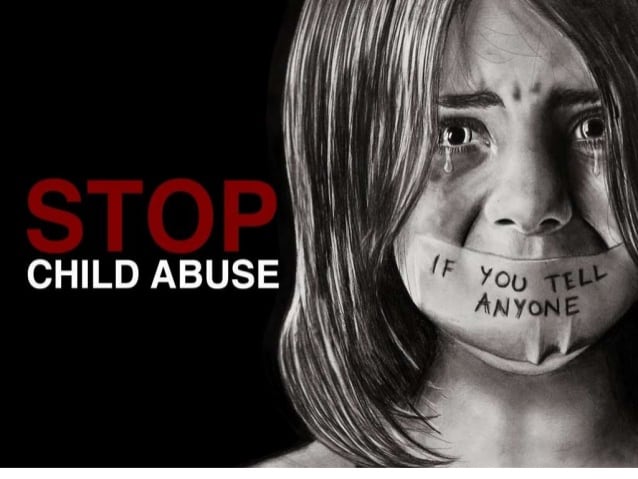
CHILD ABUSE

Child Abuse can be defined as harming (whether physically, emotionally, or sexually), ill-treatment, abuse, neglect or deprivation of any child.

Manipulation is when They blame you for your reaction to their Disrespect

If they are children it doesn’t mean, they can be ‘open to’ harm, injury, violence, and abuse.

As a society we are responsible to ensure that every child in our family, locality, community, region, state and nation is safe and feels safe.

Safe places for children are those where children feel secure and protected. They are nurtured, looked after and cared for.

As adults, it is our responsibility to observe child behaviour and encourage them to speak up.

Choose wisely who you defend

Because of ignorance and dependency on the abusers, children often are unable to express that they are abused.

Physical Abuse

Physical abuse can be caused from punching, beating, kicking, shaking, biting, burning or throwing the child.

Indicator in child

  • Unexplained bruises, welts, cuts, abrasions, Unexplained burns, Unexplained fractures
  • Injuries to areas of the body that is usually protected /covered.
  • Delay in seeking medical attention for a child
  • Is violent to animals or other children
  • Tries to hide bruises or other injuries
  • May be extremely withdrawn or extremely aggressive
  • Is wary of adults or of a particular individual
  • Cannot recall how the injuries occurred or gives inconsistent explanations

Emotional Abuse

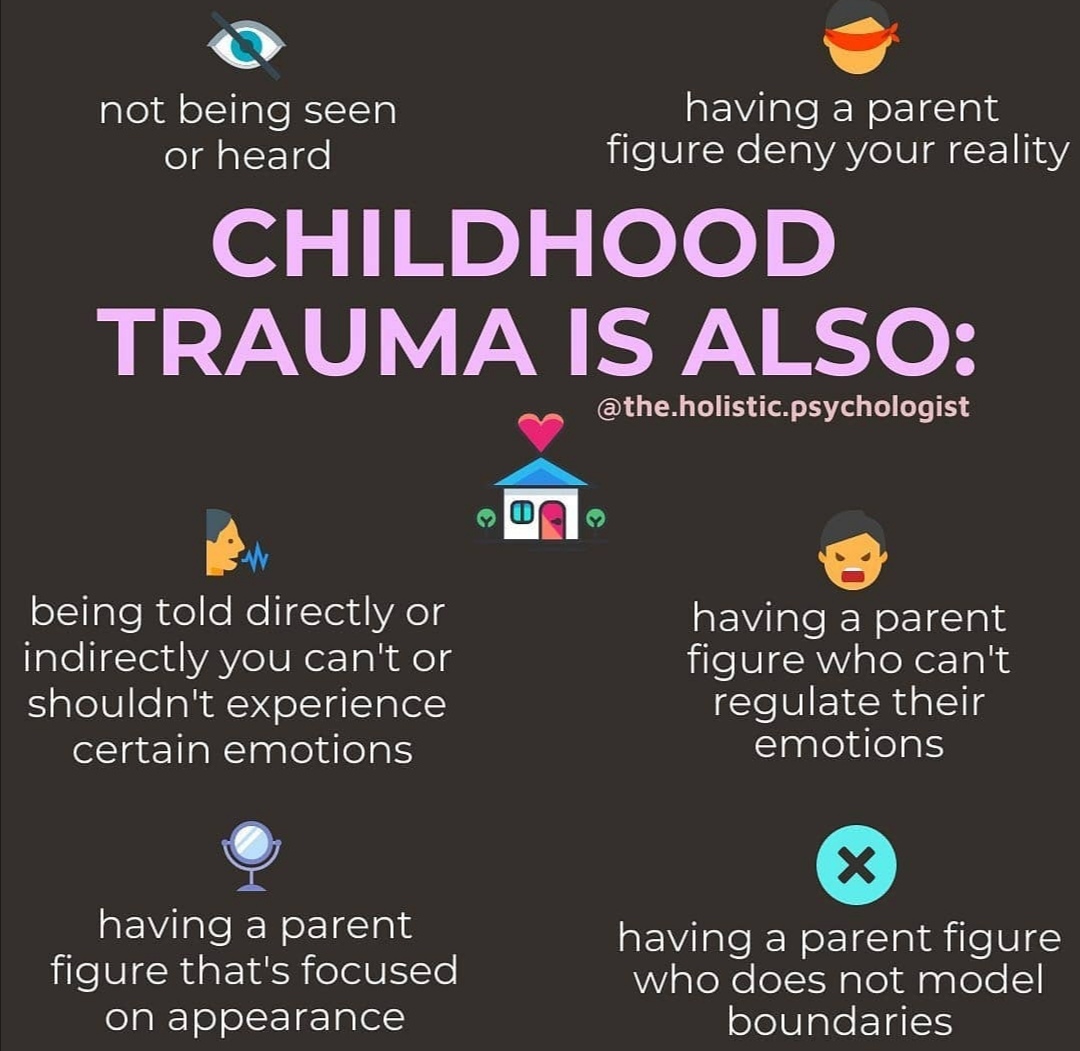
It occurs when a child’s emotional, psychological or social well-being and sense of worth is continually battered. It can include a pattern of criticizing, rejecting, discriminating, degrading, ignoring, isolating, corrupting, exploiting and terrorizing a child.

Indicator in child

  • Bed-wetting or bed soiling that has no medical cause
  • Frequent Headaches, nausea, abdominal pains
  • Has not attained significant developmental milestones
  • Displays attention seeking behaviours or displays extreme inhibition in play
  • When at play, behaviour may model or copy negative behaviour and language used at home
  • Suffers from severe developmental gaps

Indicator in adults

  • Constantly labels the child or publicly humiliates the child
  • Continually threatens the child with physical harm or forces the child to witness physical harm inflicted on a loved one
  • Has unrealistic expectations of the child

Sexual Abuse

Sexual abuse includes acts where an adult uses a child for a sexual purpose. While it may involve a stranger.

Indicator in child

  • Torn, stained or bloody underclothing
  • Bruises, lacerations, redness, swelling or bleeding in genital, vaginal or anal area
  • Blood in urine or faeces
  • Unusual or excessive itching or pain in the genital or anal area
  • Difficulty in sitting and/or walking
  • Signs of sexually transmitted disease Indicators in a child’s behaviour
  • Outburst of anger
  • Self-harm (cutting, burning or other harmful activities)
  • Age-inappropriate sexual play with toys, self, others
  • Sophisticated or unusual sexual knowledge
  • Nightmares, sleeping problems
  • Becoming withdrawn or very clingy
  • Becoming unusually secretive
  • Sudden unexplained personality changes, mood swings and seeming insecure
  • Regressing to younger behaviours, e.g. bedwetting
  • Fear of certain places or persons e.g. bedroom or bathroom, friend-uncle

Indicators in adult behaviour

  • Insist on physical affection such as kissing, hugging or wrestling even when the child clearly does not want it.
  • Insist on time alone with a child with no interruptions.
  • Spend most of their spare time with children and have little interest in spending time with people their own age.
  • Frequently walk in on children/ teenagers in the bathroom.
  • Treat a particular child as a favourite, making them feel ‘special’ compared with others in the family.
  • Regularly offer to baby-sit children for free or take children on overnight outings alone.
  • Buy children expensive gifts or give them money for no apparent reason.

What to do??

  • Learn to recognize the signs
  • Provide a listening ear
  • Offer help
  • Give helpful information
  • Explain that violence is not OK
  • Look for community systemic support for the family
  • Can contact Childline (1098) to talk over your concerns confidentially with a trained social worker. 

Take following steps on Emergency

Step-1: Immediately contact parents if child is not abused by parents and if child can give information of his/her parents.


Step-2: Contact any one of the following agencies to provide required support to parents and child: DCPU, SJPU, Childline, CPCs, Police or CWC. You can also take help from credible NGOs working on Child Rights in your area.


Step-3: Provide emergency support such as medical aid, clothing, food and transportation to safe places. Make sure that you handover this child to responsible adults from above mentioned list only.

Step-4: Help authorities with whatever information and evidence you have as regards abuse of the child to make sure that the abuser is punished. If possible give written information.

Step-5: Maintain privacy to ensure that the name of the child is not disclosed to media or public in any ways.

Prevention

  • Create Safe places for children in community, neighbourhood and society.
  • Create Structures and Systems where children can express their feelings and emotions freely without any inhibitions.
  • Create Structures and Systems to ensure safety and to ensure that children are supervised.
  • Educate children about safety measures. Provide information about the emergency contact numbers.
  • Create awareness: About child protection systems and networks. Keep this information handy.
  • Build network of concern individuals and groups to help children. Develop support systems for children.

Autism is Normal

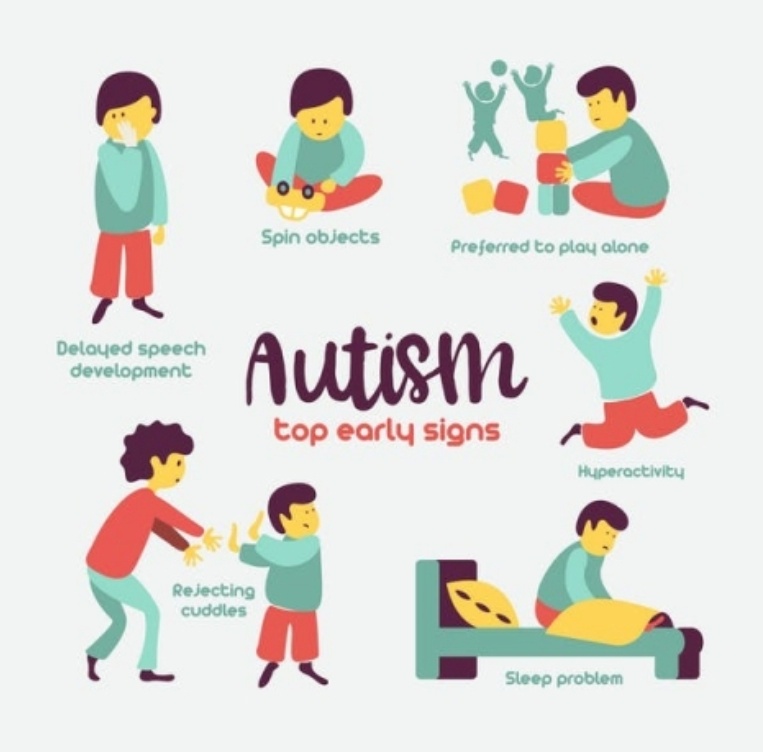
Have you ever met an autistic child? If you have, you must have noticed some irregular behavior in them. This behavior may include repetitive body movements such as rocking, clapping, spinning and you can also notice obsessive attachment towards strange articles such as switches, boxes, rubber bands, etc.
There is no particular reason for this condition but genetics can be a reason for this condition.
After brain scans, it is seen that the shape and size of a brain in an autistic child is bigger as compared to a typical child.
They find it difficult to communicate and won’t be able to express their emotions to us too but that doesn’t mean they don’t feel any emotions.

Their way of loving and caring is unique in its own way and many would even fail to understand it.
Taking care of an autistic child is far more difficult than raising a normal child. It takes a lot of time to understand the behavior and act accordingly.
There are few tips to remember while taking care of an autistic child.

 • Be patient
 • Follow a schedule
 • Create a safe environment in the house
 • Pay attention to the child’s sensory sensitivities.
 • Show love and Interest

Therapy For Autism
There is no cure for autism but there are various therapies available to reduce the symptoms and focus on development and learning.
There are different therapies available such as
 • Speech Therapy
 • Applied Behavior Analysis
 • Sensory Processing
 • Play Therapy
 • Occupational Therapy, etc

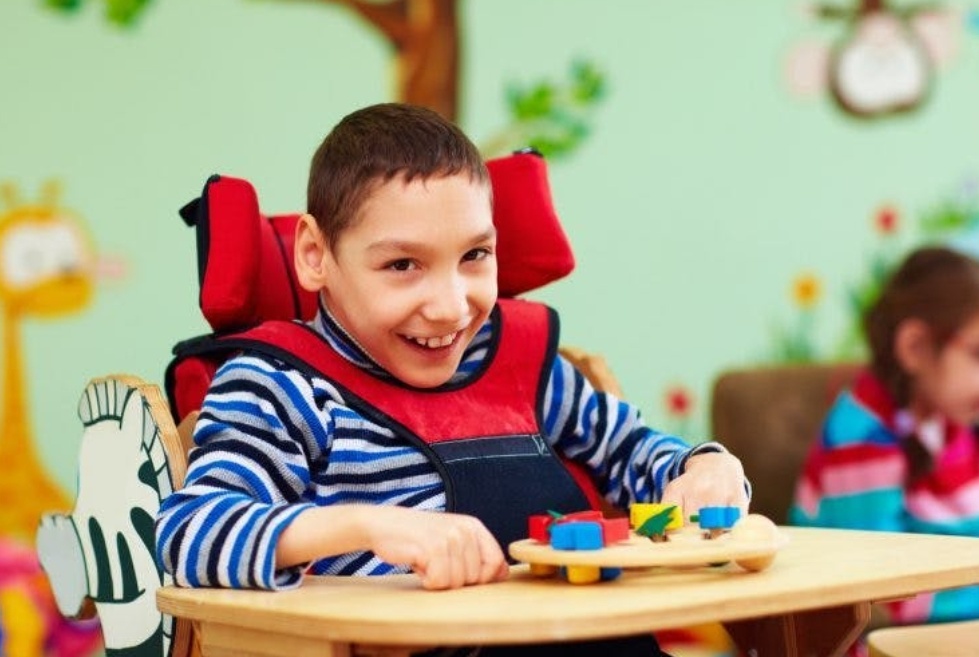
Even an autistic child deserves the same love as a normal child and has all the rights to study and grow among other children. Autism is normal.

CHILD LABOUR

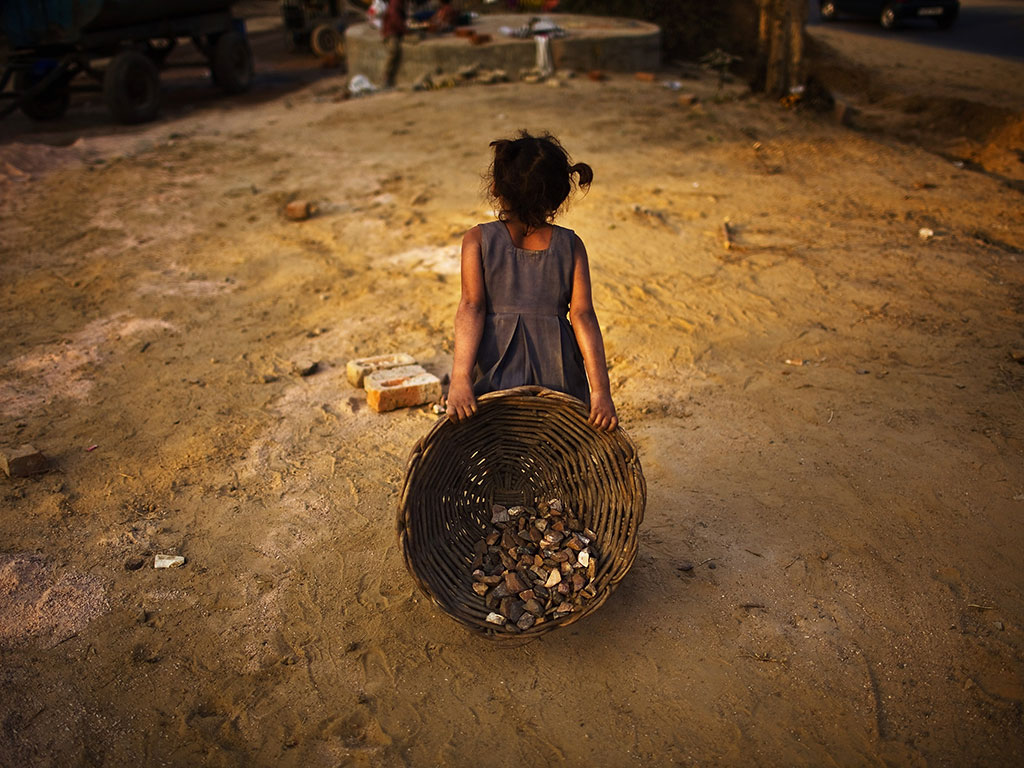
See the source image

Child labor — a social ill that continues to plague Indian society

We live in 21st century which is an era of a modern and advanced society. There are some dark truths that run deep in our roots, Child Labour being one of them. While some of us are aware about it, many others deny to acknowledge this truth. Child Labour occurs when children are forced to take up work at an age they need to study and enjoy the phase of innocence. Child Labour leads to the loss of childhood and escalates the exploitation of children in various forms. India faces situations where children are forced to work under adverse conditions. Despite Laws against Child Labour, many children remain exploited as cheap Labour as the authorities are unable to implement strict laws and actions to protect children.

Laws in India

The Child Labour (Prohibition and Regulation) Act, 1986, was the only enacted provision by the Indian Constitution against child Labour and its atrocities. Other provisions stated by the Indian Constitution are: Article 24 of the Indian Constitution states that no child below the age of fourteen shall employ in any hazardous employment or factory but not in non-hazardous industries. Article 39(f)) of the Indian Constitution states that children and young adults are to be protected against moral and material abandonment or any forms of exploitation. Unfortunately, these laws and regulations lack active and proper implementation and enforcement.

Root of child labour

The leading cause of child Labour is extreme poverty in India. To supplement their parents income or being the only wage earners in the family, children end up as Labourers in various industries. Hence, enforcement alone cannot help solve it. The Government has been laying a lot of emphasis on the rehabilitation of these children and on improving the economic conditions of their families. Child Labour is quite relevant in India due to poor schooling opportunities and the country’s high poverty rate. The other major factor is that children provide cheap labour, the person who wants labour has to pay less to them than adult labour. The child can be commanded more than an adult. The pull factor of the child labour is the profit maximization. The causes to failure to control the child labour are poverty, low wages than adult, unemployment, absence of schemes for family allowance, migration to urban areas, large family size, children being cheaply available, non existence of strict provisions for compulsory education, illiteracy, ignorance of parents and traditional attitudes13.

CONCLUSION

Child labour is a significant problem in India. The prevalence of it is shown by the child work participation rates which are higher in Indian than in other developing countries. Equal opportunities for development to all children during the period of growth should be our aim. For this purpose even we citizen should join hands with government and other institutions which are set up for this purpose. Educating the child can be a solution for solving the problem of child labour. To provide compulsory primary education and in order to reduce the burden on parents to meet the expenditure for their children’s education, while they are struggling for a day’s meal, our Government had allotted funds. But due to the lack of awareness most of the poor families are not availing these facilities. So, proper steps have to be taken to create awareness.

Children and Lack of Education

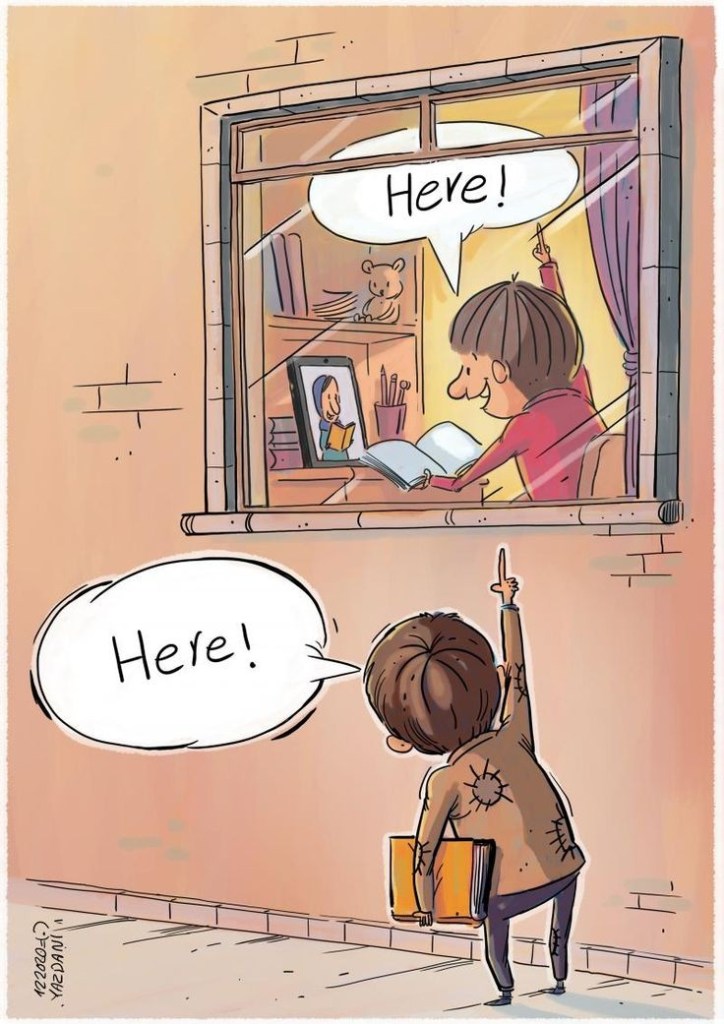
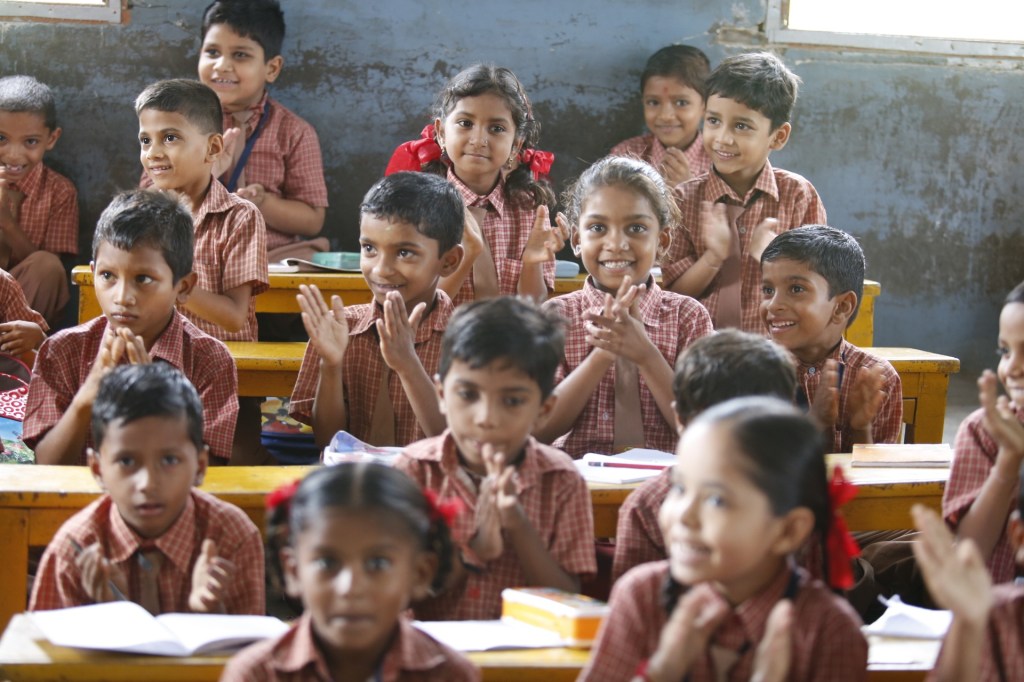
There are many circumstances of children around the world who experience a lack of education, resulting in them having a below average level of knowledge. Lack of education is a significant barrier for underprivileged children around the world.

Today, education remains an inaccessible right for millions of children around the world. More than 72 million children of primary education age are not in school and 759 million adults are illiterate and do not have the awareness necessary to improve both their living conditions and those of their children.

What Is Lack of Education?

  • A lack of education can be described by a state where people have lower than average common knowledge and basic skills to support them in their daily life.
  • This includes the ability to read, write, spell, speak, and do simple math.

What Causes Lack of Education?

  • A lack of education is a significant concern due to lack of funding for education, having untrained teachers, limited or no classroom space, limited resources (e.g., paper, pencil, etc.), living far away from school, and living in countries of conflict.
  • This concern is a leading issue in underdeveloped countries as an education system is highly dependent on region’s economic status.

People Who Are Less Likely To Receive Education

Females

  • Girls are commonly left uneducated because many countries believe there is more value in educating boys in comparison to girls.
  • Additionally, girls are forced to marry as early as eighteen years old which prevent them for continuing their education.

Children With Disabilities

  • Children with disabilities most regularly do not regularly receive education because teachers do not receive adequate training to work with these kids.
  • In addition, these children face a lot of discrimination in terms of accessibility to a safe learning environment, as well as communication with their surroundings.

Outcomes From a Lack of Education

  • Lack of education can prevent a person from having a sound voice in society, as they face communication barriers and are looked down upon
  • Not having enough education is a leading cause of unemployment, as many industries require well informed and educated individuals to step into an employment position
  • Being uneducated puts people at a higher risk of falling into the poverty trap, which is defined by being unable to escape poverty due to a lack of resources. This is because education provides people with the means to make a sustainable living; however, without it, the chances of having a sufficient income is low
  • Lacking education promotes exploitation, as many people without a proper education take on unsafe positions. Some of these positions include becoming a prostitute, sweatshop laborer, and can even result in child marriages.

Prevalence Rates

  • 34.3 million girls around the world do not attend primary school.
  • 97.4 million girls around the world do not attend secondary school.
  • In countries of conflict, girls are twice as likely to receive education in comparison to countries without conflict.
  • In developing countries, up to 95% of disabled children are not enrolled in school.
  • 51% of the uneducated population comes from South Asia.

Laws in India children need to know

Out of tons of subjects and important topics missing from our Indian curriculum, laws are one of the most important.

Here are some laws each and every child needs to be aware of, regardless of all variable factors:

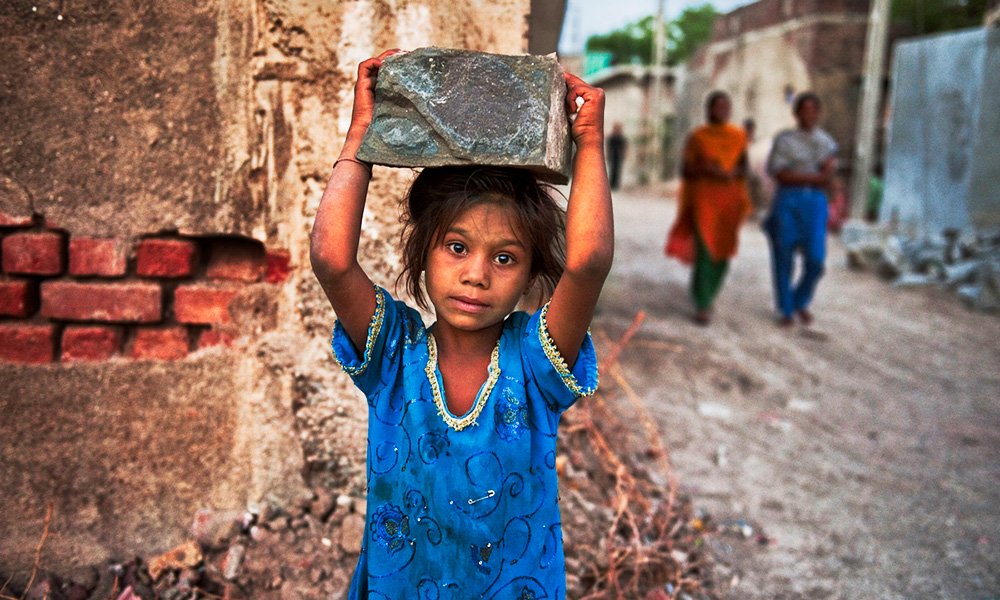
I LAWS AGAINST CHILD LABOUR

Image source: Google | Image by: Nikita Roy 

Children below 14 years of age – can work in family enterprise or entertainment industry as artists with certain conditions

Children between 14-18 years of age- cannot work in any factory, mine or any other hazardous setting, without exception

Children cannot be made to overwork or even work night shifts.

These laws are made clear in article 24 of the Indian constitution and acts that were passed in its pursuance.

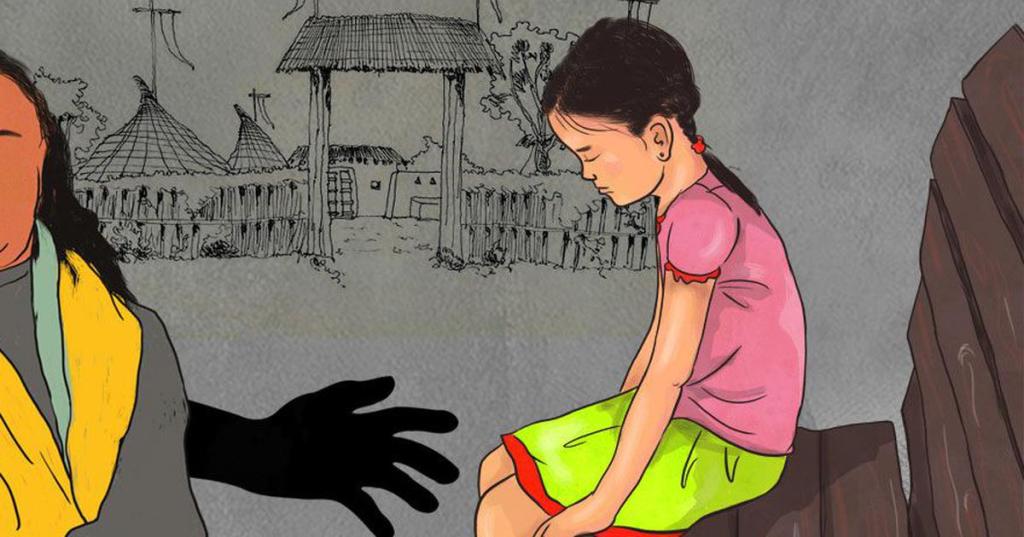
II LAW AGAINST SEXUAL OFFENCES

Image source: Google | Image by: Manisha Yadav scroll.in

The Protection of Children from Sexual Offences(POCSO), amendment Bill 2019 protects children below 18 against:

  • Sexual assault against children
  • Child pornography
  • Harassment
  • Drugs being administered to them to bring about early sexual maturity

POCSO aims at making offences against children gender-neutral.

III ENSURING FREE AND COMPULSORY EDUCATION

Image source: Google | Image by: Aprajita Jha

The Right of Children to Free and Compulsory Education Act or Right to Education Act (RTE), 2009, Article 21A of the Indian constitution, ensures free and compulsory education to everyone between 6 to 14 years of age. 25% of seats in all private institutions are reimbursed by the state to which kids are admitted based on economic status or caste-based reservations.

The Right to education of a specially enabled child (under 18 years of age) has separate legislation that is laid down under the Persons with Disability Act.

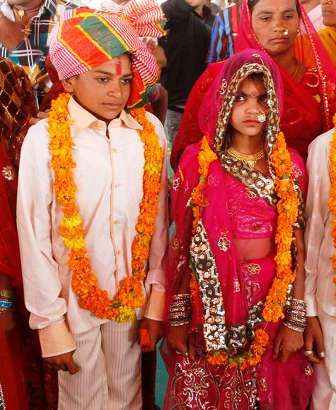
IV PROHIBITION OF CHILD MARRIAGE

Image source: Google | Image by: OBJECTIVE IAS

Any marriage in which either the boy is under 21 or the girl is under 18, is child marriage.

Prohibition of Child Marriage Act, 2006 serves the following purpose:

  • Prevents child marriages
  • Protects the children involved
  • Prosecutes the offenders

Child marriages, under the above-mentioned act, are cognizable and non-bailable offences. This law also prescribes punishment for performing, conducting and abetting child marriage. Permitting or promoting these marriages by the parents of a child is punishable.

POCSO penalizes penetrative sexual assault on a child by anyone related to the child through marriage

Section 375IPC penalizes sexual acts with a girl below 18 years of age, with or without her consent.

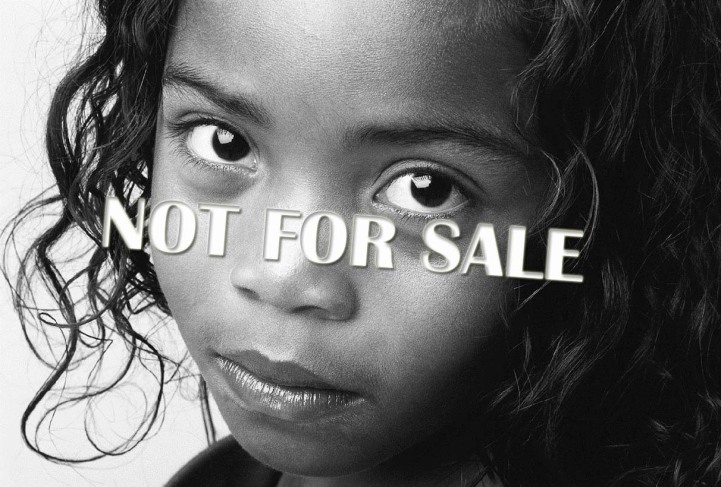
V LAWS AGAINST TRAFFICKING

Image source: Google | Image by: Jessica Gooding

The Trafficking of Persons (Prevention, Protection and Rehabilitation) Bill of 2018 addresses this crime affecting mostly children and women.

This bill addresses:

  • Aggravated trafficking for forced labour
  • Begging
  • Trafficking by administering chemical substances or hormones for the purpose of early sexual maturity
  • Trafficking for marrying, under the ploy of marriage or after marriage.
  • Promotion or facilitation of such crimes

So these were some of the children specific laws other basic laws such as the right to equality, right to life, right against discrimination etc. should also be taught to children.

Here are some of the basic ways we can spread awareness:

  1. Including basic laws and fundamental rights in school textbooks.
  2. Making young parents aware of the laws.
  3. Workshops, seminars, etc. in educational institutions.
  4. Including them in cartoon shows and podcasts for children.

To all the parents reading this, ensure your child is safe and comfortable and make them aware of all the laws to ensure their well-being.

To all the children reading this,

If you’re being hurt in any manner, verbal abuse, beatings, bad touch, not being provided with essentials or absolutely anything that is making you feel uncomfortable, REPORT.

Here are some of the few actions you can take:

Image source: Google | Image by: Sage Day

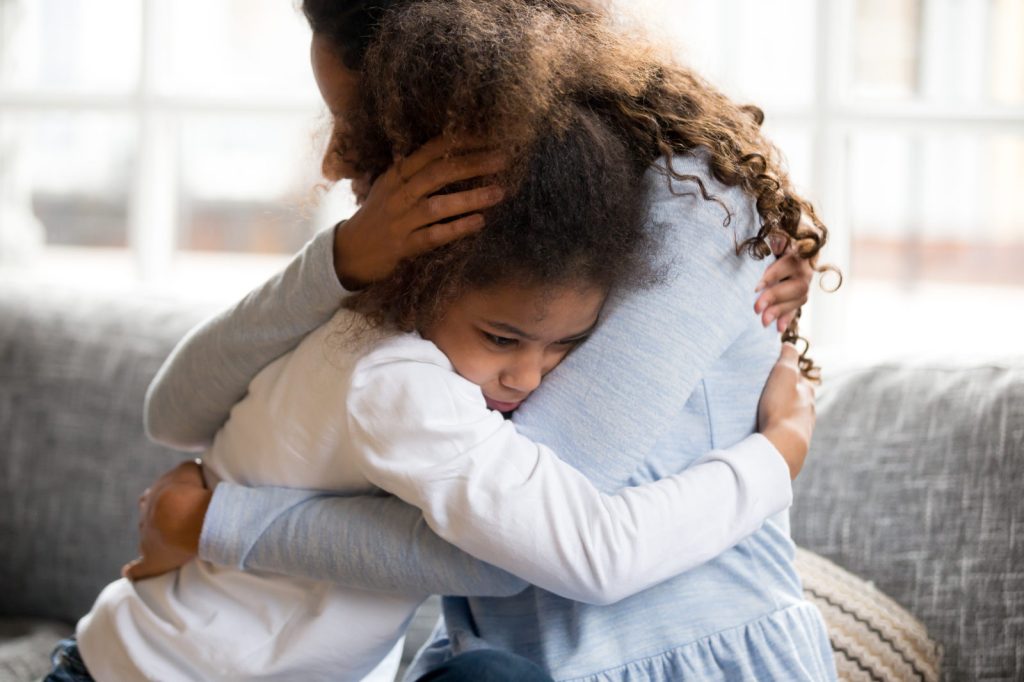
Tell a trusted adult, your parents, grandparents, school counsellors or teachers. You can also tell a friends’ parent, or any other adult you trust.

Don’t have an adult you trust, don’t worry as there is support available, you can always call childline number 1098.

As a child being harassed, you might be threatened to stay mum, but it’s important you raise your voice.

If you think any of your friends or someone you know is being abused or suffering in any manner, you should tell your parents or teachers.

Child-friendly mechanisms are used in all stages of your case and you don’t ever need to hesitate to report when something unfair is happening to you. You don’t deserve that ordeal.

References:

  1. https://byjus.com/free-ias-prep/right-against-exploitation-articles-23-24/
  2. https://www.firstpost.com/india/child-labour-act-govt-allows-under-14-children-to-work-in-non-hazardous-family-enterprises-2242120.html
  3. https://www.business-standard.com/about/what-is-pocso
  4. http://righttoeducation.in/know-your-rte/about
  5. https://timesofindia.indiatimes.com/blogs/legally-speaking/legal-status-of-child-marriages-in-india/
  6. https://www.thehindu.com/opinion/op-ed/preventing-trafficking/article23325538.ece

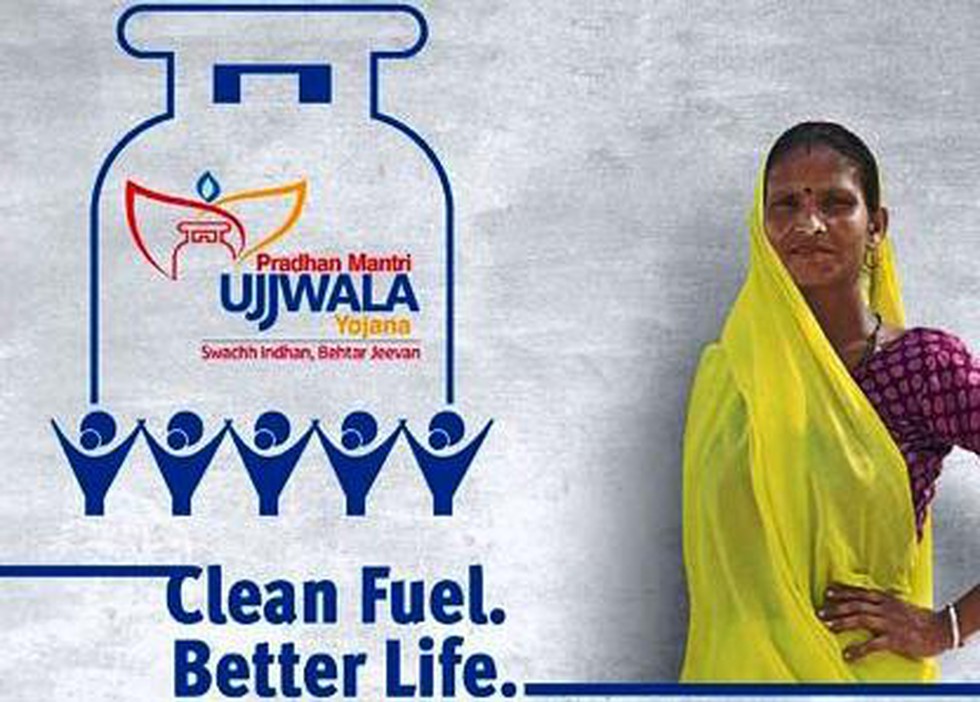
PRADHAN MANTRI UJJWALA YOJANA

In India, around 10 crore households out of more than 24 crore households lack LPG connections and so use coal, firewood, cow dung cakes and other such fuels as primary fuels for cooking. The emission from these are extremely harmful for the human body. To save the women and children from the health risk the PMUY scheme was released.

Pradhan Mantri Ujjwala Yojana was launched on 1st May 2016, by honorable Prime Minister Narendra Modi, in Ballia, Uttar Pradesh. The scheme aims at providing safe cooking fuel- LPG. 5 crore LPG connections will be provided to the families belonging to Below Poverty Line (BPL) with a financial support which is an interest free loan for each connection, for the purchase of gas stove and refill to be provided in next 3 years. The government would bare a cost of 1600 per connection for the purchase of other support items for LPG connection such as a cylinder, regulator, safety hose, booklet, etc.

According to report of WHO, smoke generation from the burning of unclean fuel for cooking such as wood, coal, cow dung cakes, and other such unclean fuel is equally toxic to burning 400 cigarettes in an hour. Inhalation of such unclean fuel smoke affects the health adversely. WHO estimates 5 lakh deaths in India take place because of inhalation of such toxic smoke from household pollution causing several pulmonary, heart and lung diseases to the women and children.

The Pradhan Mantri Ujjwala Yojana was formulated keeping in mind the health of the women and children and to keep them away from the toil of collection firewood from unsafe areas. This scheme also took to the empowerment of women, especially the women in rural areas, by providing LPG connections in the name of the women of the household. An amount of Rs 8000 crore was allocated for this scheme, for The BPL families identified on the basis of the Socio-Economic Caste Census Data.

The Pradhan Mantri Ujjwala Yojana not only empowers the women of the rural areas and safeguard the health of women and children, but also provides business opportunity of at least Rs 10000 by providing employment to around 1 lakh people. It provided a boost in the ‘Make in India’ project as all the gas stoves, LPG cylinders, gas hose and regulators are manufactured domestically for the implementation and fulfilment of this scheme.

Impact

714 districts have been covered under this scheme an 7,19,06,812 PMUY connections have been released, as per the records of ‘pmuy.gov.in’, the official website of government of India for Pradhan Mantri Ujjwala Yojana. Against the target of 15 million for the first year of launch, 22 million connections were provided. 30 million connections were provided by 23rd October 2017. 44% of these connections were provided to the Scheduled Castes and Scheduled Tribes families. In 2018 included 80 million poor households to provide them with LPG connections. An increase of 56% in 2019 was achieved as compared to 2014. This scheme provided the women for prevention against respiratory diseases because of unclean cooking fuel and also provided for the upliftment of social status of women by making it mandatory to take LPG connection on the name of the women of the family.

LEARNING DISABILITIES AMONGST CHILDREN.

Learning disabilities are due to genetic and/or neurobiological factors that alter brain functions in a manner which affects one or more processes related to learning. These processing problems can interfere with learning basic skills such as reading, writing and/or math. They can also be related to with higher level skills such as organization, time planning, abstract reasoning, long or short term memory and attention. It is important to realize that learning disabilities can affect an individual’s life beyond academics and can impact relationships with family, friends and in the workplace. It can also be a source of bullying amongst smaller children.

“If a child can’t learn the way we teach, maybe we should teach the way they learn”. Learning disability, learning disorder or learning difficulty, is a condition in the brain that causes difficulties comprehending or processing information and can be caused by several different factors. Given the “difficulty learning in a typical manner”, this does not exclude the ability to learn in a different manner. Symptoms of dyslexia usually become more obvious when children start school and begin to focus more on learning how to read and write. People are often also quite unaware about this topic .The unknown factor is the disorder that affects the brain’s ability to receive and process information. This disorder can make it problematic for a person to learn as quickly or in the same way as someone who is not affected by a learning disability. People with a learning disability have trouble performing specific types of skills or completing tasks if left to figure things out by themselves or if taught in conventional ways.

Preschool children

In some cases, it’s possible to detect symptoms of dyslexia before a child starts school. Symptoms can include: delayed speech development compared with other children of the same age (although this can have many different causes) speech problems, such as not being able to pronounce long words properly and “jumbling” up phrases (for example, saying “hecilopter” instead of “helicopter”, or “beddy tear” instead of “teddy bear”) problems expressing themselves using spoken language, such as being unable to remember the right word to use, or putting sentences together incorrectly little understanding or appreciation of rhyming words, such as “the cat sat on the mat”, or nursery rhymes difficulty with, or little interest in, learning letters of the alphabet.

School children

Symptoms of dyslexia usually become more obvious when children start school and begin to focus more on learning how to read and write. Symptoms of dyslexia in children aged 5 to 12 include: problems learning the names and sounds of letters spelling that’s unpredictable and inconsistent putting letters and figures the wrong way round (such as writing “6” instead of “9”, or “b” instead of “d”) confusing the order of letters in words reading slowly or making errors when reading aloud visual disturbances when reading (for example, a child may describe letters and words as seeming to move around or appear blurred) answering questions well orally, but having difficulty writing the answer down difficulty carrying out a sequence of directions struggling to learn sequences, such as days of the week or the alphabet slow writing speed poor handwriting problems copying written language and taking longer than normal to complete written work poor phonological awareness and word attack skills.

Word attack skills

Young children with dyslexia can also have problems with word attack skills. This is the ability to make sense of unfamiliar words by looking for smaller words or collections of letters that a child has previously learnt. For example, a child with good word attack skills may read the word “sunbathing” for the first time and gain a sense of the meaning of the word by breaking it down into “sun”, “bath”, and “ing”.

Causes of disabilities

The causes for learning disabilities are not well understood, and sometimes there is no apparent cause for a learning disability. However, some causes of neurological impairments include:

Heredity and genetics Learning disabilities are often linked through genetics and run in the family. Children who have learning disabilities often have parents who have the same struggle.

Problems during pregnancy and birth A learning disability can result from anomalies in the developing brain, illness or injury. Risk factors are fetal exposure to alcohol or drugs and low birth weight (3 pounds or less). These children are more likely to develop a disability in math or reading.

Conclusion

Learning disabilities is a field that is constantly changing. With the advent of techniques that allow scholars to study the brain in action, we may understand not only the normal process of reading but also what happens when the system is not working. The hope is that we will be able to prevent learning disabilities or, at the least, to develop innovative and successful interventions. It is also hoped that we will become more adept at identifying children at earlier ages to prevent some of the emotional and social difficulties that can be associated with a learning disability. Neuroscience is now promising new avenues in our study of learning disabilities as is genetics. Families who have a history of learning disability need further study to provide appropriate support for them as well as to assist with early interventions

THE GOLDEN childhood DAYS

The golden days of childhood will never comeback.

The irony is when we are children we want to grow up fast but when we are an adult and we have to make choices, take decisions and bear responsibilities we want to return to our golden childhood days

I say it golden because it so precious and valuable to us when we talk about childhood days we always remember it as our best time in our life.

Do you guys remember how we used to bunk school when it rains ,and how happy we used to feel when the school used to declare holiday on weekdays unexpectedly

I know most of you also tried to fool your mother by saying you have stomachache or fever, so that you can stay at home but in vain they easily catch our tricks. we are the fools to think we can fool our parents.

we used to love when teachers give us free sports period so that we can play, we used to play so many games, playing rock paper scissors ,hand cricket, ice or water, hide and seek.

when we used to win prizes in events conducted by school and we used to do projects, we used to go to trips to museums, zoo and parks.

Especially sharing food in break time and trying different varieties was also memorable.

We feel so elated by thinking that we made a masterpiece by drawing whatever we used to feel and as you guys already for making a masterpiece the paint should be everywhere else except on the paper.

Photo by Sharon McCutcheon on Pexels.com

I used to love playing with bubbles, especially playing with balloons, and flying kites on the occasion of sankranthi.

I used to love the time we used to spend playing word games, singing songs in bus while coming home ,and not to forget the card games and board games .Racing with bicycles and skating also used to be my favourite leisure time.

How can we forget all the kinds of snacks like pichu mithai(sugar candy), coconut toffee, biscuits, so many varieties and also the figurines we used to win

Waking up early mornings to watch your favorite cartoon was always so fun, but we used to be always late for school. I know we have got our own priorities first ,hehe

Do you guys still remember how we use to use glitter pens ,sketch pens ,stickers and various types of things to decorate our projects, and the pride we used feel when our drawing or project are displayed on the notice board ,participating in quiz competitions, debates were also fun

Every time we used to think of new stories to write in the exam and end up writing film stories > <

Photo by Helena Lopes on Pexels.com

Those days where running even a small errand for mother and bringing back the exact amount was a matter of pride and was always excited to run errands for them unlike. The things which we used to do happily are a hassle now.

I know we are grown ups and we should understand and be more matured about the situations

But its ok to miss those days and bring out our memories into our present. Its ok to enjoy the things that we like and enjoy, age doesn’t matter.

People can still spend some time on themselves, on their own happiness and don’t care about this whole” you are an adult you cant like these thing at your age, you can’t do this at your age”.

Child hood is a phase that everyone goes through and that golden time will never comeback, but we should never forget lessons learnt in our childhood.

The main thing, the essence of our childhood that is the pure happiness we feel from encountering smallest things is our golden time although short but definitely sweet

Thankyou^^ and keep smiling.

Don’t forget your roots, your Parents

Article by – Shishir Tripathi

Intern at Hariyali Foundation
In collaboration with
Educational News

When a child is born, the two happiest souls on the earth are the parents. It is a lovely creation of god and it is a part of their body. The child now grows up. Shouts in the afternoon, cries in the night and the parents, they are continuously engaged in handling the baby. After sometime child starts calling ‘mummy’ and ‘papa’, and listening this is a dream of every parent. Now as time passes by the kid starts going to school, then college, then the little child who is developed into an adult gets a job and finally gets married to someone.

But as it is general rule that time passes for everyone, for the child’s transformation into an adult and the younger parents getting older by each passing day. Initially it was the responsibility of the parents to take care of that innocent infant but in old age parents need attention from the children, they want someone to talk them, to listen them but unfortunately only few elderly people are lucky in true sense to have responsible children.

In India as people are following the west, the culture of living in a joint family is ending and now people want privacy. Privacy is so important for these grown up children that even their parents who made them enter the world become just a burden.

People in the name of being modern are leaving their parents all alone to agonize in their loneliness and old age. Human beings when become older certain physical and mental changes happen inside the body and let me tell you, which is all very natural. Everyone goes through the same phase and ha to go through the same phase. One can’t reverse the time; hence not even the ageing factor too. People send their parents to old age homes, so that their parents won’t disturb their private and married life.

Development is good, accepting the new trends and getting familiar with the current time is also good but leaving them all alone for agonizing with hunger and loneliness, who gave birth to you, taught you walking talking, eating and what not. In India many children leave their parents and get settled somewhere else and never comeback. Parents who were so happy that they’ve got such cute and lovely kid whom they’ll be making a good, responsible adult, are left with pain, sadness and tears.

There are many incidents to prove the same. Recently, one year back it was in news that an old woman jumped off from the terrace of her building. Everyone including his son and daughter in law were all, so sad. But after investigation and the CCTV footage it was revealed that the son himself dragged her mother upstairs and throws her away from the terrace as she was old and suffering from a disease. This is so painful to listen and read. The mother who carried him in her womb for 9 months facing all the pains and difficulties was killed by his son himself. Hearing and listening such incidents, shatter the heart.

The mind is compelled to think that how these so called civilized but uncultured and heartless children do such shameful acts against Humanity. Parents are the protective shield who prevent their children from landing into different types of problems.

The world will progress each day, each year, but an individual needs to stay grounded and humble towards his or her parents. Parents are the ones who spent their entire life in forming the future and the entire life of their children and this must not be forgotten. Parents and elderly are needed to be given proper respect and attention. The responsibility of taking care of their parents’ physical as well as mental health has to be taken by the children only.

Therefore it is time to meet and hug your parents and making themselves feel so good that yes, they are not alone. Their children are there beside them in this life of journey.

And each parent deserves all the happiness and respect from his children.


Remember readers.

Corporal Punishment: Something That Should Not Be A Part Of Childhood

Getting physically injured is something that is scary for everyone. So, what makes it okay to cause harm to a child, just because he/she did something which is inappropriate, instead of talking and explaining to them? Nothing. Nothing justifies mistreating a child at a place where they are supposed to grow into the future of the nation.

Corporal punishment, by definition, means to cause deliberate physical pain to someone, usually by an individual who holds an authority over the other person, in order to reinforce a point. In INida, as sad as it sounds, but corporal punishment is a part and parcel of almost all the indiviuals childhood. For the more unfortunate individuals, it was/ is a daily experience. If confronted, the administrator of these punishments have replies ranging from ‘tough love’ to ‘teaching them obedience’ to ‘it is how it is’. It is to say, as if physical punishment are mandated, not even an option. Many people justify it from their childhood experience.

Another way to look at this is that it is the easy way out. Sometimes, from responsibilities to sitting down and making the child understand why something is not correct. Sometimes, from the hassle of handling a situation. ANd sometimes, it is for the long run. The perpetrators would say it is helpful in the long run for the children, but in reality, it is often helpful for them in the long run, as the punished child is effectively scared to not try his/her limits again.

The children, upto the age of 12, undergo physical growth and development. Upto this stage, some parts tend to be more susceptible to get hurt in comparison to adults. Corporal punishment often exposes the children to the rish of serious physical damages. Some they become life threatening and permanent too. And apart from that, the trauma and mental harassment that the child goes through also needs to be taken in account.

Corporal punishment in educational institutes does more harm than good. In India,  an overwhelming percentage of authoritative people indulge in corporal punishment in these educational and co curricular institutes. And sadly, their colleagues often not only don’t call them out on this, but rather even support them in many cases. Such behaviour and environment is enough to deter a child from going back to school and makes education a burden to them. This also results in negative emotional development in the child.

According the Indian law, under Right To Education Act, 2009, Section 17 declares corporal punishment (also includes mental harassment) to be illegal, and the person found guilty under this charges will face disciplinary action in accordance to the applicable service rules applicable. On the similar note, Section 323, 325, 305, 352 and 506 of the IPC are also regarding child protection. The figures of authority that can be held responsible in such cases include teachers, relatives and even the parents. 

But the sad scenario is that though in the law books, these laws are often not enforced in reality. The society, as a whole, sees corporal punishment as a part of growing, and until that attitude remains, things are not going to be better.