Department of Biotechnology Mission COVID Suraksha COVID-19 vaccine – CORBEVAX

 India’s first indigenously developed Receptor Binding Domain (RBD) protein sub-unit vaccine for COVID-19, CORBEVAXTM, developed by Biological E Limited, has received the Drug Controller General of India (DCGI) approval for Emergency Use Authorization (EUA).

The Department of Biotechnology (DBT) and its Public Sector Undertaking (PSU), Biotechnology Industry Research Assistance Council (BIRAC), have supported Biological E’s COVID-19 vaccine candidate from pre-clinical stage through Phase III clinical studies. The vaccine candidate was provided financial support under COVID-19 Research Consortium, through the National Biopharma Mission, for pre-clinical toxicology studies. Later support was provided under Mission COVID Suraksha for clinical development. CORBEVAXTM is a 2-dose vaccine administered intramuscularly and can be stored at 2ºC to 8ºC.

The recombinant protein sub-unit vaccine developed from the Receptor Biding Domain (RBD) of the spike protein on the viral surface is adjuvanted with Dynavax’s CpG 1018 and alum. Comprehensive Phase III clinical trials involving more than 3000 subjects between the ages of 18 and 80 at 33 study sites across India, demonstrated the vaccine to be safe, well tolerated and highly immunogenic. The Translational Health Science and Technology Institute (THSTI), an Autonmous Institute of DBT, provided key immunogenicity data for the Phase II/ III studies.

Dr Rajesh Gokhale, Secretary, Department of Biotechnology, Government of India said, “The EUA to CORBEVAXTM is yet another example of a successful academia-industry collaboration. This vaccine will sharpen the country’s efforts in ending the pandemic. The development of indigenous vaccines to fight the pandemic will also inspire the country’s scientists and manufacturers to resolve the problems of the country.”

Ms. Mahima Datla, Managing Director, Biological E. Limited, said, “We would like to take the opportunity to specially thank our Prime Minister Shri Narendra Modi for making vaccination a national mission. His vision and the advance commitments we received towards CORBEVAXTM were instrumental in our ability to scale-up and manufacture at such huge capacities. While COVID Suraksha Program’s endeavour to accelerate vaccine development played a crucial role in the initial development, the mechanism that was setup with the support of Department of Biotechnology and DBT-Biotechnology Industry Research Assistance Council (BIRAC) allowed us to scale up to a capacity of about 1.2 billion doses per annum making the dream of accessibility – affordability and supply – a reality.”

About DBT

The Department of Biotechnology (DBT), under the Ministry of Science & Technology, promotes and accelerates the development of biotechnology in India, including growth and application of biotechnology in the areas of agriculture, healthcare, animal sciences, environment and industry.

About BIRAC: 

Biotechnology Industry Research Assistance Council (BIRAC) is a not-for-profit Section 8, Schedule B, Public Sector Enterprise, set up by Department of Biotechnology (DBT), Government of India as an Interface Agency to strengthen and empower the emerging Biotech enterprise to undertake strategic research and innovation, addressing nationally relevant product development needs. 

ABOUT BIOLOGICAL E. LIMITED

Biological E. Limited (BE), a Hyderabad-based Pharmaceuticals & Biologics Company founded in 1953, is the first private sector biological products company in India and the first pharmaceutical company in Southern India. BE develops, manufactures and supplies vaccines and therapeutics. BE supplies its vaccines to over 100 countries and its therapeutic products are sold in India and the USA. BE currently has 8 WHO-prequalified vaccines in its portfolio.

In recent years, BE has embarked on new initiatives for organisational expansion such as developing generic injectable products for the regulated markets, exploring synthetic biology and metabolic engineering as a means to manufacture APIs sustainably and developing novel vaccines for the global market.                                            


                                                                       (Photo: Oscar)

How to take care of your health from corona?

In today’s pandemic time, health is the foremost thing to
take care of. So, here I am sharing an insight about Corona and ways to take
care of ourselves from it. Let’s begin.

We all have witnessed the most life-threatening disease,
that is, Coronavirus, started in 2020. Coronavirus is a communicable disease
which means it can easily transfer from one person to another. It has
dreadfully impacted millions of lives globally. No doubt, we all have lost our
loved ones’. It has turned employed persons into jobless, farmers with no food,
middle class into poor class, mass killing of innocent migrant workers, in
short, it has turned the brightest chapter of our lives into the darkest one’s,
where we had no choice, except, Death.

The situation became worse day-by-day. We have entered 2021
but with Coronavirus. The researchers, scientists, health organization, all
strove effortlessly to come up with a solution to cure it. But as such no
permanent solution has come up, except, the vaccine which does not really
protect the person entirely. Health is really important for all of us. And more
important is to maintain our health. Because if we don’t do, we can easily
catch up with different disease and it can trigger the situation. It’s totally
on us whether we want to be healthy or how we want our body to be? So, it’s our
responsibility to make a fair choice. Maintaining a good health physical
exercise, which will help in keeping the body fit, balanced diet comprises of
all essential nutrients, staying healthy mentally, away from depression and
anxiety and much more.

Now let’s take a look at the symptoms of COVID and some
basic ways to prevent ourselves to come in contact with the disease. Firstly,
the symptoms are: Headache, dizziness, shortness of breath, fever, cough, sore
throat. 

WARNING SIGN:  Whenever you observe such
symptoms in yourself, you should immediately contact the Doctor and get
yourself quarantined. You should understand the fact that if you get infected,
you can also infect your family members, friends or people around you. So be a
responsible person and seek medical help on an urgent basis.

If it’s a mild fever and you don’t observe any other
symptoms then take one tablet of DOLO 650. Consume multi-vitamins tablet on a
daily basis to boost your immunity. Along with the consumption of medicines,
drink plenty of water to keep yourself hydrated, eat fruits and vegetables rich
in nutrients, maintain hygiene. You can also eat dry fruits but if you can’t
afford, it then you can drink milk with turmeric added in it or soya chunks or
peanuts. 

Some of the basic ways to prevent the spread of disease are:

  • Wear
    a mask properly. Ensure that your nose and mouth is properly covered.
  • Use hand
    gloves to avoid getting touched by people around you.
  • Use
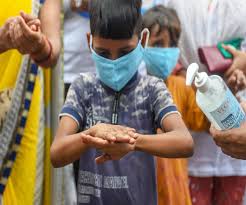
    hand sanitizer all the time as it will help to kill the bacteria.
  • Avoid
    travelling if it’s not urgent. Stay indoor as much as possible because you
    never know what can happen with you anytime and at any place.
  • Wash
    your hands properly as it will help to kill the germs.
  • Whenever
    you come from outside open your clothes, keep it away and take bath
    properly. Try using Dettol while bathing.  
  • Do
    not use other person mask or sanitizer. Ensure that you are living in a
    healthy and hygiene environment.
  • Do
    not share your things like water, food with others. As I have already
    mentioned that it’s a communicable disease so it’s better to avoid.

Remember, it’s very important to take precaution at the
first place itself so that you don’t regret later. As our lives are on our own
hands. Not only ours but also other lives too and we too need to become a
responsible person.

Due to the ongoing situation most of the people have lost
their dear ones which at certain level have affected them mentally like they
overthink, depression or anxiety. I totally understand their emotions. But it’s
also true that what has gone will never return. Instead, we need to gear up
ourselves and stand like a strong pillar. We need to motivate ourselves because
we all are in this together. Mental health is also a very serious concern. The
most important thing is we should not stop smiling. When you smile it releases
positive energy within yourself and surrounding. We need to ensure that he or
she is smiling and keeping others happy too. This is also a way to boost up the
immunity. The more you think, the more you will become negative. 

First of all, stop being corona conscious. What I mean by
this is stop thinking about corona all the time like this or that can happen to
you. Because that’s going to affect you emotionally. Don’t let it play and take
over your emotions. It’s you who will have to decide whether you want to fight
or quit. Take a break from all this and do something which calms you down. For
example, do yoga, meditation. Do something that interests you. And take all the
precautions too. Trust me it’s the time to become a strong and be positive
pillar for yourself and your family. Instead of getting demotivated, stay
positive.

Now looking at the vaccine found out by the scientists. So,
the vaccination drive started globally. People started getting vaccinated. Most
people are afraid of getting vaccinated because they believe that they will
die. To pinpoint, few deaths have taken place but I want to clear that vaccine
is for boosting immunity. It will not protect you entirely. Even after taking
vaccine, you can get infected but the vaccine will help you to fight. After
taking vaccine one should stay at home for a week. It’s necessary because one
might get sick. 

At last, I would like to say, try to help others who are in
need. We have to be backbone of one other at this time. Through support we can
win the war against corona. Take care of yourself and your family. And don’t
forget to smile.


Role Of Todays Youth In Building A Self Reliant India

“Self-reliance is the key to a vigorous life.”

Self-reliant India is the vision of the Prime Minister of India Narendra Modi of making India a self-reliant nation. The first mention of this came in the form of the ‘Self-Reliant India Mission’ during the announcement of the coronavirus pandemic related economic package on 12 May 2020. This self-reliant policy does not aim to be protectionist on nature and as the Finance Minister clarified, ” Self-reliant India does not mean cutting off from rest of the world”. The largest fund in the country worth Rs. 21,000 crore was setup by the IIT Alumni Council with the aim of supporting the mission towards self-reliance.

Everybody knows, that the youth are the future of any country. But India can take lead over many other nations because about 65 percent of the country’s population is below 35 years and 50 percent is below 25 years. With huge, educated young population, India is very uniquely poised to realise the demographic potential amd reap the advantage of this vast powerhouse of human resource talent. The need of the hour is to upgrade the skill or upskill the youth to meet the emloyment needs of technology driven 21st century and accelerate the pace of self-reliance.

The uncertainity created by the pandemic is being seen by many as an opportunity to upgrade knowledge and acquire new skills that will cater to the post-corona virus job scenario. The skills required for tomorrow’s jobs will be completely different from the skill-sets youth possess today.

So, its high time now, we have to make India self-reliant and youth plays the most important role in this mission.

Why we still need to be careful.

The world has suffered from Corona virus from last year and it’s still recovering from it. Where many countries have came up with the vaccination and are trying their best to vaccinate the citizens many are still suffering from the virus and its different variants.

Among these only India also stands fighting the virus with all that the country can do. Where the government is trying to keep up with the vaccination process, at the same time at many places vaccines are still not available. On coming to registering for the vaccination, it becomes a hard task for common people to do that as the site comes as server down or there are no slots available for vaccination.

This all is happening when India still hasn’t came out of the impact of the second wave of corona that the country  faced. The  lockdown has just been lifted and there are claims about having a third wave around October as well.  While there are claims also made that it will be better control  this time but the pandemic will still be a public health threat for another year.

kid telling tourist to wear mask in viral video

The vaccination may provide some measure of immunity but according to different sources India has vaccinated only 5% of its total population, But experts have claimed that the vaccination will pick up speed and we will be able to provide vaccination to everyone.

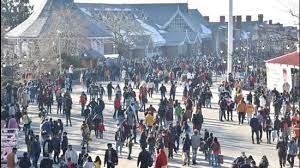
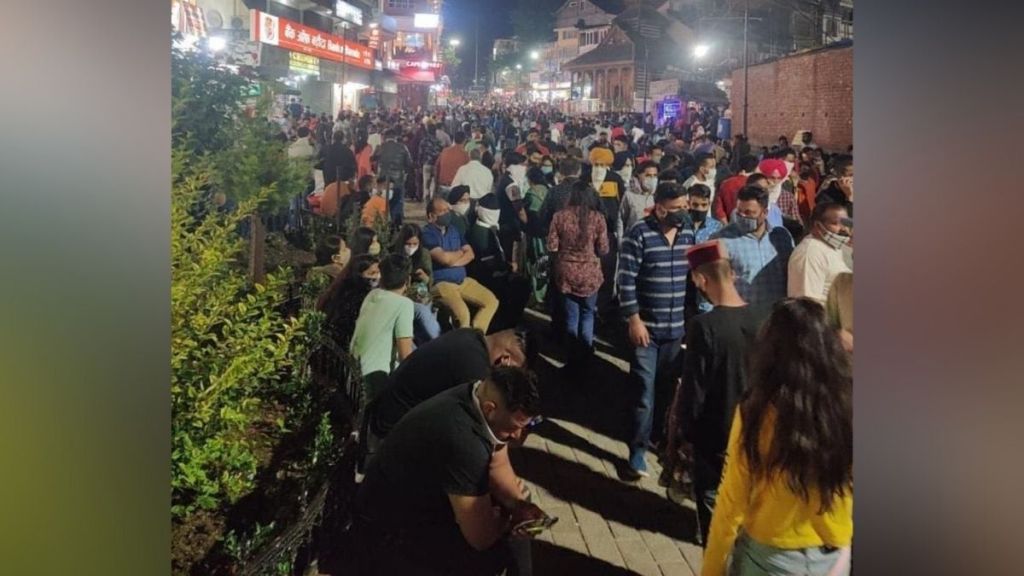
Most of the states have took up the restrictions and have started preparing for the third wave. But there has been alarm raising things going on as the huge crowd can be seen in different states on different occasion.  There has been pictures of markets, parks and hill stations where crowd can be seen and people are enjoying the places without following the appropriate guidelines.

At the peak of its second wave India reported over 400000 new cases daily along with shortage of vaccine, hospital beds, medicines, oxygen. Over 380000 people have been reported dead due to corona so far.

Due to consistence news of corona variants that have been reported all over the world are also a subject of concern. The delta variant of the corona virus which was first identified  in India, is fast becoming the dominant variant globally due to its increased transmissibility.

We all need to be aware of the situation and need to follow the guidelines for sure. people need to get vaccination and be aware of the fact that it does not harm to people and it for our own good.

 Thank you for reading.

stay healthy, stay safe.

REVENGE TRAVEL and an INEVITABLE THIRD WAVE

It wasn’t a few weeks back that there was a massive outcry among general public, demanding hospital beds, oxygen cylinders, remdesivir and what not; and now the hot topic has turned into lack of hotel rooms. Indian government was ultimately the scapegoat at the hands of citizens who needed to channelise their vulnerability, fair enough. As the second wave was terminating, owing to the endurance and earnest work of the government, an abominable mass of citizens rush to “celebrate” this conquest by vacationing in Manali, paving way for the third wave of Covid.

Crowded Manali

Not only Manali, crowds can be seen flooding the streets of other hill stations as well; Shimla, Mussourie, Nanital etc. There is a term for this phenomenon, which accurately captures the true sentiments- ‘REVENGE TRAVEL’. This term signifies the anguish of people who had to follow the lockdown rules and stay at home during the pandemic and that too for their own safety, but now are rushing to travel like animals let loose.

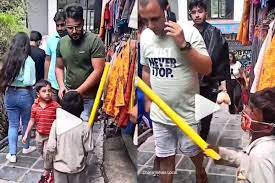
Someone said it right, education is no substitute for intelligence as is proven by the abhorrent crowd risking thousands of innocent lives along with theirs. A 5 year old boy who didn’t even has shoes for his feet was seen roaming on the streets of Dharmshala, schooling adults to wear masks, while the tourists shamelessly ignored his plea. This is a clear dichotomy of how wealth and education never ensure a sound and reasonable mind.

When the third wave strikes, the same mass would shamelessly play blame game and accuse government for the current situation. Based on the statistics, health ministry has warned the citizens to be prepared not only for the third wave, but the fourth one as well. If people are ignorant enough to forget the consequences and death toll from second wave, another pandemic is just inevitable.

First Covid-19 vaccine to be available in India by early 2021, says health ministry

As the world races to develop a potential vaccine against coronavirus (Covid-19), the Ministry of Health and Family Welfare on Monday said that the first vaccine in India will most likely be available by early 2021.null

The health ministry said the research to develop a Covid-19 vaccine is being “done expeditiously”.

During a media briefing, Union health minister Dr Harsh Vardhan said, “Research to develop a vaccine is being done expeditiously. There ar at least 3 viable such vaccine candidates that are in the phase of clinical trials right now in the country. We’re hopeful that within 1st quarter of 2021 it will be available”, as quoted by ANI.

With a spike of 82,170 new coronavirus cases in last 24 hours, India’s Covid-19 tally crossed the 60-lakh mark on Monday, according to the data provided by health ministry.

The health ministry on Monday also released the 100-year timeline history of the Indian Council of Medical Research (ICMR) .

“Today’s a historic day for ICMR. It’s an honour for me to release the 100-year timeline of the history of ICMR within its premises today. The contribution of scientists associated with it is commemorated and serves as an inspiration to upcoming scientists,” Dr Vardhan told media.

85% of the parents of this state are in favor of the school opening from September, the education department told the plan.

The biggest question among the Corona virus epidemic is about the opening of schools and colleges. Some people are in favor of opening the school and many are against it. Meanwhile, a survey has revealed shocking results. The survey has been conducted by the Education Department of the state Haryana adjacent to Delhi.

In this survey of Haryana Education Department, it has been found that about 85% of the students of class 10th and 12th in the state are in favor of opening school from September 2020. Despite the dangers of the Corona epidemic, these parents are ready to send their children to school.

The survey was conducted online by the state school education department. In this, parents of a total of 76,019 students of class 10th and 12th of various government schools of the state attended. It included a few schools from all the 22 districts of the state.

What questions were asked from parents
These four questions were asked by the education department to all parents –

  • Should schools be opened by September 2020?
  • Are parents ready to send their children to school from September 2020?
  • Have any of your family members conducted the Kovid test?
  • Have any of your family members been found to be Kovid positive? … so how will the schools be opened now.

An Education Department official said that ‘most of the students of 10th-12th students are in favor of opening of schools. Therefore, the department has decided to run trial run by opening two schools in different districts first. Government Senior Secondary School in Karnal and Government High School in Sonepat will be opened for four days. Dates will be revealed soon. ‘ In these four days, every movement of the school will be recorded on cameras. How students come to school, how they enter, how classes attend, or not touch each other, how they get out of school .. All these things will be recorded. Classes will be held in small groups instead of classrooms. After the trial, a team of seven members of the education department, including health and hygiene experts, will watch these video recordings to see if all the rules are being followed. If there is a shortage, teachers will be asked to remove it the very next day. These recordings will be shown to every teacher before school opens. The education department is preparing to open schools for class 10th and 12th from September 21.

Students have to submit written consent of their parents for this. An official of the Directorate of School Education has told that the ‘School Management Committee will conduct a survey from the parents of all the students from class 9th to 12th. If 60 percent or more of the parents are in favor of opening the school, it will be recorded in the school register. However, all these things are still in the planning stage.

WHO will not endorse COVID-19 vaccine if not safe and effective.

The World Health Organization insisted Friday it would never endorse a vaccine that has not proven safe and effective, amid concerns over the rush to develop a jab for Covid-19. Across the globe, governments are hoping to deploy a vaccine as soon as possible against the virus, which has infected well over 26 million people, killed hundreds of thousands, upended millions of lives and wreaked havoc on the global economy.

Under normal procedures, test administrators must wait for months or years to verify that vaccine candidates are safe and efficacious.
But as the pandemic continues to take a devastating toll, there has been massive pressure to roll out a vaccine quickly, sparking concerns that testing standards could be lowered. WHO chief Tedros Adhanom Ghebreyesus insisted that was not the case.

“WHO will not endorse a vaccine that is not effective and safe,” he told a virtual briefing.

He also took issue with the so-called anti-vax movement that has been stoking fears about the vaccines in development. They might be able to “build narratives to fight against vaccines, but the track record of vaccines tells its own story,” he said.

There are currently more than 30 candidate vaccines being tested on humans, with at least eight in final-stage Phase III trials, which typically involve tens of thousands of people. Unprecedented speed’ – “It is a very optimistic scenario because there’s a huge field of candidates,” WHO’s chief scientist Soumya Swaminathan told Friday’s briefing, emphasising that only around 10 percent of candidate vaccines succeed.

She explained that the “unprecedented speed of development of Covid vaccines” was largely enabled by prior investments in vaccine platforms for other diseases, which had been repurposed for use against the novel coronavirus. But she stressed, developers must not skip over the various phases of stringent testing.

“No vaccine is going to be mass-deployed before the regulators are confident and the governments are confident and that WHO is confident that these vaccines have met the minimum standards of safety and efficacy.” Tedros voiced hope that one would soon become available “so that the world can get back to norma.” But while the WHO has said it expects to see results from a range of Phase III trials by the end of the year, it on Friday tempered hopes that a vaccine is imminent.

Pointing to the massive challenge of manufacturing and rolling out vaccines to the billions around the world who need them, widespread vaccination is not expected to begin until the middle of 2021. Moral and economic imperative’ – Tedros stressed that, initially at least, supply would be limited.

“Priority must be given to vaccinating essential workers and those most at risk,” he said, stressing that “the first priority must be to vaccinate some people in all countries, rather than all people in some countries.” The WHO has set up a mechanism, known as Covax, aimed at ensuring a more equitable distribution of any future vaccines, but has struggled so far to raise the funds needed to provide for the 92 poor countries that have signed up. But Tedros hailed Friday that 78 high- and upper-middle income countries and economies have now confirmed they will participate, including Germany, Japan, Norway and the European Commission in just the past week. He pointed out that in an interconnected world, “the virus will continue to kill and the economic recovery globally will be delayed” if poorer countries are unable to gain access to a vaccine. Sharing equitably, he said, is “not just a moral imperative and a public health imperative, it’s also an economic imperative.”

Corona Virus

Coronaviruses are a group of related RNA viruses that cause diseases in mammals and birds. In humans and birds, they cause respiratory tract infections that can range from mild to lethal. Mild illnesses in humans include some cases of the common cold (which is also caused by other viruses, predominantly rhinoviruses), while more lethal varieties can cause SARSMERS, and COVID-19. In cows and pigs they cause diarrhea, while in mice they cause hepatitis and encephalomyelitis. There are as yet no vaccines or antiviral drugs to prevent or treat human coronavirus infections.Coronaviruses are a group of related RNA viruses that cause diseases in mammals and birds. In humans and birds, they cause respiratory tract infections that can range from mild to lethal. Mild illnesses in humans include some cases of the common cold (which is also caused by other viruses, predominantly rhinoviruses), while more lethal varieties can cause SARSMERS, and COVID-19. In cows and pigs they cause diarrhea, while in mice they cause hepatitis and encephalomyelitis. There are as yet no vaccines or antiviral drugs to prevent or treat human coronavirus infections.

Illustration of a SARS-CoV-2 virion :-  1.Red protrusions: spikeproteins (S)   2.Grey coating: lipid bilayerenvelope . 3.Yellow deposits: envelope proteins(E)  .  4.  Orange deposits: membrane proteins (M)

Virus Classification :- (unranked):Virus Realm:Riboviria Kingdom:Orthornavirae Phylum:Pisuviricota Class:Pisoniviricetes Order:Nidovirales Family:Coronaviridae Subfamily:Orthocoronavirinae

Etymology:- The name “coronavirus” is derived from Latin corona, meaning “crown” or “wreath”, itself a borrowing from Greek κορώνη korṓnē, “garland, wreath”.The name was coined by June Almeida and David Tyrrell who first observed and studied human coronaviruses.The word was first used in print in 1968 by an informal group of virologists in the journal Nature to designate the new family of viruses.The name refers to the characteristic appearance of virions (the infective form of the virus) by electron microscopy, which have a fringe of large, bulbous surface projections creating an image reminiscent of the solar corona or halo.This morphology is created by the viral spike peplomers, which are proteins on the surface of the virus.

The earliest reports of an illness caused by a coronavirus occurred in the late 1920s, when an acute respiratory infection of domesticated chickens emerged in North America.Arthur Schalk and M.C. Hawn in 1931 made the first detailed report which described a new respiratory infection of chickens in North Dakota. The infection of new-born chicks was characterized by gasping and listlessness with high mortality rates of 40–90%.Leland David Bushnell and Carl Alfred Brandly isolated the virus in 1933.The virus was then known as infectious bronchitis virus (IBV). Charles D. Hudson and Fred Robert Beaudette cultivated the virus for the first time in 1937.The specimen came to be known as the Beaudette strain. In the late 1940s, two more animal coronaviruses, JHM that causes brain disease (murine encephalitis) and mouse hepatitis virus (MHV) that causes hepatitis in mice were discovered. It was not realized at the time that these three different viruses were related.

Human coronaviruses were discovered in the 1960susing two different methods in the United Kingdom and the United States.E.C. Kendall, Malcolm Bynoe, and David Tyrrell working at the Common Cold Unit of the British Medical Research Council collected a unique common cold virus designated B814 in 1961.The virus could not be cultivated using standard techniques which had successfully cultivated rhinoviruses, adenoviruses and other known common cold viruses. In 1965, Tyrrell and Bynoe successfully cultivated the novel virus by serially passing it through organ culture of human embryonic trachea.The new cultivating method was introduced to the lab by Bertil Hoorn.The isolated virus when intranasally inoculated into volunteers caused a cold and was inactivated by ether which indicated it had a lipid envelope.Dorothy Hamre and John Procknow at the University of Chicago isolated a novel cold from medical students in 1962. They isolated and grew the virus in kidney tissue culture, assigning it as 229E. The novel virus caused a cold in volunteers and was inactivated by ether similarly as B814.Scottish virologist June Almeida at St. Thomas Hospital in London, collaborating with Tyrrell, compared the structures of IBV, B814 and 229E in 1967.

Using electron microscopy the three viruses were shown to be morphologically related by their general shape and distinctive club-like spikes.A research group at the National Institute of Health the same year was able to isolate another member of this new group of viruses using organ culture and named one of the samples OC43 (OC for organ culture) Like B814, 229E, and IBV, the novel cold virus OC43 had distinctive club-like spikes when observed with the electron microscope.
The IBV-like novel cold viruses were soon shown to be also morphologically related to the mouse hepatitis virus.This new group of viruses were named coronaviruses after their distinctive morphological appearance.Human coronavirus 229E and human coronavirus OC43 continued to be studied in subsequent decade.The coronavirus strain B814 was lost. It is not known which present human coronavirus it was.Other human coronaviruses have since been identified, including SARS-CoV in 2003, HCoV NL63 in 2003, HCoV HKU1 in 2004, MERS-CoV in 2013, and SARS-CoV-2 in 2020.There have also been a large number of animal coronaviruses identified since the 1960s.

Microbiology :- Coronaviruses are large, roughly spherical particles with bulbous surface projections.The average diameter of the virus particles is around 125 nm (.125 μm). The diameter of the envelope is 85 nm and the spikes are 20 nm long. The envelope of the virus in electron micrographs appears as a distinct pair of electron-dense shells (shells that are relatively opaque to the electron beam used to scan the virus particle).
The viral envelope consists of a lipid bilayer, in which the membrane (M), envelope (E) and spike (S) structural proteins are anchored.[47] The ratio of E:S:M in the lipid bilayer is approximately 1:20:300.On average a coronavirus particle has 74 surface spikes.A subset of coronaviruses (specifically the members of betacoronavirus subgroup A) also have a shorter spike-like surface protein called hemagglutinin esterase (HE).

The coronavirus surface spikes are homotrimers of the S protein, which is composed of an S1 and S2 subunit. The homotrimeric S protein is a class I fusion protein which mediates the receptor binding and membrane fusion between the virus and host cell. The S1 subunit forms the head of the spike and has the receptor binding domain (RBD). The S2 subunit forms the stem which anchors the spike in the viral envelope and on protease activation enables fusion. The E and M protein are important in forming the viral envelope and maintaining its structural shape.

Inside the envelope, there is the nucleocapsid, which is formed from multiple copies of the nucleocapsid (N) protein, which are bound to the positive-sense single-stranded RNA genome in a continuous beads-on-a-string type conformation.The lipid bilayer envelope, membrane proteins, and nucleocapsid protect the virus when it is outside the host cell.

Genome
See also: Severe acute respiratory syndrome-related coronavirus § Genome

Schematic representation of the genome organization and functional domains of S protein for SARS-CoV and MERS-CoV
Coronaviruses contain a positive-sense, single-stranded RNA genome. The genome size for coronaviruses ranges from 26.4 to 31.7 kilobases.[9] The genome size is one of the largest among RNA viruses. The genome has a 5′ methylated cap and a 3′ polyadenylated tail.

The genome organization for a coronavirus is 5′-leader-UTR-replicase (ORF1ab)-spike (S)-envelope (E)-membrane (M)-nucleocapsid (N)-3′UTR-poly (A) tail. The open reading frames 1a and 1b, which occupy the first two-thirds of the genome, encode the replicase polyprotein (pp1ab). The replicase polyprotein self cleaves to form 16 nonstructural proteins (nsp1–nsp16).

The later reading frames encode the four major structural proteins: spike, envelope, membrane, and nucleocapsid. Interspersed between these reading frames are the reading frames for the accessory proteins. The number of accessory proteins and their function is unique depending on the specific coronavirus.

Replication cycle
Cell entry

The life cycle of a coronavirus
Infection begins when the viral spike protein attaches to its complementary host cell receptor. After attachment, a protease of the host cell cleaves and activates the receptor-attached spike protein. Depending on the host cell protease available, cleavage and activation allows the virus to enter the host cell by endocytosis or direct fusion of the viral envelop with the host membrane.
Genome translation
On entry into the host cell, the virus particle is uncoated, and its genome enters the cell cytoplasm. The coronavirus RNA genome has a 5′ methylated cap and a 3′ polyadenylated tail, which allows it to act like a messenger RNA and be directly translated by the host cell’s ribosomes. The host ribosomes translate the initial overlapping open reading frames ORF1a and ORF1b of the virus genome into two large overlapping polyproteins, pp1a and pp1ab.
SARS-CoV genome and proteins
The larger polyprotein pp1ab is a result of a -1 ribosomal frameshift caused by a slippery sequence (UUUAAAC) and a downstream RNA pseudoknot at the end of open reading frame ORF1a.The ribosomal frameshift allows for the continuous translation of ORF1a followed by ORF1b.

The polyproteins have their own proteases, PLpro (nsp3) and 3CLpro (nsp5), which cleave the polyproteins at different specific sites. The cleavage of polyprotein pp1ab yields 16 nonstructural proteins (nsp1 to nsp16). Product proteins include various replication proteins such as RNA-dependent RNA polymerase (nsp12), RNA helicase (nsp13), and exoribonuclease (nsp14).

Replicase-transcriptase

Replicase-transcriptase complex
A number of the nonstructural proteins coalesce to form a multi-protein replicase-transcriptase complex. The main replicase-transcriptase protein is the RNA-dependent RNA polymerase (RdRp). It is directly involved in the replication and transcription of RNA from an RNA strand. The other nonstructural proteins in the complex assist in the replication and transcription process. The exoribonuclease nonstructural protein, for instance, provides extra fidelity to replication by providing a proofreading function which the RNA-dependent RNA polymerase lacks.

Replication – One of the main functions of the complex is to replicate the viral genome. RdRp directly mediates the synthesis of negative-sense genomic RNA from the positive-sense genomic RNA. This is followed by the replication of positive-sense genomic RNA from the negative-sense genomic RNA.


Transcription of nested mRNAs

Nested set of subgenomic mRNAs
Transcription – The other important function of the complex is to transcribe the viral genome. RdRp directly mediates the synthesis of negative-sense subgenomic RNA molecules from the positive-sense genomic RNA. This process is followed by the transcription of these negative-sense subgenomic RNA molecules to their corresponding positive-sense mRNAs.The subgenomic mRNAs form a “nested set” which have a common 5′-head and partially duplicate 3′-end.
Recombination – The replicase-transcriptase complex is also capable of genetic recombination when at least two viral genomes are present in the same infected cell.RNA recombination appears to be a major driving force in determining genetic variability within a coronavirus species, the capability of a coronavirus species to jump from one host to another and, infrequently, in determining the emergence of novel coronaviruses.The exact mechanism of recombination in coronaviruses is unclear, but likely involves template switching during genome replication.
Assembly and release
The replicated positive-sense genomic RNA becomes the genome of the progeny viruses. The mRNAs are gene transcripts of the last third of the virus genome after the initial overlapping reading frame. These mRNAs are translated by the host’s ribosomes into the structural proteins and a number of accessory proteins.RNA translation occurs inside the endoplasmic reticulum. The viral structural proteins S, E, and M move along the secretory pathway into the Golgi intermediate compartment. There, the M proteins direct most protein-protein interactions required for assembly of viruses following its binding to the nucleocapsid. Progeny viruses are then released from the host cell by exocytosis through secretory vesicles. Once released the viruses can infect other host cells.
Transmission
Infected carriers are able to shed viruses into the environment. The interaction of the coronavirus spike protein with its complementary cell receptor is central in determining the tissue tropism, infectivity, and species range of the released virus.Coronaviruses mainly target epithelial cells.They are transmitted from one host to another host, depending on the coronavirus species, by either an aerosol, fomite, or fecal-oral route.
Human coronaviruses infect the epithelial cells of the respiratory tract, while animal coronaviruses generally infect the epithelial cells of the digestive tract.SARS coronavirus, for example, infects via an aerosol route,the human epithelial cells of the lungs by binding to the angiotensin-converting enzyme 2 (ACE2) receptor.Transmissible gastroenteritis coronavirus (TGEV) infects, via a fecal-oral route,the pig epithelial cells of the digestive tract by binding to the alanine aminopeptidase (APN) receptor.

Classification :- The scientific name for coronavirus is Orthocoronavirinae or Coronavirinae.

Coronaviruses belong to the family of Coronaviridae, order Nidovirales, and realm Riboviria.They are divided into alphacoronaviruses and betacoronaviruses which infect mammals – and gammacoronaviruses and deltacoronaviruses, which primarily infect birds.

Genus: Alphacoronavirus;type species: Alphacoronavirus 1 (TGEV)
Species: Alphacoronavirus 1, Human coronavirus 229E, Human coronavirus NL63, Miniopterus bat coronavirus 1, Miniopterus bat coronavirus HKU8, Porcine epidemic diarrhea virus, Rhinolophus bat coronavirus HKU2, Scotophilus bat coronavirus 512
Genus Betacoronavirus;type species: Murine coronavirus (MHV)
Species: Betacoronavirus 1 (Bovine Coronavirus, Human coronavirus OC43), Hedgehog coronavirus 1, Human coronavirus HKU1, Middle East respiratory syndrome-related coronavirus, Murine coronavirus, Pipistrellus bat coronavirus HKU5, Rousettus bat coronavirus HKU9, Severe acute respiratory syndrome-related coronavirus (SARS-CoV, SARS-CoV-2), Tylonycteris bat coronavirus HKU4
Genus Gammacoronavirus;type species: Avian coronavirus (IBV)
Species: Avian coronavirus, Beluga whale coronavirus SW1
Genus Deltacoronavirus; type species: Bulbul coronavirus HKU11
Species: Bulbul coronavirus HKU11, Porcine coronavirus HKU15.

Origin :- The most recent common ancestor (MRCA) of all coronaviruses is estimated to have existed as recently as 8000 BCE, although some models place the common ancestor as far back as 55 million years or more, implying long term coevolution with bat and avian species.The most recent common ancestor of the alphacoronavirus line has been placed at about 2400 BCE, of the betacoronavirus line at 3300 BCE, of the gammacoronavirus line at 2800 BCE, and of the deltacoronavirus line at about 3000 BCE. Bats and birds, as warm-blooded flying vertebrates, are an ideal natural reservoir for the coronavirus gene pool (with bats the reservoir for alphacoronaviruses and betacoronavirus – and birds the reservoir for gammacoronaviruses and deltacoronaviruses). The large number and global range of bat and avian species that host viruses has enabled extensive evolution and dissemination of coronaviruses.

Many human coronaviruses have their origin in bats.The human coronavirus NL63 shared a common ancestor with a bat coronavirus (ARCoV.2) between 1190 and 1449 CE.The human coronavirus 229E shared a common ancestor with a bat coronavirus (GhanaGrp1 Bt CoV) between 1686 and 1800 CE.More recently, alpaca coronavirus and human coronavirus 229E diverged sometime before 1960.MERS-CoV emerged in humans from bats through the intermediate host of camels.MERS-CoV, although related to several bat coronavirus species, appears to have diverged from these several centuries ago.The most closely related bat coronavirus and SARS-CoV diverged in 1986.A possible path of evolution of SARS coronavirus and keen bat coronaviruses is that SARS-related coronaviruses coevolved in bats for a long time. The ancestors of SARS-CoV first infected leaf-nose bats of the genus Hipposideridae; subsequently, they spread to horseshoe bats in the species Rhinolophidae, then to Asian palm civets, and finally to humans.
Unlike other betacoronaviruses, bovine coronavirus of the species Betacoronavirus 1 and subgenus Embecovirus is thought to have originated in rodents and not in bats. In the 1790s, equine coronavirus diverged from the bovine coronavirus after a cross-species jump.Later in the 1890s, human coronavirus OC43 diverged from bovine coronavirus after another cross-species spillover event.It is speculated that the flu pandemic of 1890 may have been caused by this spillover event, and not by the influenza virus, because of the related timing, neurological symptoms, and unknown causative agent of the pandemic.Besides causing respiratory infections, human coronavirus OC43 is also suspected of playing a role in neurological diseases.In the 1950s, the human coronavirus OC43 began to diverge into its present genotypes.Phylogentically, mouse hepatitis virus (Murine coronavirus), which infects the mouse’s liver and central nervous system is related to human coronavirus OC43 and bovine coronavirus. Human coronavirus HKU1, like the aforementioned viruses, also has its origins in rodents.

Prevention and treatment:- There are no vaccines or antiviral drugs to prevent or treat human coronavirus infections. Treatment is only supportive. A number of antiviral targets have been identified such as viral proteases, polymerases, and entry proteins. Drugs are in development which target these proteins and the different steps of viral replication. A number of vaccines using different methods are also under development for different human coronaviruses.

There are no antiviral drugs to treat animal coronaviruses.[citation needed] Vaccines are available for IBV, TGEV, and Canine CoV, although their effectiveness is limited. In the case of outbreaks of highly contagious animal coronaviruses, such as PEDV, measures such as destruction of entire herds of pigs may be used to prevent transmission to other herds.


The New Consumer Protection Act,2019 in India is an upper hand and an added advantage for the consumers in manifold ways

The Consumers can now cheer as the Consumer Protection Act, 2019 has recently replaced the three decade old Consumer Protection Act, 1986. The Consumer Protection Act, 2019 which came into effect on Monday (July 20) has replaced the earlier Consumer Protection Act, 1986.

The new Act as per the Experts say that “it gives more power to the consumers”. It seeks to revamp the process of administration and settlement of consumer disputes, with strict penalties, including jail term for adulteration and misleading ads by firms.

On July 20, 2020 certain provisions of the Consumer Protection Act, 2019 came into force as notified by the Central Government. Following the the key features of the relevant provisions:-

Key features of the Consumer Protection Act, 2019 which came into effect on July 20, 2020:-

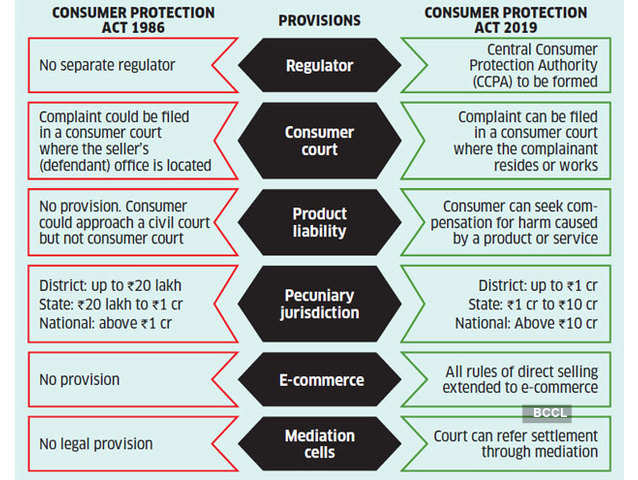
1) Consumers can now institute a complaint from where they reside or work for gain.

2) The original pecuniary jurisdiction of the District Commissions has increased upto ₹1 crore from ₹20 lakh earlier.

3) The Pecuniary jurisdiction of State Commissions has been increased from ₹1 crore to Rs. 10 crore.

4) The National Commission can hear cases above ₹10 crore when compared to above ₹1 crore earlier.

5) While the provisions relating to e-commerce are not yet notified, a section relating to electronic service provider (covering software services, electronic payments) is notified.

6) The opposite party needs to deposit 50% of the amount ordered by the District Commission before filing an appeal before the State Commission. Earlier, the ceiling was a maximum of ₹25,000, which has been removed.

7) The limitation period for filing of appeals to the State Commission has been increased from 30 days to 45 days.

8) The Parties can be allowed to settle the disputes through mediation.

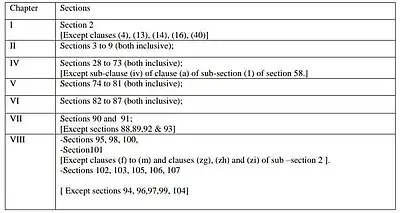
Following are the Sections which came into force:

Consumer Protection Act 2019- Sections to come into force from July 20,2020

Above mentioned provisions pertain to the Consumer Protection Councils, Consumer Disputes Redressal Forum, Mediation, Product Liability, punishment for manufacturing, selling, distributing etc spurious good or products which contain adulterant.

As per the rules, the e-commerce players will have to display the total ‘price’ of goods and services offered for sale along with break-up of other charges. Only a few certain miscellaneous provisions with regards and respect to the powers of the Central and State Government to make the rules and regulations have also been enforced.

On misleading advertisements there is provision for jail term and fine for manufacturers. There is no provision for jail for celebrities but they could be banned for endorsing products if it is found to be misleading.

For the first time there will be an exclusive law dealing with Product Liability. A manufacturer or product service provider or product seller will now be responsible to compensate for an injury or damage caused by the defective product or deficiency in services.

The Act has also defined an “e-commerce” as the buying or selling of goods or services including the digital products over digital or electronic networks. The existing definition of e-commerce has been adopted from India’s FDI Guidelines on e-commerce.

The definition of ‘e-commerce Entity’ as provided under the FDI Guidelines includes inventory and market place models.

There is also a provision for class action law suit for ensuring that rights of consumers are not infringed upon. The authority will have power to impose a penalty on a manufacturer or an endorser of up to 10 lakh rupees and imprisonment for up to two years for a false or misleading advertisement.

WEBSITES REFERRED

1)https://consumeraffairs.nic.in/acts-and-rules/consumer-protection

2)https://www.barandbench.com/news/law-policy/provisions-under-consumer-protection-act-2019-to-come-into-force-on-july-20-2020-centre-notifies

3)https://www.google.com/amp/s/www.thehindu.com/news/national/tamil-nadu/new-consumer-protection-act-gives-more-power-to-consumers-experts-say/article32135908.ece/amp/

4)https://www.google.com/amp/s/www.livemint.com/news/india/consumer-protection-act-rules-for-e-retailers-to-be-effective-by-this-weekend/amp-11595291549084.html

5)https://www.google.com/amp/s/zeenews.india.com/economy/new-consumer-protection-act-2019-comes-into-force-today-know-how-it-will-benefit-you-2297012.html/amp

6)https://www.google.com/amp/s/m.economictimes.com/wealth/spend/heres-how-consumers-will-benefit-under-the-new-consumer-protection-act/amp_articleshow/70711304.cms

7)https://www.google.com/search?q=consumer+protection+act%2C2019&tbm=isch&ved=2ahUKEwjOhv7-sN7qAhVIH3IKHTOCBfMQ2-cCegQIABAC&oq=Consumer&gs_lcp=ChJtb2JpbGUtZ3dzLXdpei1pbWcQARgAMgQIIxAnMgUIABCxAzIFCAAQsQMyBQgAELEDMgUIABCxAzoHCCMQ6gIQJzoCCAA6BwgAELEDEEM6BAgAEENQ0xRYzipg1jBoAnAAeACAAZABiAGHCJIBAzAuOJgBAKABAbABBcABAQ&sclient=mobile-gws-wiz-img&ei=e-QWX47dJsi-yAOzhJaYDw&bih=682&biw=393&prmd=ivn#imgrc=eILduqMFjleJaM

8)https://www.vecteezy.com/free-vector/consumer

9)https://www.google.com/amp/s/www.livelaw.in/amp/news-updates/most-provisions-of-consumer-protection-act-to-come-into-force-160003

Instagram reels: good alternative to Tiktok. Check here how to use it.

Instagram’s new feature Reels were in testing for some time now and now as the TikTok took an exit from India, Facebook-owned Instagram has rolled out their new Reels feature which allows user to shoot 15-second videos. The feature now arrives in India. This is good opportunity for reels to attract short video lovers as its demand has grown in the country.

many short video apps such as Roposo, Mitron, Chingari, Sharechat, and others are becoming more popular among users and seeing millions of downloads every day.Facebook is also all set to use this opportunity to attract 200 million TikTok users to Reels.

Reels is just a new feature on Instagram and users in India are loving this new feature which is just like TikTok.

Image credits: Twitter.
Memers doing memes on instagram reels against tiktok

How to use Instagram Reels?

Step 1: Update your Instagram on Google Play

Step 2: Open the Instagram Camera

Step 3: Reels option is available next to boomerang, Superzoom, hands-free, and layout.

Step 4: Click on Reels and select audio from the Instagram Music library.

Step 5: Reels also come with an option to record original voice besides lip-syncing.

Step 6: Reels also let users add AR effects and provide options like Timer, Speed to edit videos as required before sharing. Reels also let users re-record a video and even delete it if needed.

Step 7: After creating their Reel, users can choose to share it with either their followers or everyone on Instagram. Reels can be shared to Feed as well as Explore so everyone on Instagram can view it.

Instagram Reels Is Now Available in India, but Can It Replace TikTok?

Reels also feature several AR effects allowing users to add a custom touch to their videos. To put AR effects in their videos, users can open Reels camera and go to effects and then AR effects.

Users will also be able to record multiple 15 seconds Reels – it can also be recorded at once and the different effects can be added to each clip post the shoot. The Reels can also be reviewed, deleted, and re-recorded.

Who delivers the Amazon cardboard boxes???

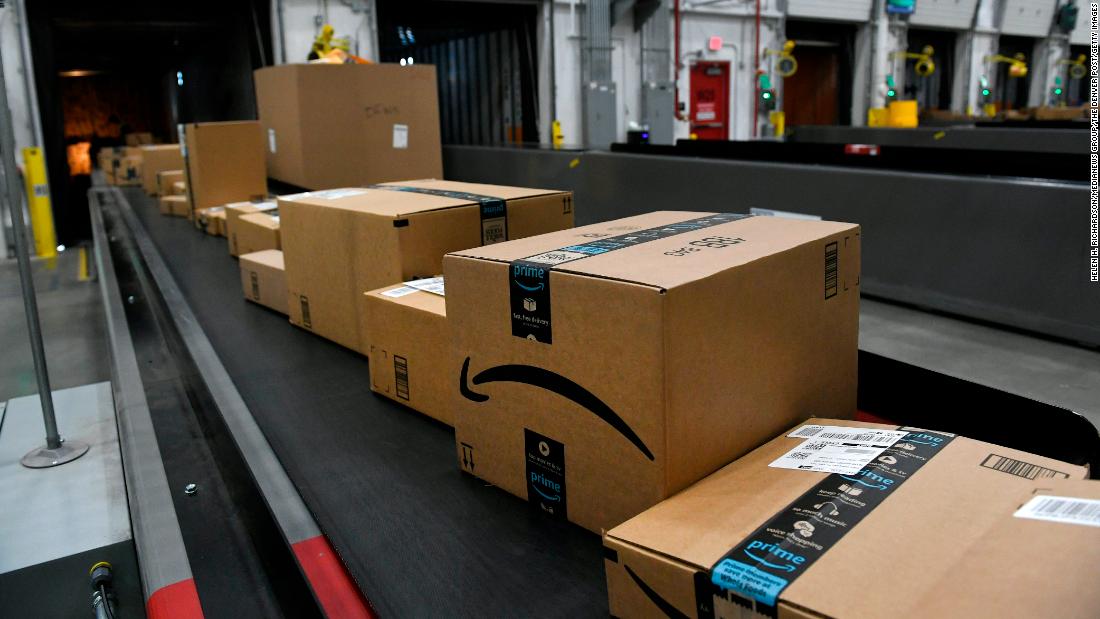
Cardboard boxes that have been used for generations and thrived in the age of e-commerce continue to flourish or could the cardboard box be facing a new challenger? Cardboard boxes are a very big deal within the U.S. The United States is the Saudi Arabia of trees. Someone’s going to make the first box and that’s almost inevitably a mill generally in the Southeast United States. China certainly doesn’t have trees and India the extent they do have trees they’re not necessarily the right types of trees and shouldn’t be dedicated towards making boxes for us. The box business grew rapidly up through 1999 when the U.S. coordinated box market had its peak shipment. Starting in the early 2000s the U.S. corrugated box market faced multiple economic obstacles.

The great recession dragged on box demand and even after the recession demand continued to slow for commodity like soda and for the boxes that transport them. The move to digital devices also coincided with a drop in demand for copy paper and newsprint. But box makers found a grace in e-commerce sales and Amazon sale specifically which were growing at mostly integer rates within the recession and post-recession years. Those e-commerce sales have become a significant market for the containerboard industry. In 2018 told a U.S. e-commerce sales were estimated to be $512 billion almost 50 percent higher than in 2015. Amazon captured 48 percent of those sales. Most estimates are that e-commerce accounts for about 10 percent of the U.S. box market. Amazon accounts for close to 5 percent of U.S. box demand. By our estimates they are clearly the single largest box user in the US. International Paper with a third of the market I think does closer to 50 percent of all the amazon boxes evidently they got a bit more share than perhaps some of the smaller players.

Amazon's incredible, vanishing cardboard box - CNN

Amazon said they deal with most of the big box makers across the U.S. according to analysts. Those manufacturers include International Paper, WestRock, Packaging Corporation of America and Georgia-Pacific. Some investors were turning to these companies as a way to invest in the e-commerce giant without having to purchase Amazon’s pricey stock. People didn’t really start talking about buying International Paper or WestRock as a secondary investment in Amazon till about the last five years. Despite the boost from e-commerce sales the box business still isn’t growing all that much. And since 2018 their stocks have mostly underperformed the S&P 500. In 2018, 69 percent of International Papers total revenue came from the box business and that sales volume has been mostly flat for the past five years. Although the big producers sold less boxes in 2018 than in 2000, industry consolidation has dramatically narrowed the fields.

The handful of big players remaining are based in Memphis, Tennessee, Atlanta, Georgia and Lake Forest, Illinois. Analysts have told CNBC that substantial industry mergers have made it easier to collectively hike prices and those price increases have helped drive revenue. There are portions of the business that are in indisputable secular decline but if you’re in the brown part of the business, making these boxes, that’s been some very welcome growth. But those extra boxes piling up on people’s doorsteps have led to a backlash from disgruntled customers who are sick of receiving golf ball sized products in supersized boxes. It used to be that you’d order a toothbrush and it would come in three giant boxes and you’d say to yourself, what is this? Well, Amazon is trying to rectify that by using fewer boxes and using other types of packaging where appropriate. With e-commerce packaging underfire Amazon decided to change the way they do shipping. In 2008, Amazon introduced the Frustration Free Packaging program. It aims to reduce the extra packaging created when retail packaged products are placed inside Amazon boxes to be shipped. Instead, products certified in the program that are roughly the size of a blender or larger need to be packaged in their own ready to ship boxes. And those boxes also need to be made of 100 percent recyclable materials. For customers that means that the packaging is easy to recycle and the box is easy to open without all the excess packaging materials.

Use That Pile of Empty Amazon Boxes to Do Something Wonderful ...

Amazon offered vendors an incentive of a dollar per shipment to modify their packaging. And starting August 1st 2019 Amazon is charging a $1.99 penalty for each product shipped that needs to be reboxed. And basically the point of this deadline is for Amazon to get out of the business of packaging. They want their vendors to send them boxes that Amazon doesn’t have to touch or rebox. Over the last two years we have invented two different kinds of flexible mailers. One is the blue and white all plastic mailer. We’ve recently launched in the last six, eight months a paper padded mailer that’s actually fully recyclable with the paper stream. Amazon said they made about 10 million shipments using the paper padded mailer and depending on the month the plastic mailer is used about 20 to 30 percent of the time. So really when we come down to deciding if the product is of the size it can go on a mailer, it’s not likely to be damaged by going in the mailer, the mailer is always the better fitting option and frankly is easier for the customer to choose to recycle than breaking down a corrugate box. We’re driving in that direction for many different reasons. But those plastic mailers generally are not accepted in municipal recycling programs and you’ll need to bring them to a store that accepts plastic bags. The latest stats from the EPA show that corrugated boxes were recycled at a rate of 92 percent in 2015 while plastic bags, sacks and wraps were recycled at a rate of 13 percent in 2015.

AMAZON E-COMMERCE SELLERS, IT'S TIME TO REVIEW YOUR ADVERTISING ...

When you think about what is the greatest pain point for the consumer after having it get there safely arrive on time people are concerned about receiving something that is plastic or made a poly because of the environmental concerns. Some waste management companies say plastic packaging also causes problems for the recycling systems. Plastic mailers get caught in the recycling machinery slowing down the process and raising the costs for recyclers and sometimes contaminating entire bundles. Until Scotty on the Enterprise can beam the products from the warehouse to your living room I think Amazon’s going to be good for the corrugated business. I think there’s going to be noise I think you’re going to have challenges from time to time where people say, “Should we try and the plastic pouch?”, in the long run plastic is going to be on the wrong side of history. Because Amazon is a market leader in the U.S. e-commerce sector any move away from cardboard to plastic mailers could signal a shift for the entire industry. The corrugated box could be about to undergo a major facelift. We’re seeing some major trends among consumers and what they’re expecting from e-commerce and the first one is actually this desire for increased engagement with the package. In 2015, Amazon partnered with Universal Pictures and Illumination Entertainment to ship orders in bright yellow delivery boxes featuring cartoon characters from the movie Minions. The boxes promoting the movie and a special Amazon U.R.L. dedicated to shopping for merchandise from the film.

India will have an Important role in scaling up vaccine production: PM Modi.

As the whole world is waiting for discovery of corona virus , the next big challenge in front of world is large scale production of vaccine so that it is feasible to common man.India is going to play major role in vaccine production as it has past experience as well as skilled doctors. India is responsible for providing 2/3 of world’s children with vaccine.

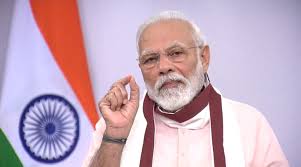
Prime Minister Narendra Modi, in his inaugural address at the India Global Week 2020, said that India will play an important role in developing and in scaling up production of the vaccine once it is discovered.

“Vaccines made in India are responsible for 2/3rd of the vaccine needs of the world’s children. Today also our companies are active in international efforts for development and production of vaccine. I’m certain that India will have an important role in developing and in scaling up production of the vaccine once it is discovered,” PM Modi said.

Speaking on India’s economy, PM Modi said, “India remains one of the most open economies in the world. We are laying a red carpet for all global companies to come and establish their presence in India. Very few countries will offer the kind of opportunities India does today.”

“The pandemic has once again shown that India’s pharma industry is an asset not just for India but for the entire world. It has played a leading role in reducing the cost of medicines, especially for developing countries,” the Prime Minister said.

He also further said that India will lead world in the path of revival post corona virus pandemic in terms of economic as well social development.India is power house of young talents may it be technological or scientific or doctors field.

World over, you have seen the contribution of India’s talent-force. Who can forget the Indian tech industry & tech professionals. They have been showing the way for decades. India is a power-house of talent that is eager to contribute. In these times, it is natural to talk about revival. It is equally natural to link global revival and India. There is faith that the story of global revival will have India playing a leading role,” PM Modi said.

Hope there will be discovery of vaccine soon and life comes back on track.

Covid-19 vaccine can be expected by end of 2020:Serum Institute of India.

Chief Executive Officer of the Pune-based Serum Institute Of India (SII) Adar Poonawalla on Monday said the company is expecting the vaccine for COVID-19 to be ready by the year-end.

The Institute has partnered with British-Swedish drugmaker AstraZeneca to manufacture and supply the vaccine being developed by the University of Oxford under which the SII will supply over a billion doses of vaccine in India, and to other developing and under-developed countries.

However, the approval for the vaccine from the Drug Controller General of India is still awaited.

The institute is expecting to get approval in next six months.The Oxford COVID-19 vaccine trial is currently in its Phase 3 or human trial stage, and will be administered to around 8,000 people in the U.K.

chief executive Poonawalla said while referring to another vaccine candidate from India ie Covaxin of Bharat Biotech, that the company is in no hurry to produce vaccine without proper actions and tests for safety and efficacy.Once they are confident about vaccine, they would launch the vaccine but that would be still 6 months away.

However Bharat Biotech is also confident about its candidate vaccine named Covaxin and has started phase-1 human trials enrolling about 375 patients for test. It is very unlikely that Corona vaccine to be out for masses before or on 15 August, despite the letter of ICMR since human trials may take up to 6-8 months to complete even after conducting only important tests and checks.

It is very positive for the country that we are seeing candidates for vaccine which are in human trials.The vaccine developed in country will be great opportunity for Indian institutes to once again lead the world in pandemic situation.

MHA allows colleges to hold final year exams.

MHA order says the final exams are to be compulsorily conducted according to UGC guidelines. UGC said it is upto colleges to decide how they want to conduct the exams.

New Delhi: Students in universities and colleges across India will have to now “compulsorily” take their final-year exams this year.

In a press statement issued late Monday evening, the Ministry of Home Affairs (MHA) said: “Ministry of Home Affairs, in a letter to the Union Higher Education Secretary, today permitted conduct of examinations by universities and institutions.”

The MHA statement, however, didn’t clarify the mode — online or offline — in which the exams would be conducted.

“The final term examinations are to be compulsorily conducted as per the UGC guidelines on examinations and academic calendar and as per the standard operating procedure approved by the MoHFW (Ministry of Health and Family Welfare),” it added.

UGC also in favour of holding final exams
Following the statement, senior officials in the University Grants Commission (UGC) confirmed to ThePrint the UGC is also in favour of holding final exams, and will ask all states and central universities to conduct the final exams.

The UGC will allow institutes to conduct exams in the mode most feasible to them, officials added.

“There was a meeting of the commission members today and there is a decision in favour of conducting exams. The MHA and MoHFW have also given the due permission now and the universities will be allowed to conduct exams keeping all the social distancing protocols put in place by the government,” a senior UGC official told ThePrint.

“In the interest of the students and academic credibility, exams cannot be bypassed and institutions must have final exams. How they want to do it and when they can conduct the exams is up to them, but they will have to conduct exams,” the official added.

According to the minutes of UGC meeting, accessed by ThePrint, the commission will give universities time until September to finish their final-year exams either in offline or online mode.

“The commission approved the recommendations of the expert committee regarding conduct of final-year examinations to be completed by the end of September 2020 in offline/online/blended mode,” according to the minutes.

States, which cancelled exams, have to reconsider
According to a resolution passed during the UGC meeting, states that have cancelled exams will have to reconsider their decision and they cannot opt for internal assessment.

Many states, including Maharashtra, Rajasthan, Madhya Pradesh and Kerala, have decided to cancel the final exams for university students, while Gujarat, Karnataka and Uttar Pradesh have been waiting for UGC directions.

The UGC had in May released an academic calendar based on suggestions from an expert committee headed by Haryana University Vice-Chancellor R.C. Kuhad.

The calendar had taken into account the pandemic situation during that time, and suggested that pen and paper exams can be conducted in July if local conditions are favourable.

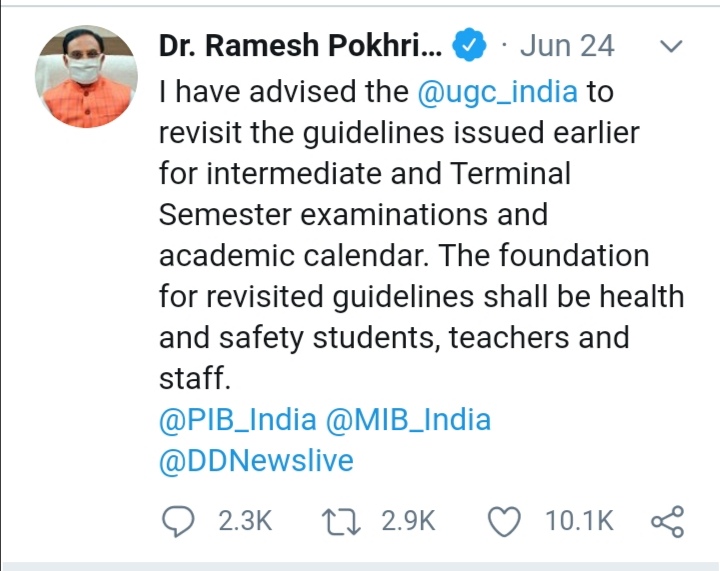
In June, however, looking at the rising number of Covid-19 cases across the country, Minister of Human Resource Development Ramesh Pokhriyal Nishank had asked the UGC to re-visit the guidelines.