Socio-Cultural Factors and Attitudes Affecting the Health Status of Rural Communities
Health is a multidimensional concept influenced by biological, environmental, and socio-cultural factors. Among rural communities, socio-cultural factors and attitudes often play a crucial role in determining health outcomes. These factors are deeply embedded in the social fabric and cultural norms of rural societies, influencing health behaviors, access to healthcare, and overall well-being. Understanding these influences is critical for designing effective health interventions and policies tailored to rural populations.
1. Socio-Cultural Factors Influencing Health
1.1 Traditional Beliefs and Practices
Many rural communities rely on traditional health practices and remedies passed down through generations. While some of these practices may be beneficial, others can hinder timely medical intervention. For instance:
Faith in Folk Healers: Many rural residents consult local healers or shamans before seeking formal medical care, delaying diagnosis and treatment.
Herbal Remedies: Although some herbal remedies are effective, unregulated use can lead to complications or interfere with prescribed treatments.
1.2 Gender Norms and Roles
Gender dynamics significantly affect health outcomes in rural areas:
Maternal Health Neglect: Women’s health, particularly during pregnancy and childbirth, is often deprioritized due to traditional gender roles.
Limited Autonomy: In patriarchal rural settings, women may lack the authority to seek healthcare independently, exacerbating health issues.
Preference for Male Children: This can lead to neglect of the nutritional and healthcare needs of female children, affecting their long-term health.
1.3 Literacy and Education
Low literacy rates and lack of health education are major barriers to improving rural health:
Limited Awareness: Poor understanding of hygiene, nutrition, and disease prevention leads to high incidences of preventable illnesses.
Misinformation: Superstitions and myths about diseases like tuberculosis or HIV/AIDS further stigmatize affected individuals and impede treatment.
1.4 Social Hierarchies and Caste
Caste-based discrimination and social hierarchies can restrict access to healthcare for marginalized groups:
Healthcare Disparities: Lower-caste individuals may face discrimination at healthcare facilities or hesitate to seek care due to perceived inferiority.
Social Exclusion: Fear of ostracism often discourages marginalized communities from addressing sensitive health issues.
2. Attitudes Toward Health and Healthcare
2.1 Perceptions of Illness
Cultural perceptions of illness influence how rural communities respond to health problems:
Fatalistic Attitudes: Many believe illnesses are a result of fate, divine punishment, or witchcraft, leading to resignation and inaction.
Stigma: Diseases like leprosy, mental illness, and sexually transmitted infections are often stigmatized, preventing individuals from seeking treatment.
2.2 Preference for Traditional Over Modern Medicine
Resistance to modern medicine is prevalent due to:
Mistrust of Modern Healthcare: Skepticism toward doctors and hospitals arises from lack of familiarity, previous negative experiences, or perceived high costs.
Accessibility Issues: Long distances to healthcare facilities and inadequate transportation reinforce dependence on local remedies.
2.3 Attitudes Toward Preventive Care
Preventive healthcare is often undervalued in rural communities:
Low Vaccination Rates: Misinformation and fear of side effects reduce vaccine uptake.
Neglect of Routine Checkups: Seeking healthcare is often reserved for emergencies, neglecting preventive measures like regular screenings.
3. Structural Challenges and Their Socio-Cultural Impact
3.1 Limited Healthcare Infrastructure
Inadequate healthcare facilities and professionals in rural areas amplify the socio-cultural barriers to health:
Scarcity of Female Healthcare Workers: Cultural norms may prevent women from consulting male doctors, reducing access to maternal and reproductive healthcare.
Overburdened Systems: Overcrowded and understaffed facilities lead to long wait times, further discouraging rural residents from seeking care.
Healthcare Costs: The high cost of modern medical treatments often drives rural residents toward cheaper, traditional alternatives.
Opportunity Costs: Rural families may prioritize daily wage labor over addressing health issues, leading to delayed care.
3.3 Government and NGO Interventions
While initiatives like mobile health clinics and telemedicine aim to bridge gaps, their effectiveness is often limited by:
Cultural Mismatch: Programs not tailored to local beliefs and practices face resistance.
Lack of Community Involvement: Exclusion of local leaders and influencers from planning processes reduces program acceptance.
4. Strategies to Improve Rural Health Outcomes
4.1 Promoting Health Education
Awareness Campaigns: Using local languages and traditional media to disseminate health information can improve understanding and acceptance.
School-Based Programs: Introducing health education in rural schools ensures early exposure to preventive healthcare practices.
4.2 Culturally Sensitive Interventions
Engaging Local Leaders: Collaboration with community elders and religious leaders can build trust and ensure program success.
Integrating Traditional and Modern Medicine: Recognizing the value of certain traditional practices while promoting evidence-based modern treatments can foster acceptance.
4.3 Empowering Women
Self-Help Groups: Encouraging women’s groups to discuss health issues and pool resources for medical care can enhance access and awareness.
Training Female Healthcare Workers: Employing and training women from local communities to provide healthcare can overcome gender-related barriers.
4.4 Strengthening Healthcare Infrastructure
Decentralized Services: Establishing more primary health centers and mobile clinics can improve accessibility.
Subsidized Healthcare: Government subsidies for healthcare services and medicines can alleviate financial barriers.
Conclusion
The health status of rural communities is intricately linked to socio-cultural factors and attitudes that influence healthcare behaviors and access. Addressing these challenges requires a holistic approach that combines culturally sensitive health interventions, robust infrastructure, and community empowerment. Policymakers, healthcare providers, and NGOs must work collaboratively to bridge the gap between traditional beliefs and modern healthcare, ensuring equitable and effective health services for rural populations. Only through such inclusive efforts can we hope to achieve sustainable improvements in rural health outcomes.
References
Abdullah, M. A. (1993). Traditional practices and other socio-cultural factors affecting the health of children in Saudi Arabia. Annals of tropical paediatrics, 13(3), 227-232.
Amadi, L., Wordu, S., & Ogbanga, M. (2015). Sustainable Development in Crisis? A Post Development Perspective. Journal of Sustainable Development in Africa, 17(1), 140-163.
Chelogoi, D. N., Jonyo, F. O., & Amadi, H. (2020). The influence of socio-cultural factors in access to healthcare in Kenya: A case of Nairobi County, Kenya. Journal of Social and Political Sciences, 3(3).
Ogbanga, M. M. (2024). Oil, Gender and Unemployment: Social Issues in the Niger. Eduindex.
Riemenschneider, H., Balázs, P., Balogh, E., Bartels, A., Bergmann, A., Cseh, K., … & Voigt, K. (2016). Do socio-cultural factors influence medical students’ health status and health-promoting behaviors? A cross-sectional multicenter study in Germany and Hungary. BMC Public Health, 16, 1-10.
Uzobo, E., Ogbanga, M. M., & Jackson, J. T. C. B. (2014). Socio-cultural factors and attitudes affecting the health status of rural communities: a study of Danmusa, Katsina State, Nigeria. Int J Sci Res, 3(3), 837-844.
Discover Cities is a fully open access, peer-reviewed journal that supports multidisciplinary research and policy developments across the field of urban science. The journal aims to be a resource for researchers, policy makers and the general public for recent advances in urban research, and the range of interdisciplinary studies that focus on cities and urban life. As a fully open access journal, we ensure that our research is highly discoverable and instantly available globally to everyone. The journal particularly welcomes work that aims to address the United Nations Sustainable Development Goals, especially Sustainable Cities and Communities; Industry, Innovation and Infrastructure; and Responsible Consumption and Production.
Topics
Topics welcomed at Discover Cities include but are not limited to the following:
Smart Cities:
Big data processing and analytics
Machine learning, and artificial intelligence applications
Mobile and wireless sensor networks; location-based services
Internet of Things (IoT); 5G and satellite-based communications
Cloud and edge computing; smart city governance
Digital twin of urban areas and systems
Urban Energy and Sustainability:
Renewable energy sources; energy consumption and carbon emissions
Smart grids and energy management; urban heat island mitigation
Energy transition and decentralization
Energy storage; water-energy nexus; energy communities; zero-energy building (nZEB)
Urban Planning, Design and Transport:
Urban design, development, regeneration and revitalization
Public transportation; pedestrian infrastructure; cycling infrastructure; shared mobility services
Urban public transportation and traffic management
Urban Constructions:
Assessment and retrofitting of existing constructions
Sustainable constructions
Innovative construction materials and techniques
Lifecycle assessment of buildings and building stocks
Urban Climate and Impacts:
Impact of climate on safety and life quality in cities
Extreme climatic events and effects
Effects of climate changes on the urban environment; adaption and mitigation
Built Environment:
Green architecture and building design; urban infrastructure;
Indoor environment
Building information modeling (BIM)
Urban Water:
Urban water infrastructure and management
Urban drainage; urban catchment hydrology and modeling
Urban water storage and contamination
Urban wastewater collection, treatment and recycling
Urban Agriculture and Forestry:
Urban farming; community gardens; rooftop farms
Vertical farming
Planting, maintaining, protecting of urban trees
Urban Economics & Policy:
Urban infrastructure investment and financing; Incentives for renewable energy adoption; energy-efficient building codes; urban housing markets and affordability
Urban poverty, inequality, and social welfare policy
Urban tourism
Urban Health and Well-being:
Healthcare services and facilities in urban areas
Urban health disparities and inequities
Urban environment and its effects on public health
Content types Discover Cities welcomes a variety of article types – please see our submission guidelines for details. The journal also publishes guest-edited Topical Collections of relevance to all aspects of urban science. For more information, please follow up with our journal publishing contact.
The Unified Payments Interface (UPI) has emerged as a game-changer in India’s financial landscape, revolutionizing digital transactions. This critical essay assesses UPI’s evolution, highlighting its undeniable success in fostering financial inclusion and empowering users. UPI’s exponential growth, from millions to billions of transactions, underscores its widespread acceptance. UPI faces significant challenges. Security concerns and frauds pose threats, highlighting the need for robust cybersecurity measures. The digital divide and accessibility issues persist, raising questions about equitable access. Transaction costs burden small businesses, hindering widespread adoption. Regulatory complexities and concerns about market dominance call for a more transparent and equitable ecosystem. Additionally, privacy concerns surround the vast amount of transaction data generated. UPI’s impact on India’s financial landscape is undeniable, but it is essential to address its challenges. Balancing convenience, security, and affordability while ensuring accessibility for all, alongside robust regulations and privacy protection, will be crucial for UPI’s continued success.
The Unified Payments Interface (UPI) has emerged as a transformative force in the Indian financial landscape, revolutionizing the way people conduct transactions. Since its inception in 2016, UPI has garnered immense popularity and is hailed as one of India’s most successful fintech innovations. While UPI’s growth and impact on financial inclusion are commendable, it is crucial to critically examine its various facets to understand both its strengths and limitations.
The Rise of UPI
UPI’s success is indisputable. Its user-friendly interface and bank interoperability have made it accessible to millions of Indians. The rapid adoption of UPI can be attributed to its simplicity and convenience, enabling users to send and receive money seamlessly. Its growth from a mere 0.2 million transactions in August 2016 to over 10 billion transactions in August 2023 is a testament to its widespread acceptance.
Financial Inclusion: UPI’s Greatest Triumph
One of the most significant achievements of UPI is its role in furthering financial inclusion. It has allowed people in remote areas to access banking services, make digital payments, and participate in the formal financial system (Daya & Madar, 2018). The Jan Dhan Yojana and Aadhar integration have played pivotal roles in enabling this, but UPI has acted as the vehicle for reaching the underserved.
Security Concerns and Frauds
While UPI offers numerous benefits, it has its share of challenges. Security concerns and frauds have been a growing issue. Despite stringent regulations and guidelines, instances of phishing, social engineering, and unauthorized access have been reported. The ease of transferring funds via UPI has made it an attractive target for cybercriminals (Jajodia & Krishnaswamy, 2017).
Digital Divide and Accessibility
Another critical issue is the digital divide in India. While UPI has made banking services more accessible, it has also left behind a significant portion of the population that lacks access to smartphones, the internet, or digital literacy. The government must address these disparities to ensure that the benefits of UPI reach every citizen.
Transaction Costs and Merchant Concerns
For businesses, minimal vendors, UPI has been a double-edged sword. While it provides a platform for digital payments, the associated transaction fees can be burdensome, particularly for those operating on slim profit margins. This cost factor has led to a reluctance to adopt UPI, which is a concern for the broader goal of a cashless economy.
Regulatory Challenges
The regulatory framework governing UPI needs continuous refinement. Disputes over revenue sharing between various stakeholders and concerns about monopolistic behavior by certain players like Google Pay and PhonePe have highlighted the need for stricter regulation. An equitable and transparent ecosystem is essential to maintain UPI’s integrity.
Privacy Concerns
UPI transactions generate a significant amount of data, which raises concerns about user privacy. The potential misuse of transaction data for profiling or targeted advertising requires robust data protection regulations and practices.
Concluding Remarks
UPI’s emergence in India has undoubtedly transformed the country’s payment landscape and has contributed to greater financial inclusion. However, it is essential to critically assess its impact and address the challenges it faces. Striking the right balance between convenience, security, and affordability, while ensuring accessibility for all, is crucial for the continued success of UPI. Additionally, regulatory and privacy concerns must be addressed to safeguard users’ interests and maintain trust in this revolutionary payment system.
References
Daya, H., & Mader, P. (2018). Did demonetisation accelerate financial inclusion. Economic & Political Weekly, 53(45), 17-20.
Jajodia, N., & Krishnaswamy, A. (2017). A Cashless Society, Cyber Security and the Aam Aadmi. Economic and Political Weekly, 35-38.
UNESCO World Heritage is a program that was created by the United Nations Educational, Scientific and Cultural Organization (UNESCO) in 1972. Its aim is to identify and preserve important cultural and natural sites around the world that are considered to be of outstanding universal value.
The program is based on the belief that these sites represent the collective heritage of all people, and that they should be protected and preserved for future generations. UNESCO World Heritage sites can include anything from ancient ruins and historical buildings to natural wonders like mountains and forests.
Currently, there are over 1,100 sites that have been designated as UNESCO World Heritage sites in over 167 countries. These sites are selected based on their cultural or natural significance, and must meet a set of strict criteria to be considered for inclusion on the list.
The designation of a site as a UNESCO World Heritage site brings international recognition and protection to that site, as well as increased tourism and economic benefits to the surrounding area. However, it also comes with a responsibility to ensure that the site is properly maintained and preserved for future generations.
India has a rich cultural and natural heritage, and it is home to a total of 38 UNESCO World Heritage sites. These sites are recognized for their outstanding universal value and are protected and preserved by the Indian government. Here is a list of some of the most famous UNESCO World Heritage sites in India:
Taj Mahal, Agra
Agra Fort, Agra
Fatehpur Sikri, Uttar Pradesh
Ajanta Caves, Maharashtra
Ellora Caves, Maharashtra
Sun Temple, Konark, Odisha
Group of Monuments at Hampi, Karnataka
Khajuraho Group of Monuments, Madhya Pradesh
Mahabodhi Temple Complex, Bodh Gaya, Bihar
Group of Monuments at Pattadakal, Karnataka
Great Living Chola Temples, Tamil Nadu
Mountain Railways of India (Darjeeling, Nilgiri, Kalka-Shimla), West Bengal, Tamil Nadu, Himachal Pradesh
Qutub Minar and its Monuments, Delhi
Red Fort Complex, Delhi
Humayun’s Tomb, Delhi
Elephanta Caves, Maharashtra
Western Ghats, Karnataka, Kerala, Tamil Nadu, Maharashtra, Goa, Gujarat
Chhatrapati Shivaji Terminus (formerly Victoria Terminus), Mumbai, Maharashtra
These sites are a testament to India’s rich cultural and natural heritage and attract millions of tourists from around the world every year.
REWARD (Rejuvenating Watersheds for Agricultural Resilience through Innovative Development Programme) is a collaborative effort between the Government of India, the State Governments of Karnataka and Odisha, and the World Bank. This program, funded with a $115 million (INR 869 crore) loan, aims to enhance farmers’ resilience to climate change and promote higher agricultural productivity and incomes. By adopting improved watershed management practices, the program seeks to support the restoration of degraded land, double farmers’ income, and build a more resilient food system. It will leverage science-based approaches, spatial data, technologies, and knowledge exchanges to achieve its objectives.
Through this short article I would like to introduce you to an exciting initiative called REWARD (Rejuvenating Watersheds for Agricultural Resilience through Innovative Development Programme). This scheme has been launched by the World Bank. The REWARD is a comprehensive program designed to address the challenges faced by agricultural communities in ensuring water availability and promoting sustainable farming practices. Water scarcity and its impact on agriculture have become increasingly significant concerns in recent years. The REWARD program aims to rejuvenate watersheds by implementing innovative solutions that enhance water conservation, management, and agricultural resilience. By adopting a holistic approach, the program seeks to create a positive and sustainable impact on local communities, agriculture, and the environment. Here are some key components of the REWARD program:
Watershed Restoration: REWARD focuses on restoring and rehabilitating degraded watersheds through various techniques such as reforestation, soil erosion control measures, and the construction of check dams and percolation tanks. These efforts aim to improve water retention capacity and recharge groundwater levels (Larson et al., 2001).
Water Conservation and Management: The program emphasizes the adoption of water conservation practices within agricultural systems. It promotes efficient irrigation methods like drip irrigation and micro-sprinklers, encourages rainwater harvesting, and implements water storage infrastructure. These measures help optimize water use and reduce wastage (Jha et al., 2019).
Capacity Building and Training: REWARD provides training and capacity-building programs to farmers, local communities, and other stakeholders. These initiatives enhance their knowledge and skills in water management, sustainable agricultural practices, and the implementation of innovative technologies. By empowering individuals and communities, the program seeks to create long-term resilience (Hanchinal et al., 2014).
Research and Innovation: REWARD encourages research and development activities to identify cutting-edge technologies and practices for water conservation and watershed management. This includes promoting the use of precision agriculture, remote sensing, and data analytics to optimize water usage, crop selection, and resource allocation (Fielke et al, 2022).
Collaboration and Partnerships: The success of REWARD relies on collaboration among various stakeholders, including government agencies, non-profit organizations, research institutions, and local communities. The program encourages partnerships to leverage expertise, resources, and knowledge-sharing, fostering a collective effort towards achieving sustainable water and agricultural practices (Daves et al., 2002).
In a collaborative effort, the Government of India, along with the State Governments of Karnataka and Odisha, and the World Bank, have entered into a significant agreement. This agreement involves a financial commitment of $115 million (INR 869 crore) for the implementation of a program called Rejuvenating Watersheds for Agricultural Resilience through Innovative Development Programme (Press Bureau of India, Feb 18, 2022). The primary objective of this program is to enable national and state institutions to adopt improved practices in managing watersheds. By doing so, the program aims to enhance the resilience of farmers to climate change, promote higher agricultural productivity, and ultimately improve their incomes. India’s government has set ambitious goals of restoring 26 million hectares of degraded land by 2030 and doubling farmers’ income by 2023. Effective watershed management plays a crucial role in achieving these targets, especially in rainfed areas, by fostering livelihood improvements and creating a more resilient food system (Mirzabaev & Wuepper, 2023). The new program will assist the participating state governments in their endeavors to revamp watershed planning and execution processes, emphasizing science-based approaches that can be replicated nationwide. It will also encourage other states to adopt innovative strategies for watershed development.
The COVID-19 pandemic has highlighted the urgent need for sustainable and risk-averse agricultural practices in India. Such practices can safeguard farmers from climate uncertainties and bolster their livelihoods (Sonkar et al., 2022). Although India already has a robust institutional framework for watershed development, this project places renewed emphasis on science-based and data-driven approaches, opening up new opportunities for farmers in the face of climate change (Lele et al., 2020).
India currently boasts one of the world’s largest watershed management programs. This new initiative will further advance the progress made by leveraging comprehensive spatial data and technologies, decision support tools, and knowledge sharing platforms. The International Bank for Reconstruction and Development (IBRD) will provide financial support through a loan. Out of the total loan amount, $60 million (INR 453.5 crore) will be allocated to Karnataka, $49 million (INR 370 crore) to Odisha, and the remaining $6 million (INR 45.5 crore) will be allocated to the central government’s Department of Land Resources. The loan has a maturity period of 15 years, which includes a grace period of 4.5 years (Press Bureau of India, Feb 18, 2022).
Through the REWARD program, the government aims to improve the overall water availability and quality, enhance agricultural productivity, and build resilient communities. By integrating innovative solutions with traditional knowledge, we envision a future where agriculture thrives while preserving our precious water resources.
References
Dawes, S. S., & Pardo, T. A. (2002). Building collaborative digital government systems: Systemic constraints and effective practices. Advances in digital government: Technology, human factors, and policy, 259-273.
Fielke, S., Taylor, B. M., Coggan, A., Jakku, E., Davis, A. M., Thorburn, P. J., … & Smart, J. C. (2022). Understanding power, social capital and trust alongside near real-time water quality monitoring and technological development collaboration. Journal of Rural Studies, 92, 120-131.
Hanchinal, R. R., Agrawal, R. C., Prakash, R., Stephen, T., & Jaiswal, J. (2014). Impact of awareness programmes and capacity building in Farmers’ Plant Variety Registration under the PPV&FR Act.
Jha, S., Kaechele, H., & Sieber, S. (2019). Factors influencing the adoption of water conservation technologies by smallholder farmer households in Tanzania. Water, 11(12), 2640.
Larson, M. G., Booth, D. B., & Morley, S. A. (2001). Effectiveness of large woody debris in stream rehabilitation projects in urban basins. Ecological Engineering, 18(2), 211-226.
Mirzabaev, A., & Wuepper, D. (2023). Economics of Ecosystem Restoration. Annual Review of Resource Economics, 15.
Press Bureau of India. (2022, February 18). Govt. of India, World Bank sign loan agreement of $115 million for implementation of “Rejuvenating Watersheds for Agricultural Resilience through Innovative Development” (REWARD) Project. Press Bureau of India. https://pib.gov.in/PressReleaseIframePage.aspx?PRID=1799348
Sonkar, V. K., Bathla, S., & Kumar, A. (2022). Impact of National Lockdown on Rural Household’s Income. Economic & Political Weekly, 57(1), 59.
Indian knowledge systems offer a unique, complex, and holistic approach to understanding the world, but are criticized for being patriarchal, detached from practical applications, and at risk of cultural appropriation.
Indian knowledge systems are an amalgamation of diverse, ancient, and intricate philosophical, spiritual, and scientific traditions that have been developed and refined over several millennia. These knowledge systems encompass a broad range of subjects, including metaphysics, ethics, linguistics, mathematics, astronomy, medicine, and yoga. They are deeply rooted in the Indian way of life, culture, and spirituality and have shaped the Indian society, economy, and governance for centuries. Indian knowledge systems are characterized by their holistic and integrative approach, which emphasizes the interconnectedness and interdependence of various aspects of existence. They are also notable for their emphasis on experiential and intuitive knowledge, as opposed to a purely empirical or rationalist approach. Indian knowledge systems have also contributed significantly to the world’s intellectual and cultural heritage, influencing several fields of knowledge and thought, including mathematics, science, literature, and philosophy.
Despite their rich and diverse heritage, Indian knowledge systems have faced challenges in the modern era, including marginalization, misrepresentation, and neglect. However, recent years have seen a renewed interest in these systems, both within India and abroad, as scholars and practitioners seek to rediscover, revive, and reinterpret them for contemporary contexts. This resurgence has led to a growing recognition of the relevance and value of Indian knowledge systems in addressing contemporary challenges, such as sustainability, health, education, and governance, and promoting cross-cultural dialogue and understanding.
Indian knowledge systems, with their rich and diverse heritage, have made significant contributions to the world’s intellectual and cultural heritage. They offer a unique and holistic approach to understanding the world, emphasizing the interconnectedness and interdependence of various aspects of existence. However, there are several criticisms of Indian knowledge systems that should be considered.
Firstly, Indian knowledge systems are often criticized for being too complex and abstract, making them difficult to understand and apply. This complexity is attributed to the system’s emphasis on metaphysical and spiritual concepts that are not easily accessible to the average person. As a result, there is a risk of these systems being perceived as esoteric and inaccessible to modern society.
Secondly, Indian knowledge systems have been criticized for their patriarchal and hierarchical nature, which can lead to the marginalization of certain groups, including women and lower castes. This criticism stems from the fact that these systems have been developed and maintained by male scholars and practitioners, often reflecting patriarchal values and norms.
Thirdly, there is a concern that the study and practice of Indian knowledge systems are often detached from practical applications and modern realities, leading to a lack of relevance and applicability. There is a need for the integration of traditional knowledge systems with modern scientific and technological advancements to ensure their continued relevance and effectiveness.
Finally, there is a risk of cultural appropriation and misrepresentation of Indian knowledge systems, as they become popularized and commercialized in the global market. There is a need for responsible engagement and representation of these systems, ensuring that they are not reduced to superficial or exoticized stereotypes.
In conclusion, while Indian knowledge systems offer a unique and holistic approach to understanding the world, there are several criticisms that should be considered. These criticisms highlight the need for ongoing engagement, critical reflection, and responsible representation of these systems in contemporary contexts.
References
Brodt, S. B. (2001). A systems perspective on the conservation and erosion of indigenous agricultural knowledge in central India. Human Ecology, 29, 99-120.
Dehalwar, K., & Sharma, S. N. (2024). Social Injustice Inflicted by Spatial Changes in Vernacular Settings: An Analysis of Published Literature.
Farooquee, N. A., Majila, B. S., & Kala, C. P. (2004). Indigenous knowledge systems and sustainable management of natural resources in a high altitude society in Kumaun Himalaya, India. Journal of Human Ecology, 16(1), 33-42.
Pollock, S. (2002). Introduction: Working papers on Sanskrit Knowledge-Systems on the eve of colonialism. Journal of Indian Philosophy, 30(5), 431-439.
Puri, S. K. (2007). Integrating scientific with indigenous knowledge: Constructing knowledge alliances for land management in India. MIS quarterly, 355-379.
Rao, S. S. (2006). Indigenous knowledge organization: An Indian scenario. International Journal of Information Management, 26(3), 224-233.
Sharma, S. N. The Usefulness of Animal Husbandry for Improving Livelihoods.
If democracy and economy is to flourish then there is a need to have a good mechanism to detect and prevent the rise of crony capitalism in India. This can be done only if multi pronged strategies are adopted for this. Our legal system should work in close collaboration with the academia to ensure that good practices are evolved and new policies are adopted to make our democracy and economy work independently yet in a holistic manner to enhance the quality of life of the millions of India who have faith in our constitution.
Crony capitalism refers to a situation where businesses and individuals with close relationships to the government are given preferential treatment and advantages, often resulting in unfair competition and the misallocation of resources. India has faced several cases of crony capitalism over the years. The 2G spectrum scam, which came to light in 2010, involved the irregular allocation of 2G mobile spectrum licenses by the government. The scam resulted in a loss of billions of dollars to the exchequer. It was alleged that the licenses were sold at significantly undervalued prices to select companies with close ties to politicians and government officials. The coal scam, also known as “Coalgate,” involved the improper allocation of coal blocks by the government between 2004 and 2009. It was alleged that the coal blocks were allocated to private companies without following proper procedures, resulting in significant financial losses to the government. Many companies linked to politicians and influential individuals were accused of benefiting from the scam. The Commonwealth Games held in Delhi in 2010 were marred by allegations of corruption and mismanagement. It was alleged that contracts for various infrastructure projects related to the Games were awarded to companies close to influential politicians and government officials at inflated prices. The irregularities and misappropriation of funds led to public outrage and investigations. The Adarsh Housing Society scam, which surfaced in 2010, involved the illegal construction of a high-rise residential building in Mumbai. The building was initially intended to be a housing project for war veterans and widows, but it was alleged that influential individuals, including politicians and bureaucrats, obtained flats in the building through fraudulent means. The scam highlighted the nexus between politicians, bureaucrats, and real estate developers. Vijay Mallya, the former chairman of Kingfisher Airlines, faced allegations of crony capitalism and financial irregularities. It was alleged that he received preferential treatment from banks and politicians, including access to loans and financial assistance, despite the deteriorating financial health of his airline. Mallya left India in 2016 and is currently facing extradition from the United Kingdom.
These are just a few instances of alleged crony capitalism in India. It’s important to note that allegations are not proof of guilt, and legal proceedings and investigations are often ongoing in such cases. Curbing the rise of crony capitalism requires a comprehensive approach involving various stakeholders, including the government, regulatory bodies, and civil society. We need to enhance transparency in decision-making processes and public procurement. Government should implement measures such as e-auctions, online portals, and open bidding systems to ensure a level playing field for all businesses. There is a need to establish effective mechanisms to hold public officials and politicians accountable for any corrupt practices or undue favors. Time has come when a system of robust regulatory framework can be implemented and enforced strictly in conjunction with regulations and laws to prevent the abuse of power and manipulation of the system. While planning we must ensure that regulatory bodies have adequate resources and independence to perform their duties effectively. Regularly review and update regulations to address emerging challenges and loopholes. The competition commission of India should act in a progressive manner to foster a competitive market environment by breaking up monopolies and promoting fair competition. Encourage the entry of new players, both domestic and foreign, in various sectors. Empower competition commissions to monitor and take action against anti-competitive practices. The dress of Anna Hazare can be realized only by implementing and enforcing strong anti-corruption laws. All government departments should try to establish specialized anti-corruption agencies with adequate resources and independence to investigate and prosecute corruption cases. Encourage whistleblowing and protect whistleblowers from retaliation. Promote a culture of integrity and ethics in both public and private sectors. As envisioned by the makers of the constitution of India, we should ensure judicial independence and expedite the resolution of commercial disputes. Establish specialized courts to handle cases related to corruption and economic offenses. Streamline legal procedures and reduce the backlog of cases to ensure timely justice. On the pattern of Atal Bihari Vajpayee Institute of Good Governance and Policy Analysis (AIGGPA) as set up by the government of Madhya Pradesh to strengthen institutions and promote good governance practices at all levels. Encourage transparency in political funding and electoral processes. Implement effective measures to prevent the misuse of public funds and resources. After the setting up of the AIGGPA, in Madhya Pradesh there has been enhancement in the efficiency and accountability of government institutions and bodies in the state of Madhya Pradesh.
We should encourage the active participation of civil society organizations, non-governmental organizations, and the media in monitoring and exposing instances of crony capitalism. All institutions must support investigative journalism and protect the freedom of the press. Foster a culture of public scrutiny and accountability in the youths so that they can be the next leaders and businessmen. Government must implement robust financial and corporate governance practices. Enhance disclosure requirements for companies, particularly those related to beneficial ownership and related-party transactions. We must encourage adoption of auditing and accounting standards to ensure accurate and reliable financial reporting. To ensure transparency and fair competition in PPP projects we must encourage close collaboration of the public and private sectors in delivery of services. We must develop clear guidelines and criteria for project selection and bidding processes. Implement effective monitoring and evaluation mechanisms to prevent favoritism and ensure accountability in PPP projects. Government should undertake structural economic reforms to reduce excessive government intervention and promote market competition. Simplify and streamline regulatory processes to facilitate ease of doing business. Government must encourage entrepreneurship, innovation, and investment in sectors that promote inclusive growth. It’s important to note that curbing crony capitalism is a complex and ongoing process that requires consistent efforts and the involvement of all stakeholders. It necessitates a commitment to integrity, transparency, and ethical governance from both the government and the private sector.
References
Khatri, N. (2016). Definitions of cronyism, corruption, and crony capitalism. Crony capitalism in India: Establishing robust counteractive institutional frameworks, 3-7.
Gandhi, A., & Walton, M. (2012). Where do India’s billionaires get their wealth?. Economic and Political Weekly, 10-14.
Gowda, M. R., & Sharalaya, N. (2016). Crony capitalism and India’s political system. Crony Capitalism in India: Establishing robust counteractive institutional frameworks, 131-158.
Gupta, V. (2016). Indian administrative service and crony capitalism. Crony Capitalism in India: Establishing Robust Counteractive Institutional Frameworks, 177-205.
Kapil S. K. (2023). The Anatomy of Crony Capitalism in India. Economic and Political Weekly, vol LVIII no 20, 23-27
Shah, M. (2021). Reading KN Raj in the Age of Free Market Fundamentalism. Economic & Political Weekly, 56(14), 33.
Varma, A., Hu, B., & Bloomquist, L. (2016). Family oligarchies and crony capitalism in india. Crony Capitalism in India: Establishing Robust Counteractive Institutional Frameworks, 159-176.
India’s role in the multipolar global political economy is significant due to its economic and geopolitical importance. India is the world’s sixth-largest economy and has been experiencing steady economic growth in recent years. The country’s strategic location between East and West, coupled with its large population, make it an important player in the international arena.
India’s economic policies and reforms have contributed to its rise as a major economic power. The country has implemented policies to attract foreign investment and has opened up various sectors for private participation. The government has also focused on improving infrastructure, developing a skilled workforce, and promoting entrepreneurship. In addition to its economic importance, India also plays a significant role in global politics. The country is a member of various international organizations, including the United Nations, World Trade Organization, and BRICS. India’s leadership has been instrumental in shaping the agenda of these organizations and in promoting the interests of developing countries. India’s strategic location also makes it an important player in regional geopolitics. The country has been involved in various peacekeeping missions, and its military capabilities have been growing in recent years. India has also been strengthening its relationships with other major powers, including the United States, Russia, and China. Overall, India’s role in the multipolar global political economy is likely to continue to grow in the coming years. The country’s economic and geopolitical importance, coupled with its strategic location, make it a key player in the international arena. Global trade is an essential aspect of the modern economy, and it relies heavily on trust and confidence between parties involved. A breach of confidence can have severe consequences for international trade and the global economy as a whole.
A breach of confidence in global trade can take many forms, including the failure to fulfill contractual obligations, misrepresentation of goods or services, or the theft of intellectual property. These breaches can result in legal disputes, loss of revenue, and damage to reputation, which can be costly for businesses and countries involved. When a breach of confidence occurs, it can lead to a breakdown in trust between parties involved, making it more challenging to engage in future trade deals. This can lead to increased transaction costs, reduced investment, and lower economic growth, ultimately impacting consumers. The World Trade Organization (WTO) and other international bodies play a crucial role in promoting fair trade practices and resolving disputes between countries. However, their effectiveness is limited when it comes to enforcing trade agreements and preventing breaches of confidence.
Dollar hegemony refers to the dominant position of the US dollar in the global economy as the primary reserve currency and medium of exchange. The term is used to describe the extensive use of the US dollar in international trade, finance, and investment, giving the United States significant economic and political power.
The dollar’s dominance dates back to the Bretton Woods agreement of 1944, where the US dollar was established as the international reserve currency, and other countries pegged their currencies to the dollar. This allowed the US to enjoy significant economic and political power and played a crucial role in the post-World War II economic order. Today, the dollar remains the dominant currency in international trade and finance, with over 60% of global foreign exchange reserves held in US dollars. Many countries continue to use the dollar as a medium of exchange, and international commodity prices are usually quoted in dollars. The dollar’s dominance has several implications for the global economy. First, it provides the United States with a unique advantage in international trade, as other countries are dependent on the US dollar to conduct transactions. Second, it allows the US to borrow at lower interest rates, as investors have a high level of confidence in the US dollar and the US economy. However, the dollar’s hegemony also comes with some challenges. The US’s monetary policy decisions can have significant impacts on the global economy, as changes in interest rates and other monetary policies can affect other countries’ economies. Additionally, the US’s high level of debt has raised concerns about the dollar’s stability as a reserve currency. In recent years, there have been calls for the diversification of international reserve currencies and the establishment of alternative payment systems. Some countries, including China and Russia, have been promoting the use of their currencies in international trade and finance to reduce their dependence on the US dollar.
Overall, dollar hegemony continues to shape the global economy, and it is an essential factor in international trade and finance. The ongoing debates around its stability and the need for diversification demonstrate the complex and ever-changing nature of the global economic order.
India plays a significant role in the multipolar global political economy due to its economic and geopolitical importance. The country’s economic policies and reforms have contributed to its rise as a major economic power, and its strategic location makes it a key player in regional geopolitics. India’s leadership has been instrumental in shaping the agenda of international organizations and promoting the interests of developing countries.
However, India also faces several challenges, including poverty, inequality, and infrastructure gaps. The country has been working towards addressing these challenges through various initiatives such as the Make in India campaign, Digital India, and Swachh Bharat Abhiyan. India’s role in the global economy and its rise as a major economic power can provide opportunities for businesses and investors to tap into its large market and skilled workforce. The country’s focus on innovation and entrepreneurship can also create opportunities for collaboration and partnership in various sectors.
In conclusion, India’s position in the multipolar global political economy is significant, and its continued growth and development will have far-reaching implications for the global economy. However, the country faces several challenges that need to be addressed, and there is a need for continued investment and collaboration to unlock its full potential.
References
Bastos, M. (2014). The Indian Ocean and the rise of a multi-polar world order: The role of China and India. Policy Perspectives: The Journal of the Institute of Policy Studies, 11(2), 17-28.
Chakraborty, S. (2018). Significance of BRICS: Regional powers, global governance, and the roadmap for multipolar world. Emerging Economy Studies, 4(2), 182-191.
Cooper, A. F., & Flemes, D. (2013). Foreign policy strategies of emerging powers in a multipolar world: An introductory review. Third World Quarterly, 34(6), 943-962.
Kukreja, V. (2020). India in the emergent multipolar world order: Dynamics and strategic challenges. India Quarterly, 76(1), 8-23.
Peters, M. A. (2023). The emerging multipolar world order: A preliminary analysis. Educational Philosophy and Theory, 55(14), 1653-1663.
Sharma, S. N. (2017). Geopolitics and Terrorism in Asia-Pacific Region vis-a-vis India.
The ASEAN-India and Thailand trade relations have witnessed significant growth over the years, leading to positive impacts on the economies of the participating countries. This paper highlights the benefits and opportunities arising from the flourishing trade relations between India, Thailand, and ASEAN countries, including enhanced market access, increased trade volume, and strengthened economic ties. The study also sheds light on the challenges faced by the ASEAN-India and Thailand trade relations, such as non-tariff barriers and limited infrastructure. The paper concludes that the ASEAN-India and Thailand trade relations have the potential to be a driving force for economic growth and regional integration, and recommends measures to further enhance the trade and investment ties between the regions.
Keywords:
ASEAN, India, Thailand, Trade Relations, India and Thialand
The aim of the Association of Southeast Asian Nations (ASEAN) is to promote economic, political, and security cooperation among its member countries in Southeast Asia. ASEAN was established on August 8, 1967, with the signing of the ASEAN Declaration, also known as the Bangkok Declaration. The founding members of ASEAN were Indonesia, Malaysia, the Philippines, Singapore, and Thailand. Brunei Darussalam joined in 1984, Vietnam in 1995, Laos and Myanmar in 1997, and Cambodia in 1999.
ASEAN’s role in Asia is significant. It is a regional organization that fosters economic integration and cooperation, political stability, and social progress among its member states. ASEAN plays an important role in promoting peace, security, and stability in the region, as well as in enhancing regional economic growth and development. ASEAN also serves as a platform for dialogue and cooperation between the member states and with other countries in the region and beyond. It has established several partnerships with countries such as China, Japan, South Korea, India, and the United States, among others.
In recent years, ASEAN has become increasingly important in the evolving regional security architecture of Asia, particularly with the rise of China and its growing influence in the region. ASEAN-led forums such as the East Asia Summit (EAS) have become key platforms for discussing security issues in the region, including the South China Sea disputes.
India and Thailand share a long-standing historical and cultural relationship that dates back several centuries. India and Thailand have been trading partners for over two thousand years, with cultural and economic exchanges flourishing during the ancient times along the land and sea routes. In recent times, India and Thailand have developed a strong strategic partnership based on shared values and interests. The two countries have close economic ties, with Thailand being one of India’s important trading partners in the ASEAN region. The total trade between India and Thailand stood at USD 13.76 billion in 2020-21.
India’s main exports to Thailand include gems and jewelry, machinery, iron and steel, organic chemicals, and vehicles. Thailand’s main exports to India include pearls, precious stones, electrical machinery, boilers, machinery, and parts. India and Thailand also cooperate in areas such as defense, security, tourism, and cultural exchanges. In the defense sector, the two countries have been conducting joint military exercises, and Thailand has purchased military hardware from India.
Tourism is another area of cooperation, with over a million tourists from each country visiting the other annually before the COVID-19 pandemic. Cultural exchanges between the two countries are also vibrant, with several cultural festivals and events being held in each other’s countries. India and Thailand also collaborate in regional forums such as ASEAN, BIMSTEC, and the Mekong-Ganga Cooperation. The two countries share a commitment to promoting regional integration and connectivity in the region.
The 13th Meeting of the India Thailand Joint Trade Committee (JTC) took place in New Delhi today. Ms. Auramon Supthaweethum, the Director General of Department of Trade Negotiations, Ministry of Commerce of Thailand, and Ms. Indu C. Nair, the Joint Secretary, Department of Commerce, Ministry of Commerce & Industry, India, co-chaired the meeting. This was the first in-person meeting of the JTC since its revival in 2020, after a 17-year hiatus.
Thailand is an important trading partner for India in the ASEAN region, with a total trade of USD 16.89 Billion in 2022-23, accounting for 13.6% of India’s total trade with ASEAN. India exports gems and jewelry, mechanical machinery, auto and auto components, and agricultural products, especially marine products, to Thailand.
During the meeting, the chairs reviewed the current status of bilateral trade and discussed the need to identify new potential products and priority sectors to expand bilateral trade. They also discussed market access issues and technical barriers faced by exporters and agreed to resolve them through regular and sustained bilateral discussions. India raised concerns about the restrictions it faces in exporting marine, poultry, and meat products.
Both sides identified several potential commodities and sectors for a stronger partnership, such as value-added marine products, smartphones, electric vehicles, food processing, and pharmaceuticals. They also agreed that there is a vast scope for collaboration in the service sector and decided to explore establishing mutual recognition/cooperation arrangements in nursing, accounting, audio-visual, and medical tourism. The meeting also reviewed the progress of the ongoing efforts to connect India’s Unified Payment Interface (UPI) with Thailand’s Prompt Pay Service and the settlement of trade transactions in local currency.
Some recommendations for enhancing the India and Thailand trade relations are:-
Strengthen bilateral economic engagement through the establishment of joint ventures, investment, and technology transfer.
Enhance connectivity between the two countries by improving transport links, including air and sea connectivity.
Promote cooperation between small and medium enterprises (SMEs) in both countries to enhance trade and investment.
Work towards establishing mutual recognition/cooperation arrangements in various sectors, including nursing, accounting, audio-visual, and medical tourism.
Address trade barriers and technical issues faced by exporters through regular and sustained bilateral discussions.
Explore the possibility of signing a Free Trade Agreement (FTA) to further enhance economic engagement between the two countries.
Overall, there is significant potential for India and Thailand to deepen their trade and economic partnership. By addressing trade barriers, promoting cooperation in key sectors, and enhancing connectivity between the two countries, India and Thailand can further strengthen their relationship and realize the untapped potential of their trade and economic ties.
References
Sivadasan, S. K., Susheel, M. A., & Bindu, C. (2012). India-Thailand Bilateral Trade A Review against the Backdrop of the Framework Trade Agreement. ABAC Journal, 32(3).
Asher, M. G., & Sen, R. (2005). India-East Asia integration: A win-win for Asia. Economic and Political Weekly, 3932-3940.
Chenoy, A. M. (2023). The Multipolar Global Political Economy. Economic & Political Weekly, 58(2), 31.
Francis, S. (2011). A sectoral impact analysis of the ASEAN-India free trade agreement. Economic and Political Weekly, 46-55.
Marwah, R. (2020). Reimagining India–Thailand Relations: A Multilateral and Bilateral Perspective.
Nataraj, G., & Sekhani, R. (2015). China’s One Belt One Road: An Indian Perspective. Economic and Political Weekly, 67-71.
Sen, R., Asher, M. G., & Rajan, R. S. (2004). ASEAN-India economic relations: current status and future prospects. Economic and Political Weekly, 3297-3308.
Effective policies and technological interventions play a crucial role in preventing train accidents in India. The government has focused on investing in railway infrastructure, implementing advanced safety systems, and strengthening maintenance practices. Policy measures include the enforcement of safety regulations, skill development programs, and transparent reporting and investigation mechanisms. Technological advancements, such as Positive Train Control (PTC), Automatic Train Protection (ATP), and advanced signalling systems, have been introduced to enhance safety. Additionally, remote monitoring and diagnostics, improved communication systems, and simulation-based training contribute to accident prevention. These combined efforts are essential for minimizing train accidents and ensuring the safety of passengers and railway personnel in India.
Major Train Accidents in India
Train accidents in India have been a recurring concern, with various incidents causing loss of life, injuries, and damage to infrastructure. These accidents can occur due to a range of factors, including human error, infrastructure deficiencies, equipment failures, adverse weather conditions, and inadequate safety measures. The Government of India and Indian Railways have been continuously working towards improving railway safety through investments in technology, infrastructure upgrades, enhanced maintenance practices, and the implementation of advanced safety systems. Despite these efforts, train accidents remain a significant challenge, necessitating ongoing vigilance, regulatory measures, and public awareness to prevent such incidents and ensure the safety of passengers and railway personnel. Here are some major train accidents in India along with their causes:
Gaisal Train Disaster (2000):
Cause: A speeding passenger train collided with a derailed freight train on the same track, resulting in one of the deadliest train accidents in India’s history. The primary cause was determined to be a fractured rail due to inadequate maintenance.
Khanna Rail Disaster (1998):
Cause: A passenger train collided with a derailed freight train due to the failure of the signal system. The accident was attributed to the signal engineer’s negligence and faulty signaling equipment.
Firozabad Rail Disaster (1995):
Cause: An express train collided with a stationary freight train due to dense fog and poor visibility. The accident was primarily caused by inadequate signaling systems and a lack of fog-safety measures.
Gomoh Train Collision (1990):
Cause: Two passenger trains collided head-on due to signal failure caused by a miscommunication between the station master and the signalman. The accident was attributed to human error and communication failure.
Peruman Train Collision (1988):
On 8 July 1988, the Island Express collided with a local passenger train near Peruman, Kerala. The accident caused the death of approximately 150 people (Mallick, 2023, June 3). Two passenger trains collided head-on due to human error by the train driver, who missed a signal. The accident highlighted the need for better signaling systems and stricter adherence to safety protocols.
Over 230 people have lost their lives while around 900 injured in the horrific train crash, involving the Bengaluru-Howrah Superfast Express, the Shalimar-Chennai Central Coromandel Express and a goods train (Mondal, 2023, June 3). The derailment of the Rajdhani Express was caused by a cracked rail. The accident was attributed to poor maintenance and lack of proper inspection of railway tracks.
Kanpur Train Derailment (2016):
This train crash killed more than 140. Fourteen coaches of the Indore-Patna Express derailed, resulting in significant casualties. The accident was caused by a fractured rail due to excessive wear and tear and lack of timely maintenance (Narayan, 2016, November 20).
Balasore Train Accident (2023)
According to officials, the deadliest train accident in India in more than 20 years has resulted in the tragic loss of at least 288 lives. The incident occurred when a passenger train derailed and collided with another train due to a signal failure, as stated in a preliminary report. Furthermore, during the accident in the Balasore district of Odisha state in eastern India, one of the trains also struck a stationary freight train, causing extensive damage and leaving 803 people injured. The aftermath of the incident depicted a chaotic scene with mangled train cars (Ellis-Petersen, 2023, June 3).
It’s important to note that the causes mentioned above are based on initial investigations and reports. Official reports and inquiries provide more detailed and comprehensive information about each accident’s causes and contributing factors. Safety measures, maintenance practices, and infrastructure improvements have been continuously emphasized to prevent such accidents and enhance the safety of the railway system in India. Providing timely and needed emergency services in case of accidents is a major challenge (Ikbal et al., 2022).
Common Causes of Train Accidents
Common causes of train accidents can vary, but here are some of the most frequent factors:
Human Error: Human error is a leading cause of train accidents. It can include mistakes made by train operators, engineers, dispatchers, signalmen, and maintenance personnel. Examples include failure to follow procedures, disregarding signals, improper communication, fatigue, and distraction.
Track Defects: Track defects such as broken rails, misaligned tracks, and track buckling can lead to train derailments. Inadequate maintenance practices, lack of inspections, and poor infrastructure can contribute to track defects (Khosla, 2020).
Equipment Failure: Mechanical failures of train components or systems can cause accidents. This includes problems with brakes, couplings, wheels, axles, locomotives, and signaling equipment. Failure to detect and address equipment issues through regular maintenance can result in accidents.
Signal and Communication Failures: Inadequate signaling systems, malfunctioning signals, and communication breakdowns between train operators, signalmen, and dispatchers can lead to collisions, derailments, and other accidents.
Weather Conditions: Adverse weather conditions such as heavy rain, fog, snow, or extreme temperatures can impact train operations and visibility. Poor weather can lead to reduced traction, signal disruptions, poor track conditions, and increased risks of accidents.
Infrastructure Problems: Poorly maintained infrastructure, including bridges, tunnels, and tracks, can contribute to train accidents. Weak structures, inadequate drainage, and outdated or insufficient maintenance practices increase the likelihood of accidents.
Sabotage and Acts of Terrorism: Deliberate acts of sabotage or terrorism, such as tampering with tracks or explosives on trains, can cause significant accidents and endanger lives.
Level Crossing Accidents: Accidents can occur at level crossings when trains collide with vehicles or pedestrians. Factors contributing to such accidents include lack of warning signals, inadequate barriers, driver negligence, and lack of public awareness about safety precautions.
It’s important to note that these causes can interact and overlap in some cases. Preventing train accidents requires a comprehensive approach that includes strict adherence to safety protocols, regular maintenance and inspections, investment in infrastructure improvements, effective communication systems, and ongoing training and education for railway personnel.
Technological Advancement to avert Train Accidents
Technological advancements have played a significant role in enhancing railway safety and mitigating train accidents. Here are some key technological advancements that have been implemented to avert train accidents:
Positive Train Control (PTC): PTC is a technology that uses a combination of GPS, wireless communication, and computerized control systems to monitor and control train movements. It can automatically intervene and apply brakes or take other actions to prevent train collisions, derailments, and overspeeding. PTC helps ensure compliance with speed limits, track conditions, and signal indications.
Automatic Train Protection (ATP) Systems: ATP systems monitor train speed and enforce speed limits. These systems continuously monitor train movements and automatically intervene if a train exceeds predetermined speed limits or violates other safety parameters. ATP systems enhance safety by preventing overspeeding and reducing the risk of derailments.
Advanced Signaling Systems: Traditional signaling systems are being replaced with advanced signaling technologies such as European Train Control System (ETCS) and Communications-Based Train Control (CBTC). These systems provide real-time information about train positions, speeds, and signaling commands, ensuring safe separation between trains and improved overall operational efficiency (Subramanyan, 2001).
Train Collision Avoidance Systems: These systems utilize sensors, cameras, and radar technologies to detect obstacles or other trains on the tracks and provide alerts or automatically apply brakes to prevent collisions. Such systems enhance safety at intersections, level crossings, and areas prone to unauthorized entry onto the tracks.
Remote Monitoring and Diagnostics: Remote monitoring and diagnostics technologies enable continuous monitoring of train components, systems, and track conditions. Real-time data analytics can detect potential faults or abnormalities, allowing for proactive maintenance and reducing the risk of equipment failure.
Improved Track Inspection Technologies: Advanced inspection technologies, such as ultrasonic testing and track geometry measurement systems, help identify track defects, including cracks, misalignments, and weaknesses. Regular track inspections using these technologies enable timely repairs and maintenance to prevent accidents caused by track defects.
Enhanced Communication Systems: Modern communication systems, including radio, satellite, and wireless technologies, facilitate improved communication between train operators, signaling centers, dispatchers, and maintenance personnel. Efficient communication ensures accurate and timely exchange of information, reducing the risk of miscommunication-related accidents.
Simulation and Training Systems: Advanced simulation and training systems provide realistic training environments for train operators, allowing them to practice emergency scenarios and enhance their decision-making skills. These systems help improve situational awareness and response capabilities, reducing the likelihood of accidents caused by human error.
It’s worth noting that the implementation of these technologies requires significant investments, infrastructure upgrades, and ongoing maintenance. However, their adoption has proven to be effective in preventing train accidents, enhancing passenger safety, and improving overall operational efficiency in railway systems.
Concluding Remarks
The Government of India can take several measures to avert train accidents in the future. Here are some key actions that can be considered:
Investment in Infrastructure: The government should prioritize investment in railway infrastructure, including tracks, bridges, signaling systems, and level crossings. Upgrading and modernizing infrastructure can help prevent accidents caused by track defects, poor maintenance, and inadequate safety measures.
Implementation of Advanced Safety Systems: The government should promote the implementation of advanced safety systems such as Positive Train Control (PTC), Automatic Train Protection (ATP), and train collision avoidance systems. Mandating the use of these technologies can significantly reduce the risk of accidents due to human error, overspeeding, and collisions.
Regular Maintenance and Inspections: Ensuring regular maintenance and inspections of railway tracks, rolling stock, signaling systems, and other critical components is crucial. The government should establish stringent maintenance protocols and conduct regular inspections to identify and address potential safety hazards proactively.
Strengthening Safety Regulations: The government can strengthen safety regulations and enforcement mechanisms. Clear guidelines, standards, and protocols should be established for railway operations, maintenance practices, and employee training. Strict enforcement of safety regulations can promote a culture of safety and accountability.
Training and Skill Development: Focus should be placed on training and skill development programs for railway personnel. Train operators, engineers, maintenance workers, and other staff should receive comprehensive training on safety procedures, emergency response, and the operation of advanced safety systems. Ongoing training programs can improve safety awareness and reduce the likelihood of human errors.
Enhancing Emergency Response Capabilities: The government should develop robust emergency response capabilities for railway accidents. This includes equipping railway stations and trains with emergency equipment, establishing well-coordinated response protocols, and conducting regular drills to ensure preparedness for various emergency scenarios.
Public Awareness and Education: Promoting public awareness and education about railway safety is vital. The government can launch campaigns to educate passengers, motorists, and pedestrians about safe practices at level crossings, the importance of following safety instructions, and reporting any safety concerns or hazards promptly.
Collaboration with Technology Providers: The government can collaborate with technology providers and research institutions to leverage innovations and advancements in railway safety. Encouraging partnerships can lead to the development of new technologies, tools, and methodologies for enhanced safety and accident prevention.
Transparent Reporting and Investigation: The government should establish a transparent and independent mechanism for reporting and investigating train accidents. Conducting thorough investigations, sharing findings, and implementing recommendations can help identify systemic issues and prevent future accidents.
International Collaboration and Benchmarking: The government can collaborate with international counterparts to learn from their best practices and experiences in railway safety. Benchmarking against global standards can help identify areas for improvement and implement effective safety measures.
By implementing these measures, the Government of India can work towards a safer railway system, reduce the occurrence of train accidents, and enhance the overall safety of passengers and railway personnel.
The caste system in India has been a defining feature of its society for centuries. Rooted in ancient traditions, the caste system categorizes individuals into distinct social groups based on their birth, determining their occupation, social status, and even personal relationships. While some proponents argue that it provides a sense of identity and order, a critical examination of the caste system reveals its inherent flaws, perpetuation of discrimination, and hindrance to social progress.
Social Inequality and Discrimination:
The caste system reinforces a rigid social hierarchy that categorizes individuals into four main varnas (castes) – Brahmins (priests), Kshatriyas (warriors and rulers), Vaishyas (merchants and farmers), and Shudras (laborers). Additionally, there are numerous subcastes and Dalits (formerly known as untouchables) who are marginalized and subjected to severe discrimination. This system institutionalizes inequality and denies equal opportunities, social mobility, and basic human rights to those born into lower castes.
Occupational Limitations:
One of the key features of the caste system is the hereditary nature of occupations. Individuals are expected to follow the occupation associated with their caste, regardless of their interests, skills, or aspirations. This restricts social and economic progress, preventing individuals from pursuing professions of their choice and contributing to a lack of innovation and entrepreneurship within society.
Discrimination against Dalits:
The Dalits, historically regarded as the lowest caste, face extreme social exclusion, violence, and economic marginalization. They are subjected to inhumane treatment, denied access to public spaces, and suffer from limited opportunities for education and employment. Despite legal protections and affirmative action policies, discrimination against Dalits continues to persist, perpetuating a cycle of oppression and injustice.
Inter-caste Marriages and Social Stigma:
The caste system maintains a strong influence on personal relationships, particularly marriage. Inter-caste marriages are often met with opposition, leading to social stigma, ostracization, and sometimes even violence. This rigid enforcement of caste boundaries hampers the development of a cohesive and inclusive society and curtails the freedom of individuals to choose their life partners based on love and compatibility.
Impediment to National Unity and Progress:
The caste system fragments Indian society along caste lines, leading to division and social unrest. The caste-based politics that emerge from this system further exacerbate these divisions, hindering collective progress. Instead of focusing on issues such as poverty, education, and healthcare, political leaders often exploit caste-based identities for electoral gains, impeding the nation’s overall development.
The caste system in India, while deeply ingrained in the country’s social fabric, poses significant challenges to equality, justice, and progress. Its perpetuation leads to social inequality, discrimination, and the denial of basic human rights. Addressing the caste system’s deep-rooted issues requires concerted efforts from society, policymakers, and educational institutions to promote inclusivity, eradicate discrimination, and create a more equitable and just society for all. Only by challenging and dismantling the caste system can India realize its full potential as a diverse and united nation.
References
Bidner, C., & Eswaran, M. (2015). A gender-based theory of the origin of the caste system of India. Journal of Development Economics, 114, 142-158.
Dehalwar, K., & Sharma, S. N. (2024). Politics in the Name of Women’s Reservation. Contemporary Voice of Dalit, 2455328X241262562.
Dehalwar, K., & Sharma, S. N. (2024). Social Injustice Inflicted by Spatial Changes in Vernacular Settings: An Analysis of Published Literature.
Ogbu, J. U. (2020). The consequences of the American caste system. The school achievement of minority children, 19-56.
Olcott, M. (1944). The caste system of India. American Sociological Review, 648-657.
Srinivas, M. N. (2017). Mobility in the caste system. In Structure and change in Indian society (pp. 189-200). Routledge.
Stevenson, H. N. C. (1954). Status evaluation in the Hindu caste system. The Journal of the Royal Anthropological Institute of Great Britain and Ireland, 84(1/2), 45-65.
Communication skills are pivotal in the field of social work, as they enable practitioners to effectively engage with clients, collaborate with colleagues, and advocate for change. Social workers must navigate complex situations involving diverse individuals and communities, making the mastery of communication a cornerstone of professional competence.
1. Types of Communication Skills in Social Work
A. Verbal Communication
Verbal communication involves spoken words and is essential for interviewing clients, conducting assessments, and sharing information. Key aspects include:
Clarity and Simplicity: Using language that clients can easily understand.
Empathy: Showing understanding and compassion through tone and word choice.
Active Listening: Engaging with clients by giving verbal feedback, such as paraphrasing or summarizing their concerns.
B. Nonverbal Communication
Nonverbal cues, such as body language, facial expressions, and gestures, often convey more than words. Social workers should:
Maintain open and approachable body language.
Use eye contact appropriately, respecting cultural sensitivities.
Be mindful of physical proximity to create a comfortable environment.
C. Written Communication
Writing is critical for case notes, reports, and correspondence with agencies. Effective written communication requires:
Precision: Ensuring accuracy in documentation.
Professionalism: Adhering to formal standards and avoiding colloquial language.
Confidentiality: Protecting client information in all written records.
D. Digital Communication
With the increasing use of technology, social workers must be adept at digital communication. This includes:
Email and Messaging: Using professional etiquette in digital correspondence.
Virtual Meetings: Employing video conferencing tools effectively.
Social Media: Engaging responsibly and ethically online.
2. Key Communication Techniques
A. Active Listening
Active listening involves fully concentrating on the speaker, understanding their message, and responding thoughtfully. Techniques include:
Reflecting emotions to show empathy.
Avoiding interruptions or premature judgments.
Asking open-ended questions to encourage elaboration.
B. Empathy and Validation
Demonstrating empathy helps build trust and rapport. Validation involves acknowledging clients’ feelings and experiences, making them feel heard and understood.
C. Cultural Competence
Social workers often work with diverse populations, necessitating an awareness of cultural differences in communication styles. This includes:
Learning about clients’ cultural backgrounds.
Avoiding assumptions or stereotypes.
Being respectful of linguistic preferences and needs, such as using interpreters when necessary.
D. Conflict Resolution
Social workers frequently mediate disputes. Effective conflict resolution requires:
Clear articulation of the issues at hand.
Remaining neutral and unbiased.
Facilitating dialogue that promotes mutual understanding.
E. Advocacy Communication
Advocating for clients involves persuasive and impactful communication. Social workers must present arguments convincingly to policymakers, organizations, and other stakeholders.
3. Challenges in Communication
Social workers may encounter barriers that hinder effective communication:
Language Differences: Overcoming language barriers requires creativity, such as employing interpreters or translation tools.
Emotional Distress: Clients in crisis may struggle to articulate their feelings, necessitating a calm and patient approach.
Nonverbal Misinterpretation: Cultural variations in nonverbal communication can lead to misunderstandings.
Technology Access: Digital communication may be inaccessible to some clients, requiring alternative methods.
4. Improving Communication Skills
A. Training and Education
Regular training on communication techniques can enhance a social worker’s ability to engage with clients effectively.
B. Self-Reflection
Reflecting on personal biases and communication patterns can help identify areas for improvement.
C. Feedback and Supervision
Seeking feedback from supervisors and peers provides valuable insights into one’s communication strengths and weaknesses.
D. Adaptability
Tailoring communication styles to suit individual clients ensures messages are received and understood.
5. Ethical Considerations in Communication
Social workers must adhere to ethical standards in all communication, which include:
Confidentiality: Ensuring privacy and discretion in all interactions.
Informed Consent: Clearly explaining services and obtaining consent.
Professional Boundaries: Avoiding inappropriate or overly personal communication.
6. The Role of Communication in Social Work Practice
Effective communication is integral to various aspects of social work:
Building Trust: Open communication fosters trust between clients and social workers.
Problem-Solving: Clear articulation of problems and solutions helps clients navigate challenges.
Advocacy and Awareness: Social workers use communication to advocate for social justice and inform the public about pressing social issues.
Conclusion
Mastering communication skills is essential for social workers to fulfill their roles effectively. From empathetic listening to clear advocacy, the ability to communicate well impacts the outcomes of social work interventions significantly. Ongoing development in this area ensures that social workers can continue to empower individuals and communities in meaningful ways.
References
Dinham, A. (2006). A review of practice of teaching and learning of communication skills in social work education in England. Social work education, 25(8), 838-850.
Forrester, D., Kershaw, S., Moss, H., & Hughes, L. (2008). Communication skills in child protection: How do social workers talk to parents?. Child & Family Social Work, 13(1), 41-51.
Koprowska, J. (2007). Communication skills in social work. In Social work: A companion to learning (pp. 123-133). SAGE Publications Ltd.
Lefevre, M., Tanner, K., & Luckock, B. (2008). Developing social work students’ communication skills with children and young people: A model for the qualifying level curriculum. Child & Family Social Work, 13(2), 166-176.
Ogbanga, M. M. (2024). Communication Skills in Social Work. EduPedia Publications Pvt Ltd.
Ogbanga, M. M., & Bukie, B. F. (2024). Traditional Institutions and Conflict Resolution in Nigeria: A Social Work Analysis.
Ogbanga, M. M. (2024). Oil, Gender and Unemployment: Social Issues in the Niger. Eduindex.
Richards, S., Ruch, G., & Trevithick, P. (2005). Communication skills training for practice: the ethical dilemma for social work education. Social work education, 24(4), 409-422.
Trevithick, P. (2005). Social work skills. Berkshire: Open University Press.
The United States is home to some of the world’s most prestigious colleges and universities, known for their rigorous academic programs, state-of-the-art facilities, and vibrant campus communities. Here is a list of the top 10 colleges in the USA, known for their excellence in education and research:
1. Massachusetts Institute of Technology (MIT)
Located in Cambridge, Massachusetts, MIT consistently ranks as the top college in the world for its cutting-edge research and innovation in science, technology, and engineering. Its collaborative and entrepreneurial culture attracts some of the brightest minds globally.
Highlights:
World-class STEM programs
Strong emphasis on entrepreneurship
High return on investment for graduates
2. Stanford University
Situated in the heart of Silicon Valley, California, Stanford is synonymous with innovation. It offers a diverse array of programs in fields such as business, engineering, and humanities.
Highlights:
Close ties to the tech industry
Exceptional research opportunities
Stunning campus architecture
3. Harvard University
As the oldest institution of higher education in the U.S., Harvard in Cambridge, Massachusetts, is a symbol of academic excellence. Its reputation spans across law, medicine, business, and arts.
Highlights:
Rich history and traditions
Prestigious alumni network
Strong financial aid programs
4. California Institute of Technology (Caltech)
Located in Pasadena, California, Caltech is renowned for its focus on science and engineering. It boasts a small student body and an impressive faculty-to-student ratio.
Highlights:
Intense focus on STEM disciplines
Access to cutting-edge research facilities
Close collaboration between students and faculty
5. University of Chicago
This Illinois-based institution is celebrated for its intellectual rigor and strong programs in economics, political science, and the humanities.
Highlights:
Nobel Prize-winning faculty
Emphasis on critical thinking and inquiry
Unique Core Curriculum
6. Princeton University
Located in Princeton, New Jersey, this Ivy League institution offers a unique blend of undergraduate focus and world-class research.
Highlights:
Strong liberal arts curriculum
Stunning Gothic architecture
Generous financial aid packages
7. Yale University
Situated in New Haven, Connecticut, Yale is known for its programs in law, drama, and the humanities. Its residential college system creates a close-knit community.
Highlights:
Renowned performing arts programs
Historic and picturesque campus
Strong emphasis on leadership and service
8. Columbia University
Located in New York City, Columbia offers unparalleled access to global opportunities in finance, media, and arts, making it a magnet for ambitious students.
Highlights:
Vibrant urban campus
Strong focus on research and innovation
Home to the Pulitzer Prize
9. University of Pennsylvania (Penn)
Penn in Philadelphia, Pennsylvania, combines a strong liberal arts education with world-class professional programs in business, law, and medicine.
Highlights:
Founding member of the Ivy League
Wharton School for business
Focus on interdisciplinary studies
10. Duke University
Located in Durham, North Carolina, Duke is known for its rigorous academics, strong athletics, and vibrant campus life.
Highlights:
Excellent programs in business, law, and medicine
Beautiful campus and athletic facilities
Commitment to global education
Factors for Consideration
The rankings above consider academic excellence, faculty quality, research output, financial aid, student satisfaction, and global reputation. Choosing the right college depends on personal goals, preferred programs, and campus culture.
Would you like additional information on admission requirements, financial aid, or campus life for any of these colleges?
The National Education Policy (NEP) 2020, envisions a comprehensive revision and revamping of the education system, including its governance and regulation. The Department of School Education & Literacy remains committed to supporting students in achieving better learning outcomes, thereby ensuring an inclusive and effective education system.
In line with this commitment, the Central Government, through notification (G.S.R. 777(E)) dated 21st December 2024, published in the Gazette of India, has amended the rules under the Right of Children to Free and Compulsory Education (RTE) Act, 2009, as revised by the RTE (Amendment) Act, 2019. The amended rules, titled the Right of Children to Free and Compulsory Education (Amendment) Rules, 2024, introduce significant changes to promote student learning while ensuring equity and inclusion.
The amendment is the introduction of a revised “Detention Policy” applicable to students in Grades 5 and 8 of school established, owned or controlled by the Central Government, or the administrator of the Union Territory, having no legislature.
Under this, if a student fails to meet the promotion criteria after annual examination, he or she will be provided additional instruction and an opportunity to appear for a re-examination within two months of the declaration of results. In the event the student does not meet the promotion criteria even after the re-examination, he/ she will be continued in the same grade. During this period, the class teacher will actively engage with the student and the parents, providing specialized guidance and addressing identified learning gaps through targeted interventions.
Though the RTE Act was amended in 2019 it was decided to await finalisation of National Education Policy (NEP), 2020 and National Curriculum Framework for School Education (NCFSE), which was put up in public domain on 23.08.2023. After due consultation with stake holders, the rules have been notified.
As reported by States and Union Territories, 18 States/UTs have issued notification for implementation of provisions of RTE(Amendment) Act, 2019, these include Assam, Bihar, Gujarat, Himachal Pradesh, Jammu & Kashmir, Jharkhand, Madhya Pradesh, Meghalaya, Nagaland, Punjab, Rajasthan, Sikkim, Tamil Nadu, Tripura, Uttarakhand, West Bengal, NCT of Delhi and Dadar & Nagar Haveli & Daman & Diu. State of Haryana and UT of Puducherry are yet to take a decision in the matter.
The States/UTs of Andhra Pradesh Arunachal Pradesh, Chhattisgarh, Goa, Karnataka, Kerala, Maharashtra, Manipur, Mizoram, Odisha, Telangana, Uttar Pradesh, Andaman & Nicobar Island, Chandigarh, Ladakh and Lakshadweep continue to follow the no detention policy from Class I to VIII.
The amendment reinforces that no child shall be expelled from school until the completion of elementary education ensuring every child’s right to education.
This unique opportunity provides medical students with up to 12 months of practical training in the fundamentals of journalism, communications, and global health reporting on a variety of media platforms in order to build a generation of physician-storytellers who can combat medical misinformation and shine a light on untold global health stories. About the Fellowship
In order to overcome medical misinformation and build public trust, the world needs more physicians who are also versed in journalism and communication.
This year-long fellowship, the first of its kind in the U.S., teaches physicians-in-training to use various media channels to advocate and inform on global health issues. The selected fellow learns how reporting on global health issues can impact health and human rights efforts, foundation and government health assistance, and individual health choices.
Through coursework, independent reporting, and a CNN internship, fellows gain an understanding of how to tell compelling stories and work with local, national and international media outlets in order to share valuable medical and global health information with the general public.
Each year, one fellow is chosen from a pool of students enrolled in U.S. medical institutions committed to a career in global health (candidates do not have to be from Stanford). This opportunity provides medical students with up to 12 months of practical training in the fundamentals of journalism, communications, and global health reporting on a variety of media platforms, including print, online, broadcast, and social and digital media.
Each fellow participates in three rotations over the course of their fellowship year. The fellow spends the fall quarter (September through December) on campus taking courses in Stanford’s Graduate Program in Journalism <http://journalism.stanford.edu/>. In the winter, the fellow is embedded at CNN in Atlanta with Dr. Sanjay Gupta’s health reporting team to learn the fundamentals of health reporting and gain hands-on experience. In late spring, the fellow conducts a capstone project based on their interests and focused on developing the skills they most wish to hone to improve their global health storytelling and mass communication capabilities.
A modest travel stipend is awarded in addition to the fellowship stipend. Fellows receive a stipend from CNN during their internship portion.
—————————— Eligibility
This fellowship is available to current allopathic medical and osteopathic (D.O.) students; the fellowship is not open to residents. Applicants must be currently enrolled in medical school at an institution in the United States to be considered. Fourth-year medical students interested in applying can opt to delay their residency and do a fifth year of medical school in order to be eligible. —————————— Timeline
Applications for the 2025-26 fellowship will open December 2, 2024 and the deadline to apply is January 21, 2025.
Finalists will be contacted and interviewed in mid-late February. A fellow is typically selected by early-mid March.
The fellowship begins in September and runs through the following July. —————————— Goals and Objective
We want to grow the audience for global health stories and we want to make sure the stories that are told are accurate. To help physicians engage with journalists, we designed this program to teach fellows:
– How journalists and TV medical correspondents select and frame topics, stories, and issues in the field of global health; – Techniques to present and write persuasively about global health, medicine, and science; – How to access new channels and technologies for persuasive communication.
Upon completion, the fellow will produce an in-depth article or other substantive media creation on a global health topic.
The Fellow will return to medical training with the expectation that in addition to treating patients, conducting research or teaching, she or he will also become an advocate and spokesperson for global health issues. ——————————




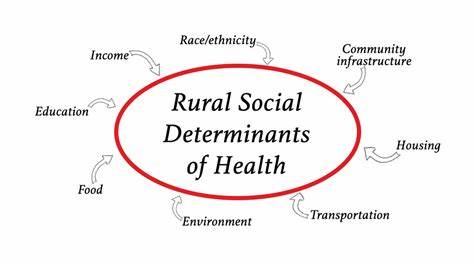





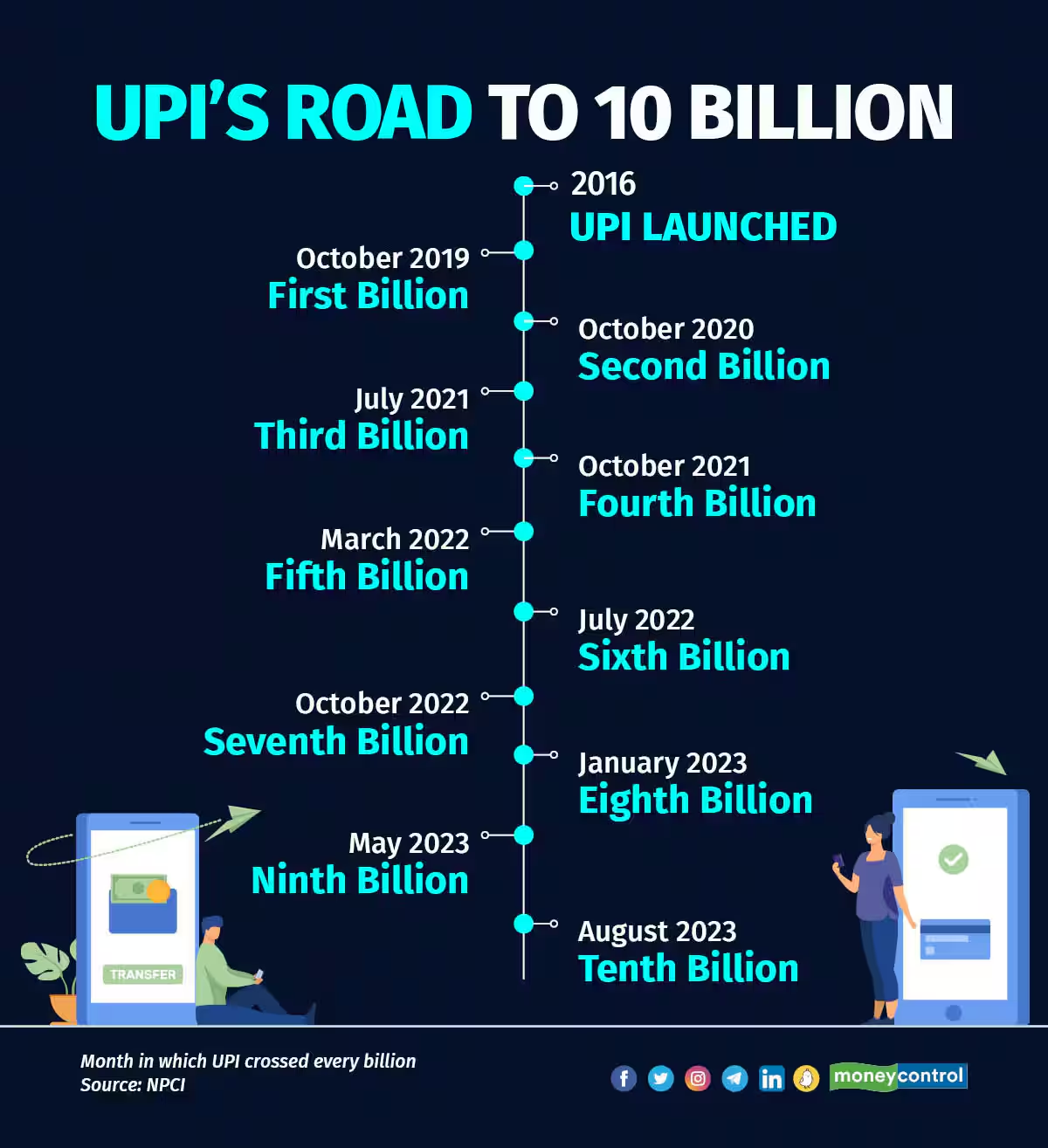







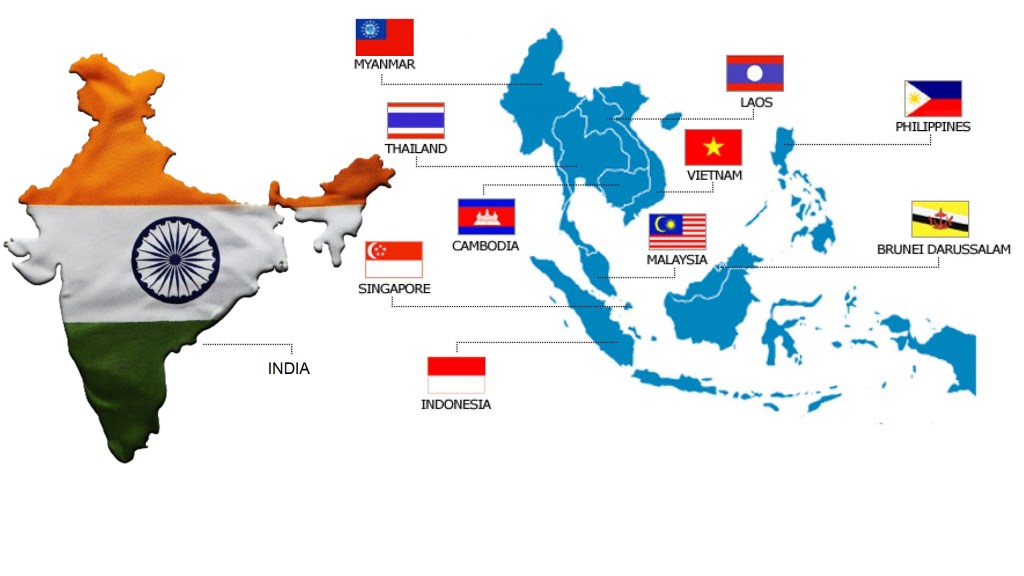


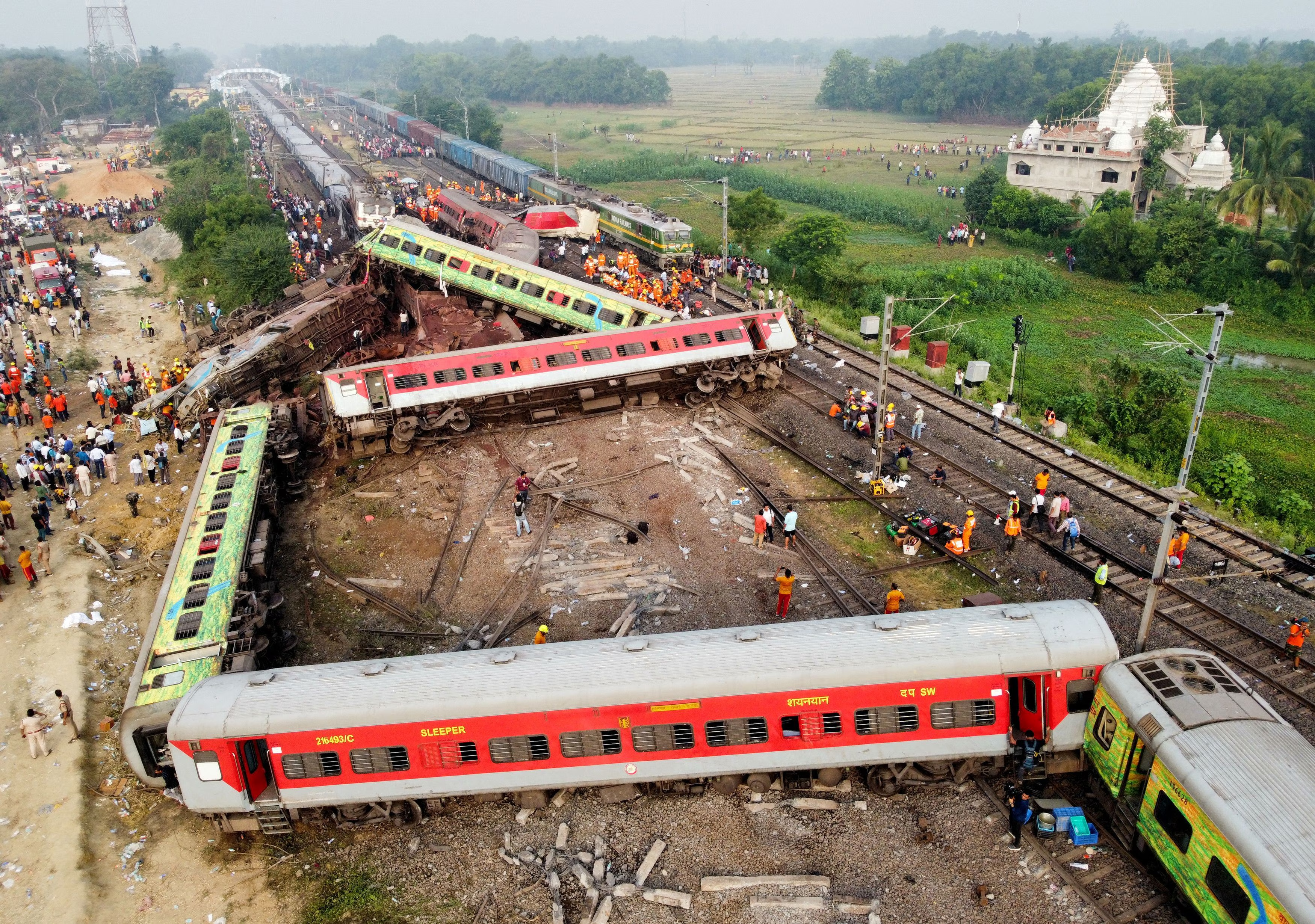
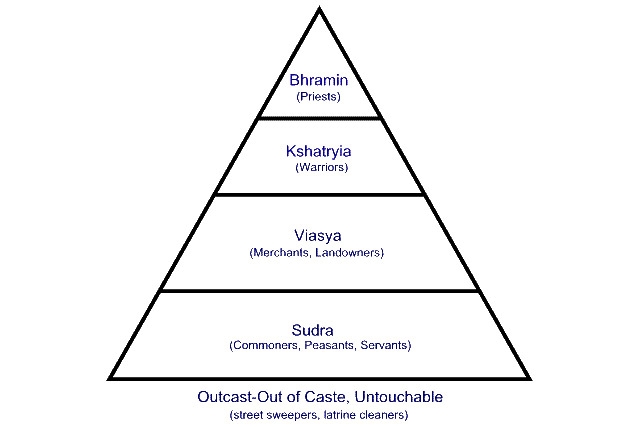







You must be logged in to post a comment.