Visual Culture: How Visual is always contaminated by Non-Visual?

A creator may create an image but that single image can have multiple meanings for different individuals that may or may not go with what the creator was trying to convey. Such is the situation today where “visual” holds massive influence and power on the masses. The meaning of whatever we see around us is very subjective in nature, that is, it depends from person to person. And all the meanings that we derive from seeing something around us depends on our personal experiences and backgrounds we come from. The visuals can be decrypted by many according to their own thoughts.
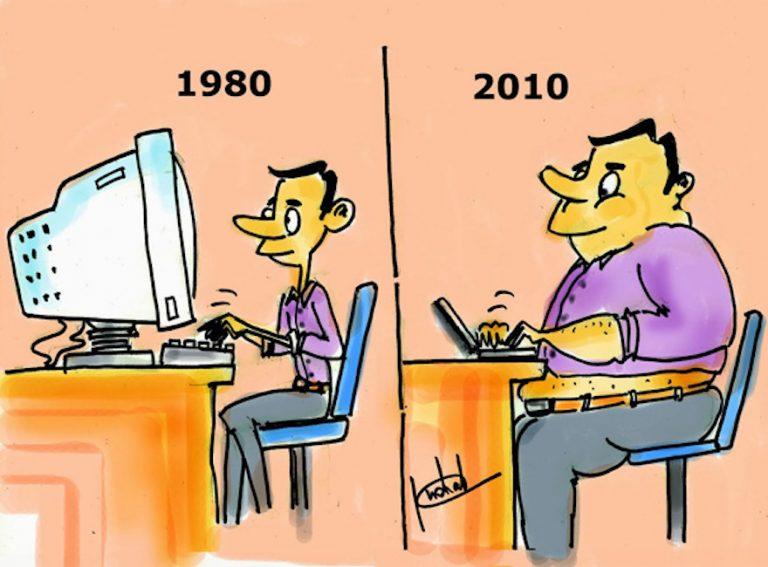
https://whatzviral.com/wp-content/uploads/2019/01/19-2.jpg

In the above picture, the creator was trying to convey how over the time we have so much indulged ourselves in technology that we have forgot to give time to ourselves and stopped caring about our health. However different people may interpret the image in different ways using their own understandings and logics like some may think this image shows advancement of technology from heavy computers to light weight laptops, some may think this picture shows the same person who has grown old in these 30 years.

The visual has risen steadily in importance in our culture. The presence of visual images has progressed from the high art of painting through various media such as still photographs, play television, video games etc. The increasing availability of various technologies has led to a massive presence of visuals around us.

Reading an image is about interrogating and playing with the separate elements that compose it to provide some private meaning. If we consider an “image” to be a combination of characteristics, then each one of us reading an image would construct and combine those characteristics attached to it and analyse it in new and unique ways.

The act of reading an image produces myths. It assembles in our minds various characteristics of image, some of which may change on subsequent readings and some of which may be undesirable. When we try to study an image, the image is brought into the world of discourse and meanings are constructed from and through them. . Images can become valuable if they generate powerful connotative meanings or if they are manipulated easily. Images acting as signifiers can evoke different meanings and examination of these images introduce the discourse.

Another example could be:

JapaneseGP: electric mini bike race - YouTube

The above picture is from a mini bike race in Japan, in which the creator wanted to convey the “peculiarness” of the picture, that is, adults on mini bikes. Some may just focus on those mini bikes or some may just see it as a normal bike race or some may see how the one in the far right is going out of the lane or some may see all of the above mentioned and all of this depends upon the interests and thinking capacity of individuals.

Conclusion: Every picture says something and every picture is trying to convey us a message, even though a picture may not look thought provoking, it carries come thought or meaning in some or the other way. Several factors are involved in the evolution or what we can say is “contamination” or pollution of image or visuals. What a creator is trying to convey through a message can be completely different from how the viewer interprets and decrypts it. Every individual can have several different meanings about the same visual that can be positive, negative or both depending on his interests and background.

Importance of NCERT Books

The National Council of Education Research and Training (NCERT) attribute towards developing the valuable content for the CBSE students.
The NCERT books published on the principle of child-centred system .The books inculcating creativity and treat children as participants in learning ,not as receivers of a fixed body of knowledge.The NCERT books enhance this endeavour by giving higher priority and space oppurtunities for contemplation and wondering.

Why to use NCERT books ??
Syllabus designed of the NCERT books tried to address the problem of curriculum burden by reorientating knowledge at different stages.

Especially designed for CBSE students
The NCERT books are especially designed in curriculum with CBSE students .NCERT books are the best choice for CBSE students .
All the answers to the tricky questions asked in CBSE exams could easily be answered by using these NCERT books. There will not be a single question which would be beyond the scope of NCERT books.

Easy to understand language
The best advantage of using NCERT books is that ,its quite easy to understand .The NCERT books are written in very simple and easy to understand language. The NCERT books are very simple to understand.

NCERT books especially adhere to CBSE syllabus
CBSE students should use NCERT books as they are strictly adhere to CBSE syllabus .Each and every single topic of CBSE syllabus is covered in NCERT books.

Important question
NCERT books contains all the important question at the end of the books.The questions are very helpful in scoring handsome marks in the Exams .Even if you touch them at the last minute of examination ,you can score good marks in exams .

CONCLUSION
The NCERT books are very helpful for CBSE students .The CBSE board itself suggest the students to use it .Its quite logistics to use NCERT books for CBSE exams .

Indian vs American Education System

Being literate is not enough today. Being educated is what we require. Standing and living amidst a competent world, the ability to identify, think, and evaluate for oneself is of utmost importance for any human. The foundation for this is built through education. Hence the education system plays a major role in shaping an individual. It’s inevitable to not discuss and compare the different education systems around the world, however, the American and Indian education systems tend to garner huge attention in contrast to others. It’s especially evident from the large number of Indian students’ who flock to America to pursue their further education. In this article, I too am going to elaborate and sketch out the different characteristics of the Indian education and American education system with the help of expenditure, education structure, course structure, teaching focus, and flexibility of subject choices.


The Indian System of education has long been influenced and changed since the British Colonisation. With India’s independence hurling better opportunities, the education system itself has witnessed very few changes in its learning methodology. It is found that an estimated expenditure of around 6.3 lakh crore in the year 2019-20 is spent by the Indian Govt upon the education sector, ranking India at the 35th position on the ‘Worldwide Educating for the Future Index’ in 2019. India’s education system currently follows the 10+2+3 learning system and the grade levels are divided into Pre-Primary, Primary, Secondary, Higher Secondary, and College. The course structure followed by the schools and colleges is highly rigid as it focuses on certain subjects such as Science and Maths more compared to others and provides absolutely no choice to choose subjects until Higher Secondary. The learning methodology used in early education is solely dependent on cramming and memorization techniques with no room for creative aspects to flow. Students are made to focus on academic subjects more than non-academic and extra-curricular activities. Another unique characteristic of Indian Education is that the teachers are often made in charge to handle 40-50 students per class. This ratio may even go up to 100 students per class in rural areas. Furthermore, students are not required to answer any exam to enroll themselves in universities except for a few selected courses like Medical, Engineering, and Architecture (NEET, JEE, NATA). The admission process for universities is usually based on the marks received by the students in their Higher Secondary Board exams.


America on the other hand, also known as the ‘Nation of Dreams’, proves to be very different compared to the Indian education system. The American government spends over $700 billion every year on its education sector making it the topmost nation to invest in education. American Education also varies in its structure as it follows a 10+2+4 system. The level of grades remains the same as Indian Education, however, they possess different terminologies. For instance, Elementary school refers to Pre-Primary and Primary Education, Middle School refers to Secondary Education, High school refers to Higher Secondary Education and Post-secondary refers to College in the Indian Grade Systems respectively. The American Education also offers a highly flexible course structure from the beginning of lower grades where students are free to opt for courses that they like. Math and Science are not the dominant subjects and activities like sports and non-academics are given equal importance as academic courses. The learning methodology focuses on enhancing the child’s creative and critical thinking skills while minimizing the memorization load. For every class the teacher is assigned not more than 30 students, making it easier for the teacher to pay attention to every child in the class. Lastly, for admissions in Universities/Colleges students are required to answer SAT and ACT compulsorily. In addition to all this, both the Public and Private divisions of American schools have better infrastructure and well-equipped technologies compared to the Indian Government schools.

It’s clear that the American Education System is distinctive from the Indian Education System in many ways, yet it’s not the best in the world. Education Systems should not be focused only on flexibility but should also take into account the needs of its citizens and country. The NEP is a step forward in terms of education in India and this is what every country needs to strive towards. As the years go by the education system needn’t stay static but strive to be dynamic to accompany and enhance the educational power in every citizen. In the end, we should never forget that ‘Education’s true purpose is to replace an empty mind with an open one.’

5 Best Colleges from All Over the World

When it comes to higher study everyone wants to attend the best colleges. If you are a student you also have the same dream. It is also same for an engineering student. I am listing Some best colleges below, which are eventually the dream college for not only engineering student but for every student from every other education field.

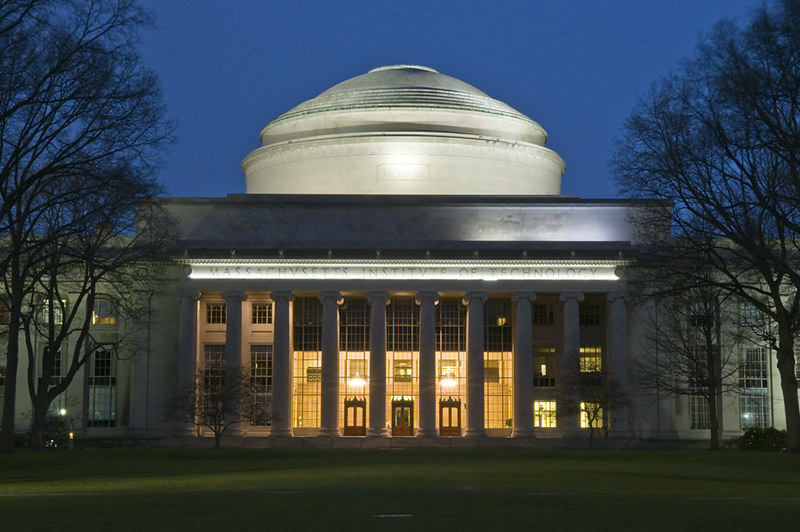
MIT
  1. MIT or Massachusetts Institute of Technology, USA: It is one of the renowned colleges in the world, which is situated in Massachusetts of USA. It was established in 10th April of 1861.It accepted 7% students from all over the world. Their moto is “Mind and Hand”. Here UG, PG, master and PhD courses are available .MIT holds the greatest number of Nobel winners, the notable alumni of these college are Kofi Annan, Richard Feynman, Raghuram Ranjan, Jairam Ramesh Katie Bowman and others. Subjects: language, law, Technology, general science, business ,art social & every other subjects . One can admitted here by GRE, GMAT, CAT etc. international examination.
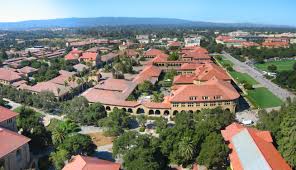
Stanford University

2.Stanford University: It is one of prestigious college for student. It was established in 1891 in the world by Leland Stanford and Jane Stanford. Their Moto is “the wind of freedom blows”. It situated in Stanford in California in USA. Here UG, PG, master and PhD courses are available .The  subjects which are taught here are language, law, Technology, general science, business and everything. It accepts 4.3% students from all over the world, it has some Nobel winner students and professors. Notable alumni of this college are Larry Page, Reed Hastings, Mukesh Ambani, Jennifer Connelly, Elon Musk, Stephen Brayer and others. One can admitted here by GRE, GMAT, CAT etc. internal examination.

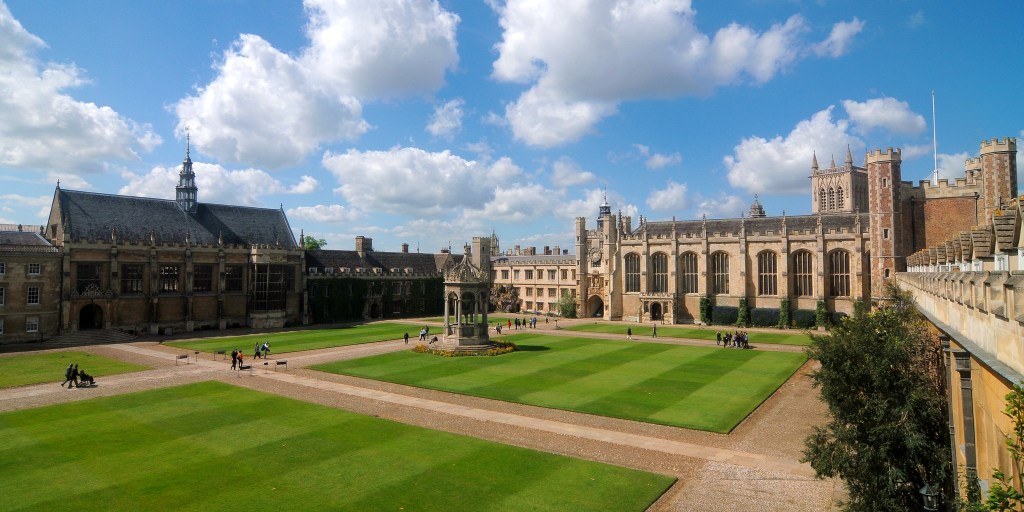
Cambridge University

 3.University of Cambridge: Their motto is “from this place, we gain enlighten and precious knowledge”. It was first established in 1209 AC .It is one of the oldest and prestigious college in the world. Here UG, PG, master and PhD courses are available . It is situated in Cambridge in UK. It accepted 21% students from all over the world. Subjects taught here are language, law, Technology, general science, business and everything. It also has noble winner students and professor. Notable alumni are Stephen Hawking, Charles Darwin, John Milton, Emma Thompson. Rajiv Gandhi. One can admitted here by GRE, GMAT, CAT etc. internal examination.

NTU

Nanyang Technical University (NTU):It is situated in Singapore. It is one of the oldest University. It was established on 1st August 1981. It has continuously ranked with 100 from all over the world. 36% students from all over the world are accepted in the University. GATE score is acknowledged here for the admission of Indian student. Subjects which are available — language, law, Technology, general science, business and everything. Here UG, PG, master and PhD courses are available .Notable alumni are Melvin Yong, Cheryl Chan, Darryl David, General Tito Karnavian,  Inderjit Singh, Shirley Meng and others.

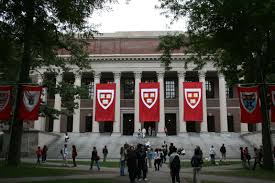
Harvard University

5.Harvard University: It is situated Cambridge, USA. The motto of the University is “truth”. It was established in 1636. It is one of the oldest and most prestigious University. Here UG, PG, master and PhD courses are available. It accepts only 4% students from all over the world .The subject taught here are — language, law, Technology, general science, business and everything. Notable alumni are John Adams, Theodore Roosevelt, John F. Kennedy, Benazir Bhutto, Bill Gates, Michael Obama, Barack Obama. There are so many Nobel Prize winner is from this university. One can admitted here by GRE, GMAT, CAT etc. international examination.

AIM OF EDUCATION IS TO BUILD CHARACTER

The aim of education should be building of character and not merely injecting of information.

– Pranab Mukherjee.

Education is a learning process that enables students and adults in a school community to understand, care about and act on core ethical values.

Learn the value of respect, justice, civic virtue and citizenship, and responsibility for not only themselves but also for others.

Education gives us the knowledge we need to know what dangers in society are and how to deal with them properly.

Intelligence plus character – that is the goal of true education. The complete education gives one not only power of concentration but worthy objectives upon which to concentrate.

– Martin Luther King Jr

Important aim of teaching should be producing students with good moral and skills for life.

Confidence and resilience are two character traits that are essential for success in the workplace.

As we all know, we faces various challenges after school life. We do not comfort with our good grade but we feel comfort with the character traits like confidence and resilience.

People with Confidence deals with well interview and prospect the more responsibility the within a job or any role.

People with resilience character, deals with failure rejection and various unseen obstacles in life. They face problems rather than wasting time on worrying about Minor failures. They always try to keep growing.

Education is the key to build characters

Producing students with good grades are not enough for them to face various kinds of challenges in their life. Good grapes are not going to help them for their fruitful life. But preparing students with good ethics, good Morals, social skills and life skills are really going to help them for their future challenges.

In today’s world the schools are focusing on student and forces them for good grades in academic. Parents also want their child to gain good grades in academics. but in future only good return are not going to work anymore. A person with with good grades and without any social or soft skills or ethics they faces competitions only.

Thus, focusing on building character is also very important for us.

Top Places to study abroad with the most affordable prices.

Photo by Andrea Piacquadio on Pexels.com

Some people always wanted to move different countries for their education and to upgrade their lifestyle. If you are one of them and have always had a mind to study abroad then here is the top 8 places to study with the most affordable price.

8. Taiwan

Taiwan in Asia is a one of the cheapest country to study abroad. The universities of the country offer more than 120 Courses which are taught in English. One of the top universities like  National Taiwan University ranked top 20 Universities in ASIA and 66th in the world. The fees for undergraduate programs can cost US $ 3350 and can go till US $ 4050. The cost of living is quite cheaper than other countries and it is US $ 2900.

Photo by Pixabay on Pexels.com

7. France

Paris, the capital of the country was named the best place for student and ranked 1st in a row. The cost of living may get expensive, but the school and tuition fees are way less than other countries. The fees are same for Local as well as for international students. A year back it was US $200 for a bachelor degree, and US $300 for the master program. If you think that your french should be fluent or you must know how to speak french to study in that country, then it’s not, One can easily study opting English while studying In France.

Photo by Marcin Gierbisz on Pexels.com

6. India

India, One of the most affordable and the best country to study in Asia. The country is well known for its culture, Tourism, and the best education around the world. English is often used in High level education and in universities. The tuition fee varies with the different courses and universities in the country. The maximum it can be US $7900 and less in a year. The living is affordable and one can live luxuriously just with US $4700 a year.

Photo by Fuzail Ahmad on Pexels.com

5. Malaysia

One of the best country for education with cheapest the cost of the student’s living and tuition fees. The capital city, Kuala Lumpur was ranked 1st by QS 2016 and named as the best and affordable city for the student’s living and education. The living can cost as high as 4000 US $ and the tuition fee varies for different courses, but maximum it can be US $ 4200 a year. They also have the International University’s branch for offering international degrees to the students.

Photo by Pixabay on Pexels.com

4. Spain

One of the most beautiful country around the world, Spain is one of the Cheapest for education as well as for living of students. It can cost 7400 US $ per semester for tuition fees and less and more, varies from different courses and a university. The cost of living is quite higher than the fees if one lives in the city, it can cost US $ 8000 per year.

Photo by Enrico Perini on Pexels.com

3. Sweden

Sweden was always set as a priority to study by a student. The country with one of the safest environment for the students and as well as for citizens. One who wants to enjoy his/her education while living in a beautiful environment and having a sustainable able, Sweden can provide all those facilities to a student. The tuition fee cost US $ 5000 per semester, which also varies with different courses and universities. The living cost can be up to US $ 8000 per year.

Photo by Vicente Viana Martu00ednez on Pexels.com

2. Poland

If one can speak Polish and are prepared to give entrance exams for the courses in polish, then the tuition fee can costs US $ 0 to a student. There are many English based courses which can cost US $5000 per year and also varies with different courses and universities. The country’s capital was Ranked Under top 20 cities by QS for affordability.

Photo by Mohammed Ajwad on Pexels.com

1. Germany

Number 1 in the list of best education all over the world with affordable costs. Germany is targeted by the students for their education the way of living. It has the reputed universities, International Branches and the best atmosphere for the education of the children. One can have a sustainable and balanced life for their education and living. The universities also help to build the extra skills for their children with 100% of its working in real life. The cost of living can be higher in the way of one’s living which is US $ 10,000 per year. The tuition fees vary from different courses and universities. It costs around US & 12,000 a year and one also can get scholarships as per their skills. One should set Germany as in their top of the priority list for their Education with affordable prices.

Photo by Johannes Plenio on Pexels.com

Above All the country’s was listed as per their cheaper costs of living and education. There are countries like US, UK, CANADA and many others who offer the best education in the world, but their costs were higher than above all the above listed Countries.

Sources:

https://www.topuniversities.com/student-info/studying-abroad/10-most-affordable-places-study-abroad

https://www.gooverseas.com/blog/10-most-popular-study-abroad-destinations

Ways to Manage Stress

Stress is part of being human, and it can help motivate you to get things done. Even high stress from serious illness, job loss, a death in the family, or a painful life event can be a natural part of life. You may feel down or anxious, and that’s normal too for a while. Talk to your doctor if you feel down or anxious for more than several weeks or if it starts to interfere with your home or work life. Therapy, medication, and other stategies help. In the meantime, there are things you can learn to manage stress before it gets to be too much. Consider these suggestions:

Exercise

To start with, physical activity can help improve your sleep. And better sleep means better stress management. Doctors don’t yet know exactly why, but people who exercise more tend to get better deep “slow wave” sleep that helps renew the brain and body. Just take care not to exercise too close to bedtime, which disrupts sleep for some people. Exercise also seems to help mood. Part of the reason may be that it stimulates your body to release a number of hormones like endorphins and endocannabinoids that help block pain, improve sleep, and sedate you. Some of them (endocannabinoids) may be responsible for the euphoric feeling, or “runner’s high,” that some people report after long runs.

People who exercise also tend to feel less anxious and more positive about themselves. When your body feels good, your mind often follows. Get a dose of stress relief with these exercises:

Applications

Property Rights

What Are Property Rights?

Property rights define the theoretical and legal ownership of resources and how they can be used. These resources can be both tangible or intangible and can be owned by individuals, businesses, and governments. In many countries, including the United States, individuals generally exercise private property rights or the rights of private persons to accumulate, hold, delegate, rent, or sell their property. In economics property rights form the basis for all market exchange, and the allocation of property rights in a society affects the efficiency of resource use.

Understanding Property Rights

Property is secured by laws that are clearly defined and enforced by the state. These laws define ownership and any associated benefits that come with holding the property. The term property is very expansive, though the legal protection for certain kinds of property varies between jurisdictions.Property is generally owned by individuals or a small group of people. The rights of property ownership can be extended by using patents and copyrights to protect:

  • Scarce physical resources such as houses, cars, books, and cellphones
  • Non-human creatures like dogs, cats, horses or birds
  • Intellectual property such as inventions, ideas, or words

Other types of property, such as communal or government property, are legally owned by well-defined groups. These are typically deemed public property. Ownership is enforced by individuals in positions of political or cultural power. Property rights give the owner or right holder the ability to do with the property what they choose. That includes holding on to it, selling or renting it out for profit, or transferring it to another party.

Acquiring Rights to a Property

Individuals in a private property rights regime acquire and transfer in mutually agreed-upon transfers, or else through homesteading. Mutual transfers include rents, sales, voluntary sharing, inheritances, gambling, and charity. Homesteading is the unique case; an individual may acquire a previously unowned resource by mixing his labor with the resource over a period of time. Examples of homesteading acts include plowing a field, carving stone, and domesticating a wild animal. In areas where property rights don’t exist, the ownership and use of resources are allocated by force, normally by the government. That means these resources are allocated by political ends rather than economic ones. Such governments determine who may interact with, can be excluded from, or may benefit from the use of the property.

Private Property Rights

Private property rights are one of the pillars of capitalist economies, as well as many legal systems, and moral philosophies. Within a private property rights regime, individuals need the ability to exclude others from the uses and benefits of their property. All privately owned resources are rivalrous, meaning only a single user may possess the title and legal claim to the property. Private property owners also have the exclusive right to use and benefit from the services or products. Private property owners may exchange the resource on a voluntary basis.

Private Property Rights and Market Prices

Every market price in a voluntary, capitalist society originates through transfers of private property. Each transaction takes place between one property owner and someone interested in acquiring the property. The value at which the property exchanges depends on how valuable it is to each party. Suppose an investor purchases $1,000 in shares of stock in Apple. In this case, Apple values owning the $1,000 more than the stock. The investor has the opposite preference, and values ownership of Apple stock more than $1,000.

Financial Literacy

What Is Financial Literacy?

Financial literacy is the ability to understand and effectively use various financial skills, including personal financial management, budgeting, and investing. Financial literacy is the foundation of your relationship with money, and it is a lifelong journey of learning. The earlier you start, the better off you will be, because education is the key to success when it comes to money.

Read on to discover how you can become financially literate and able to navigate the challenging but critical waters of personal finance. And when you have educated yourself, try to pass your knowledge on to your family and friends. Many people find money matters intimidating, but they don’t have to be, so spread the news by example.

Understanding Financial Literacy

In recent decades financial products and services have become increasingly widespread throughout society. Whereas earlier generations of Americans may have purchased goods primarily in cash, today various credit products are popular, such as credit and debit cards and electronic transfers. Indeed, a 2019 survey from the Federal Reserve Bank of San Francisco showed that consumers preferred cash payments in only 22% of transactions, favoring debit cards for 42% and credit cards for 29%.

Other products, such as mortgages, student loans, health insurance, and self-directed accounts, have also grown in importance. This has made it even more imperative for individuals to understand how to use them responsibly. Although there are many skills that might fall under the umbrella of financial literacy, popular examples include household budgeting, learning how to manage and pay off debts, and evaluating the tradeoffs between different credit and investment products. These skills often require at least a working knowledge of key financial concepts, such as compound interest and the time value of money. Given the importance of finance in modern society, lacking financial literacy can be very damaging to an individual’s long-term financial success.

Being financially illiterate can lead to a number of pitfalls, such as being more likely to accumulate unsustainable debt burdens, either through poor spending decisions or a lack of long-term preparation. This in turn can lead to poor credit, bankruptcy, housing foreclosure, and other negative consequences. Thankfully, there are now more resources than ever for those wishing to educate themselves about the world of finance. One such example is the government-sponsored Financial Literacy and Education Commission, which offers a range of free learning resources.

Strategies to Improve Your Financial Literacy Skills

Developing financial literacy to improve your personal finances involves learning and practicing a variety of skills related to budgeting, managing and paying off debts, and understanding credit and investment products. Here are several practical strategies to consider.

Create a Budget—Track how much money you receive each month against how much you spend in an Excel sheet, on paper, or with a budgeting app. Your budget should include income (paychecks, investments, alimony), fixed expenses (rent/mortgage payments, utilities, loan payments), discretionary spending (nonessentials such as eating out, shopping, and travel), and savings.

Pay Yourself First—To build savings, this reverse budgeting strategy involves choosing a savings goal (say, a down payment for a home), deciding how much you want to contribute toward it each month, and setting that amount aside before you divvy up the rest of your expenses.

Pay Bills Promptly—Stay on top of monthly bills, making sure that payments consistently arrive on time. Consider taking advantage of automatic debits from a checking account or bill-pay apps and sign up for payment reminders (by email, phone, or text).

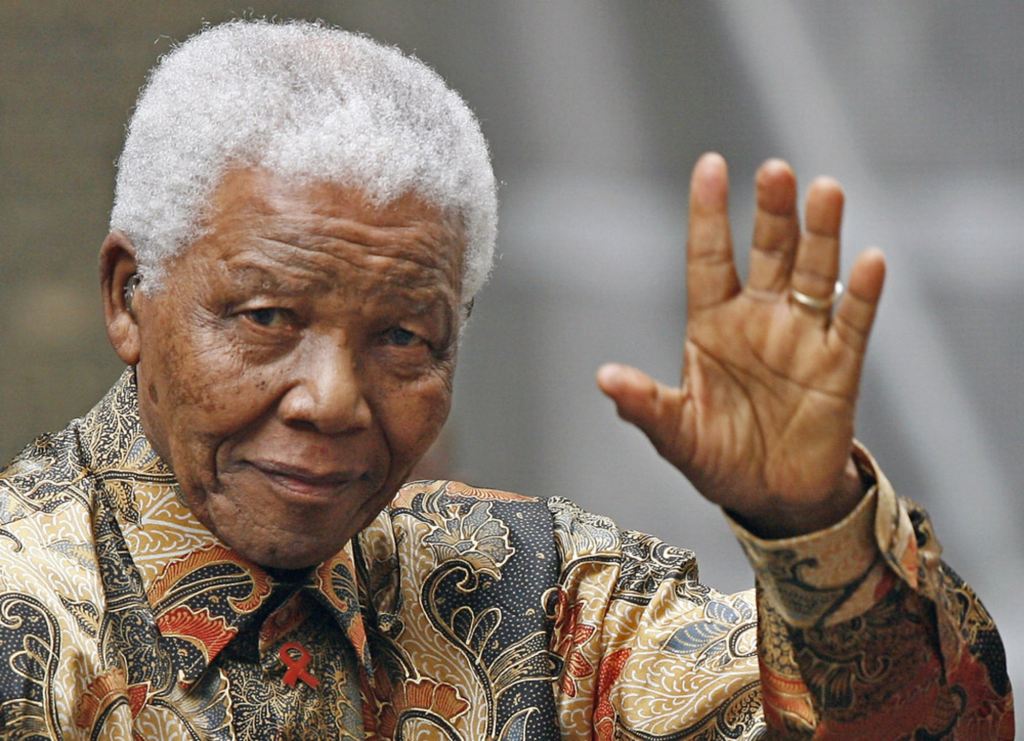
REMEMBERING NELSON MANDELA

Nelson Mandela, the figurehead of Africa’s Anti-aparthied movement and the first Black President was born on this day, July 18, 1918  into the Thembu royal family in South Africa. He was the first elected Black President who was elected in a fully democratic election. Mandela became involved in protests against the racist policies of South Africa’s government in his 20s, and is known for having spent 27 years in prison for political offenses.  He served as the president of the African National Congress (ANC) party from 1991 to 1997. The South Africans who love him refer to him as Tata, father. He was an active member of African National congress. Mandela had always looked for peaceful ways to protest.

However, the Sharpville massacre in March 1960, where 69 Black South Africans were shot and killed by police and hundreds wounded during a peaceful protest; contributed to deteriorating relations with the White minority government. The resistance fighter who for years had denounced violence suddenly saw a need to use arms in the struggle for equality.

Mandel abandoned his peaceful stance and started advocating sabotage against the White Government. He went underground and co-founded Umkhonto we Sizwe (Spear of the Nation), the military wing ofhe ANC. During this time he was known as Black Pimpernal for his ability to evade capture. In 1962, he went to Algeruia to eran the Guirella warfare tactic. On the way of his return he was arrested along with other members at a road block. He was sentenced to life imprisonment for guerrilla war actions against the government. International pressure to free Mandela grew over time and he was released after 27 years of imprisonment. He declared his commitment to peace and reconciliation with the country’s white minority on the day of his release, which turned into a large-scale celebration that included a global media presence. People in the street cheered in support of Tata.

Mandela’s biggest influence on the new South Africa was his personal determination that anger over the crimes of the past, including his 27 years as a political prisoner, should not motivate future laws and actions. Key to this was his 1995 establishment of a Truth and Reconciliation Commission that investigated historic human rights violations and gave vent to grievances.

His negotiations with the South African president in the early 90s, F.W. de Klerk helped in cession of aparthied system of racial segregation. Mandela along with Klerk received Nobel Peace Prize for their efforts in 1993.

Mandela’s other key legacy is his extensive charitable work, including the creation of the Nelson Mandela Foundation,  the Nelson Mandela Children’s Fund. Starting from 2002, Mandela encouraged AIDS awareness and treatment. 46664 – the HIV-AIDS initiative was named after his prison number.

In 2009, the United Nations declared that July 18, Mandela’s birthday, would be a worldwide day of community service known as Nelson Mandela International Day.

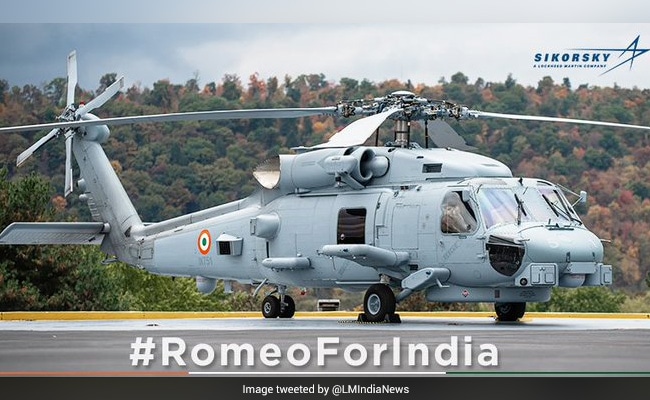
MH-60R SEAHAWK- from US to India

MH-60R, the world’s most advanced maritime helicopter was inducted to Indian navy by the US navy today. This is yet another sign of strengthening India-US defence relationship.

The ceremony procuring the first two MH-60R multi role helicopters was held at the Naval Air Station North Island or NAS North Island, San Diego on Friday. It was attended by India’s ambassador to the US Taranjit Singh Sandhu.

The Indian navy is procuring 24 helicopters in total for $2.4 billion. Ambassador Sandhu noted in his tweet that the trade has expanded to over 20 billion dollars in the past couple of years. “India US friendship is touching skies”, he tweeted.

There are over 300 Seahawks in service worldwide including US, Danish, Australian and Saudi Arabian navies. It was introduced in US navy in 2006. The procurement of 24 Seahawks was cleared by the fence ministry on August 25, 2018.

Features

Skirosky Aircraft developed the MH-60R Seahawk multi-mission helicopter also known as “Romeo”, inorder to replace the US Navy’s SR-60 & SH-60 helicopter fleet.

The MH-60R features a spacious cabin to fit 4 flight crew and five passengers. Dimensions of cabin are 3.2m long, 1.3 m high and 1.8 m wide. The helicopter is equipped with digital open architecture, night vision, mass memory data storage, flight management computer and operations software.

The helicopter can be armed with Mk 54 lightweight torepodoes for ASW missions. A number of weapons can be carried including eight Hellfire antisurface missiles and .50 calibre guns for ASuW missions.

The MH-60R is tolerant against small arms fore and medium calibre high-explosive projectiles. The energy absorbing landing gear offers increased survivability in the battlefield.

The 24 procured helicopters would be modified with several India-unique equipment and weapons.

“The induction of these helicopters would enhance the Indian Navy’s three dimensional capabilities…. Inorder to exploit these porent helicopters the first batch of Indian crew is presently undergoing training in the US” said the spokesperson

Investing lesson of Peter Lynch


Peter Lynch is one of the most successful and top value investor of all time. He was a legendary fund manager who gave 29% returns to their investors for 13 years in a row. He wrote books on value investing , where he shared his investment lessons which he learned and used during his journey as an investor. He is one of the greatest value investor of all time. He is a firm believer that an average investor can also pick winning stocks as Wall Street professional with right research, patience , steady discipline and common sense.


Some of his investment principles are –

1. Invest in what you already know – “The worst thing you can do is invest in companies you know nothing about. Unfortunately buying stocks on ignorance is still a popular American pastime.” -Peter Lynch
People can perform well by investing in what they already know. For instance if a doctor wants to invest in banking sector (about which he know nothing) , he will not have that great return as compared to if he will invest in pharmaceutical companies ( as he already knew about drugs, healthcare sector and their companies)
“Invest in what you know. It leaves out the role of serious fundamental stock research. People buy a stock and they know nothing about it. That’s gambling and it’s not good.” -Peter Lynch
So, it’s better to choose the company whose products/services are either used by you or you are familier of the products/services of that company in some way or other. These knowledge will lead you to invest in better stocks .
2. Invest in companies not in stocks – “Look for small companies that are already profitable and have proven that their concept can be replicated. • Be suspicious of companies with growth rates of 50 to 100 percent a year”-Peter Lynch

Behind every stock there is a company. If companies will perform well, the stocks automatically will perform well. So, it’s important to know about the company, it’s business model. Choose a company whose fundamentals are strong. A company whose business model is so easy to understand that anyone can understand and run that company.

“Go for a business that any idiot can run – because sooner or later any idiot probably is going to be running it” -Peter Lynch

Know a companies management, it’s fundamentals and then ask yourself , “are you able to understand the mission and vision of the company? “ or “If you’ll be given the responsibility to run this company, will you be able to run the company? “
If the answers to the above questions are a YES then it’ll be great to invest in that company.
So always remember that you have to invest in a company and not in a single stock.


“Behind every stock is a company. Find out what it’s doing.” -Peter Lynch

“Never invest in a company without understanding its finances. The biggest losses in stocks come from companies with poor balance sheets.”

3. Don’t take unnecessary risks. Take calculated risks – You don’t have to take risks which you can’t bear. Only take calculated risks.
Let’s say, you have $10 dollar, maybe if you will lost this, you won’t regret. But what if you lost $100 or $1000! Always buy stocks of the amount if you lose won’t regret. You are not required to put all your money in market and risk all that money. Instead put only that amount which if you lose won’t make you regret of investing.
Also, invest only the amount you will not need ever back in your life
4. Peter Lynch said that the most important thing that keep in mind while investing is : know why you own it.

“ You have to know what you own ,and why are you own it .” -Petrr Lynch

It sounds simple but it is not . He said when I asked most people they just don’t know why they own a stock . 80% of investors have no answer to this question .

They maybe hear some tip from anywhere and put their money at risk and when they lose it they blame institutions .
First you have to know the reason . Why you should invest in this company ,research about that company . Check their balance sheets . Without proper research you are not investing you are just gambling . Read and know as much as you can about the company. And remember to buy the company and not just a stock.

“If you’re prepared to invest in a company, then you ought to be able to explain why in simple language that a fifth grader could understand, and quickly enough so the fifth grader won’t get bored.” – Peter Lynch

5. Invest for long time- Lynch used to hold stocks for long period of time. He used to sell the stocks when the fundamentals of any company gets changed. This is his advice for all investors out there to not go behind short term profits but invest for a long period of time.
He even conducted many studies to understand the power of compounding.

“People who succeed in the stock market also accept periodic losses, setbacks, and unexpected occurrences. Calamitous drops do not scare them out of the game.”


Some more investment lessons by Peter Lynch :

• “Never invest in any idea you can’t illustrate with a crayon .”

• “The trick is not to learn to trust your gut feelings, but rather to discipline yourself to ignore them. Stand by your stocks as long as the fundamental story of the company hasn’t changed”

• “Whenever you invest in any company, you’re looking for its market cap to rise. This can’t happen unless buyers are paying higher prices for the shares, making your investment more valuable.”


• “There’s no shame in losing money on a stock. Everybody does it. What is shameful is to hold on to a stock, or worse, to buy more of it when the fundamentals are deteriorating.”

• “Never invest in any company before you’ve done the homework on the company’s earnings prospects, financial condition, competitive position, etc”

• “Big companies have small moves, small companies have big moves.”

• “Good management, a strong balance sheet, and a sensible plan of action will overcome many obstacles, but when you’ve got weak management, a weak balance sheet, and a misguided plan of action, the greatest industry in the world won’t bail you out.”

• “In the long run, a portfolio of well chosen stocks and/or equity mutual funds will always outperform a portfolio of bonds or a money-market account. In the long run, a portfolio of poorly chosen stocks won’t outperform the money left under the mattress.”


This is how he succeed in the world of investment. You can learn from him and help yourself to reach the level you want in investment.


Thank you.

WHY SCHOOLS DON'T TEACH ABOUT MONEY

      MONEY HOW TO MAKE IT?

HAVE YOU EVER IMAGINED THE WORLD WITHOUT MONEY?

 TWO MINUTES IMAGINATION-HOO! IAM OUT OF CONTROL., AFTER TWO MINUTES,

COMING TO  REALITY., YES, OFFCOURSE NOT, RIGHT! WHAT IS IT ACTUALLY?

 AN EXCHANGE MEDIUM WHICH WE PEOPLE USE ON SURVIVAL BASIS IS CALLED MONEY.

WHAT SCHOOLS LACK?


The term school is something which gives education. The ultimate learning process starts here. Nowadays schools teach us how to solve mathematical problems but not financial problems which comes to reality.
Something missing which is important and that must never be an optional one. Yes, that’s learning to make money AS MONEY IS ALWAYS ULTIMATE.

As, schools play a major part they are the ones who can guide growing children, but the sad truth is the Society knowingly or unknowingly plays an important role in our lives.

The theme is schools are framed by the government. If they make it compulsory No one is unable to stop that. 

FINANCIAL PROBLEMS

                                                                                   
Every human in the earth have problems, But when it is financial problems, people become mentally stressed a lot. It is only because of debts alone. If we scrutinize it the origin will be lack of knowledge in handling the financial problems.
Every year the suicide cases due to the financial problems are increasing in spite of pandemic as this is 2021, people actually don’t know how and what to do in toughest situation. Some seek advises from their nearby ones, Others face it without much care and some others are not serious at the initial stage as if nothing happened to them.

INDIVIDUALS NEED

It is schools responsibility to identify the individuals interest and upgrade children on the basis of learning along with life skills which plays an important role when they come into real life. 
Some may not like 9-5 work but they still work because they want money, their basic needs are to be satisfied.
On the other hand there are still people who don’t work regularly but still they have money and they have a demand more than their needs. How is this possible? They still learn to  earn money smartly and this is also not taught in schools. But still How? This is the most important question to be noted carefully.
Such kind of people think smartly on stocks, investments and on certain assets which always have an appreciated value.

HOW TO SOLVE IT?

Though many students are not interested in certain subject they are forced to learn it. But Finance being an important life skill and not taught in schools like how to handle it, really make a sense right!
They all needed to be sorted out carefully and taught at the being stage of our life. Off course, parents have an important responsibility to guide them in the financial aspects at the early stage of their life as conveying them their problems and how they are handling it. By doing so, they start thinking and generate ideas on their future investments.

THE CHANGES

The only things that is constant in the world is changes and that is called as the progress. The thing which we can give to our next generation is the financial learning. We can make them better by changing the vision which we tend to learn in our childhood but unfortunately we lack it.
As a next generation parents, its our responsibility to make our children to invest in value education and give them financial knowledge
Giving them financial skills and making that as a habit will surely make a drastic change in the society.
As we live in the 21st century we have technological in our hand. We can grow it with good vision and make our future generation financially stable.
YES, WE WILL START IT RIGHT NOW!


E- EDUCATION: AN EDUCATIONAL REVOLUTION

Eeducation or elearning is the delivery of education or training by electronic teaching methods like computers or laptops etc. E- Education means Schools on Web and it consolidates virtual classrooms, laboratories and integrates it with your other enterprise applications. These now supplement the face – 2 – face class room and commonly known as Blended Learning. It is the learning experiences from the online information sources. This E-Learning approach helps the students know, makes them understand how to research more and the students can preserve their online resources posterity. It helps the teacher to provide better materials for the students by doing research on various topics and subjects. It normally works over the internet and provides numerous tools such as for assessment, communications, collaborations, uploading of content etc.

Schools On Web help in connecting people with each other and provides new ways of communications and collaborations with the help of all kinds of information’s being provided by it. The aim is – Learning without Limits- anytime, in any place, and at any pace. It provides a platform where students and parents are connected, administrators are empowered and teachers are inspired.

E- Learning

The technologies of web collaborations helps in real time access to subjects or instructors or topic matters directly from the PC of users. The key communication/ participation tools are: e mail, chat rooms, whiteboards, journals etc.

Some of the key benefits are:

  1. Enable the teaching od new or existing courses wuthin virtual classrooms
  2. Interactive sessions which can be recorded
  3. Effective evaluation of virtual classes
  4. Provide instant accesS
  5. Generate academic reports
  6. Enables to track the progress of individual learner

Experiential Learning

Experiential Learning

Experiential Learning stimulates experiments and boosts the dimensions of interest, involvement, imagination and interaction by virtual laboratories, scenario – based learning activities and tests of different concepts. All these can be incorporated into various teaching approaches as pre-labs, as alternatives to textbooks home work and individual or group activities.

Some of the key benefits are :

  1. Highly Interactive Platform
  2. Provide Learning by Doing
  3. Ensures and promotes high level of cognition and retention
  4. Safety and Security is ensured
  5. Simulates real-life environments

Management System

E-Learning helps in managing fee structure, fee submission, generation of time table and management, library management and other reports. Web based Institute Management software is designed which enables better interaction among students, teachers, parents and managing body. Thus, it helps in customization of the system for respective needs at a reasonable cost.

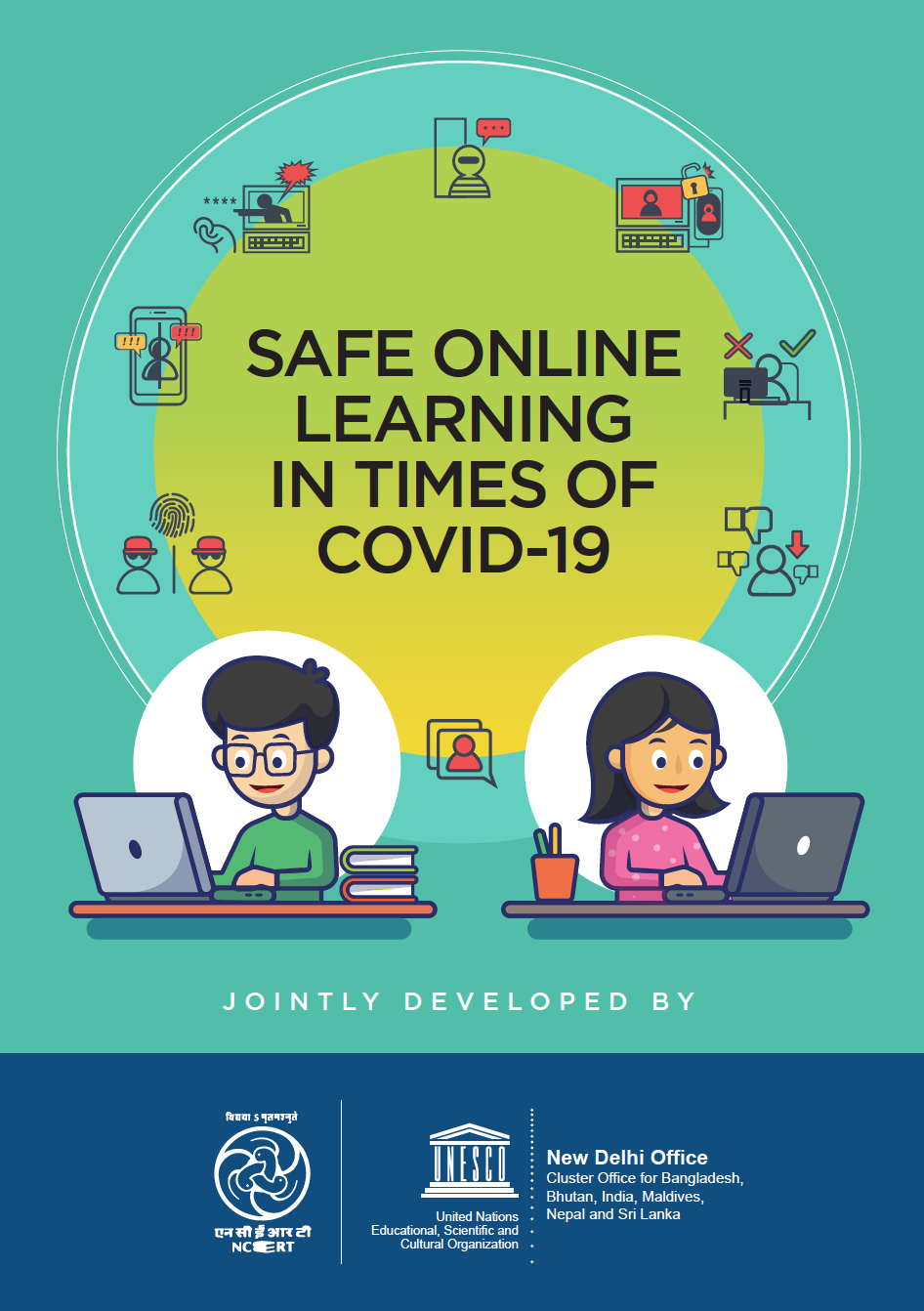
COVID 19 and E – Education

Countries are at different points in their COVID 19 infection rates and worldwide there are nearly 1.2 billion children in 186 countries who are getting affected by school closures due to the pandemic. With such sudden transition and shift away from the classroom many problems and issues have emerged across the globe. In such situations, online learning and e-learning approaches have emerged as solutions and in response to significant demand, many online learning platforms have also moved forward for offering free access to their educational services. With the help of e-learning and online teaching initiatives many issues which were being faced in the field of education have been sorted out but still there are still lots of problems which are associated with the availability of proper infrastructures etc. at each and every corner of the globe which can enable each and everyone to access the facilities of e-learning.

Stress due to repeated exams

Students often feel stress due to repeated exams, assignments, homework, class test etc. Many schools and colleges pressure students to study and get good marks. In this blog we are going to counter the following topics stress due to exams, stress management techniques, need of extracurricular.

Stress due to Exams

Nowadays stress is common among school and college students because of repeated exams, class tests and assignments. Every school and college wants its students to study well get good marks. That’s right I agree, but in order to increase students marks they keep extra classes after school, keep repeated tests. With this student feels stress. Student goes to school at 9:00 am and return back to home at 8:00 pm. After returning home also he has to do his homework. Thus he left with no time to play or do anything else he wants. Every school should increase the interest in studies to its students. If they were successful, then each and every students enjoys studying, like this student will not feel any kind of stress.

Stress management techniques for students

Stress is the feeling of physical and emotional stress. Stress adversely effect the physical and mental state of a person. According to a survey teen are most effected stress comparing to adults. These are some stress management techniques to reduce stress.

1. Sleep well

Student scheduled plan may even miss there sleep. You should have to sleep atleast 8 hours per day, inorder to have good health. Students who sleep less than 8 hours are often found less productive on comparing to student who sleep atleast 8 hours.

2. Exercise regularly

It was found in a study that doing yoga and exercise every day help to reduce stress levels. There are several benefits of doing exercise and yoga. It also help to improve your health condition. Physical activity may help bump up the production of your brain’s feel-good neurotransmitters, called endorphins.

3. Listen to music

Music is the best medecine to relieve stress. Listening music conveniently decrease the stress levels. Music help you to calm down your mind from your tension.

4. Eat a healthier diet

You may not believe the eating healthy food can low your stress levels. Eating a healthier diet boost brainpower, which help to focus on your work with great potential.

5. Spend time with friends and family

Friends and family are the one who supports us in our bad times. They will encourage us. They may help to relieve our stress. You can share your tensions and problems to them. They give the sense of and self-worth.

6. Go out and have fun

If you feel stressed, then just go out play with your friends. Playing games help to reduce your stress levels. This will give relaxation to mind as well as body. Gaming results in dopamine secretion, which makes you feel good.

Need of extracurricular in schools

Every student is unique, some are interested in music and some in art and some in computers etc. Every school should encourage students in the subject which they love. If they do so, then every student will become a champion. There should be some extracurricular activities such as sports, NCC, events etc in schools other than academics.

That’s all from my side. I hope you like it. This blog is not criticizing any school, but it is showing the need of change in schools. Thank you.