Prime Minister’s Young Authors Mentorship Scheme (YUVA) Scheme

Daily writing prompt
What job would you do for free?

Introduction

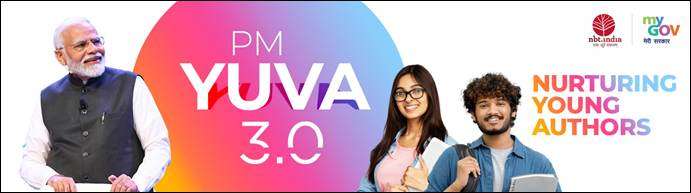
The Ministry of Education (MoE) and the National Book Trust (NBT) of India launched the third edition of the Prime Minister’s Young Authors Mentorship Scheme, known as YUVA 3.0, on March 11, 2025. The initiative aims to nurture young writers under 30 years of age, providing them with mentorship and exposure to hone their creative writing skills. YUVA 3.0 builds upon the success of its predecessors, YUVA 1.0 and YUVA 2.0, continuing the government’s commitment to fostering literary talent and promoting reading, writing, and book culture in India. The scheme aligns with the vision of Ek Bharat, Shreshtha Bharat, encouraging the documentation and dissemination of India’s rich cultural heritage and knowledge.

YUVA 3.0: Features and Objectives

Theme and Focus

The Themes of PM-YUVA 3.0 are: Contribution of Indian Diaspora in Nation BuildingIndian Knowledge System; and Makers of Modern India (1950-2025). The scheme will help to develop a stream of writers who can write on various facets of India encompassing the past, present and future. Besides, the scheme will also provide a window to the aspiring youth to articulate themselves and present a comprehensive outlook of contribution of Indians across fields in ancient and present times.
Selection Process

  • The scheme invites applications from aspiring writers through MyGov India’s online portal.
  • A competitive process shortlists 50 young authors based on a well-defined evaluation criterion.
  • The National Book Trust (NBT) will constitute the selection committee.
  • Applicants are required to submit a book proposal of 10,000 words, which is then reviewed by a panel.
  • The shortlisted candidates undergo a multi-stage selection process before the final selection.

Mentorship and Support

  • Selected authors receive a mentorship program spanning six months.
  • The authors undergo workshopsinteractions with mentors, and exposure to India’s literary ecosystem.
  • They receive financial assistance of ₹50,000 per month for six months.
  • Their works are published and promoted by the NBT in multiple languages.
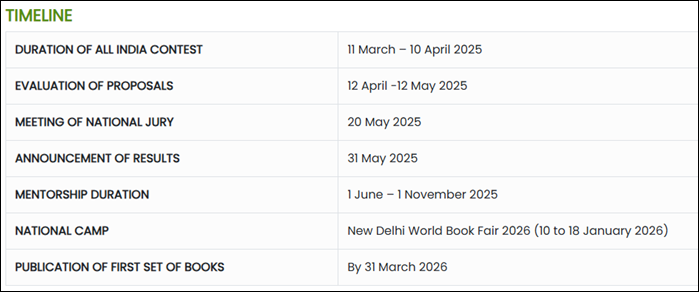
  • Under the mentorship, a National Camp will be held for the PM-YUVA 3.0 Authors during the New Delhi World Book Fair 2026.
  • Selected authors get the opportunity to present their work at literary festivals and international forums.

Background of the YUVA Scheme

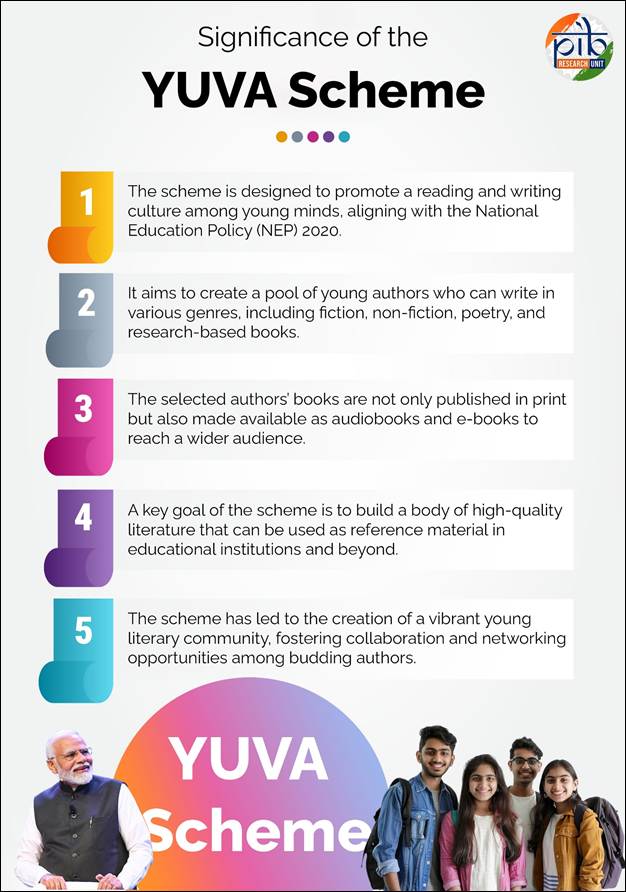
National Education Policy 2020 has emphasized on the empowerment of the young minds and creating a learning eco-system that can make the young readers/learners ready for leadership roles in the future world. India is considered to be a ‘young country’ because 66% of its total population are young and can be tapped for capacity and nation building. In this context, a national scheme for mentoring generations of young authors has proven to be a significant stepping stone for laying the foundation of the future leaders of the creative world. This scheme has been conceptualised on the premise that the 21st century India needs to groom a generation of young authors to create ambassadors of Indian literature and world view. In view of the fact that our country is ranked third in the arena of book publishing and we have a treasure trove of indigenous literature, India must project it at the global stage. The first mentorship scheme was launched on 31st May 2021, then subsequently in October 2022 and now in March 2025.
YUVA 2.0: Expansion and Achievements

Launched in October 2022YUVA 2.0 built upon the foundation of YUVA 1.0 with a renewed focus on ‘Democracy’ as the core theme. The scheme aimed to foster young writers’ engagement with India’s democratic values, traditions, and governance structures.

Theme and Vision

The Theme of PM-YUVA 2.0 was Democracy (Institutions, Events, People, and Constitutional Values). The scheme helped in developing a stream of writers who can write on various facets of Democracy in India encompassing the past, present and future. Besides, the scheme also provided a window to the aspiring youth to articulate themselves and present a comprehensive outlook of Indian democratic values at domestic as well as international platforms.

Selection and Implementation

  • The competition received an overwhelming response, with a diverse pool of participants from across the country.
  • 75 authors were selected through a competitive process. They were also required to submit a book proposal of 10,000 words.
  • The mentorship program included interaction with constitutional experts, historians, and renowned authors.
  • Special training sessions were held to enhance research skills, language proficiency, and storytelling techniques.

Outcomes and Impact

  • The Union Minister for Education launched 41 new books under the PM YUVA 2.0 scheme at the New Delhi World Book Fair 2025 in February.
  • Several books were published in multiple Indian languages, making them accessible to a broad readership.
  • Young authors gained national and international recognition, participating in events like the World Book Fair and literary forums.
  • Many participants had their books included in academic and government libraries for research and reference.
  • Some authors had the opportunity to meet and interact with policymakers and scholars, further enriching their perspectives.

YUVA 1.0: Inception and Legacy

The inaugural editionYUVA 1.0, was launched in May 2021 as part of the Azadi Ka Amrit Mahotsav celebrations to commemorate 75 years of India’s independence. The scheme aimed to empower young authors and provide them a platform to express their perspectives on India’s history and contemporary narratives.

Theme and Inspiration

The theme was National Movement of India with focus on Unsung Heroes; Little known facts about the Freedom Struggle; Role of various places in National Movement; Entries bringing out new perspectives related to political, cultural, economic, or science related aspects of national movement etc. as part of Azadi ka Amrit Mahotsav. This scheme helped to develop a stream of writers who can write on a spectrum of subjects to promote Indian heritage, culture and knowledge system.

Selection and Implementation

  • The contestants were asked to submit a manuscript of 5000 words.
  • 75 young authors were selected, representing diverse linguistic and regional backgrounds.
  • The selection was made by a committee constituted by National Book Trust (NBT).
  • Mentorship included training in writing, editing, and publishing processes.
  • Special sessions were conducted by eminent historians, journalists, and literary figures.
  • A consolidated scholarship of Rs.50,000 per month for a period of six months per author will be paid under the Mentorship Scheme.

Outcomes and Impact

  • The results were announced on 25.12.2021.
  • The books produced under YUVA 1.0 were translated into multiple Indian languages, enhancing their reach.
  • The initiative contributed to India’s literary heritage, encouraging young voices to document historical narratives.
  • Several young authors gained recognition, contributing to mainstream literature and academic discussions.
  • The scheme established a strong foundation for young writers, many of whom went on to publish additional books independently.
  • 10% royalty is being paid by NBT on publication and sale of the books.

Conclusion

The YUVA scheme, in its three editions, has played a crucial role in nurturing young literary talent in India. As the program continues to evolve, it reinforces India’s commitment to promoting creative expression, multilingual literary heritage, and a culture of reading and writing among the youth. The impact of the scheme is evident in the success stories of young authors whose voices have been amplified at both national and international levels. With continued support and innovation, the YUVA scheme will remain a cornerstone of India’s literary and cultural renaissance.

References

Click here to see PDF.

Haruki Murakami’s ‘Norwegian Wood

Norwegian Wood is a 1987 novel by Japanese author Haruki Murakami. The novel is a nostalgic story of loss. It is told from the first-person perspective of Toru Watanabe, who looks back on his days as a college student living in Tokyo.

“Haruki Murakami’s ‘Norwegian Wood’ is a novel that transcends mere storytelling, delving deep into the recesses of the human soul.

Set against the backdrop of 1960s Japan, the narrative unfurls as Toru Watanabe, the protagonist, grapples with the labyrinthine complexities of love, loss, and the elusive quest for meaning. Murakami’s prose is a tapestry of poignant imagery and profound introspection, weaving a tale that lingers in the mind long after the final page. The characters, especially Toru’s relationships with Naoko and Midori, are intricately nuanced, each harboring their own scars and vulnerabilities. The novel’s thematic depth lies in its unflinching portrayal of mental health struggles, existential crises, and the enduring pursuit of human connection amid an emotionally desolate landscape. While the narrative occasionally drifts into meandering contemplation, this very introspection is the essence that lends ‘Norwegian Wood’ its haunting allure. It is a meditative exploration of the human psyche, inviting readers to confront their own emotions and wrestle with the ambiguity of life. ‘Norwegian Wood’ stands as a testament to Murakami’s mastery in crafting a melancholic yet profoundly thought-provoking tale, appealing to those who seek an immersive and introspective reading experience.”

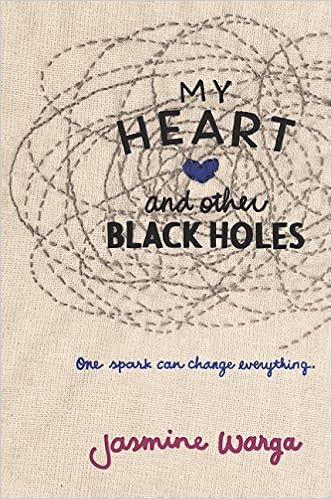
My Heart and Other Black Holes- Book Review

DISCLAIMER: This review contains spoilers.

One emerging trend in media is the glorification and romanticization of mental health disorders. As a result of the same, a lot of Young Adult (YA) novels have integrated various mental health issues into their plots while still bearing inaccurate representations as young adults look at these serious issues through rose-tinted glasses. Ofter, it ends on a high note thus masking the dark reality of these problems and wrongly depicting the healing process.

My Heart and Other Black Holes by Jasmine Warga is a transitional piece of literature to me. I find that it balances the scale- it depicts certain aspects of mental health issues that are appealing to young adults through the form of romance while also portraying very dark aspects of depression in a fairly blunt manner.

This book follows the bittersweet tale of two teenagers with traumatic childhoods. Aysel is a sixteen-year-old girl who was raised by her father- however, her father murdered a local boy and she carries that stigma everywhere. She pushes her friends and family away to the point where they barely interact with her anymore. Roman, a sixteen-year-old boy blames himself for his sister’s death and bears the weight of that guilt on his shoulders. Both of them want to end their lives and they become Suicide Buddies through a website. Roman wishes to die by drowning on the anniversary of his sister’s death. They both decide to die together.

Naturally, they begin to fall for each other. Warga artfully depicts the contrast between the thought processes of the two teenagers. For Aysel, all she really needed was to be close to someone again, so meeting Roman helped her heal. Roman, on the other hand, was plagued by guilt and was in his own head which meant that the chances of love changing his thoughts and feelings were far less likely. She showcases this beautifully as we can see Aysel’s determination to take her own life reduce and Roman’s determination to do the same be unwavering. Roman’s final suicide attempt without Aysel shows that he loved her enough to want a good life for her but not enough to live his life. The book ends on an ambiguous note and the readers are left wondering about the uncertain future of Aysel and Roman.

Jasmine Warga displays a clean and slightly poetic writing style throughout the book. The language and narration remain consistent throughout the book. There is clear character development for the main characters and adequate character development for others.

All in all, My Heart and Other Black Holes is a very well written piece of YA fiction. I would highly recommend this book to those looking for a quick yet meaningful read.

Rating:

Rating: 4 out of 5.

My Heart and Other Black Holes- Book Review

DISCLAIMER: This review contains spoilers.

One emerging trend in media is the glorification and romanticization of mental health disorders. As a result of the same, a lot of Young Adult (YA) novels have integrated various mental health issues into their plots while still bearing inaccurate representations as young adults look at these serious issues through rose-tinted glasses. Ofter, it ends on a high note thus masking the dark reality of these problems and wrongly depicting the healing process.

My Heart and Other Black Holes by Jasmine Warga is a transitional piece of literature to me. I find that it balances the scale- it depicts certain aspects of mental health issues that are appealing to young adults through the form of romance while also portraying very dark aspects of depression in a fairly blunt manner.

This book follows the bittersweet tale of two teenagers with traumatic childhoods. Aysel is a sixteen-year-old girl who was raised by her father- however, her father murdered a local boy and she carries that stigma everywhere. She pushes her friends and family away to the point where they barely interact with her anymore. Roman, a sixteen-year-old boy blames himself for his sister’s death and bears the weight of that guilt on his shoulders. Both of them want to end their lives and they become Suicide Buddies through a website. Roman wishes to die by drowning on the anniversary of his sister’s death. They both decide to die together.

Naturally, they begin to fall for each other. Warga artfully depicts the contrast between the thought processes of the two teenagers. For Aysel, all she really needed was to be close to someone again, so meeting Roman helped her heal. Roman, on the other hand, was plagued by guilt and was in his own head which meant that the chances of love changing his thoughts and feelings were far less likely. She showcases this beautifully as we can see Aysel’s determination to take her own life reduce and Roman’s determination to do the same be unwavering. Roman’s final suicide attempt without Aysel shows that he loved her enough to want a good life for her but not enough to live his life. The book ends on an ambiguous note and the readers are left wondering about the uncertain future of Aysel and Roman.

Jasmine Warga displays a clean and slightly poetic writing style throughout the book. The language and narration remain consistent throughout the book. There is clear character development for the main characters and adequate character development for others.

All in all, My Heart and Other Black Holes is a very well written piece of YA fiction. I would highly recommend this book to those looking for a quick yet meaningful read.

Rating:

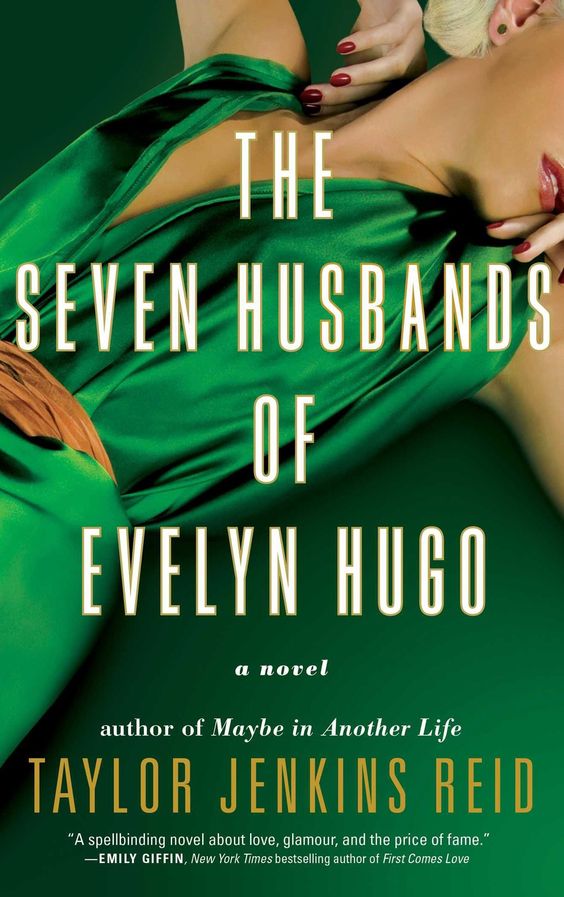
How many husbands is too many?

“I’m under absolutely no obligation to make sense to you.” 

― Taylor Jenkins Reid, The Seven Husbands of Evelyn Hugo

About the book:

Author: Taylor Jenkins Reid

Published on: June 13th 2017

Publisher: Atria Books

Genre: Novel, Romance novel, Historical Fiction, Psychological Fiction

My rating: 5/5

The plot:

Evelyn Hugo, a veteran actress of Hollywood, now in her seventy wants the world to know about her glamorous and scandalous life. For the same, she asks for a writer in a magazine who has never actually reached her true potential at the place she now works. Shocked as to why out of everyone at her company, Evelyn Hugo has chosen her (Monique Grant). Evelyn Hugo then reveals her life in detail which will help Monique use this opportunity to jumpstart her career as her personal life is basically non-existent, with her husband leaving her and her professional life so far was at a standstill. Monique is determined to make the most of this opportunity. As the interview comes to end, Evelyn life intertwines with Monique’s own tragic life.

Review:

To be honest, The seven husbands of Evelyn Hugo had not caught my attention, even though every time I was on social media, the book kept showing up on my for you page. Going into this book, I thought it would be a 2.5 or 3 star read for me. None of the books so far, have interested me that much. However, the more I read this book, the more I fell in love with it. For me, the book showed the reader different kinds of love, not just romantic love, it showed platonic love, family love and the lengths you would go to protect your people. The book captures you in a way, with each page showing you the scandalous life of our protagonist. And as the book comes to end, you wonder whether the life she had, was worth the things she done. I still think about this book everyday, looking to find every kind of love there is. Hopefully, when you read the same, you find love in everything other do for you and you do for them.

This book is an absolute beauty, filled with beautiful quotes. Some of the famous quotes which give us a preview of the authors beautiful writing are listed below:

“People think that intimacy is about sex. But intimacy is about truth. When you realize you can tell someone your truth, when you can show yourself to them, when you stand in front of them bare and their response is ‘you’re safe with me’- that’s intimacy.” 
― Taylor Jenkins Reid, The Seven Husbands of Evelyn Hugo.

“Never let anyone make you feel ordinary.” 
― Taylor Jenkins Reid, The Seven Husbands of Evelyn Hugo.

Don’t ignore half of me so you can fit me into a box. Don’t do that.” 
― Taylor Jenkins Reid, The Seven Husbands of Evelyn Hugo.

“I’m under absolutely no obligation to make sense to you.” 
― Taylor Jenkins Reid, The Seven Husbands of Evelyn Hugo.

“It’s always been fascinating to me how things can be simultaneously true and false, how people can be good and bad all in one, how someone can love you in a way that is beautifully selfless while serving themselves ruthlessly.” 
― Taylor Jenkins Reid, The Seven Husbands of Evelyn Hugo.

“When you’re given an opportunity to change your life, be ready to do whatever it takes to make it happen. The world doesn’t give things, you take things.” 
― Taylor Jenkins Reid, The Seven Husbands of Evelyn Hugo.


About the author:

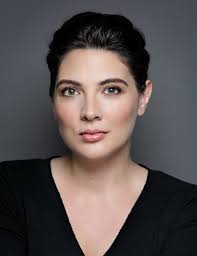
Taylor Jenkins Reid is an American novelist best known for her novels The Seven Husbands of Evelyn HugoMalibu Rising, and Daisy Jones & The Six.

Tips to learn a new language faster

Learning a new language often considered as really tough task, but is it true? Maybe for some, but the real truth is if followed right resources and direction is definitely an task to do so. So for this here are some tips that might help you.

1) Know about the language that you are going to learn

By writing this I mean one should know what language is he or she going to learn. If you have clear idea of what actually you are going to learn will help you to set almost perfect goals which will ultimately help you to do what you want.

2) Set goals

Setting goals to learn a new language will help you to go far and keep yourself ahead. Goal setting should be done after being familiar by the subject.

3) Set small goals

Setting small goals will help you to complete your work on given time. Setting small goals will also help you to analyse yourself and keep your records on track.

4) Analyse yourself

Analysing is an art if done properly will take you way to far. Whenever do things do them on time and analyse what mistakes you make or what are the problem that you have encountered.

5) Challenge yourself

This part will help you to grow. grow beyond your limits. But one thing to keep in mind while doing so is do not challenge yourself more than what will harm you. Doing this in moderation will definitely help but if done excessive will also harm.

6) Use the language as frequently as you can

If you do so it will help you to retain things faster. It will also help you to clear your vocabulary and pronunciation and also will help you to keep everything you learn stored in your brain for a long time.

7) Test yourself

At the end complete your learning and test your self this will help you to know how much you have learn about the language.

Hope you will like my blog follow the steps and go ahead. Happy learning!

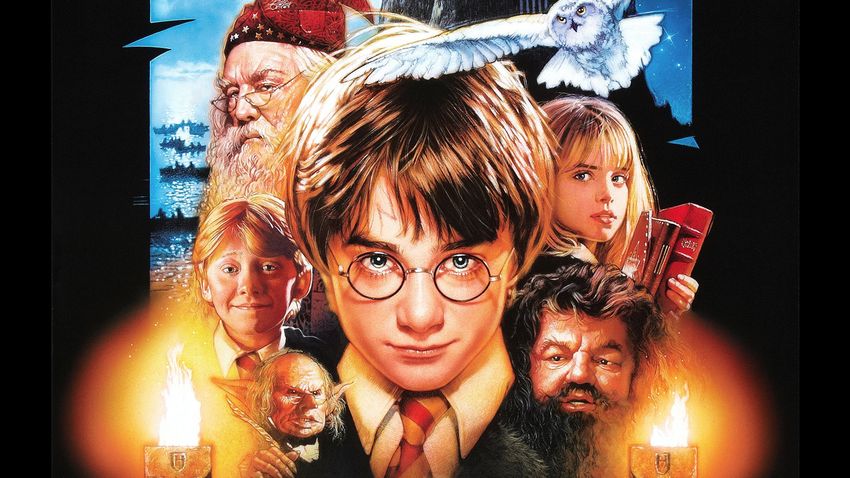
10 Interesting Facts About Harry Potter

There’s no arguing that “Harry Potter” is a cultural phenomenon, whether you’re a die-hard fan or a Muggle who’s only seen the movies. Here are 10 interesting facts that you did not know about the Harry Potter franchise.

1. Rowling and Harry Potter share a birthday: J.K. Rowling: J.K. Rowling’s birthday comes on July 31st; being the author of Harry Potter, Rowling took the advantage of the writing license, and decided to give her birthday (except the year, of course) to her main character.

2. Rowling gave her characters names that reflect their roles in the series: Rowling’s world-building is legendary among fans, and the unique names she gave her characters are no exception. She disclosed on Pottermore that she came up with names for 40 Hogwarts students in Harry’s year, including every member of the Golden Trio, early in the creative process. Harry’s name, for example, refers to his leadership skills, while Ron’s refers to his function as a sidekick. “Harry” is a Middle English variant of the name “Henry,” which has been popular among English kings for ages. Rowling appears to have based “Ronald” on the Old Norse “Rögnvaldr,” a title for a ruler’s adviser. Hermione’s name, which comes from Shakespeare’s “The Winter’s Tale” (as well as Greek mythology in general), has less to do with her personal characteristics and more to do with her Muggle parents’ desire to come up with a witty pseudonym.

3. The “Harry Potter” books have been translated into around 80 languages, from Albanian to Hebrew to Scots: The “Harry Potter” books have sold more than 500 million copies worldwide and have been translated into 80 different languages, including Scots, which is spoken as a first language by 90,000 people.

4. Rowling jotted down the Hogwarts house names on an airplane vomit bag: Many people, including celebrities, connect strongly with a Hogwarts house. Rowling first scribbled the words Gryffindor, Slytherin, Ravenclaw, and Hufflepuff on the back of an aircraft puke bag, which may surprise you. In 2017, she divulged this tidbit on Twitter.

5. When she invented Dementors, Rowling drew from her past experiences with depression: Rowling struggled with depression when she was in her twenties. Dementors, she said in an interview with Oprah Winfrey, are based on the “hollowed-out feeling” of sadness. “I know sadness. Sadness is to cry and to feel. But it’s that cold absence of feeling — that really hollowed-out feeling. That’s what Dementors are,” she stated.

6. Rowling planned in advance who would meet a grim fate in the series — but she decided to spare one character’s life at the last minute: One of the plot aspects that Rowling planned ahead of time is character deaths. She had intended for Ron’s father, Arthur Weasley, to die in “Order of the Phoenix,” but she altered her mind. In a 2007 interview with “Today,” she said, “I think part of the reason for that is there were very few good fathers in the book.”

7. Some of the most expensive costumes to make were the Hogwarts uniforms: The Hogwarts uniforms were arguably of the most expensive clothes in the series to produce because they contained silk ties and wool sweaters. She previously told Insider, “I never wanted to use anything but the most beautiful material.” “The ties are silk, the sweaters are wool, and the gowns are made of a very expensive material.”

8. Some of the food on set was real: Despite the fact that part of the food in the “Harry Potter” films was painted resin, there were edible things in the mix for the feast scene in “Goblet of Fire.” Try some of the wonderful options at Universal Studios’ Wizarding World of Harry Potter, from butterbeer to bangers and mash, if you want to eat like a Hogwarts student.

9. Edinburgh, Scotland, where Rowling resides, provided a ton of inspiration for the series: The Gothic architecture, cobblestone streets, and tight alleys abound in Scotland’s capital. From Greyfriars Kirkyard, where the “genuine” Tom Riddle is buried, to George Heriot’s School, a private institution whose turreted architecture inspired Hogwarts, Rowling was fascinated by the city’s locations.

10. Like the multitude of spells in the series, Hogwarts’ official motto is also in Latin: Rowling is well-versed in Latin, having studied Classical languages and mythology at Exeter University. The series’ many spells, as well as Hogwarts’ motto, “Draco dormiens nunquam titillandus,” (“Never tickle a sleeping dragon”) are based on that old language. “You know the way that most school slogans are things like persevere and nobility, clarity, and fidelity or something,” Rowling noted in a 2005 BBC interview “it just amused me to give an entirely practical piece of advice for the Hogwarts school motto.”

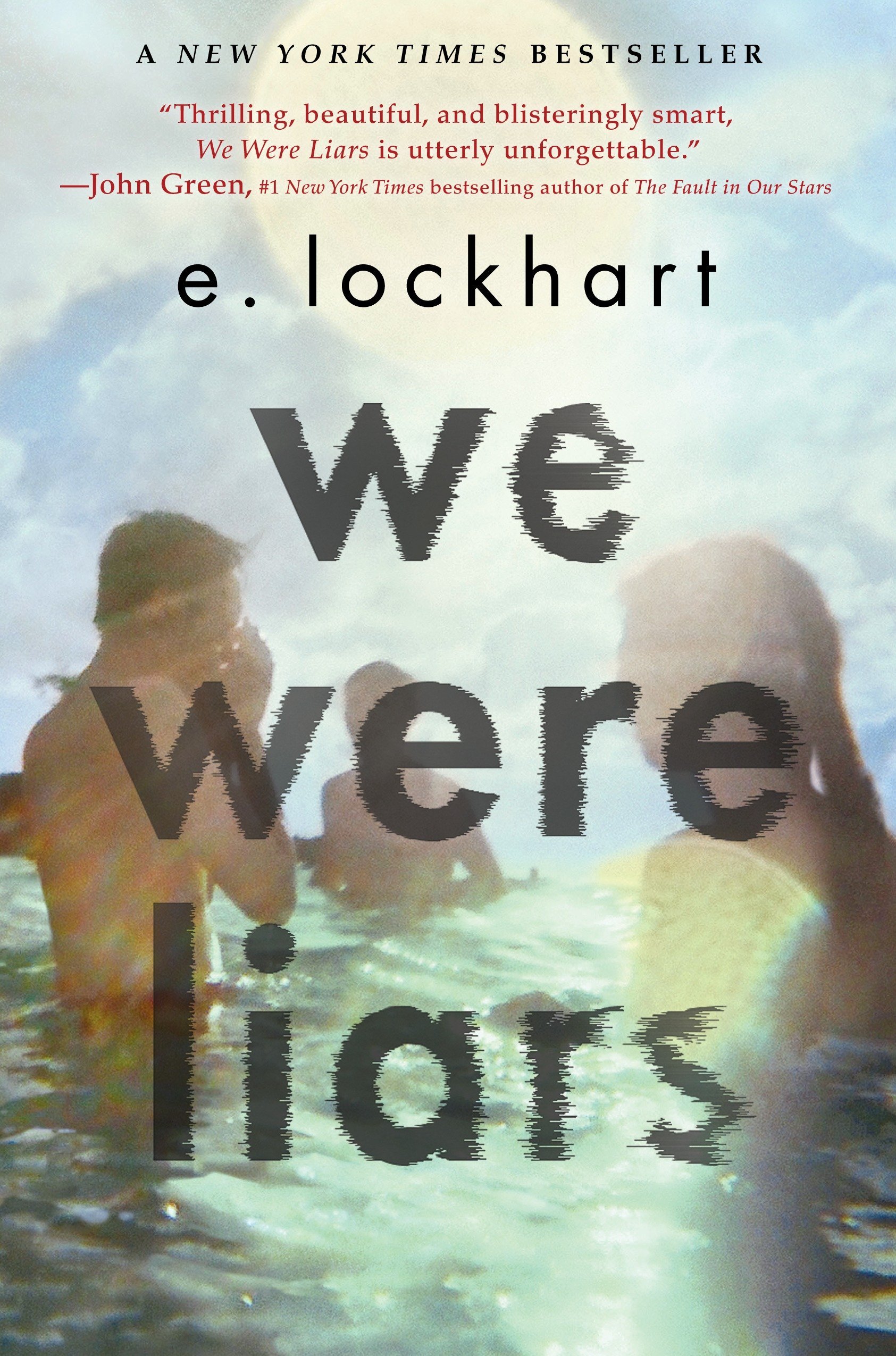
We were Liars: A book review

Cadence is a girl born to rich family that owns large estates and an island. Her best friends are her cousins and the son of the manager. This group together is called the liars. The liars are the best of friends, and enjoy each other more than their families which are bound quite unlovingly in threads of race and economic dependencies. One day Cadence is found unconscious near the shore and is not allowed to visit the island again for the next couple of years. The worst part is she remembers nothing of what happened to her. Her mother even forces her to improve relationships with her estranged father. She returns however to the island only to find the liars living in a far end of the island and her family broken down and her once strong headed and commanding grandfather suffering from dementia.

She roams around the island and is saddened that the liars do not want to get very close to her. She discovers not only the ugly relationships and secrets of her family but also slowly comes to remember and accept the fate that she has given to her friends and her family.

Awarded the Good Reads Book of the year in young adult literature in 2015, We were liars is a book that deals with love, romance, a decaying aristocracy and the decaying state of mind within it, not to forget issues like mental health and defenses.

Buy We Were Liars Book Online at Low Prices in India | We Were Liars  Reviews & Ratings - Amazon.in

Happy Reading!!!

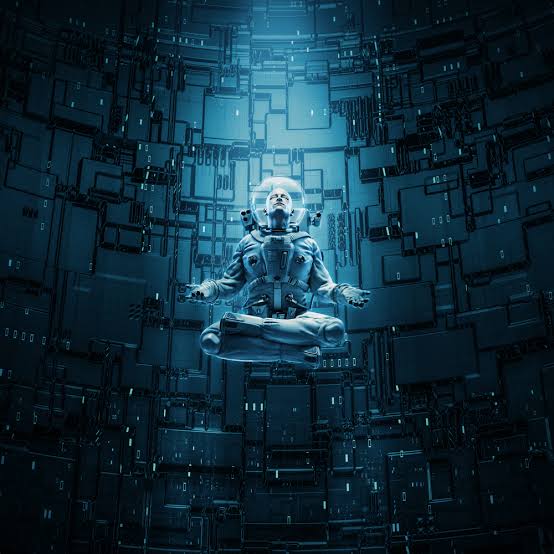
THE SCIENCE FICTION

With the rapid development of science and technology, science fiction has became popular in the modern times. The essence of fiction is the presentation of conflict in the human drama. Science fiction deals with conflict that arises out of the impact of scientific discoveries on the future life of humanity.

The writer of science fiction must be well-versed in the modern scientific knowledge to enable him to create a credible science story. Through in science fiction the element of fantasy dominates, the science fiction writers do not commit errors regarding scientific discoveries, facts and possibilities.

Types of science fiction:

There are two types of science fiction.

  • The first type is based on known facts of science leading to the development of new possiblities as in Arthur C. Clarke’s ‘The Sands of Mars’ which deals with the conditions encountered by the explorers on Mars.
  • The second type is science fantasy which is very popular today. It introduces any kind of assumptions, realistic or imaginary, which are necessary for the story. The strongest element in science fiction is imagination which often goes beyond credibility or rational understanding as in Bradbury’s ‘Martian Chronicles’.

Modern science fiction combines elements of scientific facts with fantasy. Most common themes in modern science fiction are the following:

  1. Space Travel, journey to other worlds and encounter with extra-terrestrial beings.
  2. Travelling in time past or future.
  3. Biological and psychological changes brought about by the appreciation of science in human beings and other species of life.
  4. Extraordinary powers acquired by man through the use of technology or abnormal mental powers possessed by some persons.

Science fiction began to acquire importance in the latter part of the 19th century with the fictional writings of Jules Verne and H.G Wells. Some of the stories of Edgar Allen Poe and Mary Shelley’s novel ‘Frankenstein’ had anticipated the coming of science fiction. However, it was Jules Verne’s novels such as ‘Journey to the Centre of the Earth’ and ‘Around the World in Eighty Days’ that set the trend. Science fiction achieved greater popularity with the writings of H.G Wells who wrote such classics as ‘The War of the Worlds’ and ‘The Time Machine’.

Modern science fiction presents most of the important technological achievements of the age — radar, rockets, medicines and robots, electronic brain, space vehicle, satellites, medicines and drugs with fantastic effects etc. Such materials are used with great imagination to create an exotic and weird effect.

The most outstanding science fiction writers since the sixties have been Isaac Asimov and Arthur C. Clarke. Asimov was a prolific writer of science fiction. His novels of the Foundation Saga and the series of ‘Robot’ novels have become classics. Two other outstanding novels of Asimov are ‘Extra-Terrastrials’ and ‘The Gods Themselves’.

The science fiction presents not only a fantastic world of wonders but, also a world more or less scientifically accurate. Most science fiction writings conform to the general principles of novel writing. They stimulate our imagination, satisfy our curiosity and lift us to a world of intense make-believe.

BOOKISH TERMS https://eduindex.org/2021/07/17/bookish-terms/

BOOK REVIEW: 1984 BY GEORGE ORWELL https://eduindex.org/2021/07/18/book-review-1984-by-george-orwell/

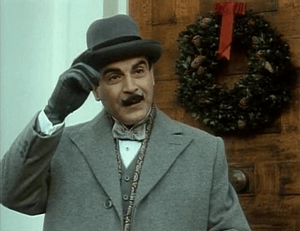
Mystery Fiction With Hercule Poirot!

“Mystery creates wonder and wonder is the basis of man’s desire to understand.”

  • Neil Armstrong

Today’s article introduces the wittiest fictional character Hercule Poirot who is a renowned detective in Agatha Christie’s novels.

Those of you who aren’t acquainted with Agatha Christie, she is a popular British author, known far and wide for her Mystery Novels. Agatha Christie makes use of amazing diction and accentuates the interesting British culture through her stories.

Getting back to the main topic, we interviewed M. Poirot, a French Detective who very calmly elaborated on writing Mystery Fiction. So, let us begin!

“Hello, M. Poirot! It’s So Nice To Meet You! We Are Glad To Have You Here With Us Today!”

“Bonjour! Enchante. Pareil Ici. I feel honoured to be here today! Merci for choosing me!”

“Please Don’t Mention It, M. Poirot! We Had Explained The Purpose Of This Interview On Call, That Is To….”

“Explain the Writing Process of Mystery Fiction. That’s right! Je Sais Cela! Shoot away your questions!”

“That’s Great, M. Poirot! So, My First Question For You Is That Does Writing Fascinate You?”

“Oui! It does. Writing as a whole is a fascinating process because it introduces you to an entirely new world of imagination which does or doesn’t exist. I enjoy reading more than watching videos or movies because reading doesn’t unravel the mystery of the characters easily since we are unable to view the facial expressions of the characters. And, I think, Je Pense, facial expressions reveal almost everything about the character and the suspense factor no longer remains. Thus, words are far better than actions! Anyway, Hercule Poirot loves mystery, il fait!

“That’s A Great Perspective! What Do You Think About Mystery Fiction?”

“Are you talking about Writing Mystery Fiction eh?”

“Yes, M. Poirot!”

“As far as Writing Mystery Fiction is concerned, one needs to have immense passion and love for the genre d’abord, because mystery needs correct framing of incidences that too in such a way, so as to not reveal or disrupt the suspense factor at any rate! You must have the talent of making the most unexpected person, the criminal at the end through twists and turns! Mystery Fiction is all about the efficiency of the writer in engaging and gluing the readers to their story! Alors, il faut y travailler!

“Interesting! So How Do You Think Can Mystery Be Written Effectively?”

“Comme je viens de le mentionner, firstly passion can make writing mystery interesting. Secondly, the most unexpected twists should make up the story. Then, one should make sure that the setting used is appropriate for a murder or any other sort of mystery you wish to cover. Also, one must show many suspicious characters throughout the story so as to confuse the readers and conceal the main culprit. The unveiling should be done at the end! Je voudrais suggerer murder mysteries when writing fiction, because they are way too mind boggling. However, writing them requires special talent as I stated above. The other thing is to create a character who would help in de masking the culprit just as I am, Le Sage Hercule Poirot who knows everything! This is what makes mystery difficult because there are many characters here and there are possibilities of getting bemused when writing such genres because of the large number of suspicious forms throughout the story. That is exactly what we call the talent. The talent of working with so many characters without messing up and weaving the story accurately with all the twists and turns expected!”

“That Is So Useful. So, If You Had To Recommend Writing A Genre To The Authors Out There, Which One Would Be Your Choice?

“It depends on whether the writer is a beginner or a professional. I would recommend the fantasy genre to beginners because getting into mystery requires some amount of expertise. The fantasy genre doesn’t demand much of the suspense factor thus, making its inclusion optional. Et Selon Hercule Poirot, Suspense is one of the most difficult compositions.

While professionals have the red carpet to trying all the possible genres. So, Oui this is my recommendation!”

“Thank You So Much M. Poirot For Giving Your Precious Time To This Interview. I Hope We Didn’t Disturb Your Schedule!”

“Non! Not at all! There isn’t any recent murder case up yet! But the Spanish Chest Murder Case has hit the newspapers and grabs my attention! Good old Miss Lemon is working on extracting some more information regarding that! My schedule is crystal clear now, so Ne T’inquiete Pas Cher, nothing is disturbed.”

“Glad To Know That M. Poirot! So, Would You Like To Give A Concluding Statement?”

“Certainement! I would like to conclude stating that everybody can write. You just need the will to begin and the passion to imagine. Write in a good state of mind and consider the requirements of the readers. Don’t set a time limit or deadline when resolving to write because that sets a limit to your imagination which is an infinite concept and can’t be subjected to a time interval. So, just remain calm and patient when writing. Begin writing and embrace the art!”

Thank You So Much M. Poirot!

Fiction – A defense Mechanisms for the Bibliophiles

Photo by Maria Gulyaeva on Pexels.com

 Fiction is an illusion of the real world and the stories depict us as the reflection of the society, where the characters narrate somewhere in the minds of the readers and make them feel as if it’s their own story portrayed.

As an ardent bibliophile, I get fantasized reading those fictional books which have those themes of love, trust, rebounding, etc. certain books in popular fiction namely as such, Funny Boy, The Handmaid’s Tale, have these feministic approaches applied in it.

Profoundly, fiction and the fictional characters showcase in the books is the harsh reality of society which is dwelled up in sugary coated form and presented to the readers.

     Whether it is taking the example of the well-known melancholic romantic classic novel: “The Wuthering Heights” where the story doesn’t only show us a typical class distinction love story but also gives us the real facts about the medieval 18th century of the Victorian age.

    Factually the 18th-century novel is still loved by the readers and left an imprint of so-called the situation of women at that time.

                 Any fiction is a source of information of age and transfers the knowledge to the global readers of all generations. Decade by decade those stories remain like a classic grandma’s tale whoever reads it. Those fictional characters emotionally get connected with the readers and give them a sense of realization of their situation.

              The depth of fictional stories is such that it gets attached to the readers and makes them feel that they are among them. The power of Arjie (in THE FUNNY BOY) made the readers feel that how a 12yr old Gay boy feels, how he was perplexed and abashed within his own identity and how Arjie made his readers feel his pain. Many readers like Arjie who battle with their identity crisis every day, got a realization that one must be never ashamed of themselves, rather one should be proud of who one is and their originality is the best and purest unique thing which makes them beautiful in there own way.

The youngsters in general, who live a non-plussed life, often prefer to live in these fictional worlds and engross themselves in these stories like a dreamer who wanders on an unknown island without any purpose but finds a destination end.

           The readers live the story when they read those stories, the philanthropic deeds of the characters make a reader see the real world. Fictional stories have always been the best media through which writers sends this message to their readers that, the world is still a beautiful place to live and one must never lose hope like Harry Potter who had a miserable childhood but when he went to the school of Hogwarts, his life became beautiful and reason to live.

       The inevitable vague ideas and situations are also portrayed beautifully. Fiction is like an ocean which is vast as such precious and the characters are the mermaid which is still a mystery and the stories are like pearls that are present somewhere but lost in the ocean.

     Metaphor is that the relevancy of the fictional books is sometimes not conveyed to the outer world and misunderstood by many of the readers, but still, the beauty lies within the oceanic, fictional book.

How Can Fiction Be Written? Featuring Barbie!

“Imagination and Fiction make up more than three quarters of our life.”

  • Simone Weil

Today’s article discusses an essential factor when it comes to writing fiction I.e how to write it? Barbie aka Barbara Milicent Roberts is our chief guest for today’s discussion.

“Hello Barbie! Warm Welcome Aboard. We are so glad to have you here with us.”

“Thank you for inviting me. I’m pleased to be a part of this discussion as well.”

“So, would you like to tell us the ways of writing fiction? (That for which you are here)”

“Definitely! Fiction is an interesting genre when you come to look at it. It also, comes with a wide range of interesting sub – genres which have been discussed in the earlier article. It can be written insensibly by taking almost any entity that you prefer or make one for yourself by amalgamating two or more entities. There are mostly no constraints in fiction and that is why, writing or working upon this genre doesn’t actually seem a hard task. Yes! I agree that imagining certain factors is a hard task, but we mustn’t overlook the fact that almost everything comes with its own set of hard work! Here, however I am not considering contemporary fiction or that which pertains to reality. I shall be emphasizing on how fiction (fantasy and other related genres) can be written.

Now, let us learn how exactly to write fiction through a step by step approach.

Brainstorm Over The Fictitious Topic You Intend To Choose!

Brainstorming is a process that requires time. So, first and foremost, the thing to be done, is to sit down on your favourite couch and ponder over the best fictitious topic that would definitely seem great if sketched on paper. However, don’t forget to get yourself in the reader’s shoes as stated in our earlier articles. Consider what your readers would love and write in accordance to that.

Think Of The Characters You Wish To Involve!

This is a quintessential factor that makes a story interesting. The characters make a story. However, framing of characters also depends on the sub – genre you choose. If you choose contemporary fiction, then you would definitely make use of real life characters. In such cases, you could ignore this second step and only consider the first. This step is for people who wish to work with the fantasy sub – genre because framing fictitious characters requires certain amount of deep thought processes.

In Case Of Writer’s Block, Approach The Outside World!

  Certain people experience writer’s block while writing fiction because they seem to fall short of ideas. In such cases, it is advisable to approach the outside world as inspiration to your thought processes. Some incident will definitely inspire you to write about it.

Create Strong Characters!

Make sure that the fictitious characters you create are strong enough so that the readers love them. Like, a certain character should show strong traits in personality and not physical strength 😉 Make the characters take risks throughout the story and later help them succeed. This will also deliver a good message and inspire people to take risks! Thus, all that we mean here is, that try creating characters that would also impart a message to the readers. Also, mostly it is advisable to create Round characters. Round characters are those whose traits or personalities throughout the story aren’t easily decipherable. These characters would arouse the interest factor and enhance your write up.

Create Unique Characters!

By this we mean, that when you choose to create fictitious characters, make sure that you don’t use the same repeated mythological supernatural entities revolving around mermaids, aliens and robots. These are widely known and won’t make your story that interesting. You could always create a new character for yourself by amalgamating existent entities, as stated in the earlier article.

Read Other Fiction Books For Ideas!

This is the basic step that would definitely help you to frame your own story easily. Read more and more fiction books by widely renowned authors for amazing techniques of writing a fiction book easily.

Try Fictionalizing Your Daily Life!

This means, fictionalizing your daily chores and duties in an imaginative and creative way. For instance, you are working in the kitchen and see a ladle, now you could create your own fictitious character named Mr. Ladle who could speak throughout the story. He could also be an antagonist or maybe even a protagonist if you decide to create an animated fictitious story.

Be Alert And Aware Of Your Surroundings For Inspiration!

This is extremely important because developing a fictitious story requires complete imagination. So, you need to be alert when you come across such objects which could make your story interesting. After all, if you aren’t alert then that inspiration wouldn’t be accessible to you and would pass you directly, without you acknowledging it. So, remain alert and vigilant.

“These were such essential points to be noted. We heartily thank you for your precious time! Hoping to have you again to speak on such interesting topics in the near future!”

“Please don’t mention it. I’m touched by this honourable gesture of being a chief guest on such an important discussion. Looking forward to yet another invite in the future for sure!”

Thank You So Much Barbie!

Descriptive Writing-How to write, improve English.. creative writing..

Descriptive writing is a tool to make the audience imagine the event or place through your words. Below is a fictional description of visit to a café, mentioning details observed at the place:

A Visit to ” The Blue Café “

It was a regular Sunday afternoon but the discount coupons of The Blue Café on the occasion of their fresh opening, made it special. The café was only at a walking distance from home. The decoration on the entrance of that single-storey building turned out to be a strategy to attract people in the marketplace. Wonder how expensive it would have been to get a shelter on the main road of the city! There used to be a sweet shop before, which the owner sold for being unprofitable. Now it has been reconstructed to cater the demands of a wide range of consumers by offering a variety of food at one place. The café is making way for a large customer base since day one by bringing out luxurious offers for residents nearby.

Sunday was obviously attracting more customers. The guard at the entrance was well dressed and welcoming. The air conditioned hall and sitting arrangements were the most satisfactory. There was plenty of space to dine even on a busy day. The blue lights reflecting from the green walls had a soothing effect on the mind. They were neither too flashy nor too dark. The walls were holding fun and interesting posters compelling visitors to click several photos after lunch.

The tables were made of glass having beautifully prepared menu cards on them which offered a variety of dishes native to different places. The prices were on the peak but the discount coupons had our back for now. The service was fast enough since they had a good number of employees at work. Their uniforms had it written- ‘a day here gives a memory forever’. The kitchen was visible to an extent from the washbasin area. It was well equipped with modern cooking machines arranged in an order; leaving ample space to work. Proper sanitation facilities were provided for the customers which is a key point at public places. The management was really good and the food was delicious. There were free chocolate candies at the table for first hundred customers. The café was new and so was the crockery design. It was majorly a family dine-out at night and attracted young generations the most, during the day. The music at the background was pleasant and refreshing. The place is best suited for the working population since it calms down the mind, helps release stress and energises the body with its tasty food. The seats are arranged in a manner that no other gets disturbed.

Besides the blue lights, the name of the café also matches to the special dish called ‘Blue Bucket’ which is available only during the day at a high rate and unfortunately, the discount coupons doesn’t work on that. As the manager briefed, it is a dish having a basket of fruit salad, a cup of blue-berry ice cream and a special Thali. The veggies offered in the Thali are costly which is why this dish is unaffordable for many. Youngsters come here in groups just to have a taste of the famous Blue Bucket. Surely it is not a dish a single person can finish.

The place is really cherishing, especially for the youngsters. It is operative from nine to three during the day and seven to eleven at night. The café building adores the street with beautiful green lights hung upon the adjoining trees at night.

Mr. Paper’s Advice To Writers!

“Fiction reveals truths that reality obscures.”

  • Ralph Waldo Emerson

Bonjour! Today’s article deals with Mr. Paper who wishes to address the writers! A fictional concept of Mr. Paper is covered who shares his grievances with you all!

Hello writers! I know you must have smartly deciphered till now that I am a piece of paper speaking to you. Through this article, I wish to convey my emotions. So, let me begin.

I Really Appreciate Each And Every Writer.”

I may not be able to say this to you, but yes, every writer is precious to me. The hard work and special efforts that you put in in order to make your book a success aren’t unnoticed because I am the one who actually notices! 😉

“Let Alone Writers, I Love It When Any Person Whatsoever Chooses To Scribble Almost Anything On Me.”

Yes! Anyone who writes is someone who preserves my rights 😉 When you write, you provide me my most important right which is to never be a blank sheet! Thank you for taking some efforts to inscribe something on me because that keeps me alive.

“I Hate It When Writers Waste Paper By Throwing Most Of The Half Empty Sheets In The Trash.”

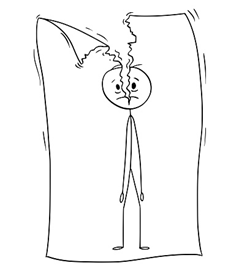
Some writers tend to create their rooms a mess by writing a short paragraph which maybe later doesn’t seem appropriate to them, which makes them curl the paper into a ball and then bury it into the trash. Please stop killing us!

How I Wish Writers Would Make More Use Of Paper Than Their Laptops!”

Writers today, in this digital era, no longer make use of paper which makes me feel overwhelmingly sad because I feel ignored and left out. Please spend some time with me as well!

“Please Don’t Resort To Dog Earring When Reading Books!”

This is a gentle request to all the readers as well as writers to not practice dog earring because that stretches my body, leaving me in pain. Please use bookmarks for the same!

“Please Don’t Tear A Page Unnecessarily.”

This is my earnest request to all of the humans out there to not tear or lacerate us without any reason. By doing this, you plot our demise unintentionally which is not something you want to do, right?

“Please Don’t Curse Us When You Are Unable To Come Up With Content.”

Some writers tend to curse the page for not receiving relevant ideas. I totally understand that writing can be a stressful task at times but then blaming a blank sheet of paper isn’t fair, right? So, please don’t curse and manhandle us because we didn’t hurt you a pinch!

Lastly, I would like to wish each and every writer by giving them my best regards. We await the time when you would get a sheet out and begin engraving something on us. We may seem inanimate to you, but we aren’t. We can feel the essence of your hard work as you prepare your manuscript and try getting it published. We value and respect you! Writing is a fun task and requires some love while we (papers) love you back! So, wait no more! Publish your book and make the utmost use of us (papers).

“Happy Writing”

Thank You For Reading!

Is Literature taking us away from the real world?

Photo by Maria Orlova on Pexels.com

It is always considered that the people always acknowledge “ what is actual and reasonable” and in this instance often the imaginative world is denied by them!

Literature is not only a branch of academia which people are fond of for centuries but it has further become into a subject of the matter when it comes to fiction”. It is often unvalued by the fact that literature provides an absurd approach to the other branches of the world that believes in science and not in magical elements.

The fact that one should always remember is that the essence of literature is never gone even in spite of so many prejudices against it. Great writers Like John Donne, William Shakespeare, Rabindranath Tagore have upheld the pride of literature by their beautiful works.

Literature – A Backbone of the Inner society!

A very famous quote of all, which we have known for ages; “Literature is a mirror of society”, yet we forget this quote because non- Literature people are not very fond of poetry, essays, and novels. But one must know that Literature is not only a place for fictional lovers but also provides a reality of the real world.

Taking back to Chaucer’s age when writing was not so popular, yet “Canterbury Tales” was written and unexpectedly it turned out to be the legendary piece that literature holds to date. Being one of the best pieces of all, Canterbury tales was the background of the 14th-century society of England where people believe in god and considered god above humans.

When the English renaissance came people started to believe among themselves and considered humans and humanists as the great topic and wrote about them and their lives.

The whole background history is found in those classical works in the form of so called “Literature works”.

Now when people talk about the history and the consequences of the wars, it is literature that has preserved the whole history in several kinds of books that are cherished and protected by them who understood the purity of literature.

Every drop of works is poured into the petals of history and preserved by these eminent writers who contributed their emotions and portrayed the society of that era through their writings and contributed to the ocean of literature.

For some it’s a “Myth” :

There are several ideologies and theories are done in the matter of literature and they proved that literature is a myth as it doesn’t belong any place in the real world! So the question that arrives here is , what do literarians, bibliophiles and the readers think about?

This is a very controversial concern, as for some “Literature is an emotion which should be presevered for the coming eras, It is something to be conserved so that the coming generation would know the aesthetics of emotions, culture and people.

As the days are going by, the essence of humanity is decreasing day after the other, but certain emotional norms are still alive holding up because of literature, it is because of Great works like “Romeo and Juliet”, “Pride and Prejudice”, “Wuthering Heights”, that people still believe in love and its pure existence between two people. Even in this era where people are having an ill-fated relationship and are doomed by their own actions still believe that there are certain emotions present In them.

The world is a better place if people love each other and live in harmony. It is literature that teaches that still we all are humans and we should accept the fact that not everywhere facts and logical explanations are approved, rather it is emotional evidence that is more prominent.

Its time to save literature!

Every branch of academia is relevant in some way or the other which provides us the reality check of various elements present in the world , among them literature is one of them which still is remembered and exists in our society due to the tremendous works done by the crafters of literature ( The writers, poets).

Hiding it or erasing it would never be a good thing to do, as aestheticism always protected these works and still popular among people who believe in fantasy and poetry. It is rather a sense a catharsis which each reader goes through which is written by these dead writers.

Though the artists die, the art remains forever! Likewise, The art of literature can never be faded because the artist’s art is immortal, all we have to respond that we as ardent readers should make this immortal art live for many centuries and should never let them fade away in spite of any circumstances which the worlds demand us to do.