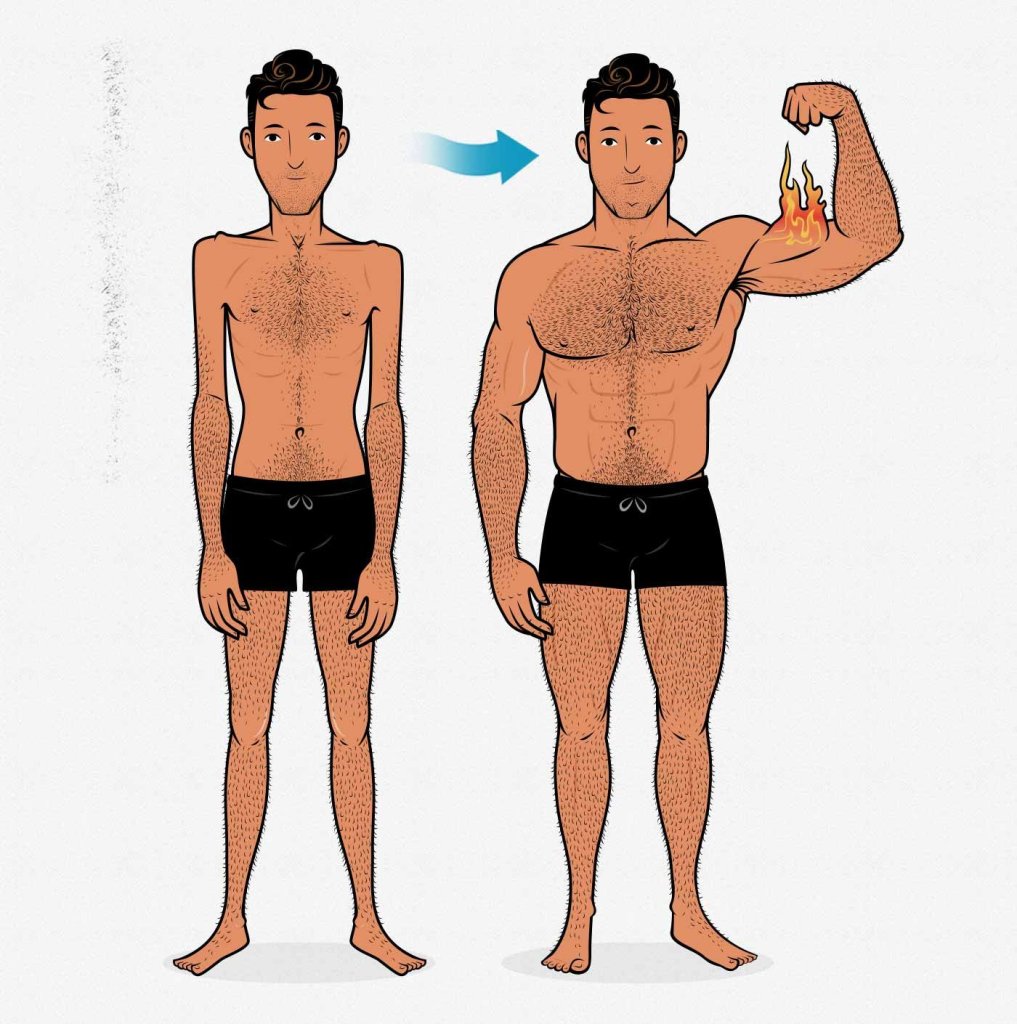
There are so many people who are in skinny body so they fell low in confident, attraction. Here I came with few exercises to build muscle and attractiveness to yourself. But also it’s to done consistently for the optimistic results.
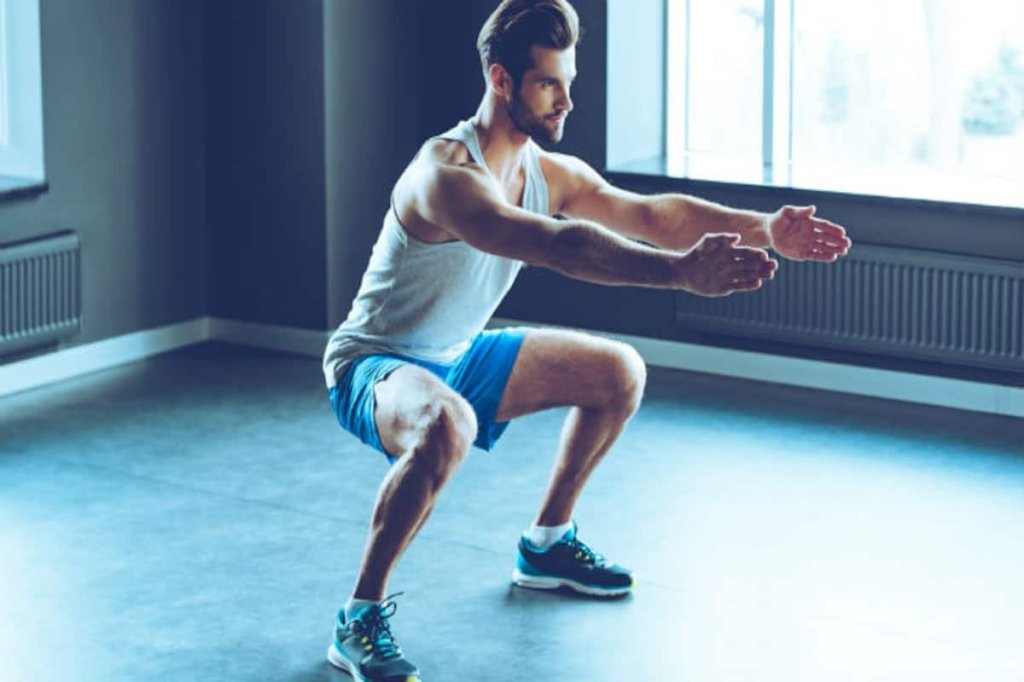
1) SQUATS
A squat is a strength exercise in which the trainee lowers their hips from a standing position and then stands back up. During the descent of a squat, the hip and knee joints flex while the ankle joint dorsiflexes; conversely the hip and knee joints extend and the ankle joint plantarflexes when standing up. https://en.m.wikipedia.org/wiki/Squat_(exercise)
Here are some advantages of squats: 1) Strengthens your core. 2) Reduces the risk of injury. 3) Crushes calories. 4) Strengthens the muscles of your lower body. 5) Boosts athletic ability and strength.
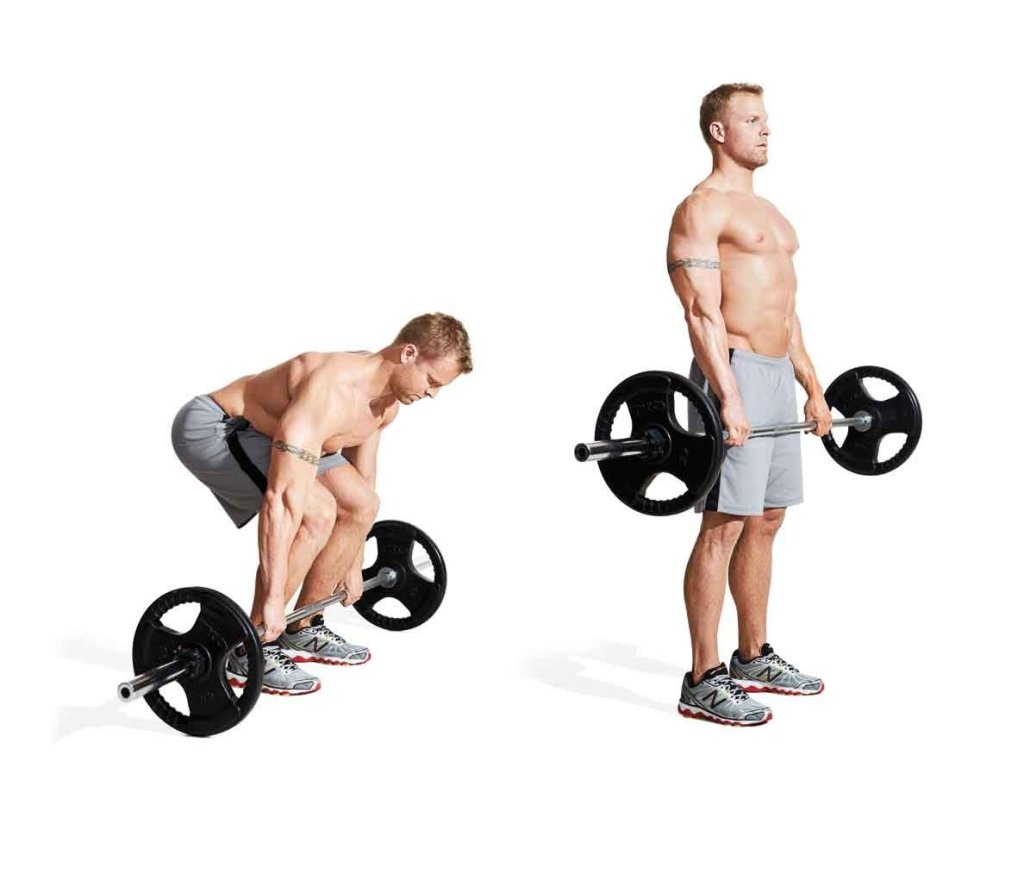
2) DEADLIFTS
The deadlift is a weight training exercise in which a loaded barbell or bar is lifted off the ground to the level of the hips, torso perpendicular to the floor, before being placed back on the ground. It is one of the three powerlifting exercises, along with the squat and bench press. https://en.m.wikipedia.org/wiki/DeadliftA barbell deadlift is a compound exercise and works the gluteus maximus with further work on the quadriceps femoris, hamstrings, trapezius, lats, and erector spinae. The quadriceps, hamstrings, adductor magnus, and soleus serve as synergists during the exercise.
Here are few advantages of DEADLIFTS:
Muscle building workout
Improves stamina
Good for heart
Helps in growth hormones
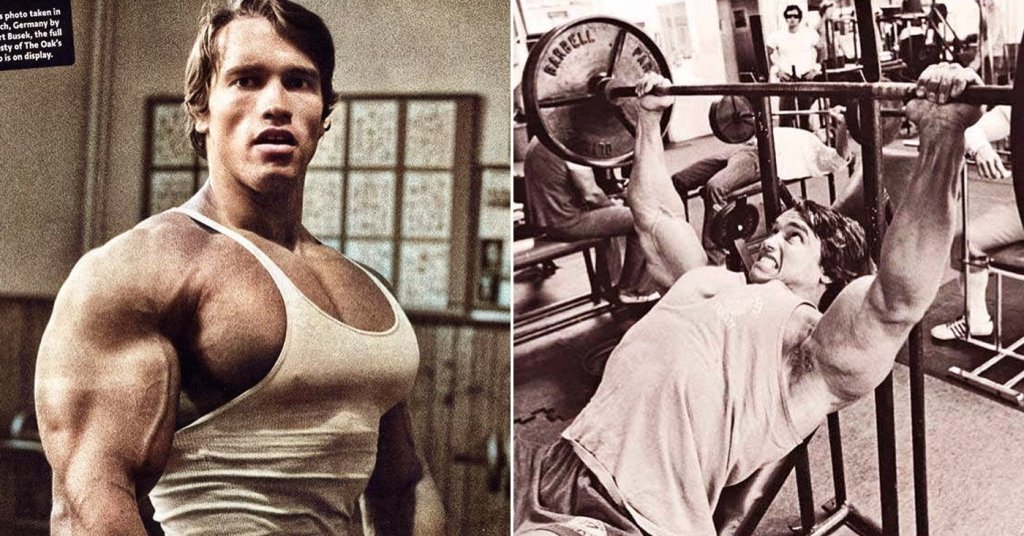
3) BENCH PRESS
The bench press, or chest press, is an upper-body weight training exercise in which the trainee presses a weight upwards while lying on a weight training bench. The exercise uses the pectoralis major, the anterior deltoids, and the triceps, among other stabilizing muscles. https://en.m.wikipedia.org/wiki/Bench_press A conventional bench press uses the pectoralis major, anterior deltoids, and Triceps brachii to horizontally adduct the shoulder. It also uses predominantly triceps and anconeus to extend the elbows.
Here are some advantages of beach press:
Good for upper body.
Enables confidence.
Better feel than yesterday
4) LUNGE
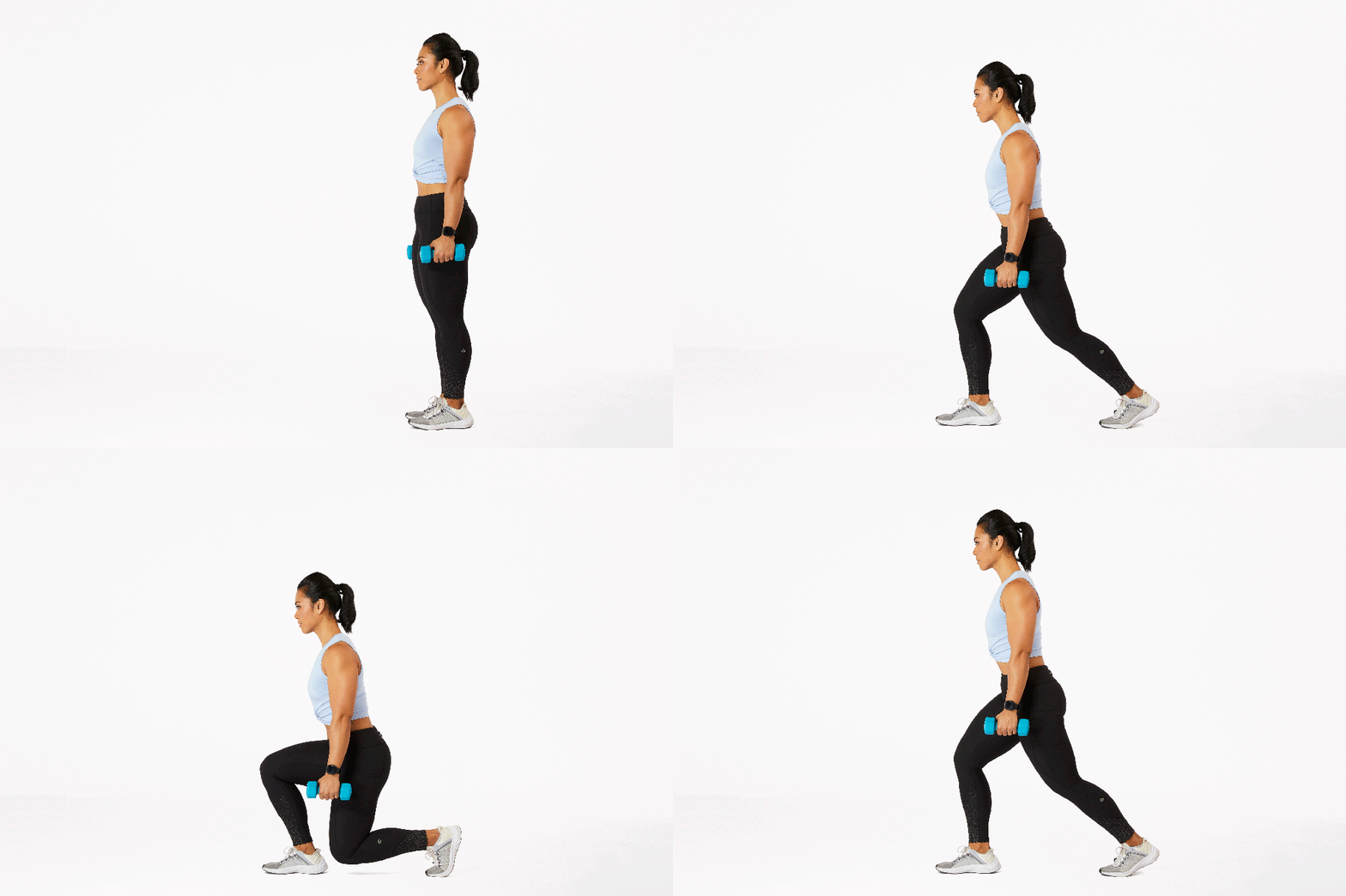
A lunge can refer to any position of the human body where one leg is positioned forward with knee bent and foot flat on the ground while the other leg is positioned behind. https://en.m.wikipedia.org/wiki/Lunge_(exercise) Doing this exercise will promote your legs bigger and better. This lunge exercise will improve in legs and avoid leg injuries.
Here are some advantages of lunges:
Good for hamstrings
Relief pain from joints
Improve posture
5) CLEAN AND PRESS
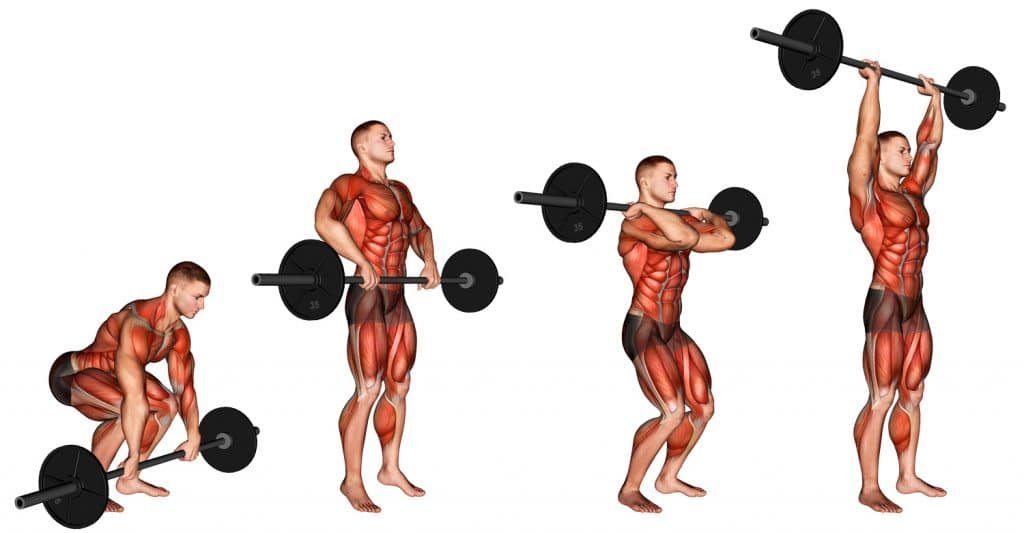
The clean and press is a two-part weight training exercise whereby a loaded barbell is lifted from the floor to the shoulders and pushed overhead.https://en.m.wikipedia.org/wiki/Clean_and_press The main muscle worked in a clean and press is your shoulders, but the movement also works your traps, triceps, middle and lower back, abdominals, glutes, quadriceps, hamstrings, and calves. It is a full body exercise, which not only can be performed for hypertrophy, but also for strength.
The world has developed too much, everybody is running in the race of achieving success. Everybody wants to earn, achieve their dreams, and lead a good standard of life.
Earlier the population of the world was not so large and in that most of the people lived in rural areas doing a small job of agriculture, some of them would go to urban areas and cities for doing work or for their studies.
Earlier there was not much competition for getting a job, for being successful, or for earning. Living a life was not so difficult for the people of that era.
As the time passed the world developed, the race for earning and getting a job, getting success became too hard. In today’s time no one is less than anybody. Everybody is developing along with the technology. Everyone has one unique talent. Everybody is trying to be the best.
Everybody on this earth faces struggle. A student struggles to get into a good college. A graduate struggles to get a job. An employee struggles to get a promotion. An employer struggles for the best employee. Each one of us has to face difficulties in our life.
While dealing with all this stuff of life one has totally forgotten the importance of health both physical as well as mental. As people are getting technologically advanced the health issues are also increasing. People cannot maintain themselves emotionally and mentally fit. Fitness has become a least priority for everybody.
Those who can earn well, are financially strong, may be suffering from so many diseases. Some may have cancer. Some may have diabetes. Some may be heart patients. Some may be having other mental issues. All these have led to a decrease in the number of years of living.
It is said that earlier people used to live in an environment of fresh air in the village as there was no urbanization and industrialization at that time. People used to eat fresh vegetables which were harvested by zero fertilizers and pesticides, grown totally organically. Also people used to drink natural milk, and eat pure butter made at home. They used to eat all the grains which were grown totally naturally.
Nowadays as people have shifted towards urbanization and population is increasing day by day so is the demand for all the edible goods and goods. Hence nothing is available pure and organic. Everything which is available in the market, whether it is milk, curd, butter, grains, wheat, vegetables, food and many more things consists of chemicals in some quantity.
Your eating habits as well as your daily schedule has a very high impact on mental and physical health. One must always be concerned about what he/she is eating. One must always follow a proper diet which consists of all the essential nutrients. So that body doesn't face any kind of deficiency.
Everything on this earth should be balanced. One must eat everything in a balanced quantity. It should not be like eating salad everyday. It should also not be like eating junk food all day. In both conditions the body is affected.
Earlier when our parents were kids, they didn't have shops or edibles like pizza, burger, maggie, French fries, momos and many more things which are foreign products. When they go to the market, the best thing their parents could buy them is sweets and that made them so happy.
Nowadays kids and teenagers are attracted towards all the junk foods which are also not India originated and they have made it a habit. They don't like vegetables, salad, chapati and fruits. All they want is pizza, burger, pasta and noodles, which affects their health so badly. The taste of these foods has been stuck on their tongues.
It is said that if a person eats well at a young age, has a healthy diet and has got all the essential nutrients, he/she will not face any of the big diseases in his life, because what you eat in childhood and the nourishment you get when your metabolism, muscles, tissues and bones are growing lasts forever till the end of your life.
A good diet helps you to increase your immune system which supports your body and cells to fight against any of the diseases and infected viruses attacking your body. In this pandemic time when coronavirus has affected everybody's life, lucky are those who have fought with the virus even without getting admitted. It's all because of a good immune system. Many times when the season switches specially in India, some people's bodies adapt to the changing environment easily and some get sick. This non adoption is because of a low immune system.
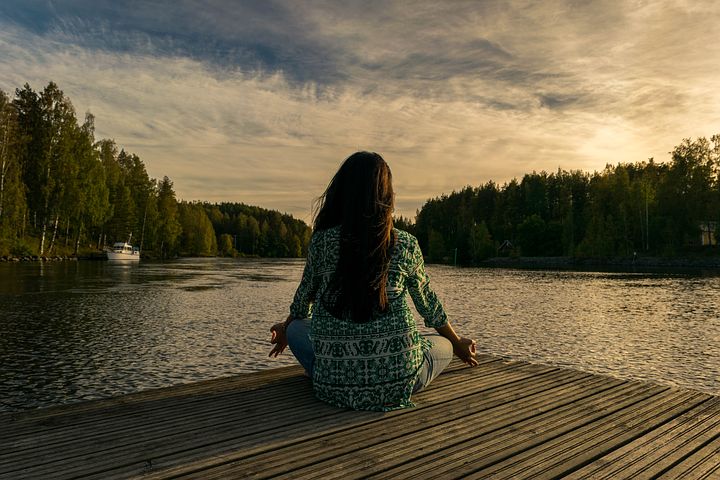
In the Indian history and vedas, the importance of yoga and asanas is very much highlighted. The Hindu saints do penance in the mountains of himalayas and have led a life of more than 150 years. One who has practiced yoga and exercise in his/her life is always a fit human physically as well as mentally. Yoga is one of the best forms to burst up your stress. It keeps you fresh and active.
Walking 10,000 steps a day never allows your heart to fail. It never allows your body to slow down . Doing exercise in the early morning makes you happy and makes your day a better day. It makes you work with enthusiasm the whole day.
One should be disciplined in how much he/she is eating, when he/she is eating, when he/she is sleeping, when he/she is waking. It is said early to bed, early to rise, makes one healthy and wise. If one wants to be fit and stress free with no pain and headaches, he/she must sleep on time and wake up on time because when you inhale fresh air in the early morning and get sun rays of sunrise it keeps you calm and shining the entire day.
For being fit and being healthy one must have willpower, dedication and sincerity towards the schedule and exercises he/she is doing. Laziness is the biggest enemy of a human. Even if one initiates to be a fitness freak, continuing it and not skipping a single day is the biggest challenge. Starting to exercise is quite easy for once but maintaining it consistently is so difficult.
As technology is developing people are losing their health. Each year lakhs of people die because of fat in their body. Many people lose their life due to various other diseases which can be avoided by just implementing some seriousness towards health, dedication towards schedule and leading a disciplined life.
Yoga is basically a spiritual discipline which is based on an extremely subtle science that concentrates on bringing harmony between mind and body. It is a science and an art of healthy and sound living. The word ‘Yoga’ is derived from the Sanskrit word ‘Yuj’, signifying ‘to join’ or ‘to combine’ or ‘to unite’. Both Yoga and Ayurveda are historically closely related and have developed in tandem with each other since ancient times. According to Yogic sacred writings the act of Yoga prompts the union of individual consciousness with that of the Universal Consciousness, showing an ideal congruity between the mind and body, Man and Nature. Yoga is believed to balance the three doshas i.e Vata , Pitta & kapha. As indicated by modern scientists, everything in the universe is only an appearance of a similar quantum atmosphere. One who experiences this oneness of existence is said to be in yoga, and is named as a yogi, having achieved a state of freedom alluded to as Mukti, Nirvana or Moksha. Therefore, the prime objective of Yoga is Self-realization, to overcome all types of sufferings prompting ‘the state of salvation’ (Moksha) or ‘freedom’ (Kaivalya). Living with freedom in all aspects of life, health and harmony is the primary focus of yoga practice. “Yoga” likewise alludes to an inward science including an assortment of strategies through which people can understand this union and accomplish authority over their destiny.Yoga, being generally considered as an ‘Immortal cultural outcome’ of Indus Saraswati Valley civilization – going back to 2700 B.C., has substantiated itself taking into account both material and spiritual upliftment of humanity.Basic humane values are the very Identity of Yoga Sadhana.
20 ways yoga Improves health:
1. Builds muscle strength – Strong muscles do more than look good. They also protect us from conditions like arthritis and back pain, and help prevent falls in elderly people. And when you build strength through yoga, you balance it with flexibility. If you just went to the gym and lifted weights, you might build strength at the expense of flexibility.
2. Improves your flexibility – Improved flexibility is one of the first and most obvious benefits of yoga. During your first class, you probably won’t be able to touch your toes, never mind do a backbend. But if you stick with it, you’ll notice a gradual loosening, and eventually, seemingly impossible poses will become possible. You’ll also probably notice that aches and pains start to disappear. That’s no coincidence. Tight hips can strain the knee joint due to improper alignment of the thigh and shinbones. Tight hamstrings can lead to a flattening of the lumbar spine, which can cause back pain. And inflexibility in muscles and connective tissue, such as fascia and ligaments, can cause poor posture.
3. Perfects your posture – Your head is like a bowling ball—big, round, and heavy. When it’s balanced directly over an erect spine, it takes much less work for your neck and back muscles to support it. Move it several inches forward, however, and you start to strain those muscles. Hold up that forward-leaning bowling ball for eight or 12 hours a day and it’s no wonder you’re tired. And fatigue might not be your only problem. Poor posture can cause back, neck, and other muscle and joint problems. As you slump, your body may compensate by flattening the normal inward curves in your neck and lower back. This can cause pain and degenerative arthritis of the spine.
4. Prevents cartilage and joint breakdown – Each time you practice yoga, you take your joints through their full range of motion. This can help prevent degenerative arthritis or mitigate disability by “squeezing and soaking” areas of cartilage that normally aren’t used. Joint cartilage is like a sponge; it receives fresh nutrients only when its fluid is squeezed out and a new supply can be soaked up. Without proper sustenance, neglected areas of cartilage can eventually wear out, exposing the underlying bone like worn-out brake pads.
5. Protects your spine – Spinal disks—the shock absorbers between the vertebrae that can herniate and compress nerves—crave movement. That’s the only way they get their nutrients. If you’ve got a well-balanced asana practice with plenty of backbends, forward bends, and twists, you’ll help keep your disks supple. Long term flexibility is a known benefit of yoga, but one that remains especially relevant for spinal health.
6. Betters your bone health – It’s well documented that weight-bearing exercise strengthens bones and helps ward off osteoporosis. Many postures in yoga require that you lift your own weight. And some, like Downward- and Upward-Facing Dog, help strengthen the arm bones, which are particularly vulnerable to osteoporotic fractures. In an unpublished study conducted at California State University, Los Angeles, yoga practice increased bone density in the vertebrae. Yoga’s ability to lower levels of the stress hormone cortisol may help keep calcium in the bones.
7. Increases your blood flow – Yoga gets your blood flowing. More specifically, the relaxation exercises you learn in yoga can help your circulation, especially in your hands and feet. Yoga also gets more oxygen to your cells, which function better as a result. Twisting poses are thought to wring out venous blood from internal organs and allow oxygenated blood to flow in once the twist is released. Inverted poses, such as Headstand, Handstand, and Shoulderstand, encourage venous blood from the legs and pelvis to flow back to the heart, where it can be pumped to the lungs to be freshly oxygenated. This can help if you have swelling in your legs from heart or kidney problems. Yoga also boosts levels of hemoglobin and red blood cells, which carry oxygen to the tissues. And it thins the blood by making platelets less sticky and by cutting the level of clot-promoting proteins in the blood. This can lead to a decrease in heart attacks and strokes since blood clots are often the cause of these killers.
8. Drains your lymphs and boosts immunity – When you contract and stretch muscles, move organs around, and come in and out of yoga postures, you increase the drainage of lymph (a viscous fluid rich in immune cells). This helps the lymphatic system fight infection, destroy cancerous cells, and dispose of the toxic waste products of cellular functioning.
9. Ups your heart rate – When you regularly get your heart rate into the aerobic range, you lower your risk of heart attack and can relieve depression. While not all yoga is aerobic, if you do it vigorously or take flow or Ashtanga classes, it can boost your heart rate into the aerobic range. But even yoga exercises that don’t get your heart rate up that high can improve cardiovascular conditioning. Studies have found that yoga practice lowers the resting heart rate, increases endurance, and can improve your maximum uptake of oxygen during exercise—all reflections of improved aerobic conditioning. One study found that subjects who were taught only pranayama could do more exercise with less oxygen.
10. Drops your blood pressure – If you’ve got high blood pressure, you might benefit from yoga. Two studies of people with hypertension, published in the British medical journal The Lancet, compared the effects of Savasana (Corpse Pose) with simply lying on a couch. After three months, Savasana was associated with a 26-point drop in systolic blood pressure (the top number) and a 15-point drop in diastolic blood pressure (the bottom number—and the higher the initial blood pressure, the bigger the drop.
11. Regulates your adrenal glands – Yoga lowers cortisol levels. If that doesn’t sound like much, consider this. Normally, the adrenal glands secrete cortisol in response to an acute crisis, which temporarily boosts immune function. If your cortisol levels stay high even after the crisis, they can compromise the immune system. Temporary boosts of cortisol help with long-term memory, but chronically high levels undermine memory and may lead to permanent changes in the brain. Additionally, excessive cortisol has been linked with major depression, osteoporosis (it extracts calcium and other minerals from bones and interferes with the laying down of new bone), high blood pressure, and insulin resistance. In rats, high cortisol levels lead to what researchers call “food-seeking behavior” (the kind that drives you to eat when you’re upset, angry, or stressed). The body takes those extra calories and distributes them as fat in the abdomen, contributing to weight gain and the risk of diabetes and heart attack.
12. Makes you happier – Feeling sad? Sit in Lotus. Better yet, rise up into a backbend or soar royally into King Dancer Pose. While it’s not as simple as that, one study found that a consistent yoga practice improved depression and led to a significant increase in serotonin levels and a decrease in the levels of monoamine oxidase (an enzyme that breaks down neurotransmitters) and cortisol. At the University of Wisconsin, Richard Davidson, Ph.D., found that the left prefrontal cortex showed heightened activity in meditators, a finding that has been correlated with greater levels of happiness and better immune function. More dramatic left-sided activation was found in dedicated, long-term practitioners.
13. Founds a healthy lifestyle – Move more, eat less—that’s the adage of many a dieter. Yoga can help on both fronts. A regular practice gets you moving and burns calories and the spiritual and emotional dimensions of your practice may encourage you to address any eating and weight problems on a deeper level. Yoga may also inspire you to become a more conscious eater. One of the benefits of yoga is how the practices resonate through other areas of your life.
14. Lowers blood sugar – Yoga lowers blood sugar and LDL (“bad”) cholesterol and boosts HDL (“good”) cholesterol. In people with diabetes, yogahas been found to lower blood sugar in several ways: by lowering cortisol and adrenaline levels, encouraging weight loss, and improving sensitivity to the effects of insulin. Get your blood sugar levels down, and you decrease your risk of diabetic complications such as heart attack, kidney failure, and blindness.
15. Helps you focus – An important component of yoga is focusing on the present. Studies have found that regular yoga practice improves coordination, reaction time, memory, and even IQ scores. People who practice Transcendental Meditation demonstrate the ability to solve problems and acquire and recall information better—probably because they’re less distracted by their thoughts, which can play over and over like an endless tape loop.
16. Relaxes your system – Yoga encourages you to relax, slow your breath, and focus on the present, shifting the balance from the sympathetic nervous system (or the fight-or-flight response) to the parasympathetic nervous system. The latter is calming and restorative; it lowers breathing and heart rates, decreases blood pressure, and increases blood flow to the intestines and reproductive organs—comprising what Herbert Benson, M.D., calls the relaxation response.
17. Improves your balance – Regularly practicing yoga increases proprioception (the ability to feel what your body is doing and where it is in space) and improves balance. People with bad posture or dysfunctional movement patterns usually have poor proprioception, which has been linked to knee problems and back pain. Better balance could mean fewer falls. For the elderly, this translates into more independence and delayed admission to a nursing home or never entering one at all. For the rest of us, postures like Tree Pose can make us feel less wobbly on and off the mat.
18. Maintains your nervous system – Some advanced yogis can control their bodies in extraordinary ways, many of which are mediated by the nervous system. Scientists have monitored yogis who could induce unusual heart rhythms, generate specific brain-wave patterns, and, using a meditation technique, raise the temperature of their hands by 15 degrees Fahrenheit. If they can use yoga to do that, perhaps you could learn to improve blood flow to your pelvis if you’re trying to get pregnant or induce relaxation when you’re having trouble falling asleep.
19. Releases tension in your limbs – Do you ever notice yourself holding the telephone or a steering wheel with a death grip or scrunching your face when staring at a computer screen? These unconscious habits can lead to chronic tension, muscle fatigue, and soreness in the wrists, arms, shoulders, neck, and face, which can increase stress and worsen your mood. As you practice yoga, you begin to notice where you hold tension: It might be in your tongue, your eyes, or the muscles of your face and neck. If you simply tune in, you may be able to release some tension in the tongue and eyes. With bigger muscles like the quadriceps, trapezius, and buttocks, it may take years of practice to learn how to relax them.
20. Helps you sleep deeper – Stimulation is good, but too much of it taxes the nervous system. Yoga can provide relief from the hustle and bustle of modern life. Restorative asana, yoga nidra (a form of guided relaxation), Savasana, pranayama, and meditation encourage pratyahara, a turning inward of the senses, which provides downtime for the nervous system. Another by-product of a regular yoga practice, studies suggest, is better sleep—which means you’ll be less tired and stressed and less likely to have accidents. Sleep is one of the key benefits of yoga that nearly every practitioner can experience no matter what their skill level.
“Yoga is the art work of awareness on the canvas of body, mind and soul” – Amit Ray.
Over 5,000 years ago, the Indus-Sarasvati civilization in Northern India formed the foundations of Yoga. Yoga is generally misconstrued to mean merely “union,” or the merging of one’s own consciousness with that of the cosmos, but it also alludes to a “technique or approach.”
“Yogas chitta vritti nirodha”—Patanjali.
“Chitta vritti” is a Sanskrit term that means “mind chatter.” “Vritti” translates to “fluctuating or mercurial whims that clog the mind.”
YOGA FOR BACK PAIN
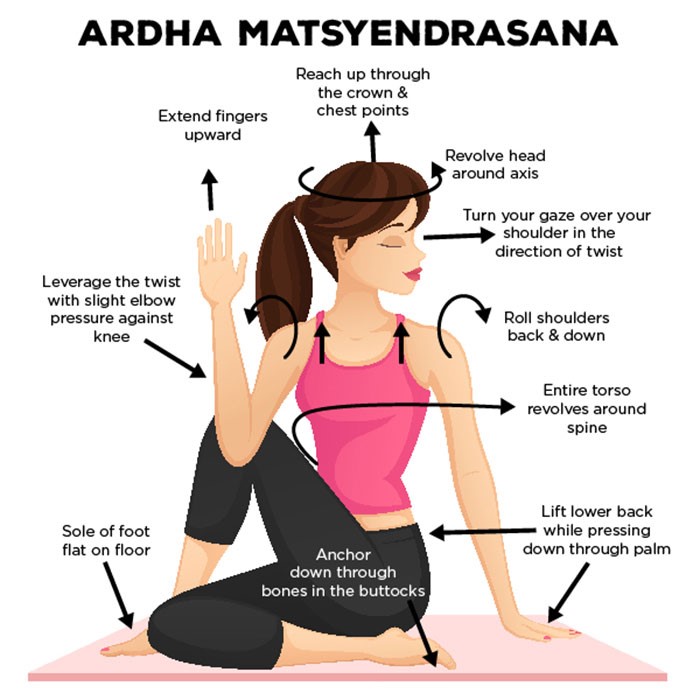
ARDHA MATSYENDRASANA
stretches the spine, shoulders, neck, and hips.
It helps to ease back pain.
Helps digestion by igniting the digestive fire in the stomach.
Reduces the likelihood of contracting a respiratory disease.
Boosts the functioning of the liver and kidneys.
Energizes and enhances spine flexibility, which is beneficial for people with slip disc.
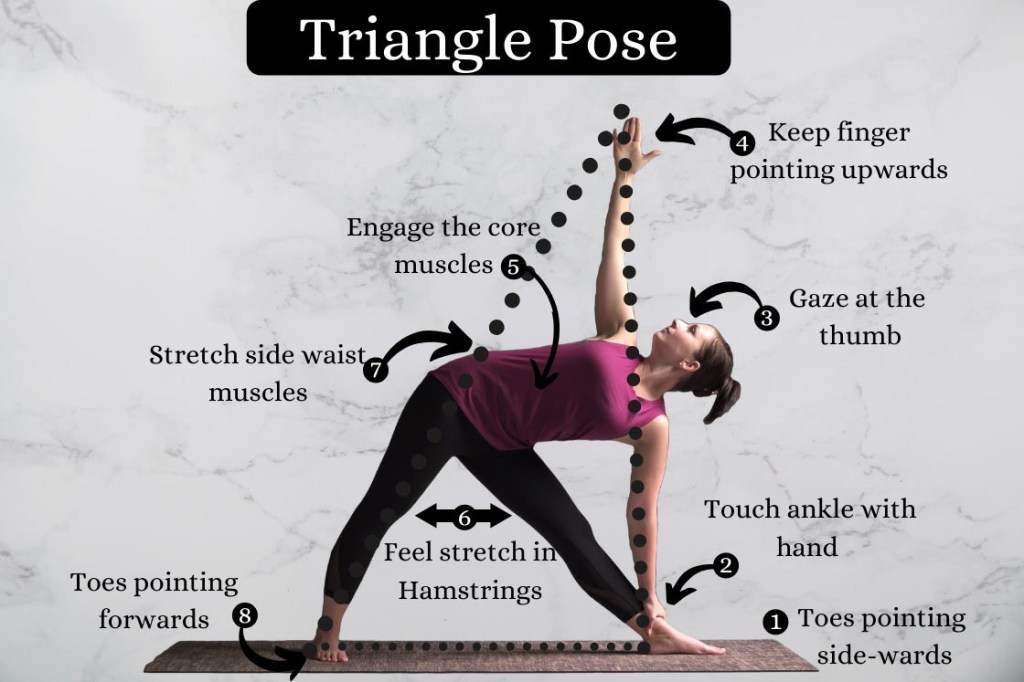
TRIKONASANA
Stretches & exercises the hips, thighs, shoulders, chest, arms, and spine muscles.
Relieves back pain.
It aids digestion.
Assists in the lowering of stress and anxiety.
Stimulates the spinal nerves by stretching the spine.
reduces the rigidity of the neck, shoulder, and knees.
Timbre the reproductive organs and fortify the pelvic area.
Assists in the relief of menopause symptoms.
YOGA FOR MENSTRUATION
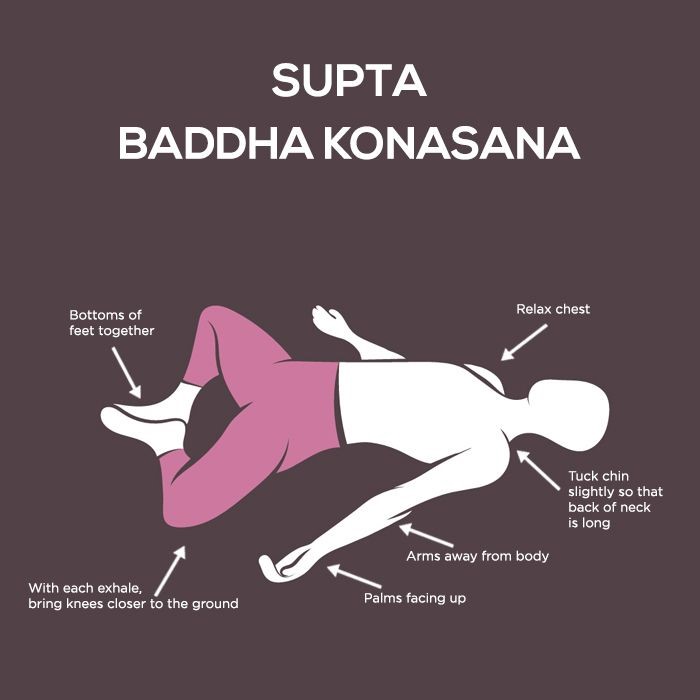
SUPTA BADDHA KONASANA
Relieves headaches by lowering stress levels in your nerve system.
Stimulates the ovaries, bladder, kidneys, and prostate gland.
It boosts the reproductive and digestive systems’ efficacy.
Improves overall circulation and accelerates the heart.
Helps reduce symptoms of menstruation and menopause.
PADMASANA
Promotes physical and mental balance.
Relaxes the mind and body
The pelvis, spine, abdomen, and bladder are all stimulated.
Helps to stretch the ankles and knees.
Relieves menstruation pain
allows one a lot of arm and leg flexibility.
YOGA FOR BLOOD PRESSURE
SAVASANA
Decreases weariness and stress.
It relaxes the nervous system.
Relaxes the body
Reduces headache
Enables you to relax both your mind and body.
Relieves stress and mild depression by calming the brain.
Helps to decrease blood pressure by relaxing the body.
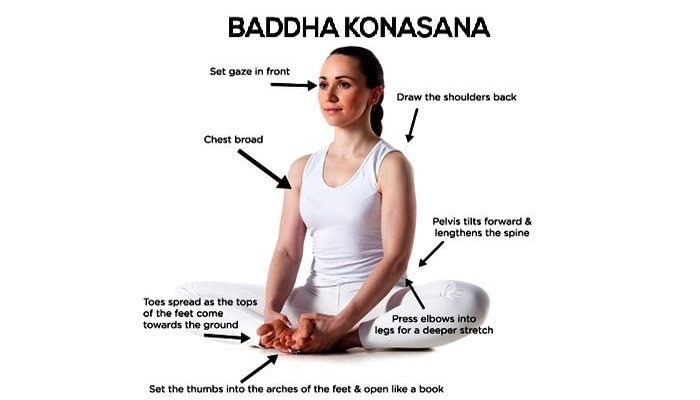
BADDHA KONASANA
This asana is thought to help with childbirth.
The organs of the abdomen are activated.
Improves flexibility in the inner thigh, groin, and knees.
I’ve seen many people say ‘fitness is my passion’ but have never tried doing yoga. Why? Did you know that yoga is one of the most relaxing and fun way to be fit? Every Asana, every movement builds up the strength in your muscles and relaxes your mind and body. Yoga helps build flexibility and strength. When you hold a pose for a long time, you realize that your balance has also improved which surely gives you the confidence to continue practicing yoga for a healthier life. It is said that yoga is derived from the Sanskrit word “yuji” which means union. In simple terms, it’s the union of your body, mind and soul. Oh also, an Asana is a body posture which starts with simple poses but with time and experience, it can get more complex and interesting. In this article, I’ll mainly be talking about Surya Namaskar/ Sun Salutation. Surya Namaskar is a powerful force in practicing yoga. It consists of 12 yoga poses. It has a very positive impact on the mind and body, it’s also a great cardiovascular workout. There are many benefits of practicing this workout, it mainly helps with stimulating the nervous system, helps in flexibility, is an amazing solution to weight loss and improves cognitive functioning.
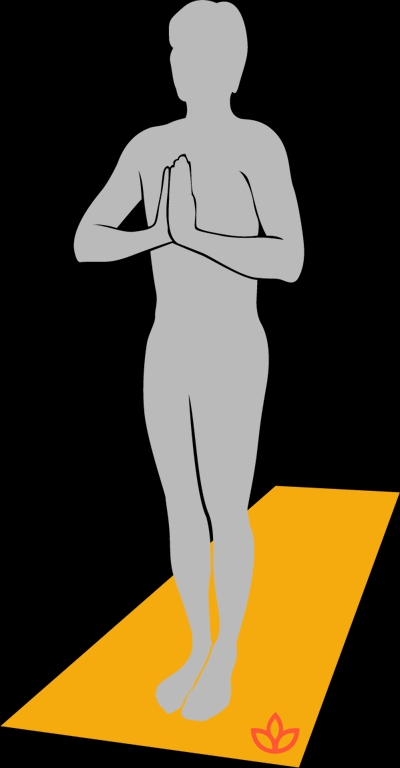
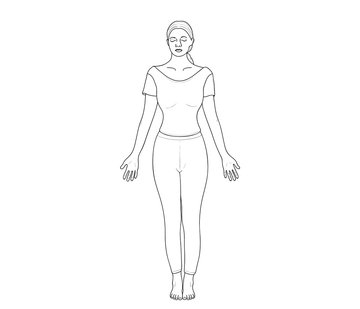
1) Pranamasana / Prayer pose : Stand at the edge of your mat while keeping your foot together. As you inhale, lift both of your arms from the sides and while exhaling, bring your palms together and form a praying position.
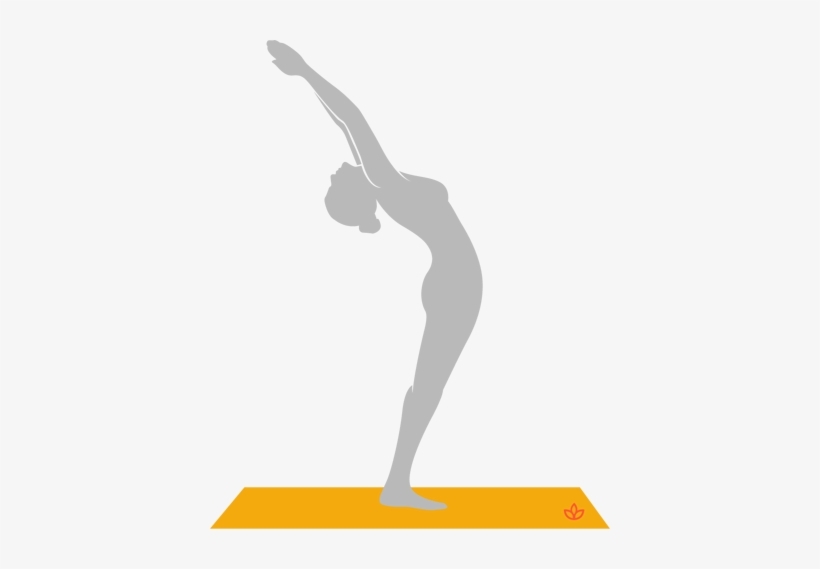
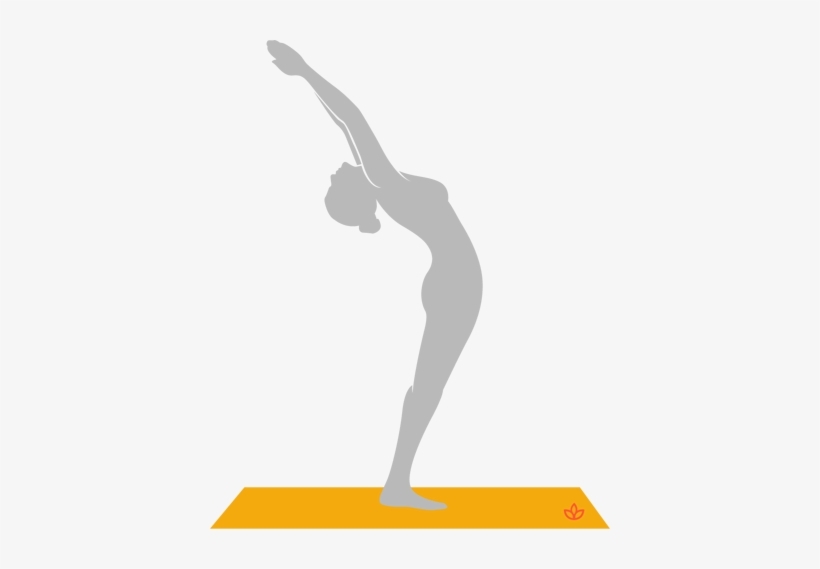
2) Hastauttanasana / Raised arms pose : The main purpose of this pose is to stretch your entire body so to do that you must breathe in, lift your arms up and then take it back while keeping your biceps close to the ears.
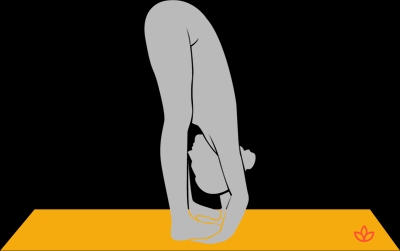
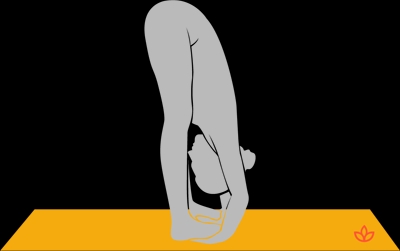
3) Hastapadasana / Standing forward bend : While breathing out, bend forward from gbe waist but remember to keep the spine intact. After exhaling completely, bring your hands down and place them next to your feet.
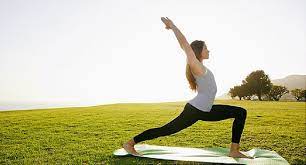
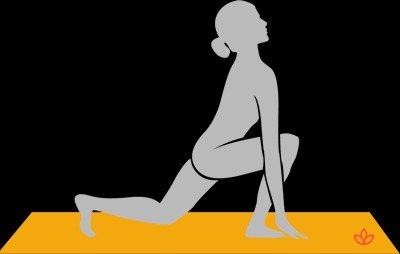
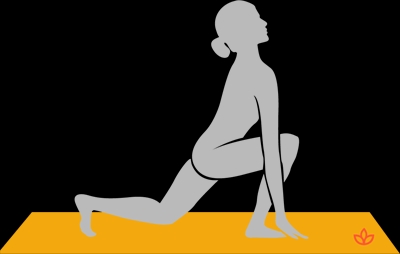
4) Ashwa Sanchalanasana / Equestrian pose : Push your right leg back but make sure to push it as far as you can and bring the right knee to the floor and look up but also keep in mind that the left foot is in between your palms.
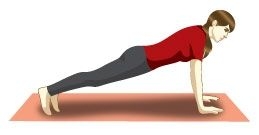
5) Chaturanga Dandasana / Stick pose : in and take the left leg back and bring the whole body to make a straight line.
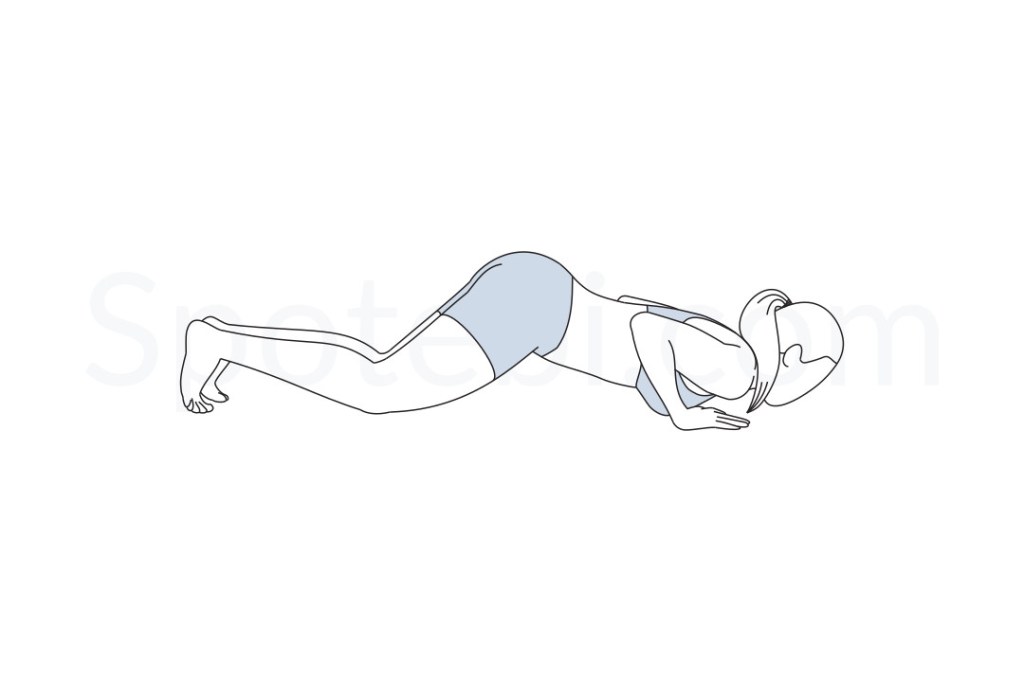
6) Ashtanga Namaskara / Salute with eight joints : Exhale while bringing your knees down to the floor, take your hips slightly back and slide forward. Make sure your two hands, two feet, two knees, chest and chin are on the floor.
7) Bhujangasana / Cobra pose : For this pose, slide forward and raise your chest up to form a cobra pose. It’s advisable to keep your elbows bent and keep your shoulders away from your ears and look up the ceiling.
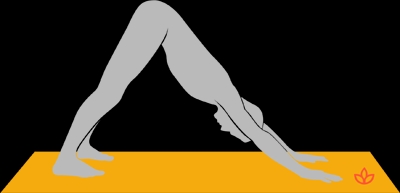
8) Adho Mukha Svanasana / Downward facing dog pose : The inverted ‘V’ pose. Breathe out and lift your hips and the tailbone to make an inverted ‘V’. If it’s possible, try keeping your heels on the ground.
9) Ashwa Sanchalanasana / Equestrian pose : Push your right leg back but make sure to push it as far as you can and bring the right knee to the floor and look up but also keep in mind that the left foot is in between your palms.
10) Hastapadasana / Standing forward bend : While breathing out, bend forward from the waist but remember to keep the spine intact. After exhaling completely, bring your hands down and place them next to your feet.
11) Hastauttanasana / Raised arms pose : The main purpose of this pose is to stretch your entire body so to do that you must breathe in, lift your arms up and then take it back while keeping your biceps close to the ears.
12) Tadasana / Mountain pose : While exhaling, straighten your body and bring your arms down. Observing the sensations taking place in your body is the key point to master this pose.
Therefore, this completes Set 1. While doing Surya Namaskar, make sure to do 2 sets. For the second set, start with the left leg and bring the right foot forward in step 10. The main purpose of doing yoga is to make sure you relax and enjoy this form of exercise. Always give yourself and your body enough time to adapt to this method and never rush into anything.












 Eduindex
You must be logged in to post a comment.