दिल्ली को अगले 3 साल में प्रदूषणमुक्त कर देंगे: गडकरी

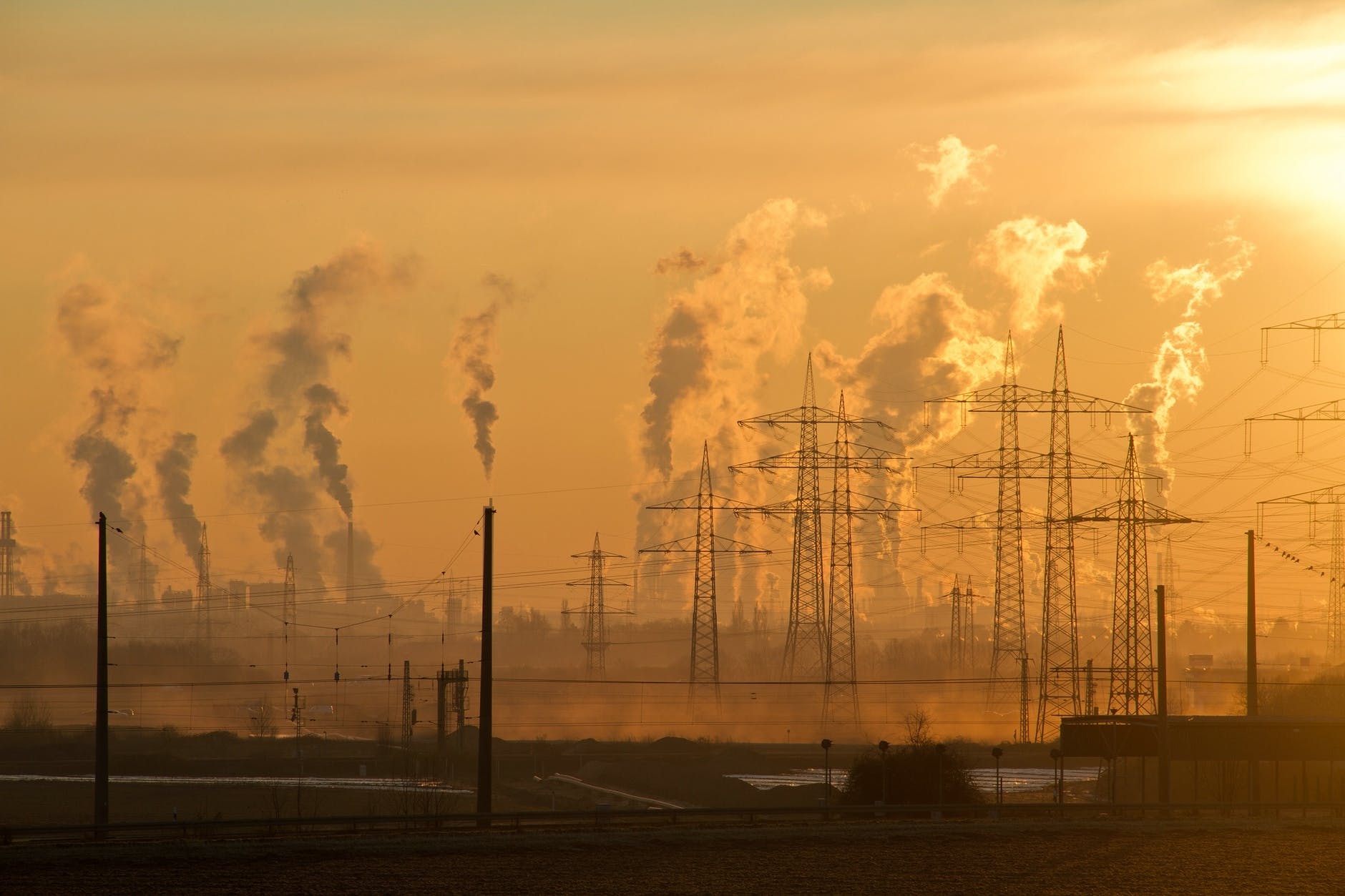
सड़क परिवहन मंत्री नितिन गडकरी ने गुरुवार को कहा कि केंद्र सरकार अगले तीन साल में दिल्ली को वायु, जल और ध्वनि प्रदूषण से मुक्त करेगी। उन्होंने कहा कि मौजूदा समय में प्रदूषण देश के लिए सबसे बड़ी चिंता की बात है।


इंडस्ट्री पीएचडी चैंबर ऑफ कॉमर्स के सालाना कार्यक्रम में गडकरी ने कहा कि उनके मंत्रालय ने सड़क बुनियादी ढांचा विकास पर 60,000 करोड़ रुपये खर्च किए हैं। इस प्रयास से दिल्ली में वायु प्रदूषण को कम करने में भी मदद की। वायु प्रदूषण, जल प्रदूषण और ध्वनि प्रदूषण देश के लिए चिंतित करने वाले मुद्दे हैं। हम दिल्ली को अगले तीन वर्षों में वायु, जल और ध्वनि प्रदूषण से मुक्त कर देंगे।


गडकरी ने कहा कि सरकार सुप्रीम कोर्ट से मंजूरी मिलने के बाद सभी वाहन निर्माताओं के लिए फ्लेक्स फ्यूल के अनुकूल इंजन बनाना अनिवार्य कर देगी। फ्लेक्स-फ्यूल, पेट्रोल और एथेनॉल को मिलाकर बनने वाला एक वैकल्पिक ईंधन है। अब एक एथेनॉल अर्थव्यवस्था विकसित करने पर काम किया जा रहा है। गडकरी ने सुझाव दिया कि सेना को डीजल इंजन वाले वाहनों के इस्तेमाल पर प्रतिबंध लगाना चाहिए और एलएनजी, सीएनजी और एथनॉल पर चलने वाले ट्रकों का उपयोग करना चाहिए। मंत्री ने कहा कि इथेनॉल, पेट्रोल और डीजल की तुलना में काफी सस्ता है।

अनन्या कौशल द्वारा संपादित।

Environmental pollution

“Humankind has not woven the web of life. We are but one thread within it. Whatever we do to the web, we do to ourselves. All things are bound together. All things connect.”

~ Chief Seattle

What is environmental pollution ?

Is it degrading our lifestyle ?

How can we improve our environment ?

Let’s get through the topic .

Introduction

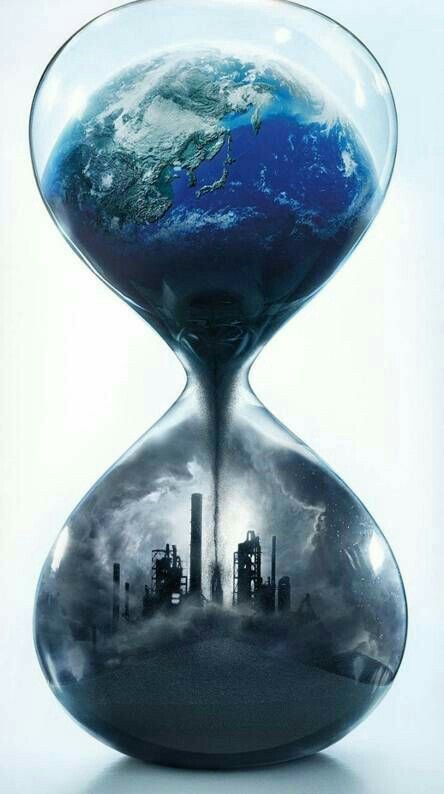
One of the greatest problems that the world is facing today is that of environmental pollution, which is causing grave and irreparable damage to the natural world and human society with about 40% of deaths worldwide being caused by water, air and soil pollution and coupled with human overpopulation has contributed to the malnutrition of 3.7 billion people worldwide, making them more susceptible to disease.

Environmental pollution is defined as “the contamination of the physical and biological components of the earth/atmosphere system to such an extent that normal environmental processes are adversely affected.”

From: Environmental Management, 2017

We all are well known about the word Environmental pollution . It is not some kind of new phenomenon , yet it is a greatest problem facing by our society . Still , people are avoiding the topic to its utmost.

Environmental pollution is one of the most serious global challenges. Wild-type organisms have a slower degradation rate of hazardous materials.

Both developed and developing nations share this burden together, though awareness and stricter laws in developed countries have contributed to a larger extent in protecting their environment.

Reasons behind environmental pollution

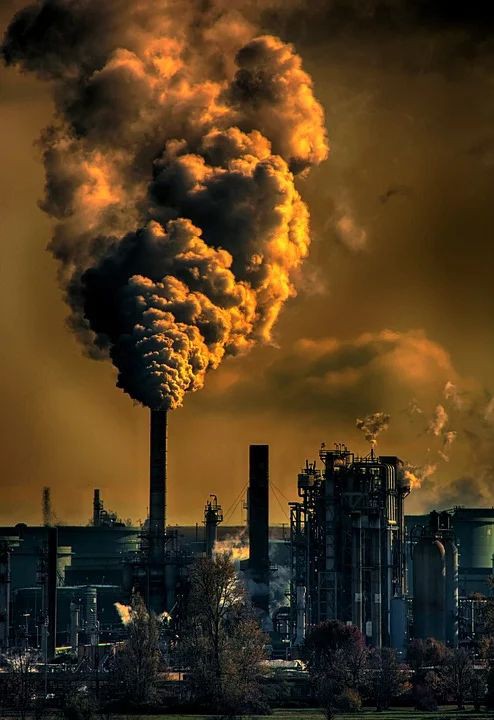
  • The Burning of Fossil Fuels. Industrial Emission.
  • Indoor Air Pollution.
  • Wildfires.
  • Microbial Decaying Process.
  • Transportation.
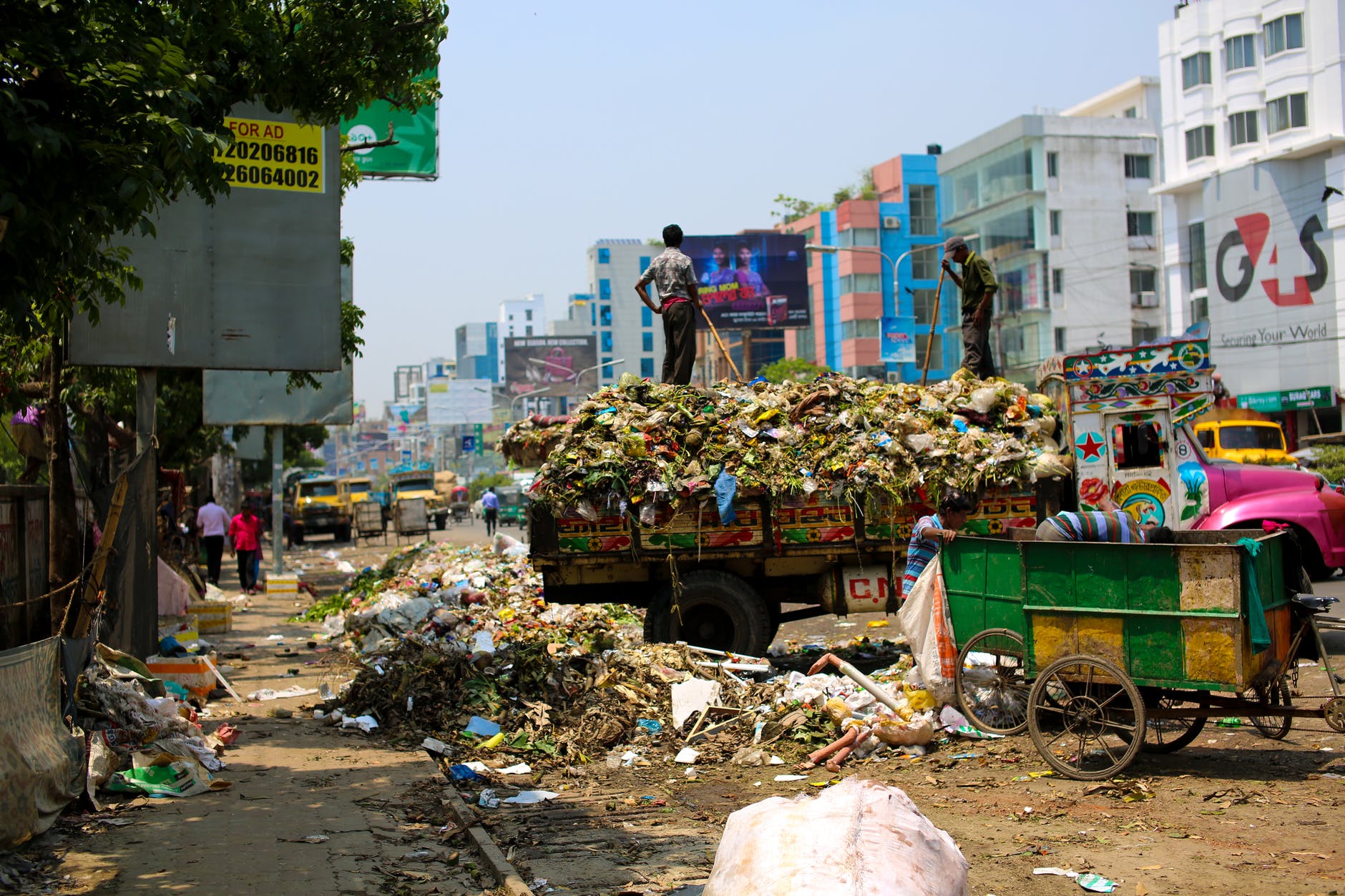
  • Open Burning of Garbage Waste.
  • Construction and Demolition.
  • Urbanization and industrialization. Since the era of industrial revolution, man has continued to introduce hazardous materials into the environment at an alarming rate.Mining and exploration.
  • Agricultural activities.
  • Particulate matter.
  • Plastics.
  • Energy production.
  • Deforestation.
  • Mining.
  • Over population.
  • Increase in global average temperature.

Effects of environmental pollution

Environmental pollution is an incurable disease . It can only be prevented.

Barry commoner

1. Effects on Humans. The effects of environmental pollution on humans are mainly physical, but can also turn into neuro-affections in the long term. The best-known troubles to us are respiratory, in the form of allergies, asthma, irritation of the eyes and nasal passages, or other forms of respiratory infections. Other rarer diseases include hepatitis, typhoid affections, diarrhea, and hormonal disruptions.

2. Effects on Animals . Environmental pollution mainly affects animals by causing harm to their living environment, making it toxic for them to live in.

3. Effects on plants . As for animals, plants, and especially trees, can be destroyed by acid rains (and this will also have a negative impact on animals as well, as their natural environment will be modified), ozone in the lower atmosphere block the plant respiration, and harmful pollutants can be absorbed from the water or soil.

Solutions for environmental pollution.

  • Evironment planning.
  • Shifting to eco-friendly transportation.
  • Air pollution must involve moving away from fossil fuels, replace them with sustainable fuels .
  • Solar power .
  • Wind power.
  • Go green.
  • Storage facilities for solid waste.
  • Environmental friendly products.
  • Policies implimentation for environmental pollution.
  • We also need to work on electromagnetic radiation (ER) reduction.
  • Awareness through mass media.
  • More green parks and areas.
  • Environmental education, etc,.

“We say we love flowers, yet we pluck them. We say we love trees, yet we cut them down. And people still wonder why some are afraid when told they are loved.”

~ Paul Morley

Link

Agriculture

When tillage begins, other arts follow. The farmers, therefore, are the founders of human civilization.”

— Daniel Webster

Introduction

It all started thousand of years ago , when the human civilization came into existence . Agriculture was a key to survival . People were farming for there domestic purpose , not for the others .

As the civilization started to grow accustomed of agriculture , they grew food in surplus that enabled people to live in cities. Plants were independently cultivated in at least 11 regions of the world.

The development of agriculture enabled the human population to grow many times larger than could be sustained by hunting and gathering.

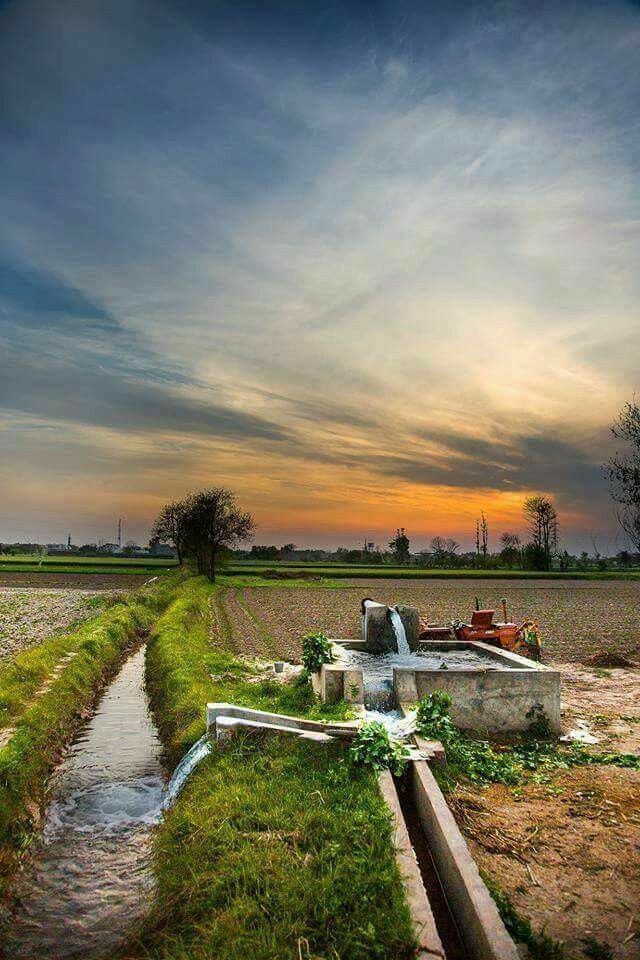
It was the beginning of different civilization in different parts of the World. From those civilizations , one of them was our’s The Indus Valley Civilization . Vedic literature provides some of the earliest written record of agriculture in India. Rigveda hymns , describes plowing, fallowing, irrigation, fruit and vegetable cultivation.

Some of the ancient and historical evidence suggests rice and cotton were cultivated in the Indus Valley.

Agriculture : In India and World today .

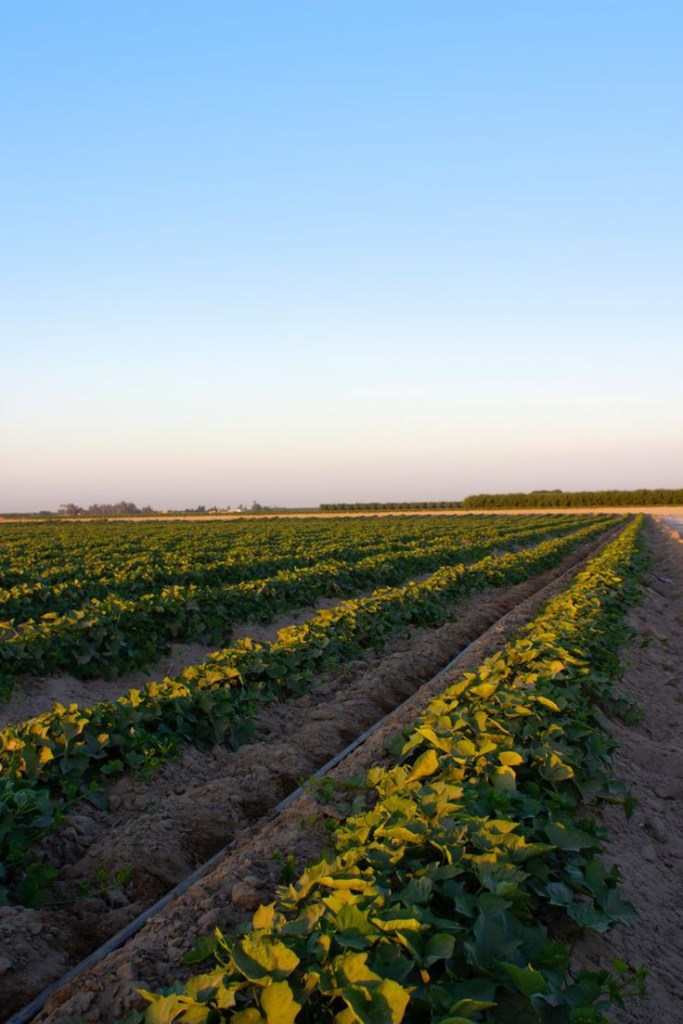
India ranks second worldwide in farm outputs. As per 2018, agriculture employed Indian work force and contributed 17–18% to country’s GDP.

In 2016, agriculture and allied sectors like animal husbandry, forestry and fisheries accounted for 15.4% of the GDP (gross domestic product) with about 41.49% of the workforce in 2020.India ranks first in the world with highest net cropped area followed by US and China.The total agriculture commodities export was US $ 3.50 billion in March – June 2020.

Agriculture is the primary source of livelihood for about 58% of India’s population. Share of agriculture and allied sectors in gross value added (GVA) of India at current prices stood at 17.8 % in FY20.

During 2019-20 crop year, food grain production reached a record of 296.65 million tonnes. In 2020-21, Government of India is targeting food grain production of 298 million tonnes.

India is among the 15 leading exporters of agricultural products in the world. Agricultural export from India reached US$ 38.54 billion in FY19 and US$ 35.09 billion in FY20.

Agriculture is an important industry in the United States. The agriculture industry, which includes both crops and livestock, is responsible for producing most of the world’s foods and fabrics. Agriculture impacts so many things that it’s hard to imagine a world without this important industry.

Schemes and Initiatives

Due to the high requirement of agriculture . It is important for the government to take initiatives and provide better infrastructure to the farmers. However , the required level of investment for the development of marketing, storage and cold storage infrastructure is estimated to be huge.

The Indian Council of Agricultural Research (ICAR), established in 1905, was responsible for the search leading to the “Indian Green Revolution” of the 1970s. The Union Minister of Agriculture is the president of the ICAR. The Indian Agricultural Statistics Research Institute develops new techniques for the design of agricultural experiments, analyses data in agriculture, and specialises in statistical techniques for animal and plant breeding.

Schemes by government for Indian agriculture :

  • Dairy Entrepreneurship Development Scheme.
  • Rainfed Area Development Programme (RADP)
  • Paramparagat Krishi Vikas Yojana (PKVY)
  • Pradhan Mantri Krishi Sinchai Yojana (PMKSY)
  • National Agriculture Market (e-NAM)
  • Pradhan Mantri Kisan Maandhan yojana.
  • Pradhan Mantri Fasal Bima Yojana (PMFBY)
  • Kisan Credit Card (KCC) scheme.
  • Pashu Kisan Credit Card Scheme.
  • PM-Kisan Scheme.

Conclusion

Agriculture sector is one of the prominent sector in India as well as all over the world . India is becoming self – sufficient in pulses and other crops .

Gone are the days , when India was unable to provide sufficient amount of food to the citizens . Gone are the days , when people used to think agriculture was not as important as other sectors . Gone are the days , when people used to think less of farmers . And gone are the days , when people were less educated about agriculture.

Farming is a profession of hope.

— Brett Brian

Link

Heaven in India

Heaven In India

Have you visited The Sahara Desert? or the Snow-capped mountains of Switzerland? If you haven’t, it’s perfectly alright. Why visit so far when you can see such places in India too. India has deserts, snow-covered mountains, waterfalls, historic places, and a lot of greenery. You name it and we have it!
There are so many breathtakingly beautiful places in India that one doesn’t need to go out.

Here are some spots you should visit before you kick the bucket.

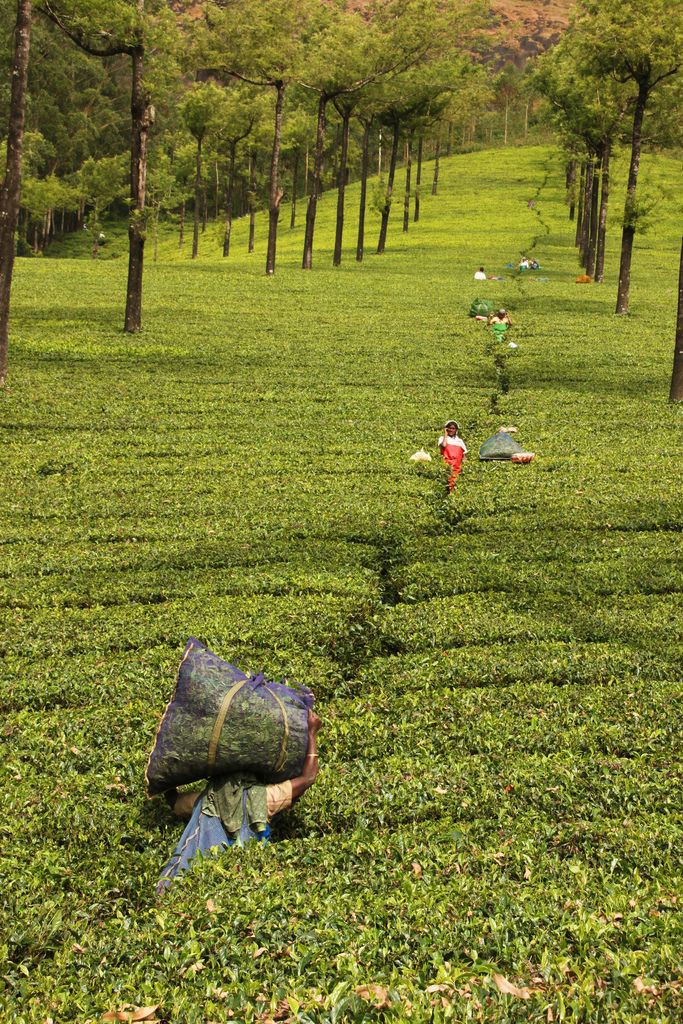
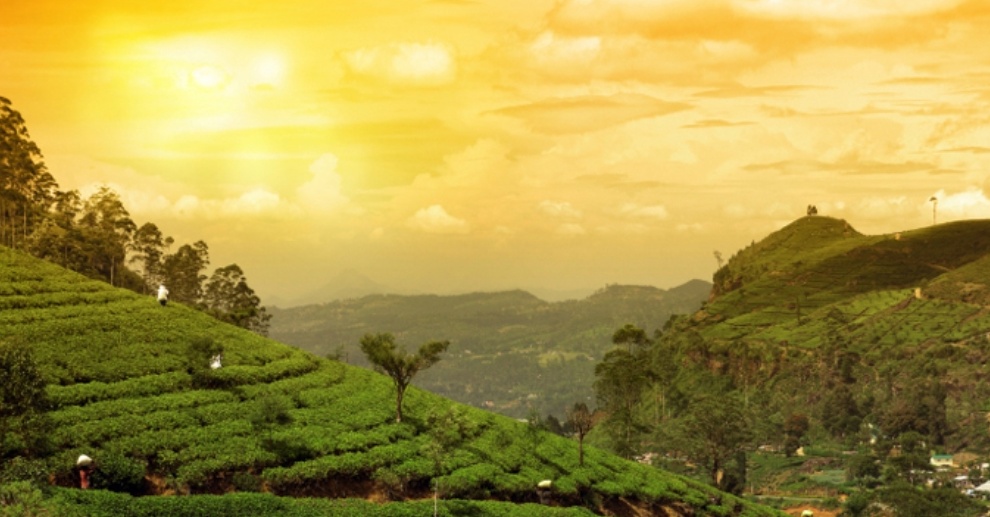
 • Tea Garden Hills of Munnar

Munnar is situated in God’s own country, Kerala. It is a famous hill station in Kerala. It is well-known for its tea plantations and lush green hills.
The best time to visit these tea garden hills is between November – February.

 • Nanda Devi

Nanda Devi is the second-mosy noteworthy mountain in India. It is located in the Himalayan Mountains in the northern part of India. It is extremely famous for its remarkable view.
From 15 June to 15 September is the best time to visit Nanda Devi.

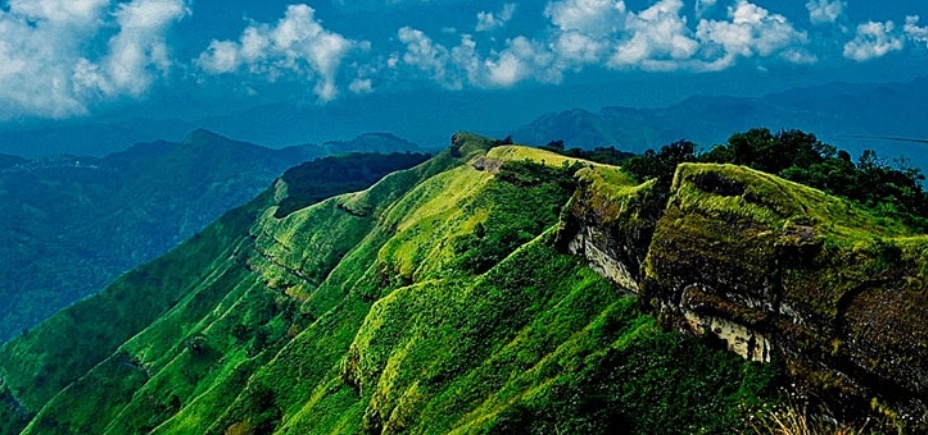
 • Mizoram

Mizoram is a land of hills, lakes, rivers, and valleys. It is a state in northeastern India. It is known for its evergreen hills, rivers, and high sparkling waterfalls.
The best time to visit Mizoram is during October, November, and December.

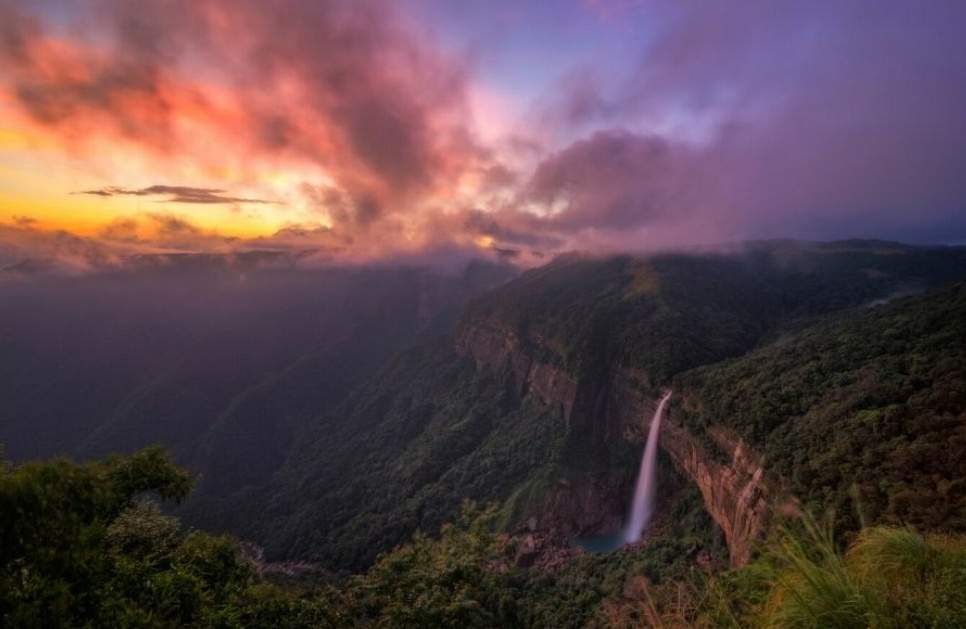
 • Nohkalikai Falls, Cherrapunji

Nohkalikai is the highest waterfall in India. It is located in the state of Meghalaya which is in the northeastern part of the country. It is known as the wettest place on Earth
The best time to visit is in September and October.

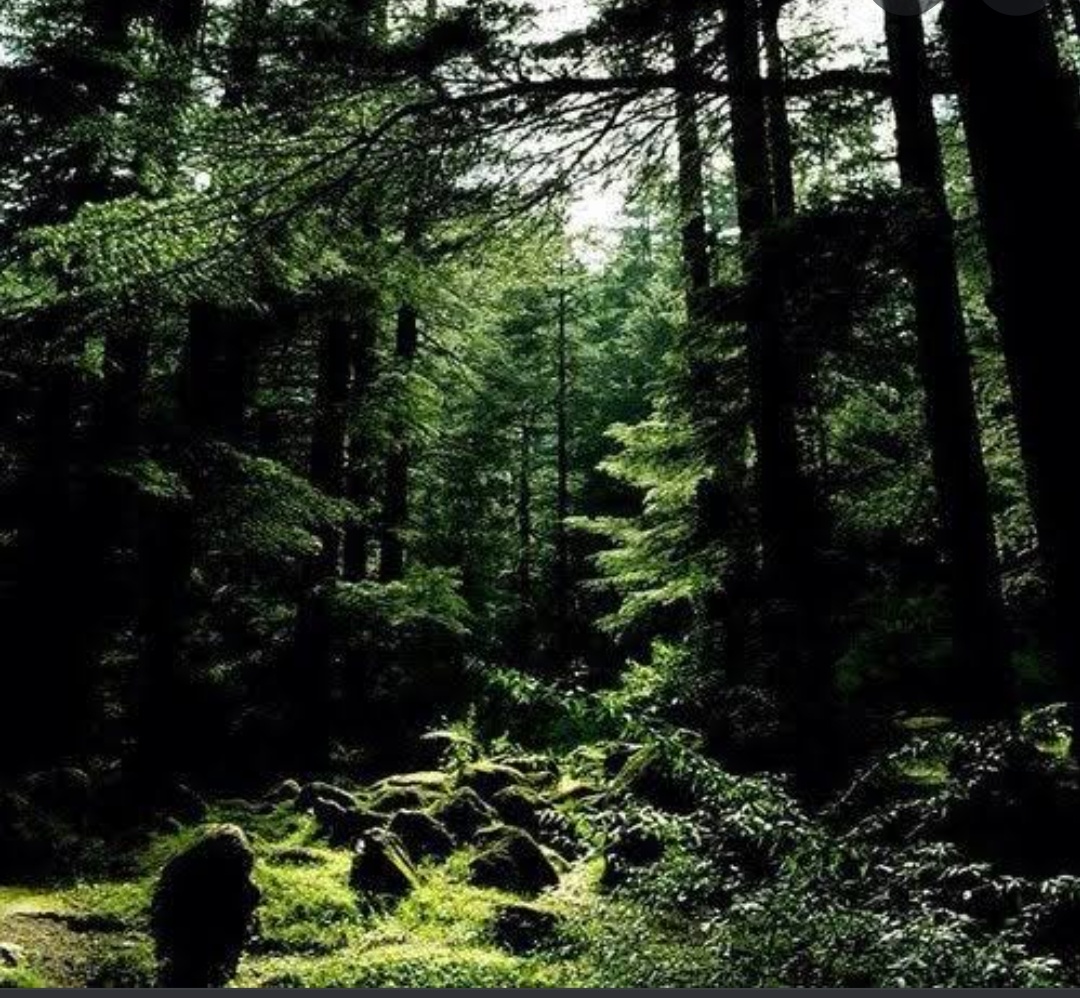
 • Deodar Forest, Himachal Pradesh

Deodar forest is located in Himachal Pradesh and it is famous for its pine trees, Cedrus deodar tree species.
The best time to visit is between February to June.

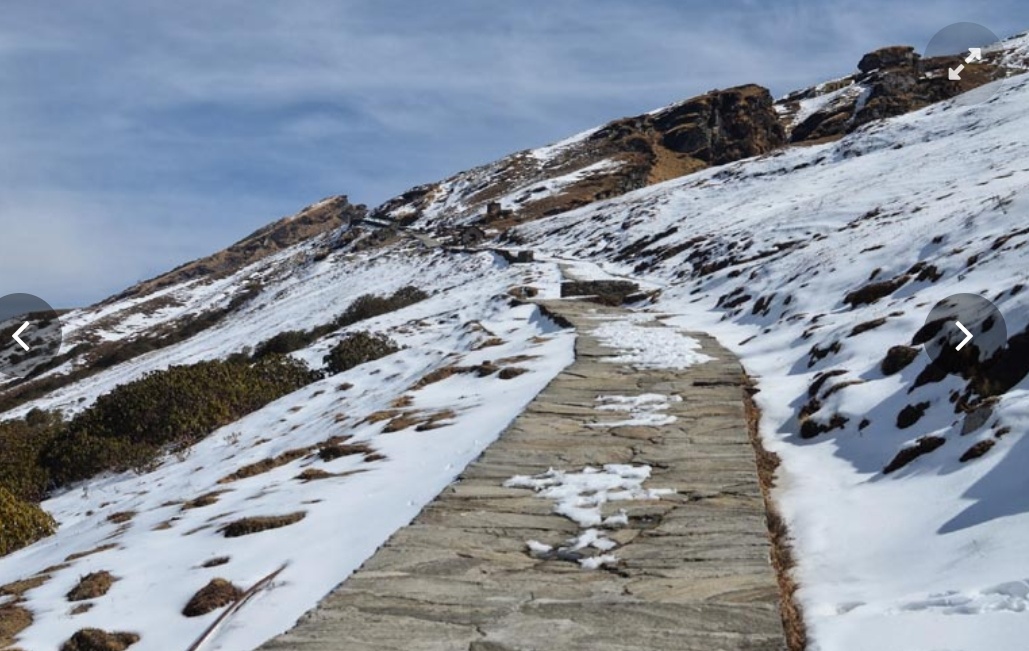
 • Tungnath, Uttarakhand


You can find the oldest Hindu Shrine of Lord Shiva here surrounded by the tungnath mountains. It is the best place if you’re looking for a trek.
One can visit throughout the year

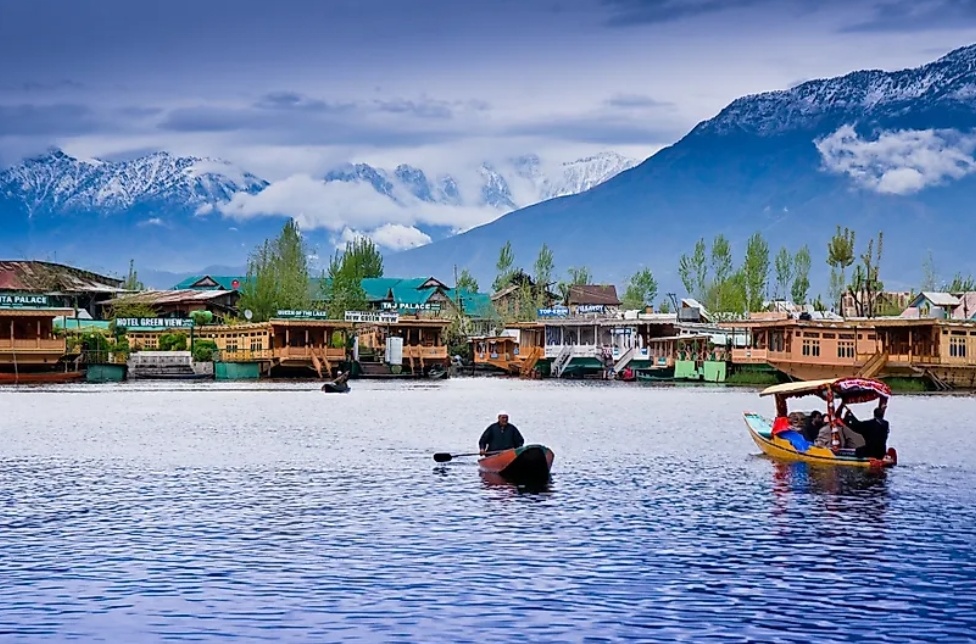
 • Kashmir

Kashmir is also known as ‘ Paradise on Earth’.
It is very famous for its snow-capped mountains, wildlife, monuments, and mesmerizing scenic beauty.
March to August is the best time to visit Kashmir.

 • Lakshadweep

Lakshadweep is a renowned Island located in the Arabian sea. It is known for its flora and fauna and crystal clear waters.
The best time to visit this island is from October to mid-May.

Human Life and Environment

The environment is the most valuable component of human life because it has an efficacious interconnectedness of life on both the living and non-living things. What we do to our planet is what we do to ourselves. Human life is dependent on the environment for survival on earth. The environment is a vast trove of resources such as air, shelter, food, and water. The ecosystem that includes all the plants, animals, birds, reptiles, insects, water bodies, fishes, human beings, trees, microorganisms and many more altogether constitute the environment. Besides the basic three divisions such as the physical, social, and cultural environment, Today, we are surrounded by the artificial environment created for ourselves such as buildings, air-conditioned rooms, streets, shopping complexes, vehicles emitting poisonous gases, dust, etc. All these assets, on one hand, signify our luxurious life whereas on the other, baneful and human-centred nature of man. 

Over the years, innumerable environmentalists and philosophers have shifted and encouraged others to shift towards a nature centred approach. This brings the anthropocentrism and non-anthropocentrism approaches to light. Whilst anthropocentric approach sees man as the centre of the universe and all other animals and components in terms of their instrumental values, non-anthropocentrism sees the natural components, biotic as well as abiotic in terms of intrinsic values. The work of Aldo Leopold, “A Sandy County Almanac”, especially see ‘land’ as a ‘community and not as a commodity. Rachel Carson is another thinker who has extended her thoughts to the world by asserting the importance of being friendly with animals rather than killing them for their flesh and skin. 

Franklin D. Roosevelt opines that “A nation that destroys its soil destroys itself. Forests are the lungs of our land, purifying the air and giving fresh strength to our people.” However, the environment is not given the respect it deserves. Man has become a poacher of nature to satisfy his economic and physical needs. The pollution of the environment has choked all the resources required to sustain the life of living things and therefore affecting negatively.

The environment always gives us countless benefits that we can’t repay our entire life. The forest and trees filter the air and absorb harmful gases. Plants purify water, reduce the chances of a flood, and maintain natural balance and many others. Moreover, the environment regulates the vital systems that are essential for the ecosystem. Every being in the environment is so significant for human life. It is well captured in the words of Maurice Maeterlinck, a Belgian playwright, poet, and essayist who says, “If the bee disappeared off the face of the earth, man would only have four years left to live.”

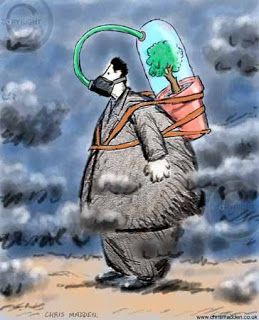
The environment regulates various natural cycles that happen daily. These cycles help in maintaining the natural balance between living things and the environment. Disturbance of these things can ultimately affect the life cycle of humans and other living beings. The environment has always helped us and other living beings to flourish and grow from thousands of years. The environment provides us fertile land, water, air, livestock and many essential things for survival. Saving the environment is one of the responsibilities of all humans. It begins only by identifying the pollutants and by trying to mitigate them drastically. Human activities are the major cause of environmental degradation because most of the activities of humans do harm the environment in some way. The activities of humans that cause environmental degradation are pollution, defective environmental policies, chemicals, greenhouse gases, global warming, ozone depletion, etc. All these affect the environment badly. Besides, these the overuse of natural resources will create a situation in the future there will be no resources for consumption. And the most basic necessity of living air is getting so polluted that humans are forced to use bottled oxygen for breathing as witnessed in our capital city called Delhi.

The increasing human activity is exerting more pressure on the surface of the earth which is causing many disasters in an unnatural form. Also, we are using natural resources at a pace that within a few years they will vanish from the earth. A clean environment is very important for the health and prosperity of a society and a nation as a whole. It is one of the basic requirements for the presence of life on Earth. Living species including plants, animals, humans and aquatic life cannot survive amid waste; they all need a healthy and clean environment to live; an unclean environment gives way to diseases and an unbalanced ecosystem much more. A society that consumes polluted water or breathes in polluted air cannot be healthy and prosperous. Necessary steps must be taken to clean the environment and prevent any further damage to it. To preserve a clean environment, the Environment-friendly policies are to be in a lay man’s term. The guidelines for industrial or infrastructural development are essential to claim reduced or minimal effect on the environment. The usage of renewable energy sources like wind and water instead of conventional sources would result in the reduction of environmental pollution. Vehicles with zero emissions such as vehicles running on electricity or solar energy could be encouraged. Steps should be taken for the accumulation and conservation of rainwater to meet everyday water requirements. People must be made aware of the hazards of the population explosion and its effects on the environment and depletion of natural resources. The use of Organic pesticides which are made up of minerals or other plant materials that keep pests at bay and break down quickly in the soil would certainly help prevent pollution due to hazardous chemicals.

One of the commendable initiatives taken by the U.N to curb environmental pollution is “The World Environment Day”, celebrated on 5th June every year, to raise awareness and urge the governments, individuals, and societies of the world to come together and take steps to eradicate the use of plastics in our day to day life and other factors contributing to the environmental pollution in our daily life and taking necessary steps to prevent them. India recently hosted the World Environment Day on 5th June 2018 with the theme of “Beat Plastic Pollution”. India introduced Swachh Bharat Abhiyan (Clean India Campaign) on 2nd Oct 2014 to clean its roads and cities. We as an individual must take a pledge to keep our society clean, free from any littering waste and to inform the concerned authorities when we encounter such littering or garbage.

Eventually, we should understand that it is the environment that is keeping us alive. Without the blanket of the environment, we won’t be able to survive. It is high time we wake up and heal the natural world. It is never too late to give up our prejudices and overt dependence on technology. Let’s coexist with our environment and be human(e) in a true sense. Moreover, the environment’s contribution to life cannot be repaid. Besides, still what the environment has done for us, in return we have only damaged and degraded it.


Growing vegetables at home

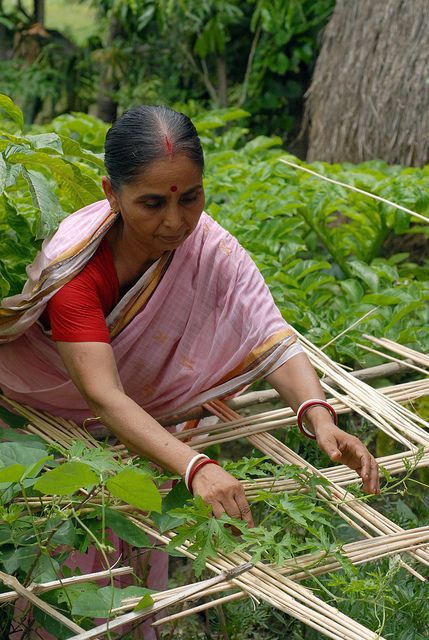
Vegetables are essential part of our food, green leafy vegetables gives us the important nutrients we require to lead a healthy life, but nowadays there is a risk buying vegetables from outside not only does it have a risk of getting exposed to the virus but also it can be filled with inorganic fertilizers and toxic stuffs like preservatives which will actually damage our health.  These harmful chemicals are introduced to increase productivity and longitivtiy of the vegetables and consuming these things causes the chemicals to accumulate inside our body and if it is not stopped it can lead to many diseases. The concept of organic  vegetables was introduced as a solution for this where no synthetic chemicals is used on the plant of the vegetables, but these vegetables costs so much that many people cannot afford it.

There is a better solution to this, if  one has space in their home they can grow vegetables in home, but as we know there are some vegetables which cannot be grown  at home nor some plants can be grown together, maybe in the future some way comes up so that these plants can also be grown. For now the vegetables you can grow are Tomatoes, Radishes, Okra,Ginger, beans  and many more. These can be grown in pots  and require some attention and care, this way of growing vegetables is economical also .

If you are a beginner you should have some tools like

  1. watering can- required to water the plants.
  2. Hand pruners – A type of scissors to cut the weeds.
  3. scoop- used to dig the soil.
  4. Small gardening fork- used for loosening the soil

These are the basic equipments required, but may be no need to buy them as you can make them by using many things in your house, like one can make the watering can by using an old water bottle and making holes on the cap or  for hand pruners one can use the ordinary scissors or can use some spoons or forks for loosening the soil.

You can plant these vegetables by seeds or buying the saplings, and put it in a pot with mud which is loosened well and it is very necessary to make holes on the pot which are also called drainage holes.  One should place the pots where the plants can receive optimum amount of sunlight. Its vey much required that you spend at least 1hour  of your day to water these plants, to cut them properly to check their growth status.

Some tips for different plants

  1. Tomatoes – The tomatoes should be grown in a pot of larger height so as to get sturdy and strong roots. These plants require more sunlight. Do add organic pesticides because insects attack tomatoes much more than other plants
  2. Okra – Do not water it very much as it may lead to fungal diseases
  3. Ginger- plant the root in a wide container and do not cover it with very much soil.

such tips will help you to grow these plants better, one should take care of the plants very much in winter seasons as this season tend to inhibit the growth of these plants, sometimes the plant become dormant. Immense amount of love and some care  required to grow these plants.


If you take care of these things and do all the things properly you would certainly get the results so

Enjoy the fresh, organic and healthy vegetables……