The Appeal of Delta 9 Products: How Safe Are They?

Image source: freepik

Delta-9 tetrahydrocannabinol is the main ingredient in cannabis that affects the mind. People are drawn to it for reasons like relaxation, a sense of euphoria, and relief from problems such as nausea or low appetite. The interest in products with this chemical keeps climbing, especially since hemp-derived products are now easy to find in many states.

Some people turn to Delta-9 to help with conditions like poor appetite or ongoing discomfort. Surveys carried out in 2024 show that many buyers use these products to manage stress, find relief, or for simple relaxation. The chemical’s appeal is linked to its noticeable mind-altering effects, easy access in many parts of the United States, and steady marketing that highlights potential wellness benefits.

Safety Under the Microscope: What the Evidence Says

Despite the steady increase in buyers, safety is a main concern. Clinical data points out a number of health risks when Delta-9 is used regularly or in high amounts. Reports from addiction experts and treatment centers tell us that long-term and frequent use increases the chance of developing a dependence. Some people who use Delta-9 show signs of needing more over time to get the same effect, and withdrawals can occur if use suddenly stops.

Researchers point to connections between steady Delta-9 use and the later use of other substances, and some medical professionals describe a stronger risk of mental health disorders in regular users. Effects can include anxiety, paranoia, and in certain cases, psychosis, especially among those with a personal or family history of psychiatric issues.

Short-term effects are possible as well. People using Delta-9 products can feel high, with slower judgment and less coordination, trouble remembering things, a racing heart, or higher pressure in their blood vessels. Poison control centers in the United States report calls about children who accidentally ate cannabis edibles, and some calls end with hospital visits. For this reason, pediatric doctors keep warning parents and health agencies about Delta-9 products that look like candy or snacks.

Product Forms and Common Consumer Choices

People now have many ways to buy Delta-9 products, including gummies, oils, tinctures, and delta 9 vape pens. Some prefer gummies for convenience, while others find tinctures easier to dose. These choices depend on taste, speed of effect, and comfort with inhaled versus ingested products.

Delta 9 vape pens are often sold next to edible products and infused beverages at stores. Surveyed users have pointed out differences in onset time, describing inhaled products as producing quicker effects compared to edibles. It is important to know that these product types can vary in dosage accuracy, purity, and risk for accidental overuse.

Problems with Content, Purity, and Testing

Testing of Delta-9 products in retail settings exposes gaps between what is promised and what is delivered. Lab analyses performed across several states in 2024 and 2025 found that about two-thirds of legal Delta-9 products had a potency level at least ten percent off from what was listed on the label. More telling, over seven in ten companies did not properly test their products for contaminants. That means buyers could be exposed to pesticides, solvent residues, or heavy metals without knowing.

Regulated states require products to go through stricter screening. In states with laxer rules or with so-called hemp loopholes, there is almost never a consistent approach to lab tests or required results. Consumer groups and watch organizations recommend looking for third-party lab certificates before buying, but these reports are not always available or reliable. Many lab reports from sellers skip testing for certain possible contaminants.

Regulation and Legal Status: Varied and Complex

Federal law treats Delta-9 THC differently depending on its origin and strength. If the product comes from marijuana and has more than 0.3 percent by dry weight, it remains an illegal substance under United States law. Hemp-derived products with 0.3 percent or less are legal at the federal level, but this has given rise to edible products that stay under the legal threshold by weight, yet still carry a strong mind-altering effect. More than half of states allow some form of recreational or medical use, and rules differ sharply from one state to another.

For example, states like California and Colorado run strict testing and permit both recreational and medical cannabis sales. Texas only allows very low-THC hemp products, and these must follow extra testing rules. Some states do not allow any sale of this chemical, while others only let people use it if they have a qualifying medical need. Almost all states block people under twenty-one from buying Delta-9, but sales and accidental use among children are still reported.

Groups with Higher Risks and Work-Related Concerns

Some people face more risk when using Delta-9. Those in safety-focused jobs, such as transport workers, face rules that forbid Delta-9 use on or off the job. Mistakes linked to slower thinking or movement can put lives at risk. Rules are in place for testing truck drivers and commercial operators, and government officers keep working to improve detection standards. 

People who use other drugs face risks from drug interactions. Delta-9 interacts with medications metabolized through the liver, such as certain psychiatric and sedative drugs, raising the risk of harmful effects.

Safety Watchdogs and Medical Expert Advice

Federal and state authorities urge caution about Delta-9. The United States Food and Drug Administration does not approve any over-the-counter Delta-9 products for any medical use in 2025. Endorsements and claims about health benefits are widespread, but these are not supported by large, well-run studies. Public safety groups demand tighter testing, more honest labeling, and better enforcement to keep products out of reach of the young.

Doctors who specialize in addiction and mental health suggest that people with a history of substance use disorder, mental illness, or those taking other medications should avoid Delta-9 or talk first with a healthcare provider. At the same time, risk is generally higher with regular use or high doses, especially in edible forms that are easier to take too much of at once.

Summary

Delta-9 products are common because they are easy to access, are promoted for wellness claims, and produce noticeable effects on mood and body. Consumers face real safety concerns. These include inaccurate doses, possible contamination, health risks for certain groups, inconsistent rules, and a lack of routine safety checks in many markets. Those who choose to use Delta-9 are advised to look for proper lab testing and to understand their state’s laws and risks before buying or using these products.

Word Count: 1106

Sharp, Dull, or Aching? Identifying the Causes of Shoulder Pain

Daily writing prompt
What is the legacy you want to leave behind?

Shoulder pain is one of the most common complaints among adults, and it can vary greatly in terms of intensity, type, and duration. Whether you experience a sharp, sudden pain or a dull, persistent ache, the discomfort in your shoulder could be the result of various causes. 

Photo by Photo By: Kaboompics.com on Pexels.com

Understanding the underlying reasons for shoulder pain is crucial for determining the right treatment and managing it effectively. In this blog post, we’ll explore the potential causes of shoulder pain, helping you identify the nature of your discomfort and take the next steps toward relief.

Understanding Shoulder Anatomy

Before diving into the causes, it’s helpful to have a basic understanding of the anatomy of the shoulder. The shoulder joint is a complex structure made up of bones, muscles, tendons, and ligaments that work together to provide a wide range of motion. The key components include:

  • The humerus (upper arm bone)
  • The scapula (shoulder blade)
  • The clavicle (collarbone)
  • Rotator cuff (group of muscles and tendons)
  • Bursae (fluid-filled sacs that reduce friction)
  • Ligaments and tendons connecting these structures

Because the shoulder is so mobile, it’s vulnerable to injury and strain. Understanding the type of pain you’re experiencing can help pinpoint the root cause.

Sharp Shoulder Pain

Sharp shoulder pain is often sudden and intense, causing significant discomfort and sometimes even limiting movement. This type of pain can be caused by:

Rotator Cuff Tears

The rotator cuff is a group of four muscles and tendons that stabilize the shoulder. A tear in one of these tendons can cause sharp pain, especially when moving the arm in certain directions, like lifting overhead. Rotator cuff tears are more common in people who engage in repetitive overhead motions or in older adults whose tendons wear out over time.

Dislocated Shoulder

A dislocated shoulder occurs when the humeral head (the ball of the shoulder joint) comes out of the socket. This injury often results from a traumatic event, such as a fall or sports injury. It causes immediate, sharp pain and may require medical intervention to reset the joint.

Frozen Shoulder (Adhesive Capsulitis)

Frozen shoulder develops when the capsule around the shoulder joint becomes inflamed and stiff, limiting movement. The pain is often sharp and more noticeable during certain movements, and it typically worsens at night.

Fractures or Bone Injuries

A fracture in the clavicle, scapula, or humerus can cause sharp pain, especially when attempting to move the arm. This type of injury usually results from direct trauma or a fall.

Dull Shoulder Pain

Dull, aching pain is usually less intense but can still be bothersome, often making it difficult to perform daily tasks. This type of pain is often linked to long-term issues, such as:

Osteoarthritis

Osteoarthritis occurs when the cartilage that cushions the shoulder joint wears down, causing bones to rub against each other. This condition can lead to dull, aching pain, particularly after repetitive use or long periods of inactivity. The pain is usually felt deep within the joint and may worsen with age.

Tendinitis

Tendinitis occurs when the tendons in the shoulder become inflamed, often due to overuse or repetitive motion. The pain is typically a dull ache, especially in the front or top of the shoulder, and it worsens with activities such as lifting or reaching. It’s common among athletes, especially swimmers, tennis players, and weightlifters.

Bursitis

Bursitis is the inflammation of the bursae, small fluid-filled sacs that cushion the shoulder joint. When these sacs become inflamed, it can lead to dull, aching pain that worsens with movement. This condition can develop from overuse or prolonged pressure on the shoulder.

Poor Posture

Consistently poor posture can contribute to muscle strain, especially in the shoulders. Prolonged slouching or hunching over can create tension in the muscles and ligaments, resulting in a persistent, dull ache in the shoulder region. This discomfort is often accompanied by stiffness and tightness in the neck and upper back. A deep tissue massage in Eagle Mountain, Utah, can be an effective way to relieve this tension and alleviate the pain associated with poor posture.

Aching Shoulder Pain

Aching pain is often persistent and can be linked to both mechanical and systemic conditions. This type of pain may not be as sharp but can be equally disruptive. Common causes include:

Referred Pain from the Neck or Upper Back

Sometimes, shoulder pain is not directly caused by the shoulder itself but by issues in the neck or upper back. Conditions such as a herniated disc or cervical radiculopathy can cause nerve compression, which leads to aching pain in the shoulder area. This pain is typically accompanied by tingling, numbness, or weakness in the arm.

Heart Attack

While rare, an aching shoulder pain can be a sign of a heart attack, especially if it radiates down the left arm. It may be accompanied by chest pain, shortness of breath, dizziness, or nausea. If you experience these symptoms, seek emergency medical attention immediately.

Gallbladder Problems

Gallbladder issues, such as gallstones or inflammation, can also cause referred pain in the right shoulder. This type of aching pain is usually dull and may worsen after eating fatty foods.

When to Seek Medical Help

While most shoulder pain can be managed with rest, ice, and over-the-counter pain medications, it’s important to consult with a healthcare provider if the pain persists or worsens. If you experience any of the following symptoms, you should seek medical attention immediately:

  • Severe or sudden sharp pain
  • Difficulty moving the shoulder or arm
  • Swelling or bruising
  • Pain radiating down the arm or chest
  • Numbness or weakness in the arm

In Conclusion

Shoulder pain can manifest in various ways—sharp, dull, or aching—and each type of pain can point to different causes. Whether you’re dealing with a sports injury, poor posture, or an underlying medical condition, identifying the type of pain you’re experiencing can help you and your doctor determine the best course of action for relief. If your shoulder pain is affecting your quality of life, don’t hesitate to seek professional advice to ensure proper diagnosis and treatment.

Thumb Sucking in Children: When to Worry and How to Help

Daily writing prompt
What’s the oldest things you’re wearing today?

Thumb sucking is a common behavior in young children, often starting as early as infancy. For many kids, thumb sucking provides a sense of comfort and security, helping them self-soothe during moments of stress or tiredness. While it’s generally a harmless habit in the early years, it can become a cause for concern if it continues well into later childhood. Understanding when to worry about thumb sucking and how to help your child break the habit is crucial for their overall well-being.

Photo by Lyudmila Logvinenko on Pexels.com

Why Do Children Suck Their Thumbs?

Thumb sucking is often a natural reflex in infants, starting even before birth. Many babies suck their thumbs while in the womb as a form of self-soothing. Once born, thumb sucking can continue as a way for babies and young children to comfort themselves when feeling upset, tired, or bored. For some children, thumb sucking may also serve as a self-soothing mechanism during sleep, providing them with a sense of security as they drift off.

While most children stop sucking their thumb on their own as they grow older and become more independent, some may continue the habit into their toddler and preschool years.

When Does Thumb Sucking Become a Concern?

For the majority of children, thumb sucking is a temporary phase that will naturally fade as they grow. However, for some children, thumb sucking persists longer than usual and can start to cause problems. Here are some signs that thumb sucking may be something to worry about:

1. Dental Problems

Thumb sucking can affect the development of your child’s teeth and mouth, especially if the habit continues after the age of 4 or 5. Prolonged thumb sucking can lead to dental issues, such as:

  • Misalignment of Teeth: Thumb sucking can cause the upper front teeth to protrude or become misaligned. This is particularly true if the thumb is pressed forcefully into the mouth over a prolonged period.
  • Bite Issues: A child who continues to suck their thumb may develop what is known as an “open bite” where their upper and lower teeth don’t meet properly when their mouth is closed. This can make it difficult for the child to chew and speak clearly.
  • Changes in the Roof of the Mouth: Prolonged thumb sucking can alter the shape of the roof of the mouth, causing it to become more narrow.

2. Speech Delays

If thumb sucking continues for a long time, it can affect the development of your child’s speech. The habit can interfere with normal tongue placement and lead to speech issues such as lisps or difficulty pronouncing certain sounds. If you notice any signs of speech delay or changes in the way your child is speaking, it might be worth considering the effects of thumb sucking.

3. Social Concerns

As children get older, they may begin to feel self-conscious about thumb sucking, especially if it continues past the age of 4 or 5. At this point, children may be exposed to peer pressure or may feel embarrassed about the habit. In some cases, thumb sucking can also cause teasing or bullying from other children, which can affect their self-esteem and social development.

How to Help Your Child Stop Thumb Sucking

If thumb sucking is causing concerns, it’s essential to approach the situation with patience and understanding. Here are some strategies that can help your child break the habit:

1. Positive Reinforcement

Encouraging your child with positive reinforcement is one of the most effective ways to help them stop sucking their thumb. Offer praise when your child goes a day without thumb sucking, or use a reward system such as a sticker chart. Avoid punishment or negative reinforcement, as this can create stress and may make the problem worse.

2. Gentle Reminders

Sometimes, children suck their thumb out of habit or without realizing it. Offering gentle reminders when you notice your child sucking their thumb can help them become more aware of the behavior. You might say something like, “Remember, no thumb sucking,” in a calm and non-critical tone. Over time, your child will begin to associate the reminder with the behavior.

3. Provide Alternatives for Comfort

If your child sucks their thumb to self-soothe, offering alternative comfort objects such as a soft blanket or a stuffed animal can help. Teaching your child relaxation techniques like deep breathing or listening to calming music may also reduce the need for thumb sucking during stressful situations.

4. Create a Comfortable Sleep Routine

Thumb sucking often occurs during sleep or naptime. Establishing a comforting bedtime routine can help your child feel secure without the need for thumb sucking. This might include reading a favorite bedtime story, listening to calming music, or having a special nightlight in their room.

5. Use a Thumb-Sucking Guard

In cases where the habit persists, a thumb-sucking guard or mitt can be a helpful tool. These devices are designed to make thumb sucking uncomfortable or difficult, encouraging your child to stop. However, it’s important to approach this method carefully, as it may cause frustration in some children. Always make sure to use positive reinforcement alongside this technique.

6. Consult a Pediatric Dentist

If your child’s thumb sucking has led to dental problems or is causing concern, it’s a good idea to consult a pediatric dentist in Oregon City. They can assess the impact of the habit on your child’s teeth and offer professional advice on how to address the issue. In some cases, a dentist might recommend a dental appliance to help prevent thumb sucking.

In Conclusion

Thumb sucking is a common and natural behavior for many young children, but when it persists beyond the typical age range, it can lead to dental, speech, and social concerns. The key to addressing thumb sucking is understanding when it becomes a problem and taking a gentle, supportive approach to help your child break the habit. With the right strategies, patience, and positive reinforcement, you can help your child move past thumb sucking and support their healthy development. If necessary, always consult a pediatric dentist or pediatrician for additional guidance.

Why Nerve Pain Feels Different Than Other Types of Pain

Pain signals that something is wrong, but not all pain is the same. Nerve pain, or neuropathic pain, is distinct and often debilitating, unlike muscle soreness or migraines. Unlike a bruise or broken bone, it comes from the nervous system itself, not external tissue damage. This blog explores what makes nerve pain unique, its causes, and how to diagnose, treat, and manage it effectively.

Photo by Andrea Piacquadio on Pexels.com

What Causes Nerve Pain?

Nerve pain often stems from conditions that damage or disrupt the nerves, preventing them from functioning properly. The causes can vary, but here are some of the most common culprits:

1. Diabetes

Diabetes is one of the leading causes of neuropathy, a condition that results in damaged nerves, particularly in the feet and hands. High blood sugar levels over time can harm nerves and blood vessels, leading to painful sensations.

2. Injuries and Trauma

When nerves are compressed, stretched, or severed due to physical injuries, it can cause sharp pain and lasting nerve damage. For example, car accidents, falls, or even surgical complications can all lead to nerve-related pain.

3. Autoimmune Disorders

Conditions like multiple sclerosis and lupus can attack the protective coverings of nerves or even the nerves themselves, leading to chronic nerve pain.

4. Cancer and Chemotherapy

Both cancer and the treatments for it can cause nerve pain. Some cancers compress or damage nearby nerves, while chemotherapy can lead to peripheral neuropathy as a side effect.

5. Other Causes

  • Postherpetic neuralgia (resulting from shingles)
  • Neurological disorders like Parkinson’s disease
  • Nutritional deficiencies, especially vitamin B12
  • Alcoholism, which can lead to nerve damage over time

How Does Nerve Pain Feel?

What makes nerve pain especially puzzling is its variety of sensations, many of which are hard to describe. Here are a few of the most common sensations people with nerve pain experience:

Burning

One signature sensation of nerve pain is a persistent burning that can range from mild to intense. This feeling often doesn’t subside, even when at rest, making it one of the more frustrating aspects of neuropathy.

Shooting or Stabbing

Some people compare nerve pain to sharp, stabbing jolts that come and go without warning. This sudden, electric shock-like sensation can feel unpredictable.

Tingling or Pins and Needles

A familiar yet unsettling feeling, tingling is more than just your foot “falling asleep.” It’s often relentless and can spread throughout your extremities.

Numbness

Numbness often goes hand-in-hand with nerve pain. You may find areas of your body, like your fingertips or toes, losing all sensation, yet still feeling painful in a strange, paradoxical way.

Hypersensitivity

Nerve pain can make even the slightest touch unbearably painful. For some, something as gentle as bed sheets brushing their skin can trigger intense discomfort.

Understanding these sensations is critical for recognizing nerve pain and communicating symptoms to a healthcare provider.

How Is Nerve Pain Diagnosed?

Diagnosing nerve pain often requires a combination of in-depth evaluations and tests, as it can mimic other types of pain or medical conditions. Here’s how it typically unfolds:

1. Medical History

Your doctor will ask about your symptoms, their onset, and any potential causes, such as injuries, preexisting conditions, or family history.

2. Physical and Neurological Exam

A physical exam can detect signs like muscle weakness, reduced reflexes, or unusual sensations. A neurological exam will further assess nervous system functioning.

3. Diagnostic Tests

Some common diagnostic tools include:

  • Nerve conduction studies (NCS): Measure how quickly electrical impulses travel through your nerves.
  • Electromyography (EMG): Evaluates the electrical activity in your muscles to detect issues.
  • Blood Tests: Used to check for underlying conditions like diabetes or vitamin deficiencies.
  • Imaging Tests (MRI/CT scans): Allows doctors to spot injuries or nerve compression.

Getting an accurate diagnosis is the first step toward effective treatment, so if you suspect nerve pain, consult your doctor sooner rather than later.

Treatment Options for Nerve Pain

Nerve pain can be challenging to treat, but a combination of medical interventions and alternative therapies can help. Here are the most common options available:

Medical Treatments

  1. Medications:
    • Over-the-counter pain relievers like ibuprofen offer limited relief.
    • Prescription medications such as gabapentin, pregabalin, or antidepressants are often more effective.
  2. Topical treatments: Lidocaine patches or capsaicin creams numb the affected area.
  3. Nerve blocks: Frequently used for severe, localized pain, this involves injections that block pain signals.

Alternative Treatments

  1. Physical Therapy: Exercises that target nerve function or loosen up compressed nerves can reduce pain.
  2. Acupuncture: Some patients find relief through this traditional Chinese practice, which may help modulate pain signals.
  3. Lifestyle Changes: Quitting smoking, maintaining a healthy diet, and regular exercise can all positively impact nerve health.

To explore options further, try searching online for “neuropathy treatment near me” and find the best fit for your needs.

Coping with Nerve Pain Day to Day

Living with nerve pain often requires adjustments to mitigate discomfort and improve quality of life. Here are some proven coping strategies:

1. Mind-Body Practices

Techniques such as meditation, yoga, or mindfulness can help manage chronic pain perception. These practices reduce stress, which often exacerbates nerve pain.

2. Ergonomic Adjustments

If nerve pain makes daily tasks difficult, invest in cushions, ergonomic chairs, or supportive footwear to ease pressure on vulnerable areas.

3. Sleep Hygiene

Nerve pain often flares up at night. Improving sleep hygiene, like keeping a consistent bedtime and using supportive pillows, can make a significant difference.

4. Support Groups

Connecting with others who share your experiences can help both emotionally and practically. Find local groups or online communities for chronic pain sufferers.

5. Stay on Top of Your Treatment Plan

Consistency is key. Attend follow-up appointments, take medications as directed, and notify your doctor of any changes in symptoms.

Conclusion

Dealing with nerve pain isn’t easy, but understanding its causes, sensations, and treatments is a strong foundation for healing. If you or someone you know is living with nerve pain, don’t hesitate to seek medical advice. Addressing symptoms early can prevent further complications and improve your quality of life. Whether it’s through medical treatments, lifestyle changes, or connecting with therapists, relief is within reach. Remember to take proactive steps today toward managing your health.

Finding the Best Healthcare Staffing Solutions for Travel Nurses

Daily writing prompt
Describe a decision you made in the past that helped you learn or grow.

Are you a travel nurse looking for the right job?

Finding the best healthcare staffing solution can make your work life easier. The right agency helps you get good pay, steady work, and support on the road. With so many options, it’s important to choose the one that fits your needs.

Keep reading to learn how to find the best staffing solutions for travel nurses.

Best Travel Nurse Agencies

Finding the right agency can make travel nursing easier. Good agencies offer fast placement and strong support. They help with housing, licenses, and paperwork. Some even give bonuses and extra benefits. Pay is often higher with trusted staffing solutions.

Nurses can choose where and when they want to work. Agencies connect nurses with top hospitals and clinics. To get started, just browse openings and apply. It’s a simple way to begin your travel nurse journey.

Quick Job Placement

Travel nurses need fast options. Waiting too long can cause stress. Good agencies act fast. They match nurses with jobs in days. Some jobs even start within a week. This helps nurses stay on track. There’s no need to wait for months. Agencies know which hospitals need help now.

They take care of all the details. That includes contracts, housing, and travel. Nurses just need to say yes. You can browse anytime. It’s simple and doesn’t take long. Fast placement makes travel nursing easier.

Top Pay Opportunities

Travel nurses can find high-paying jobs through top staffing agencies. These agencies offer better pay for urgent needs. Nurses with special skills often earn more. Agencies may also give bonuses for tough assignments. Overtime pay can increase earnings.

Some jobs offer extra benefits like free housing and travel. With the right agency, nurses can find jobs that pay well. This makes travel nursing a great option for earning more.

Reliable Staffing Help

The best staffing solutions offer clear communication and support. Nurses need an agency that understands their needs and offers flexibility. Competitive pay and benefits are important when choosing a staffing agency. A good agency will provide assistance with housing and travel arrangements.

They should also offer a variety of assignments to match nurses’ skills. Nurses can benefit from agencies that offer 24/7 support during assignments. Trusted agencies build long-term relationships with healthcare facilities. These connections ensure travel nurses are always in demand.

Supportive Recruiter Teams

Supportive recruiter teams play a key role in matching travel nurses with the right job opportunities. They listen carefully to nurses’ needs and preferences. Good recruiters provide clear communication throughout the hiring process. They help nurses navigate paperwork, housing, and licensing.

Supportive teams are available when questions or issues arise. Their goal is to build trust and long-term relationships. With the right recruiter team, travel nurses can focus more on patient care and less on job logistics.

Learn More About the Best Healthcare Staffing Solutions

Travel nursing can be a great way to grow your career and see new places. With the right agency, you get better pay, faster job placement, and full support.

Whether you want steady work or a new adventure, a trusted staffing team can help. Take the next step and find the agency that fits your goals. Your perfect travel nurse job is waiting.

Looking for more tips and ideas? We’ve got you covered. Check out some of our other posts now.

Strengthening Inclusive Education: Block Resource Centres under Samagra Shiksha provides Essential Therapy Services for Children with Autism Spectrum Disorder

Daily writing prompt
What Olympic sports do you enjoy watching the most?

On the occasion of World Autism Awareness Day (April 2, 2025), the Ministry of Education, Government of India reaffirms its commitment to inclusive education by strengthening support systems for children with autism spectrum disorder in schools.

Through Block Resource Centres (BRCs), the government is ensuring that children with autism spectrum disorder (ASD) receive essential therapy services, specialized interventions, and learning support to help them reach their full potential.

Supported under the centrally sponsored scheme- Samagra Shiksha, the BRCs serve as dedicated resource centers, offering essential therapy-based interventions to support the physical, cognitive, and communicative needs of CwSN.

These include:

  • Occupational Therapy: Helps children develop fine motor skills, hand-eye coordination, and independence in daily activities.
  • Physiotherapy: Supports children with mobility challenges, improving posture, muscle strength, and physical coordination.
  • Speech and Communication Therapy: Supports children with delayed speech, difficulty in communication, or social interaction challenges, especially beneficial for children with autism.
  • Psychological & Behavioural Support: Provides emotional and behavioural counselling to enhance confidence, social interaction, and well-being.

BRCs are staffed with trained resource persons, special educators, and therapists who work closely with parents, teachers, and caregivers to create personalized intervention plans for children.

These centres also organize regular screening camps, parent counselling sessions, orientation/teacher training programs, assistive devices, appropriate Teaching-Learning Material (TLM), and aids & appliances etc. to ensure a holistic approach to inclusive education.

As envisioned in the National Education Policy (NEP) 2020, the government is continuously strengthening these inclusive learning environments by integrating therapy services with classroom learning and ensuring accessible infrastructure, assistive devices, and digital learning solutions for CwSN across the country.

State and district education authorities are encouraged to maximize the utilization of Resource Centres and also collaborate with local health and social welfare departments to further expand support for children with diverse needs.

On this World Autism Awareness Day, the Ministry appeals to schools, educators, and parents to optimally utilise the services of BRCs for CwSN and also work together to promote awareness, acceptance, and meaningful inclusion of children with autism spectrum disorder.

******

Green and efficient synthesis of hydrogen peroxide under sunlight could benefit the industry

Daily writing prompt
Where would you go on a shopping spree?

Researchers have found an efficient, less energy-intensive, and environmentally friendly way of synthesizing hydrogen peroxide, a chemical that is crucial to the industry for disinfection, paper bleaching, and so on.

Hydrogen peroxide (H2O2) is a versatile oxidizing agent that is widely used in environmental disinfection, chemical synthesis, paper bleaching, and fuel cells. In addition, the growth of this market is driven by the increasing awareness of disinfection, the rise in the number of surgeries, the prevalence of hospital-acquired infections, and so on. Currently, over 95% of H2O2 is produced industrially using the anthraquinone oxidation process, which is very energy intensive, expensive and produces many hazardous chemicals as by-products.

Scientists are therefore looking for an environmentally friendly and economical strategy to produce H2O2 from renewable resources with minimal environmental impact. In this context, a new class of porous and ordered polymers with modifiable catalytic sites and light-harvesting properties in visible range, called covalent organic frameworks (COFs), have emerged as promising photocatalysts.

Figure 1.  Sustainable synthesis and versatile applications of hydrogen peroxide.

Researchers at S. N. Bose National Centre for Basic Sciences, Kolkata, an autonomous institute under the Department of Science and Technology (DST), have designed and prepared a series of COFs having good water affinity through careful control of the hydrazone linkage density and studied their effect on the photocatalytic performance for H2O2 generation. It was observed that the hydrazone-linked COFs provide abundant docking sites for water and oxygen, thereby promoting water oxidation reaction (WOR) and oxygen reduction reaction (ORR) – two main pathways for photocatalytic H2O2 generation.

As a result, the hydrazone-linked COF exhibited exceptional photocatalytic H2O2 production without external sacrificial electron donors when irradiated with a 40 W blue LED (λ = 467 nm). Interestingly, a significant amount of H2O2 (550 μmol g-1 h-1) was also produced under sunlight irradiation, which outperforms most organic photocatalysts under similar conditions, thus demonstrating a clean and sustainable pathway.

Furthermore, as-synthesized hydrazone-linked COFs can generate H2O2 up to 21641 μmol g-1 h-1 using an aqueous benzyl alcohol solution (water: benzyl alcohol = 90:10) by preventing the degradation of H2O2. This strategy of using a mixture of water-benzyl alcohol solution will be helpful in developing a continuous flow reactor for the sustainable production of H2O2 and will reveal a laboratory-to-industry technology transfer for the benefit of mankind.

***

Work-Life Balance – Why It Is Essential to Maintain Harmony in Job and Personal Life

written by PRIYA ACHARYA

In today’s fast-paced world, maintaining a balance between professional responsibilities and personal life is crucial. With increasing work demands, people often find themselves overburdened, leading to stress, fatigue, and a decline in overall well-being. Achieving a healthy work-life balance is not just beneficial but essential for long-term success and happiness.

The Importance of Work-Life Balance

Improves Mental and Physical HealthExcessive workload can result in anxiety, depression, and other mental health issues. Additionally, a sedentary lifestyle and irregular eating habits can lead to physical health problems. Striking a balance allows individuals to focus on their well-being, ensuring a healthier lifestyle.

Enhances Productivity and EfficiencyOverworking does not necessarily lead to higher productivity. In fact, employees who maintain a work-life balance tend to be more efficient and focused, leading to better performance and job satisfaction.

Strengthens RelationshipsSpending quality time with family and friends is essential for emotional well-being. Neglecting personal relationships for work can lead to loneliness and dissatisfaction. A balanced approach allows individuals to nurture meaningful connections.

Reduces Burnout and StressConstantly working without breaks can lead to burnout, reducing overall enthusiasm and creativity. Taking time off helps in rejuvenation, ensuring sustained motivation and innovation.

Tips to Maintain Work-Life Balance

Set Clear BoundariesAvoid taking work home and establish a clear separation between professional and personal life. Define working hours and stick to them as much as possible.

Prioritize Tasks and Manage Time WiselyOrganizing tasks based on urgency and importance can help in effective time management. Utilizing productivity tools can also enhance efficiency.

Take Breaks and Practice Self-CareShort breaks during work hours improve concentration and prevent exhaustion. Engaging in activities like exercise, meditation, or hobbies can also contribute to overall well-being.

Learn to Say NoTaking on excessive workload can be overwhelming. It is important to set limits and decline tasks that are beyond one’s capacity.

Utilize Flexible Work OptionsMany companies now offer remote work and flexible schedules. Taking advantage of such options can help in better time management and reduce commuting stress.

Conclusion

A healthy work-life balance is essential for a fulfilling life. By prioritizing well-being, setting boundaries, and managing time efficiently, individuals can enjoy both their professional and personal lives. Employers and employees must work together to create an environment that fosters productivity without compromising on personal happiness. Ultimately, a balanced life leads to greater success and satisfaction in both career and relationships.

Written by Priya Acharya

Navigating the Science Behind Herbal Remedies: Kratom and Its Uses

Daily writing prompt
Share one of the best gifts you’ve ever received.

In recent years, herbal remedies have gained widespread attention for their potential health benefits. Kratom, a tree native to Southeast Asia, has become a popular alternative in this category. Known for its stimulant-like and pain-relieving properties, Kratom has raised both interest and concern.

But, how exactly does Kratom work in the body? Can it offer real health benefits, or is it just a passing trend? In this blog, we will explore the science behind Kratom, its uses, and its potential effects on health.

What Is Kratom?

Kratom is a tropical tree found in Southeast Asia. It belongs to the coffee family and is used for its leaves. These leaves contain compounds that can have effects on the brain. People often consume Kratom in powder or capsule form.

The main compounds in Kratom are called alkaloids. Two important alkaloids are mitragynine and 7-hydroxymitragynine. These compounds interact with receptors in the brain. This interaction can help with pain, mood, and energy.

How Does Kratom Work in the Body?

Kratom affects the body by binding to opioid receptors. It can create effects similar to those of opioids but is not an opioid. When consumed, Kratom may produce mild pain relief and energy boosts.

Depending on the dose, Kratom can have either stimulant or sedative effects. At low doses, Kratom can increase alertness and focus. At higher doses, it may cause relaxation and pain relief. Kratom’s potential effects make it an appealing alternative for many people.

Health Benefits of Kratom

Kratom has several reported health benefits. Some people use it for pain relief. Others claim it helps reduce anxiety and depression. Kratom may also provide an energy boost, helping with daily tasks. There is evidence that Kratom can improve mood and boost motivation.

While these benefits are reported by users, more research is needed. Some people also combine Kratom with other herbal remedies like kava. A kratom + kava shot is sometimes used for a more balanced effect.

Risks and Side Effects of Kratom

Despite its benefits, Kratom also comes with risks. Some people experience nausea, dizziness, or constipation when using it. In higher doses, Kratom can lead to sedation and confusion.

Additionally, Kratom’s long-term effects are not fully understood. There have been reports of dependence and withdrawal symptoms. It is crucial to be cautious when using Kratom, especially in high doses. Always consult a healthcare provider before adding Kratom to your routine.

Is Kratom Safe to Use?

Kratom’s safety remains a topic of debate. While some users report positive experiences, others may face health issues. Its use can lead to side effects, particularly when not used correctly.

Kratom’s potential for addiction also raises concerns. Currently, the FDA does not regulate Kratom, which makes safety a concern. Some regions have banned Kratom due to safety worries. It is important to stay informed and cautious about Kratom use.

Understand Kratom and Its Uses

Kratom is an herbal remedy that shows both promise and risk. Its ability to offer pain relief and energy makes it appealing to many people. However, its safety is still uncertain, and more research is needed.

Using Kratom responsibly and understanding its potential effects is important. Before starting Kratom, consult with a healthcare provider to ensure it’s right for you.

Always remember to explore other articles on the blog for more insights on various topics!

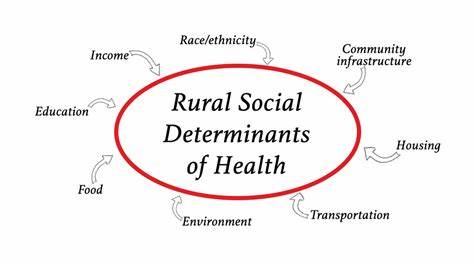
Socio-Cultural Factors and Attitudes Affecting the Health Status of Rural Communities

Daily writing prompt
What could you do differently?

By Eduindex News

Socio-Cultural Factors and Attitudes Affecting the Health Status of Rural Communities

Health is a multidimensional concept influenced by biological, environmental, and socio-cultural factors. Among rural communities, socio-cultural factors and attitudes often play a crucial role in determining health outcomes. These factors are deeply embedded in the social fabric and cultural norms of rural societies, influencing health behaviors, access to healthcare, and overall well-being. Understanding these influences is critical for designing effective health interventions and policies tailored to rural populations.


1. Socio-Cultural Factors Influencing Health

1.1 Traditional Beliefs and Practices

Many rural communities rely on traditional health practices and remedies passed down through generations. While some of these practices may be beneficial, others can hinder timely medical intervention. For instance:

  • Faith in Folk Healers: Many rural residents consult local healers or shamans before seeking formal medical care, delaying diagnosis and treatment.
  • Herbal Remedies: Although some herbal remedies are effective, unregulated use can lead to complications or interfere with prescribed treatments.

1.2 Gender Norms and Roles

Gender dynamics significantly affect health outcomes in rural areas:

  • Maternal Health Neglect: Women’s health, particularly during pregnancy and childbirth, is often deprioritized due to traditional gender roles.
  • Limited Autonomy: In patriarchal rural settings, women may lack the authority to seek healthcare independently, exacerbating health issues.
  • Preference for Male Children: This can lead to neglect of the nutritional and healthcare needs of female children, affecting their long-term health.

1.3 Literacy and Education

Low literacy rates and lack of health education are major barriers to improving rural health:

  • Limited Awareness: Poor understanding of hygiene, nutrition, and disease prevention leads to high incidences of preventable illnesses.
  • Misinformation: Superstitions and myths about diseases like tuberculosis or HIV/AIDS further stigmatize affected individuals and impede treatment.

1.4 Social Hierarchies and Caste

Caste-based discrimination and social hierarchies can restrict access to healthcare for marginalized groups:

  • Healthcare Disparities: Lower-caste individuals may face discrimination at healthcare facilities or hesitate to seek care due to perceived inferiority.
  • Social Exclusion: Fear of ostracism often discourages marginalized communities from addressing sensitive health issues.

2. Attitudes Toward Health and Healthcare

2.1 Perceptions of Illness

Cultural perceptions of illness influence how rural communities respond to health problems:

  • Fatalistic Attitudes: Many believe illnesses are a result of fate, divine punishment, or witchcraft, leading to resignation and inaction.
  • Stigma: Diseases like leprosy, mental illness, and sexually transmitted infections are often stigmatized, preventing individuals from seeking treatment.

2.2 Preference for Traditional Over Modern Medicine

Resistance to modern medicine is prevalent due to:

  • Mistrust of Modern Healthcare: Skepticism toward doctors and hospitals arises from lack of familiarity, previous negative experiences, or perceived high costs.
  • Accessibility Issues: Long distances to healthcare facilities and inadequate transportation reinforce dependence on local remedies.

2.3 Attitudes Toward Preventive Care

Preventive healthcare is often undervalued in rural communities:

  • Low Vaccination Rates: Misinformation and fear of side effects reduce vaccine uptake.
  • Neglect of Routine Checkups: Seeking healthcare is often reserved for emergencies, neglecting preventive measures like regular screenings.

3. Structural Challenges and Their Socio-Cultural Impact

3.1 Limited Healthcare Infrastructure

Inadequate healthcare facilities and professionals in rural areas amplify the socio-cultural barriers to health:

  • Scarcity of Female Healthcare Workers: Cultural norms may prevent women from consulting male doctors, reducing access to maternal and reproductive healthcare.
  • Overburdened Systems: Overcrowded and understaffed facilities lead to long wait times, further discouraging rural residents from seeking care.

3.2 Poverty and Economic Constraints

Economic hardship intensifies socio-cultural barriers:

  • Healthcare Costs: The high cost of modern medical treatments often drives rural residents toward cheaper, traditional alternatives.
  • Opportunity Costs: Rural families may prioritize daily wage labor over addressing health issues, leading to delayed care.

3.3 Government and NGO Interventions

While initiatives like mobile health clinics and telemedicine aim to bridge gaps, their effectiveness is often limited by:

  • Cultural Mismatch: Programs not tailored to local beliefs and practices face resistance.
  • Lack of Community Involvement: Exclusion of local leaders and influencers from planning processes reduces program acceptance.

4. Strategies to Improve Rural Health Outcomes

4.1 Promoting Health Education

  • Awareness Campaigns: Using local languages and traditional media to disseminate health information can improve understanding and acceptance.
  • School-Based Programs: Introducing health education in rural schools ensures early exposure to preventive healthcare practices.

4.2 Culturally Sensitive Interventions

  • Engaging Local Leaders: Collaboration with community elders and religious leaders can build trust and ensure program success.
  • Integrating Traditional and Modern Medicine: Recognizing the value of certain traditional practices while promoting evidence-based modern treatments can foster acceptance.

4.3 Empowering Women

  • Self-Help Groups: Encouraging women’s groups to discuss health issues and pool resources for medical care can enhance access and awareness.
  • Training Female Healthcare Workers: Employing and training women from local communities to provide healthcare can overcome gender-related barriers.

4.4 Strengthening Healthcare Infrastructure

  • Decentralized Services: Establishing more primary health centers and mobile clinics can improve accessibility.
  • Subsidized Healthcare: Government subsidies for healthcare services and medicines can alleviate financial barriers.

Conclusion

The health status of rural communities is intricately linked to socio-cultural factors and attitudes that influence healthcare behaviors and access. Addressing these challenges requires a holistic approach that combines culturally sensitive health interventions, robust infrastructure, and community empowerment. Policymakers, healthcare providers, and NGOs must work collaboratively to bridge the gap between traditional beliefs and modern healthcare, ensuring equitable and effective health services for rural populations. Only through such inclusive efforts can we hope to achieve sustainable improvements in rural health outcomes.

References

Abdullah, M. A. (1993). Traditional practices and other socio-cultural factors affecting the health of children in Saudi Arabia. Annals of tropical paediatrics13(3), 227-232.

Amadi, L., Wordu, S., & Ogbanga, M. (2015). Sustainable Development in Crisis? A Post Development Perspective. Journal of Sustainable Development in Africa17(1), 140-163.

Chelogoi, D. N., Jonyo, F. O., & Amadi, H. (2020). The influence of socio-cultural factors in access to healthcare in Kenya: A case of Nairobi County, Kenya. Journal of Social and Political Sciences3(3).

Ogbanga, M. M. (2024). Oil, Gender and Unemployment: Social Issues in the Niger. Eduindex.

Riemenschneider, H., Balázs, P., Balogh, E., Bartels, A., Bergmann, A., Cseh, K., … & Voigt, K. (2016). Do socio-cultural factors influence medical students’ health status and health-promoting behaviors? A cross-sectional multicenter study in Germany and Hungary. BMC Public Health16, 1-10.

Uzobo, E., Ogbanga, M. M., & Jackson, J. T. C. B. (2014). Socio-cultural factors and attitudes affecting the health status of rural communities: a study of Danmusa, Katsina State, Nigeria. Int J Sci Res3(3), 837-844.

Global Health Media Fellowship

Daily writing prompt
Are you a good judge of character?
Photo by Monstera Production on Pexels.com

This unique opportunity provides medical students with up to 12 months of
practical training in the fundamentals of journalism, communications, and
global health reporting on a variety of media platforms in order to build a
generation of physician-storytellers who can combat medical misinformation
and shine a light on untold global health stories.
About the Fellowship
 
In order to overcome medical misinformation and build public trust, the
world needs more physicians who are also versed in journalism and
communication.
 
This year-long fellowship, the first of its kind in the U.S., teaches
physicians-in-training to use various media channels to advocate and inform
on global health issues. The selected fellow learns how reporting on global
health issues can impact health and human rights efforts, foundation and
government health assistance, and individual health choices.
 
Through coursework, independent reporting, and a CNN internship, fellows
gain an understanding of how to tell compelling stories and work with
local, national and international media outlets in order to share valuable
medical and global health information with the general public.
 
*Applications for the 2025-26 fellowship open December 2, 2024 and close
January 21, 2025.*
U.S. medical students, apply now!
<https://stanfordcigh.slideroom.com/#/login/program/82090>
——————————
Program Overview
 
Each year, one fellow is chosen from a pool of students enrolled in U.S.
medical institutions committed to a career in global health (candidates do
not have to be from Stanford). This opportunity provides medical students
with up to 12 months of practical training in the fundamentals of
journalism, communications, and global health reporting on a variety of
media platforms, including print, online, broadcast, and social and digital
media.
 
Each fellow participates in three rotations over the course of their
fellowship year. The fellow spends the fall quarter (September through
December) on campus taking courses in Stanford’s Graduate Program in
Journalism <http://journalism.stanford.edu/>. In the winter, the fellow is
embedded at CNN in Atlanta with Dr. Sanjay Gupta’s health reporting team to
learn the fundamentals of health reporting and gain hands-on experience. In
late spring, the fellow conducts a capstone project based on their
interests and focused on developing the skills they most wish to hone to
improve their global health storytelling and mass communication
capabilities.
 
A modest travel stipend is awarded in addition to the fellowship stipend.
Fellows receive a stipend from CNN during their internship portion.
 
 
——————————
Eligibility
 
This fellowship is available to current allopathic medical and osteopathic
(D.O.) students; the fellowship is not open to residents. Applicants must
be currently enrolled in medical school at an institution in the United
States to be considered. Fourth-year medical students interested in
applying can opt to delay their residency and do a fifth year of medical
school in order to be eligible.
——————————
Timeline
 
Applications for the 2025-26 fellowship will open December 2, 2024 and the
deadline to apply is January 21, 2025.
 
Finalists will be contacted and interviewed in mid-late February. A fellow
is typically selected by early-mid March.
 
The fellowship begins in September and runs through the following July.
——————————
Goals and Objective
 
We want to grow the audience for global health stories and we want to make
sure the stories that are told are accurate. To help physicians engage with
journalists, we designed this program to teach fellows:
 
– How journalists and TV medical correspondents select and frame topics,
stories, and issues in the field of global health;
– Techniques to present and write persuasively about global health,
medicine, and science;
– How to access new channels and technologies for persuasive
communication.
 
Upon completion, the fellow will produce an in-depth article or other
substantive media creation on a global health topic.
 
The Fellow will return to medical training with the expectation that in
addition to treating patients, conducting research or teaching, she or he
will also become an advocate and spokesperson for global health issues.
——————————

The Ultimate Guide to Office Safety Training: Best Practices and Tips

Daily writing prompt
Have you ever performed on stage or given a speech?

Effective office safety training is key to a safe workplace. Every employee deserves a safe, hazard-free workplace.

Office safety training prevents injuries. It also gives employees the skills and knowledge to use safety measures effectively.

This guide will detail the best practices for office safety training.

Understanding the Importance of Office Safety Training

Office safety training is crucial for creating a safe working environment. It trains employees to spot dangers and act.

Proper training can significantly reduce workplace injuries. An organization that invests in safety training protects its employees. It also boosts productivity and morale.

Identifying Workplace Hazards

Being aware of office hazards is the first step towards prevention. Common office hazards include slips, trips, and falls from clutter or wet surfaces.

To ensure safety, assess risks regularly and reduce them. Encourage employees to report any unsafe conditions immediately. This proactive approach fosters an environment of accountability and vigilance.

Integrating Ergonomic Safety Training

One of the significant aspects of office safety training is ergonomic safety. Long hours at desks put employees at risk for musculoskeletal disorders.

Ergonomic training teaches employees to set up their workstations. This minimizes discomfort and prevents injuries. This includes adjusting chair heights, monitor positions, and keyboard placements.

Focusing on ergonomic safety can boost productivity and comfort. It can also reduce injury risk.

Implementing Emergency Response Procedures

Emergency response procedures are a critical component of office safety training. Train all employees to respond to emergencies. Having a well-structured plan helps minimize chaos and ensures everyone understands their role.

Conduct regular drills to familiarize staff with evacuation routes. Be sure to designate emergency contacts and ensure all employees know them. Keep first-aid kits accessible and well-stocked

Regularly reviewing and updating these procedures based on feedback and changes is vital. A prepared workforce is key to minimizing risks in unexpected situations.

Training Programs and Resources

Effective office safety training often includes interactive programs, workshops, and online resources. Many organizations offer training sessions.

They tailor them to their workplace’s specific needs and hazards. Using expert trainers in workplace injury prevention can improve the training.

Also, safety training courses boost employees’ confidence in emergencies. To improve employee safety skills, provide resources on workplace hazards.

A culture of continuous learning about safety will keep employees prepared. For further assistance in office safety training, visit Cprcertificationnow.com.

Creating a Safety Culture

Beyond formal training, developing a safety culture within the organization is vital. This means making safety a priority at every level, from management to new hires. Regular safety meetings and open discussions about hazards promote employee involvement.

When employees take ownership of their safety, they become more engaged. Celebrate safety achievements to reinforce positive behavior. Remember, a collective effort is more effective than individual actions.

Conducting an Office Safety Training

Office safety training is indispensable for a healthy work environment. Organizations can cut workplace injury risks by using best practices. These include hazard awareness, ergonomic training, and emergency response. Make safety a priority. Foster a culture of care among employees.

If you enjoyed this article and would like to read more like it, please check out the rest of our blog today.

What to Expect During the Personal Training Certification Process

Daily writing prompt
What’s your favorite cartoon?

Are you passionate about fitness and helping others achieve their health goals?

Personal training certification is the key to turning that passion into a rewarding career. With the right certification, you can unlock opportunities to make a difference in people’s lives while pursuing a fulfilling profession.

The journey to becoming a personal trainer can open doors to various career paths in the fitness industry. Earning a personal training certification allows you to gain credibility and the knowledge needed to guide clients safely and effectively. In this blog, we will discuss what to expect during the personal training certification process.

Preparing for the Written Exam

Getting ready for the personal training certification exam is important. Start by learning the key topics. Study the terms, exercises, and health concepts that are essential for personal trainers.

Make a study plan and stick to it. Use flashcards to remember important terms. It helps to review old exams and practice questions.

Group study can also help. Join a study group or class. This makes learning fun and effective.

Hands-On Training and Gaining Practical Experience

Hands-on training is a vital part of the personal training certification process. You will learn how to work with clients and teach exercises. This includes showing proper forms and correcting mistakes.

Find a local gym or training center. They often offer practical sessions. Shadowing experienced personal trainers can give you great insights.

Your hands-on experience will boost your confidence. The more you practice, the better you will become. This will help you in your future career as a personal trainer.

Completing the Required Practical Assessments

Practical assessments are crucial for your trainer certification. You will need to demonstrate skills in front of an evaluator. They will check how well you can train clients.

Practice all the required assessments. This includes exercises and client interactions. Knowing what to expect will ease your nerves.

Be sure to follow all guidelines during your assessment. Confidence is key to showing your skills. Doing well will help you earn your personal trainer certification.

Navigating Continuing Education and Recertification Requirements

Once you earn your personal training certification, learning doesn’t end. Continuing education courses help keep your knowledge up to date. These courses ensure you stay informed about new trends and changes in the fitness industry.

You’ll need to complete certain courses for recertification. These may include updates on the latest research and trends in personal training. Make sure you check which courses are required to stay certified.

There are many organizations offering fitness certification courses. You can choose courses that interest you to grow your skills. For instance, visiting https://www.americansportandfitness.com/products/barre-certification can help you gain more expertise and get certified in return.

Ready for Success: Your Path to Personal Training Certification

Obtaining your personal training certification opens doors to a rewarding career. It not only boosts your credibility but also equips you with essential skills to guide others toward their fitness goals. By staying updated through continuing education, you ensure ongoing success in this dynamic industry.

With hard work and dedication, you’ll be well on your way to a fulfilling career as a personal trainer. Keep learning, practicing, and pushing yourself to new heights.

Did you find this article helpful? Visit more of our blogs!

Bureau of Indian Standards addresses need for reliable, affordable medical assistive technology

Daily writing prompt
What is one thing you would change about yourself?

The Bureau of Indian Standards (BIS), India’s National Standards Body is addressing growing need for reliable and affordable medical assistive technology. The Bureau is developing standards for innovative products such as therapeutic footwear, portable ramps, braille displays, and fall detectors, which support individuals with disabilities and enhance their quality of life.

In line with the National Medical Device Policy, 2023, BIS is prioritizing standards development for 214 critical medical devices. These have been identified in consultation with the Department of Pharmaceuticals (DoP). It includes septal closure devices, plasma sterilizers, and phototherapy machines. The initiative is set for phased completion by December 2025.

The Bureau is also driving improvements in healthcare quality, safety, and reliability by developing robust medical device and service standards. By aligning with the Medical Devices Rules, 2017, and the National Medical Device Policy, 2023, BIS is proving to be instrumental in establishing a robust regulatory framework that prioritizes public safety while fostering innovation.

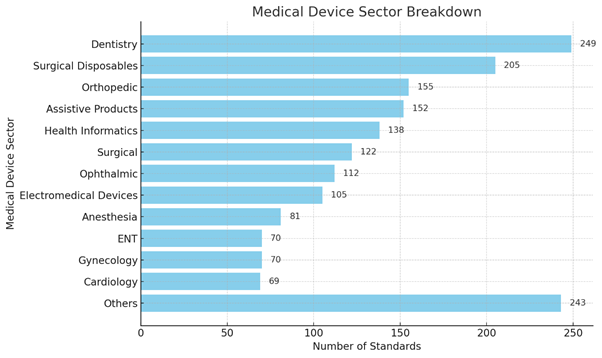
Output image

BIS has published over 1,700 standards for the medical sector, covering specialities such as cardiology, neurology, orthopaedics, ophthalmology, and more. Of these, around 1,200 standards specifically focus on medical devices critical to healthcare, including:

  • Life-saving devices: Cardiac pacemakers, heart valves, ventilators, and haemodialysis machines.
  • Advanced diagnostic tools: X-ray machines, CT scanners, MRI systems, and blood glucose monitors.
  • Assistive technology: Hearing aids, wheelchairs, Jaipur Foot, and tactile pathways for visually impaired individuals.

BIS standards in this sector ensure that Indian medical devices are safe, effective, and globally competitive. These efforts build trust among healthcare providers, consumers, and international stakeholders while solidifying India’s reputation as a leader in healthcare innovation.

Key Standards for Medical Devices:

Some of the key Indian Standards developed by BIS include:

  1. Cardiac Pacemakers: IS 13450 (Part 2/Sec 31): 2021
  2. Heart Valves: IS 17840
  3. Hip and Knee Implants: IS 12375
  4. Ventilators: IS 13450 (Part 2/Sec 12): 2023
  5. Infant Incubators and Radiant Warmers: IS 13450 (Part 2/Sec 19): 2023 for incubators and IS 13450 (Part 2/Sec 21): 2023 for radiant warmers
  6. Haemodialysis Machines: IS 13450 (Part 2/Sec 16) : 2019
  7. Infusion Pumps: IS 13450 (Part 2/Sec 24): 2019
  8. Advanced Diagnostic Tools:
    • X-ray and CT Machines: IS 7620 (Part 1) : 1986
    • MRI Systems: IS 13450 (Part 2/Sec 33) : 2018
    • Ultrasound Devices: IS 13450 (Part 2/Sec 37): 2019
    • ECG: Covered under IS 13450 (Part 2/Sec 25): 2018
  9. Monitoring Devices:
    • Blood Pressure Monitors: IS 13450 (Part 2/Sec 34): 2019
    • Blood Glucose Monitors: IS/ISO 15197: 2013
    • Pulse Oximeters: IS/ISO 80601-2-61: 2017

***

Observance of International Day of Older Persons

On 14th December 1990, the United Nations General Assembly designated October 1st as the International Day of Older Persons. The International Day of Older Persons was observed for the first time on October 1, 1991. According to United Nations, with the life expectancy at birth now exceeding 75 years in half of the world’s countries, 25 years longer than in 1950, by 2030, older persons are projected to outnumber youth globally, with this increase most rapid in developing countries. The observance of this day provides an opportunity to acknowledge the contribution, wisdom, dignity and needs of our senior citizens and to rededicate our efforts to ensure their well-being.

The Department of Social Justice and Empowerment along with  Department of School Education& Literacy is proposing a range of activities for the entire month of October, 2024 to help inculcate values of respect and gratitude towards senior citizens among students from an early age. These initiatives will foster respect and care for senior citizen among youngsters. This will lead to inter-generational bonding and empathy. In this regard, the following key initiatives are proposed to be undertaken viz:

  • Educational Institutions may host annual Grandparents’ Day with activities like storytelling and games to connect generations. They can also hold pledge-taking ceremonies for students, teachers, and staff to pledge respect for senior citizens, with these pledges displayed prominently in the institutions as a reminder.
  • As part of morning assemblies or language classes, students may be encouraged to recite poems or shlokas that highlight the importance of respecting elders. These can be drawn from lndia’s rich cultural heritage, resonating deeply with students.
  • Educational Institutions may introduce regular sessions where students and senior citizens from the community interact through various activities, such as sharing stories, discussing history, or learning about traditional crafts. This will help students develop an appreciation for the experiences and knowledge that senior citizens possess.
  • Encouraging students to engage in community service with senior citizens fosters inter-generational solidarity, mutual respect, and understanding. Educational Institutions may collaborate with local communities to create mentorship programs where seniors guide students in arts, culture, and vocational skills. This initiative benefits both generations by giving students valuable insights and providing seniors with purpose and connection.

For the month-long celebration of the International Day of Older Persons starting from 01.10.2024, the above initiatives have been shared with the States/UTs and Educational Institutions to instil the values of care and concern for the senior citizens among the youth as well as to involve the community in addressing to the issues and challenges faced by the senior citizens.

*****