Fundamentals of ‘LAUGHTER YOGA’.

Laughing is very important for health:

The most important principle behind Laughter Yoga or the most significant driving force behind the several Laughter Clubs is the theory that Motion Creates Emotion. Quite a few people wonder how a person can laugh when he is in no mood to laugh or when one doesn’t have any reason to laugh. However, the answer is very simple. For, there is a well established link between the body and the mind. Whatever happens to the mind happens to the body as well. This is easily understood and observed too. If a person is sad or depressed, his body also appears quite lifeless and sluggish. Such a person doesn’t walk or talk enthusiastically. But, what most people fail to understand is that the opposite is also true.

Whatever happens to the body also happens to the mind. I remember my father once telling me, “Son, if you are sad or feeling a bit low, don’t sit idle. Keep doing some physical work or go for a walk or do some jogging or go out to play some cricket or football . You’ll feel better.” And most of the times dad was proved correct. I would start feeling better quite soon. In an unhappy state of mind, if we bring ourselves to behaving or acting happy, soon enough we will start feeling light-hearted and chirpy indeed!

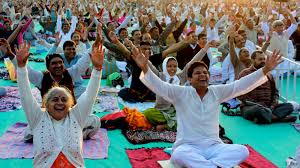
So, Laughter Yoga aims to use the two-way body-mind link to change the state of mind through voluntary physical gestures which include repetitive clapping, chanting, specific body movements along with laughter and breathing exercises. The result is so positive and its effects are so powerful that the modern world today has witnessed Laughter Yoga overcome severe and chronic depression in thousands of people right across the globe. In fact, several Laughter Clubs have adopted the motto, “If your Mind can’t laugh, bring your Body to our club.”

Laughter is all about playfulness. Have you ever wondered why children laugh 300 to 400 times a day whereas adults would consider themselves very fortunate if they manage laughter 10 to 15 times in a day? This is because of that seriously wicked and interfering tool called the brain! Adult use their brains or minds first to comprehend humour and then decide if they have to laugh. Very often, they suffer from what is said in Hindi the LKK Syndrome, that is “Log Kya Kahenge” or “What will people say?” This is called the “Mind-to-Body Model of Humour”.

On the other hand, children, who do not allow themselves to be too affected by the LKK Syndrome and don’t use their brain to seriously do the comprehension first, laugh the most while playing. Even if they fall into mud and slime while playing, they laugh heartily together without bothering about the consequences of soiling their spotlessly white school dress in case of a traditionally strict class teacher or headmistress in school or mother at home! Their laughter comes straight from the body and happily they don’t make use of intellectual capacity of the brain for it. Very clearly, they exhibit the “Body-to-Mind Model of Humour”, It is this childlike playfulness that Laughter Yoga aims at cultivating in people who are quite stressed these days.
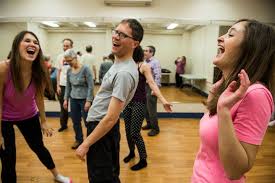
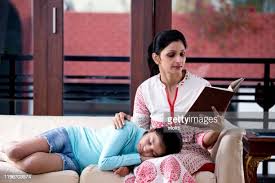
Image -google.

What is sadly significant is the fact that more and more children and even women, to whom smiles and laughter and giggling should come as naturally as the turtle coming out of its shell to walk or leaves falling in autumn, are enrolling themselves as members of laughter clubs nowadays!

Laughter Yoga makes a clear distinction between Happiness and Joy. Happiness is a conditional response of the mind which is totally dependent on the fulfilment of certain desires of the mind. By its very nature, it is related to how one’s life had been in the past or how it will be in the future! It is not there at all in the present moment. The ironical and sad fact is that even if some dreams, goals or aspirations are fulfilled, happiness disappears quite quickly as the mind starts chasing new goalposts-a new, job, a new house, a bigger car, etc.

On the other hand, joyfulness is the unconditional commitment to be happy each moment, to have fun for the moment, despite the problems and challenges of life, no matter how insurmountable they seem to the mind. It is the promise that the Body makes to the mind to indulge in playfulness moment by moment and thereby give relaxation to it. During these periods of playfulness triggered by a plethora of physical activities like dancing, singing, playing and laughing, physiological and biochemical changes take place within our body that give us a sense of well-being that completely alters a negative outlook towards life and its challenges replacing it with confident positivism moment by moment.

Therefore, in Laughter Clubs, members develop positive conditioning of joy. By laughing together over a period of time, clapping in a rhythm ,chanting “Ho Ho Ha Ha” in unison and positive affirmations like ” Very Good Very Good Yay Yay”, the brain develops new neuronal connections to produce happy neuropeptides and hormones in the body that rejuvenate the members.

Finally, Laughter Yoga rectifies shallow and irregular breathing, which is the direct consequence of stress and negative mental state. According to Dr. Otto Warburg, a Nobel Laureate, one of the main reasons for falling sick is the lack of oxygen in the body cells due to incorrect breathing. So, let us laugh together and get the oxygen back into our cells!
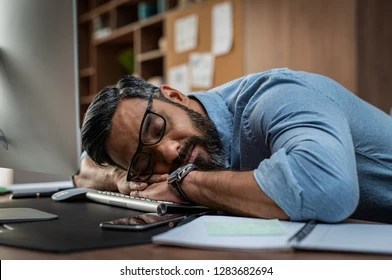
Do Indians Get Enough SLEEP?

I’m telling you about on Sleep habits among Indians?

Aviral is a Man .Aviral knew he was dead tired. Though it had been more than thirty eight hours since the forty four year old marketing executive returned to Delhi early one morning from New York, he was still recovering from jet lag. He had forced himself to remain awake the whole day as he had hoped to coerce his body into sleeping at night.

But the much needed sleep seemed to elude him completely. “I hardly managed any sleep that night,” Aviral recalled. The time change had completely disrupted his sleep pattern, and when he got out of bed at 7a.m. to head for office, he was entirely ill at ease, to say the least. At the office, he could barely concentrate on his work.

Aviral wasn’t aware simply how exhausted he was until he had driven a quarter of the twenty-four kilometre stretch on his way back home in the suburbs of Delhi. He halted at a busy signal on the way, but fell asleep suddenly at the wheel. He dazed after the motorist behind him honked. Aviral drove on, but feeling woke up he couldn’t focus any further, he decided to pull off the main road and parked the car in a quiet place. Then, he rolled down the windows a bit and managed to take a two-hour nap in his car. It was only after that that Aviral could drive home safely.

It is an undisputed fact that not getting enough sleep can lead to problems in concentrating. In fact many sleep disorder experts think that lack of sleep is the reason for many ailments. Dr. Kumar Menon and his colleagues presented a study paper on sleep disorders in Mumbai in which they stressed on the need for early detection of the problem and concluded that it was high time that all the physicians “woke up to sleep disorders and included sleep history in evaluating their patients.”

Whatever be the cause of not getting proper and enough sleep, we’ve all experienced the exhaustion caused by lack of sleep. Thus, sleep is as important to a healthy lifestyle as eating properly and exercising. Getting a good night’s sleep is one of the simplest things we can do to stay healthy.

A good night’s sleep means waking up rested and invigorated. On an average, a healthy adult requires just over eight hours of sleep a night, according to Dr. Jeffrey Lipsitz, a Canadian expert on sleep disorders. However, the amount of sleep it takes to rejuvenate an individual varies from person to person. “It’s not a fixed number,” opines Joseph De Koninck, a renowned professor of psychology, adding that if one consistently gets less sleep than one needs, then “a sleep deficit accumulates.” The time it takes for a sleep deficit to accrue depends on how consistent the problem is. “Missing a couple of hours of sleep every night for a week is probably enough,” says another psychiatrist Robert Levitan.

Swarup Chatterjee, the 28 year-old IIM graduate and assistant manager at a BPO in Hyderabad, knows very well that he doesn’t get enough sleep. “I haven’t had more than four to five hours of sleep for the last three years. There’s always so much that needs to be done in my professional as well as personal life that I am constantly thinking.” Swarup is fully aware that all that is very stressful and he admits that even though he has high energy levels, he is often tired and so he drinks several cups of coffee to counter the fatigue. “But I know that I’ll be able to concentrate better if only I got more sleep,” Chatterjee concludes.

In a study conducted by sleep-disorder experts, it was found that at least one- third of adults have significant sleep loss, i.e. they have just six and a half hours or less of sleep every night. Then a recent survey conducted in India has shown that twenty-nine percent of Indians went to sleep only after midnight and sixty-one percent slept for seven hours or less. The survey also arrived at the conclusion that Indians were among the world’s earliest risers, with sixty-four percent getting out of bed before 7a.m. Is there a need to reiterate that “Early to Rise” is good provided a person follows the “Early to Bed” principle as well?

Sleep is crucial to maintaining one’s health. Without it, we increase our susceptibility to an astonishing array of health problems, including heart disease, stroke, diabetes, obesity and depression. Not sleeping enough can compromise your immune system, says Stanley Coren, noted professor of psychology and author of the very popular book, “Sleep Thieves”. You eat well and exercise in order to keep your immune system up, Coren goes on to explain, but if you aren’t sleeping, you undo all that good work. “The immune system works best when you are sleeping,” he says. “That’s when your natural killer cells are generated.”

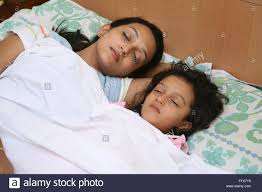
Image Source -google.

Natural killer cells are produced in the bone marrow and found in the blood and lymph fluid. They are part of the body’s defence mechanism against viruses, bacteria, even cancer, and they do not work properly in the persons who are sleep- deprived. A study in Turkey revealed that after 24 hours of sleep deprivation, the percentage of natural killer cells in the blood declined by 37 percent. Another study in the USA conducted on 23 boys and men found that one night of partial sleep-deprivation reduced natural-killer-cell activity to 72 percent of normal levels. Though their activity returns to normal when we begin to get proper sleep, the real problem is that a lot of damage might have been done to our bodies when we were sleep-deprived for several nights and our immune system might have left us undefended and susceptible to infection.

Sleep is important in keeping not only our waistline trim, but ensuring a balanced brain activity too. During sleep, brain neurotransmitters-the chemicals that deliver messages between nerve cells in the brain-are replenished. When we do not sleep well, our brain chemicals become depleted which leads to emotional disturbances like depression, anxiety and general feelings of sadness, anger and irritation.

PHYSICAL FITNESS

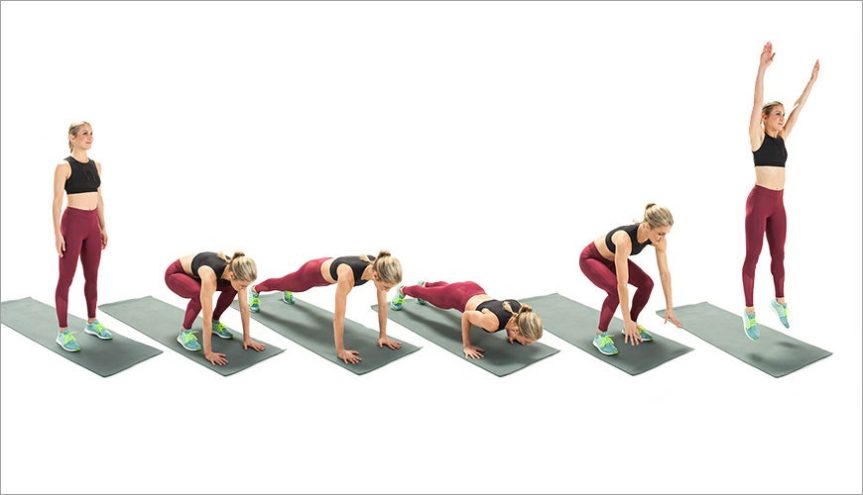
Prioritize Your Health & Wellness: Learn The Importance Of Physical Fitness  | Shaw Academy

Different people have different points of view regarding fitness . For a common man to have a good physique is a symbol of physical fitness . For a doctor , the proper functioning of physiological systems is physical fitness . In fact , physical fitness is a simple term with a broad meaning . Physical fitness of a common person means the capacity to do the routine work without any fatigue or exertion and after doing his work he has power to do some more work with quick recovery . Physical fitness is more than the possession of strength and endurance . It means having the best possible health with the capacity to do one’s everyday task , engage in recreational pursuits and meet emergencies , when they arise . As a matter of fact , physical fitness is possessed by that individual , who remains enthusiast , works cheerfully and does the emergency work with vigour . Physical fitness implies a relation between the task to be performed and the individual’s capability to perform it .in fact , to understand the physical fitness in better way , it would be more beneficial to go through the following definitions of physical fitness .

  • According to Webster’s Encyclopaedia , “ It is the ability of a person to do daily routine work without fatigue ; moreover to participate in playful activities and still reserve enough capacity to meet any emergency .
  • According to Don Hoskins ,”The human body’s ability to move with the desired speed , balance , agility and strength gained through proper exercise and nutrition , “
  • According to Kroles , “Successful adaption to the stresses of one’s lifestyle.”
  • According to David R. Lamb , “Physical fitness is the capacity to meet the present and potential physical challenges of life with success .”

In fact , it can be said that physical fitness is the ability to function effectively and efficiently , enjoy leisure , be healthy , resist disease and cope with the emergency situations . Physical fitness varies according to the nature of work , individual’s size , shape of the body , age and sex . For physical fitness , we require an efficient motor mechanism , efficient organic mechanism and an efficient mental functioning .

Nausea! It could be Cybersickness or Motion sickness

Nausea due to watching fast moving digital images becoming common if you are watching computer generated mayhem in the latest action film or scrolling rapidly on your smartphone, you may start to feel a little off. Maybe it is a dull headache or dizziness or creeping nausea. And no, it is not something you ate.

A peculiar side effect of the 21st century is something called digital motion sickness or cybersickness. Increasingly common, according to medical and media experts, it causes a person to feel woozy, as if on a boat in a churning sea, from viewing moving digital content.

“It’s a fundamental problem that’s been kind of been swept under the carpet in the each industry,” said Cyriel Diels, a cognitive psychologist and human factors researcher at Conventry University’s Centre for Mobility and Transport in England. “ It’s a natural response to an unnatural environment.”

Digital motion sickness, known among medical professionals as usually induced motion sickness, stems from a basic mismatch between sensory inputs, said Steven Rauch, medical director of the Massachusetts Eye and Ear Balance and Vestibular Centre and professor of otolaryngology at Harvard Medical school. “Your sense of balance is different than other senses in that it has lots of inputs,” he said “ When those inputs don’t agree, that’s when you feel dizziness and nausea.”

In the traditional motion sickness, the mismatch of occurs because you feel moment in your muscles and joints as well as in the intricate coils of your inner ear, but you do not see it. That is why getting up on the deck of a ship and looking at the horizon helps you feel better. But with digital -motion sickness, it is the opposite. You see movement -like the turns and twists shown in a movie or video e game car chase that you do not feel. The result is the same: You may have sensory conflict that can make you feel queasy. It can happen to anyone, even if you are someone who is not prone to motion sickness in cars, boats or air r planes. Various studies indicate it can affect 50% to 80% of people, depend ting on the fidelity of the digital con tent and how it is presented. Studies show that women are, more susceptible than men, as are a those with a history of migraines or concussion.

How do you treat cybersickness?


The moment you feel the onset of symptoms, you should take a break from whatever screen you’re looking at. Crowson says you need to give your brain the visual cues that you’re not moving, ideally by looking at the horizon (which, depending on where you live, might not be possible). Even if you can’t see the horizon, anything outside or not moving around you will do.

How do you prevent cybersickness?


Since it’s not realistic to stop looking at screens (unfortunately), we have to find a way to manage our time with them. “Structured breaks are really important,” says Crowson, who recommends 50 minutes on and 10 minutes off your screen. “Even if you’re feeling good at the end of the 50 minutes, it’s still good to take that 10 minutes off, especially if it’s been a trigger before.”

Since screens aren’t disappearing from our lives anytime soon, your best bet to avoid cybersickness is to keep up with those breaks even if it’s for a walk, to stretch, or to look outside the window. Chances are you need it.

Health and Fitness

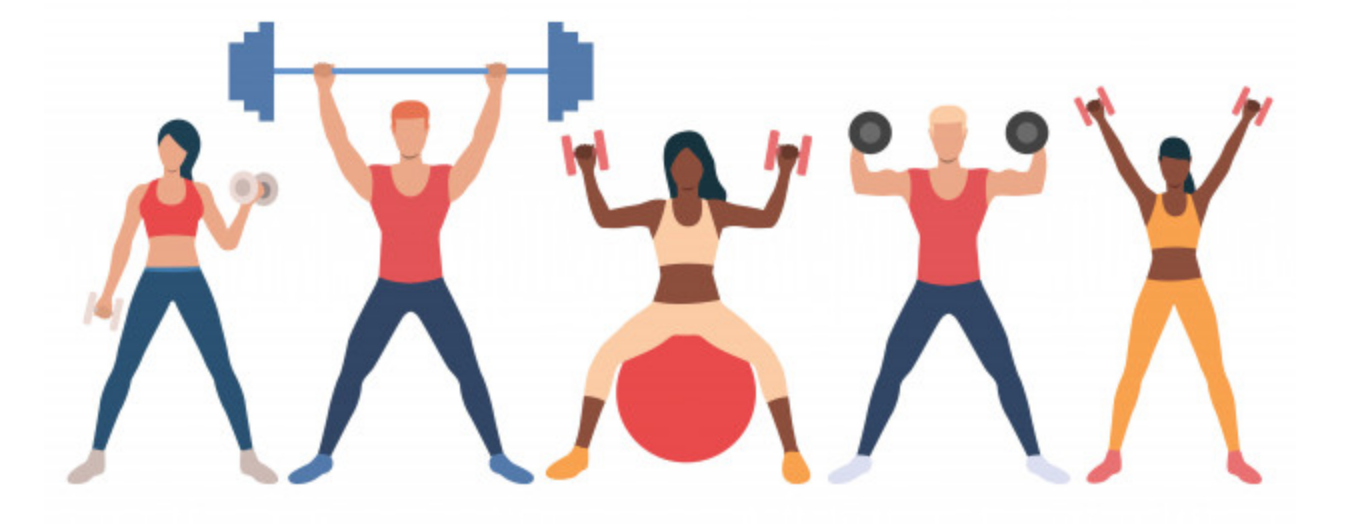
Staying healthy and fit are directly proportional to each other. In order to lead a healthy and fit life we need to focus on some prime practices which will not only make us physically fit but will also provide us with peace of mind. Staying heathy and fit keeps us away from diseases and thus its medications and side effects. A healthy body homes a healthy mind, and a healthy mind boosts the productive thoughts help us to deal life with positivity in a healthy way. But staying healthy and fit requires discipline, one must have a balanced diet, eating less never makes someone healthy and fit whereas eating the right nutritious food in the right quantity does so. A healthy diet must constitute of all the five nutrients as well as water and roughage. Starving is highly not recommended, giving the body the required nutrients is important. In order to stay fit and healthy one must also regularly practice yoga and physical exercise; these enables movement of each and every part of the body and thus ensures its flexibility also ensures growth and increases stamina. Staying away from negative environment and people is another major practice which is encouraged in order to ensure a healthy and fit body.

If you want to start your journey a having a better body to feel great, here are some tips :

* Exercise daily for at least an hour

* Eat the Right foods and portion each meal.

* keep track of calories and food intake per day.

* Be sure to get sleep.

* Stay motivated.

5 components of physical Fitness :

* cardiovascular Endurance.

* Musular strength.

* Muscular endurance.

* Flexibility

* Body composition.

* The difference between fitness and health is Health is defined as a state of complete mental, physical and social well- being, not merely the absence of illness or infirmity. Fitness is the ability to meet the demands of the environment.

* The connection between health and fitness is physical fitness, by its very nature, significantly strengthens the bod’s immune system. Therefore, it may substantially reduce the likelihood of liness and disesase, and well as improve the way the body copes with illnesses when they occur.

* The three categories of health fitness and wellbeing is physical, emotional and social wellbeing.

Why is health and fitness so important?

Regular exercise and physical activity promotes strong muscles and bones. It improves respiratory, cardiovascular health, and overall health. Staying active can also help you maintain a healthy weight reduce your risk for type 2 diabetes heart disease and reduce your risk for some cancers.

* There are six skill- related fitness components: agility, balance, coordination speed, power and reaction time. skilled athletes typically excel in all six areas. Agility is the ability to rapidly and accurately change the direction of the body

* The principles of specificity, progression, overload, adaption, and reversibility are why practising frequently and consistenly are so important if you want to improve your performance.

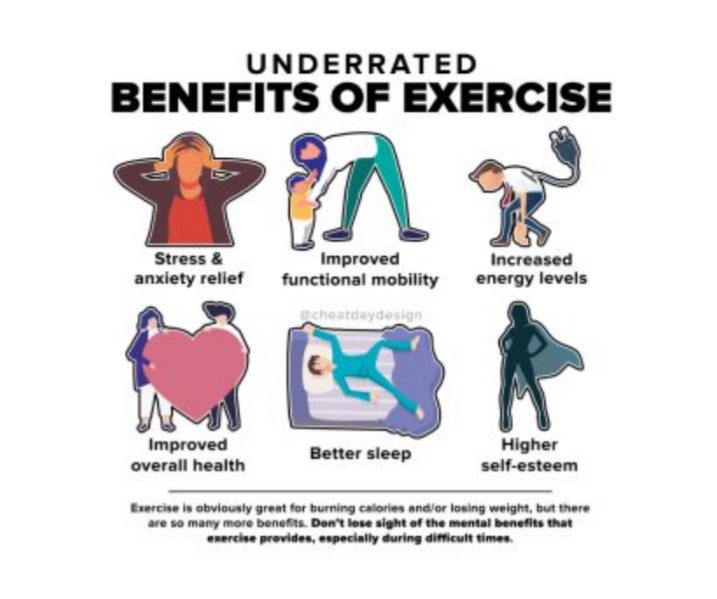
The health benifits of exercise :

* helps you contro your weight.

* Reduce your risk of heart disease.

* Help your body manage blood sugar and insulin levels.

* Help you quiet smoking

* Improve your mental helath and mood.

* Help keep your thinking , learning and judgement skills sharp as your age.

* Exercise prescription is based on 5 priniciples are type, duration, frequency, intensity and volume.

So stay healthy and stay safe . This pandemic days wants more food to our bodies to get more immunity. Be fit and Be happy . We fight with this covid with our lifes . Be strong these are all will helps to us.