During a virtual meeting with health ministers and senior officials of states in view of the recent surge in coronavirus cases in some parts of the world, he said, “The Centre and states need to work in tandem and in a collaborative spirit as was done during the previous surges for Covid prevention and management.”
“A mock drill for an emergency response to deal with Covid 9 cases will be conducted at hospitals across the country on Tuesday, 27th December, the Union health minister Mansukh Mandaviya will also be participating in the Mock drill,” official sources told ANI.The mock drill is being conducted amid fear of a Covid surge in the country in the wake of a spurt of Covid cases reported in China and other countries. The Union Ministry in India has started taking several proactive steps in this direction.
According to officials, travel guidelines have been revised and issued. 2% random screening of international passengers to be re-initiated from Saturday, December 24, the random screening charges will be charged to the passengers.
Union Health Minister Mansukh Mandaviya today reviewed the COVID-19 situation in the country in view of a sudden spurt in cases in some parts of the world, and directed officials to be alert and strengthen surveillance. “Use a mask if you are in a crowded space, indoors or outdoors. This is all the more important for people with comorbidities or are of higher age,” he said. “Only 27-28% of people have taken precaution dose. We appeal to others, especially senior citizens, to take precaution dose. Precaution dose is mandated and guided to everyone.”
In view of the rise in cases in Japan, the United States of America, Republic of Korea, Brazil and China the Union Health Ministry, urged all states and Union territories to ramp up the whole genome sequencing of positive samples of Covid to keep track of emerging variants.
In India, more than 220 crore vaccination doses have been administered, including booster shots. Many got reinfected or have already been exposed to omicron, its sub-variants, and sub-lineages. As a result, many Indians have developed ‘hybrid immunity’ or ‘super immunity’, due to a combination of extensive vaccination and natural infection. Nevertheless, in view of the sudden spurt of cases abroad, the government is reviewing the situation and has directed all relevant agencies to be alert.
Epidemiologists estimate that over the next few days more than 60 per cent of China’s population and 10 per cent of Earth’s population would likely to get infected by Covid-19 and this would be just the ‘start’.
Skyrocketing infections, inundated hospitals, overflowing morgues — elation from the lifting of zero Covid curbs proved tragically short-lived as China reels under a Covid explosion.
Amid this grim state of affairs, a top infectious disease expert has projected that more than 60 per cent of China’s population is likely to be infected by the coronavirus in the next three months and witness millions of Covid-related deaths.
Chinese authorities have failed to bolster the elderly vaccination rate, upping surge and intensive care capacity in hospitals, and stockpiling antiviral medications, which could spell disaster for the country’s 1.4 billion citizens, warned experts.
After four years of fractious talks, nearly 200 countries, including India, approved a historic Paris-style deal on Monday to protect and reverse dangerous loss to global biodiversity following an intense final session of negotiations at the UN COP15 summit here in Canada.
The UN Development Programme said the “historic agreement” meant people around the world could hope for real progress to halt biodiversity loss.
The main points include:
Maintaining, enhancing and restoring ecosystems, including halting species extinction and maintaining genetic diversity
“Sustainable use” of biodiversity – essentially ensuring that species and habitats can provide the services they provide for humanity, such as food and clean water
Ensuring that the benefits of resources from nature, like medicines that come from plants, are shared fairly and equally and that indigenous peoples’ rights are protected
Paying for and putting resources into biodiversity: Ensuring that money and conservation efforts get to where they are needed.
Furthermore, the framework also calls for increasing the amount of money sent to poor countries to at least $20 billion every year by 2025 which could be increased by $10 billion each year by the end of the decade. However, the document only calls for identifying subsidies by 2025 which can be reformed or phased out and work on reducing them by 2030.
The draft comprised four broad goals and 22 targets addressing the protection of nature and sharing its benefits which included, the management of wildlife, working on the restoration of habitats and using less plastic.
The toll of dead in Bihar’s Chhapra Hooch tragedy has soared to 50, succumbing after consuming spurious liquor in the Saran district. People have died and several others hospitalised in India’s Bihar state after drinking toxic alcohol, authorities and local media said.
The deaths happened mainly in two villages in the impoverished eastern state, where the sale and consumption of liquor were banned in 2016 after women’s groups campaigned against poor workers splurging their meagre incomes on drinking.
Such bans are in force in several Indian states, driving a thriving black market for cheap alcohol made in unregulated backstreet distilleries that kills hundreds of people every year.
Hooch is a commonly used term for poor quality alcohol, derived from Hoochinoo, a native Alaskan tribe that was known to produce very strong liquor. Unlike branded liquor which is produced in factories with sophisticated equipment and rigorous quality control, hooch is made in more crude settings without any quality checks.
All that matters is to produce alcohol that will intoxicate, and hooch surely does that. The only problem is that if prepared incorrectly, it can kill. Importantly, it is near impossible to tell whether hooch is safe to consume before actual consumption.
In a bid to curb smoking for the next generation and make the country smoke-free by 2025, New Zealand passed the world’s first legislation prohibiting the sale of tobacco to anyone born on or after January 1, 2009.
According to the Guardian, the number of stores legally permitted to sell cigarettes will be reduced by a tenth, from 6,000 to 600 across the country. The law passed will go into effect in 2023, as New Zealand strives to become “smoke-free” by 2025.
New Zealand’s smoking rate is already at historic lows, with just 8% of adults smoking daily according to government statistic released in November – down from 9.4% last year.
It is hoped that the Smokefree Environments Bill will reduce that number to less than 5% by 2025, with the eventual aim of eliminating the practice altogether.
Since it affects every aspect of our life, mental health is more crucial than ever. Good mental health has an impact on everything we do think, and say.
Reasons to care for mental health
Stabilizing constructive habits, emotions, and thoughts requires maintaining good mental health and managing any mental health disorders. Focusing on mental health care can boost productivity, improve our self-perception, and strengthen bonds with others.
Taking care of our mental health not only makes it easier for us to operate on a daily basis, but it can also help us combat or at least regulate some physical health issues that are closely related to mental health issues. For instance, since stress and heart disease are linked, reducing stress may benefit heart disease.
Other benefits of taking care of our mental health can include:
• Increasing our psyche
• Lessening our stress
• Fostering a greater sense of inner calm
• Better mental clarity
• enhancing our connections
• Boosting our sense of self
Beyond what has already been mentioned, having a healthy mind can have a big impact on our psychological, emotional, and social wellbeing. It has a direct impact on how we feel and behave every day. When we have to make difficult decisions, handle stress, and interact with others in our surroundings, our mental health plays a significant role.
However, mental health isn’t something we can just handle once and then move on from. At every stage of our lives, it is crucial. We must be aware of and treat mental health carefully at all stages of life, from childhood to adulthood.
Having a solid foundation when it comes to mental health means you can:
• Maintain successful, wholesome relationships
• Manage life’s daily stress
• Create a good sense of who you are.
• Continue to be inspired, active, and healthy.
• Increase your output at work and school.
• Engage in meaningful interactions and give back to the neighbourhood
• Recognize your potential and strive to fulfil it.\
Why Should We Spread Mental Health Awareness?
We may attempt to reduce stigma surrounding mental health concerns in our culture by putting in a concentrated effort to raise awareness of them.
We can find a solution by having those difficult conversations and admitting there is a problem. We can start doing away with the stigma and fear that are frequently connected to discussions about mental health. By doing this, you can encourage people to ask for assistance when they do.
Asking for assistance demonstrates strength. Together, we can provide the groundwork for a culture that values and recognises the significance of healthy mental health.
Focusing on mental health awareness can also increase awareness of some illnesses’ signs and symptoms. Early intervention predicts how well various disorders may respond to mental health treatment. The greater the chance that someone will be able to manage their disease and improve their mental health, the earlier they will be diagnosed and start receiving treatment.
Basically everyone expects the normal student lifestyle with proper and regular routine or schedule to follow for a student even that student too.But Eventually mine is bit different.Different lifestyle is not a decision of mine but the wise decision is something that to accept this difference. Like all other students I’m also a student of a regular class of academic course at a high named Central University.But the thing is I’m not capable of interacting with people or Hodge podge anymore,The reason behind is something I’m not blaming but before Corona pandemic i was not that what I’m now.I feel anxious and low from deep down to be in gathering,it’s became tough to hear more than one sound hitting my ears,even sunrays and a close conference room makes me uncomfortable. But taking these all wisely i chose to work from my room ,even class work , activities, projects and all doing individually that makes me feel really good.My elders and professors are understandable enough.I order food or cook sometimes,i ate,i do work like personal stuffs too,I enjoy myself ,watch movies,series etcetera it’s also appreciable for me to write about my lifestyle cause I’m living my own way with no glitches or now atleast and it’s working literally,every well wishers hoping to see me out or be social like before i was,but here I’m not only hoping but working on it too. What do you think,does it sound like a normal lifestyle?If I’m the only one who is facing this? The answer is Big Noo… As of now things are getting recovered after the pandemic, One after one has faced different phases but the outcome is the same It is Anxiety, depression or phobea and many health issues as well as mental issues. They try to be social,to be active and involved like they were before Pandemic.But there and then remember one thing that things will get worse when we push it to show surroundings that we are okay and internally we continuously go deep down by doing this.
So just let it be, If you don’t want to be in gather just make a space where you can feel atleast not bad than to be in gathering. If you don’t wanna hear something/someone just listen to you for yourself to make Comfortable atleast. Don’t wanna go out or see something just feel for yourself and work yourself to do productice that can be seen for a single time atleast. Atleast eat a bite and drink a drop to immune your brain that is continuously running without break. Don’t wanna describe yourself to anyone,just don’t do but focus on yourself to make your personality and let it describe your victory. Not feeling okay is too short to say,just don’t say… but i have one oath to say that is;It’s totally okay to not be Okay. Okayy?
Usually, the first thought that comes to mind when entering a hospital is how much lighter your wallet will be when you leave. In a high-tech world, medicine is at the forefront, and technology comes with a cost. It’s not uncommon for routine check-up bills to run into the thousands of dollars. A lengthy hospital stay will inevitably set you back hundreds of thousands of dollars. Having reliable comprehensive health insurance can save you a day and your wallet, at least if you’re in the hospital for treatment.
What is health insurance?
If you choose health insurance, your medical expenses will be covered by your insurance company and you will instead have to pay an annual membership fee called a “premium”. This can also be paid in monthly installments. Depending on which policy you choose and who provides it, health insurance protects your wallet by covering medical bills, hospital bills, ambulance bills, test bills, and other related costs. Some policies also cover lost earnings compensation.
Why should you have health insurance?
A WHO report outlines the need for expanded health insurance coverage in India, which is staggering as 68% of India’s healthcare costs are out-of-pocket (OOP). Also, only 18% of urban and 14% of rural India have health insurance. Getting health insurance at a young age is a wise decision as premiums are much lower. Please note that many policies do not cover pre-existing illnesses or illnesses that occur within 30 days of obtaining the policy, except for accidents.
If you do not yet have health insurance or are considering it, here is a list of reasons why you should recognize the importance of health insurance.
• Cashless treatment: All major health insurance companies have many popular hospitals in their networks, so-called network hospitals. When you get treatment at one of these hospitals, all you have to do is present your health insurance card (or just your insurance number), fill out a few forms if necessary, and then you’re all set. However, if you decide to go to an out-of-network hospital, you will have to pay for treatment and later apply for a refund. Cashless treatment is therefore one of the biggest benefits of health insurance. Because few people can arrange a large amount of money in a short period of time for medical purposes.
• Rising health care costs and illnesses: According to cancer statistics in India, there were 11,57,294 registered cancer patients in 2019. In the last 26 years, cancer incidence has almost doubled in India. Other life-threatening diseases such as tuberculosis and diabetes are also on the rise. With medical and treatment costs continuing to rise, look no further than why health insurance is a must.
• Free Health Checks and Additional Benefits: Many insurers offer their customers free health checks every year (but only if you haven’t filed a claim in the last few years). Some companies do). You are also eligible to receive a No Claim Bonus (NCB). H. If you do not have insurance other than outpatient insurance during the insurance period, the insurance amount will increase by a certain amount. In addition, ambulance costs, pre-hospital and post-hospital costs are some of the other benefits offered by insurance companies.
• Tax Incentives: Section 80D of the Income Tax Act provides tax incentives for health insurance premiums. Under the age of 60, INR 50,000 for parents under the age of 60 (INR 25,000 for self-employed persons, spouses and dependent children and INR 25,000 for parents), for parents over the age of 60 can claim a deduction of Rs 75,000. (Self-employed person, spouse and dependent children Rs 25,000 for her and Rs 50,000 for parents). In total he can claim a deduction of Rs 1,00,000 if both the individual and the parents are above her 60 years of age.
• Peace of Mind: Well-planned back insurance can be a great peace of mind, especially when life-threatening diseases have increased at an alarming rate in recent decades. It can save you and your family during a medical emergency, and most importantly, one less thing to worry about in your busy daily schedule.
Now that you understand the importance of health insurance, let’s take a look at what to consider when choosing health insurance.
Points to note when looking for health insurance
• As mentioned above, it is better to get health insurance when you are young. Insurance premiums tend to increase with age, as does the risk of health problems.
• Look for insurance that covers terminal illness. These are the things that weigh most on our finances, so it makes no sense not to include them in the covered list.
• Do not choose insurance with expensive copay clauses. Your copay is the part of your bill that you have to pay out of your own pocket in the event of a claim. The insurance company will pay the rest according to the terms of the policy.
• You may select passenger/additional features related to health insurance to contribute to the overall insurance coverage network.
Types of Health Insurance
•Compensation Plan: In this case, the patient pays a fixed amount for hospital expenses and the insurance company pays the rest of the bill. You can choose the doctor you want to see, and your insurance company doesn’t have to decide which hospital or whether you need to see a doctor. But this autonomy is only up to a point. In an emergency, emergency room admission still requires insurance clearance unless you are incapacitated. If you choose a coverage plan, first pay the full amount out of your own pocket and then request a refund. is needed.
•Exclusive Provider Organization (EPO): Members of the EPO plan must use a defined network of physicians and primary care physicians (PCPs) who issue referrals to the network’s specialists for treatment. However, this condition does not apply in emergency situations. You will also be required to make a small donation yourself.
•Point of Service (POS): Similar to EPO Pan, POS also offers PCP with a choice of network providers. In such cases, higher compensation is available. However, if you choose to go to an out-of-network hospital, you may be subject to a deductible (out-of-pocket) and have less insurance coverage. You may also need to prepay and then request a refund.
In summary, the importance of health insurance cannot be overestimated. Get health insurance for yourself, your spouse, your children, and your parents early.
A healthy lifestyle, put simply, is a way of life that
lowers your risk of developing serious illnesses or shortens your life
expectancy. Many dangerous illnesses can be averted by adopting certain
practices and avoiding others, even though we cannot completely prevent all
diseases.
What are the essential
features of a healthy lifestyle?
A healthy diet
• Eating a variety of foods in the right amounts and
sticking to a calorie intake that supports maintaining a healthy body weight
are both components of a balanced diet. Although everyone’s situation is
different, as a basic guideline, this should contain:
• A third of your daily dietary intake should consist of at
least five pieces of fruit and vegetables. According to data, those who achieve
this threshold have a lower risk of some malignancies and heart conditions.
• Starchy foods, especially those made with whole grains,
which have higher fibre and nutritional contents than white grains. Whole
grains have been found to support good gut bacteria and lower the risk of a
number of malignancies, type 2 diabetes, and heart disease.
• Lean proteins are crucial for cellular repair and offer a
variety of vitamins and minerals, notably fish, eggs, and white meat.
• Dairy products and products derived from them, which are a
good source of calcium and protein.
• Saturated fats in moderation.
Physical activity
The World Health Organization advises all adults to engage
in regular physical activity, including at least two sessions per week of
weight-bearing exercise, in addition to at least thirty minutes of moderate
aerobic activity daily. Being physically fit helps prevent secondary prevention
(i.e., the worsening of symptoms) of diseases like cardiovascular disease, certain
malignancies, diabetes mellitus, and osteoporosis.
Healthy body weight
The importance of maintaining a healthy body weight for
overall health and illness prevention cannot be overstated. Body mass index
(BMI), a measurement of body fat based on height and weight, is a valuable tool
for determining if a person’s weight is healthy. A BMI score of 18.5 to 24.9 is
considered normal; a score of 25.0 to 29.9 suggests an individual is
overweight; and a score of 30 or higher denotes obesity. BMI score and disease
risk are positively connected, with higher scores indicating a higher risk of a
number of diseases, such as:
• Diabetes type 2
• Heart condition
• Liver disease
• Hypertension
• Mood issues
• Reproductive disorder
• Cancer risk
Obesity and being overweight increase the risk of disease.
Tobacco use
There is no degree of tobacco usage or smoking that is
considered safe. Therefore, never having smoked is correlated with the best
health outcomes.
Eight million individuals per year pass away from smoking-related
illnesses, with smoking being directly responsible for 70% of lung cancer
cases. The esophagus, mouth, throat, pancreas, stomach, and liver are just a
few of the numerous bodily parts where it can cause cancer. Smoking harms the
heart’s tissue and circulation, raising the risk of vascular disease,
myocardial infarction, coronary heart disease, and stroke.
Moderate alcohol intake
One to two drinks per day for men and one drink per day for
women constitute a moderate intake of alcohol. Consuming alcohol at these
amounts raises the likelihood of bad health effects. For instance, excessive
consumption can boost blood triglycerides, which raises the risk of heart
attack and stroke. Additionally, it can cause heart arrhythmia, cardiomyopathy,
and excessive blood pressure.
Stress is a natural part of life, and like many things, it’s important to learn how to manage it. If you’re suffering from stress, here are some helpful tips for coping:
Find a hobby
If you’re looking for a way to manage stress and unwind, a hobby can be an excellent option. It doesn’t have to be something specific or intense; you could simply enjoy doing something that inspires you every day.
Whatever it is that makes your heart race with excitement, there’s probably an outlet for it in your life—if not now then at some point in the future. Taking up knitting or painting might seem like an odd choice when you’re stressed out by midterms and finals, but these activities can become routine sources of relaxation as well as hobbies!
When we were kids growing up, many of us were fond of playing sports: football or baseball games were favorite pastimes at our houses during the summer months because they gave us something physical (and occasionally competitive) to do together after school hours were over. Nowadays however there are plenty other ways for parents and kids alike alike enjoy getting involved together outside on weekends – whether through volunteering with community organizations like Habitat For Humanity; going camping together on family camping trips; taking part in organized activities such as dance lessons where everyone learns new moves together while having fun at once too 🙂
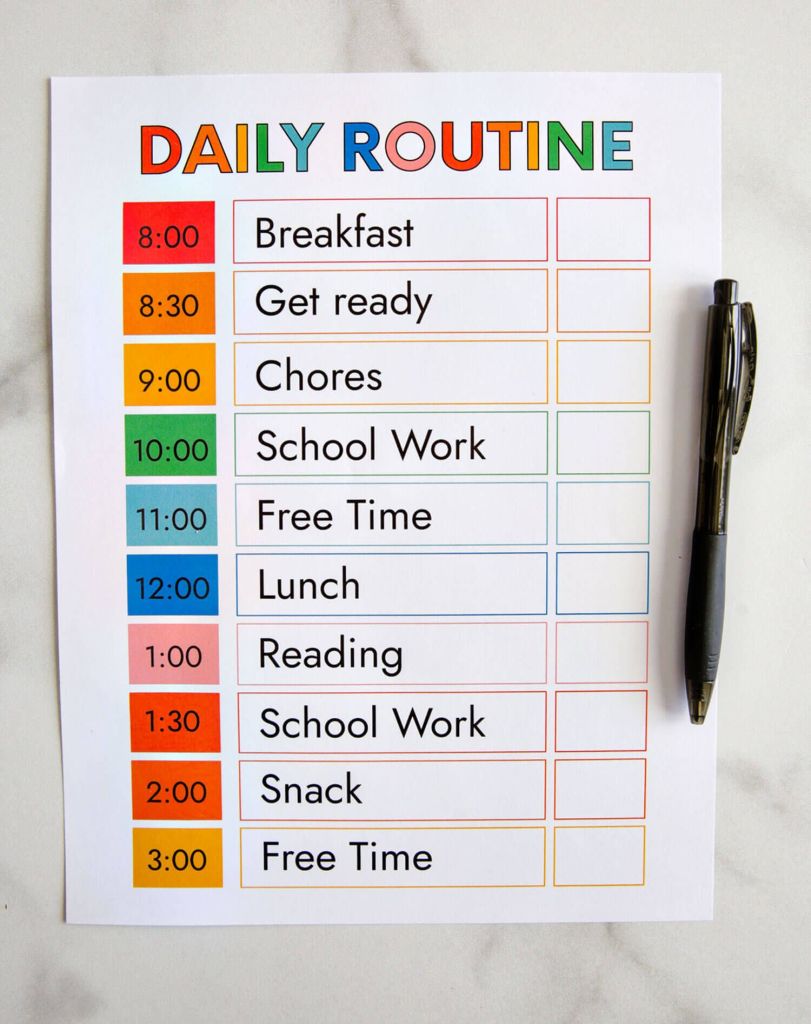
Build a daily routine
The first step to managing stress is building a daily routine. A morning routine, afternoon routine and evening routine are all good places to start.
Make sure you have your coffee (or tea) before 7:30 AM. This will help you get going in the morning and prevent late-night cram sessions later on in the day when you’re tired or distracted by something else that needs doing.
Get through at least one workout session per week—even if it’s just walking around campus for 30 minutes with friends or playing basketball with teammates after class! Exercise helps burn off energy so that mentally challenging tasks don’t seem insurmountable anymore; moreover, exercise has been shown to reduce anxiety levels as well as improve moods overall.* Go grocery shopping once per week rather than buying food from convenience stores because they tend to have higher prices than supermarkets do; however replacing fast food with healthy alternatives like salads instead of burgers will save money while still providing nutritious meals throughout each day.* Try not using social media sites like Facebook or Twitter too frequently either during lunch breaks at work because this causes users’ lives outside office hours become blurred together into one giant blur which makes everything seem more difficult than before since now there’s no separation between work life & personal life anymore.
Eat healthy food
Eating a balanced diet is key to managing stress. It helps you feel more energized and less tired, which can help you avoid getting sick or stressed out by hunger pangs. If possible, eat a healthy breakfast every morning—this will give you the energy boost that makes it easier for you to get through your day!
If eating junk food is something that stresses out your stomach (and let’s be honest here: who doesn’t love pizza?), try finding healthier snacks like fruit salad bites or even granola bars instead of sugary ones. The key here is moderation; no one should ever eat too much junk food because this will only make them feel worse afterwards.
Get in touch with your family
Stress is a normal part of life and as such, it’s important to find ways to manage your stress. One way you can do this is by talking with your family about how they can help.
Family members are a great source of support when it comes to helping you manage stress—and they may not even realize how much they’re helping! If you have parents or siblings who live nearby, consider asking them if they’d like some help managing their own lives and those around them. You could even offer up some of your time (or money) in exchange for their assistance so that everyone benefits from their efforts together.
Get enough sleep
Sleep is important for learning and memory.
It’s also linked to stress reduction.
Getting enough sleep can help reduce your stress levels, which will make you more productive at school or work.
Go for a walk
You can get away from the stress of school by going for a walk.
Go for a walk alone or with friends if you’d like, but don’t worry about being seen—the point of walking is just to move your body, not impress others. Listen to music while you walk (or listen in silence), and try to take in some fresh air too. Take your dog for a long walk around the neighborhood; they’ll love it! If possible, try walking at least 10,000 steps each day—that’s equivalent to running one mile per hour continuously for 30 minutes straight! When I was younger and had more energy than I do now as an adult who’s trying everything she can think of not only stay healthy but also keep fit at age 55+.
Listen to music
Music is a great way to relax and de-stress. You can listen to any music you like, but try not to choose something that’s too hard or fast. Music can also help you focus on what’s important in your life, which will help keep things in perspective when they get overwhelming.
Music can also help with sleep! I recommend listening before bed because it helps calm your mind enough so that it doesn’t keep tossing and turning at night because of all the stressors going through your head during the day (or even week).
Meditate
Meditating is a great way to relax and unwind. It can help you deal with stress, anxiety and depression, improve your memory and creativity, even slow down the aging process.
If you’re new to meditation or have never tried it before there are plenty of ways that beginners can begin:
Sit comfortably in a comfortable position (sitting or lying down).
Close your eyes if possible – this might help you focus better on what you are doing (most people choose not to cover their eyes).
Start by breathing normally through both nostrils for one minute without counting the breaths or trying anything else at first; this will help clear any thoughts from your mind so that when they come back again later on during meditation they won’t distract us from our task at hand which is meditating.
Talk to someone about your stressors
Talking to someone about your stressors is an important part of managing them. You can talk to your friends and family, but it’s also helpful to talk about the stressors with a therapist or counselor. If you feel comfortable talking about this issue with a doctor, go for it! The same goes for religious leaders, coaches and mentors who have experience dealing with similar issues in their own lives. And if none of these people are available yet, teachers are usually willing to listen when students come seeking guidance from them (or even just want advice on how they should handle their own problems).
Few more steps to encounter stress
Stress can be caused by a variety of factors including work-related issues, relationships with friends and family members or even just having too much on your plate at once. In order to manage stress effectively there are some steps that you can take:
Start taking breaks from time to time during the day (even if only for 5 minutes). This will help you relax and recharge so that when you return back into work mode again; everything feels fresh again.
Try getting outdoors more often during the day so that there’s less time spent indoors where all these feelings tend to accumulate over time because there isn’t much else going on besides watching TV shows while eating pizza as opposed being outside enjoying nature around us all… You get what I mean? 🙂
I hope this article has given you some useful tips for managing your stress. Remember that the best way to deal with a stressful situation is to stay calm and take action. Use our tips above and find something that helps you relax, like giving yourself time away from your responsibilities or getting some exercise – anything will do.
Schizophrenia is a disorder of the brain in which the person has lost touch with reality, and has symptoms like delusions, hallucinations, and bizarre beliefs. A person with schizophrenia has only one personality. The ‘split’ refers to the fact that their thinking, feeling, and behavior may not be consistent/congruent with one another (e.g., laughing while recollecting a sad story).
Schizophrenia sometimes can cause a person to behave violently, but not all with schizophrenia are violent. It is only a small minority of violent persons. Even these people are not violent all the time; they may become violent mostly when they are very ill. After a proper diagnosis and appropriate medication, a person with schizophrenia is no more or less violent than a person who does not have the disorder. Improved patients who are on treatment are no more dangerous than the general population.
Symptoms of Schizophrenia –:
The symptoms are classified into 5 types Behavioural, cognitive, mood, psychological, speech
1. Behavioural: social isolation, disorganized behavior, aggression, agitation, compulsive behavior, excitability, hostility, repetitive movements, self-harm, or lack of restraint
2. Cognitive: thought disorder, delusion, amnesia, belief that an ordinary event has a special and personal meaning, belief that thoughts aren’t one’s own, disorientation, mental confusion, slowness in activity, or false belief of superiority
3. Mood: anger, anxiety, apathy, feeling detached from self, general discontent, loss of interest or pleasure in activities, elevated mood, or inappropriate emotional response
4. Psychological: hallucination, paranoia, hearing voices, depression, fear, persecutory delusion, or religious delusion
5. Speech: circumstantial speech, incoherent speech, rapid and frenzied speaking, or speech disorder
• Also common: are fatigue, impaired motor coordination, lack of emotional response, or memory loss.
• Triggers may include:
• stress
• drug misuse
• chronic alcohol use
Causes of schizophrenia –:
1. Genetics
2. Structural changes in the brain
3. Chemical changes in the brain
4. Pregnancy or birth complications
5. Childhood trauma
6. Previous drug use
Can you prevent schizophrenia?
Researchers don’t completely understand what causes schizophrenia, there’s no sure way to prevent it. However, if you’ve been diagnosed with this disorder, following your treatment plan can reduce the likelihood of relapse or worsening symptoms.
Do People with schizophrenia need to be cared for in a hospital ?
Not all people with schizophrenia need to be hospitalized. The family can care for the person at home, by understanding the disorder and learning what kind of support the person needs, while diligently following the advice of the mental health professionals.
Is schizophrenia caused by bad parenting or abuse during childhood ?
Schizophrenia is not caused by bad parenting or abuse. The occurrence of schizophrenia is linked to the structure of the brain, and other risk factors: genetic, physical, emotional, and social. Adolescence is a period where some structural changes take place in the brain. One of the theories is that due to some faulty disruption that happens in the brain during adolescence, the teenager may be more vulnerable to developing the illness if other risk factors are also present.
When to seek help ?
If you believe you or a loved one is showing signs of schizophrenia, it’s important to seek immediate treatment. Keep these steps in mind as you seek help or encourage someone else to find help.
1. Remember that schizophrenia is a biological illness. Treating it is as important as treating any other illness. 2. Find a support system. Find a network you can rely on or help your loved one find one they can tap into for guidance. This includes friends, family, colleagues, and healthcare providers. 3. Check for support groups in your community. Your local hospital may host one, or they can help connect you to one. 4. Encourage continuing treatment. Therapy and medications help people lead productive and rewarding lives. You should encourage a loved one to continue treatment plans.
Treatment –:
Treatment includes medications and therapies –:
1. Medications – Antipsychotic and Anti-Tremor 2. Therapies – Support group, Rehabilitation, Cognitive therapy, Psychoeducation, Family therapy, Behaviour therapy, and Group psychotherapy
Schizophrenia is a lifelong condition. However, properly treating and managing your symptoms can help you live a fulfilling life. Recognizing strengths and abilities will help you to find activities and careers that interest you. Finding support among family, friends, and professionals can help you to reduce worsening symptoms and manage challenges.
The national sports day in India is celebrated on 29 August on the birth anniversary of legendary hockey player Major Dhyan Chand Singh, Major Dhyan Chand Singh is regarded as India’s greatest hockey player of all time.
The late hockey player had led India to three Olympic gold medals in 1928, 1932 and 1936, he had scored over 400 goals in 22 years he was bestowed with India’s third-highest civilian owner Padma Bhushan in 1956
Dhyan Chand Singh also served in the Indian army and brought laurels to the country the first national sports day was celebrated on 29 august 2012. The day is observed also to spread awareness on the importance of sports to stay fit and healthy on this day the president of India honours eminent sports personalities with major awards including the Arjuna award major Dhyan Chand Khel Ratna award and the Dronacharya award.
Sport is very vital in the human’s life as it keeps us healthy, wealthy or active. There are several advantages of playing sports like it help us in building confidence, provides regular exercise, team-work, etc. Participating in sports also has psychological advantages like it relieves the stresses of everyday life.
The government understands the importance of national sports day & promoting sports as well. They have taken several initiatives for the development of sports like khelo India, National Sports Development Fund, and Scheme for Promotion of Sports among Persons with Disabilities, Scheme of Assistance for Anti-Doping Activities, etc. Khelo India is a very popular initiative taken by the government. The main aim of the Khelo India programme is to revive the sports culture in India at the grass-root level by building a strong framework for all sports played in our country and establishes India as a great sporting nation. This program was introduced by the ministry of sports and youth affairs.
The Sports Authority of India is the premier sports body of the country which will spearhead India’s sporting ambitions and develop the environment to promote the sports culture in the country and sporting excellence.
Sports Authority of India is now in the process of formulating and implementing a series of reforms in the Sports Sector which will build on a holistic approach to the development of Sports and Physical Education. Sports Promotional Schemes of Sports Authority of India:
National Sports Talent Contest Scheme (NSTC) – for Sub-Junior level trainees
Army Boys Sports Company Scheme (ABSC) – for Sub-Junior level trainees
SAI Training Centres Scheme (STC) – for Junior level trainees
Extension Centre of STC /SAG
Special Area Games Scheme (SAG) – for Junior level trainees
Centre of Excellence Scheme (COX) – for Senior level trainees
What is nutrition? Provision to cells and organisms to support life. Nutrition is the science that interprets the interaction of nutrients and other substances in food in relation to maintenance, growth, reproduction, health and disease of an organism. Nutrition is a critical part of health and development. Better nutrition is related to improved infant, child and maternal health, stronger immune systems, safer pre Healthy children learn better. People with adequate nutrition are more productive and can create opportunities to gradually break the cycles of poverty and hunger. Malnutrition, in every form, presents significant threats to human health. Today the world faces a double burden of malnutrition that includes both undernutrition and overweight, especially in low- and middle-income countries.
Types of Nutrition Broadly, there are two types of nutrition among living organisms, namely: • Autotrophic mode • Heterotrophic mode
Autotrophic Nutrition In the autotrophic mode, organisms use simple inorganic matters like water and carbon dioxide in the presence of light and chlorophyll to synthesize food on their own. In other words, the process of photosynthesis is used to convert light energy into food such as glucose. Such organisms are called autotrophs. Plants, algae, and bacteria (cyanobacteria) are some examples where autotrophic nutrition is observed. During photosynthesis, carbon dioxide and water get converted into carbohydrates. These carbohydrates are stored in the form of starch in plants. Plants later derive the energy required from the stored starch. In plants, stomata are the openings on leaves where gaseous exchange takes place and is regulated by guard cells. Plants take in and release gases through these stomatal pores. In desert-like habitats, to avoid water loss, guard cells keep these pores closed during the daytime. Later, during the night time, stomata will be opened to absorb carbon dioxide and store in the vacuoles. During the daytime, they will use this stored carbon dioxide to perform photosynthesis. Other than photosynthesis, plants also depend on soil for micro and macro elements. These elements are used to synthesize proteins and other essential compounds required for the proper functioning and growth of the plants.
Heterotrophic Nutrition Every organism is not capable of preparing food on its own. Such organisms depend on others for their nutrition. The organisms which cannot produce food on their own and depend on other sources/organisms are called heterotrophs. This mode of nutrition is known as heterotrophic nutrition. Fungi and all the animals including humans are heterotrophs. Heterotrophs can be of many varieties depending upon their environment and adaptations. Some may eat plants (herbivores) and others eat animals (carnivores) while few eat both (omnivores). Thus we can say survival of heterotrophs depends directly or indirectly on plants. Heterotrophs are classified into different categories based on their mode of nutrition. They are: • Parasites (e.g. leeches, ticks) • Saprophytes (e.g. mushrooms) • Holozoic (e.g. humans, dogs)
All of us want a healthy and fit body or we can say we want a healthy lifestyle. A healthy lifestyle gives you a happy life, good mental peace and stable life but unfortunately, we end up with all the shortcuts we have because of the busy schedule we have all day.
Nowadays, it is very difficult to maintain a healthy lifestyle because of all our busy days.
We should maintain physically as well as mentally a good lifestyle.
So, here are some good habits for a healthy life :
1. Regular exercise – We should exercise regularly to keep our bodies fit and healthy. Regular exercise keeps our muscles and bones more strong. 30 minutes of doing exercise every day can be helpful for our body. Something like walking or doing a warm-up for 30 minutes gives more energy to our body and adds some more healthy years to our life.
2. Eat breakfast – Daily having breakfast can help to give more energy and keep your stomach full for a long time. You should add vitamins, proteins, minerals and fewer fats and cabs to your breakfast. Eating eggs for a breakfast is very good for your body.
3. Avoid stress – Taking stress will affect your brain and organs. It is very dangerous for our mental and physical health. Stress can be a major factor for high blood pressure, pressure stroke, heart diseases and many more. Doing yoga and meditation will help to relieve stress.
4. Sleep more – Our body also needs rest. For younger and teenagers 7-8 hours of sleep is good for their body and for adults they should sleep 5-6 hours a day although they can sleep during the day if they want. Good sleep is very important for our good health. Good sleep will keep our minds energetic, fresh and cool. Lack of sleep will lead to lack of concentration, headache, and drowsiness. If you are having trouble getting sleep then listen to your favourite music, read books or you can consult a doctor
5. Stop smoking – Smoking is a bad habit and it is very dangerous to our bodies. Smoking affects our lungs so it is better to avoid.
6. Stop drinking alcohol – Consuming alcohol is very bad for our bodies. It can damage our system.
7. Drink more water – Drinking water is very important because it flushes toxins from our bodies and keeps us hydrated. Every day we should drink 3 – 4 litres of water. Whenever you are hungry and you don’t have anything to eat in your kitchen then make sure you drink water. It will keep you hydrated and your hunger remain to stop for some time.
8. Eat more vegetables and fruits – We should eat fruits in the morning snack or the evening. Fruits give us vitamins, minerals, potassium, and fibre. Example – apple, orange, avocado, banana, blueberries, dragon fruit etc. Eating more leafy vegetables is very good it contains all the essential nutrients we need in our body. At every meal take more vegetables and less rice. It will keep your stomach full for a longer time and you won’t feel heavy after having your meal.
9. Proper hygiene – Maintaining proper hygiene is necessary. Like brushing your teeth regularly and taking bath every day. It will improve your health and social life.
10. Always laugh more – Last but not least. Laughter is the best therapy. Whenever you get a chance to laugh please laugh as much as you can. Laughing is very good for the heart. It will improve our mental health also. There are many laughter clubs, and organisations available in your city. You can join them too.






.jpg)












 Eduindex
You must be logged in to post a comment.