You may have heard the expression “Incredible India” commonly however the genuine significance behind this expression can fascinate you. Martin Luther King, Jr said that “To different nations, I might go as a tourist, however to India, I come as a pilgrim.” What is the genuine article that made our nation so incredible ? Life in India can be upbeat, intense, beautiful, distressing, tumultuous however never exhausting.
India really sets an illustration of “Unity in diversity”. It’s practically difficult to track down some other country with as much variety as India. Every Indian state can be considered as another country since when you go there language changes, garments changes, food changes and way of life changes. Despite that we all have same thoughts and we live with each other peacefully.
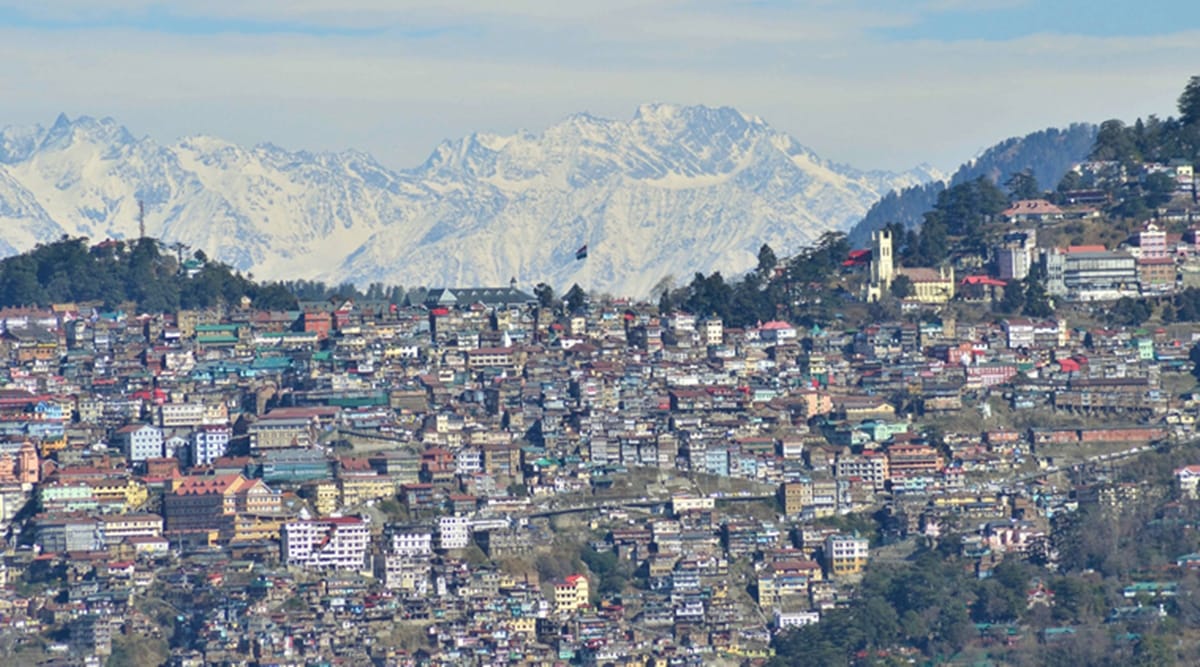
Not only that but people of different religions also live in India. That is the reason we have such countless celebrations which we praise all together. “Atithi Devo Bhava” which implies our guests are God to us. Indian food is overall mainstream you can’t get enough of it. Indian markets are open for both richer as well as poorer. Variety isn’t just among individuals yet additionally in climate. Assuming you need to see the warm places then, at that point deserts of Rajasthan can draw you in. However, assuming you need to see excellence of mountains you are generally welcome in Himachal Pradesh and Jammu Kashmir. Also there are numerous vacationer places in India which incorporate posts, sanctuaries, landmarks and some more.
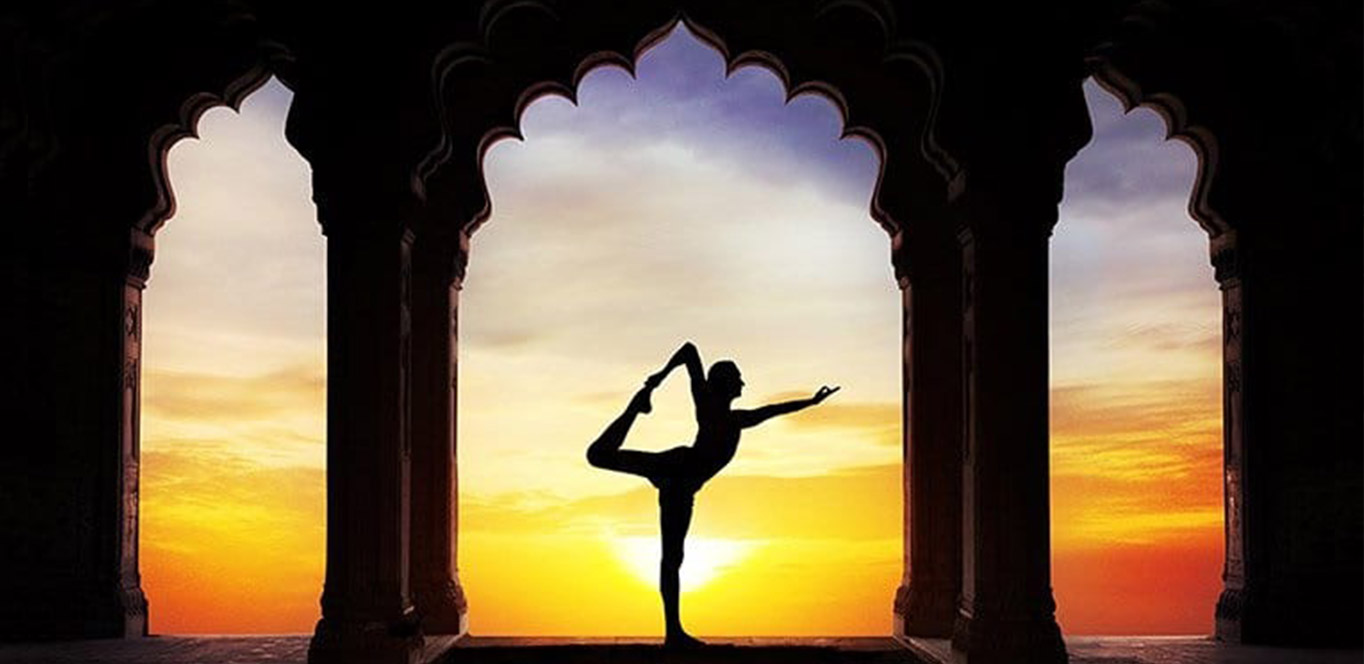
India is the land of Yoga. Yoga assists one with being truly and intellectually fit. It assists you with expanding your focus, give alleviation while having a pressure entire day. Subsequently, these all things demonstrate that why India is great. On this 75th Independence Day let us all make a promise to serve our country till death and endeavor to make India “The Best Nation in the World”. We are extremely fateful to be born in this Incredible Nation.
India never invaded any country in her last 100000 years of history.
When many cultures were only nomadic forest dwellers over 5000 years ago, Indians established Harappan culture in Sindhu Valley (Indus Valley Civilization)
The name ‘India’ is derived from the River Indus, the valleys around which were the home of the early settlers. The Aryan worshippers referred to the river Indus as the Sindhu.
The Persian invaders converted it into Hindu. The name ‘Hindustan’ combines Sindhu and Hindu and thus refers to the land of the Hindus.
Chess was invented in India.
Algebra, Trigonometry and Calculus are studies, which originated in India.
The ‘Place Value System’ and the ‘Decimal System’ were developed in India in 100 B.C.
The World’s First Granite Temple is the Brihadeswara Temple at Tanjavur, Tamil Nadu. The shikhara of the temple is made from a single 80-tonne piece of granite. This magnificent temple was built in just five years, (between 1004 AD and 1009 AD) during the reign of Rajaraja Chola.
India is the largest democracy in the world, the 7th largest Country in the world, and one of the ancient civilizations.
The game of Snakes & Ladders was created by the 13th century poet saint Gyandev. It was originally called ‘Mokshapat’. The ladders in the game represented virtues and the snakes indicated vices. The game was played with cowrie shells and dices. In time, the game underwent several modifications, but its meaning remained the same, i.e. good deeds take people to heaven and evil to a cycle of re-births.
The world’s highest cricket ground is in Chail, Himachal Pradesh. Built in 1893 after leveling a hilltop, this cricket pitch is 2444 meters above sea level.
India has the largest number of Post Offices in the world. And world’s only floating post office.
The largest employer in India is the Indian Railways, employing over a million people.
The world’s first university was established in Takshila in 700 BC. More than 10,500 students from all over the world studied more than 60 subjects. The University of Nalanda built in the 4th century was one of the greatest achievements of ancient India in the field of education.
Ayurveda is the earliest school of medicine known to mankind. The Father of Medicine, Charaka, consolidated Ayurveda 2500 years ago.
India was one of the richest countries till the time of British rule in the early 17th Century. Christopher Columbus, attracted by India’s wealth, had come looking for a sea route to India when he discovered America by mistake.
The Art of Navigation & Navigating was born in the river Sindh over 6000 years ago. The very word Navigation is derived from the Sanskrit word ‘NAVGATIH’. The word navy is also derived from the Sanskrit word ‘Nou’.
Bhaskaracharya rightly calculated the time taken by the earth to orbit the Sun hundreds of years before the astronomer Smart. According to his calculation, the time taken by the Earth to orbit the Sun was 365.258756484 days.
The value of “pi” was first calculated by the Indian Mathematician Budhayana, and he explained the concept of what is known as the Pythagorean Theorem. He discovered this in the 6th century, long before the European mathematicians.
Algebra, Trigonometry and Calculus also originated in India. Quadratic Equations were used by Sridharacharya in the 11th century. The largest numbers the Greeks and the Romans used were 106 whereas Hindus used numbers as big as 10*53 (i.e. 10 to the power of 53) with specific names as early as 5000 B.C. during the Vedic period. Even today, the largest used number is Terra: 10*12(10 to the power of 12).
Until 1896, India was the only source of diamonds in the world (Source: Gemological Institute of America).
The Baily Bridge is the highest bridge in the world. It is located in the Ladakh valley between the Dras and Suru rivers in the Himalayan mountains. It was built by the Indian Army in August 1982.
Sushruta is regarded as the Father of Surgery. Over 2600 years ago Sushrata & his team conducted complicated surgeries like cataract, artificial limbs, cesareans, fractures, urinary stones, plastic surgery and brain surgeries.
Usage of anaesthesia was well known in ancient Indian medicine. Detailed knowledge of anatomy, embryology, digestion, metabolism,physiology, etiology, genetics and immunity is also found in many ancient Indian texts.
The four religions born in India – Hinduism, Buddhism, Jainism, and Sikhism, are followed by 25% of the world’s population.
Jainism and Buddhism were founded in India in 600 B.C. and 500 B.C. respectively.
Indian Constitution is the longest constitution till date.
Islam is India’s and the world’s second largest religion.
The oldest European church and synagogue in India are in the city of Cochin. They were built in 1503 and 1568 respectively.
Jews and Christians have lived continuously in India since 200 B.C. and 52 A.D. respectively.
Varanasi, also known as Benaras, was called “the Ancient City” when Lord Buddha visited it in 500 B.C., and is the oldest, continuously inhabited city in the world today.
His Holiness, the Dalai Lama, the exiled spiritual leader of Tibetan Buddhists, runs his government in exile from Dharmashala in northern India.
Martial Arts were first created in India, and later spread to Asia by Buddhist missionaries.
Yoga has its origins in India and has existed for over 5,000 years.
We all dream of traveling international but most of the time our pockets don’t allow so, here is the list of some famous places in India that looks like foreign destinations. These Indian cities will make you feel like as if you’re in abroad.
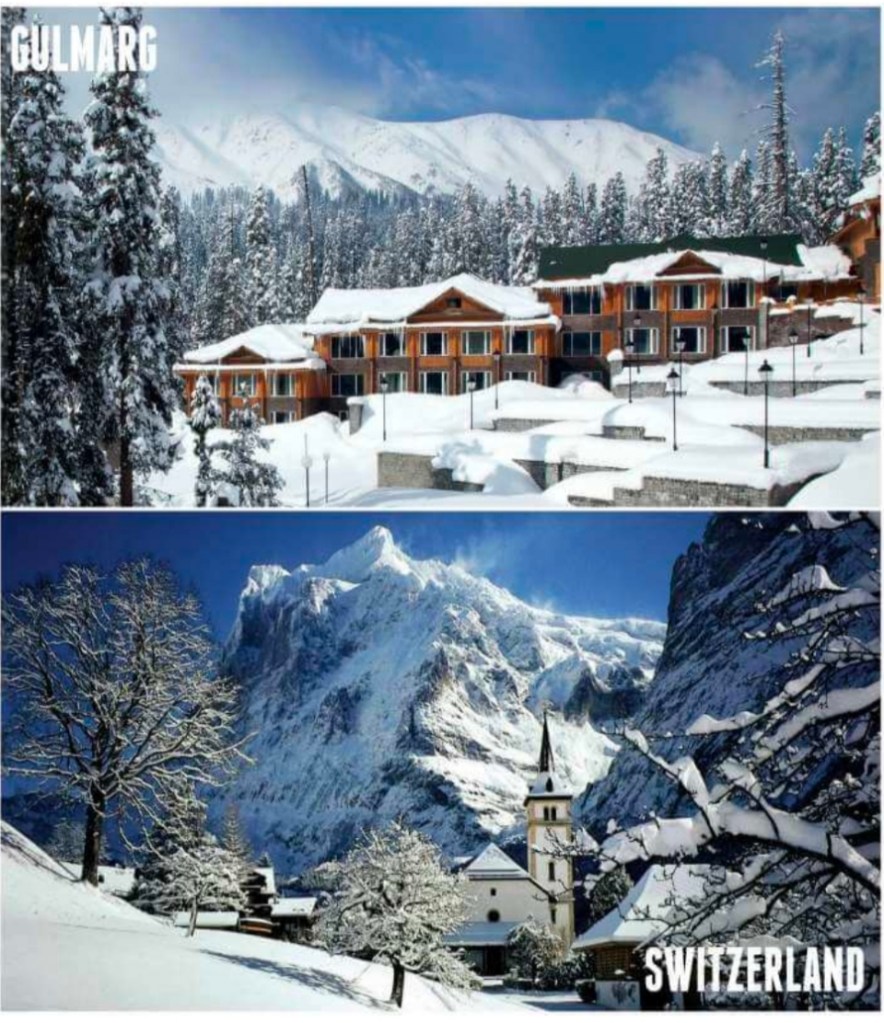
The scene of snow clad mountains at Gulmarg in Kashmir is quite similar to those in Switzerland. There’s no other place like Kashmir in the world! Kashmir is often referred as Paradise on earth.
Tulips in Srinagar will remind of you of Tulips in Amsterdam. If not the tulip fields of the Netherlands, you can still visit our own Tulip garden which is located in Srinagar. The best time to visit for the tulips is when they are in full bloom that is March-end and early April.
Hills of Alaska is quite similar to Auli of Uttarakhand. The Ski slopes of Uttarakhand and Sikkim in India are one of the best things to do.
Rolling hills in Scotland and Mandi in Himachal Pradesh, looks same.
Andaman and Nicobar Islands and Phi Phi Islands, Thailand. The Andaman and Nicobar islands of India, are as beautiful as the islands of Thailand. The Andamans are beautiful and have equally turquoise waters.
Valley of Flowers in Uttarakhand is in the same as that of Antelope Valley in USA.
Thar Desert in Jaisalmer and Sahara Desert in Morocco, Africa
Chitrakoot Falls in Chhattisgarh and Niagara Falls in Canada. In case you’ve been dreaming about visiting the Niagara Falls, you can visit Chitrakoot falls. The Chitrakote falls in the state of Chattisgarh, are the most beautiful falls in the monsoon – June to Sept. To see this waterfall, you don’t need to board a 16-hour long flight or make hole in your pocket.
Tea leaves at Munnar in Kerala and Boh Tea Plantation inMalaysia. The hill station in Munnar has around 50 tea gardens which have free entry. You can also visit the Tata Tea museum located on these hills. If you happen to be a tea lover too, then visiting a tea plantation should be on your list.
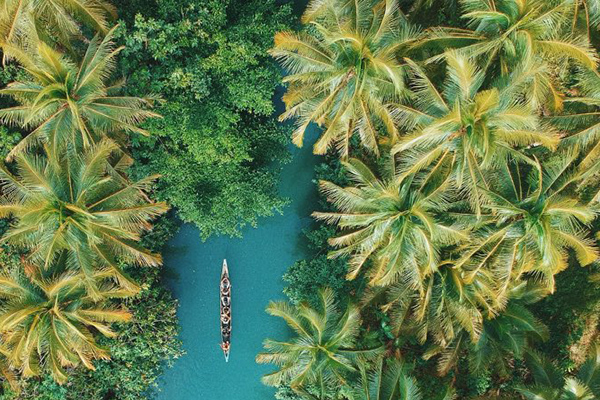
Alleppey in Kerala and Venice at Italy. The river is lined with trees and nature, seeing the sunrise from these boats will be the most beautiful experience.
The Bonneville Salt Flats of Utah vs The Rann of Kutch of Gujarat.
Ever wondered what is common between you and a person in a different state having different background and ideologies?
It is “INDIA”. It is our country and a sense of patriotism and brotherhood which unites two people in two different parts of India having different background and ideologies. It is this Pride of being an INDIAN which keeps us together and fills our heart with Pride when we hear the name of our country “INDIA”.
India is one of the oldest civilizations in the world with a kaleidoscopic variety and rich cultural heritage. It has achieved all-round socio-economic progress since Independence. As the 7th largest country in the world, India stands apart from the rest of Asia, marked off as it is by mountains and the sea, which give the country a distinct geographical entity. Bounded by the Great Himalayas in the north, it stretches southwards and at the Tropic of Cancer, tapers off into the Indian Ocean between the Bay of Bengal on the east and the Arabian Sea on the west.
Here the National Identity Elements of our country INDIA
National Flag
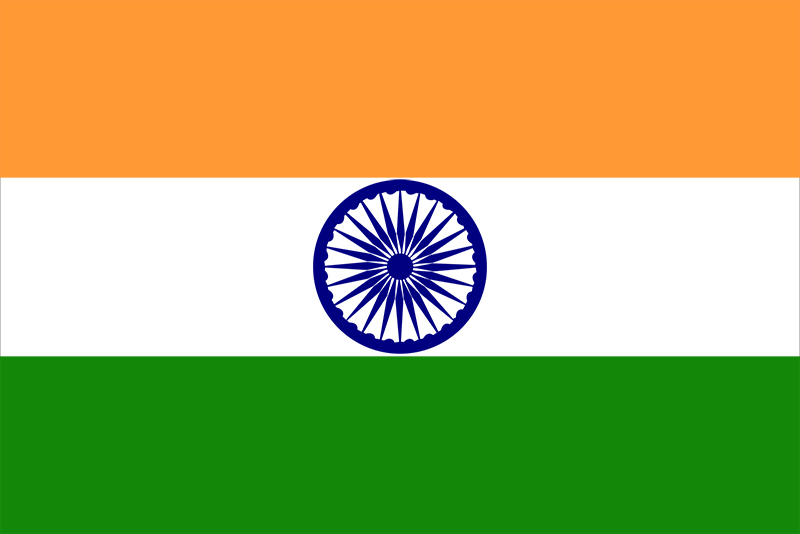
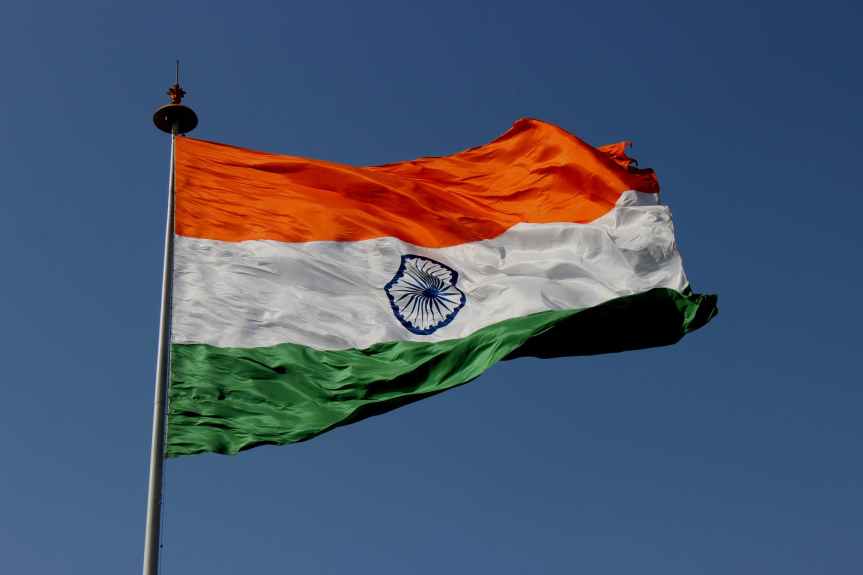
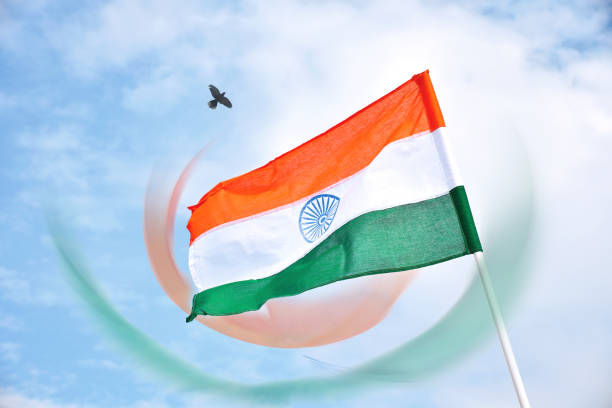
The National Flag is a horizontal tricolour of India saffron (kesaria) at the top, white in the middle and India green at the bottom in equal proportion. The ratio of width of the flag to its length is two to three. In the centre of the white band is a navy-blue wheel which represents the chakra.
The top saffron colour, indicates the strength and courage of the country. The white middle band indicates peace and truth with Dharma Chakra. The green shows the fertility, growth and auspiciousness of the land.
Its design is that of the wheel which appears on the abacus of the Sarnath Lion Capital of Ashoka. Its diameter approximates to the width of the white band and it has 24 spokes. The design of the National Flag was adopted by the Constituent Assembly of India on 22 July 1947.
National Bird
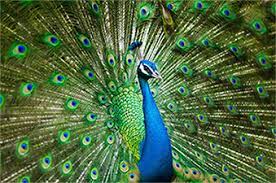
The Indian peacock, Pavo cristatus, the national bird of India, is a colourful, with a fan-shaped crest of feathers, a white patch under the eye and a long, slender neck. A bird with a glistening blue breast and neck and a spectacular bronze-green tail of around 200 elongated feathers. The elaborate courtship dance of the bird, fanning out the tail and preening its feathers is a gorgeous sight.
National Flower
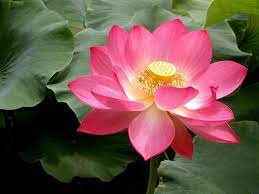
Lotus (Nelumbo Nucifera Gaertn) is the National Flower of India. It is a sacred flower and occupies a unique position in the art and mythology of ancient India and has been an auspicious symbol of Indian culture since time immemorial.
India is rich in flora. Currently available data places India in the tenth position in the world and fourth in Asia in plant diversity. From about 70 per cent geographical area surveyed so far, 47,000 species of plants have been described by the Botanical Survey of India (BSI).
National Tree
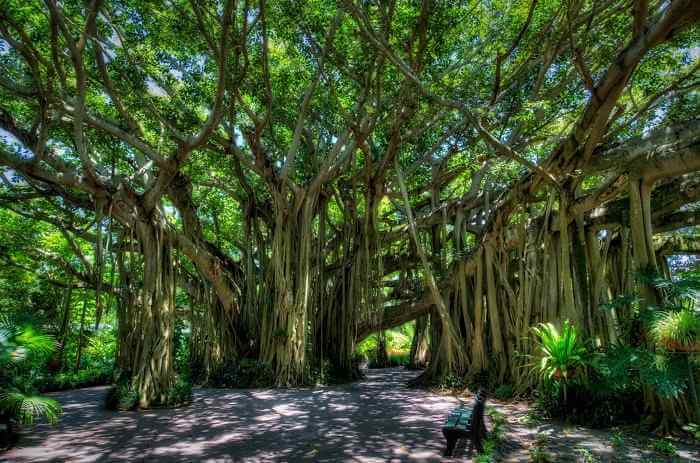
Indian fig tree, Ficus bengalensis, whose branches root themselves like new trees over a large area. The roots then give rise to more trunks and branches. Because of this characteristic and its longevity, this tree is considered immortal and is an integral part of the myths and legends of India. Even today, the banyan tree is the focal point of village life and the village council meets under the shade of this tree.
National Anthem
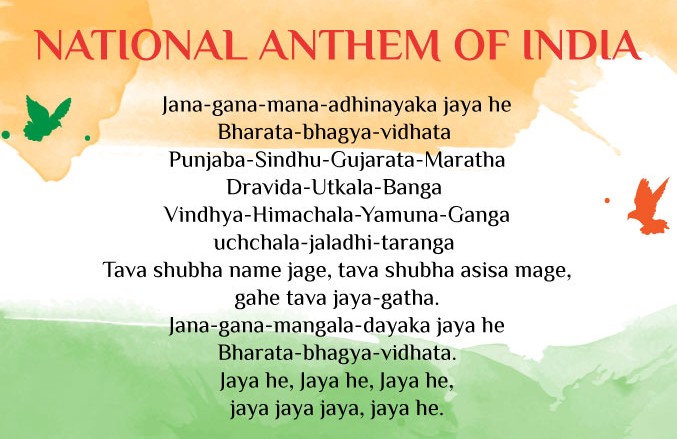
The “National Anthem of India” is played or song on various occasions. It represents the rich cultural heritage, geography, History, the courage and bravery of Indians.
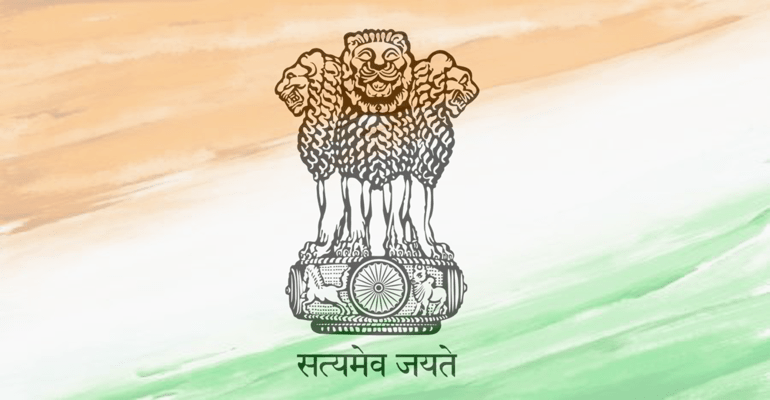
The state emblem is an adaptation from the Sarnath Lion Capital of Ashoka. In the original, there are four lions, standing back to back, mounted on an abacus with a frieze carrying sculptures in high relief of an elephant, a galloping horse, a bull and a lion separated by intervening wheels over a bell-shaped lotus. Carved out of a single block of polished sandstone, the Capital is crowned by the Wheel of the Law (Dharma Chakra)
In the state emblem, adopted by the Government of India on 26 January 1950, only three lions are visible, the fourth being hidden from view. The wheel appears in relief in the centre of the abacus with a bull on right and a horse on left and the outlines of other wheels on extreme right and left. The bell-shaped lotus has been omitted. The words Satyameva Jayate from Mundaka Upanishad, meaning ‘Truth Alone Triumphs‘, are inscribed below the abacus in Devanagari script.
National Animal
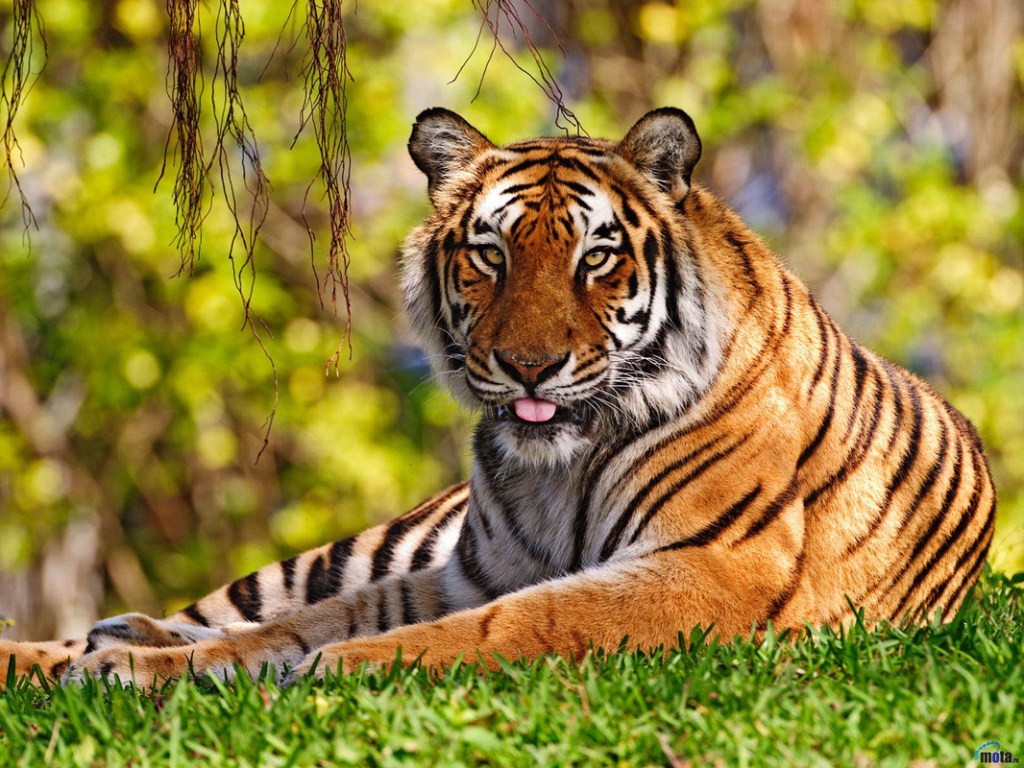
The magnificent tiger, Panthera tigris is a striped animal. It has a thick yellow coat of fur with dark stripes. The combination of grace, strength, agility and enormous power has earned the tiger its pride of place as the national animal of India. Out of eight races of the species known, the Indian race, the Royal Bengal Tiger, is found throughout the country except in the north-western region and also in the neighbouring countries, Nepal, Bhutan and Bangladesh.
Currency Symbol
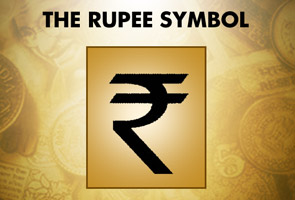
The symbol of Indian Rupee typifies India’s international identity for money transactions and economic strength. The Indian Rupee sign is an allegory of Indian ethos. The symbol is an amalgam of Devanagari “Ra” and the Roman Capital “R” with two parallel horizontal stripes running at the top representing the national flag and also the “equal to” sign. The Indian Rupee sign was adopted by the Government of India on 15th July, 2010.
The symbol, conceptualised and designed by Udaya Kumar, a post graduate in Design from Indian Institute of Technology Bombay.
National Calendar
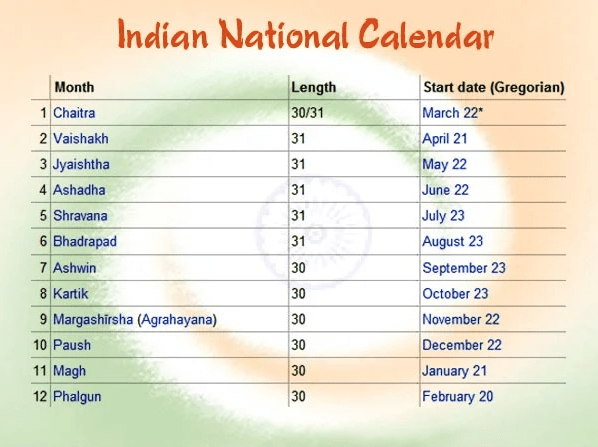
The national calendar based on the Saka Era, with Chaitra as its first month and a normal year of 365 days was adopted from 22 March 1957 along with the Gregorian calendar for the following official purposes:
Gazette of India.
News broadcast by All India Radio.
Calendars issued by the Government of India.
Government communications addressed to the members of the public.
Dates of the national calendar have a permanent correspondence with dates of the Gregorian calendar, 1 Chaitra falling on 22 March normally and on 21 March in leap year.
The National Symbols of India fill a sense of pride in our heart! It is very important that we give atmost respect to our National Identity Symbols! Jai Hind
References:
Know India – This is an official website of India, used and can be used to get authentic information.
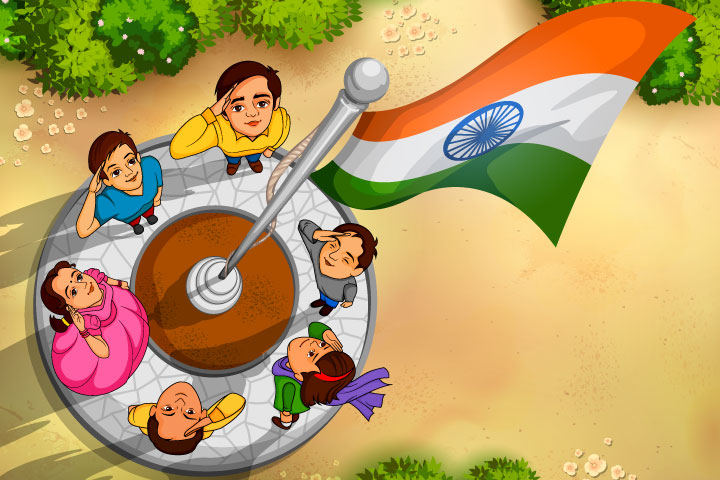
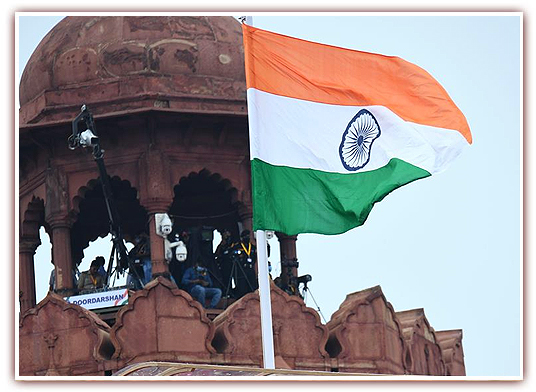
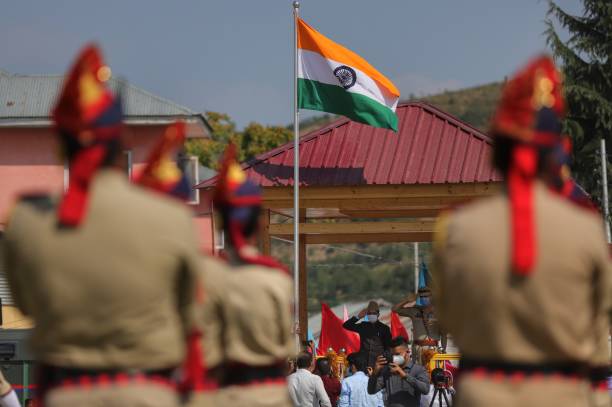
Mother India breathed the fragrance of freedom on 15 August, 1947. In the picture, we can see the hoisting of the national flag presumably by a senior and respected member of some community. This is a common sight in India where patriotic feelings are expressed at this time of the year. It is but natural that we should all feel strongly for our country, and what better time to express these feelings than on Independence Day!
However, the happy look on the faces of these people cannot hide the ugly truths that stare us in the face even after more than sixty years of independence. It is good that we celebrate our freedom with great enthusiasm as depicted in the picture. But mere smiles, celebrations and flag hoisting ceremonies are of no use unless we imbibe the spirit of Indianness in us. The spirit exhibited on this day should become a part of our very being.
CRPF and Jammu and Kashmir Police personnel takes part in the parade on India’s 74th Independence day in Baramulla, Jammu and Kashmir, India on 15 August 2020. (Photo by Nasir Kachroo/NurPhoto via Getty Images)
Generally we sing the national anthem with a lot of enthusiasm and then forget all about the relevance of the day as soon as the function is over. We throw sweet packets here and there and litter our surroundings. Moreover, in a country where more than fifty per cent of the population has a hand-to-mouth existence, the wastage of food is no less than sacrilege. If we do not respect the dignity of our people and surroundings, all the respect showered on the national anthem and the national song become meaningless
We must raise our voices in unison against the hypocritical phenomenon of paying lip-service to the concept of patriotism but stooping to grossly lackadaisical behaviour when it comes to performing our roles as Indians. Spitting or relieving ourselves in public places, not obeying the law while availing of transport facilities, disrespecting public property, joining mobs to create nuisance, calling strikes and bringing life to a halt on working days, remaining spectators to the corruption around us are all different patterns of behaviour that lower the prestige of our nation.
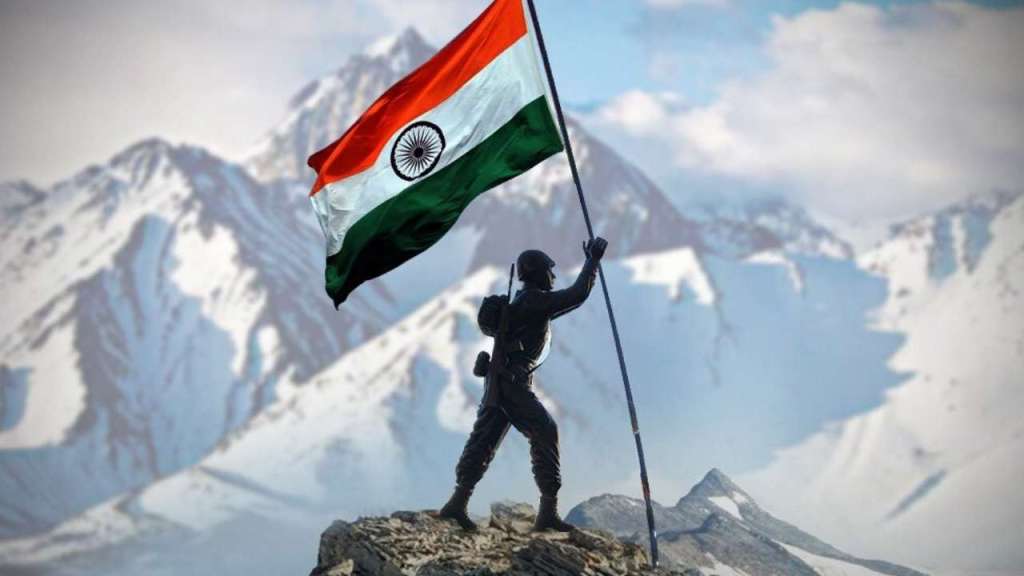
When we hoist the national flag, it is important that we feel clear in our conscience. One may argue that a small number of people setting the right example would not make much of a difference. This would indeed be a myopic interpretation of reality. The truth is that you may be a drop in the ocean, but the ocean is incomplete little gesture of respecting your country At least without in the true sense of the term would make a reasonable difference to the jawans on the border who risk their lives day and night to ensure that we can smile, secure in our knowledge of security when we look at the national flag fluttering high in the air.
History:
India was ruled by the Britishers for many years. The East India Company ruled India for about 100 years. It was in 1757 when the East India Company won the battle of Plassey. It was after the win went the Company started exerting power over India. Our nation had its rebellion against the foreign rule for the first time in 1957. The entire country united against British power. It was an unfortunate event as India was defeated back then but after that time. Indian rule was then passed to the British who ruled our country till India got its independence. Our nation faced a long campaign to gain independence. Britain then began to weaken after two world wars and India was finally free. India’s freedom struggle has always been an inspiration to the work as it was the most non-violent campaign in the world.
National Flag of India
Facts:
India has been independent for 73 years.
India is named after the river Indus. India has had 14 Prime Ministers out of which one has been a female Prime Minister. India has had 13 full-time Presidents out of which only one has been a woman. The Indian National Flag was designed by Pingali Venkayya who was one of the freedom fighters and also an agricultural from Andhra Pradesh. India’s national anthem was adopted three years of post-independence. Mahatma Gandhi wasn’t able to celebrate the first Independence Day in Delhi.
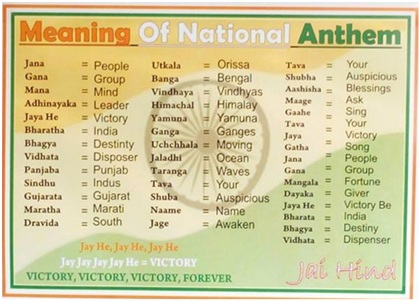
We have sung our national anthem since our childhood, Do we know the meaning behind it?
Indian National Anthem:
Jana-gana-mana-adhinayaka jaya he
Bharata-bhagya-vidhata
Panjaba-Sindhu-Gujarata-Maratha
Dravida-Utkala-Banga
Vindhya-Himachala-Yamuna-Ganga
uchchala-jaladhi-taranga
Tava Subha name jage, tave subha asisa mage,
gahe tava jaya-gatha.
Jana-gana-mangala-dayaka jaya he
Bharata-bhagya-vidhata.
Jaya he, Jaya he, Jaya he,
jaya jaya jaya jaya he.
Meaning of our National Anthem
The following is Tagore’s English rendering of the anthem:
Thou art the ruler of the minds of all people, Dispenser of India’s destiny. Thy name rouses the hearts of Punjab, Sind, Gujarat and Maratha, Of the Dravida and Odisha and Bengal; It echoes in the hills of the Vindhyas and Himalayas, mingles in the music of Jamuna and Ganges and is chanted by the waves of the Indian Sea. They pray for thy blessings and sing thy praise. The saving of all people waits in thy hand, Thou dispenser of India’s destiny. Victory, victory, victory to thee.
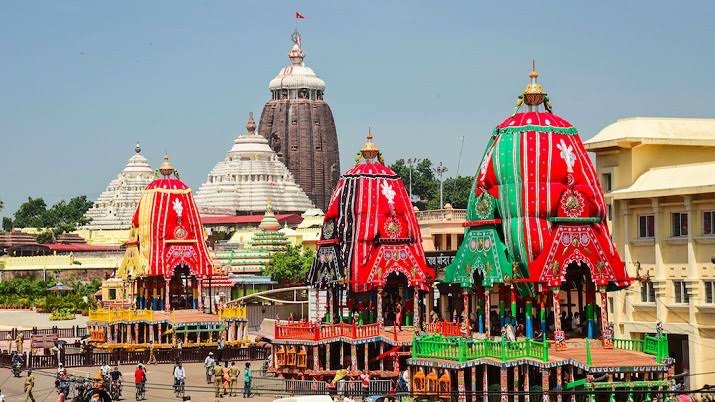
One of India’s biggest festivals, Rath Yatra begins today, July 12 and that is celebrated all across the world by millions of Indians. The festival has its primary significance in Indian states like Odisha, Jharkhand, West Bengal and Assam.
Picture Credits: India TV. Location: Puri Jagannath Temple.
As everyone has their eyes on Puri Jagannath Temple’s grand celebration for this festival, let us know some of the important facts about the temple.
1) Formation of Temple.
The temple was first built by the Ganga Dynasty ruler Anantavarman Chodaganga in 12 Century CE and was further developed by several other kings including that of the Ganga Dynasty as well as the Suryvamshi Dynasty.
2) Deities Worshipped
Lord Jagannath, Lord Balabhadra and Goddess Subhadra are worshipped inside the temple. The deities are adorned with different jewelleries and accessories according to different seasons.
3) Structure of the Temple.
The Temple has four distinct structures:
a) Deula, Vimana or Garba Griha where the triad deities are kept on the ratnavedi, the throne of pearls, in Deula Style.
b) Mukhashala, the frontal porch
c) Nata Mandir, Natamandapa which is known as Jagmohan, the audience hall or the dancing hall.
d) Bhoga Mandapa, the offerings hall.
The main temple is a curvilinear temple and crowning the top is the Srichakra, an eight spoked wheel of Lord Vishnu. It is also known as Nilachakra which is made out of Ashtdhatu and is considered sacrosanct.
4) The Food Offerings:
The food is offered to the Lord six times a day. The breakfast that is offered early morning is called Gopala Vallabha Bhog, the next offering at about 10 am is known as Sakala Bhog and another offering after some time is called the Sankhudi Bhoga which consists of Pakhala with curd and Kanji Payas.
The noon offering is known as Madhyanha Dhupa and that is followed by evening food at 8 pm known as Sandhya Dhupa. The last offering to Lord is called the Bada Simhara Bhoga.
5) Rosaighara- Temple’s Kitchen.
The temple’s kitchen is considered to be the largest in the world. About 56 varieties of food are produced which are purely vegetarian and prepared without the use of onions, garlic or chilies as prescribed by some Hindu Texts. Cooking is done only by using earthen pots with some water that comes from two nearby tube-wells known as Ganga and Yamuna. The most awaited food offering is known as Kotho Bhoga, offered during Mid-Day. After being offered to Lord Jagannath and other deities, the food is sold in a nearby market.
The Indian Culture is known to be the most versatile culture in the world. From the ethical values of our heritage, the social norms, many traditional customs in the country, Various belief systems present in each family to a state to a country as a whole, different political parties, beautiful artifacts and the present technology that have originated in or the country is associated with in the Indian land or subcontinent. The term which also applies and is used beyond our motherland India to countries and different cultures whose histories are considered to be strongly connected to India’s by its immigration phase, their colonization, or its influence. Indian culture has often been labelled and is popularly known as a combination of numerous cultures, and has been influenced by a history that is many millennials old, beginning from the Indus Valley Civilization. Many elements of the Indian culture can be identified in the country and it proudly take prides in contributing in various mathematics, religions, philosophy of the world, different cuisines, various languages that are present (many words from English are influenced by Sanskrit, which is considered to be the oldest language in the entire human existence), its art which included dance, music, movies, sculptures, various art items and this has made a huge impact in the world.
India is considered to have a long romance with the form of art which is the art of dance. The Hindu language Sanskrit has texts like Nātyaśāstrawhich is Science of Dance and also Abhinaya Darpana which is the Mirror of Gesture. The Indian artform of dance is known to be taught in these ancient books and this is present in the country, according to Ragini Devi, who is an Indian classical dancer states that it is considered to be the expression of one’s inner beauty and the divine in a man. It is a deliberate form of art, nothing in this form of art is left to a chance, each gesture in dance seeks to communicate the ideas of an individual, each facial expression is the artist’s emotions which makes it personal and valuable for the viewers as everyone has a different way to approach art and that is the beauty of the dance forms and other forms of art in the country. In the Indian culture it’s drama and theatre has had a long history alongside its dance and music. Many plays which are performed by Indian artists are recognized by UNESCO as a masterpiece. One of the most renowned pieces of art in the country is its cave paintings from Ellora to Ajanta to Bagh and Sittanavasal there are a plethora of paintings and sculptures which are enough to testify the love of art, history and culture which is present in the country.
Indian culture is one of the most ancient cultures present in the world. The country is quite diverse and is home to several communities, each of whom has their own culture and traditions. It is this combination of various amazing cultures that make India one of a kind. The Indian cultural diversity is what makes India unique and beautiful.
The vast differences in the customs, traditional beliefs and rituals can be witnessed across every state of India. The festivals, the art forms, and to an extent, even the dressing style of the people are quite different in Northern India when compared to those in Southern India. While most of the Indian women wear the saree, the style of draping the saree varies in different parts of India. This difference can be seen, not only among different states but also among the various communities within the same state. The people differ considerably in the social habits. They differ in their dresses, customs, food habits and manners. Different kinds of festivals are observed in different parts of the country by different categories of people. The people of India speak different languages. There are in India separate group of people with their own language. Each of these people’s has its own literature. More than 200 different languages are used in India. The principal languages of India are Sanskrit, Hindi, Bengali, Oriya, Assamese, Gujarati, Marathi, Sindhi, Urdu, Punjabi, Tamil, Telegu, Malayalam, Kashmiri and Kannada.
Thinking of oneness: A Nightmare
A century ago millions of people saw the dream of a free India, a country where all the people of so much diversity inlanguage, religion, social status, community and tradition would live in peace and harmony this dream came true in 1947 when our country got its independence. A part of our ancestors dream was respect and protection of diversity which was written into the Constitution. The leaders wanted a constitution for all Indians which guaranteed their rights and protect them.
India is home for more than 1.3 billion people and if there is some level of discrimination towards a particular section of the society then the integrity of India may face many challenges.Time and again, history has shown that if the ruling group i.e. government is partial towards a certain group then the unity of people comes under great danger. The Act is in complete violation of Article 14 (Right to Equality) as our constitution specifically prohibits any kind of discrimination on the basis of religion. When this republic was being built by our founding fathers, this factor was considered to be one of the major pillars of the country. Conflicts between people can be created by political parties. Political leaders fight elections on the lines of cast, community and religions, they may divide the people on communal basis to use them as their vote banks. These tendencies are very harmful and unhealthy for any society. Riots may take place between different sections of our country which will eventually lead to bloodbath and destruction of our motherland. Situations like these are nothing but a nightmare!
“We are, all of us, growing volcanoes that approach the hour of their eruption, but how near or distant that is, nobody knows- not even God.”
~ Friedrich Nietzsche
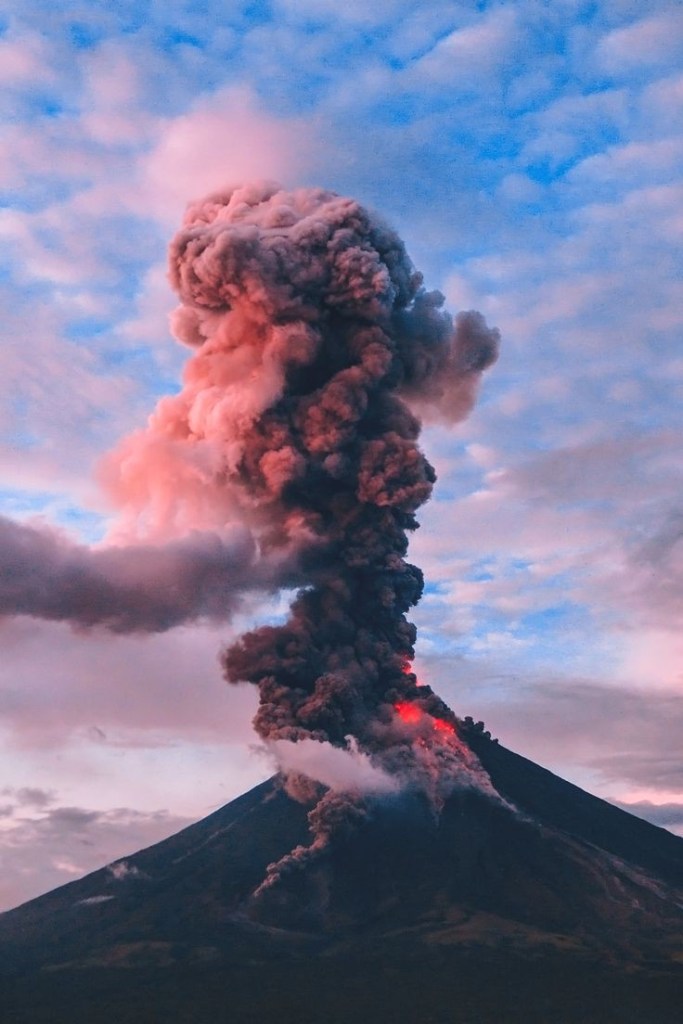
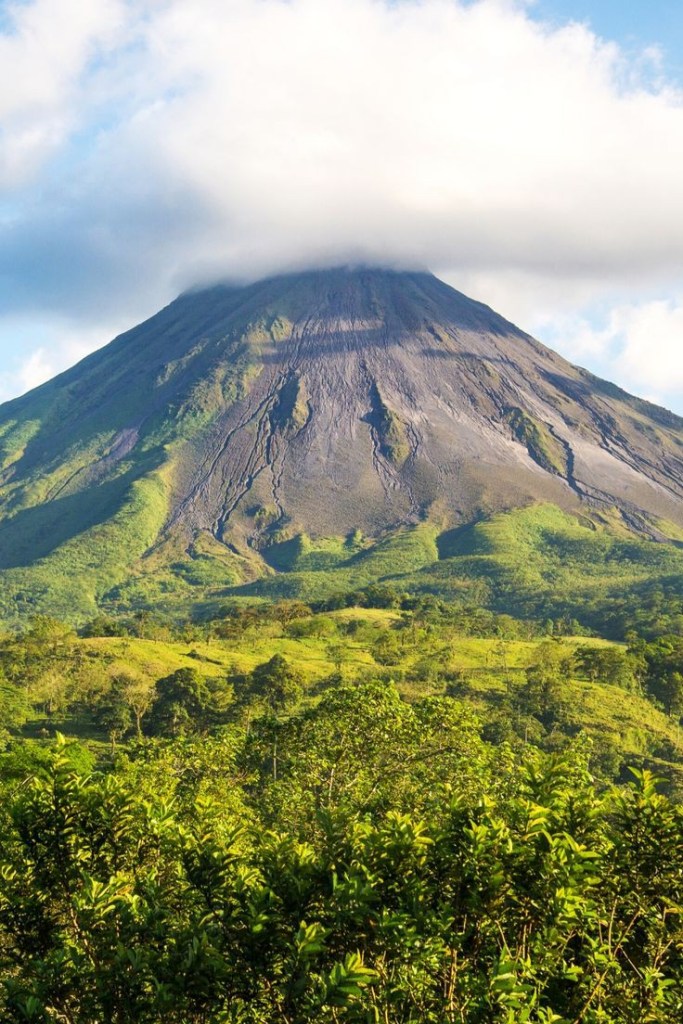
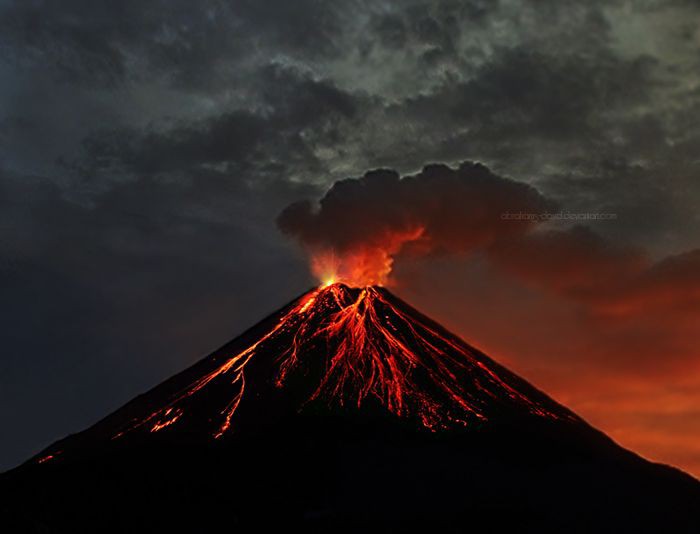
We always talk about , what it would be like to see volcano eruption in front of your eyes ?
How amazing it would be like to find out , how the volcano erupt ?
There are many things that we don’t know exist in our earth 🌍. Do you want to know about it . If yes , than read the editorial .
Introduction
A volcano is a rupture in the crust of a planetary-mass object, such as Earth, that allows hot lava, volcanic ash, and gases to escape from a magma chamber below the surface.
On Earth, volcanoes are most often found where tectonic plates are diverging or converging, and most are found underwater.
The word volcano is derived from the name of Vulcano, a volcanic island in the Aeolian Islands of Italy whose name in turn comes from Vulcan, the god of fire in Roman mythology.
Many ancient accounts ascribe volcanic eruptions to supernatural causes, such as the actions of gods or demigods. To the ancient Greeks, volcanoes’ capricious power could only be explained as acts of the gods, while 16th/17th-century German astronomer Johannes Kepler believed they were ducts for the Earth’s tears.[87] One early idea counter to this was proposed by Jesuit Athanasius Kircher (1602–1680), who witnessed eruptions of Mount Etna and Stromboli, then visited the crater of Vesuvius and published his view of an Earth with a central fire connected to numerous others caused by the burning of sulfur, bitumen and coal.
Types of eruptions
Hydrothermal eruption. An eruption driven by the heat in a hydrothermal systems.
Phreatic eruption. An eruption driven by the heat from magma interacting with water.
Phreatomagmatic eruption.
Lava.
Strombolian and Hawaiian eruptions.
Vulcanian eruptions.
Subplinian and Plinian eruptions.
How do volcanoes erupt?
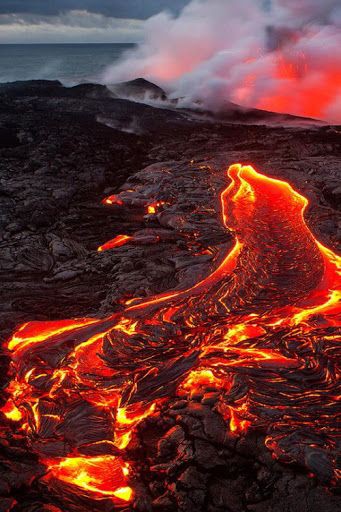
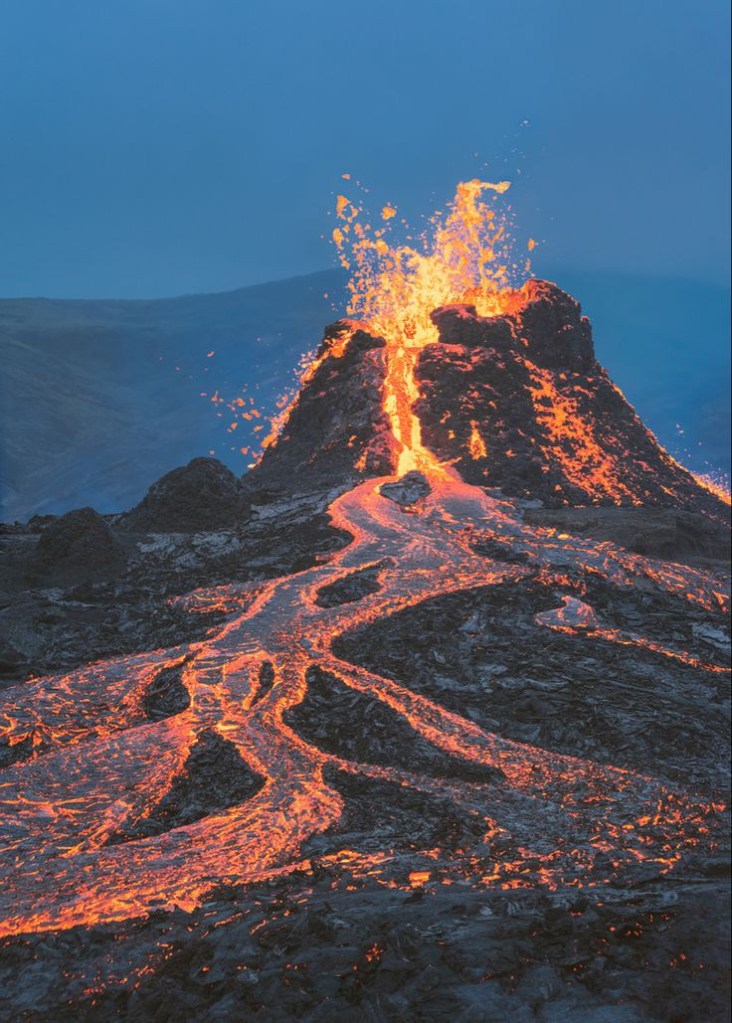
Deep within the Earth it is so hot that some rocks slowly melt and become a thick flowing substance called magma. Since it is lighter than the solid rock around it, magma rises and collects in magma chambers. Eventually, some of the magma pushes through vents and fissures to the Earth’s surface. Magma that has erupted is called lava.
The explosivity of an eruption depends on the composition of the magma. If magma is thin and runny, gases can escape easily from it. Explosive volcanic eruptions can be dangerous and deadly.
Humans and volcanoes
Volcanic eruptions pose a significant threat to human civilization. However, volcanic activity has also provided humans with important resources.
Although volcanic eruptions pose considerable hazards to humans, past volcanic activity has created important economic resources.
Volcanic ash and weathered basalt produce some of the most fertile soil in the world, rich in nutrients such as iron, magnesium, potassium, calcium, and phosphorus.
Volcanic activity is responsible for emplacing valuable mineral resources, such as metal ores.
The paradox of volcanoes was that they were symbols of destruction but also life. Once the lava slows and cools, it solidifies and then breaks down over time to become soil – rich, fertile soil. She wasn’t a black hole, she decided. She was a volcano. And like a volcano she couldn’t run away from herself. She’d have to stay there and tend to that wasteland. She could plant a forest inside herself.
Indian culture is the heritage of social norms, ethical values, traditional customs, belief system, political systems, artifactcs and technologies that originated in or are associated with the Indian subcontinent. Over the centuries, there has been a significant fusion of cultures between Buddhists, Hindus, Muslims, Jain, sikhs and various tribal population in India.
>Importance of Indian Culture :
Indians are proud of its culture. In our country it is traditional to respect elders, be truthful and honest and also to help out others in need. It is also considered traditional to celebrate our cultural festivals and religious activities with the family and neighbours.
>Indian culture and values :
The two most tenents of Indian culture are Human Values and Holism. Human values refer to moral, spiritual and ethical values whereas Holism means unity.
>Features of Indian culture :
Unity in diversity, tolerance , longevity and continuity , amalgamation of spirituality and materialism.
India is the land of ‘UNITY IN DIVERSITY’, and our dances are no different. Different forms of dances find origin of different parts of the country, and they are a way of representation of the particular culture from which they originate.
UNITY
INDIAN CULTURE IS VERY RICH AND DIVERSE AND TEACHES US TO BE TOLERANT TO OTHERS.
Let’s double down on solar energy, let’s be more energy-efficient, let’s weatherize our homes. We can build a better, healthier economy based on good-paying, clean energy jobs.”
Ian Somerhalder, Actor
Being one of the second largest country , climate change in India is having profound effect on India and all over the world . India is ranked fourth among the list of countries most affected by climate change in the period from 1996 to 2015 .
With 7% of global emissions , India emits about 3 gigatonnes (Gt) CO2eq of greenhouse gases each year; about two and a half tons per person, which is half the world average.
Due to the rise in temperature , the Tibetan plateau are causing problem to Himalayan glaciers . It directly effect in increasing the flow rate of the Ganges , Brahmaputra, Yamuna and other major rivers.
The Indira Gandhi Institute of Development Research has reported that, if the prediction of the Intergovernmental Panel on Climate Change is correct about Global warming than it may cause fall of GDP upto 9%.
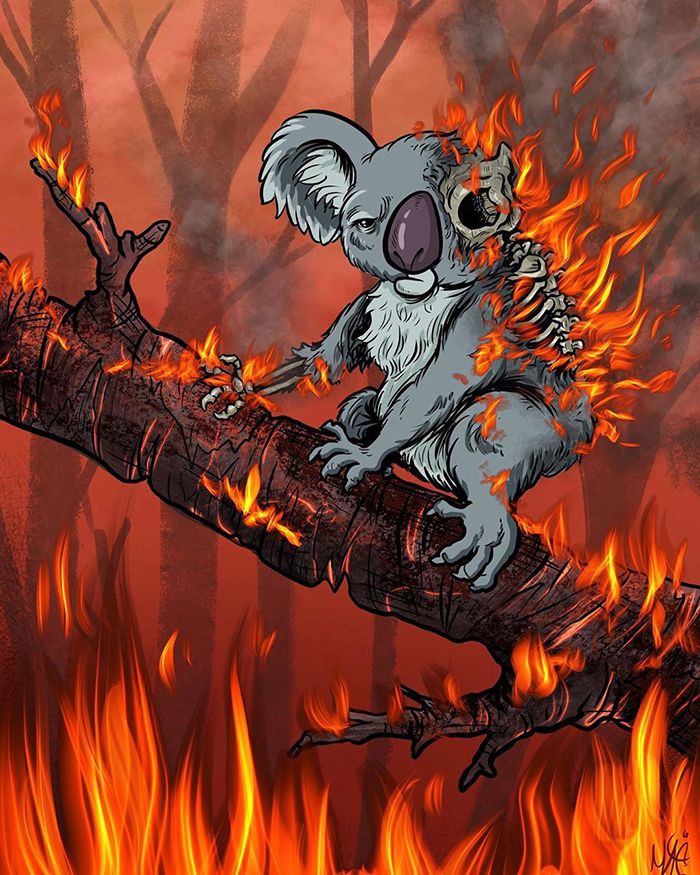
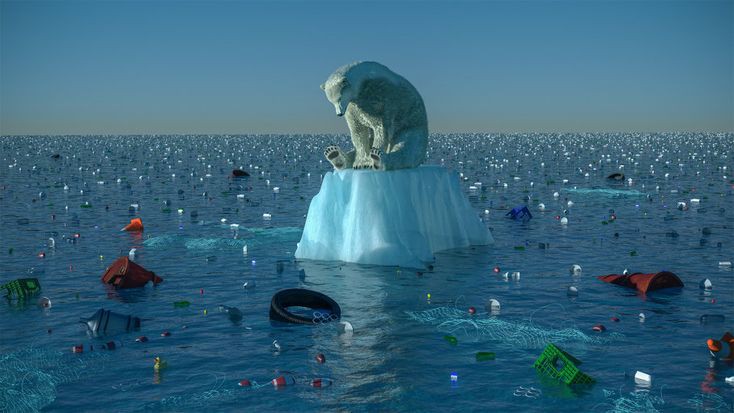
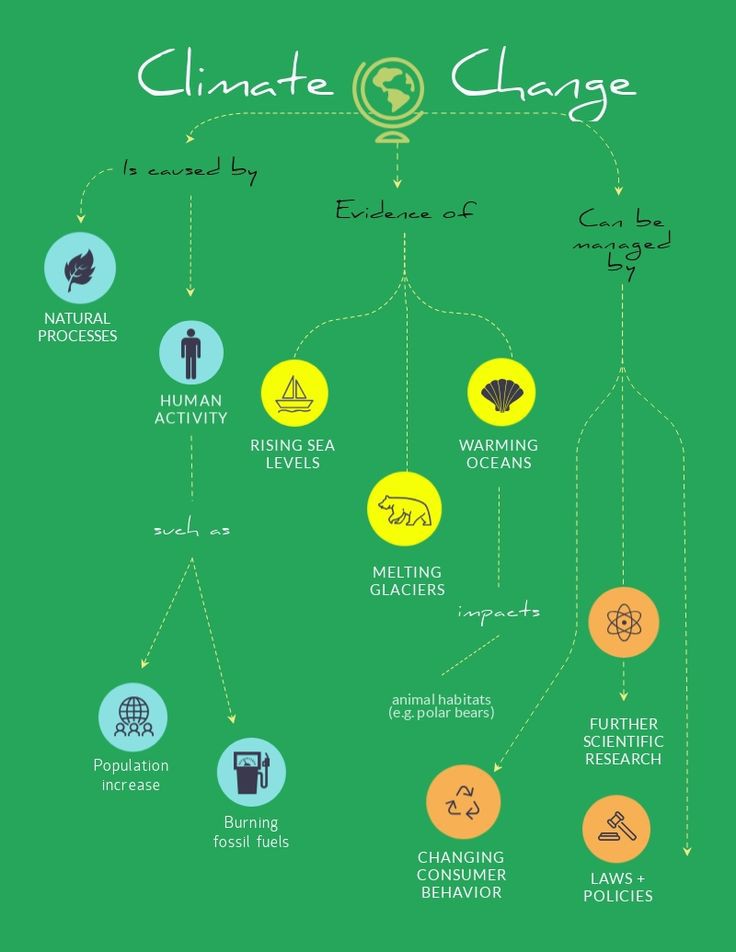
In all over the world , climate change is drastically affecting the change in temperature of the globe 🌎 . Climate change includes both global warming driven by human-induced emissions of greenhouse gases and the resulting large-scale shifts in weather patterns.
Causes :
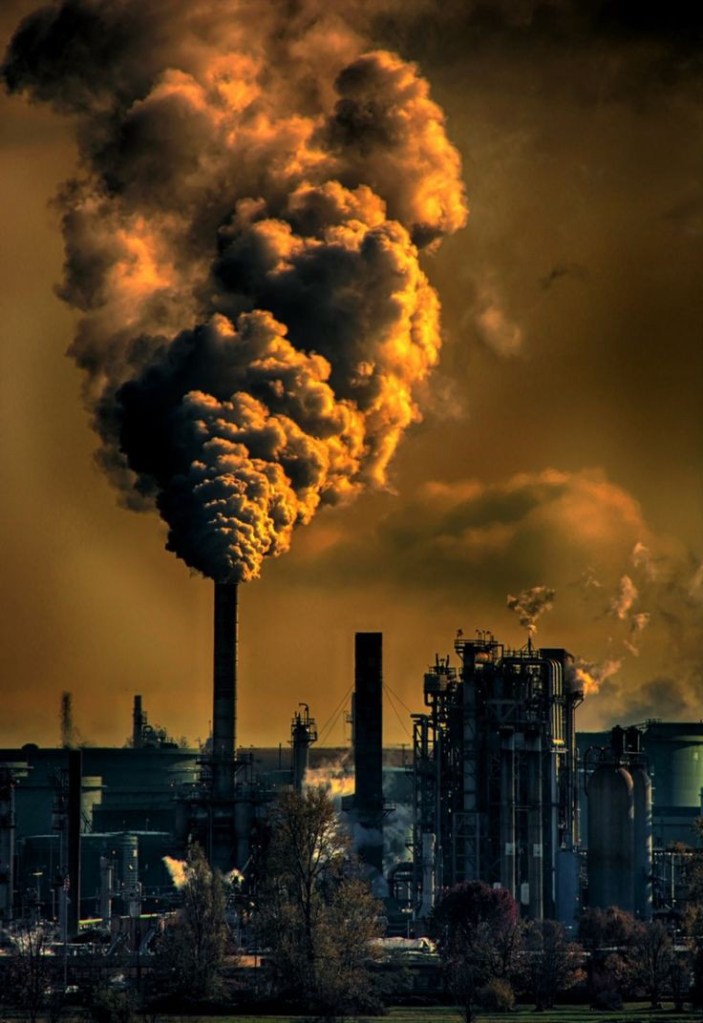
Human envision and green house gasses are two important causes in the climate change. Greenhouse gases affect Earth’s energy balance and climate .Human activities have added greenhouse gases to the atmosphere. Human activities are changing the climate.
Other causes :
Power Plants.
Farming .
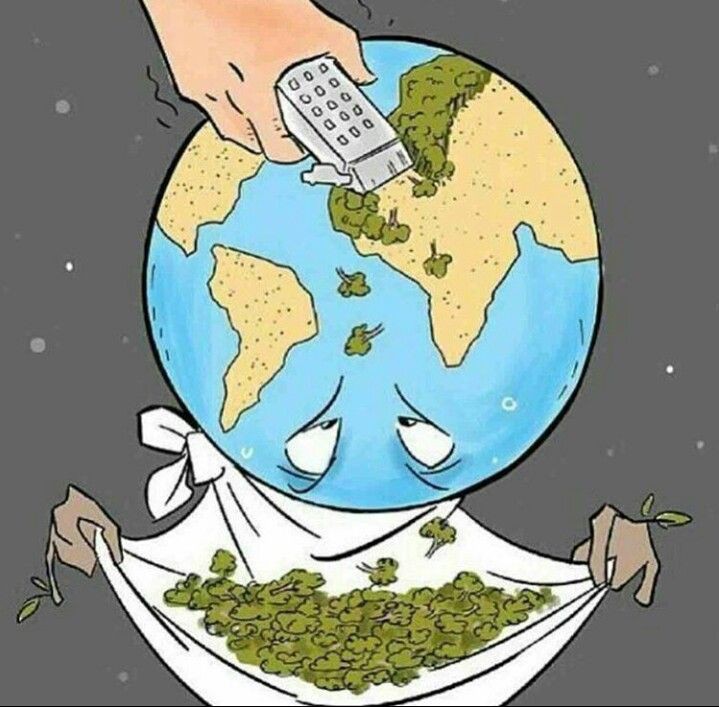
Deforestation.
Fertilizers.
Oil drilling.
Natural gas drilling.
Permafrost.
Garbage .
Volcanic eruption.
Pollution.
Campaigns
There are many campaigns that are going on . One of them is The ActNow campaign . It was launched at the UN Climate Change Conference (COP 24) in December 2018, with a call from Sir David Attenborough in conjunction with the award-winning “People’s Seat” initiative.
It signifies individual action on climate change and sustainability. By changing our habits and making choices that have less harmful effects on the environment, we can tackle the climate emergency and build a more sustainable world.
It is also working with other campaigns like The Good life goals , Anatomy of action , 170 actions to combat climate change , lazy person guide to saving the world , connect4climate , climate neutral now , trash hack , stop the waste , Think. Eat. Save. , Clean seas , breathe life , glowing glowing gone . Their may be others as well .
Prevention :
Becoming more energy efficient is a great way to prevent pollution. It causes the power plants to expend less energy that can lead to the production of greenhouse gases. … Replace your light bulbs with energy-efficient light bulbs that help you save electricity too.
Speak up!
Power your home with renewable energy.
Weatherize, weatherize, weatherize.
Invest in energy-efficient appliances.
Reduce water waste.
Actually eat the food you buy—and make less of it meat.
Buy better bulbs.
Pull the plug(s).
Conclusion
In the times , where the world is changing and taking measurements for saving the globe . Many Environmentalist , Actors , Politicians , Countries are taking precautions and actions on the climate change . It is our duty to prevent our world from falling . Take Initiative To Save The World .
Climate change is real. It is happening right now, it is the most urgent threat facing our entire species and we need to work collectively together and stop procrastinating.
India which was considered to be the land of many nations and varying races should understand its population based on their ethnographic, communal and geographic distinction which is not an easy task. In a country like India, National identity has consistently been a part of human life both socially and personally ever since the beginning of ancient history. During the nineteenth century, Punjab became a source of the study of religious identity because of their ethnographic and histories of the local population. Britishers viewed the conflict in the state of Punjab during the colonial period as the result of the deep-seated religious hostility. (The Historian and Indian Census , p. 41)
The historical backdrop of Punjab can be seen driving constantly from Cultural variety and heterogeneity to an expanding fixation on network limits. The Census of Punjab was directed to build up a comprehension of population but it turned out to be understanding the religious identities which later resulted in the partition and turned out to be a political identity. In the minds of Census officials, Punjab society was highly organized on religion and it could be understood in terms of religion. (The Historian and Indian Census , p. 43)The census made strict character more impossible to miss and it turned into the establishment for expanding religion between networks for admittance to employment, education and political representation.
India the rulers of Mughals and maharaja, they made efforts to understand their territories. By mapping and measuring under their control of revenue process, however they didn’t lead any known Census of individual, though they generally acknowledge the identity.
But the census by the Britishers conducted turned to create more communal issues mainly in the urban spaces and religious identities began to dominate the urban politics as these censuses only concentrated their records on religion apart from the survey conducted in 1851. This was despite the fact that in mid nineteenth century when Britain strict alliance made a serious difference between Anglicans, protesters and Catholics had been seen separated from one another since the time of reformation. (The Historian and Indian Census , p. 46)
The serenity of the lulling ocean is a wondrous thing to behold..more precious than the gems coveted and covered in platinum or gold…
Oksana Rus
Introduction
International day of Tropics is observed every year on June 29th . This day is celebrated to highlight the different challenges and opportunities faced by the nation as well as by the people who lived in tropical areas .
Firstly , you want to know about things like :
What are tropics ?
Why we celebrate international day of Tropics ?
Or
Is it worth it to talk about these things and is it really important ?
Well hold your horses and try to calm .
What is tropic day and why we celebrate it ?
Well a tropic day is celebrated to highlight the importance of Tropics , it signifies extraordinary and astounding diversity of tropical nations .
The Tropic defined as a area /region between tropic of Cancer and tropic of Capricorn . The day aim at promoting tropical regions and awareness to the people about the diversity of these regions .
While these regions go through little seasonal changes on day to day basis because of some factors like tomography , climatic variation that causes changes in temperature and make these regions warm.
This day introduced to the world when in June 29th , 2014 twelve leading tropical research institutes come together and collaborate. The inaugural state of the Tropics report was launched . The report offers some unique perspective for the increasing the importance of these regions .
United Nations General Assembly adopted resolution A/RES/70/267 in 2016, which declared that 29 June of each year is to be observed as the International Day of the Tropics.
The International day of Tropics briefly explained the issues affecting the tropical zone’s all over the world. To raise awareness and important role the countries played to Sustainable goals .
International day of Tropics 2021
As per the state tropics report the theme of this year is “ THE DIGITAL DIVIDE IN THE TROPICS ”
With the record of sustainable development goals as well as developmental scope . The biodiversity of these regions are maximum and its loss is also greater there. Tropical regions comprise 98% world’s mangrove forests, and around 99% mangrove species.
Due to the subpolar zone the Sun is directly overhead which is one of the region of extinction of flora and fauna in the Tropics. The region is subjected to myriad and need immediate attention to ensure sustainable development.
More than 50% of renewable water resource could be founded their. But the threat lies which causes eviction of lives in the Tropics.
Importance :
Due to the problems it’s our duty as a human being to spread awareness about the implications in climate changes , deforestation , urbanization , global warming effect the biodiversity and lives in Tropics.
The International day of Tropics organize many events in which people share their stories , events and lives in these areas and formulate strategies to ensure the development of such regions .
You who sacrifice fortunes to see the luxuriance of the tropics or the polar lights of the arctic, must pay more dearly to see the One for whom the luxuriance of the tropics is poverty and the polar lights are a tallow candle.
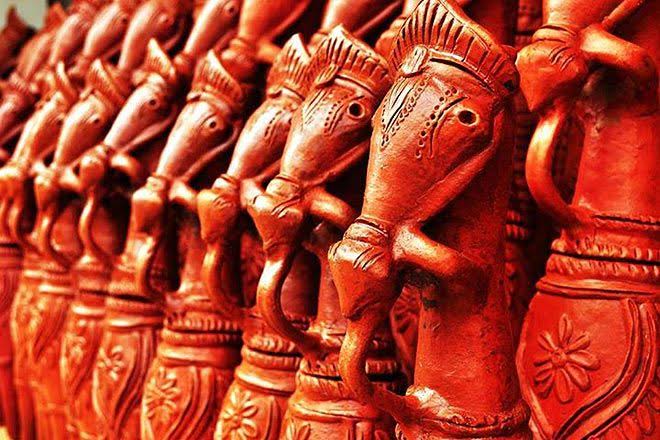
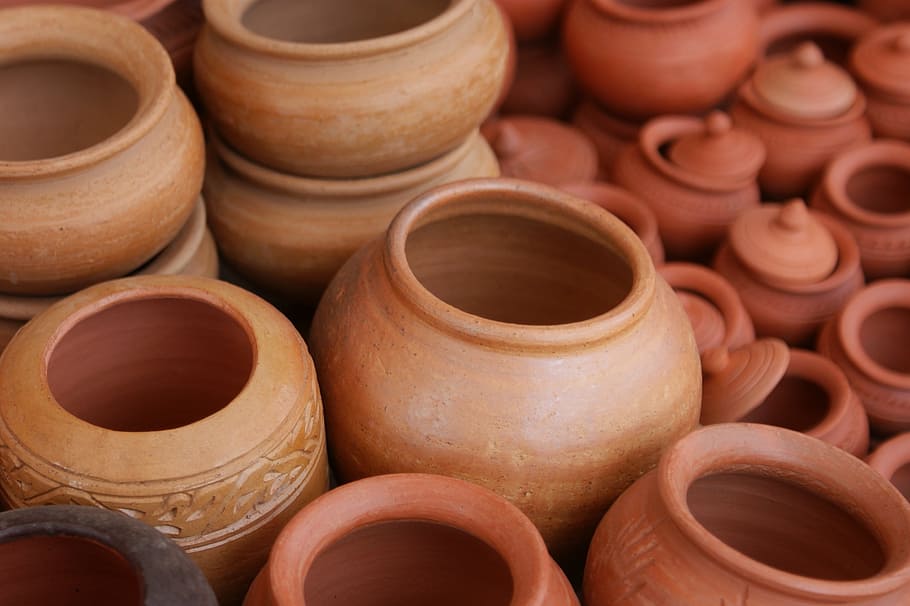
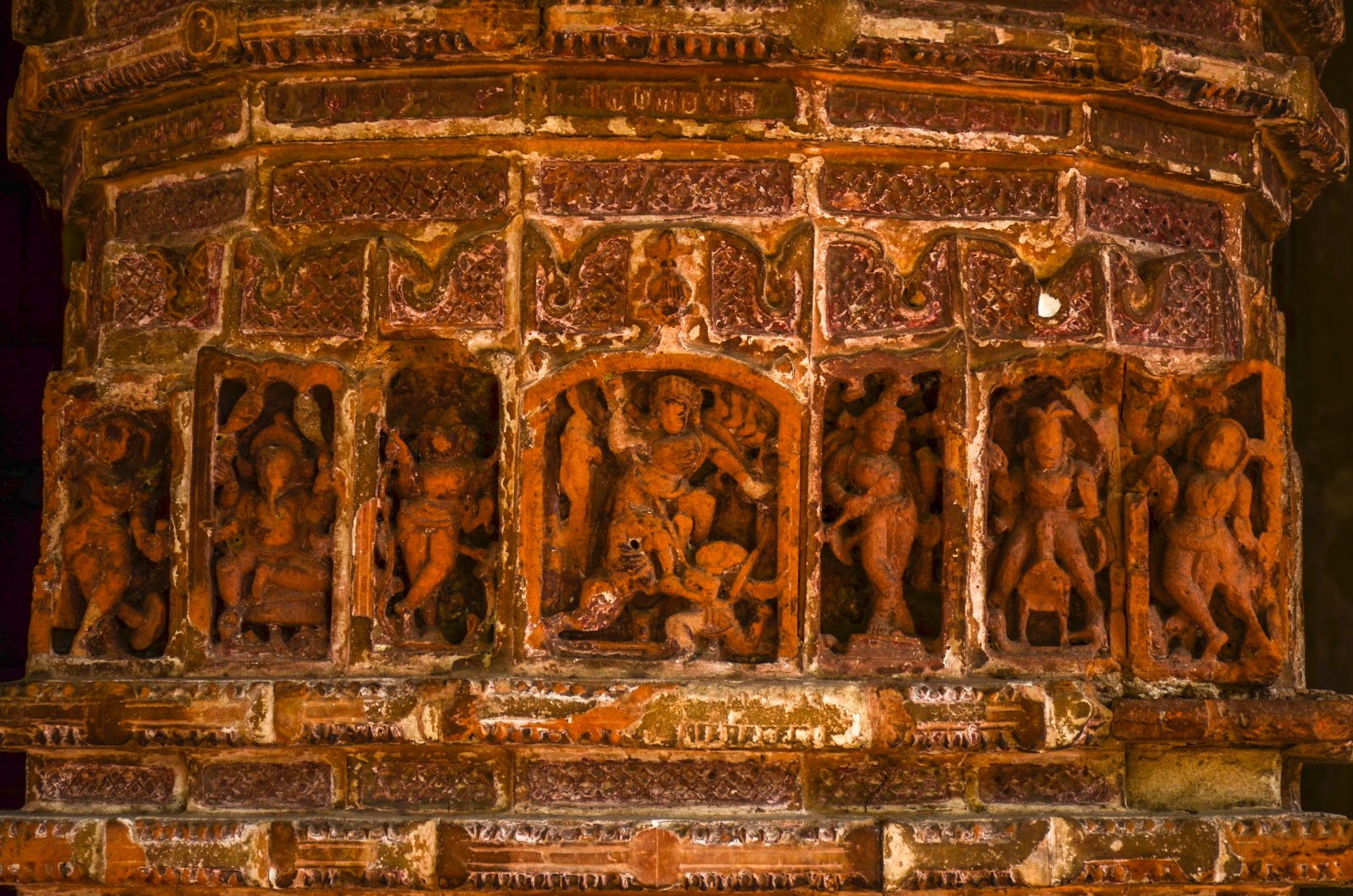
According to the dictionary the Terracotta art means hard,fired clay,brownish in colour when unglazed which is used to make architectural ornaments and facings, structural units, pottery and as a material for sculpture. The word ‘Terracotta’ came from Latin word ‘Terra-cotta’ and in Italian language Terrakotta means ‘baked-earth’.
Basically Terracotta is a type of earthenware or Ceramic pottery. At 1st we should have enough knowledge about earthenware. Earthenware is glazed or unglazed non-vitreous pottery which is made on fire below 1,200°C (2,190°F). So what do you say ? ‘baked-earth’ makes sense right?
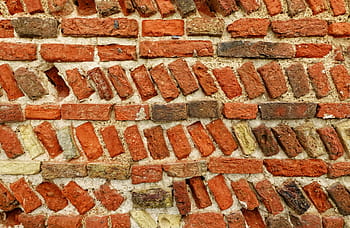
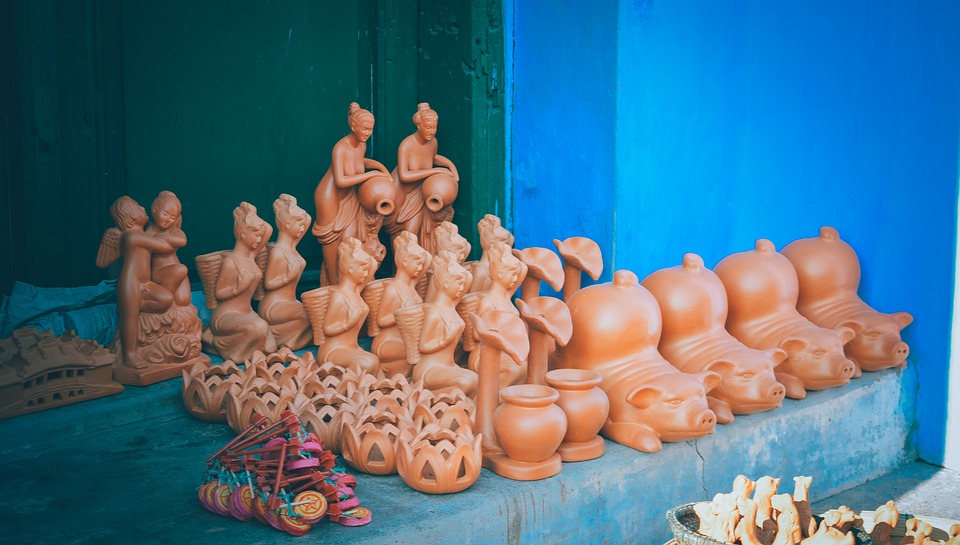
Normally Terracotta is used for sculpture making. But not only for sculpture but also for flower vas, doll,pot,water pipes, bricks,roofing tiles etc. Even there are also many temples of Terracotta. It is too flexible material for sculpture.Terracotta is usually a fairly coarse, porous type of clay. At first it has to be shaped then fired until hard. In the past, it was left to harden in the hot sun ,after that it was baked in primitive ovens. Ultimately, it was fired (at about 1000°C) in a special oven, kilns. After baking the clay became a brownish colour. Until it was glazed it was not watertight.terracotta is too simple than other bronze or other material work.
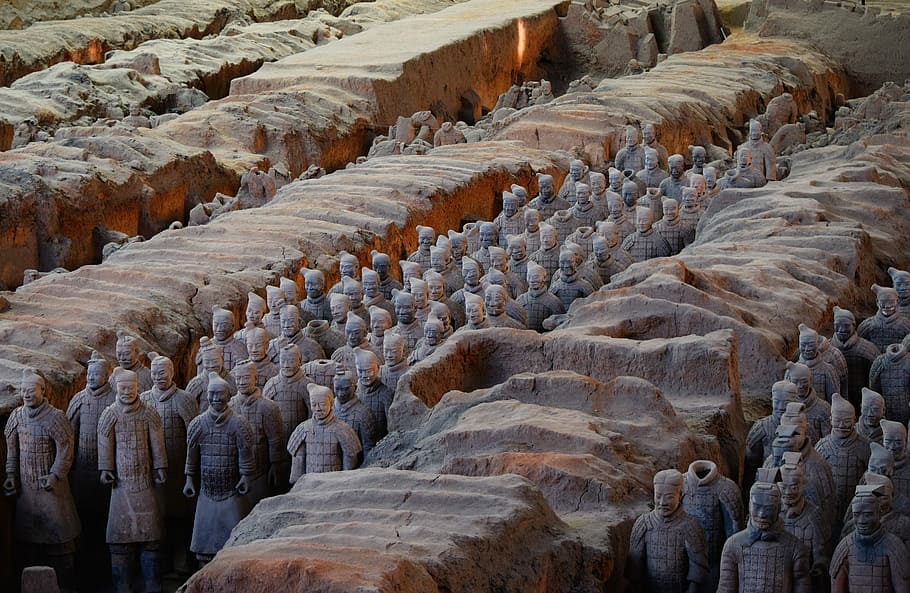
It was 1st used in Prehistoric art according to Venus of Dolni Vestonice (26,000-24,000 BCE) which was found buried in a layer of ash in Moravia at a paleolithic encampment. Some famous Terracotta figures are- The Thinker of Cernavoda(5000 BCE), The Enthroned Goddess Figurine(6000 BCE).Bronze and Iron Age artists kept the culture of the terracotta tradition, like the female fertility cult figures unearthed at Mohenjo-daro in Pakistan (3000-1500 BCE), and The Burney Relief (1950 BCE) from Ancient Mesopotamia. On the other hand we must say Chinese art created the biggest example of Terracotta art, those are-The Terracotta Army (246-208 BCE). Around the Mediterranean,such as early Egyptian, Minoan, Mycenaean, Greek and Etruscan cultures, employed terracotta for figurative works – such as the Tanagra Figurines from Boeotia in central Greece – besides decorative art and architectural ornamentation.Particularly in the era of Hellenistic art (323-30 BCE) it was widely used by sculptors. It was also used in Early Christian art, for tomb reliefs (from c.200 CE). Terracotta is also famous in African sculpture, pre-Columbian art.
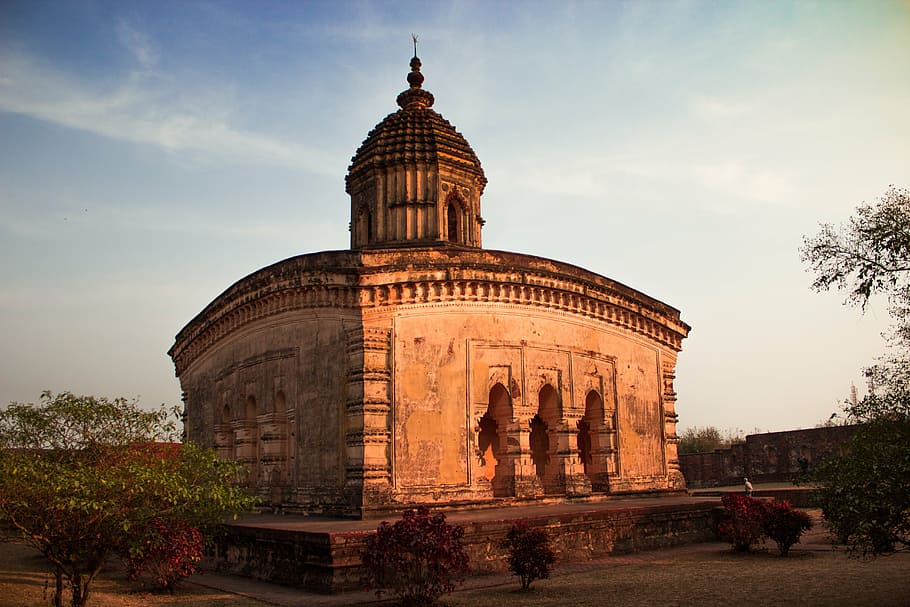
In India Terracotta is famous in the same way as in the past. In India Terracotta is a heritage culture. It is very common that there are many things of terracotta at most homes in India. ‘Bishnupur’ in West Bengal is a great source of Terracotta sculptures or other things. Murshidabad, Birbhum, Jessore, Digha (all are in West Bengal) are also the treasure of Terracotta. There are also famous in Rajasthan, Bihar, Haryana, Himachal Pradesh, Odisha, Jammu and Kashmir etc.












 Eduindex
You must be logged in to post a comment.