Structure of the novel JOSEPH ANDREWS By Henry Fielding

Joseph Andrews by Henry Fielding is considered as the first novel of English Literature. It is
described as a “comic – epic poem in prose” by the author himself in the preface to the novel. It was written in 1742 and portrays the realistic eighteenth century English society. While talking about the structure , form and style the author’s words say that “this form is not seen until and not intended before in the language”.

The narration of the novel follows a linear pattern eventhough certain digression or temporary departure is visible in certain chapters. The plot or the organization of events can be categorized into different parts such as Exposition ( initial stage), rising action, conflict / complication, climax, falling action and resolution or denoument. In this novel the protagonist Joseph Andrews was working as a footman for Mr Thomas Booby. This stage can be considered as the exposition of the novel. He was a good footman. Lady Booby had sexual desires in him and he was the talk of the London town. After Booby’s death, Lady Booby tried to show his passions towards him and he refuses. As a result Lady Booby fires him from the job.

Next in the rising action of the novel. He leaves , then hits the road in search for his love Fanny Goodwill. She is at Lady Booby’s country side far away from London. He passes through a maze of storms, ruffians and angry innkeepers. Ruffians attacks and strips his clothesleaving him naked in a ditch. All these events constitutes the rising action of the novel.

By a stroke of luck, Parson Adams turns into Joseph after his fatal injury. Once he heals up they plan to travel Booby country together. They face many problems and they solve. The parson forgets his horse, forgets to pay for his horse and fights with the innkeeper. Thus the conflict arises. They solve the problem and travel . In a way, he saves a woman who was being attacked by a stranger. That girl was Fanny Goodwill. But a group of strangers mistakes the two of them as criminals and submit them before the Justice of Peace. Here the plot reaches the peak of conflicts or climax. But another man identifies Parson Adams and saves them. After this some events occurs which were against Joseph and Fanny. The turning point occurs on the time when it is said that Joseph and Fanny to be siblings.

Lady Booby with the help of the lawyer Scout plans to throw Joseph and Fanny to Bridewell, a notorious prison to seperate them. These actions creates a falling action of the novel. Towards the end of the novel Pamela and her new husband Mr Booby arrives and prevents them from throwing into the Bridewell. The mysterious peddler who Joseph and Parson Adams met in the journey arrives and says that Fanny is actually Joseph’s parent’s daughter and Joseph is the son of Mr Wilson, who also met them in the journey. Thus the confusion settles and Joseph and Fanny finally gets hitched. Thus through this the novel reaches a resolution or denouement.

The work is divided into four books and the books into subsequent chapters. There are sixty four chapters altogether. The narration is linear eventhough there are certain digressions. These deviation from the main plot will not cause any harm to the novel. They were used by henry Fielding to give some examples about human passion and characteristics of the protagonist. The stucture is well organized and explanatory. While analyzing the structure it can be considered as a scientific research work. As a satire, which focuses on the the reality, mockery and the reformations of the society, Joseph Andrews follows this pattern of a research work. As a scientific work researches the reality, the writer experimented with the eighteenth century English society and the results are incorporated as this work. Subsequent tentative titles gives an impression about what is going to find in the following chapters like the title What Happened after Their Journey to London. Like the research is not for the researcher but for the betterment of the society Joseph Andrews also intends reformation of the society. The structure can also be considered as that of classical works which is about the general truths of human nature.

Henry Fielding said the structure a s ” comic – epic poem in prose” in the preface. Thus it possess certain epic like qualities. The division into books and further chapter division resembles epic like structure. Like the fable of epic the fable here is not supernatural but realistic. The action is mild but the fight between ruffians and Joseph and fight of Parson Adams to save Fanny are the actions like those found in epics. In terms of diction and language, allusions and referernces from various languages and use of archaic languages is apparent,like submissiveness of Mrs Trubiller is compared to the example of Sarah, wife of Abraham, Greek language references and references to Homer. In terms of themes also Joseph Andrews resembles epic like reformation of society from the ills of vanity, hypocricy and affectation and presentation of characters from the different classes of society.

The style is simple, explanatory and vivid and there is no artificial use of elevatory language or high vocabulary. Since the work is a satire on Samuel Richardson’s Pamela in which the emphasis of female chastity, in Joseph Andrews the emphasis of male chastity is presented in a humourous way. The vices are presented this humour and not in a didatic language rather it is suggestive. Through the letters to Pamela the novel possess epistolary style also. Joseph’s character is presented as a rougue of low social class as a footman and encounters in a bad world. So in this perspective the novel can also be considered as a picaresque novel. Eventhough Joseph Andrews was written when English novel was in it’s infancy, the well organized and explanatory srtucture and humourous elements makes the novel special.

THE KITE RUNNER: A STORY OF ETERNAL FRIENDSHIP

Khaled Hosseini’s first novel ‘The Kite Runner’ opens the world of two friends and their never ending friendship. Through the stories of Hassan and Amir Hosseini portrays various themes like the search for redemption, the love and conflicts between father-son relationship, the social, political and racial background of Afghanistan. The way Hosseini portrayed Afghanistan is very much different from the stereotyped images of Afghanistan. For Hosseini Afghanistan was home, with the landscape, pomegranate trees and kite.

Many books have primarily focused on loyalty and friendship. But the friendship and relation between Amir and Hassan is different. The change in the attitude towards Hassan is the point where the search for redemption begins. In the beginning race and religion played a very integral role in their friendship. Hassan being a Hazara boy with a cleft lip, it was very difficult for him to be in that friendship. On the other hand Amir, the Pashtun boy with power and money he easily dominated Hassan. But he was unsuccessful in winning Abba’s heart. Abba’s love flowed to Hassan more than Amir. This also created a kind of hatred in the mind of Amir towards Hassan. Thus the friendship was a kind of master slave relationship back then. Hassan was loyal to Amir, no matter how much he ridiculed Hassan. Hassan gave first priority to Amir by saying that “for you a thousand times over”. But for Amir friendship was a kind of authority.

But towards the second half the relation between Amir and Hassan has a shift. From the hatred evolved from jealous, Amir now has a guilt feeling for Hassan. The guilt rised from the understanding that Amir wasn’t able to stand up for Hassan, when he needed that support. The betrayal questions the loyalty of Hassan every time. Finally the loyalty wins. Hassan not only saves Amir from his childhood, but saves him later also. When Amir struggles with regret and guilt the letter of Hassan saves him and leads to the path of redemption. The struggle faced by Amir on his way to save the son of Hassan, is considered as a kind of punishment for himself for the past betrayal. Finally Amir saves Hassan’s son Sohrab, which is a kind of redemption. The relation between Amir and Hassan is something special which unfold behind the kites.

THEMES OF THE NOVEL “A TALE OF THE TWO CITIES” BY CHARLES DICKENS

While analyzing the themes of Charles Dickens’s 1859 historical fiction, A Tale of Two Cities it is apparent that the author has incorporated variety of themes in the novel. Through the beginning lines “It was the best of times, it was the worst of times. . .” the chaotic society of eighteenth society is well depicted by Dickens. Even though the characters in the novel do not engage in many conversations, their actions strengthens the themes of this work.
Resurrection or rebirth is the major theme of the novel, which is presented from the beginning to the end of the novel. The first important resurrection is that of Sydney Carton’s. Sydney Carton’s resurrection and sacrifice gives new life to Lucie and her family. Carton is portrayed as a Christ like figure who dies to save the lives of the people he loves and reborn in their minds. The theme of resurrection comes again with respect to Dr Alexandre Manette, who is reborn into his previous life, from imprisonment and mental illness, with the love of his daughter Lucie. In Jerry Cruncher’s life also we can see the resurrection, who leaves the job of grave digging for his loved ones. These are the resurrection in
personal level. In the societal level, we can see the old status of France appears to give way to New France with the sacrifice of many revolutionaries. The revival of peace and a better society echoes throughout the novel. Sacrifice is the next dominant theme in A Tale of Two Cities . On a personal level sacrifice of Sydney Carton is most strongly visible. He gives importance to the happiness of Lucie and family and this encourages him to sacrifice his life. Carton does not have a family of his own and he lead an unproductive life throughout, so he haven’t offered much to the world. So he believes this act of sacrifice will redeem everything and make his life meaningful. Next factor which strengthens the theme of sacrifice is the revolution. Revolutionaries sacrifice their life to give a new society.
Violence and oppression is the next major theme. Even though Dickens’s seems to support the revolution, he emphasizes the sufferings caused by violence. Dickens sympathizes with the peasantry and emphasizes the need for liberation. But the strategy of peasants for overcoming this situation causes more violence and death of many innocent humans. The scenes of people sharpening their weapons in the grindstone, senseless killings of people and dance with weapons emphasizes the theme of violence and oppression.

Since the background of the novel is eighteenth century society Social Inequality and Class conflict are the next important theme. There are two classes in France, the peasants and the aristocrats. The aristocrats are portrayed as lazy, irresponsible, spoiled and heartless who does not have any regard for the peasants or lower section of the society. The social inequality is evident in the incident of the rape of the peasant woman by Marquis. And when the Marquis killed the son of Gaspard he is not subjected to any legal proceedings because he is from the aristocracy. The storming of Marquis’s castle is the symbol of the fall of aristocracy. Towards the end the situation reverse. The violent measures by the peasants arises as a result of long suffering. Even though Dickens supported revolution he portrayed both social class as equally violent and oppressive.
The theme of justice is intertwined with discrimination and injustice. Justice is presented literally by trails and imprisonments in the plot. The imprisonments of Darnay and Dr Manette are example of innocent people being subjected. As said earlier after the death of the son of Gaspard Marquis is not subjected to any legal proceedings. At this occasion justice is taken by individuals, like murder of Marquis by Madame Defarge as a revenge against Everemonde family.


Apart from these major themes Dickens focuses on themes of duality like light v/s darkness love v/s hatred with the comparison of two countries and the actions of the people there. While England remained as peaceful country, France goes through intense revolution. The contrast between these countries is progressed through the novel which intensifies the theme of light v/s darkness. Dr. Manette has been locked away in a dark prison for many years and lost his mind. Charles Darnay is struggling to right the wrongs done by Evremonde family. Sydney Carton is living his life unproductive and feels he has no purpose. So Lucie is the person who is considered as the light in their lives, who lead them to recovery and bring them out of darkness.

Revolution is the next major theme which is clearly apparent throughout the novel. The revolution and it’s impact on lives of many people is clearly portrayed. The sinners and innocent people, both are equally affected by revolution. The reversal of roles are the next theme. Towards the end of the novel the peasants who were poor in the beginning become more barbaric and cruel. And as a result of this the aristocrats suffer at the end. So this is an example of reversal of roles among peasants and aristocrats. On another level the replacement of Darnay by Carton in the prison is also an example for the reversal of roles. Apart from these, themes like family preservation, fate, love and hate are also included by Dickens. Through these themes author clearly reflects the society of eighteenth century.

RELIGIOUS AND PHILOSOPHICAL ELEMENTS IN THE NOVEL ‘THE SLAVE’ BY ISAAC BASHEVIS SINGER

Written in the socio-political background of Polish- Cossack war and the Khemelnsky massacre, the novel The Slave unfolds many layers of religion, philosophy, vulnerabilities and guilt of man. The novel also portrays the critical or unbiased representation of the jew community. Isaac Bashevis Singer is a Jewish immigrant writer, and he is known for his unbiased representation of the Judaism. In this novel also Singer portrays this criticism of religion and Judaism and he questions the aim or meaning of the religion if it only serves for the separation of humans. The novel carries various religious allusions, symbols and philosophical truths.

The protagonist Jacob is a religious Jew, with extreme beliefs. He is described as ” he resembles the men in the holy pictures that hung in the chapel in the valley”. He upholds his Jewish identity. At the same time he is in a religious conflict and dilemma. Being an ardent believer , sexual relations and marriage with an “outsider” or non Jew is not allowed in Judaism. But his intense love for Wanda is in conflict with this. Here, a juxtaposition between free will and determinism is evident. The question that does God control his destiny or does Jacob controls his destiny is always in juxtaposition in his mind. In the relationship between Jacob and Wanda the novel questions the religion and the customs by giving the notion that, why do we follow certain rituals if it intends the seperatedness of individuals rather than their union. Apart from this internal dilemma, one external dilemma is there, that is the thought of discrimination or exclusion in the village. And this made him to tell that Wanda is deaf and mute to hide her ethnic Identity.

Another question of choice, righteousness comes in the instance where Teresa tries to seduce Jacob. But Jacob refuses and Teresa feels guilt and she laments.

There are several biblical allusions present in the novel. When Jacob changes Wanda’s name to Sarah, he is alluded to Abraham who changes his wife’s name to Sarah. The name of their son Benjamin also carry biblical allusion. And he takes him to Jerusalem for pilgrimage. Towards the end novelist presents the ultimate philosophy of life by the growing cemetery, which included the remains of Sarah, which was not accepted by the community because of Sarah not being a Jew. So here Singer portrays the ultimate philosophy and truth of life, the death. Death is the leveller, which is equal for everyone irrespective of race and religion. And everyone gets equality through death.

ANALYSIS OF THE STYLE AND STRUCTURE OF THE NOVEL THE STONE ANGEL BY MARGARET LAURENCE

Margaret Laurence’s 1964 novel The Stone Angel depicts the story of Hagar Shipley, whose life was filled with chaos and sorrows. Hagar Shipley the protagonist of the novel is a ninety year old woman who outlived her husband and younger son John. Hagar is the daughter of a wealthy shop owner, Jason Currie. As a young woman she marries Brampton Shipley against the wishes of her parents. After marriage she gave birth to two sons Marvin and John, among which Hagar shows favoritism towards younger son John. Hagar and Brampton’s marriage become unsuccessful and they become separated. Hagar takes John along with her, but finally he returns to his father. Hagar visits her hometown Manawaka, after hearing the news of Brampton’s poor health, and he dies soon. Then John too dies soon in a car accident. Upon hearing the news of John’s death, Hagar doesn’t show any emotions. From these incidents she becomes a strong, emotionless person, the stone angel, as the title suggests. Then, she lives with her elder son Marvin and his wife Doris. Hagar runs off from them, when they planned to send her to nursing home, and wanders around at Shadow point. Towards the end Marvin and Doris takes her back home, brings to the hospital. Aware that she is dying Hagar finally apologizes to Marvin.
This life story of Hagar is presented in the first person point of view by the author. The narrator itself is Hagar, who presents the events in the form of fragmented memories and images. The novel is divided into ten chapters and they shifts back and forth between the present and the past. At the present Hagar is a ninety year old woman, whose physical breakdown made her dependent. As Hagar narrates her own story, the narrative arc goes back to her early ages, where the events are presented in a chronological order. But these memories and images of the past occur in a fragmented way, which represents the present, helpless, ill condition of Hagar. Margaret Laurence has incorporated the technique of stream of consciousness in the narration. This made the mental and emotional state of narrator transparent. And by this the readers will also be able to perceive the intensity of her feelings and experiences and they can feel with her. The shift from present state to past memories can also be analysed as the attempt of Hagar to
suppress her fear of mortality. The use of Hagar as narrator to tell her own story makes the work more special. Even though Hagar tells her past in the form of monologues, whose tragic flaw is excessive pride, they can also be considered as biased. By the structure it can also be considered as a kind of autobiography of Hagar. The shift from present to past somehow resembles the narrative part of Benjamin in the novel The Sound and the Fury. Margaret Laurence made the novel rich with various symbols and images which strengthens the narrative. The title itself, identifies with Hagar. The stone angel represents the rigid, unbending, proud self of Hagar. But at the same time she is not completely without emotions. Towards the end she feels guilt, sorrow and regret. So, the symbol of stone angel
clearly depicts Hagar. As an angel she considered herself as superior to others, whose tragic flaw was excessive pride. The symbol of eggs, used by author represents nurture and compassion for others, which lacks in Hagar. While analyzing the images used by the author, the biblical image is superior. The name Hagar, came from Bible, Abraham’s concubine and mother of Ishmael. As Hagar was banished from heaven, Hagar in the novel also left her home. The nursing home and hospital imagery can be related to death which Hagar fears. The narration, images and symbols makes the novel greatest Canadian novels ever written by Margaret Laurence. The two narrative arcs, narration through fragmented images and stream of consciousness technique, first person perspective etc make the structure and style of the novel different.

Shutter Island – book review

About the book

Author : Dennis Lehane

Genre : Gothic, Psychological Horror, Crime

Pages : 380

Publication date : April 15, 2003

Story plot

In 1954, widower U.S. Marshal Edward “Teddy” Daniels and his new partner, Chuck Aule, go on a ferry boat to Shutter Island, the home of Ashecliffe Hospital for the criminally insane, to investigate the disappearance of a patient, Rachel Solando (who was incarcerated for drowning her three children). Despite being kept in a locked cell under constant supervision, she has escaped the hospital and the desolate island.

In Rachel’s room, Teddy and Chuck discover a code that Teddy breaks. He tells Chuck that he believes the code points to a 67th patient, when records show only 66. Teddy also reveals that he wants to avenge the death of his wife Dolores, who was murdered two years prior by a man called Andrew Laeddis, whom he believes is an inmate in Ashecliffe Hospital. The novel is interspersed with graphic descriptions of World War II and Dachau, which Teddy helped to liberate. After Hurricane Carol hits the island, Teddy and Chuck investigate Ward C, where Teddy believes government experiments with psychotropic drugs are being conducted. While separated from Chuck for a short while in Ward C, Teddy meets a patient called George Noyce, who tells him that everything is an elaborate game designed for him, and that Chuck is not to be trusted.

As Teddy and Chuck return to the main hospital area, they are separated. Teddy discovers a woman (in a sea cave he tried to take refuge in) who says she is the real Rachel Solando. She tells him she was actually a psychiatrist at Ashecliffe, and when she discovered the illegal experiments being run by them, she was incarcerated as a patient. She escaped and has been hiding in different places on the island. She warns him about the other residents of the island, telling him to take care with the food, medication and cigarettes, which have been laced with psychotropic drugs. When Teddy returns to the hospital, he can’t find Chuck and is told he had no partner. He escapes and tries to rescue Chuck at the lighthouse, where he believes the experiments take place. He reaches the top of the lighthouse and finds only hospital administrator Dr. Cawley seated at a desk. Cawley tells Teddy that he himself is in fact Andrew Laeddis (an anagram of Edward Daniels) and that he has been a patient at Shutter Island for two years for murdering his wife, Dolores Chanal (an anagram of Rachel Solando), after she murdered their three children.

Andrew/Teddy refuses to believe this and takes extreme measures to disprove it, grabbing what he thinks is his gun and tries to shoot Dr. Cawley; but the weapon is a toy water pistol. Chuck then enters, revealing that he is actually Andrew’s psychiatrist, Dr. Lester Sheehan. He is told that Dr. Cawley and Chuck/Sheehan have devised this treatment to allow him to live out his elaborate fantasy, in order to confront the truth, or else undergo a radical lobotomy treatment. Teddy/Andrew accepts that he killed his wife and his service as a US Marshal was a long time ago.

The ending of the novel has Teddy receive a lobotomy in order to avoid living with the knowledge that his wife murdered their children and he is her murderer.

Review

Have you seen the movie Shutter Island starring Leonardo DiCaprio? If you haven’t yet, read the Shutter Island book first. It was originally published in 2003 by Dennis Lehane, and made into a movie not long ago, 2010 actually. I personally haven’t seen the movie either, but after reading the book I’ve decided I HAVE to see the movie adaptation.

Why was the book so good? Many people will already be familiar with Lehane’s work, he’s a famous thriller/crime novelist, so to start off the book is really well written. Not only that, but the plot is fantastic, with lots of twists that you never see coming, which always makes great for a screenplay as well. The copy of the book that I read was a lent to me by a colleague of mine, so it was an older, well-loved paperback from a while back; a nice change from the brand new books I typically get! Anyway, as mass market paperbacks typically do, it had quotes and blurbs from press reviews all over the cover, and a few of them described the book as ‘cinematic’, meaning the descriptions of the scenery and characters are so vivid that readers can easily imagine these scenes in their mind. Of course these were just predictions at the time, but the book was good enough for Martin Scorsese to take notice, as he was the eventual director of the film.

For those of you who like ‘spooky’ summer time reads, this book is definitely for you, so make some time for some ‘oldies but goodies’ on your shelf, and then clear away an afternoon to watch the movie when you’re done the book.

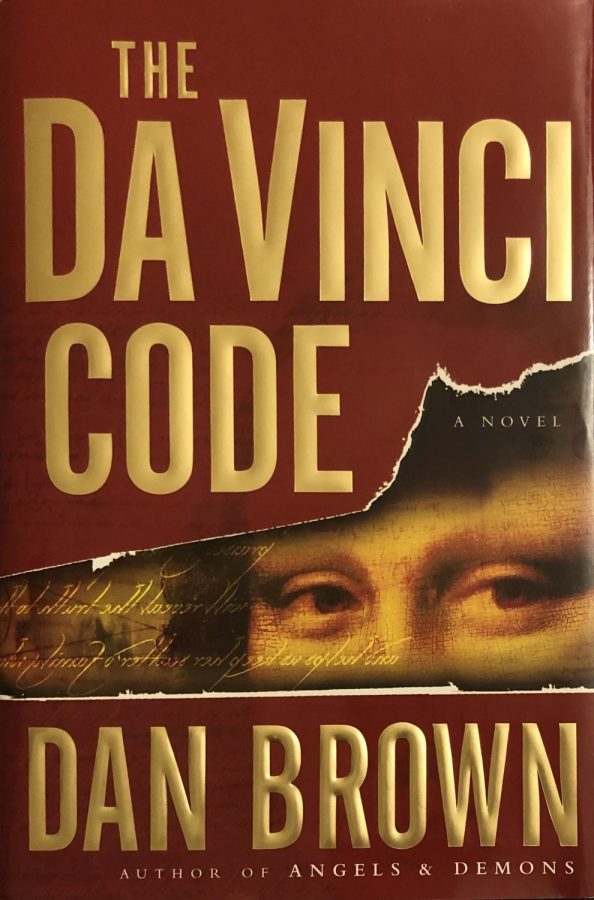
The Da Vinci Code – book review

About the book

Author : Dan Brown
Publication date : April 2003
Pages : 689 (U.S. hardback)
489 (U.S. paperback)


The novel explores an alternative religious history, whose central plot point is that the Merovingian kings of France were descended from the bloodline of Jesus Christ and Mary Magdalene, ideas derived from Clive Prince’s The Templar Revelation (1997) and books by Margaret Starbird. The book also refers to The Holy Blood and the Holy Grail (1982) though Dan Brown has stated that it was not used as research material.

Characters

Robert Langdon: A professor of symbology at Harvard University and the protagonist of the novel.

Jacques Saunière: The grandmaster of priory of Sion, Curator of Louvre Museum and primary antogonist of the novel.

Sophie Neveu: A Cryptologist of French police and granddaughter of Saunière.

Bezu Fache: A member of Opus dei and a French police.

Silas The monk: A member of Opus dei who murders Saunière.

Manuel Aringarosa: A bishop of Vatican and member of Opus dei.

Sister Sandrine: A Seneschal of priory of Sion and sister of St. Sulpice.

André Vernet: A guard of Zurich bank.

Sir Leigh Teabing The Teacher: A Grail scholar, living in Paris and secondary antogonist of the novel.

Rémy Legaludec: A maid who assist Teabing.

Jérôme Collet: A French police.

Marie Chauvel Saint-Clair: Sophie’s grandmother and Saunière’s wife.

Summary


In the Louvre, a monk of Opus Dei named Silas apprehends Jacques Saunière, the museum’s curator, and demands to know where the Holy Grail is. After Saunière tells him, Silas shoots him and leaves him to die. However, Saunière has lied to Silas about the Grail’s location. Realizing that he has only a few minutes to live and that he must pass on his important secret, Saunière paints a pentacle on his stomach with his own blood, draws a circle with his blood, and drags himself into the center of the circle, re-creating the position of Da Vinci’s Vitruvian Man. He also leaves a code, a line of numbers, and two lines of text on the ground in invisible ink.

A police detective, Jerome Collet, calls Robert Langdon, the story’s protagonist and a professor of symbology, and asks him to come to the Louvre to try to interpret the scene. Langdon does not yet realize that he himself is suspected of the murder.

After murdering Saunière, Silas calls the “Teacher” and tells him that, according to Saunière, the keystone is in the Church of Saint-Sulpice in Paris. The Teacher sends Silas there. Silas follows Saunière’s clues to the keystone’s location and discovers that he has been tricked. In a fit of rage, he kills Sister Sandrine Bieil, the church’s keeper and a sentry for the Priory of Sion. At the Louvre, Langdon meets Jerome Collet and Bezu Fache, the police captain, and realizes that the two policemen suspect him of the murder.

Sophie Neveu, an agent of the department of cryptology and Saunière’s granddaughter, arrives at the crime scene and tells Langdon that he must call the embassy. When Langdon calls the number Sophie gave him, he reaches her answering service. The message warns Langdon that he is in danger and should meet Sophie in the bathroom at the Louvre.


In the bathroom, Sophie shows Langdon that Fache is noting his movements with a tracking device. She throws the device out the window onto a passing truck, tricking the police into thinking that Langdon has escaped from the Louvre.

Sophie also tells Langdon that the last line in the secret message, “P.S. Find Robert Langdon,” was her grandfather’s way of alerting her: P.S. are the initials of her grandfather’s nickname for her, Princesse Sophie. Langdon thinks that P.S. might stand for Priory of Sion, an ancient brotherhood devoted to the preservation of the pagan goddess worship tradition, and to the maintenance of the secret that Saunière died protecting.

Langdon decodes the second and third lines in Saunière’s message: “Leonardo Da Vinci! The Mona Lisa!” Sophie returns to the paintings to look for another clue. The police have returned to the Louvre as well, and they arrest Langdon. Sophie finds a key behind the Madonna of the Rocks. By using the painting as a hostage, she manages to disarm the police officer and get herself and Langdon out of the building.

As Sophie and Langdon drive toward the Swiss bank identified on the back of the key, Langdon explains the history of the Priory of Sion and their armed force, the Knights Templar. He reveals that the Priory protects secret documents known as the Sangreal, or the Holy Grail. Langdon’s latest manuscript is about this very subject.

When Sophie and Langdon enter the bank, an unnamed security guard realizes that they are fugitives and calls the police, but André Vernet, the bank’s manager and a friend of Saunière’s, recognizes Sophie and helps her and Langdon escape. Sophie and Langdon figure out that the number left near Saunière’s body must be the account number that will open the vault. When they open the vault they find a cryptex, a message delivery device designed by Da Vinci and crafted by Saunière. The cryptex can only be opened with a password.

Vernet successfully smuggles Sophie and Langdon past Collet in the back of a locked armored car. Vernet turns on them, but they manage to get away with the cryptex, which Langdon realizes is actually the Priory keystone—that is, the key to all of the secrets the Priory holds about the location of the Holy Grail.

Langdon and Sophie go to the house of Sir Leigh Teabing, a historian, to ask for his help opening the box. Teabing tells them the legend of the Grail, starting with the historical evidence that the Bible didn’t come straight from God but was compiled by Emperor Constantine. He also cites evidence that Jesus’ divinity was decided by a vote at Nicaea, and that Jesus was married to Mary Magdalene, who was of royal blood, and had children by her. Teabing shows them the hidden symbols in The Last Supper and the painted representation of the Magdalene. He tells them that the Holy Grail is actually Mary Magdalene’s body and the documents that prove Mary’s blood line is related to Jesus. He says he thinks Saunière and the others may have been killed because the Church suspected that the Priory was about to unveil this secret.

As Langdon is showing off the cryptex, Silas appears and hits him over the head. Silas holds Sophie and Teabing at gunpoint and demands the keystone, but Teabing attacks Silas, hitting him on the thigh where his punishment belt is located, and Sophie finishes him off by kicking him in the face. They tie Silas up.

Collet arrives at the castle, but Sophie, Langdon, the bound Silas, Teabing, and his servant, Rémy, escape and board Teabing’s private plane to England. Sophie realizes that the writing on the cryptex is decipherable if viewed in a mirror. They come to understand the poem, which refers to “a headstone praised by Templars” and the “Atbash cipher,” which will help them arrive at the password. Langdon remembers that the Knights Templar supposedly worshipped the god Baphomet, who is sometimes represented by a large stone head. The word, unscrambled by the Atbash Cipher, is Sofia. When they open the cryptex, however, they find only another cryptex, this one with a clue about a tomb where a knight was buried by a pope. They must find the orb that should have been on the knight’s tomb.

Fache realizes that Teabing and the rest of them are in the jet. He calls the British police and asks them to surround the airfield, but Teabing tricks the police into believing that there is nobody inside the plane but himself. Then he goes with Sophie, Langdon, Rémy, and Silas to the Temple Church in London, the burial site of knights that the Pope had killed.

Rémy frees Silas and reveals that he, too, follows the Teacher. Silas goes to the church to get the keystone, but when he tries to force Langdon to give it up, Langdon threatens to break it. Rémy intervenes, taking Teabing hostage and thus forcing Langdon to give up the cryptex.

Meanwhile, Collet and his men look through Teabing’s house and become suspicious when they find that he has been monitoring Saunière. Over the phone, the Teacher instructs Silas to let Rémy deliver the cryptex. The Teacher meets Rémy in the park and kills him. The Teacher calls the police and turns Silas in to the authorities. As Silas tries to escape, he is shot, and he accidentally shoots his idol, Bishop Aringarosa.

Silas takes Bishop Aringarosa to the hospital and staggers into a park, where he dies. In the hospital the next day, Aringarosa bitterly reflects that Teabing tricked him into helping with his murderous plan by claiming that if the Bishop delivered the Grail to him, he would help the Opus Dei regain favor with the Church.

Sophie’s and Langdon’s research leads them to the discovery that Sir Isaac Newton is the knight they are looking for, the one buried by a Pope, because they learn he was buried by Alexander Pope. They go to Westminster Abbey, where Newton is buried. There, the Teacher lures them to the garden with a note saying he has Teabing. They go there only to discover that Teabing himself is the Teacher. Teabing suspected that Saunière had decided not to release the secret of the Priory of Sion, because the Church threatened to kill Sophie if the secret was released. Wanting the secret to be public knowledge, he had decided to find the Grail himself.

Teabing gives Langdon the cryptex and asks Langdon and Sophie to help him open it. Langdon figures out that the password is apple—the orb missing from Newton’s tomb. He opens the cryptex and secretly takes out the papyrus. Then he throws the empty cryptex in the air, causing Teabing to drop his pistol as he attempts to catch it and prevent the map inside from being destroyed. Suddenly, Fache bursts into the room and arrests Teabing.

The papyrus inside the second cryptex directs Sophie and Langdon to Scotland, where Sophie finds her brother and her grandmother. During the reunion, she discovers that her family is, indeed, of the bloodline of Jesus and Mary Magdalene. Sophie and Langdon part, promising to meet in Florence in a month. Back in Paris, Langdon comprehends the poem, which leads him to the small pyramid built into the ground in the Louvre, where he is sure the Grail must be hidden

Review

The Da Vinci Code by Dan Brown was a wonderful book. At several points in the book I found myself wondering what the next twist would be. The Da Vinci Code is about a symbologist named Robert Langdon.

I enjoyed how the author tied symbology into his novel. I learned things that I was not expecting to in a way that did not feel like I was in a class. I also feel that the action-packed novel kept me engaged with the characters. I often found myself sitting on the edge of my seat waiting for the next piece of the puzzle to be revealed. I highly recommend The Da Vinci Code to any who love mysteries or even to those looking for an adventure.

THE LUCKY ONE – BOOK REVIEW

About the book

Author : Nicholas Sparks


Genre : Romance Drama


Publication date : 2008


Pages : 386

Story plot

The book starts from Keith Clayton’s perspective. Keith is a local police officer. He is at a location where local college students go for nude swimming. He is carrying a camera he borrowed from the Police Department and is taking pictures of three female college students. One of them leaves the beach and comes upon Keith who is supposed to be on duty. He hides the camera and talks with the girls about their breaking the law by nude bathing. He lets them go. He comes across a man whom Keith describes as looking like a hippie walking down a logging road by the beach with a dog. It is Logan Thibault and his dog, Zeus. Keith is concerned Logan saw everything that had happened and tries to find a way to take Logan in. However, after running a background check on Logan and Logan refusing to let him search his bags he lets Logan go. He asks Logan where he is going and states he is heading to Arden. Keith goes back to find the camera he hid, but it is gone and the tires on his squad car are slashed. Keith becomes concerned as his father is the local Sheriff and his grandfather is a local judge.

When the story changes to Logan’s perspective, he is in the car with the three college girls who picked him up when he indicated he wanted to hitch a ride. He gives the camera (from which he removed the memory disk) to the college girls. The story also back tracks to Logan witnessing Keith taking the pictures and Logan taking the camera, destroying the disk, and slashing the tires of Keith’s cruiser. The story then goes back further into Logan’s life as he reflects on his walking all the way from Colorado and even further back as to why he decided to join the Marines. It is explained how Logan began to play Poker while tensions were building in the Middle East and this was his outlet. He lost all of his money while doing this and eventually gave up joining in on the games. It is then mentioned that Logan liked to go for early morning runs while in the Middle East and one day he came upon a picture half buried in the sand. It turns out to be a picture of Beth who is wearing a shirt that says Lucky Lady. His luck then begins to change. It is first noticed when his friend in his squad, Victor, encourages him to join in a poker game that night. Victor also believes in omens and superstitions and is the one who slowly convinces Logan the picture and the girl in the picture are powerful to Logan and the picture may have a deeper meaning in Logan’s life.

Elizabeth (Beth) is next introduced in the story. It starts at a birthday party her son, Ben, is attending. It comes up that Beth’s grandmother, Nana, recently had a stroke and Beth has been helping her run the dog kennel/obedience school Nana owns. It is also mentioned that Nana raised Beth, because Beth’s parents died in a car accident when Beth was 3 years old. Beth is also a teacher at a local school. It slowly becomes known that Keith Clayton is the ex-husband of Beth, and the father of Ben. Beth expresses her frustration about Keith’s disappointment in Ben as Ben is not as athletically inclined as other boys of his age. It becomes apparent that Ben does not care for his father much and does not like spending every other weekend with Keith.

The story goes back to Logan and the beginning of his experience in the Middle East is mentioned. A story is told about how the two comrades in his fire team are killed by a RPG and Logan survives. Logan is staying at a local motel and first decides to find the fairgrounds where the picture he had of Beth was taken. He finds the exact location where the picture was taken and knows he is in the right place. He determines he is going to go to a pool hall/bar to ask the locals if anyone knows the girl in the picture.

Next, Keith reminisces about his day and having to explain the slashed tires to his father. It comes to light that his dad and grandfather are well known in the town and Keith is stuck between keeping out of trouble and his family being able to get him out of trouble due to their status in town. Keith also explains his dislike for his son’s (in Keith’s eyes) weaknesses. Instead of wanting to be with Ben, Keith wants to be out looking for Logan to make him pay for what he did. Keith receives a phone call from a co-worker, Tony, who says a stranger has a picture of Beth at a local pool hall and was asking about her. Keith asks if the guy looks like what Logan had looked like earlier, but the co-worker says that is not the description of the man at the pool hall. Keith is disappointed and decides to do nothing about man with the picture.

Logan’s version of the bar/pool hall encounter is described and he learns Beth’s full name. The next day Logan goes to the dog kennel and meets Beth for the first time. He applies for a position at the kennel and Beth becomes suspicious due to the half told story Logan tells her. (He leaves the part out about the picture as the reason why he came to Hampton). Beth is skeptical and decides to have Nana talk with Logan. Nana decides to hire Logan, but admits she feels he isn’t telling the whole truth about being in Hampton. Once hired, Logan finds a place to rent in town and begins working at the kennel. Over the next few weeks Logan (and Zeus) becomes closer with Nana, Beth and Ben.

Nana decides to go on a trip to visit her sister in Greensboro, leaving Beth and Logan to tend to the kennel. Beth and Logan get to know each other better, and this is one of the weekends when Ben spends time with his father. Logan and Beth make ice cream on the Saturday night Ben is gone when Keith brings him back to Beth. Ben has a bruise on his face and his glasses are broken. Keith tells Ben to tell Beth it wasn’t his fault, but it’s apparent Keith threw a baseball too hard and it hit Ben in the face. Keith does not notice Logan initially, but when he does he demands to know what Logan is doing there. Zeus becomes defensive and Logan tells Keith to leave. Keith does, but is upset about the incident, because he does not like being challenged and forced to back down. He also upset to have found out that Logan had never left town and is concerned Logan may still have the camera’s memory disk.

Beth and Logan go on a date and Logan opens up about Victor and Logan’s boating trip in Minnesota. Logan informs Beth that Victor died when another boat hit their boat. Logan and Beth continue to date, and eventually Keith breaks into Logan’s home to see if he could the photo disk. Logan suggests to Beth that Keith has been the reason why none of her relationships have lasted and tells her about the break-in he had had in his home. Nana implies she agrees with Logan. Beth goes to a former boyfriend’s home and he weakly admits Keith may have been involved in his breaking up with her. Beth (politely) confronts Keith about this. Keith during this conversation tries to convince Beth that she knows nothing about Logan and this could dangerous. Keith thinks he has begun to convince Beth and is in high spirits. However, Logan did research on Keith’s family and meets Keith at his Keith’s home. Logan tells Keith he knows it was Keith who broke into his home and bluffs that he has a video recording of the break in. Logan said he would take the information to Keith’s family if Keith did not stay out of Beth’s business. Keith realizes he no longer has the upper hand and begins to drink heavily.

Later, there is a storm that comes through Hampton and it rains for days/weeks and the area begins to flood. Ben convinces Logan to go to his tree house and Logan realizes it is no longer safe because of the flooding. They still enter the tree house and Logan gives Ben the picture because he feels it will keep Ben safe. Logan mentions his friend Victor’s belief in the luck of the photo. Logan also plays the piano in church for Nana and the town begins to admire Logan, and even Keith’s grandfather praises Ben, deepening Keith’s hatred of Logan.

Tony, the co-worker who called Keith from the pool hall when Logan first arrived in town, goes to Keith’s house and informs Keith that Logan was the guy who had had the picture of Beth which Keith had ignored. Keith goes to the school where Beth works and convinces Beth that Logan is a stalker. Beth doesn’t necessarily believe Keith at the time and confronts Logan who admits to having the photo. Beth becomes extremely upset and demands the picture. Logan informs Beth that he had given it to Ben.

Later, Beth asks Ben for the photo and asks him to tell her everything Logan had said when Logan had given it to Ben. Beth realizes Logan had been honest about how he felt the photo was a good luck charm. Beth goes to Logan’s home and he tells her everything. He also mentions the tree house being very unsafe to Beth. Keith spies on Beth and Logan and is enraged. When Beth leaves Logan’s house Keith follows her to her home. Keith tells her he was going to take her to court to obtain full custody of Ben if she doesn’t follow his rules. He wants her to stop seeing Logan and date him (Keith) again. Ben overhears Keith threatening to take full custody, and tells Keith he doesn’t want to live with him. Ben runs away to his tree house. Logan had seen the extra set of tire tracks and realizes Keith had been around when Beth was at his house. Logan runs to Beth’s house.

Beth finally realizes Ben had run to the tree house and both Keith and Beth struggle to get to the tree house through the flooding and rain. When they arrive at the tree house it has partially collapsed and Ben was in the creek running under the tree house clinging to the rope bridge. Keith tries to go to the tree house but falls through the rotten wood and breaks his ribs and clings to rope bridge as well. Beth broke her foot on the way to the tree house and only able to watch everything unfold. Logan and Zeus arrive and try to help, as well. Logan ends up closer to Keith and Keith clings to Logan dragging him under when the whole tree house collapses and Logan and Keith disappear into the abyss. Zeus saves Ben.

In the epilogue it becomes apparent that Keith died and Logan survives. Ben continues to carry the photo around for good luck.

Review

Over the past few years I have have come to realize that I am a hopeless romantic. I love reading stories about two people having a chance meeting and just knowing from that moment that they were meant to be together, no matter how much their relationship gets tested. That is why this week’s selection happens to be from the man that I like to call the King of Romance Novels, Nicholas Sparks.
“The Lucky One” tells the story of Logan Thibault, a U.S. Marine who finds a lost picture while in Iraq. When nobody claims the picture he decides to keep it, providing him with good luck in every situation he is put into. After coming home he decides to find the woman in the picture even though he knows nothing about her. When he meets Beth Clayton there is an instant attraction and a passionate love affair begins, but Logan has a secret that may tear them apart for good.

I liked this book. I have read two previous Nicholas Sparks novels -“A Walk To Remember” and “Dear John,” and enjoyed them, even though they both had sad endings. The ending to this novel is also sad but happy at the same time.
The book drags in certain spots because there is a lot of back story about each character that needs to be told, but there are also moments of action. Now, keep in mind because this is a romance novel the action scenes are few and far between, but the few that do exist leave an impact on the reader, especially the ending.

Sparks writes from the perspective of the main love triangle – Logan, Beth, and Beth’s ex-husband, Keith. As I’ve mentioned before, I am not the biggest fan of multiple points of view, but this method helps push the plot along. It also shows the readers how the characters are connected. This book is great for anyone, especially those who love a great love story every now and then. I enjoyed reading it and I hope you do too. Maybe someday we will have that chance meeting where we meet the right person.

P.S. I LOVE YOU – book review

About the book

Author: Cecelia Ahern

Genre:  Romance, Womens Fiction chick- lit

Published: September 1st 2003

Pages: 470

PS, I Love You was a number-one bestseller in the United States, Ireland, and several other countries. It was made into a hit movie in 2007 starring Hillary Swank as Holly and Gerard Butler as Gerry. Ahern wrote a sequel, titled Postscript, released in the United Kingdom in 2020.

Summary

PS, I Love You (2004), a novel by Irish author Cecelia Ahern, tells the story of a young widow who receives a series of letters written by her late husband before his death; these letters help her through her grief, compelling her to embark on a series of fun—and often funny—adventures. PS, I Love You is ultimately a tale of love and marriage, death and survival, loss and recovery, and the eternal bond that can unite two people, even after one of them has passed away. It is also about the very human and awkward experience of moving forward alone after the death of a soulmate.

Holly Kennedy holds the sweater of her husband, Gerry Clark. Gerry has just died at the age of thirty from a brain tumor. Holly smells his sweater to remind her of his scent and presence. But as soon as she does, the reality of her loss hits her, and she feels as if she is going to be sick. Holly cannot imagine a life without Gerry, who had been her junior high sweetheart and her one constant source of love and strength for more than fifteen years.

Holly spends her days alone, wandering from room to room inside the home she had shared with Gerry. Consumed with loss, her sleep is fitful, and she rarely leaves the house. One day, her mother, Elizabeth, calls her to check in. Elizabeth has received a large envelope addressed to Holly; Holly assumes it is just another sympathy card. Her mother’s comment that the words The List are written on the top of the envelope shocks Holly. She suddenly knows what the envelope contains and who it is from.

She flashes back to a scene from her past with Gerry. When he jokes that someday he might not be around to do the little things like turn off the bedroom light before bed, Holly laughingly suggests he write her a list of things to do and leave it in his will. It started as a joke, but now, Holly knows, he followed through, sending the list to her mother before he passed away.

After a visit with her best friend, Sharon McCarthy, Holly decides to retrieve the envelope from her mother. She discovers that it is not really an envelope, but a package with no return address. Above the main address are the words The List. She opens the package. On top is a letter in which Gerry assures Holly that she will be able to go on after his death and that she should open and follow the directions inside each small envelope only on the date written on the front of each one. The package contains ten small envelopes labeled with the months March through December. This month’s envelope tells her to buy a bedside lamp so she doesn’t have to get out of her cozy bed every night to shut off the bedroom light-switch. This letter, like all subsequent ones, ends with the words, “PS, I love you.”

For the next nine months, Holly looks forward to opening Gerry’s letters. She, Sharon, and Sharon’s husband, John, marvel at Gerry’s ability to put this project together. He had been so weak and ill toward the end of his life, it must have required a herculean effort.

In April, Gerry instructs Holly to buy a smart new outfit because she will need it in time for next month’s letter. In May, he tells her to put on her new outfit to face one of her biggest fears: singing karaoke live onstage. In June, he asks her to get rid of his belongings; “I’m already here…always wrapping my arms around you,” he writes. In July, he wishes her a “good Holly day,” which she interprets as an order to get ready to go on vacation. In August, he sends her on vacation to Spain for a week with her friends. In September, Gerry advises Holly—who has a hard time finding a job she likes—to get a career she finds fulfilling. In October, he sends her sunflowers with the instructions to plant more, in order “to brighten the dark October days you hate most.” In November, he encourages her to start dating. Finally, in December, he gives his permission for her to fall in love again.

Throughout these letters, buoyed by Gerry’s love and guidance, Holly emerges from the shell she has built around herself. She starts gradually by shopping for an outfit that will get her out of the blue-jeans-and-Gerry’s-shirts combination she’s been living in. The letters introduce more and more action and engagement, providing the springboard for Holly to reenter life once again. In the end, she doesn’t feel abandoned by Gerry or alone and single at a vulnerable time. She feels reconnected to all the amazing things in her life: her friends, her family, her newfound career in magazine advertising—and the eternal memory of one incredible man.

My Review

It is a very interesting read and very emotional one too. Love is the central theme of the book and it is presented in such a beautiful way. Dealing with the death of the beloved can be devastating but life goes on. You have to be keep on living and learn to be happy again for the sake of your family and friends but most importantly, for the same of your lost love who would never have wanted to see you unhappy.

A beautiful well written story which will make you cry for sure and also make you appreciate your loved ones. Cecilia Ahern has created some compelling characters. Her style of writing is simple and sometimes amateurish but the beauty of the story covers all the flaws. The poignancy of loss, letting go and rediscovery is beautifully captured in this story. Its a touching and emotional story about the long road of healing and finding yourself again after losing a loved one. I will definitely recommend this book to anyone who loves to read chick-lit.


Unpopular Opinion: Devdas was toxic, not a lover. (Book Review)

Book Cover of Novel, Devdas. (Photo Credits: Goodreads)

There’s a certain notion among Indians that every sad lover in the country is a real life Devdas. But deep down, let’s analyse, was Devdas really a lover or yet another male chauvinist?

Plot:

The story starts with two childhood family friends Devdas and Paro, both belonging to rich households and immediate neighbours. Both of their families are well connected to the each other as well. The story revolves around Indian state of Bengal.

Slowly, Devdas and Paro grow up and start developing love for each other. However, Devdas was a spoilt rich brat and this is the reason his father sends him to London for higher studies. Paro becomes sad on knowing this and waits for his return. Devdas returns home after 10 years of studies and is now a well grown up. Paro, on the other hand, exceptionally beautiful, fantasises about her childhood love Devdas.

On his return to Bengal, Devdas and Paro meet and resume their fairy tale love story. However, Dev’s family isn’t happy with their relationship as Paro was from a lower caste background. Things go worse when Devdas’s mother insults Paro’s mother for offering her daughter as a bride to Devdas’s family. This was followed my Paro getting insulted by Devdas’s father who calls her “characterless” as she went on to meet Dev at late night. Devdas seeing all this, refused to accept Paro as his family was against the relationship.

Paro’s mother, unable to bear the insult, vows to get Paro married in a family which would be lot more rich and influential than Devdas. And she does so! A week later Paro marries a rich old man from a nearby village. However, just before her marriage, Devdas suddenly arrives and offers his hand to Devdas to which Paro refuses. Devdas gets angry at the refusal and hurts Paro with a gold necklace and thus Paro suffers from an injury.

Months later Paro’s marriage to the old man, Paro pays a visit to Devdas where it’s revealed he’s completely alcoholic and lonely. Paro requests him to come with him but Devdas doesn’t agree but promises her that he would come to Paro once before his death. Devdas also meets a courtesan, Chandramukhi with whom he develops loves but leaves her yet again.

Finally, the story ends with Devdas fulfilling his promise of coming to Paro but Paro’s husband refuses to let her meet Devdas. At the end, an alcoholic Devdas passes away leaving Paro sobbing.

Character of Devdas.

1) Devdas was never a lover.

I wonder, how people have beautifully whitewashed the ignorant and abusive nature of Devdas. When Paro went to meet Devdas late at night putting her dignity at stake, Devdas refused to go with her fearing about his own family honour. If this is the case, how can he be called a lover? If family and society was more important to him, it shows he never actually loved Paro.

2) Devdas was a male chauvinist.

Devdas suddenly offered his hands to Paro when Paro was just about to marry. Paro taking into consideration her self respect questioned Devdas that why is he so late and why didn’t he come when Paro went out to meet him at his home the week before. She also asked Devdas about the reasons why her parents and she were insulted by Dev’s family. Devdas couldn’t tolerate a woman questioning him and instead of apologising to her, he shouted at her for being “too arrogant”. Devdas cared about his family honour but didn’t care about Paro’s family honour: This shows his ingrained patriarchy.

3) Devdas tries to justifies abuse!

Perhaps one of the most problematic chapters of the book was when Paro refuses Dev’s offer of running away with him on her wedding night with the old man. On getting a rejection from Paro, Dev goes intolerant and beats Paro with a gold necklace. Paro suffers from an injury and her head starts bleeding. Devdas asks Paro to keep this injury with her for life as it would always remind her of Devdas. Paro agrees to this and throughout the book she is shown to love that injury. This also shows how much the book has normalised and romanticised a brutal abuse and also definitely brutal abusers!

TWILIGHT


Novel by Stephenie Meyer

Twilight is the first book of a series that brought the vampire-romance genre back from the undead in 2005.

Main characters are Isabella Swan, Edward Cullen and Jacob Black.

Edward is a vampire. Bella is a human. The lion shouldn’t be with the lamb, as we have famously read, but despite being a forbidden love, the relationship of Edward and Bella in Twilight illustrates that love isn’t governed by any rules. It is boundless, and cannot be restricted by what other people may think is wrong or right. Edward goes against his natural instincts to be close to Bella, and while their relationship is fraught with complications, the book goes to painstaking lengths to show that Bella’s world is changed for the better when she becomes involved with Edward. He cannot offer her a normal future or a normal relationship but he can make her happy despite the challenges that face them.

“I’ve never given much thought to how I would die. But dying in the place of someone I love seemed like a good way to go”. Bella in twilight

The novel starts with Bella who recently shifted to Forks, United States of America. She met Edward Cullen in her new high school, Forks high school. Edward, the vampire is possessive, angers easily, and stalks Bella, his human love interest. He even sneaks into her house to watch her sleep before they start dating. During a trip with her classmates, Bella encounters a family friend, Jacob Black, who informs her that the Cullens are supposedly vampires according to his tribe’s legend.

This Book is about how Bella Identify Cullens true identity… And fell for Edward. How Cullen family fought to James, vampire for saving Bella.

Bella is bitten by James but Edward sucks the venom out of her and she survives, continuing as a human

On one date Edward says to Bella, “You are my life now.”

By the end of Twilight,  Bella is bitten by James but Edward sucks the venom out of her and she survives, continuing as a human. Bella professes that she’s sick of being the weak one who always needs to be saved, and would like the relationship to be more equal, she also wants to be a Vampire but Edward still has power over her because of what he is.

And I learnt a lot from this book – As Edward teaches us to “Let the person make their own decisions.

Carlisle Cullen, Edward’s father teaches us to “Stick to your beliefs, even if the world is against them and Respect the world’s beliefs, even if you are against them. …

The Twilight Saga is a series of five vampire-themed romance fantasy films from Summit Entertainment based on the four novels published by author Stephenie Meyer. The films star Kristen Stewart, Robert Pattinson, and Taylor Lautner

Book Review: One Indian Girl by Chetan Bhagat

Book Review: One Indian Girl by Chetan Bhagat

One Indian girl written by Chetan Bhagat is a well-known novel written in 2016. The best thing is that Book is written in an easy and understandable language of about 272 pages. Once you start reading and going through the book, you can end in just one to two sitting.

Coming to the review part of the novel:

One Indian girl is a story of an Indian Punjabi girl Radhika Mehta, who deals to balance much with career and her love life. She always ends up with different thoughts and confusion. Radhika is brilliant in her academics but remains unpopular in college and the main reason for this is her dull complexion. She was always been judged throughout her studies.

On the other hand, her elder sister Aditi is beautiful, fair, and popular in her college. This makes Radhika feel always confused with the thought of society in today’s world and she remains confused with the fact that why society prefers good looking than skills.

When I involved in getting myself into the book, I could feel Radhika dealing with problems that every Indian girl in one or the other way needs to go through all these problems.

On one end she works hard and manages to get admission to SRCC also known as Shri Ram College of Commerce and then continues with her higher studies for MBA from IIM Ahmedabad. Later on, she gets placed with the earning of 48 lacs per annum in New York city. This makes her mom in trouble with the thought of how would she find a suitable groom for her. Radhika along with her work manages her love life and is happy with what she achieved regardless of what others wanted her to do. She is confident, ambitious, and hardworking. She knows in no way a man and woman need to be compared that who is earning more.

Radhika starts earning in New York and finds a guy named Debashish who is an advertising agency in New York. Later they turn to be good friends and he asks her for the date. They start living relation and at the same time Radhika’s hard work became no less and she kept on working more. She later broke up with him and they part ways. Later Radhika gets shifted to a new city and gets hired there and found Neel as his boss’s boss who was 20 years older than Radhika, and they both started dating. Later realizing Neel was already married, Radhika leaves him.

The family pressure on the other hand was no less in any way to get Radhika to marry, and in all way, her mother convinces her to get married. This way Radhika continues dealing with problems relates the story of many girls with dreams.


What this book felt like:

In my opinion, Chetan Bhagat did a fantastic job covering the journey of an Indian girl and how she deals with all the problems where on one hand girls are allowed to study and on the other hand she is preached not to gain more money than the man. The difference makes the girl uncomfortable to digest with the thought process of man and society and eventually she always ends up being sad and confused.


This Novel will be better if you are a beginner in reading and will make you realize what thoughts are built in the situation and how a woman deals with each of them. And mostly Indian women’s who deals with such tough situation where they come up with deep confusions which society decides for her. Radhika in every way is a perfect example representing the troubles of an Indian girl which is beautifully written by Chetan Bhaghat.

Hope it helps!


How Dracula became the icon he is

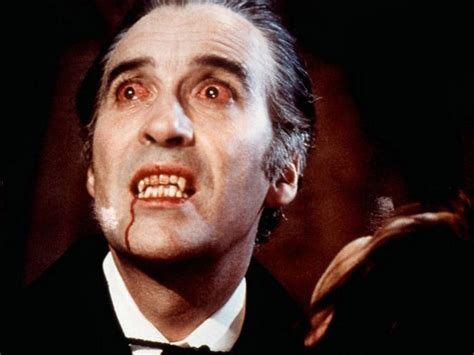
Vampires, they are a staple of the common folklore and a gold mine when it comes to shows of the drama and fantasy genre. They are amongst the most recognized when considering mythical creatures, and with numerous TV shows and movies constantly showcasing them one could very well say that they are the top of the chain in show biz as well. And even among the vampires, there is one figure who lives on in people’s minds as the most famous vampire ever, Dracula. While he is neither the first fictional vampire nor the most popular of his time, he may very well have remained buried in obscurity if not for a twist of fate.

Before Dracula came along, blood sucking monsters had already been a part of folklore for at least 800 years. It was the Slavic folklore that gave us the name vampire or “upir” in old Russian. The terms first known written mention came from the 11th century. Vampire lore in the region had predated Christian arrival and despite the church’s attempts to eliminate all pagan beliefs, vampiric folklore persisted. The stories of vampires originated from misinterpretations of diseases such as rabies and pellagra, and even decomposition. In the case of the latter, gasses swelling the body and blood oozing from the mouth could make it look like a corpse had recently been alive and feeding on blood. Vampires were often described as bloated with sharp teeth and overgrown nails, which had a perfectly well reasoned scientific explanation, however since the people then were ignorant of them, they fell into superstition. This gave rise to many rituals intended to prevent the dead from rising, such as burying bodies with garlic and poppy-seeds as well as having them staked, mutilated and even burned. Vampire lore remained a local phenomenon until the 18th century, when Serbia was caught between the struggle of two great powers of that time, the Habsburg monarchy and the Ottoman empire. Austrian soldiers and government officials observed and documented the strange rituals and their reports became wildly publicized which resulted in a vampire hysteria. It got so out of hand that in 1755, the Austrian Empress was forced to send her personal physician to investigate and debunk the rumors. The panic subsided but the vampire fascination had already taken root in western European imagination. This spawned books like “The Vampyre” in 1819 and “Carmilla” in 1872. These would go on to influence a young Irish drama critic named Bram Stoker who was born in Dublin in 1847. Until the age of seven he was severely bedridden with an unknown illness, during which his mother would tell him folktales and her experience during an outbreak of cholera in whose real-life horror would inspire Stoker to write. In 1897 he wrote “Dracula”, although the book’s main villain and namesake is thought to be based on historical figure Vlad III or Vlad the Impaler, it is only his name that they share. The rest of his characteristics were influenced by various works of the Victorian Era. The novel upon release saw moderate success and was only briefly ever mentioned in Stoker’s obituary in 1912. However, a critical copyright battle soon changed Dracula’s fate. In 1922 a German studio adapted the book into the now classic “Nosferatu” which despite minor changes was largely plagiarized, and was sued into bankruptcy. Stoker’s widow decided to copyright by approving a production by family-friend Hamilton Deane. This became a classic largely due to Bela Lugosi’s performance on Broadway. Lugosi would go on to Star in the 1931 film version of it by Universal, lending the character many of his signature characteristics.

Since then Dracula has risen again in many adaptations, finding eternal life beyond the humble pages of his birth.

Why Apple was not so popular in India???

Apple sells millions of iPhones every year. In the year 2018, the tech giant reported selling close to 47 million units worldwide. But not all markets are created equal. India has been one of the hardest countries to crack for the Cupertino giant. Although it’s been over a decade since Apple began selling iPhones in India, the company can’t seem to get a big bite of the world’s second-largest smartphone market. India is a very price-sensitive market, which means that people pay a lot of attention to what value they are getting out of the price that they are paying for a particular product.

In the case of Apple, there’s a lot of premium being paid for the brand itself, and that’s where the price-conscious Indian consumer thinks about that if they are getting the same kind of features or specs from another phone that they can get a lower price, that makes it tougher to sell something at a much higher premium. Apple is definitely feeling the pressure. Samsung and Xiaomi accounted for the majority of smartphone sales in India in quarter three of 2018, garnering 22 percent and 27 percent respectively of the smartphone market. In contrast, Apple made up only about 1 percent of India’s smartphone market share, trailing behind Chinese phone makers Vivo and Oppo. It’s also worth noting that the premium smartphone market in which Apple operates still makes up less than 5 percent of the overall smartphone market in India.

7 Key Strategies That You Must Learn from Apple's Marketing

Most of the smartphones in India that sell, they are below $200 and Apple does not have any play in that segment. This environment is one that competitors like Samsung have begun to adapt to. The South Korean powerhouse is launching its Galaxy M series budget smartphones to appeal to the Indian market. In contrast, Apple doesn’t seem too keen on changing up its India strategy. I got some ideas for you, OK? I talked to some people at Walmart yesterday. An arrangement with Walmart Flipkart to take over India with a budget phone rather than doing it piecemeal? For us, we’re about making the best product that enriches people’s lives. And so, we’re not about making the cheapest. For us, what we’ve seen is, there’s enough people in every country in the world that we play in that we can have a really good business by selling the best phones. Still, some tech investors see Apple as being out of touch with the India market. You think they are going to slash prices? I think they have to. How can you sell a $1,000 phone in a market like China where the GDP per person is $10,000? In India it’s $2,000. And if you go back to the September earnings release, they talked about the fact that India was way below where they thought.

Apple postpones launch of online store in India - The Economic Times

Well, if your average GDP person is $2,000 and you’re trying to sell a $1,000 phone, it’s gonna be probably pretty hard to sell it. They probably want to eat. Another issue for Apple: stiff tariffs. I think iPhones have a specific disadvantage in the India market because of the local regulation. There is a very high import duty on the phones that are not manufactured locally in India. So for most of the big players in the India market, they are manufacturing locally so they do not have to pay that high import duty. Samsung has been manufacturing phones in India since 2007 and just last year opened the world’s largest mobile phone factory on the outskirts of New Delhi. Chinese phone makers Xiaomi and Oppo have also invested millions of dollars to build manufacturing plants in the country. That’s not to say Apple has completely ignored India.

The tech giant already manufactures its lower-cost iPhone SE and iPhone 6s models locally, through a partnership with Taiwanese manufacturer Wistron. This year, Apple is also expected to move its production of the iPhone X series into Foxconn’s plant in southern India. If you look at how we’ve done over the years, we’ve gone from a $100-$200 million business to last year we had we exceeded $2 billion. That $2 billion was flat year over year after a rapid rapid growth. And so we have more work to do. We’d like to put stores there. We would like some of the duties and so forth that are put on the products to go away. But even with its local hardware production push, Apple still fails to provide Indians with a robust software experience.

Apple iOS 13 Release: Should You Upgrade?

Apple has introduced turn-by-turn navigation for the India market. Before that, that significant part was missing. And beyond that, there’s not a lot of customization that Apple has done for the India market. There are not a lot of apps that specifically cater to the India market. Past complaints for Apple Maps also included missing major landmarks and having very sparse data of cities and towns. But again, Apple is working on a solution. The company has hired thousands of engineers at its mapping facility in Hyderabad to improve its services. Apple Pay is also not an option in India, though similar payment services from Samsung and Google have already been rolled out. Finally, unlike in most other markets, Apple can’t rely so much on its brand recognition to sell devices in India. The other challenge for Apple in India is that it cannot have its own retail stores or own Apple stores because of some regulatory issues, which means it has to have partners on the retail side, whether it’s the Apple premium resellers, which you see in many other countries as well, or with the third-party resellers. In order to have a larger presence in the market.

Apple has to have partnerships with thousands of these resellers, which in a country as big as India, can be challenging. Apple is still a premium status symbol for many Indians, but one that is out of reach for the majority of the population. With phones from Chinese brands like OnePlus, which was India’s best selling premium smartphone brand for the second quarter in a row, offering similar features at a fraction of the cost, Apple may have a very tough time getting a bigger slice of the India market.

Apple - Localizing the Message - Global Marketing Professor

What to do at the time of depression!!!

If you’re depressed to feel a little bit better and I want to make sure you understand what those are but first I want to start by helping you understand what the typical signs and symptoms are:

1- One of the most common signs of depression is a feeling of sadness or irritability that is really pervasive and doesn’t seem to go away no matter what you do if you’re with friends if you’re by yourself the sadness just sort of becomes your reality irritability can also be present and this is much more typical in teens that they will present with more irritability than sadness when they’re dealing with depression.

adult alone anxious black and white
Photo by Kat Jayne on Pexels.com

2- Feeling really hopeless and this can be hopeless about getting better it can be a sense of hopelessness about the future and the ability of sort of achieving your hopes and dreams and again it’s a very tough symptom to deal with because other people can tell you, know you have so much to look forward to or this great thing is happening in your life but if you’re really struggling with depression that hopeless this just kind of takes over and keeps you stuck.

pensive elderly woman in eyeglasses and trendy bomber
Photo by Retha Ferguson on Pexels.com

3- You should be aware of is something called anhedonia. This is really a fancy way of saying a loss of interest in things that you previously used to enjoy so for example you might really be into gardening and all of the sudden you find that no matter how many times you garden or if you try to garden there’s just not the same joy that you’re getting out of it that you used to or maybe you used to really be really social and enjoy spending time with your friends and you find that you just can’t bring yourself to get out of the house and to go and interact with these friends and it’s really difficult to deal with because it’s very hard to motivate yourself. When the things that really used to be what got you out of bed and got you ready for the day no longer hold the same enjoyment and pleasure.

man in blue and brown plaid dress shirt touching his hair
Photo by Nathan Cowley on Pexels.com

4- Either decreased concentration and/or indecision the difficulty with making decisions and this can be really difficult when you have to function either in the workplace or you have a lot of responsibilities at home because you’ll find that it’s harder to complete the tasks that you need to complete and if you do need to make decisions there’s almost like this decision paralysis where you find that you just can’t get yourself to the place of making choices.

adult alone black and white blur
Photo by Kat Jayne on Pexels.com

5- You should be aware of our changes in sleep and this can be either that you find yourself sleeping a lot more than you used to and having like a really hard time getting out of bed maybe you’ve never been a Napper and all of the sudden you’re taking a nap every day on the other side of the spectrum many people who are struggling with depression find that they can’t sleep that they’re racked with insomnia for the first time in their life and they’re laying in bed and their thoughts just keep running around and they’re feeling sad and they’re feeling hopeless and so either too much or too little sleep is a really cardinal sign of depression that you should be aware.

man in black shirt and gray denim pants sitting on gray padded bench
Photo by Inzmam Khan on Pexels.com

6- You should be aware of our changes in appetite or weight and this can be either in the positive or the negative depression sometimes when people are depressed they find that they use food for comfort and end up eating a lot more than typical and gaining weight and sometimes when people are depressed they lose their appetite completely and don’t eat at all and find that they lose weight so if you’ve had any significant weight changes within the last couple months and you also have some of the other signs and symptoms we’re talking about it might be a good idea to consider that there’s some level of depression going on that you’re struggling with so another.

woman in white shirt showing frustration
Photo by Andrea Piacquadio on Pexels.com

7- Lastly sign of depression that we’re going to talk about today is a sense of worthlessness so and really this is very difficult for people to handle because it’s a sense that no matter what they do they’re not enough their life is not enough and it won’t ever be enough and this is such a difficult thing to be dealing with and so I think my overall message as you’re learning about these signs of depression is that if you’re experiencing these please reach out and make an appointment with a licensed professional to talk about this because this is something that can get better and you don’t need to struggle with it on your own if you think that you or someone you love might be struggling with depression please reach out and make an appointment with a licensed professional for an evaluation there are many therapeutic techniques that can help you or someone you love feel better and so I strongly encourage you not to hesitate to get the help that you need.

man wearing the joker makeup
Photo by Jhefferson Santos on Pexels.com

Call on +91 730 459 9836 for a better help to Vandrevala Foundation if you are feeling depressed or you find someone else depressed. (https://www.vandrevalafoundation.com)