Tired of the day-to-day struggle with gushing skin, choked pores, and dull skin? Bring back immaculate skin that looks immature and canvas-free with the power of Cranked Charcoal &Coffee.Crafted with the integrity of nature, Mamaearth Charcoal Face Wash pulls out poisons and contaminants from deep within the pores. The integrity of Coffee tightens skin pores and promotes yea skin tone to give you an canvas-free glowing complexion.
A paid survey is simply a regular survey that pay you a reward for completing it. There are companies that spends a lot of money every year to get to know what consumers think about their products and services and what they can do better.
How much do I earn?
The value of each survey can differ depending of many factors such as the time it takes to complete it. Usually you get around $1 for every 10 minute survey but can be higher. It also depends on how fast you are to answer the questions.
Michelle LaVaughn Robinson Obama is an American attorney and author who served as the First Lady of the United States from 2009 to 2017. She was the first African-American woman to serve in this position. She is married to the 44th President of the United States, Barack Obama.
Michelle LaVaughn Robinson was born on January 17, 1964, in Chicago, Illinois, to Fraser Robinson III (1935–1991), a city water plant employee and Democratic precinct captain, and Marian Shields Robinson , a secretary at Spiegel’s catalog store. Her mother was a full-time homemaker until Michelle entered high school
The Robinson and Shields families trace their roots to pre-Civil War African Americans in the American South. On her father’s side, she is descended from the Gullah people of South Carolina’s Low Country region. Her paternal great-great grandfather, Jim Robinson, was born into slavery in 1850 on Friendfield Plantation, near Georgetown, South Carolina. He became a freedman at age 15 after the war. Some of Obama’s paternal family still reside in the Georgetown area. Her grandfather Fraser Robinson, Jr. built his own house in South Carolina. He and his wife LaVaughn (née Johnson) returned to the Low Country from Chicago after retirement.
Robinson was inspired to follow her brother to Princeton University, which she entered in 1981. She majored in sociology and minored in African-American studies, graduating cum laude with a Bachelor of Arts in 1985 after completing a 99-page senior thesis titled “Princeton Educated Blacks and the Black Community” under the supervision of Walter Wallace.
Robinson met Barack Obama when they were among the few African Americans at their law firm, Sidley Austin LLP (she has sometimes said only two, although others have noted that there were others in different departments). She was assigned to mentor him while he was a summer associate. Their relationship started with a business lunch and then a community organization meeting where he first impressed her.
Before meeting Obama, Michelle had told her mother she intended to focus solely on her career. The couple’s first date was to Spike Lee’s movie Do the Right Thing (1989). Barack Obama has said the couple had an “opposites attract” scenario in their initial interest in each other, since Michelle had stability from her two-parent home while he was “adventurous”.
During an interview in 1996, Michelle Obama acknowledged there was a “strong possibility” her husband would begin a political career, but said she was “wary” of the process. She knew it meant their lives would be subject to scrutiny and she was intensely private.
Although she campaigned on her husband’s behalf since early in his political career by handshaking and fund-raising, she did not relish the activity at first. When she campaigned during her husband’s 2000 run for United States House of Representatives, her boss at the University of Chicago asked if there was any single thing about campaigning that she enjoyed; after some thought, she replied that visiting so many living rooms had given her some new decorating ideas. Obama opposed her husband’s run for the congressional seat, and, after his defeat, she preferred he tend to the financial needs of the family in what she deemed a more practical way.
Don’t ever make decisions based on fear. Make decisions based on hope and possibility. Make decisions based on what should happen, not what shouldn’t
Time is nothing but the count of the life. It is measured in Hours, minutes and seconds. It is very important to manage the time as it is very precious and cannot come back once it is lost. It is also very important to utilize the time properly.
Managing the time is very important. Many of the people don’t know how to manage the time. Let us now know some of the time management techniques and how to use them.
•Make schedules:-
Making schedules is one of the best methods to manage the time. All you have to do is, think of the things what you have to do on a particular day and allot some particular time for each activity. Complete particular activity in the allotted time. When the work takes too much time, then leave it aside and go for another work. Whenever all the work is finished, go for the work which is unanswered in the beginning and complete it. This is how schedules helps for time management and makes the proper use of the time.
•Don’t spend much time on one thing:-
Spending much time on a particular thing disturbe the individual and disturbs the concentration. So, to focus on the work, an individual must go for some another work whenever they get bored on a particular work. So, it helps to focus on the work and for not wasting the time.
Time management is the process of planning and controlling how much time to spend on specific activities. BENEFITS OF TIME MANAGEMENT :
The ability to manage your time effectively is important. Good time management leads to improved EFFICIENCY and productivity, less stress, and more success in life. Here are some benefits of managing time effectively:
STRESS RELIEF : Making and following a task schedule reduces anxiety. As you check off items on your ” to- do” list, you can see that you are avoid feeling stressed out with worry about whether you’re getting things done.
2.MORE TIME : Good time management gives you extra time to spend in your daily life. People who can time- manage effectively enjoy having more time to spend on hobbies or other personal pursuits.
MORE OPPORTUNITIES: Managing time well leads to more opportunities and less time wasted on trivial activities. Good time management skills are key qualities that employes look for. The ability to prioritize and schedule work is extremely desirable for any organisation.
4.ABILITY TO REALIZE GOALS : Individuals who practice good time management are able to better achieve goals and objectives, and do so in a shorter length of time.
LIST OF TIPS FOR EFFECTIVE TIME MANAGEMENT:
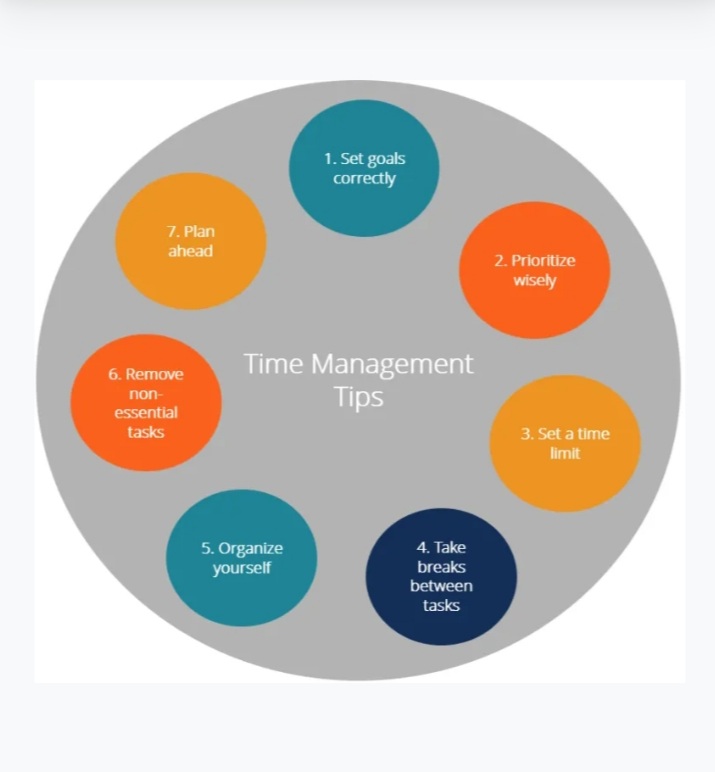
1.SET GOALS CORRECTLY: Set goals that are achievable and measurable. Use the SMART method when setting goals. In essence, make sure the goals you set are specific, Measurable, Attainable, Relevant, and Timely.
2.PRIORITIZE WISELY : Prioritize tasks based on importance and urgency. For example, look at your daily tasks and determine which are :
Important and urgent : Do these tasks right away.
Important but not urgent : Decide when to do these tasks.
Urgent but not important: Delegate these tasks if possible.
Not urgent and not important : set these aside to do later.
3.SET A TIME LIMIT TO COMPLETE A TASK : Setting time constraints for completing tasks helps you be more focused and efficient. Making the small extra effort to decide on how much time you need to allot for each task can also help you recognise potential problems before theyv arise. That way you can make plans for dealing with them.
4.TAKE A BREAK BETWEEN TASKS: When doing alot of tasks without a break, it is harder to stay focused and motivated. Allow some downtime between tasks to clear your head and refresh yourself. Consider grabbing a brief nap, going for a short walk, or meditating.
5.ORGANISE YOURSELF : Utilise your calendar for more long term time management. Write down the deadlines for projects, or for tasks that are part of completing the overall project. Think about which days might be best to dedicate to specific tasks. For example, you might need to plan a meeting to discuss cash flow on a day when you know the company CFO is available.
6.REMOVE NON- ESSENTIAL TASKS : It is important to remove excess activities or tasks. Determine what is significant and what deserves your time. Removing non- essential tasks frees up more of your time to be spent on genuinely important things
IMPLICATIONS OF POOR TIME MANAGEMENT :
Let us consider the consequences of poor time management ;
PLAN AHEAD : Make sure you start everyday with a clear idea of what you need to do- what needs to get done THAT DAY. consider making it a habit to, at the end of each workday, go ahead and write out your ” to- do” list for the next workday. That way you can hit the ground running the next morning.
POOR WORKFLOW : The inability to plan ahead and stick to goals means poor efficiency. For example, if there are several important tasks to complete, an effective plan would be to complete related tasks together or sequentially. That translates to reduced efficiency and lower productivity.
WASTED TIME : Poor time management results in wasted time. For example, by talking to friends on social media while doing an assignment, you are distracting yourself and wasting time.
3.LOSS OF CONTROL : By not knowing what the next task is, you suffer from loss of control of your life. That can contribute to higher stress levels and anxiety.
4.POOR QUALITY OF WORK : Poor time management typically makes the quality of your work suffer. For example, having to rush to complete tasks at the last minute usually compromises quality
5.POOT REPUTATION : If clients or your employer cannot rely on you to complete tasks in a timely manner, their expectations and perceptions of you rely adversely affected. If a client cannot rely on you to get something done on time, they will likely take their business elsewhere.
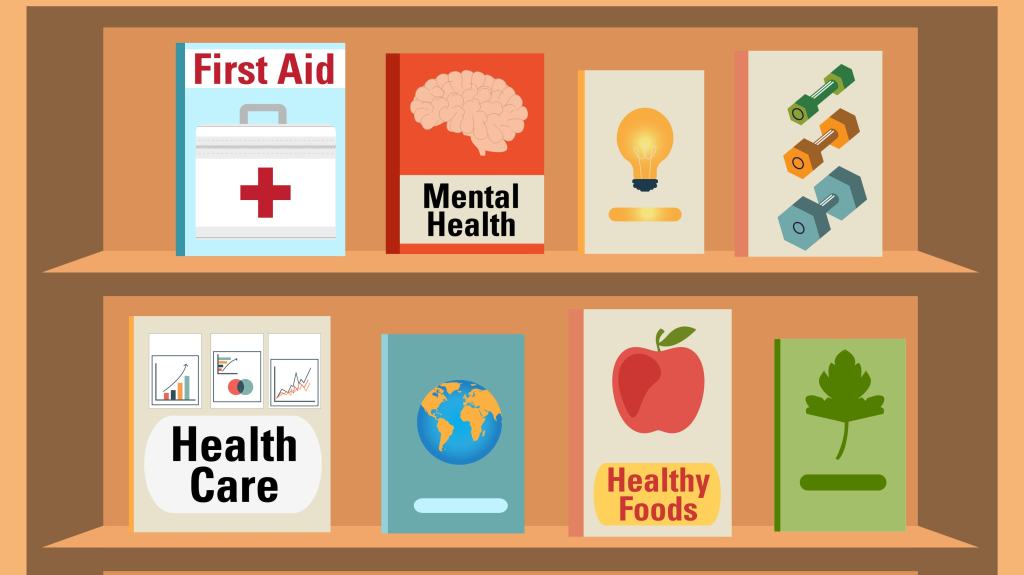
Health education is a profession of educating people about health. Areas within this profession encompass environmental health, physical health, social health, emotional health, intellectual health, and spiritual health, as well as sexual and reproductive health education.
Health education teaches about physical, mental, emotional and social health. It motivates students to improve and maintain their health, prevent disease, and reduce risky behaviours. It also focuses on emotional, mental and social health too. Educating students on the importance of health builds their motivation.
Health education is one strategy for implementing health promotion and disease prevention programs. Health education provides learning experiences on health topics. Health education strategies are tailored for their target population. Health education presents information to target populations on particular health topics, including the health benefits/threats they face, and provides tools to build capacity and support behavior change in an appropriate setting.
History
From the late nineteenth to the mid-twentieth century, the aim of public health was controlling the harm from infectious diseases, which were largely under control by the 1950s. By the mid 1970s it was clear that reducing illness, death, and rising health care costs could best be achieved through a focus on health promotion and disease prevention. At the heart of the new approach was the role of a health educator.
Code of ethics
The Health Education Code of Ethics has been a work in progress since approximately 1976, begun by the Society for Public Health Education (SOPHE).
“The Code of Ethics that has evolved from this long and arduous process is not seen as a completed project. Rather, it is envisioned as a living document that will continue to evolve as the practice of Health Education changes to meet the challenges of the new millennium.”
Importance of Health Education .
Health education builds student’s knowledge, skills, and positive attitudes about health. Health education teaches about physical, mental, emotional and social health. It motivates students to improve and maintain their health, prevent disease, and reduce risky behaviours.
Health education curricula and instruction help students to learn skills so that they will use to make healthy choices throughout their lifetime.
Health education teaches people of all ages about how diet and exercise contribute to a healthy lifestyle. It also encourages positive changes in behaviour and lowers the risk of addiction to drugs, alcohol and unsafe sexual practices. The majority of schools around the country have courses aimed at teaching health education to students. These courses often revolve around the body, healthy eating, sex and exercising. Some students are taught basic health and physical fitness early on. More in-depth courses are designed for middle and high school students.
Health education encourages a person to make healthy choices. They are instructed to avoid unhealthy habits. ‘A sound mind lives in a sound body’. Rabindranath Tagore and C.V. Raman, if they were confined to sick bed, could not have won the Nobel Prize. In fact, a sickly student with all his talents and abilities lags behind in the race of life.
Health education also teaches about the emotional and mental health of the student. A healthy person is the happiest person in the world.
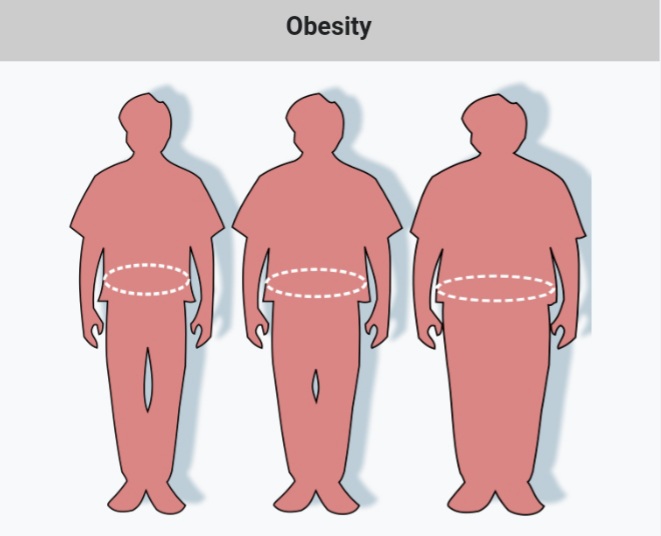
Obesity is described by the BMI (Body mass index). The obesity in the body is nothing but the high level of fat stored in the body. It is a very bad thing which in future leads to many health problems.
Many of the children are falling obese now a days. This is because of not having good food. Many of the children are highly addicted to the junk food. The junk food intake in the body increases the fat levels in the body.
A disorder involving excessive body fat that increases the risk of health problems. Obesity often results from takingin more calories than are burned by exercise and normal daily activities.
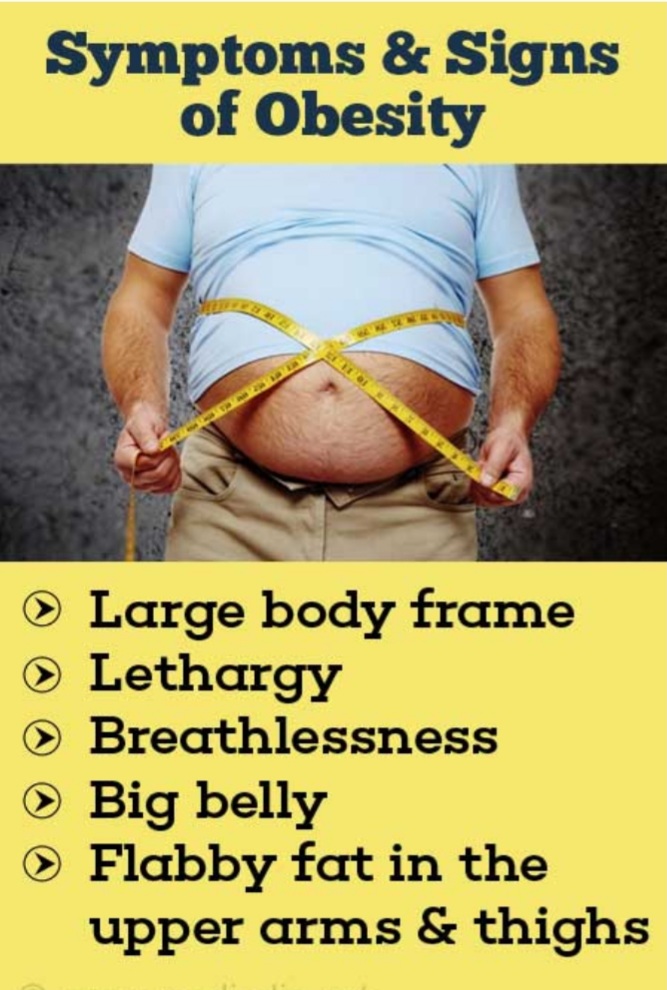
Symptoms:
Obesity occurs when a person’s body mass index is 25 or greater . The excessive body fat increses the risk of serious health problems.
What causes obesity?
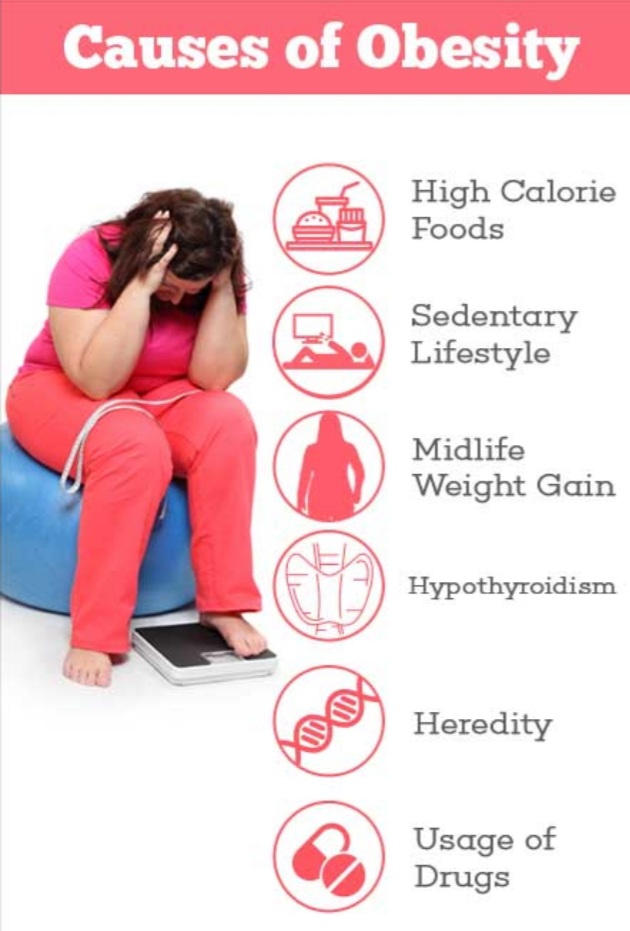
Obesity is generally caused by eating too much and moving too little. If you consume high amounts of energy , particularly fat and sugars, but do not burn off the energy through exercise and physical activity, much of the surpluse energy will be stored by the body as fat.
8 Most common causes of obesity :
* physical inactivity.
* overeating.
* Genetics.
* A diet high in simple carbohydrates.
* A frequency of eating .
* Medications.
* psychological factors.
* Diseases such as hypothyroidism, insulin resistance, polycystic ovary syndrome, and caushing’s syndrome are also contributors to obesity.
Let us now look at some methods to prevent obesity.
*Healthy and nutritious food :
It is very important to consume healthy and nutritious food every day. To gain a sufficient amount of nutrients and and to be healthy it is very important to consume nutritious food. Consuming nutritious food helps us to gain sufficient energy. Being healthy prevents us from Many deadly diseases.
*Exercise :
Exercising at least for 10 to 15 minutes a day help the individual to be physically fit and also mentally strong. Exercising every day is a very good habit which everyone need to make it and perfect habit to do. Exercising 10 to 15 minutes also relieves us from the stress and the tension we have had. So, it is better to spend at least 10 to 15 minutes even in our hectic schedule an exercise.
* yoga :
Yoga relives from the stress and tension we have had. Sparing at least 10 to 15 minutes time on yoga benefit is a lot. It relaxes the muscle and comes to mind. It helps to be physically fit and mentally strong. All the asanas and pranayama helps to Gain strength and to be physically fit.
*Meditation :
Meditating for certain minutes helps to calm the brain and soul. It helps and relieving the stress and the tension we have had. It helps us to focus on the things which we are willing to do. It also equally helps us to be mentally strong. It is such a good and a mandatory practice an individual must obtain and must follow without any delays.
* Monitor your weight regularly.
* Be consistent.
Who obese people?
BMI is calculated by dividing a person’s weight in kilograms by the square of their height in metres. A BMI of 25.0 – 29.9 is classified as overweight but not obese, while a BMI of 30.0 or over is classified as obese. A BMI of graeter than 35.0 is classified as severely obese.
Adult BMI calculator
BMI WEIGHT STATUS
Below 18.5 underweight
18.5 – 24.9 Normal
25.0- 29.9 overweight
30.0 and above obese
The negative effect of obesity :
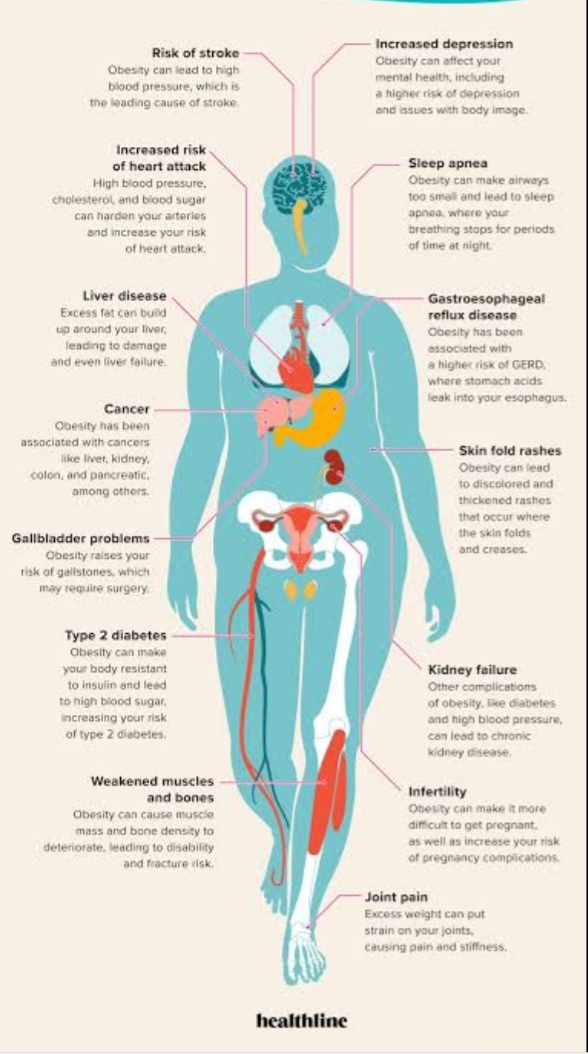
Obesity is serious beacause it is associated with poorer mental health outcomes and reduced quality of life. Obesity is also associated with the leading causes of death in the united states and worldwide, including ,diabetes, heart disease, stroke, and some types of cancer.
How could it be possible that when the time gets worse we often ignore the vulnerable?
Nikhil Meshram
We are living in the world , where no one can intrude . A life , where you can’t touch the one you want . A life, where one has to stay away from his own . A life , where no one can go in one’s home . Yes , it’s a life we are living ‘ A life of a LOG’ .
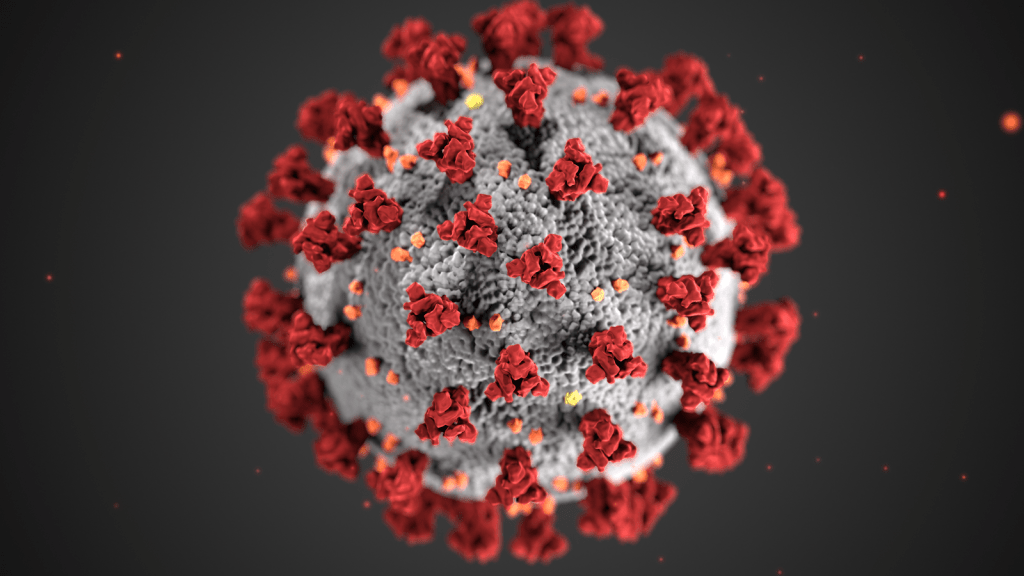
Coronavirus , I believe it’s not a new word in your dictionary . This eleven letter word creating a massive destruction all over the world . I know you are well aware but the real question is , are you following the protocols properly?
Firstly let’s get some knowledge about coronavirus.
The origin .
The recent outbreak began in Wuhan, a city in the Hubei province of China. Reports of the first COVID-19 cases started in December 2019.
Coronaviruses are common in certain species of animals, such as cattle and camels. Although the transmission of coronaviruses from animals to humans is rareTrusted Source, this new strain likely came from bats, though one study suggests pangolins may be the origin.
However, it remains unclear exactly how the virus first spread to humans.
Some reports trace the earliest cases back to a seafood and animal market in Wuhan. It may have been from here that SARS-CoV-2 started to spread to humans.
Coronaviruses are a group of viruses that can cause disease in both animals and humans. The severe acute respiratory syndrome (SARS) virus strain known as SARS-CoV is an example of a coronavirus. SARS spread rapidly in 2002–2003.
The new strain of coronavirus is called severe acute respiratory syndrome coronavirus 2 (SARS-CoV-2). The virus causes coronavirus disease 19 (COVID-19).
Around 80%Trusted Source of people with COVID-19 recover without specialist treatment. These people may experience mild, flu-like symptoms. However, 1 in 6 peopleTrusted Source may experience severe symptoms, such as trouble breathing.
The new coronavirus has spread rapidly in many parts of the world. On March 11, 2020, the World Health Organization (WHO)Trusted Source declared COVID-19 a pandemic. A pandemic occurs when a disease that people are not immune to spreads across large regions.
It’s okay take a deep breath . Yes, it’s a lot to take in but we all know how china played with the whole world .
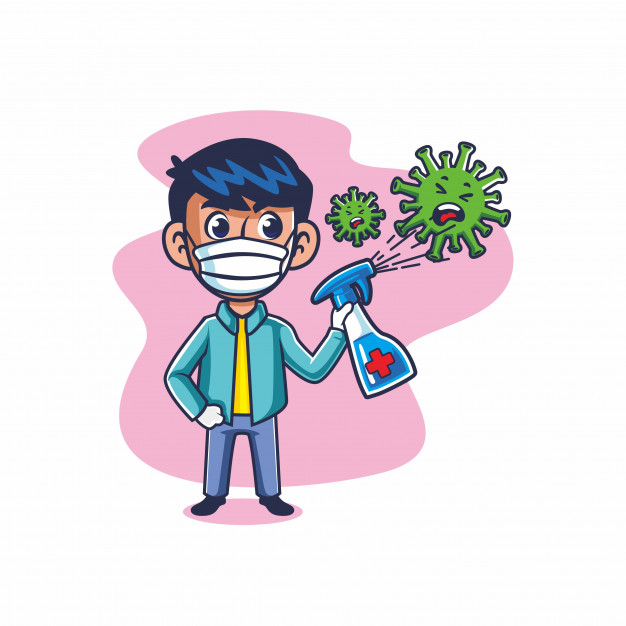
The protocols.
Wear masks ,
Wash hands ,
Use sanitizers ,
Social distancing , etc,.
Is it important to follow protocols ?
You say NO , I say ‘if you want to die you can easily ignore the protocols ’ . Well I don’t want to die , I have my whole 20s , 30s and so on…… .
According to the survey, people have been moving around freely, meeting different social groups and attending gatherings, going to malls and markets. This indicates that a pandemic fatigue has set in after after a year of restrictions on movement, social distancing and strict mask wearing norms.
Well , if you are saying this is what following protocols is than I am happy to stay home rather than chilling around like a monkey . Like really , a monkey also has a common sense that when to do chilling and when to fight for himself . What we are doing is putting masks in our pocket to showcase the world that I have one . Haha it’s kinda funny .
We long to return to normal, but **normal led to this**. To avert the future pandemics we know are coming, we MUST grapple with all the ways normal failed us. We have to build something better. I hope this piece, in showing what went wrong, helps.
“Humankind has not woven the web of life. We are but one thread within it. Whatever we do to the web, we do to ourselves. All things are bound together. All things connect.”
~ Chief Seattle
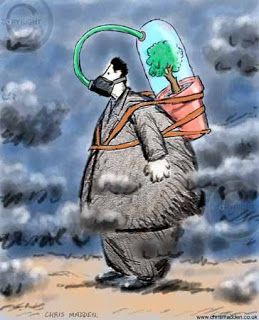
What is environmental pollution ?
Is it degrading our lifestyle ?
How can we improve our environment ?
Let’s get through the topic .
Introduction
One of the greatest problems that the world is facing today is that of environmental pollution, which is causing grave and irreparable damage to the natural world and human society with about 40% of deaths worldwide being caused by water, air and soil pollution and coupled with human overpopulation has contributed to the malnutrition of 3.7 billion people worldwide, making them more susceptible to disease.
Environmental pollution is defined as “the contamination of the physical and biological components of the earth/atmosphere system to such an extent that normal environmental processes are adversely affected.”
From: Environmental Management, 2017
We all are well known about the word Environmental pollution . It is not some kind of new phenomenon , yet it is a greatest problem facing by our society . Still , people are avoiding the topic to its utmost.
Environmental pollution is one of the most serious global challenges. Wild-type organisms have a slower degradation rate of hazardous materials.
Both developed and developing nations share this burden together, though awareness and stricter laws in developed countries have contributed to a larger extent in protecting their environment.
Reasons behind environmental pollution
The Burning of Fossil Fuels. Industrial Emission.
Indoor Air Pollution.
Wildfires.
Microbial Decaying Process.
Transportation.
Open Burning of Garbage Waste.
Construction and Demolition.
Urbanization and industrialization. Since the era of industrial revolution, man has continued to introduce hazardous materials into the environment at an alarming rate.Mining and exploration.
Agricultural activities.
Particulate matter.
Plastics.
Energy production.
Deforestation.
Mining.
Over population.
Increase in global average temperature.
Effects of environmental pollution
Environmental pollution is an incurable disease . It can only be prevented.
Barry commoner
1. Effects on Humans. The effects of environmental pollution on humans are mainly physical, but can also turn into neuro-affections in the long term. The best-known troubles to us are respiratory, in the form of allergies, asthma, irritation of the eyes and nasal passages, or other forms of respiratory infections. Other rarer diseases include hepatitis, typhoid affections, diarrhea, and hormonal disruptions.
2. Effects on Animals . Environmental pollution mainly affects animals by causing harm to their living environment, making it toxic for them to live in.
3. Effects on plants . As for animals, plants, and especially trees, can be destroyed by acid rains (and this will also have a negative impact on animals as well, as their natural environment will be modified), ozone in the lower atmosphere block the plant respiration, and harmful pollutants can be absorbed from the water or soil.
Solutions for environmental pollution.
Evironment planning.
Shifting to eco-friendly transportation.
Air pollution must involve moving away from fossil fuels, replace them with sustainable fuels .
Solar power .
Wind power.
Go green.
Storage facilities for solid waste.
Environmental friendly products.
Policies implimentation for environmental pollution.
We also need to work on electromagnetic radiation (ER) reduction.
Awareness through mass media.
More green parks and areas.
Environmental education, etc,.
“We say we love flowers, yet we pluck them. We say we love trees, yet we cut them down. And people still wonder why some are afraid when told they are loved.”
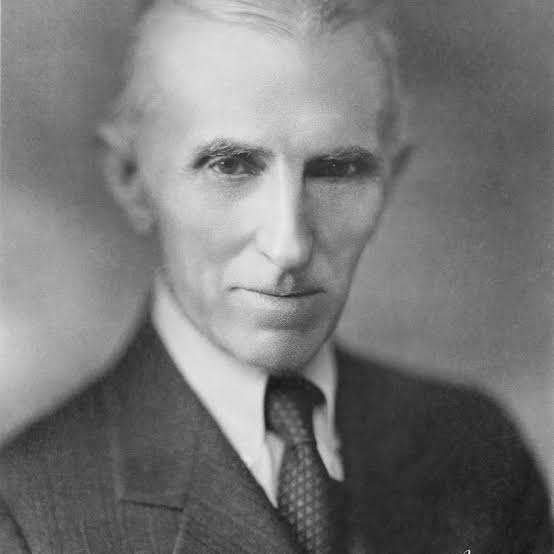
Serbian-American engineer and physicist Nikola Tesla (1856-1943) made dozens of breakthroughs in the production, transmission and application of electric power. He invented the first alternating current (AC) motor and developed AC generation and transmission technology. Though he was famous and respected, he was never able to translate his copious inventions into long-term financial success—unlike his early employer and chief rival, Thomas Edison.
Nikola Tesla’s Early Years:
Nikola Tesla was born in 1856 in Smiljan, Croatia, then part of the Austro-Hungarian Empire. His father was a priest in the Serbian Orthodox church and his mother managed the family’s farm. In 1863 Tesla’s brother Daniel was killed in a riding accident. The shock of the loss unsettled the 7-year-old Tesla, who reported seeing visions—the first signs of his lifelong mental illnesses.
Did you know? During the 1890s Mark Twain struck up a friendship with inventor Nikola Tesla. Twain often visited him in his lab, where in 1894 Tesla photographed the great American writer in one of the first pictures ever lit by phosphorescent light.
Tesla studied math and physics at the Technical University of Graz and philosophy at the University of Prague. In 1882, while on a walk, he came up with the idea for a brushless AC motor, making the first sketches of its rotating electromagnets in the sand of the path. Later that year he moved to Paris and got a job repairing direct current (DC) power plants with the Continental Edison Company. Two years later he immigrated to the United States.
Nikola Tesla and Thomas Edison:
Tesla arrived in new york in 1884 and was hired as an engineer at Thomas Edison’s Manhattan headquarters. He worked there for a year, impressing Edison with his diligence and ingenuity. At one point Edison told Tesla he would pay $50,000 for an improved design for his DC dynamos. After months of experimentation, Tesla presented a solution and asked for the money. Edison demurred, saying, “Tesla, you don’t understand our American humor.” Tesla quit soon after.
Nikola Tesla and Westinghouse:
After an unsuccessful attempt to start his own Tesla Electric Light Company and a stint digging ditches for $2 a day, Tesla found backers to support his research into alternating current. In 1887 and 1888 he was granted more than 30 patents for his inventions and invited to address the American Institute of Electrical Engineers on his work. His lecture caught the attention of George Westinghouse, the inventor who had launched the first AC power system near Boston and was Edison’s major competitor in the “Battle of the Currents.”
Westinghouse hired Tesla, licensed the patents for his AC motor and gave him his own lab. In 1890 Edison arranged for a convicted New York murderer to be put to death in an AC-powered electric chair—a stunt designed to show how dangerous the Westinghouse standard could be.
Buoyed by Westinghouse’s royalties, Tesla struck out on his own again. But Westinghouse was soon forced by his backers to renegotiate their contract, with Tesla relinquishing his royalty rights.
In the 1890s Tesla invented electric oscillators, meters, improved lights and the high-voltage transformer known as the Tesla coil. He also experimented with X-rays, gave short-range demonstrations of radio communication two years before guglielmo marconi and piloted a radio-controlled boat around a pool in Madison Square Garden. Together, Tesla and Westinghouse lit the 1891 World’s Columbian Exposition in chicago and partnered with General Electric to install AC generators at niagara falls, creating the first modern power station.
Nikola Tesla’s Failures, Death and Legacy:
In 1895 Tesla’s New York lab burned, destroying years’ worth of notes and equipment. Tesla relocated to colorado Springs for two years, returning to New York in 1900. He secured backing from financier J.P morgon and began building a global communications network centered on a giant tower at Wardenclyffe, on Long Island. But funds ran out and Morgan balked at Tesla’s grandiose schemes.
Tesla lived his last decades in a New York hotel, working on new inventions even as his energy and mental health faded. His obsession with the number three and fastidious washing were dismissed as the eccentricities of genius. He spent his final years feeding—and, he claimed, communicating with—the city’s pigeons.
Tesla died in his room on January 7, 1943. Later that year the U.S. supreme court voided four of Marconi’s key patents, belatedly acknowledging Tesla’s innovations in radio. The AC system he championed and improved remains the global standard for power transmission.



















 Eduindex
You must be logged in to post a comment.