Tobacco – Commit to Quit

World anti tobacco day is observed around the world every year on 31 May. This day informs the people about the dangers of using tobacco and the dangerous businesses practices of tobacco . The world health organisation is conducting this day to fight against the use of tobacco and what people around the world can do to claim their to good health and live a healthy life and protect future generations.

The use of tobacco leads to many severe diseases which leads to even death related diseases. The day has been met with so much enthusiasm from governments around the world to prevent the use of tobacco.It results in lungs failure and causes many diseases. The extensive use of tobacco leads to deaths and the governments all over the world were forced to make an alternative measure. A worldwide no tobacco campaign has arised by the people and it has been getting a positive responses from the young generation.

World tobacco day how it started

In 1987 the member states of the world health organization started the world no tobacco day with the aim of drawing attention to the tobacco epidemic and the preventable death and the diseases it causes .After the resolution has passed it was a major opportunity for the people to go out and deliver the message of harmful uses of tobacco to the world.
This is year the theme of no tobacco day is ‘Quit tobacco and be a winner.’ Around the world there is several campaigns on social media to quit tobacco with several hashtags and spread the message of severe effects of tobacco. The use of tobacco in these difficult times with the spread of the corona virus is much more harmful than the normal and the studies have shown that people with smoking and consumption of tobacco have a greater chance to get the virus.

So let’s take a pledge in this day to prevent the use of tobacco and the spread the message to all the people around the globe .

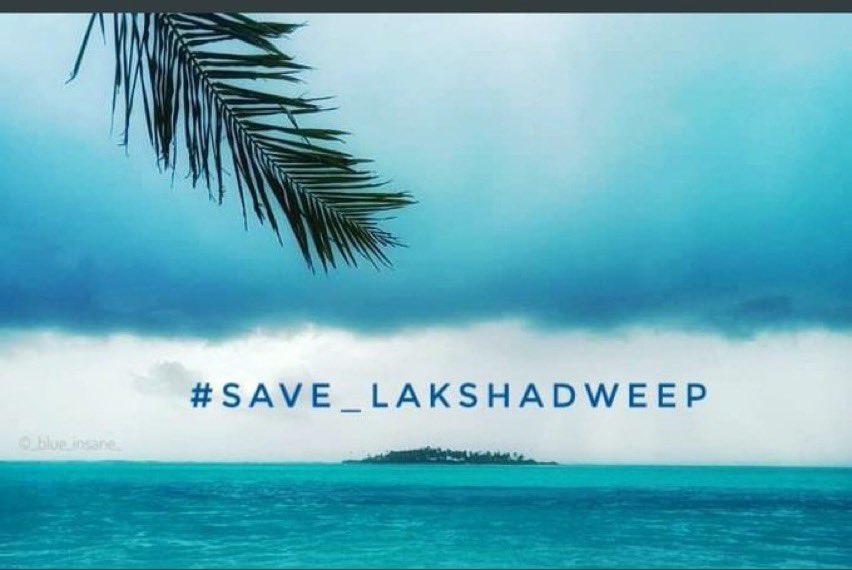
Protest’s surfacing in Lakshadweep after new Govt.laws

Located in the Arabian sea, Lakshadweep Island is the only part of India where nature has been existing in its purest form, with no traces of exploitation.
The archipelago is a collection of 36 islands, of which 10 are inhabited. Located on the southwestern coast of the Indian peninsula the island has just a population of 65,000 people, thus being the smallest among Union Territories(UT).

Amid the beautiful wilderness, harmony among the people, and well-balanced ecology, resentments among the people due to the introduction of new laws have been surfacing lately.
Protests of the hashtag “Save Lakshadweep” are echoing on social media.

A Brief Backdrop:


Lakshadweep politically has no Legislative Assembly or a Chief Minister. The entire administration of the island is divided into 3 levels-
* Lok Sabha has 1 Member of Parliament
* Local self-government: Panchayats
* The President of India appoints an Administrator for governance.

The administrators of Lakshadweep have always been bureaucrats. In 2020, it was Dineshwar Sharma, an IPS officer.
Unfortunately, on 4 December 2020, he passed away.
This was the time when entanglement started in the affairs.
After the death of Dineshwar Sharma, no bureaucrat was appointed as the administrator, rather the strings of the governance were passed to the hands of a politician. This person was Praful Khoda Patel, a right-wing politician of the running Bharatiya Janata Party (BJP) government.

The Resentment:


Since the new administrator came to the seat, Patel put forward a maverick set of laws without consulting the locally elected representatives of this Muslim-majority island. These laws have shattered the tranquility of the island and immersed it under protests and chaos.
The new algorithm of laws is being widely agitated upon. People claim that these laws endanger their livelihoods, land ownership, culture, and even the biodiversity of the tropical islands.

Typically the administrators of the island maintain their relationships with the local leaders for smooth governance. However, in the past few months, the people have raised voices against this new authoritarian administrator.

The Authoritarian approaches of Praful Khoda Patel:

Land Grab-


The administrator Praful Khoda Patel introduced the Lakshadweep Development Authority Regulation 2021, where the government is empowered to take over the lands from the residents for constructing highways, railways, or infrastructure.
The islanders view this as a land grab by giant corporates. This would also put a huge strain on the ecology and biodiversity of the area.

Weakened the democratic voting rights-


It is an old dream of the Lakshadweep inhabitants to have statehood and a Chief Minister like Goa.
They even do not have the right to elect their administrator.
keeping these besides, the poor islanders just have the shaky right to elect their MP and officials only at the Panchayat level.

Things do not stop here, the new administration under Praful Khoda Patel intruded in the local government and drained powers of the Panchayat from 5 different areas, namely- education, healthcare, agriculture, animal husbandry, and fisheries.

Further, Panchayat election regulation has been introduced declaring people having more than 2 children ineligible to contest elections.

Covid threat:


When the country was struggling hard from the Covid spell, Lakshadweep was the only Union Territory to be free of Covid. This was because until December Standard Operating Procedure to prevent COVID-19 was being strictly followed. Under this SOP, people coming from outside were mandated to have a negative RT-PCR test followed by a 14-day quarantine. People supported it and that is why Lakshadweep was Covid free.
Unfortunately, the first Covid case was reported on 18 January, 8 days after the SOP was removed by the new administrator.
The cases skyrocketed due to the island’s small area and dense population along with a not-so-modern healthcare system.

Unjustified laws:


Patel’s Anti-Social Activities Regulation Bill 2021 or Goonda Act further created discontentment among the inhabitants. This act empowers to detain anyone without public disclosure for up to a year.

This law would not be a fight against criminals because Lakshadweep already has the lowest crime rate in India. Rather it is the clear manifestation of authoritarian rule and sharply against the law of natural justice.
The application of this unjust law would be used to brand anyone who protested as a criminal.
The islanders allege that this law would be used by their administrator against those who criticize his decisions and protest his rule.

Liquor permit and beef ban:


Liquor and alcohol were banned in the inhabited resorts of Lakshadweep for a long time due to the Muslim majority and was allowed only at resorts on the uninhabited island. Praful K. Patel reversed the situation. He lifted the ban and permitted opening bars and shops, claiming this will boost tourism on the island.

Lakshadweep Animal Preservation and Regulation 2021 further aggravated people’s anger.
Praful K. Patel imposed a strict ban on the sale, or buy of beef or beef products in any form anywhere in the Muslim-majority islands. Anyone found violating the law would be imprisoned for up to 10 years.

The people of the island are Muslim majority and have a Malayali culture where beef consumption is followed traditionally and imposing something opposite of their culture is an intrusion.

Neighbouring Kerala state’s Chief Minister Pinarayi Vijayan and KC Venugopal, a Congress member of parliament, have also opposed Patel’s decisions. Vijayan says “Patel’s actions pose a grave threat to the life and culture of the people of Lakshadweep”.

‘Climate change and Corporate responsibility’

“We don’t inherit the earth from our ancestors, we borrow it from our children”   


According to united nations framework convention on climate change “Climate change means a change of climate which is attributed directly or indirectly to human activity that alters the composition of the global atmosphere and which is in addition to natural climate variability observed over comparable time periods”.

Climate is determined by many factors influencing energy flows the most important being greenhouse gases. Sun’s energy influences climate on earth. The amount of heat radiations which the earth receives depends on how far the sun is from the earth and the sun’s emission power. The sunlight received by earth, a part of it is reflected back to space by the atmosphere, clouds, land, water surface and ice. Aerosols tiny particles in the atmosphere can increase the reflection of sunlight. This solar energy absorbed by earth is returned to space as infrared (heat) radiations. Not all gases interact with infrared radiations. Some gases like water vapor, methane and carbon-dioxide absorb infrared radiation flowing upwards from earth’s surface and re-radiate it in all directions. They thus impede outward flow of infrared energy from earth to space. This is called ‘greenhouse effect and the gases that cause it are called greenhouse gases.


Climate change is a phenomenon which mainly occurs through natural or anthropogenic factors. Latitude, ocean currents, wind and air masses, elevation, relief and nearness to water are some important natural factors that affect climate change. Anthropogenic factors affecting climate change include air pollution from vehicles, crackers and industrial activity, overuse and exploitation of natural resources like fossil fuels and infrastructure activities lay roadway to development but at the same time affects climate severely.


Reducing climate change involves reducing the factors that affect it like greenhouse gases. We as citizens can reduce the human interference with climate change by lowering our fuel consumption which in turn is possible by using cycles instead of two or four wheelers, by using community vehicles more often, by walking to nearby areas instead of using vehicles, switching off power plugs when not needed, saving water by not wasting it while we bath, brush or clean things. United nations framework convention on climate change (UNFCCC) is an international environmental treaty addressing climate change, negotiated and signed by 154 states at the united nations conference on environment and development informally called the earth summit.  UNFCCC has its main objective to stabilize greenhouse gas concentrations in the atmosphere.  Today it has 197 member countries which ultimately works to prevent dangerous human interference with the climate system. Under this framework the industrialized countries have to report regularly on their climate change policies and measures, including issues governed by Kyoto protocol. They must also submit an annual inventory of their GHG emissions.


Kyoto protocol is an international treaty which extends the 1992 UNFCCC. Under this 192 nations committed to reduce their emissions by an average of 5.2% by 2012 which would be 29% of world’s total emissions. 

In 2019 a report published by the United Nations said that to limit the temperature rise to 2 degree Celsius, the world will need to cut emissions by 2.7 % each year from 2020 to 2030, and triple the climate targets. Even if all the Paris agreement pledges as they are in 2019, are fulfilled the temperature will rise by 3.2 degrees this century.  

“Corporate social responsibility is a concept whereby companies integrate social and environmental concerns in their business operations and in their interaction with their stakeholders on a voluntary basis.” 


CSR is termed as “triple-bottom-approach” which helps the companies in promoting itself as well as in fulfilling its responsibility that it hold towards the society at large. According to United Nations Industrial Development Organisation, CSR based on triple bottom line approach can help countries in the developing bracket to accelerate their socio-economic growth and help them become more competitive. Companies can fulfill their responsibilities through various activities like pollution control mechanisms, waste reduction or by contributing in educational and social programs. CSR is said to improve brand image of a company and increase its goodwill. 


There are three basic principles that comprise CSR- 

Sustainability- If resources of an organization are utilized efficiently then they will be available for the future generations too after satisfying needs of present generations. As the availability of resources is limited and non-renewable resources like oil, natural gas, minerals which are used in abundance are regenerated after long spans of years resources must be used optimally. 


Accountability- The main aim of a business organization is to maximise its profits. But apart from making profits a company should be accountable to its employees and community members. A satisfied and motivated workforce will work more productively than exploited workers. 


Transparency – From government’s point of view transparency is very essential for an organization. All its activities must be transparent so that if any organization tries to hide anything about the conduct of its activities it can be easily located.


Any actions that the organization undertakes has an effect on its external environment in which it resides whether it be social, legal, cultural or economic environment. An organization can have very significant effect on its external environment and can actually change that environment through its activities. Organizational activities can affect utilisation of natural resources, competition between various firms, land transformation or degradation dur to raw material extraction, distribution of wealth among owners and workers of the firm and the greatest of all affected is climate change due to greenhouse gas emissions. 


The most recent concern that every organization faces is effect of its activities on climate. Companies act, 2013 has formulated section 135, companies (corporate social responsibility) rules, 2014 and schedule VII which prescribes mandatory provisions for the companies to fulfill their CSR. A company or subsidiary of the company having net worth of Rs. 500 crore or more or turnover of Rs 1000 crore or more, or net profit of Rs. 5 crore or more during the immediately preceding financial year must undertake CSR activity. A foreign company having its branch office or project office in India, which fulfills the above criteria is applicable for CSR. However, if a company ceases to meet the above criteria for 3 consecutive financial years then it is not required to comply with CSR provisions till such time it meets the specified criteria.

Every company on which CSR is applicable is required to constitute a CSR committee with directors on its board. 


Functions of CSR committee- 


Formulate and recommend to the board a CSR policy which shall indicate all the activities to be undertaken by the company Recommend the expenditure required on the above mentioned activities. 

Monitor the CSR policy from time to time. 

Institute a transparent monitoring mechanism for implementing the CSR projects or programs undertaken by the company. The board of directors shall disclose contents of CSR policy in its report and the same shall be displayed on the company’s website. 

Schedule 7 of the act states the activities that the companies can undertake under CSR- 

Eradicating hunger, poverty and malnutrition, promoting health care including preventive health care and sanitation. 

Rural development projects.

Slum area development. 

Promoting education, including special education and employment enhancing vocation skills. 

Promoting gender equality, empowering women, setting up homes and hostels for woman and orphans, setting up old age homes, day care centers etc. 


About 20 most influential companies contribute one-third of all the greenhouse gas emissions that we have presently. Companies can reduce their greenhouse gas emissions as a part of social obligation, by following stringent guidelines. Smart thermostats and motion-activated lights can be used to avoid wasting energy, reducing GHG emissions. Companies can measure and analyse GHG emissions and accordingly reduce its energy consumption. They can use renewable energy sources, can use environment-friendly infrastructure and transport, promote environment-friendly ways of working and most important of all it can spread awareness among its employees and various stakeholders. 


Companies take actions to reduce GHG emissions in the environment. Microsoft has pledged to reduce operational emissions by 75% by 2030, but has been operating as 100% carbon neutral since 2012. Tata chemicals spent the highest on CSR in 2019, although its prescribed CSR budget for 2019-2020 was 21.39 Crores, the company spent 37.81 Crores on community development projects. Tata chemicals as a part of its CSR responsibility established Tata chemicals society for rural development in 1980 as a society and trust. 


Since the lockdown began TCSRD has been actively supporting government by distributing disinfectants, stitching masks, ensuring food security and providing medical help. Infosys Ltd. Spent 2% of its profit towards various schemes of corporate social responsibility. BHEL a government company as a part of its corporate social responsibility for COVID-19 relief , organized ‘Swachhata Pakhwada 2020’ from July 1 to 15, 2020. Mahindra and Mahindra ltd company spent 93.50 Crores out of which 8.36 Crore was spent on project Nanhi kali which provides educational support to underprivileged girls in India through an afterschool support programme.


National Educational policy -2020

The National Educational policy is to promote the standards of Indian education system.This policy was approved by the Union cabinet minister of India on 29th, July 2020. This policy replaces the policy of 1986. A committee was formed under the former cabinet secretary T.S.R Subramanian to consult the process of new National Educational policy . New draft NEP was submitted in 2019 by ISRO former chief krishnaswamy katurirangan which was later released by minister of Human Resources Department. There were over 2 lakhs of suggestions about the new National Educational policy from the people. The main vision is to provide high quality of education to all the people. It’s main aim is to increase the state expenditure on education from 3% to 6% of GDP.

          Now we will see what is New Education policy and it’s main objectives.

School Education:

   1.  This policy gives importance to the regional languages and mother tongue by making it compulsory till class 5 . Sanskrit and other foreign languages  will also be given emphasis.

There will be few changes in the curriculum structure. The 10+2 model will be replaced as 5+3+3+4 . The new policy has categorized the curriculum based on their age .

       The students from the age 3 to 5 will be categorised under the foundational stage in which it is further divided into two classes; the pre-school which is followed by the primary school where the method of learning will be activity learning.

classes from 3 to 5 will come under preparatory stage. Here they will get basic knowledge about the subjects like maths, science, social science and they will start to learn, write and read.

In the middle stage (class 6 to 8) the will read indepth concepts in the basic subjects like maths , science and social science.

       In the secondary stage (class 9 to 12)where they will start studying the multidisciplinary study and start to think critically.

     3. Instead of conducting academic exams for all the classes,there will be exams only for classes 2,5 and 8 .

    4. For the secondary classes , the board exams will be conducted on the basis of PARAKH ( performance, Assessment, Review and Analysis of knowledge for Holistic Development). The exams will be conducted twice in a year and both objective and descriptive type questions will be asked.

  5. Coding will be introduced in class 6 and along with midday meals breakfast also will be provided.

Higher Education:

      1.There will be 4 years of multidisciplinary bachelor degree in UG and one can discontinue whenever they needed and they will be provided with the degree certificate based on their qualification.

     2. The PG degree should not be discontinued to align the degree education.

     3.This policy proposes an internationalise education in India .

     4. All the institutions will be governed by single regulatory except medical and law colleges.

    5. The fees structure for both private and government universities will be fixed by the government.

     6. All the entrance exams for getting admissions in college including NEET, JEE will be conducted by NTA.

Teachers qualification:

     The minimum qualification for the teachers must be the completion of 4 years bachelor degree. The National Council for Teachers Education will frame a new curriculum for teachers education by 2021. This policy is to provide good education to the students by the highly knowledged and qualified teachers.

     These are all the policies that comes under the NEP 2020.Now you all can understand easily what is meant by NEP 2020 and why people are against this new policy.

OBESITY


OBESITY


Overweight and obesity are defined as abnormal or excessive fat accumulation that presents a risk to health. A body mass index (BMI) over 25 is considered overweight, and over 30 is obese. The issue has grown to epidemic proportions, with over 4 million people dying each year as a result of being overweight or obese in 2017 according to the global burden of disease. 

Rates of overweight and obesity continue to grow in adults and children. From 1975 to 2016, the prevalence of overweight or obese children and adolescents aged 5–19 years increased more than four-fold from 4% to 18% globally.

Obesity is one side of the double burden of malnutrition, and today more people are obese than underweight in every region except sub-Saharan Africa and Asia. Once considered a problem only in high-income countries, overweight and obesity are now dramatically on the rise in low- and middle-income countries, particularly in urban settings. The vast majority of overweight or obese children live in developing countries, where the rate of increase has been more than 30% higher than that of developed countries.

Symptoms

Obesity is diagnosed when your body mass index (BMI) is 30 or higher. To determine your body mass index, divide your weight in pounds by your height in inches squared and multiply by 703. Or divide your weight in kilograms by your height in meters squared.

BMI

Weight status

Below 18.5

Underweight

18.5-24.9

Normal

25.0-29.9

Overweight

30.0 and higher

Obesity

For most people, BMI provides a reasonable estimate of body fat. However, BMI doesn’t directly measure body fat, so some people, such as muscular athletes, may have a BMI in the obesity category even though they don’t have excess body fat.

When to see a doctor

If you’re concerned about weight-related health problems, ask your doctor about obesity management. You and your doctor can evaluate your health risks and discuss your weight-loss options.

What causes obesity?

Eating more calories than you burn in daily activity and exercise — on a long-term basis — can lead to obesity. Over time, these extra calories add up and cause weight gain.

But it’s not always just about calories in and calories out, or having a sedentary lifestyle. While those are indeed causes of obesity, some causes you can’t control.

Common specific causes of obesity include:

  • genetics, which can affect how your body processes food into energy and how fat is stored
  • growing older, which can lead to less muscle mass and a slower metabolic rate, making it easier to gain weight
  • not sleep enough, which can lead to hormonal changes that make you feel hungrier and crave certain high-calorie foods
  • pregnancy, as weight gained during pregnancy may be difficult to lose and might eventually lead to obesity

Certain health conditions can also lead to weight gain, which may lead to obesity. These include:

  • polycystic ovary syndrome (PCOS), a condition that causes an imbalance of female reproductive hormones
  • Prader-Willi syndrome, a rare condition present at birth that causes excessive hunger
  • Cushing Syndrome, a condition caused by having high cortisol level (the stress hormones
  • Osteoarthritis (OA) and other conditions that cause pain that may lead to reduced activity.

TYPES

6 Types of Obesity

·         Food Obesity.

·         Thickness due to Nervous Stomach.

·         Gluten diet.

·         Genetic metabolic Obesity.

·         Venous Circulation Obesity.

Health risks of obesity


People with obesity have a higher chance of developing these health problems:

·         High blood glucose (sugar) or diabetes.

·         High blood pressure (hypertension).

·         High blood cholesterol and triglycerides (dyslipidemia, or high blood fats).

·         Heart attacks due to coronary heart disease, heart failure, and stroke.

·         Bone and joint problems, more weight puts pressure on the bones and joints. This can lead to osteoarthritis, a disease that causes joint pain and stiffness.

·         Stopping breathing during sleep (sleep apnea). This can cause daytime fatigue or sleepiness, poor attention, and problems at work.

·         Gallstones and liver problems.

·         Some cancers

 How is obesity diagnosed?

BMI is a rough calculation of a person’s weight in relation to their height.

Other more accurate measures of body fat and body fat distribution include:

Your doctor may also order certain tests to help diagnose obesity-related health risks. These may include:

A measurement of the fat around your waist is also a good predictor of your risk for obesity-related diseases.


How can overweight and obesity be reduced?

Overweight and obesity, as well as their related noncommunicable diseases, are largely preventable. Supportive environments and communities are fundamental in shaping people’s choices, by making the choice of healthier foods and regular physical activity the easiest choice (the choice that is the most accessible, available and affordable), and therefore preventing overweight and obesity.

At the individual level, people can:

  • limit energy intake from total fats and sugars;
  • increase consumption of fruit and vegetables, as well as legumes, whole grains and nuts; and
  • Engage in regular physical activity (60 minutes a day for children and 150 minutes spread through the week for adults).

Individual responsibility can only have its full effect where people have access to a healthy lifestyle. Therefore, at the societal level it is important to support individuals in following the recommendations above, through sustained implementation of evidence based and population based policies that make regular physical activity and healthier dietary choices available, affordable and easily accessible to everyone, particularly to the poorest individuals. An example of such a policy is a tax on sugar sweetened beverages.

The food industry can play a significant role in promoting healthy diets by:

  • reducing the fat, sugar and salt content of processed foods;
  • ensuring that healthy and nutritious choices are available and affordable to all consumers;
  • restricting marketing of foods high in sugars, salt and fats, especially those foods aimed at children and teenagers; and
  • Ensuring the availability of healthy food choices and supporting regular physical activity practice in the workplace.

Summary

Many factors play a role in the development of obesity. Genetic traits can increase the risk in some people.

Eating a healthy diet that contains plenty of fresh foods and getting regular exercise will reduce the risk of obesity in most people.

However, those with a genetic predisposition to the condition may find it harder to maintain a moderate weight.

My fellow murder mystery junkie, I’ve got your alibi!

Experiences are always fun to talk about, right? Let’s do a quick refreshing. Adventure, gut-wrenching, adrenaline gush. Try to map these three words to a single entity. Your mind, involuntarily would picture the obvious risk driven bungee jumping or skiing or other such outdoor activities. What if I told you, all I can picture is a cozy couch and a cup of steaming coffee? This sounds calm, not dangerous, you may think. But beware, a good murder mystery or a thriller book clutched within your hold, can shake the living hell out of you!

What happens physically when reading a murder mystery?

Without moving an ounce of your flesh, you get to experience a whirl wind of emotions. Reading a thriller book gives you the best experience. These sort of books give us a unique sensation that books of other genres can never do. They are all packed with suspense, waiting to burst within the hands that  pick them. Let me explain you what happens when you reach the core of a thriller book:

The back of our throat wanting to fill with bile, our stomach flutters, lungs struggle to get more air, our heart racing at a tremendous 120 km/hr. speed. Amidst all this, our brain trying to declutter the plethora of meaning underlying in a single sentence while at the same time, convincing our body that we our still positioned at our room’s couch, not on a wild goose chase of a psychopath of our imaginative, yet so realistic world.

Huh, I am gasping for air for just typing this out!

In addition to the chaos and turmoil bubbling inside, we can actually feel our hands go numb and our spine getting chilled. Its absolute wonder that a mere combination of 26 alphabets of a language can give you such trills. It is an amalgamation of so many things: excitement, terror, horror and what not?

Sonder

Apart from the train of random feelings, and a rollercoaster of emotions, these books actually provide a deep unfathomable impact and realization of the complexity of life. There exists a beautiful word in English for explaining this feeling and from the moment I heard it, I fell in love with it. Sonder.

sonder meaning
Sonder: Meaning


Movie or book?

Many a times, you may argue that a movie adaptation of a thriller book can give you the same experience. Let me tell you, you will miss one major escapade which can be experienced only by reading books, and not visually seeing a movie adaptation of the same.

When we see a movie, we do not give our brain enough time to contemplate what is going on. We adapt to the perspective of the director instead of developing our own. But when reading about the vivid description of a place, or about the character build, our brain gives life to the book. It tries to imagine the place, gives a face to the character and adsorbs the essence of the scene. This virtualization becomes impossible when we watch a movie as that work is already being done for us.

The good and evil within

Good and Evil
Good and Evil

Thriller books and murder mystery books keep us guessing about the suspects and without our knowledge, our mind penetrates into the mindsets of both the protagonist and into that of the villain. This introduces us into the duality of the human mind. We astonishingly try to relate with the good and the bad simultaneously. We try to seek justice for the light and the dark, putting us in a unique juxtaposition.

We are like water, taking the form of whatever we are poured into. It is up to us to stay true to who we are and lead our life absorbing the positive vibes only. So apart from the unique experience, thriller books also convey a beautiful truth about life, good needs evil to survive. Without mistrust, you will not grasp onto faith. Without rain, you will not appreciate the sun. So put your faith in the right things, lead your life with happiness. My dear fellow crime junkie, I’ve got your alibi (Wink).

Good and bad is not black and white but a million shades of grey.


Lesser known uses of coconut oil

Coconut oil is gaining a lot of popularity nowadays, because of its numerous health benefits. Coconut oil is produced from the kernel of mature coconuts and is one of the healthiest choices available for cooking. It is antibacterial and has moisturising and cleansing benefits. Widely used for cooking purposes, coconut oil also has a lot of benefits for the skin and hair. Cooking with coconut oil has many benefits like boosting heart health, managing weight, boosting immunity, and many more. Let’s find out the lesser know but great uses of coconut oil and how we can use it in our daily life –

  1. Oil pulling with coconut oil (Gandusha in Ayurveda) – Oil pulling is an ancient Ayurvedic technique of holding the coconut oil inside your mouth and swishing it in between your teeth for 15-20 mins daily. It is best done preferably in the morning. Oil pulling is considered to be very effective for people dealing with gum and teeth issues. It can help prevent tooth decay, gum bleeding, and other diseases of the mouth, thus helping maintain oral hygiene. Start with taking one tablespoon of oil in your mouth after waking up in the morning, swish it around, and spit it around after 15-20 mins. Rinse and brush as you would normally do. Do not swallow the oil and spit it out as it does contain the bacteria of the mouth.
  2. Make-up remover – The micellar waters and other makeup removers that we get in the market do have alcohol and other ingredients that end up making our skin dry and bumpy. Instead, we can switch to coconut oil as it helps in breaking down the makeup and also moisturises the skin at the same time. A little bit of coconut oil on a cotton pad goes a long way, try this the next time you have a full face of makeup and feel the difference.
  3. Hair-care – Applying coconut oil to your tresses makes them smooth, frizz-free, and conditioned. Leaving- it in overnight helps lock moisture in the hair and prevents flaky scalp and dandruff. Add this oiling once a week to your regime to tame frizz and get shiny hair.
  4. Lubricate locks and hinges – If the lock or hinges at your home have become rusty or making a squeaky sound, a thin layer of coconut oil can be used to lubricate them to make it all smooth and fix squeaky hinges.
  5. As a wood-furniture polish – This is one of the popular household uses of coconut oil. Using coconut oil mixed with lemon juice as a natural booster for wood furniture is much cheaper than the average polish available. The coconut oil helps moisturise the wood and bring out its normal colours. 
  6. Polish for leather shoes – Taking a little coconut oil on a microfibre cloth and wipe it on the shoes to make them clear, moisturised, and weather-resistant.
  7. Remove crayon marks – Coconut oil can be used to lift crayon marks – take some oil on a cloth and wipe the area away to remove the marks.

Is There Life Outside Earth?

This is a question that has perturbed humanity for decades now. From the start of the early space age during the Cold War, where asserting dominance in space was given the first importance, unknowingly, the USSR and the USA shaped the future. They made the then-present generation more involved with things regarding space. Many movies and TV Shows like Star Trek and others that focused on space travel and aliens came into being. They all portrayed Earth as just one planet among many in the universe. Movies also portrayed the Moon, Mars, and Venus all to the harbor with life. They were said to be aliens over there and that the government is just covering it all up. This led to a rise in a sort of cultist movement in the 70s, where people spread propaganda regarding the existence of “little green men” across the solar system.

But this is all just fanciful imagination. None of this is actually true as far as science is concerned with the present knowledge we hold. From the missions we have sent to the Moon, Venus, and Mars, there seems to be no sign of life. Moon and Venus are completely devoid of any signs of a life-supporting system, and it is theorized that Moon and Venus cannot have supported life anytime in the past. However, as for Mars, there is proof suggesting that water may have flowed on the surface of Mars sometime in the past. This is because Mars has canyons and shorelines, which are being mapped, and simulations have shown that there was a high possibility that water may have once flowed on Mars. But this doesn’t necessarily mean that life is still there now. They may or may not have been life forms on Mars. But, if we find any one of them now, it would be in the form of microbes, not fully evolved conscious beings like us. Some missions are ongoing to find out if there are any fossils of Martian microorganisms. If there are, that would be the first sign that we are not ( at least, were not ) alone in this universe.

There have also been speculations that there is a very high possibility that alien life forms exist in the very galaxy that is much more advanced than us but does not interfere with us mainly because we are not worth noticing. A suitable analogy would be a man not noticing the worms or ants beneath him when walking through a forest. ( We are the ants! ) We are just not worthy of any form of attention from these alien civilizations.

The Drake Equation states that there are probably 1000 to 100,000,000 planets in our very galaxy that can harbor alien civilizations. But even with so many planets, the only thing we are receiving from outer space is dead silence. There has been a separate organization called SETI ( Search for Extraterrestrial Intelligence ) which searches the sky for any signals which are out of the ordinary. There has been only one such signal called the WOW signal, which was way out of the ordinary, but scientists have ruled it out as a piece of signal from Earth that was bounced back from space debris. There has been nothing that even shows the slightest hint of an extraterrestrial civilization.

This has been really dreadful to scientists. There is a high probability that humankind is well and truly alone in this entire vast universe. That we are the last ones left alive here. There is no one beside us. If there were, then they are truly gone. Even knowing that this is the highest possibility we live in fills me, the author, with some sense of extreme loneliness. Are we really the last living thing in this entire vast universe? If so, then the best we can do is to survive and thrive. Regardless, the search for extraterrestrial life will never stop. Even if all other life is dead, we will still try to find out what they were and how they vanished.

Value of Newspaper

The primary object of a newspaper is to supply news. Man, being basically curious by nature, want to know what is happening around him in the wide world. The newspaper is the best medium to meet this curiosity. The newspaper has a great educative value also.

Modern newspaper deal with a wide range of subjects—political and commercial news, library and scientific matters, entertainment, the stock market, etc; and thus it caters for the interest of all. The editorials and letters to the editor help the growth of public opinion and keep the government informed of it.

Newspaper keeps people abreast of the current events from all over the world and widen our mental horizon. It educates the people in all matters of public interest and teaches them to form opinions on the burning questions of the day. The newspaper is also the best medium of advertisement giving the most effective and widest publicity of different items.

Newspaper bear comments of diverse nature and interests. People should not be blindly guided by these comments but should keep an open mind and form our independent opinion on the problems discussed.

Consumer culture and the environment

In our post-industrialization society, we are heavily dependant on mass production. But at what cost? Technological and scientific advancements have enabled our current use-and-throw lifestyle.

Consumer Culture - WikipediaIn contrast to this, during the war years people were strongly encouraged to “make do and mend”- the early reuse, reduce recycle if you will. Since most of the supplies were being directed towards the war frontiers, civilians were forced to adapt to a minimalistic lifestyle.

This isn’t to say that in order to have an eco-friendly lifestyle, one must live as if in a political crisis It is just to point out that there is scope for conservation in our everyday lives.

On the topic of fast fashion, it is an inescapable one. Not only do they cause severe environmental damage, but they also do not boast of the most ethical labor culture. Factory workers tend to be overworked, exploited, and underpaid. The worst part, we consumers unknowingly enable them.

Modern advertising culture has made it seem as if we are incomplete without a certain product. This feeling of inadequacy is what drives sales. Another ugly by-product of this is big-box sales on holidays, promoting the purchase of large quantities of things, irrespective of whether or not they are needed.

After all, true evidence of one’s love for someone is the unnecessary purchases we make for them, isn’t it?

India signs a three-year work program for cooperation in Agriculture with Israel

On 24th May 2021, India signed a three-year work program agreement with a vision for the development of Agriculture cooperation with Israel. “INDO-ISRAEL Agricultural Project Centres of Excellence” and “INDO-ISRAEL Villages of Excellence” are also implemented by India and Israel.

The work program aims to improve existing Centres of Excellence, build new centres, increase CoE’s value chain, bring the Centres of Excellence into the self-sufficient mode, and encourage private sector companies and collaboration.

This programme will help boost the bilateral relationships among both governments. Cooperation between the two countries in the field of agriculture will benefit the farming community. India and Israel have had bilateral relations since 1993 in the agricultural sector. It is the 5th IIAP(Indo-Israel Agriculture Action Plan).

India has 29 operational Centres of Excellence (COEs) across India in 12 States. Centres of excellence implement Advanced-Intensive agriculture farms with Israeli Agro-Technology suitable to local conditions.

The Centres of Excellence helps to impart knowledge, demonstrate best practices and train farmers. Every year, these COEs produce more than 25 million quality vegetable seedlings, more than 387 thousand quality fruit plants and train more than 1.2 lakh farmers regarding the latest technology in horticulture.

INDO-ISRAEL Villages of Excellence(IIVOE) aims at creating a model ecosystem in agriculture across eight states, alongside 13 Centers of Excellence within 75 villages. It has the vision to incorporate a large-scale and complete value chain approach based on the principles of Israeli novel technologies and methodologies dissemination of the CoE’s, tailored to local conditions. IIVOE will focus on Modern Agriculture infrastructure, Capacity Building, Market linkage.

“So far, we have successfully completed 4 action plans. This new work programme will further strengthen the bilateral relations and mutual cooperation between the two countries in the field of agriculture for the benefit of the farming community. The COEs established under these Israeli-based action plans are playing an important role in doubling farmers’ income. The exchange of technology between India and Israel will greatly improve the productivity and quality of horticulture, thereby increasing the income of farmers” were the words of Shri Narendra Singh Tomar, Minister of Agriculture & Farmers Welfare.

Shri Sanjay Agarwal, Secretary, Department of Agriculture, Cooperation & Farmers Welfare said, “These Centers of Excellence established under Indo-Israel Agriculture Action Plan (IIAP) have become epicentres of transformation in the horticulture sector. Our focus during the new work programme will be to convert the villages surrounding these COEs into Villages of Excellence through massive outreach programmes”.

Ambassador Dr Ron Malka said, “The three-year work program (2021-2023) reflects the strength of our growing partnership and will benefit local farmers both through the Centers of Excellence and the Villages of Excellence”.

The work program signing ceremony was also attended by Union Minister of State for Agriculture and Farmers’ Welfare Shri Parshottam Rupala and Shri Kailash Choudhary along with Senior officers of the Israeli Ministry of Foreign Affairs, Ministry of External Affairs, Government of India and Ministry of Agriculture & Farmer’s Welfare, Government of India.

ALL ABOUT HINDU MARRIAGE IN BRIEF

How to explain 'The Hindu Marriage act 1955' to common citizen in  comprehensive way - Quora


Introduction

According to Hindu Law, Marriage is a sacrament or a religious ceremony that creates a relation between two families. It is a sacred tie between husband and wife which can not be broken. It is believed that Marriage is the purest form of bond which is for seven lives that is birth to birth. According to Vedas, a man is considered incomplete until he gets married. It is the last tenth sacrament.

Who are Hindus?

A person who :

  • Is a Hindu by religion in any of its forms.
  • Is born from Hindu parents.
  • Is a Buddhist, Jain, Sikh by religion.
  • Is not Muslim, Christian, Parsi or Jews and are not governed under Hindu Law.
  • Hindus by Conversion or Reconversion.

Conditions for a Hindu Marriage :

Section 5 of the Hindu Marriage Act,1955 lays down the following conditions for a valid Hindu Marriage :

i) neither party has the spouse living at the time of the marriage;

ii) at the time of the marriage, neither party-

  • is incapable of giving a valid consent to it in consequence of unsoundness of mind; or
  • though capable of giving valid consent, has been suffering from mental disorder of such a kind or to such an extent as to be unfit for marriage and the procreation of children; or
  • has been subject to recurrent attacks of insanity

iii) the bridegroom has completed the age of twenty-one years and the bride the age of eighteen years at the time of marriage;

iv) the parties are not within the degrees of prohibited relationship unless the custom or usage governing each of them permits of a marriage between the two;

v) the parties are not sapindas of each other unless the custom or usage governing each of them permits marriage between the two.

Ceremonies for a Hindu Marriage :

  • Marriage must be performed by the customary rites and ceremonies of either party thereto and where such ceremonies include the taking of seven steps by the bridegroom and the bride jointly before the sacred fire, the marriage becomes complete and binding when the seventh step is taken.


Registration of Marriage : As per section 8 of the act, provisions have been made to register the marriage under the act.


Types of Marriage :

i) Valid Marriage: if the marriage has been performed in followance of the essentials or conditions provided then it will be a perfectly valid marriage and is binding on the parties to it.

ii) Void Marriage: marriage shall be null and void and have no legal effect in the following cases if-

  •  either party has a spouse living at the time of the Marriage; or
  •  the marriage has been performed within the degrees of prohibited relationship unless the custom or usage governing each of them permits a marriage; or
  • the parties to a marriage are sapindas off each other unless the custom or usage permits it.

Marriage can be declared as void on the petition of either of the party to a marriage.

iii) Voidable Marriage: marriage is perfectly valid until or unless it is annulled by a decree of nullity and it can be avoided at the option of one of the parties to the marriage. Following are the grounds on which a marriage can be annulled-

a) marriage has not consummated owing to the impotence of the respondent; or

b) marriage violates clause (ii) of section 5; or

c) where the consent of the petitioner, or where the consent is given by the guardian, the consent is obtained by force or by fraud as to the nature of ceremony or as to any material fact or circumstances concerning the respondent. But this will not be a ground for annulment if-

  • the petition has been presented after one month of the cessation of force or fraud discovered; or
  • the petitioner has lived with the other party to a marriage with his or her full consent after the force has ceased or fraud has discovered.

d) the respondent was pregnant by another person at the time of marriage. But this ground shall not be entertained unless the court is satisfied that-

  • the petitioner was ignorant of this fact at the time of marriage;
  • proceedings have been instituted in the case of a marriage solemnized before the commencement of this act within one year of such commitment and in the case of marriages solemnised after commencement within one year from the date of such marriage; and
  • the marital intercourse with the consent of the petitioner has not taken place since the discovery by the petitioner of the existence of the said ground.

Punishments for contravention of conditions for Hindu marriage :

  •  any marriage between two Hindus solemnized after the commencement of the Hindu Marriage Act 1955 is void if at the date of such marriage either party had a  husband or wife living, and the provisions of section 494 and 495 of the IPC shall apply accordingly. This is a punishment for bigamy.
  • if there is a contravention of the condition of the age of marriage then will be punished with rigorous imprisonment which may extend to two years or with a fine which may extend to one lakh rupees or with both
  •  in the case of a contravention of the condition of sapinda relationship or prohibited degree then the punishment will be simple imprisonment which may extend to one month or with fine which may extend to one thousand rupees or with both. 


Conclusion 

After the commencement of the Hindu Marriage Act,1955 every marriage between the two adult Hindus should be performed in accordance with the rules and regulations made under the act for this purpose.


Cholera the infection and related pandemics.

Cholera is considered as a gastro-intestinal disease. An acute, secretory diarrhea caused by infection with Vibrio cholerae of the O1 and O139 serogroups. This bacterium is transmitted via contaminated food or water that has come in contact with fecal matter of the infected person. In some severe form, cholera can be a very terrifying illness in which profuse painless watery diarrhea and copious effortless vomiting may lead to hypovolemic shock and death in less than 24 hours, if untreated. Management of patient with cholera include aggressive fluid replacement, antibiotics. Prevention include safe water and good sanitary conditions. Two oral vaccines are available. Researchers have estimated that each year there are approximately 1.3 million to 4.0 million cases of cholera, and 21 000 to 143 000 deaths occurring in world due to cholera. Total of seven cholera pandemics have occurred in the past 200 years. The first pandemic originated in India.

Morphology and Identification

A. Typical Organisms V.cholerae is a gram negative, comma-shaped, curved rod 2–4 μm long. It is actively motile shows presence of polar flagellum.

(Vibrio cholerae, the bacterium that causes cholera)

B. Cultural characteristics and Plating media.

V.cholera are strongly aerobic. They grow well at 37°C on many kinds of media, including defined media containing mineral salts and asparagine as sources of carbon and nitrogen. On Mac Conkeys agar the colonies are colorless at first then become pink on prolonged incubation due to slow fermentation of lactose. V.cholerae grows on thiosulfate-citrate-bile-sucrose (TCBS) agar, a media selective for vibrio’s, on which it gives yellow-colored colonies that are readily visible against the dark-green background of the agar. Monsur’s gelatin taurocholate trypticase tellurite agar (GTTA) medium is also used. They produce small, translucent colonies with a greyish black Centre and a turbid halo. Most Vibrio species are halotolerant, and NaCl often enhances their growth. Some vibrios are halophilic, requiring the presence of high concentration of NaCl to grow. Vibrio species are susceptible to the compound O/129 (2,4-diamino-6,7di-isopropylpteridine phosphate)

C. Holding or Transport Media. Cary-Blair medium is used as a transport medium, it is a buffered solution of sodium chloride, calcium chloride, sodium thioglycolate, disodium phosphate at pH 8.4. Venkatraman-Ramakrishnan (VR) medium, in this the organisms do not multiply but remain viable for few weeks. It is dispended in screw capped bottles in 10-15 ml amounts. About 1-3 ml of stool is added to each bottle. Autoclaved sea water can also be used as a holding medium.

D. Biochemical Reactions. V.cholerae shows following features: It is catalase positive and oxidase positive. V.cholerae ferments sugars with production of acid only no gas formation. It ferments glucose, sucrose, maltose, mannitol, and mannose. It is a late lactose fermenter ferments lactose on incubation for several days. It does not ferment arabinose, inositol, and dulcitol. It forms indole and reduces nitrates to nitrites. It gives methyl red positive and urease test negative. It liquefies gelatin and decarboxylates lysine and ornithine, but not arginine. A positive oxidase test is a basic step in the identification of V.cholerae and other vibrios.

E. Antigenic Structure and Biologic Classification. Many vibrio’s possess a single heat-labile flagellar H antigen. They are classified as Group A vibrio’s, and the rest as Group B. Based on major somatic O antigen, Group A vibrio were further classified into subgroups or serovars also called as serogroups. Antibodies to the H antigen are not involved in the protection of susceptible hosts. V.cholerae contain an O lipopolysaccharide that confer serologic specificity. There is a minimum of 206 O antigen groups. V.cholerae strains of O group 1 and O group 139 that cause classic cholera; non-O1/non-O139 V.cholerae causes cholera-like disease. The V.cholerae serogroup O1 antigen has determinants that make further typing possible; the serotypes are Ogawa, Inaba, and Hikojima. V. cholerae O139 is similar to V.cholerae O1 El Tor biotype. V.cholerae O139 does not produce the O1 lipopolysaccharide and is incapable of making this antigen. V.cholerae O139 produce a polysaccharide capsule, but V.cholerae O1 does not produce a capsule.

Virulence factor and Resistance. Virulence factor of V.cholerae include cholera toxin, adhesin factor, toxin regulated pilus, siderophores, hemagglutination-protease, neurotransmidase and some others also. They produce a heat labile enterotoxin. Which consists of subunits A and B. Ganglioside GM1 act as the mucosal receptor for subunit B, which promotes entry of subunit A inside the cell. Activation of subunit A1 yields increased levels of intracellular cyclic adenosine monophosphate (cAMP) and results in hypersecretion of water and electrolytes. Electrolyte-rich diarrhea occurs—as much as 20–30 L/day—which results in dehydration, shock, acidosis, and death. The genes for V.cholerae enterotoxin are present on the bacterial chromosome. Cholera enterotoxin can stimulate the production of neutralizing antibodies. Toxin regulated pilus, helps in adherence to mucosal cells of intestine. Hemagglutination- protease, splits mucus and fibronectin and cholera toxin. Thereby inducing intestinal inflammation and helps in releasing free vibrios from bound mucosa to the intestinal lumen. Neuraminidase, destroys muramic acid and increases toxin receptors for V. cholerae. Siderophores is responsible for sequestration of iron. These organisms are susceptible to heat, drying and acids, but resist high alkalinity. Survival in water is influenced by pH, temperature, salinity and organic pollutants.

Immunity and Pathogenesis. After ingestion of V.cholerae, the majority are killed by gastric acid. Specific IgA antibodies are found in the lumen of the intestine. Similar antibodies in serum develop after infection but last only for few months. Vibriocidal antibodies in serum are associated with protection against colonization.

The pathogenesis of cholera and of diarrhea caused by enterotoxigenic bacteria other than V.cholerae 01 comprises three main stages: (1) bacterial colonization; (2) production and delivery of enterotoxins; and (3) toxin action and intestinal fluid secretion. (Ananthanarayan and Paniker, 1948;)

The structure and function of cholera toxin (CT) and its effects on fluid transport processes have been particularly well elucidated. It is believed that colonization may involve, sequentially: (1) chemotactic attraction of the bacteria to the surface of the mucus gel; (2) penetration of the mucus gel;'(3) adhesion to the epithelial cell surface; and (4) multiplication of mucus gel- and mucosa-associated bacteria. The bacterial cell surface receptor for CTXφ is the toxin-co-regulated pilus, which is itself encoded within a genomic island, vibrio pathogenicity island (VPI-1). Evolution of virulence in V.cholerae involves sequential acquisition of VPI-1 followed by CTXφ. Under normal conditions, V.cholerae is pathogenic only for humans. A person with normal gastric acid secretion may have to ingest as many as 1010 or more V.cholerae to become infected. When the medium is food, as few as 102–104 organisms are necessary because of the buffering capacity of food. Any medication that decreases stomach acidity makes a person more susceptible to infection with V cholerae. The organisms do not invade the bloodstream but remain within the intestinal tract. Pathogenic V cholerae organisms attach to the microvilli of epithelial cells. They multiply and secrete cholera toxin and also mucinases and endotoxin.

Laboratory Diagnosis.

  1. Specimens

Fresh stool specimen collected before administration of antibiotics is the specimen of choice. 

  1. Microscopy 

Dark field microscopy and phase contrast microscopy is preferred to check out motility and inhibition by antisera. Direct immunofluorescence is another rapid method used for detection of vibrios in the stool sample. 

  1. Culture 

The specimen collected in holding media is inoculated in enrichment media for 6-8 hrs., before inoculating on selective and general-purpose media. The specimen collected in transport media are incubated for 6-8 hrs. The inoculated plates are incubated at 37oC for a period of 24 hrs.

4. Specific Tests

V.cholerae organisms are also identified by slide agglutination tests using anti-O group 1 or group 139 antisera and also by biochemical reaction patterns. The diagnosis of cholera under field conditions has been reported to be facilitated by a sensitive and specific immunochromatographic dipstick test.

(Antisera to the O1 serogroup of V. cholerae will agglutinate homologous organisms (left). A normal serum or saline control (right) does not show agglutination)

Transmission.

Both contaminated water and contaminated food can serve as medium for the transmission of cholera. In Bangladesh and India, water appears to play a major role. In other areas, such as the South Pacific islands, foodborne outbreaks have occurred. In situations where water is the medium, it need not only be drinking-water that is responsible, since contaminated water may be consumed in other forms. In addition, contaminated water may inoculate food, leading to foodborne cholera. The role of fomites, fingers, bed linen, or other soiled objects in the transmission of cholera remains unclear. Type of transmission more often when there is overcrowding and hygiene is very poor. Children who acquire nosocomial cholera may be more susceptible than normal children because of their underlying illness.

Diagnosis and Treatment.

Physicians in endemic areas diagnose cholera based on its manifestations, particularly so-called “rice-water stool,” which is watery, colorless, odorless, and flecked with mucus, which looks like bits of rice. The necessary and immediate part of therapy consists of water and electrolyte replacement to correct the severe dehydration and salt depletion. Oral tetracycline and doxycycline tend to decrease stool output in cholera and shorten the period of excretion of vibrios. In some areas, tetracycline resistance of V.cholerae has emerged; the genes are carried by plasmids. In children and pregnant women, alternatives to the tetracyclines are erythromycin and furazolidone.

Epidemiology, Prevention and control. 

In endemic regions, the major cases occur among children below 5 years of age and in reproductive-age women. In some countries like Bangladesh and India, cholera infections occur every year. It is found that environmental factors such as climate, temperature, and salinity play a major role in cholera transmission. Reoccurrence of epidemic cholera has also been related to population density, urbanization, and overcrowding. For the prevention and control of cholera, it is necessary to understand the factors that are responsible for initiation and transmission of cholera in a community. Measures for the preventing cholera include provision of clean water, hygienic food and proper sanitary conditions to the cholera-endemic communities. Health education regarding personal hygiene and food safety should be provided. Media, community leaders, and religious leaders should participate in health education and social mobilization campaigns. Today, there are two oral cholera vaccines, namely Dukoral and Shanchol. Dukoral is made up of killed whole cell vaccine including V. cholerae O1 serogroup and recombinant B subunit of cholera toxin. This vaccine can be given to children above 2 years and to adults. Shanchol is a killed bivalent whole‐cell vaccine suspension. It can be dosed to 1 year of age and above. he primary methodologies for cholera control are suitable administration of cholera cases; fortifying research centers; preparing and limit working of medical care laborers; and accessibility of sufficient clinical supplies for the executives. Likewise, admittance to safe water, legitimate disinfection, suitable waste administration; individual cleanliness and food cleanliness rehearses; improved correspondence and public data are required for the control of cholera episodes.

Pandemics. 

Despite the fact that cholera has been around for a long time, the illness came to conspicuousness in the nineteenth century, when a deadly flare-up happened in India. There have since been various flare-ups and seven worldwide pandemics of cholera. Every year, cholera taints 1.3 to 4 million individuals around the globe, slaughtering 21,000 to 143,000 individuals. The primary cholera pandemic rose out of the Ganges Delta with a flare-up in Jessore, India, in 1817, coming from polluted rice. The infection immediately spread all through the majority of India. The pandemic ceased to exist 6 years after it started. The second cholera pandemic started around 1829. The pandemic would vanish and reappear all through various nations for almost twenty years until it died down around 1851. Six resulting pandemics executed huge number of individuals over all mainland. The seventh pandemic began in South Asia in 1961, and arrived at Africa in 1971 and the Americas in 1991. Cholera is presently endemic in numerous nations.

On peace process, US NSA speaks with Afghan counterpart

The White House said that the discussion on peace process among other issues was held on May 26, 2021 by The United States National security Advisor Jake Sullivan to his Afghan counterpart Hamdulillah Mohib.
Mr. Jake Sullivan made a prominence that the United States will endure enormously engaged with the Afghanistan government and the US troops of Afghan people should depart the country.
The spokesperson of the National security council Emily Horne said, He and Dr. Hamdulillah Mohib re asserted the remaining strength of the bilateral partnership and have committed to continue a close consultation. He gave a summary of US plans to endure security assistance as well as civilian assistance to help Afghan people and Afghan National Defense & Security forces. She also stated that the two governments agreed to continue to work closely in support of common objectives including a negotiable political settlement which ends the war in Afghanistan.
US will stand with the people of Afghan as they have seeked to achieve a durable and inclusive peace. India has been a hopeful partner for the US in Afghanistan, John Kirby, the Pentagon press secretary has reported at a news conference.

Twitter blames government for threatening free speech

Twitter started putting allegations on government for threatening free speech, Government counters it is defying Indian laws: On Thursday, amid the tensions between social media platform and government due to new guidelines, Twitter putted some serious allegations on government of “dangerous overreach that is inconsistent with open, democratic principles, ” and further also said that it is being forced to withhold portions of “legitimate free speech” over fears around the employees safety and some threats of financial penalties.

Sources are indicating that these were majorly related to the government’s request to pull down tweets related to farmer protests, as it was believed that these were peddling an anti-India sentiment and was an attempt to ruin India’s image globally and initiate some riots, as well as it is also related due to incidents during corona pandemic. The B1.617.2 variant which was initially found in India was being labelled as Indian variant in this social media platform and this was also ruining image of India globally.

A spokesperson of this giant social media platform gave an statement that, “We maintain that the content reported in the original order constitutes protected, legitimate free speech, under Indian and international law, and we have formally communicated this to the government… Yet, due to the law’s limited scope under Section 69A (of the IT Act) which gives limited room to an intermediary to defend the content, we have been compelled to withhold (block in India) in response to a non-compliance notice. Not doing so poses penal consequences with many risks for Twitter employees.

However, the spokesperson also added and defended himself that Twitter does not take any action on any verified accounts that consist of news media entities, journalists, activists, and politicians in keeping with our principles of defending protected speech and freedom of expression . The statement given by him came one day after the social media platform was deemed to be non-compliant with the new social media intermediary norms under which it is now required to appoint some designated officers to deal with the grievances and compliance apart from having a mechanism for pulling down content where there are maligned individuals or there is any sexually explicit matter.

Twitter said that there were some concerns over “intimidation tactics” by police and was bit critical of the new IT rules. The big social media platform also expressed its displeasure over the new rules taking which according to them is weakening the immunity of social media platforms such as Twitter, Facebook, and Instagram over third-party content. It is making them liable for criminal and civil action.

Just after few hours of allegations imposed by Twitter on Indian government the government replied charging the company with deliberately subverting the law of the land and also trying to “dictate” its terms even while using the term “opaque policies” to “arbitrarily” suspend user accounts and delete tweets without any proper explanation. The government asked the American company to stop beating around the bush and said that “the only instance of scuttling free speech on Twitter is Twitter itself and its opaque policies, as a result of which people’s accounts are suspended and tweets deleted arbitrarily without recourse“. The government further added that “law-making and policy formulation is the sole prerogative of the sovereign and Twitter is just a social media platform, and it has no locus in dictating what should India’s legal policy framework should be” and thus slammed Twitter.