Career options after 10th class

Career is one of most important aspect in our life. Choosing a right career is hard and confusing. Sometimes student often chooses wrong, due to lack of knowledge about streams. Only a few students are clear about what they want in there life. Sometimes a wrong decision can change our life completely. This blog is for them who are confused about there career, choose the stream which suits you the most because rest of your career is in that field only. In this blog, you can see all career options available after 10th class.

Career options after 10th class

  1. Science, PCM(Physics, Chemistry, and Mathematics)

This is one of the most famous and popular stream every year lakhs of student join this stream. Students who are interested in engineering, architecture, bachelor of science, pharmacy, commercial pilot, banking, defense, mathematics can go with this stream. This stream includes Physics, Chemistry, and Mathematics. With this stream you can write top entrance examinations like JEE Main & Advance, Bit Sat, NDA, KVPY, etc. With this exams you can get admission into top institutions like IIT’s(Indian Institute of Technology), Bits(Birla Institute of Technology & Science), IISc Bangalore, NIT’s(National Institute of Technology). There are many career options after this stream.

2. Science, PCB(Physics, Chemistry, and Biology)

This is also one of the most popular stream. Students who are interested in medical profession can go up with this stream. This stream includes Physics, Chemistry, and Biology. With this stream you can write top entrance examinations like NEET, AIIMS, NEST, JIPMER, EAMCET, etc. With these exams you can get admission in top institutions like AIIMS, Madras medical college, Grant medical college, Stanley medical college, Christian medical college, etc. The career options after this stream are MBBS, BDS pharmacy, Bachelor of Science, agriculture, biotechnology, etc.

3. Commerce

It is the second popular course after science, If you are interested in economics, civics, finance, and mathematics then you should go with commerce. In commerce you have two options, commerce with maths and commerce without math’s. Commerce with maths is known MEC(Mathematics, Economics, and Commerce) and Commerce without maths is known as CEC(Commerce, Economics, and Civics). With commerce steam you can write top entrance examinations like CSEET, CMA, SET, Xavier’s Entrance exam, etc. The career options after commerce are Bachelor of Commerce, Chartered Accountant, Bachelor of Law, Business Administration, Bachelor of Economics, etc.

4. Arts/humanities

If you are interested in history, arts, designs then you should go with arts/humanities. Nowadays arts /humanities are in high demand and more students are opting it now. With this stream you can write entrance examinations like SAT, CLAT, MRNAT, NIFT, etc. The career options after arts are bachelor of arts, bachelor of journalism, bachelor of fine arts, business administration, bachelor of fashion design. Students who take up art stream develop critical thinking. It also helps you increase your leadership qualities.

5. Diploma

If you are interested in engineering then you can go with diploma. Diploma is a professional course that provides you the practical knowledge in a field of technology. Diploma generally large for 3 years. After the completion of diploma course, student can directly join second year in engineering course. After diploma you can write entrance exams like TS POLYCET, AP POLYCET, RRB, MP PPT, APJEE, etc.

That’s all from my side. I hope you like it.
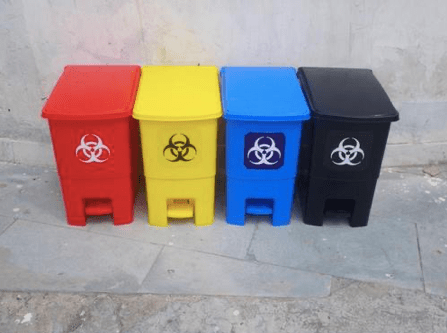
Management of Biomedical Waste Disposal

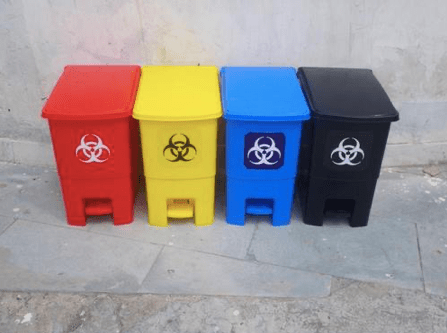
According to the latest guidelines for segregation and management of biomedical waste and its disposal is through colour coding:

  • Yellow Bag: it consists of the hospital wastes like the used dressings, bandages and cotton swabs with body fluids and blood, blood bags, human anatomical waste or the category 1 waste, body parts or organs.
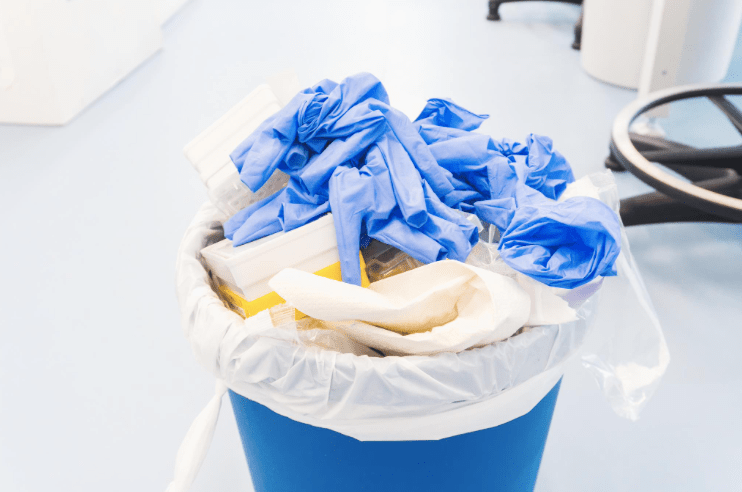
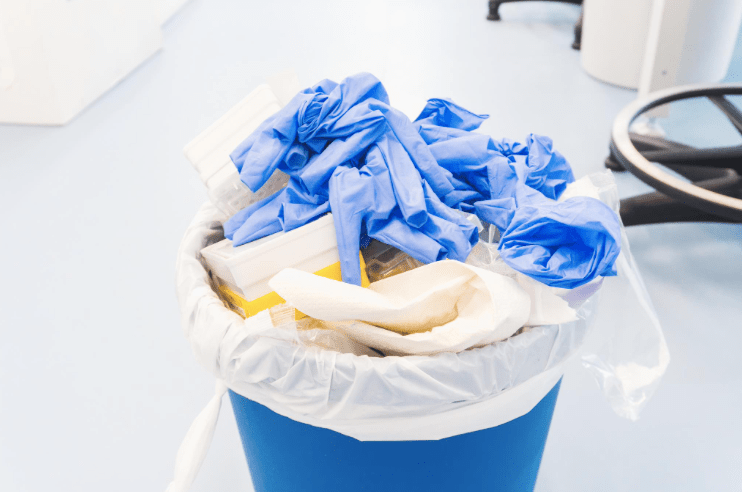
  • Red Bag: it costs of all category 4 wastes which the sharp things used like needles, syringes, also consists of used or soiled gloves, IV tubes and these are later incinerated.
  • Cardboard box with blue marking: This consists of ampules, glass vials and other glass ware are discarded in cardboard boxes.
  • White puncture proof container: These are consisting of needles, sharps, blades and these are disposed in white translucent puncture proof container.
  • Black Bags: These are to be used for non-bio-medical waste. In a hospital setup, this includes stationary, vegetable and fruit peels, leftovers, packaging including that from medicines, disposable caps, disposable masks, disposable shoe-covers, disposable tea cups, cartons, sweeping dust, kitchen waste etc.
COLOUR CODINGTYPE OF CONTAINERWASTE CATEGORY
YellowPlastic bagCategory 1, 2, 3, 6
RedDisinfected container/ Plastic bagCategory 3, 6, 7
Blue/White translucentPlastic bag/ Puncture proof bagCategory 4, 7
BlackPlastic bagCategory 5, 9, 10 (only solid)

Shanghai Maglev Train

The Shanghai maglev train also known as Shanghai Transrapid,has a top speed of 430 km/h.Train use electromagnetic force so there is no contact between track and body.With maglev technology, the train travels along a guideway of magnets which control the train’s stability and speed. While the propulsion and levitation require no moving parts, the bogies can move in relation to the main body of the vehicle and some technologies require support by retractable wheels at speeds under 150 kph. This compares with electric multiple units that may have several dozen parts per bogie. Maglev trains can therefore in some cases be quieter and smoother than conventional trains and have the potential for much higher speeds.

Maglev vehicles have set several speed records, and maglev trains can accelerate and decelerate much faster than conventional trains; the only practical limitation is the safety and comfort of the passengers, although wind resistance at very high speeds can cause running costs that are four to five times that of conventional high-speed rail (such as the Tokaido Shinkansen). The power needed for levitation is typically not a large percentage of the overall energy consumption of a high-speed maglev system.Overcoming drag, which makes all land transport more energy intensive at higher speeds, takes the most energy. Vactrain technology has been proposed as a means to overcome this limitation. Maglev systems have been much more expensive to construct than conventional train systems, although the simpler construction of maglev vehicles makes them cheaper to manufacture and maintain.

Shanghai Maglev Train

Japan operates two independently developed maglev trains. One is HSST (and its descendant, the Linimo line) by Japan Airlines and the other, which is more well known, is SCMaglev by the Central Japan Railway Company.

The development of the latter started in 1969. Maglev trains on the Miyazaki test track regularly hit 517 km/h (321 mph) by 1979. After an accident which destroyed the train, a new design was selected. In Okazaki, Japan (1987), the SCMaglev was used for test rides at the Okazaki exhibition. Tests in Miyazaki continued throughout the 1980s, before transferring to a far longer test track, 20 km (12 mi) long, in Yamanashi in 1997. The track has since been extended to almost 43 km (27 mi). The current 603 km/h (375 mph) world speed record for manned trains was set there in 2015.

Records

The highest-recorded maglev speed is 603 km/h (375 mph), achieved in Japan by JR Central’s L0 superconducting maglev on 21 April 2015, 28 km/h (17 mph) faster than the conventional TGV wheel-rail speed record. However, the operational and performance differences between these two very different technologies is far greater. The TGV record was achieved accelerating down a 72.4 km (45 mi) slight decline, requiring 13 minutes. It then took another 77.25 km (48 mi) for the TGV to stop, requiring a total distance of 149.65 km (93 mi) for the test. The MLX01 record, however, was achieved on the 18.4 km (11.4 mi) Yamanashi test track – 1/8 the distance. No maglev or wheel-rail commercial operation has actually been attempted at speeds over 500 km/h (310 mph).

PEGASUS; a threat to privacy?

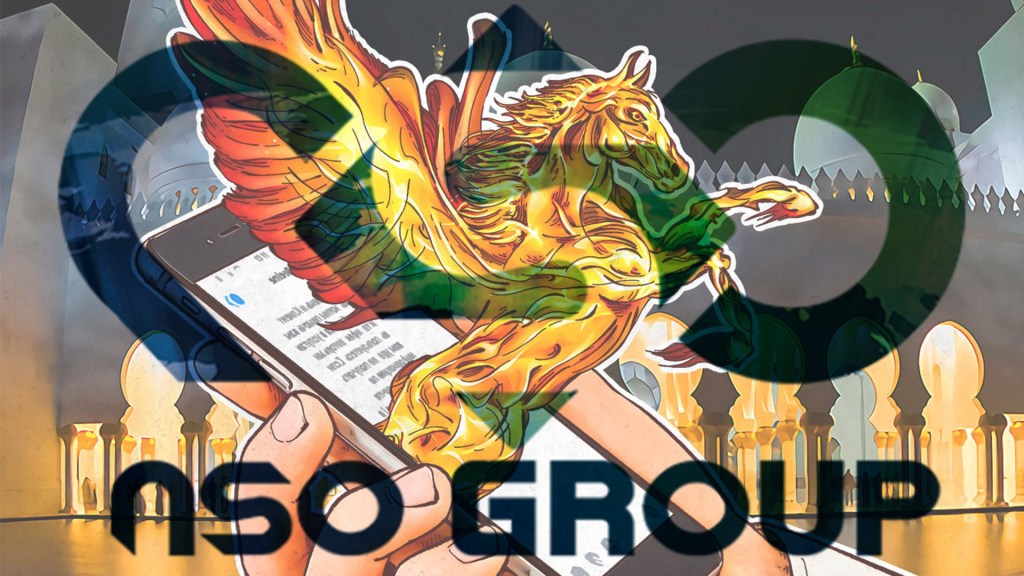
Pegasus is spyware developed by the Israeli cyberarms firmNSO Group that can be covertly installed on mobile phones (and other devices) running most versions of iOS and Android.The 2021 Project Pegasus revelations suggest that current Pegasus software is able to exploit all recent iOS versions up to iOS 14.6. According to the Washington Post and other prominent media sources, Pegasus not only enables the keystroke monitoring of all communications from a phone (texts, emails, web searches) but it also enables phone call and location tracking, while also permitting NSO Group to hijack both the mobile phone’s microphone and camera, thus turning it into a constant surveillance device.

image source – TechChannel News

The company had previously been owned by American private equity firm Francisco Partners, then bought back by the founders in 2019. NSO states that it provides “authorized governments with technology that helps them combat terror and crime” has published sections of contracts requiring customers only to use its products for criminal and national security investigations, and stated that it has an industry-leading approach to human rights. The spyware is named after the mythical winged horse Pegasus—it is a Trojan horse that can be sent “flying through the air” to infect phones.

Pegasus was discovered in August 2018 after a failed attempt at installing it on an iPhone belonging to a human rights activist[citation needed] led to an investigation revealing details about the spyware, its abilities, and the security vulnerabilities it exploited. As of 2016, Pegasus was capable of reading text messages, tracking calls, collecting passwords, tracking location, accessing the target device’s microphone and camera, and harvesting information from apps. News of the spyware caused significant media coverage. It was called the “most sophisticated” smartphone attack ever, and was the first time that a malicious remote exploit using jailbreak to gain unrestricted access to an iPhone had been detected.

How is it a threat ?

The spyware can be installed on devices running certain versions of iOS, Apple’s mobile operating system, as well as some Android devices. Rather than being a specific exploit, Pegasus is a suite of exploits that uses many vulnerabilities in the system. Infection vectors include clicking links, the Photos app, the Apple Music app, and iMessage. Some of the exploits Pegasus uses are zero-click—that is, they can run without any interaction from the victim. Once installed, Pegasus has been reported to be able to run arbitrary code, extract contacts, call logs, messages, photos, web browsing history, settings, as well as gather information from apps including but not limited to communications apps iMessage, Gmail, Viber, Facebook, WhatsApp, Telegram, and Skype.

Pegasus hides itself as far as is possible and self-destructs in an attempt to eliminate evidence if unable to communicate with its command-and-control server for over 60 days, or if on the wrong device. Pegasus can also do this on command.

Recent buzz

Independent digital forensic analysis conducted on 10 Indian phones whose numbers were present in the data showed signs of either an attempted or successful Pegasus hack. The results of the forensic analysis threw up shows sequential correlations between the time and date a phone number is entered in the list and the beginning of surveillance. The gap usually ranges between a few minutes and a couple of hours.

11 phone numbers associated with a female employee of the Supreme Court of India and her immediate family, who accused the former Chief Justice of India, Ranjan Gogoi, of sexual harrasment, are also allegedly found on a database indicating possibility of their phones being snooped.

Records also indicate that phone numbers of some of the key political players in Karnataka appear to have been selected around the time when an intense power struggle was taking place between the Bharatiya Janata Party and the Janata Dal (Secular)-Congress-led state government in 2019.

5 National Tourist Places in India

India is a country which has a unique situation. The north is guarded by mountains and the South is guarded by three big oceans. So, India is a big source of natural diversity. Let’s talk about some of them.

  1. Darjeeling:

Position: Darjeeling is a hill town in West Bengal which situated in the foot of Himalayan range.The height of place is 2.042m from sea level. It is under UNESCO World Heritage site. Kanchenjunga world’s third highest peak is also here. The tourist places in Darjeeling are Tiger Hill (it is famous for beautiful Sunrise View), BatasiaLoop (spiral Railway), Himalayan mountaineeringInstitute (this is one of the old and famous mountaineering learning place), Night gale park, Darjeeling ropeway, Darjeeling Himalayan Railway, Darjeeling Rock Garden

(also called Barbotey Garden), Sandakphupeak (at 11941 feet height) world famous tea farms, River drafting, Singalila national park and many more .

  1. Shillong:

Position: Shillong is situated in the Meghalaya state in the North East part of India. This town is above 1495 from sea level. It is called the Scotland of India or Scotland of East. It is capital of Meghalaya state. The tourist places in Shillong are — Shillong peak, elephant Falls (fall with the structure state of elephant feet) ,laitlum Canyon, Don Bosco Museum,Mawphlang, Mawlynnong (the cleanest village). Mawsynram (the wettest place in world), spread Eagle Falls, Khasi hills, Garo Hills, Air Force museum, butterfly and ever living Museum, ward’s lake and many other places.

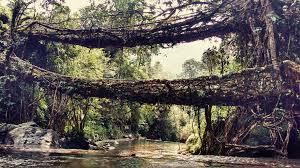
  1. Cherrapunjee: It is a high attitude town of Meghalaya which is situated in the Northeast part India. It has another name Sohra. The height of this place is High 1430m from sea level.  the best time for visiting this place is October. The popular places in Cherrapunji are double decker living root Brigade gate, which is made from the root of rubber tree ,Nohkalikai Falls, seven sister Falls ,Mawkdok Dympep Valley, Wakaba falls, Khasi Monoliths, Krem Mawmluh ( 4th longest cave in India ), Dainthlen Waterfall, Kyrrem falls, Mawsmai Cave, Mawsynram village (famous for rain. It is also believed that it is the rest place of rain God) any many more.
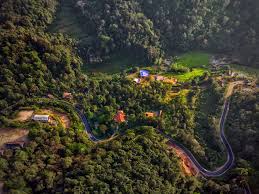
  1. Coorg: It is a district of Karnataka popular for nature tourism.Its current name is Kodagu. It is under Malandregion. Every time can be better to visit Coorg as it is depending on what you want to see in Coorg.So, tourist places of Coorg are Abbey Falls, kopatty Hills Trek, dubara elephant camp(famous for Elephant)Somwar pat, Honey Valley, CauveryNisaragadhama(among bambous), Tadiandamol peak,Honnomana Kera Lake,mallalli Falls,pushpagiri wildlife sanctuary, chalavera Falls,barapole river (famous for rafting), Nagarhole National Park ,Brahmagiri peak,Nishani motte( famous for tracking)and other places.
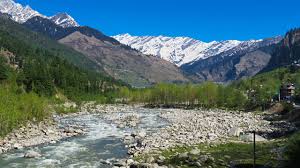
  1. Manali: It is a Himalayan High attitude town of Himachal Pradesh in India.The high from sea level of this place is 2050m. It is under the district of Kullu.It is situated in the base of Beas river. The famous natural tourist places are verhisht hot water spring,  Nehru Kund(near the Leh National highway), jogini Falls,Solang Valley, Kothi(a beautiful village),rahala waterfalls ,naggar village ,chandrakhani pass ,Gulaba , Arjunguha, van vihar sanctuary of Manali, Rohtang Pass, Beas Kund Trek (famous for Campion) great Himalayan National Park, Bhrigu Lake ,Kullu ,bhuntar,  Jana water falls ,homptapass ,tirthan valley, Kheerganga and many other places.

MITHALI RAJ!!!

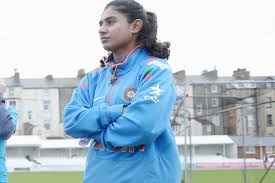
Playing games is one of the best way to make us fit, active and fresh. Yes, playing games teaches you to be a disciplined person and also the importance of brotherhood.Okay, let’s get to the point. Talk about the game we like. Let me ask you, Which game do you like very much? Most of us would answer, I love cricket. Yes, it is the most likable game in India. The sense of watching cricket gives us a pleasure. I hope you all know a little bit about cricket and I said so because I too know a little bit about cricket. Then, let me ask, do you like men’s cricket or women’s cricket? Have you ever watched women’s cricket? I am asking you this type of question because most of us like only men’s cricket. It’s becausethe crase for men players is higher than women players. Let me share my thoughts about a women cricketer named Mithali Raj. Have you ever heard this name? I hope you would have heard about her. Mithali Raj is the captain of Women’s ODI and Test cricket in India. She is the highest run scorer in Women’s International Cricket.

Has Mithali Raj Ever Had Issues Dealing With Media, Like Naomi Osaka?  Here's Her Answer
MITHALI RAJ

Mithali Dorai Raj was born on 3rd December 1982 at Jodhour, Rajasthan. Her father’s name is Dorai Raj and he was a Warrant Officer in Indian Air Force. Her mother’s name is Leela Raj. Now, she lives in Hyderabad, Telangana. She completed her high school studies in Keyes High School For Girls. She completed her intermediate studies in Secunderabad. Mithali Raj started to play cricket at her age 10. She used to play with her elder brother. She started her cricket coaching in school days. She used to play with Puurnima Rau, Anjum Chopra during her start of the career and played for Air India.

MITHALI RAJ’S CRICKET CAREER

  • She was named in probables in the 1997 Women’s Cricket WorldCup but she couldn’t make it in the final squad.
  • With her constant efforts she played her first one day debut in 1999 against Ireland and scored 114 runs.
  • At the age of 29, she broke the recored of one’s individual score by beating Karen Roltan in 2002. But in 2004, a pakistan player surpassed Mithali Raj’s record.
  • In 2005, she led the Indian team to the Women’s World Cup finals for the first time but they lost to Australia since they proved too strong.
  • In 2013, She ranked first at ODI chart in the World Cup held that year.
  • In February 2017, She scored 5500 runs in the WODI ans she was the second player to score 5500 runs.
  • Soon after that in July 2017, She became the first player to score 6000 runs in the WODI.
  • Also, in 2017 World Cup, she led the team to the finals and lost to England by 9 runs.
  • In order to make team India mark it’s place in ODI, She retired from T20 International Cricket in 2019. This statement was made by her in the BCCI press meet.
  • In 2019, she was marked as the Captain of Women’s ODI against England.
Interesting Facts About Mithali Raj, The Indian Women's Cricket Team Captain

AWARDS AND HONOURS FOR MITHALI RAJ

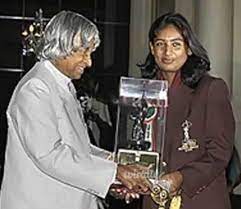
  • In 2003, she won the Arjuna Award which is given to person who excel in sports.
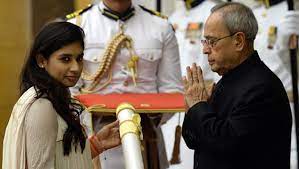
  • In 2015, She won Padma Shri which is the fourth highest Civilian honor of India.
  • In 2017, She was given Youth Sports Icon of Excellence Award.
  • In 2017, She was awarded as the Vougue Sportsperson of the Year.
  • In 2020, She was nominated for he Rachael Heyhoe-Flint Award for the award, ICC Female Cricketer of the Decade.

Other than being a right hand batsman, she is also a occasional bowler for India. These achievements prove how hardworking and confident she is!! Women in India are all very talented and high spirited. Yes, every woman is trying to be the best in her field. Mithali Raj is an example for the best women cricketer. Like her, you should try to prove yourself by your achievements rather than complaining or being feared for something. Everybody, come on let’s make India be filled with achievers.

Some reference links

Bio-medical Waste Disposal

The goals of Bio-medical waste treatment are to cut back or eliminate the waste’s hazards, and frequently to form the waste unrecognisable. Treatment ought to render the waste safe for subsequent handling and disposal. There are many treatment ways which will accomplish these goals. These are some most commonly used disposal techniques:

  • Incineration: Most of the Biomedical waste is incinerated. It basically destroys the pathogens and sharps. Most of the materials become unrecognisable because they become as. Alternatives to this can be thermal treatment which results in pathogen destruction.
  • Autoclaving: Actoclaving is a techniques often used in laboratories mainly to sterilize the objects or materials used in laboratory to make sure it is free from any bacteria. It basically uses steam and pressure to sterilise the waste or reduce its microbiological load to a level at which it may be safely disposed of. Many healthcare facilities routinely use an autoclave to sterilize medical supplies. If the same autoclave is used to sterilize supplies and treat biomedical waste, administrative controls must be used to prevent the waste operations from contaminating the supplies. Effective administrative controls include operator training, strict procedures, and separate times and space for processing biomedical waste.
  • Microwaving: Microwave medical care may use for treatment of medical specialty wastes. Microwave irradiation may be a style of non-contact heating technologies for medical care. Microwave chemistry is predicated on economical heating of materials by microwave effects. Microwave medical care may be a recently developed technology that provides advantage over recent existing technologies of autoclaves as microwave based mostly medical care has less cycle time, power consumption and it needs least usage of water and consumables as compared to autoclaves.

REGULATION AND MANAGEMENT IN INDIA

The Bio-medical Waste (Management and Handling) Rules, 1998 and additional amendments were passed for the regulation of bio-medical waste management. Every state’s Pollution panel or Pollution management Committee are chargeable for implementing the new legislation. New laws have an effect on the distribution of medical waste by medical professionals into their correct recepticals.
In India, there area unit variety of various disposal ways, the case is purposeless and most area unit harmful instead of useful. If body fluids are present, the materials must be incinerated or place into autoclave. Though this can be the correct technique, most medical facilities fail to follow the laws. It’s typically found that medical specialty waste is drop into the ocean, wherever it eventually washes up on shore, or in landfills because of improper sorting or negligence once within the medical facility. Improper disposal will result in several diseases in animals furthermore as humans. For example, animals, like cows in Pondicherry, are consuming the infected waste and eventually, these infections may be transported to humans World Health Organization consume their meat or milk. Sizable amount of unregistered clinics and establishments additionally generate bio-medical waste that isn’t controlled.
The waste is not disposed accurately because most the people in the profession are not aware of the fact that these bio-medical the waste from the hospitals can transmit diseases and have different side effects on the environment as well.

Different Categories of Bio-medical Waste

Biomedical waste is defined as any waste, which is generated during the diagnosis, treatment or immunisation of human beings or animals, or in research activities pertaining thereto, or in the production or testing of biologicals.

There are almost 10 broad categories of biomedical waste and they have different ways of disposal as well. The categories of biomedical are disposed in different ways according to the needs so that it does not harm any living organism or human mainly.

CATEGORYWASTE CATEGORYTREATMENT/ DISPOSAL
1)Human Anatomical waste consisting of human tissues, organs and body parts.Deep burial or incineration
2)Animal waste which consists of animal tissues, organs, body parts, bleeding parts, fluid, blood, experimental animals used in research, discharge from hospitals.Deep burial or incineration
3)Microbiological and biotechnological waste which consists of wastes from laboratory cultures, stocks or specimens of microbes they maybe live or attenuated, human or animal cell culture used for research in laboratories, toxins, waste from production of biological products, devices used to transfer the cultures.Incineration, autoclaving, microwaving
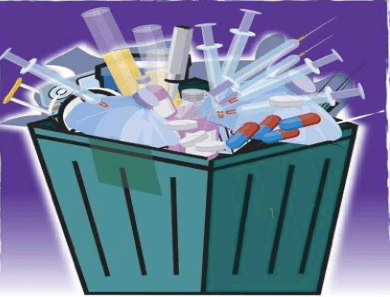
4)Waste sharps include needles, syringes, scalpels, blades, glasses etc that may cause puncture or cuts. They consists of both used and unused.Disinfection which include chemical treatment, autoclaving, microwaving etc.
5)Discarded Medicines or cytotoxic drugs which include waste comprising of outdated, contaminated and discarded medicines.Destruction or drug disposal in landfills and incineration
6)Solid Waste (I) are the items which include items contaminated with blood and body fluids including cotton, dressings, solid plaster casts, lines, beddings and anything contaminated with blood.Autoclaving or incineration
7)Solid Waste (II) are the item or wastes generated from disposable items other than the waste sharps such as tubings, intracenous sets etc.Disinfection by chemical treatment, autoclaving, microwaving and shredding
8)Liquid Waste consisting of waste generated from laboratory and washing, cleaning, house-keeping and disinfecting activities.First disinfection by chemical treatment and then discharge into drains
9)Incineration Ash which is the ash from the incineration of any biomedical waste.Disposal in municipal landfill
10)Chemical Waste are the chemicals used in production of biologicals, chemicals used in disinfection as insecticides etc.Chemical discharge into drains for liquids and secured landfill for solids

Biomedical waste should be safely and efficiently identified, segregated, stored, transported and disposed after appropriate treatment. Its effective implementation in our community is of prime importance to protect public health and environment. With a growing population, biomedical waste is also growing in quantity in our country. Management of this waste is a rising concern in India. Segregation of Bio-Medical Waste at its origin is the key to the efficiency of waste management. Following regulations and scientifically managing Bio- Medical Waste is in the best interest of the public as well as the environment. It is really important to completely destroy the waste and it should be destroyed by following the norms so that it cannot transmit infection to anyone or harm anyone especially in present situation.

Dr.A.P.J.Abdul Kalam

A.P.J.Abdul Kalam, in full Avul Pakir Jainulabdeen Abdul Kalam, (born October 15, 1931, Rameshwaram, India-died July 27, 2015, Shillong), Indian scientist and politician who played a leading role in the development of India’s missile and nuclear weapons programs. He was president of India from 2002 to 2007.

Kalam earned a degree in aeronautical engineering from the Madras Institute of Technology and in 1958 joined the Defence Research and Development Organisation (DRDO).

In 1958 he moved to the Indian Space Research Organisation, where he was project director of the SLV-III, the first satellite launch vehicle that was both designed and produced in India.

Rejoining DRDO in 1982, Kalam planned the program that produced a number of successful missiles, which helped earn him the nickname “Missile Man”.

Among those successes was Agni, India’s first intermediate range ballistic missile, which incorporated aspects of the SLV-III and was launched in 1989.

10 LINES ON A.P.J.ABDUL KALAM

1. The complete name of sir A.P.J.Abdul Kalam is Avul pakir jainulabdeen Abdul kalam.

2. He had born in Rameswaram, TamilNadu.

3. He was a very hard working student since his childhood.

4. He had done outstanding work on the ballistic missile technology and launch vehicle systems.

5. He played a pivotal role in pokhran-II, India’s nuclear test at pokhran in 1998.

6. He also played a key role in the development of the Agni missile system for Indian Defense.

7. He penned down his autobiography named ‘Wings of Fire’ in the year 1999.

8. He become the president of India by the unanimous support of ruling as well as of opposition party.

9. He was the prestigious Bharat Ratna awardee in the year 1997.

10. A.P.J.Abdul Kalam was famous as the people’s president.

LGBT Marriages In The Past

The Reality

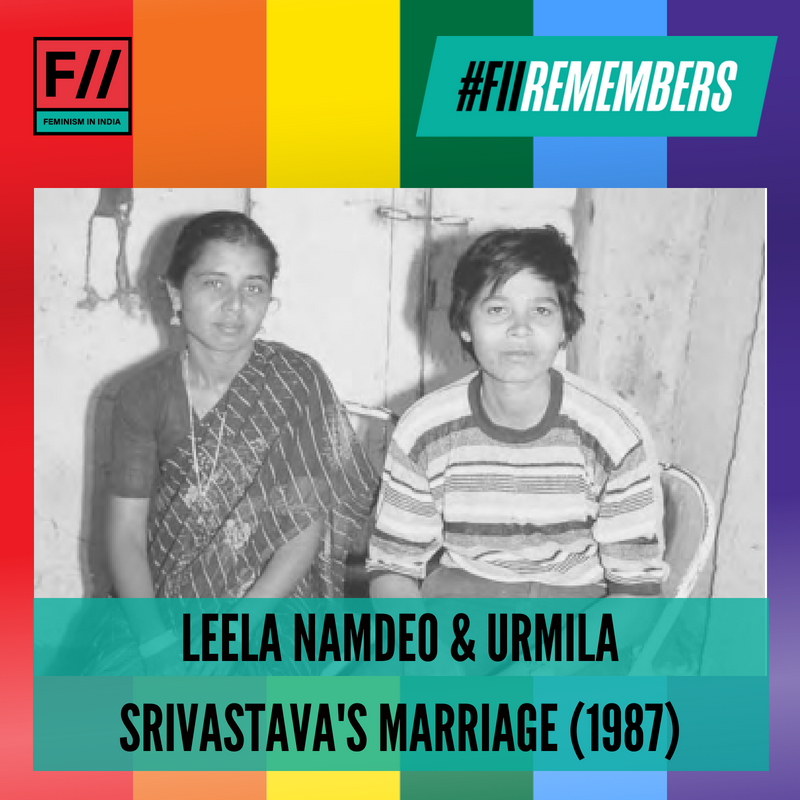
Leela Namdeo and Urmila Shrivastava, two policewomen from Madhya Pradesh married to each other in 1987. Leela and Urmila consequently chastised by the police force, discharged of their duties for “inappropriate behavior,” and inundated with media attention.

The incident and its torturous representation in the media was said to be a surreptitious signal to deter lesbians from pursuing relationships and coming out of the closet in India. This coverage coincided with the emergence in the late 1980s of an increasing visibility and organization within the LGBT (lesbian, gay, bisexual and transgender) community, culminating in the publication of the first queer magazine Bombay Dost in 1990. ‘It was like a renaissance for us along with magical time of affirmation and hope’, says a queer person from Delhi.

The Change

The momentum carried through into the 1990s when a boom in media coverage, television discussions and books by queer activists contributed to a wholesale widening of exposure and acceptance of sexual difference on the subcontinent. The world was changing and this time India was changing with it .

From 1987-1989, lesbians from Delhi Group met for informal gatherings, or “single women’s nights,” in members’ homes to discuss compulsive heterosexuality and to bond over their identification as “women who love women.”

ENDANDERED ANIMALS – NATIVE TO INDIA

India has a high level of biodiversity, with roughly 8% of all species on the earth found there.  It is home to 7.6% of all mammals, 12.6 percent of all avian, 6.2 percent of all reptilian, 4.4 percent of all amphibian, 11.7 percent of all fish, and 6.0 percent of all flowering plant species, making it one of seventeen megadiverse countries.

The country is home to 4 of the world’s 34 biodiversity hotspots: the Himalayas, the Western Ghats, the North-East, and the Nicobar Islands. India plays host to a plethora of rare & exotic animals like The Greater One-Horned Rhinoceros, Nilgiri tahr, Nilgiri marten, Bengal tiger, Kashmir Hangul and, pygmy hogs, to name a few.

Kashmir Hangul (Kashmir Stag) 

Hangul, Jammu & Kashmir’s state animal, previously widely distributed throughout Kashmir’s mountains, is now limited to the Dachigam National Park in Kashmir. The Hangul’s population has steadily dropped throughout the decades, from a peak of 5,000 in the early 1900s. Experts have highlighted habitat fragmentation, a lack of favorable breeding, predation, and a relatively low fawn-female ratio as the most significant obstacles to Hangul conservation and population expansion. The Kashmir Hangul’s fawns are preyed upon in huge numbers by the Common Leopard, Himalayan Black Bear, and nomads’ dogs, threatening their survival. The Kashmiri Red Stag, famed for its 11- to 16-point antlers, has been designated as a critically endangered species by the International Union for Conservation of Nature (IUCN).

Pygmy Hog

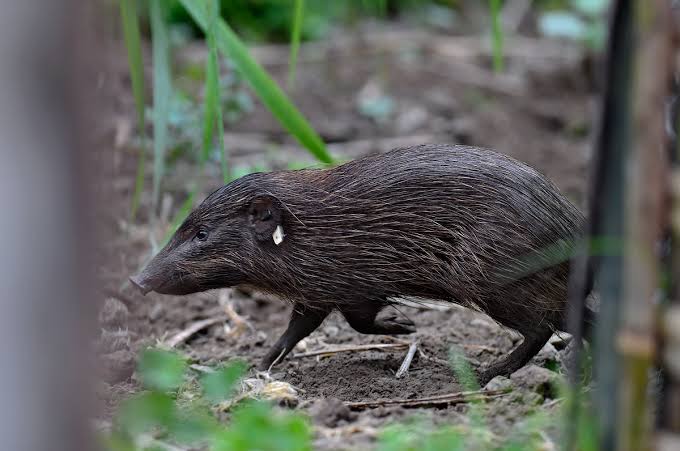
They are indigenous to India and can only be seen in a few scattered sites near Manas National Park in north-western Assam. Pygmy hog (Porcula salvania) is the world’s tiniest pig, standing at 20-30cm in height – with its sporadic hair and streamlined body that is nearly the size of a cat, it is also exceptionally rare.

 Unfortunately, with only 200 left, they have been classified as an Endangered species in the IUCN red list. Habitat decay and degradation result from human settling, farming, seasonal burning, livestock pasture, and commercial forestry constitute the main challenges confronting the already jeopardized pygmy hogs.

Sangai Deer 

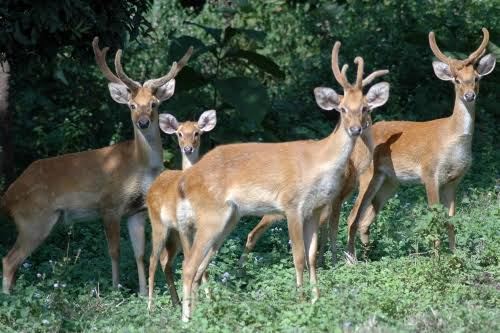
The recherché Sangai as know as  the brow-antlered deer or the dancing deer, is only found in the Keibul Lamjao National Park, the world’s sole floating national park, and is indigenous to Manipur. Sangai eats a diverse range of aquatic plants, grasses, herbaceous plants, and shoots, including Zizania latifolia, Saccharum munja, S bengalensis, Erianthus procerus, E ravernnae, and others. According to the latest wildlife estimation undertaken by the Manipur Forest Department, the sangai deer’s population is static at 260. Marked endangered by the International Union for Conservation of Nature (IUCN), The Sangai population continues to dwindle as a consequence of low genetic diversity, disease proneness, hovering biomass habitat depletion, and hog deer competition.

Gooty Tarantula

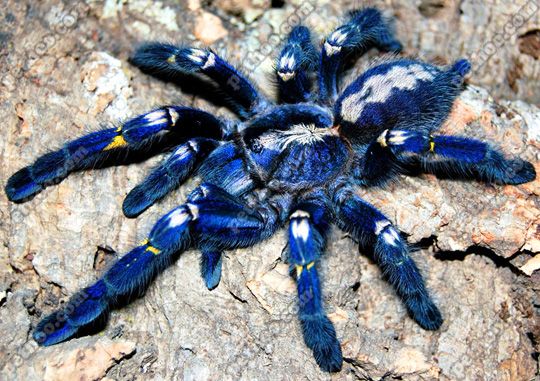
The Peacock Parachute Spider, sometimes referred as the Gooty Tarantula, is a spider belonging to the genus Poecilotheria. The blue colour is caused by the arrangement of nanocrystals in their body hairs, which reflect blue wavelengths of light.  P. metallica, endemic to India, lives in the wild in holes in towering trees, where it weaves asymmetric funnel webs. They prey on a myriad of flying insects. The “quality of habitat” of spiders that seek cavities and deep cracks in old woods is also dwindling. The spiders have been labelled as critically endangered by the International Union for Conservation of Nature (IUCN).

great Indian bustards

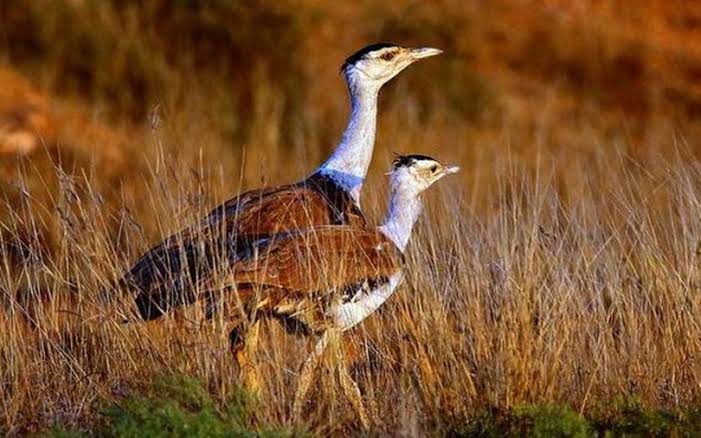
Rajasthan is home to about 122 of India’s estimated 150 critically endangered great Indian bustards (GIB), which are clustered in the Desert National Park on the western flank. Great Indian bustards are big birds with long legs and a long neck, with the tallest individuals reaching 1.2 metres (4 feet) in height. The males and females are about the same size, with the largest weighing 15 kg (33 pounds). The colour of a bird’s feathers distinguishes males from females.

Bio-medical Waste: a Biohazard

Biohazard also known as biological hazard, is basically a biological substance that poses a threat to the health of living organisms, primarily humans. They include the micro- organisms, virus or toxins that may adversely have an effect on human health. A biohazard might even be a substance harmful to alternative animals. Biohazard and its symbol are usually used as a warning, in order that those probably exposed to the substances can grasp to require precautions. Sources of biological hazards include microorganism, viruses, insects, plants, birds, animals, and humans. These sources will cause a range of health effects starting from skin irritation and allergies to infections, cancer. Biohazards are the biological materials like plats, micro-organisms, or their by-products that pose as a threat to the other living organisms. It basically is the negative impact of biological pathogens of different levels and origins which cause harm to different spheres like medical, agricultural, domestic etc.

Biomedical waste is defined as any waste, which is generated during the diagnosis, treatment or immunisation of human beings or animals, or in research activities pertaining thereto, or in the production or testing of biologicals.

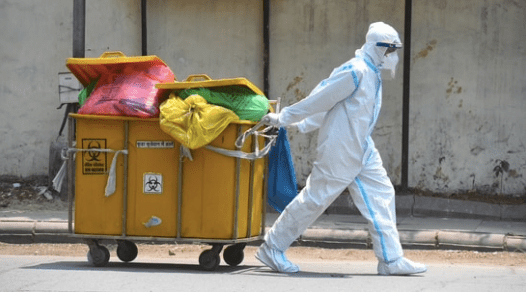
Medical care and hospitals are basic need for good life, well-being and health. But with this they generate a lot of waste which can be hazardous, toxic and lethal for humans and other living beings because it can be a main reason for transmission of diseases. Since beginning, the hospitals are known for the treatment of sick persons but we are unaware about the adverse effects of the garbage and filth generated by them on human body and environment. Now it is a well established fact that hospital waste is a potential health hazard to the health care workers, public and flora and fauna of the area. The medical waste contains infectious, biomedical as well as sharps like injections, knives and now there is a addition to the medical waste which are PPE kits which a doctor wears while treating a corona positive patient or there are used masks, used tissues, cottons etc. in todays conditions it is very important to dump the biomedical waste according to the norms so that it cannot transmit any kind of infection, especially for the waste related to corona virus because the cases are increasing day by day. If the waste is not properly treated or dispose or is allowed to get mixed with the municipal waste then it can surely transmit infection. The subject of biomedical waste management and handling has been assuming increasing significance for the past few years. The responsibility of medical administrators as regards proper handling and disposal of this category of waste has now become a statutory requirement. The rag pickers are typically worst affected, as a result of inadvertently or inadvertently, they rummage through all types of toxic material whereas attempting to salvage things that they’ll sell for recycle. At identical time, this sort of banned and unethical recycle are often very dangerous and even fatal. Diseases like Asiatic cholera, plague, T.B., infectious disease, AIDS (HIV), contagious disease etc. in either epidemic or perhaps endemic kind, create grave public health risks. And now in addition to these disease there is corona virus infection which is currently the reason for most deaths.

About the rules and Regulations the act passed by the Ministry of Environment and Forests in 1986 and notified the Bio Medical Waste (Management and Handling) Rules in July 1998, it is the duty of every “occupier”, i.e. a person who has the control over the institution or its premises, to take all steps to ensure that waste generated is handled without any adverse effect to human health and environment. The provisions are equally applicable to our service hospitals.
The quantity of biomedical waste generated per bed per day will vary depending upon the type of health problems, the type of care provided and the hospital waste management practices. It varies from 1 to 2 kg in developing countries to 4.5 kg in developed countries such as USA. 10 to 15% of the waste is infectious in developed countries whereas it varies from 45.5 to 50% in India, requiring special handling.

Arrest of Raj Kundra

On Monday this week, buisnessman and a famous actress Shilpa Shetty’s husband was arrested for allegedly being connected to an adult film racket.

The matter came to light after Kundra was found in connection with Kamak (Umesk) . Usmek was a part of UK production house, who uploaded such contents. Police said that it was connection to Kamak and the company that uploaded such pornographic contents that landed Kundra in trouble.

Raj Kundra had applied for anticipatory bail just last month in connection with pornography itself. The cyber police had registered an FIR against various platforms which were showcasing such pornographic contents. The court is likely to decide on the anticipatory bail application next week.

On February 4 this year, the Mumbai police said they had arrested five people for putting women into porn world with treachery. They would promise these aspiring actresses for roles in web series. These women came to Mumbai from different places of country and were lured by the false offers. On the day of shoot, however, the scripts they would get were changed. They were threatened to expose themselves or else were asked to foot bill for the shooting preparations.

Once the movies were shot, the accused uploaded them in mobile apps. The apps would earn profits of lakhs and lakhs. But since porn is illegal in India, these contents were also illegal.

The arrest, according to police ere based on two aspects. One, nabbing of those who produced the clips and the second being the people behind uploading them. Some of these production house would also broadcast from servers outside the country. Raj Kundra was also found in connection with the similar production house ased in United Kingdom.

Raj Kundra is currently in police custody while the Mumbai Crime Branch has recovered several videos, emails, chats connected to the case. he is remanded in custody till 23 July.

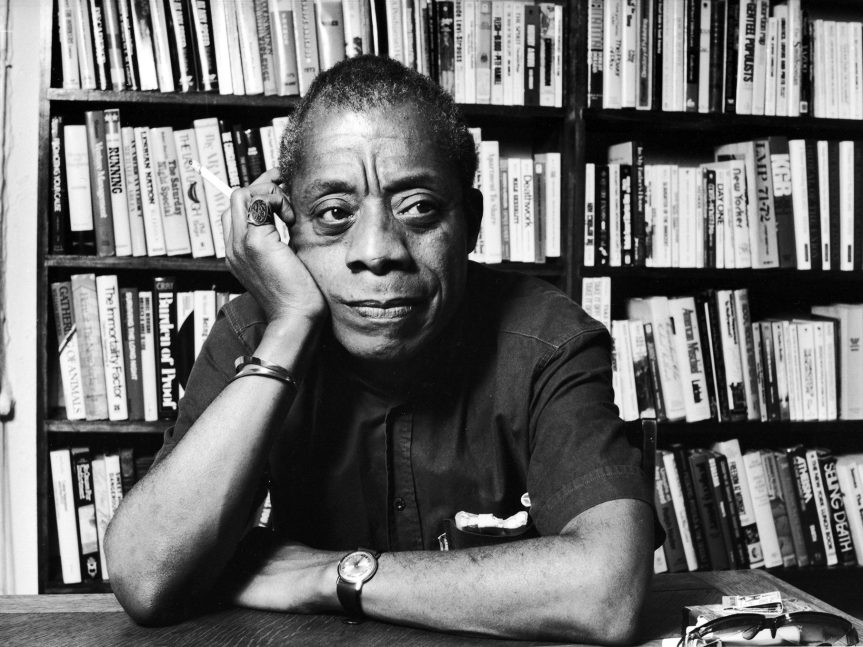
James Baldwin: Empowerment Through Words

James Baldwin was an American essayist, novelist, and playwright whose eloquence and passion on the subject of race in America made him an important voice, particularly in the late 1950s and early 1960s, in the USA and throughout much of western Europe. One of the 20th century’s greatest writers, Baldwin broke new literary ground with the exploration of racial and social issues in his many works. He was especially known for his essays on the Black experience in America. In light of recent incidents in America, with the killing of George Floyd and all the violence against black people, James Baldwin’s literary works have resurfaced and remain relevant even today. Unfortunately, the violence seen in America decades ago is still in existence, and Baldwins works brings these matters to light.

Early Years

James Baldwin was born the illegitimate son of Emma Jones on August 2, 1924, in Harlem, New York. When he was three, his mother married the Reverend David Baldwin, a fire and brimstone lay preacher who legally adopted James. Despite their strained relationship, Baldwin followed in his stepfather’s footsteps and served as a youth minister in a Harlem Pentecostal church from the ages of 14 to 16. He developed a passion for reading at an early age and demonstrated a gift for writing during his school years. Baldwin published numerous poems, short stories and plays in the magazine, and his early work showed an understanding for sophisticated literary devices in a writer of such a young age. After graduating from high school in 1942, he had to put his plans for college on hold to help support his family, which included seven younger siblings. He took whatever work he could find, including laying railroad tracks for the U.S. Army in New Jersey.

During this time, Baldwin frequently encountered discrimination, being turned away from restaurants, bars and other establishments because he was an African-American. After being fired from the New Jersey job, Baldwin sought other work and struggled to make ends meet.

Aspiring Writer

James Baldwin started devoting his time to write a novel, trying to fulfil his dream of becoming a writer. Eventually he befriended writer Richard Wright, through whom he was able to land a fellowship in 1945 to cover his expenses. Baldwin started getting essays and short stories published in such national periodicals as The Nation, Partisan Review and Commentary.

Three years later, Baldwin made a dramatic change in his life and moved to Paris on another fellowship. The shift in location freed Baldwin to write more about his personal and racial background. He once told the New York Times; “Once I found myself on the other side of the ocean, I see where I came from very clearly…I am the grandson of a slave, and I am a writer. I must deal with both,” The move marked the beginning of his life as a “transatlantic commuter,” dividing his time between France and the United States.

Major Works

Baldwin had his first novel, Go Tell It on the Mountain, published in 1953. The loosely autobiographical tale focused on the life of a young man growing up in Harlem grappling with family issues and religion.

In 1954, Baldwin published his next novel, Giovanni’s Room. It told the story of an American living in Paris and broke new ground for its complex depiction of homosexuality, a then-taboo subject. Baldwin was open about his homosexuality and relationships with both men and women, and believed that human sexuality cannot be limited by rigid categories.

In 1957 he returned to the United States and became an active participant in the civil rights struggle that swept the nation. Delving into his own life, he provided an unflinching look at the Black experience in America through such works as Notes of a Native Son (1955) and Nobody Knows My Name: More Notes of a Native Son (1961), which explored Black-white relations in the United States. This theme was also central to his novel Another Country (1962), which examines sexual as well as racial issues.

Nobody Knows My Name hit the bestsellers list, selling more than a million copies. While not a marching or sit-in style activist, Baldwin emerged as one of the leading voices in the Civil Rights Movement for his compelling work on race.

Final Years

By the early 1970s, Baldwin seemed to despair over the racial situation. He had witnessed so much violence in the previous decade, especially the assassinations of Malcolm X and Martin Luther King Jr., caused by racial hatred. While his literary fame faded somewhat in his later years, Baldwin continued to produce new works in a variety of forms. He published a collection of poems, Jimmy’s Blues: Selected Poems, in 1983 as well as the 1987 novel Harlem Quartet. Baldwin died on December 1, 1987, at his home in St. Paul de Vence, France. Never wanting to be a spokesperson or a leader, Baldwin saw his personal mission as “bearing witness to the truth.” He accomplished this mission through his extensive and timeless literary legacy

How To Fix Windows 11 BSOD (Black Screen of Death)

The Blue Screen of Death is the one screen that all Windows users are terrified of. The BSOD has been there for decades, and while it hasn’t changed much over the years, it’s still powerful enough to make users’ hearts skip a beat whenever they see it. Our Windows blues look to be becoming black now.

Here’s all you need to know about Windows 11’s Black Screen of Death, its causes, and how to solve the problems that could be causing it.

For BSOD in Windows 11, black is the new blue.

Multiple sources have verified that the classic Blue Screen of Death is receiving a facelift, but just on the surface, with the ‘B’ for Blue being replaced with the ‘B’ for Black.

The change is minor, but the goal is to make the BSOD resemble the colours of Windows 11’s start and shutdown displays. Microsoft has already experimented with altering the colour of the BSOD screen, but no final decision has been made. Some customers have reported seeing green screens or even red screens of death due to hardware problems in prior Windows 10 versions. However, for the most of Windows’ existence, the crash screen has been blue, to the point that many people find the familiarity of the blue screen reassuring.

Microsoft has yet to remark on the new colour scheme. It’s conceivable that the black screen of death is still in the words and will appear in future Windows 11 versions as a replacement. Regardless, it will be referred to as BSOD.

5 ways to fix Black Screen of Death on Windows 11

Method 1 : Run Windows Memory Diagnostic

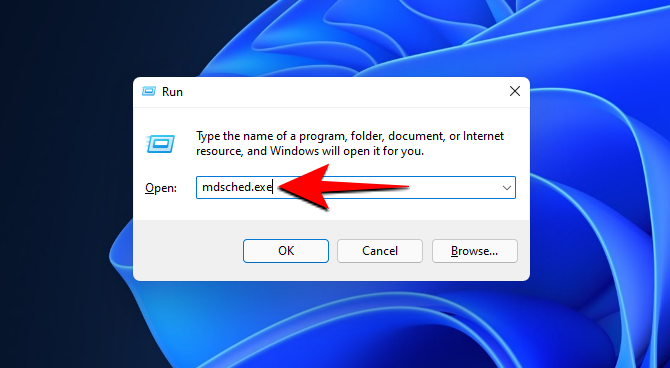
Internal components of your computer, such as RAM sticks, can potentially fail or come undone, resulting in a BSOD. You should perform memory diagnostics to see whether that’s the problem. To do so, enter the RUN box by pressing Win+R, then typing mdsched.exe and pressing Enter.

You will be prompted to restart your computer. Click on Restart now and check for problems (recommended).

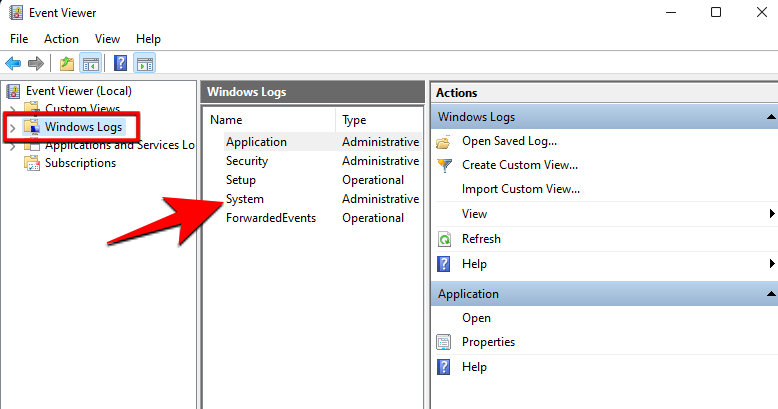
Your computer will restart when the test is finished, and you should be able to check the results once it has started up. If you don’t notice the results of the memory tests right immediately, you may have to look for them yourself. To do so, right-click the Start button and pick Event Viewer from the menu that appears.

Then click on Windows Logs and double-click on System.

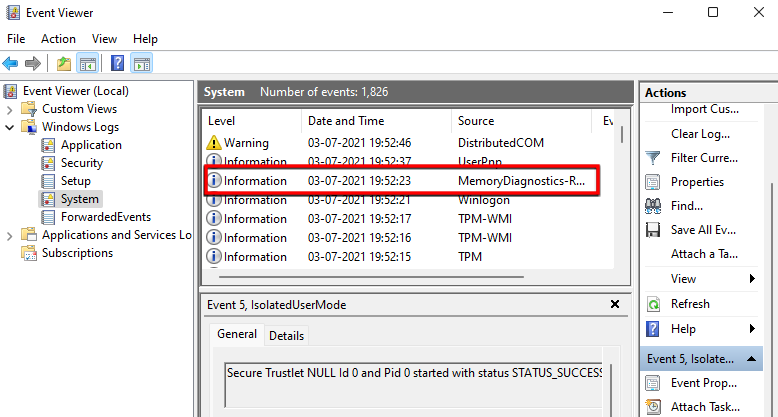
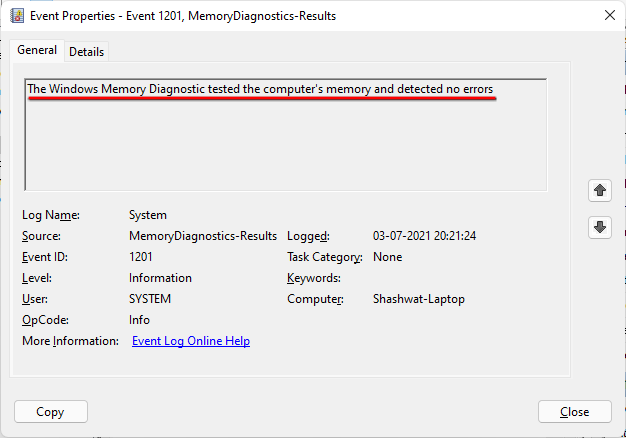
Now find the most recent MemoryDiagnostic file.

If the results show that the memory test detected no problems, then you can rule this out as the core of the problem.

If, on the other hand, the memory test returns changing RAM numbers, it’s an indication that you’re dealing with defective RAM. It’s possible that you’ll have to either reslot the RAM sticks or replace them entirely.

Method 2 : Note the BSOD error code

The BSOD displays your computer’s error message, along with a sad emoji, a link to Microsoft’s bluescreen troubleshooting website, a QR code, and a stop error code.

These error codes are meant to point you in the direction of the probable reasons of the BSOD. In principle, one may pull out their phone, scan the QR code (or at the very least write down the Stop code), and be brought to the Windows troubleshooting website.

There, you can go through the steps to find out the potential causes of the problem and how to go about fixing them. 

Method 3 : Uninstall recent updates

After a system upgrade, black screen problems might also occur. Windows upgrades aren’t without flaws. Despite the fact that they are meant to keep your system up to date with the newest software and device drivers, they can occasionally cause difficulties in otherwise reliable systems.

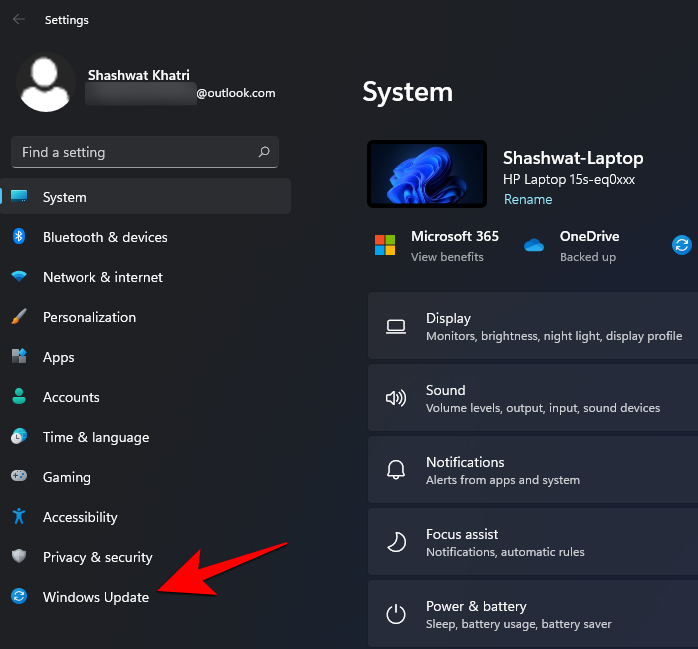
If you started getting BSOD crashes after installing an update, you may wish to undo it. To see your update history, go to Settings and press Win+I. From the left side, select Windows Update.
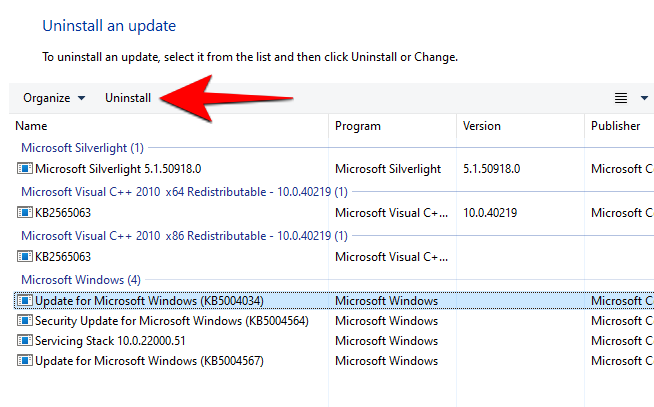
Then select Update history on the right.
You can see all of the most recent updates that your system has received right here. Scroll down and click Uninstall updates under ‘Related Settings‘ to uninstall recent updates.
On the next screen, select the most recent updates and click on Uninstall.

Once they’re uninstalled, restart your system. 

Method 4 : Boot into safe mode

If the problem isn’t too serious, you might be able to identify and troubleshoot it using the methods listed above. However, if the black screen of death prevents you from running your system normally, you may need to boot your computer into safe mode.

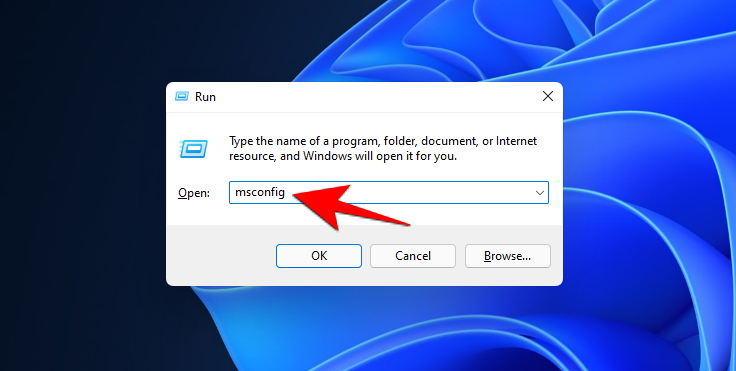
To do so, press Win+R to open the RUN box, type ‘msconfig’, and hit Enter.

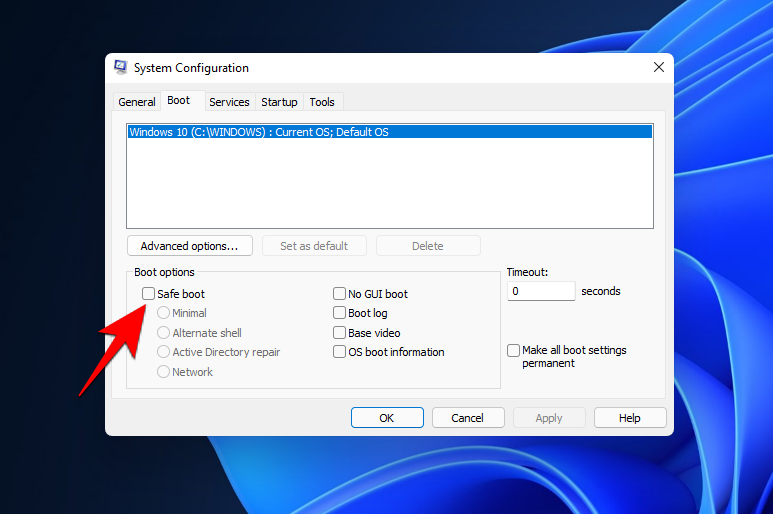
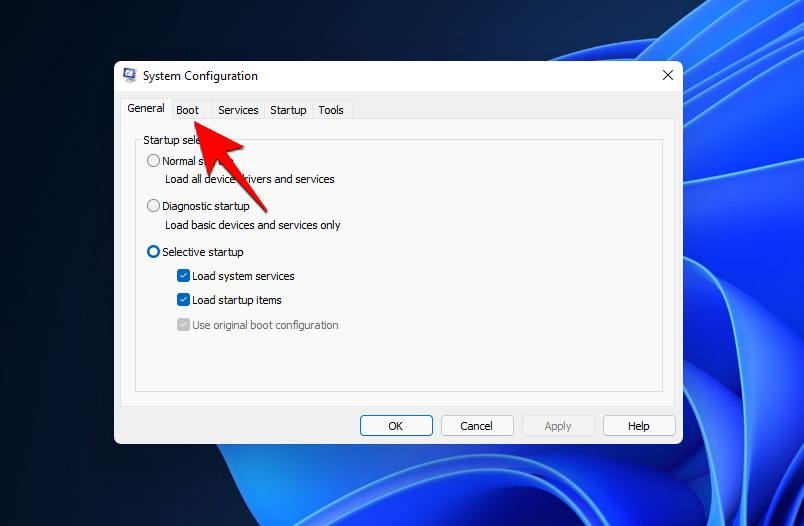
This will open up the System Configuration. Click on the ‘Boot’ tab. 

Then click on Safe boot under ‘Boot options’.

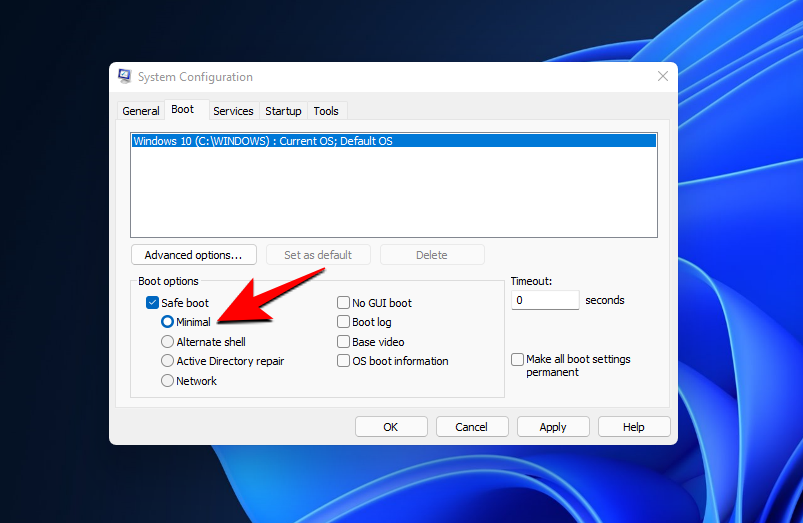
Select Minimal and hit OK.

Restart your computer to boot it up in Safe Mode. Your system will only load the bare minimum of Windows settings and programmes that require it to function properly, avoiding third-party software. If you can operate in safe mode without experiencing any black screen errors, it’s conceivable that a service or software is causing the issue.

To discover the culprits, perform malware scans and then use system restore to restore your computer to a prior state.

Method 5 : Run a System Restore

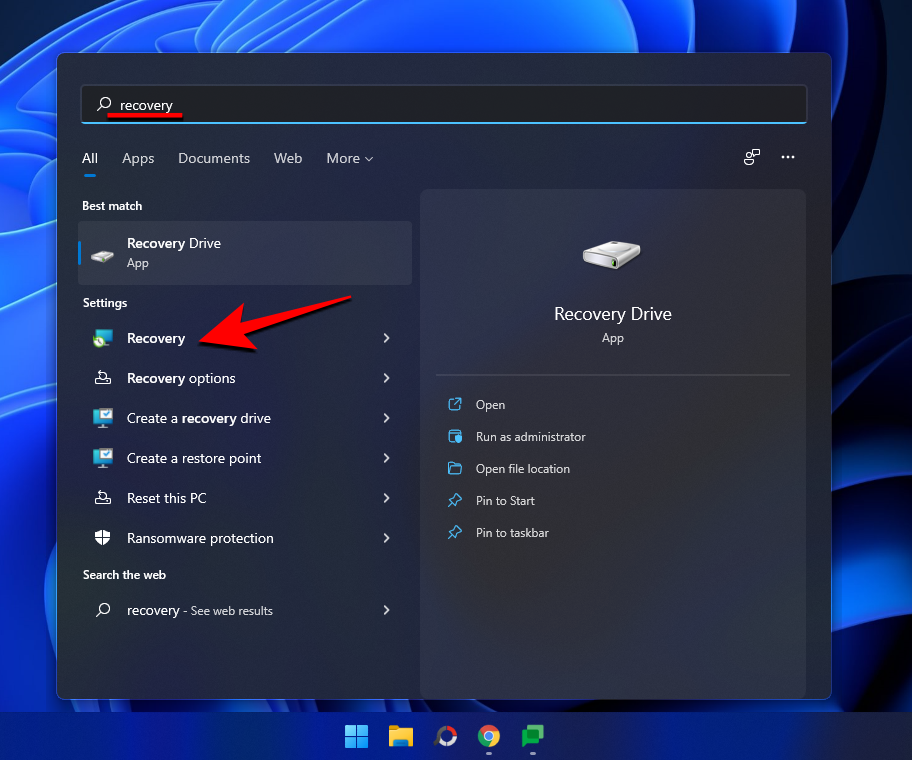
Your black screen of death issues should be resolved by restoring your system to a prior state. It’s also not that tough to accomplish. To do so, hit Start, type “recovery,” and then choose the option listed below.

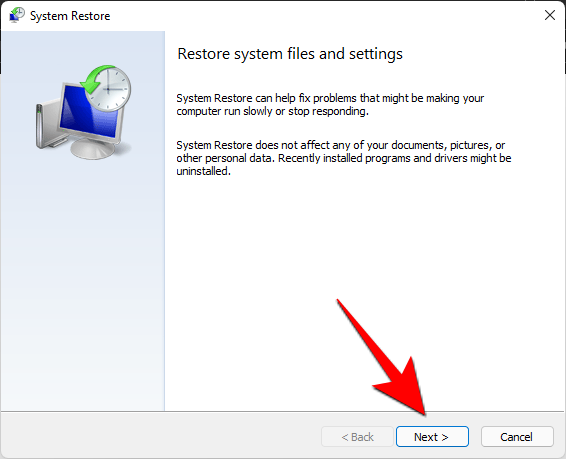
Then click on Open System Restore.

Click on Next.

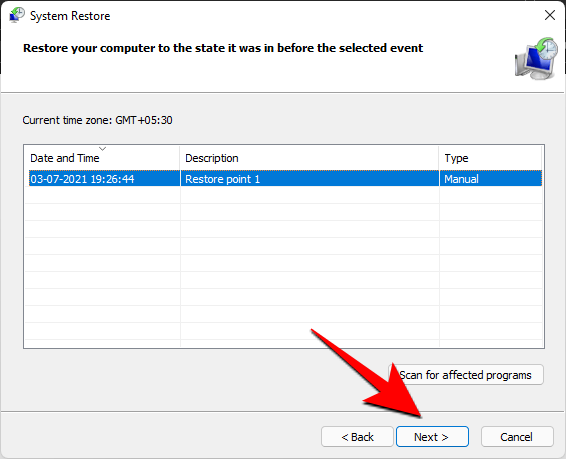
Then select a restore point and click Next.

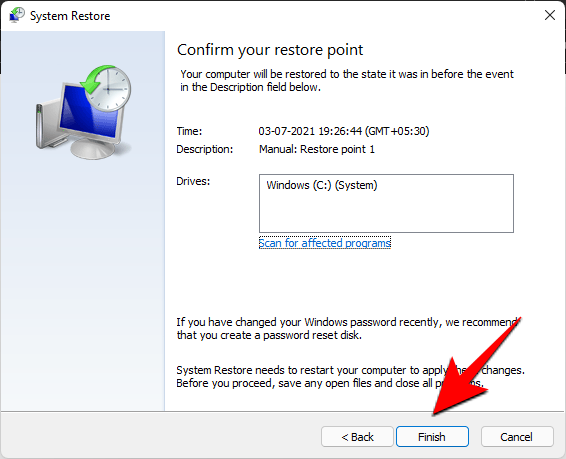
Now click on Finish to confirm your restore point.

Any apps and drivers you’ve installed since the restore point was created will be uninstalled when you run system restore. This should fix your black screen of death issues and get your machine back up and running.